Theme Park Rides That Were Ahead of Their Time
Theme parks have always been testing grounds for wild ideas and next-level technology. Some attractions followed the standard formula, sure, but others? They went so far outside the box they basically built a new one.
These weren’t just crowd-pleasers—they were rides that changed the entire playbook for the industry. From breakthrough engineering to jaw-dropping storytelling, these rides felt like they belonged to the future.
Here’s a list of 16 theme park rides that were way ahead of their time.
Matterhorn Bobsleds
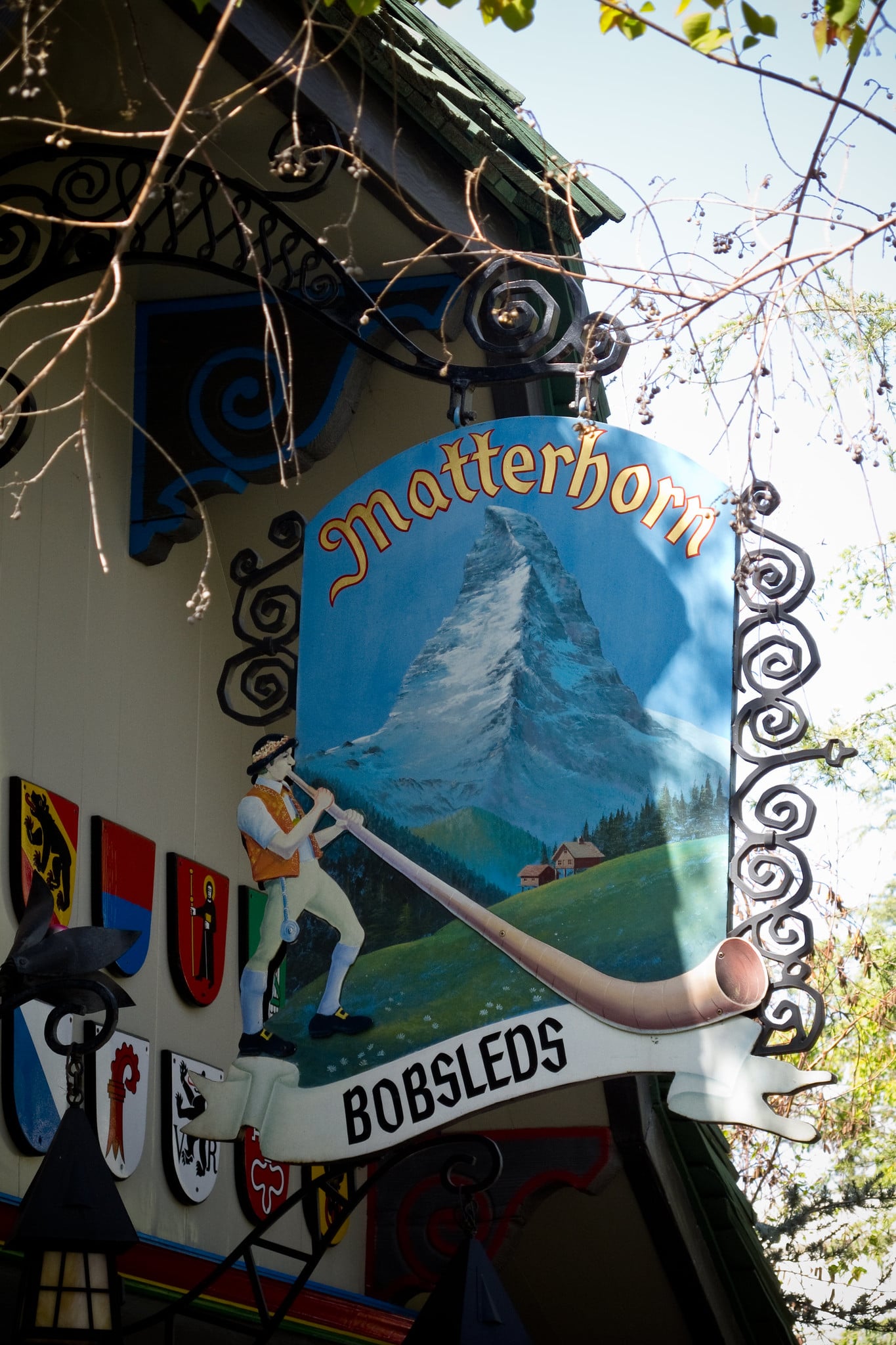
When Disneyland debuted the Matterhorn Bobsleds in 1959, it wasn’t “just another roller coaster.” It was the first tubular steel coaster ever built.
Before this, rides relied on wooden tracks or flat rails that limited what could be done. Tubular steel meant smoother rides, faster speeds, and wild layouts that weren’t possible before.
Even the dispatch system was groundbreaking—multiple cars on the track at once? Completely new back then.
Pirates of the Caribbean
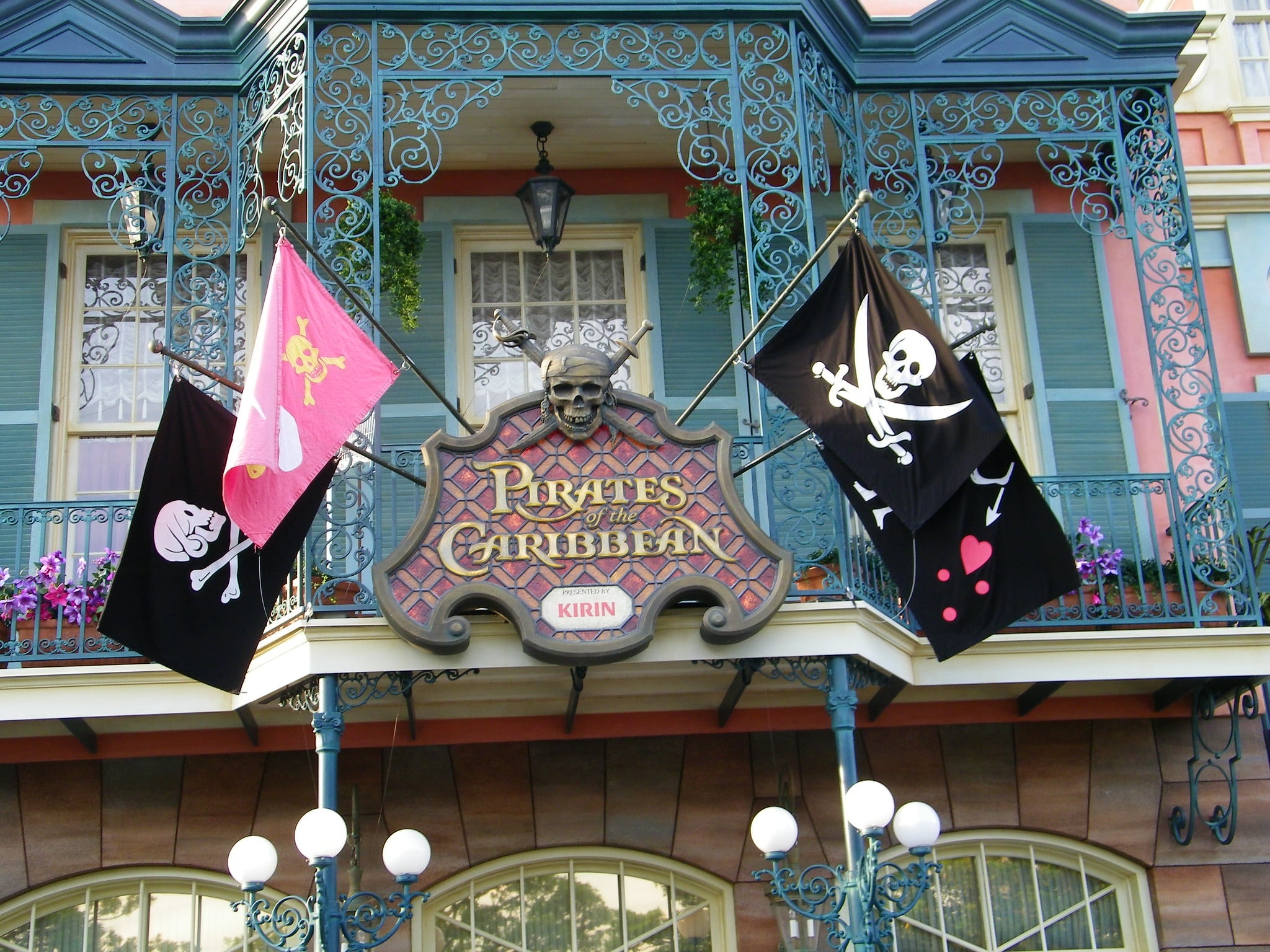
In 1967, Disneyland launched what would become one of the most famous rides ever: Pirates of the Caribbean.
It wasn’t just about pirates—it was about technology. Over 75 animatronic figures, dozens of animals, music, and detailed sets all stitched together into a full-blown story.
At the time, nobody had seen that level of immersion. It also happened to be the last project Walt Disney worked on himself, which gives it extra weight in theme park history.
Like Go2Tutors’s content? Follow us on MSN.
Space Mountain
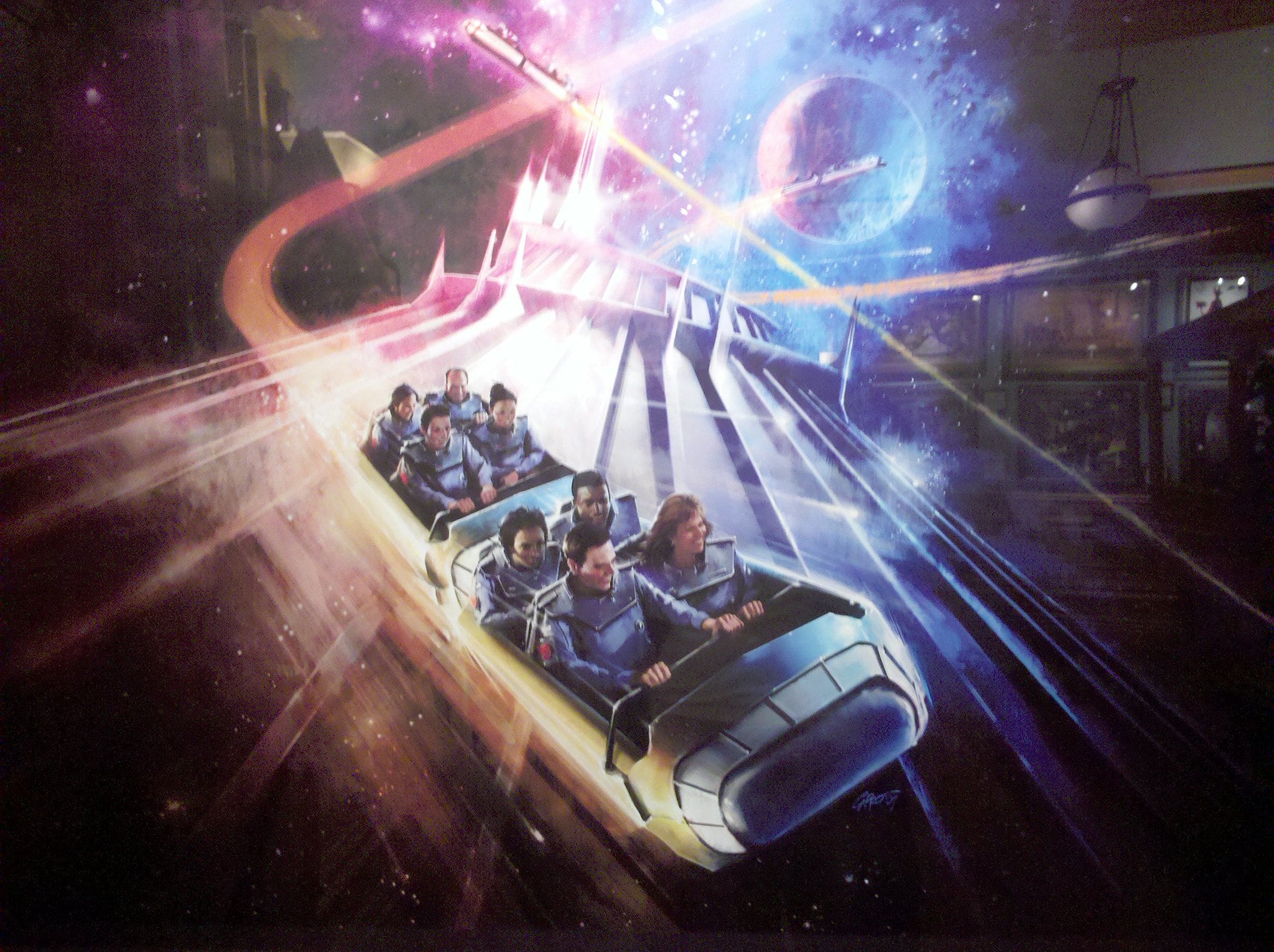
By 1975, Walt Disney World unveiled Space Mountain, and suddenly roller coasters weren’t just about loops and height anymore.
This was one of the first coasters run by computers, and it threw guests into total darkness with flashing lights and futuristic music.
That iconic white cone—183 feet tall—basically became a symbol for the park. Indoor coasters are everywhere now, but this was the one that proved it could be done.
The Haunted Mansion
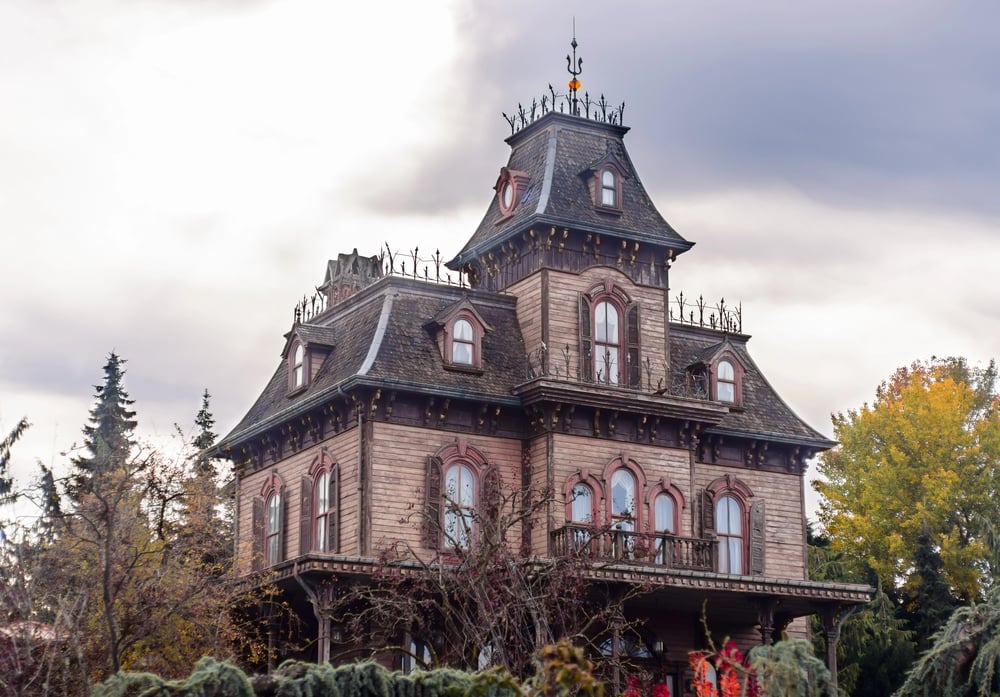
When Disneyland’s Haunted Mansion opened in 1969, people were floored. The continuous Omnimover ride system kept guests flowing smoothly through eerie, detailed scenes while their “doom buggies” rotated toward specific effects.
Add in massive illusions like Pepper’s Ghost (where figures appear out of thin air) and you had something that felt more theatrical than theme park-y. Instead of cheap jump scares, it delivered an atmosphere.
A spooky but classy kind of fun.
It’s a Small World
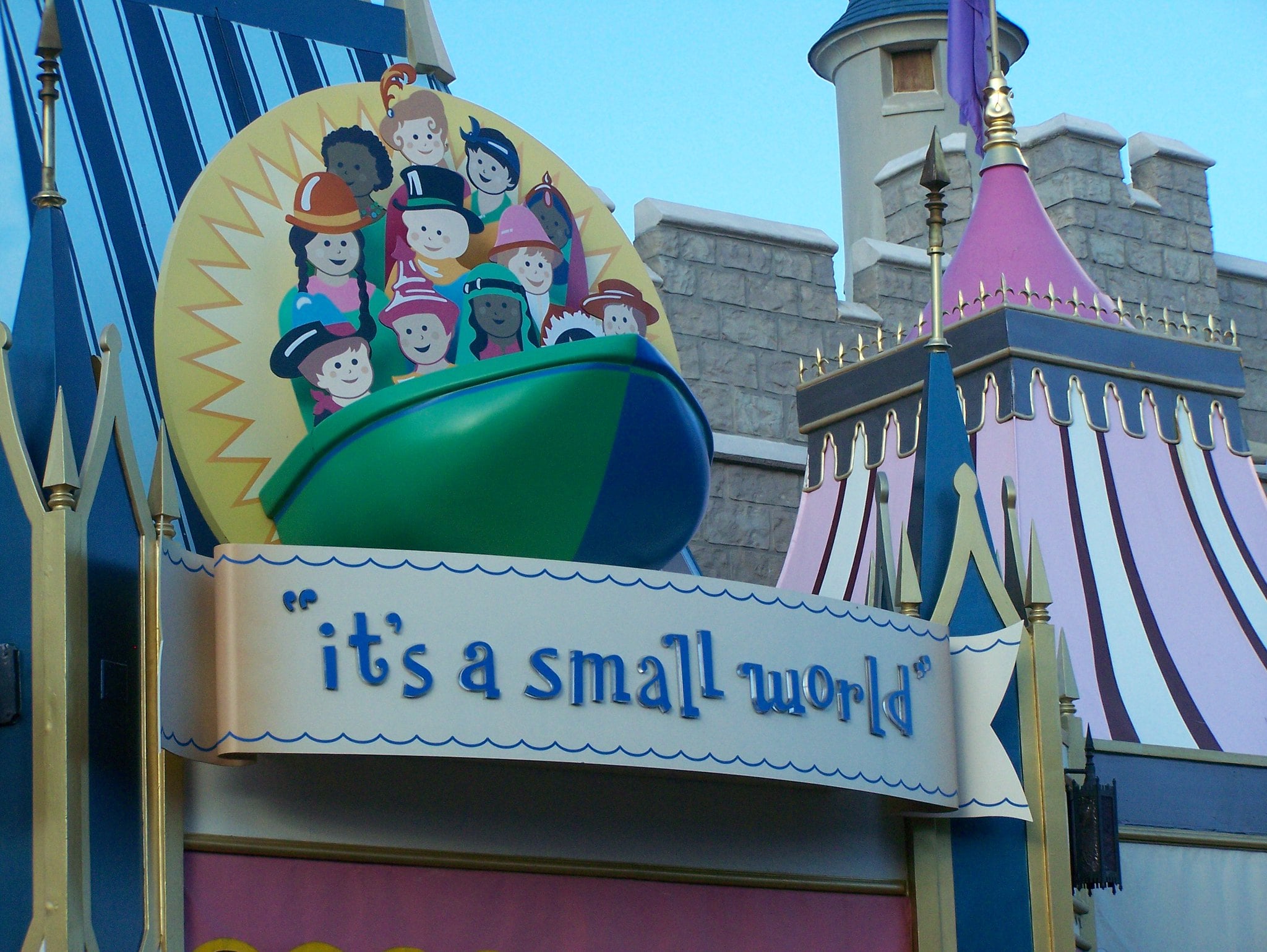
Debuting first at the 1964 New York World’s Fair, It’s a Small World took the idea of animatronics and went big—hundreds of dolls all moving in unison. Plus, the boat system handled enormous crowds, a lifesaver for booming parks.
The cheerful message of global unity wasn’t the norm for rides at the time either. Oh, and that Sherman Brothers tune? It’s still one of the most recognizable earworms on Earth.
Like Go2Tutors’s content? Follow us on MSN.
Tower of Terror
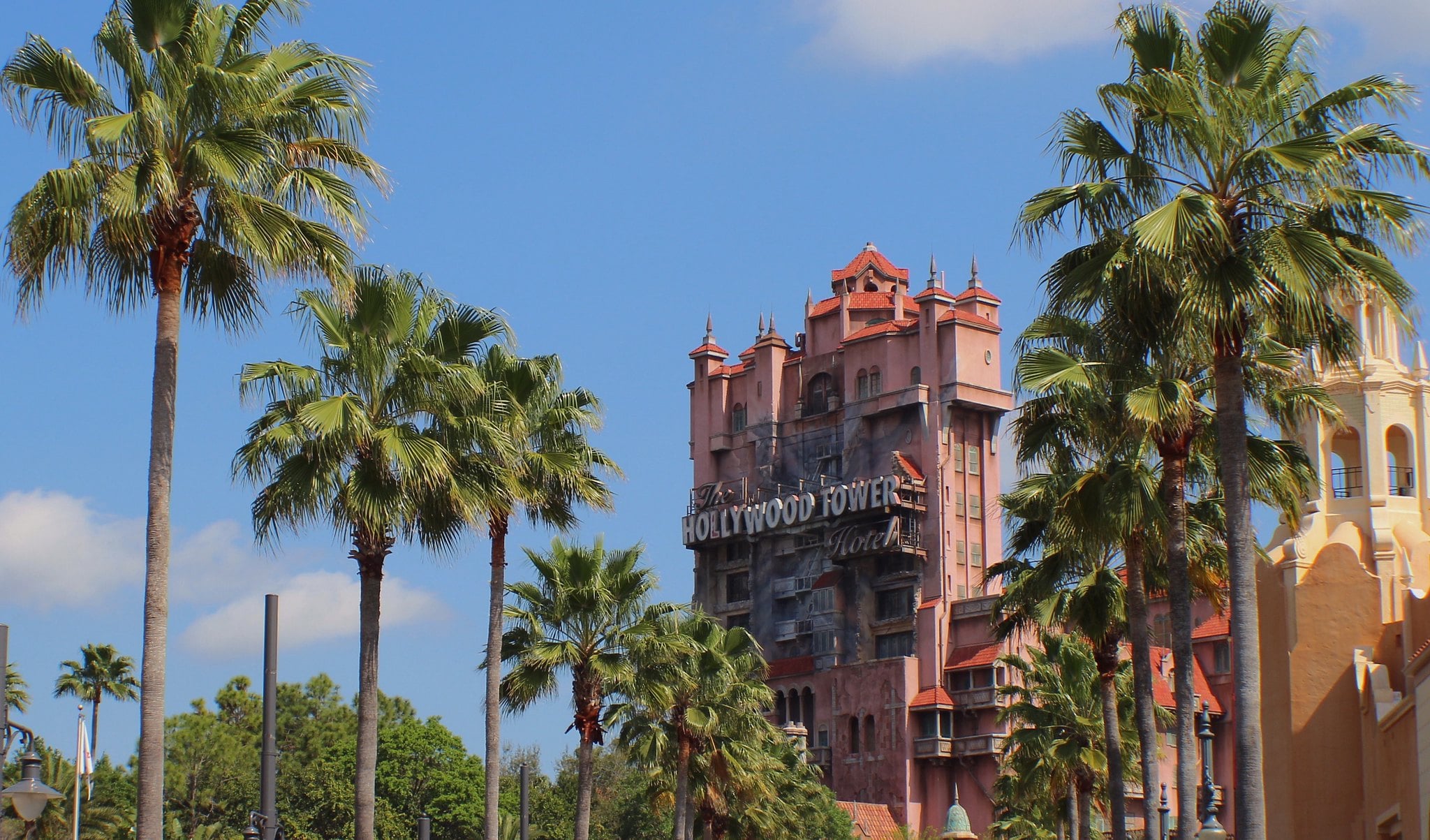
Opening in 1994 at Disney’s Hollywood Studios, Tower of Terror showed thrill rides didn’t have to skip storytelling. Guests walked through a creepy old hotel before being strapped into an elevator that didn’t just fall—it was pulled down faster than gravity.
That meant riders got airtime and gut-wrenching negative Gs. The ride set a new bar: even the scariest attractions could have Hollywood-level theming.
Splash Mountain
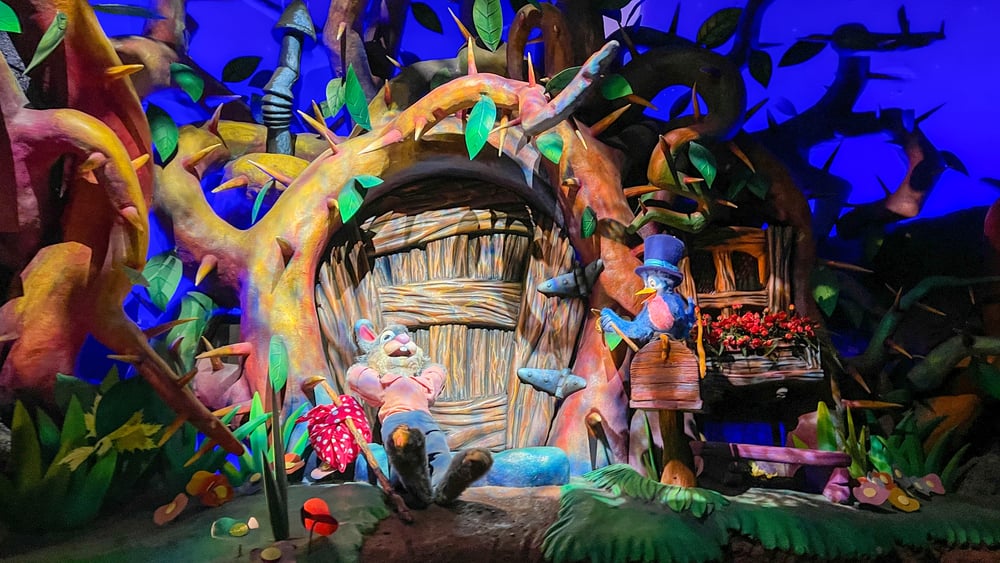
When Splash Mountain opened in 1989, it proved log flumes could be more than wet slides. Over a dozen scenes, catchy music, dozens of animatronics, and a 52-foot drop tied it all together into a 15-minute epic.
It blurred the line between a water ride and a dark ride, showing guests wanted both thrills and story in one package.
Soarin’
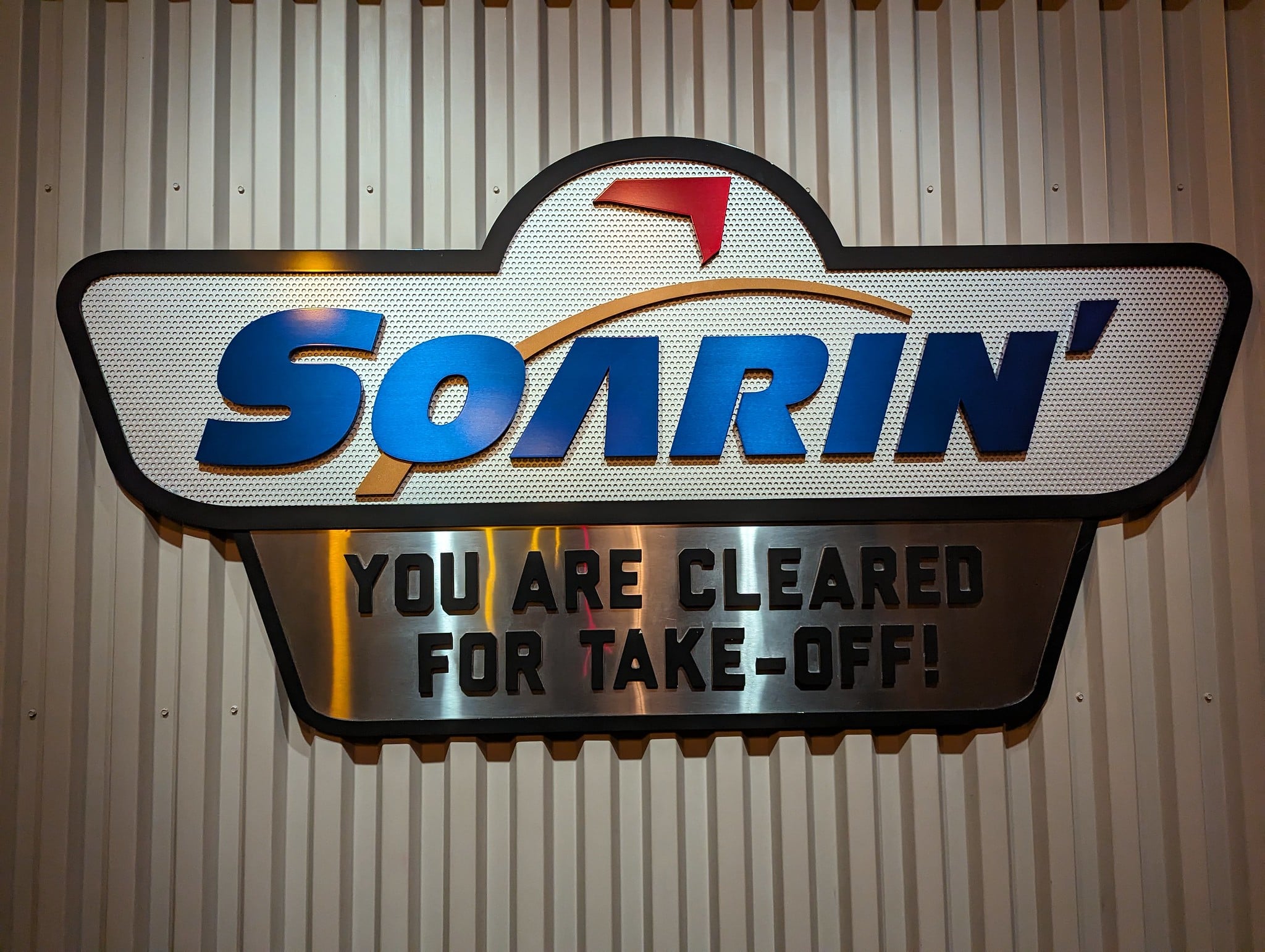
In 2001, Soarin’ Over California at Disney California Adventure introduced something brand new: the flying theater. Instead of a movie screen or simulator box, guests were lifted into the air in rows, feet dangling, while gliding over a massive IMAX dome.
Add wind, scent effects, and smooth motion—suddenly, you weren’t watching a film. You were in it.
That changed everything.
Like Go2Tutors’s content? Follow us on MSN.
Big Thunder Mountain Railroad
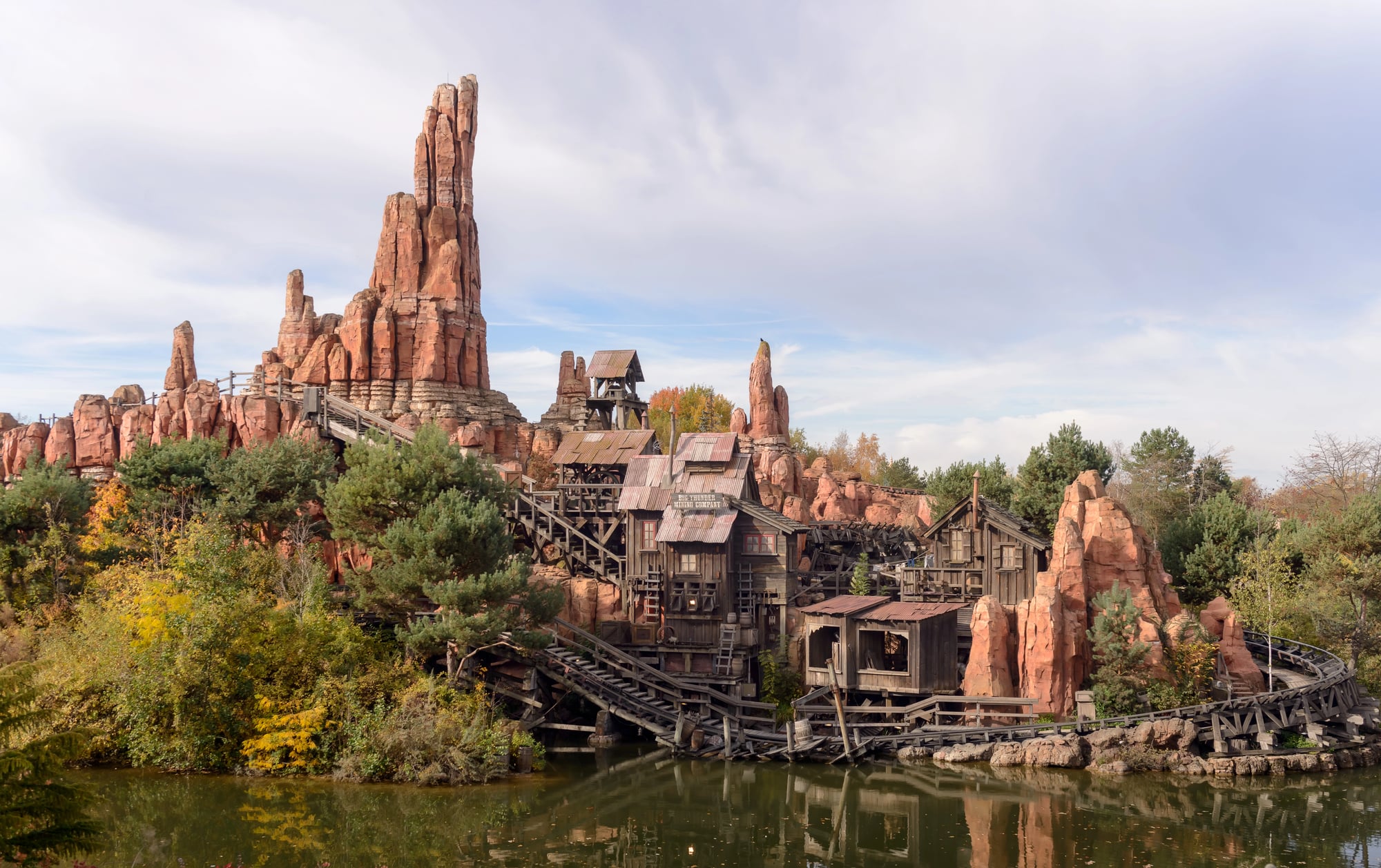
Opening in 1979, Big Thunder Mountain wasn’t about going the fastest or highest. Instead, it made the ride itself feel like part of a story.
A runaway train zoomed through caves, deserts, and a full mining town—all themed down to the last detail. This was the moment coasters proved they could be more than stats on a billboard—they could be experiences.
Expedition Everest
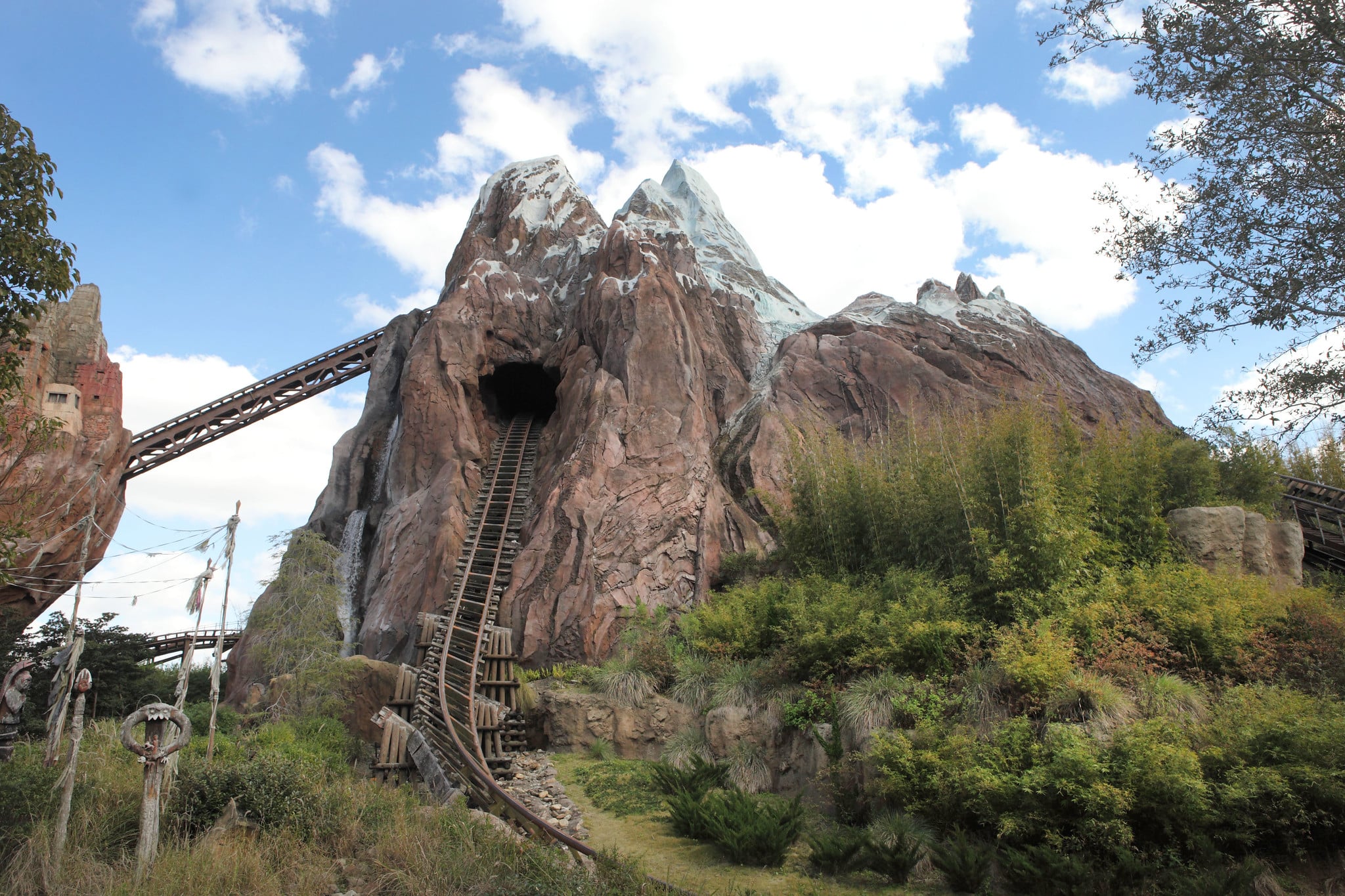
Disney’s Animal Kingdom got a monster in 2006: Expedition Everest. This coaster went forwards, backwards, and even switched tracks mid-ride.
At its heart sat a massive Yeti animatronic, once billed as the most advanced ever made. The towering mountain itself became a park icon.
Everest wasn’t just about thrills—it was about world-building that pulled you into a Himalayan adventure.
Radiator Springs Racers
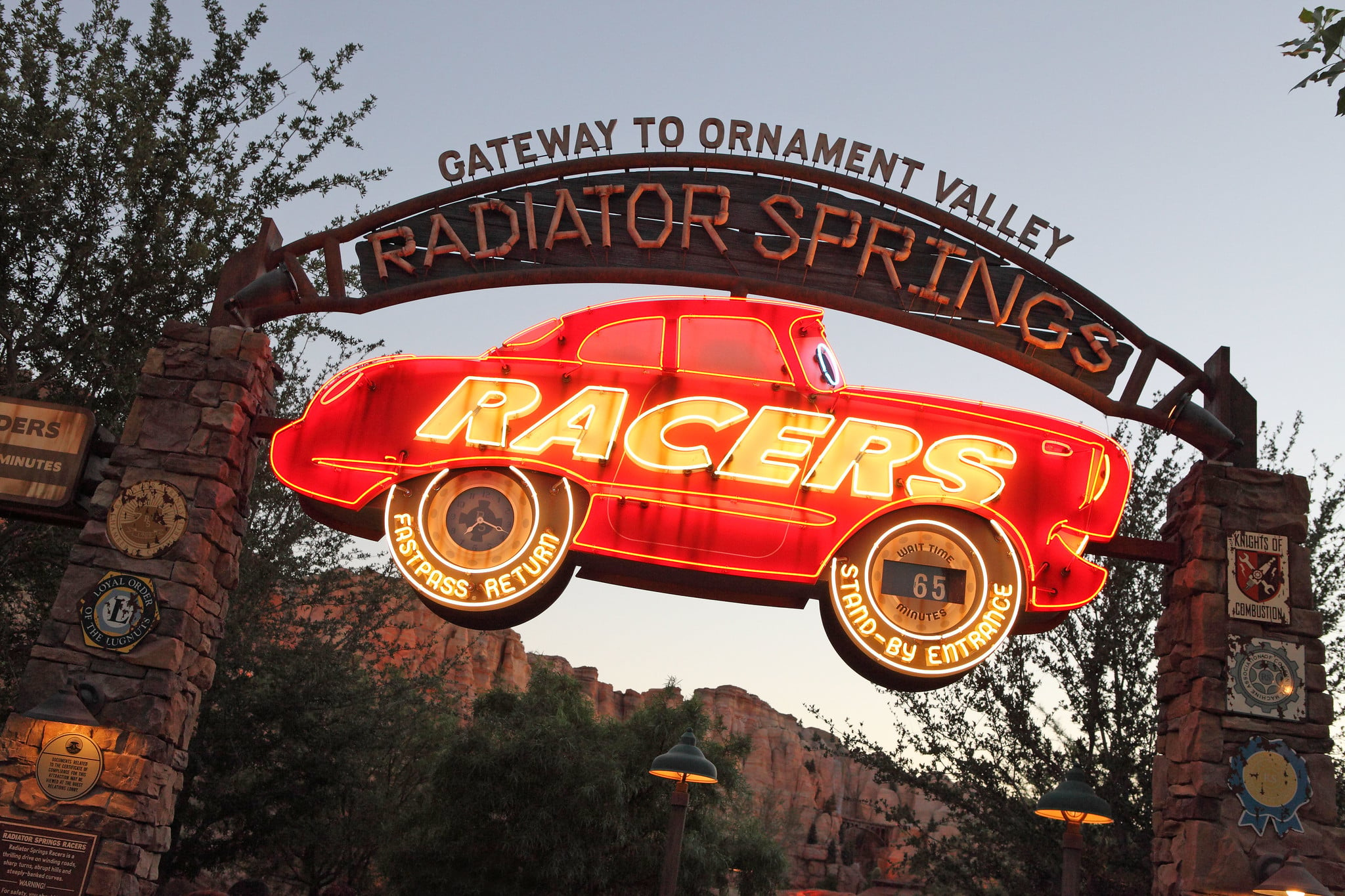
When Radiator Springs Racers opened in 2012, it instantly became a fan favorite. Why? Because it mixed two worlds—slow, story-rich dark ride scenes and a thrilling outdoor race finale where cars competed side by side.
Each ride ended differently depending on who “won.” The detail, the Cars characters, the high-speed race—it was everything in one.
Like Go2Tutors’s content? Follow us on MSN.
The Amazing Adventures of Spider-Man
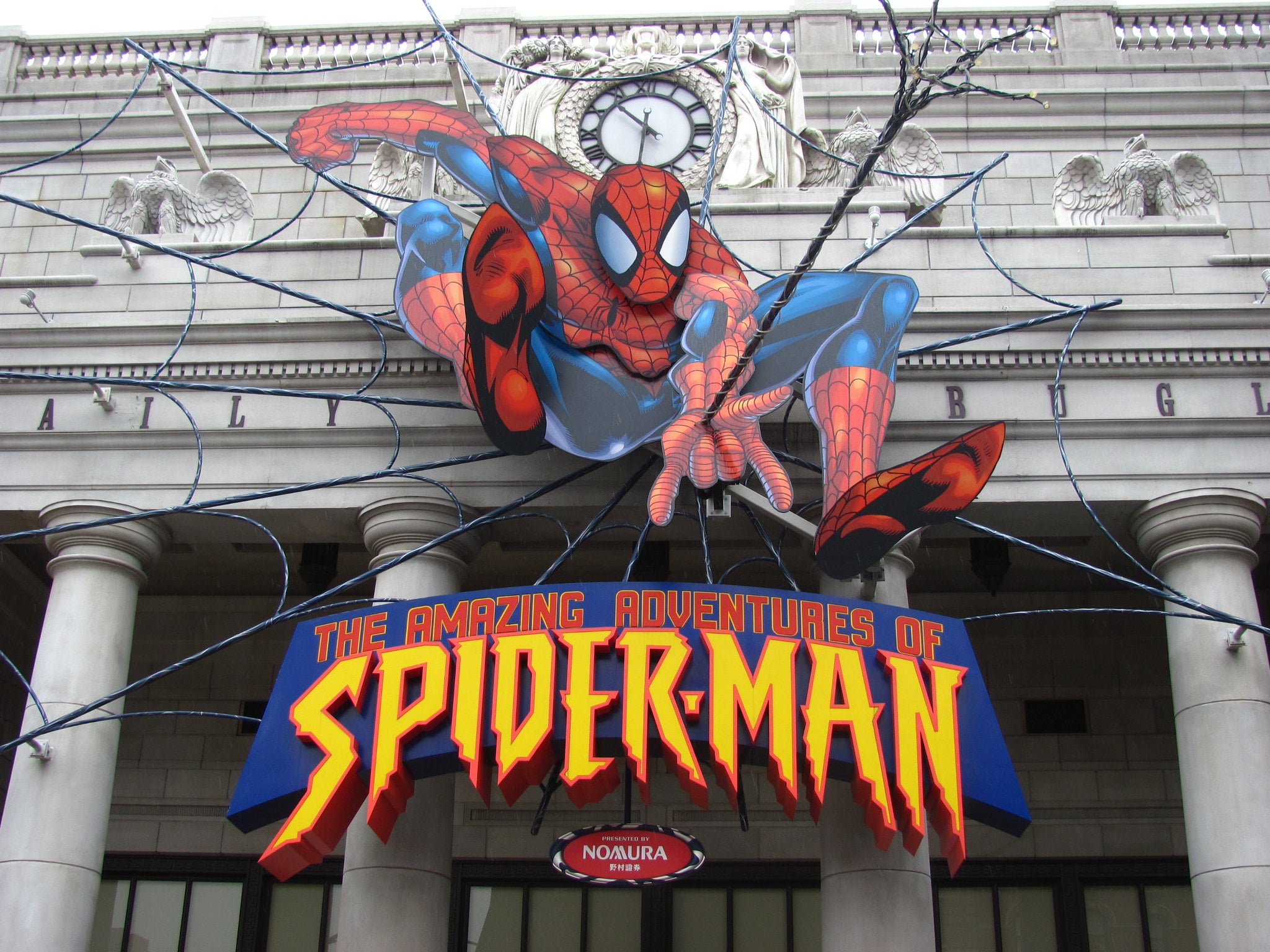
In 1999, Universal’s Islands of Adventure changed the game with The Amazing Adventures of Spider-Man. This wasn’t just a dark ride, and it wasn’t just a simulator.
It was both—blending 3D projection, moving vehicles, and physical sets so smoothly you couldn’t tell where one ended and the other began. You really felt like you were swinging through New York with Spidey.
Harry Potter and the Forbidden Journey
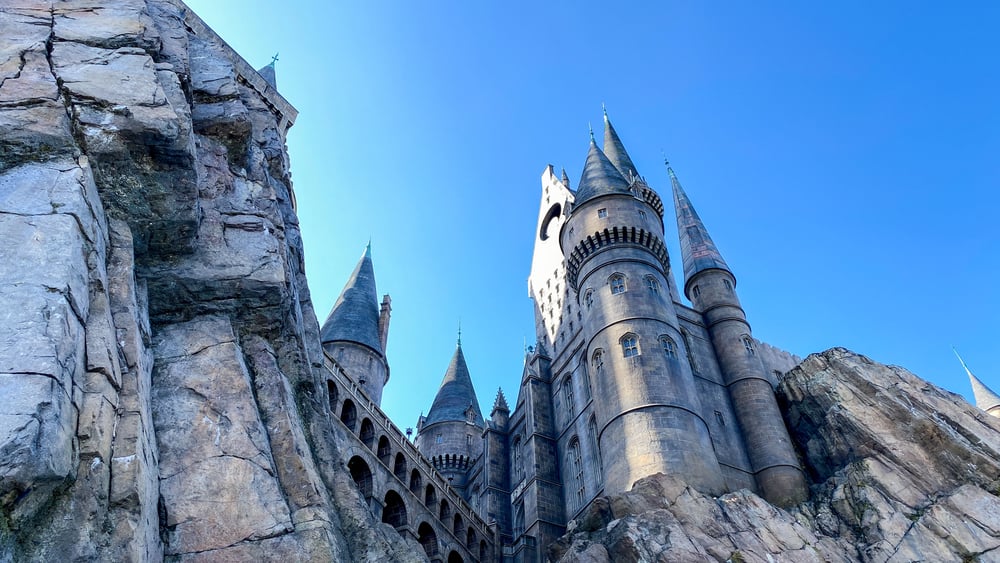
Universal raised the stakes again in 2010 with Forbidden Journey. The ride system used robotic arms that flung your seat in every direction while gliding along a track.
That meant scenes felt dynamic and unpredictable. The queue itself (walking through Hogwarts Castle) was almost as big of a draw as the ride.
This was the point where themed lands weren’t just “decorated rides”—they became living, breathing worlds.
Mission: SPACE
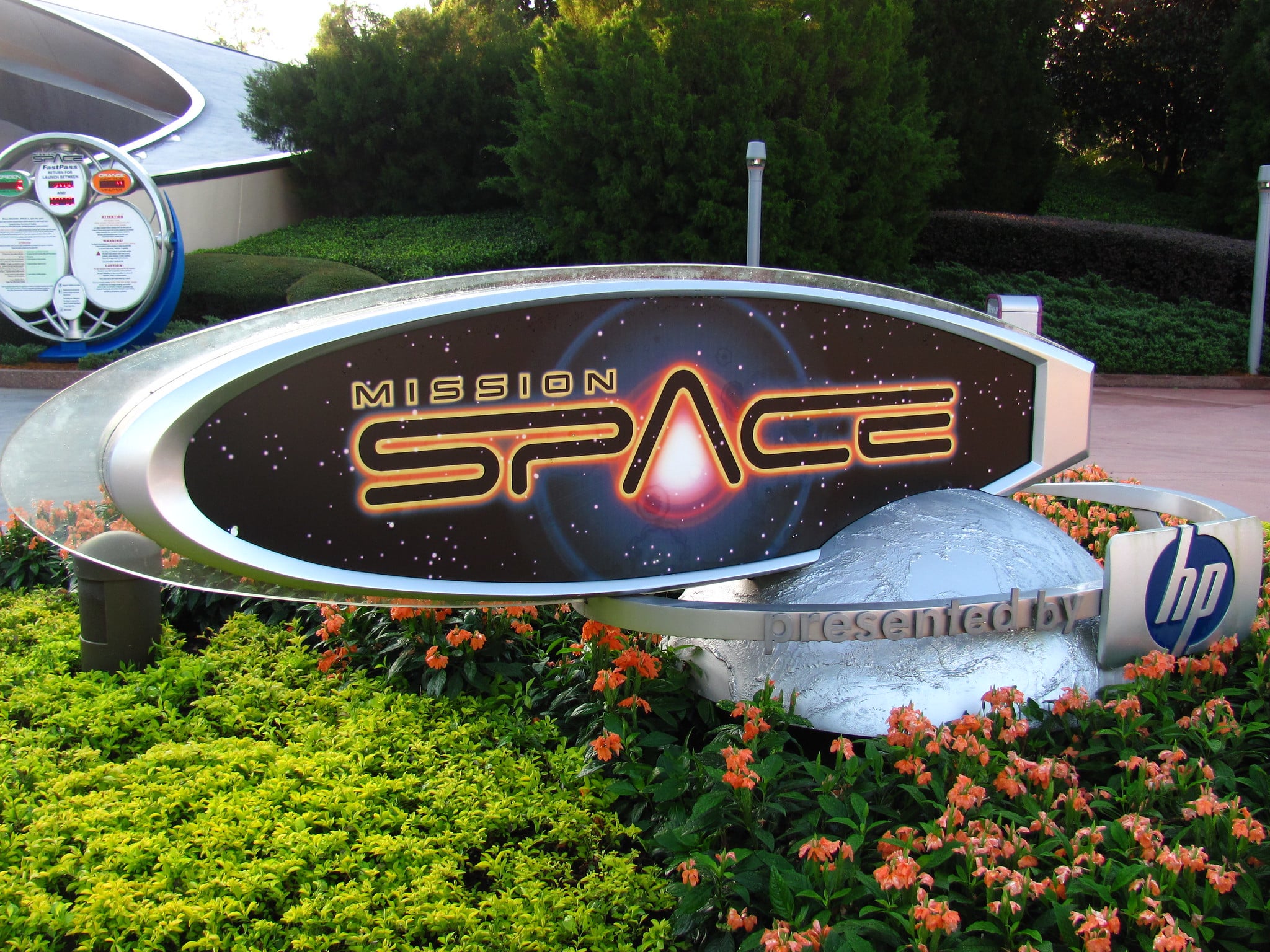
When EPCOT launched Mission: SPACE in 2003, it didn’t mess around. Disney used centrifuge tech—yes, actual astronaut training-style spinning—to simulate rocket launch G-forces.
Guests even had “roles” to play during the mission, which made it feel interactive. It was so intense Disney eventually added a toned-down “green” version for people who couldn’t stomach the original.
Controversial? Definitely. But innovative.
Like Go2Tutors’s content? Follow us on MSN.
Revenge of the Mummy
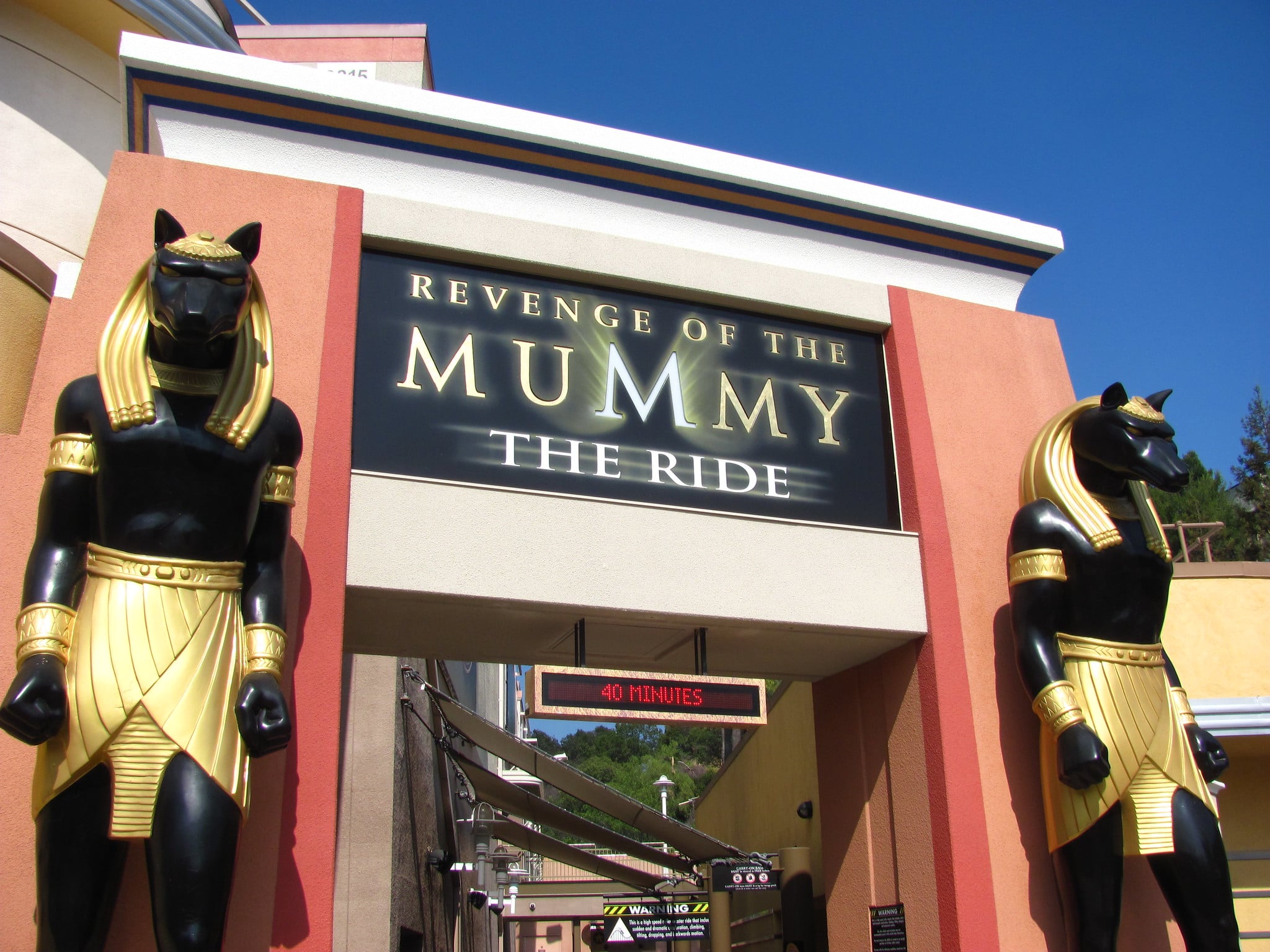
Universal’s Revenge of the Mummy, which debuted in 2004, blended coaster thrills with movie-level theming. Riders launched forward, zipped backward, hit sudden drops—all inside dark ride sets loaded with fire effects and creepy mummies.
Unlike earlier coasters that just slapped on some decorations, this one kept you in the story from beginning to end.
Guardians of the Galaxy: Cosmic Rewind
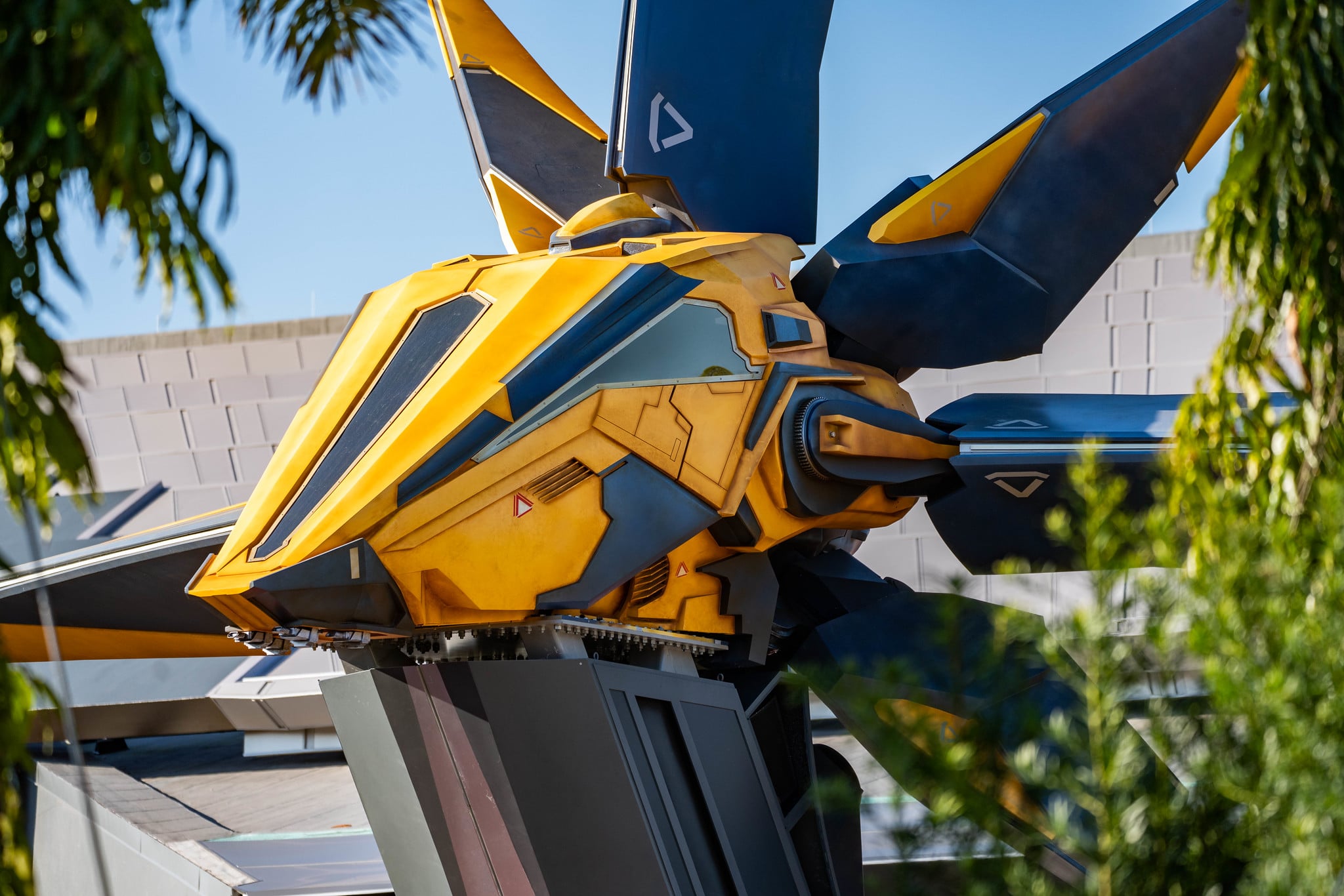
In 2022, EPCOT got Guardians of the Galaxy: Cosmic Rewind, and it introduced the first “omnicoaster.” The ride cars could spin 360 degrees independently, meaning you could be launched backward or sideways while the story unfolded around you.
The entire ride was synced to a randomly chosen soundtrack from the Guardians films, which made each run feel unique. Even after decades of coaster design, this felt new.
A New Standard

These 16 attractions didn’t just succeed because they drew crowds. They each broke rules, tried something that hadn’t been done, and pulled it off.
Whether through technology, storytelling, or sheer imagination, they redefined what theme parks could be. And every park that pushes the envelope today? They’re still chasing the same spirit these rides sparked years ago.
Like Go2Tutors’s content? Follow us on MSN.
More from Go2Tutors!

- 16 Historical Figures Who Were Nothing Like You Think
- 12 Things Sold in the 80s That Are Now Illegal
- 15 VHS Tapes That Could Be Worth Thousands
- 17 Historical “What Ifs” That Would Have Changed Everything
- 18 TV Shows That Vanished Without a Finale
Like Go2Tutors’s content? Follow us on MSN.