31 TV Shows Canceled at Their Peak
Some shows fade out gracefully after a long, natural decline. Others get cut off mid-sentence, right as the audience is catching up and the writers are hitting their stride.
The following series were not victims of exhaustion or creative decline. They were canceled while critics were still raving, fan bases were still growing, or the story had barely started to pay off its setup.
What unites them is timing. A network shuffled a schedule, a streaming service changed strategy, or a budget line got cut, and a show with real momentum simply stopped.
Firefly
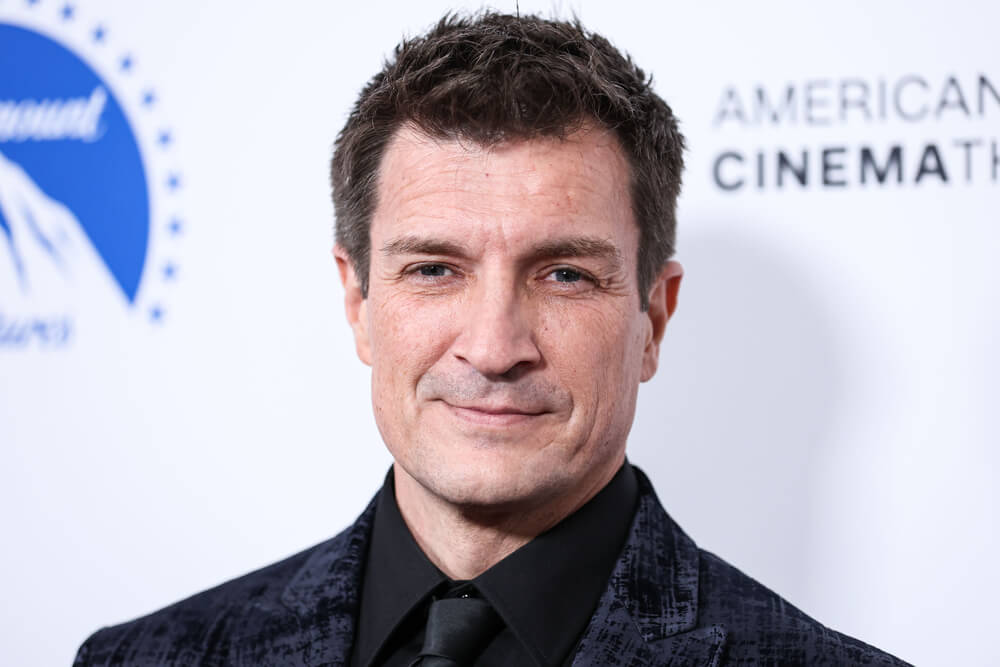
Joss Whedon’s space western aired only 11 of its 14 completed episodes in their intended order before Fox pulled the plug in 2002, a scheduling decision that scrambled the show’s careful serialized structure. The cancellation became one of the most cited case studies in fan-driven revival campaigns, eventually resulting in the 2005 film “Serenity” to close out the story.
Freaks and Geeks

NBC canceled this coming-of-age dramedy after a single season in 2000, despite a cast that later included James Franco, Seth Rogen, and Jason Segel before any of them were household names. The network burned off the remaining unaired episodes out of broadcast order, further diminishing what little audience it had left to build.
My So-Called Life
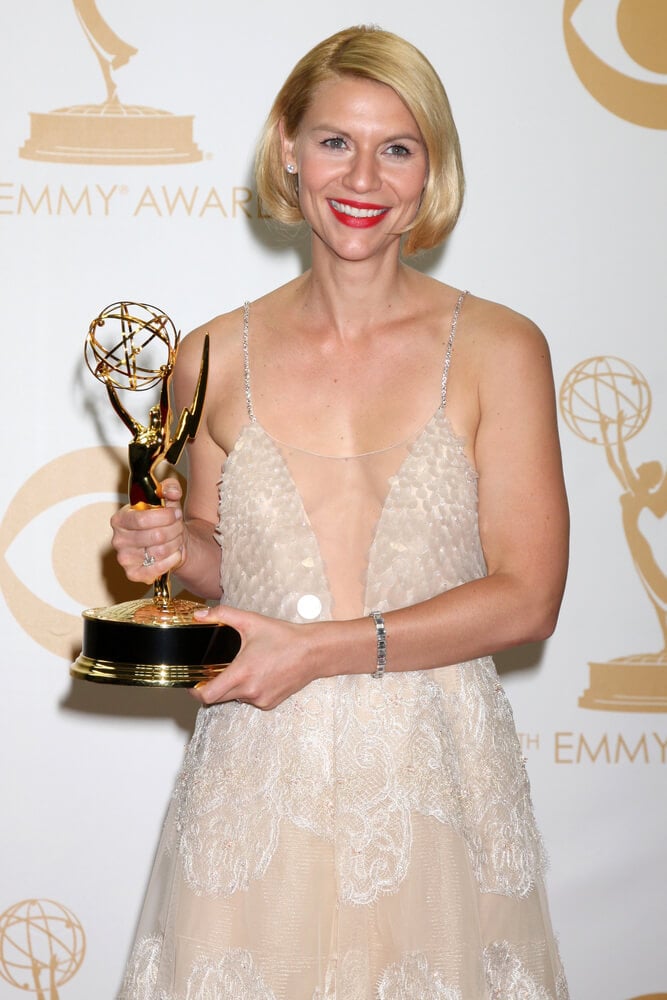
ABC ended this Claire Danes vehicle after just 19 episodes in 1995, even as it developed one of the most devoted young adult followings of the decade. Danes herself reportedly stopped attending press events near the end, and no formal series finale was ever produced to close out the central storylines.
Deadwood
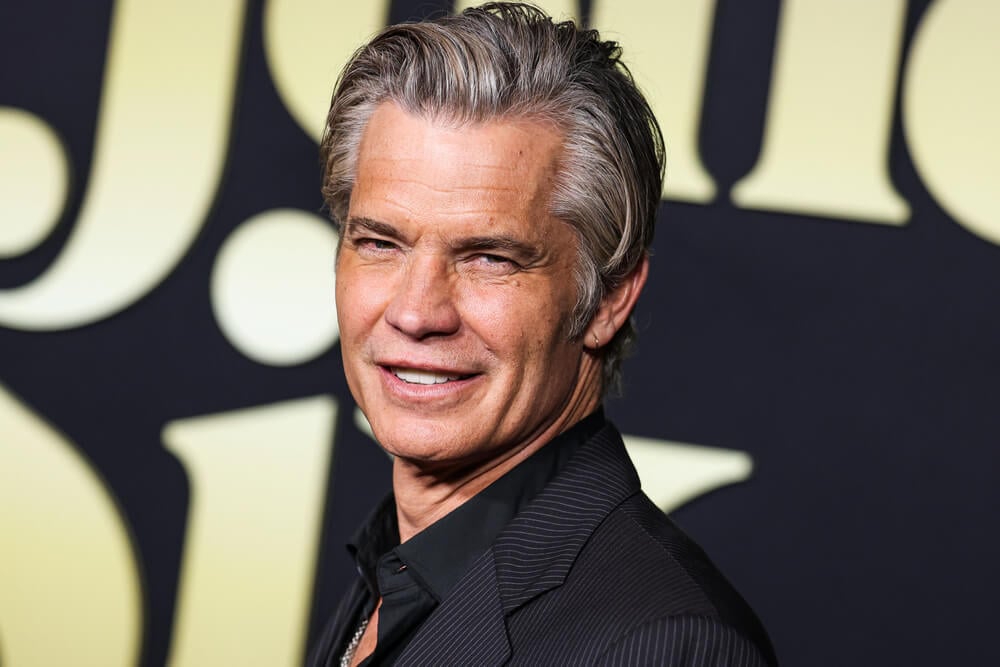
HBO canceled David Milch’s profanity-laced western in 2006 after three seasons, largely over budget disputes with the cable network, leaving major plotlines unresolved. Fans waited 13 years for closure, which finally arrived with a 2019 television film that wrapped up the story HBO had abandoned.
Pushing Daisies
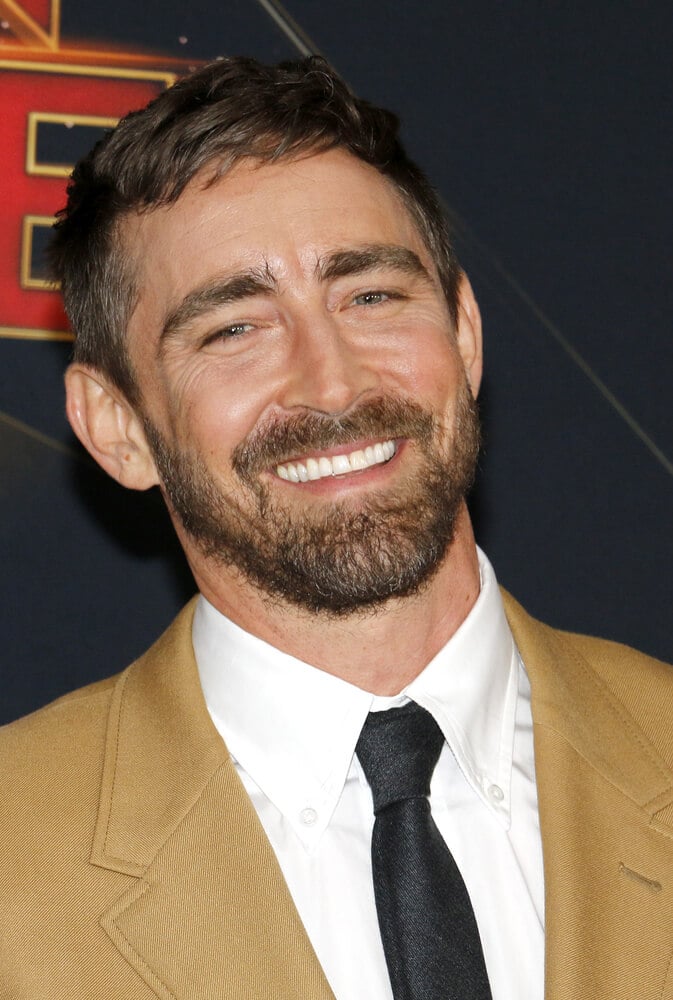
ABC’s whimsical pie-shop mystery series lost significant momentum during the 2007 writers’ strike, which halted production mid-season, and the show never recovered its ratings afterward. It was canceled in 2009 with several already-written scripts left unproduced.
Terriers
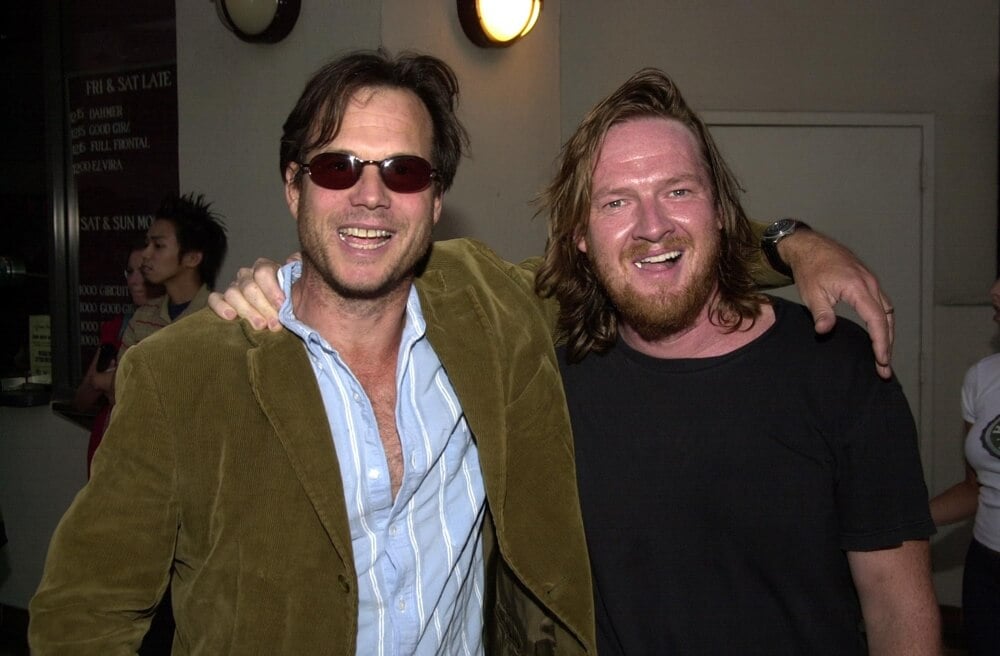
FX’s low-key detective drama earned some of the best reviews of its 2010 season yet drew barely a million viewers per episode, a mismatch that led to cancellation after just 13 installments. Critics have periodically cited the marketing campaign, built around an unrelated dog imagery, as part of why audiences never found it.
Jericho
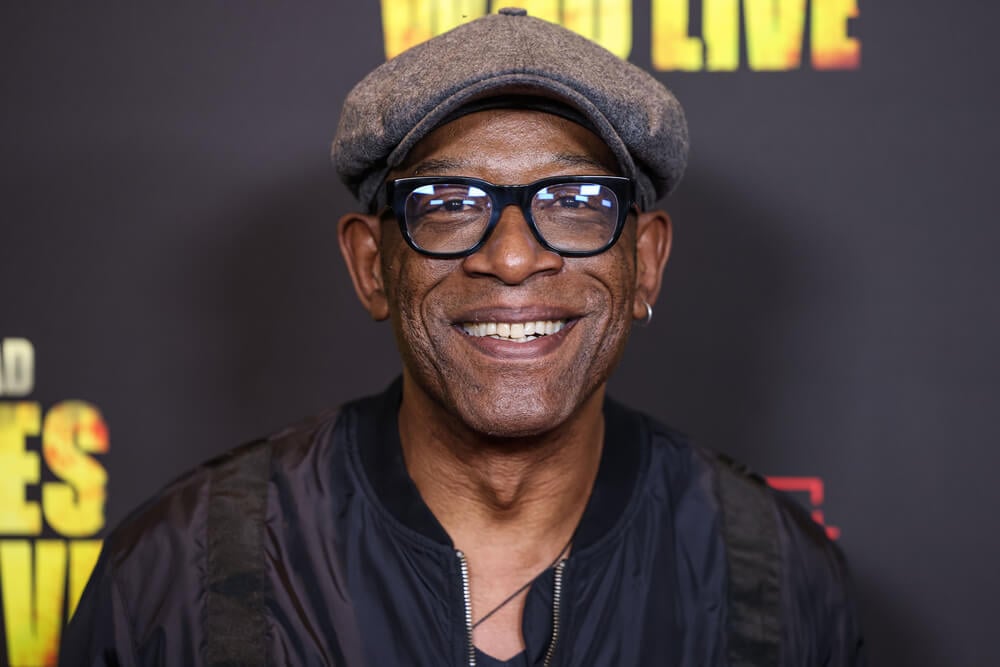
CBS canceled this post-apocalyptic drama in 2007, prompting fans to mail the network roughly 20 tons of peanuts in reference to a line from the finale, a stunt that actually earned the show a short second season. That extension order was for only seven episodes, and the story was cut off again shortly after.
Rubicon
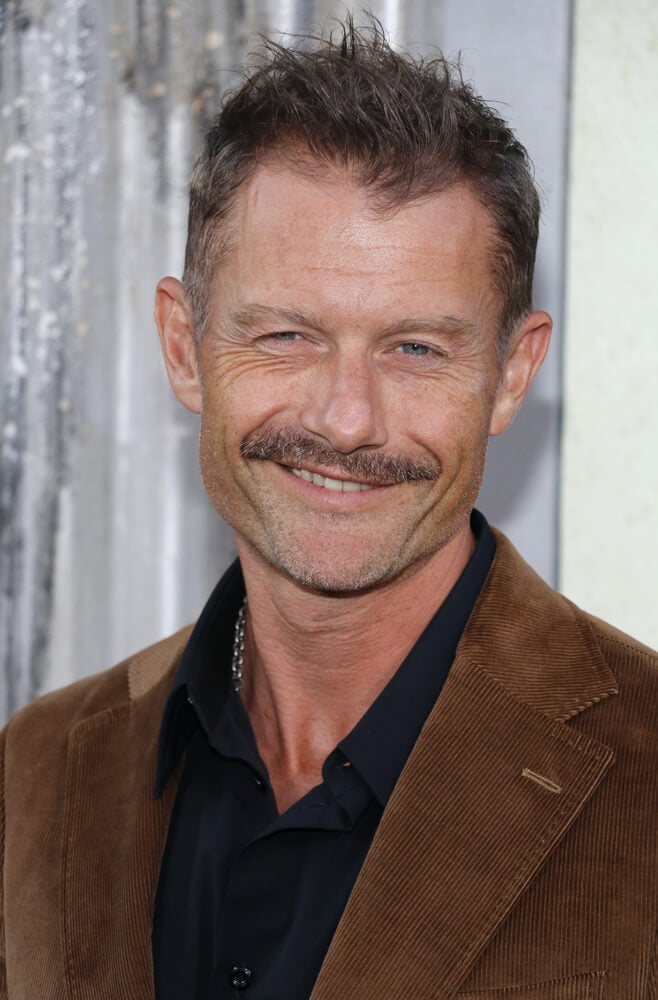
AMC’s slow-burn conspiracy thriller lasted a single 13-episode season in 2010 before the network decided the show’s methodical pace did not fit its evolving brand. It remains one of the most frequently cited “canceled too soon” dramas among fans of the paranoia-thriller genre.
Boss
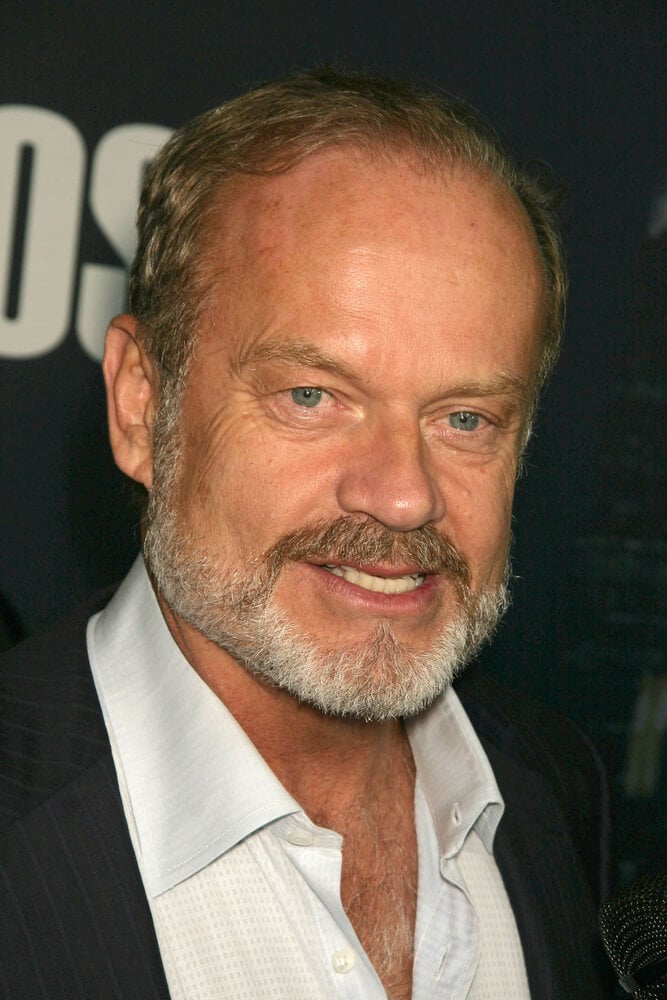
Starz ended this Kelsey Grammer political drama after two seasons in 2012, even though Grammer had won a Golden Globe for the role of a Chicago mayor concealing a degenerative illness. The network cited a strategic shift toward different programming rather than any decline in critical reception.
Hannibal
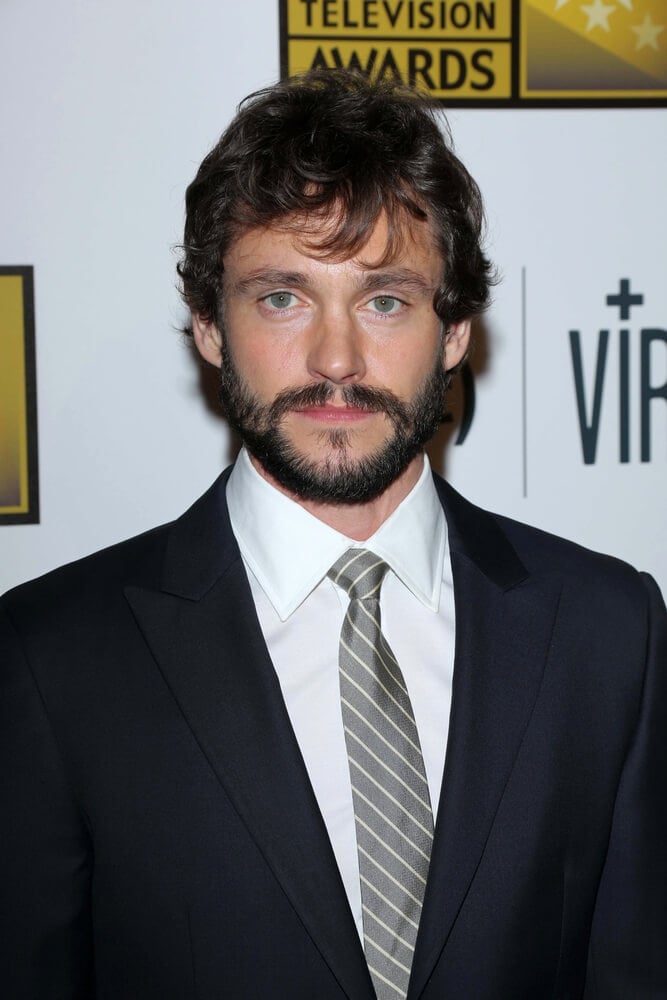
NBC’s stylish psychological thriller ran three seasons before its 2015 cancellation, driven largely by low live ratings despite a passionate international fan base. Showrunner Bryan Fuller spent years afterward publicly campaigning for a fourth season that has never materialized.
Constantine
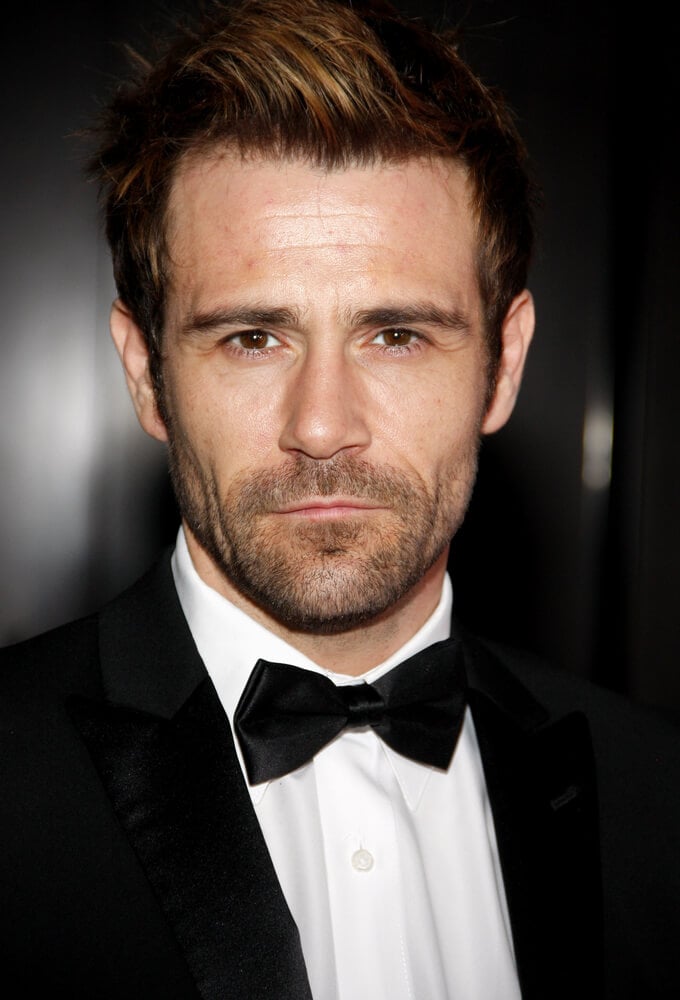
NBC canceled this supernatural drama after a single season in 2015, only for the title character to be folded into The CW’s Arrowverse as a recurring figure shortly afterward. The original show’s cast and tone were never fully continued in that format.
Timeless

NBC canceled and then briefly reversed its decision on this time-travel drama twice within days in 2018, ultimately ending the series after two seasons with only a two-hour television movie to resolve the plot. The whiplash cancellation became a minor case study in fan-campaign effectiveness.
The Get Down
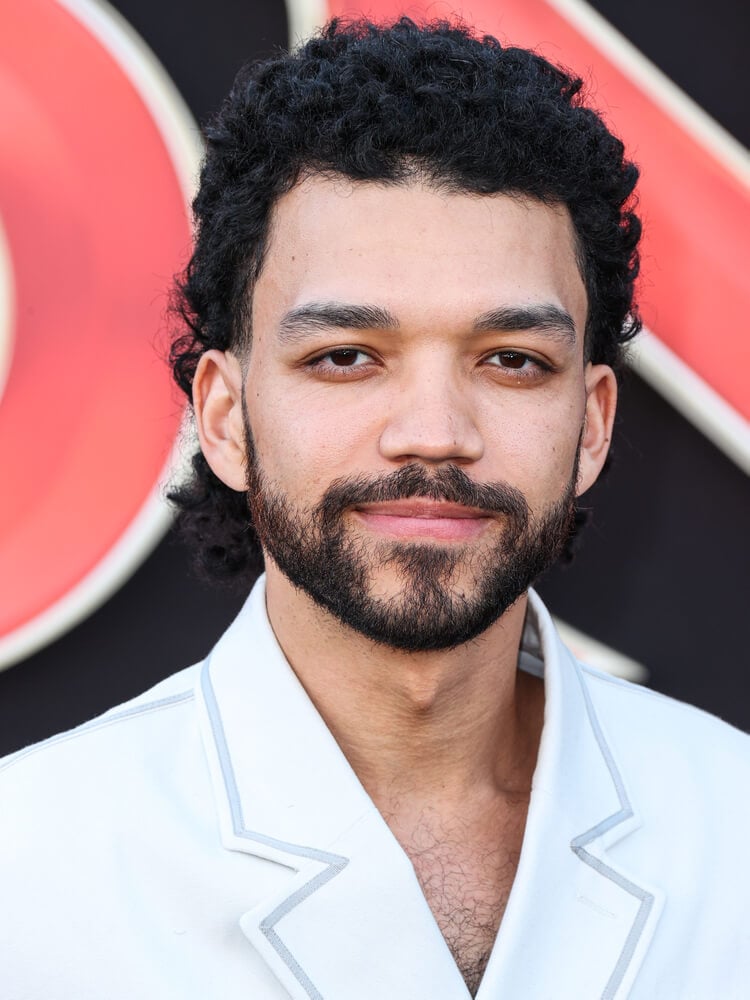
Netflix ended Baz Luhrmann’s costly hip-hop origin drama after a single season split into two parts, citing the production’s ballooning budget rather than its critical reception. Reports at the time placed the per-episode cost among the highest in the streamer’s history.
Sense8

Netflix canceled this globe-spanning drama from the Wachowskis in 2017 after two seasons, triggering an intense fan campaign that ultimately pressured the streamer into funding a two-and-a-half-hour finale special to close the story. The special aired in 2018, more than a year after the initial cancellation.
Santa Clarita Diet
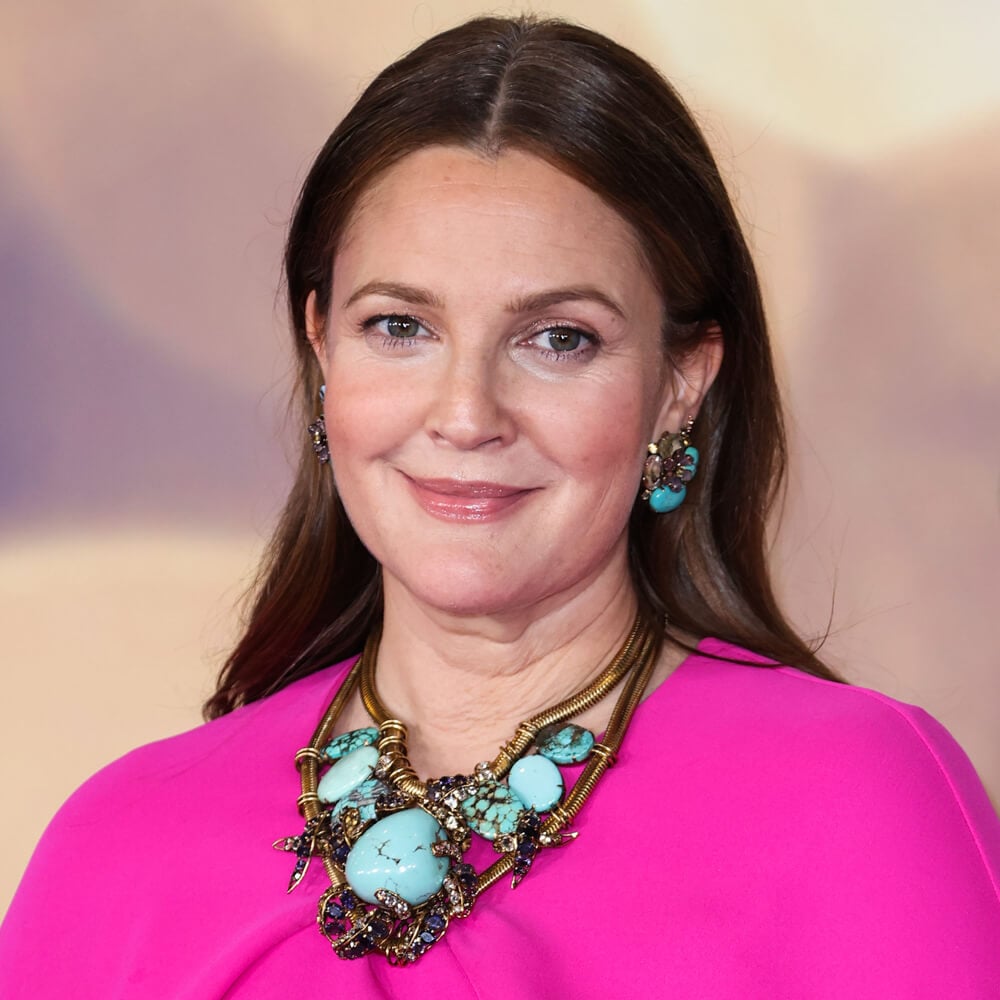
Netflix ended this horror-comedy starring Drew Barrymore after three seasons in 2019, cutting the story off on a cliffhanger despite strong audience engagement metrics reported by the streamer itself. No wrap-up special was ever produced.
The OA

Netflix canceled this mystery drama in 2019 immediately after its second season ended on a deliberate cliffhanger, a decision creators Brit Marling and Zal Batmanglij have said they never saw coming. The abrupt timing fueled ongoing fan theories about what a planned five-season arc would have covered.
Marco Polo
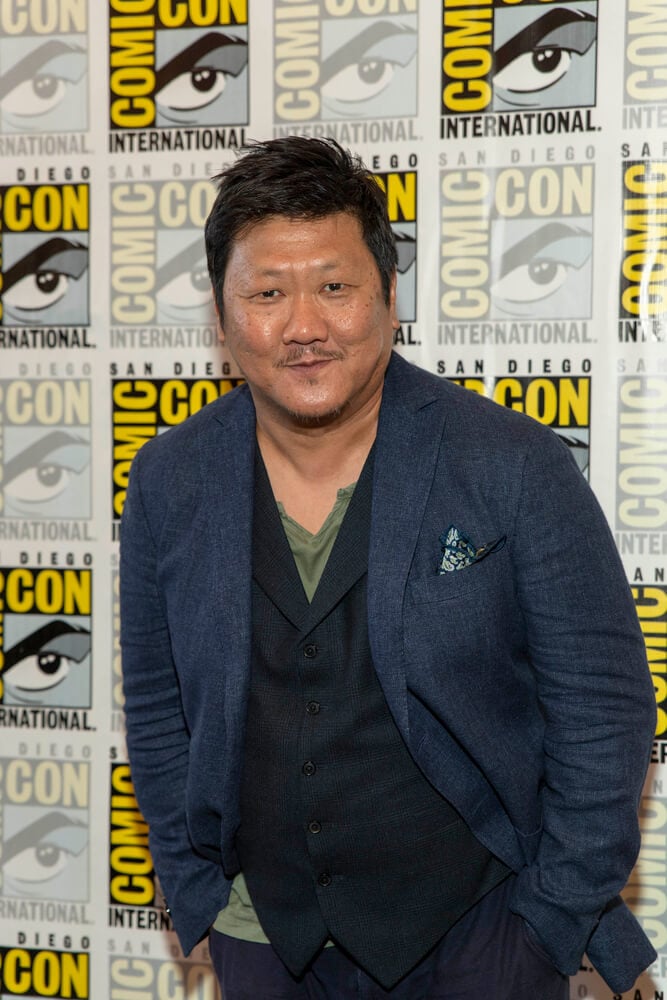
Netflix ended this lavish historical drama after two seasons in 2016, reportedly after spending well over 100 million dollars on production, making it one of the more expensive cancellations in the platform’s early history. The high per-episode cost was widely cited as the deciding factor.
Manhattan
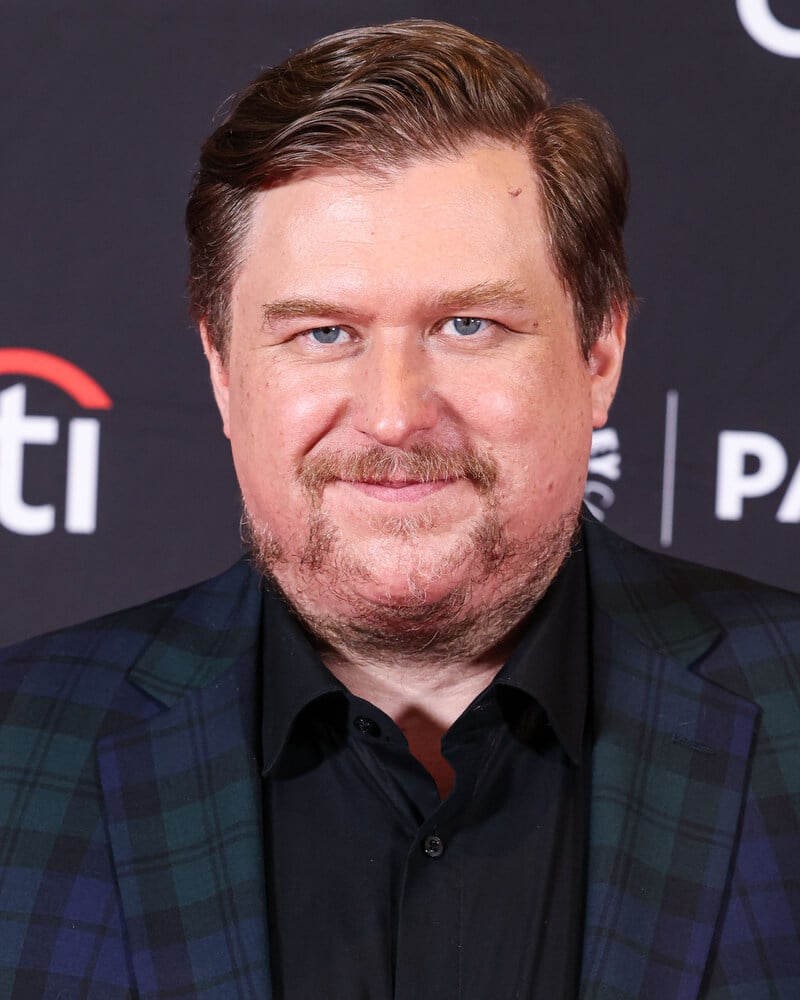
WGN America’s drama about the scientists building the atomic bomb was canceled in 2015 after two seasons when the network shifted its programming strategy away from scripted originals entirely. The show had been building toward a planned multi-season arc following the Manhattan Project through the end of the war.
Wonderfalls

Fox aired only four of Wonderfalls’ 13 completed episodes before canceling the offbeat comedy in 2004, then burned off the rest later that year without promotion. Creator Bryan Fuller has cited the experience as part of a recurring pattern in his career of losing shows just as they found their voice.
Now and Again

CBS canceled this genre-bending drama about a man’s consciousness transferred into a new body after a single season in 2000, despite a loyal cult following that organized one of the earlier internet-era fan campaigns. The network never aired a proper series finale.
Studio 60 on the Sunset Strip
NBC ended Aaron Sorkin’s behind-the-scenes drama about a sketch comedy show after one season in 2007, even as the pilot had drawn some of the largest audience numbers for a scripted debut that year. Ratings fell steadily afterward, but critics have long argued the show never got the room to find its footing.
Drive
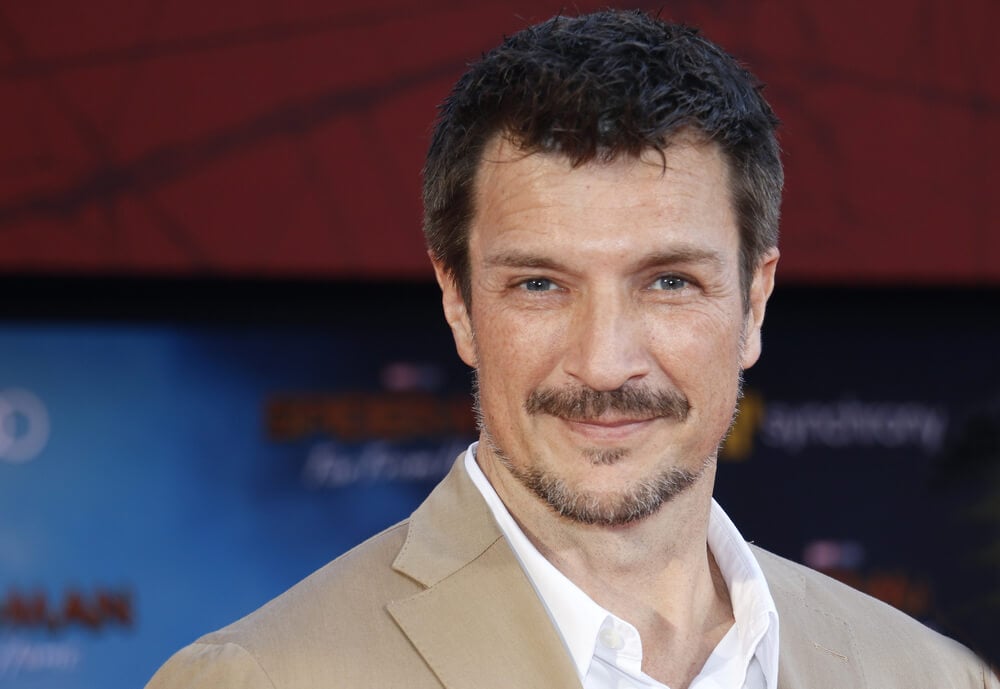
Fox canceled this cross-country race thriller starring Nathan Fillion after only four of its 13 episodes aired in 2007, one of the network’s fastest cancellations of the decade. The remaining episodes were released only through streaming and DVD.
Journeyman

NBC ended this time-travel drama after a single season in 2007, with production halted partway through by the same writers’ strike that damaged several other shows on this list. The remaining scripts were never filmed.
FlashForward
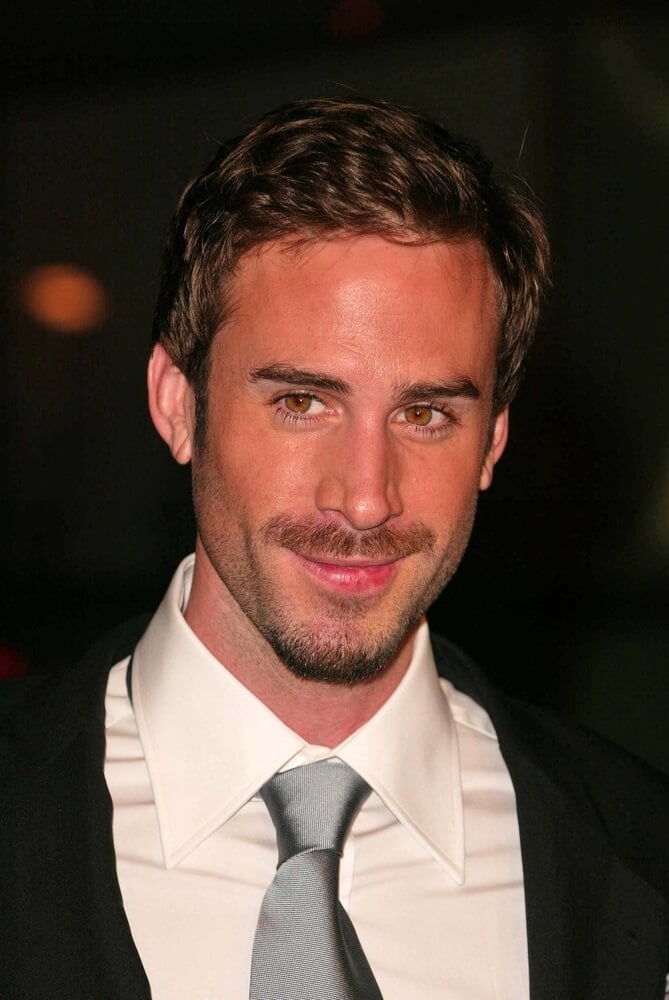
ABC canceled this global mystery drama after one season in 2010, despite a pilot that had drawn more than 12 million live viewers, one of the strongest debuts of its year. A steep ratings decline over the season persuaded the network the concept could not sustain a long-term mystery format.
Forever
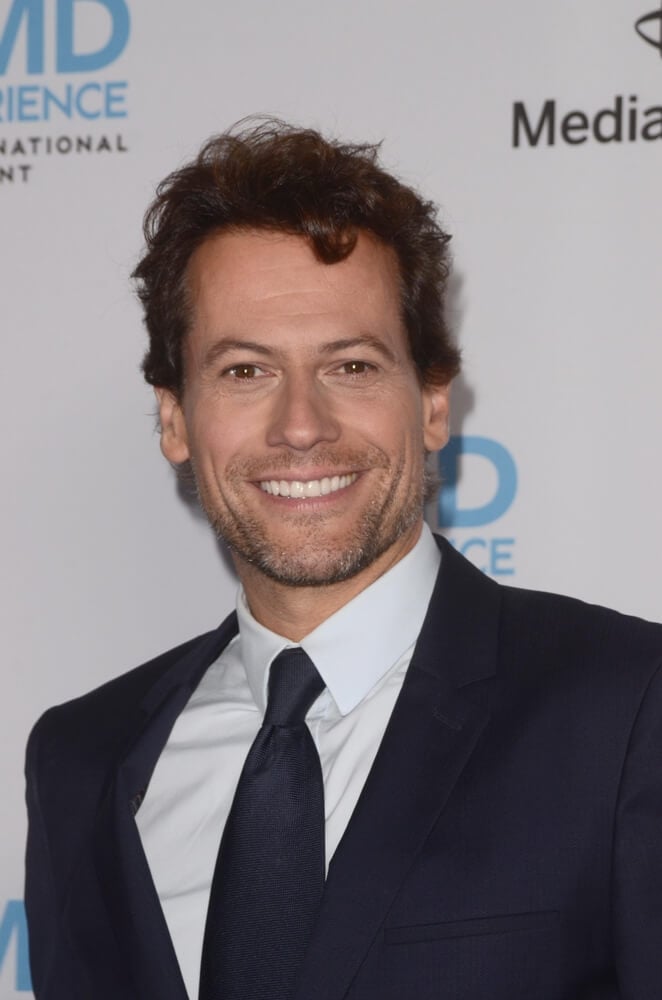
ABC ended this immortal-detective drama after a single season in 2015, drawing a large last-minute fan campaign that included billboards purchased near the network’s offices. The show had been quietly building critical goodwill throughout its run.
Galavant
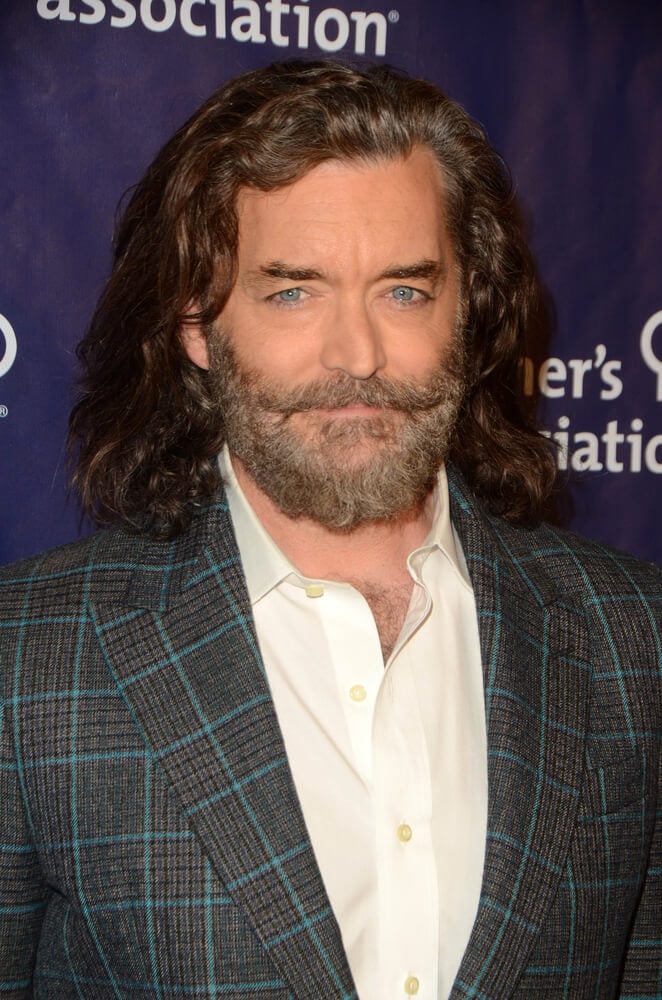
ABC’s musical fairy-tale comedy lasted two abbreviated seasons before its 2016 cancellation, despite unusually strong reviews for a mid-season replacement show airing in the dead of winter. Its low but devoted ratings never translated into the numbers the network wanted.
Rome
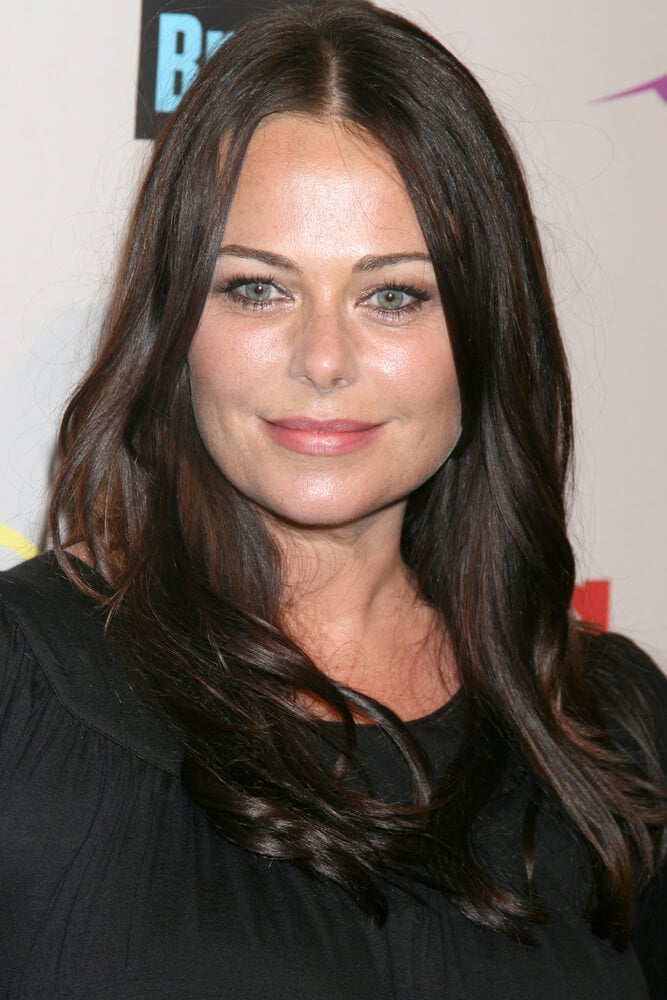
HBO ended this sprawling historical drama after two seasons in 2007, citing the show’s enormous per-episode production cost rather than any drop in critical standing. The finale had to compress what was originally planned as a longer arc into a rushed conclusion covering years of history in a handful of episodes.
Carnivale
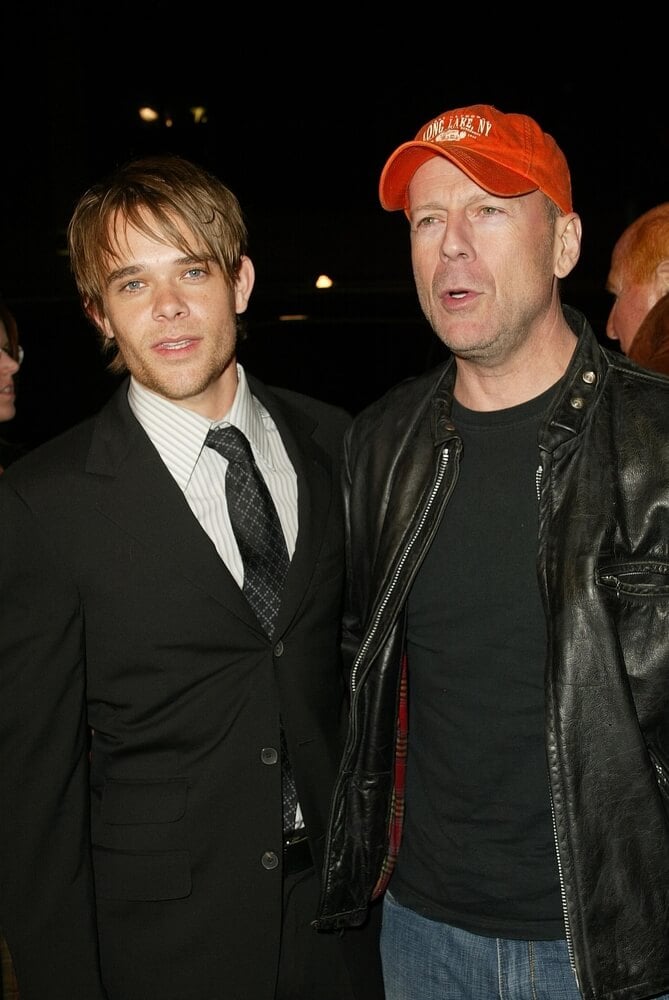
HBO’s Depression-era supernatural drama was originally pitched as a six-season story, but the network canceled it after two seasons in 2005 over budget concerns. Creator Daniel Knauf has spoken for years about the outline for the remaining seasons that was never produced.
Luck
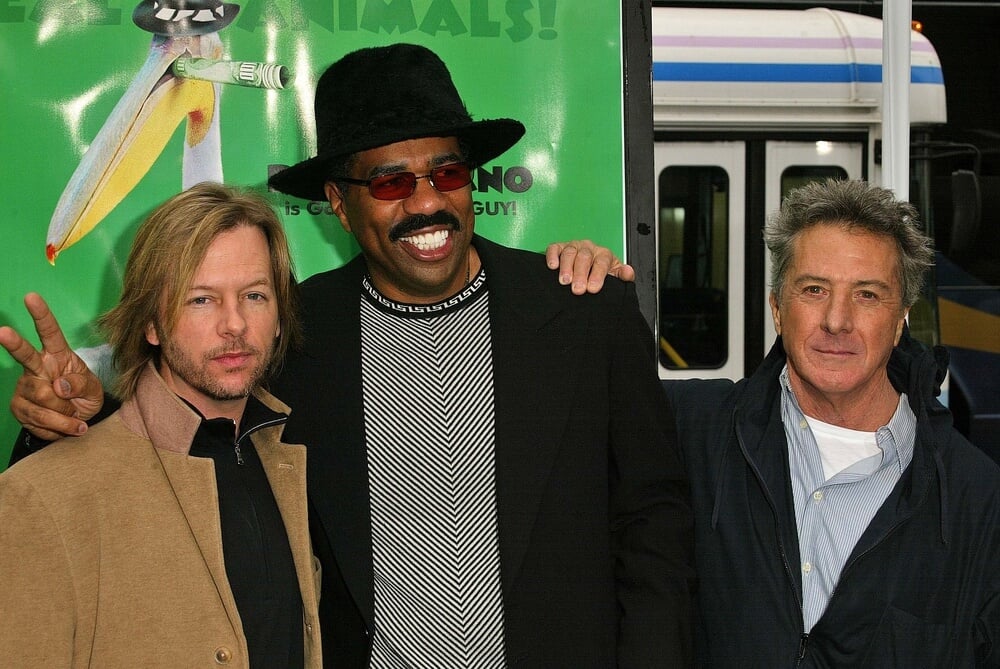
HBO canceled this horse-racing drama starring Dustin Hoffman after a single season in 2012, following the deaths of three horses during production that drew scrutiny from animal welfare groups. The decision came despite generally strong reviews and a prestige cast.
GLOW

Netflix ended this wrestling comedy-drama after three seasons in 2020, having already ordered and begun planning a fourth and final season before reversing the decision amid pandemic-related production complications. The cast and crew have said the cancellation came as a genuine shock mid-plan.
The Society

Netflix canceled this teen mystery drama after one season in 2020, despite having ordered a second season and begun early planning, again citing pandemic-era production constraints. The reversal left one of the show’s central mysteries permanently unresolved.
The Rise and Fall of Reruns

What these cancellations share is not failure but interruption. Audiences rarely got to see whether these shows would have grown into the kind of decade-defining hits their pilots promised, because the decision was made before that question could be answered.
The pattern repeats because the economics of television reward certainty over patience. A show does not need to be bad to disappear; it only needs to cost more than a network wants to keep betting, at exactly the wrong moment in its story.
More from Go2Tutors!

- The Romanov Crown Jewels and Their Tragic Fate
- 13 Historical Mysteries That Science Still Can’t Solve
- Famous Hoaxes That Fooled the World for Years
- 15 Child Stars with Tragic Adult Lives
- 16 Famous Jewelry Pieces in History
Like Go2Tutors’s content? Follow us on MSN.