18 Native Plants That Attract Local Birds
Creating bird-friendly landscapes doesn’t require exotic species or complicated garden designs. Native plants naturally support local bird populations by providing food sources, nesting materials, and shelter that species have relied upon for thousands of years.
These indigenous plants thrive in regional soil and climate conditions while requiring minimal maintenance once established, making them perfect choices for sustainable gardening.
Most homeowners plant ornamental species that look attractive yet offer little value to wildlife. Smart gardeners choose native alternatives that serve dual purposes — creating beautiful landscapes while supporting local ecosystems through natural food webs.
Birds need more than just feeders and birdbaths; they require diverse plant communities that provide insects, seeds, berries, and nesting opportunities throughout different seasons. Here is a list of 18 native plants that consistently attract and support various bird species in North American regions.
Purple Coneflower
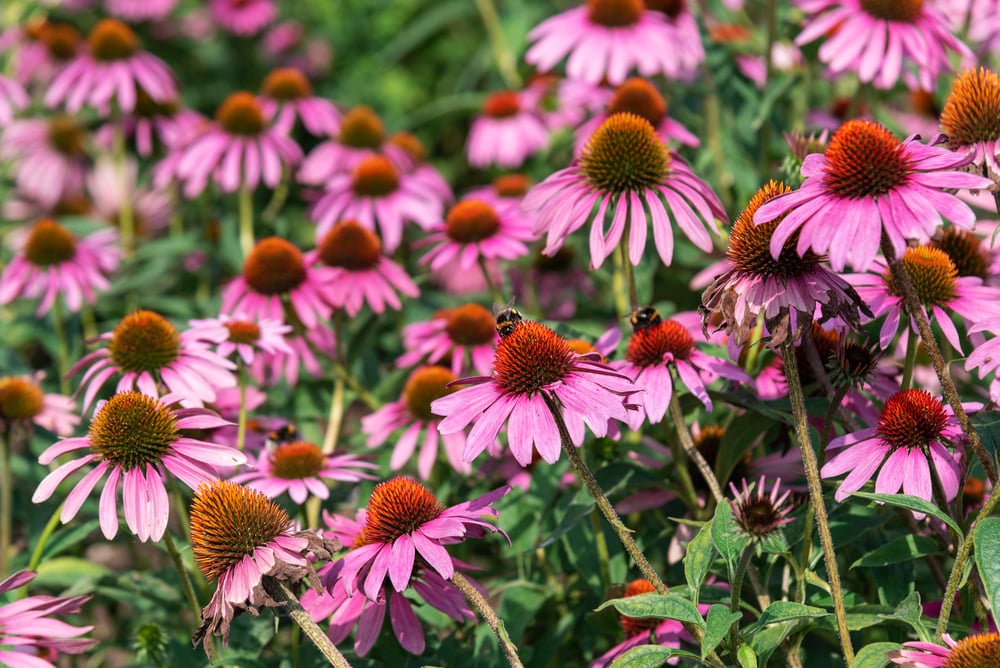
Purple coneflowers produce abundant seeds that attract goldfinches, cardinals, and various finch species throughout late summer and fall seasons. These hardy perennials also support beneficial insects during blooming periods — creating secondary food sources for insectivorous birds like wrens and chickadees.
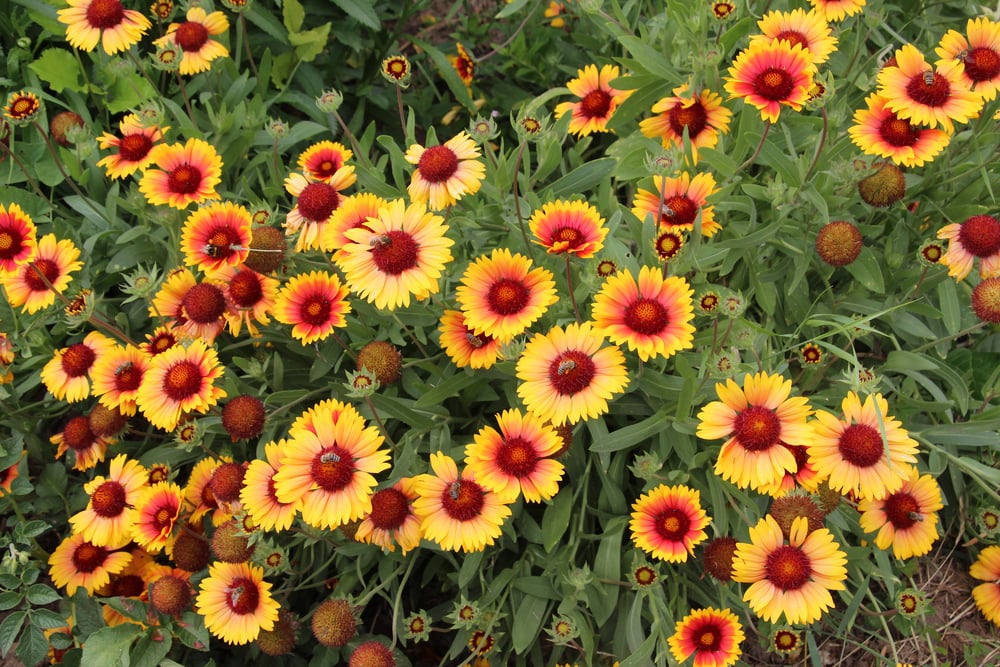
Black-Eyed Susan
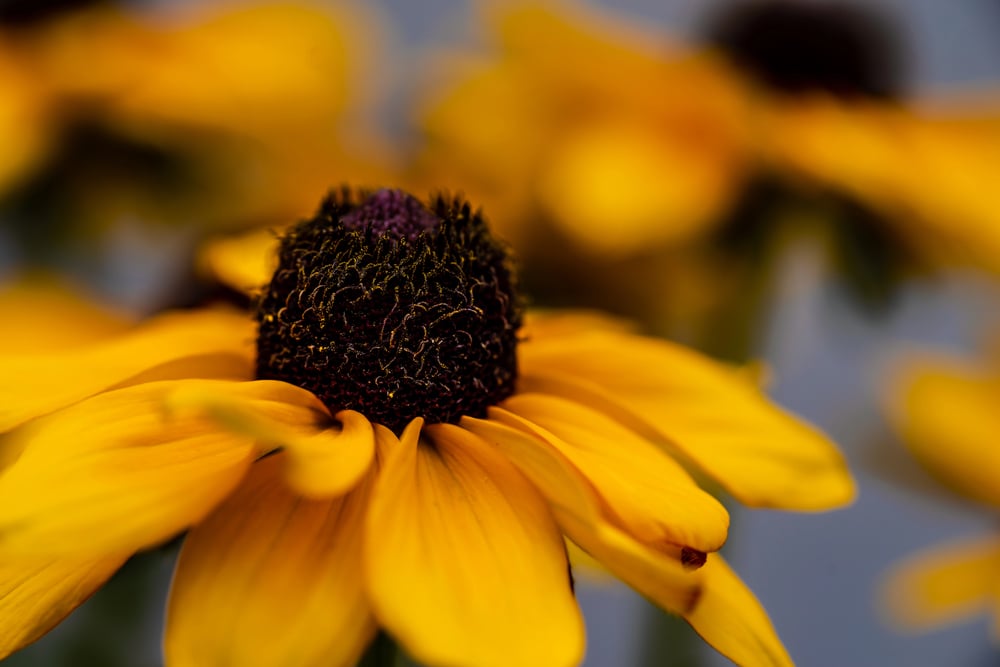
Black-eyed Susans offer protein-rich seeds that feed numerous songbird species while their bright blooms attract insects during peak growing seasons. These drought-tolerant wildflowers self-seed readily, establishing natural colonies that provide consistent food sources for seed-eating birds year after year.
Like Go2Tutors’s content? Follow us on MSN.
Eastern Red Cedar
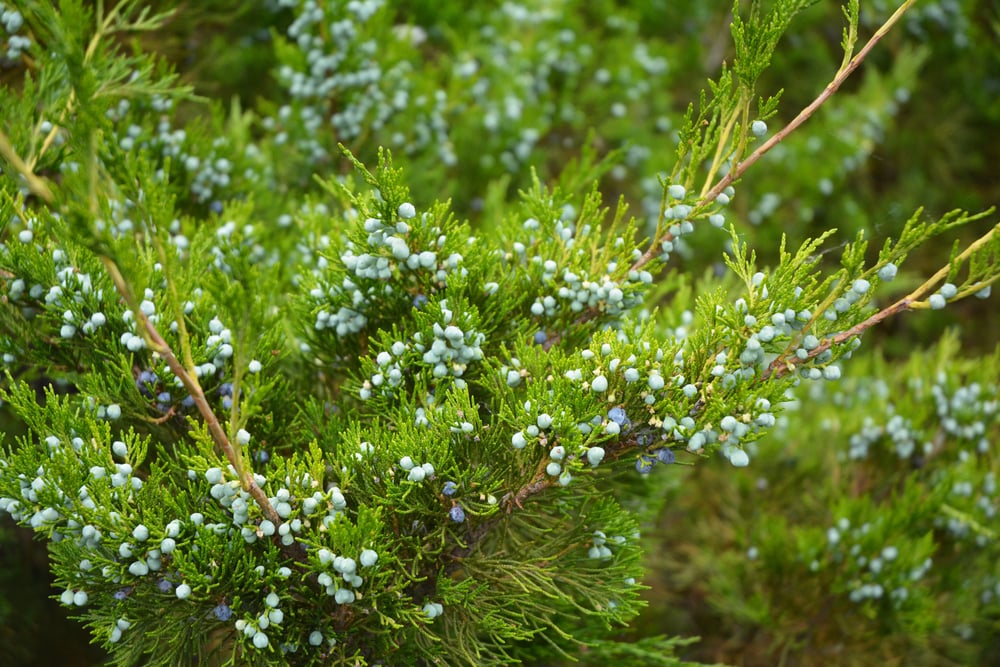
Red cedars provide year-round shelter plus berry crops that sustain cedar waxwings, robins, and other fruit-eating species during winter months. These evergreen trees also offer secure nesting sites — while their dense foliage creates protective cover for various bird species during harsh weather conditions.
Serviceberry

Serviceberry shrubs produce early-season berries that feed migrating birds during spring when other food sources remain scarce. These native plants bloom before most trees leaf out, providing crucial nectar for early pollinators while supporting insectivorous birds with abundant prey during nesting season.
Wild Bergamot
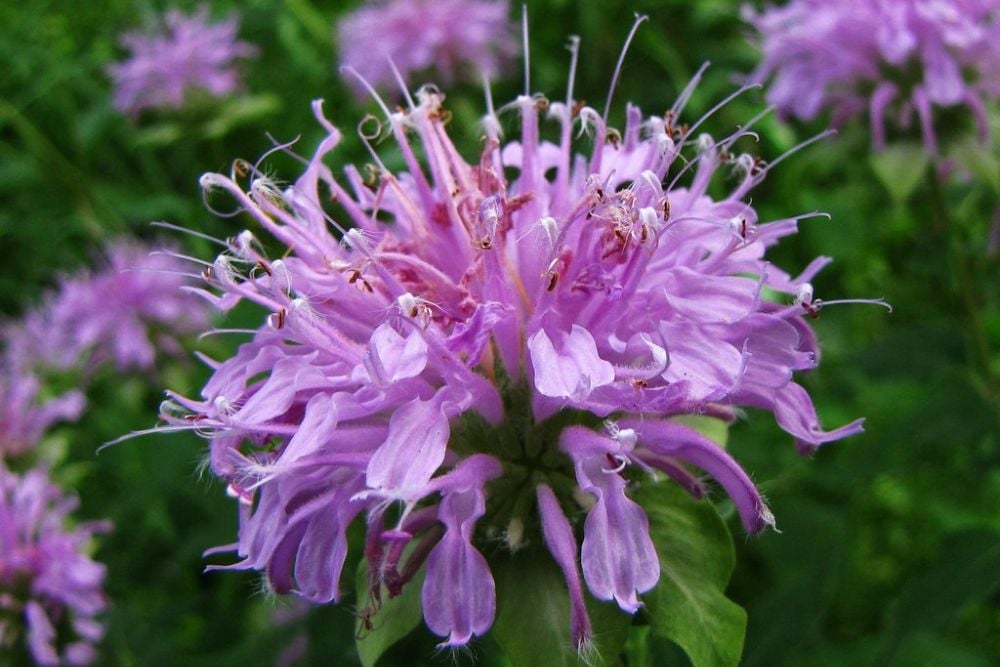
Wild bergamot attracts hummingbirds with tubular flowers while producing seeds that appeal to finches and other small songbirds later in the growing seasons. This aromatic herb also supports beneficial insects — creating hunting opportunities for flycatchers and other birds that feed on flying insects.
Like Go2Tutors’s content? Follow us on MSN.
Sumac

Sumac clusters provide persistent berry crops that sustain bird populations through winter when other food sources become depleted or buried under snow. These fast-growing shrubs form thickets — offering excellent nesting habitat while their seed heads remain accessible even during severe weather events.
Wild Sunflower
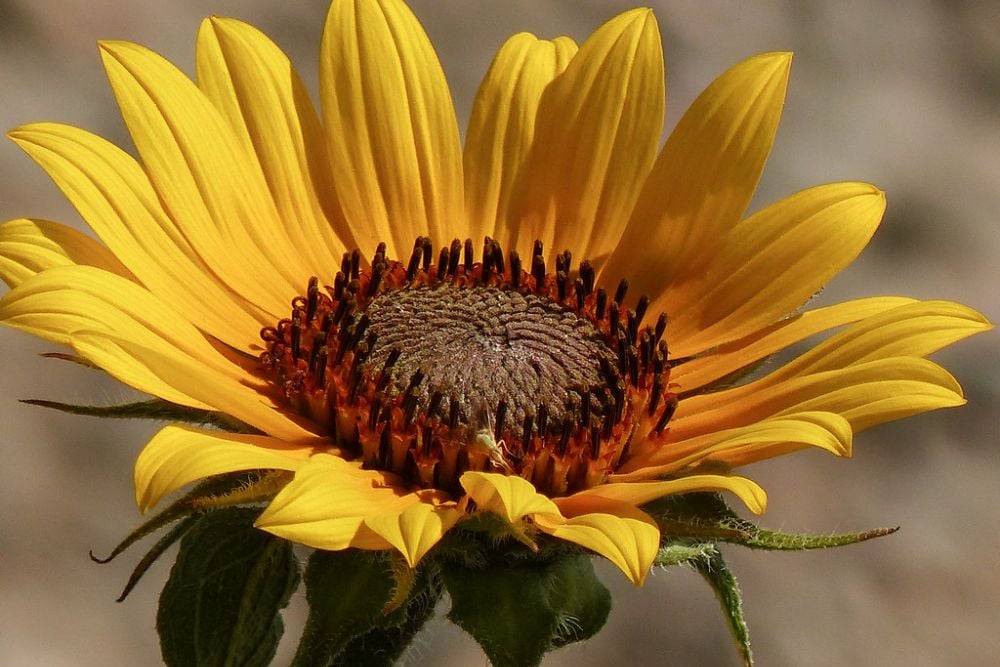
Wild sunflowers produce massive seed heads that attract numerous bird species including cardinals, nuthatches, and various sparrow varieties, throughout the autumn months. These tall annuals also support beneficial insects during blooming, while their sturdy stems provide perching spots for hunting birds.
Dogwood
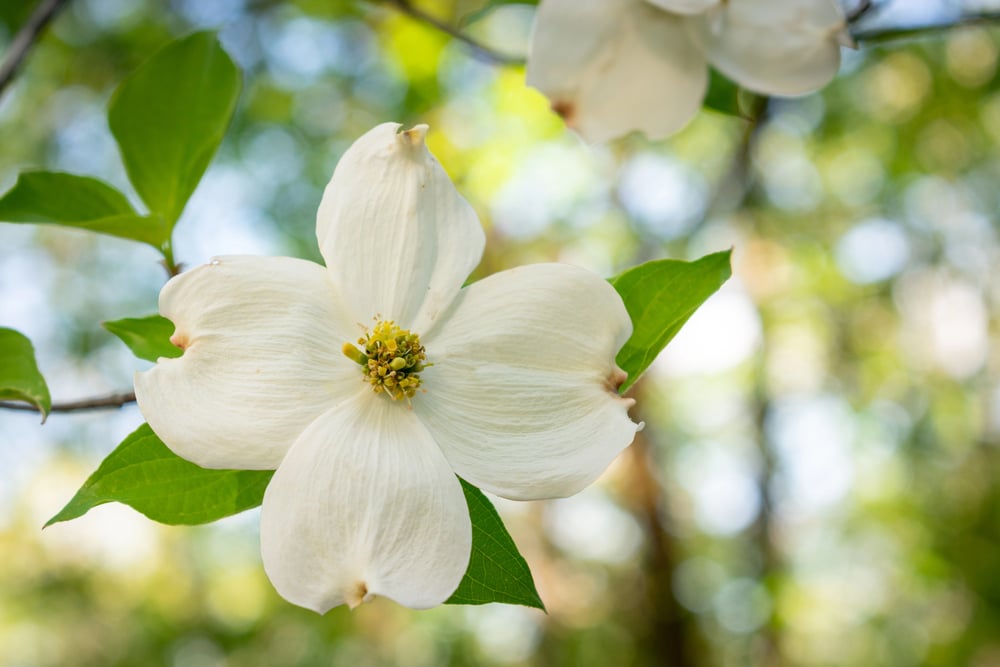
Dogwood trees offer high-fat berries that help birds build energy reserves for migration while providing four-season ornamental value in landscape settings. These understory trees create a layered habitat structure, supporting different bird species that prefer varying canopy levels for feeding and nesting activities.
Like Go2Tutors’s content? Follow us on MSN.
Native Honeysuckle

Native honeysuckle vines attract hummingbirds with nectar-rich flowers while producing berries that feed various songbird species during late summer periods. These climbing plants create vertical habitat layers — offering nesting opportunities for birds that prefer dense, protective cover.
Elderberry
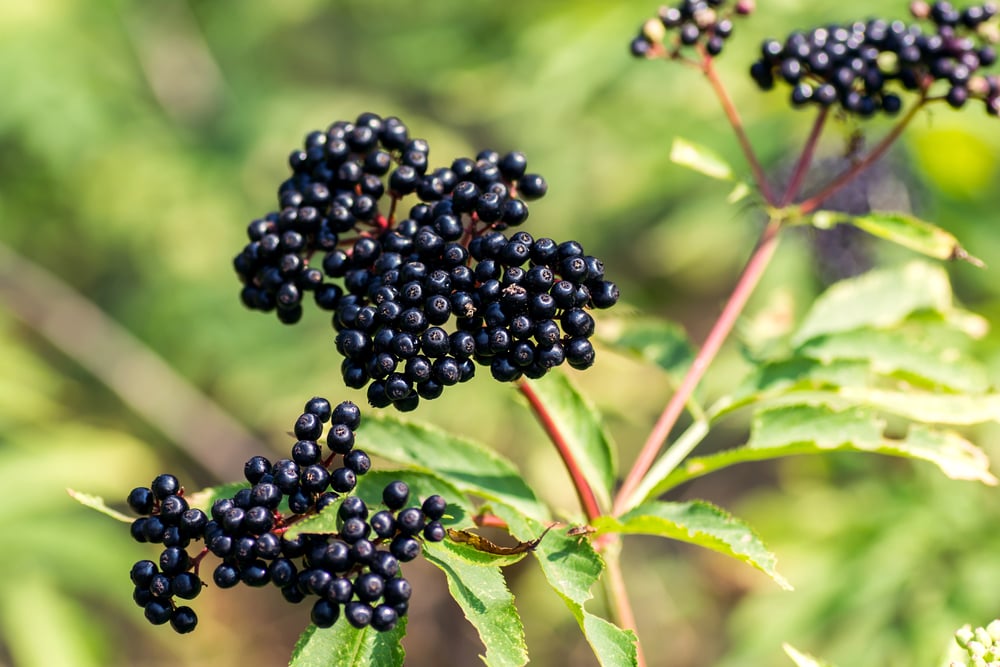
Elderberry shrubs produce large clusters of berries that provide essential nutrition for over 40 bird species during peak migration and breeding seasons. These fast-growing natives also support numerous insect species, creating abundant prey opportunities for insectivorous birds throughout growing periods.
Oak Trees
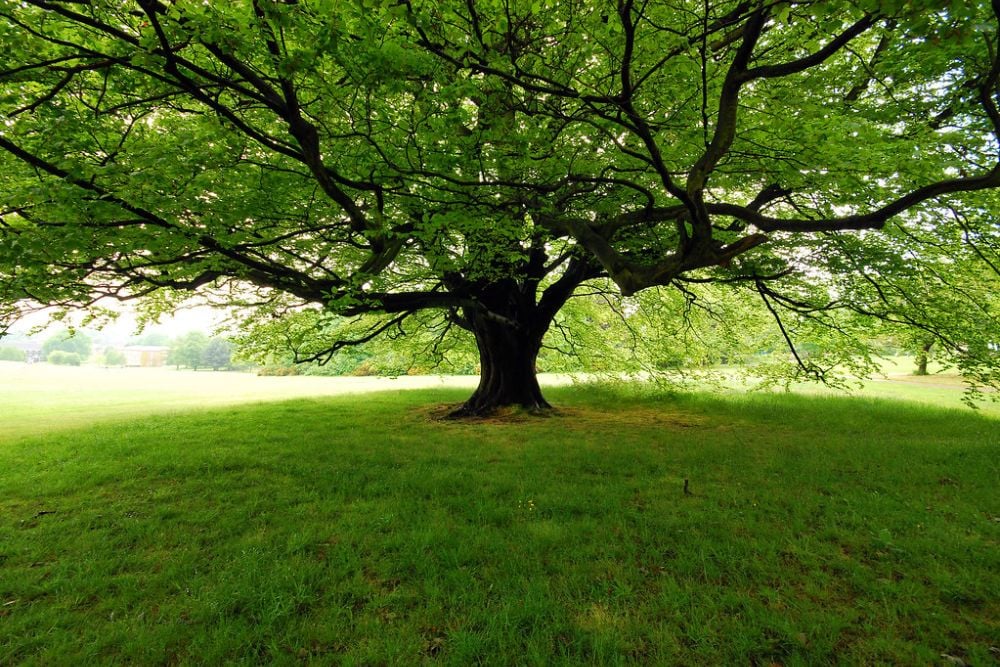
Oak species support more bird species than any other North American tree genus by hosting hundreds of insect varieties while producing protein-rich acorns. These long-lived trees create complex habitat structures that accommodate everything from woodpeckers to warblers across multiple canopy levels.
Like Go2Tutors’s content? Follow us on MSN.
Wild Cherry
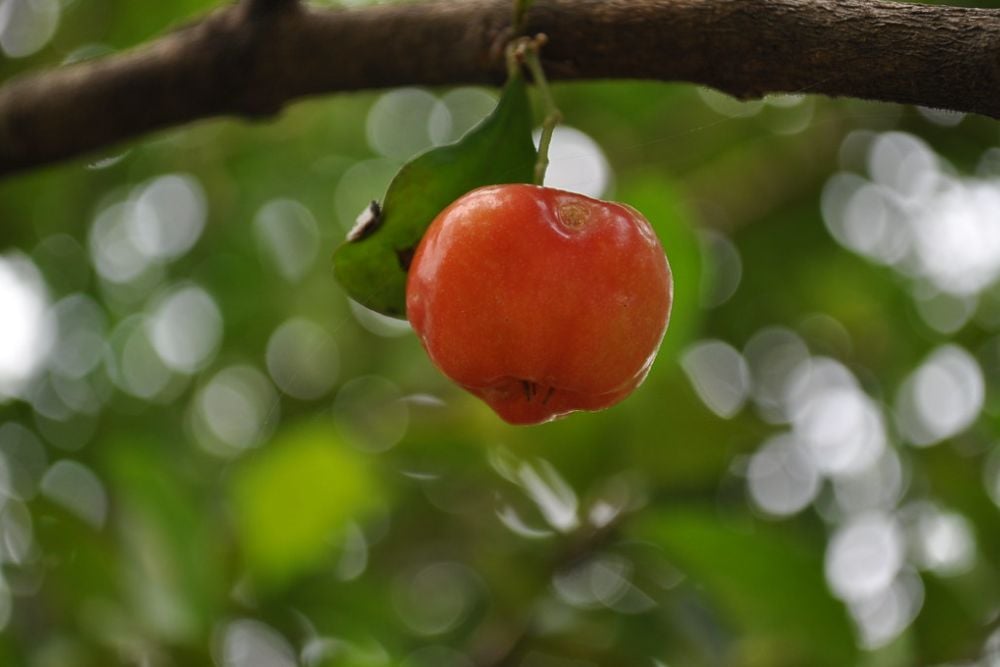
Wild cherry trees provide early-season berries that sustain migrating birds while their flowers attract insects during spring when protein needs peak for breeding. These native trees also offer excellent nesting sites with their branching structure supporting various nest types from different bird species.
Goldenrod
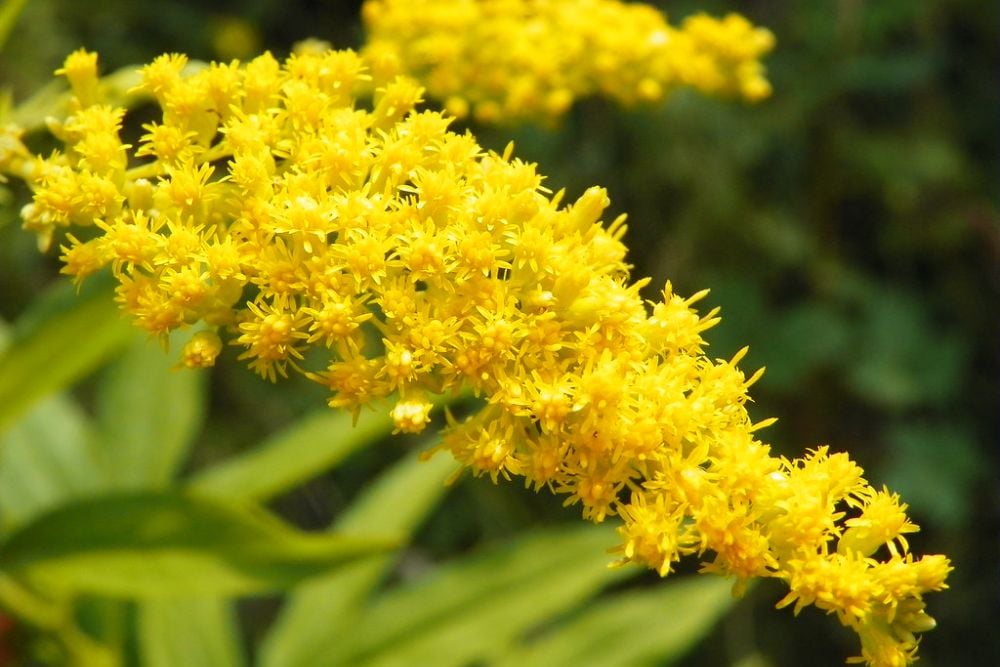
Goldenrod produces late-season seeds that help birds prepare for winter while supporting beneficial insects during autumn when other nectar sources become scarce. These perennial wildflowers create an important transitional habitat that bridges summer and winter food availability for resident bird populations.
Native Milkweed

Milkweed attracts specialized insects that provide food for various bird species while producing seeds with silky fibers used for nest construction. These plants support monarch butterflies along with numerous other beneficial insects that create hunting opportunities for flycatchers and swallows.
Like Go2Tutors’s content? Follow us on MSN.
Winterberry Holly

Winterberry holly produces bright red berries that persist through winter, providing crucial nutrition when other food sources remain frozen or unavailable. These deciduous shrubs offer emergency food supplies that can mean survival for resident bird populations during extended cold periods.
Wild Ginger

Wild ginger provides ground-level habitat that supports insects eaten by thrushes, towhees, and other ground-foraging bird species throughout the growing seasons. These woodland plants create understory cover that protects ground-nesting birds while their root systems support beneficial soil organisms.
Wild Columbine
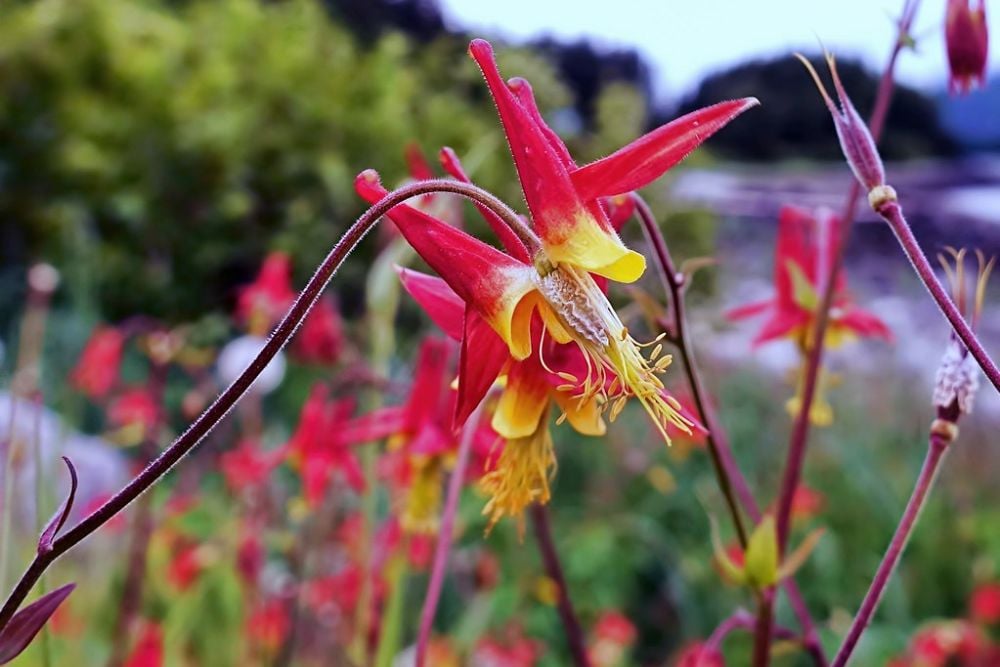
Wild columbine attracts hummingbirds with distinctive spurred flowers while supporting various beneficial insects that provide protein sources for insectivorous birds. These woodland perennials bloom early in spring when nectar sources remain limited, offering crucial energy for arriving migrant species.
Like Go2Tutors’s content? Follow us on MSN.
Native Grasses

Native grass species produce seeds that sustain sparrows, buntings, and other ground-feeding birds while providing nesting materials and protective cover. These plants create important habitat structure at ground level where many bird species prefer to forage and nest during breeding seasons.
Building Natural Sanctuaries
Native plant gardens create self-sustaining ecosystems that support bird populations more effectively than traditional ornamental landscapes filled with non-native species. These plants require less water, fertilizer, and pest control once established while providing year-round benefits that commercial bird feeders simply can’t match.
The key lies in selecting diverse species that provide food, shelter, and nesting opportunities across different seasons, creating habitat layers that accommodate various bird species with different ecological needs and preferences.
More from Go2Tutors!

- 16 Restaurant Chains That Went Too Fast
- 12 Things Sold in the 80s That Are Now Illegal
- 15 VHS Tapes That Could Be Worth Thousands
- 17 Historical “What Ifs” That Would Have Changed Everything
- 18 TV Shows That Vanished Without a Finale
Like Go2Tutors’s content? Follow us on MSN.



