28 Old Marbles and Game Pieces That Sell in Sets
Marbles and small game pieces were never meant to survive intact as a group; they were meant to be lost one at a time under porches and radiators. Complete or near-complete sets that escaped that fate now command real attention from collectors who understand exactly how rare an intact set has become.
German Handmade Onionskin Marbles
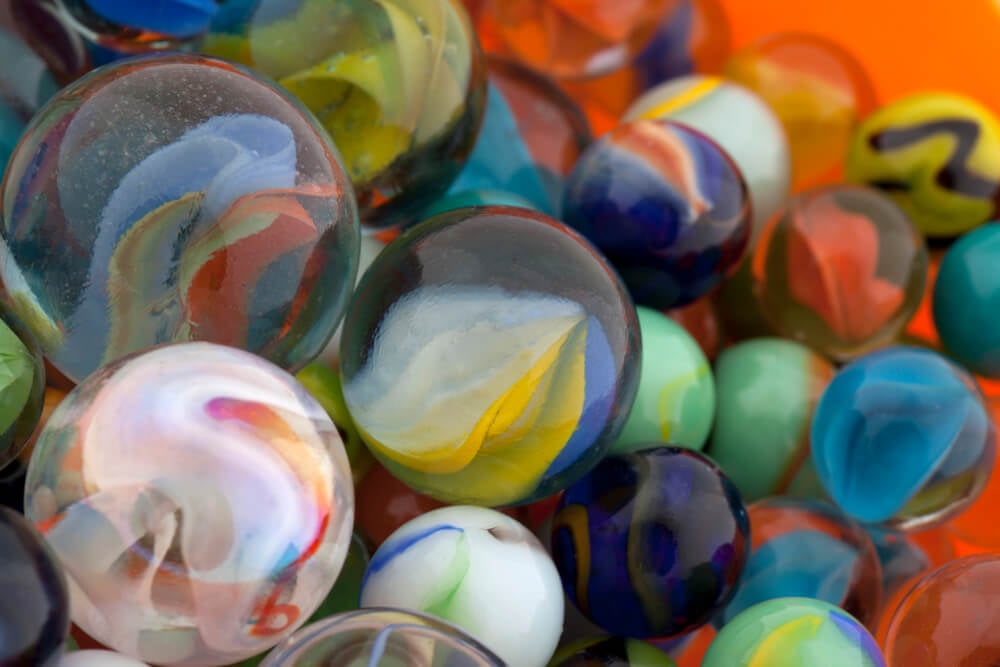
Produced by hand in Germany during the 19th century, onionskin marbles feature layered swirls of color just beneath the glass surface, created through a labor-intensive individual glassblowing process. Because each one was made by hand rather than machine, no two are truly identical, and vibrant multi-color examples are the most sought after.
Lutz Marbles
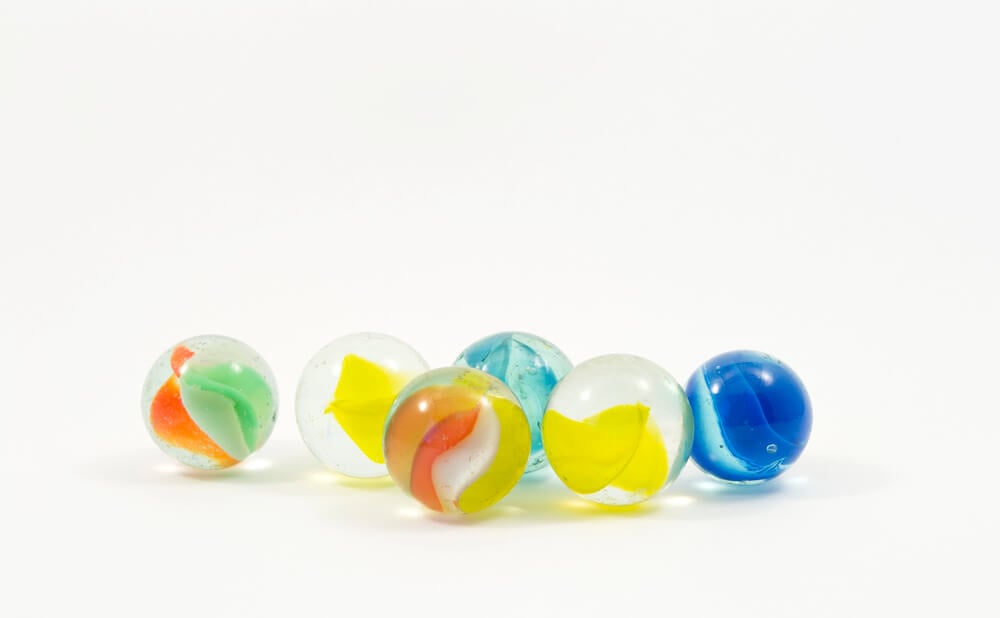
Named for the glassmaking technique that suspends fine copper flecks within the glass to create a glittering effect, Lutz marbles are among the most prized in traditional marble collecting. Their labor-intensive production means genuine antique examples are considerably scarcer than more common swirl-pattern marbles.
Sulphide Marbles
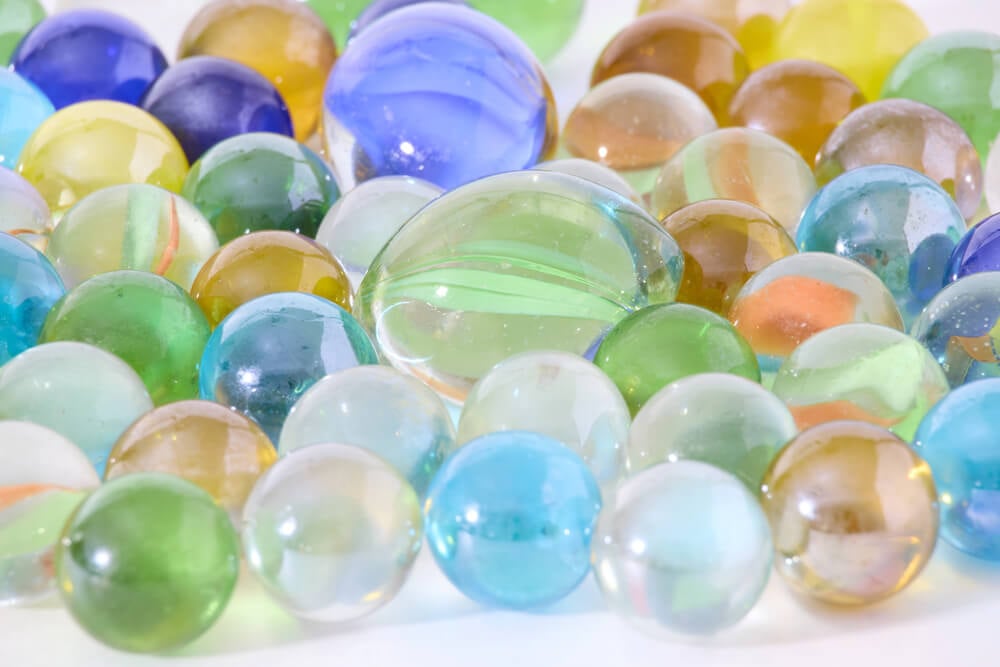
Sulphide marbles contain a small figure, often an animal or human form, encased within clear glass, a genuinely striking manufacturing achievement for the era. Figures depicting unusual or specific subjects, rather than common animals, tend to draw the strongest collector interest.
Akro Agate Marbles
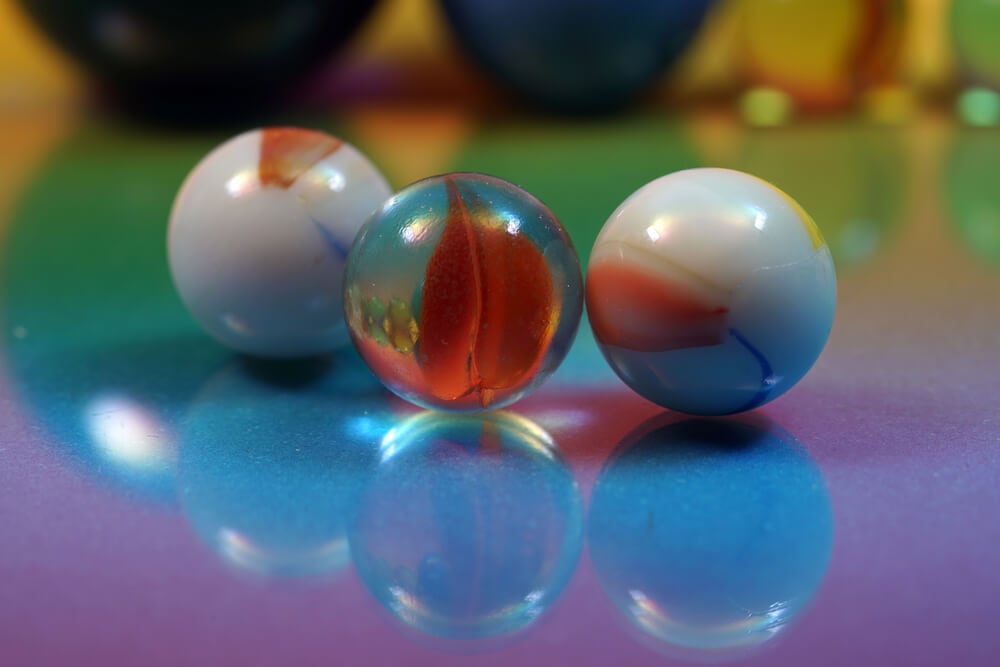
American manufacturer Akro Agate, active through much of the early-to-mid 20th century, became one of the most recognizable domestic marble producers, known for its distinctive corkscrew swirl patterns. The company’s name is stamped or embossed on some packaging, which collectors use to help authenticate original sets.
Christensen Agate Marbles
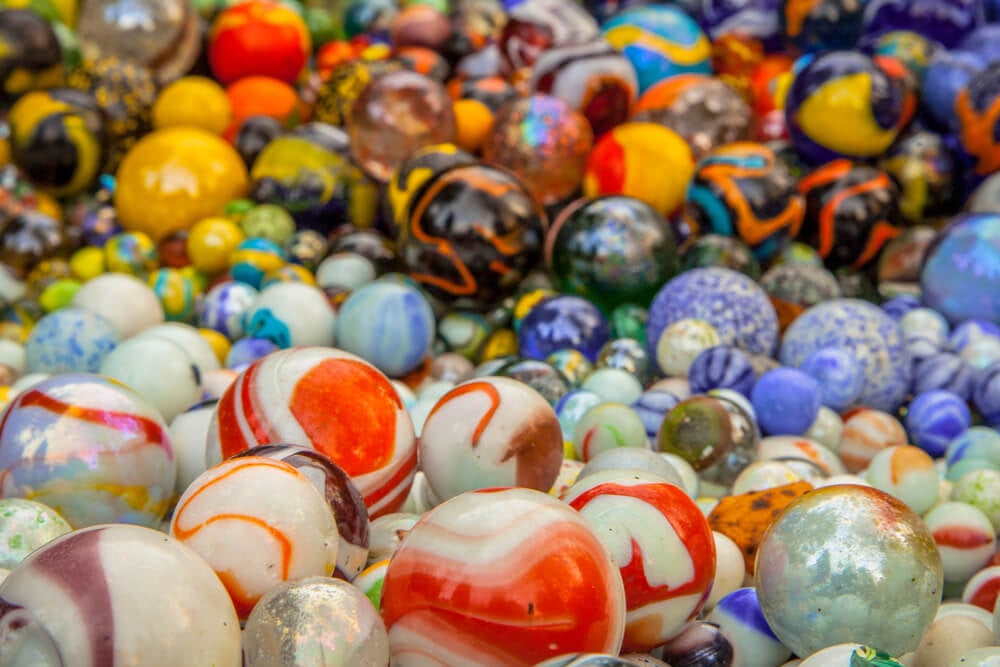
Christensen Agate operated for a relatively brief period in the late 1920s but produced marbles now considered among the most valuable machine-made examples ever manufactured, prized for their bold, saturated color combinations. That short production window is a major factor behind their scarcity and price today.
Peltier Glass Marbles
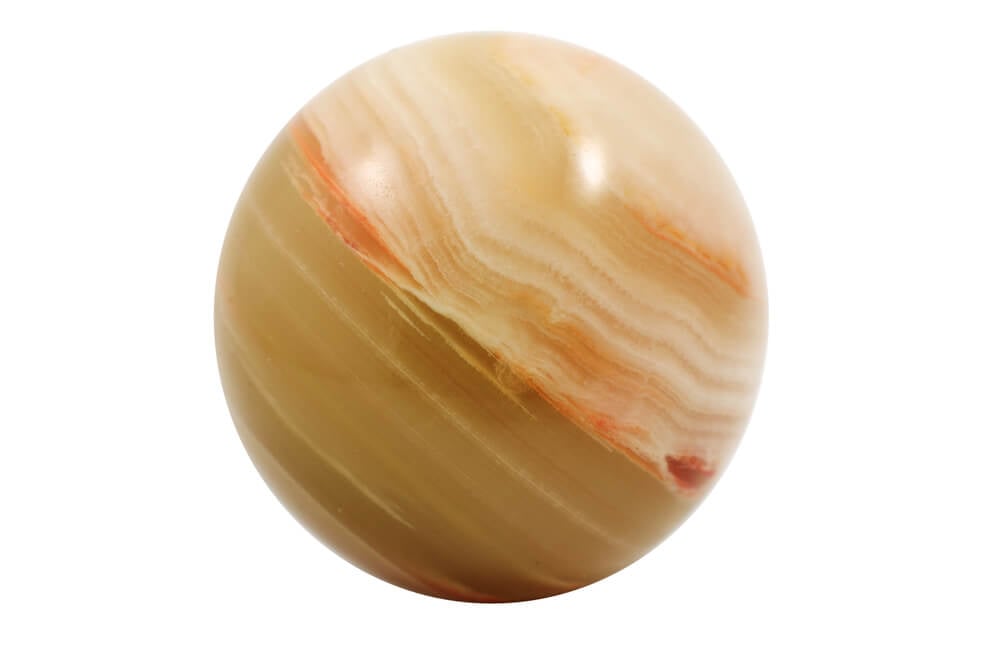
Peltier Glass Company produced a wide range of marble patterns through the 20th century, including figural marbles and character-themed designs tied to popular comic strips of the era. Peltier’s comic character marbles remain a specific and actively pursued subcategory within the broader collecting hobby.
Clambroth Marbles
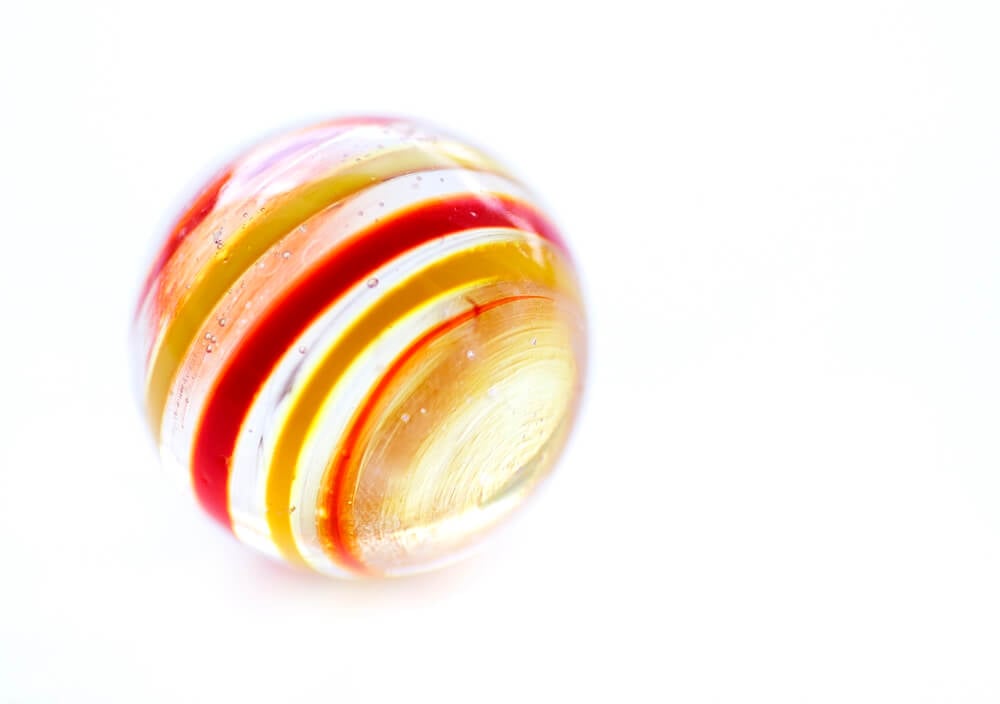
Named for their resemblance to the pale, opaque broth made from clams, clambroth marbles feature fine colored lines against a milky white glass base. Their relatively delicate appearance and 19th-century origins make well-preserved examples genuinely uncommon.
Indian Swirl Marbles
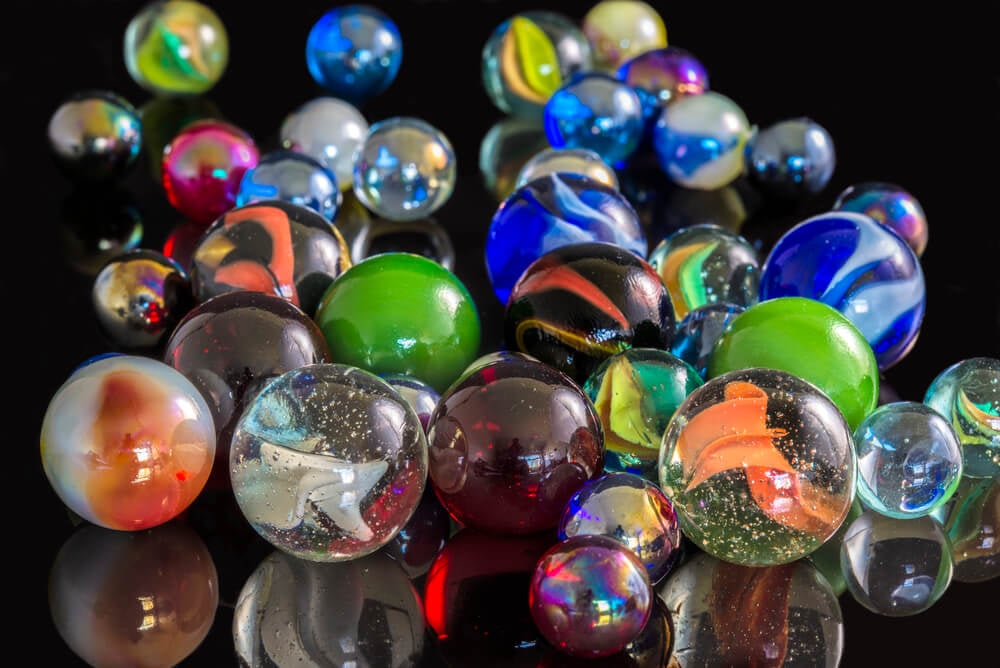
A specific swirl pattern style associated with certain historic German glassmaking traditions, Indian swirl marbles feature bold contrasting color bands set against a dark base glass. Their striking visual contrast makes them a favorite subject for display collections built around color and pattern.
Vitro Agate Marbles
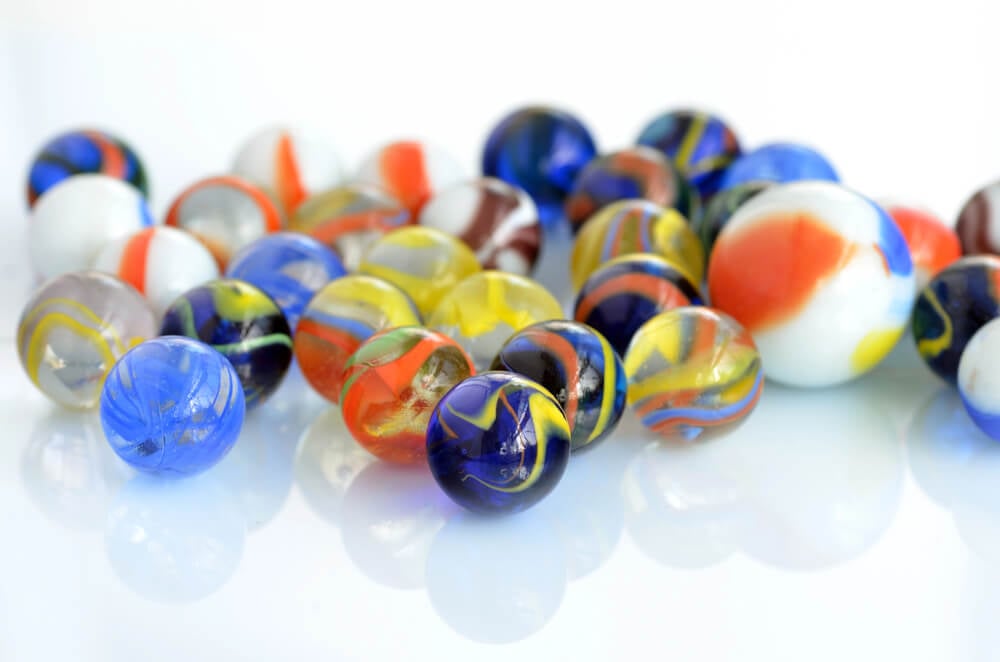
Vitro Agate, an American manufacturer active through the mid-20th century, produced widely distributed machine-made marbles known for consistent quality and recognizable patterns. Because production volumes were high, individual marbles are relatively affordable, though complete original mesh bags remain a specific collector target.
Cat’s Eye Marbles
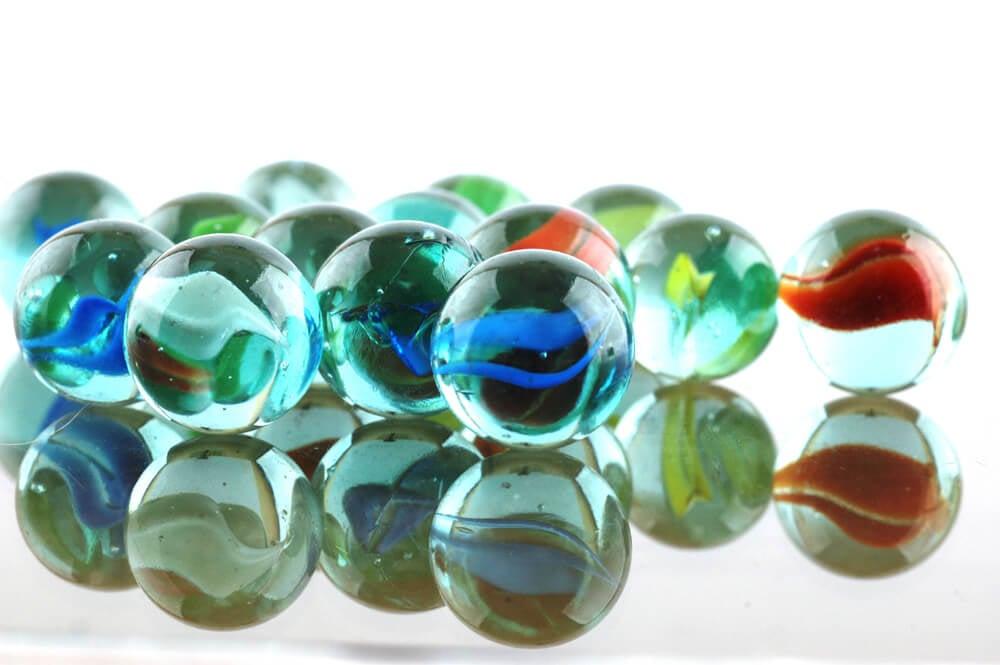
Featuring a distinctive vane of color running through a clear glass body, cat’s eye marbles became especially popular from the mid-20th century onward and remain one of the most widely recognized marble styles among casual and serious collectors alike. Multi-vane examples with unusual color combinations are valued above single-vane, common-color pieces.
Comic Character Marbles
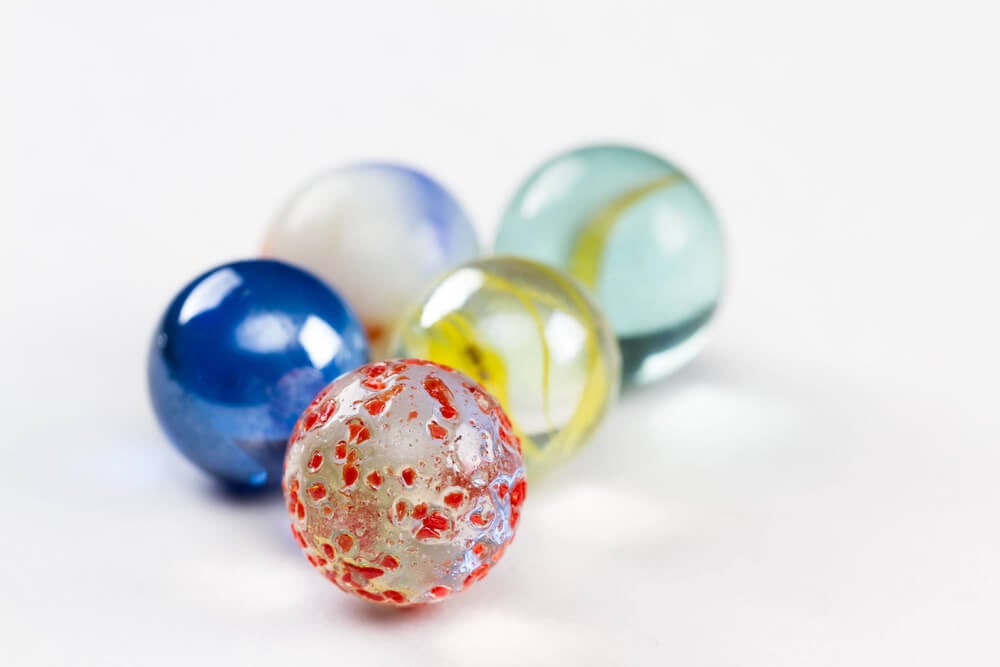
Marbles produced with imagery tied to popular newspaper comic strip characters of the early-to-mid 20th century occupy a specific crossover niche between marble collecting and vintage advertising collecting. Original packaging identifying the specific licensed character significantly increases a set’s value.
Bennington Marbles
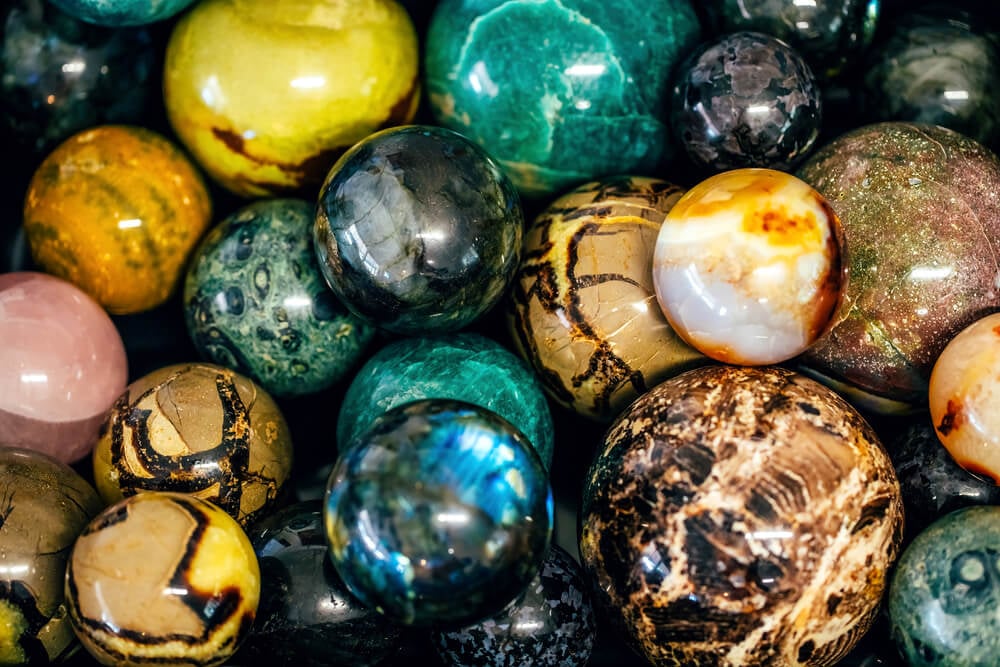
Named for their glazed ceramic finish resembling Bennington pottery, these marbles predate the glass marble era and represent one of the earliest mass-produced marble styles in America. Their ceramic construction makes surviving examples in undamaged, unchipped condition genuinely scarce.
Chinese Checkers Marble Sets
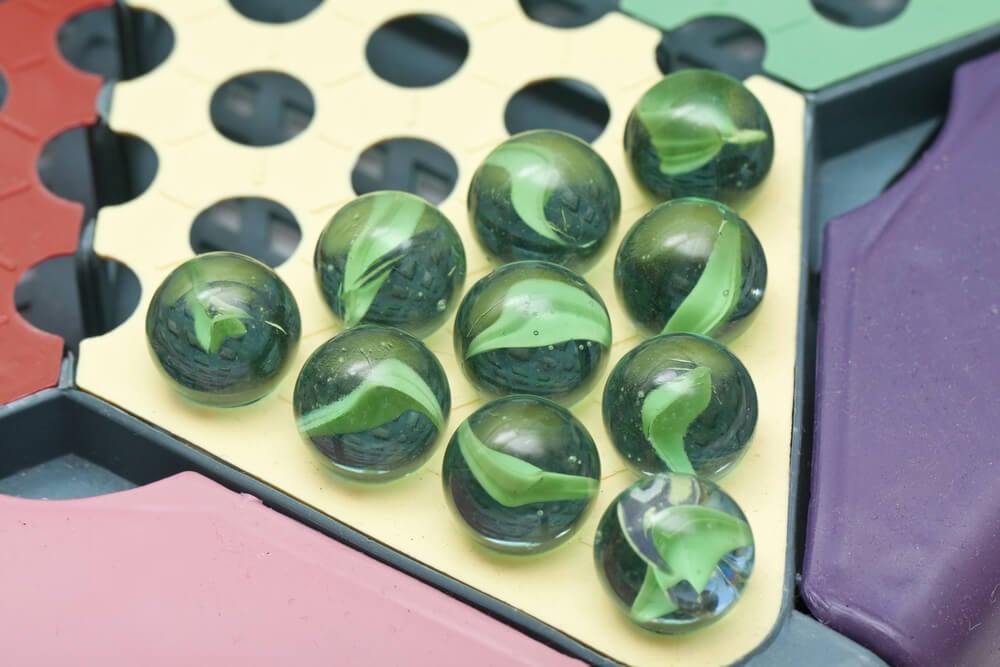
Complete vintage Chinese checkers sets, including the star-shaped wooden board and full complement of colored glass marbles, are collected as much for nostalgia as for the individual marbles themselves. Sets with all colors fully represented and matching in style are worth considerably more than mismatched or incomplete groupings.
Mancala Playing Stones
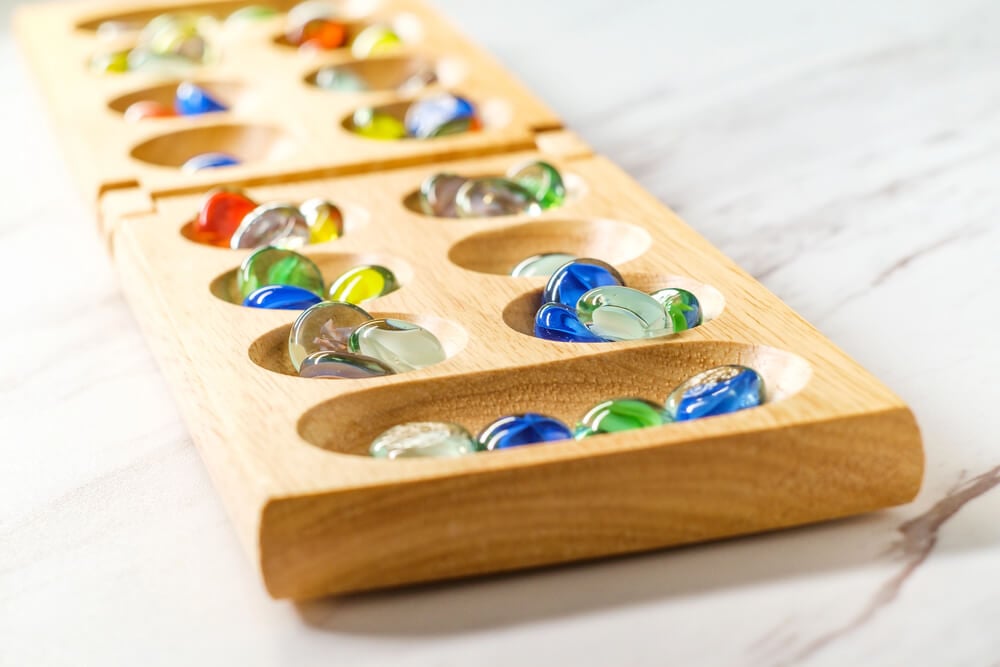
Traditional mancala games used small stones, seeds, or carved wooden pieces rather than manufactured marbles, and antique sets with hand-carved boards are collected as much for their craftsmanship as for gameplay history. Complete sets with a matching original board carry substantially more value than loose playing pieces alone.
Antique Dominoes Sets
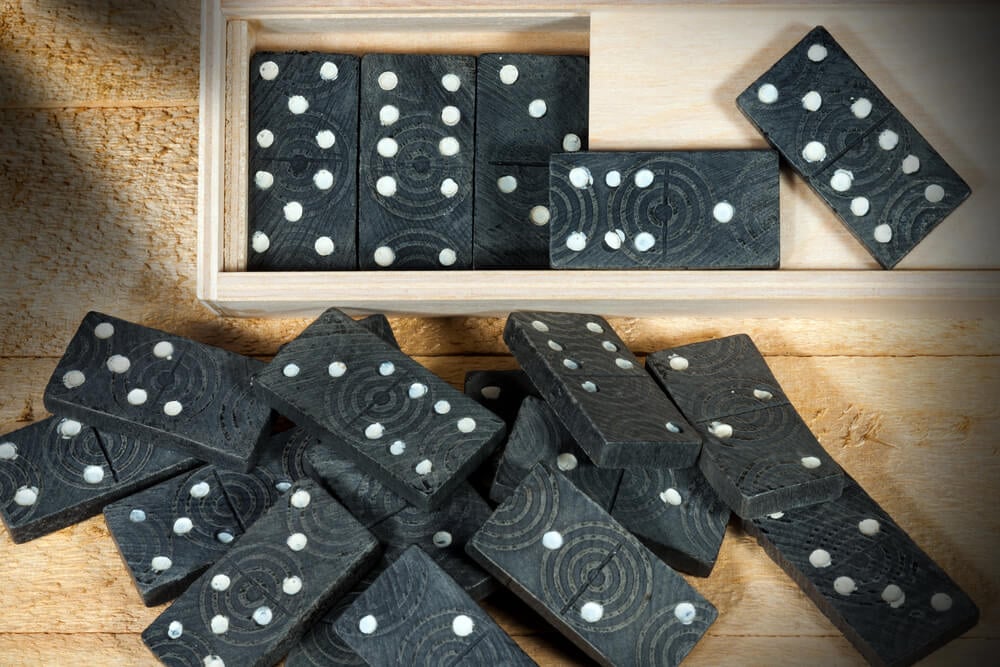
Antique domino sets, particularly those made from bone and ebony rather than later plastic, reflect a period when even simple game pieces were crafted from genuine natural materials. Complete sets housed in their original wooden or leather case are worth considerably more than incomplete or mismatched pieces.
Vintage Chess Pieces
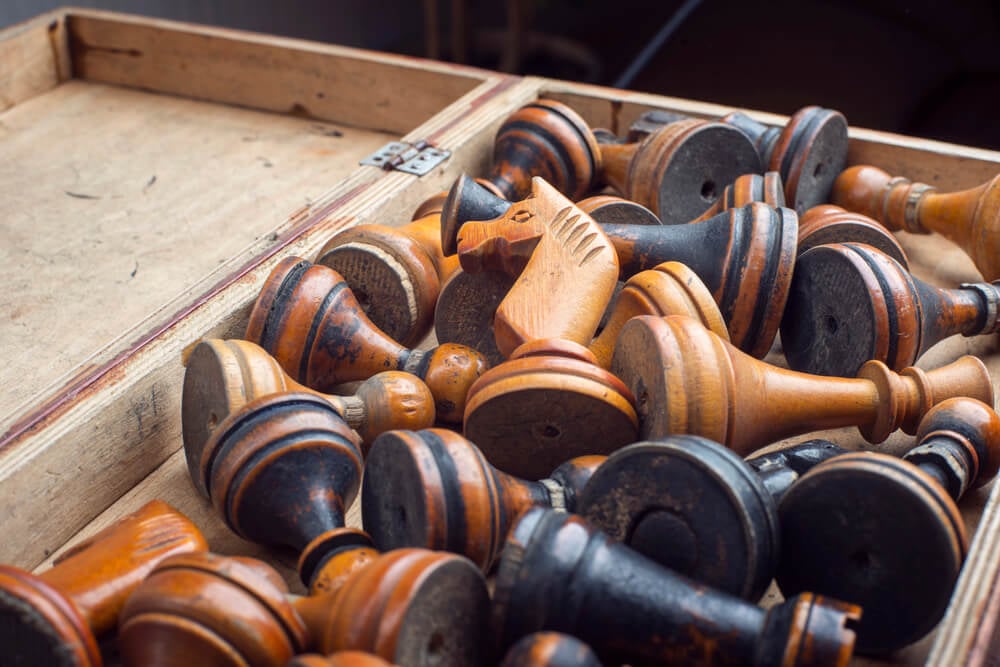
Antique chess sets carved from bone, wood, or early composite materials document a long history of the game as both entertainment and decorative craft. Complete sets with a matching, undamaged board are far more valuable than individual pieces, since incomplete sets are difficult for buyers to use for actual play.
Antique Backgammon Checkers
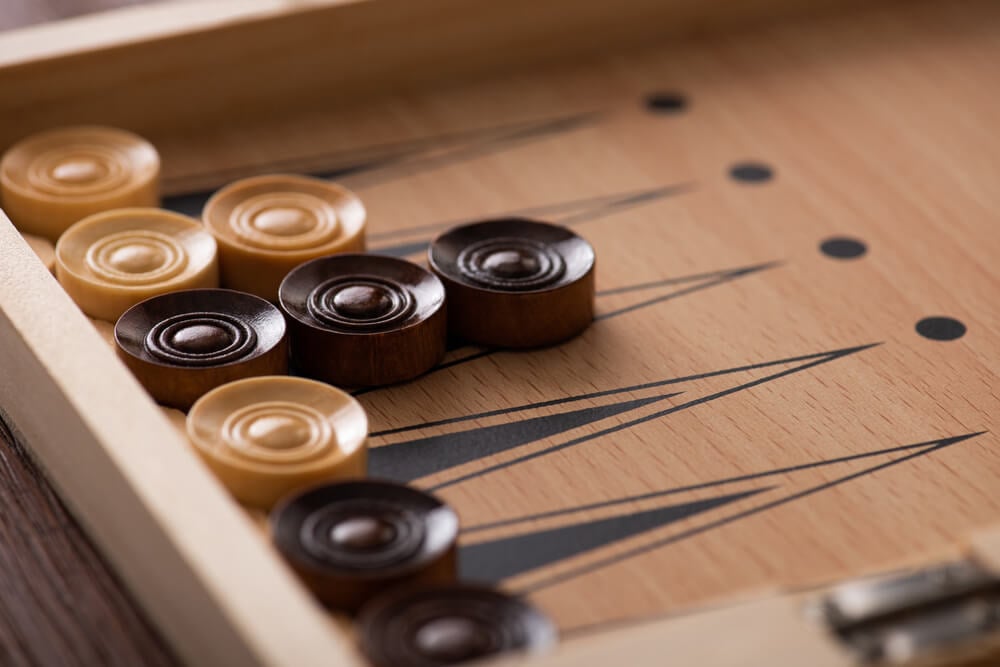
Backgammon checker pieces from antique sets, often made from bone or early resin materials, are collected primarily as complete sets rather than individually. A matching folding wooden case in good condition adds meaningfully to the value of the full set.
Vintage Parcheesi Pawns
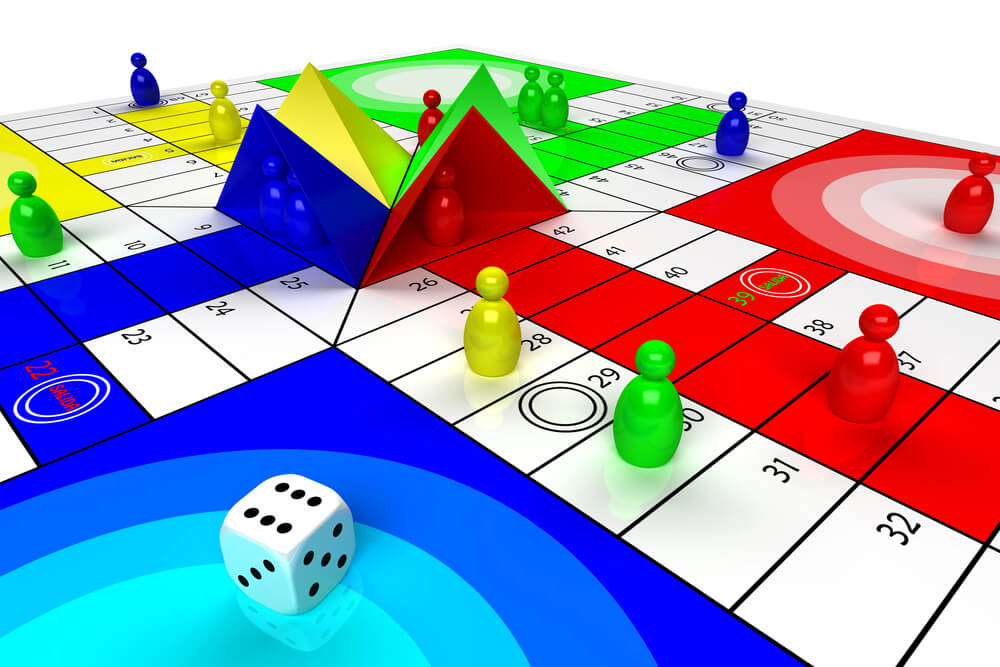
Pawns from vintage Parcheesi sets, distinguished by their color-coded design representing each player, are collected as complete boxed sets rather than individual pieces. Early 20th-century boxed editions with intact original artwork are the primary target for board game collectors.
Cribbage Pegs and Boards
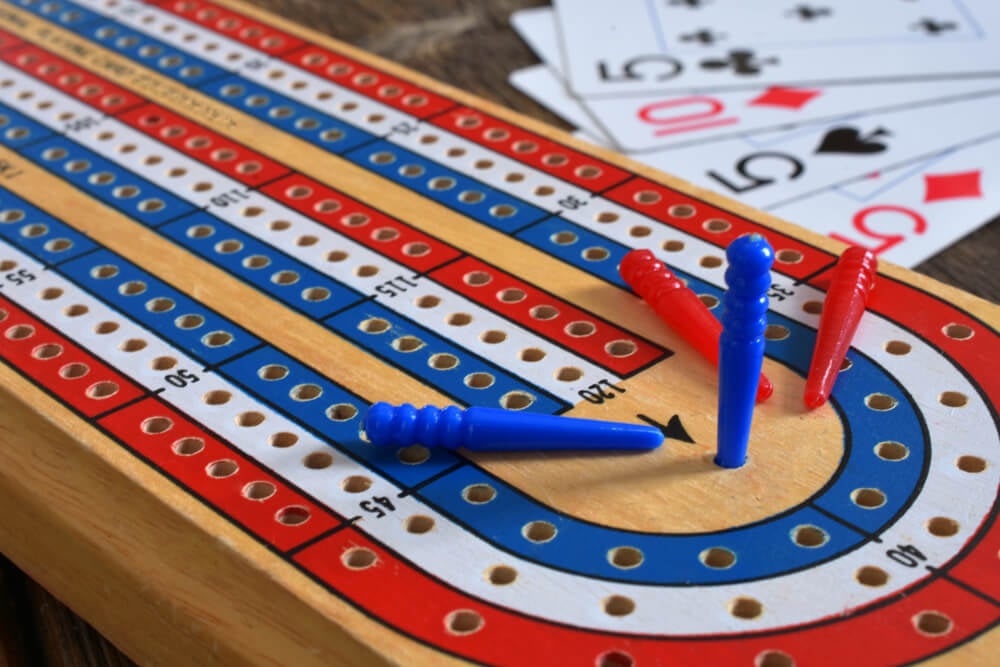
Antique cribbage boards paired with their original scoring pegs are collected both for gameplay nostalgia and for the often elaborate hand-carved designs found on older boards. Complete sets with all original pegs present are considerably more desirable than boards missing pieces.
Vintage Clay Poker Chips
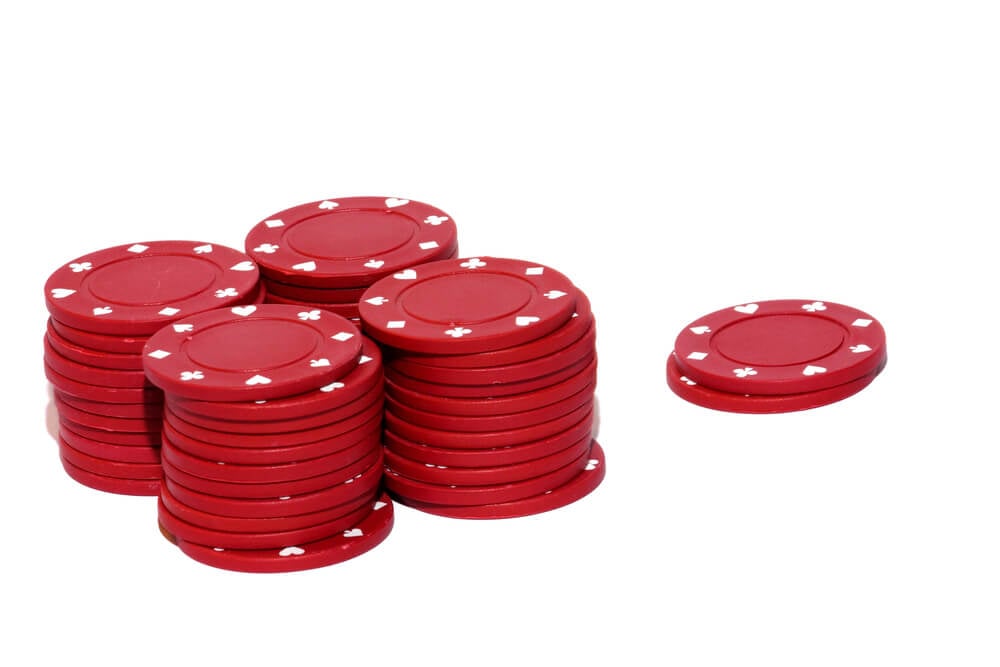
Early poker chips made from compressed clay, rather than later plastic composite materials, are collected individually and in complete sets, particularly when stamped with a casino or manufacturer’s mark. Sets housed in their original wooden caddy carry a clear premium over loose, unorganized chips.
Antique Jackstraws Sets
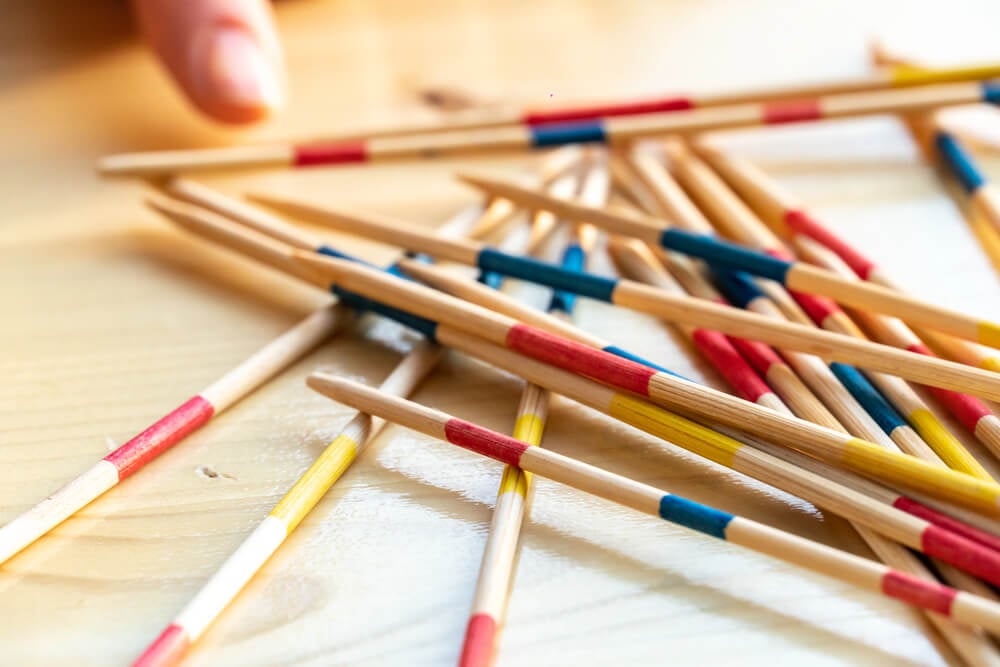
Also known by other regional names, jackstraws sets used thin wooden or bone sticks in a dexterity-based game predating modern pick-up-stick toys. Sets with elaborately carved or painted sticks, rather than plain unadorned pieces, draw stronger collector interest.
Vintage Tiddlywinks Discs
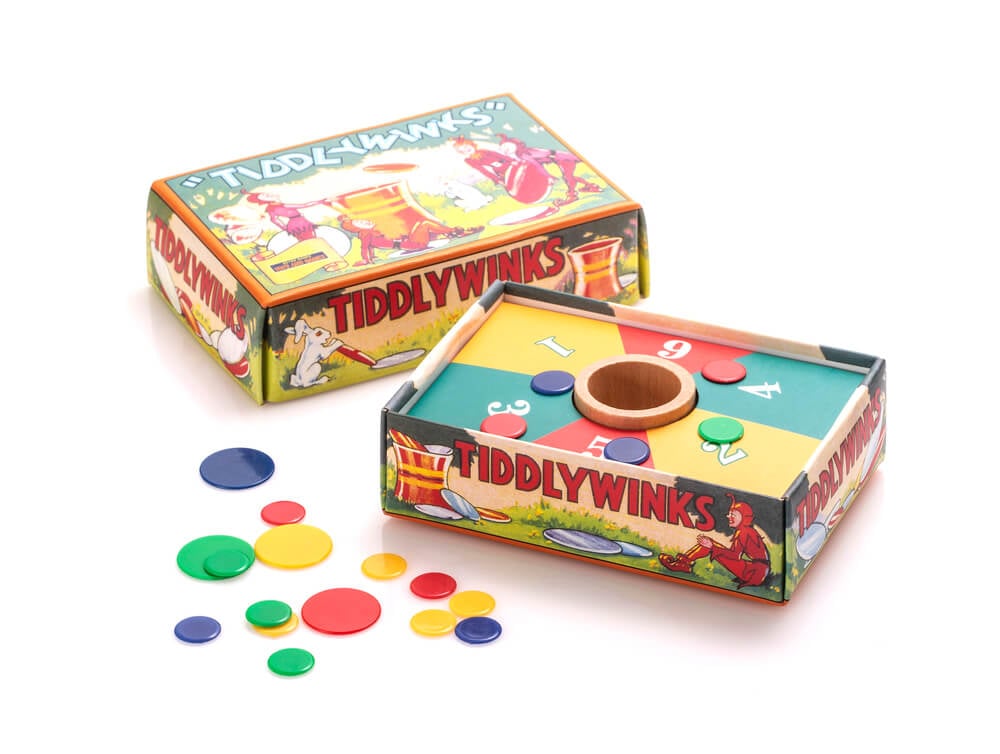
Tiddlywinks sets, using small colored discs flicked into a central cup, were a popular parlor game in the late 19th and early 20th centuries. Complete sets with the original cup and full complement of discs in matching colors are considerably scarcer than the loose discs that survive individually.
Antique Dice Sets
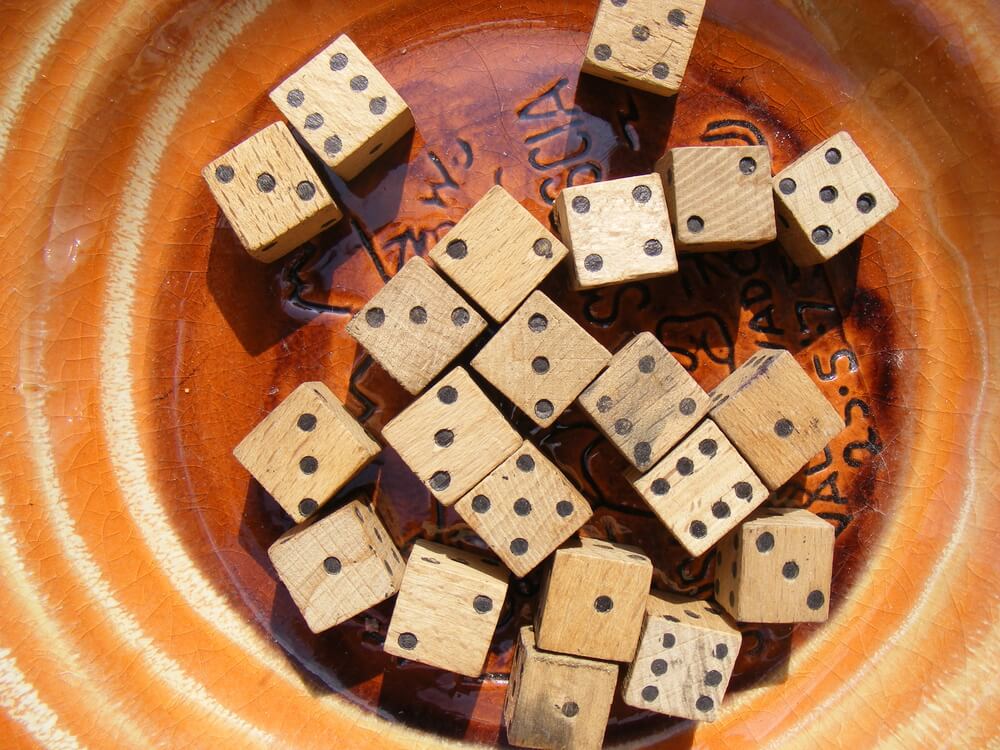
Dice made from bone, ivory, or early celluloid rather than modern plastic reflect changing material use across gaming history. Sets housed with a matching dice cup or case are more consistently valuable than loose, individual dice.
Vintage Wood and Glass Checkers Sets
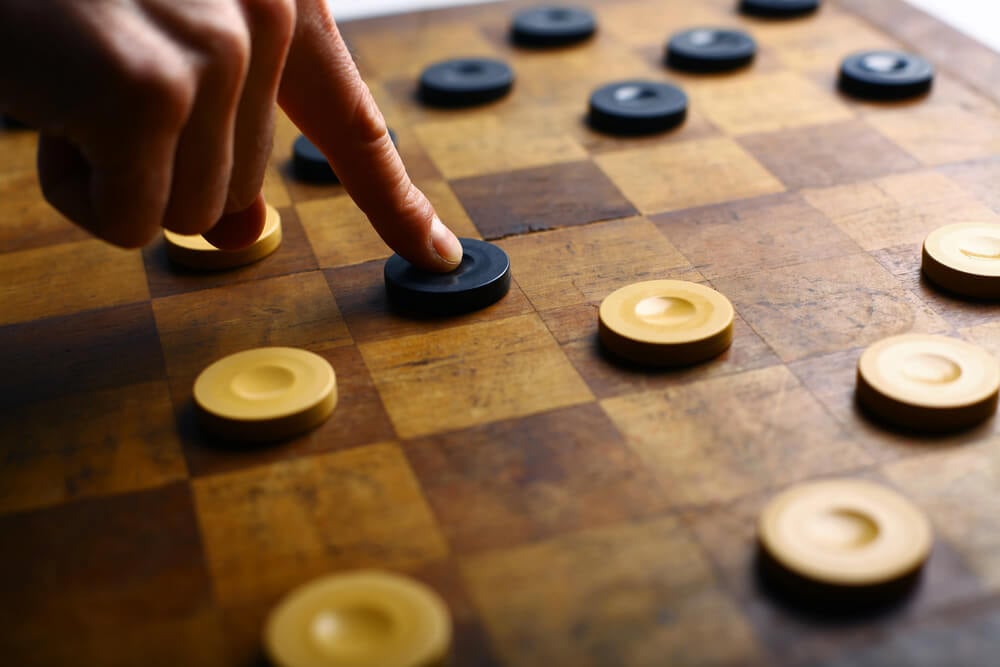
Checkers sets combining a wooden board with glass playing pieces represent a step up from the more common all-wood sets of the same era. Glass pieces in strong, unfaded original color are the main factor separating a valuable set from an ordinary one.
German Steinie Marbles
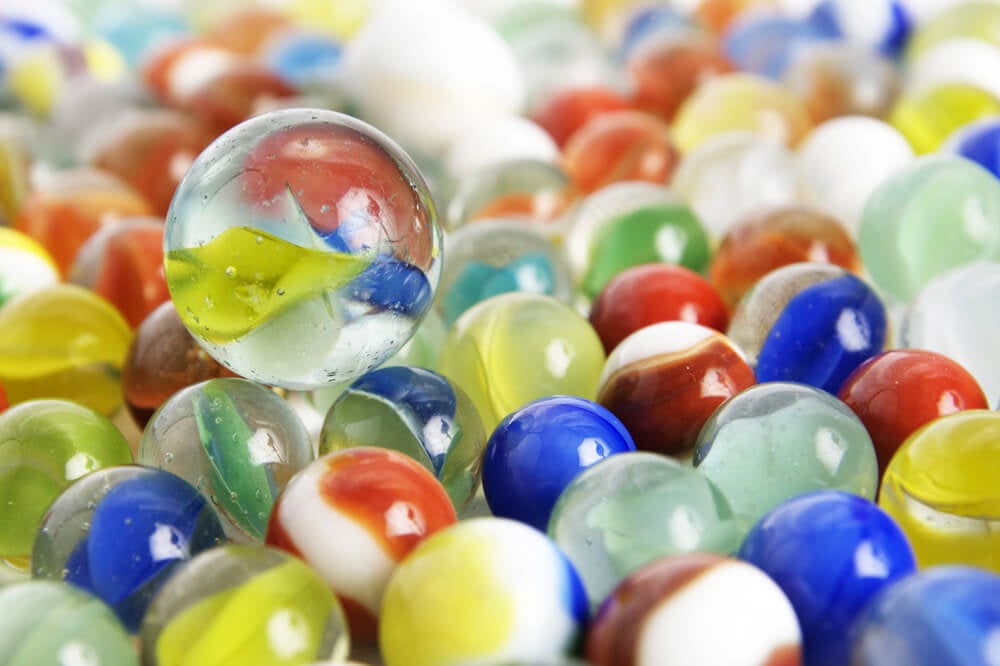
A specific historic German marble style, steinie marbles are known for their compact, slightly flattened shape compared to standard round marbles. Their distinct silhouette makes them easy to identify at a glance, which collectors use to quickly sort them from more common round marble types.
Marble King Machine-Made Marbles
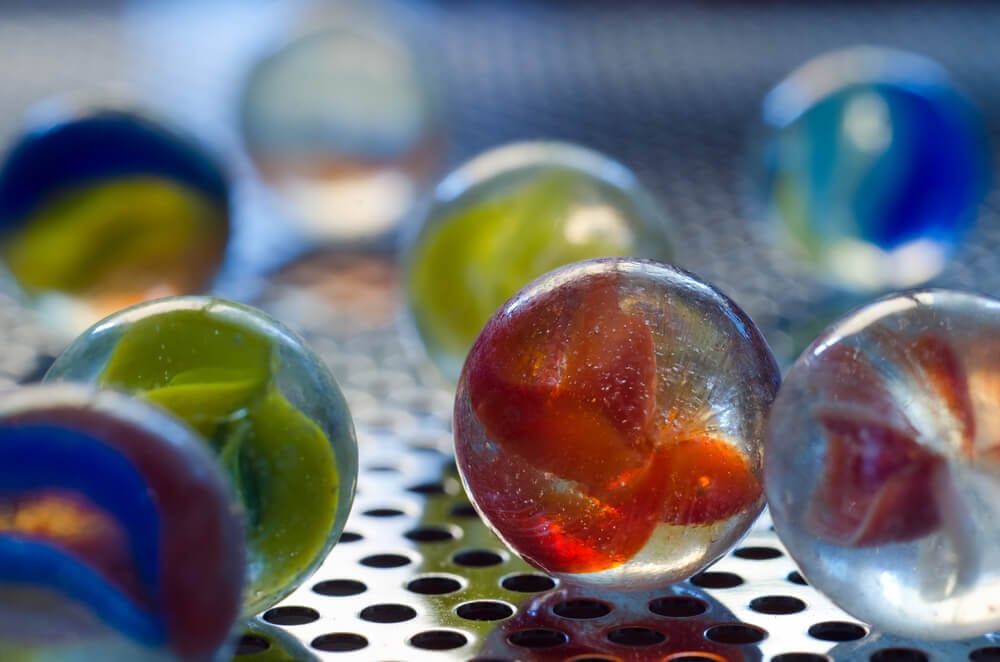
Marble King, an American manufacturer still producing marbles today, has a long production history that includes several vintage patterns now specifically sought by collectors focused on mid-20th-century American marbles. Discontinued vintage patterns, no longer part of the company’s current catalog, carry the strongest collector interest.
Vintage Mahjong Tile Sets
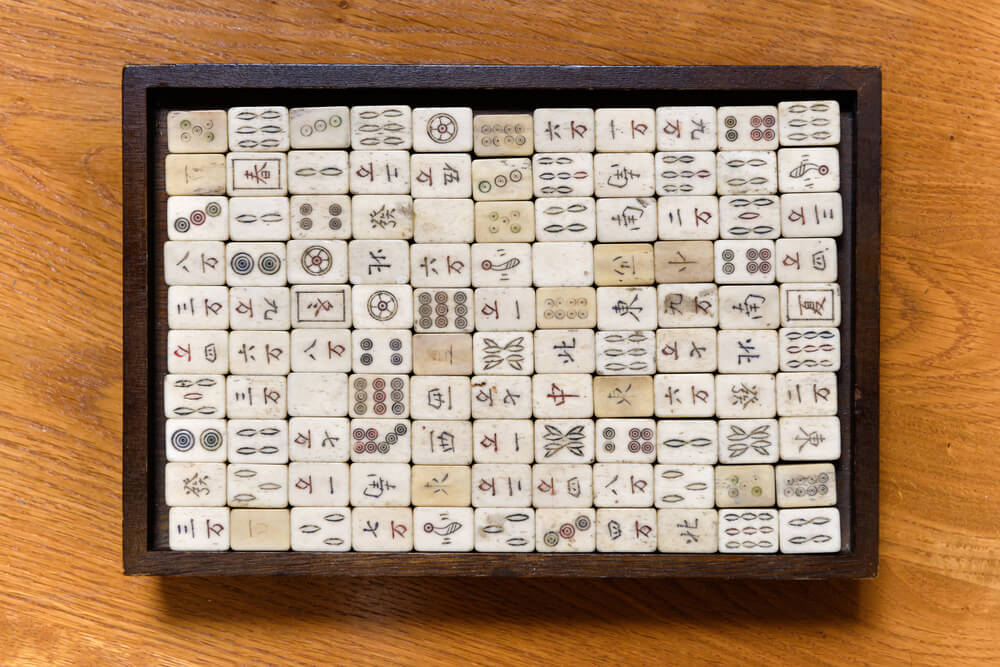
Antique mahjong sets, particularly those with hand-carved bone or bamboo tiles rather than later plastic versions, are collected both for gameplay history and for their often intricate individual tile artwork. Complete sets with all tiles present and a matching original case are considerably more valuable than partial sets.
Antique Marble Pouches and Tins
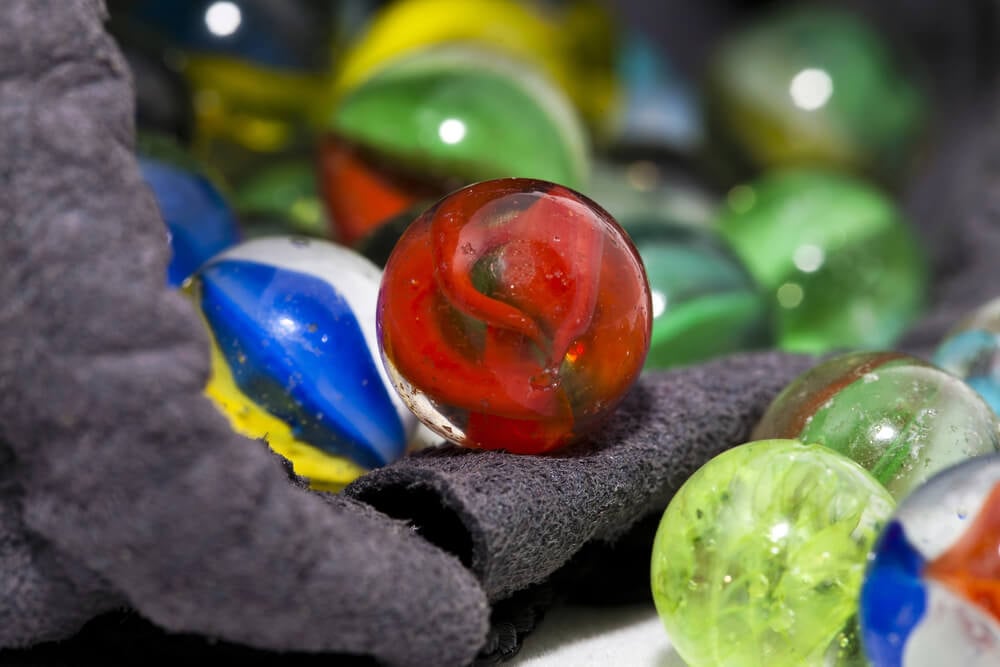
The original cloth pouches, mesh bags, and tin marbles were sold and stored in are collected as a category in their own right, particularly when printed with the original manufacturer’s branding. A set of marbles still housed in its correctly matched original container is worth meaningfully more than the same marbles found loose.
The Set That Somehow Stayed Whole
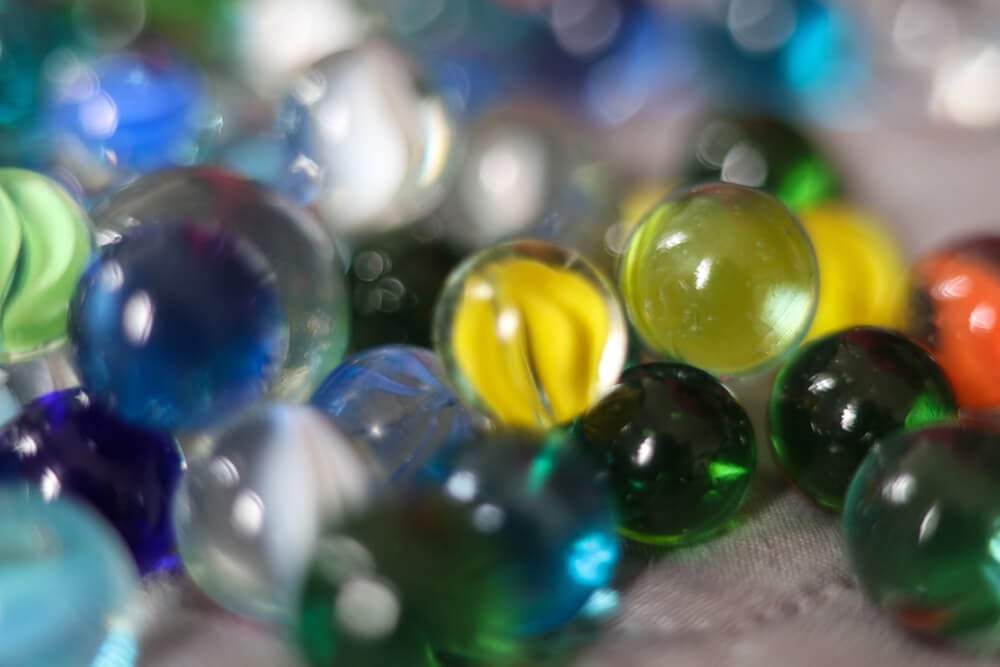
Every one of these categories depends on the same unlikely event: a full set that, against the odds of decades of children losing pieces under furniture, simply never got broken up. That completeness is not a design feature. It is an accident of a drawer left undisturbed.
Collectors are not really buying nostalgia for these games so much as they are buying evidence of restraint, proof that somewhere, some family managed to keep every single piece together long enough for it to become worth something.
More from Go2Tutors!

- 16 Historical Figures Who Were Nothing Like You Think
- 12 Things Sold in the 80s That Are Now Illegal
- 15 VHS Tapes That Could Be Worth Thousands
- 17 Historical “What Ifs” That Would Have Changed Everything
- 18 TV Shows That Vanished Without a Finale
Like Go2Tutors’s content? Follow us on MSN.