27 School Fundraisers That Filled American Kitchens
For decades, schools funded field trips, band uniforms, and playground equipment by asking families to buy food. Order forms came home in backpacks, neighbors were pressed into service, and a few weeks later the kitchen counter filled up with boxes, tubs, and tins.
Most of these sales were not about the product at all. They were about the pitch, the pickup day, and the quiet pressure to hit the sales goal.
The Boxed Chocolate Bars
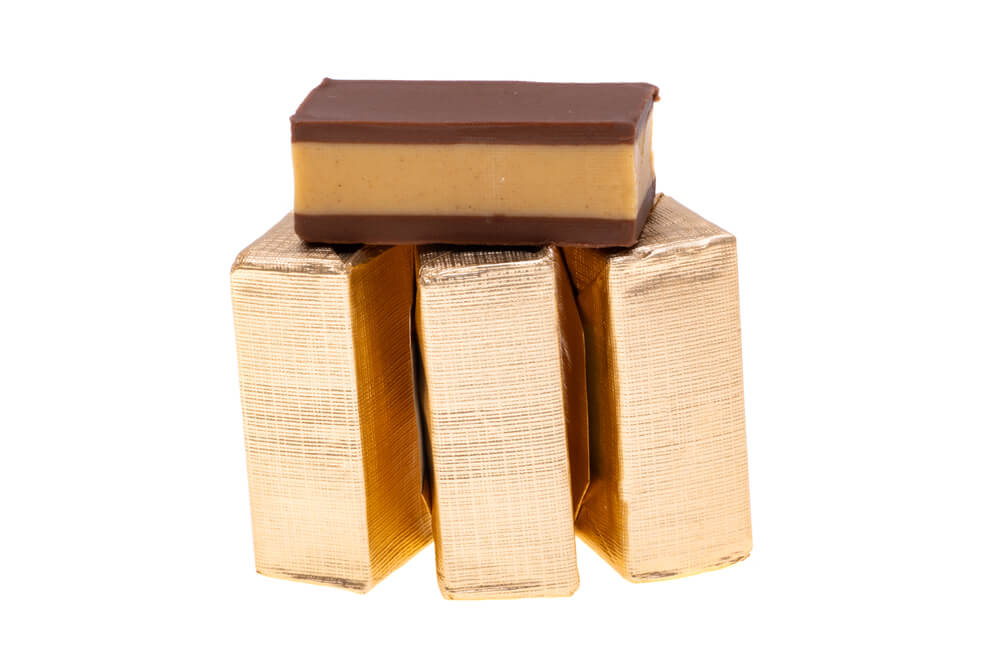
The classic fundraiser arrived in cardboard cartons holding a few dozen bars, each priced a dollar or two above the grocery store rate. Kids carried the carton door to door or to their parents’ offices.
Any bars left over at the end of the sale were usually eaten by the family that sold them.
The Frozen Cookie Dough Tubs
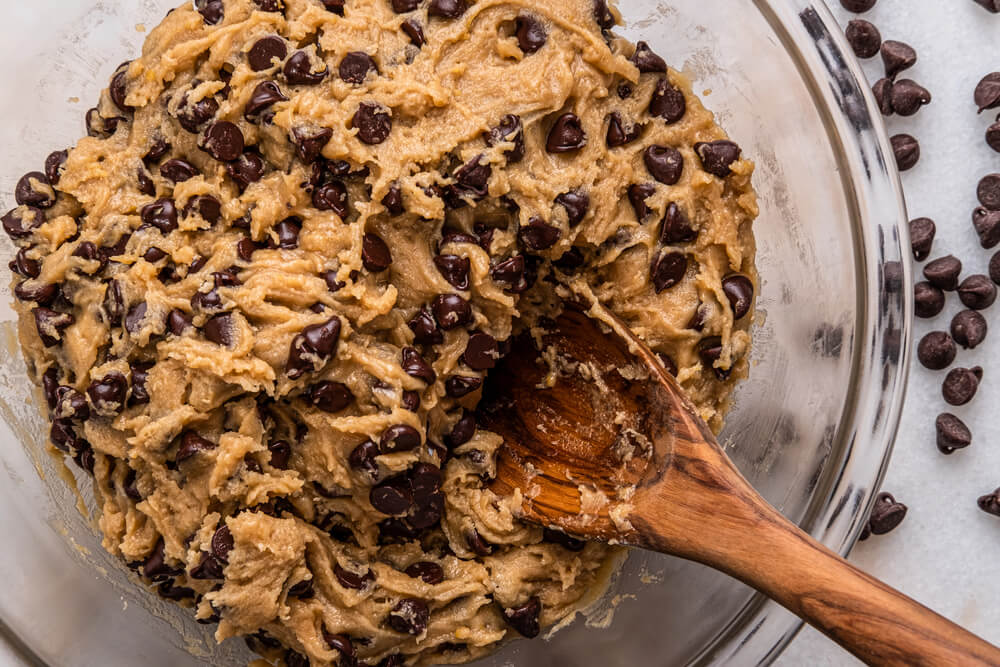
Families ordered large tubs of frozen dough in flavors such as chocolate chip and sugar cookie. Everything arrived on a single pickup afternoon, and parents hauled coolers to the school parking lot to keep it cold.
The dough then had to fit into a freezer that was already full.
The Frozen Pizza Kits
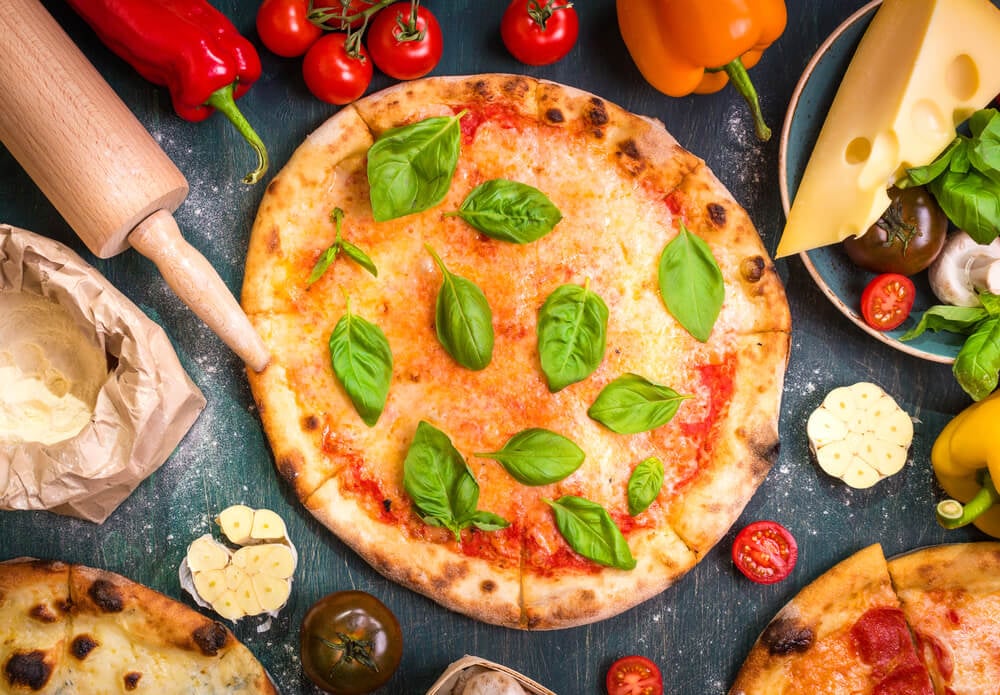
Some fundraisers sold pizza kits that included a crust, a pouch of sauce, and a bag of shredded cheese. Families picked them up on delivery day and baked them over the next week.
A kit that sat in the freezer for months was a common kitchen discovery.
The Gourmet Popcorn Tins
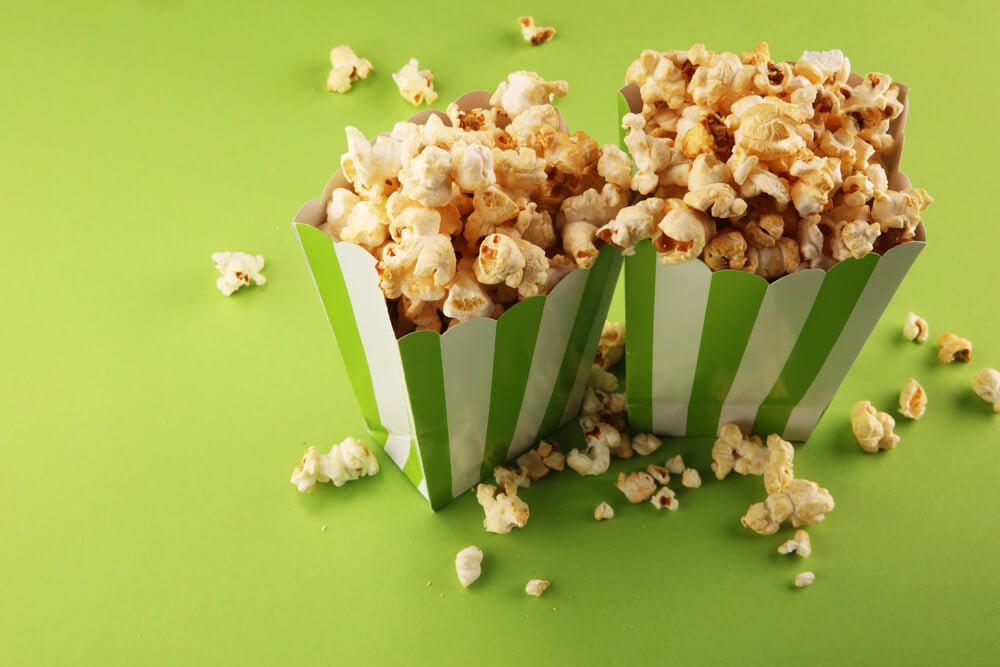
Large metal tins divided into compartments held three flavors, usually cheddar, caramel, and butter. The designs were decorated with holiday scenes, so tins arrived in the fall and doubled as gifts.
The empty tins were reused for years to store buttons, sewing supplies, and loose screws.
The Citrus Crates
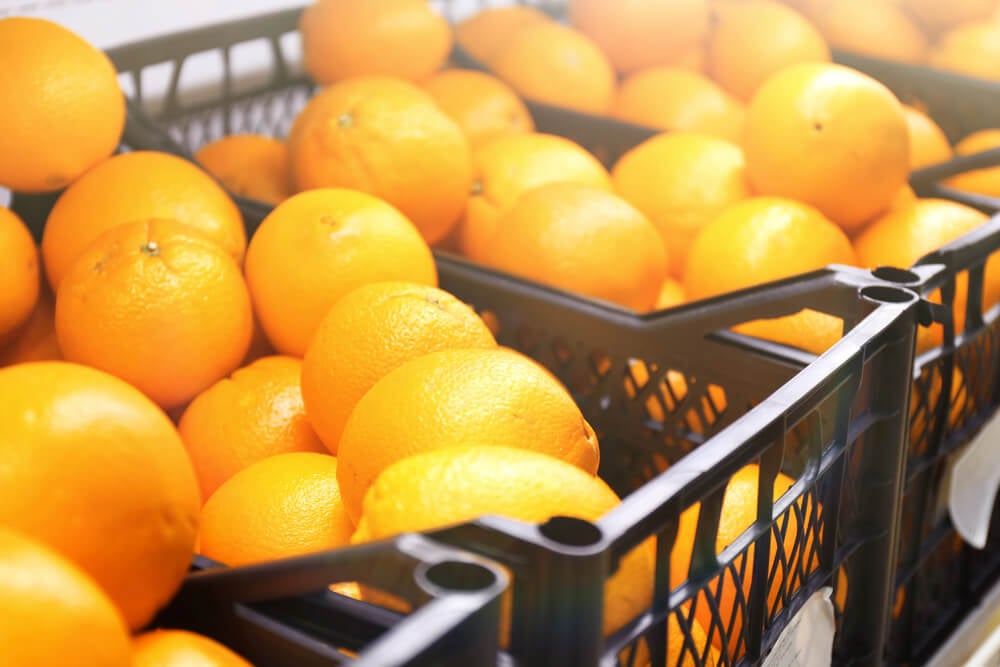
Winter fundraisers sold boxes of navel oranges and grapefruit shipped from Florida or Texas. The fruit arrived at the school gym in cardboard crates stacked on pallets.
Buying a box meant eating oranges for weeks, which made the deal better for the school than for the fruit bowl.
The Bags of Pecans
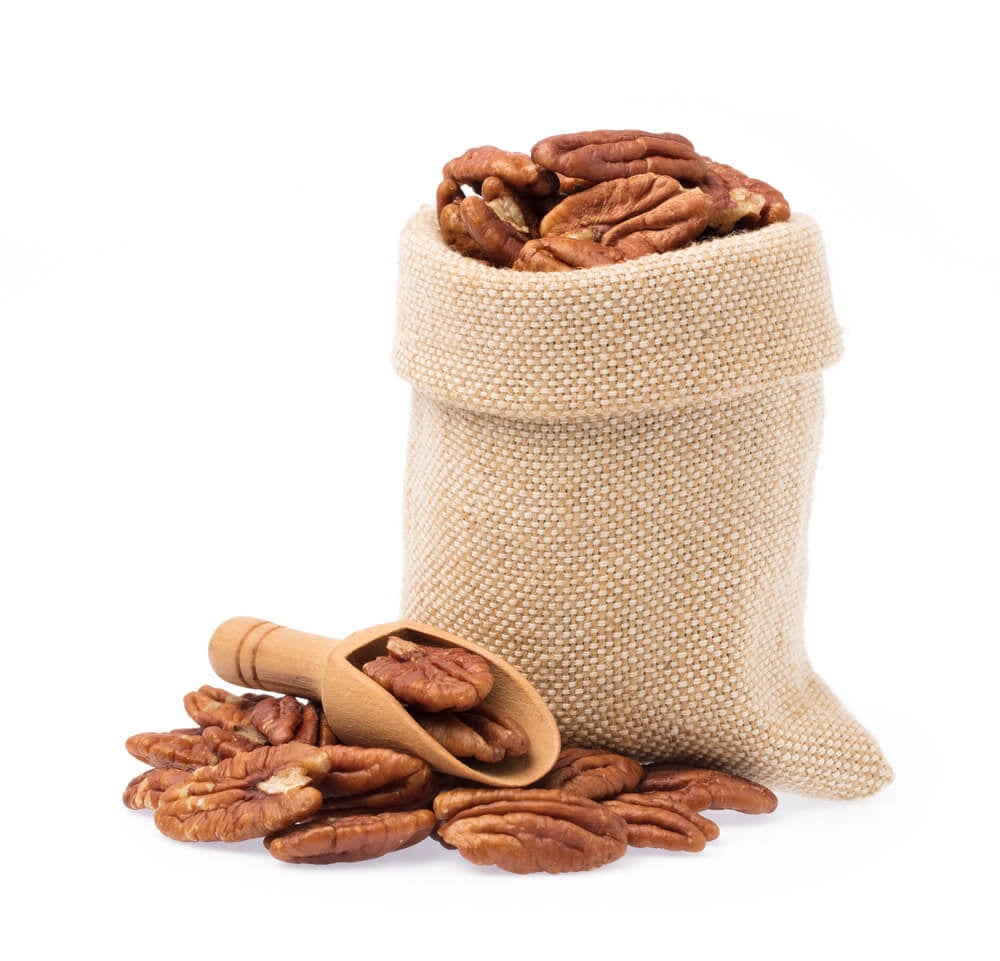
Pecans sold well in the fall, often shipped in sealed plastic bags from growers in the South. Families bought them for holiday pies, and many ended up in banana bread and pecan bars.
The unopened bag in the pantry from last year was a familiar sight.
The Cheese and Summer Sausage Boxes
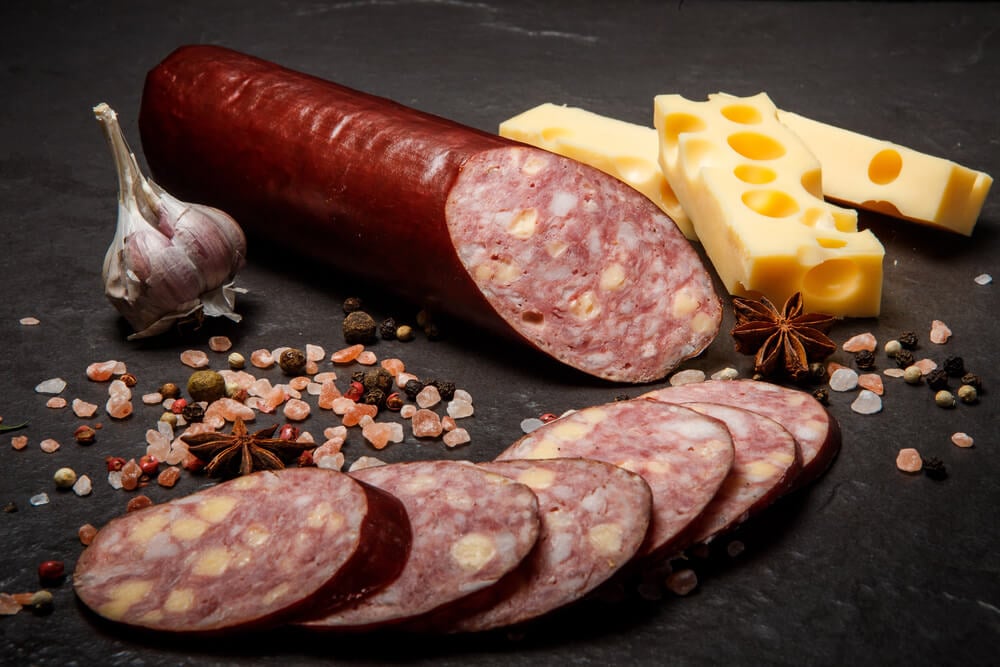
Holiday gift boxes of cheese blocks and summer sausage were popular with relatives and coworkers. The sausage stayed good for weeks in the refrigerator, which made it a practical purchase.
A cheese cutter was often included, and it almost always went missing.
The Doughnut Dozens
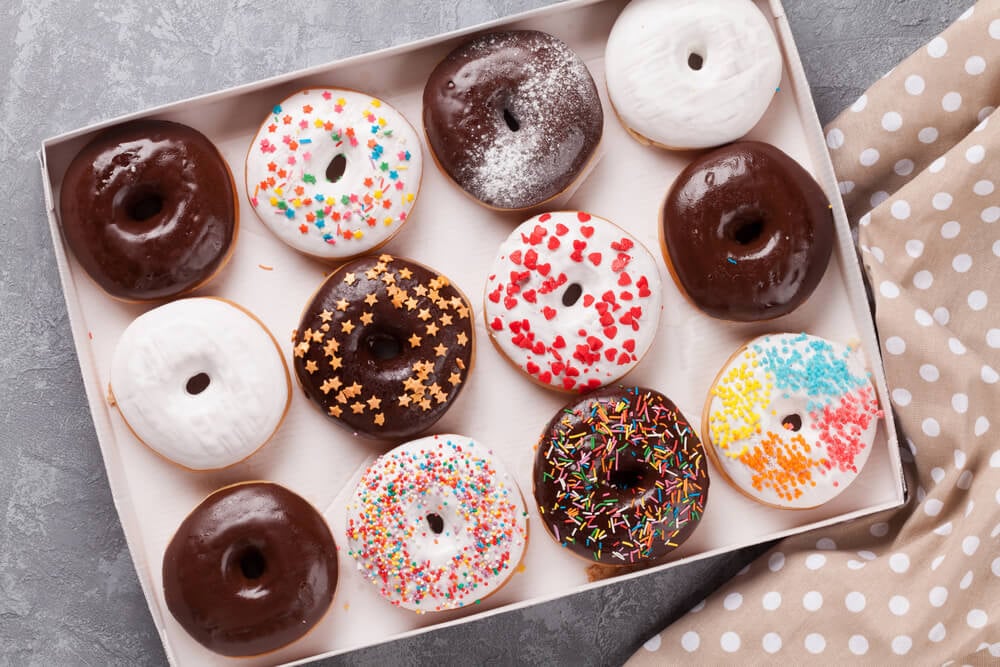
Krispy Kreme, founded in Winston-Salem in 1937, built a fundraising program where schools bought boxes of doughnuts at a discount and resold them at full price. Customers could pick up their dozen at a school table on a weekend morning.
Sales went fast, since a warm doughnut sold itself.
The Community Cookbook
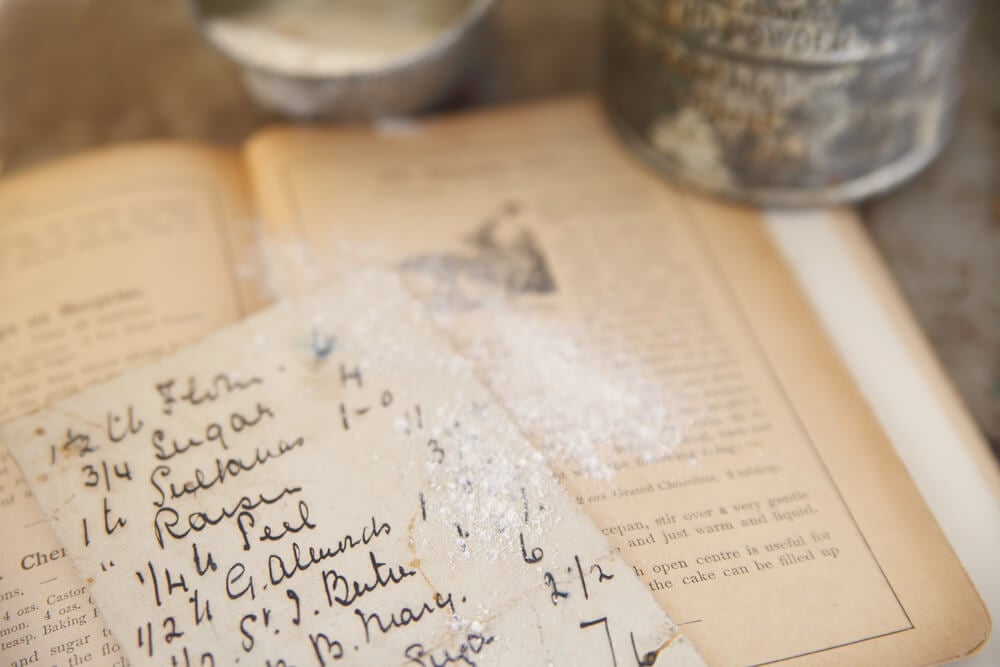
Parent groups collected recipes from families and bound them in a spiral-bound book with a plastic cover. Each recipe carried the name of the person who contributed it, so the book doubled as a directory of who made what.
Its pages usually included at least one casserole that no one ever made twice.
The Bake Sale Table
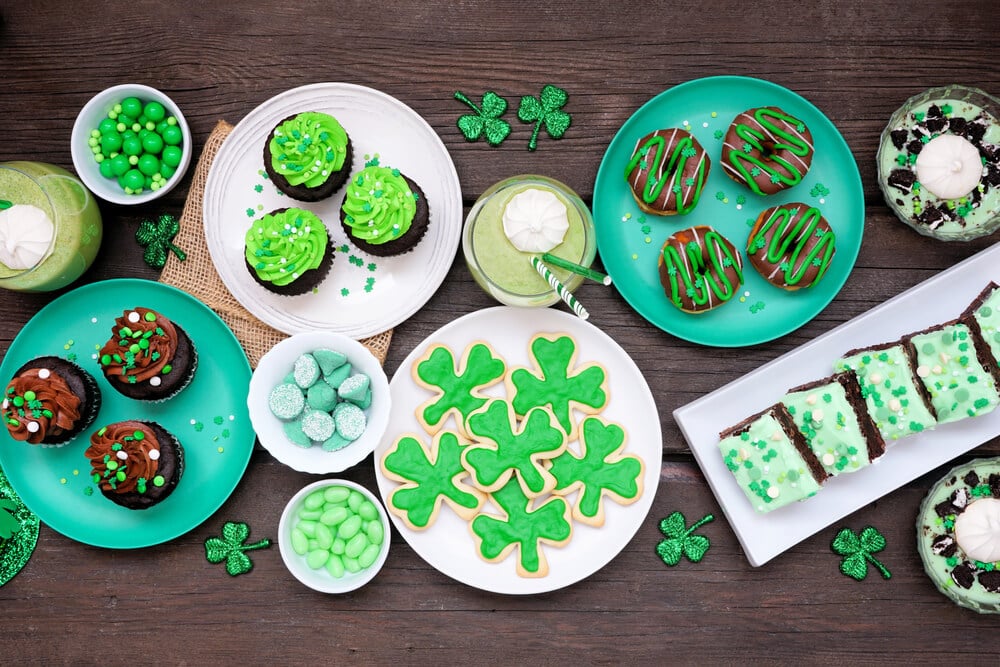
Folding tables lined up in the school lobby held brownies, cookies, and cupcakes made by parents. Prices were written on masking tape or index cards, and the cashbox was usually a metal tin.
The most dependable seller was always the rice cereal square.
The Pie Sale
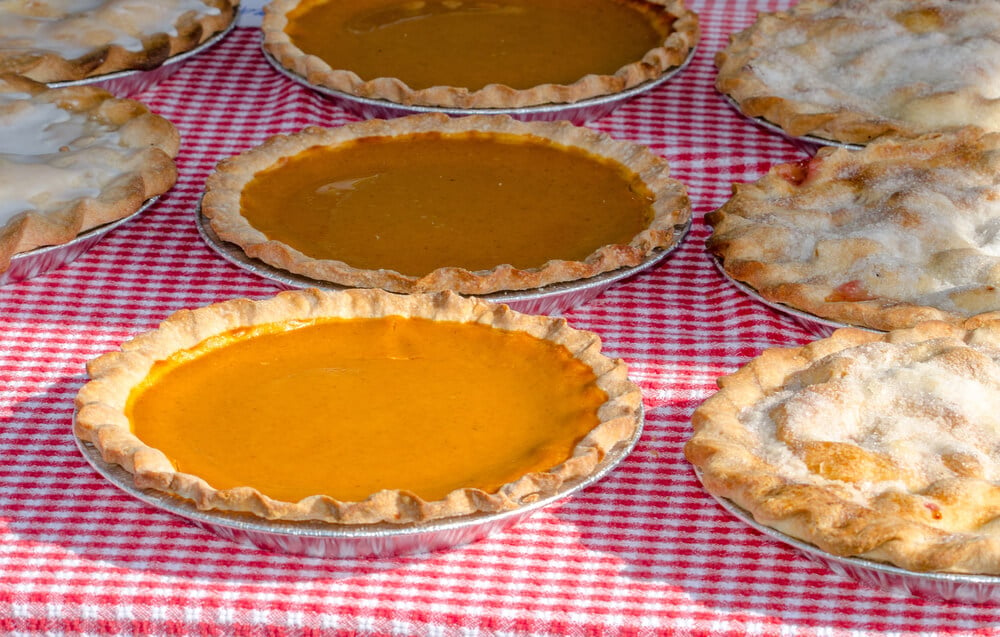
Families ordered pies in the fall for Thanksgiving, often apple, pumpkin, and pecan. A volunteer baked or assembled them, and parents picked up the order the day before the holiday.
A pie that survived the drive home in the back seat counted as a victory.
The Pancake Breakfast
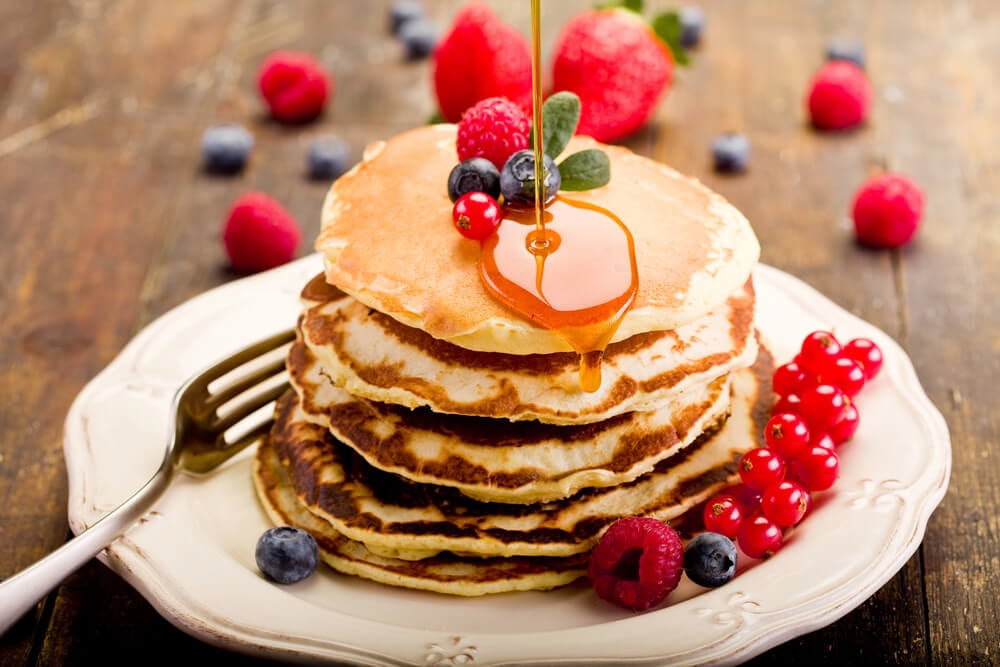
A pancake breakfast turned the cafeteria into a restaurant for a morning, with volunteers flipping batter on griddles and handing out paper plates. Tickets were sold in advance, and the line sometimes stretched out the door.
The syrup came in small plastic cups that dripped on everything.
The Spaghetti Dinner
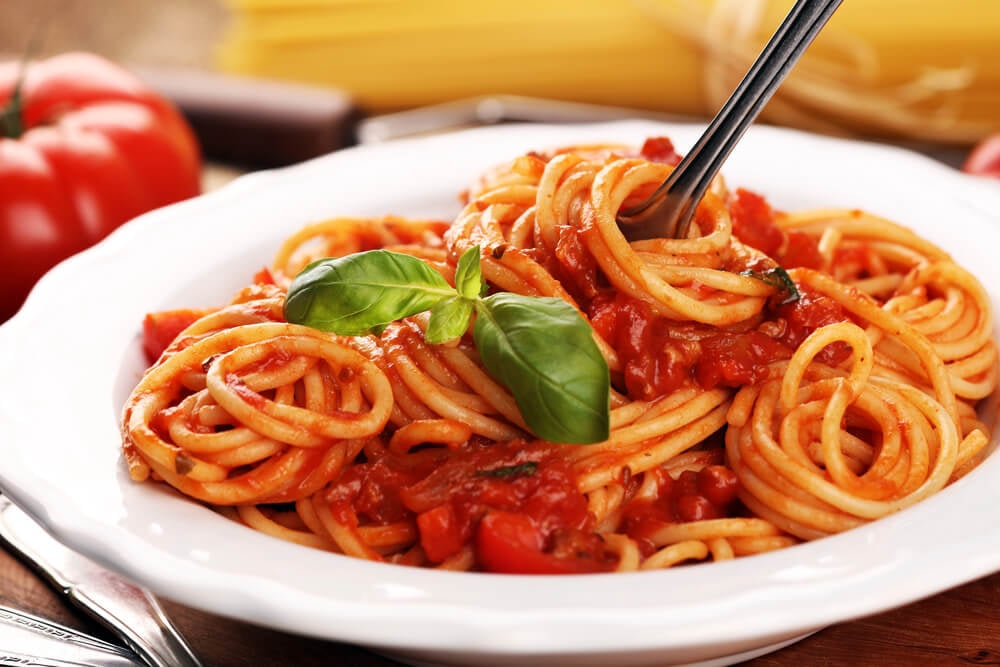
A spaghetti dinner was a fixture of school gyms and church basements, served with salad and garlic bread. Tickets cost a few dollars, and children ate for less.
Volunteers worked in shifts, and the sauce was usually a recipe from someone’s grandmother.
The Coupon Book
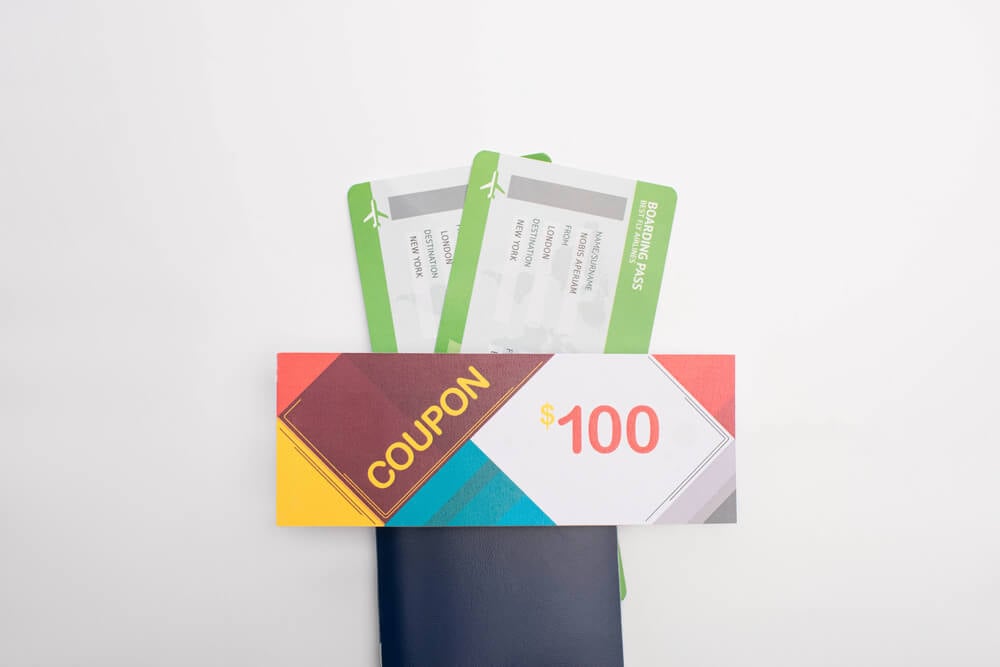
Spiral-bound coupon books offered discounts at local restaurants, shops, and entertainment venues. Families bought them with the hope of using them, and some succeeded.
The coupons for free appetizers tended to expire before the family got around to them.
The Restaurant Night
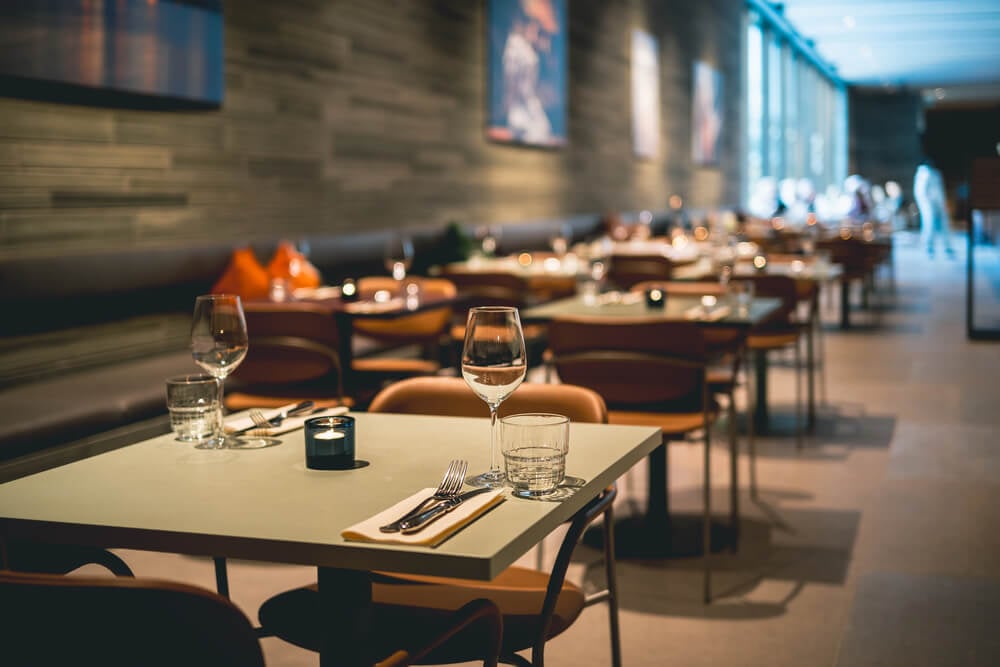
A local restaurant would donate a share of its sales on a certain evening if diners mentioned the school. Parents arrived in groups, and the restaurant filled with kids from the same class.
A flyer on the refrigerator reminded everyone of the date.
The Soup Mix Jars
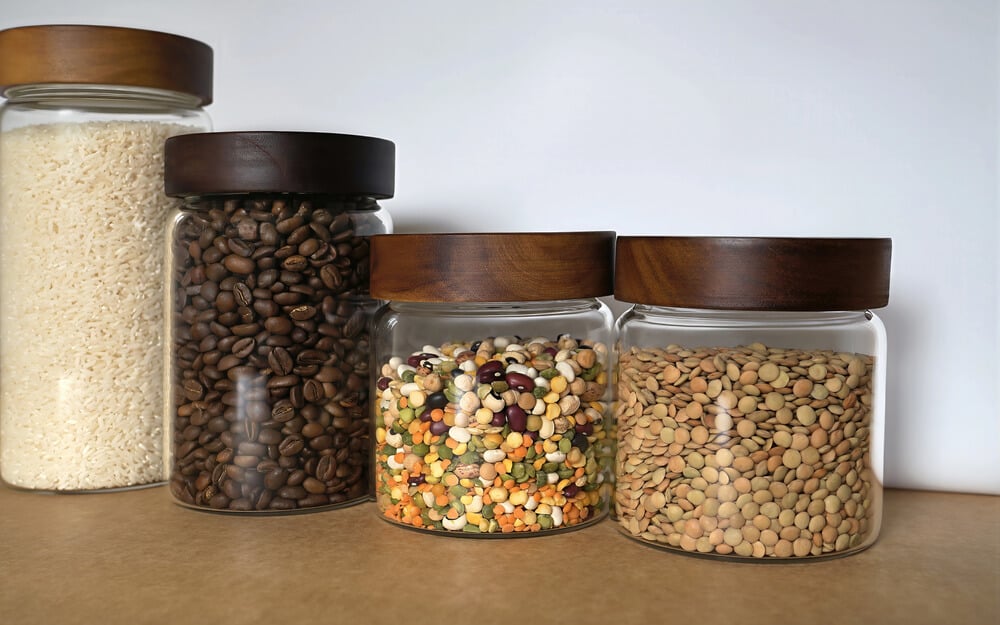
Layered jars of dried beans, lentils, and spices came with a recipe card and a fabric topper secured with a ribbon. They were sold as gifts and stayed on the shelf for months.
A jar of this kind was easy to make and easy to ignore.
The Seasoning Blends
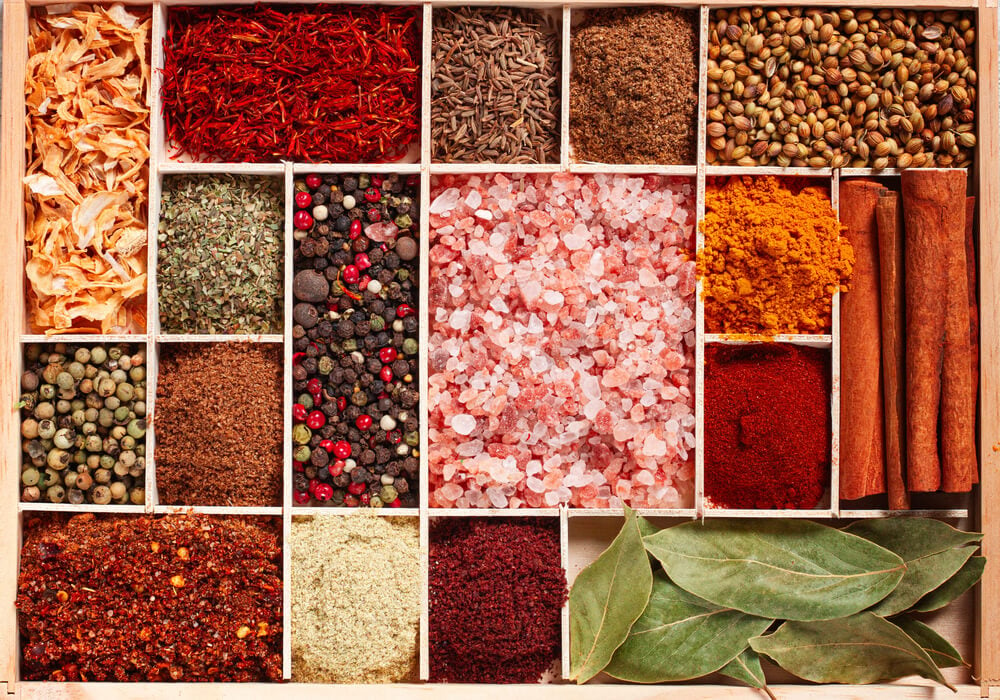
Fundraisers sold packets of dry dip mixes and spice blends to stir into sour cream or cream cheese. Flavors such as ranch, dill, and onion filled the order form.
The packets were light and cheap to ship, which made the margins good for the school.
The Local Honey
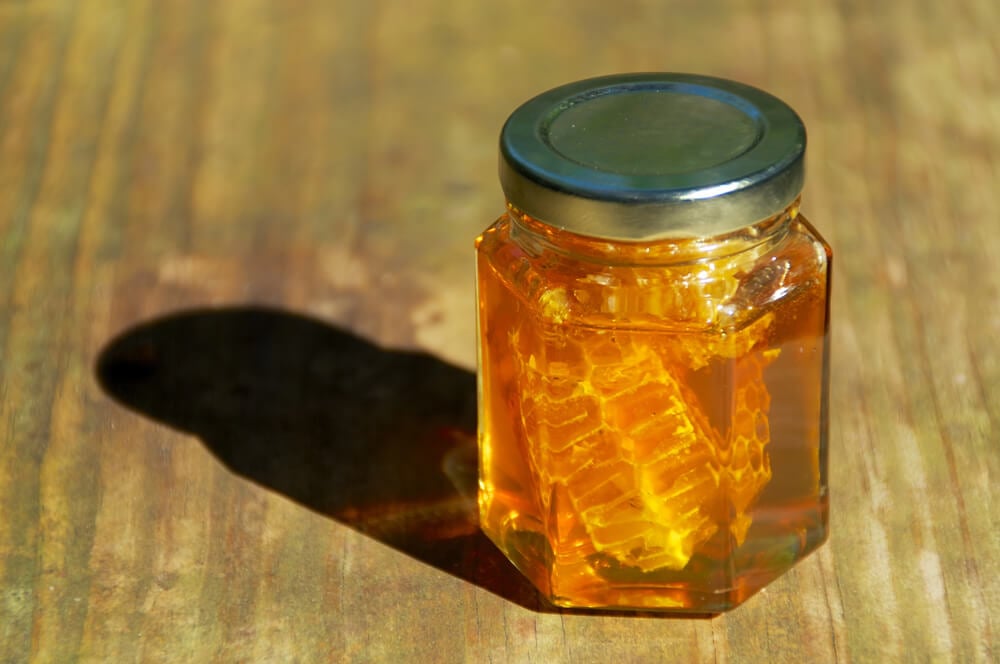
Some schools in rural areas sold honey from local beekeepers in glass jars or plastic bears. The honey was often darker and stronger than the supermarket kind.
A jar that crystallized in the cupboard could be rescued with a pot of warm water.
The Fudge Squares
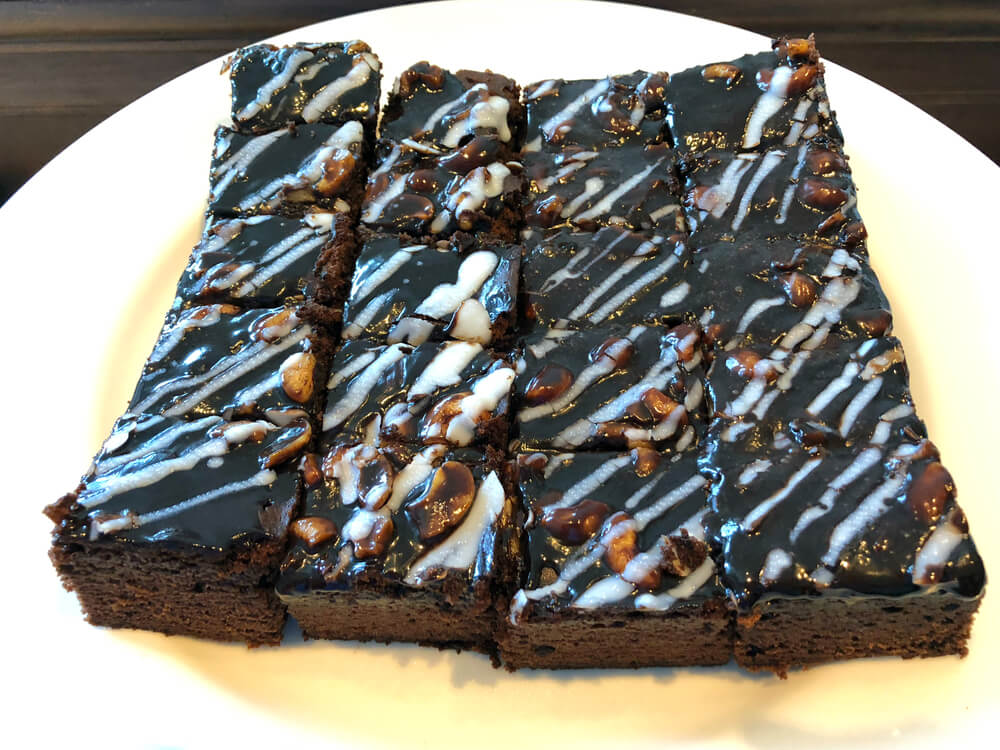
Boxes of fudge wrapped in wax paper were popular around the holidays. Flavors included chocolate walnut and peanut butter.
Families kept them in the refrigerator to stop them from sweating on the counter.
The Jars of Jam
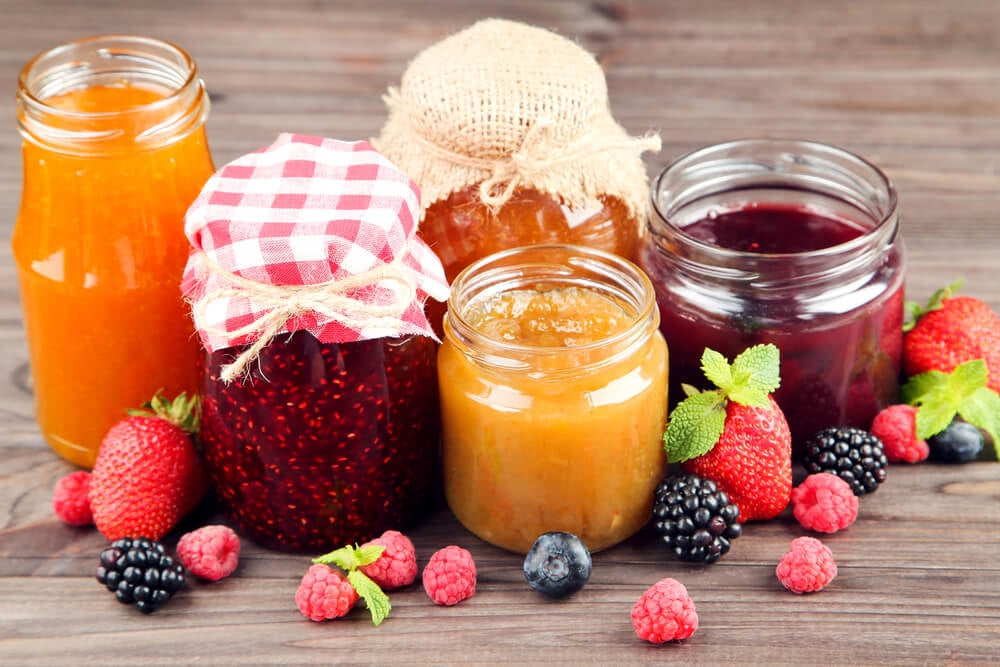
Homemade jams and preserves sold at school fairs, often made by parent volunteers from fruit grown in their own yards. Handwritten labels listed the flavor and the year.
Strawberry went first, and the more unusual flavors lingered.
The Jars of Salsa
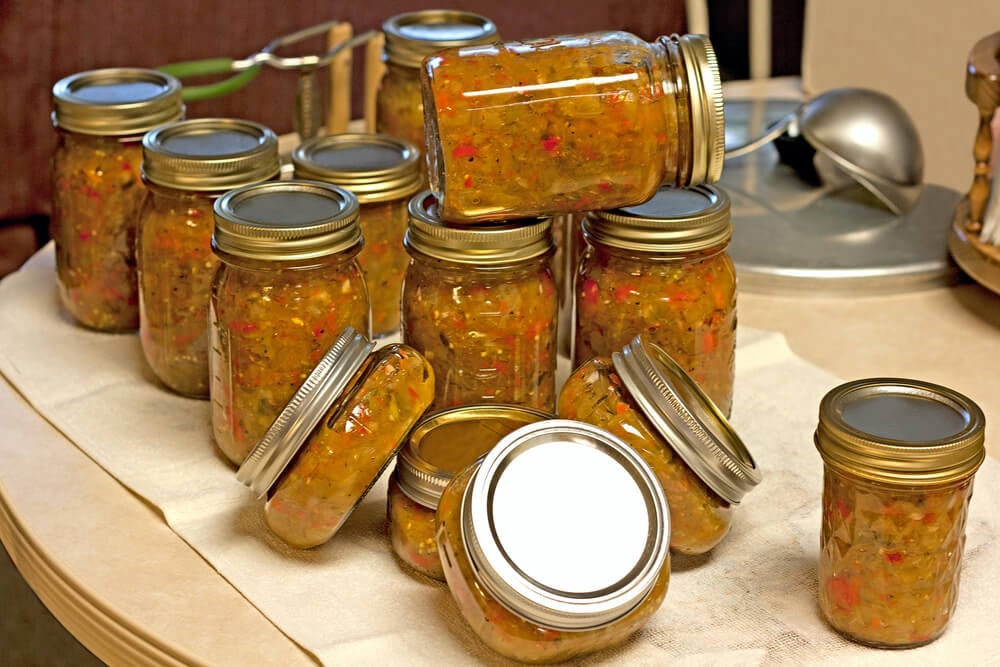
Fundraisers sold salsa in glass jars, sorted by heat level from mild to hot. Families bought a jar with every intention of serving it at a party.
The mild kind disappeared quickly, and the hot kind was handed out as a dare.
The Cinnamon Rolls
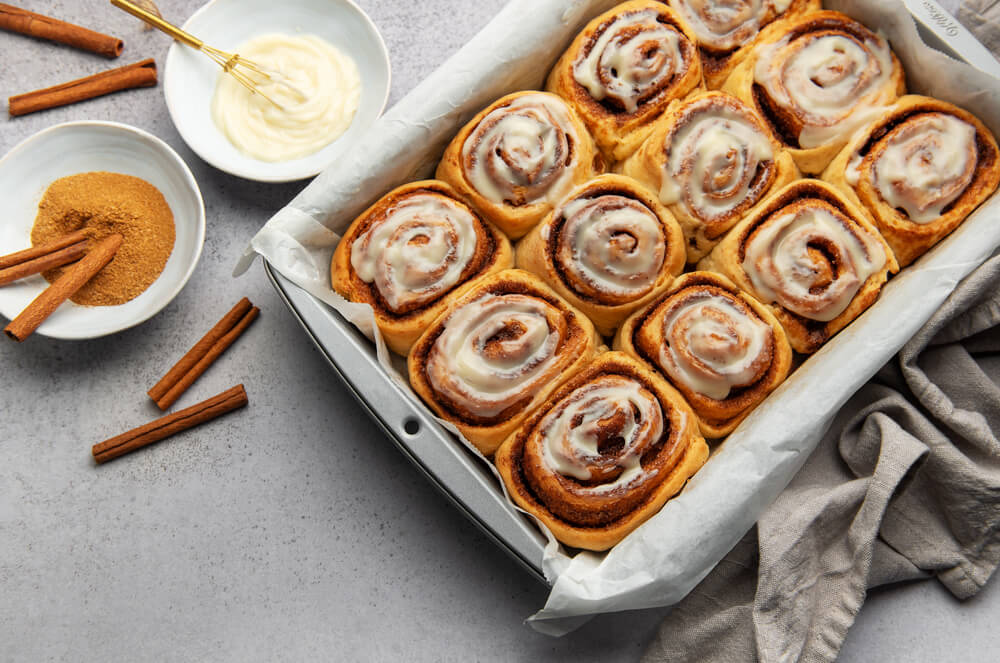
Frozen cinnamon rolls arrived in trays that families baked on the weekend. The smell of baking filled the house on the mornings after a pickup day.
The tray of icing packets that came with them was easy to lose in the shuffle.
The Cheesecakes
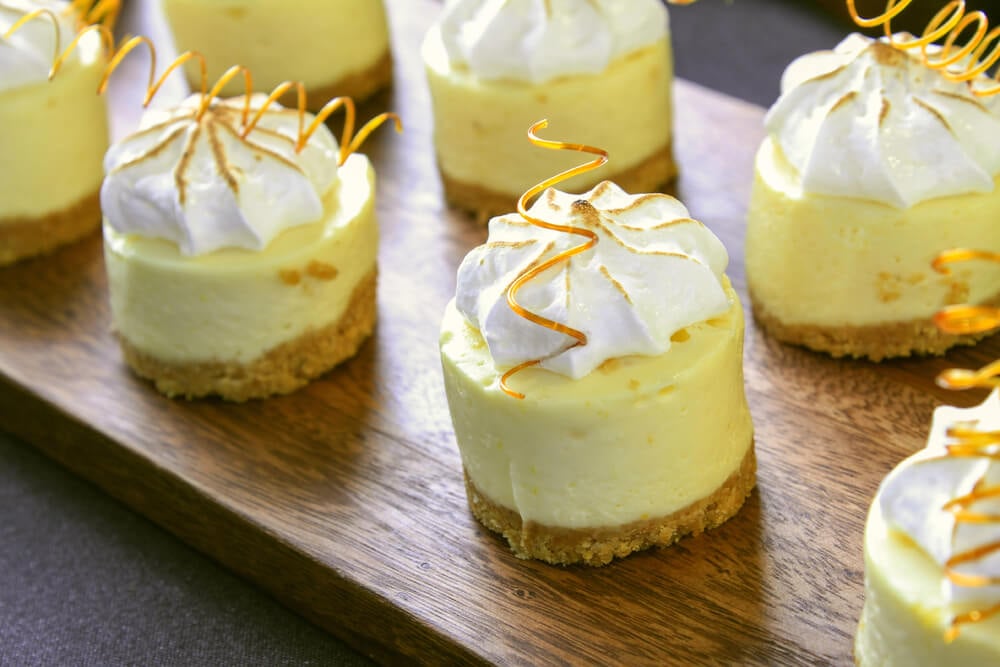
Frozen cheesecakes arrived in cardboard rounds, with a packet of fruit topping attached. They were often ordered for holiday dinners and thawed in the refrigerator overnight.
A cheesecake that arrived a day early caused real panic over freezer space.
The Frozen Lasagna Trays
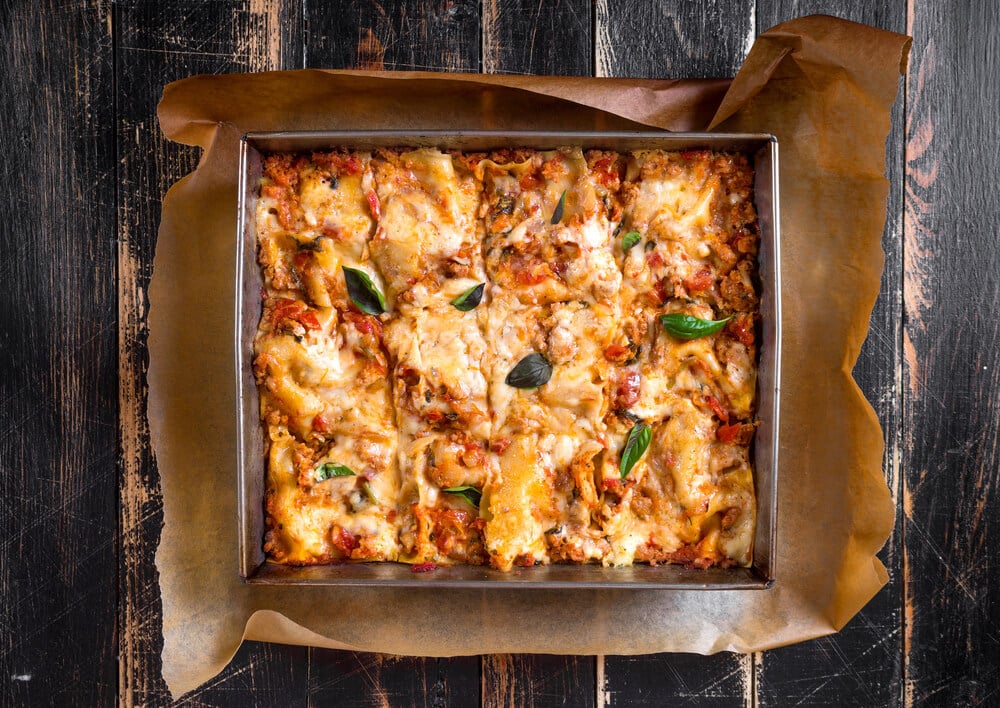
Large foil trays of lasagna fed a family for two nights and could be stashed in the freezer. Busy parents appreciated the shortcut.
The trays came with baking instructions that always seemed to take longer than expected.
The Flavored Coffee Bags
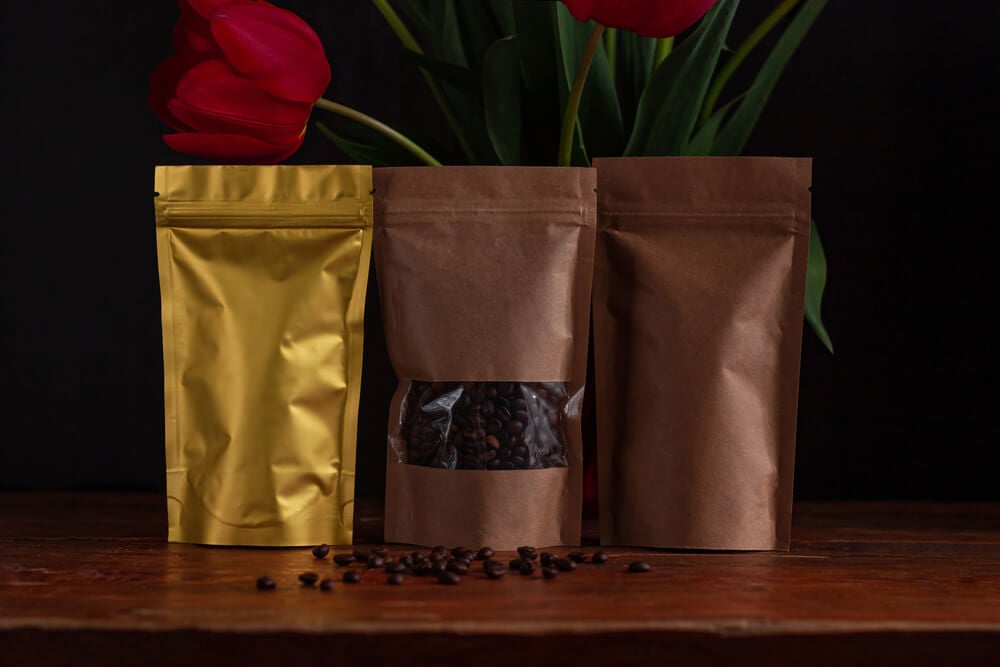
Bags of ground coffee in flavors such as hazelnut and vanilla were sold in the fall. The aroma filled the kitchen, and the bags were often given as teacher gifts.
A bag that went unopened in the pantry usually went stale.
The Cake Mix Jars
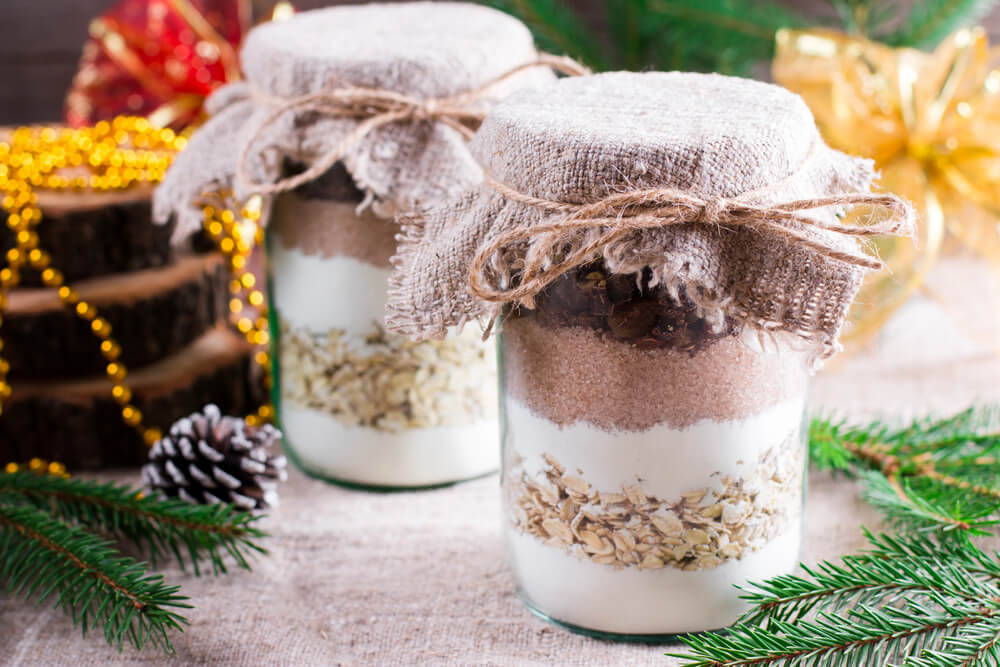
Layered baking mixes in glass jars, with a ribbon and a recipe tag, were popular at craft fairs and school markets. The jars looked good on the counter and in gift baskets.
Most recipients added only an egg and some butter, then forgot the jar’s pretty layers once it was emptied.
The Maple Syrup Jugs
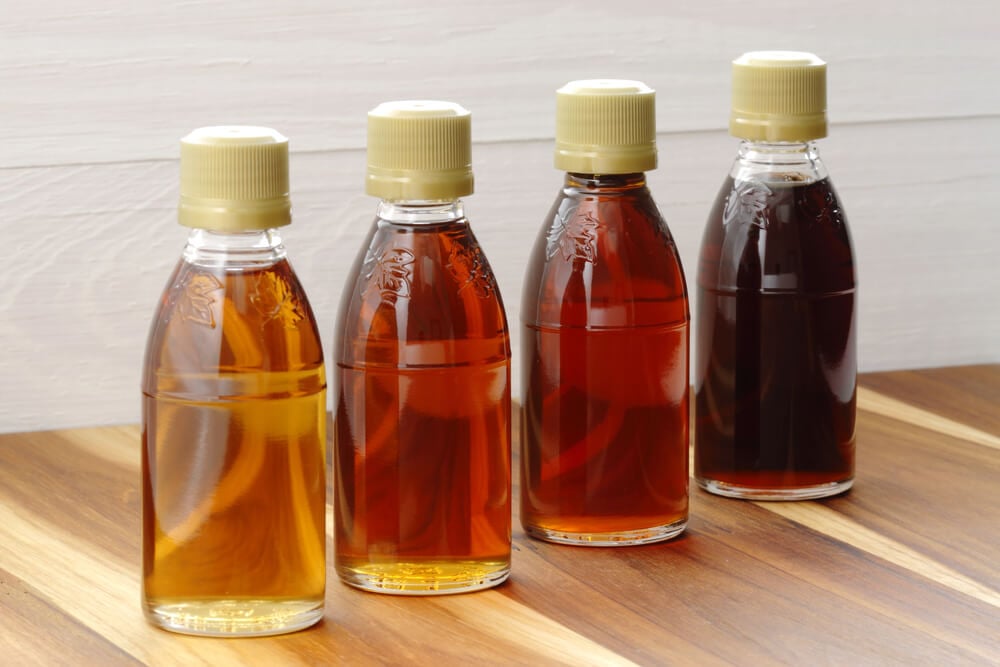
Schools in northern states sold jugs of maple syrup in the late winter, when the sap runs. Families ordered a pint or a quart and stored it in the pantry for pancake mornings.
The syrup was darker and more expensive than the grocery store kind, which made it feel like a splurge for a good cause.
When the Kitchen Became the Fundraising Headquarters
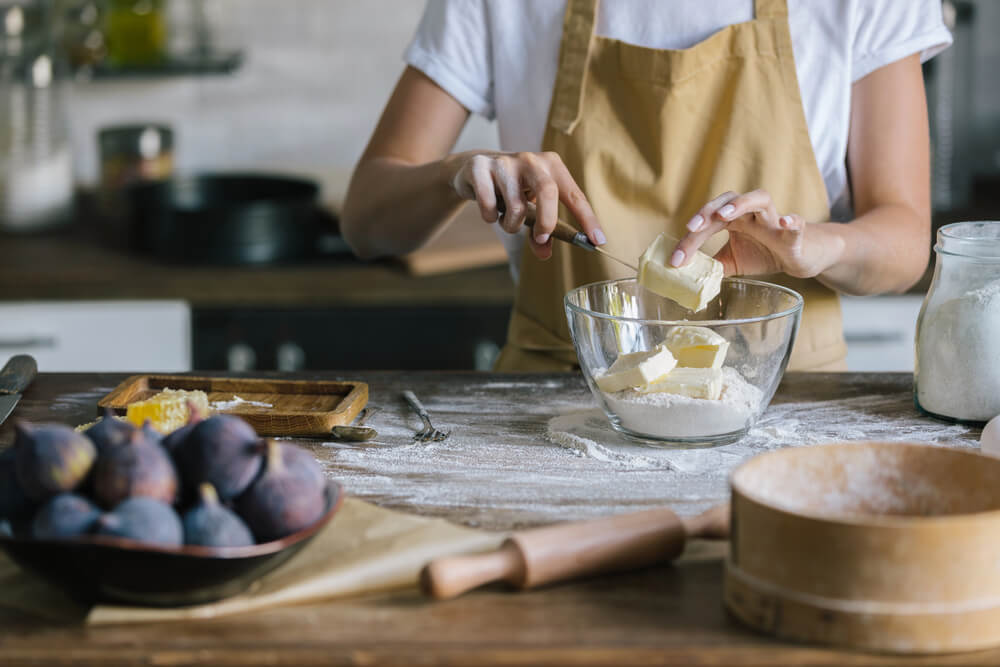
A fundraiser reached into every household, and the kitchen was where the evidence piled up. The refrigerator held the cheese, the freezer held the dough, and the counter held the popcorn tin.
Few families bought everything, but nearly all bought something.
The sales were as much a social ritual as a financial strategy. Neighbors bought from neighbors, parents ran the pickup tables, and the school got its new equipment.
The pantry cleanup came later.
More from Go2Tutors!

- 27 Silver Dollars and Half Dollars Worth Keeping
- 28 Restaurant Menu Items Nobody Orders Anymore
- 17 Places Built in Seemingly Impossible Spots
- 27 Vintage Rings Worth More Than They Look
- 25 Restricted Sites Tourists Can’t Enter
Like Go2Tutors’s content? Follow us on MSN.