27 Old Woodworking Tools Worth Identifying
Every flea market table and estate sale bin has one: a rusty plane, a saw with a cracked handle, a brace nobody can name. Most get passed over for a few dollars or left behind entirely.
A few are the sort of find that collectors and working woodworkers actively hunt. Telling the good from the ordinary mostly comes down to small details.
A casting number, a patent date, a stamp on the blade, or a strange extra part can separate a common tool from a scarce one. The tools below are real, widely documented, and recognizable once the right feature is known.
The Stanley No. 45 and Its Seven Planes in One
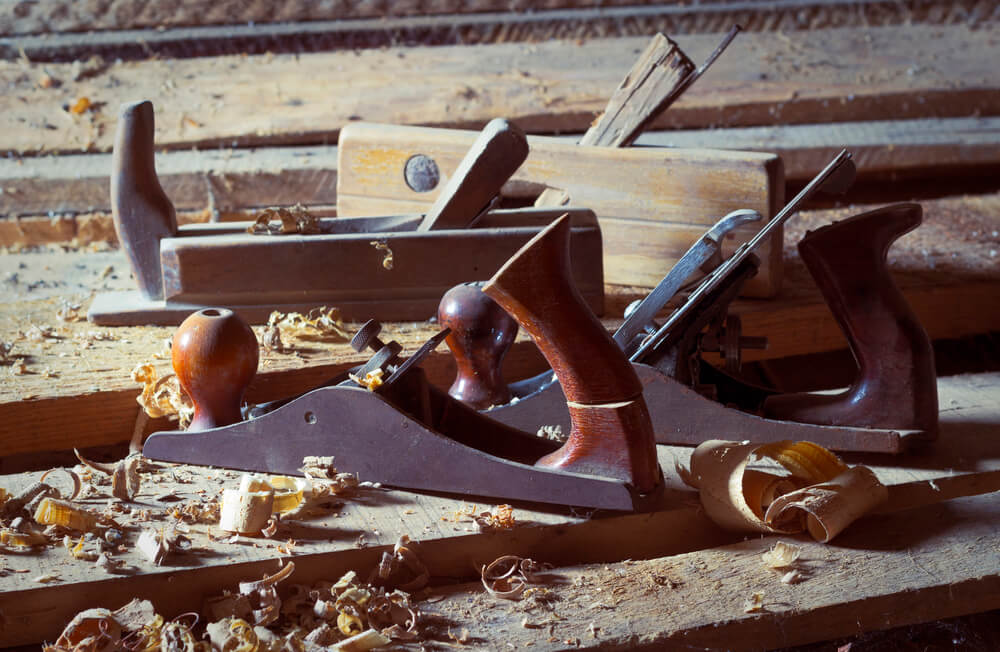
Stanley introduced the No. 45 in 1884 and sold it as a combination plane that could stand in for a plow, dado, rabbet, filletster, matching, sash and beading plane. A main body, a sliding section and a fence riding on two rods give it a look unlike any bench plane.
Early examples in the original picture-label wooden box are especially prized. Because the value depends on how many of the cutters survive and on the condition of the casting, a complete plane in good shape is worth far more than a bare body.
The Stanley No. 55 and Its 52 Cutters
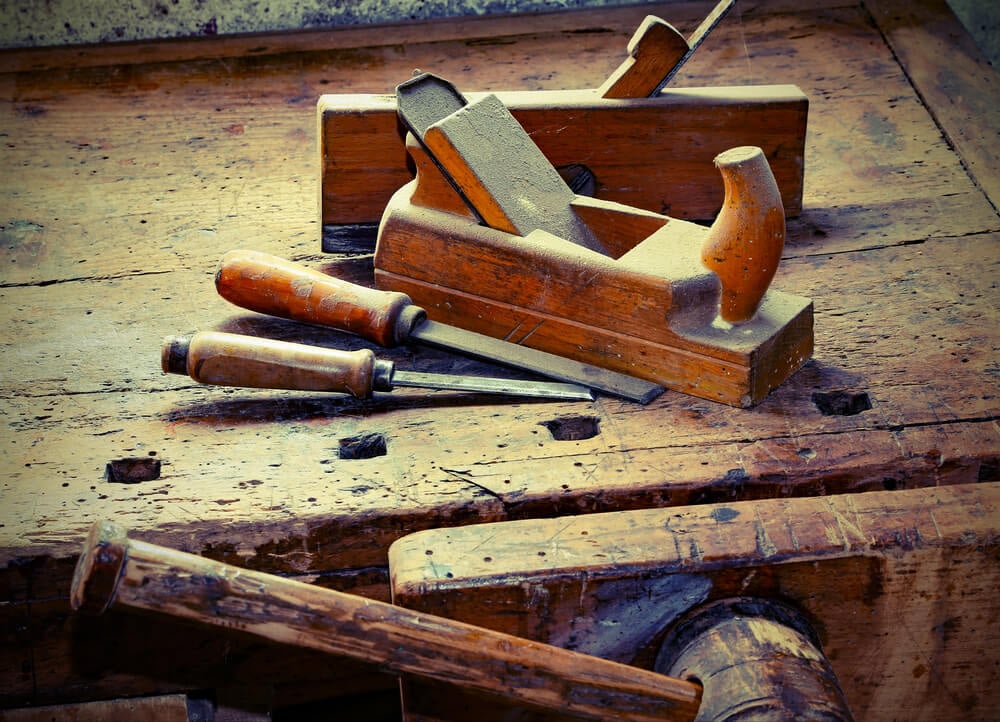
The No. 55 arrived around 1897 and was marketed as a universal plane, built to cut a far wider range of moldings than the No. 45. A fully equipped plane came with 52 cutters, which is why a complete set in the original box is so much harder to find than the plane itself.
The elaborate fence and sliding sections make it easy to spot even when the cutters are gone. Collectors treat missing cutters, cracks in the casting and worn fence parts as major factors in what a plane is worth.
Stanley Bedrock Planes and Their Flat Frog Seat
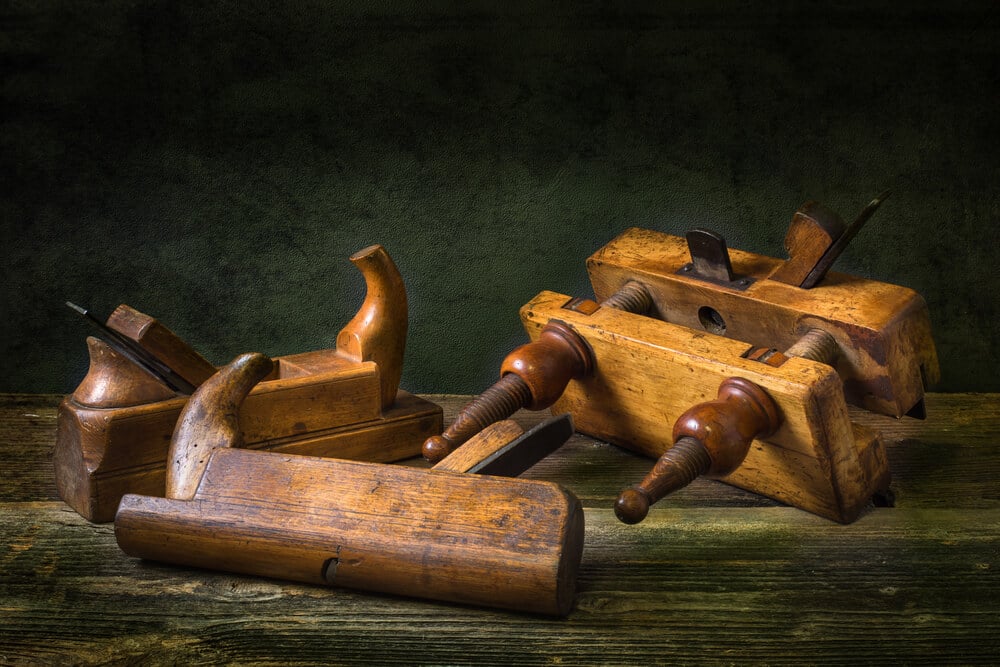
Stanley launched its Bedrock line in 1895, based on the work of designer Justus Traut. The defining feature is how the frog, the part that supports the cutter, seats on a machined flat surface of the sole, with adjusting screws that allow fine changes.
Bedrock planes carry numbers in the 600 series, so a No. 604 is the Bedrock version of the familiar No. 4 smoother. Different production periods are catalogued as types, and the condition of the sole, frog and cutter has a large effect on desirability.
The Stanley No. 71 Router Plane, Open Throat and Closed
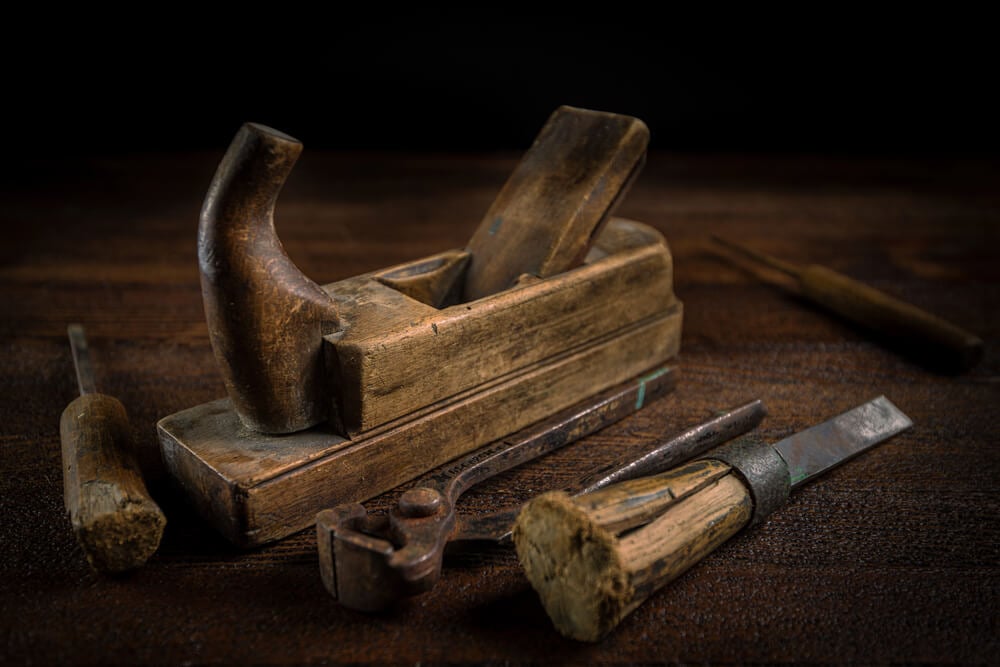
A router plane levels the bottom of a groove or a mortise, and the Stanley No. 71 is the version most often found at sales. The standard model has an open throat, while the No. 71½ has a closed throat and is easy to confuse with it at a glance.
A cutter is held in a post by a thumbscrew and positioned with an adjusting nut, and two handles guide the tool across the work. Collectors study the plane’s production types, so original cutters, intact handles and clean castings all matter to value.
The Stanley No. 78 Duplex Rabbet and Filletster Plane
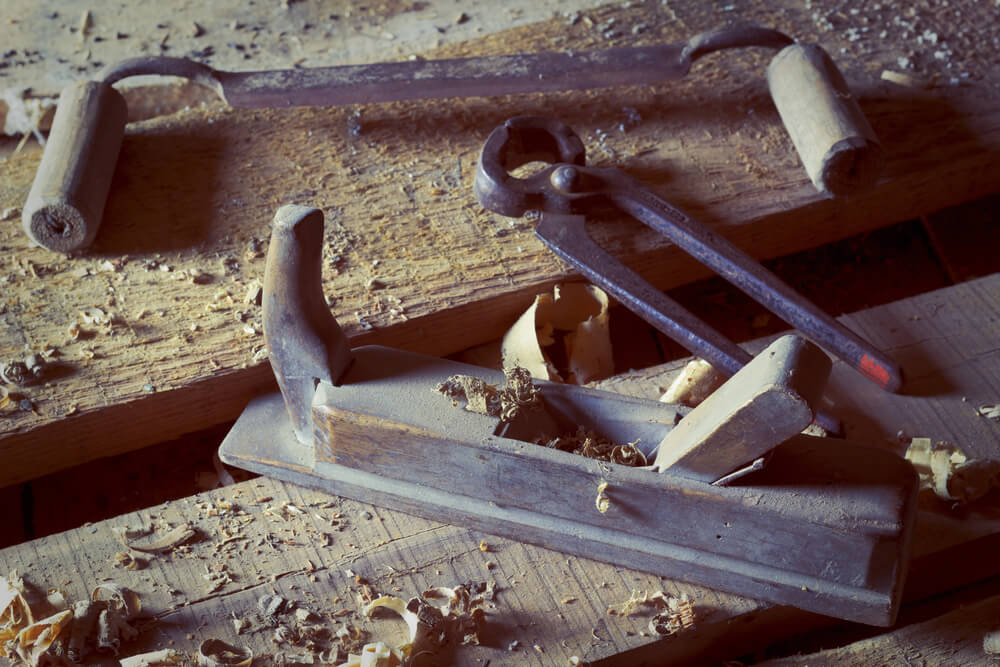
First offered in 1884, the No. 78 is a metal rabbet plane that comes with a fence and a depth stop. Its distinguishing detail is a spur, called a nicker, that scores the grain ahead of the cutter so the edge of a rabbet comes out clean.
The cutter can be seated in two positions, so the plane works as a bullnose rabbet plane to reach into a corner. Missing fences, absent depth stops and cracks near the cutter opening all pull value down.
The Disston D-8 Handsaw and Its Changing Medallion
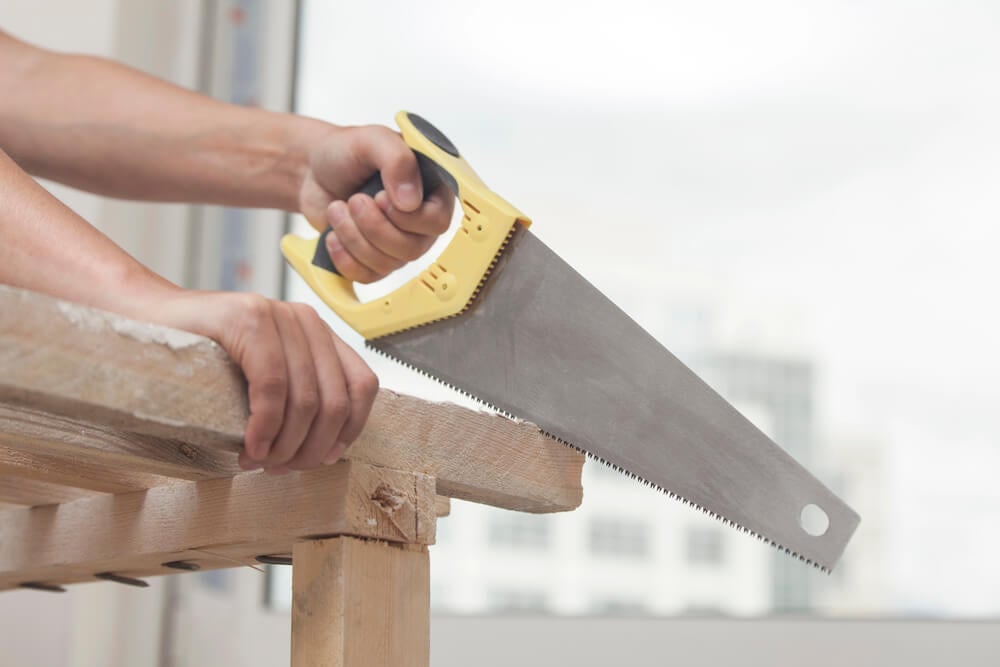
Henry Disston, an English immigrant, built a saw empire in Philadelphia, and his Keystone Saw Works is the name behind countless American handsaws. The D-8 model is among the best known, and collectors date these saws partly by the medallion in the handle, which changed considerably over the decades.
The etching on the blade is a second clue, since the lettering and keystone design shifted as well. Condition drives the market, from the straightness of the blade and the sharpness of the etch to chips in the handle.
The Millers Falls No. 2 Eggbeater Drill
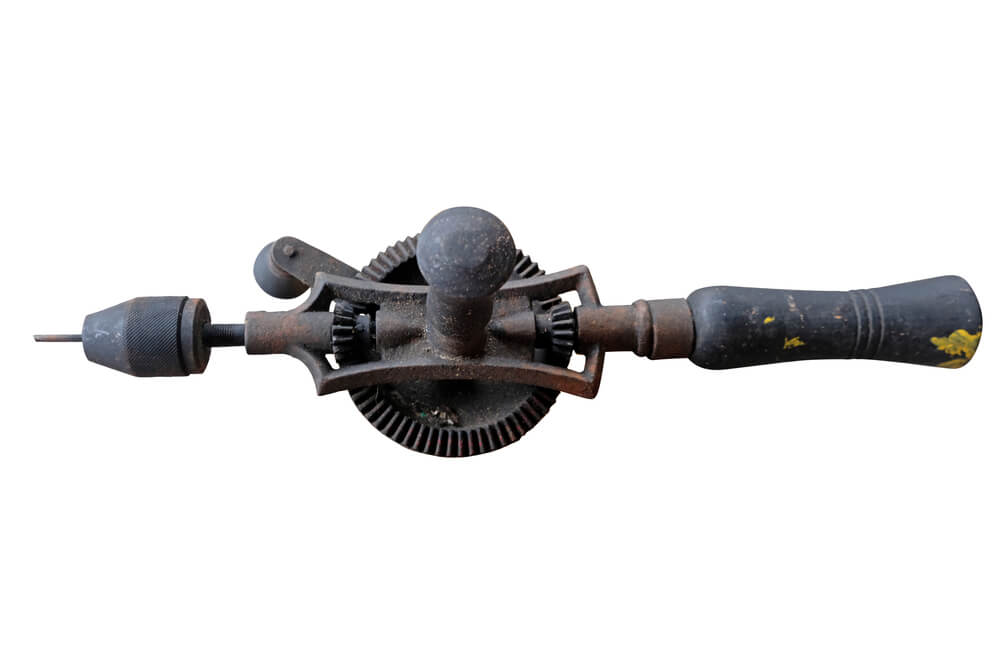
The eggbeater hand drill got its nickname from the crank, gear wheel and side handle that resemble a kitchen whisk. Millers Falls took its name from a village in western Massachusetts, and the No. 2 is one of the company’s best-known drills.
Hobbyists have gone so far as to publish a type study that tracks small changes in its handles and details. Drills like this can look nearly identical, so the features that count are the originality of the chuck, handles and gears and the absence of cracks or rust.
The Yankee Push Drill, From North Brothers to Stanley
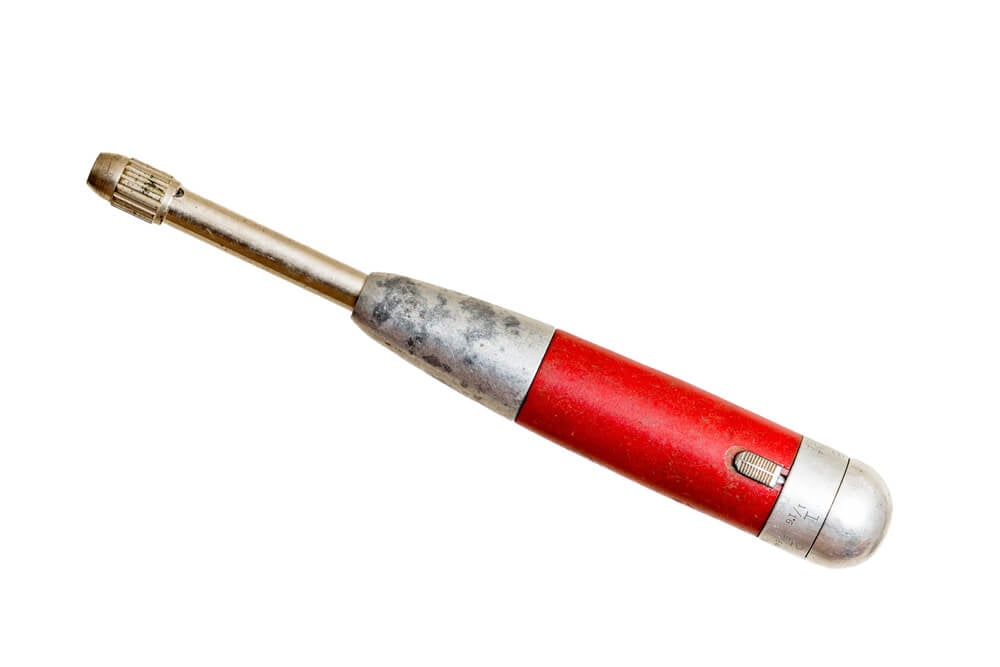
The Yankee push drill is worked with one hand, pushing the handle against a spring so that a spiral shaft spins the bit. North Brothers Manufacturing Company of Philadelphia built the Yankee line, and the name later appeared on tools carrying the Stanley label.
Many models keep spare drill points inside the handle, which makes a missing set of points an easy way to spot an incomplete tool. A smooth spiral action and a handle free of cracks matter more to value than the age of the tool alone.
Stanleys Carrying Leonard Bailey’s Patent Dates
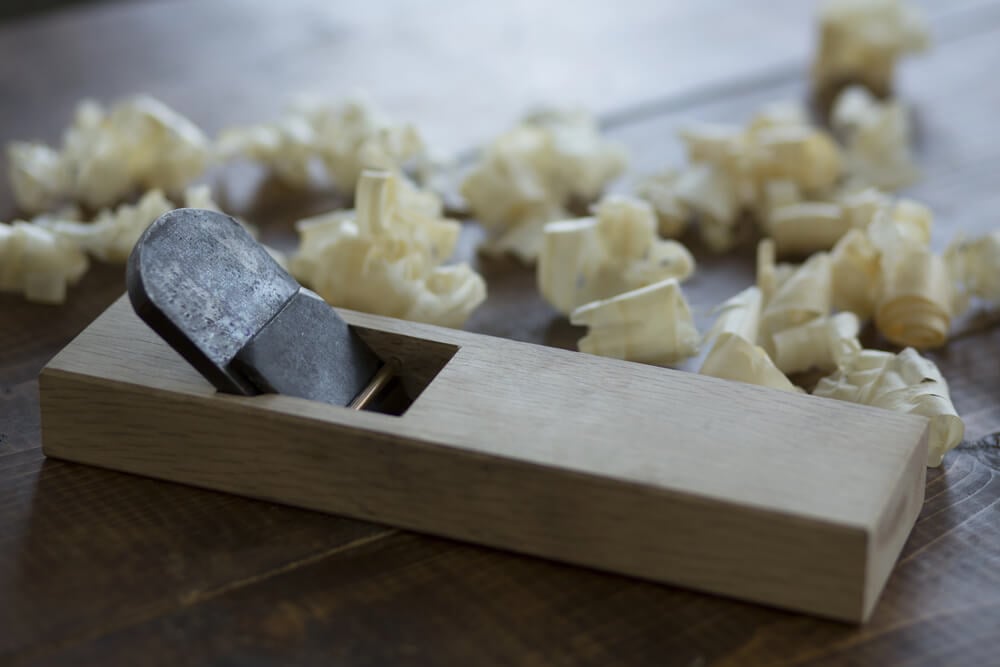
Leonard Bailey of Boston designed the iron bench plane that became the model for modern planes, and Stanley Rule and Level bought his patent rights in 1869. The first thing to look for is a stamp on the iron or casting mentioning the Bailey patent, with dates that begin in 1867.
Features such as the depth adjusting wheel and the lateral adjusting lever are the working proof of his ideas. A No. 4 smoother is common, so the date stamps, the type features and the condition of the sole are what separate a casual find from a good example.
The Stanley No. 1, the Smallest Bench Plane
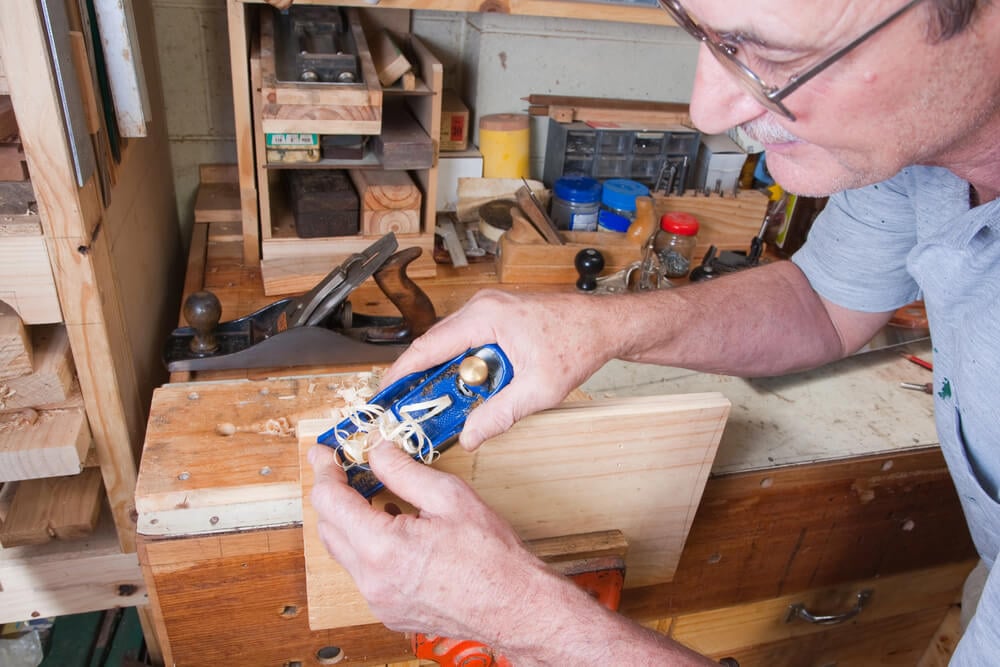
The Stanley No. 1 is a tiny bench plane measuring about five and a half inches long, with a cutter around an inch and three-eighths wide. It follows the same Bailey layout as its larger relatives, only scaled down to fit in a hand.
The small size and limited supply have turned it into a collector favorite, and it is also common among reproductions and modern copies. As with other collectible planes, a clean sole, an original cutter and an unbroken casting bring a much higher price than a pitted one.
The Stanley No. 113 Circular Plane
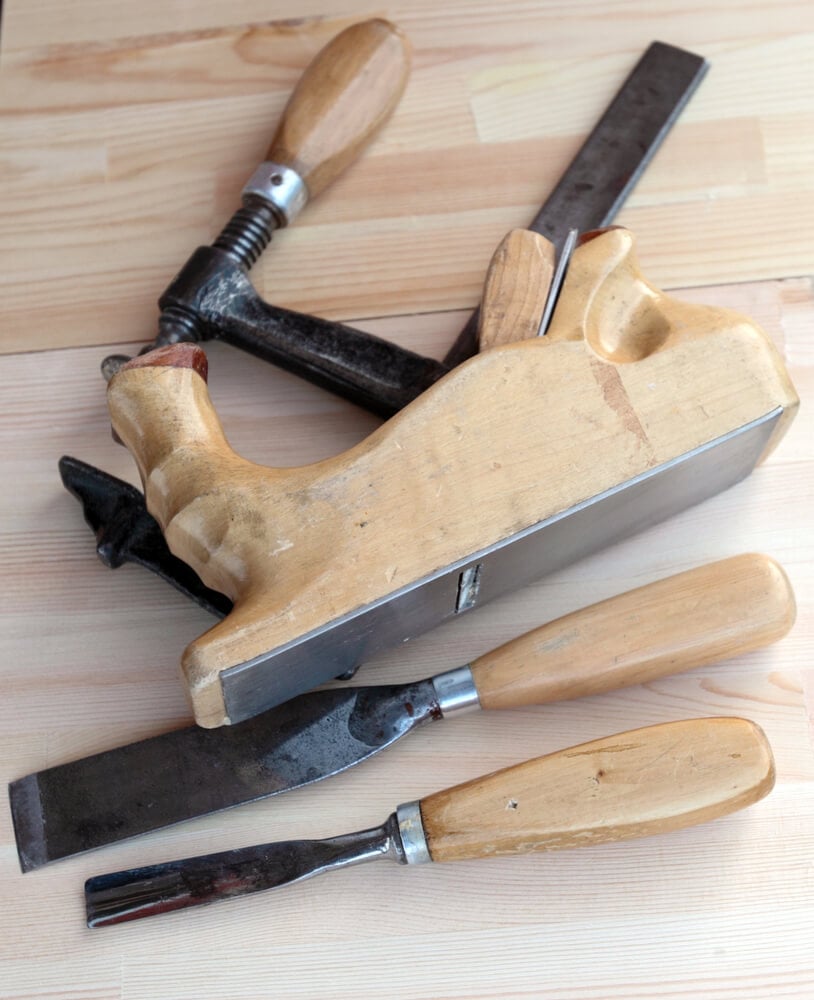
The No. 113 carries a flexible steel sole that bends to match a curved surface, so the same plane can work either concave or convex shapes. A lever or knob changes the curve, which is why it was sold for shaping curved work such as chair parts and rounded rails.
Stanley’s earliest examples carry the name Stanley Rule and Level Company. The thin steel sole is the weak point, and cracks near the ends of the sole or a missing adjuster greatly reduce value.
The Sweetheart Mark on Stanley Blades
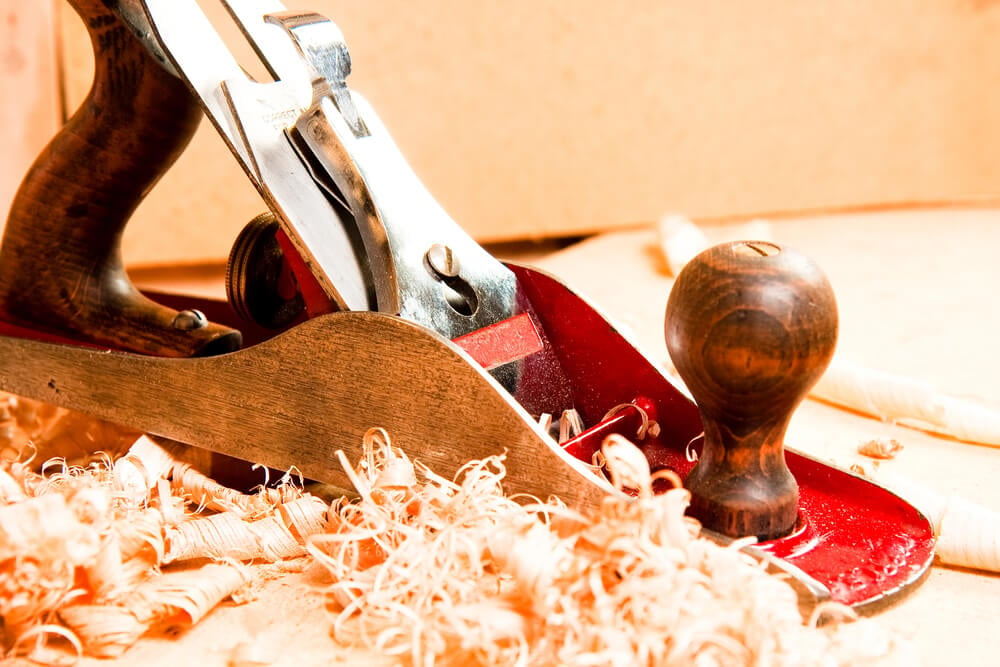
Stanley used an SW inside a heart on blades and lever caps in the period from roughly 1920 to 1935, and collectors call the mark Sweetheart. The heart shows up on planes of all sizes, including a No. 40½ scrub plane and the No. 45 combination plane found at dealers today.
Identifying it is easy, but judging it is not, since the mark can be worn off a blade through years of sharpening. Collectors weigh how crisp the heart is alongside the condition of the rest of the tool.
The Stanley No. 18 Knuckle Joint Block Plane
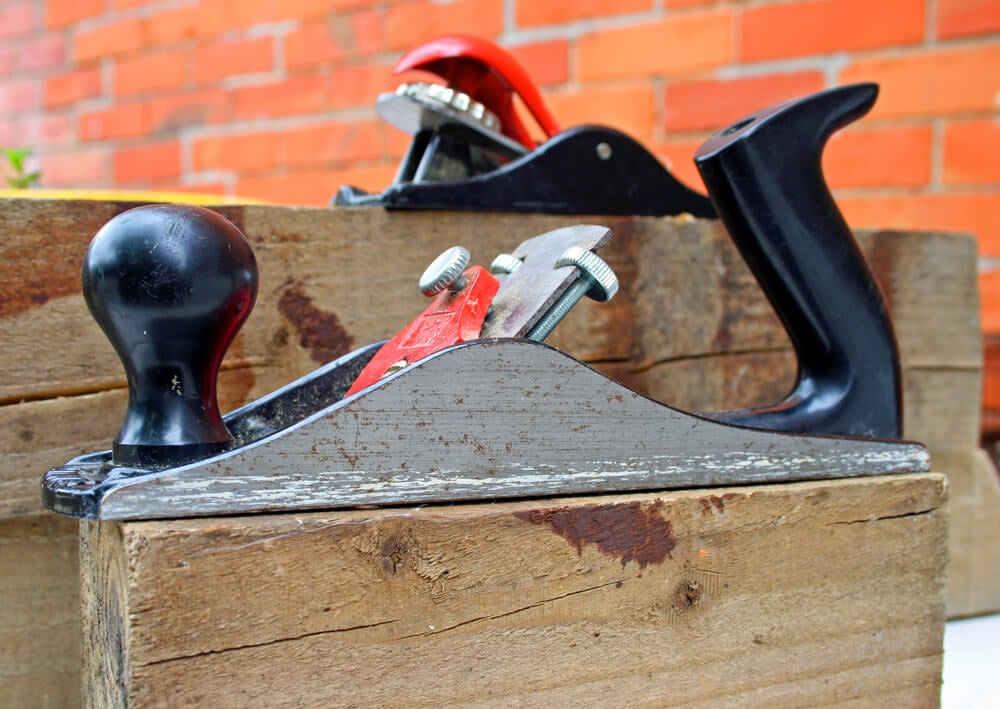
A block plane is a small plane for end grain, and the No. 18 stands out through its knuckle joint lever cap, a toggle-style piece that locks the cutter in place. It also has an adjustable throat, which lets the user narrow the opening ahead of the blade for fine cuts.
Early examples are marked Stanley Rule and Level Company, with the patent dates stamped on the body. The toggle cap is the first thing to inspect, because a cracked or replaced cap cuts into value fast.
The Russell Jennings Auger Bit
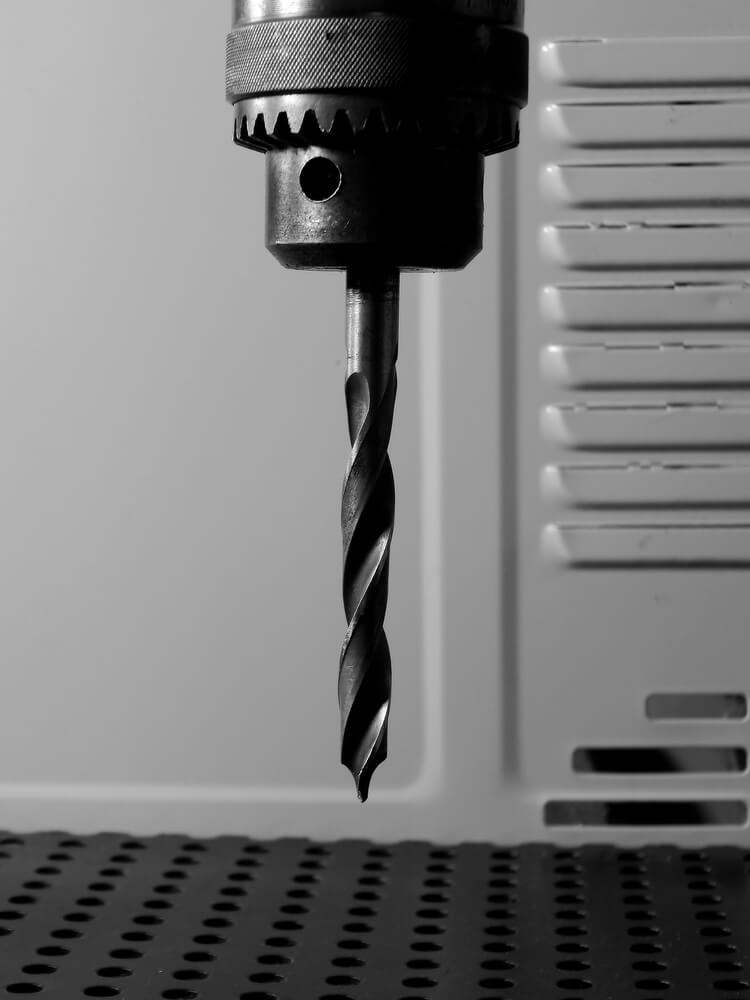
Russell Jennings of Deep River, Connecticut, patented his improved auger bit in 1855, and the design is still sold today as the Jennings pattern. It combines a screw tip that pulls the bit into the wood with spurs that score the edge of the bore and a twin spiral that clears the shavings.
Old examples often have a square tapered tang that fits a brace. Rusted spurs, bent shafts and a ruined screw tip will cut the value of an old bit sharply.
The Marples Brass-Plated Brace

William Marples of Sheffield made wooden braces plated in brass, in beech and in ebony, and some carried the Hibernia name. Another version was sold under the name Ultimatum, which is still how many sellers describe a Victorian brass-plated brace.
The thick wooden head, the brass bands and the ratchet fitted in the middle are the clues to look for. Splits in the wood, loose plating and a seized ratchet are the usual condition problems.
The Starrett Combination Square
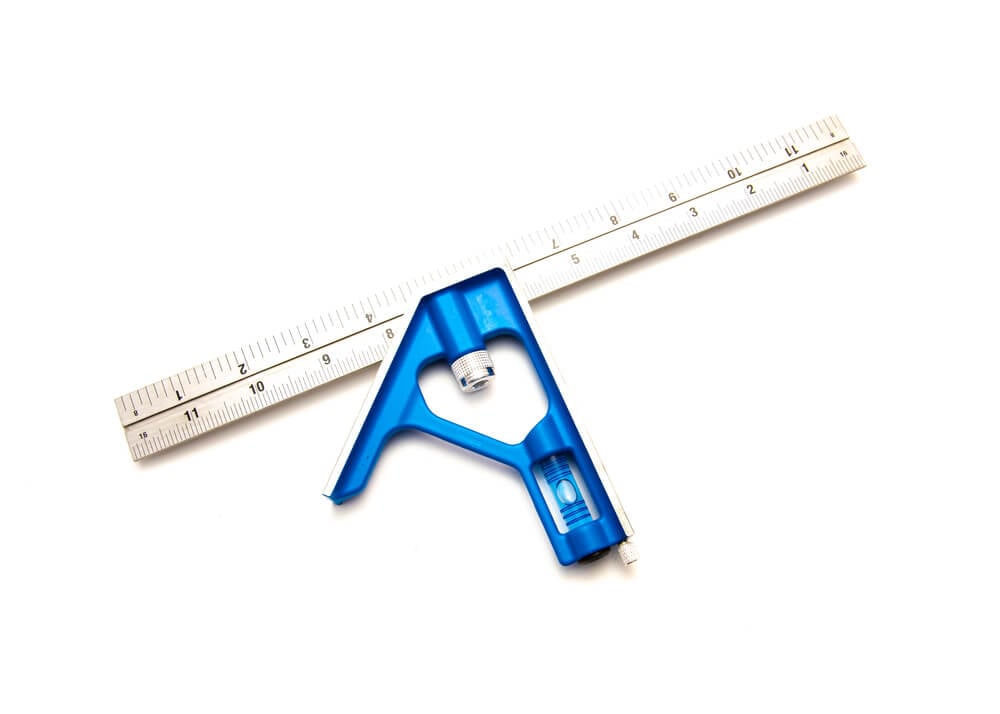
L. S. Starrett of Athol, Massachusetts, patented his combination square in the late 1870s and founded his company in 1880. The tool pairs a sliding steel rule with a head that gives both 90 and 45 degree angles, and many heads also include a spirit level and a scriber.
Starrett marked the rule and head with patent information, which helps date older squares. A rule with clear graduations and a head that is still true count for far more than the age of the tool.
The Langdon Miter Box
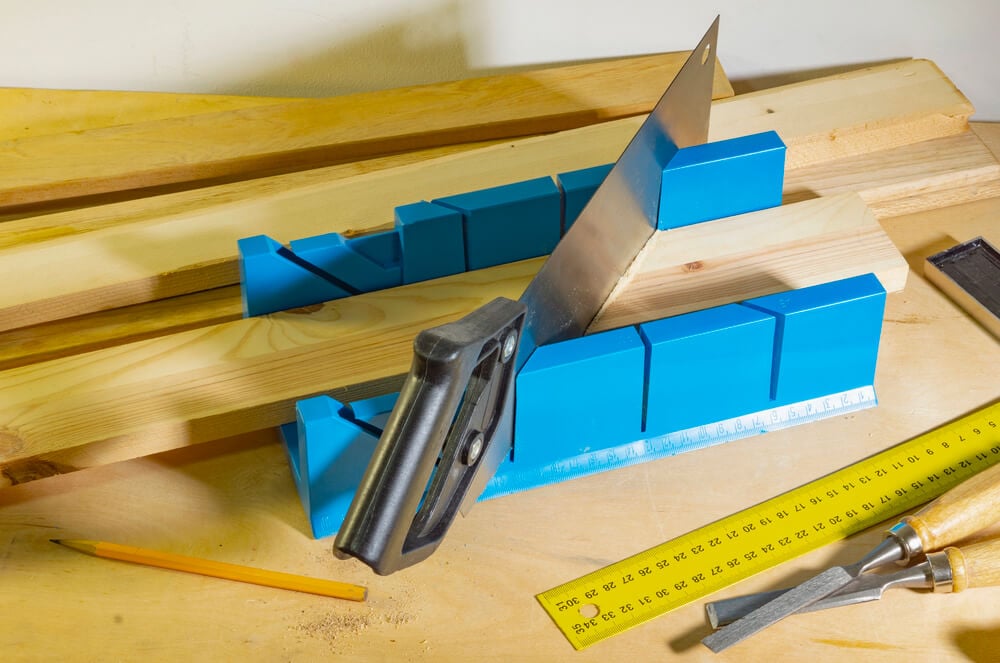
The Langdon Mitre Box Company began in Northampton, Massachusetts, in 1865 and later moved to Millers Falls. Its boxes hold the saw in guides so that it cuts at set angles, which made precise miter cuts possible on a job site.
The heavy cast frame, the rails that guide the saw and the stops for angles are the identifying features. Missing stops, a lost saw and rust on the guides all matter when a collector prices one.
The Witherby Drawknife
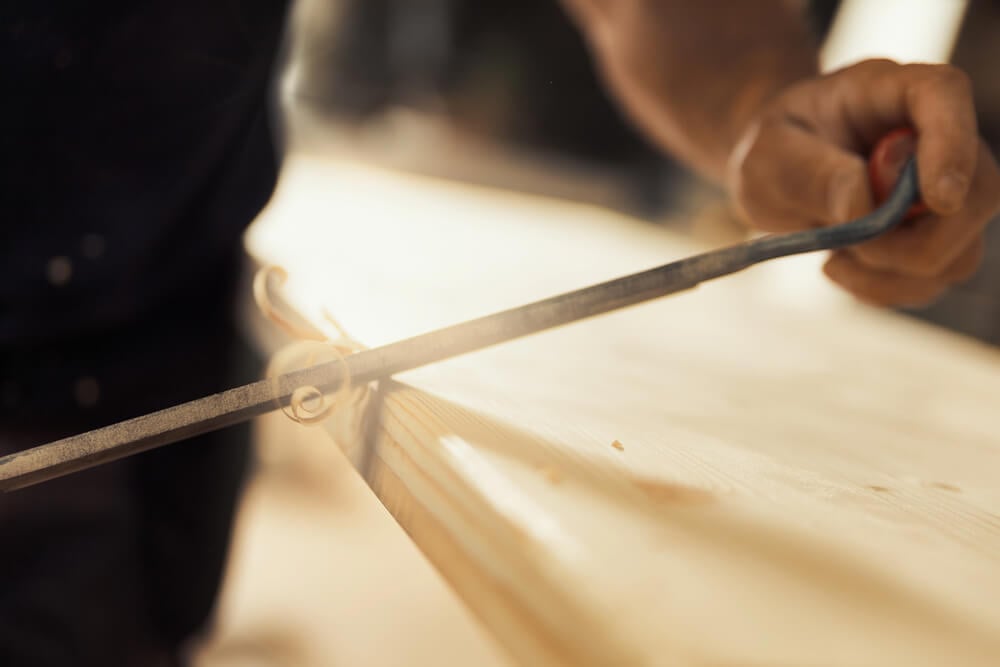
A drawknife is a blade with a handle at each end, pulled toward the body to shave a curved or tapered surface. Witherby drawknives turn up in sizes from about seven to ten inches, and the maker’s stamp is usually still visible on the blade.
The same firm also made chisels, which means a stamp on a chisel may point to a matching drawknife. Pitting along the edge, thinning from decades of sharpening and cracked handles are the typical flaws.
The Spear and Jackson Tenon Saw
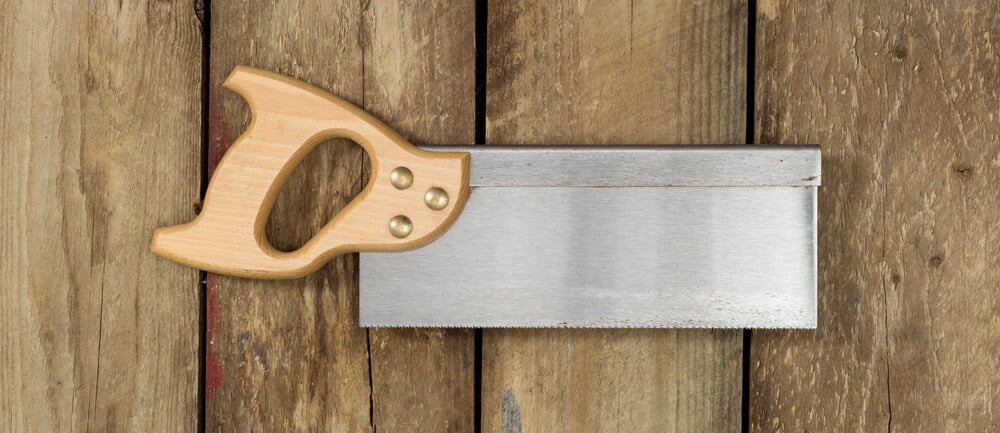
The tenon saw is a rigid back saw for joinery, and the Sheffield firm of Spear and Jackson made them for generations. The Science Museum Group in Britain holds a 12-inch tenon saw by the company.
A folded strip of steel or brass along the top edge of the blade stiffens it for straight cuts. The handle, the etch on the blade and the straightness of the plate all affect whether an old example is a user or a wall hanger.
The Stanley No. 151 Spokeshave
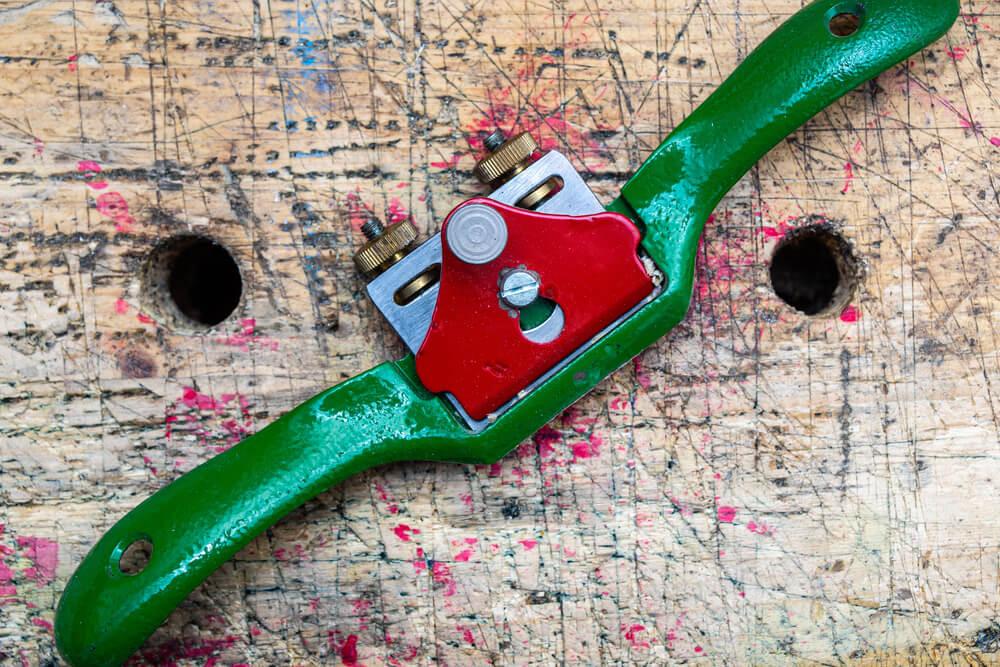
The Stanley No. 151 is a flat-soled spokeshave, with the No. 152 as its curved-sole counterpart. Both have two thumb screws that adjust the depth of the cutter, which sets them apart from simpler shaves.
Woodworkers have written type studies of the No. 151 that tell its versions apart by small casting details. Cracked handles, a rusted sole and a missing cap are the common condition problems.
The Stanley No. 62 Folding Rule
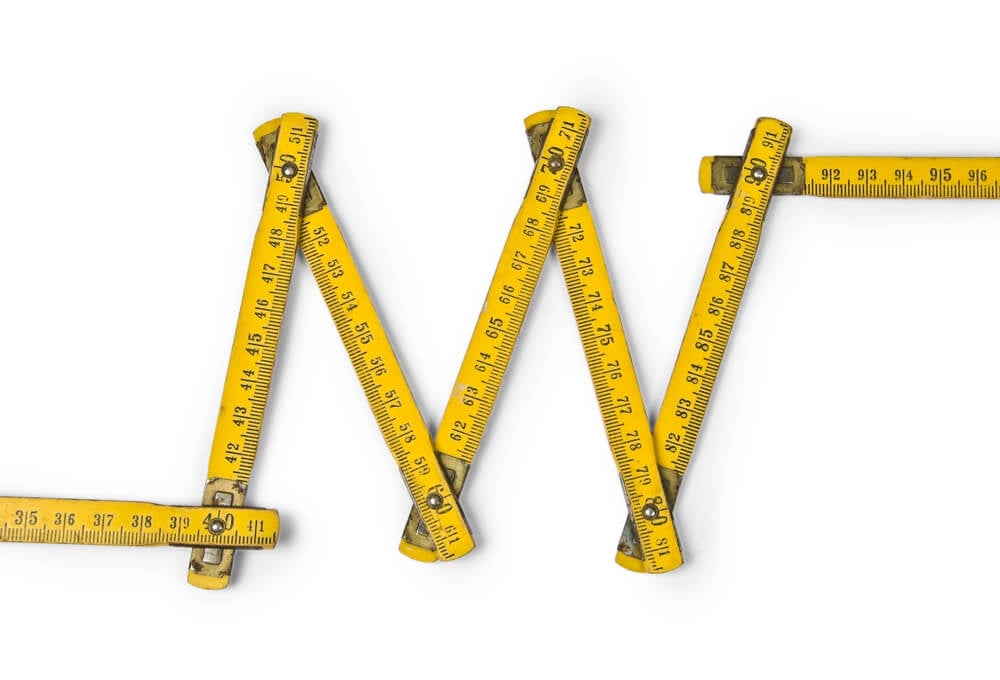
The Stanley No. 62 is a two-foot, four-fold rule made of boxwood and bound with brass, produced by Stanley Rule and Level in New Britain, Connecticut. A narrower version carries the number 62½, and later rules bear the Sweetheart mark.
The brass joints and the clear graduations are what make it easy to identify. Cracked boxwood, loose joints and faded markings lower the value of an otherwise appealing rule.
The Stanley No. 8 Jointer and Its Corrugated Cousin
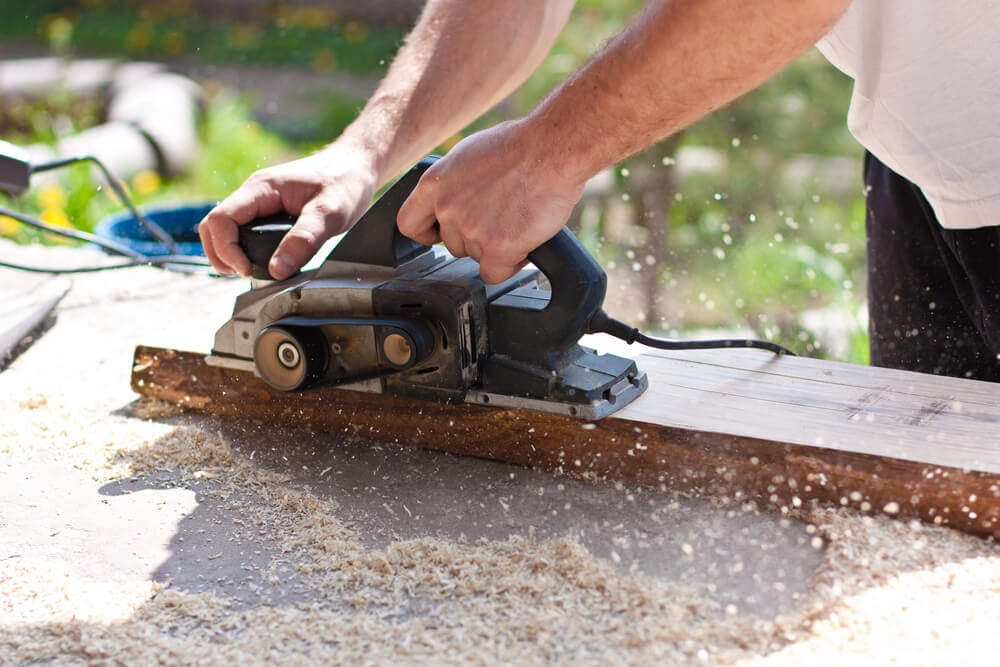
The Stanley No. 8 is a 24-inch jointer plane used to flatten and straighten long edges. A variant marked No. 8C has grooves cut into the sole, which reduce friction as the plane slides across the wood.
The length is the quick giveaway, since the next size down is shorter, and Stanley’s type system tracks changes in details over the years. A sole that has not been ground flat and a cap without cracks matter more to collectors than light surface rust.
The Stanley Odd Jobs Combination Tool
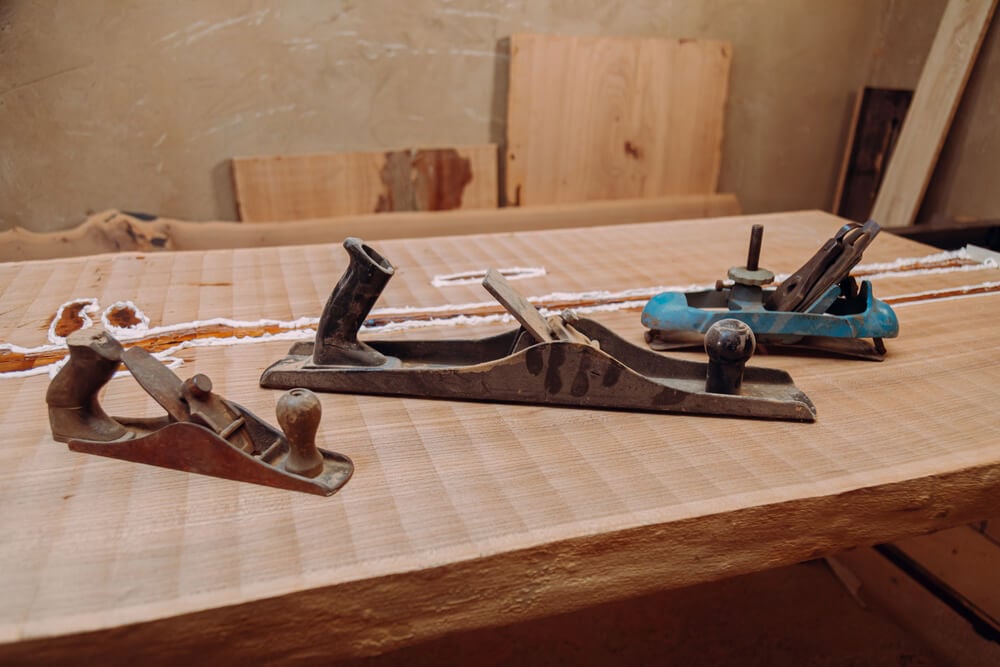
Stanley’s Odd Jobs is a cast iron multi-tool that combines functions such as a square, a level, a marking gauge and a rule in a single piece. Patent dates from 1887 and 1888 appear on examples, and the name is cast on the body.
Collectors prize it because it is both unusual and well documented. Because it has several moving parts, a complete tool with intact markings is worth far more than one with missing pieces.
The Stanley No. 79 Side Rabbet Plane
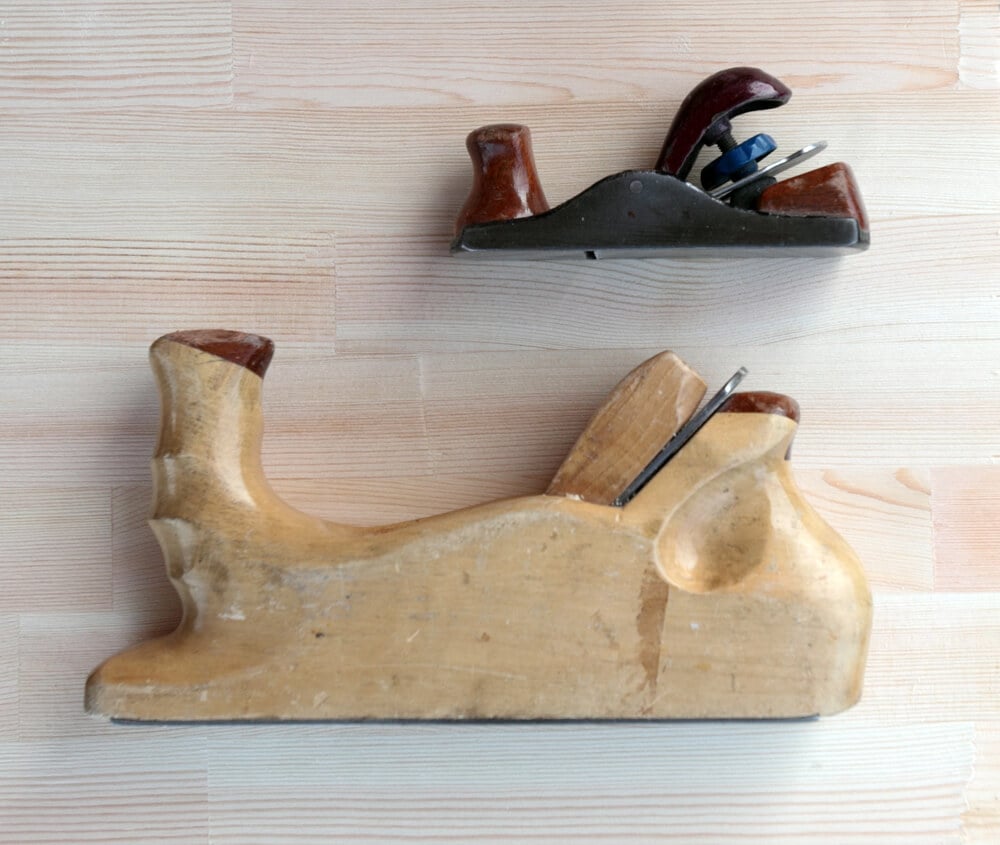
A side rabbet plane trims the vertical wall of a groove, a dado or a rabbet, and the Stanley No. 79 is one of the most common examples. Its narrow body lets the cutter work right at the edge of the sole.
Reproductions and modern versions exist, which makes the original markings and casting quality important clues. A bent body, a missing fence and a damaged cutter are the problems to check for.
The Stanley No. 148 Tongue and Groove Plane
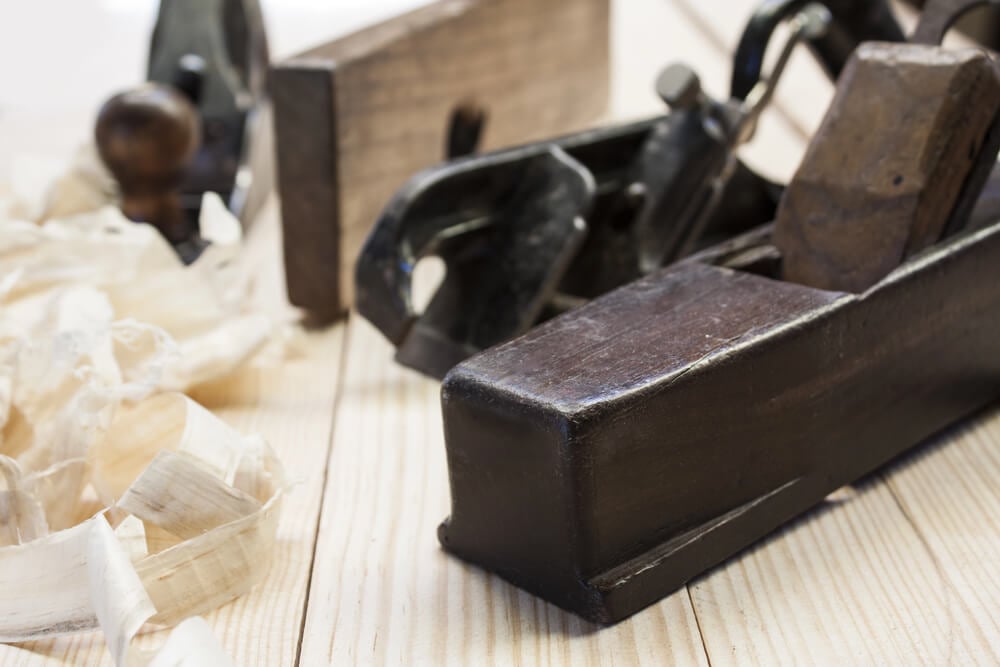
The Stanley No. 148 cuts a tongue on one board and a matching groove on its neighbor, and it was sold for both three-quarter inch and seven-eighths inch stock. Listings describe a coming and going version, since the tool cuts in either direction of work.
The fence and the pair of cutters are the parts that tend to go missing. Sweetheart examples and boxed planes are especially sought after, with condition deciding how far the value climbs.
The Stanley No. 80 Cabinet Scraper
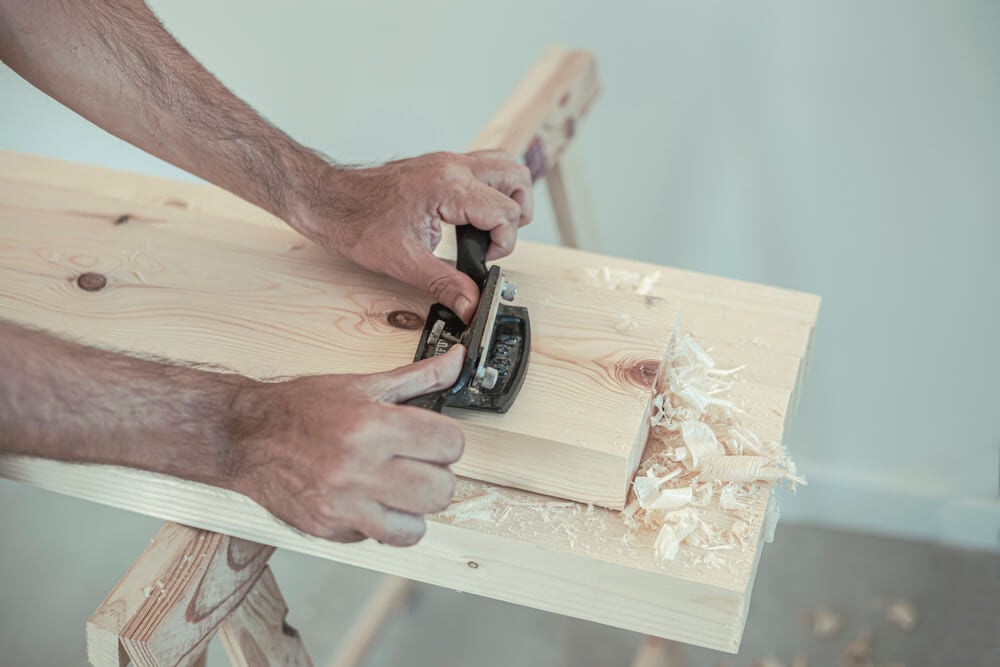
The Stanley No. 80 holds a thin steel scraper blade in a cast iron body, which lets the user control the angle and curve of the blade. It was made for smoothing hard, difficult wood that tears under a plane.
Many survive with the Sweetheart mark, and patent dates appear on the casting. A cracked body or a blade with a worn edge is the usual deduction in value.
The Buck Brothers Chisel
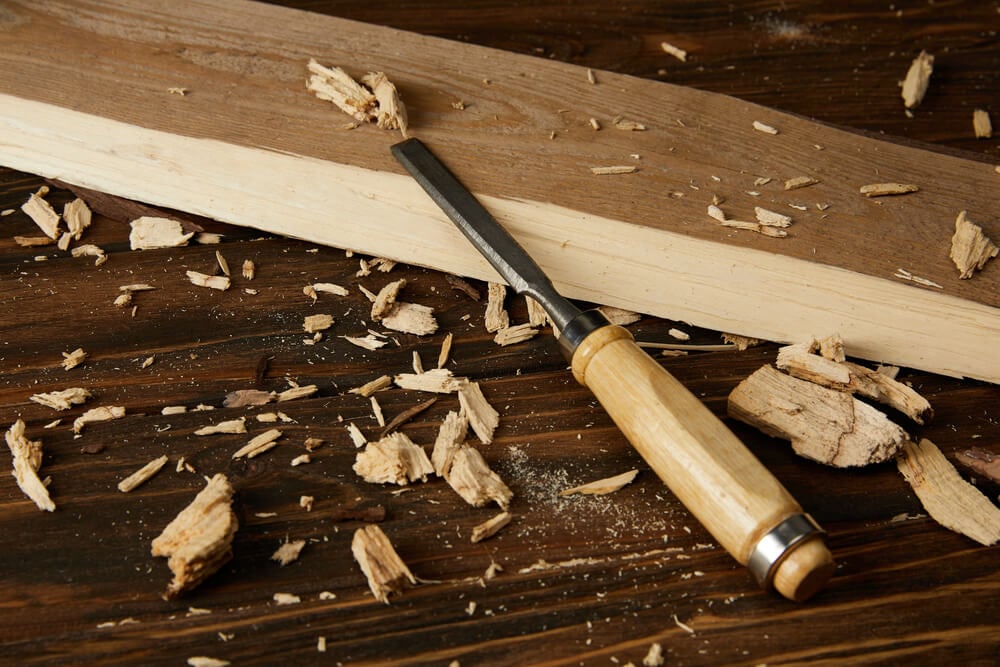
Buck Brothers of Millbury, Massachusetts, produced chisels and drawknives, and a 1936 catalog from the firm still turns up in collections. The company’s output included socket chisels, firmer chisels and crank-neck paring gouges.
The maker’s stamp near the top of the blade is the key to identification. Rust pitting, a shortened blade and a damaged handle all bring down the value of an otherwise good tool.
Reading the Marks Left in Steel and Iron
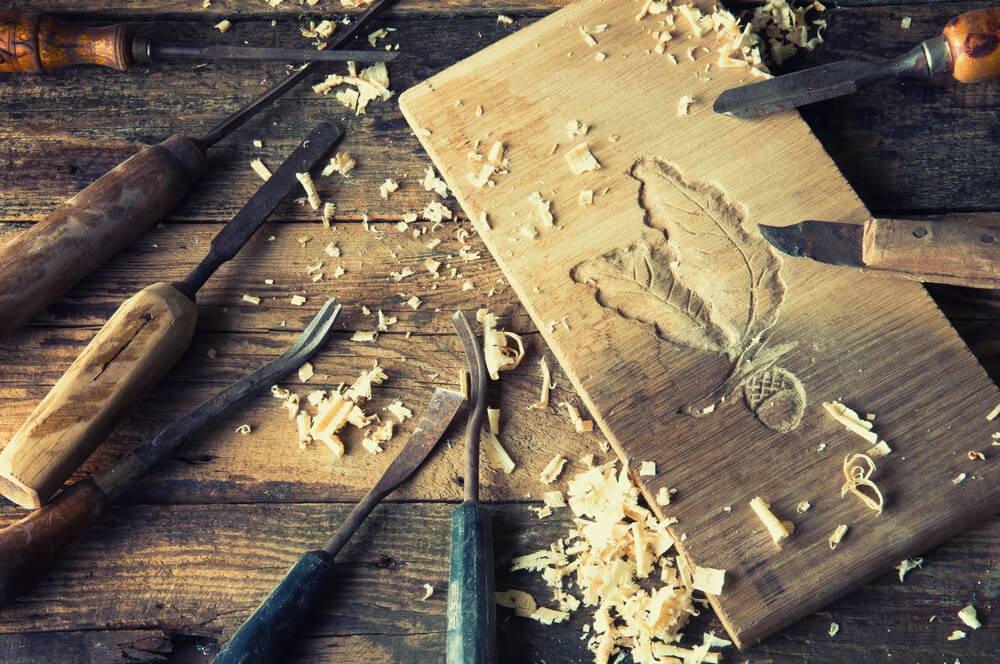
Almost every tool on this list can be recognized by a stamp, a patent date, a model number or a distinctive part. Those marks turn an anonymous lump of metal into a document that shows who made it, when, and what problem it was built to solve.
Reading them takes patience, but the vocabulary is learned quickly once a few tools have been handled side by side. The marks also reveal how much has been lost along the way.
A plane without its cutters, a rule with faded graduations or a brace with a seized ratchet may still be interesting, yet the value shifts with every missing part. Condition decides the difference between a shelf piece and a working tool, and an informed eye tells a buyer which flaws can be fixed and which cannot.
More from Go2Tutors!

- 27 Silver Dollars and Half Dollars Worth Keeping
- 28 Restaurant Menu Items Nobody Orders Anymore
- 17 Places Built in Seemingly Impossible Spots
- 27 Vintage Rings Worth More Than They Look
- 25 Restricted Sites Tourists Can’t Enter
Like Go2Tutors’s content? Follow us on MSN.