25 Historical Trials Held Behind Closed Doors
A trial conducted in the open invites scrutiny, and scrutiny is exactly what many governments and institutions throughout history have wanted to avoid. From medieval church tribunals to twentieth-century military courts, these 25 proceedings were kept away from public view, sometimes so thoroughly that outsiders learned the verdict only after the sentence had already been carried out.
The Star Chamber
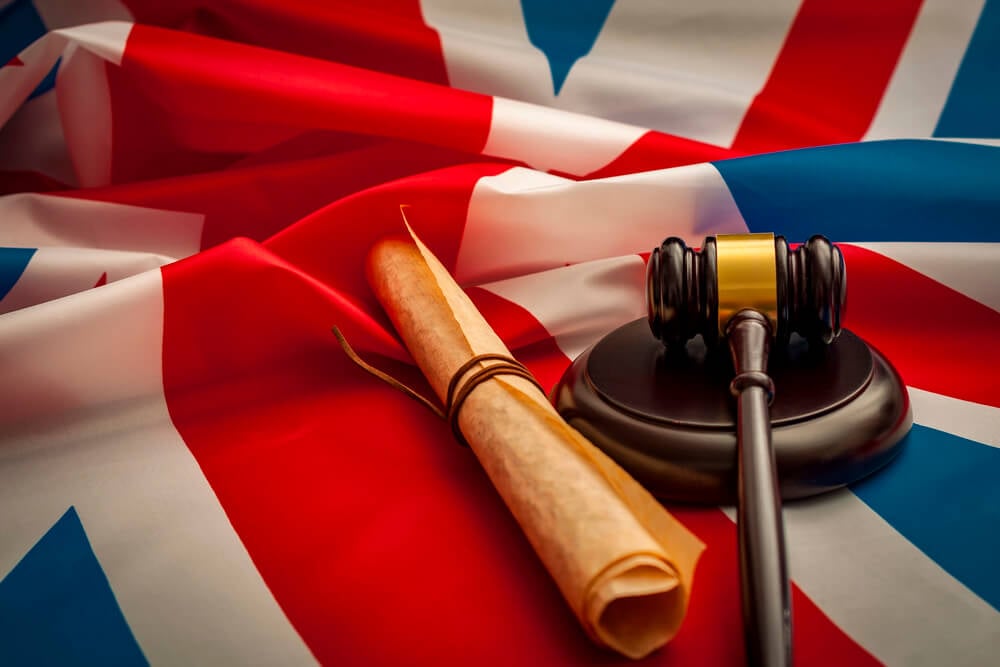
England’s Court of Star Chamber, active from the late 15th century until its abolition in 1641, heard cases without a jury and largely outside public view, giving the Crown a tool to pursue politically sensitive prosecutions with far fewer procedural protections than common law courts required. Its secrecy and lack of due process eventually became so notorious that the phrase “star chamber” entered the English language as shorthand for any unfair, closed-door proceeding.
Parliament abolished the court partly in direct response to complaints about its opacity.
The Council of Ten
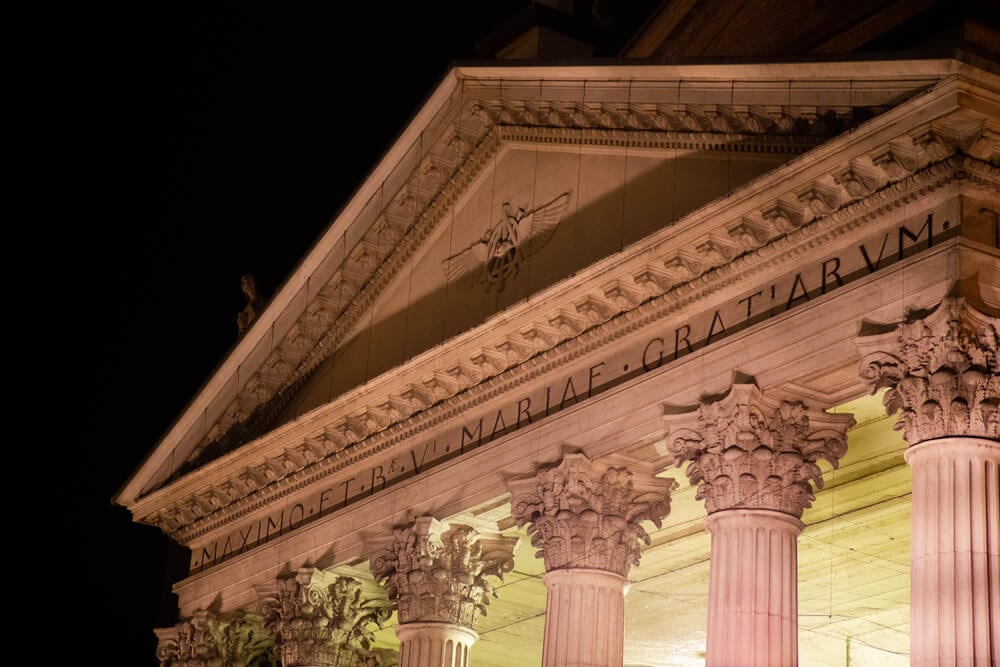
Venice’s Council of Ten, a powerful state security body established in the 14th century, conducted trials of suspected traitors and conspirators in strict secrecy, often reaching verdicts and ordering punishments without any public record of the proceedings. Defendants sometimes disappeared or were executed with little formal explanation given to the wider public.
The council’s secrecy was considered essential to protecting the Venetian Republic’s stability, though it left ample room for abuse.
The Vehmic Courts
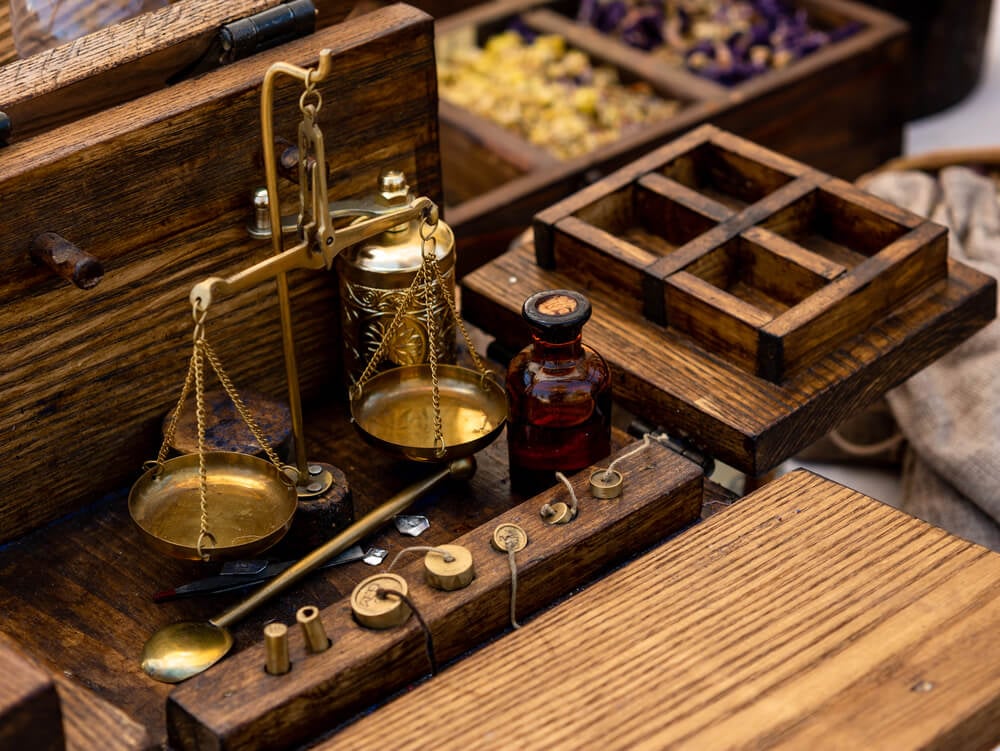
The Vehmgericht, a network of secret tribunals that operated across medieval Westphalia beginning in the 12th century, tried cases in closed sessions attended only by sworn initiates, sometimes issuing death sentences against defendants who were never present or even aware charges had been filed. The courts operated with a degree of independence from local rulers that made them both feared and, at times, resented as an unaccountable parallel justice system.
Their secretive procedures have made them a recurring reference point in later discussions of extrajudicial justice.
Galileo’s Trial
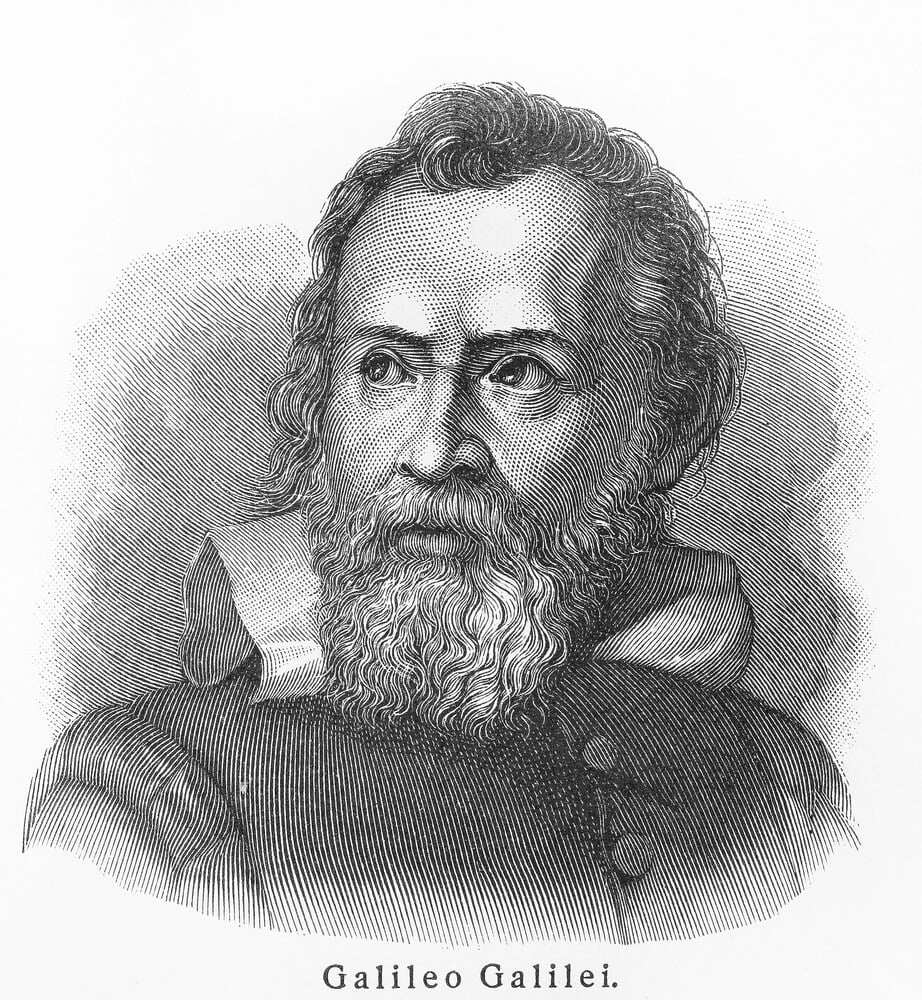
Galileo Galilei’s 1633 trial before the Roman Inquisition, which found him “vehemently suspect of heresy” for advocating a heliocentric model of the solar system, was conducted almost entirely behind closed doors, with proceedings, testimony, and deliberations kept from public knowledge. Only the final sentence and Galileo’s forced recantation were made public.
Full records of the trial were not made widely available to scholars until long after his death.
Giordano Bruno’s Trial
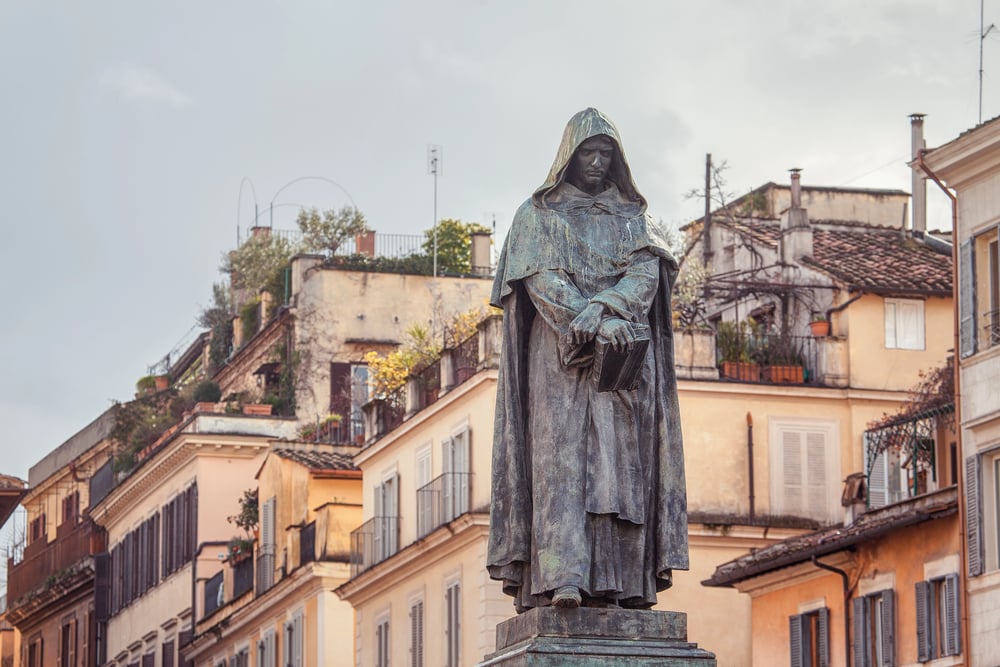
The philosopher and former friar Giordano Bruno spent years imprisoned by the Roman Inquisition before his 1600 trial concluded with a sentence of execution for heresy, with the bulk of the proceedings conducted in secret over nearly eight years of confinement. Much of what is known about the charges against him comes from fragmentary surviving records rather than any public account at the time.
He was executed in Rome’s Campo de’ Fiori, a rare public act following years of hidden process.
The Secret Trial of Tsarevich Alexei
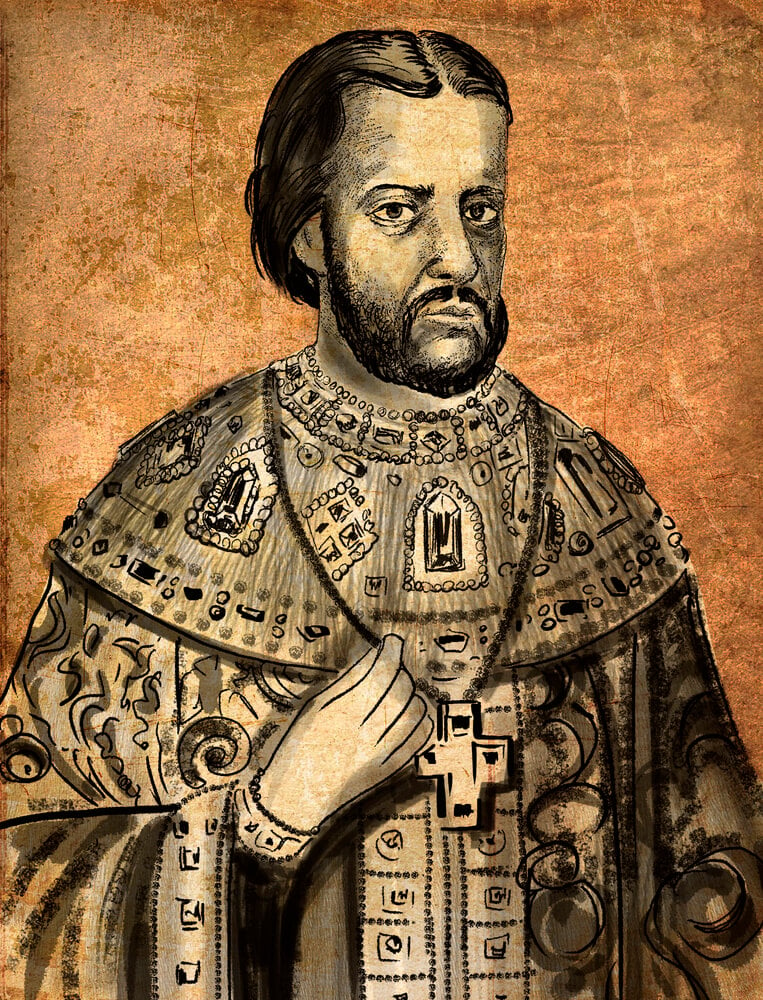
Peter the Great had his own son and heir, Tsarevich Alexei, tried in secret in 1718 on charges of treason after Alexei fled Russia and was persuaded to return. The proceedings were conducted largely out of public view, and Alexei died in custody shortly after being sentenced, under circumstances that remain disputed by historians.
The case remains one of the starkest examples of a monarch using closed judicial process against his own family.
The Spanish Inquisition’s Secret Tribunals
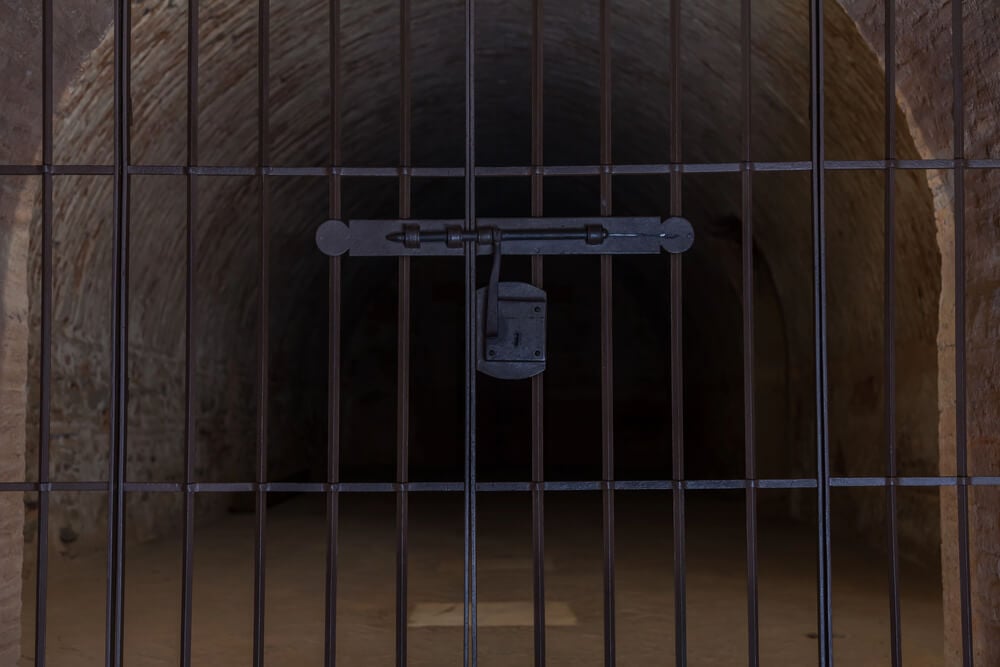
The Spanish Inquisition conducted its investigative and evidentiary proceedings almost entirely in secret, with accused individuals often unaware of the specific charges or their accusers’ identities until well into the process. Only the final sentencing, delivered at a public ceremony known as an auto-da-fé, was conducted in front of an audience.
The gap between the closed investigation and the public punishment became one of the institution’s most criticized features in later historical assessments.
The Trial of Joan of Arc
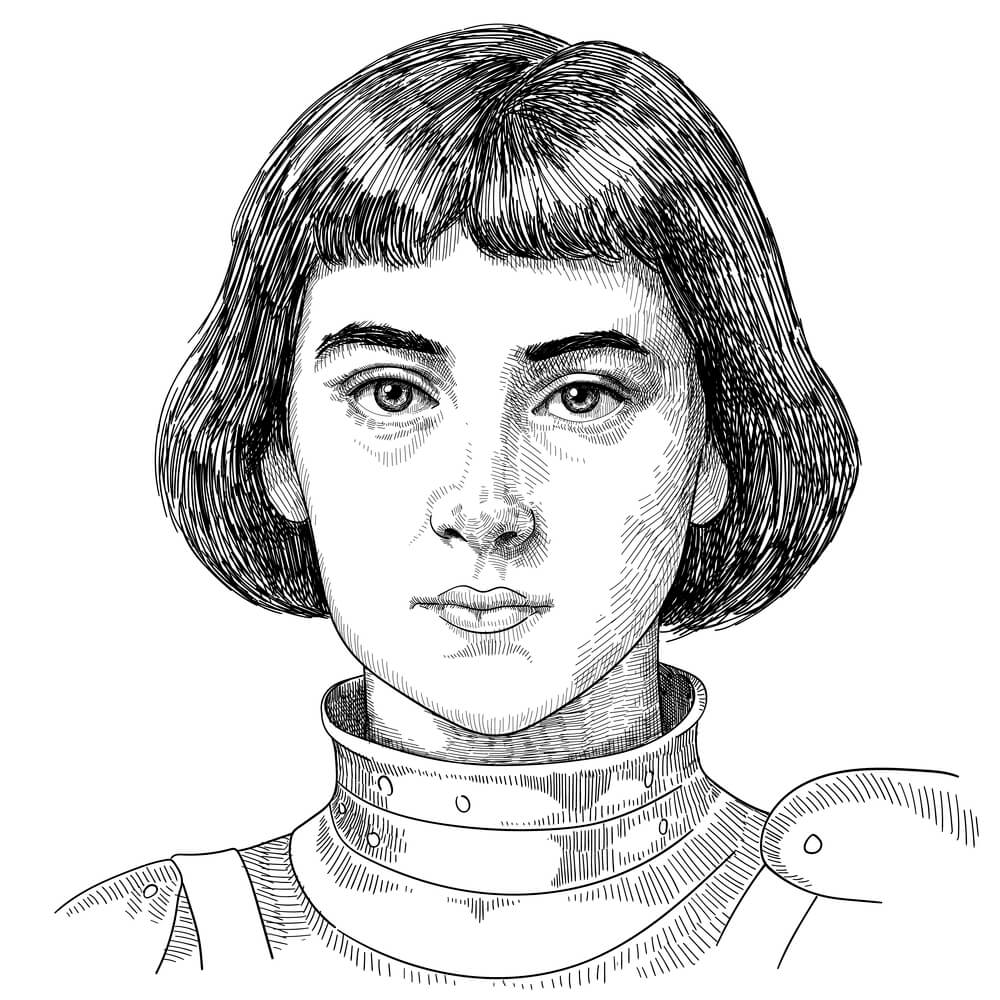
Joan of Arc’s 1431 trial for heresy, conducted by a pro-English ecclesiastical court in Rouen, restricted her access to legal counsel and limited outside knowledge of the proceedings as they unfolded. Some sessions were held in her prison cell specifically to avoid public gatherings that might have generated sympathy for her cause.
A later posthumous re-examination of the trial, conducted decades afterward, found the original proceedings to have been fundamentally unjust.
The Trial of Jan Hus
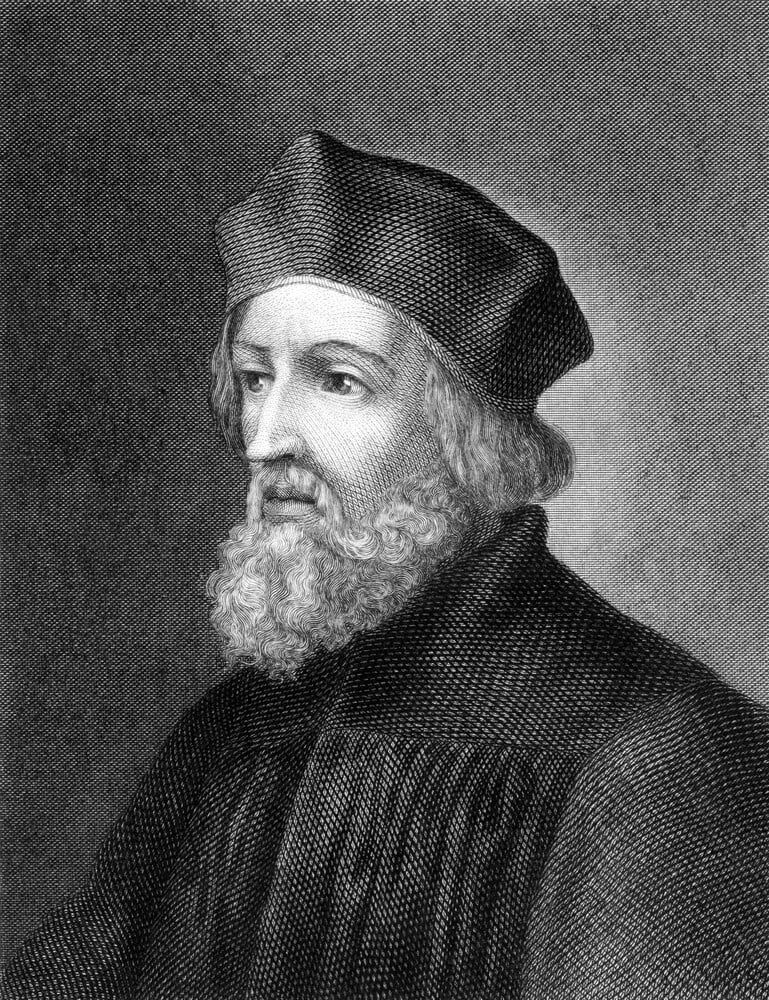
Religious reformer Jan Hus was tried for heresy at the Council of Constance in 1415, with significant portions of the proceedings conducted with limited access for outside observers and little opportunity for Hus to mount a public defense of his positions. He was ultimately burned at the stake despite having traveled to the council under a promise of safe conduct.
His conviction and execution helped spark the Hussite movement that followed in Bohemia.
Inquisitorial Trials of the Cathars
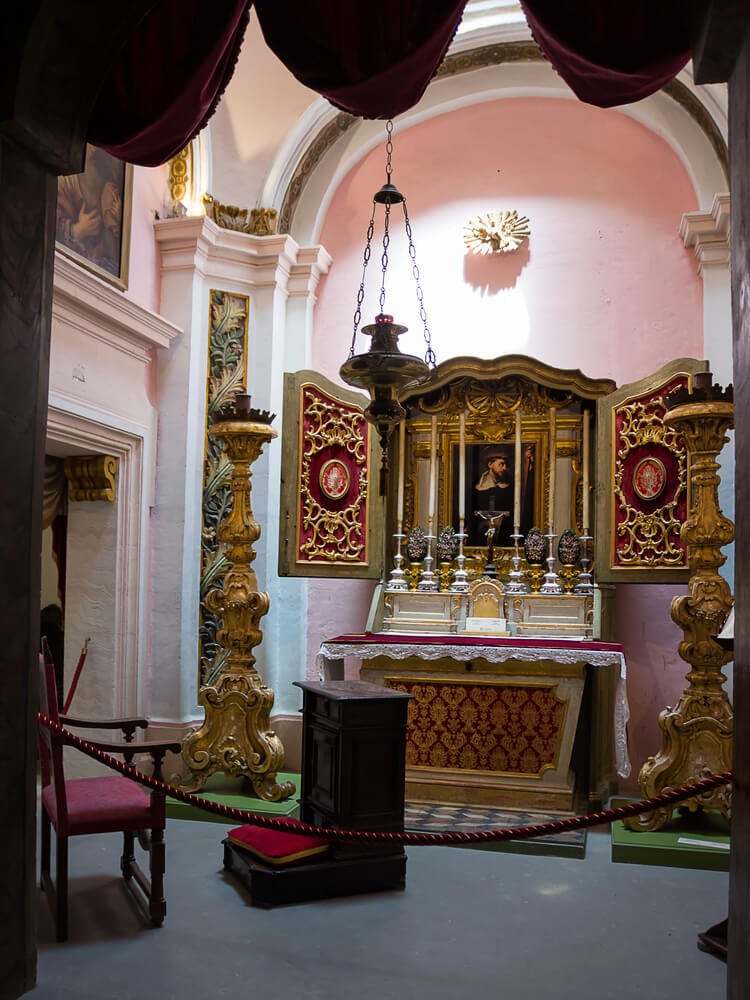
Medieval inquisitors pursuing the Cathar movement in southern France conducted their proceedings as closed interrogations, often relying on secret denunciations from neighbors and family members that the accused were never permitted to see or challenge directly. The secrecy of the process was considered essential to protecting informants, but it left defendants with little ability to mount any meaningful defense.
Thousands were tried and punished under this system over the course of the Albigensian Crusade and its aftermath.
The First Court-Martial of Alfred Dreyfus
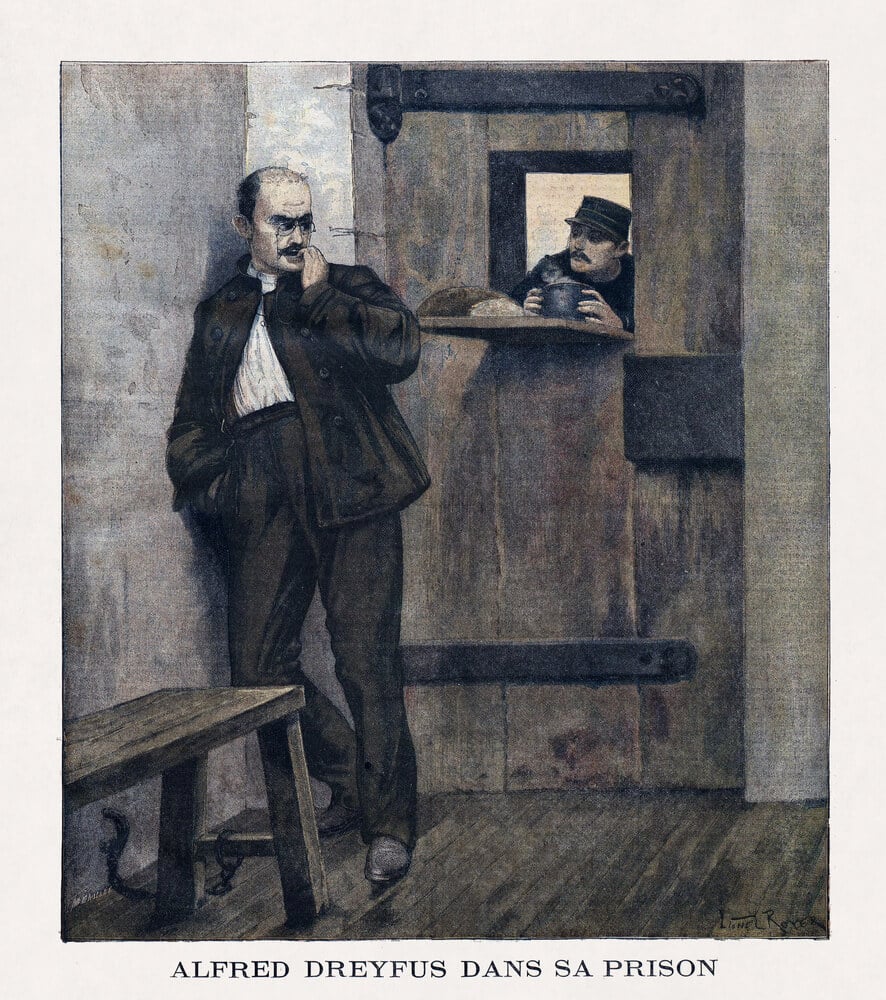
The 1894 court-martial that convicted French army officer Alfred Dreyfus of treason relied heavily on a secret dossier of evidence shown to the judges but withheld from Dreyfus and his defense attorneys. The closed handling of the supposed evidence became the central scandal once the case was reexamined years later, revealing that key documents had been forged.
Dreyfus was eventually exonerated, but not until years after the closed proceedings had already ruined his career and reputation.
The Court-Martial of Mata Hari
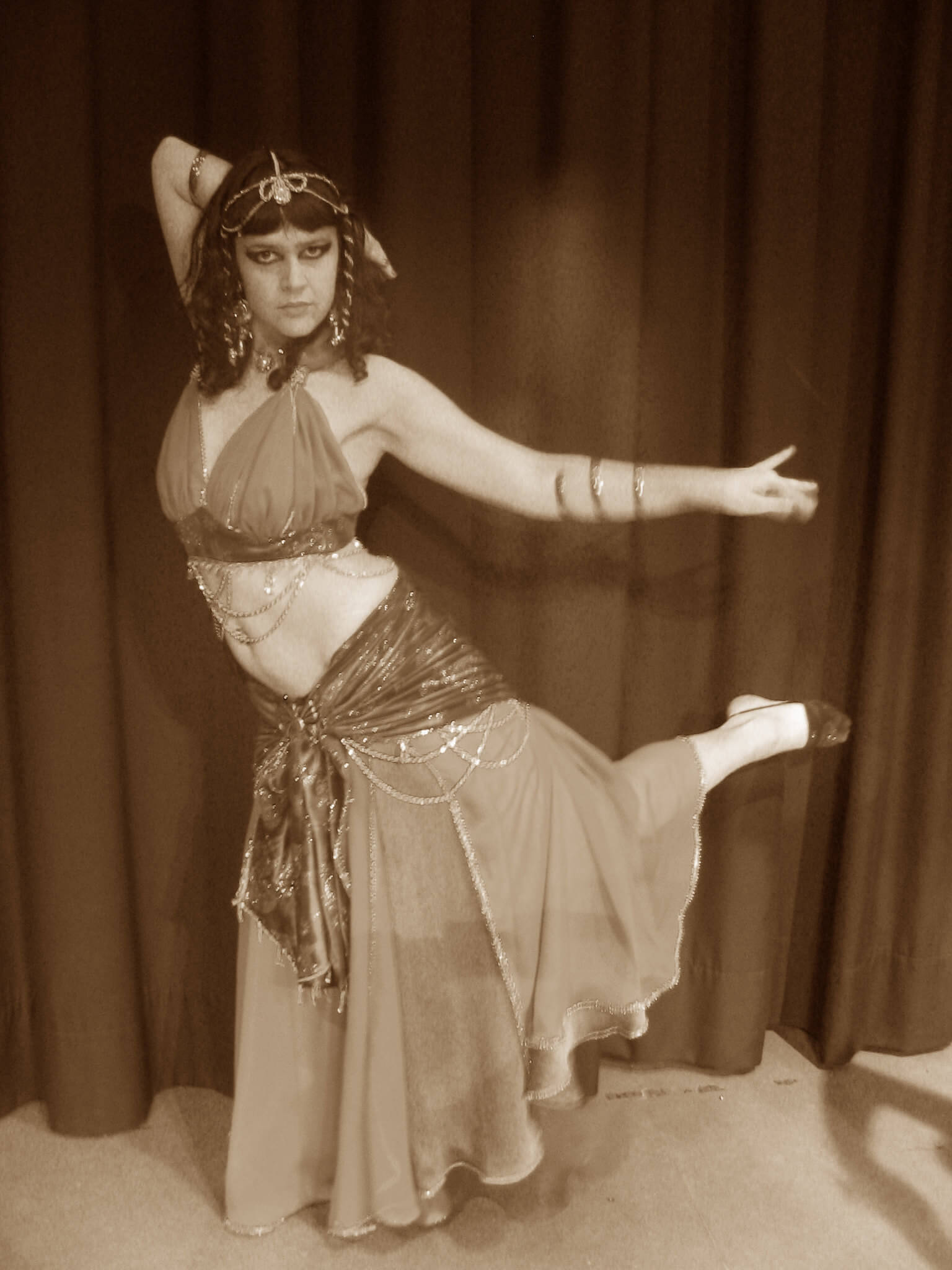
Dutch exotic dancer Margaretha Zelle, known as Mata Hari, was tried by a French military tribunal in 1917 on espionage charges, with the press and public excluded from the courtroom for most of the proceedings. Her defense attorney was given limited access to the evidence against her, and historians have since raised significant doubts about the strength of the case.
She was executed by firing squad shortly after the closed trial concluded.
The NKVD Troikas
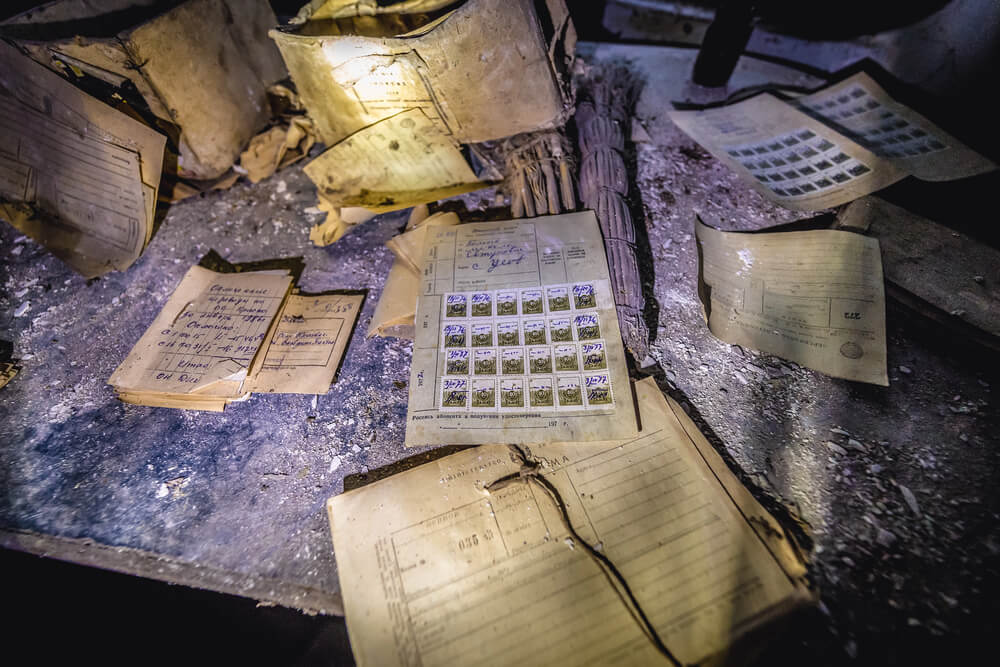
During the Soviet Great Purge of the late 1930s, three-person panels known as troikas, operating under the secret police, convicted hundreds of thousands of people in proceedings that involved no public hearing, no defense counsel, and often no appearance by the accused at all. Sentences, including large numbers of executions, were frequently decided based on lists submitted in advance rather than any individualized evaluation of evidence.
The mechanism allowed the Soviet state to process an enormous volume of political cases with essentially no due process.
The Special Council of the NKVD
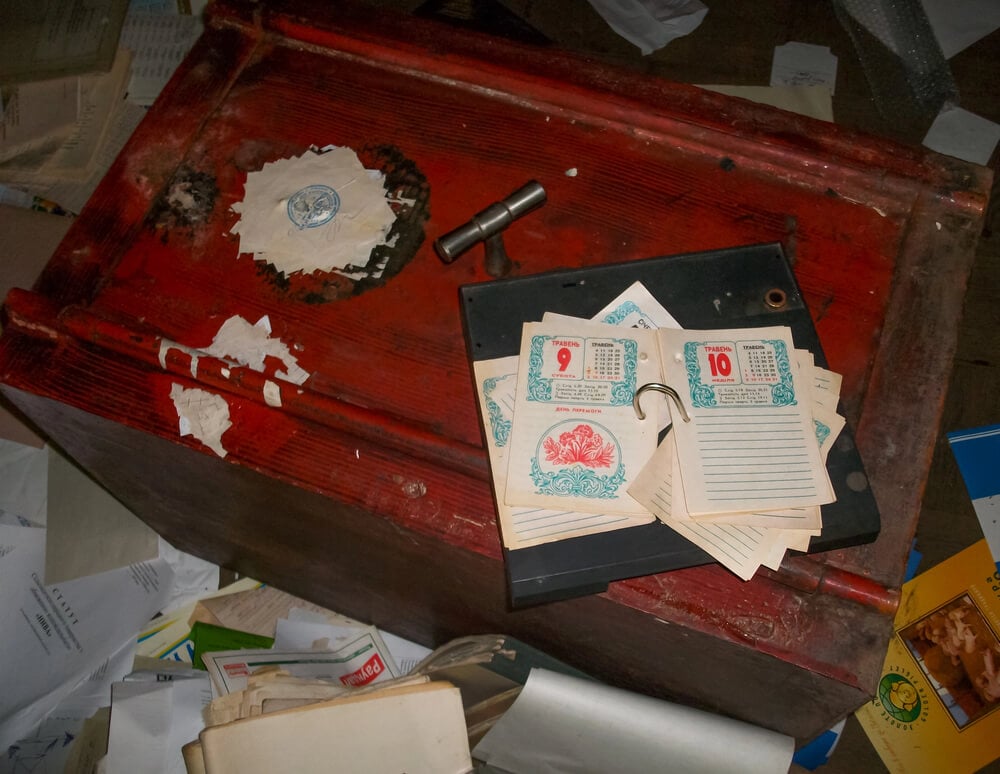
A separate administrative body known as the Osoboe Soveshchanie, or Special Council, operated alongside the troikas to sentence Soviet citizens to labor camps or exile without any trial in the conventional sense, based purely on secret police files reviewed behind closed doors. The council’s decisions were not subject to appeal through any ordinary judicial channel.
It remained in operation, in various forms, for decades after the worst period of the Great Purge had ended.
The Doctors’ Plot Trial

In the final months of Joseph Stalin’s life, Soviet authorities arrested a group of predominantly Jewish physicians on fabricated charges of conspiring to poison senior Soviet officials, preparing a secret trial that was never fully carried out before Stalin’s death in March 1953 led to the case’s abrupt collapse. Investigators later admitted the confessions used against the doctors had been obtained through coercion.
The affair is widely regarded as one of the clearest examples of a Soviet secret proceeding built on fabricated evidence.
The Secret Trial and Execution of Imre Nagy
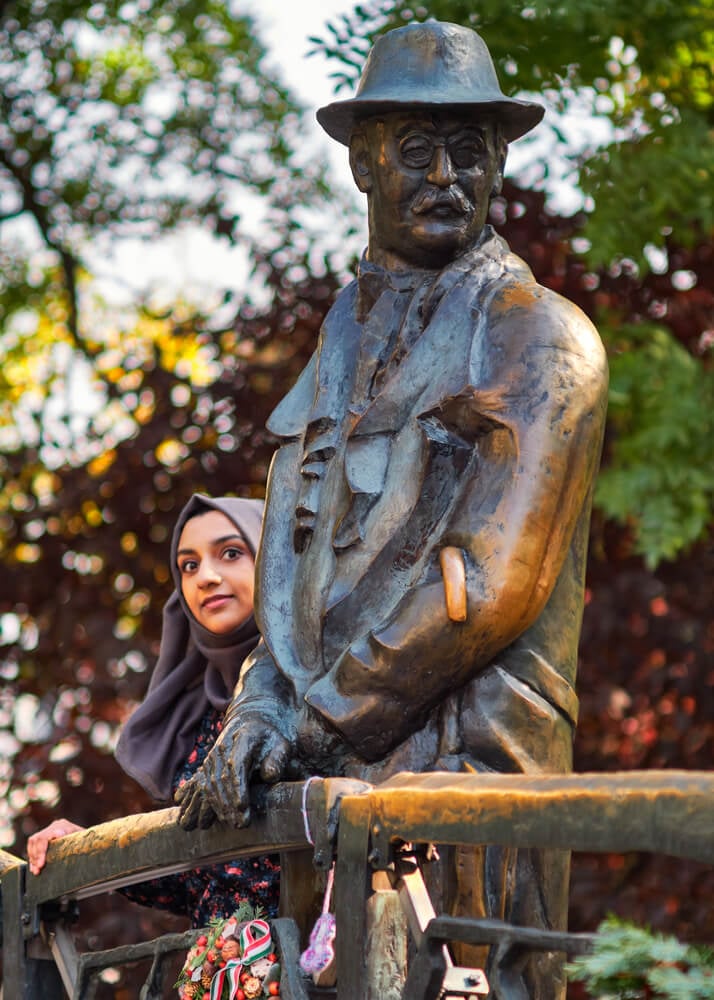
Former Hungarian Prime Minister Imre Nagy, who had led the country’s 1956 uprising against Soviet control, was tried in secret in 1958 by a closed Hungarian court and executed shortly afterward, with the news only announced to the public after the sentence had already been carried out. The secrecy surrounding both the trial and the timing of the execution was intended to minimize domestic and international reaction.
Nagy was posthumously rehabilitated decades later, following the fall of Hungary’s Communist government.
The People’s Court Trials of the July 20 Plotters
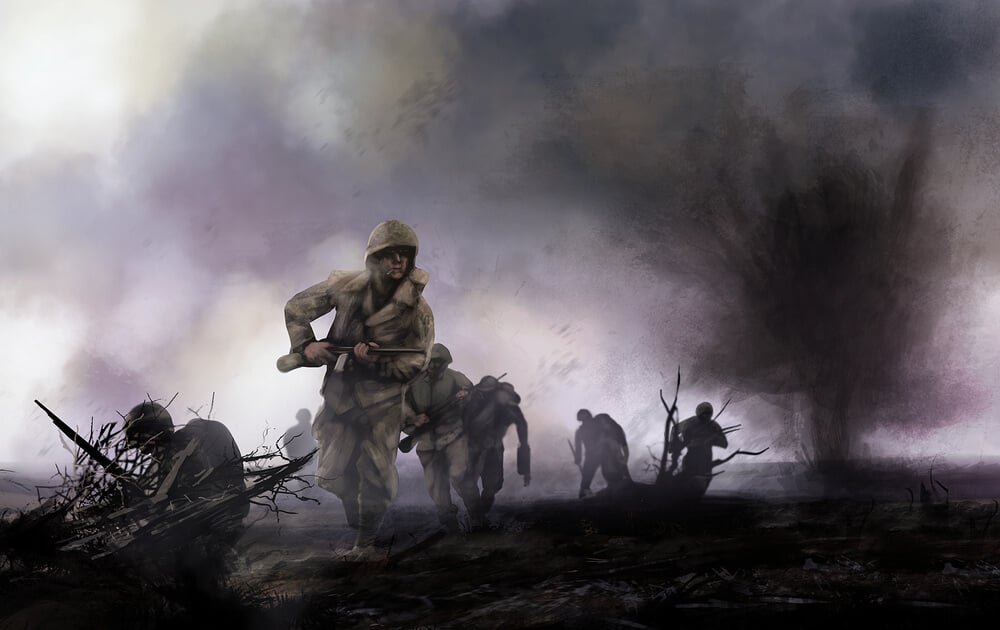
Nazi Germany’s People’s Court tried the military officers involved in the failed July 1944 assassination attempt against Hitler in proceedings that restricted independent press access and controlled which footage of the trials was released, using selectively edited recordings for propaganda purposes rather than allowing genuine public observation. Defendants were frequently denied meaningful opportunity to present a defense.
Most of those convicted were executed within hours of sentencing.
The Night and Fog Secret Trials
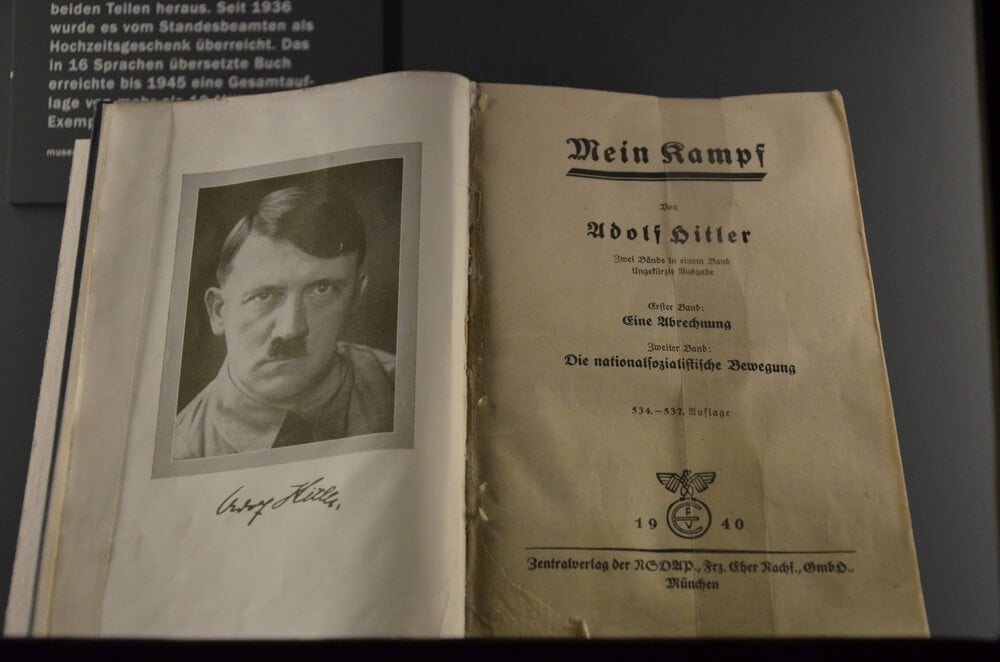
Under Nazi Germany’s 1941 Night and Fog decree, resistance suspects captured in occupied territories were secretly transported to Germany and tried, if tried at all, in closed proceedings specifically designed to prevent their families or communities from learning what had happened to them. The policy’s stated goal was to maximize the psychological deterrent effect of a person simply vanishing without explanation.
Many of those processed under the decree were executed or died in custody without any public record at the time.
Secret Military Tribunals under Chile’s Pinochet Regime
Following the 1973 coup that brought Augusto Pinochet to power, Chile’s military government conducted war council tribunals, known as consejos de guerra, against thousands of political detainees in proceedings closed to independent observers and lacking basic due process protections. Many defendants were convicted based on confessions later shown to have been obtained under coercion.
International human rights organizations were largely denied access to monitor the proceedings as they occurred.
Secret Military Tribunals during Argentina’s Dirty War
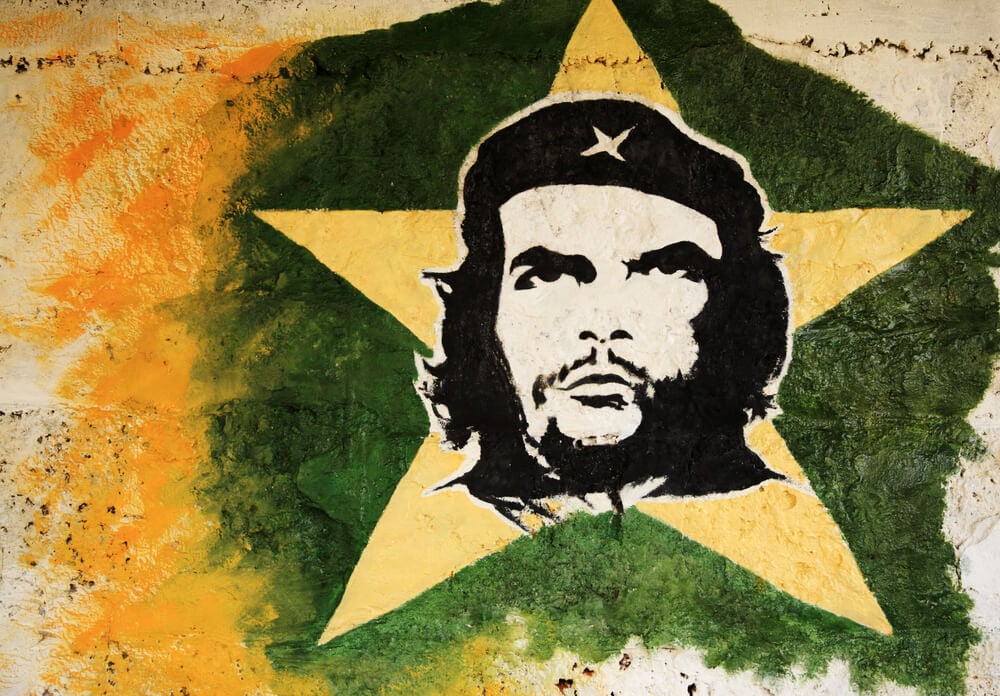
Argentina’s military government, in power from 1976 to 1983, held closed military proceedings against thousands of suspected dissidents, many of whom were never formally charged or tried at all before being detained indefinitely or killed. The lack of any transparent judicial process became a central focus of later human rights investigations and prosecutions once civilian government was restored.
Argentina’s subsequent trials of former junta leaders were, by contrast, conducted with considerable public visibility.
Secret Military Tribunals under Francoist Spain
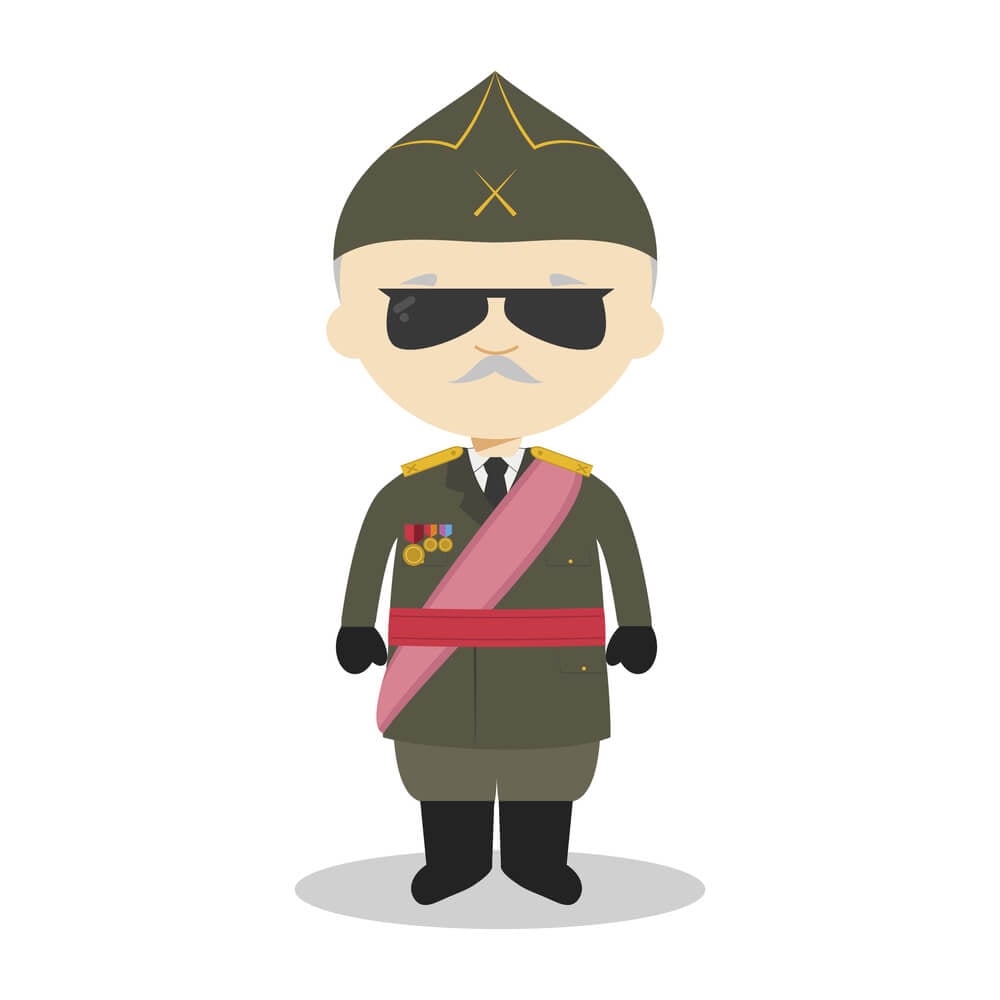
Following the Spanish Civil War, Francisco Franco’s government prosecuted tens of thousands of political prisoners through military tribunals, known as consejos de guerra, that offered minimal opportunity for genuine defense and were closed to independent public scrutiny. Many of the resulting sentences, including executions, were carried out based on summary proceedings that lasted only minutes.
The scale of the postwar tribunals remains a significant subject of historical research in Spain today.
Secret Political Trials in North Korea
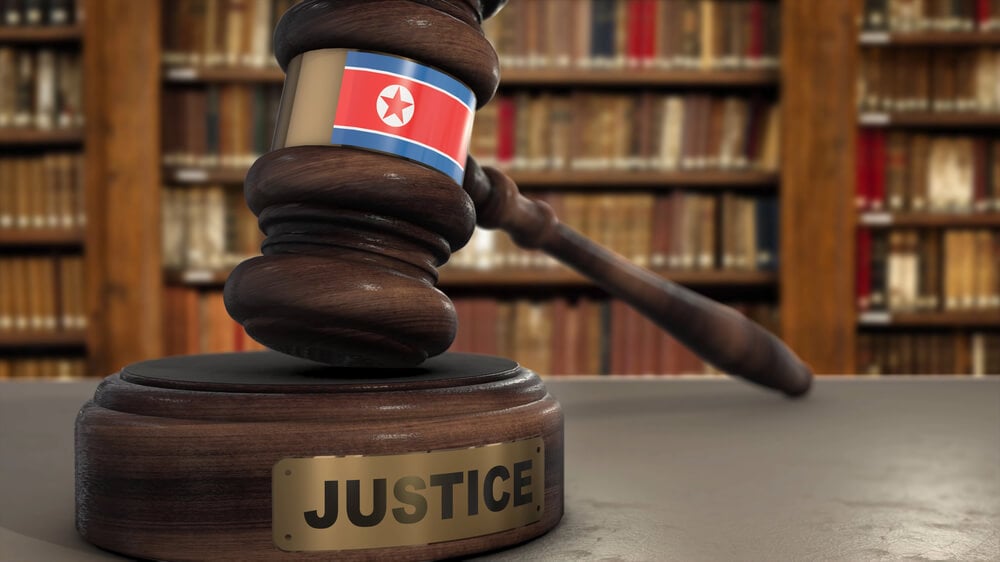
North Korea’s judicial system, particularly in cases involving alleged political dissent, has long been documented by international human rights researchers as relying on closed proceedings with no independent observers, no meaningful defense representation, and no public record of the charges or evidence involved. Sentences in such cases are rarely announced publicly, and outside knowledge of specific proceedings typically comes only through defector testimony gathered afterward.
The system’s opacity has made independent verification of individual cases extremely difficult.
The Trial of Michael Servetus
Theologian Michael Servetus was tried in Geneva in 1553 on heresy charges under the influence of reformer John Calvin, with much of the evidentiary process conducted through closed depositions before a final public sentencing. Servetus had already been tried and condemned in absentia by Catholic authorities in France before fleeing to Geneva, where the second, Protestant-led proceeding sealed his fate.
He was burned at the stake shortly after the trial concluded.
The Court-Martial of Major John André
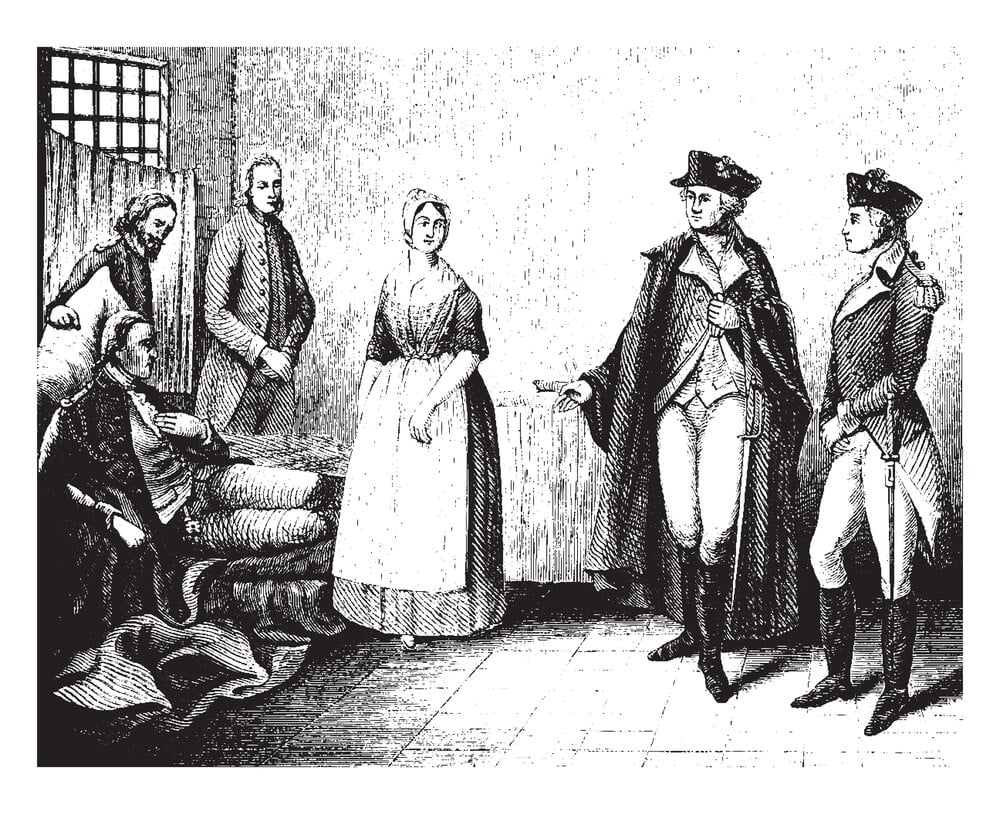
British officer John André, captured while assisting Benedict Arnold’s plot to betray West Point during the American Revolutionary War, faced a board of inquiry in 1780 that functioned largely as a closed military proceeding rather than a public trial. General George Washington convened the board specifically to determine André’s status as a spy rather than a prisoner of war.
André was found guilty and executed within days, a resolution reached with minimal public involvement in the actual deliberation.
Secret Tribunals of Portugal’s PIDE
Portugal’s secret police under the Estado Novo dictatorship, known as PIDE, operated its own closed judicial mechanisms to process political prisoners for decades, particularly targeting opponents of the regime and independence movements in Portugal’s African colonies. Detainees frequently faced interrogation and sentencing with no independent legal representation or public accounting of the process.
The organization’s practices remained largely hidden from ordinary Portuguese citizens until the regime’s collapse in 1974.
The Verdict Nobody Watched
A trial conducted in secret is rarely secret because the outcome is in doubt; it is secret because the outcome has already been decided, and the proceeding exists mainly to give that decision the appearance of process. Every institution on this list, from Renaissance Venice to twentieth-century military governments, understood that a closed door does more than protect information.
It protects the people holding the trial from having to justify what they are about to do. Looking across centuries, the pattern rarely changes.
Secrecy in a courtroom tends to correlate less with the complexity of a case than with how badly those in power wanted a particular result. The cases that eventually came to light, sometimes decades after the fact, tend to confirm exactly what the closed doors were built to hide.
More from Go2Tutors!

- The Romanov Crown Jewels and Their Tragic Fate
- 13 Historical Mysteries That Science Still Can’t Solve
- Famous Hoaxes That Fooled the World for Years
- 15 Child Stars with Tragic Adult Lives
- 16 Famous Jewelry Pieces in History
Like Go2Tutors’s content? Follow us on MSN.