28 Camping Gear From Decades Ago Buyers Snap Up
Modern camping equipment is lighter, more durable, and more technical than anything sold fifty years ago, yet a specific market of buyers keeps hunting down the older, heavier gear anyway. Some want it for genuine outdoor use, valuing the overbuilt steel and canvas construction; others collect it purely for its design history.
These are the pieces of vintage camping equipment that consistently find buyers.
Coleman Green Lanterns
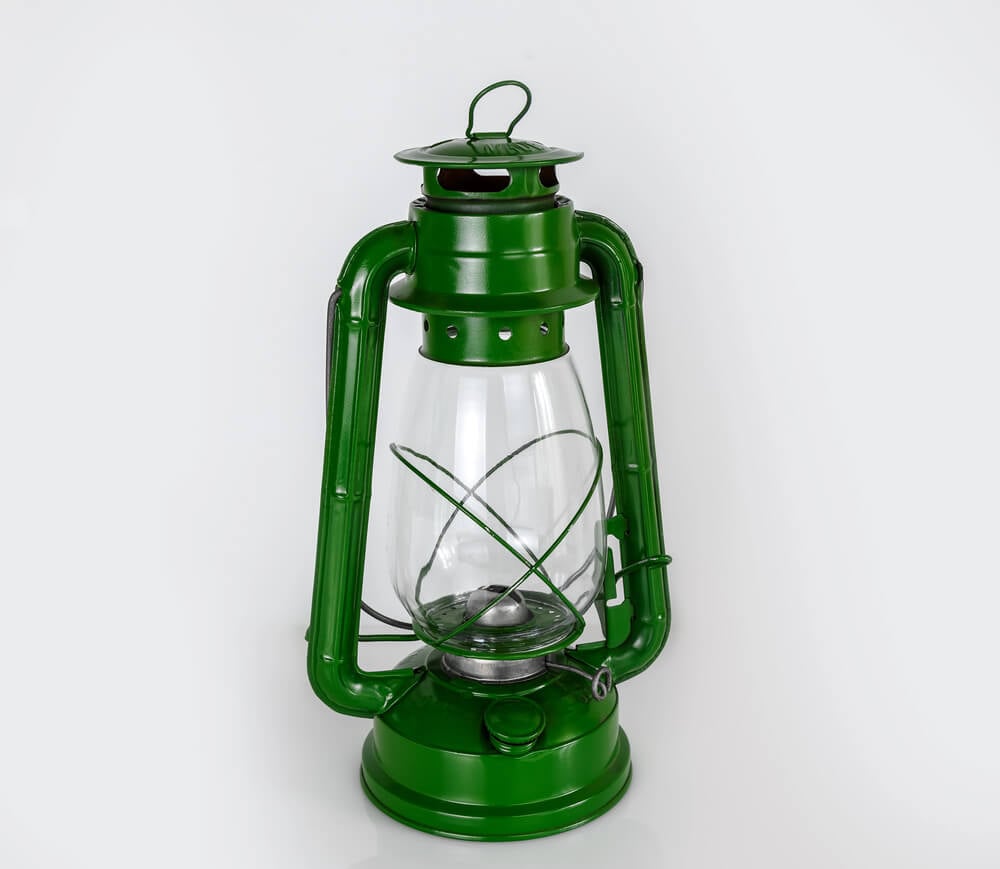
Coleman’s classic green two-mantle lanterns, particularly the 200A model produced from the 1950s through the 1970s, remain some of the most recognizable pieces of vintage camping gear in circulation. Their durable metal construction means many working examples survive decades after production, unlike gear built with more fragile modern plastics.
Buyers specifically seek out lanterns with original, unfaded green paint and intact glass globes, since replacement parts are widely available but original components carry more value.
Coleman 425 Series Camp Stoves
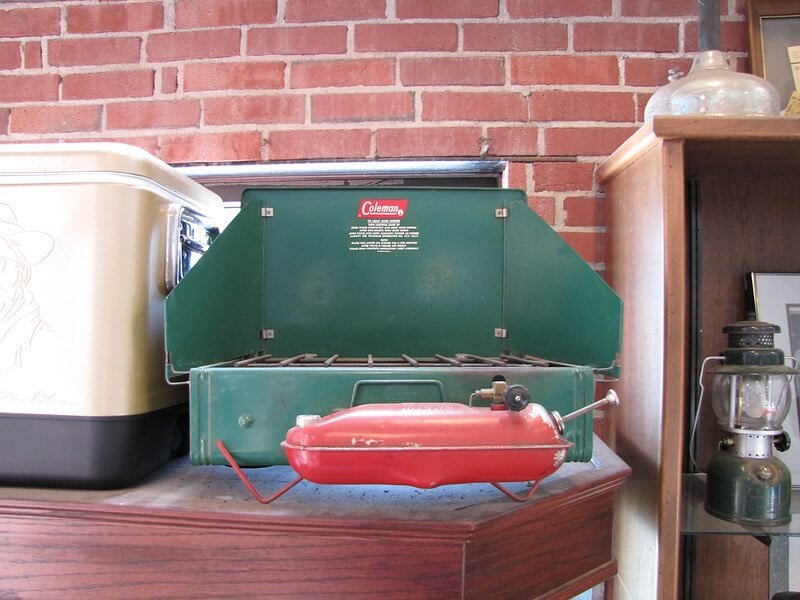
The Coleman 425 series two-burner camp stove, produced across several decades starting in the mid-20th century, became a staple of American family camping trips and remains functional today with basic maintenance. Its all-metal construction and simple pressurized fuel system have made it far more repairable than many modern stoves with plastic components.
Collectors and active campers alike compete for clean examples with intact original decals, which fade or peel with age and sun exposure.
Kelty External Frame Backpacks
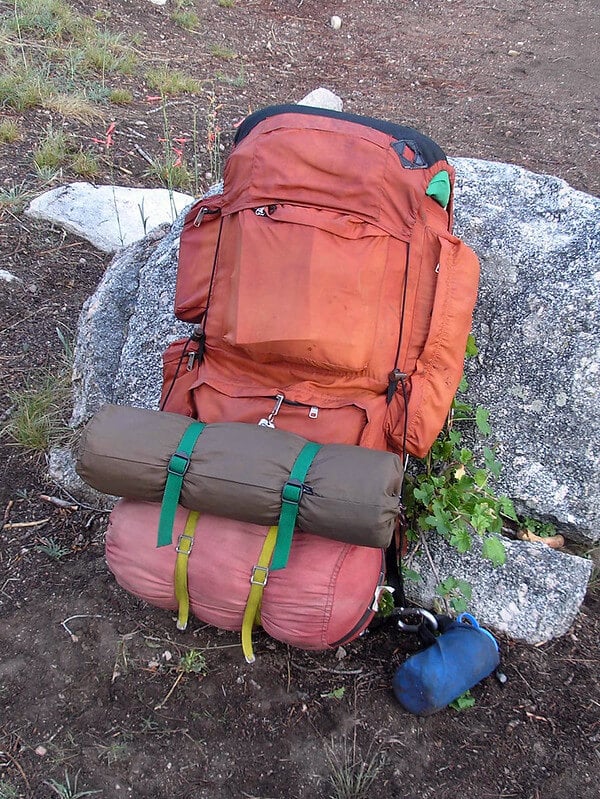
Kelty helped popularize the external frame backpack in the 1950s, shifting weight distribution in a way that made long-distance hiking significantly more comfortable than earlier canvas rucksacks. Original aluminum-frame Kelty packs from the company’s early decades are prized by collectors focused on the history of American backpacking equipment.
Because canvas and nylon fabric deteriorates faster than the metal frame, packs with intact original fabric in good condition are considerably harder to find than frames alone.
Trapper Nelson Pack Boards

Trapper Nelson’s wood-and-canvas pack boards, patented in the 1920s, were the dominant hiking and hunting pack design in North America for decades before external frame packs replaced them. Their wooden frame and canvas sack construction represents an early solution to the same weight-distribution problem later packs addressed with aluminum.
Surviving examples with intact wood slats and unrotted canvas are increasingly rare, since both materials were vulnerable to decades of outdoor storage.
Svea 123 Stoves

The Swedish-made Svea 123 brass camp stove, a compact single-burner design dating back to the early 20th century, remains functional for many owners even after decades of use due to its simple, all-metal construction with almost no parts to fail. Its small size and brass housing have made it a favorite among ultralight backpacking historians and collectors of vintage outdoor gear alike.
Well-maintained examples with the original box and instructions bring a noticeable premium over the stove alone.
Optimus Stoves
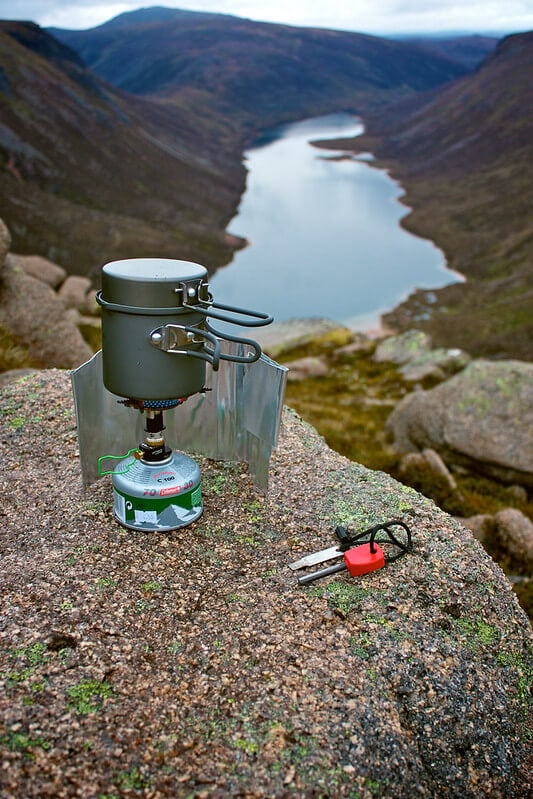
Optimus, another Swedish manufacturer, produced brass camp stoves throughout the 20th century that were widely used by mountaineering expeditions, giving certain models a reputation tied to serious high-altitude use rather than casual car camping. Collectors of mountaineering history specifically seek out models associated with notable expeditions of the era.
As with other brass stoves from the period, originality of finish and completeness of accessories, including the original fuel bottle and pricker tool, significantly affect resale value.
Primus Stoves

Primus stoves, among the earliest pressurized-fuel camp stoves developed in Sweden in the late 19th century, established the basic design later adopted by Svea, Optimus, and other competitors. Early Primus models are valued by collectors specifically interested in the origins of the entire pressurized camp stove category.
Because the company remained in continuous production for over a century, dating a specific unit accurately requires attention to model numbers and stamped manufacturing marks.
Duluth Pack Canvas Packs
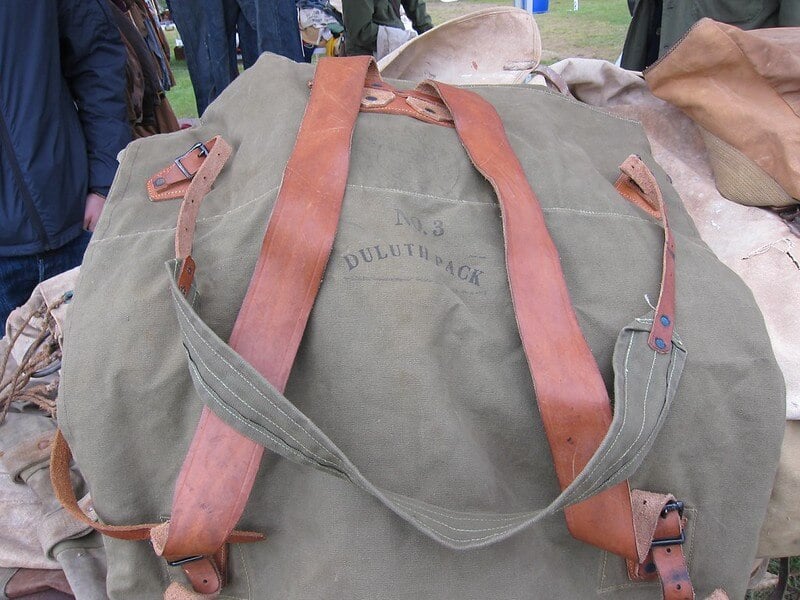
The Duluth Pack, a simple, heavy canvas rucksack originally designed in Minnesota in the late 19th century for portaging canoe trips, remains in production today, but vintage examples from earlier decades are specifically sought for their construction quality and patina. Original leather straps and buckles, which wear and darken distinctively with age, are a key detail collectors examine when authenticating older examples.
Because the design changed relatively little over the decades, dating a vintage pack often relies on label style and stitching details rather than obvious design differences.
L.L. Bean Maine Hunting Shoe
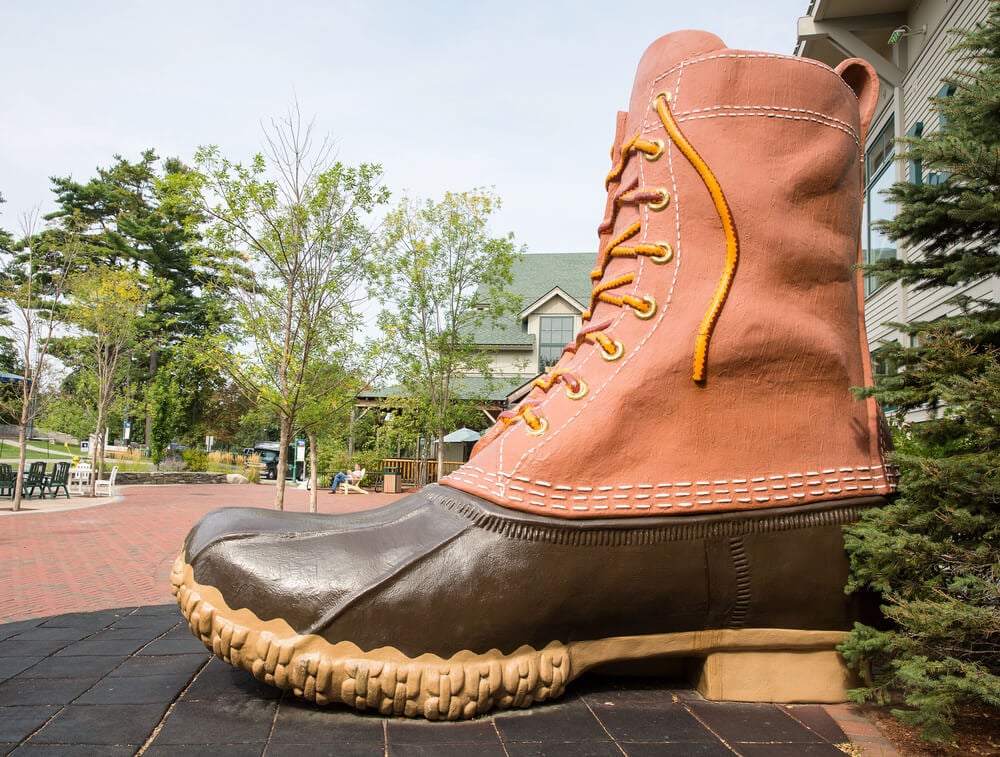
Originally developed in 1912 and still produced today, the L.L. Bean Maine Hunting Shoe’s rubber-bottom, leather-top construction made it a standard piece of New England outdoor gear for generations of campers and hunters. Vintage pairs from earlier decades, distinguished by older sole patterns and construction methods no longer used, draw interest from collectors of American outdoor brand history.
Because the boots were built for genuine field use, well-preserved vintage pairs that were not worn hard are less common than the brand’s overall popularity might suggest.
Woolrich Wool Blankets
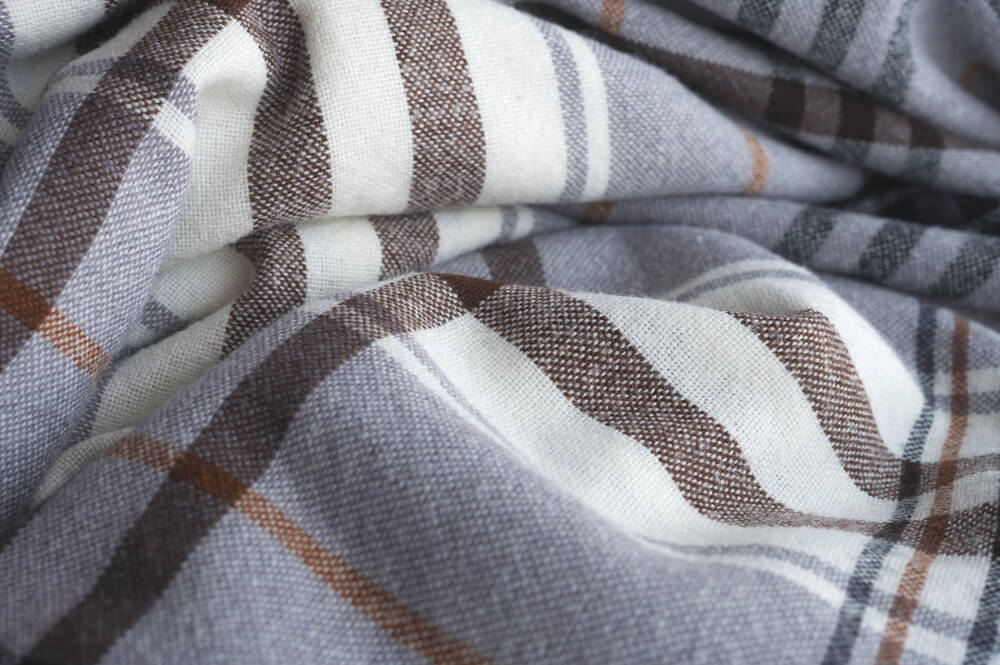
Woolrich, one of America’s oldest continuously operating wool mills, produced heavy camp and bedroll blankets throughout the 20th century that were valued for retaining warmth even when damp, unlike many modern synthetic alternatives. Vintage examples with the brand’s distinctive plaid patterns are sought both for practical camp use and for home decor by buyers drawn to the mid-century outdoor aesthetic.
Moth damage is the most common condition issue collectors watch for, since wool blankets stored improperly for decades are especially vulnerable.
White Stag Sleeping Bags and Tents
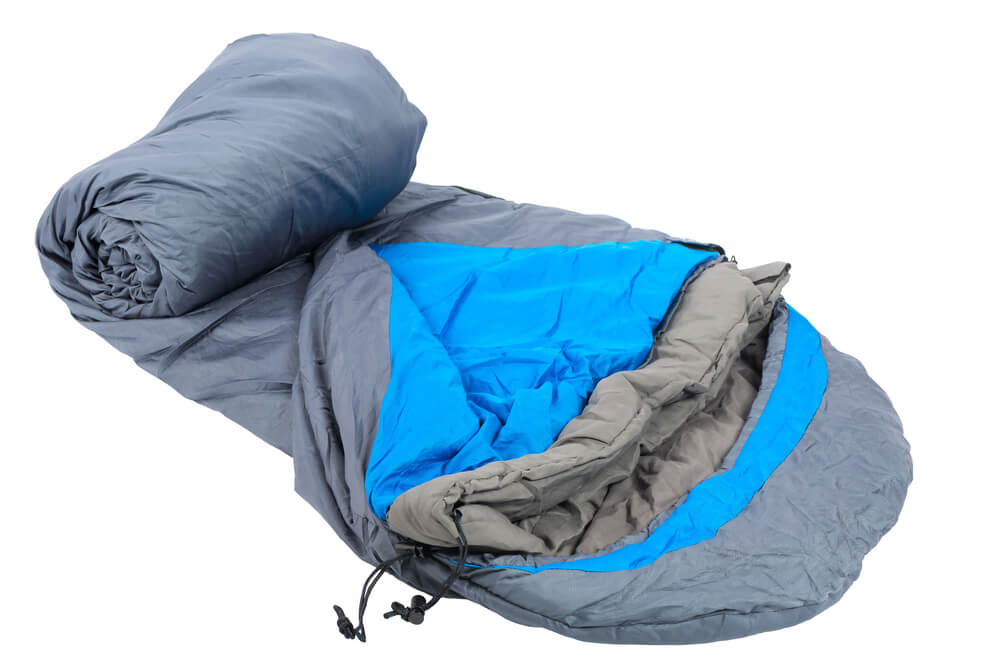
White Stag produced camping and outdoor gear throughout the mid-20th century, including canvas tents and cotton-batting sleeping bags that were standard equipment before synthetic insulation became widely available. Because cotton batting compresses and loses insulating loft over decades of storage, functional vintage White Stag sleeping bags are harder to find in usable condition than the tents, which held up better structurally.
Collectors of mid-century outdoor advertising also seek out the brand’s original packaging and catalogs alongside the gear itself.
Sears Canvas Wall Tents

Sears sold canvas wall tents through its mail-order catalog for much of the early to mid-20th century, making them one of the most widely distributed tent styles in rural and small-town America before nylon dome tents took over the market. Heavy cotton canvas construction made these tents durable but also prone to mildew if stored damp, a condition issue that significantly affects surviving examples.
Collectors interested in Sears catalog history sometimes pursue these tents specifically alongside period catalog pages documenting the original listing.
GI Surplus Mess Kits
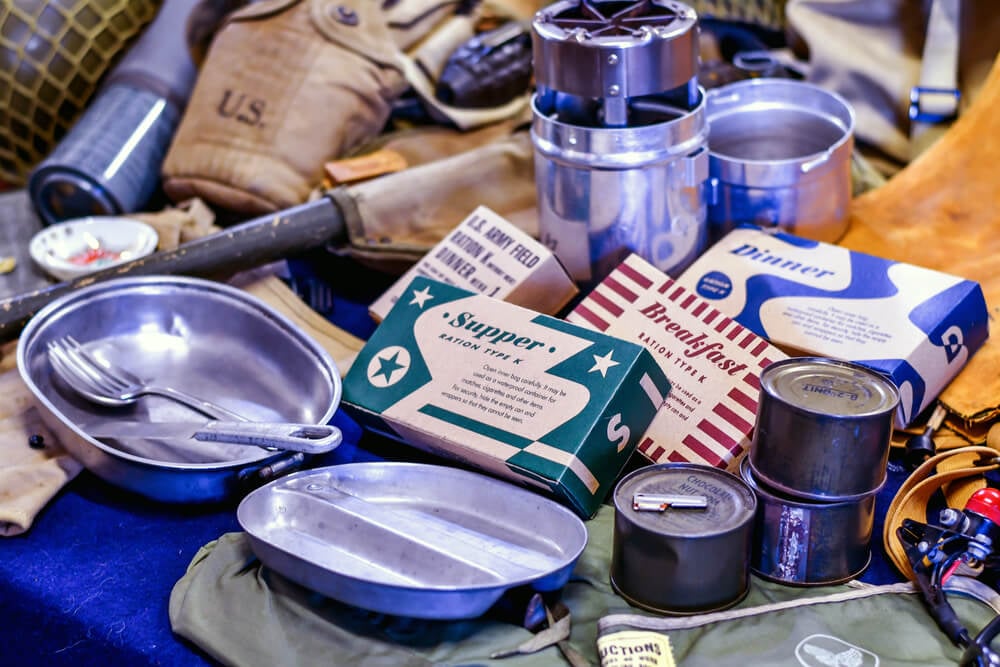
Military surplus mess kits from World War II and the Korean War era, consisting of a folding aluminum pan, cup, and utensils, were widely repurposed by civilian campers throughout the mid-20th century due to their low cost and rugged design. Original kits stamped with manufacturer marks and dates are sought by both militaria collectors and vintage camping gear enthusiasts.
Because millions were produced for wartime use, individual kits remain relatively affordable, though complete sets with all original components are less common than the pan alone.
Army Surplus Wool Blankets
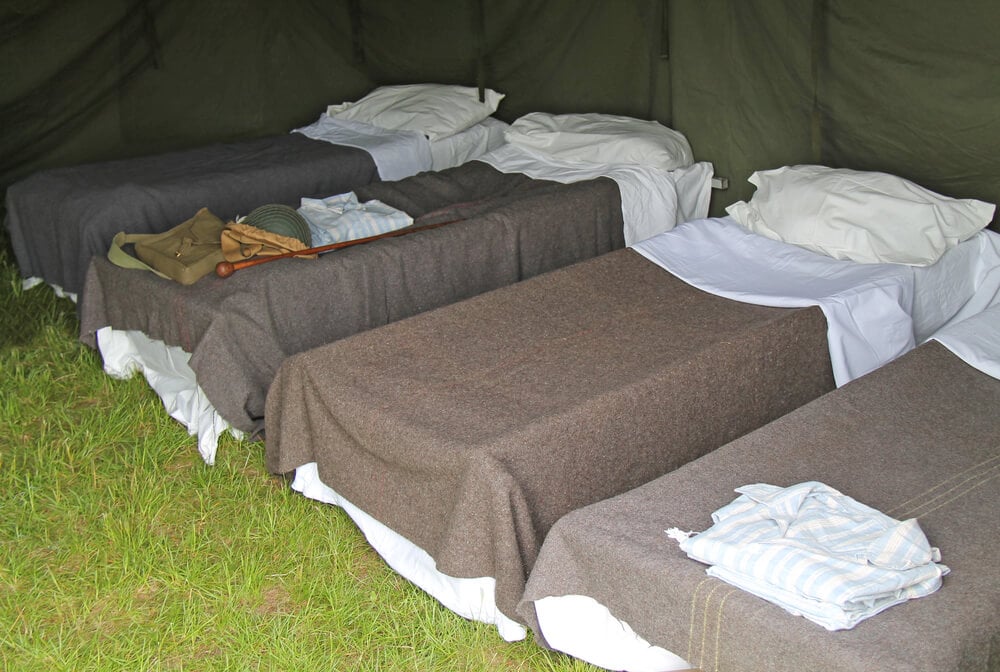
Military surplus wool blankets, distinguished by their olive drab color and sometimes stenciled unit markings, became a staple of budget-conscious camping throughout the mid-20th century as surplus stores sold off wartime stock. Collectors interested in military history specifically seek out blankets with legible unit stamps or dates, which tie a generic blanket to a documented period of service.
As with civilian wool blankets, moth damage and matting from improper storage are the primary condition issues buyers assess.
GI Aluminum Canteens
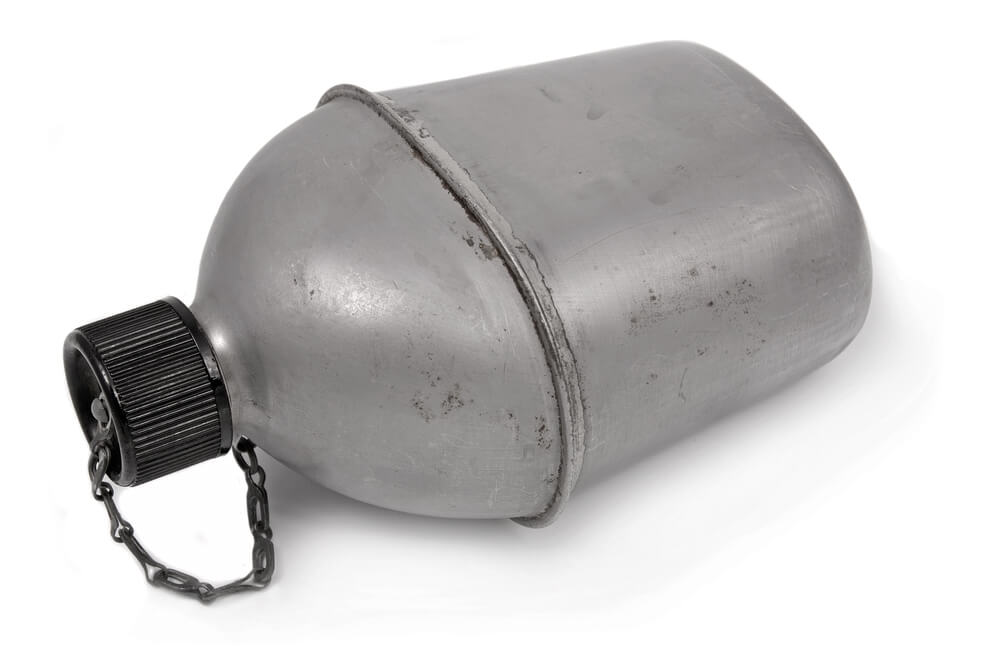
Military-issue aluminum canteens, often paired with a canvas cover and cup, were widely adopted by civilian campers after both World War II and the Korean War as cheap military surplus flooded outdoor retailers. Because aluminum canteens were eventually phased out in favor of plastic for weight and cost reasons, earlier metal examples are now specifically sought by collectors focused on the material transition in outdoor gear history.
Dents and dings are common and generally accepted as part of the item’s history, but active leaks from seam failure significantly reduce a canteen’s value.
Estwing Hand Axes
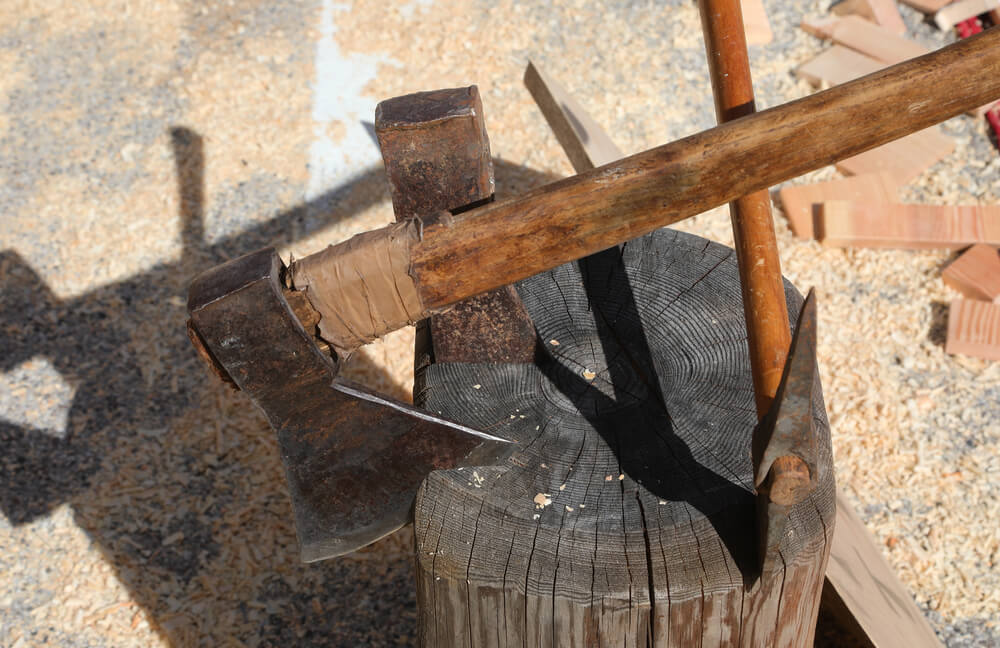
Estwing’s solid steel, one-piece construction hand axes and hatchets, manufactured in the United States since the early 20th century, remain a favorite among collectors specifically because the company’s manufacturing process changed relatively little over the decades. Their leather-wrapped handles, distinct from the wood-handled axes common from other manufacturers, are a key visual identifier for collectors dating specific production eras.
Because the tools were built to survive genuine outdoor use, many vintage examples remain fully functional today rather than purely decorative.
Silva Compasses
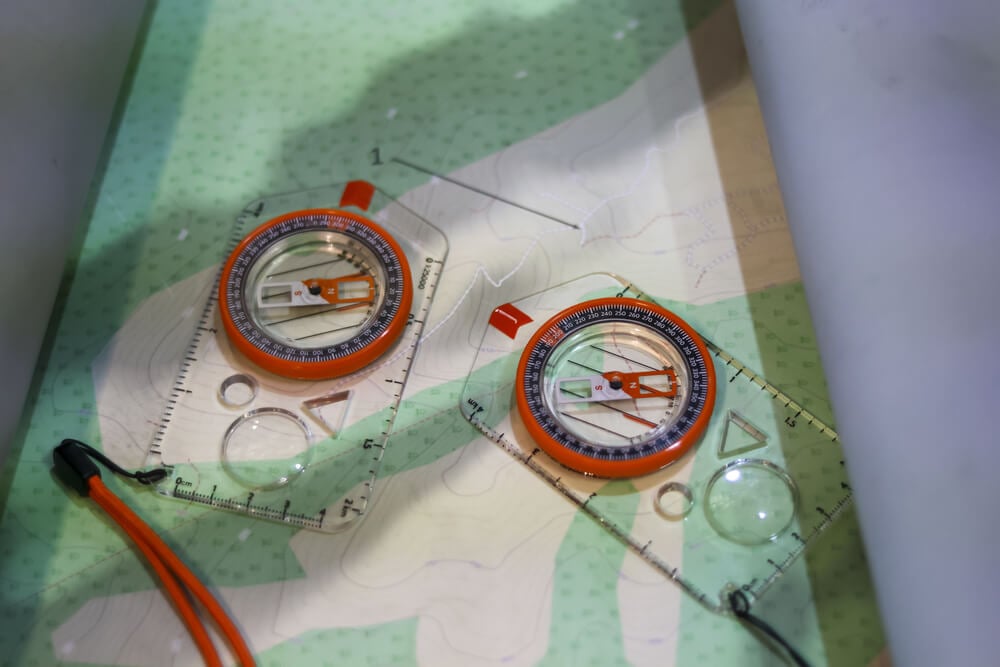
Silva, a Swedish company credited with developing the modern baseplate compass design in the 1930s, produced compasses that became standard equipment for hikers, orienteers, and military personnel throughout the 20th century. Vintage models are sought by collectors interested in the history of wayfinding tools, particularly examples that predate later plastic housing designs.
Because compass needles can lose magnetism over decades, functional vintage units in accurate working condition are more desirable than purely decorative examples.
Coleman Metal Coolers
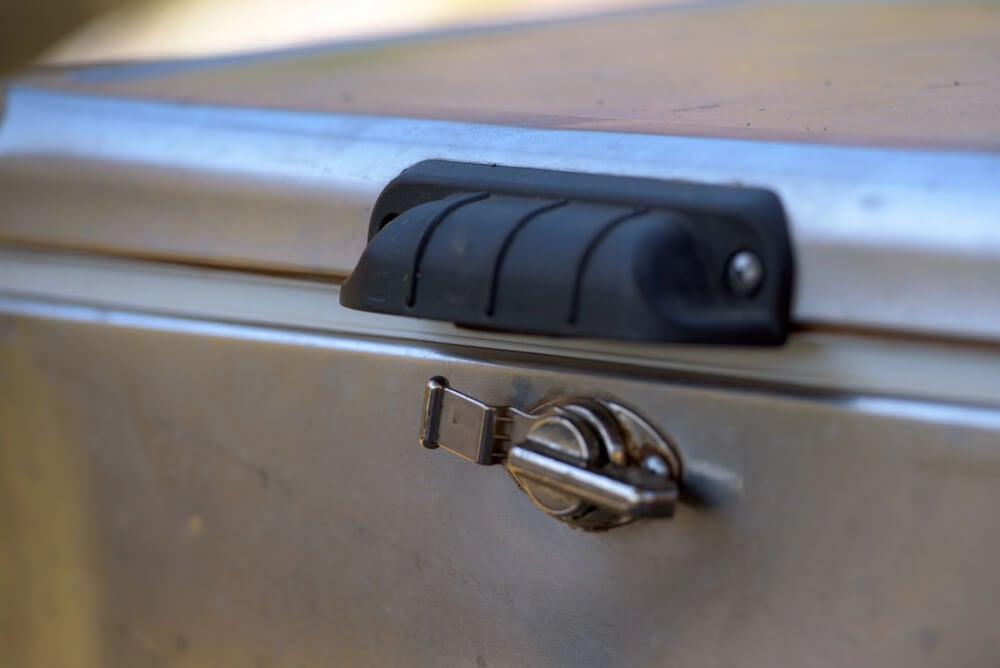
Before rotomolded plastic coolers became standard, Coleman produced metal ice chests with painted steel exteriors that were a fixture of mid-20th-century camping and road trips. Their heavier construction and distinctive mid-century color schemes have made them popular with collectors of vintage Americana well beyond dedicated camping gear enthusiasts.
Rust on the interior liner is the most common and most value-affecting condition issue, since it often indicates the cooler is no longer watertight.
Sterno Folding Stoves
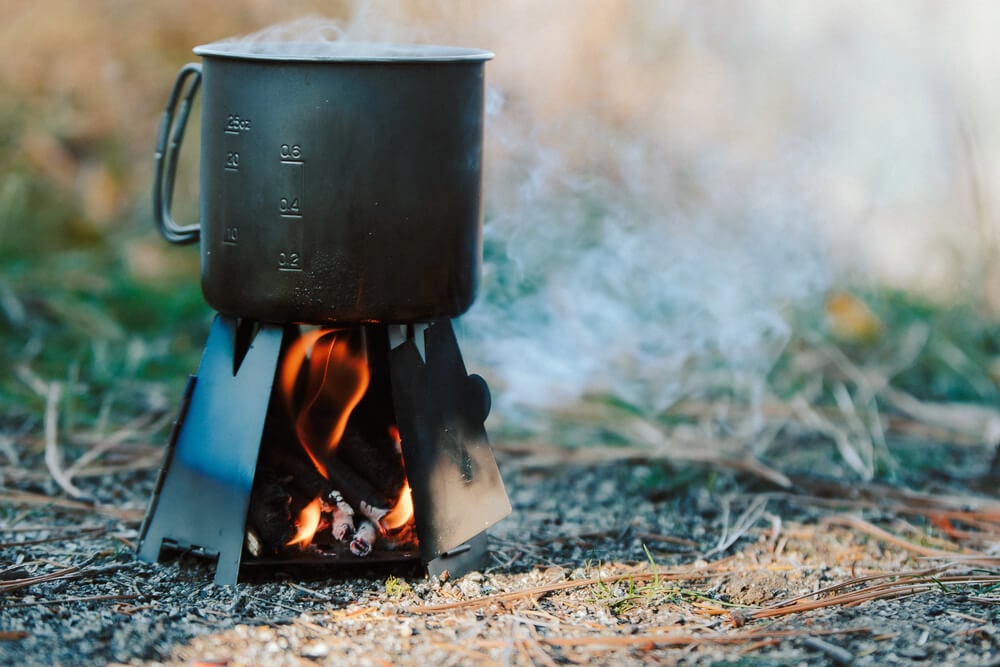
Small folding stoves designed to burn canned Sterno fuel became a popular lightweight cooking option for car campers and picnickers throughout the mid-20th century, valued for their compact size compared to pressurized fuel stoves. Their simple stamped-metal construction means many examples survive intact, though the folding hinges are prone to rust after decades of storage.
Collectors of vintage picnic and camping ephemera often display these alongside period advertising for the fuel itself.
Boy Scout Canvas Backpacks
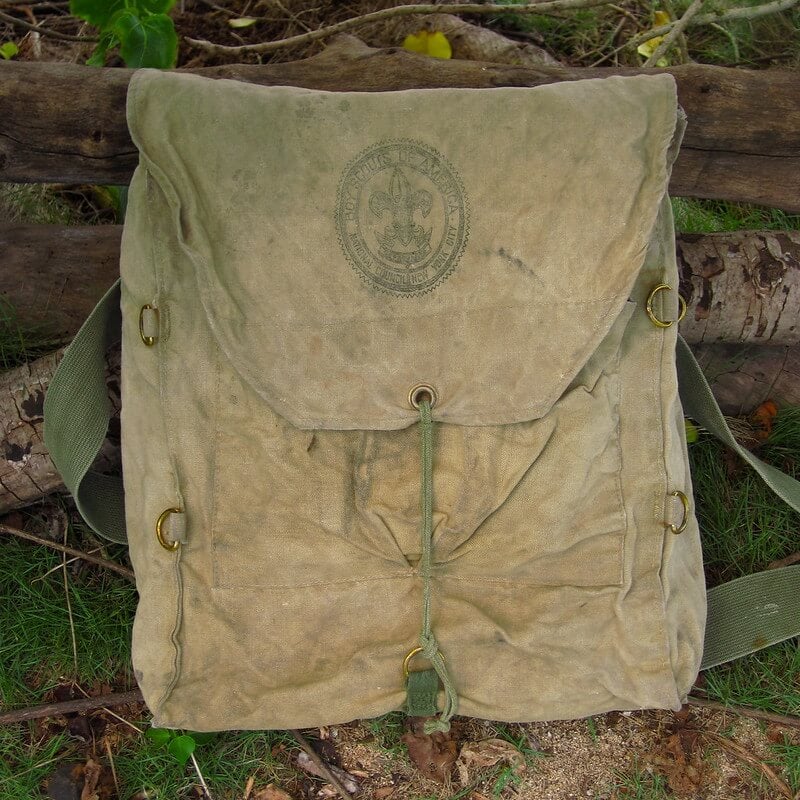
Backpacks produced for or licensed by the Boy Scouts of America throughout the mid-20th century, often featuring canvas construction and simple external straps, are sought both by outdoor gear collectors and by collectors focused specifically on scouting memorabilia. Because scouting merchandise carries an additional layer of institutional and nostalgic significance, well-marked examples with original scouting insignia intact command more interest than generic unbranded packs of the same era.
Overlap between vintage camping collectors and scouting memorabilia collectors keeps demand for these packs particularly steady.
Camp Trails External Frame Packs
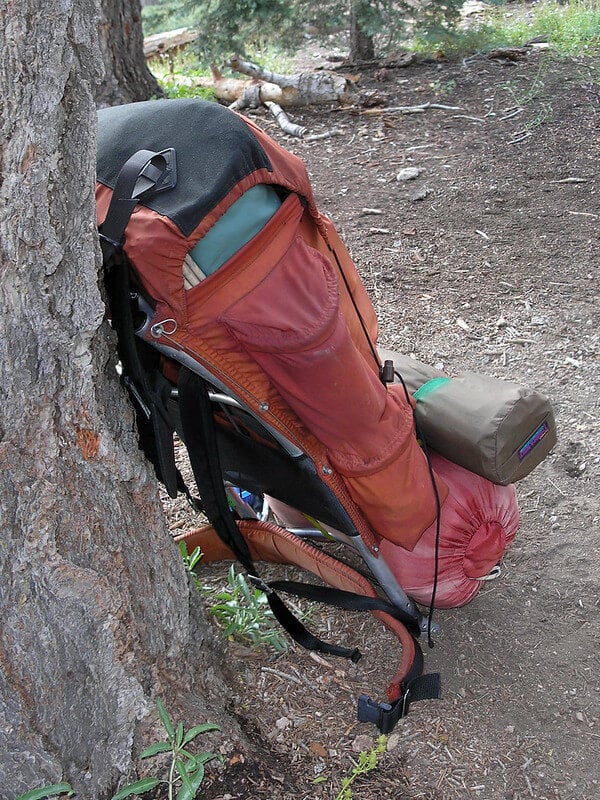
Camp Trails competed directly with Kelty in the external frame backpack market throughout the mid-20th century, and its packs are sought by collectors specifically interested in the competitive history of early American backpacking equipment. Distinguishing between brands from this era often requires close attention to frame welds and buckle hardware, since general design conventions were broadly similar across manufacturers.
Complete packs with original fabric in wearable condition are considered more valuable than frames that have been re-covered with replacement material.
Early North Face Expedition Gear

The North Face, founded in the 1960s, produced some of its earliest tents and packs specifically for serious mountaineering expeditions before the brand became a mainstream retail name. Collectors specifically pursue gear from the company’s first decade, before later manufacturing and material changes altered the products significantly.
Because early gear was built for genuine high-altitude use rather than casual camping, well-preserved examples that were not subjected to extreme conditions are especially prized.
Canned Heat Camp Stoves

Small, portable stoves designed around canned heating fuel, distinct from the folding Sterno-branded stoves, were widely marketed to campers and picnickers in the mid-20th century as an inexpensive alternative to pressurized liquid fuel stoves. Their stamped tin construction makes surviving examples prone to rust, and functional, rust-free units are less common than the volume originally sold would suggest.
Collectors of vintage outdoor advertising frequently pursue original packaging for these stoves alongside the stoves themselves.
Wood-and-Canvas Canoes

Wood-and-canvas canoes, built by regional builders throughout the early to mid-20th century before aluminum and later fiberglass canoes took over the market, remain sought after both by paddling enthusiasts and by collectors of traditional watercraft. Restoring one requires specialized knowledge of wood ribbing and canvas stretching techniques that few modern builders still practice.
Because construction quality varied significantly by builder, examples from well-documented regional canoe makers carry considerably more value than unmarked, unattributed boats.
Coghlan’s Tin Camping Gear
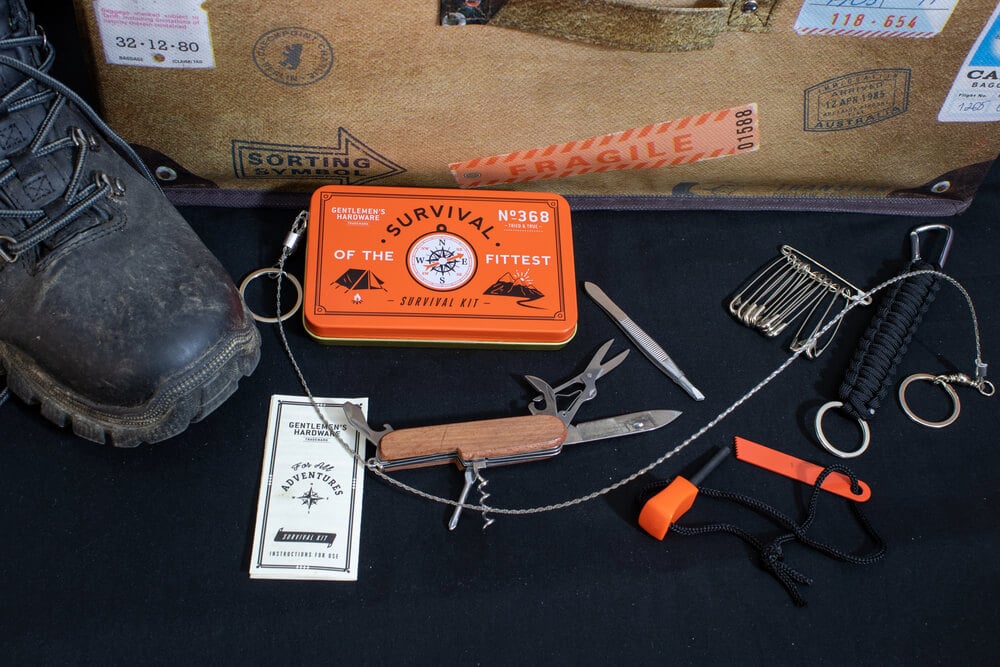
Coghlan’s, a Canadian outdoor gear company founded in the early 20th century, produced small tin camping accessories including compasses, matchboxes, and folding cookware that were affordable staples for budget-minded campers for decades. Because these were inexpensive, mass-produced items not typically treated as valuable at the time, well-preserved examples with original packaging are scarcer than their original low cost would suggest.
Collectors of vintage outdoor advertising and packaging design frequently pursue these small items as an affordable entry point into the broader hobby.
Cast Iron Dutch Ovens
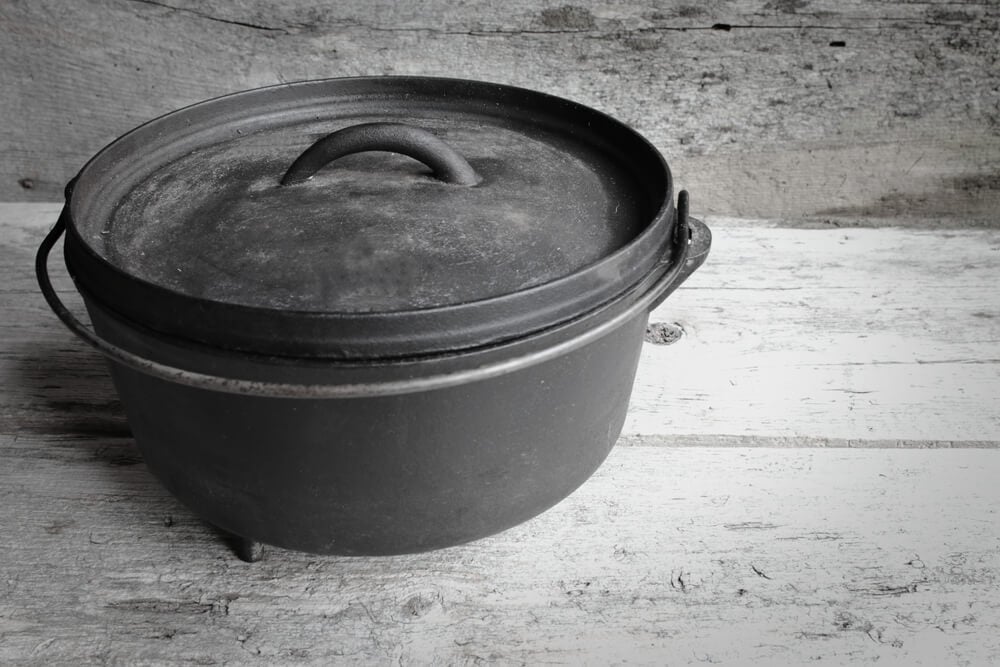
Cast iron camp Dutch ovens, distinguished from kitchen versions by their flanged lids designed to hold hot coals on top for even baking, were essential cooking equipment for chuck wagon cooks, campers, and homesteaders throughout the 19th and early 20th centuries. Well-seasoned vintage examples, built up over decades of use, are specifically valued over new cast iron for their smoother cooking surface.
Rust is generally repairable through re-seasoning, but cracks in the cast iron itself render a piece essentially worthless for practical use.
Vintage Canvas Pup Tents
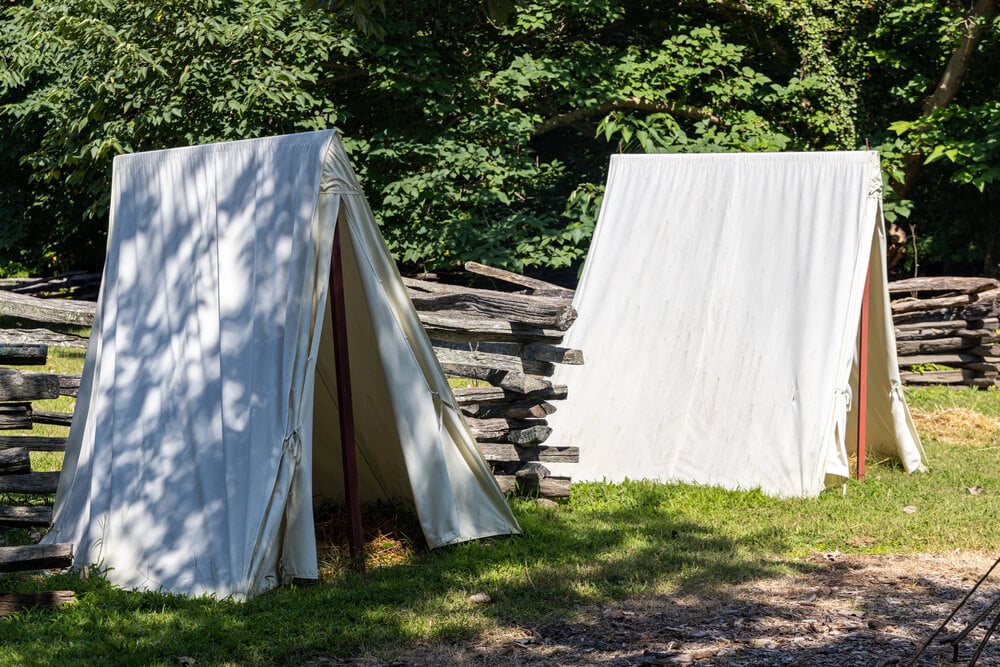
Small two-person canvas pup tents, standard military and civilian camping equipment through much of the 20th century, were gradually replaced by lighter nylon dome tents starting in the 1960s and 1970s. Military surplus versions with stenciled markings are particularly sought after by collectors who combine an interest in militaria with vintage camping gear.
Mildew staining and rot are the primary condition concerns, since canvas tents stored damp for extended periods deteriorate quickly.
Hobo Stoves
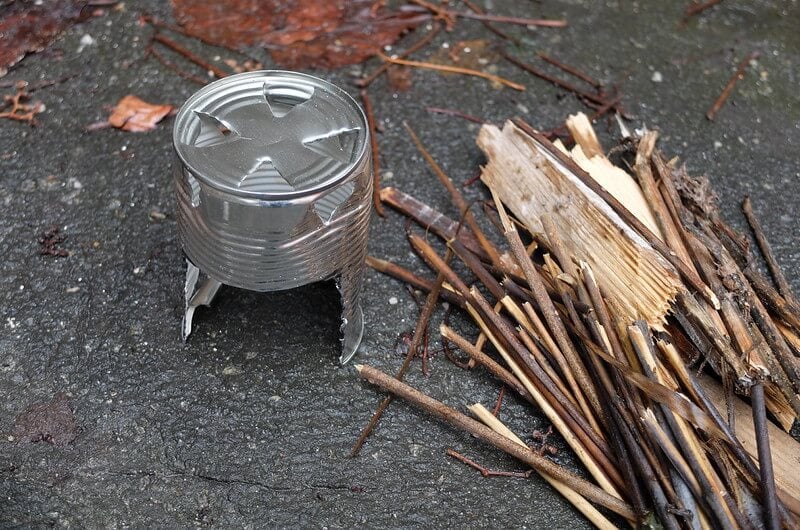
Simple folding stoves made from stamped sheet metal, sometimes called hobo stoves or trench stoves, were inexpensive cooking equipment popular during the Great Depression and carried into later decades of budget camping. Their improvised, utilitarian design reflects a specific period of American economic history as much as it reflects outdoor recreation.
Collectors interested in Depression-era material culture frequently seek these out alongside other homemade or low-cost period tools.
The Weight of Being Overbuilt
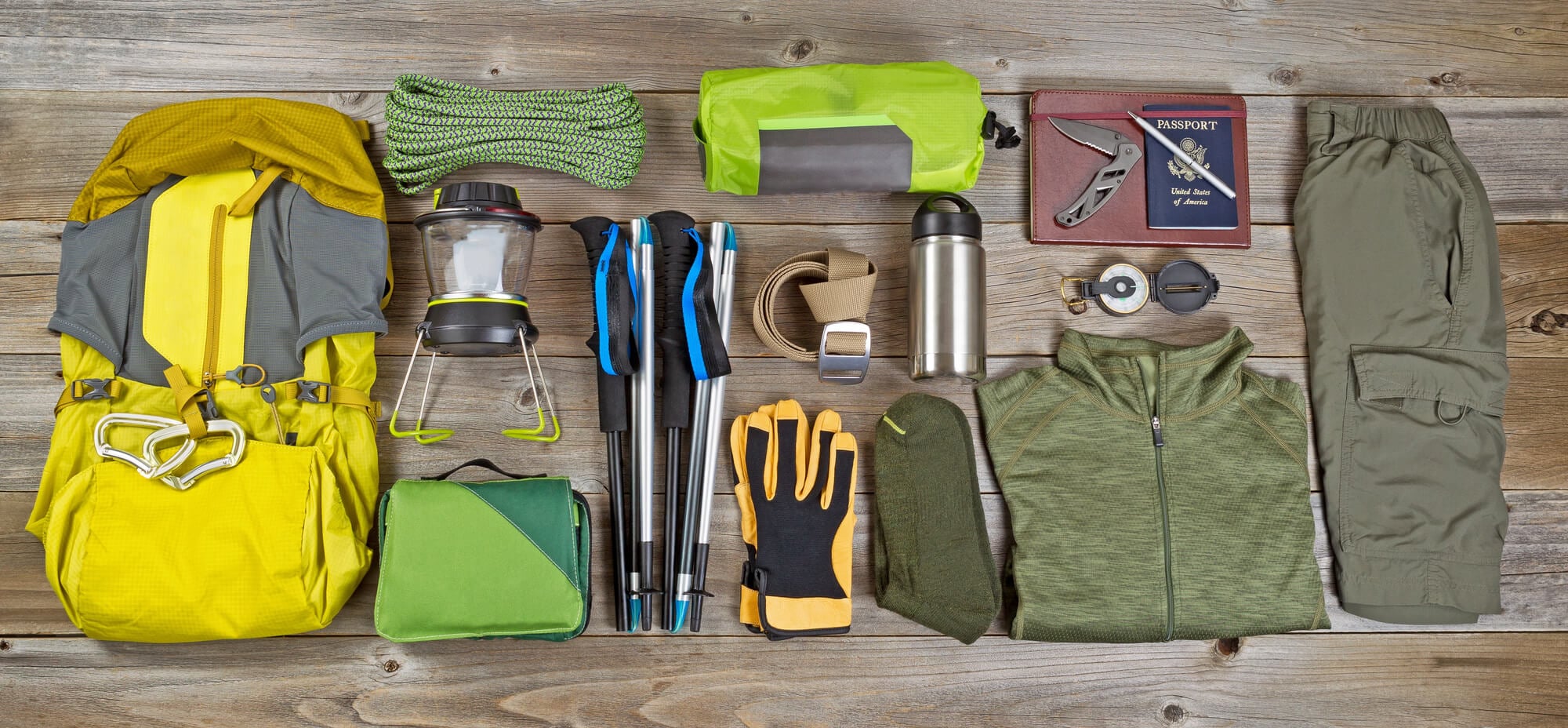
The gear on this list shares one quality modern equipment rarely does: it was built assuming repair rather than replacement, with metal frames, brass fittings, and canvas fabric chosen specifically because they could survive being fixed instead of thrown away. That design philosophy is part of what makes it appealing to buyers today, whether they intend to actually use it in the field or simply display it as a record of how differently gear used to be made.
Vintage camping equipment also captures something specific about mid-20th-century leisure, a period when family car camping became newly accessible and companies raced to outfit an entirely new category of weekend outdoor recreation. Every dented cooler and sun-faded tent on this list is, in its own small way, a physical record of that shift.
More from Go2Tutors!

- The Romanov Crown Jewels and Their Tragic Fate
- 13 Historical Mysteries That Science Still Can’t Solve
- Famous Hoaxes That Fooled the World for Years
- 15 Child Stars with Tragic Adult Lives
- 16 Famous Jewelry Pieces in History
Like Go2Tutors’s content? Follow us on MSN.



