Rare Gems Worth More Than Diamonds
Diamonds get all the attention when it comes to expensive jewelry. Marketing campaigns have convinced everyone that diamonds are the ultimate symbol of luxury and forever love.
But plenty of gemstones cost way more per carat than even the finest diamonds. Some of these gems are so rare that most people will never see one in person, and their price tags reflect that scarcity.
Here are some of the world’s most valuable gemstones that make diamonds look almost affordable by comparison.
Red beryl

This gemstone only comes from a few spots in Utah and New Mexico, making it about 1,000 times rarer than diamonds. Red beryl forms in volcanic rock under very specific conditions that almost never happen naturally.
Gem-quality pieces are incredibly small, and most crystals aren’t even suitable for cutting. A single carat can cost up to $10,000, and finding one larger than two carats is nearly impossible.
Taaffeite
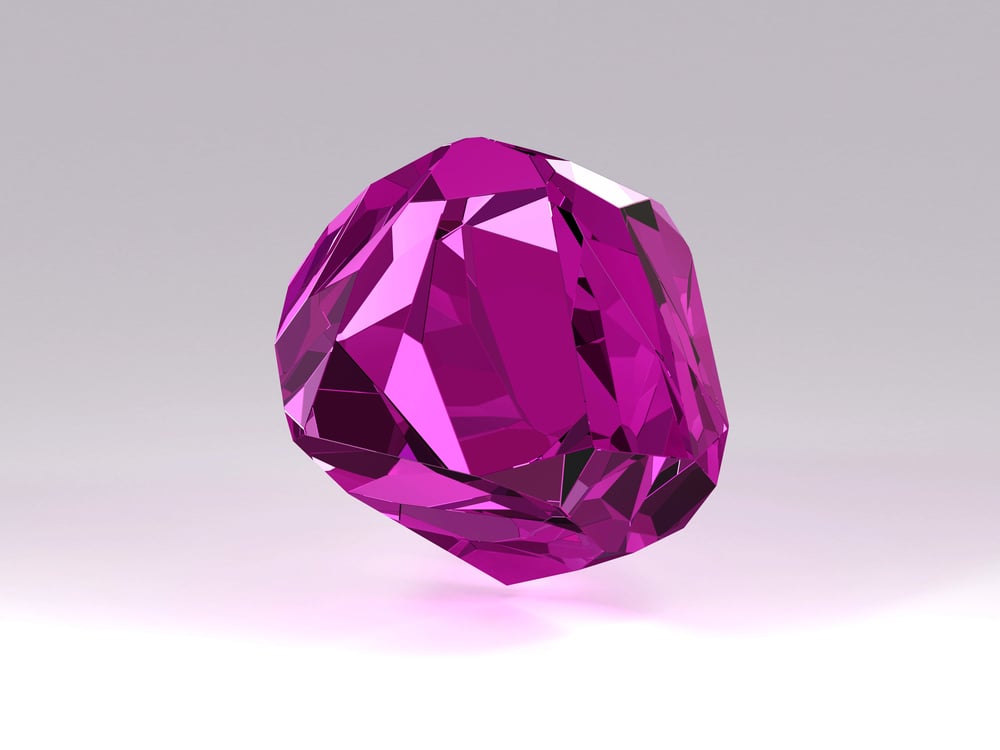
Richard Taaffe discovered this gem by accident in 1945 when he found a stone that had been mislabeled as spinel in a jewelry shop. Scientists later realized it was an entirely new mineral.
Taaffeite comes in shades of red, purple, and lavender, but finding any specimen is extremely difficult. Only a handful of gem-quality taaffeites exist in the world, and they can sell for over $20,000 per carat.
Grandidierite

Madagascar is the only place where this blue-green gemstone appears in significant quantities. Most grandidierite is opaque and unsuitable for jewelry, which makes transparent pieces incredibly valuable.
The gem was discovered in 1902 but remained virtually unknown outside geology circles for decades. Prices for high-quality stones can reach $20,000 per carat, and even cloudy specimens cost thousands.
Benitoite
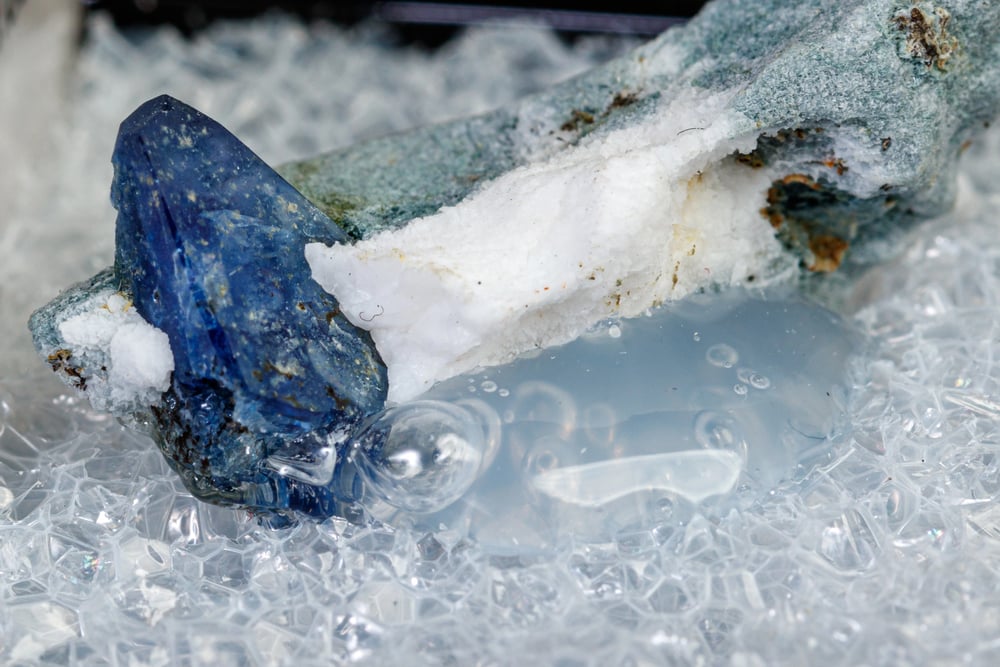
California’s state gem only forms in San Benito County, which gives the stone its name. The mine closed in 2006, so no new benitoite is being extracted from the earth.
This blue gemstone looks similar to sapphire under normal light but glows bright blue under ultraviolet light. Clean stones over one carat are worth around $6,000 per carat, and larger pieces command even higher prices.
Alexandrite

This color-changing gem appears green in daylight and shifts to red under incandescent light. The effect happens because of how chromium in the crystal structure absorbs different wavelengths.
Russian deposits produced the finest alexandrites in the 1800s, but those mines have been depleted for generations. Quality stones now sell for $15,000 per carat or more, depending on how dramatically they change color.
Musgravite

Australia’s Musgrave Ranges gave this gemstone its name when miners discovered it in 1967. For decades, only eight specimens existed in the entire world.
New deposits in Greenland and Madagascar have made musgravite slightly less rare, but it still ranks among the scarcest gems on earth. Prices vary wildly depending on quality, but top specimens can fetch $35,000 per carat.
Jadeite
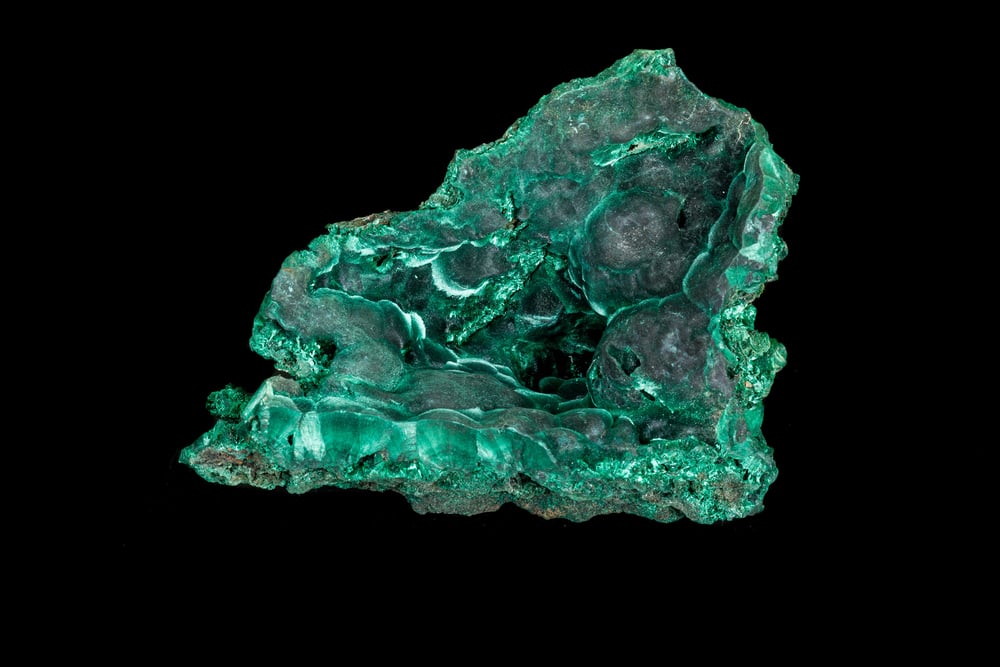
People often confuse jadeite with the more common nephrite jade, but they’re completely different minerals. The finest jadeite comes from Myanmar and displays an intense green color called ‘imperial jade.’
A single jadeite necklace sold at auction for over $27 million in 2014. Top-quality material can cost more than $20,000 per carat, especially if the color is perfectly even.
Blue garnet

Garnets typically come in red, but a blue variety was discovered in Madagascar in the 1990s. These gems change color from blue-green in daylight to purple under incandescent light, similar to alexandrite.
The transformation happens because of vanadium in the crystal structure. Blue garnets are so rare that prices can reach $1.5 million per carat for exceptional stones, though most sell for considerably less.
Serendibite

Sri Lanka produced the first specimens of this dark blue-black gemstone in 1902. Myanmar later became another source, but gem-quality material remains incredibly scarce.
Most serendibite is too dark or too included to make attractive jewelry. The few clean pieces that exist can sell for $18,000 per carat, and larger stones are almost unheard of in the gem trade.
Poudretteite
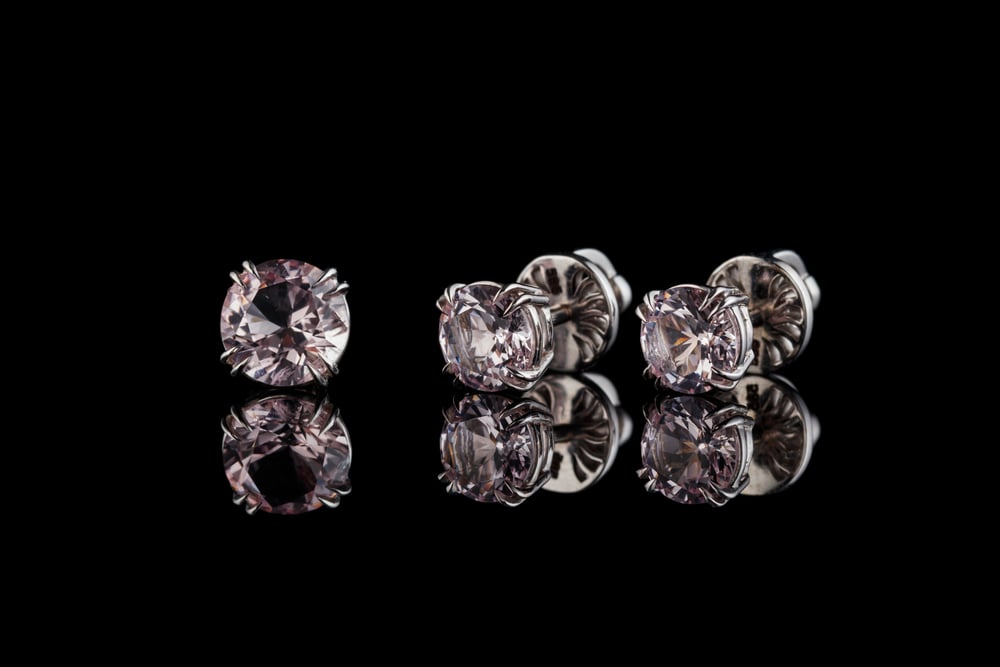
This pink gemstone was first found in Quebec in the 1960s but wasn’t recognized as a new mineral until 1987. Myanmar deposits discovered in 2000 provided the first facet-grade material.
Poudretteite is so soft that it scratches easily, which makes it unsuitable for rings or bracelets. Collectors still pay around $3,000 per carat for quality specimens because they’re so hard to find.
Black opal

Australia’s Lightning Ridge produces the world’s finest black opals, which display brilliant colors against a dark background. The contrast makes the color play more dramatic than in regular opals.
Large stones with intense red fire can sell for over $10,000 per carat. Mining conditions at Lightning Ridge are extremely difficult, and finding quality material requires sifting through tons of rock.
Jeremejevite

This pale blue gemstone was discovered in Siberia in 1883 and named after a Russian mineralogist. Namibia later became another source, but both deposits have produced very few gem-quality crystals.
Most jeremejevite is too light in color or too small to be worth cutting. Prices for clean stones hover around $2,000 per carat, and anything over five carats is museum-quality.
Pink star diamond

While regular diamonds are common, truly exceptional ones can be worth more than any other gem. The Pink Star diamond sold for $71 million in 2017, making it the most expensive gemstone ever auctioned.
This 59-carat stone took 20 months to cut and polish from its rough form. Only a tiny fraction of diamonds show any color at all, and pink diamonds are among the rarest.
Padparadscha sapphire

This unique sapphire variety displays a blend of pink and orange that resembles a lotus flower at sunset. The name comes from the Sinhalese word for lotus blossom.
Sri Lanka produces most padparadscha sapphires, though Madagascar and Tanzania also have small deposits. Stones with the perfect color balance can sell for $30,000 per carat, rivaling the finest rubies.
Tanzanite
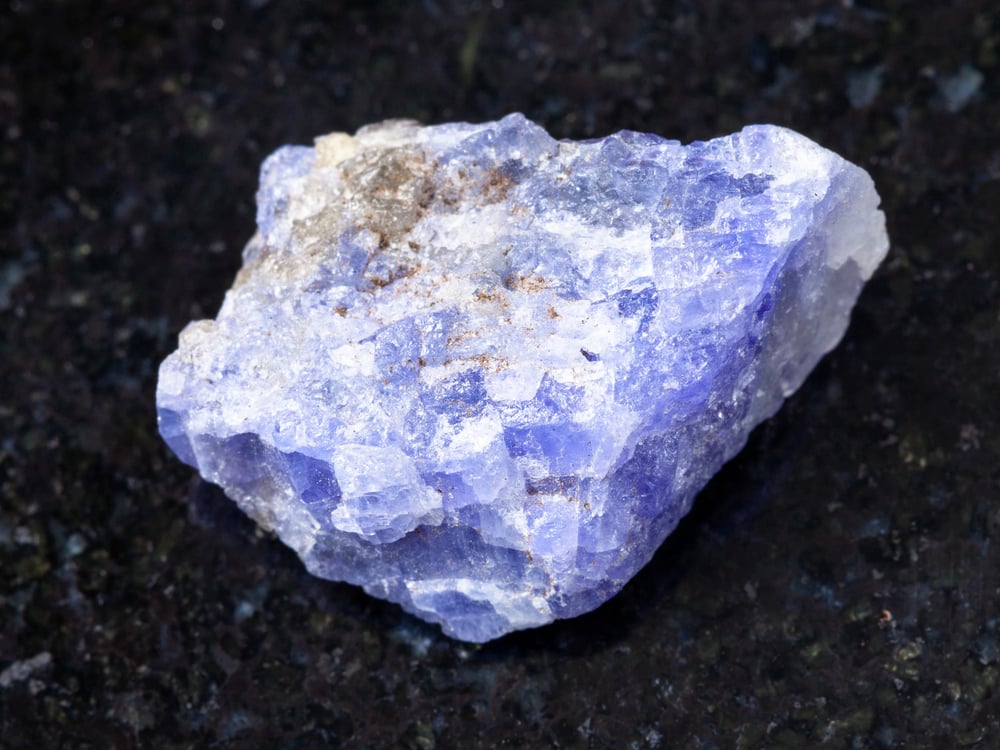
Mount Kilimanjaro’s foothills contain the world’s only tanzanite deposit, which spans just eight square miles. The gem was unknown before 1967 when a Maasai tribesman found blue crystals on the surface.
Geologists estimate that the deposit will be depleted within the next few decades. Quality tanzanite currently sells for around $1,200 per carat, but prices may rise dramatically once the supply runs out.
Demantoid garnet

Russia’s Ural Mountains produced the first demantoid garnets in the 1860s, and they quickly became favorites of Fabergé jewelers. These green garnets show more fire than diamonds when properly cut.
The Russian deposits were nearly exhausted by the early 1900s, though Namibia and Madagascar have since provided new sources. Top-grade demantoids with horsetail inclusions can reach $10,000 per carat.
When rarity meets value

The gemstone market proves that scarcity often matters more than tradition when determining worth. Diamonds remain popular because of successful marketing and widespread availability, not because they’re actually the most valuable stones.
These rare gems command higher prices specifically because so few people can own them. The next time someone flashes a diamond ring, remember that plenty of lesser-known stones would cost twice as much for half the size.
More from Go2Tutors!

- The Romanov Crown Jewels and Their Tragic Fate
- 13 Historical Mysteries That Science Still Can’t Solve
- Famous Hoaxes That Fooled the World for Years
- 15 Child Stars with Tragic Adult Lives
- 16 Famous Jewelry Pieces in History
Like Go2Tutors’s content? Follow us on MSN.