28 Wartime Programs Kept Secret Until Long After
Governments fighting a war rarely tell the public everything, and some of the most consequential wartime decisions were designed from the outset to stay hidden long past the last shot fired. Declassification, leaked documents, and the slow decay of official secrecy eventually surfaced these 28 programs, sometimes decades after the people who ran them had already died.
The Manhattan Project
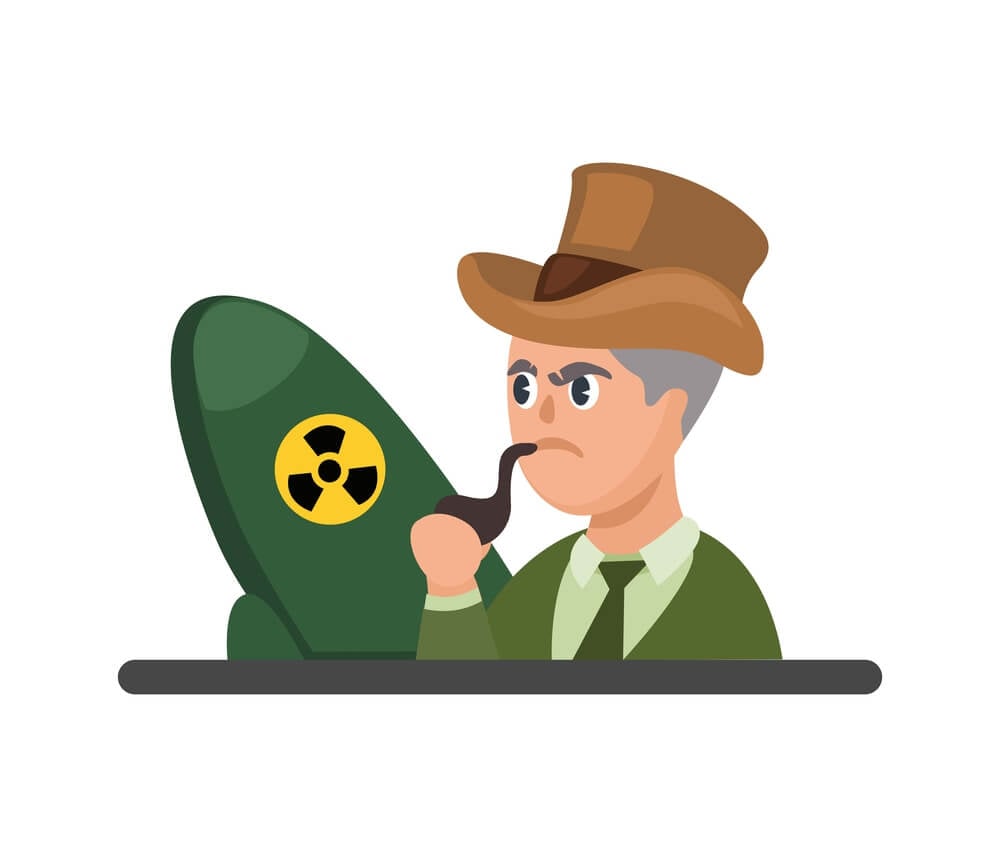
The United States’ effort to build the atomic bomb employed well over 100,000 people at sites across the country, most of whom had no idea what the overall project was actually building. Compartmentalized secrecy kept even senior officials in the dark about aspects outside their specific role.
The program remained fully classified until the bombing of Hiroshima in August 1945 made its existence and purpose public all at once.
Bletchley Park and Ultra
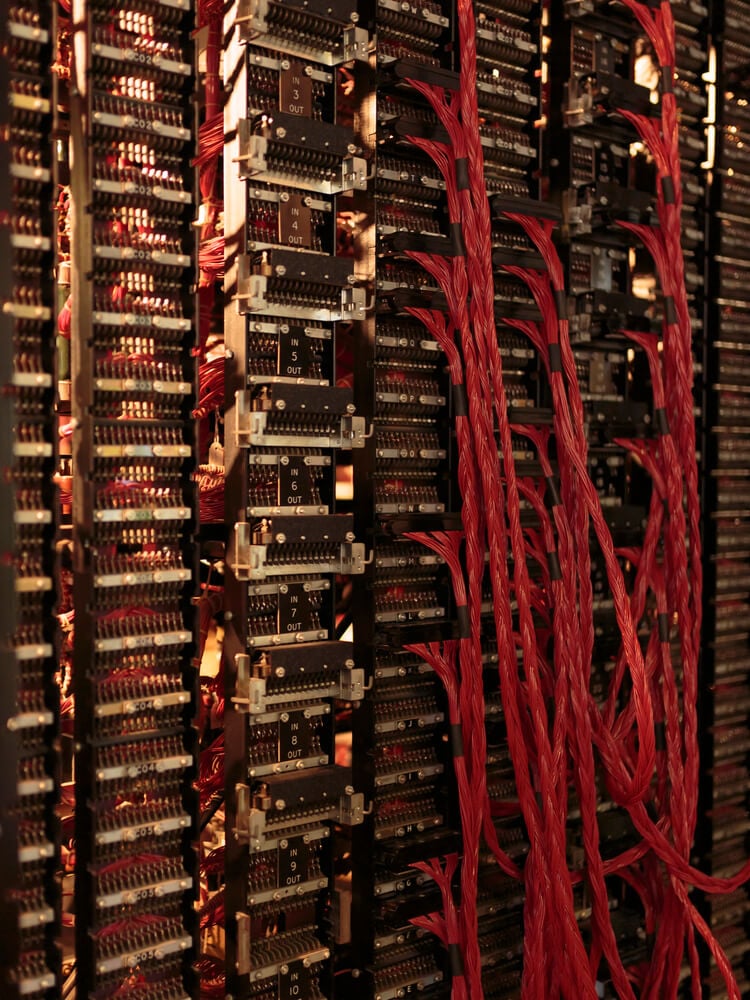
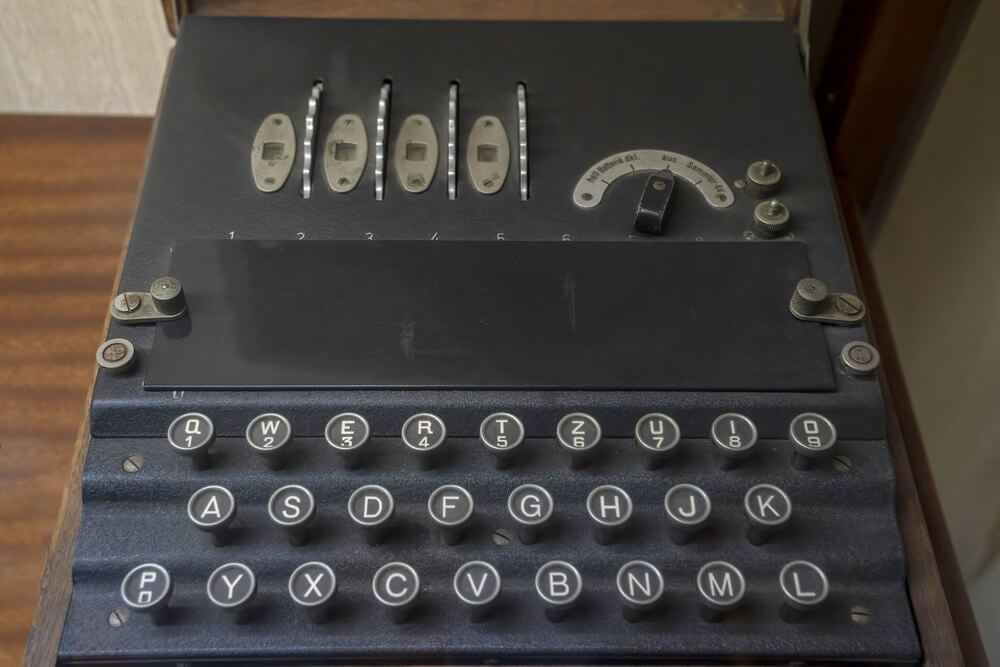
Britain’s codebreaking operation at Bletchley Park, which cracked the German Enigma cipher and produced intelligence known as Ultra, remained officially secret for nearly three decades after the war ended, with participants bound by lifelong confidentiality obligations. The program’s existence was not publicly confirmed until the 1970s, meaning most wartime histories written in the interim had no knowledge that Allied commanders had been reading significant German communications.
Many of the codebreakers, including mathematician Alan Turing, never received public recognition for their contributions during their lifetimes.
Operation Mincemeat
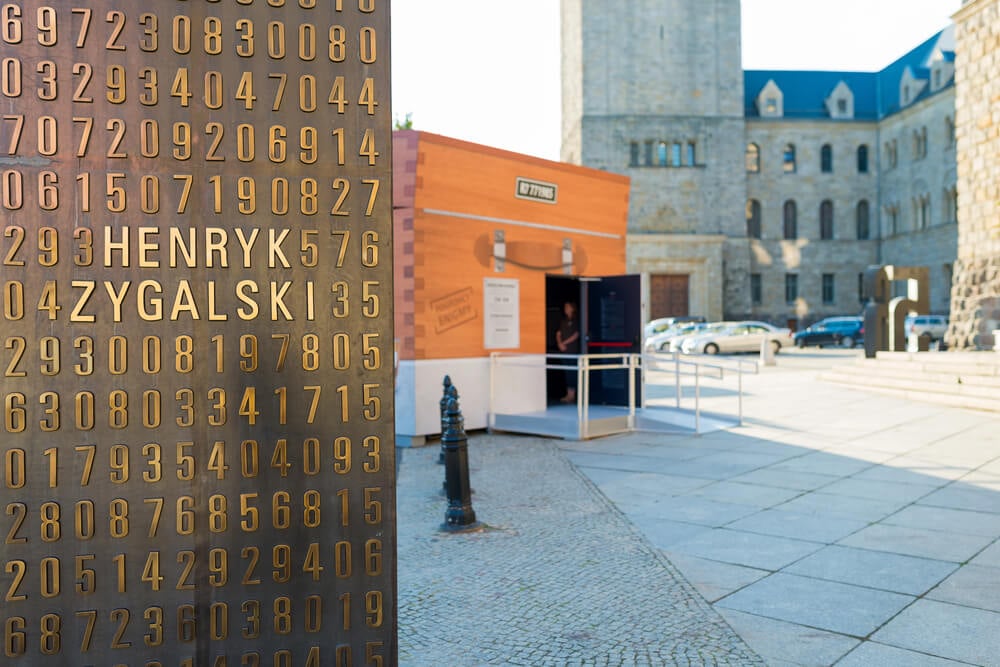
British intelligence planted a corpse dressed as a fictional military officer, carrying fabricated invasion plans, off the coast of Spain in 1943 to deceive German intelligence about the location of the coming Allied invasion of Sicily. The operation’s success in diverting German defenses remained classified until a 1953 book by one of its planners revealed the details to the public.
The deception is now considered one of the most successful of the entire war.
The Navajo Code Talkers
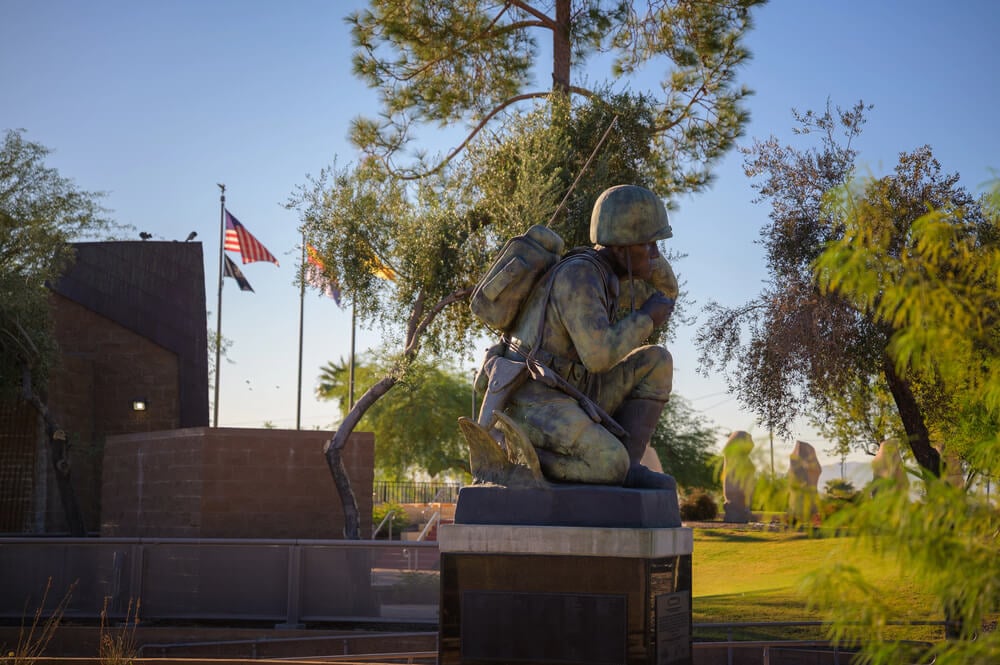
The U.S. Marine Corps recruited Navajo speakers during the Second World War to develop and transmit an unbreakable code based on their native language, a program that proved so effective the military kept it classified until 1968. Veterans who had served as code talkers were legally barred from discussing their wartime role with family members for over two decades after returning home.
Public recognition, including a Congressional Gold Medal, did not come until the 2000s.
Operation Fortitude
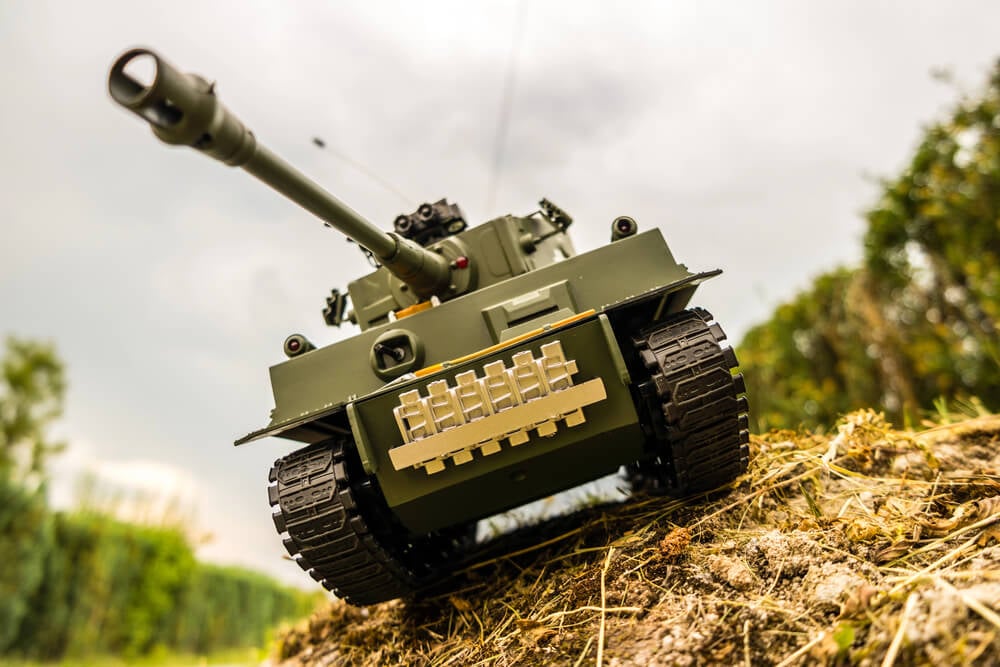
The elaborate Allied deception campaign preceding the 1944 D-Day invasion used fake armies, dummy equipment, and false radio traffic to convince German command that the main invasion would target Calais rather than Normandy. Details of the operation’s specific methods remained classified for decades after the war, with full accounts not published until British government files were released beginning in the 1970s.
Historians credit the deception with helping keep German reserves away from Normandy during the critical early days of the invasion.
The Ghost Army
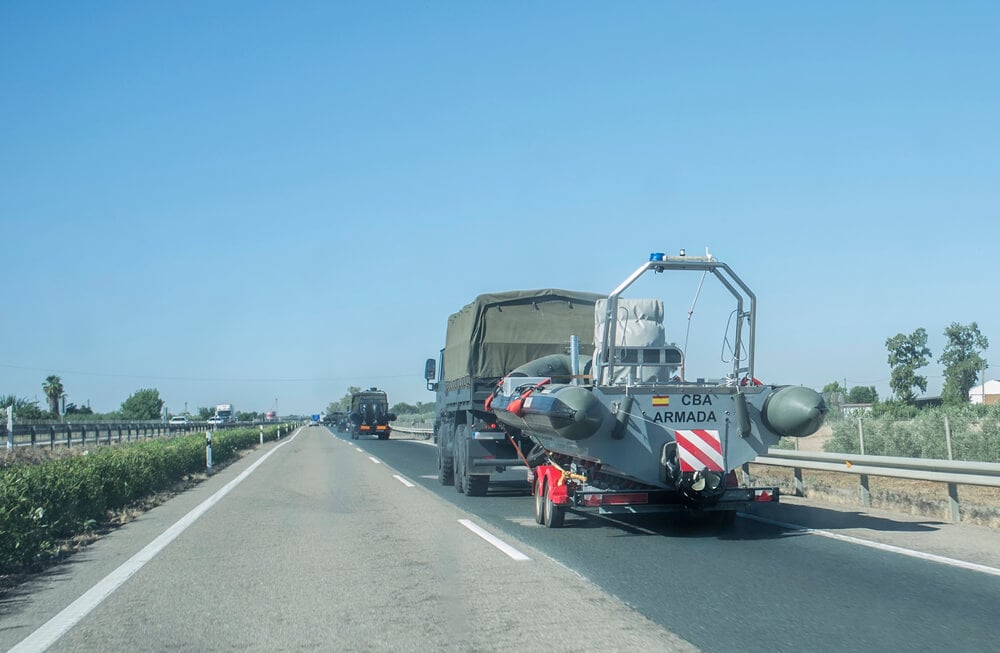
A specialized U.S. Army unit used inflatable tanks, fake radio traffic, and sound trucks playing recorded battle noises to simulate the presence of much larger military forces and mislead German intelligence about Allied troop positions in Europe. The unit’s existence and methods remained classified for over 40 years, not declassified until 1996.
Many of its members, who included artists and sound engineers recruited specifically for the deception work, never spoke publicly about their service until decades after the war.
Operation Jedburgh
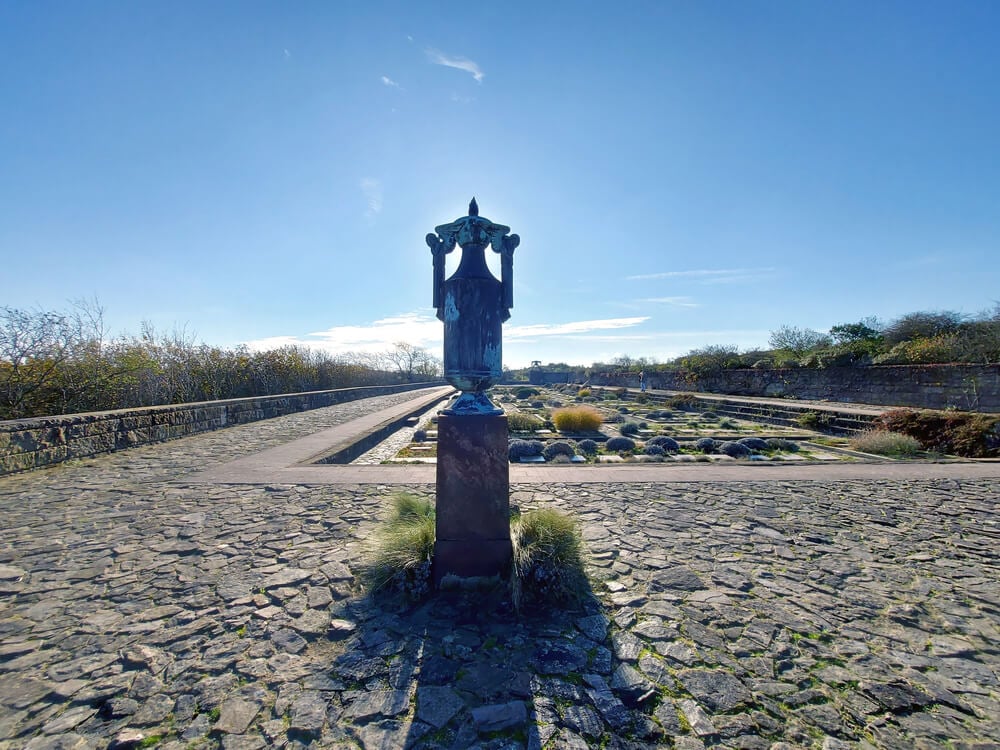
Joint teams of British, American, and French intelligence agents parachuted into occupied France ahead of and during the D-Day invasion to coordinate with resistance fighters, an operation whose full scope remained classified for decades after the war. Many participants’ individual missions were not declassified or documented publicly until government archives opened decades later.
The operation is now considered a forerunner of modern special operations doctrine.
The Alsos Mission
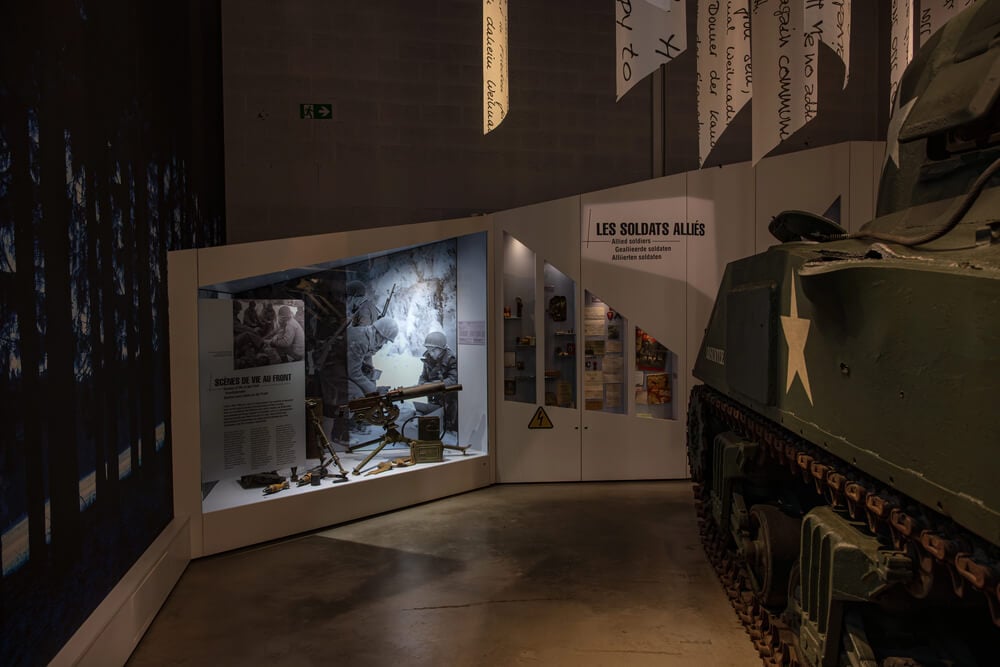
A secret Allied intelligence unit followed advancing troops into Europe specifically to locate and assess the state of Germany’s own atomic weapons research, gathering scientists, documents, and materials before Soviet forces could reach them. The mission’s findings, including the conclusion that Germany’s atomic program was far less advanced than feared, remained classified for years after the war ended.
Its existence was not widely known to the public until long after the broader Manhattan Project itself had been declassified.
Unit 731’s Postwar Cover-Up
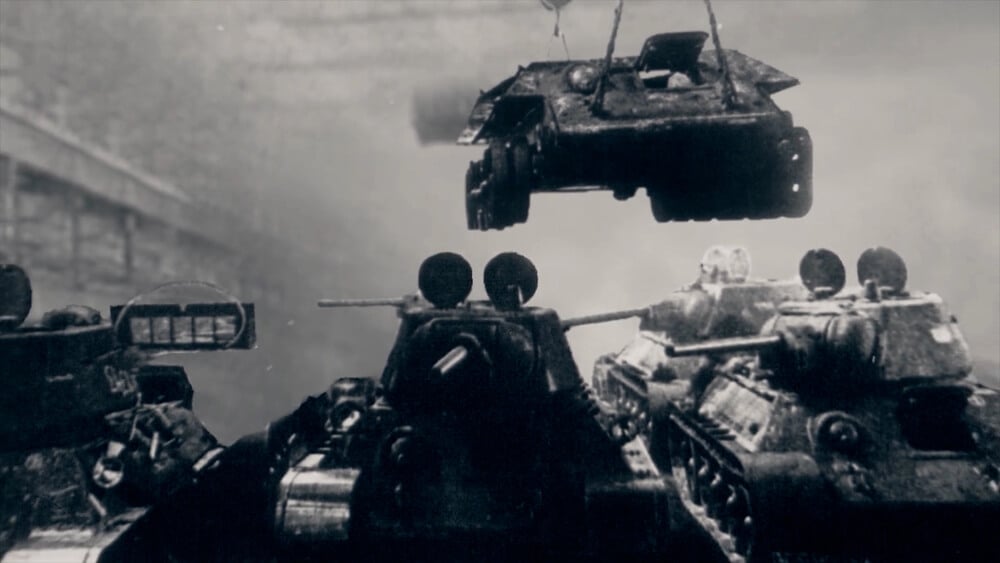
Japan’s Unit 731 conducted biological warfare experiments on prisoners during the Second World War, and after Japan’s surrender, American occupation authorities granted immunity to the unit’s leading researchers in exchange for their data, keeping the arrangement classified for decades. Details of both the program and the immunity deal did not become widely publicized until investigative journalism and declassified documents surfaced the story from the 1980s onward.
The cover-up meant many of those responsible faced no legal consequences for their actions.
The London Cage
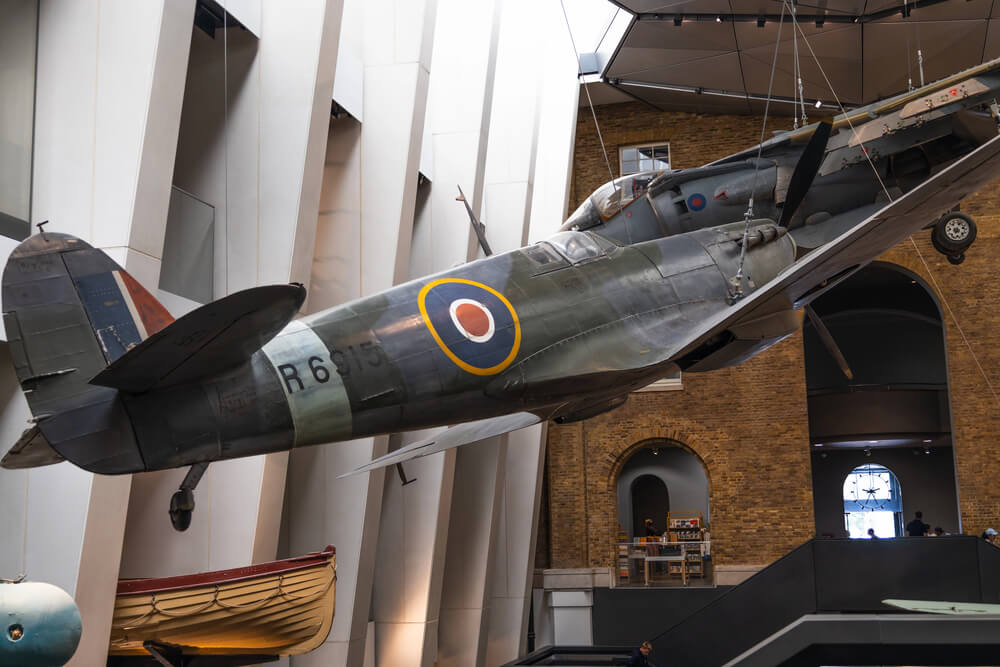
Britain operated a secret wartime and postwar interrogation facility in London known as the London Cage, where captured German prisoners, including suspected war criminals, were interrogated using methods that later investigations suggested violated international conventions. Details of the facility’s operations were withheld from public disclosure for decades, with significant new details only emerging after historical research using declassified files was published in 2005.
The full scope of what occurred at the facility remains a subject of historical debate due to gaps in the surviving official record.
Operation Paperclip
The United States secretly recruited more than 1,600 German scientists, engineers, and technicians, some with significant ties to the Nazi regime, to work on American military and space programs after the war, deliberately obscuring their backgrounds in some cases to ease their immigration. The program’s full scope and the extent of the vetting shortcuts taken remained classified or unpublicized for decades.
Many of the recruited scientists went on to play central roles in the American space program, including the eventual moon landing effort.
The Venona Project
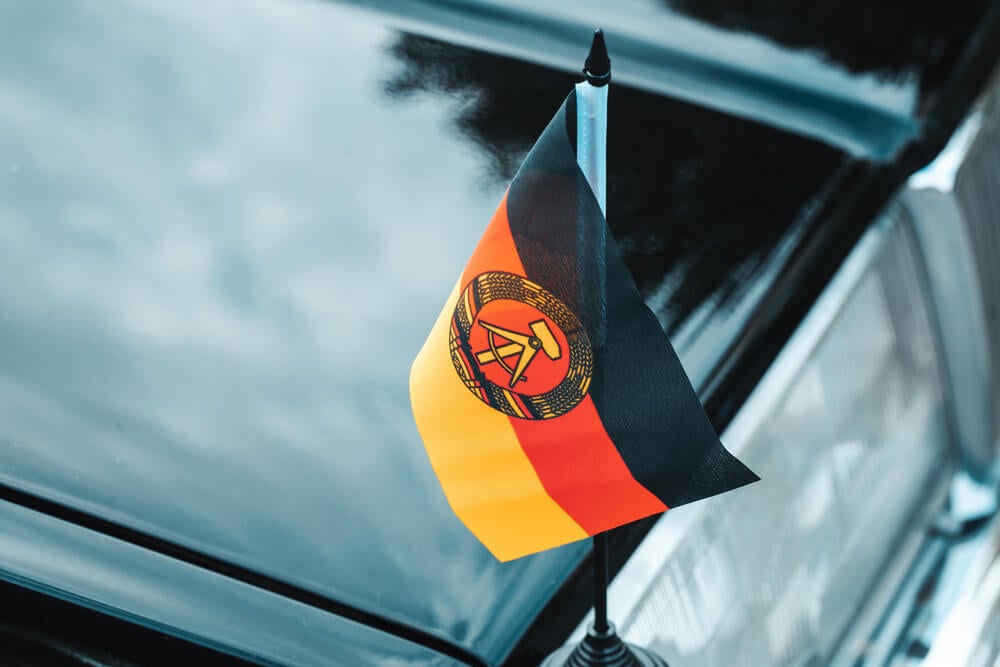
American intelligence agencies began secretly decrypting Soviet intelligence cables in the 1940s, uncovering evidence of extensive Soviet espionage within the U.S. government, but kept the program and its findings classified for roughly 50 years. The material was not declassified and released to the public until 1995, reshaping historical understanding of Cold War-era espionage cases that had previously relied on incomplete evidence.
Several individuals long suspected of espionage were more conclusively implicated only once the Venona material became available to researchers.
Project Azorian
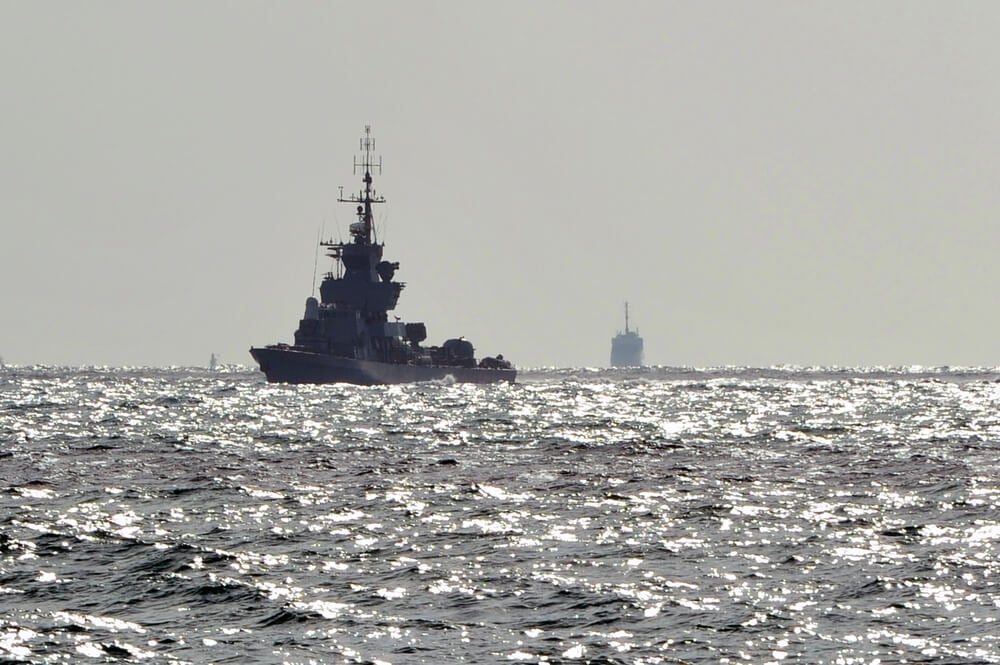
The CIA secretly built a specialized ship, publicly described as a deep-sea mining vessel, to recover a sunken Soviet submarine from the floor of the Pacific Ocean in 1974, an operation designed to retrieve nuclear weapons and cryptographic material. The program’s existence was not officially acknowledged by the CIA until documents were released in 2010, decades after journalists had first pieced together fragments of the story from leaks.
The operation’s partial success remains disputed since a significant portion of the submarine broke apart during the recovery attempt.
Britain’s Political Warfare Executive

Britain operated a secret wartime agency dedicated to producing black propaganda, including fabricated radio broadcasts designed to appear as though they originated from within Germany itself, aimed at undermining enemy morale. The agency’s existence and methods remained classified for decades after the war, with substantial details not available to historians until government archives were opened later in the 20th century.
Its techniques influenced later Cold War-era psychological operations programs.
Project Habbakuk
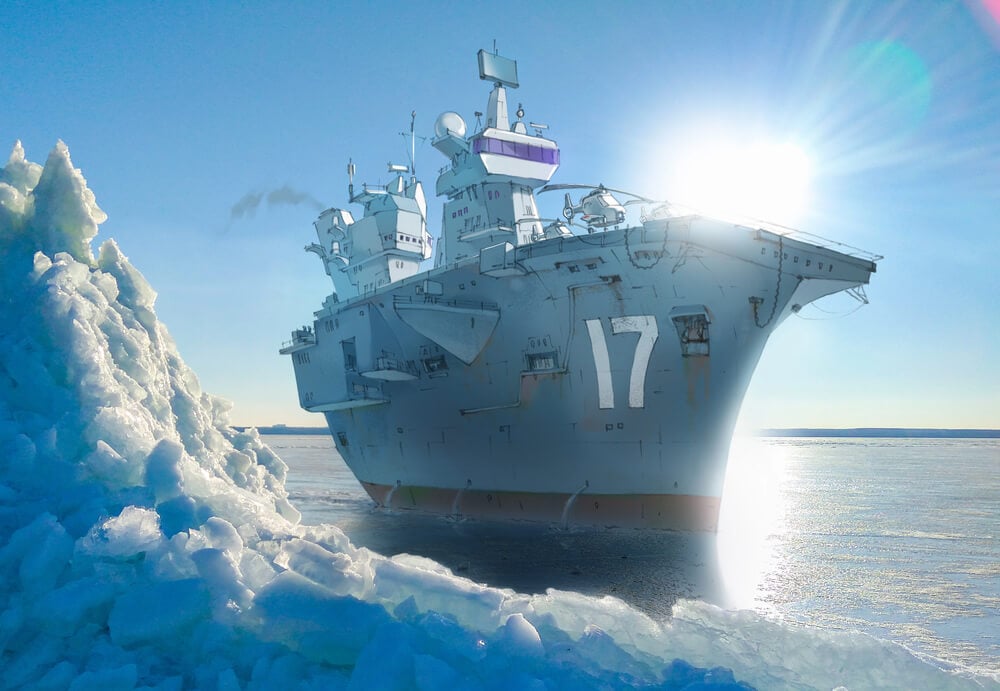
Britain seriously investigated building an aircraft carrier out of a reinforced ice compound called pykrete during the Second World War, constructing a scaled prototype in Canada to test the concept’s feasibility before abandoning the plan as impractical. Details of the program remained obscure and largely unpublicized for decades, surfacing more fully only once wartime engineering files became available to historians and popular science writers.
The concept remains a frequently cited example of an unusual wartime research program that never saw combat use.
The Doolittle Raid’s Secret Launch Point
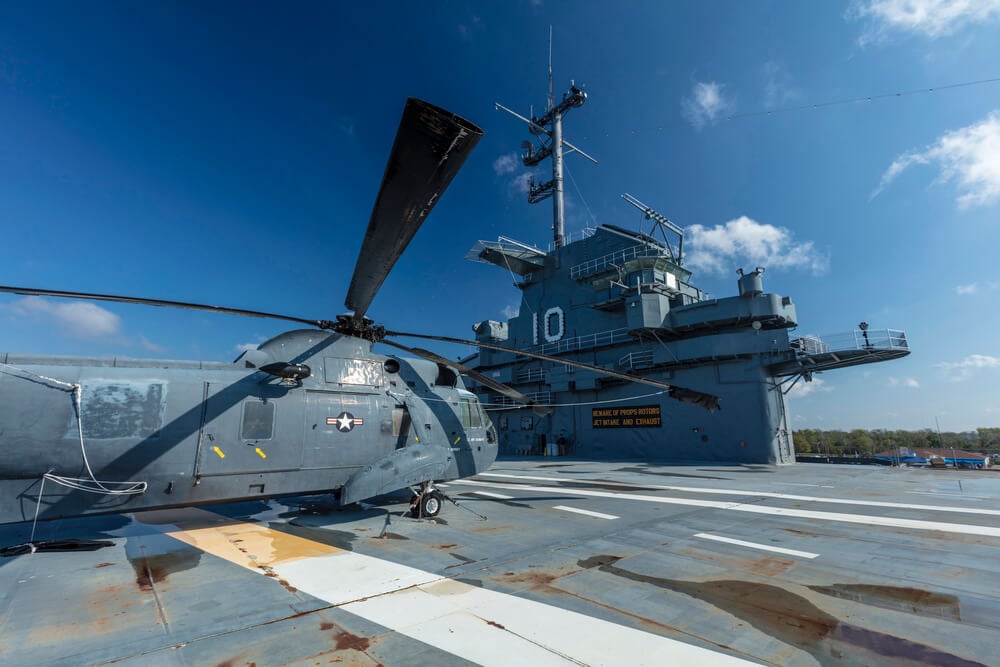
Following the April 1942 bombing raid on Japan led by Lieutenant Colonel James Doolittle, President Franklin Roosevelt deliberately withheld that the bombers had launched from the aircraft carrier USS Hornet, telling reporters only that the planes had come from the mythical land of Shangri-La. The true launch method remained officially unconfirmed for a period after the raid specifically to protect future carrier-based operations from Japanese countermeasures.
The deliberate vagueness became a small but memorable piece of wartime information management.
The Katyn Massacre Cover-Up
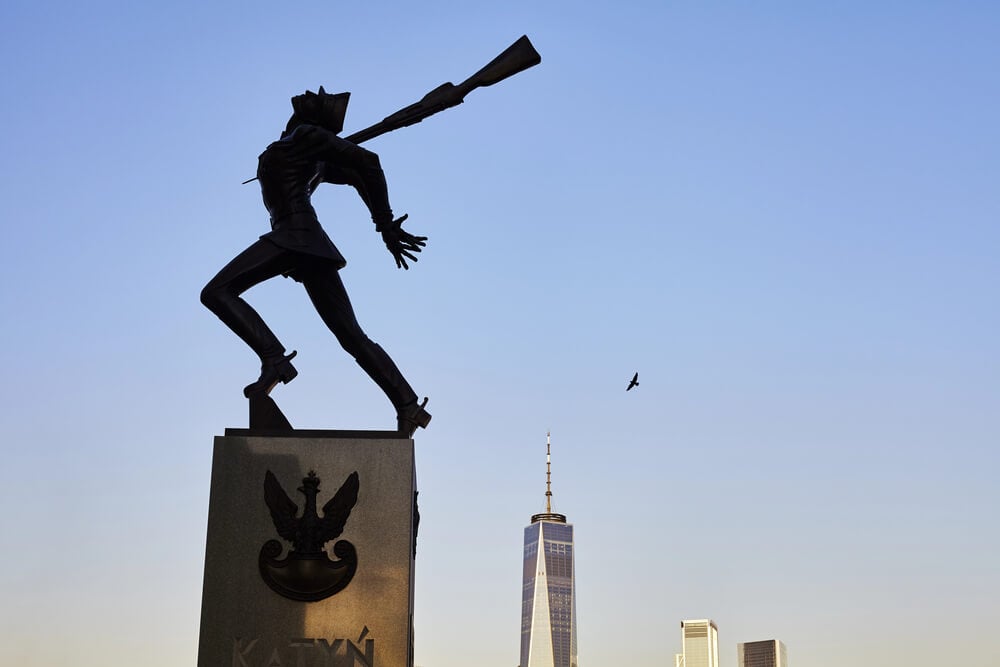
Soviet authorities executed thousands of Polish military officers and intelligentsia in 1940 and then blamed the killings on Nazi Germany for decades, maintaining the false narrative through official channels well into the late 20th century. The Soviet government did not formally admit responsibility for the massacre until 1990, nearly fifty years after the killings occurred.
The cover-up remained official Soviet and Polish Communist state policy for the entire intervening period.
Room 40

Britain’s Room 40 codebreaking unit, operating during the First World War, decrypted significant German naval and diplomatic communications, including the famous Zimmermann Telegram, but the unit’s existence and methods remained closely guarded secrets for years afterward. Much of what is known about its operations only became clear through later historical research, since Britain deliberately avoided revealing the extent of its codebreaking capability even after the war ended.
The unit’s work laid the organizational groundwork for the later Bletchley Park operation.
The Zimmermann Telegram Decryption Secret

When British intelligence intercepted and decoded a German telegram proposing a military alliance with Mexico against the United States in 1917, officials went to considerable lengths to disguise how they had actually obtained and decrypted the message, fabricating an alternative cover story to protect their ongoing codebreaking capability. The true method of interception was not fully disclosed publicly for years after the war.
The telegram’s contents, once revealed, helped push American public opinion toward entering the First World War.
Operation Bernhard

Nazi Germany ran a secret program using skilled prisoners held at concentration camps to forge enormous quantities of British currency, intending to destabilize the British economy by flooding it with counterfeit notes. Details of the program, including the identities and fates of the prisoners forced to produce the forgeries, did not become widely known until years after the war ended.
Some of the counterfeit currency reportedly continued to surface in circulation long after the program itself was shut down.
The Sorge Spy Ring
Soviet intelligence operative Richard Sorge ran an extensive spy network within Japan during the Second World War, providing Moscow with critical intelligence, including advance warning that Japan did not intend to attack the Soviet Union, information that allowed Stalin to redeploy troops to defend against the German invasion instead. Sorge’s network and its significance remained largely unknown outside Soviet intelligence circles for years after his 1944 execution by Japanese authorities.
Fuller accounts of his network’s impact did not emerge publicly until well after the war.
The Double Cross System
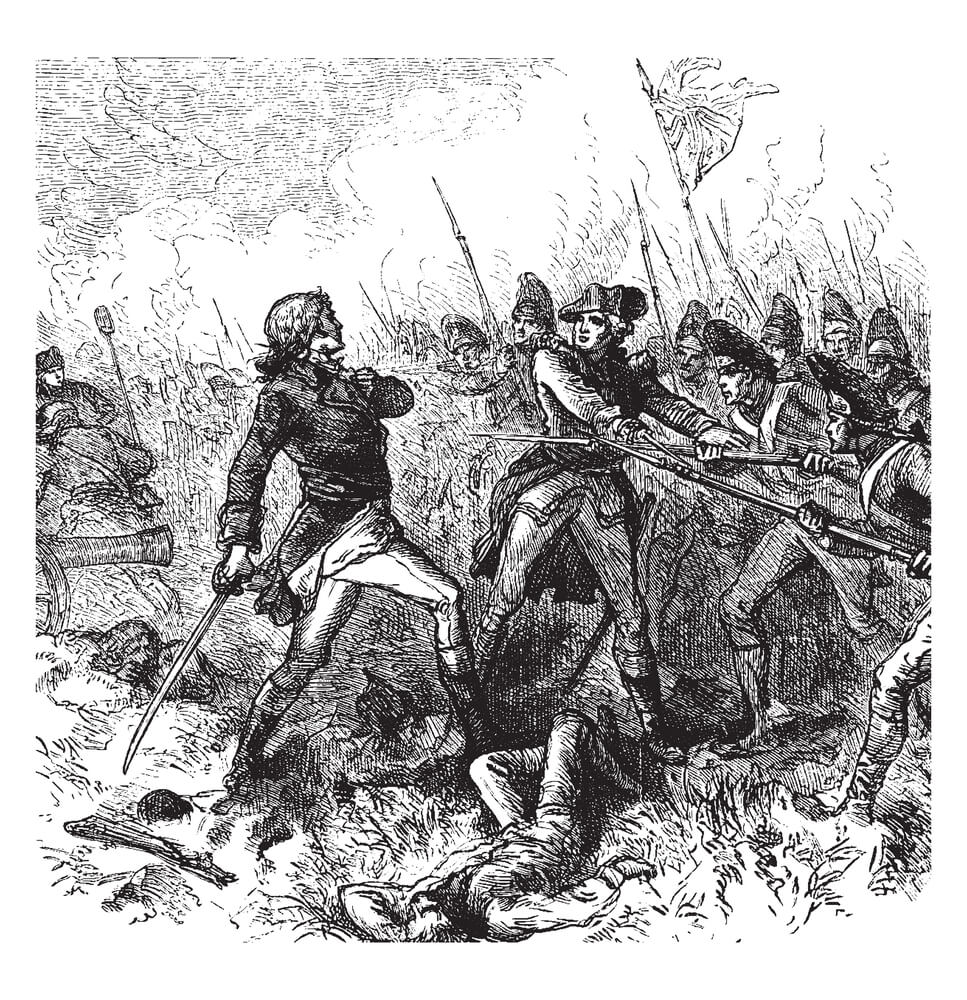
British intelligence secretly turned captured German spies into double agents feeding false information back to their German handlers throughout the Second World War, an operation whose scale and success were not declassified until 1972. The program is credited with giving British intelligence near-total control over German espionage operations within Britain for much of the war.
Its existence had been so closely guarded that even many senior wartime officials had limited knowledge of its full scope.
Operation Popeye
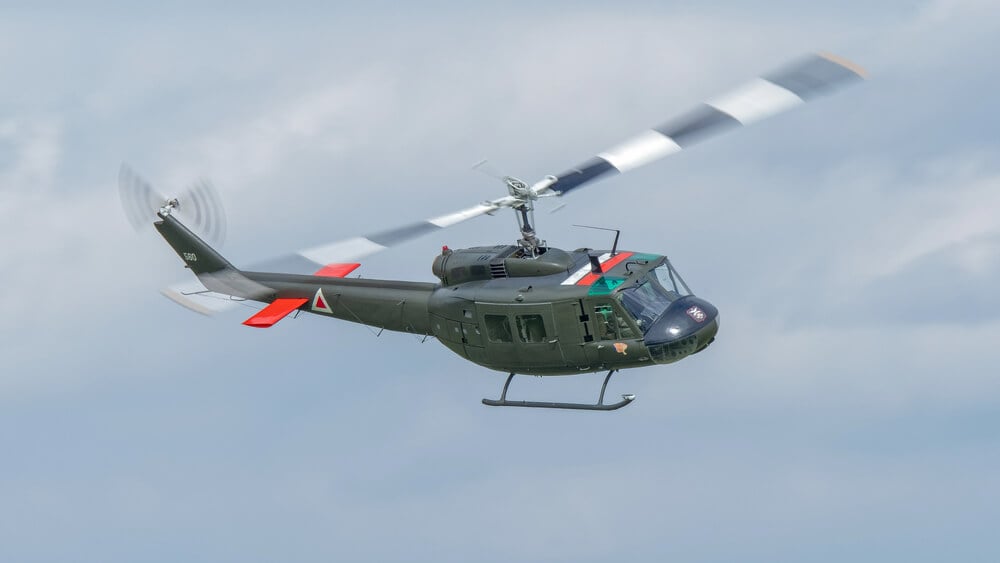
The United States secretly conducted cloud-seeding operations over Southeast Asia during the Vietnam War, attempting to extend the monsoon season and disrupt the flow of supplies along routes used by North Vietnamese forces. The program remained classified until a 1971 news report first exposed it, with fuller details emerging through 1974 U.S. Senate hearings.
The revelation contributed to later international agreements restricting the use of weather modification as a tool of warfare.
Operation CHAOS

The CIA ran a secret domestic surveillance program during the Vietnam War era targeting American anti-war activists and organizations, despite the agency’s charter explicitly prohibiting domestic operations. The program remained hidden until investigative journalism and the 1975 Church Committee congressional investigation brought its existence to public light.
The revelations contributed directly to new legal restrictions on the CIA’s domestic activities.
Operation Igloo White
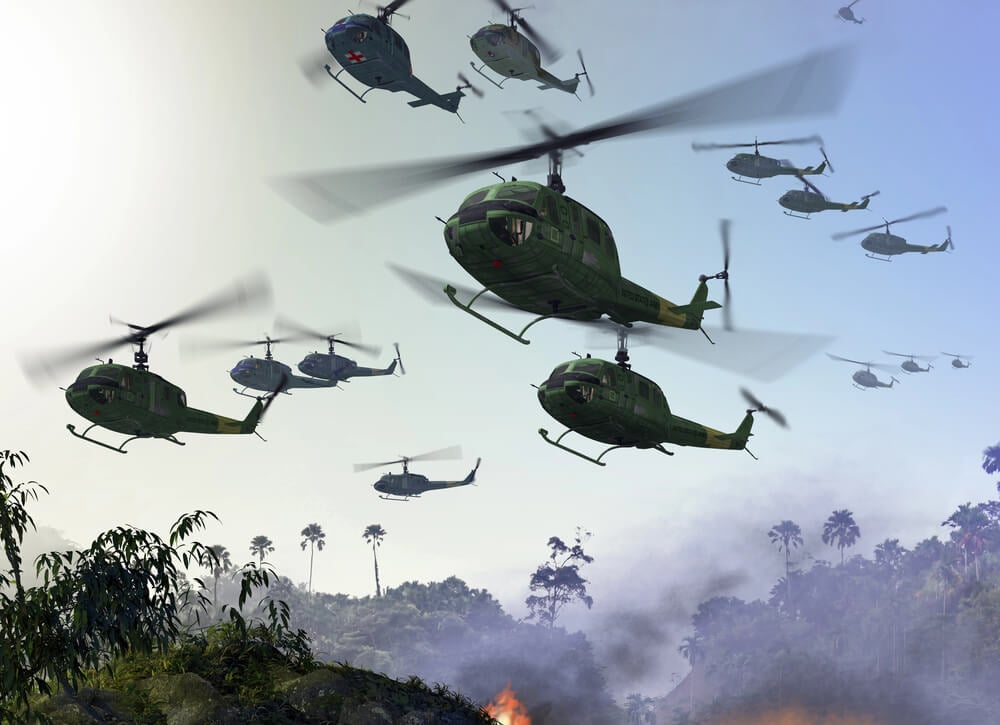
The U.S. military secretly deployed an extensive network of electronic sensors along the Ho Chi Minh Trail during the Vietnam War, designed to detect enemy troop and supply movements and direct airstrikes accordingly, at a cost of billions of dollars. Details of the sensor network’s technology and effectiveness remained classified for years after the war concluded.
Later assessments have offered mixed verdicts on how much the expensive program actually disrupted the flow of supplies it targeted.
MI9’s Escape Lines
Britain’s MI9 intelligence unit secretly organized and supported escape networks that helped thousands of downed Allied airmen and escaped prisoners of war evade capture and return to Britain from occupied Europe during the Second World War. The identities of many civilian helpers involved in these networks, who risked execution if discovered, were protected and kept from public disclosure for decades to shield surviving participants and their families.
Fuller historical accounts of the unit’s operations did not emerge until long after the war’s end.
OSS Detachment 101
The United States’ Office of Strategic Services ran a secret guerrilla operation in Burma during the Second World War, training and arming local Kachin fighters to conduct sabotage and intelligence operations against Japanese forces. The unit’s activities remained largely undocumented publicly for decades, overshadowed by better-known European theater operations.
Later historical accounts have credited the unit with an unusually high level of operational effectiveness relative to its small size.
Tube Alloys
Britain ran its own parallel atomic weapons research program, codenamed Tube Alloys, before merging its efforts into the American-led Manhattan Project, an arrangement that remained closely guarded for years after the war given the sensitivity of nuclear secrets. The full extent of Britain’s independent contributions to early atomic research was not widely appreciated publicly until postwar histories and declassified files clarified the program’s scope.
The merger arrangement also set the terms for a complicated and long-classified nuclear cooperation relationship between the two countries.
Secrets With a Shelf Life
Every program on this list was built on the same wartime assumption: that secrecy was a weapon in its own right, as valuable as any bomb or battalion. What is striking, looking back, is how long these governments managed to hold that secrecy well past the point of any obvious strategic necessity, often for reasons closer to institutional habit or reputational protection than ongoing security.
The eventual declassification of each program tends to follow the same quiet pattern: a researcher requests a file, an anniversary prompts a review, or a participant simply outlives the obligation to stay silent. History gets rewritten a little each time one of these files finally opens, a reminder that the official story of any war is rarely the complete one at the moment it is first told.
More from Go2Tutors!

- The Romanov Crown Jewels and Their Tragic Fate
- 13 Historical Mysteries That Science Still Can’t Solve
- Famous Hoaxes That Fooled the World for Years
- 15 Child Stars with Tragic Adult Lives
- 16 Famous Jewelry Pieces in History
Like Go2Tutors’s content? Follow us on MSN.