Most Translated Books Printed
Books have the power to cross borders and connect people who speak completely different languages. Some stories resonate so deeply with readers that publishers rush to translate them into dozens, even hundreds, of languages.
These books become global phenomena, touching lives across continents and cultures in ways their authors might never have imagined. The reasons behind their universal appeal vary wildly, from religious significance to childhood notability to timeless wisdom.
Translation counts tell us something important about which ideas humanity values enough to share everywhere. The most translated books reveal what connects us all, regardless of where anyone lives or what language anyone speaks.
The Bible

The Bible holds the record as the most translated book in human history, available in over 3,500 languages with portions translated into even more. Religious organizations have spent centuries working to make scripture accessible to every language group on Earth, no matter how small.
Complete Bible translations exist in around 700 languages, while the New Testament alone appears in over 1,500 languages. Translation work continues actively today, with teams working on versions for indigenous communities and minority language speakers.
The scope of this translation effort dwarfs any other literary work by an enormous margin.
Pinocchio

Carlo Collodi’s wooden puppet who dreams of becoming a real boy has been translated into more than 300 languages since its publication in 1883. The Italian tale explores themes of honesty, consequences, and growing up that resonate across cultures.
Disney’s animated adaptation introduced Pinocchio to even wider audiences, though the original story contains darker elements that didn’t make it into the cartoon. The book’s translation into so many languages reflects its status as a foundational children’s story that parents and educators worldwide consider valuable.
Collodi probably never imagined his serialized children’s story would reach readers on every inhabited continent.
The Adventures of Tintin

Belgian cartoonist Hergé created Tintin in 1929, and the young reporter’s adventures have since been translated into more than 110 languages and dialects. The comic albums combine mystery, humor, and detailed artwork that transcends language barriers even before translation.
Tintin travels to every corner of the globe in his adventures, which perhaps explains why readers from so many places embrace his stories. The books remain popular across Europe, Asia, and Latin America, though they never achieved the same level of fame in the United States.
Hergé’s clean line style and careful research made the stories feel both timeless and carefully grounded in real places.
The Little Prince

Antoine de Saint-Exupéry wrote this philosophical tale in 1943, and it has since been translated into more than 380 languages and dialects. The story follows a young prince who travels between planets, meeting strange adults who have lost their sense of wonder.
Despite being classified as a children’s book, adults often connect more deeply with its themes about love, loss, and what matters in life. The book sells about two million copies annually even decades after its publication, making it one of the best-selling books ever written.
Saint-Exupéry’s simple prose and iconic illustrations work together to create something that feels accessible in any language.
The Alchemist

Paulo Coelho’s novel about a shepherd boy seeking treasure has been translated into 80 languages since its 1988 publication. The book initially flopped in Brazil, selling only 900 copies before going out of print.
A different publisher took a chance on it years later, and it gradually built momentum through word of mouth until it became a global phenomenon. The story’s themes about following dreams and listening to one’s heart appeal to readers across vastly different cultures.
Coelho’s straightforward writing style makes the book relatively easy to translate while maintaining its contemplative tone.
Alice’s Adventures in Wonderland

Lewis Carroll’s 1865 tale of a girl falling down a rabbit pit has been translated into at least 174 languages. The book’s wordplay, puns, and Victorian English references create enormous challenges for translators trying to preserve Carroll’s wit.
Many translations take creative liberties to make jokes work in different languages, resulting in versions that sometimes differ significantly from the original. Despite these translation difficulties, the surreal imagery and memorable characters translate more easily than the linguistic humor.
The story’s dream logic and fantastical elements give it a universal quality that transcends its very British origins.
The Diary of a Young Girl

Anne Frank’s diary, written while hiding from the Nazis in Amsterdam, has been translated into more than 70 languages. The book provides an intimate look at the Holocaust through the eyes of a teenage girl facing unimaginable circumstances.
Anne’s writing style feels remarkably modern and relatable despite being written in the 1940s. Her hopes, frustrations, and observations about the adults around her connect with young readers across generations and cultures.
The diary’s translation into so many languages serves as both historical documentation and a reminder of the human cost of hatred.
The Prophet

Kahlil Gibran’s 1923 collection of poetic essays has been translated into more than 100 languages and never gone out of print. The book consists of 26 prose poetry pieces covering topics like love, work, freedom, and death.
Gibran’s philosophical approach draws from multiple religious and cultural traditions, giving the work a universal quality. The relatively short length and standalone chapters make it accessible to readers who might be intimidated by longer philosophical works.
Celebrities, politicians, and ordinary readers have quoted passages at weddings, funerals, and major life events for a century.
Twenty Thousand Leagues Under the Sea
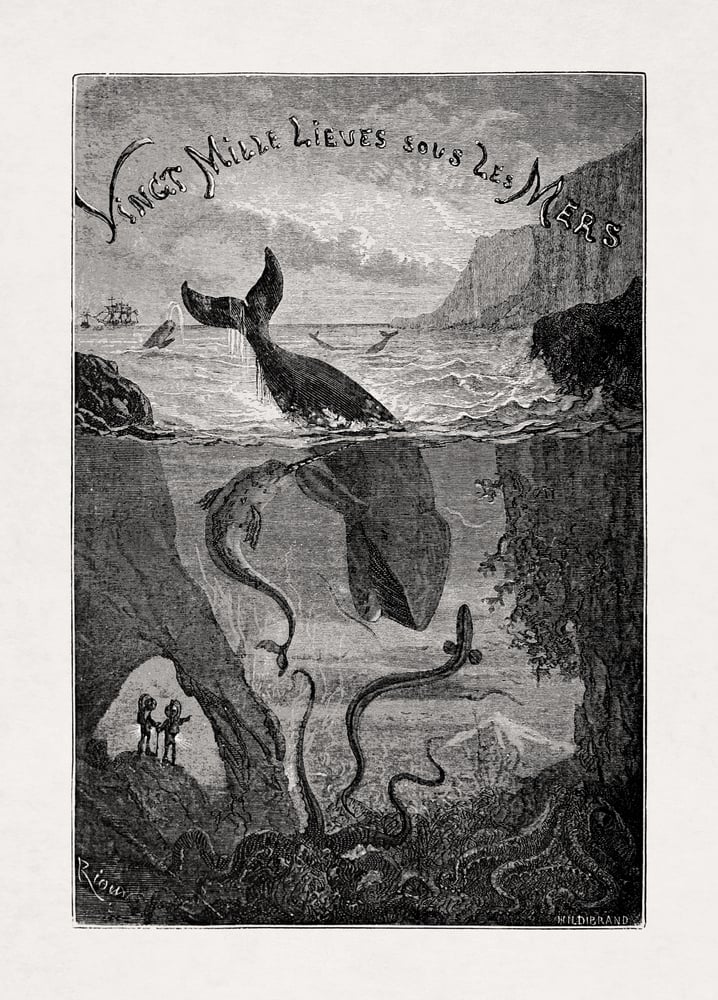
Jules Verne’s 1870 underwater adventure has been translated into at least 174 languages, matching Alice’s Adventures in Wonderland for translation reach. The novel introduced readers to Captain Nemo and his submarine Nautilus years before such technology actually existed.
Verne’s detailed descriptions of marine life and underwater exploration captured imaginations across the world. The book’s combination of adventure, science, and social commentary gives it layers that work for both young readers and adults.
Translation into so many languages helped establish science fiction as a genre with truly global appeal.
Steps to Christ

Ellen G. White’s 1892 Christian devotional book has been translated into more than 170 languages, making it one of the most widely distributed religious texts outside the Bible itself. The book outlines White’s understanding of how to develop a relationship with Jesus Christ through 13 short chapters.
Seventh-day Adventist churches have distributed millions of free copies worldwide as part of their missionary work. The straightforward language and practical approach to faith make it accessible to readers with varying levels of religious background.
Its continued translation into new languages reflects ongoing evangelical efforts in remote regions.
Don Quixote

Miguel de Cervantes published this tale of a delusional knight and his practical squire in two parts in 1605 and 1615, and it has since been translated into more than 140 languages. The book essentially created the modern novel format and influenced countless writers who came after Cervantes.
Don Quixote’s blend of comedy, social satire, and unexpected depth makes it rewarding to readers across different cultures and time periods. The Spanish literary establishment considers it the most important work in their language.
Translation challenges include capturing Cervantes’ wordplay and the distinction between different Spanish dialects used by various characters.
The Adventures of Asterix

René Goscinny and Albert Uderzo created this comic series about a small Gaulish village resisting Roman occupation, and the books have been translated into more than 110 languages. The stories combine slapstick humor with clever puns, historical references, and satirical jabs at contemporary issues.
Translators face the challenge of adapting character names that are puns in French into equivalent jokes in other languages. The series remains hugely popular in Europe while having less cultural impact in English-speaking countries.
Each album’s mix of action, humor, and detailed artwork helps the stories work across language barriers.
The Hunger Games

Suzanne Collins’ 2008 dystopian novel has been translated into 56 languages, showing how quickly contemporary books can achieve global reach with modern publishing networks. The story of teenagers forced to fight to the death in a televised competition struck a chord with young adult readers worldwide.
Themes about inequality, media manipulation, and resistance against authoritarian power resonate across different political contexts. The book’s success launched a film franchise and helped establish dystopian fiction as a dominant genre in young adult literature.
Its relatively recent publication date means translation work happened rapidly compared to older classics that gained translated editions gradually over decades.
The Tale of Peter Rabbit
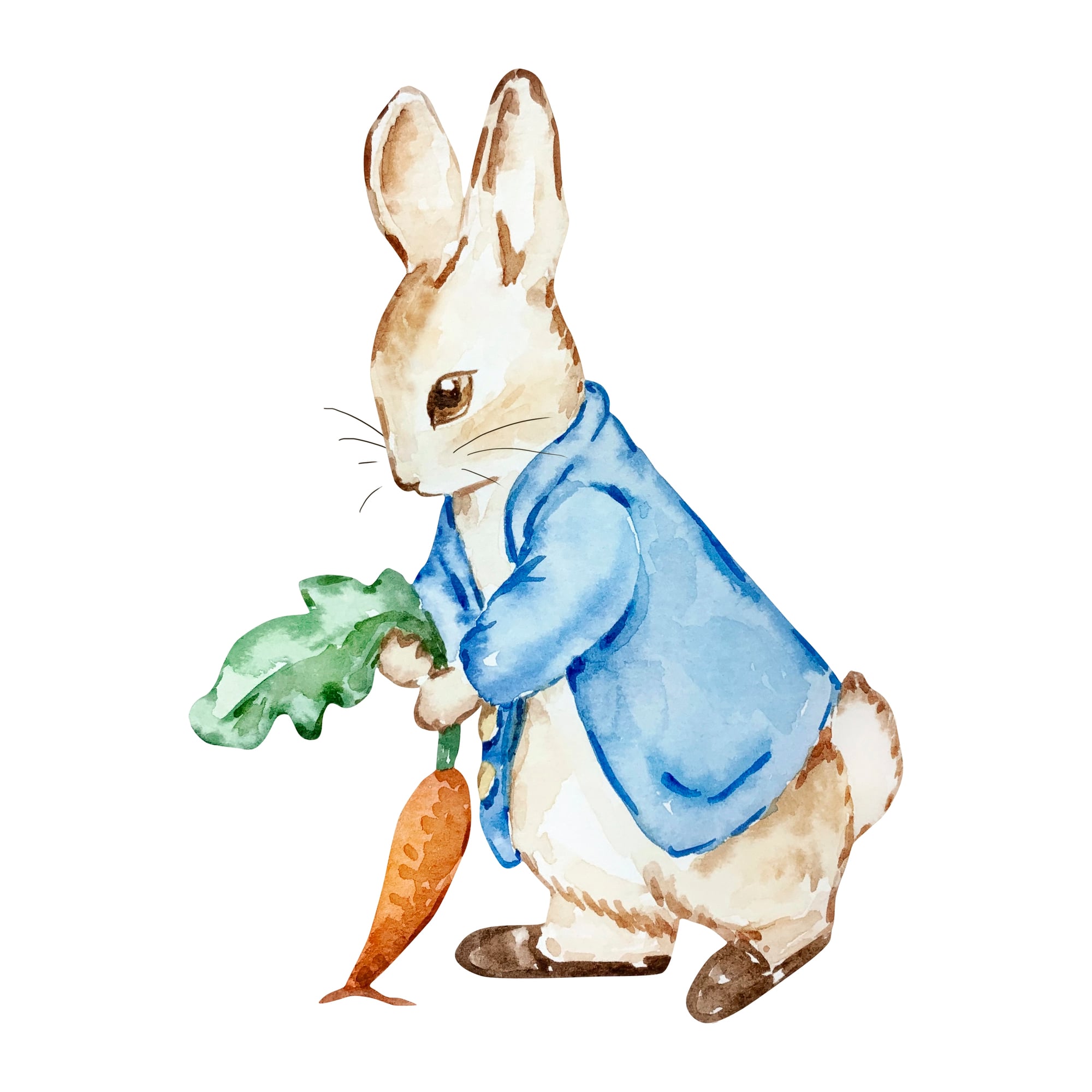
Beatrix Potter’s 1902 story about a mischievous rabbit sneaking into Mr. McGregor’s garden has been translated into more than 45 languages. Potter’s watercolor illustrations work seamlessly with her simple prose to create a complete sensory experience.
The story’s brief length and straightforward plot make it ideal for very young children just learning to enjoy books. Despite its English countryside setting, the tale’s themes about curiosity, disobedience, and consequences translate easily to different cultures.
Potter self-published the book initially after publishers rejected it, never imagining it would become one of the best-selling children’s books in history.
Harry Potter series

J.K. Rowling’s seven-book series about a young wizard has been translated into 80 languages, achieving unprecedented global reach for a contemporary fiction series. The books appeared in rapid succession between 1997 and 2007, creating a worldwide cultural phenomenon as each new volume was released.
Translators faced challenges with Rowling’s invented words, British cultural references, and character names with hidden meanings. The series generated enormous revenue for publishers in every market, proving that children’s fantasy literature could dominate global bestseller lists.
Many readers learned English specifically to read the books in their original language rather than waiting for translations.
The Very Hungry Caterpillar

One finger at a time, kids trace through pits left by a hungry little eater on each page. More than seven decades have passed since Eric Carle first shared his tale, yet it still lands in new hands every day.
Bright paper layers build bugs and fruit in ways eyes can’t look away from. Weekdays stack up alongside apples and pears when young voices count aloud across kitchens and classrooms.
Some grownups smile before they even open the cover – something clicks deep down, familiar. Learning sneaks in quiet, wrapped inside rhythm and color instead of loud lessons.
That soft pull keeps copies moving year after year.
Goodnight Moon

A quiet rhythm runs through Margaret Wise Brown’s 1947 tale, one many families return to when night falls. Though only known in around twelve tongues, its presence is strong among early childhood books.
Instead of loud excitement, it offers calm – page after page shaped by gentle words and Clement Hurd’s soft pictures. One by one, small things get a farewell: a comb, a brush, even the moon outside the window.
This hushed journey through the great green room feels familiar, somehow, no matter where a child grows up. Parents often notice how it eases the shift from playtime to rest, smoothing what can be a rocky hour.
Because of these moments, year after year, new hands open their pages far beyond where they began.
Where translations take us

Stories showing up in countless tongues point to what people everywhere carry inside – questions, curiosity, quiet hope. Driven by belief, some writings travel far when others feel urged to pass them on.
Tiny readers meet the same tales worldwide since grownups aim to hand down wisdom wrapped in magic. What seems like a simple adventure often holds unseen weight beneath it.
What it takes to bring a story into tongues spoken by few reveals the weight folks give to reading tales in their native speech. Books turned into many forms become something like a world library, an open ground where culture lives together.
More from Go2Tutors!

- The Romanov Crown Jewels and Their Tragic Fate
- 13 Historical Mysteries That Science Still Can’t Solve
- Famous Hoaxes That Fooled the World for Years
- 15 Child Stars with Tragic Adult Lives
- 16 Famous Jewelry Pieces in History
Like Go2Tutors’s content? Follow us on MSN.