14 Photographs Governments Once Refused to Release
A photograph is hard to argue with in a way that a press release never is. That is precisely why so many governments, across very different political systems, have made the same choice when a photograph threatens to embarrass or incriminate them: classify it, delay it, or simply insist it does not exist.
Almost every image on this list eventually got out anyway, usually because someone inside the system decided the public had more of a right to see it than the state had a right to hide it.
My Lai Massacre Photographs
Army photographer Ron Haeberle documented the aftermath of the 1968 killing of hundreds of Vietnamese civilians by US soldiers, but the images were kept out of public view for over a year while the military investigated internally. Haeberle eventually gave color prints to a newspaper in 1969, and their publication became a turning point in American public opinion about the Vietnam War.
Abu Ghraib Photographs
Images documenting the abuse of detainees by US military personnel at Abu Ghraib prison in Iraq were taken in late 2003 but kept out of public circulation while an internal investigation proceeded. They became public in 2004 after being leaked to journalists, triggering congressional hearings and international condemnation that the initial classification had been designed to avoid.
Holodomor Photographs
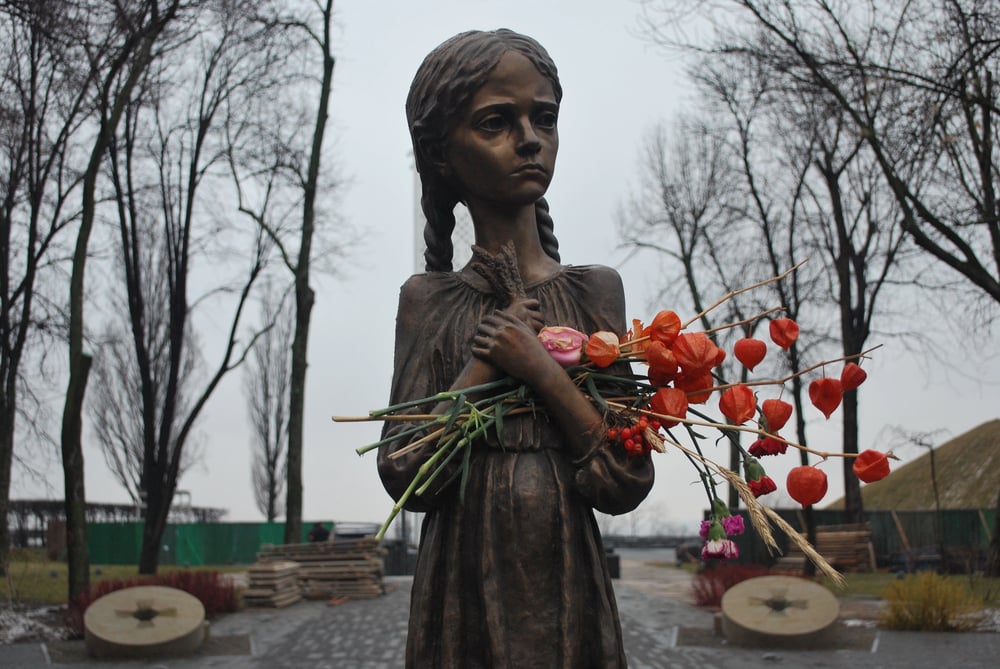
Soviet authorities suppressed photographic documentation of the 1932–1933 famine in Ukraine for decades, denying the famine had occurred at all in official channels. Foreign journalists who did photograph starving villages had their work censored or confiscated, and it was not until the late Soviet and post-Soviet period that a fuller photographic record became publicly accessible.
Katyn Massacre Photographs
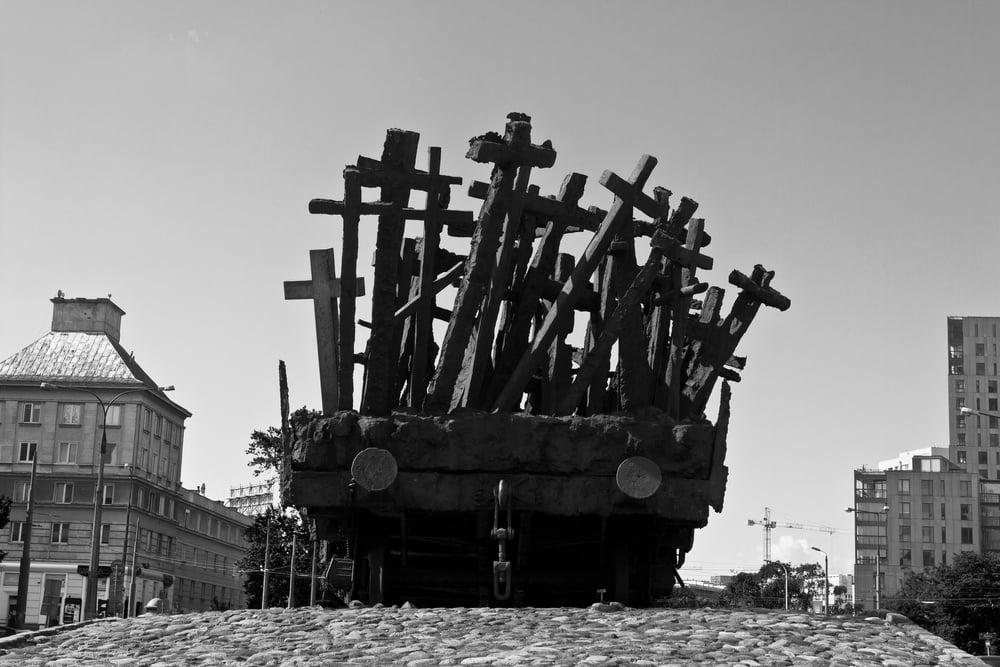
After Soviet forces executed thousands of Polish military officers in 1940, the USSR blamed Nazi Germany for the killings and suppressed evidence, including photographic documentation, for nearly fifty years. The Soviet government did not formally acknowledge responsibility until 1990, after which archival photographs and documents were gradually released to Polish and international researchers.
Hiroshima and Nagasaki Aftermath Photographs
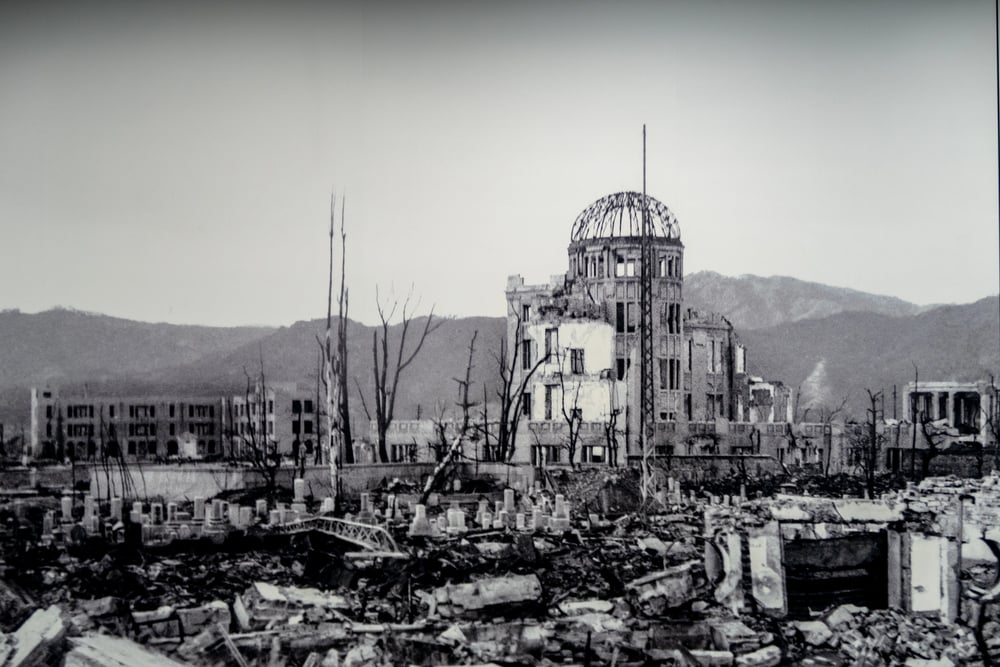
Photographs and film footage documenting the human toll of the 1945 atomic bombings were seized by US occupation authorities and classified, remaining largely unseen by the Japanese public until censorship restrictions were lifted in 1952. Japanese photographers who had documented the immediate aftermath had much of their material confiscated in the intervening years.
Tank Man Photograph
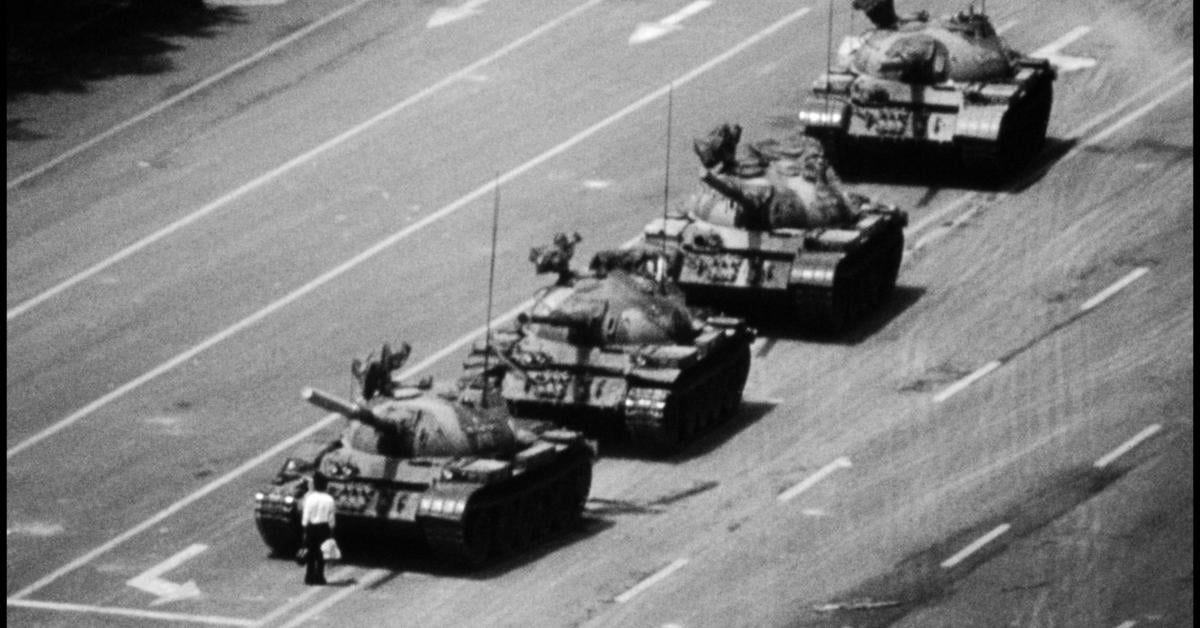
Jeff Widener’s photograph of a lone man blocking a column of tanks near Tiananmen Square in June 1989 was published internationally within hours, but Chinese authorities moved quickly to prevent its circulation domestically. The image remains heavily censored within China today, with search results for related terms blocked on the country’s internet.
Zapruder Film
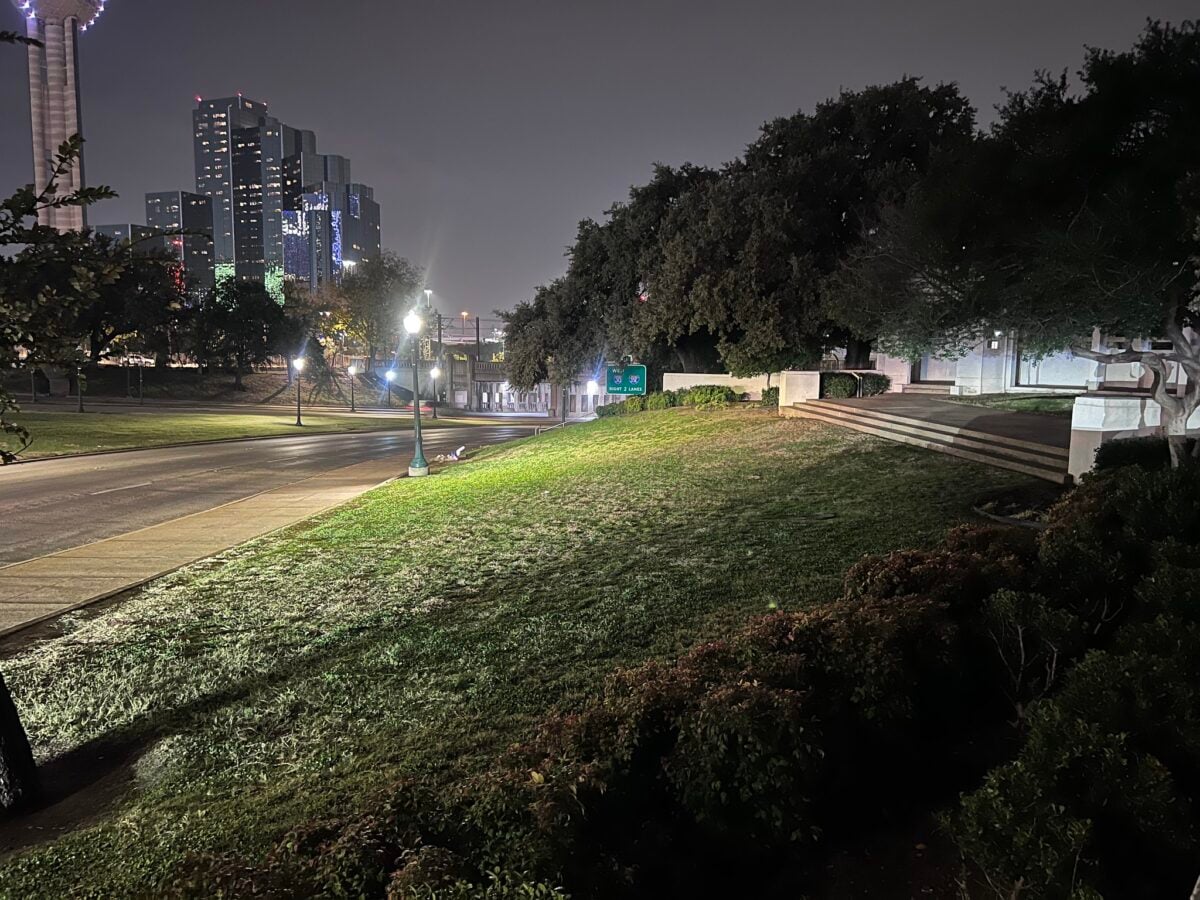
Abraham Zapruder’s home-movie footage of the November 1963 assassination of President Kennedy was purchased by Time-Life shortly after the shooting and kept largely out of public broadcast for over a decade, with only still frames published in the immediate aftermath. A full public broadcast did not occur until 1975, and the original film was later designated a federal record under a 1992 law that also released related government documents.
Chernobyl Disaster Photographs
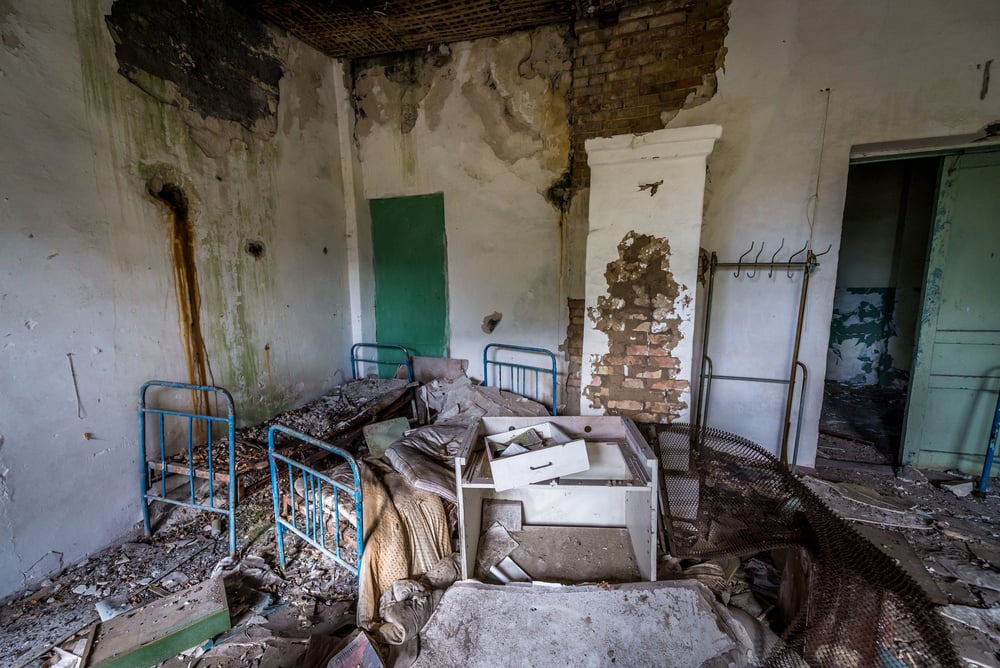
Soviet authorities delayed and restricted photographic and video documentation of the April 1986 nuclear disaster, with initial state media coverage minimal for days after the accident. Photographer Igor Kostin, who documented the site extensively, had much of his early material confiscated, and a fuller photographic record only reached international audiences as Soviet glasnost policies loosened restrictions later in the decade.
Bloody Sunday Photographs
Photographic and video evidence from the January 1972 shooting of civilians by British soldiers in Derry, Northern Ireland, became the subject of decades of dispute over what the original Widgery Tribunal had considered or withheld. A second inquiry, the Saville Inquiry, spent twelve years reexamining the evidence before issuing a 2010 report that contradicted the original tribunal’s conclusions.
Guantanamo Bay Detainee Photographs
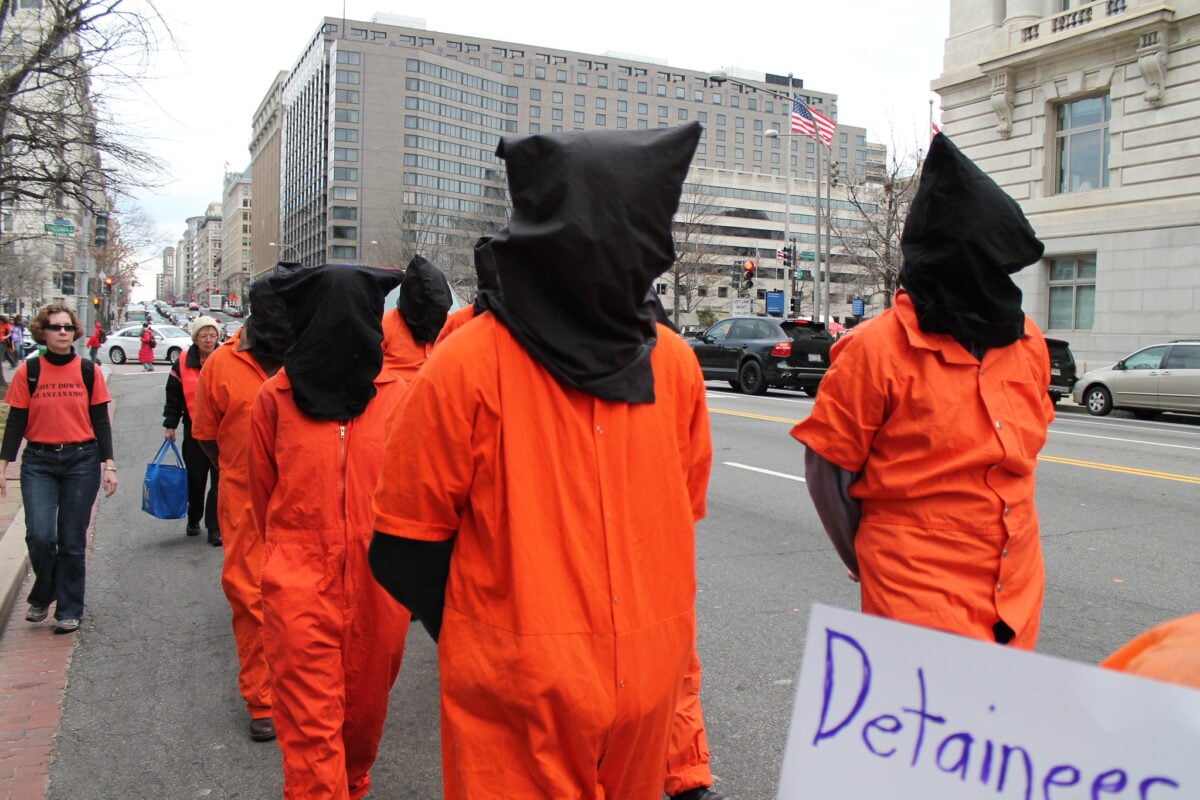
The US government fought for years in federal court to prevent the release of photographs documenting the treatment of detainees at Guantanamo Bay and other facilities, citing national security concerns. A 2009 decision to withhold a further batch of images, reversing an earlier commitment to release them, drew criticism from civil liberties groups who argued the photographs were being suppressed to avoid embarrassment rather than protect security.
Caravan of Death Photographs
Photographic evidence connected to a 1973 military operation that killed dozens of political prisoners across Chile shortly after General Augusto Pinochet took power was suppressed for years under his government. Investigators only gained fuller access to relevant documentation and imagery after Chile’s return to civilian rule in 1990, aiding later prosecutions of military officers involved.
Indonesia 1965–66 Killings Photographs
Documentation of the mass killings that followed Indonesia’s 1965 political upheaval, in which hundreds of thousands of people died, remained tightly controlled under the subsequent Suharto government for over three decades. Photographic and archival material has continued to surface gradually since the fall of Suharto in 1998, as researchers and journalists have pushed for fuller access to state records.
Hillsborough Disaster Photographs
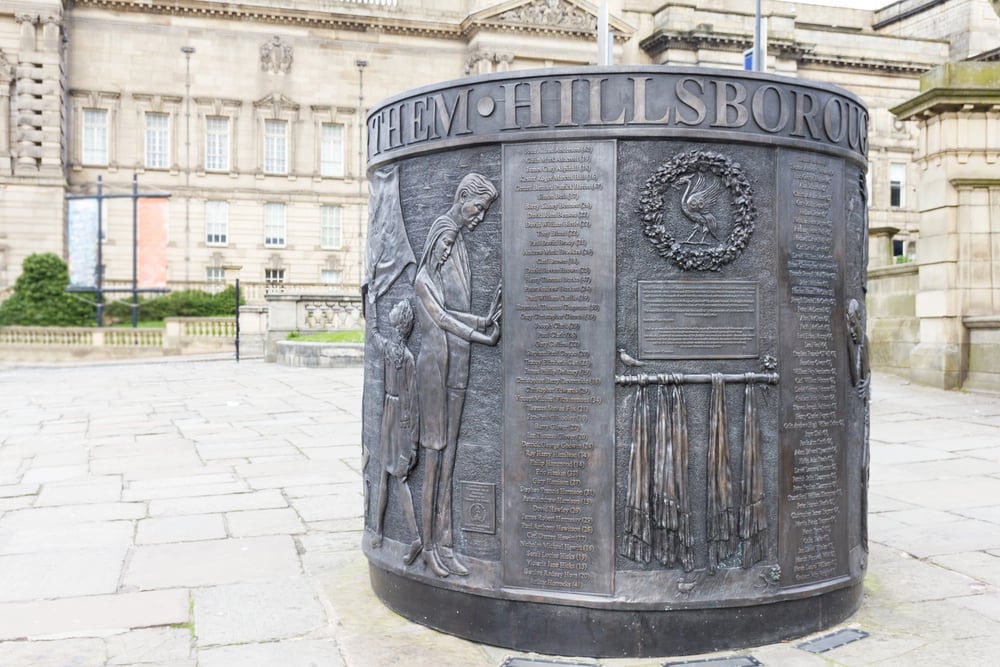
Following the 1989 stadium crush in Sheffield, England, that killed 97 football fans, some police photographic evidence and records were altered or withheld during the initial inquiry, contributing to a decades-long dispute over the official account of events. A 2012 independent panel review led to the original inquest verdicts being quashed and a new inquest reaching different conclusions in 2016.
Battle of Orgreave Footage
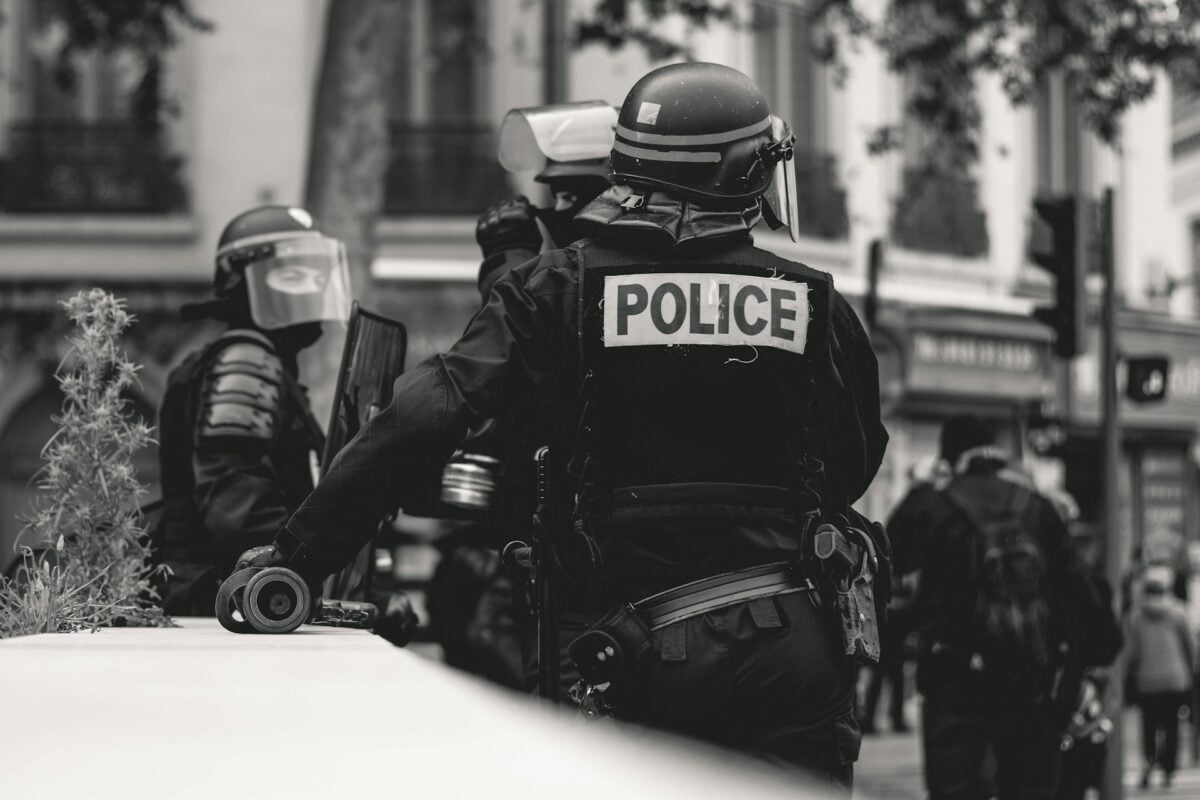
Television and photographic coverage of a violent confrontation between police and striking miners at Orgreave, England, in 1984 became the subject of long-running disputes over how fully contemporary footage represented the sequence of events. Campaigners have spent years pushing for a full public inquiry into the policing of the confrontation and the handling of related evidence, without one being granted.
What the Camera Was Never Supposed to Show
The instinct to withhold these images rarely came from a single villain making a single decision; it usually came from an institution recognizing, correctly, that a photograph could do more damage to its version of events than any written denial could contain. Words can be qualified, contextualized, and argued over. An image of a specific person in a specific place at a specific moment is much harder to talk around.
What makes this list uncomfortable is how consistently the delay tactic worked, at least temporarily. Every government here bought itself months, years, or decades of a more convenient story before the photograph eventually surfaced. The images did not change what had happened. They only changed, belatedly, what the public was permitted to know had happened.
More from Go2Tutors!

- The Romanov Crown Jewels and Their Tragic Fate
- 13 Historical Mysteries That Science Still Can’t Solve
- Famous Hoaxes That Fooled the World for Years
- 15 Child Stars with Tragic Adult Lives
- 16 Famous Jewelry Pieces in History
Like Go2Tutors’s content? Follow us on MSN.