Secrets About Classic Arcade Games
There was a time when the loud buzz of neon lights, the jingle of coins, and the click-clack of joysticks filled every corner of shopping malls and pizza shops.
Classic arcade games weren’t just entertainment—they were daily rituals, meeting spots, and the first real obsession for a generation that grew up before smartphones took over.
Some of these games held secrets so strange or clever, only the most dedicated players ever discovered them.
Let’s pull back the curtain and dive into some of the lesser-known facts that made arcade games unforgettable.
Pac-Man’s kill screen ends the fun early
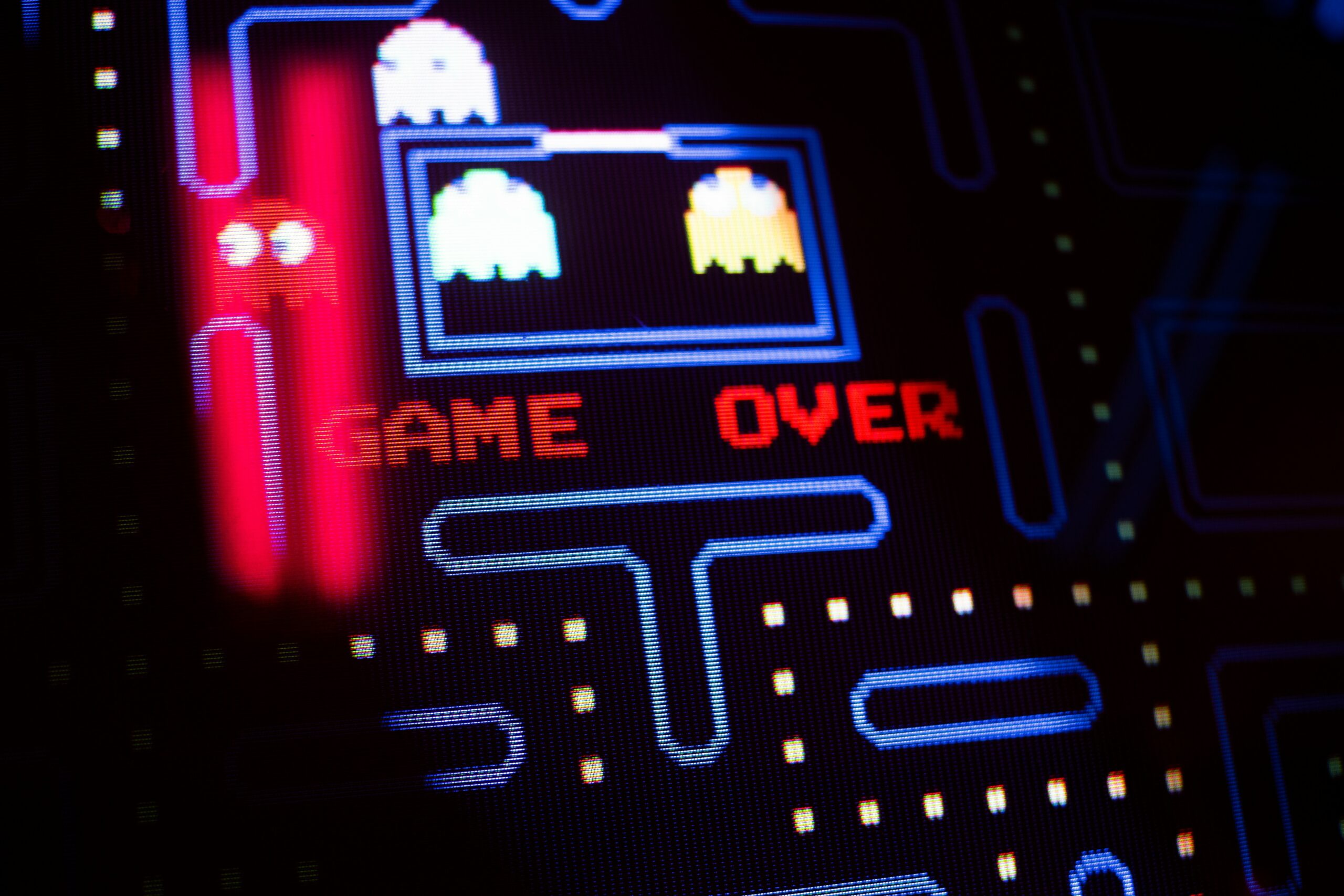
Most people think Pac-Man is endless, but it’s not.
At level 256, a glitch scrambles half the screen, making it impossible to finish.
The game wasn’t designed to go that far, and the system just couldn’t handle the data.
Only the most skilled players even got close.
For many, it was the ultimate game over.
Donkey Kong’s damsel had a name change
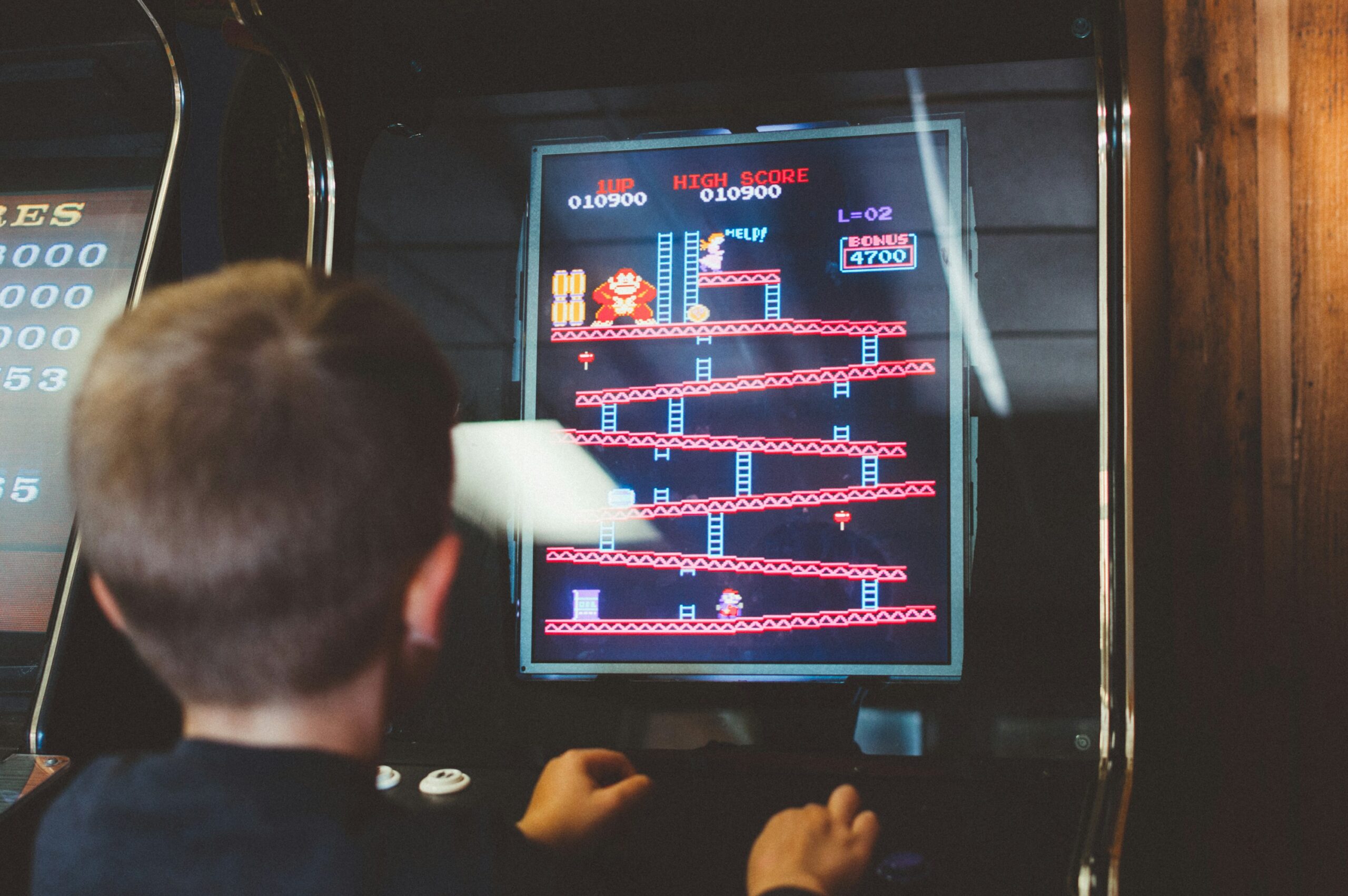
In the original Donkey Kong, the woman Mario is trying to save wasn’t called Princess Peach.
Her name was Pauline.
She was later replaced in other games, but longtime fans never forgot her.
She’s even made a few returns in newer games, which surprised a lot of people.
Like Go2Tutors’s content? Follow us on MSN.
Street Fighter II was full of happy accidents
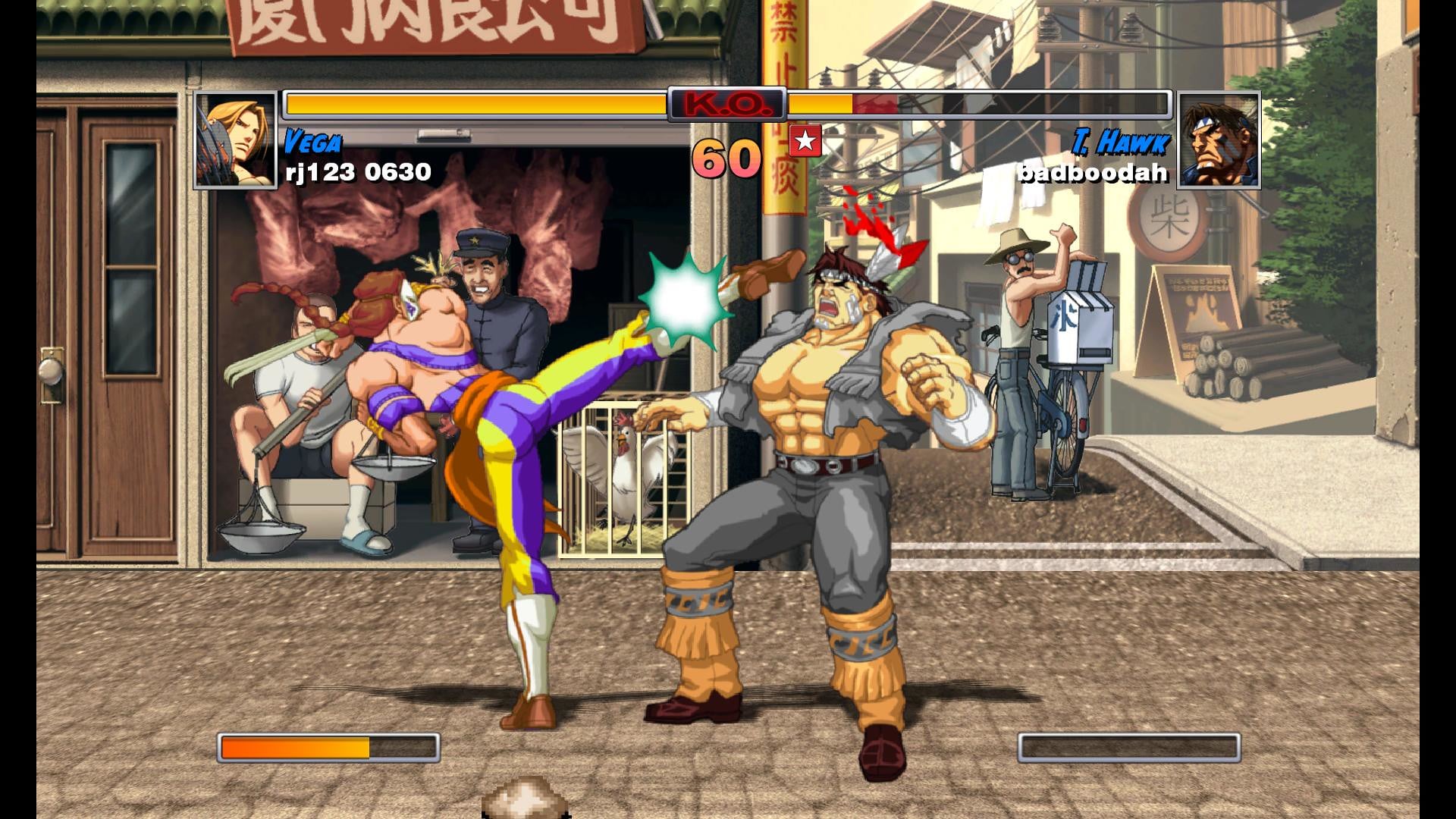
The combo system that made Street Fighter II so popular was actually a mistake.
Developers noticed players could sneak in extra hits and kept it in the final version.
This glitch-turned-feature shaped fighting games for years.
Now, combos are a must-have in every fighting game.
The “insert coin” sound became iconic by chance
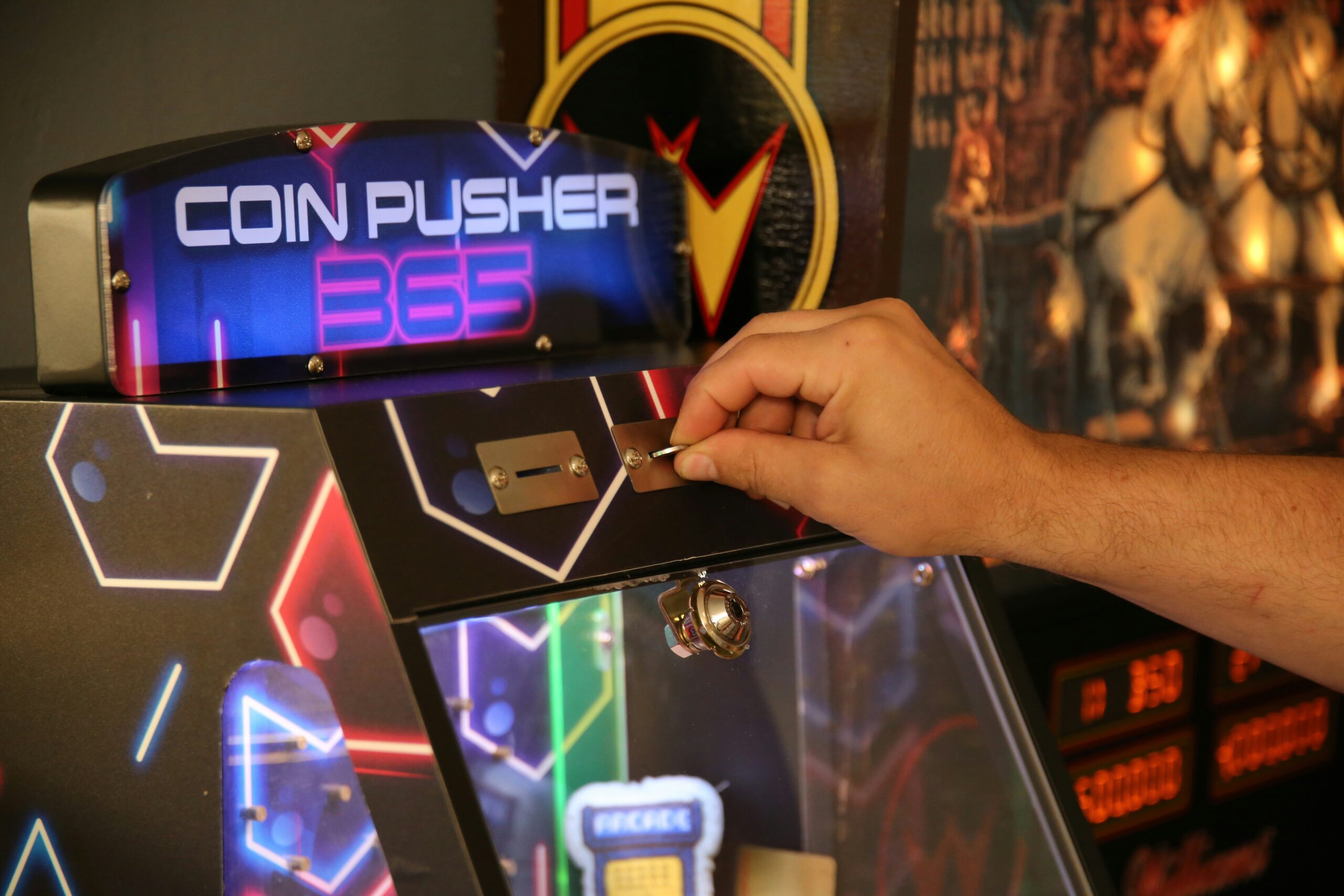
That sharp, unforgettable “ding” or chime when inserting a coin?
It wasn’t meant to be a big deal.
Developers added it just to confirm the machine got the coin.
But kids heard it and got excited—it meant action was about to start.
It became part of the whole arcade experience.
Space Invaders sped up because of memory issues
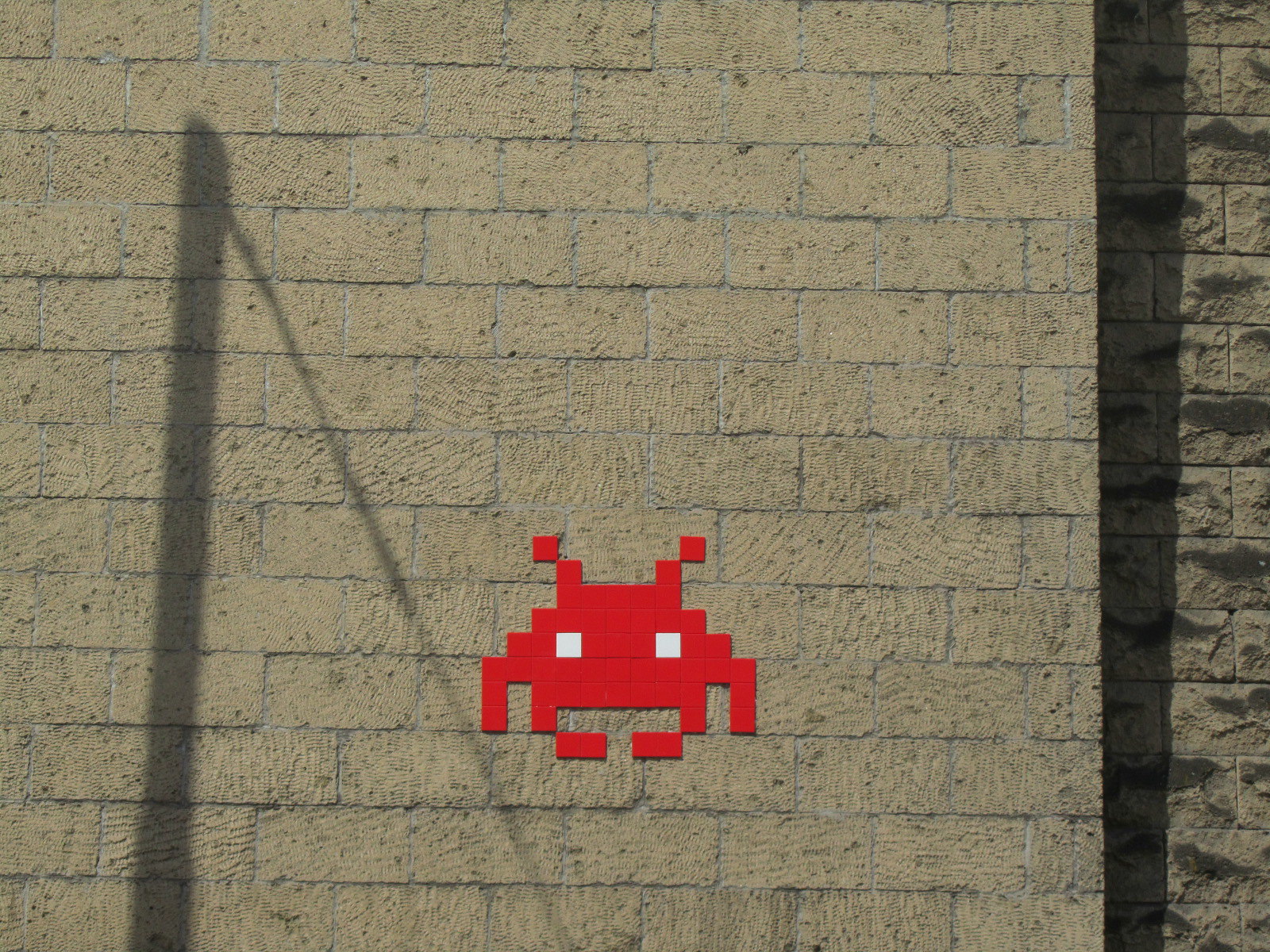
Most players thought the game got faster to add tension.
In reality, it sped up because there were fewer enemies on screen.
As aliens were destroyed, the processor had less work to do.
That made the game run faster—pure accident.
Yet it created one of gaming’s most intense moments.
Like Go2Tutors’s content? Follow us on MSN.
Asteroids let you cheat if you timed it right
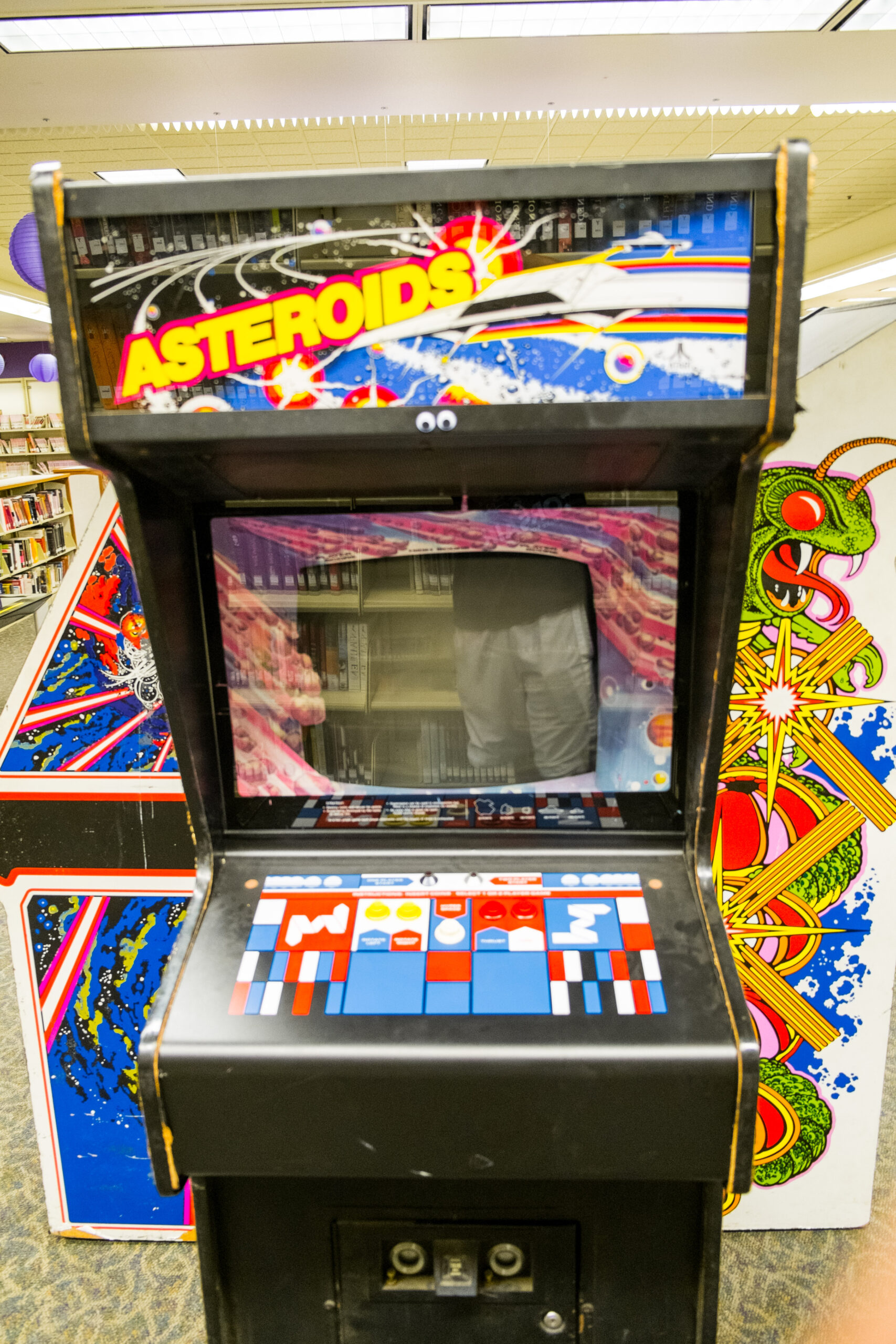
In Asteroids, players found they could float forever by rotating and firing at just the right time.
This glitch helped expert players avoid danger and rack up high scores.
It wasn’t part of the original plan, but it gave the game an edge.
Developers later tried fixing it in updates.
The initials “AAA” usually meant someone didn’t care

High scores were serious business, but not everyone wanted to claim them.
That’s why you’d often see “AAA” or “ASS” on leaderboards.
It meant someone just wanted to skip to the next game.
But to others, entering your initials was like carving your name into digital stone.
Gauntlet let you keep playing—as long as you paid
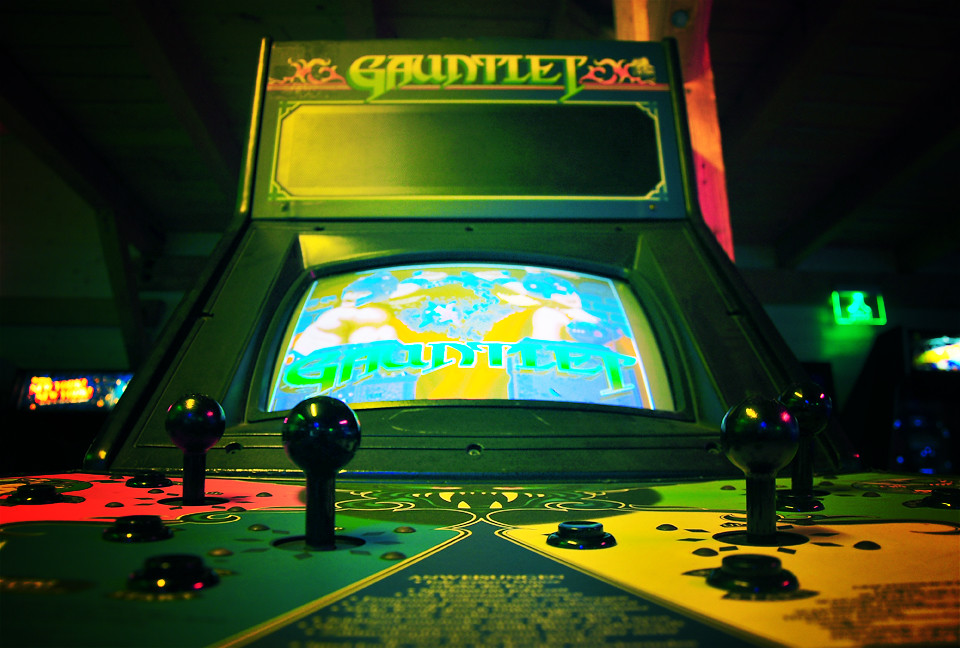
Gauntlet introduced a sneaky trick: health dropped even if you didn’t get hit.
That meant players had to keep putting in coins just to survive.
Some called it unfair.
Others loved the challenge.
Either way, the machine made serious money.
Like Go2Tutors’s content? Follow us on MSN.
Mortal Kombat faced heat for its graphic finishers

Mortal Kombat’s “Finish Him” moments caused quite a stir.
The over-the-top moves shocked a lot of parents.
This controversy even helped lead to the creation of the ESRB, the game rating board.
What started in arcades ended up changing how games were rated forever.
Frogger had a clever trick to slow you down
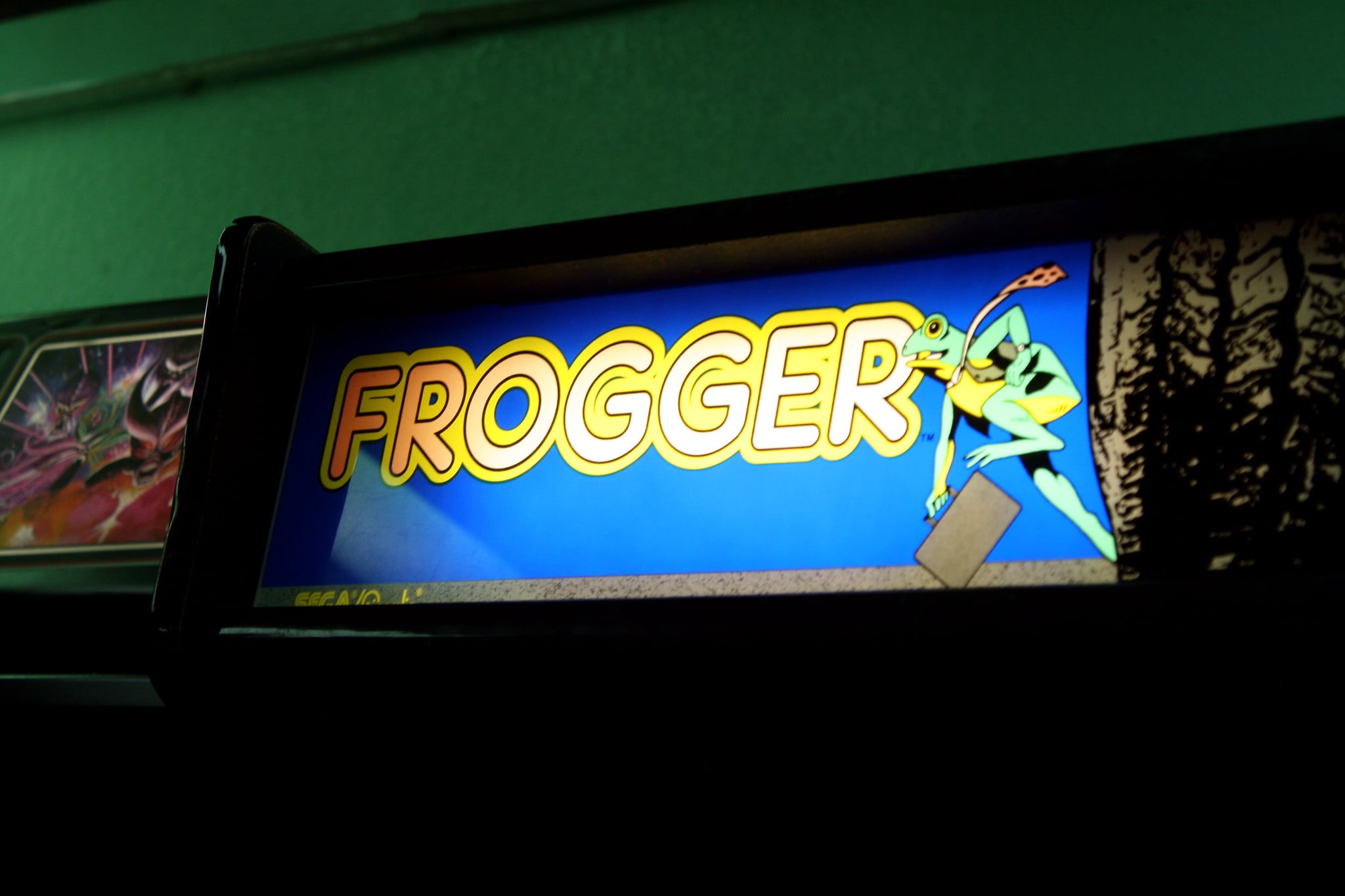
Each level in Frogger was about timing, but the game added tiny delays to mess with players.
If you moved too quickly, some logs or cars would change speed just enough to throw you off.
It wasn’t random—it was designed to catch overconfident players.
Patience was the real secret weapon.
Some cabinets were just recycled with new games
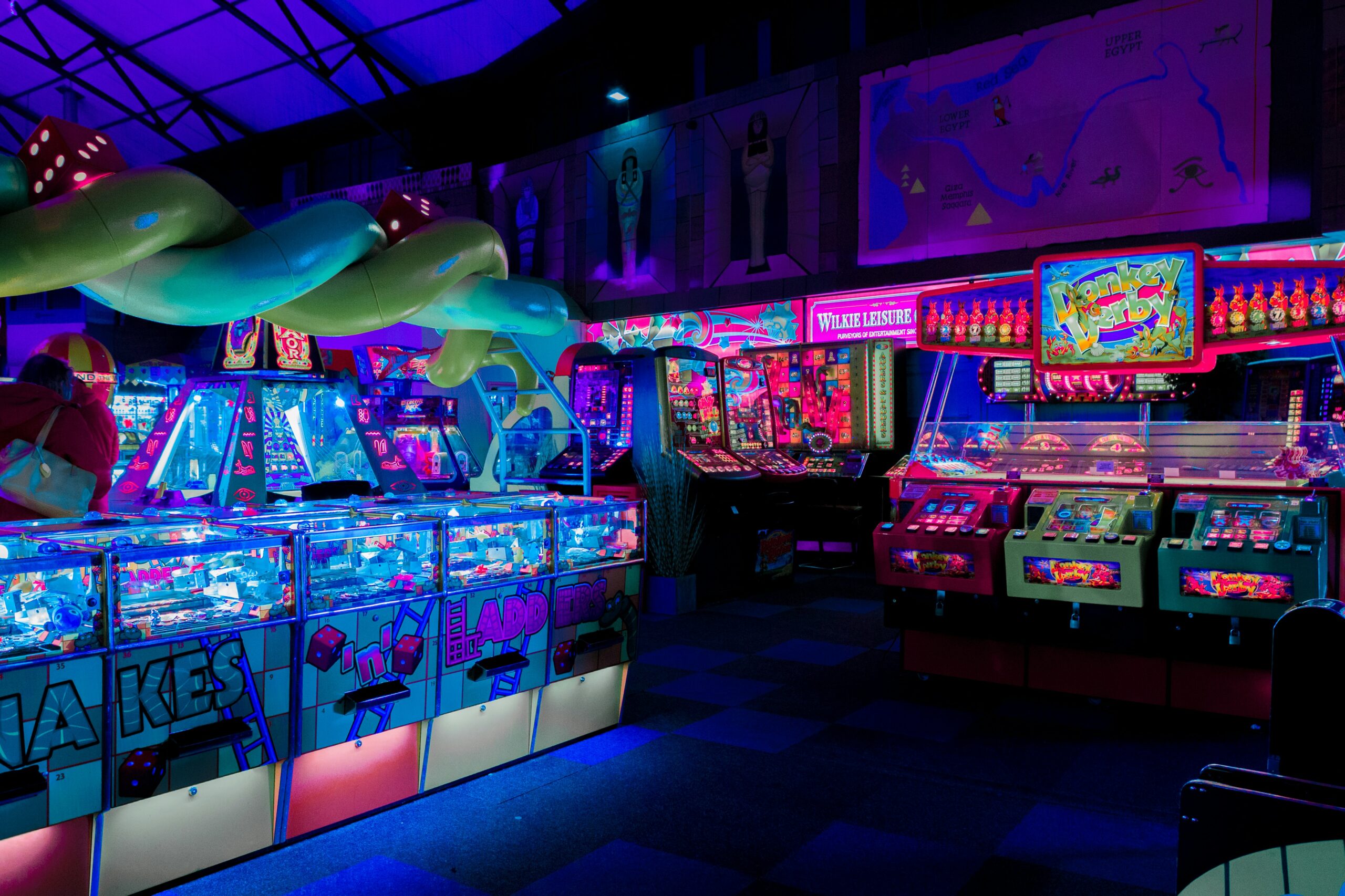
Arcade owners often reused the same machines to save money.
They’d just swap the game board and art on the side.
So that Pac-Man cabinet?
It might’ve been Galaga a few months earlier.
Players noticed when controls didn’t match the art, but most didn’t care as long as it worked.
Like Go2Tutors’s content? Follow us on MSN.
Dig Dug’s music followed your moves
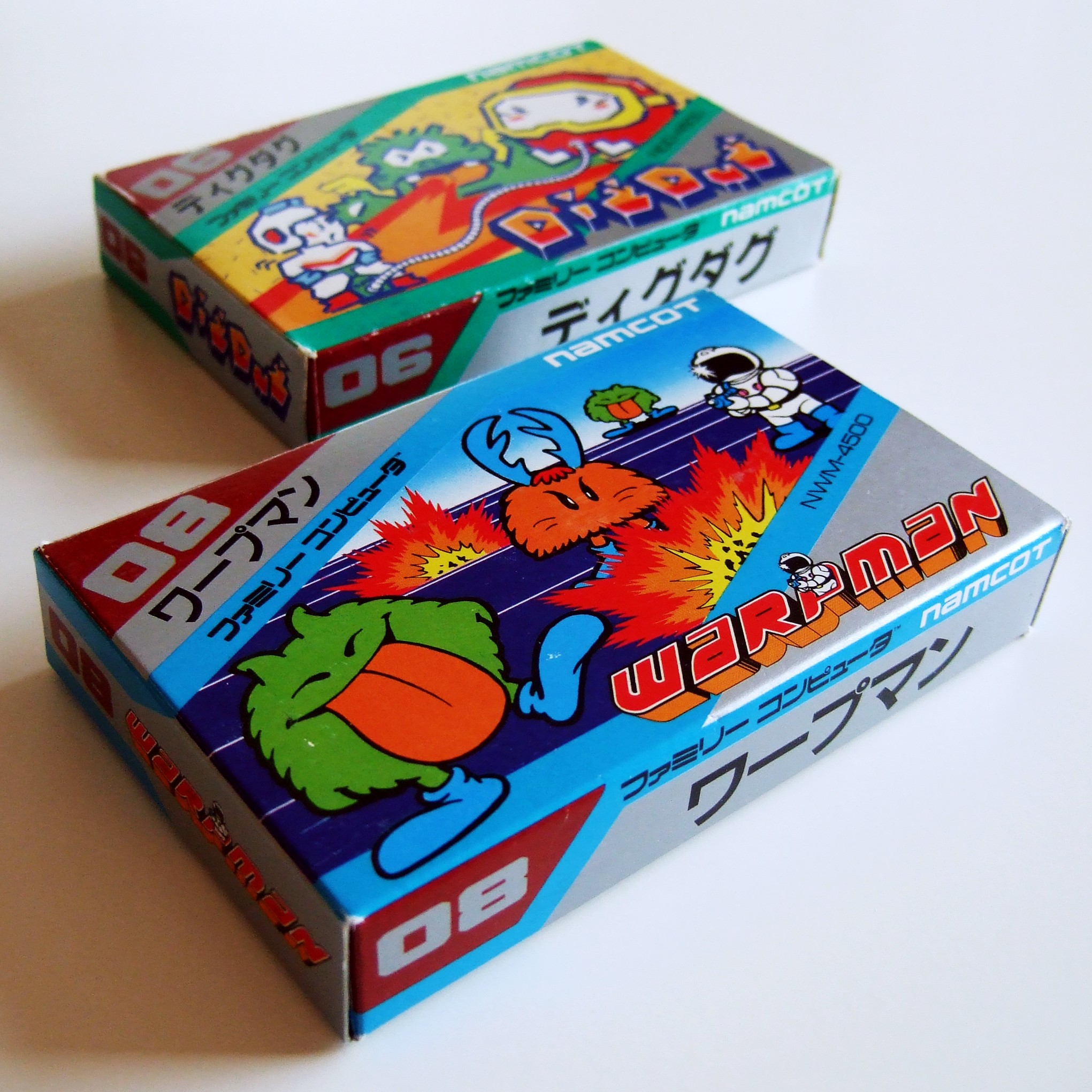
The music in Dig Dug played only while your character moved.
If you stopped, so did the tune.
This wasn’t just fun—it added strategy.
The silence kept players on edge and made movement feel more intense.
Few other games used sound this way.
Defender scared off casual players
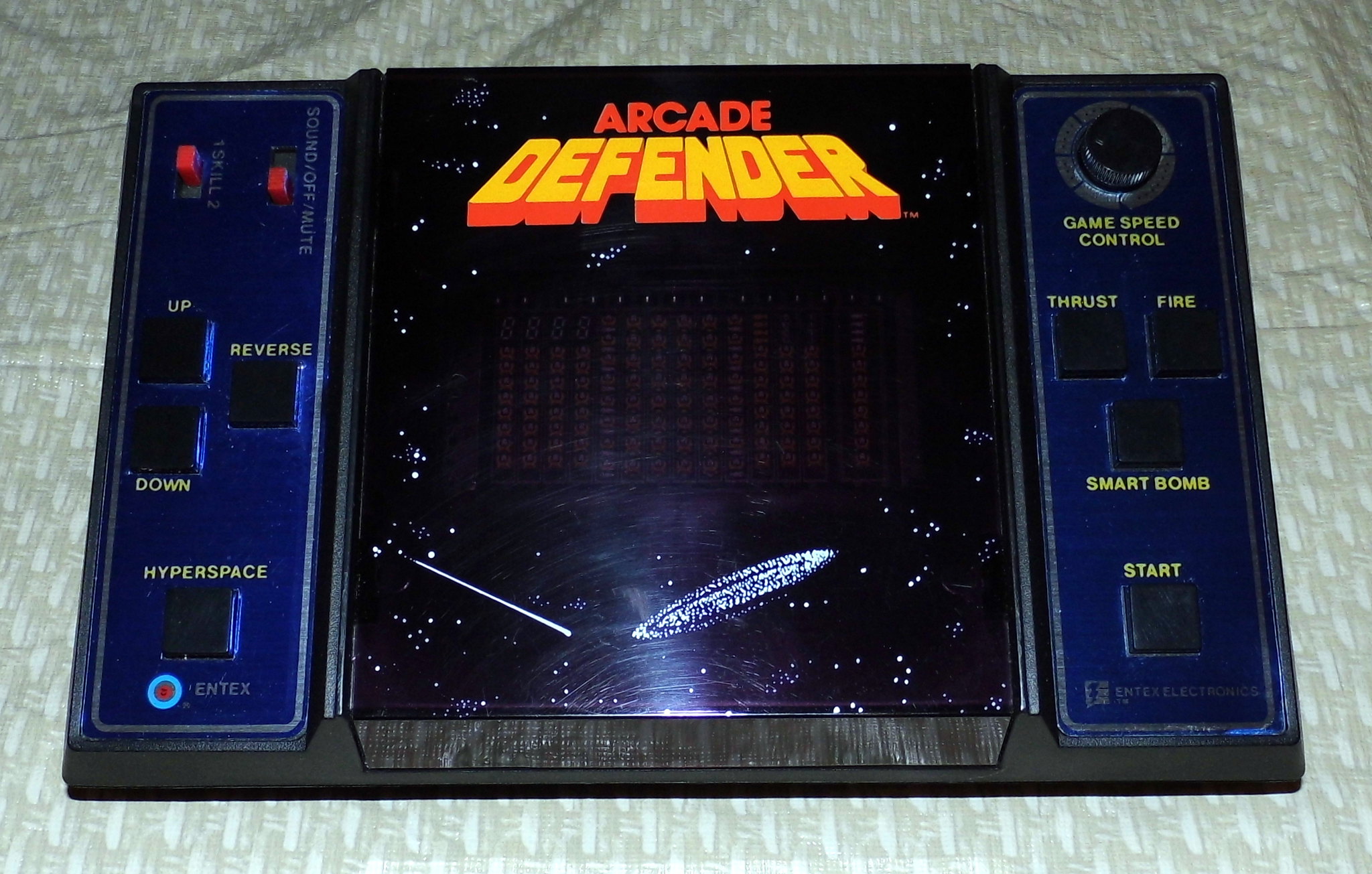
Defender was famously hard, and that wasn’t by accident.
It had too many buttons, fast enemies, and a brutal learning curve.
While that drove off some, hardcore players loved the challenge.
It built a small, loyal following that stuck with it for years.
Q*bert swore when he got hit
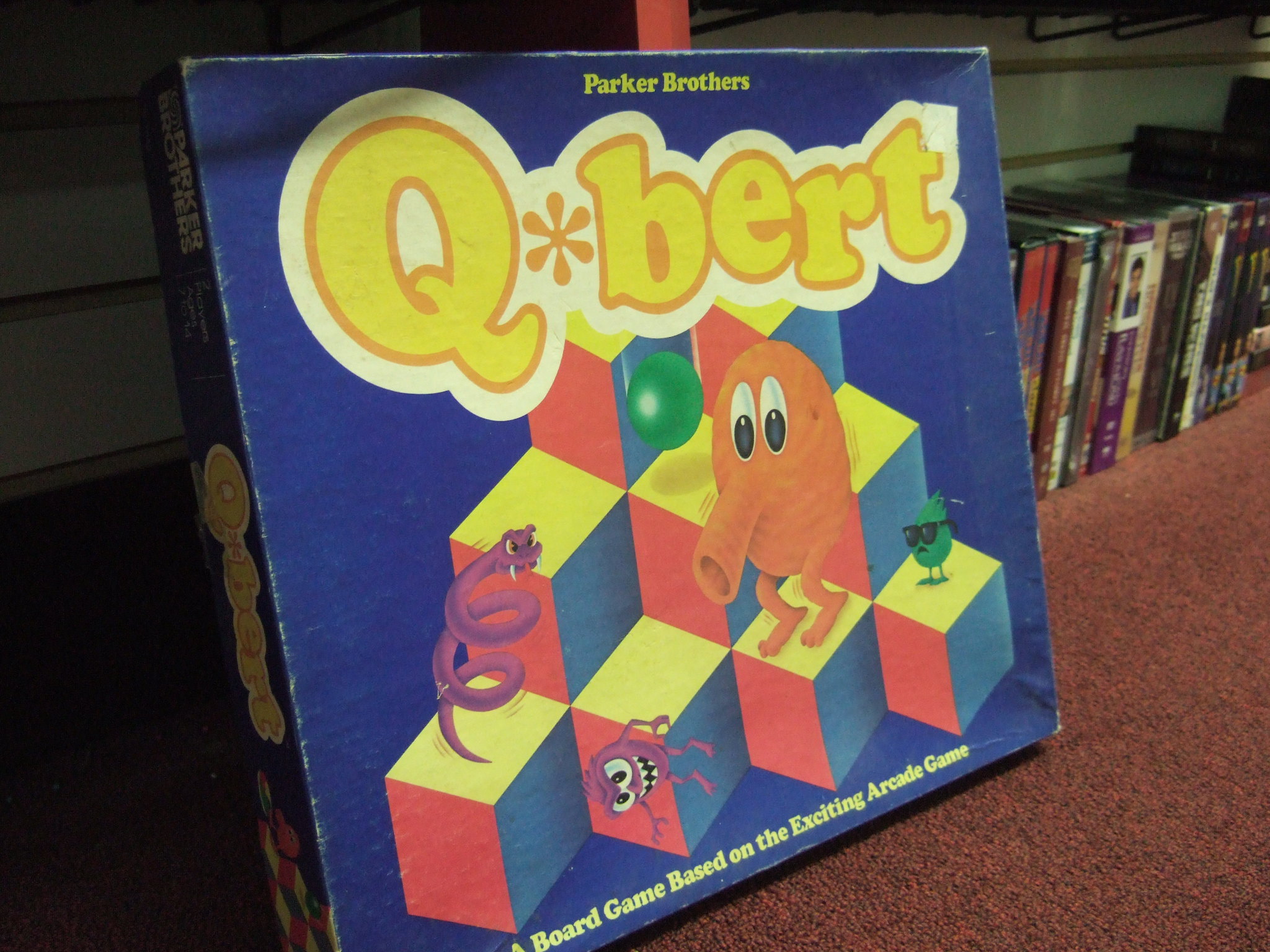
Well, not real swearing.
When Q*bert got hit, a bunch of symbols popped up like “@!#?@!” to show frustration.
It looked like a comic book curse, and kids thought it was hilarious.
It added a silly, human touch to a very strange game.
Like Go2Tutors’s content? Follow us on MSN.
Rampage let players punch buildings—and each other
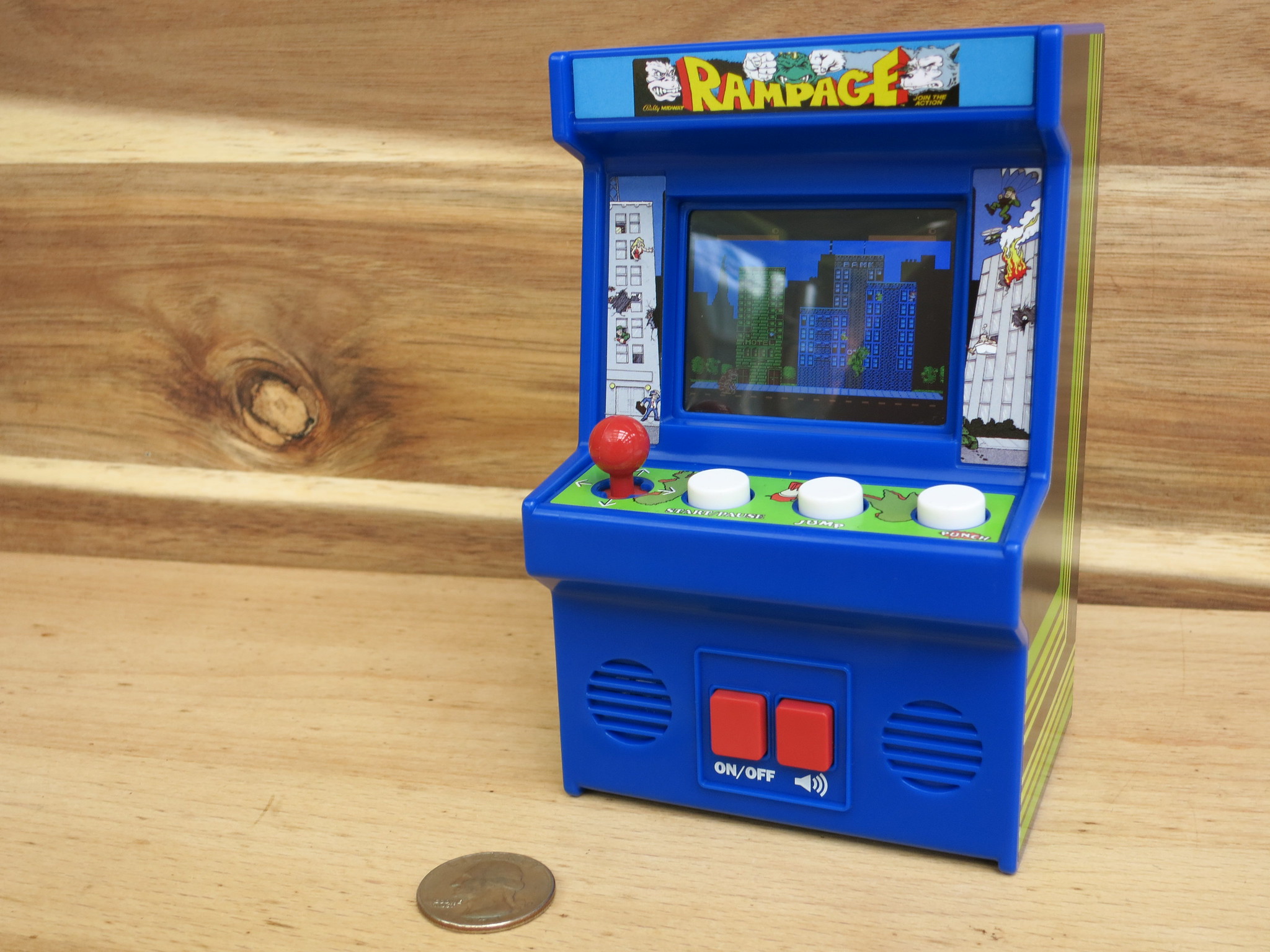
Rampage was about smashing cities, but it also had a twist.
If two players played together, they could attack each other.
This led to some funny fights and grudges.
It wasn’t just about beating the game—it was about beating your buddy next to you.
Some machines had secret developer credits
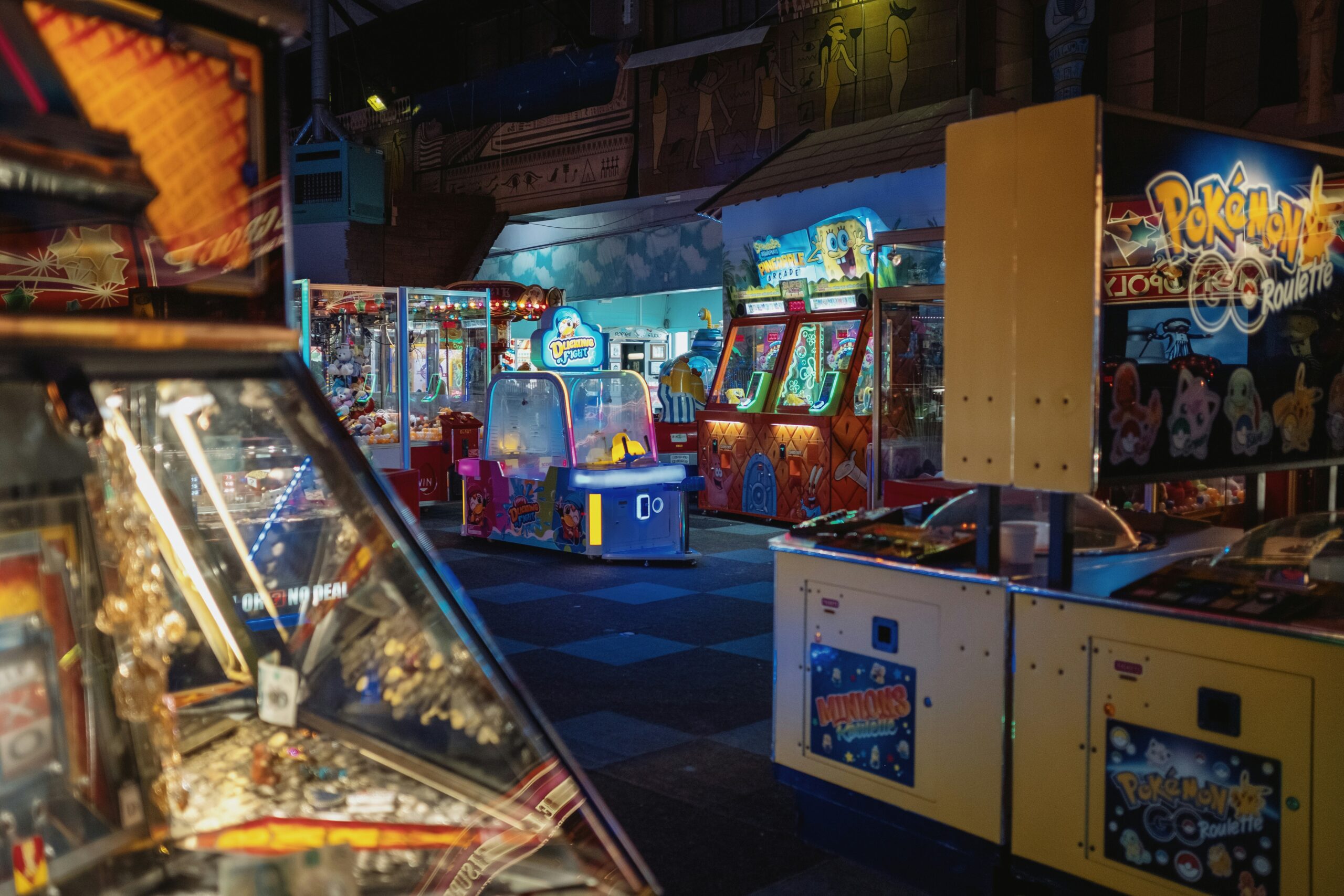
Back then, game creators didn’t always get credit.
So some snuck their names into hidden screens or Easter eggs.
You had to press the right buttons or wait at the title screen.
It was their quiet way of saying, “I made this.”
Later, credit became more common in game design.
Punch-Out!! used real boxing footage for timing
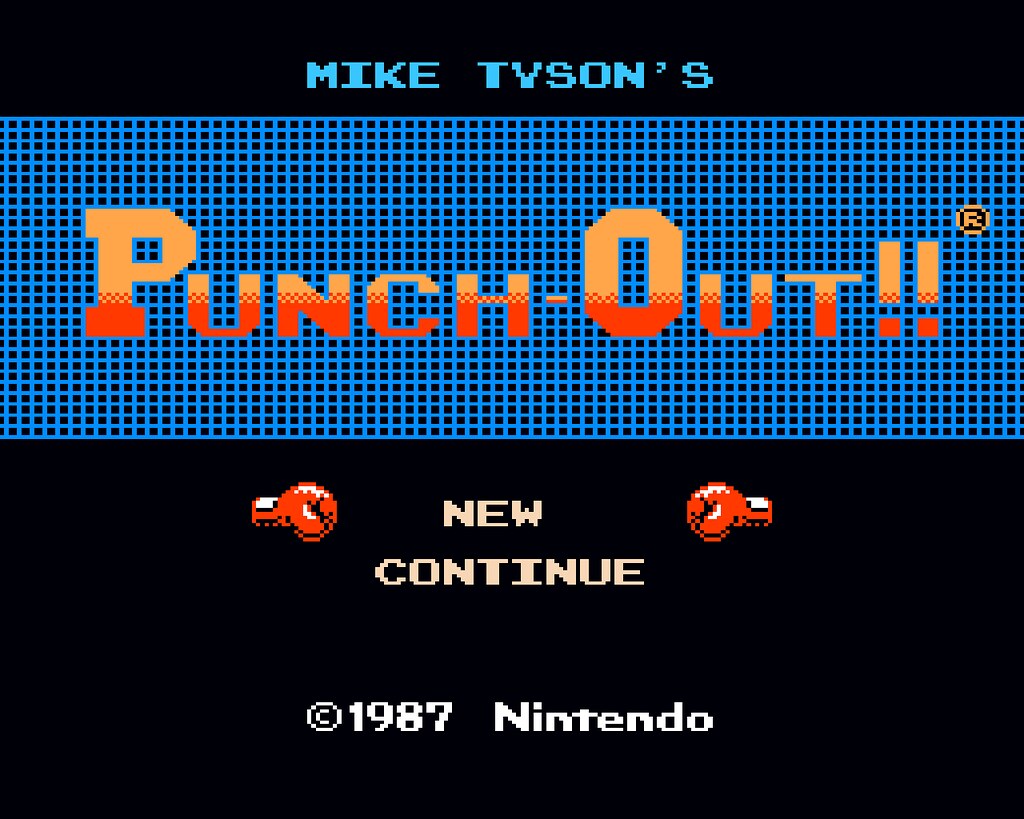
To make the game feel more real, the creators of Punch-Out!! studied real boxing matches.
They used the rhythm and timing of real punches to guide enemy moves.
That’s why skilled players could “read” opponents like a real boxer.
It wasn’t just about fast hands—it was about smart timing.
Like Go2Tutors’s content? Follow us on MSN.
Pinball games helped train early arcade players
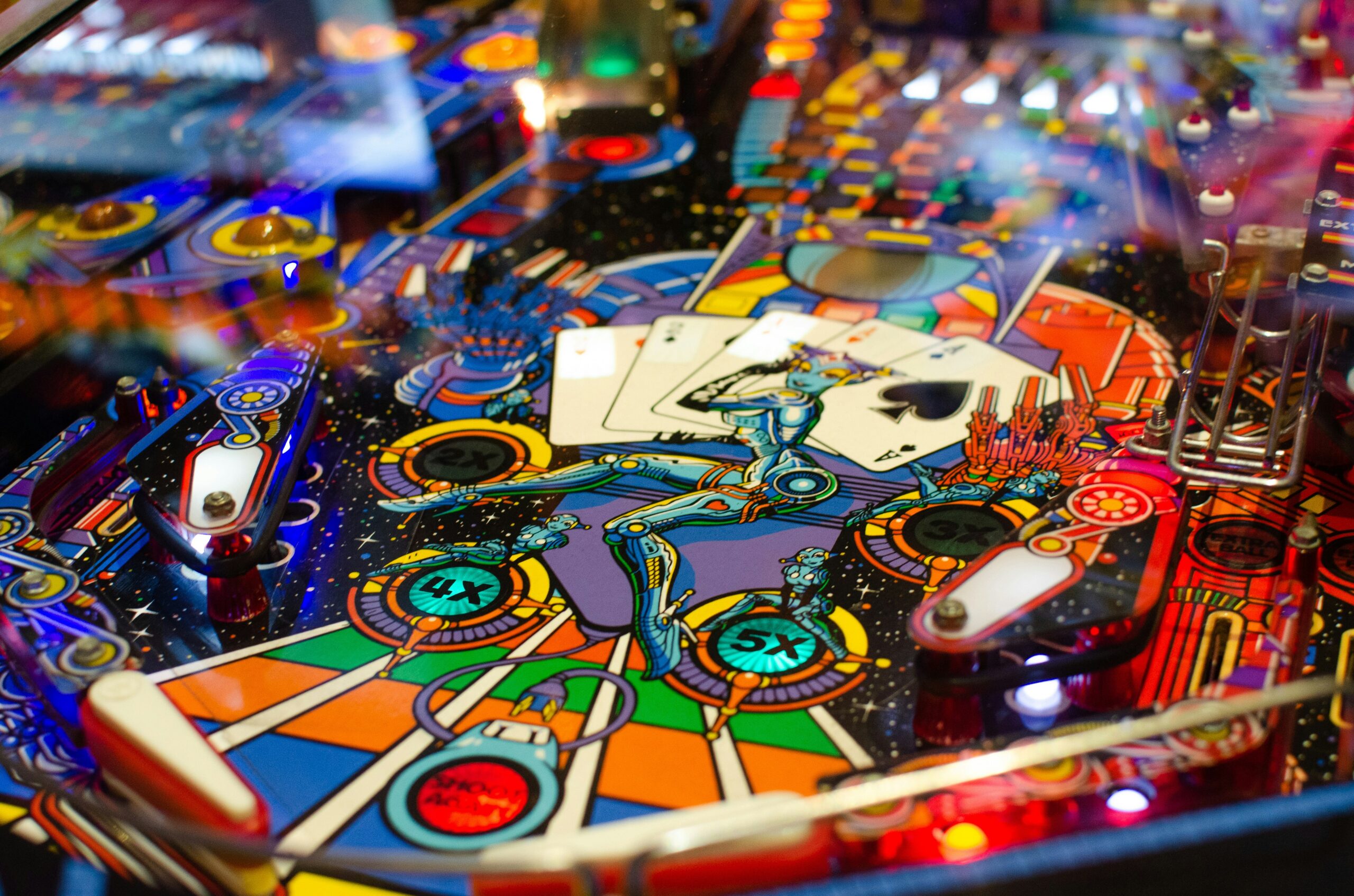
Before video games, pinball ruled the arcades.
These machines taught hand-eye coordination, patience, and timing.
So when video arcades arrived, players already had the reflexes and focus they needed.
Pinball didn’t just come first—it helped set the stage for what came next.
From tokens to touchscreens: How far it’s come

Classic arcades taught players to line up, stay focused, and never give up after just one try.
The games were simple, but they required skill, memory, and determination.
More from Go2Tutors!

- The Romanov Crown Jewels and Their Tragic Fate
- 17 Halloween Costumes Once Considered Taboo
- Famous Hoaxes That Fooled the World for Years
- 15 Child Stars with Tragic Adult Lives
- 16 Famous Jewelry Pieces in History
Like Go2Tutors’s content? Follow us on MSN.