31 Weather Events That Changed Public Policy
Most disaster response happens after the fact, which means the rules governing how cities are built, how dams are inspected, and how storms are forecast are almost always a direct reaction to a specific failure. Every regulation below exists because a real storm, flood, or fire exposed a gap that nobody had bothered to close beforehand.
The Galveston Hurricane of 1900
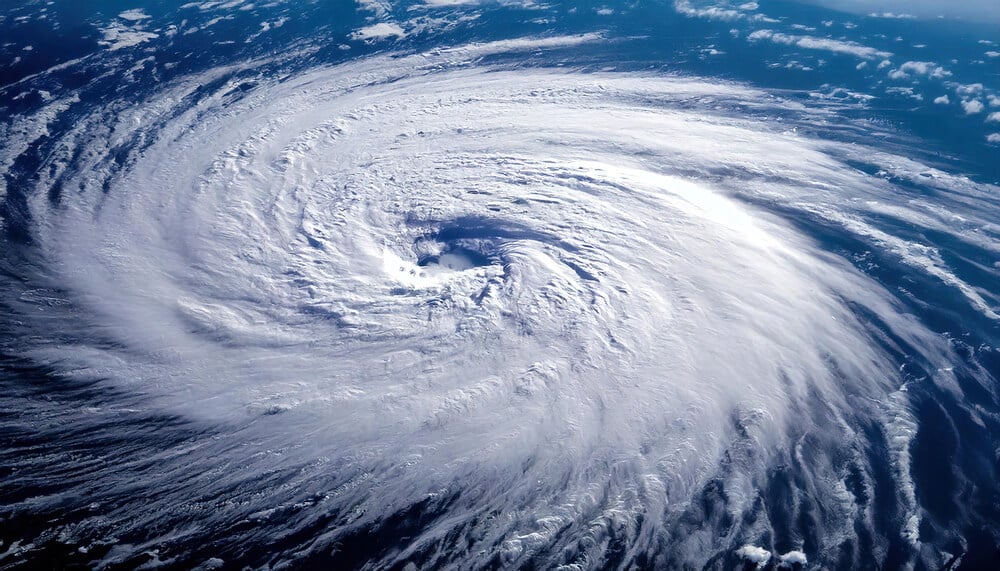
A Category 4 hurricane killed an estimated 6,000 to 8,000 people in Galveston, Texas, in September 1900, making it still the deadliest natural disaster in American history. The city had no seawall and sat barely above sea level with almost no warning system in place.
In response, engineers built a 17-foot seawall completed in 1904 and physically raised the elevation of the entire city using dredged sand, an engineering project unmatched in scale at the time
The Great Chicago Fire of 1871
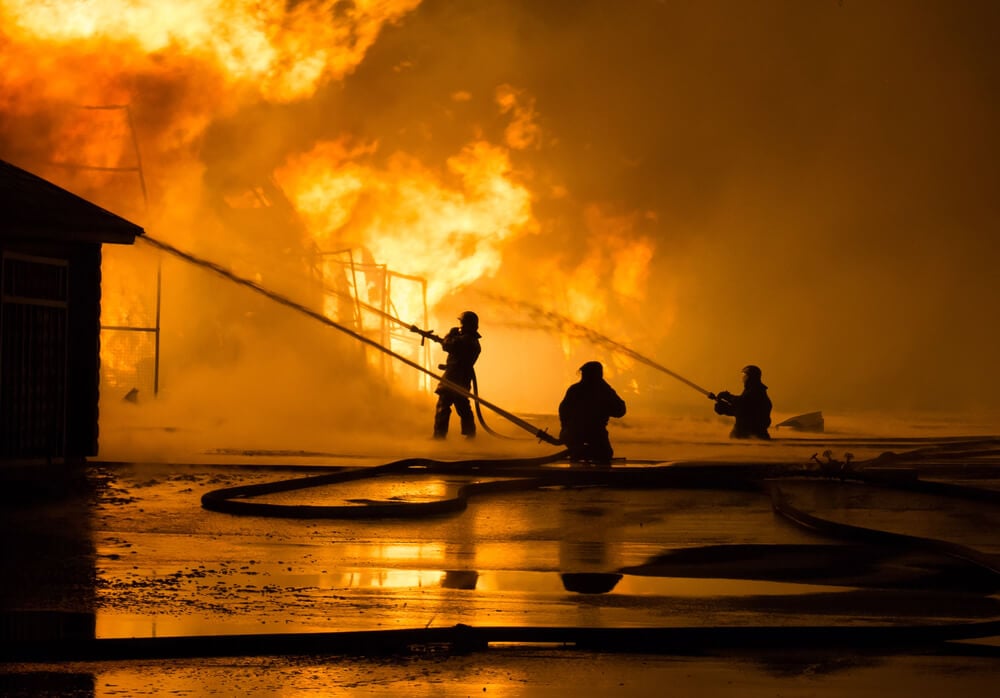
Driven by dry conditions and strong winds, a fire that began on Chicago’s southwest side burned for nearly two days and destroyed roughly a third of the city, including thousands of wooden buildings packed tightly together. City officials had allowed wood-frame construction to spread unchecked as the city grew rapidly in the preceding decades.
Chicago rebuilt with strict new fire codes mandating masonry and fireproof materials, standards that became a model later adopted by cities across the country.
The Peshtigo Fire of 1871
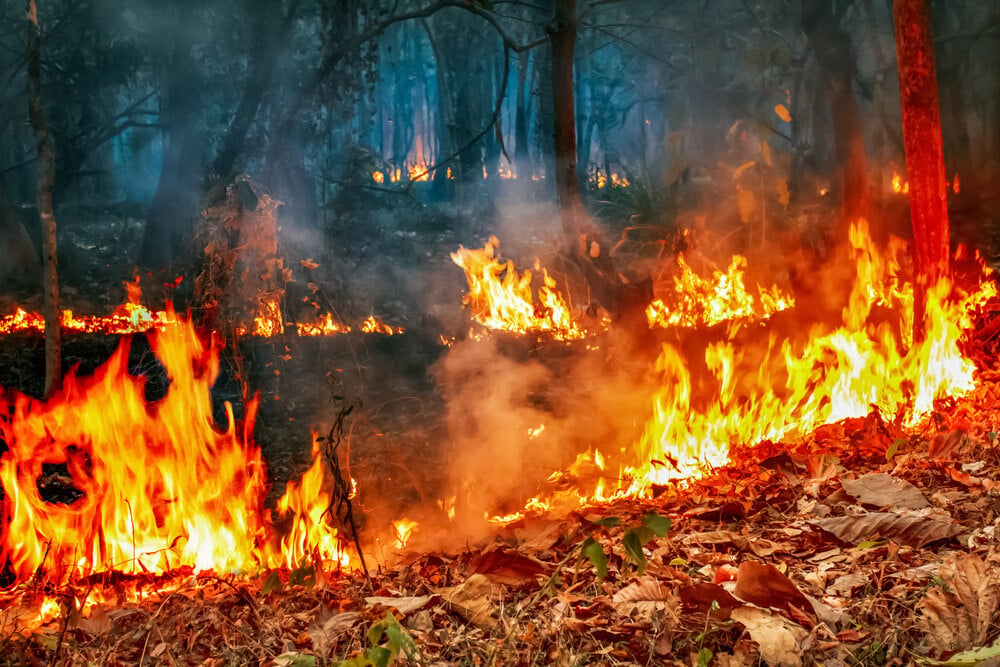
On the same night as the Chicago fire, an even deadlier blaze fueled by the same drought and wind conditions swept through Peshtigo, Wisconsin, killing an estimated 1,200 to 2,500 people, making it the deadliest wildfire in American history. The disaster received far less attention than Chicago’s fire because so few outside witnesses survived to describe it.
It eventually contributed to the development of organized forestry management and firebreak practices in the logging industry across the upper Midwest.
The Johnstown Flood of 1889
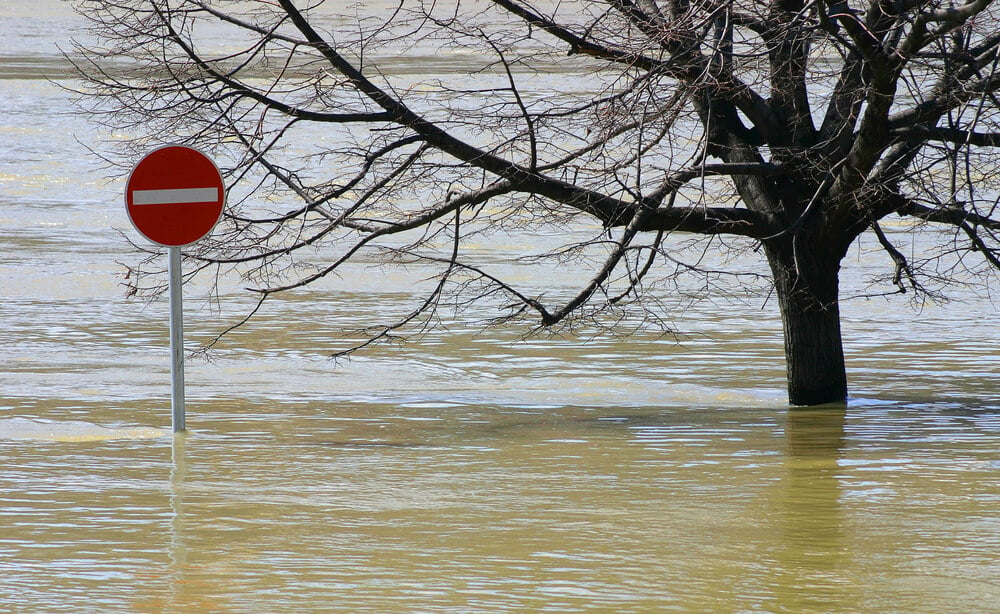
Days of heavy rainfall caused the poorly maintained South Fork Dam above Johnstown, Pennsylvania, to fail in 1889, sending 20 million tons of water through the town and killing more than 2,200 people. The dam was privately owned by a wealthy sportsmen’s club that had altered its structure without proper engineering oversight.
Public outrage over corporate negligence influenced early tort law and helped establish the professional engineering ethics standards that govern dam inspection today.
The Great Mississippi Flood of 1927
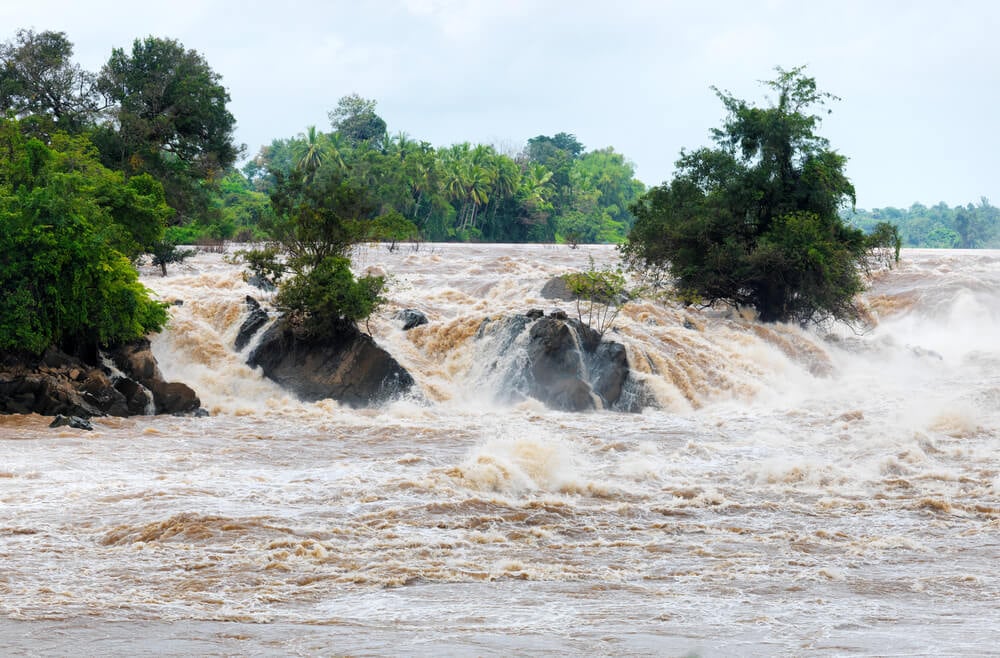
Months of heavy rain caused the Mississippi River to breach levees in more than 145 places during the spring of 1927, flooding an area roughly the size of Scotland and displacing hundreds of thousands of people across seven states. Existing flood control relied entirely on local levees with no coordinated federal oversight.
The disaster led directly to the Flood Control Act of 1928, which handed the Army Corps of Engineers permanent responsibility for managing the entire Mississippi River system.
The Dust Bowl of the 1930s

A combination of severe drought and decades of soil-depleting farming practices across the Great Plains produced massive dust storms throughout the 1930s, destroying farmland and forcing an estimated 2.5 million people to migrate elsewhere. Farmers had plowed under native grasses that once held the topsoil in place.
The crisis led to the creation of the Soil Conservation Service in 1935, establishing the first federal programs for terracing, crop rotation, and windbreak planting still used today.
The New England Hurricane of 1938
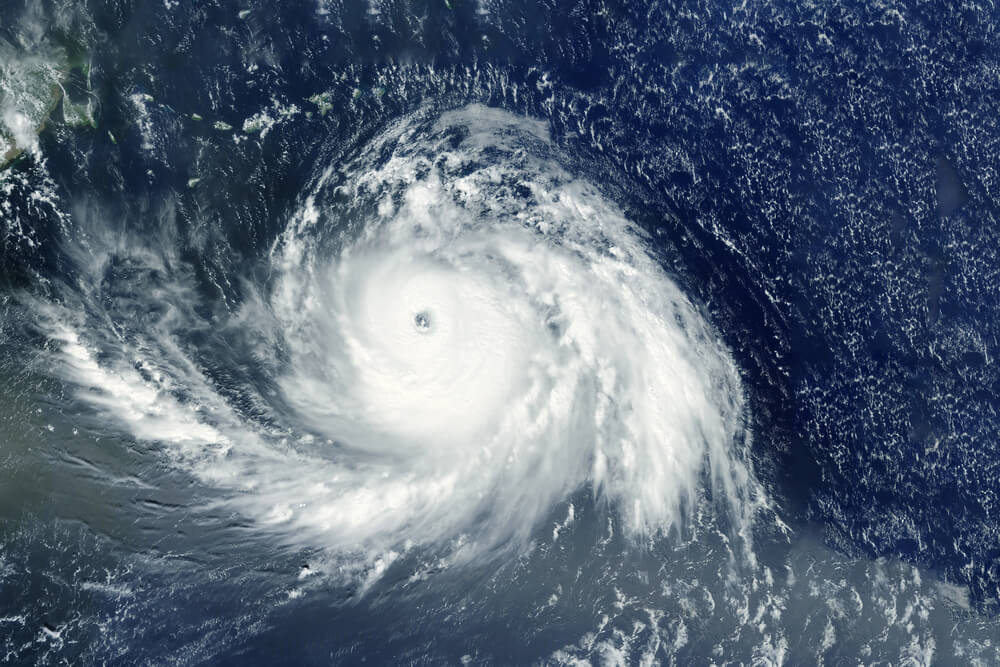
An unforecast Category 3 hurricane struck Long Island and New England in September 1938 with almost no warning, killing over 600 people because forecasters had lost track of the storm’s path days before landfall. The Weather Bureau had limited tools for tracking storms once they moved beyond ship-reporting range.
The disaster accelerated investment in hurricane reconnaissance aircraft and coordinated regional warning systems developed over the following decade.
The Blizzard of 1888
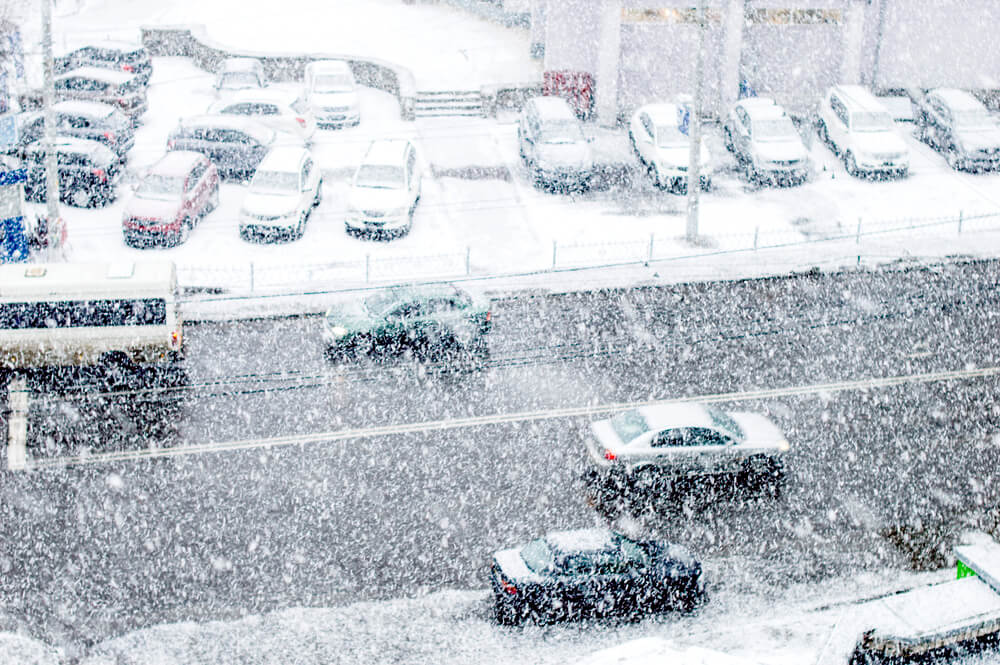
A catastrophic March blizzard buried the Northeast under several feet of snow and brought New York City to a standstill, in part because falling telegraph and power lines, weighed down by ice, cut off communication across the region. City officials had resisted burying utility lines underground due to the cost.
The storm directly triggered New York’s decision to begin moving electrical and telegraph infrastructure underground, a practice most major cities eventually adopted.
The Tri-State Tornado of 1925
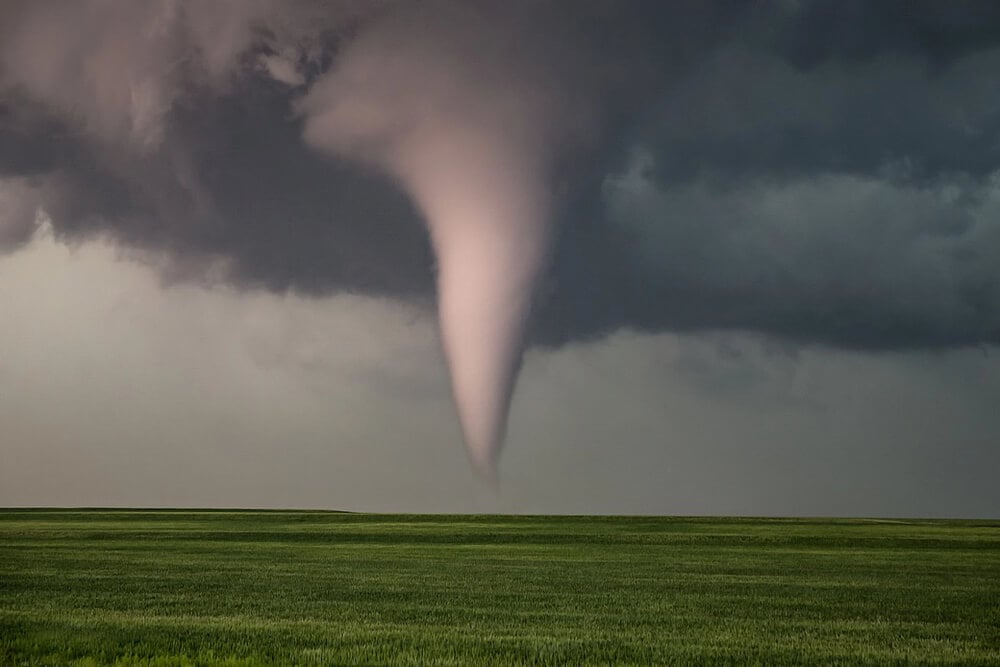
A single tornado track cutting through Missouri, Illinois, and Indiana in 1925 killed 695 people, making it still the deadliest tornado in American history, largely because no formal tornado warning system existed. Weather Bureau policy at the time actually discouraged forecasters from using the word “tornado” in public bulletins for fear of causing panic.
The disaster contributed to a slow but eventual reversal of that policy and the development of the tornado watch and warning system used nationwide today.
The 1974 Super Outbreak
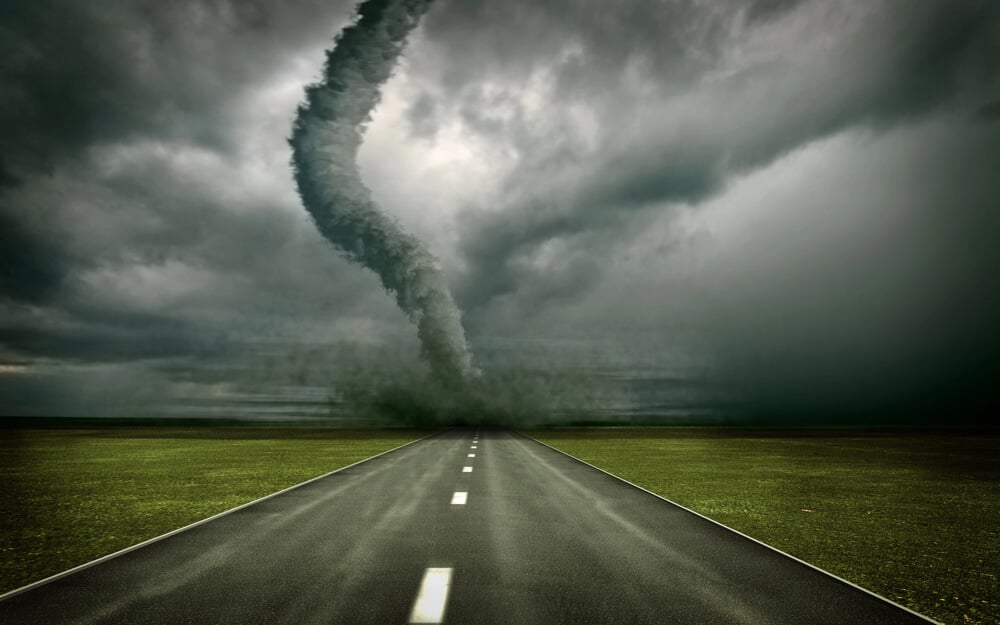
A record-setting outbreak of 148 tornadoes across 13 states in a single day in April 1974 killed over 300 people and exposed how little advance warning existed even fifty years after the Tri-State Tornado. Radar coverage at the time was sparse and inconsistent between regions.
The outbreak accelerated federal investment in Doppler radar deployment, which became the backbone of the National Weather Service’s modern warning network by the early 1990s.
Hurricane Hazel in 1954
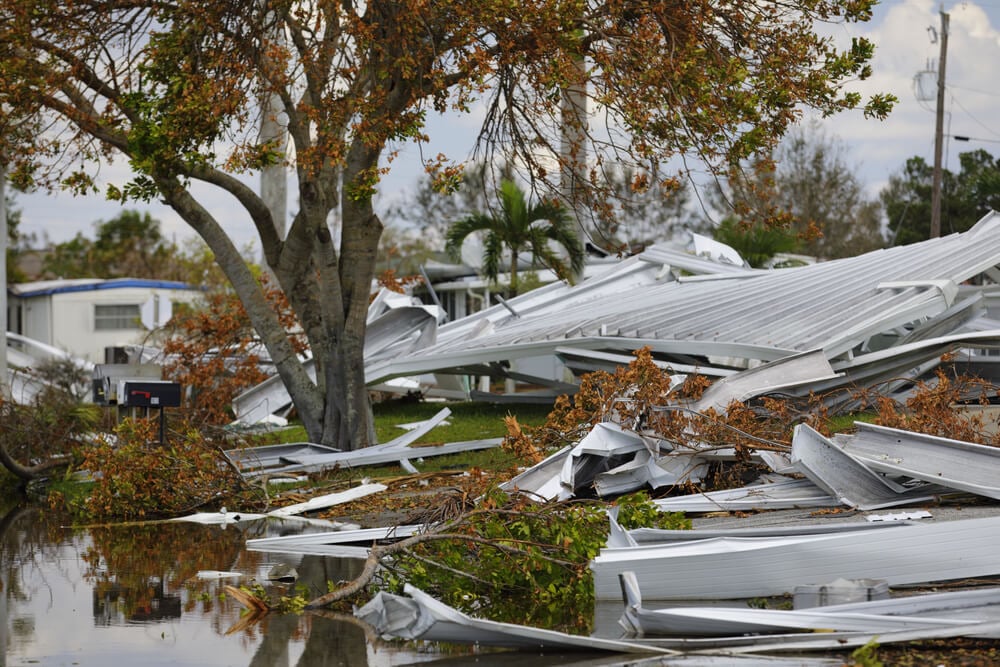
Hurricane Hazel caused catastrophic flooding in Toronto after merging with a cold front, killing 81 people in a city that had allowed extensive residential construction directly along flood-prone riverbanks. City planners had largely ignored earlier warnings from engineers about building in the floodplain.
The disaster led Ontario to establish some of the strictest floodplain zoning regulations in North America, permanently restricting development along the region’s rivers.
Hurricane Camille in 1969
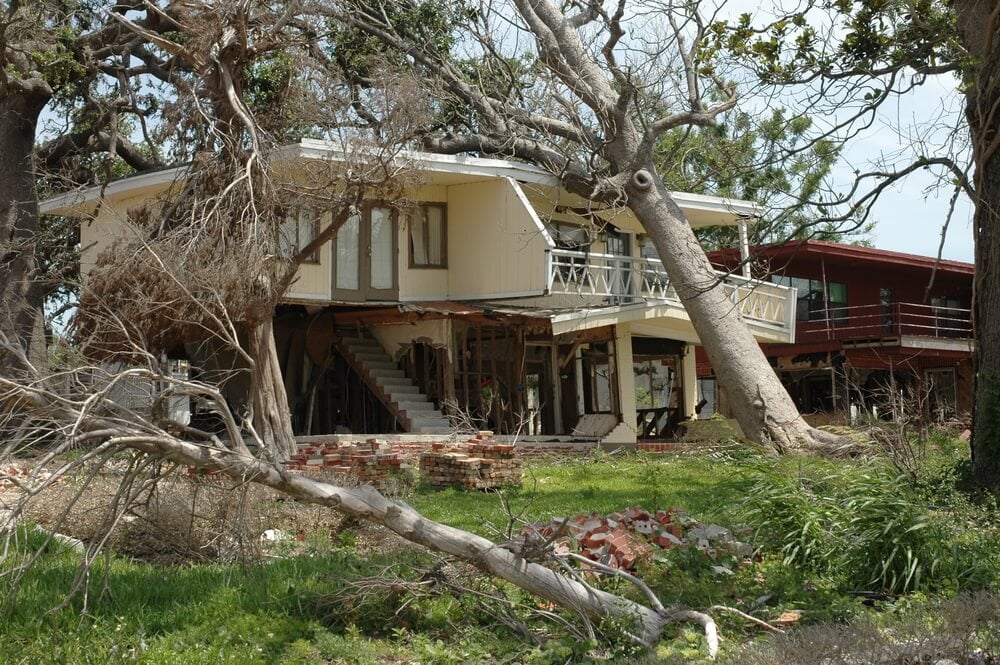
Hurricane Camille made landfall on the Mississippi Gulf Coast as one of only a handful of Category 5 hurricanes ever recorded in the United States, killing 259 people and destroying nearly every structure along parts of the coastline. Existing coastal building codes had no meaningful wind or surge resistance requirements.
The devastation prompted early revisions to coastal construction standards that later informed the more comprehensive building codes adopted after subsequent storms.
Hurricane Agnes in 1972
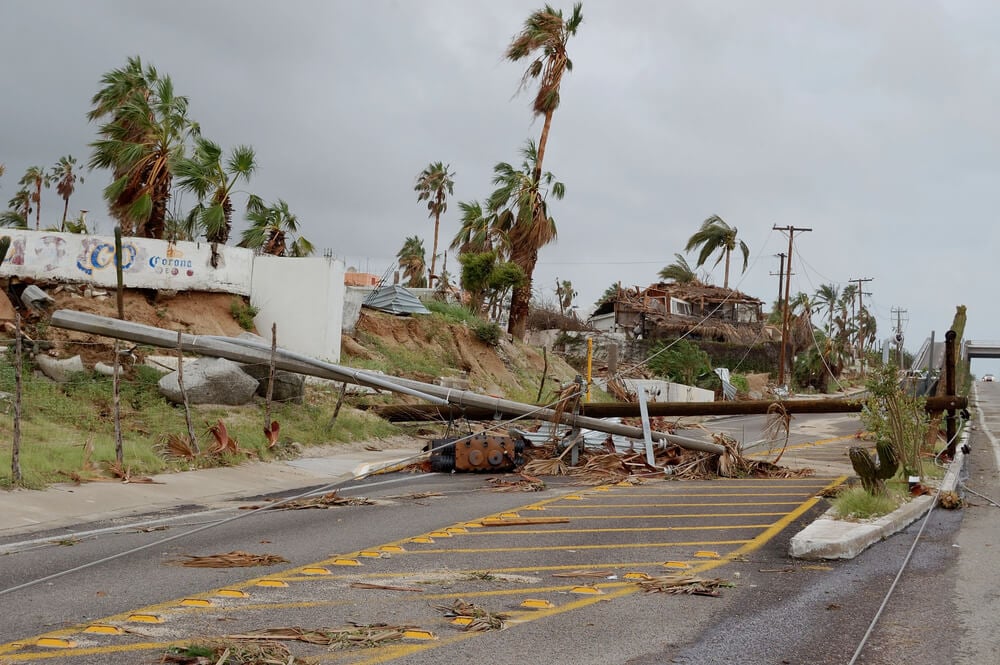
Hurricane Agnes caused catastrophic flooding across the mid-Atlantic and Northeast in 1972, causing billions of dollars in damage in areas that had never previously been mapped as flood risks. Many affected homeowners discovered they had no flood insurance because the still-new National Flood Insurance Program had limited participation.
The disaster drove a sharp expansion of mandatory flood insurance requirements for homes in mapped floodplains with federally backed mortgages.
The Blizzard of 1978

A historic blizzard paralyzed the Northeast and Midwest in February 1978, trapping thousands of drivers on highways for over 24 hours and contributing to more than 100 deaths across the region. Emergency officials had no coordinated protocol for closing highways ahead of a storm of that severity.
States including Massachusetts and Ohio subsequently developed formal travel ban and snow emergency systems that remain in use during major winter storms.
The 1993 “Storm of the Century”
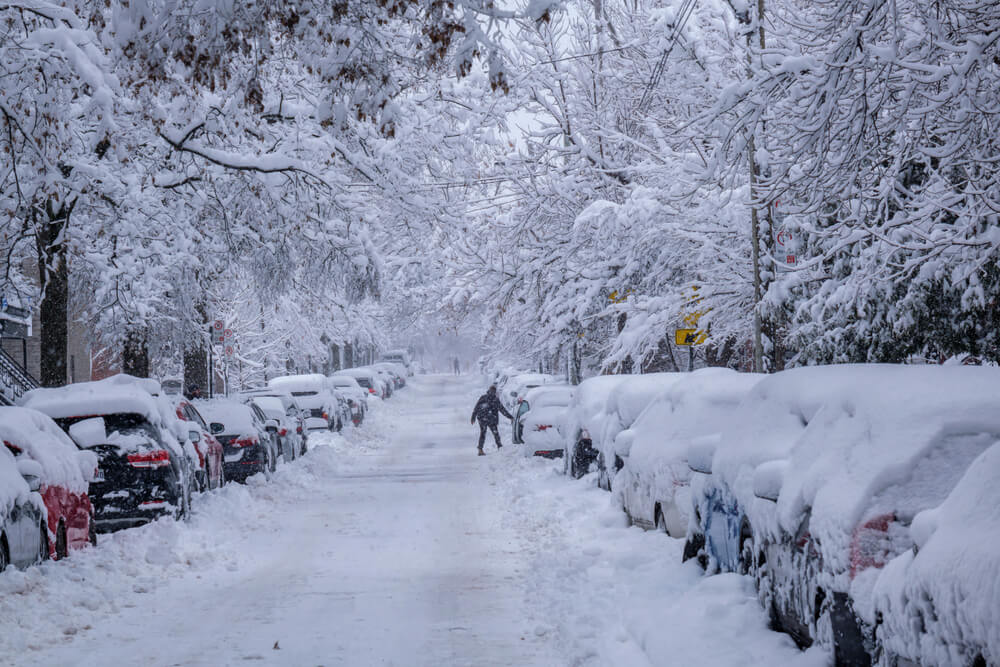
A massive winter cyclone in March 1993 brought blizzard conditions, tornadoes, and record low pressure readings to a third of the country’s population simultaneously, killing over 300 people despite improved forecasting compared to earlier decades. The storm still caught many communities without adequate emergency shelter capacity.
It became a key case study used to justify continued federal investment in the numerical weather prediction models that now allow storms to be forecast days in advance.
The Great Midwest Flood of 1993
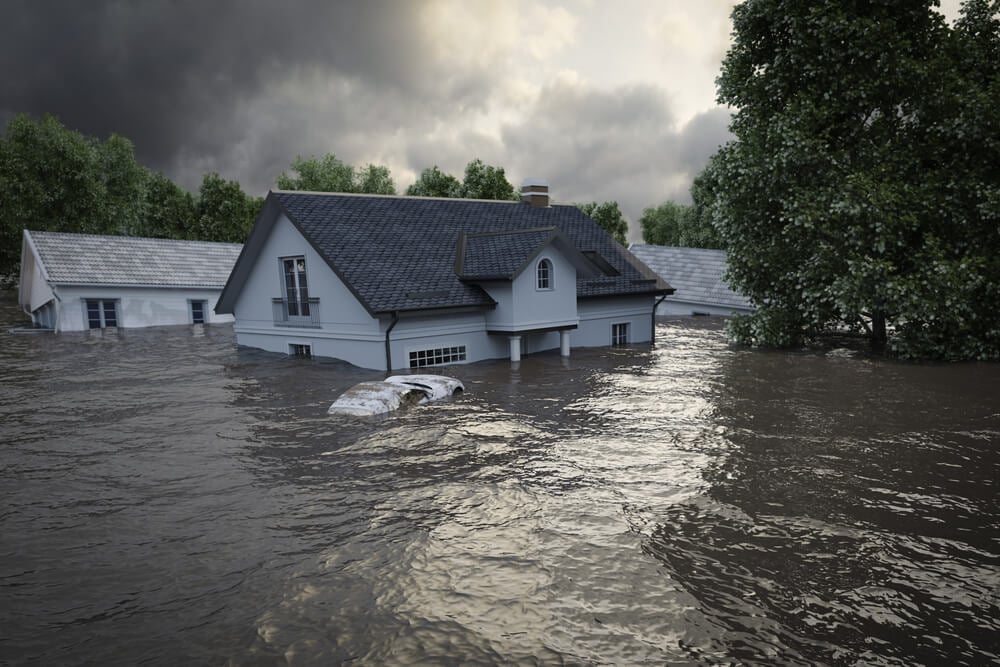
Sustained heavy rainfall through the summer of 1993 overwhelmed levees along the Mississippi and Missouri Rivers, causing an estimated $15 billion in damage and displacing tens of thousands of residents in towns that had rebuilt repeatedly after earlier floods. Federal disaster aid had previously funded reconstruction in the same flood-prone locations again and again.
The disaster led to a major expansion of federal buyout programs that permanently relocated entire communities out of floodplains rather than rebuilding them in place.
Hurricane Andrew in 1992
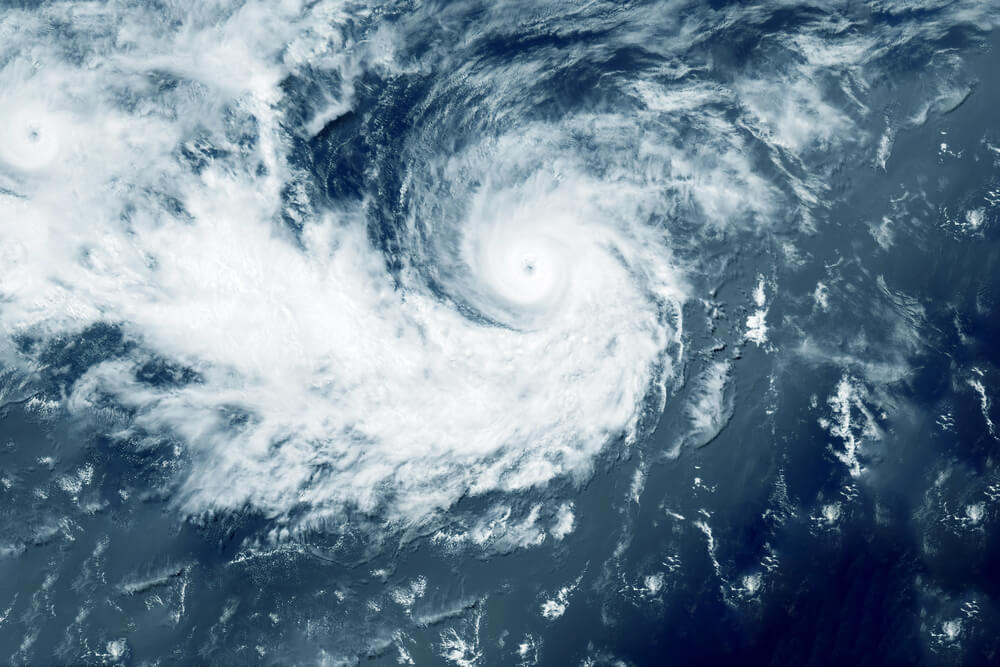
Hurricane Andrew devastated South Florida in 1992, and post-storm inspections found that a significant share of destroyed homes had been built to code but the code itself was too weak to withstand the wind speeds recorded. Lax local enforcement had also allowed some builders to skip inspections altogether.
The disaster led to the creation of the statewide Florida Building Code in 2002, among the strictest wind-resistance construction standards in the country.
Hurricane Katrina in 2005
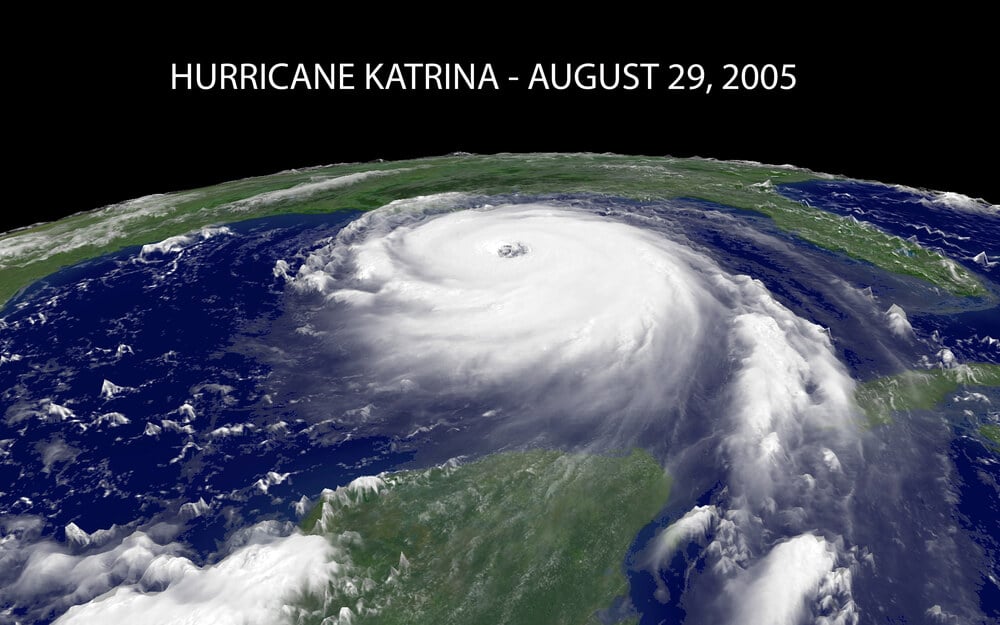
Hurricane Katrina breached federal levees around New Orleans in 2005, flooding roughly 80 percent of the city and killing more than 1,800 people, a failure later attributed to design flaws in the levee system itself rather than the storm exceeding its design specifications. FEMA’s emergency response was also widely criticized as slow and disorganized.
The disaster triggered a multibillion-dollar rebuilding of the New Orleans levee and pump system along with a significant restructuring of federal disaster response protocols.
Hurricane Ike in 2008
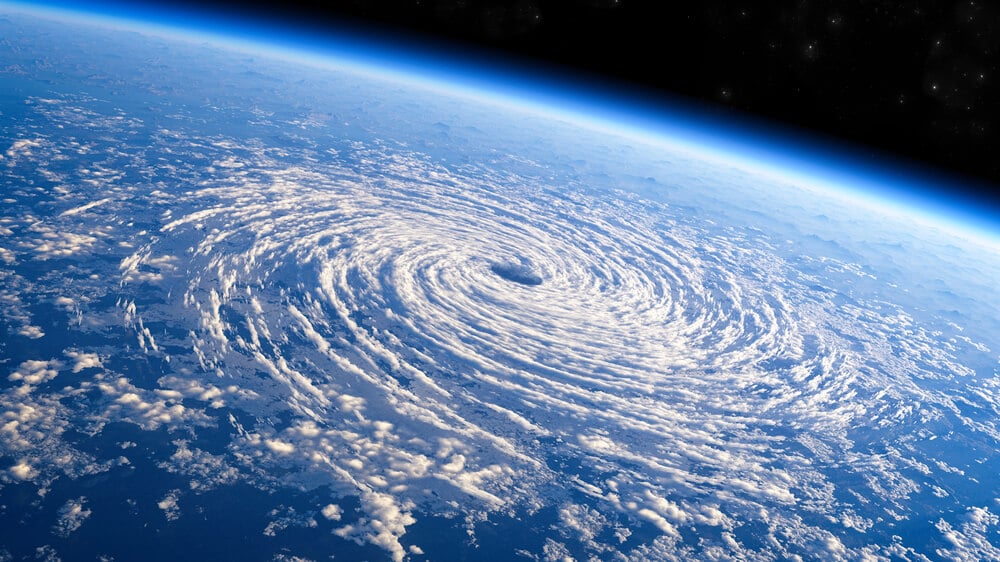
Hurricane Ike drove a massive storm surge into the Houston-Galveston region in 2008, flooding areas that engineers had long warned were vulnerable to a direct hit on the scale of the 1900 storm. No large-scale coastal barrier had ever been built to protect the region’s industrial complex and refineries.
The storm revived and accelerated the “Ike Dike” proposal, a large coastal barrier system that remains in various stages of federal approval and funding today.
Hurricane Sandy in 2012
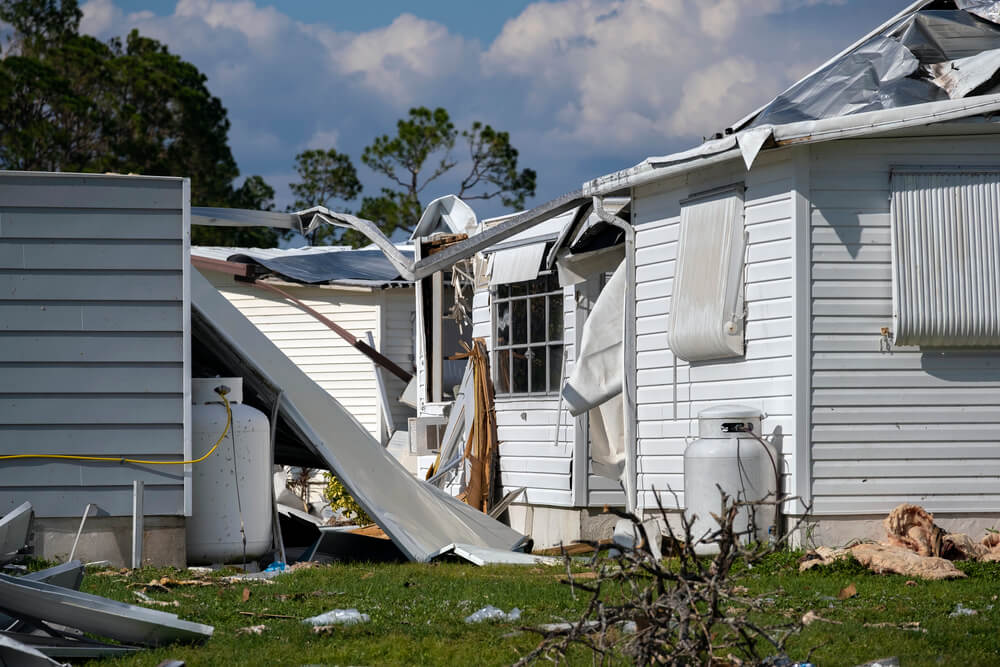
Hurricane Sandy flooded large parts of Lower Manhattan and the New Jersey coastline in 2012, knocking out power to millions and exposing how much critical infrastructure, including hospital backup generators, had been installed in basements vulnerable to flooding. New York City had no comprehensive coastal resiliency plan at the time.
The storm led directly to a multibillion-dollar city resiliency initiative that raised flood walls, relocated generators to upper floors, and rewrote building codes for flood-prone neighborhoods.
Hurricane Harvey in 2017
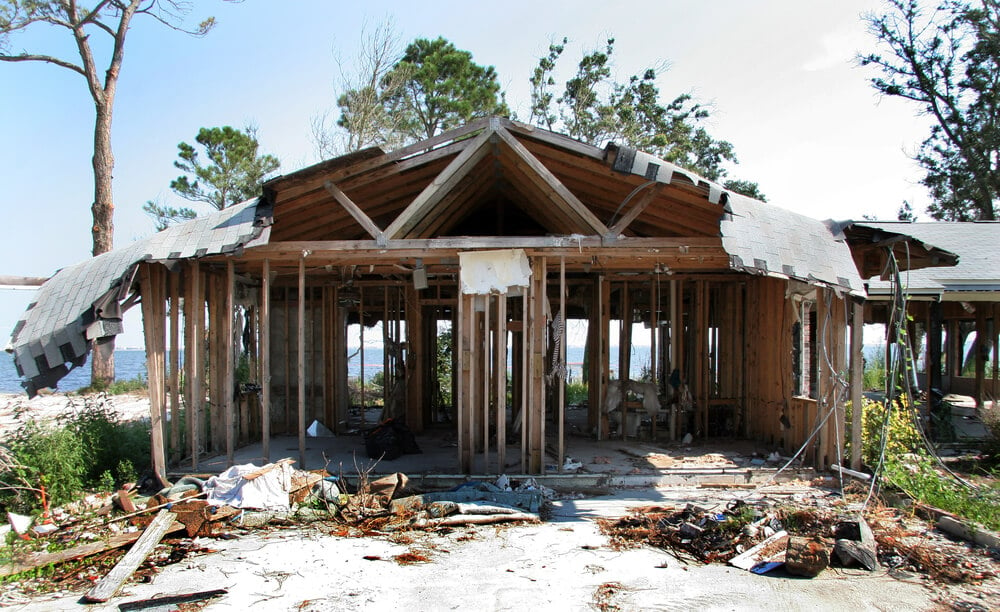
Hurricane Harvey dropped more than 60 inches of rain on parts of the Houston area in 2017, the heaviest rainfall ever recorded from a single storm in the continental United States, and flooded thousands of homes built with limited stormwater drainage requirements. Decades of unregulated development had paved over the wetlands that once absorbed excess rainfall.
The disaster prompted Harris County voters to approve a $2.5 billion flood infrastructure bond and pushed local officials to tighten floodplain development rules.
Hurricane Maria in 2017
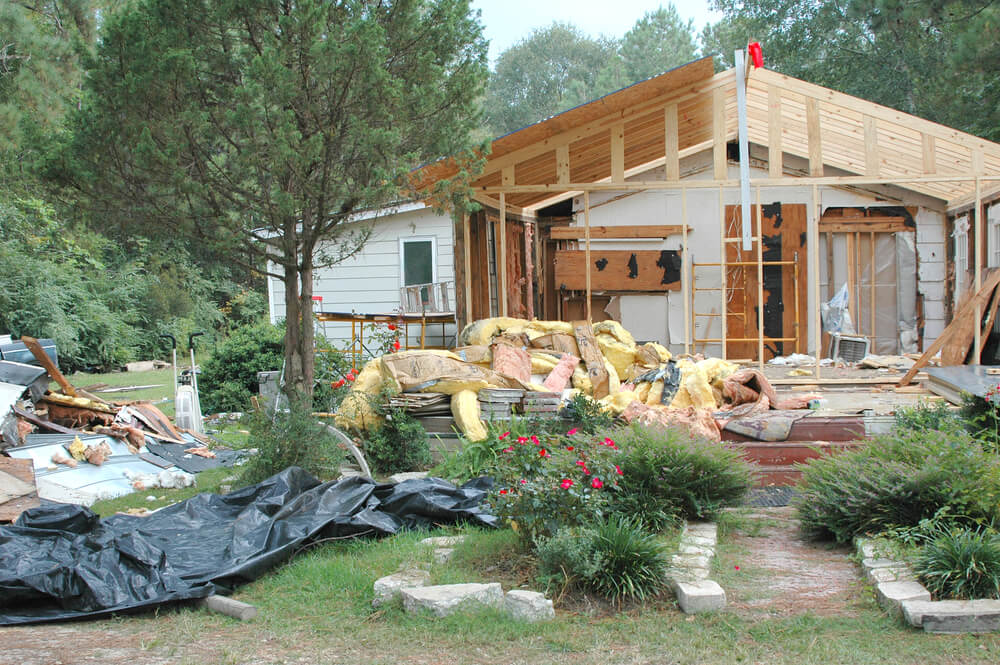
Hurricane Maria destroyed most of Puerto Rico’s power grid in 2017, leaving parts of the island without electricity for nearly a year in what became the longest blackout in American history. The territory’s aging grid had been chronically underfunded for decades before the storm.
The extended crisis forced a federally funded overhaul of the island’s electrical infrastructure aimed at decentralizing power generation to prevent a single storm from disabling the entire system again.
Hurricane Michael in 2018
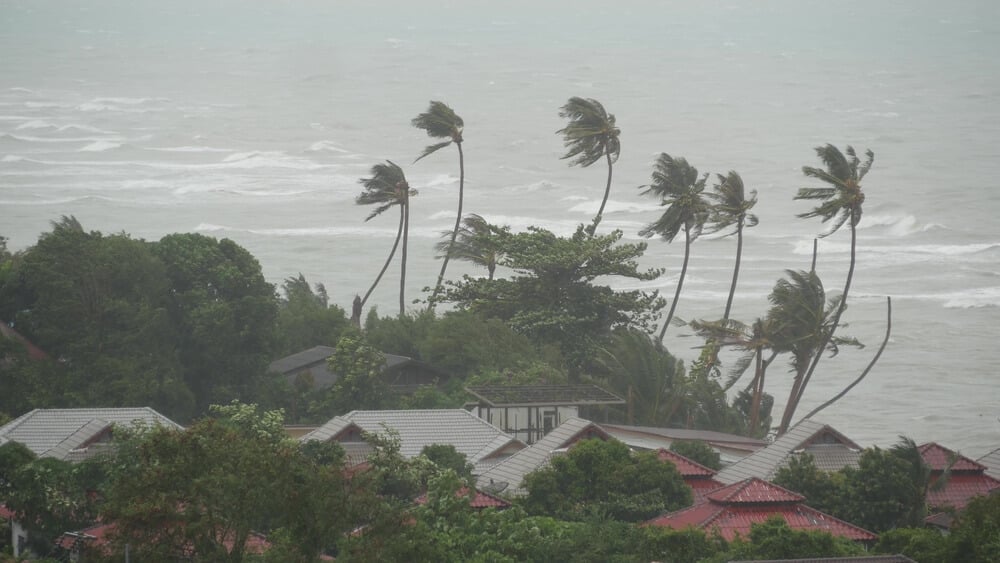
Hurricane Michael struck the Florida Panhandle in 2018 as one of the strongest storms ever to make landfall in the continental United States, and inspectors found that older buildings constructed before the state’s post-Andrew code updates suffered dramatically more damage than newer ones built to the stricter standard. Enforcement of the newer code had still been inconsistent in the less-populated Panhandle region.
The storm led to expanded state funding for building code enforcement and inspection in rural coastal counties previously considered lower priority.
The Joplin, Missouri Tornado of 2011
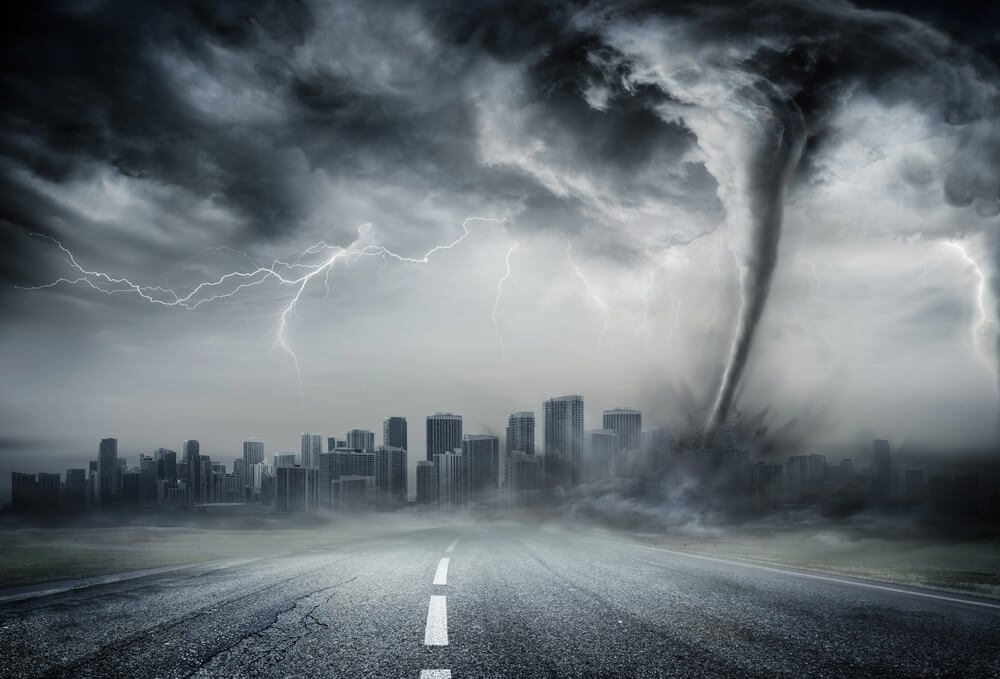
An EF5 tornado tore through Joplin, Missouri, in 2011, killing 161 people and destroying a hospital that had been built without a reinforced storm shelter capable of withstanding a direct hit. Building codes at the time did not require above-ground structures to withstand extreme wind loads.
The disaster led several Midwest states to adopt updated codes requiring reinforced safe rooms in new schools and critical facilities built within tornado-prone regions.
The Camp Fire in 2018
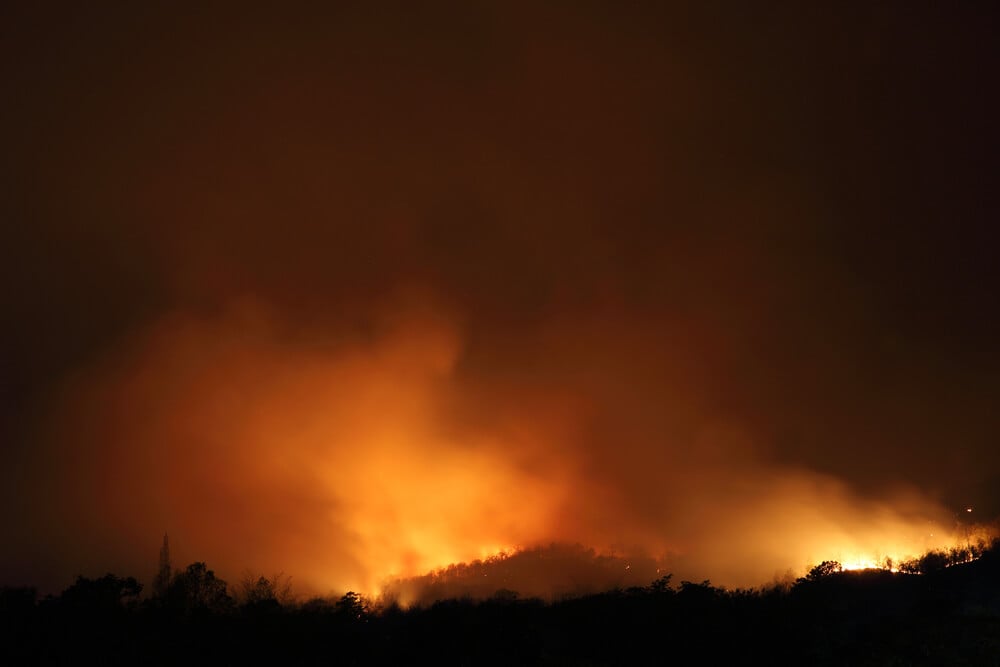
The Camp Fire destroyed the town of Paradise, California, in 2018 and killed 85 people after investigators determined that aging transmission equipment owned by utility company PG&E had sparked the blaze during high winds. PG&E had deferred maintenance on the equipment for years despite known risks.
The disaster led California to pass new utility liability and wildfire mitigation laws requiring power companies to proactively shut off electricity during extreme fire weather conditions.
Australia’s Black Summer Bushfires of 2019 and 2020
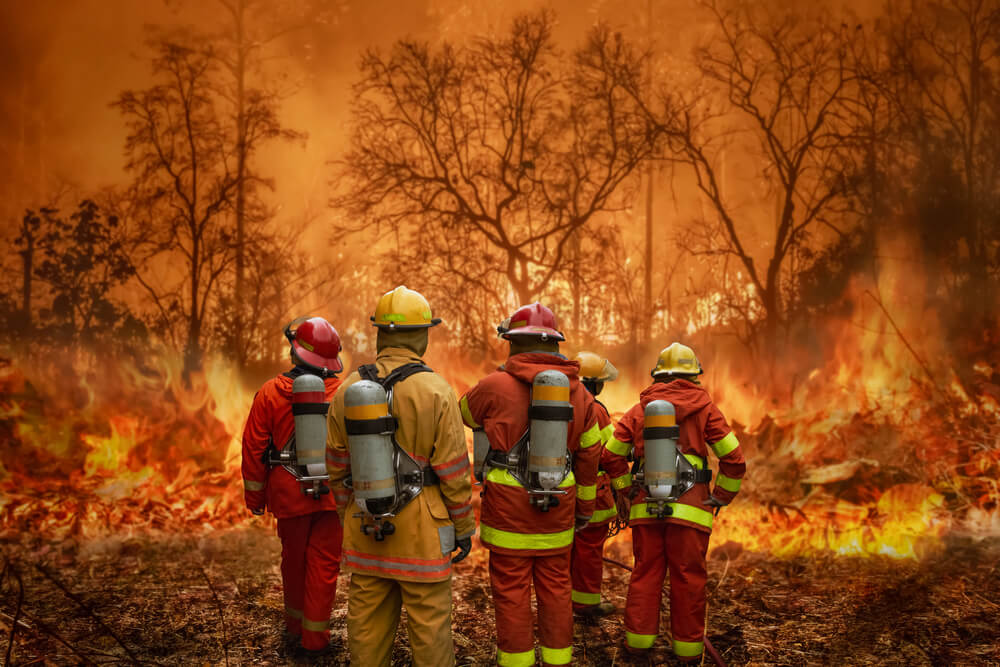
An unusually severe bushfire season across Australia burned an estimated 46 million acres and destroyed more than 3,000 homes over the 2019 to 2020 season, with investigators finding that many destroyed structures lacked basic ember-resistant construction features required in the most fire-prone zones. Enforcement of existing bushfire building standards had been inconsistent across states.
The disaster led several Australian states to tighten mandatory construction requirements for homes built in high-risk bushfire zones.
The European Heatwave of 2003
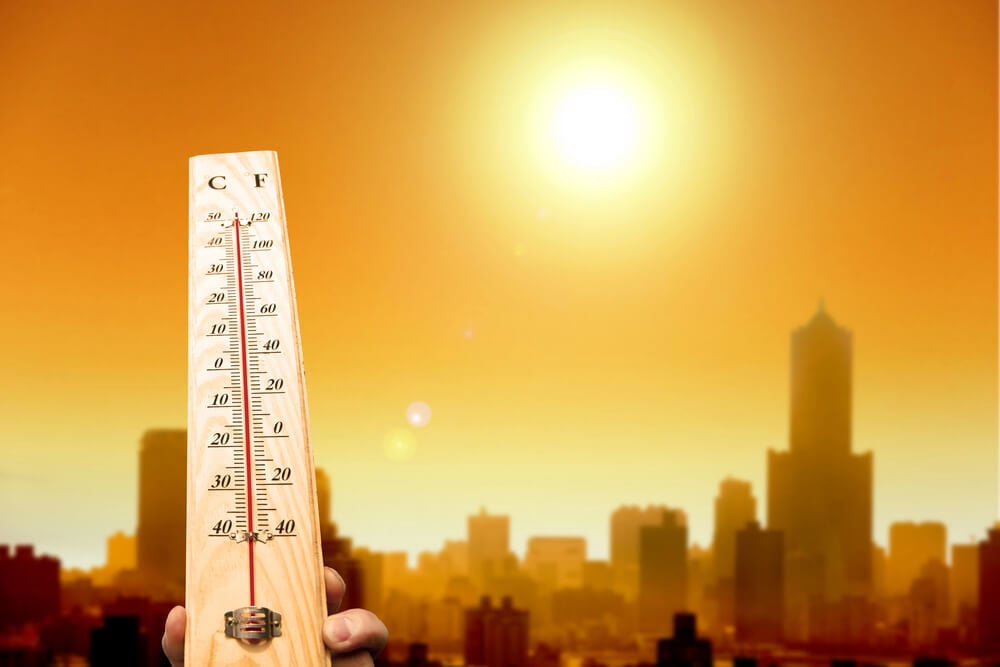
An extreme heatwave across Europe in the summer of 2003 killed an estimated 70,000 people, with France alone recording nearly 15,000 deaths, largely among elderly residents living alone without air conditioning or regular check-ins. Public health systems had no formal protocol for identifying and monitoring vulnerable residents during extreme heat.
France subsequently created a national heat action plan requiring local governments to maintain registries of at-risk residents and conduct welfare checks during heat alerts, a model since copied by several other countries.
The 1970 Bhola Cyclone
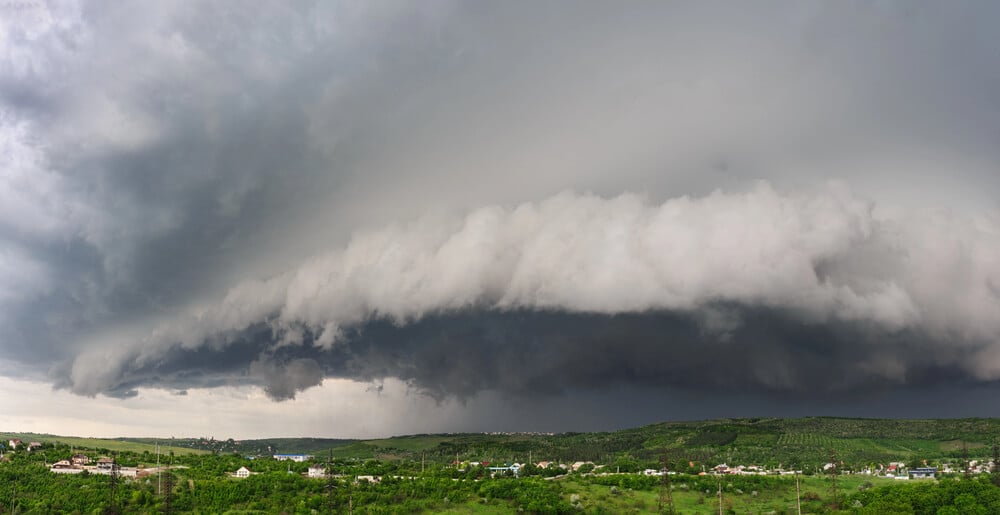
The Bhola Cyclone struck the densely populated coastal region of what is now Bangladesh in 1970, killing an estimated 300,000 to 500,000 people in one of the deadliest storms ever recorded, largely because no cyclone shelters existed along the low-lying coastline. The government’s slow disaster response also became a factor in the political unrest that contributed to the region’s independence movement the following year.
The disaster led to a decades-long national program building thousands of raised concrete cyclone shelters that has since dramatically reduced storm death tolls in the same region.
The 1975 Banqiao Dam Failure
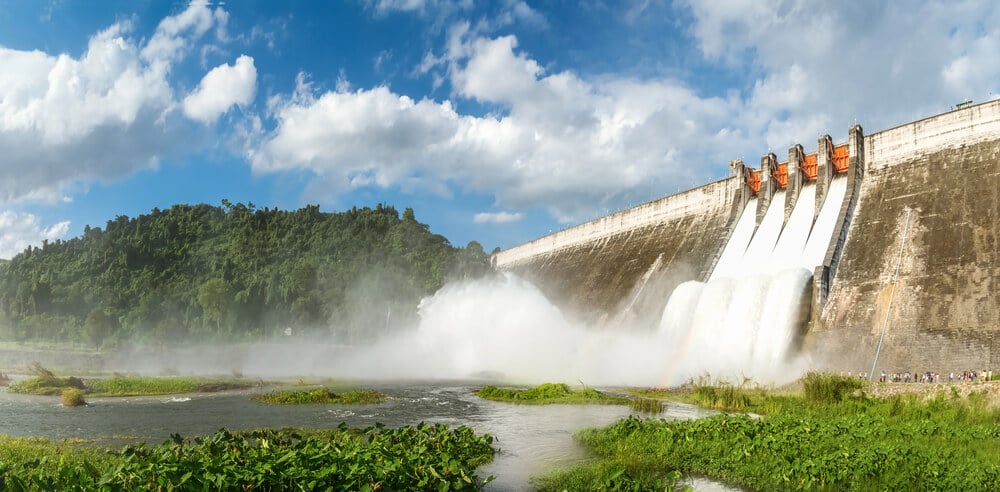
Typhoon Nina dropped record rainfall on China’s Henan province in 1975, causing the Banqiao Dam and dozens of smaller downstream dams to fail in a chain reaction that killed an estimated 170,000 people, making it among the deadliest dam disasters in history. The dam had been built with design flaws and was already known to have cracks before the storm.
The disaster, kept largely secret for years, eventually contributed to major reforms in Chinese dam construction and inspection standards once the scale of the failure became public.
California’s Drought From 2012 to 2016
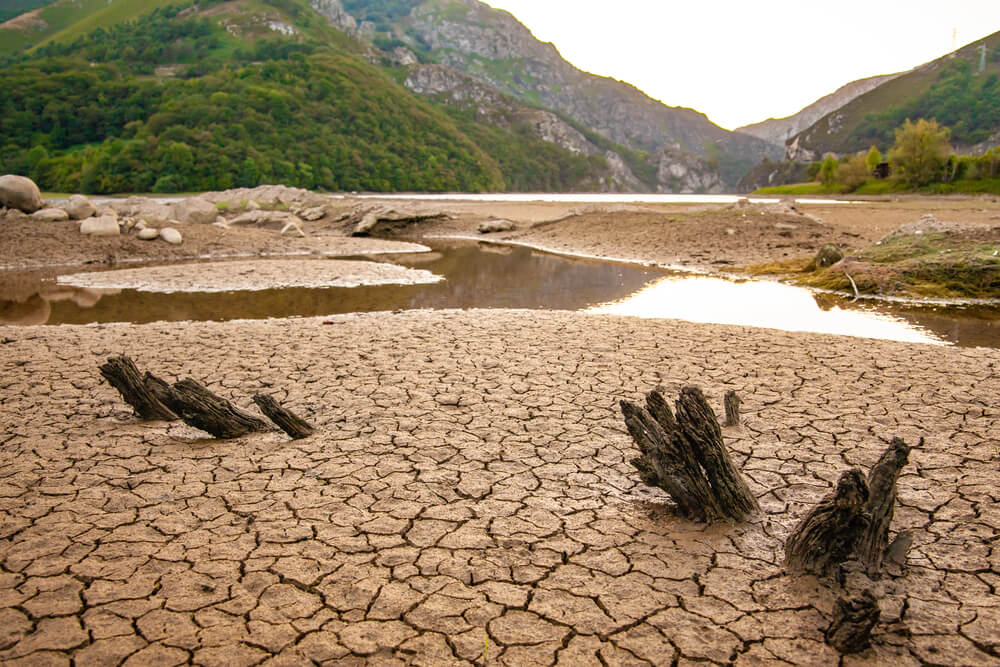
A prolonged multi-year drought pushed California’s groundwater reserves to record lows between 2012 and 2016, as farmers pumped increasingly from aquifers with no meaningful state oversight of extraction. Groundwater use in California had remained essentially unregulated for the entire history of the state’s water law.
The crisis led to the Sustainable Groundwater Management Act of 2014, the state’s first comprehensive framework requiring local agencies to bring aquifers into balance over time.
The Labor Day Hurricane of 1935
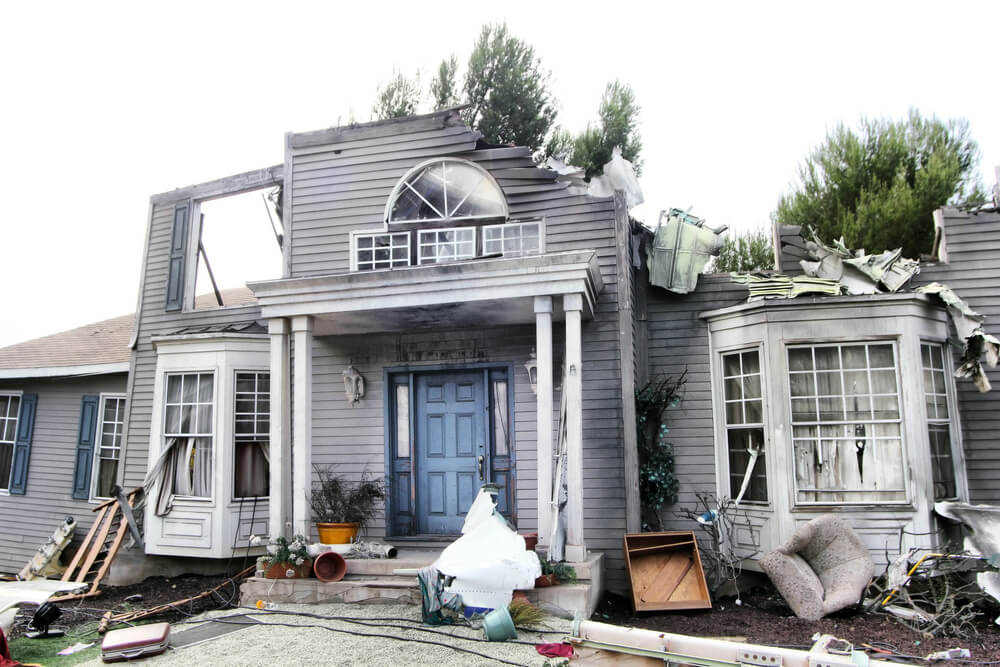
An extremely intense hurricane struck the Florida Keys over Labor Day weekend in 1935, killing over 400 people, including hundreds of World War I veterans who had been sent to build a highway through the islands as part of a federal relief program. Officials had been warned a rescue train was needed well before the storm made landfall but delayed dispatching it until conditions made evacuation impossible.
The disaster prompted a congressional investigation into the handling of the veteran work camps and contributed to reforms in how federal relief labor was managed during hurricane season.
Preparing for the Next One
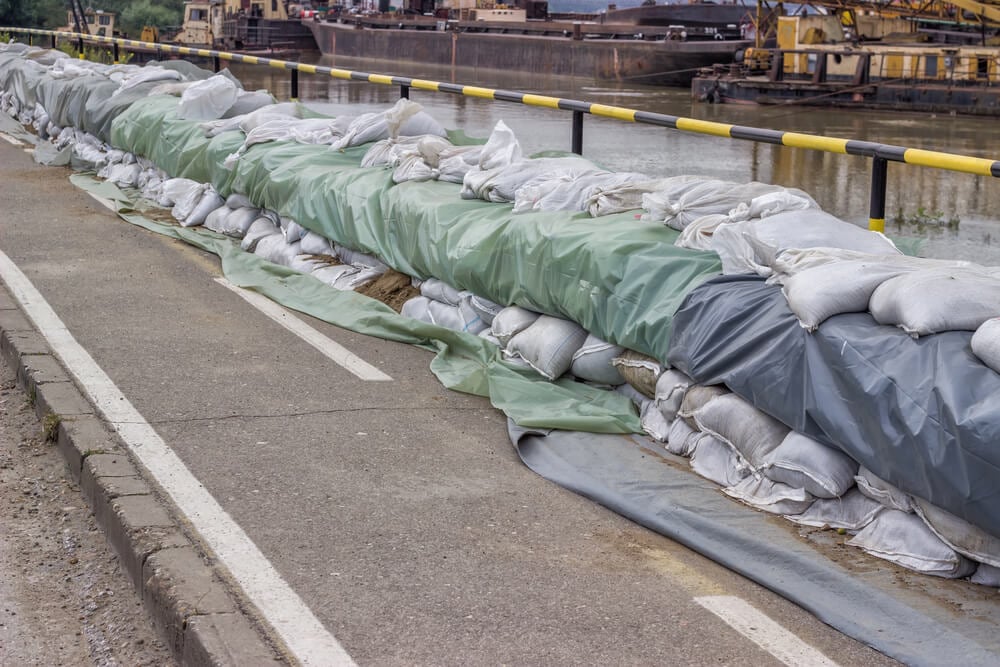
Nearly every rule on this list exists because a disaster proved that the previous assumption about acceptable risk was wrong, and it usually took a body count to prove it. Building codes, dam inspections, and warning systems are rarely written in anticipation; they are written in response, often decades after engineers had already flagged the exact vulnerability that eventually failed.
That lag is the real story here. The gap between a known risk and a policy that addresses it is where these disasters live, and it rarely closes until the cost of ignoring the risk becomes larger, and more public, than the cost of fixing it would have been.
More from Go2Tutors!

- The Romanov Crown Jewels and Their Tragic Fate
- 13 Historical Mysteries That Science Still Can’t Solve
- Famous Hoaxes That Fooled the World for Years
- 15 Child Stars with Tragic Adult Lives
- 16 Famous Jewelry Pieces in History
Like Go2Tutors’s content? Follow us on MSN.