The Impact Of Comic Strips On American Daily Life
Comic strips have been part of American newspapers and magazines for more than a century. What started as simple drawings to make people laugh grew into something much bigger.
These little boxes of art and humor became a window into the culture, values, and everyday experiences of the American public. They may be small, but comic strips carry a lot of weight. Here’s how these tiny drawings left a big mark on daily American life.
They made newspapers a daily habit

Before the internet, comic strips gave readers a reason to grab the paper every morning. Even folks who didn’t care about politics or sports flipped to the comics first.
Strips like Garfield, Peanuts, and Calvin and Hobbes became part of daily routines. People connected with characters over coffee, often sharing a laugh before heading to work or school.
The comics section gave the paper a personal touch, making it feel more like a friend than just news.
They helped shape kids’ reading habits

For many children, comic strips were the first reading material they enjoyed. The pictures made the words easier to follow, and the stories were short and fun.
These strips built reading confidence without feeling like homework. Parents didn’t mind, because at least their kids were reading something.
Over time, many of those young readers became lifelong fans of books and newspapers.
Like Go2Tutors’s content? Follow us on MSN.
They brought families together

Comic strips created a shared moment in homes. Parents and kids would often read them together, laugh together, or talk about the characters like they were real.
Some strips even sparked family discussions about kindness, fairness, or growing up. Sunday comics, printed in color, felt like a small treat that the whole household could enjoy.
It was a simple way to bond without screens or big plans.
They reflected the mood of the country
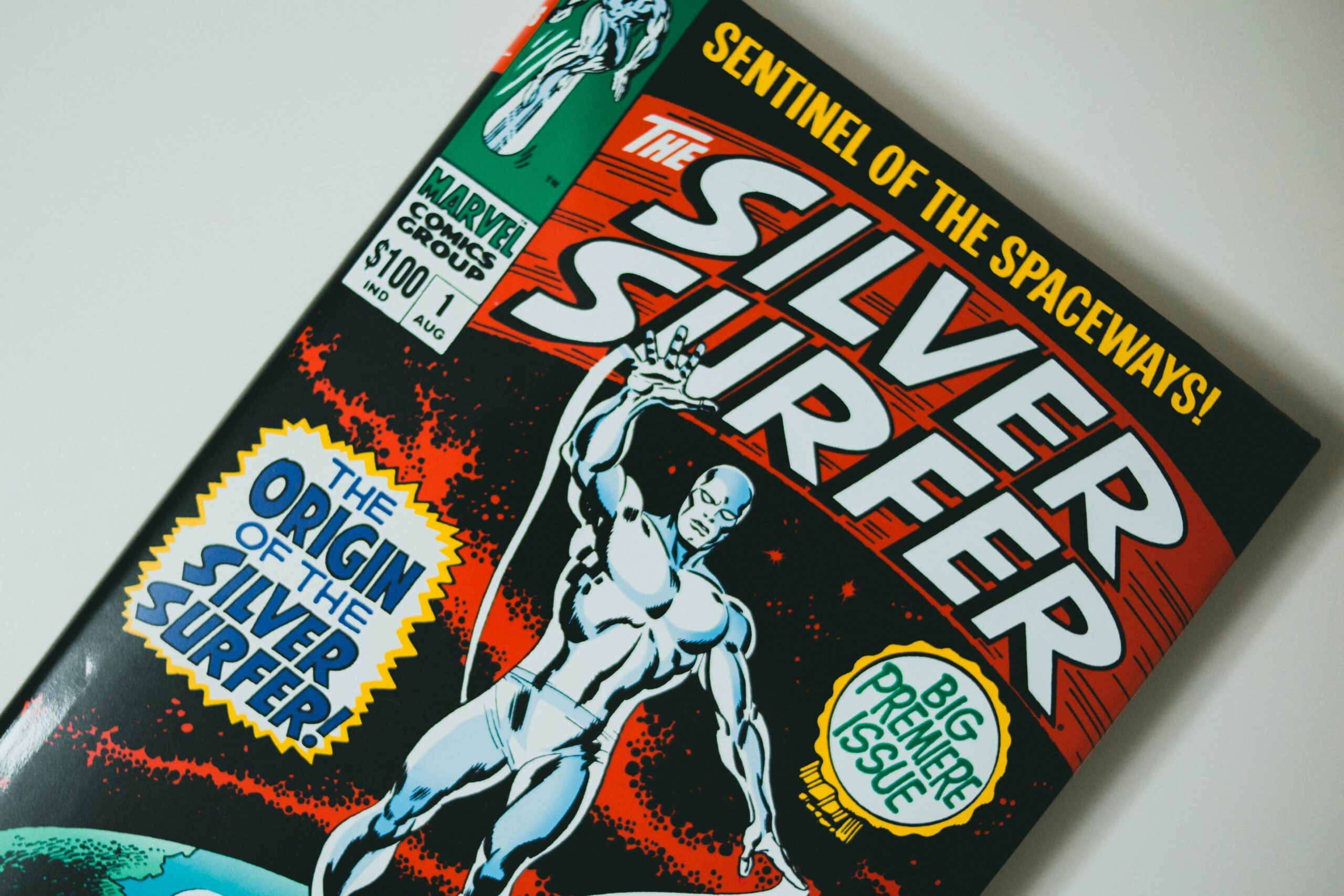
Comic strips have always had a way of capturing the public mood. During wars, economic troubles, or major events, artists found creative ways to address what people were feeling.
Sometimes they used humor, sometimes they went serious. Strips like Doonesbury tackled politics head-on, while others like Peanuts kept things gentle but still meaningful.
They became a quiet voice for the times.
They made big issues easier to understand
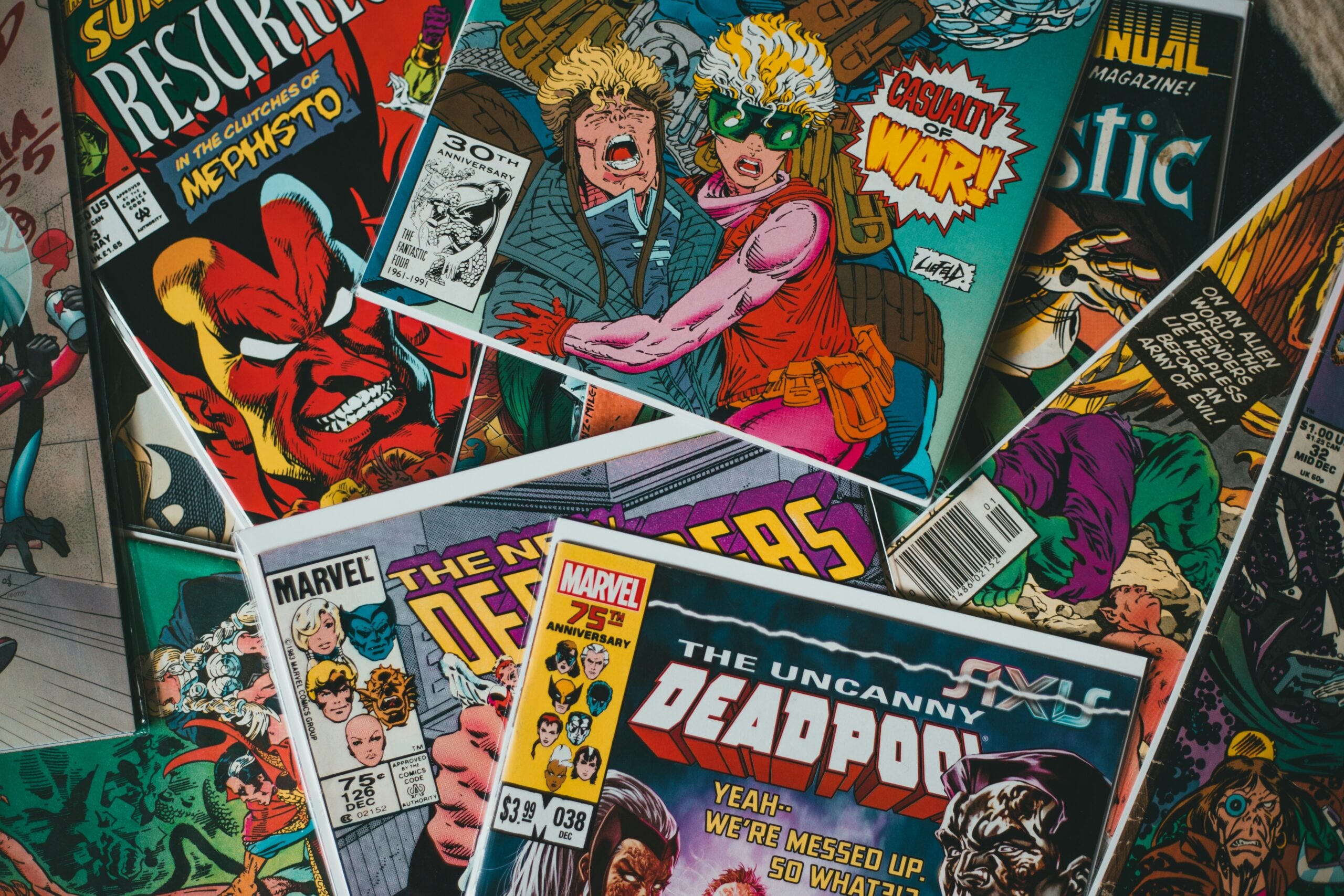
Not everyone follows politics or world events closely, but comic strips found ways to explain them in simple terms. Through satire or exaggeration, they made complex topics more approachable.
People could get a quick take on the news without reading long articles. For many, this was their first step into thinking more deeply about the world around them.
Like Go2Tutors’s content? Follow us on MSN.
They gave a voice to everyday people
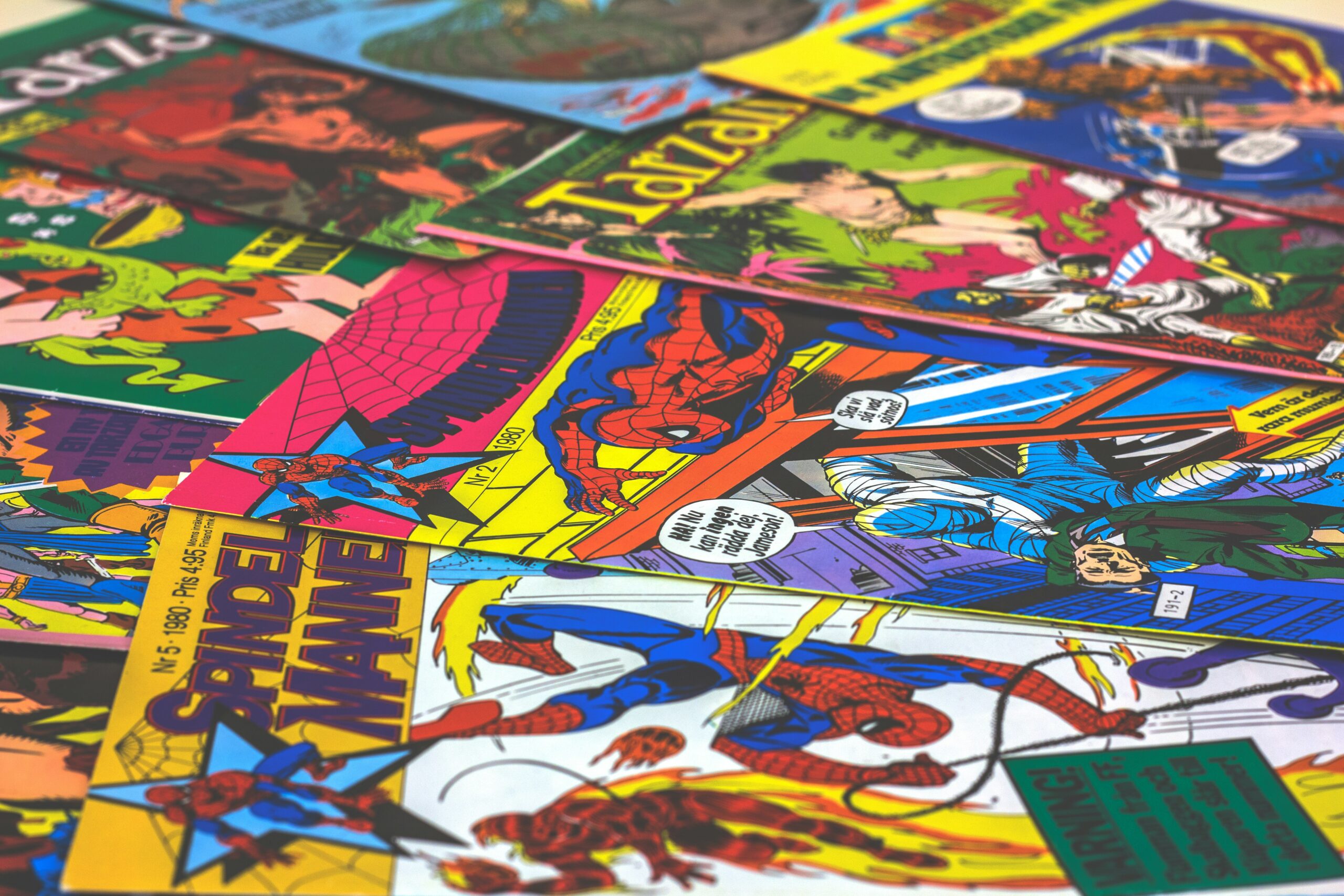
Comic strip characters weren’t superheroes or rich elites. They were students, parents, workers, pets—people readers could relate to.
Strips like Dilbert captured office life, while Family Circus showed the ups and downs of parenting. These characters lived simple lives, but they made readers feel seen and understood.
Their struggles and joys felt familiar, which built a quiet connection.
They shaped humor across generations
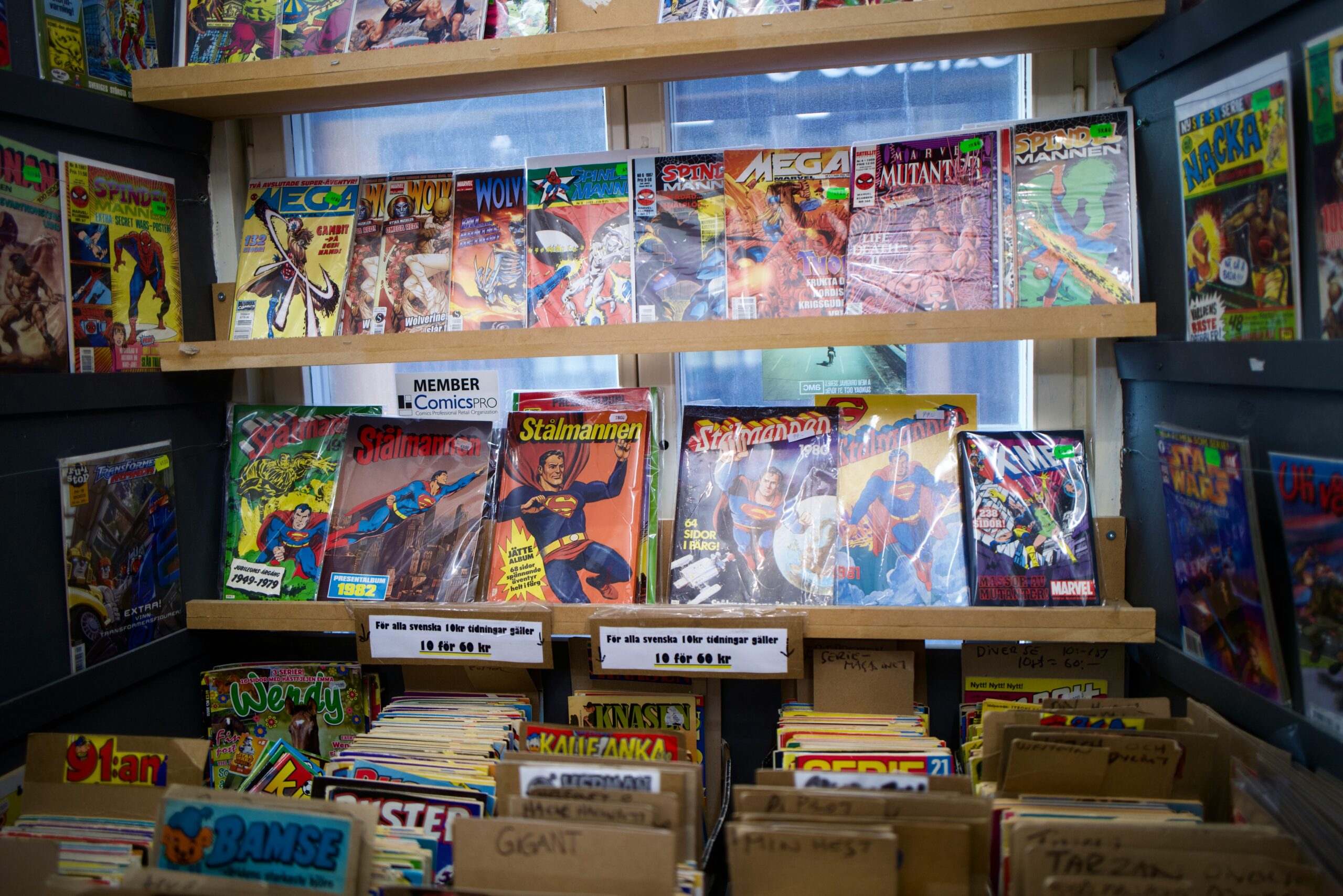
The style of humor found in comic strips influenced American comedy. The timing, punchlines, and dry wit trained readers to appreciate subtle jokes.
Later, these patterns showed up in sitcoms, stand-up routines, and online memes. Strips didn’t just make people laugh—they taught people how to laugh in new ways.
Humor became smarter and more thoughtful, thanks in part to these comics.
They created cultural icons
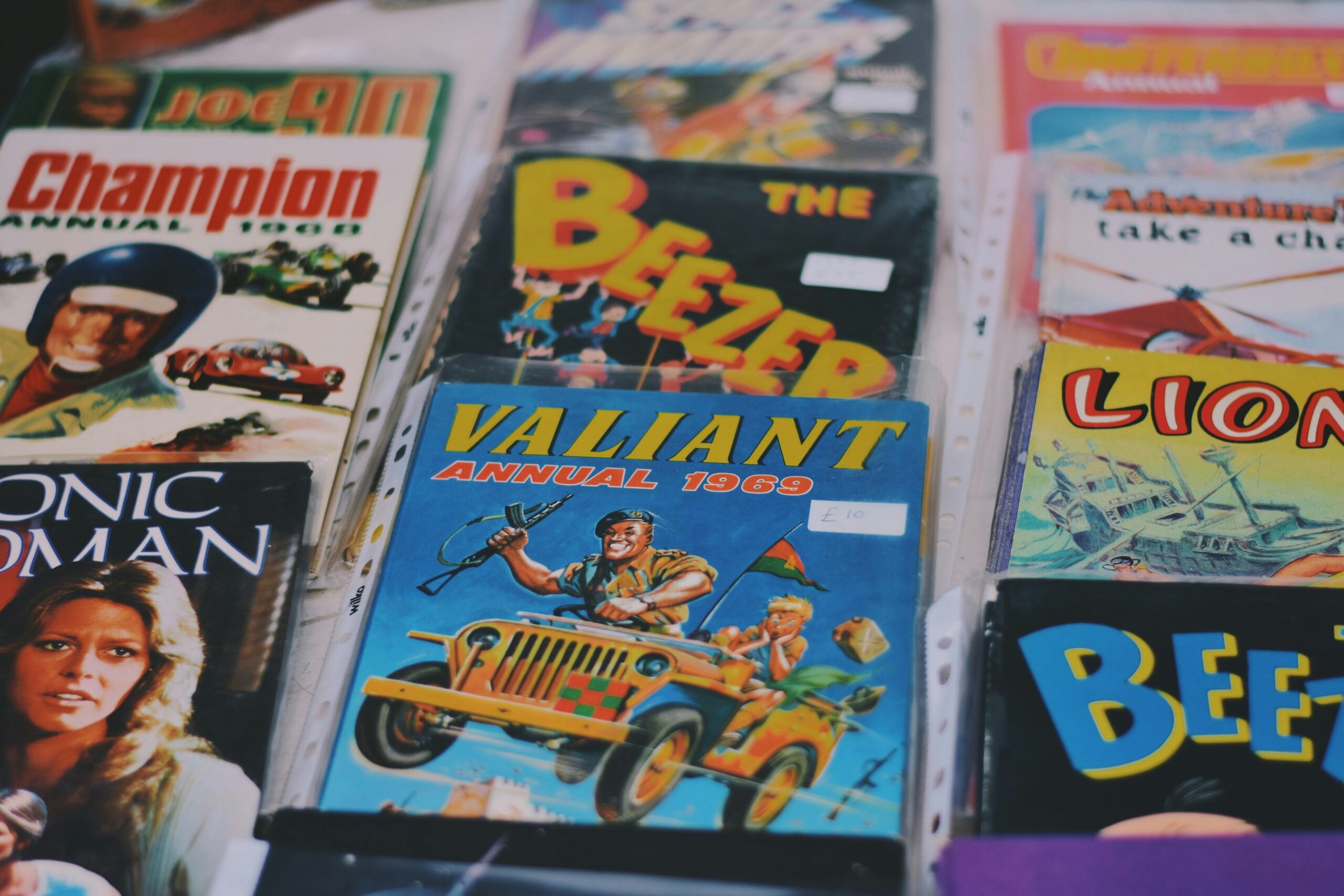
Some comic strip characters became household names. Snoopy, Garfield, and Calvin weren’t just drawings—they became part of pop culture.
They showed up on lunchboxes, shirts, greeting cards, and TV shows. These characters went beyond the newspaper and became symbols of American identity.
Even people who never read the comics knew who they were.
Like Go2Tutors’s content? Follow us on MSN.
They influenced other art forms
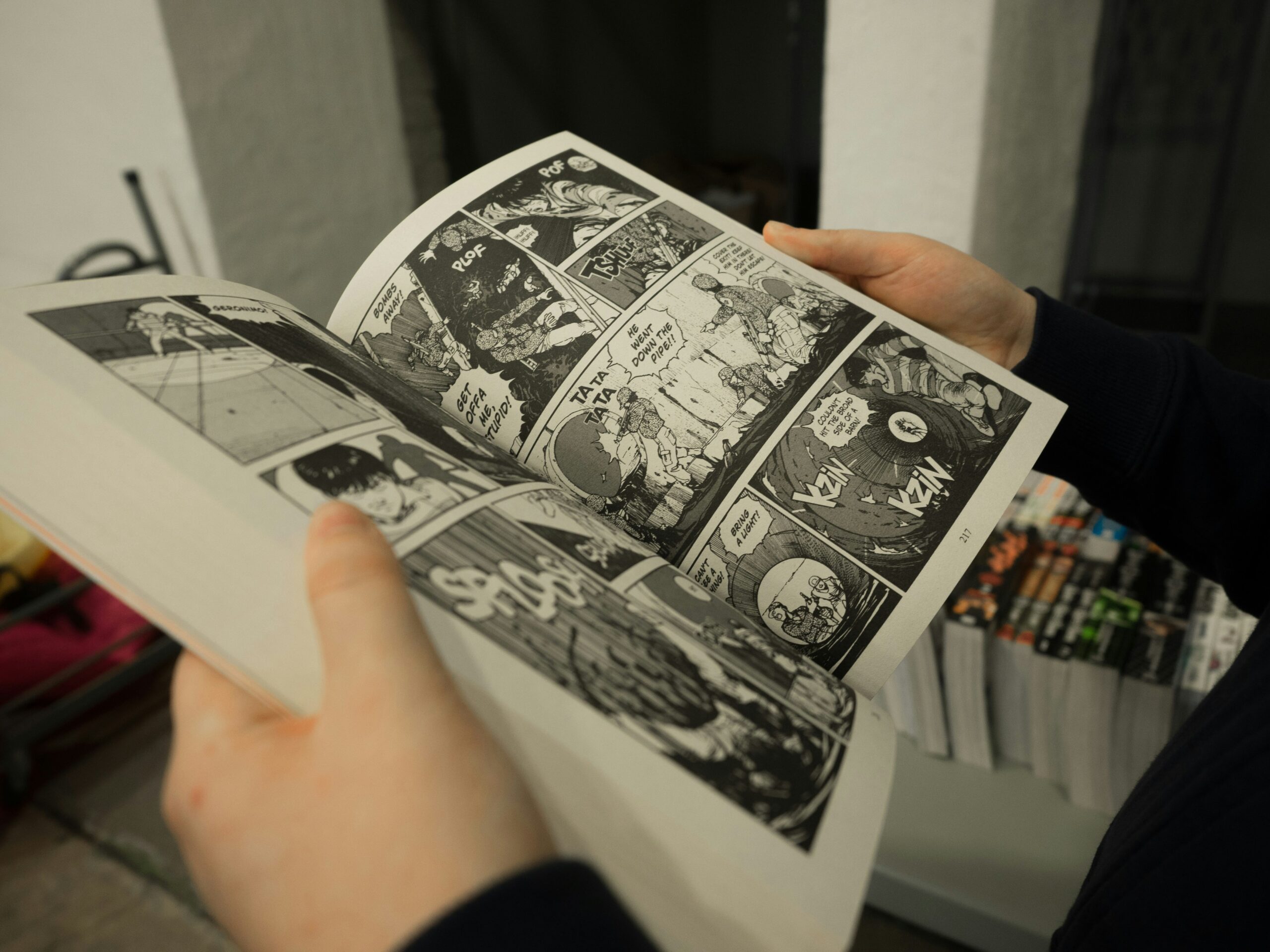
Comic strips inspired books, movies, and animated shows. Peanuts specials became holiday traditions, and Garfield moved from the page to the screen.
Artists and writers who grew up with comic strips brought that influence into their own work. The simple style and strong characters proved that good storytelling doesn’t need to be complicated.
It just needs to be honest.
They kept artists connected to the public

Comic strip creators had a close relationship with readers. People wrote letters, sent fan art, and even got angry when characters changed.
That feedback helped shape the direction of the strips. Readers felt like part of the journey, not just an audience.
This kind of artist-reader bond is rare, and comic strips manage it in just a few panels a day.
They taught life lessons without preaching
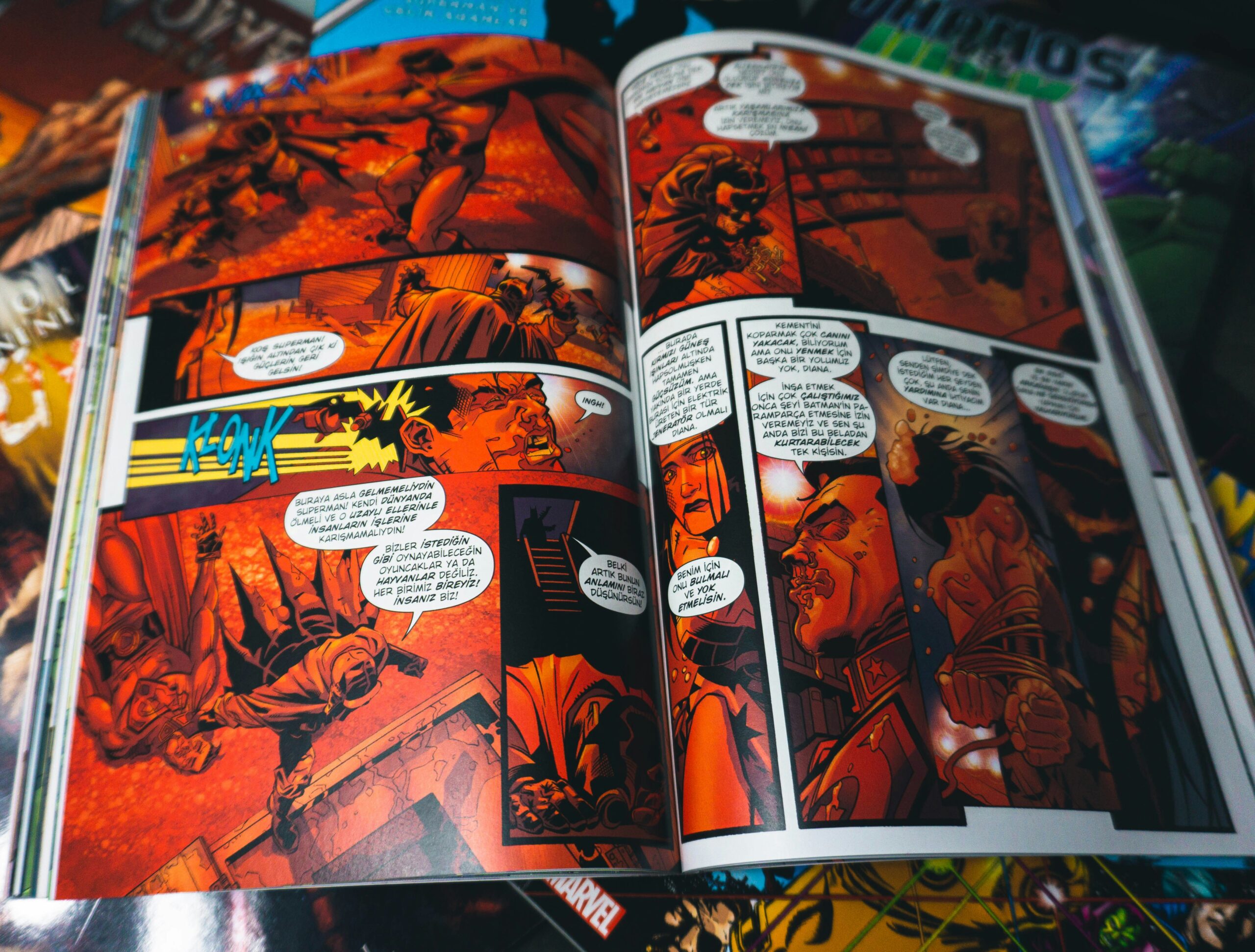
Many strips carried soft messages about kindness, honesty, and patience. Through everyday stories, readers picked up values without even realizing it.
A joke about sharing a sandwich or making up after a fight could stick with someone all day. The best strips taught without scolding and offered gentle wisdom wrapped in laughter.
Like Go2Tutors’s content? Follow us on MSN.
They showed the power of visual storytelling
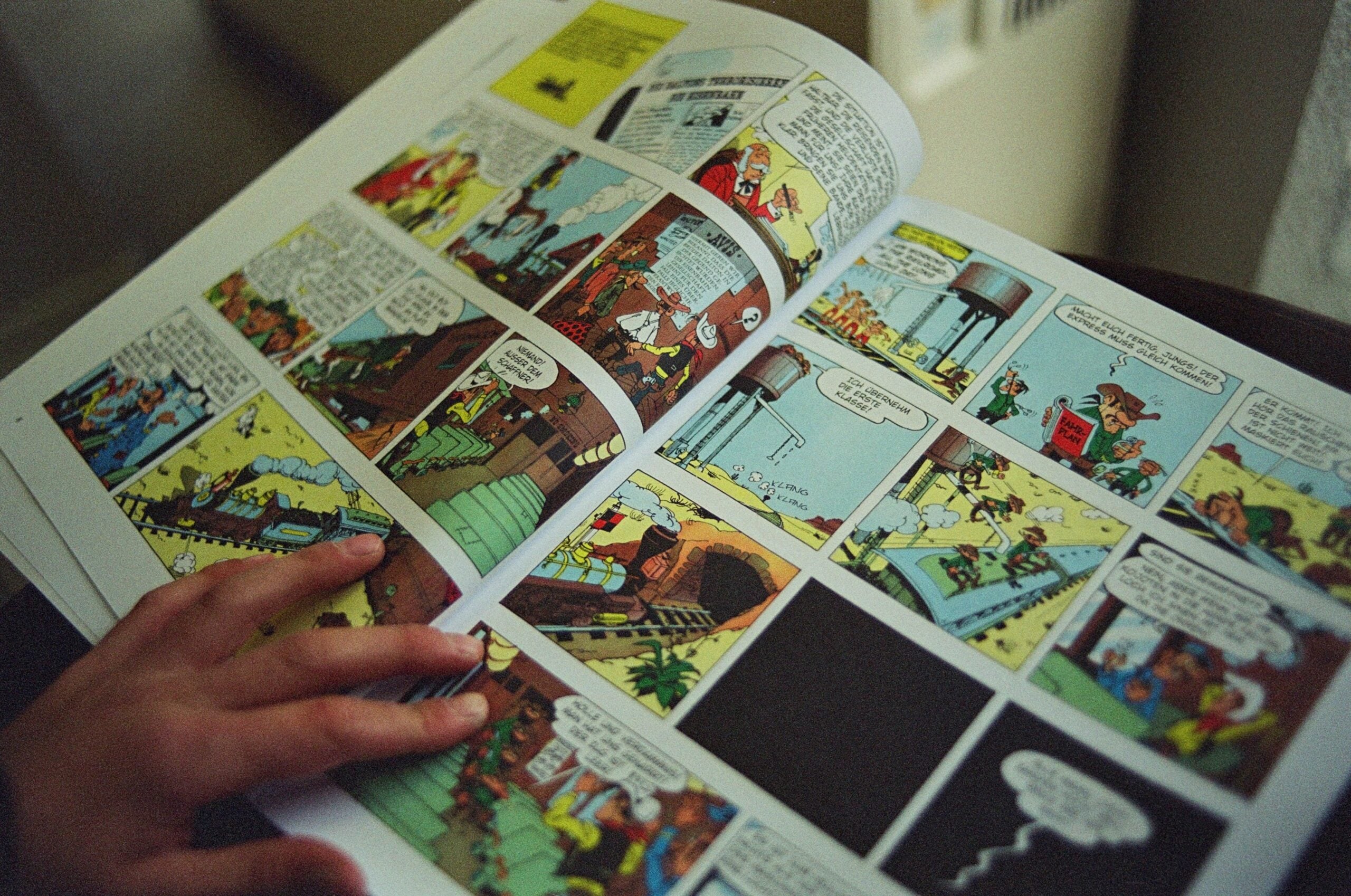
Comic strips proved that pictures and words together could say more than either one alone. Expressions, settings, and timing all added meaning.
A single silent panel could hit harder than a whole page of text. This style shaped how Americans think about stories, even in modern media like social posts or comics-inspired ads.
They became time capsules of daily life
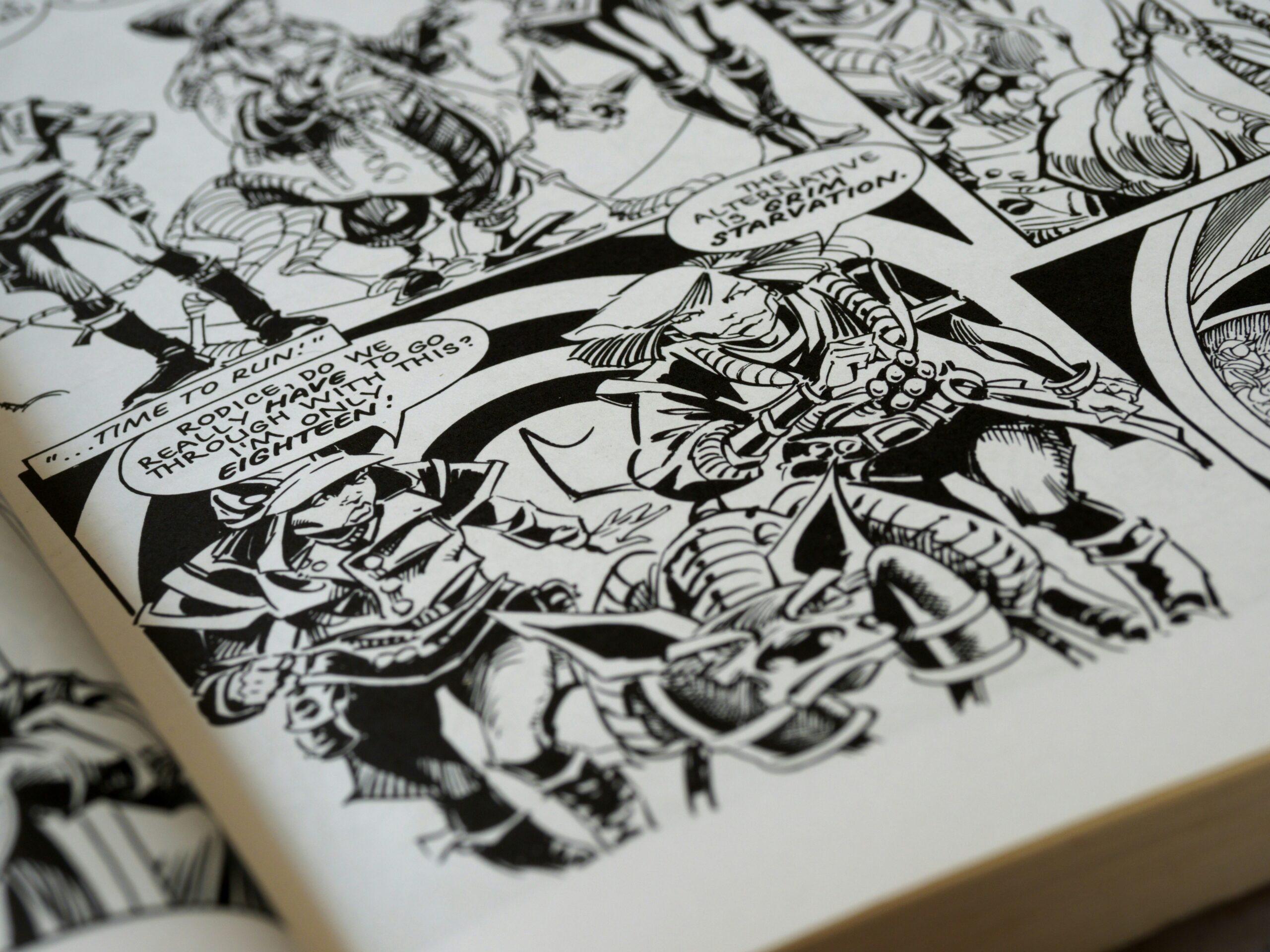
Looking back at old comic strips is like looking into the past. The fashion, slang, and daily routines all reflect the time they were drawn.
Historians and fans alike can learn a lot about American culture by reading old comics. They’re snapshots of ordinary life, frozen in ink.
They kept evolving with the times
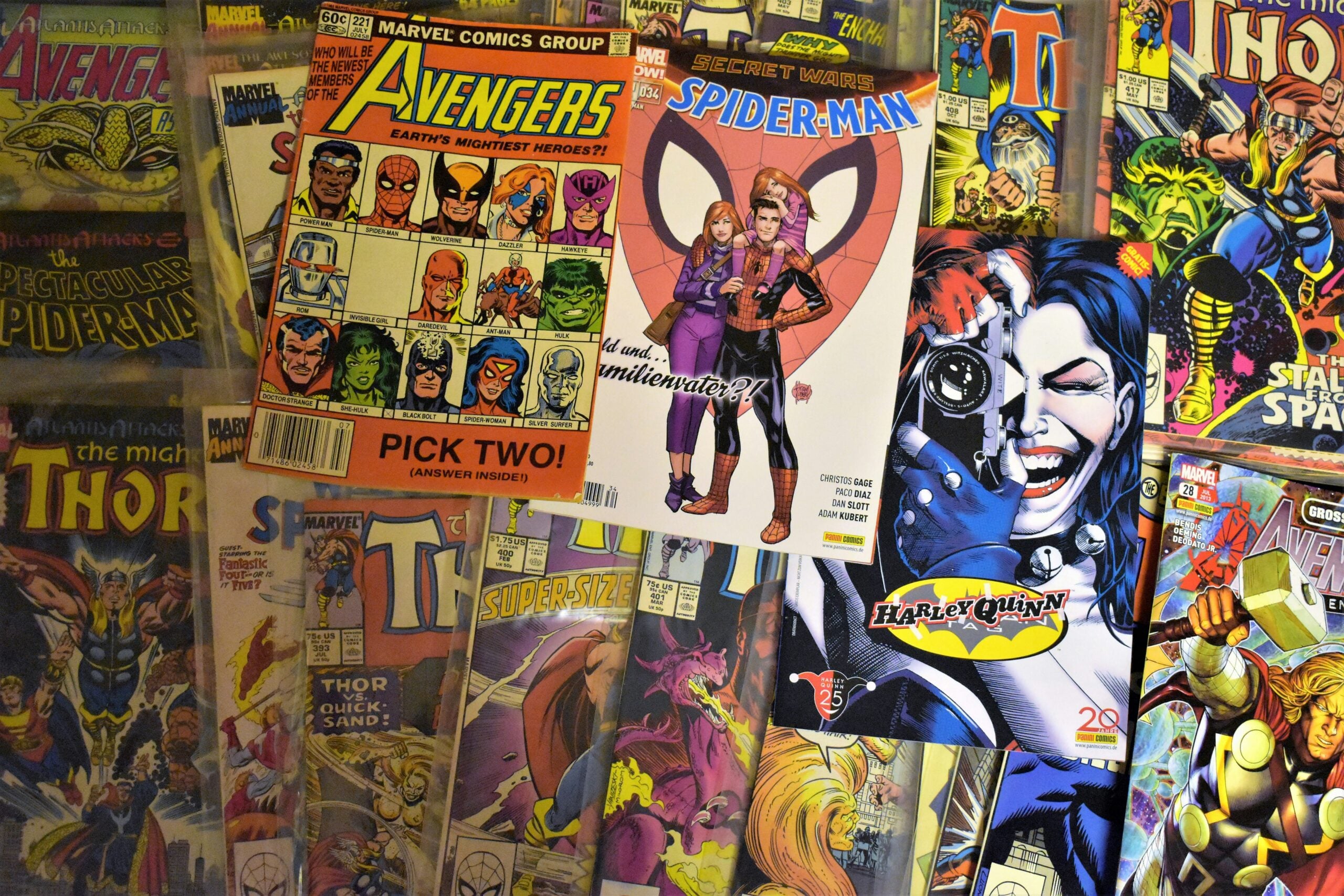
Comic strips didn’t stay stuck in the past. They adapted to new ideas, styles, and platforms.
Today, many strips live online or in apps, reaching readers in fresh ways. The spirit is the same, but the delivery has changed to fit modern life.
That flexibility kept them alive through decades of change.
Like Go2Tutors’s content? Follow us on MSN.
A quiet force that still speaks today
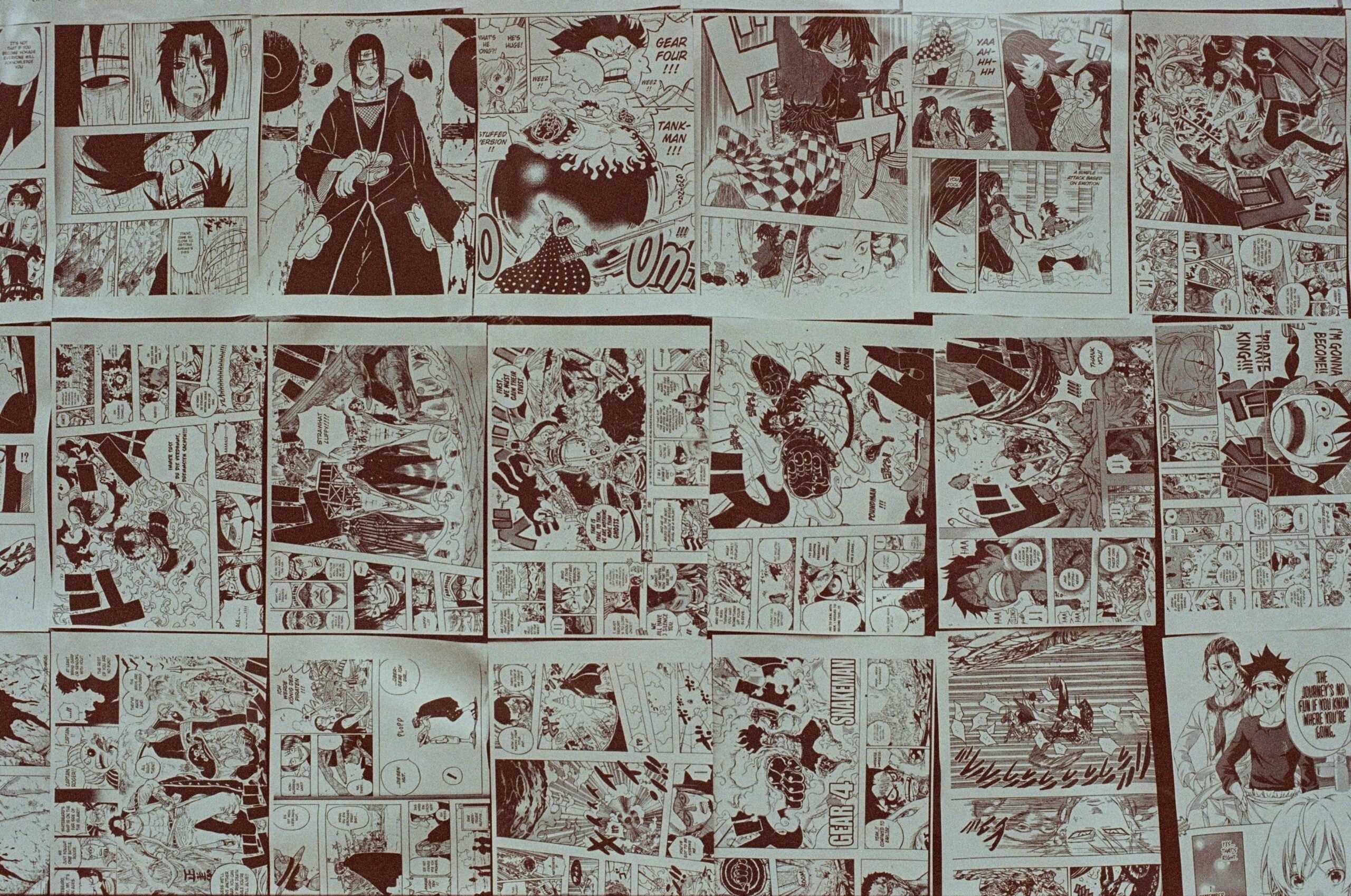
Comic strips may not make front-page news, but they’ve shaped daily life more than most people realize. From shaping humor to starting important conversations, they’ve left a lasting impact.
They brought joy, comfort, and insight to millions—often in just a few simple frames. Even in today’s fast, digital world, they hold a place of quiet strength.
That quiet voice still matters, and it still has something to say.
More from Go2Tutors!

- 16 Historical Figures Who Were Nothing Like You Think
- 12 Things Sold in the 80s That Are Now Illegal
- 15 VHS Tapes That Could Be Worth Thousands
- 17 Historical “What Ifs” That Would Have Changed Everything
- 18 TV Shows That Vanished Without a Finale
Like Go2Tutors’s content? Follow us on MSN.