18 Inventions That Failed Before Succeeding Decades Later
Being first is often treated as an advantage, but the historical record is full of inventions that arrived too early for their own good — technically sound, commercially dead on arrival, and shelved for a generation or more before some combination of cheaper materials, better infrastructure, or simple cultural readiness let a nearly identical idea finally take hold.
The pattern is consistent enough to be almost comforting: a good idea rarely dies for good. It just waits for the world to catch up.
Videophones
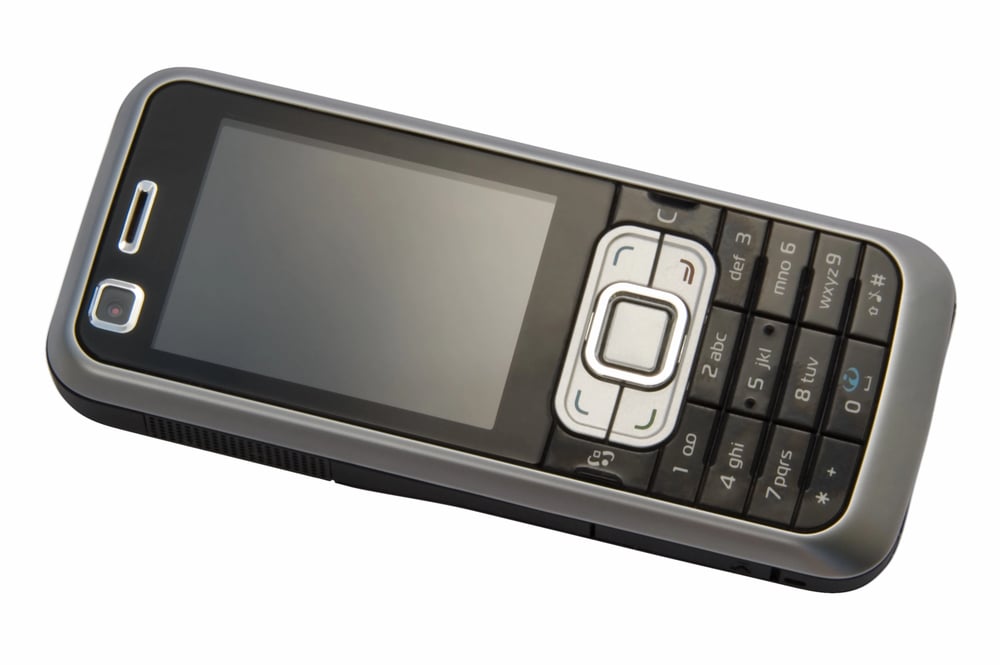
AT&T’s Picturephone, unveiled with enormous fanfare at the 1964 World’s Fair, promised a future of face-to-face long-distance calls but flopped commercially due to its high cost, bulky equipment, and limited service area, and was discontinued by the early 1970s. It took the spread of broadband internet, webcams, and eventually smartphones for video calling to finally become an everyday habit, roughly four decades after AT&T’s original attempt.
Electric Cars
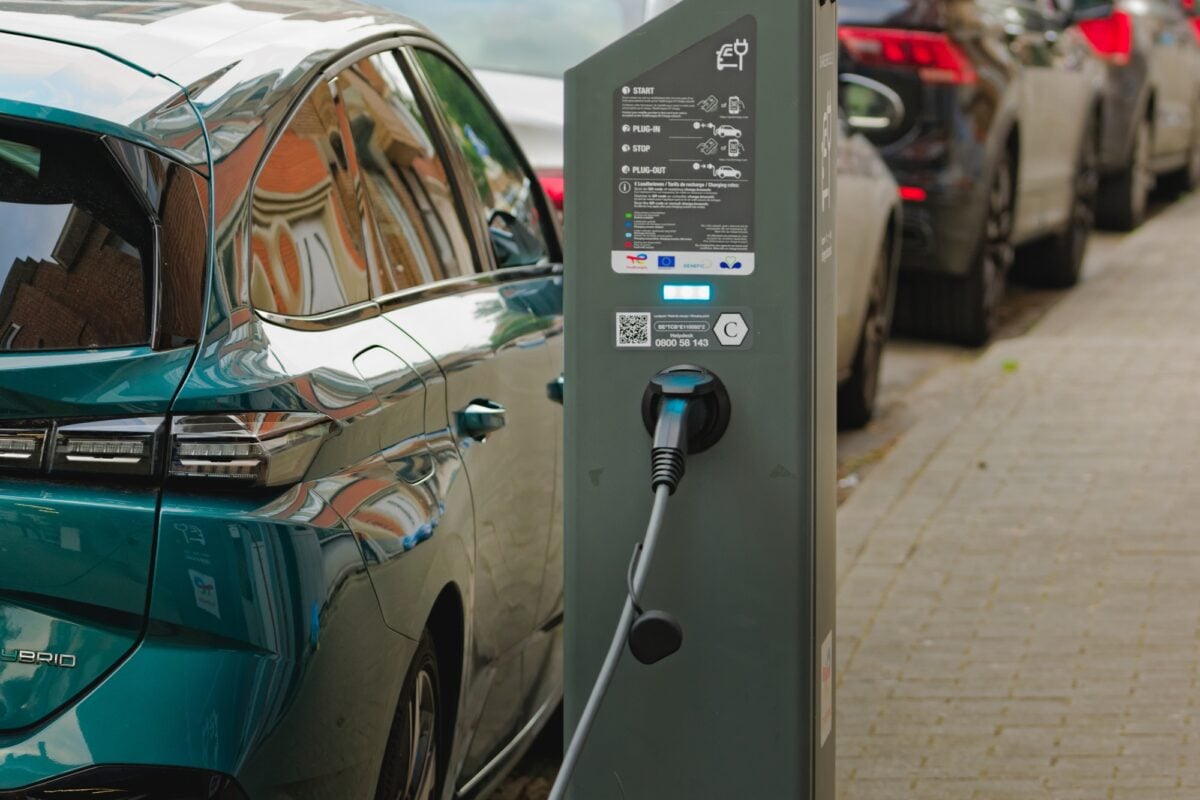
Electric vehicles were genuinely competitive with early gasoline cars around 1900, accounting for a meaningful share of the American automobile market, before cheap mass-produced gasoline cars and the discovery of abundant oil reserves pushed them into near-total obsolescence by the 1930s. Improvements in battery technology and rising interest in emissions reduction did not revive the category as a mainstream option until well over half a century later.
Solar Panels

Bell Labs unveiled the first practical silicon solar cell in 1954, but the technology remained prohibitively expensive for anything beyond niche uses like satellites for decades afterward. It was not until manufacturing costs fell sharply in the 2000s and 2010s, driven partly by large-scale production in China, that solar power became cost-competitive with fossil fuels for everyday electricity generation.
Digital 3D Movies

Hollywood’s first major 3D boom in the early 1950s fizzled within just a few years due to uncomfortable glasses, projection problems, and audience fatigue with gimmicky films. Digital projection technology and more comfortable polarized glasses drove a second, far more durable 3D wave beginning around 2009, more than fifty years after the format’s initial failure.
Tablet Computers

Early tablet-style computers, including devices from GO Corporation in the late 1980s and Apple’s own Newton MessagePad in 1993, failed to find a mainstream market due to weak battery life, poor handwriting recognition, and high prices. The category did not truly succeed until Apple’s iPad launched in 2010, benefiting from touchscreen advances, app ecosystems, and battery technology that simply did not exist for the earlier attempts.
Voice Assistants
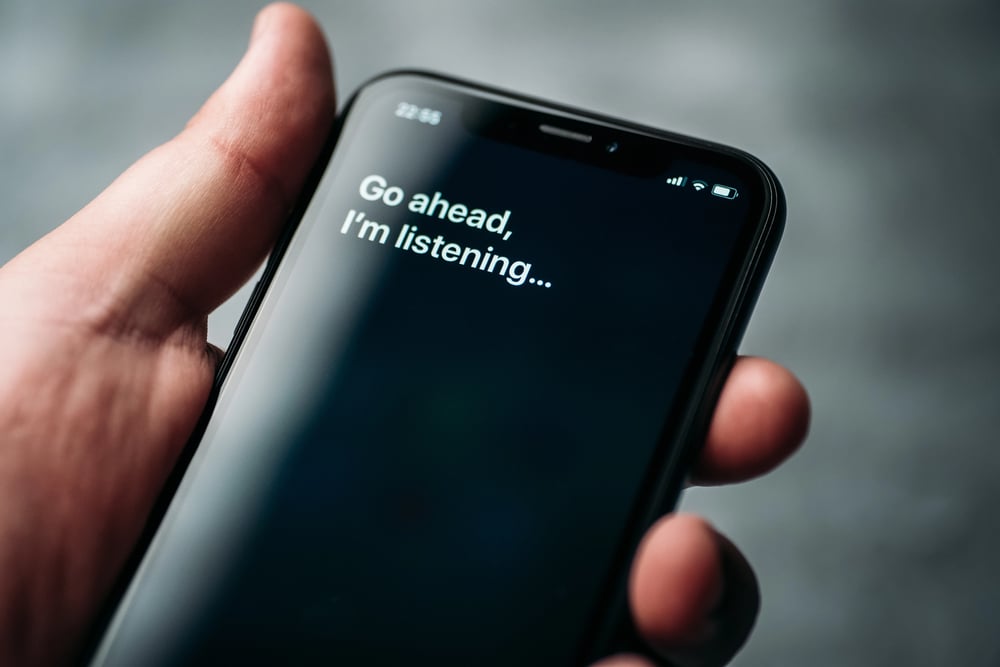
Early automated speech recognition systems developed from the 1950s through the 1990s struggled badly with accuracy outside narrow, controlled vocabularies, leaving consumer voice control a persistent disappointment for decades. Only with the combination of cloud computing power and machine learning advances did voice assistants like Siri, launched in 2011, and later smart speakers finally become reliable enough for everyday use.
Credit Cards

Charge plates and store-specific credit arrangements existed in various forms from the early 20th century, but broad multi-merchant credit systems struggled for decades due to fraud risk and the difficulty of verifying accounts without electronic infrastructure. It took the development of the Diners Club card in 1950 and, more decisively, computerized verification systems decades later for general-purpose credit cards to become the dominant payment method they are today.
Frozen Food

Clarence Birdseye’s early attempts at commercial frozen food in the 1920s struggled against consumer skepticism and inadequate retail freezer infrastructure, limiting sales for years after his flash-freezing process was patented. It took improvements in home refrigeration, retail freezer cases, and consumer habits through the following decades before frozen food became a grocery store staple.
The Zipper
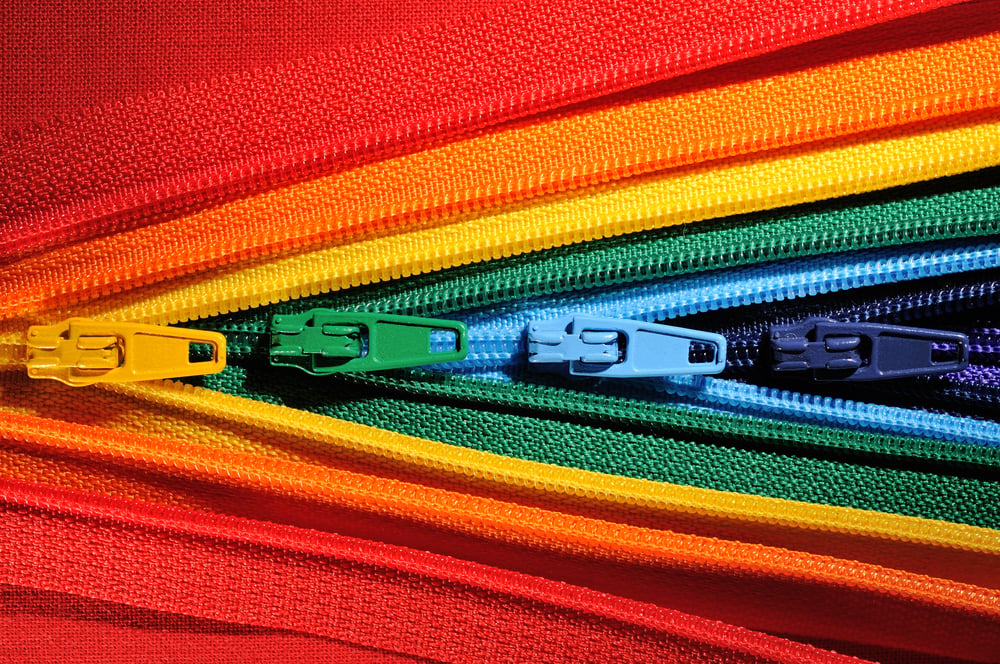
Whitcomb Judson patented an early slide fastener called the Clasp Locker in 1893, but it was unreliable and prone to failure, and it flopped commercially. It took engineer Gideon Sundback’s redesigned version in 1913 and, crucially, adoption by the fashion industry in the 1920s and 1930s, roughly three decades after Judson’s original patent, for the zipper to become a standard clothing fastener.
Barcodes

The barcode was patented in 1949, but the technology sat commercially dormant for decades because scanning equipment was too expensive and unreliable for retail use. It was not until 1974, when a pack of gum became the first product scanned at a checkout using the new UPC standard, that barcodes began the transition into the ubiquitous retail tool they are today.
Instant Coffee

Early soluble coffee products appeared as far back as the late 19th century and again in the early 1900s but failed to gain lasting traction due to poor taste. Nescafé’s improved formula, launched in 1938, still struggled commercially until the Second World War created massive military demand, finally establishing instant coffee as a mainstream product roughly four decades after the earliest attempts.
The Typewriter
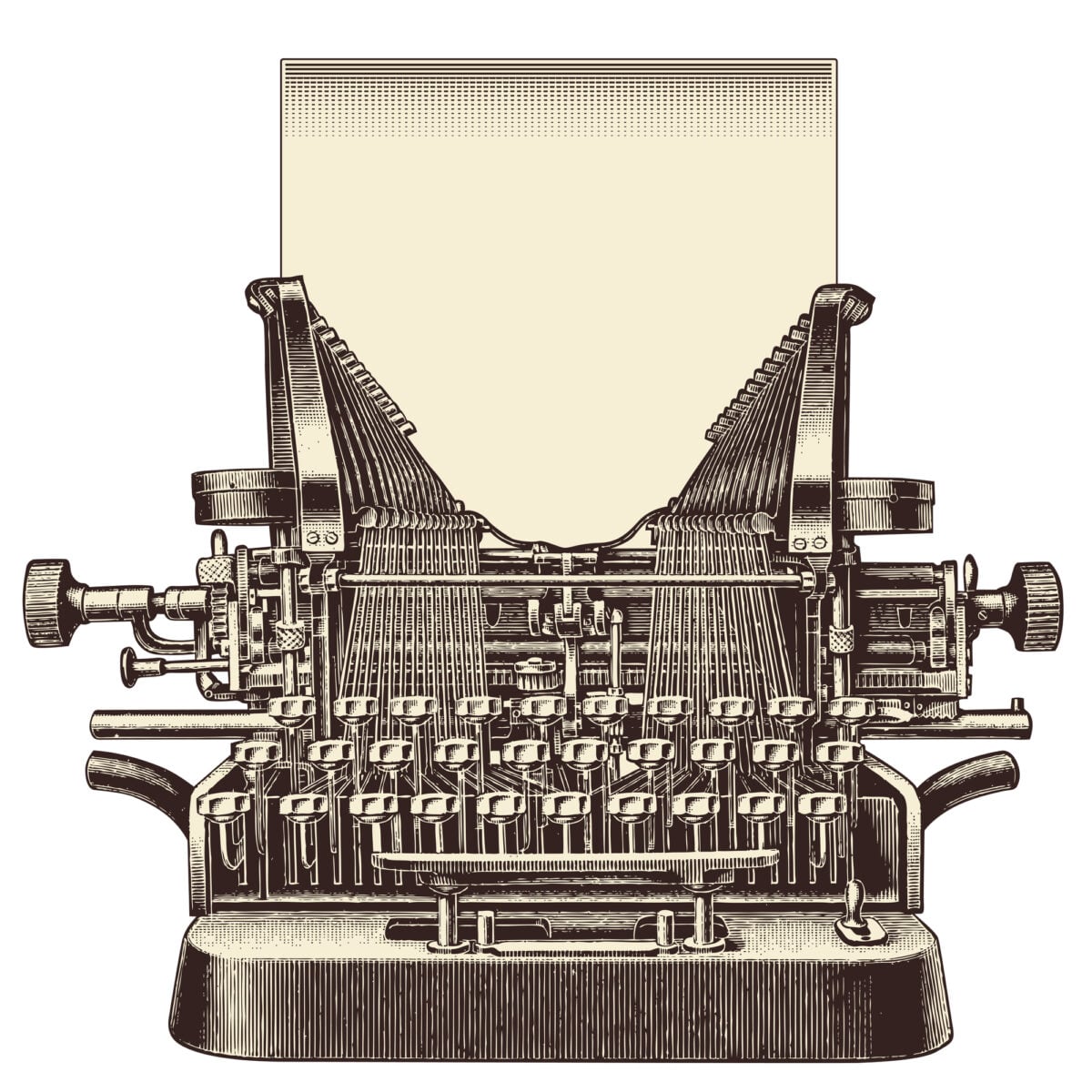
Dozens of mechanical writing-machine patents failed commercially across the 18th and early 19th centuries, hampered by unreliable mechanisms and high costs. It took until 1873, when Remington began manufacturing the Sholes and Glidden typewriter, for a design to finally succeed commercially, nearly a century after the earliest documented attempts at a similar device.
The Sewing Machine
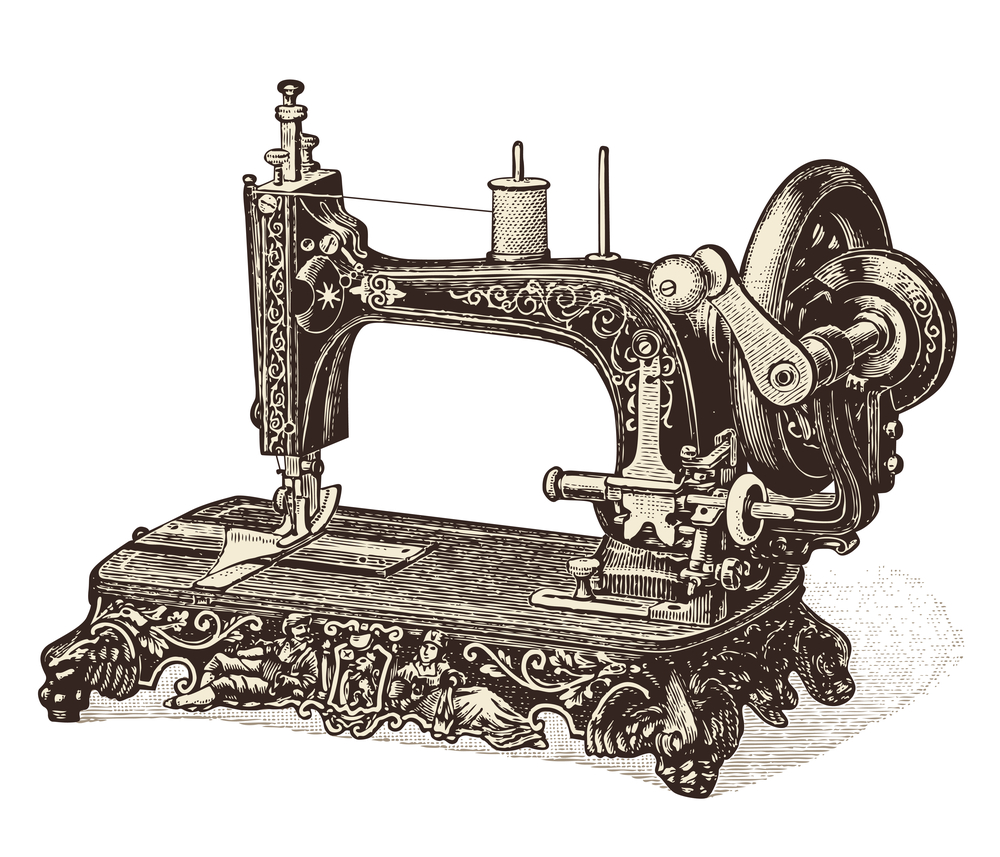
French tailor Barthélemy Thimonnier patented an early sewing machine in 1830, only for a mob of tailors fearing job losses to destroy his factory and machines. It took until the 1850s, when Isaac Singer and others introduced improved and more affordable designs, for sewing machines to succeed commercially, roughly two decades after Thimonnier’s invention was violently suppressed.
The Answering Machine
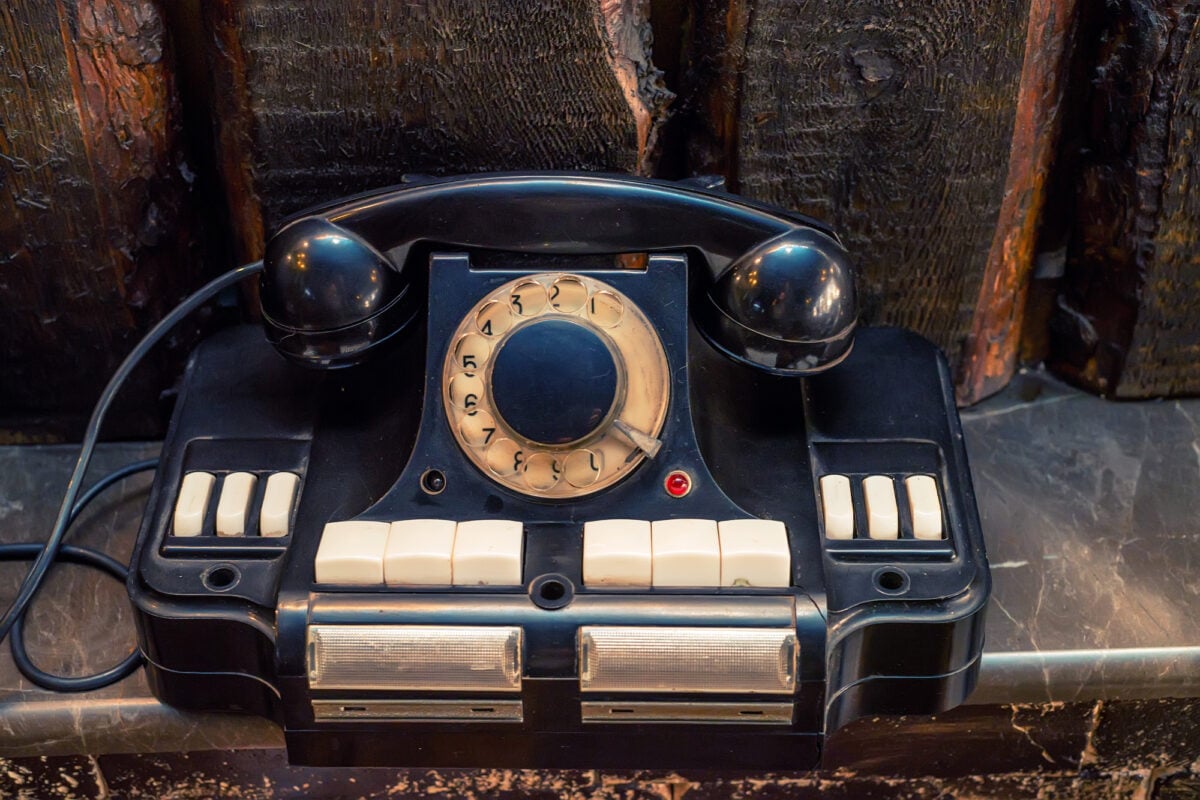
Early telephone answering devices appeared as far back as the 1930s and 1940s, but phone companies in some markets restricted or banned their use, and consumer models remained expensive and unreliable for decades. It was not until the late 1970s and 1980s, after regulatory changes and cheaper electronics, that answering machines became a common household item.
GPS Navigation

The core concept behind satellite-based navigation was explored by the US military beginning in the 1970s, but the system remained restricted, expensive, and inaccurate for civilian use for years. It took the full deployment of the GPS satellite constellation by the mid-1990s and, later, a 2000 policy change removing intentional signal degradation for civilian receivers, for consumer GPS navigation to become practical.
E-Readers

NuvoMedia’s Rocket eBook, launched in 1998, and several similar early devices failed to gain traction due to limited battery life, small book selections, and awkward screens. Amazon’s Kindle, launched in 2007 with a wireless store built directly into the device and improved e-ink displays, finally succeeded where the earlier generation had failed nearly a decade before.
Mobile Phones
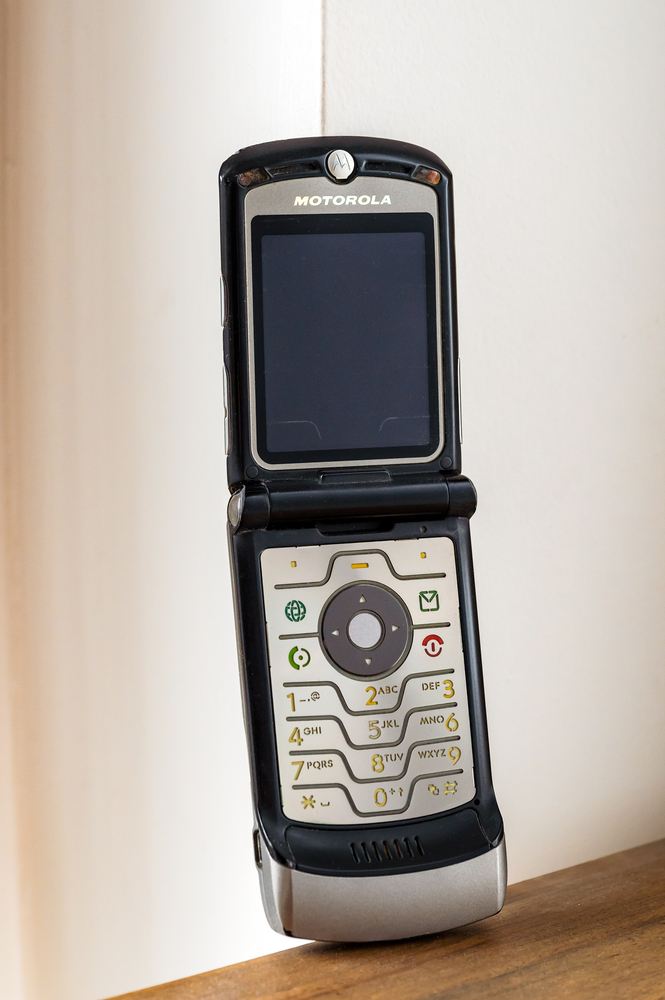
Motorola engineer Martin Cooper made the first handheld mobile call in 1973, but early cellular phones remained too expensive, bulky, and limited in coverage for mainstream adoption for years afterward. It took the buildout of cellular network infrastructure and sharply falling handset costs through the 1990s and 2000s for mobile phones to become a near-universal consumer product.
Powered Flight

Numerous glider and powered-flight experiments failed across the 19th century, including fatal crashes involving pioneers like Otto Lilienthal, whose 1896 death temporarily discouraged further serious attempts by some contemporaries. It took the Wright brothers’ systematic approach to control and stability, culminating in their 1903 flight at Kitty Hawk, to finally succeed where decades of earlier attempts had failed.
Timing Is Its Own Kind of Invention

None of the ideas on this list needed a fundamentally different concept to succeed the second time around; they mostly needed the surrounding world to catch up. Cheaper materials, better manufacturing, expanded infrastructure, or simply an audience that had grown used to the idea in theory before encountering a version that finally worked in practice.
That makes the inventors who failed first an oddly overlooked category of contributor. Whitcomb Judson never saw the zipper succeed. Clarence Birdseye’s earliest customers mostly ignored him. Their names survive mostly as footnotes to inventions credited, fairly or not, to whoever managed to launch the same basic idea once the conditions were finally right.
More from Go2Tutors!

- The Romanov Crown Jewels and Their Tragic Fate
- 13 Historical Mysteries That Science Still Can’t Solve
- Famous Hoaxes That Fooled the World for Years
- 15 Child Stars with Tragic Adult Lives
- 16 Famous Jewelry Pieces in History
Like Go2Tutors’s content? Follow us on MSN.