Amazing Early 2000s Tech
The early 2000s were like a tech playground where engineers and designers went absolutely wild with innovation. This decade didn’t just give us cool gadgets—it fundamentally rewired how we live, work, and connect with each other. From pocket-sized music libraries to wireless everything, the years between 2000 and 2010 laid the groundwork for pretty much every piece of technology we can’t live without today.
Here’s a list of incredible technologies that emerged during this transformative decade and changed our world forever.
iPod

was a portable media player created and formerly marketed by Apple Inc.
— Photo by Afotoeu
Apple’s iPod, launched on October 23, 2001, packed 1,000 songs into a 6.5-ounce device that fit in your pocket. Before the iPod, carrying your music collection meant lugging around a stack of CDs or cassettes. The first-generation iPod had a 5 GB hard drive and featured Apple’s iconic scroll wheel, making it easy to navigate through extensive music libraries. It wasn’t just a music player—it was a cultural reset that made digital music mainstream and paved the way for the iPhone.
USB Flash Drives
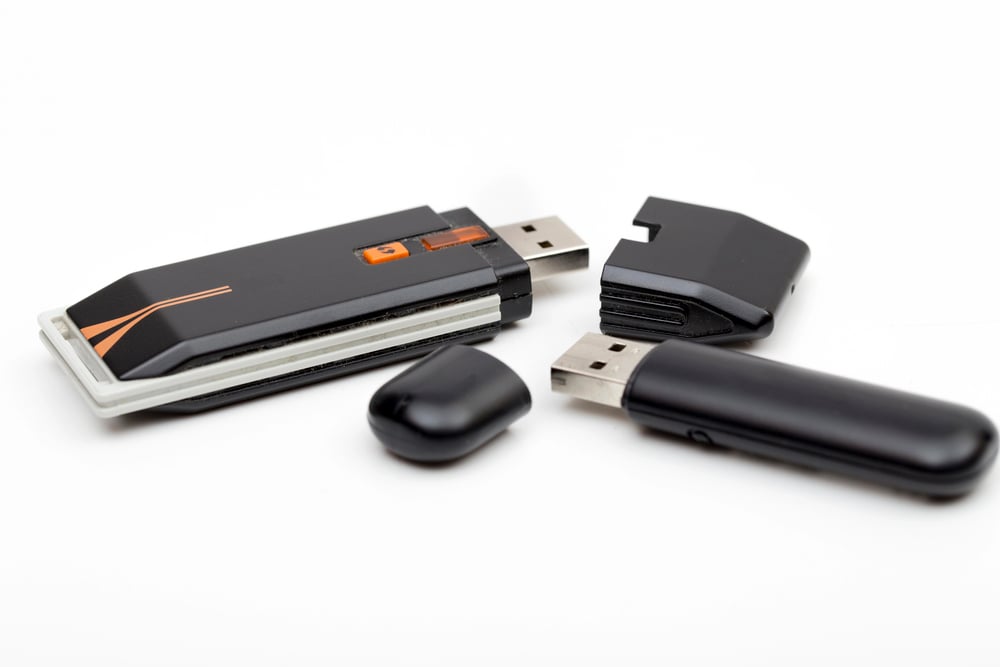
USB flash drives were introduced in 2000, consisting of flash memory encased in a small form factor container with a USB interface. These tiny storage devices completely killed off floppy disks and made file sharing between computers incredibly simple. Data storage prices dropped dramatically during the decade, going from approximately $7 per GB in early 2000 to $0.07 per GB in 2009. Suddenly, you could carry gigabytes of data on something smaller than your thumb.
Camera Phones

to the Apostle Islands National Seashore sea caves.
— Photo by mkopka
Camera phones officially became commercially available in 2000, with Sharp being the first company to introduce one to the U.S. market. The concept seems obvious now, but back then, combining a phone with a camera was revolutionary. The addition of Bluetooth technology made this innovation possible, allowing for seamless photo sharing. This technology completely changed how we document our lives and share moments with others.
Bluetooth Technology
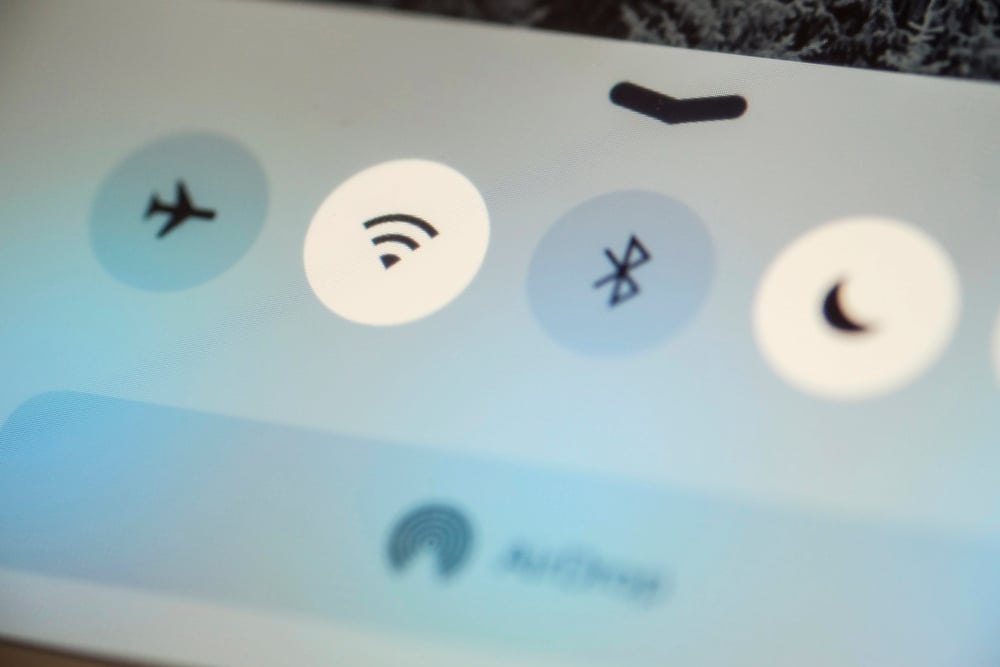
Bluetooth technology, initially launched in 1999, started gaining real traction in 2000 as manufacturers and mobile carriers began integrating it into their products. The Ericsson T36 phone was among the first Bluetooth-enabled devices, marking the beginning of our wireless revolution. Bluetooth 1.0 allowed devices to connect wirelessly over short distances, replacing the need for cables in applications like hands-free calling and file transfers. It essentially cut the cord on everything.
PlayStation 2
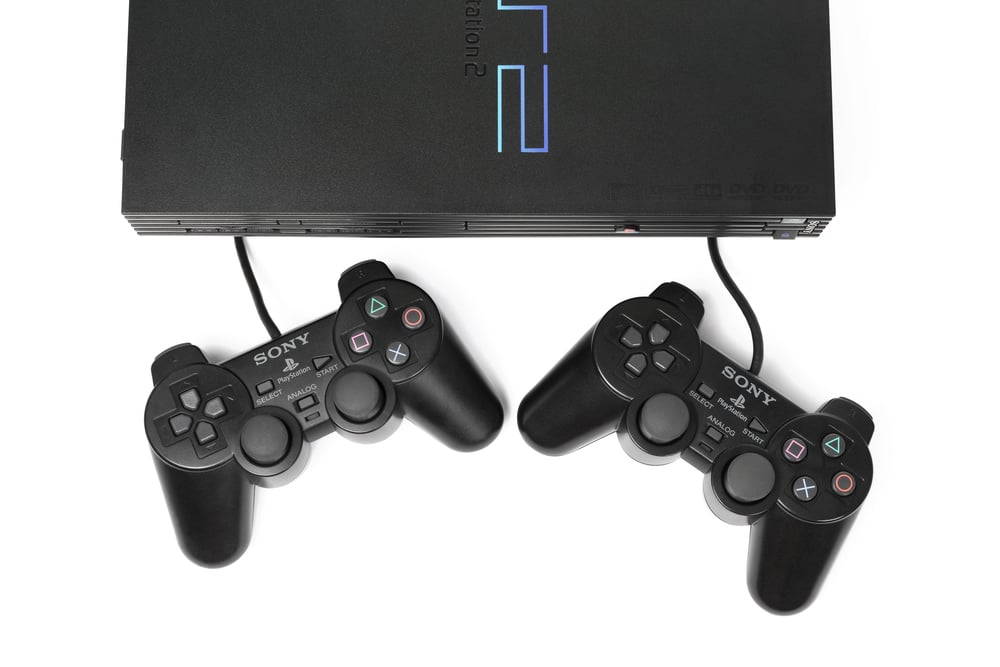
— Photo by robtek
The PlayStation 2, released in 2000, represented a significant change in gaming console concepts by allowing DVDs to be played as well as game disks. Many people bought the PS2 just for its DVD capabilities since it was cheaper than standalone DVD players. This dual functionality made it more of an entertainment console than just a gaming device, greatly increasing consumer adoption of the DVD format. Sony basically turned gaming consoles into complete home entertainment systems.
BlackBerry Mobile Email
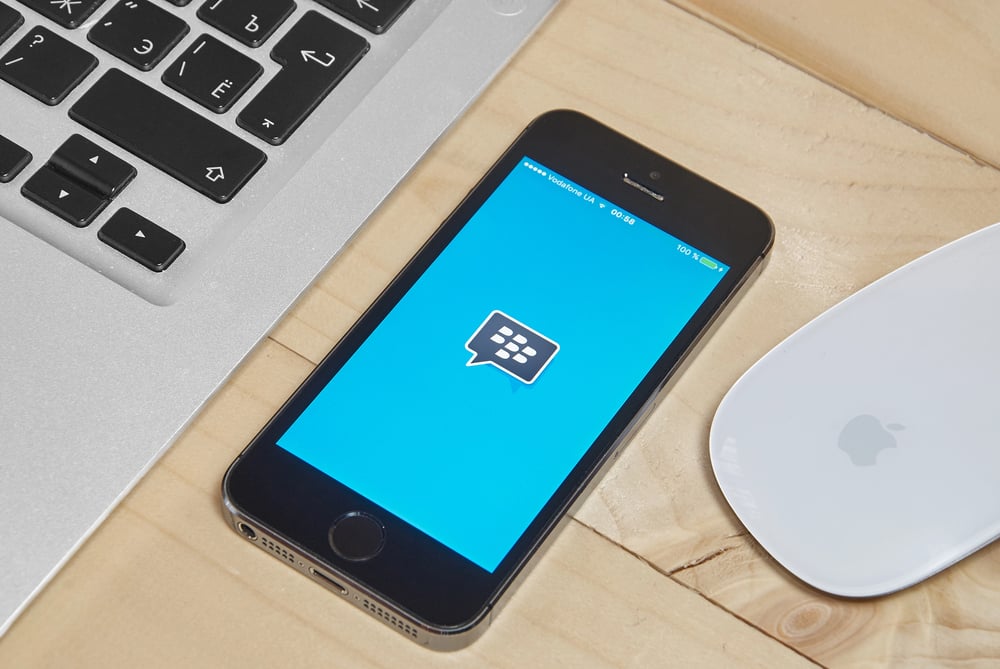
— Photo by vdovichenko
BlackBerry made waves as a pioneer in mobile communication during the early to mid-2000s, with its iconic QWERTY keyboard, secure email system, and push notifications. Business professionals became obsessed with these devices because they could manage emails and schedules on the go. BlackBerry introduced the concept of being constantly connected, allowing users to handle business communications anywhere. The phrase ‘CrackBerry’ emerged because people became genuinely addicted to checking their emails.
WiFi and Broadband Internet
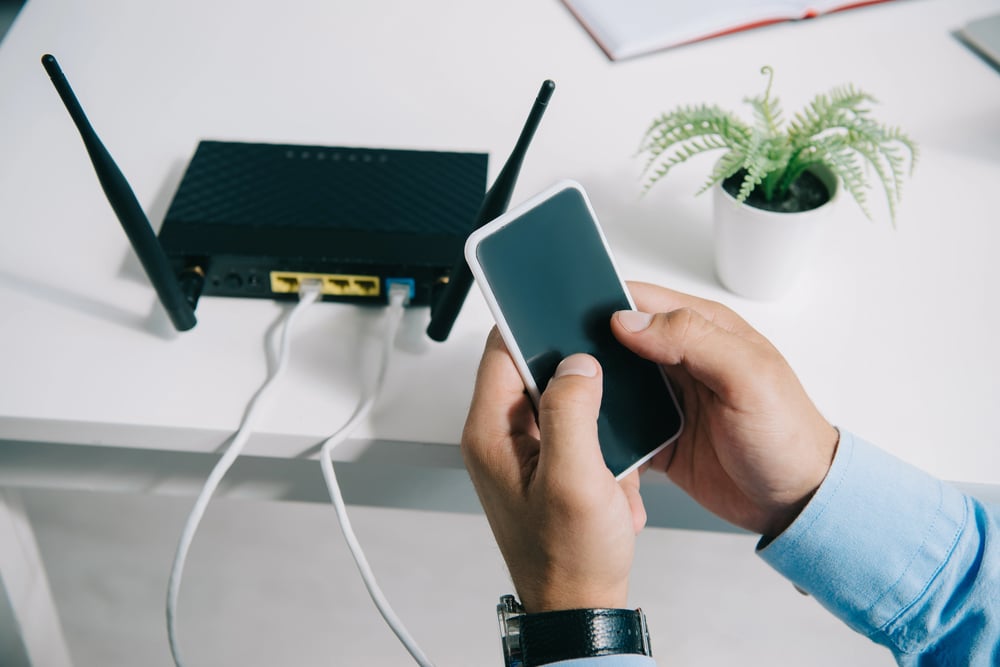
— Photo by vdovichenko
There was a huge jump in broadband internet usage globally—it constituted only 6% of U.S. internet users in June 2000, but by February 2007, over 80% of US Internet users were connected via broadband. High-speed internet became almost a required standard for quality web browsing. By the early 2000s, high-speed broadband became a household staple, making the internet an essential tool for faster communication, information, commerce, and innovation. This shift enabled everything from video streaming to online gaming.
Flat Panel Displays
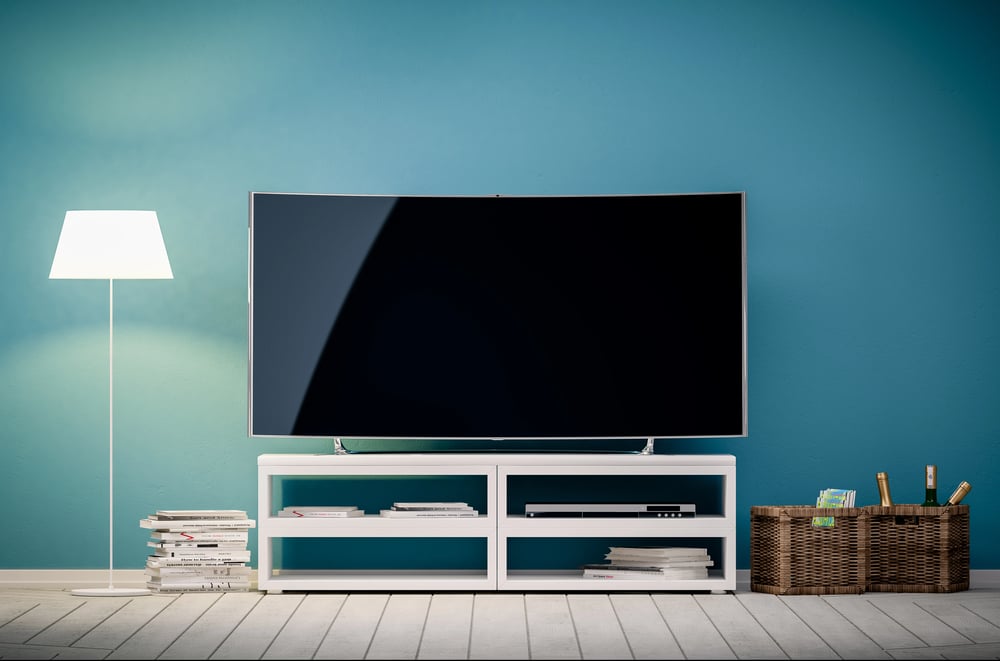
Flat panel displays began displacing cathode ray tubes during this decade, which was a dramatic change as very few flat panels were sold through the mid-2000s, but the majority of stores sold only flat panel TVs by the end of the decade. Those massive, heavy CRT monitors and TVs suddenly looked ancient compared to sleek LCD and plasma screens. The technology didn’t just make devices thinner—it completely transformed how we designed our living spaces around entertainment systems.
Toyota Prius

— Photo by teddyleung
The Toyota Prius, launched in 2000, was the world’s first mass-produced hybrid vehicle, combining a gasoline engine with an electric motor to reduce emissions and fuel consumption. While electric vehicles gained attention later, the Prius proved that eco-conscious cars could be practical, reliable, and affordable. Its success demonstrated the viability of sustainable driving and inspired other automakers to explore hybrid and electric technologies. It basically started the green car revolution.
Social Media Platforms
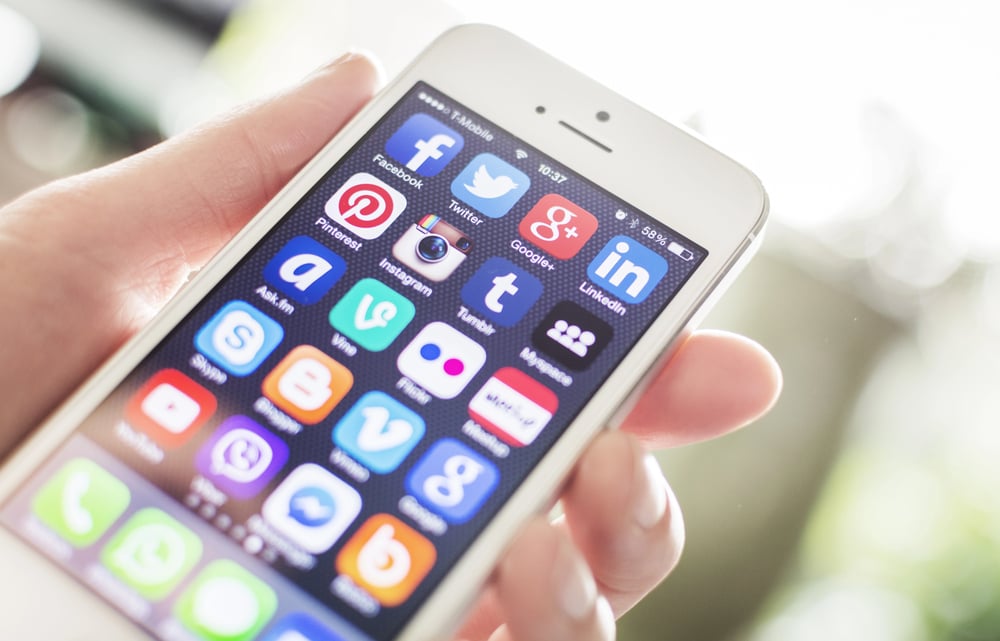
— Photo by Mactrunk
The mid-2000s heralded the birth of social media platforms that would forever change how we connect, with LinkedIn launching in 2003, followed by Facebook in 2004, and X (formerly Twitter) in 2006. These platforms transformed the internet from a place you visited for information into a space where you lived socially. Social networking websites like MySpace and Facebook gained popularity, while microblogging platforms like Twitter revolutionized real-time communication. They completely redefined human connection in the digital age.
Digital Video Recorders
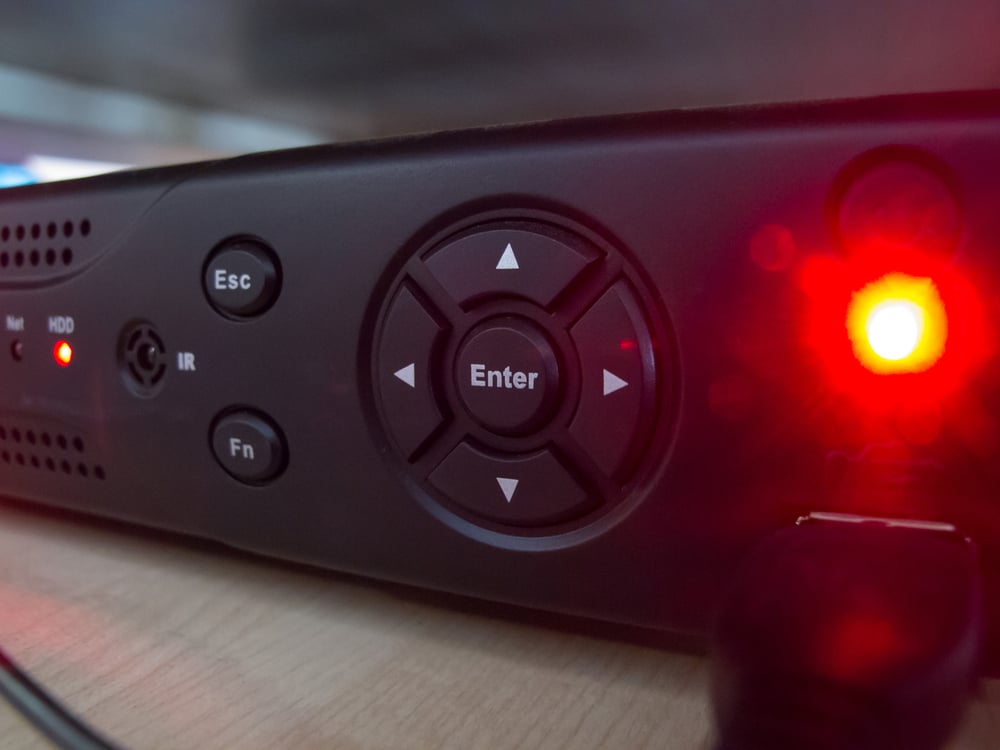
The introduction of digital video recorders (DVRs) allowed consumers to modify content they watched on TV and record programs to watch later. This technology gave viewers control over their viewing experience in ways they’d never had before. DVRs led to problems for advertisers as consumers could fast-forward through commercials, making traditional TV advertising less effective. TiVo became a household name and changed the entire television industry.
Nintendo Wii
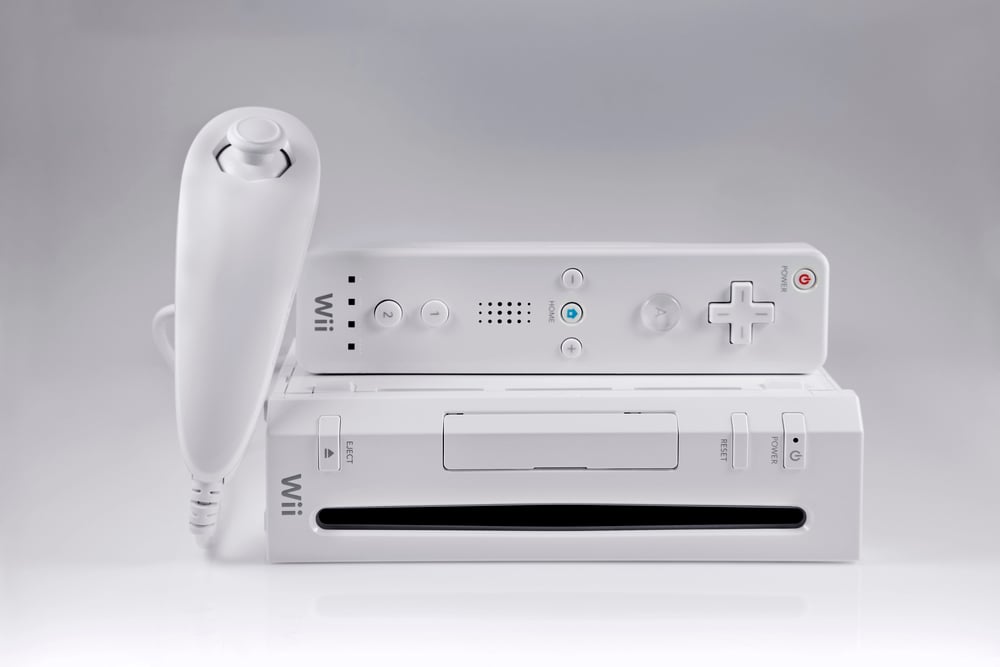
In September 2006, Nintendo released the innovative Wii gaming console that allowed players to get physically involved in their virtual games. Instead of just pressing buttons, you could swing, throw, and move your entire body to control the action. The Wii was popular even among people who didn’t think of themselves as gamers and sold more than 101 million units. It proved that gaming could be inclusive and accessible to everyone.
Windows XP
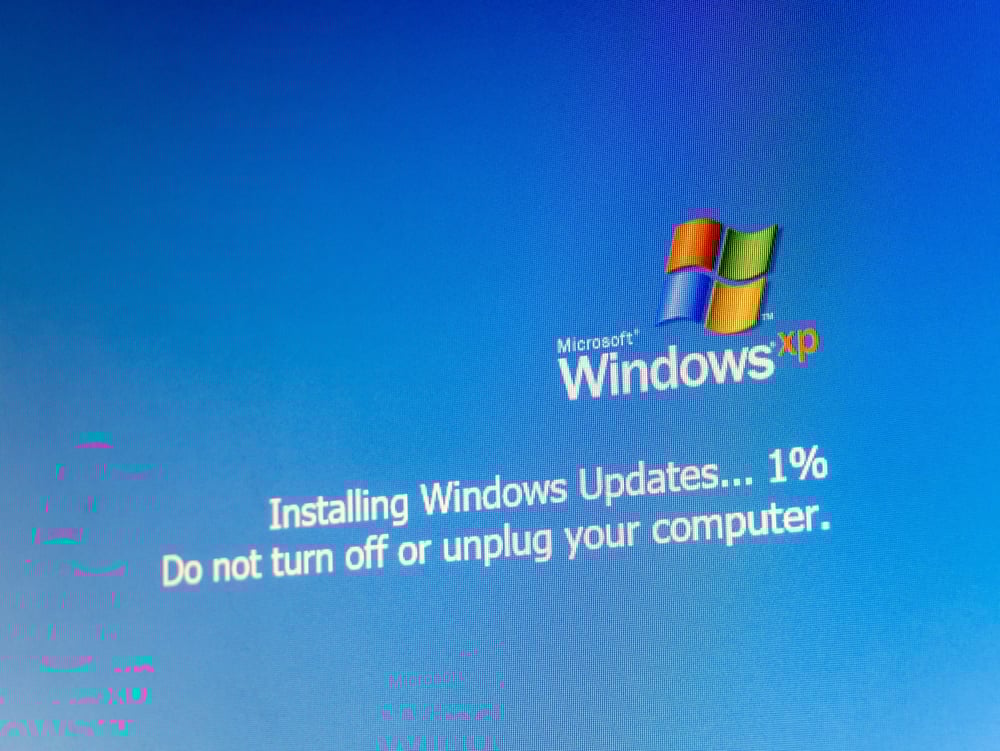
unplug your computer OS update message simple concept, nobody.
— Photo by tomeqs
Windows XP and Microsoft Office 2003 became ubiquitous in personal computer software during the 2000s. XP was incredibly stable compared to previous Windows versions and introduced that iconic green hill wallpaper everyone remembers. The operating system was so reliable that many people and businesses kept using it for well over a decade. It set the standard for what a user-friendly operating system should look like.
MP3 Players and Digital Music
— Photo by David1992
There was a boom in music downloading and the use of data compression to quickly transfer music over the Internet, with a corresponding rise of portable digital audio players. Services like Napster, launched in 1999, democratized music sharing even if they operated in legal gray areas. Digital music sales rose significantly, accounting for 6% of all music sales by 2005. The entire music industry had to completely restructure itself around digital distribution.
Advanced Smartphones
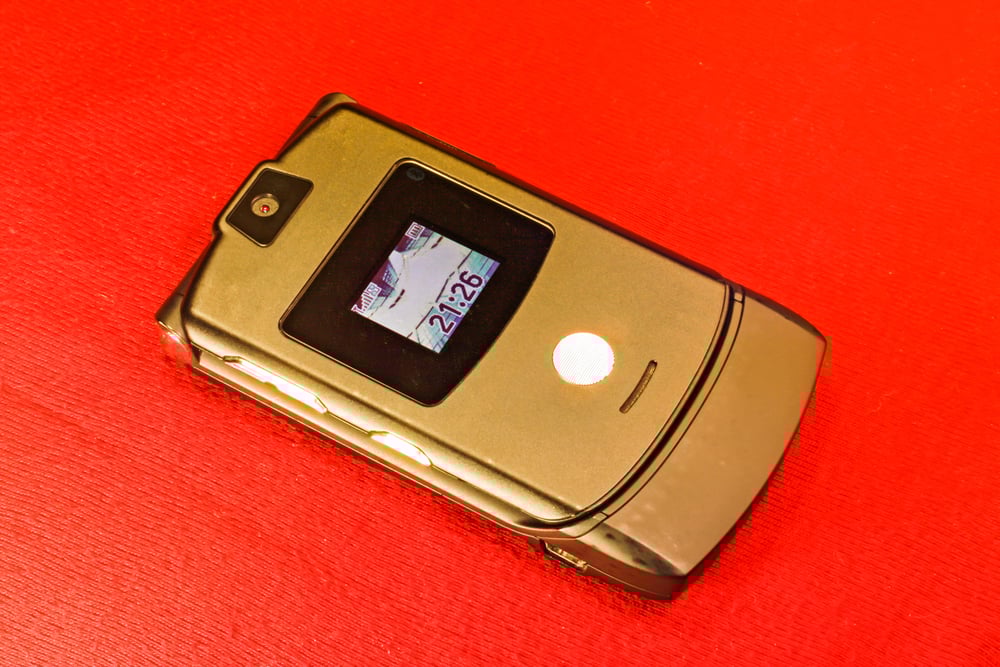
Early smartphones like the BlackBerry and Nokia’s Symbian devices started gaining popularity in the early 2000s, with Symbian being the most widely used smartphone OS. These devices supported multitasking, multimedia capabilities, and extensive third-party applications—features that were incredibly advanced for their time. Symbian OS powered many of Nokia’s popular models and laid the groundwork for future mobile technology dominance. They walked so that iPhones and Android phones could run.
The Digital Revolution Continues

The early 2000s didn’t just introduce cool gadgets—they fundamentally rewired society’s relationship with technology. These innovations created the foundation for smartphones, social media dominance, streaming services, and the always-connected world we live in today. Each device and platform from this era solved real problems while creating entirely new ways for humans to interact with information and each other. The decade proved that the most successful technologies aren’t just technically impressive—they’re the ones that seamlessly integrate into our daily lives and make tasks we didn’t even know were difficult suddenly effortless.
More from Go2Tutors!

- The Romanov Crown Jewels and Their Tragic Fate
- 13 Historical Mysteries That Science Still Can’t Solve
- Famous Hoaxes That Fooled the World for Years
- 15 Child Stars with Tragic Adult Lives
- 16 Famous Jewelry Pieces in History
Like Go2Tutors’s content? Follow us on MSN.