Interesting Ways Famous Historic Figures Spent Their Free Time
History books focus on wars won, discoveries made, and empires built, but they rarely mention what these famous people did when nobody was watching. The leaders, inventors, and artists who shaped civilization had hobbies and pastimes that would surprise most people today.
Some collected bizarre items, others played strange games, and a few had habits that seem downright odd by modern standards. These leisure activities reveal a different side of history’s biggest names.
Here’s what they really got up to when the important work was done.
Benjamin Franklin took air baths

The founding father spent time each morning sitting completely unclothed in front of an open window for 30 minutes or more. Franklin believed that fresh air on bare skin promoted good health and clear thinking.
He called this practice an ‘air bath’ and recommended it to friends despite their confusion. The habit seemed weird to his contemporaries, but Franklin credited these sessions with keeping him healthy well into old age.
Winston Churchill built brick walls for fun
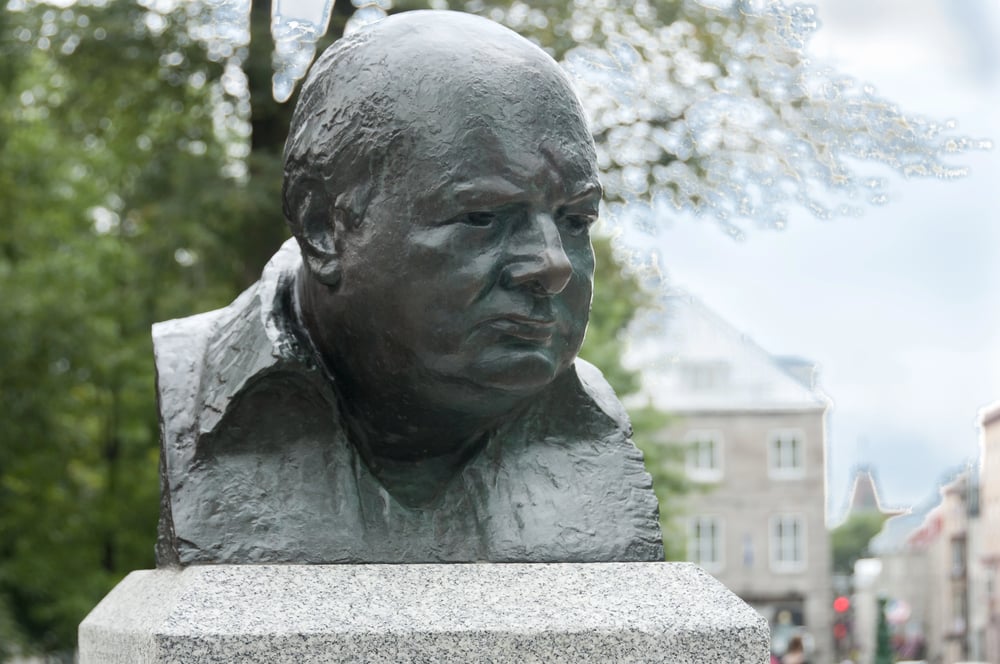
Britain’s wartime prime minister found relaxation in manual labor during his spare hours. Churchill laid bricks at his country estate, constructing walls, garden features, and small buildings with his own hands.
He even joined a bricklayers’ union and paid dues regularly. The physical work helped him deal with the stress of leading a nation through World War II, giving his mind a break from constant strategic planning.
Thomas Jefferson designed gadgets constantly

The third U.S. president couldn’t stop tinkering with things around his house. Jefferson created a swivel chair, a portable writing desk, and a device that made copies of letters as he wrote them.
He redesigned everything from plows to pasta machines, always looking for ways to make stuff work better. His home at Monticello became packed with his inventions, though most never caught on beyond his own property.
Albert Einstein played the violin to solve problems

The physicist kept a violin named Lina and grabbed it whenever he got stuck on a tough equation. Einstein said that music helped him think through complex theories in ways that staring at numbers couldn’t.
He played in amateur quartets and sometimes performed for friends after dinner. The connection between music and math just clicked for him in a way that made both things easier.
Queen Victoria knitted scarves for soldiers
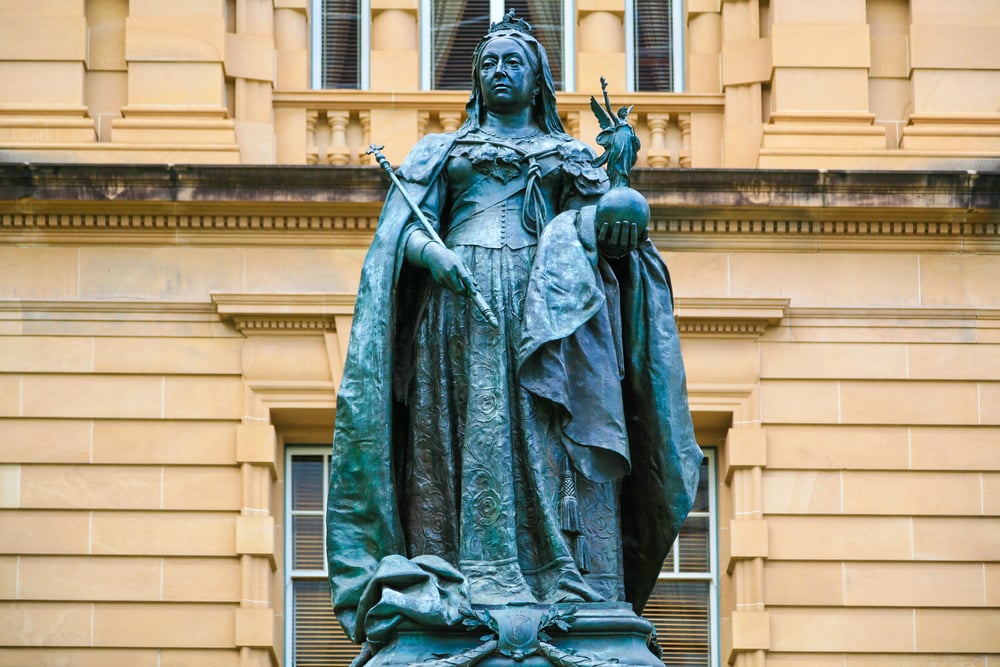
The British monarch picked up knitting needles during the Crimean War and made warm stuff for troops freezing overseas. Victoria’s hobby caught on fast, and soon wealthy women across England were knitting for soldiers too.
She kept at it her whole life, making sweaters and socks for family and charity. The queen said the repetitive motion calmed her nerves when palace drama got too intense.
Theodore Roosevelt boxed in the White House

The energetic president set up a boxing ring right in the executive mansion and sparred with anyone brave enough. Roosevelt believed in staying tough and active, so he punched and got punched regularly.
One hard hit blinded him in his left eye, but that barely slowed him down. He also wrestled, hiked for hours, and learned judo because sitting still bored him to tears.
Marie Curie went on bicycle trips

The Nobel Prize winner took long bike rides through the French countryside with her husband Pierre whenever they could escape the lab. The couple strapped their scientific equipment to their bikes and sometimes stopped to grab rock samples from interesting spots.
Curie said that pedaling for miles cleared her head after weeks of intense experiments. She kept riding even after Pierre died, finding peace in the rhythm of the wheels.
Leonardo da Vinci dissected bodies
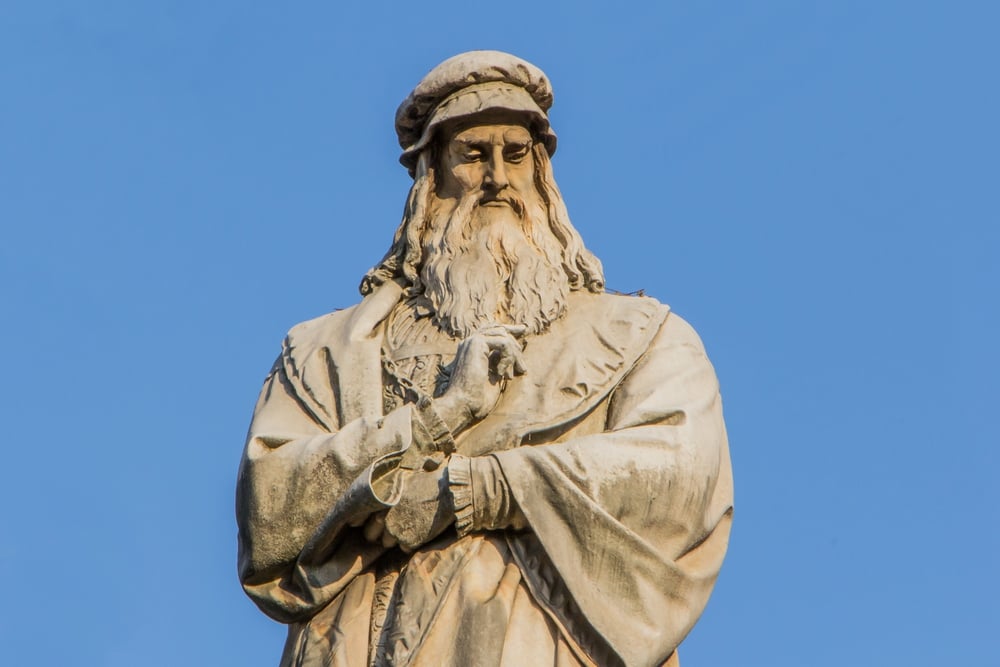
The Renaissance genius spent nights cutting open corpses to figure out how the human body actually worked. Da Vinci filled notebooks with incredibly detailed drawings of muscles, bones, and organs that nobody else got to see for centuries.
He did this work by candlelight in hospitals and morgues, which must have been pretty creepy. The knowledge made his paintings way more realistic than anything other artists were producing.
Abraham Lincoln wrestled competitively
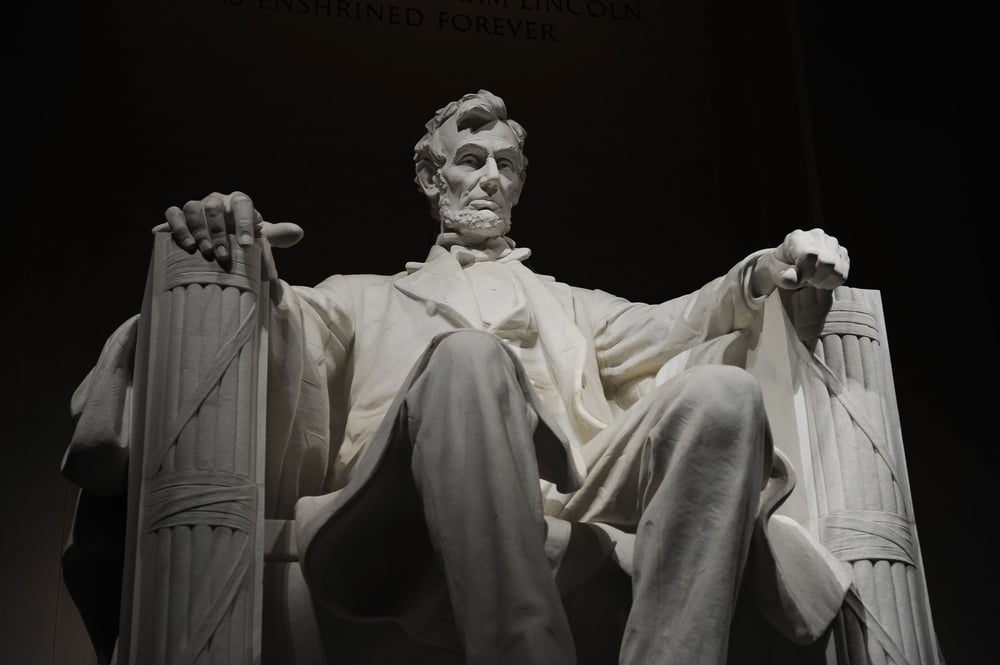
Before politics took over his life, Lincoln got into wrestling matches all over Illinois and almost never lost. Standing over six feet tall with crazy long arms, he had built-in advantages most opponents couldn’t match.
Frontier wrestling had hardly any rules, making it rougher than what people see today. Lincoln won something like 300 matches over the years and earned respect as someone you didn’t want to mess with.
Charles Darwin played backgammon every night
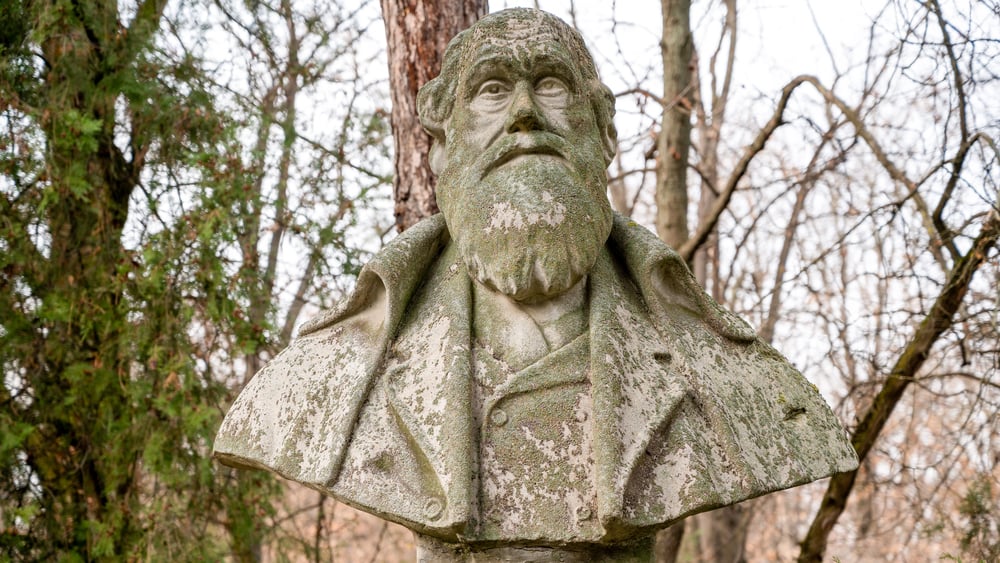
The evolution guy ended each day playing board games with his wife Emma, and he kept score of every single match for decades. Darwin got pretty competitive about these games even though they were just for fun.
The games let his brain rest from thinking about finches and natural selection all day. It also gave him regular time with Emma, which kept their marriage strong through all those years of controversial work.
Cleopatra studied poisons extensively
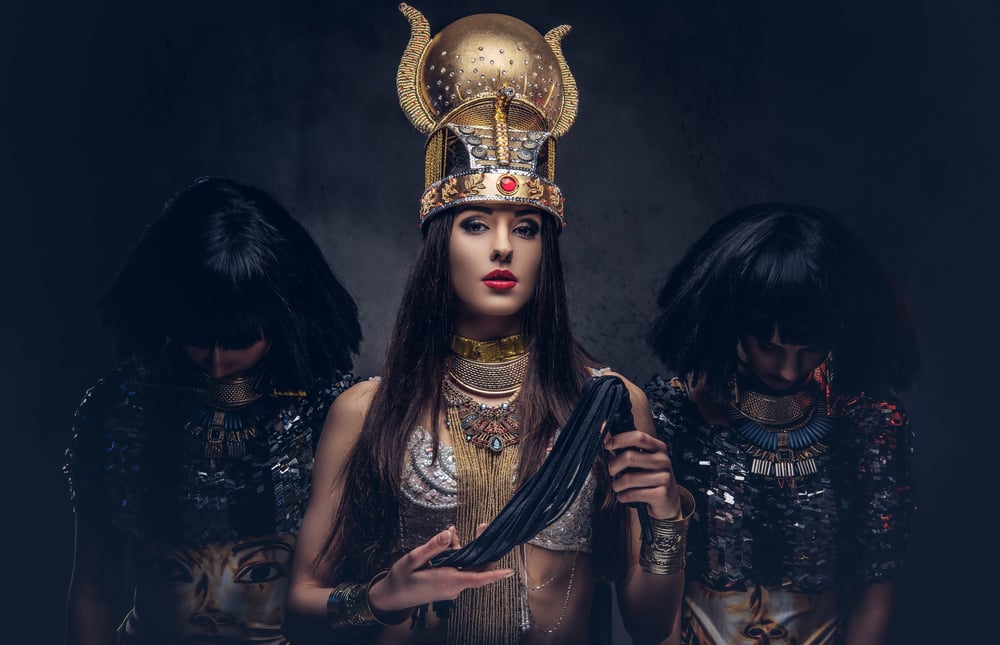
The Egyptian queen ran experiments with different toxic substances to learn which ones worked fastest and hurt least. Cleopatra tested these poisons on condemned prisoners and animals, gathering data like a scientist.
She did this partly because she found it fascinating and partly because knowing about poisons seemed useful for a ruler. That knowledge came in handy later when she needed to choose how to end her own life after losing everything to Rome.
Isaac Newton studied alchemy obsessively

The guy who figured out gravity actually spent way more time trying to turn lead into gold than doing math. Newton conducted thousands of experiments searching for the philosopher’s stone and wrote over a million words about alchemy.
He wrote far more about alchemy than physics or mathematics combined. Most of this work stayed secret because messing with alchemy could get him labeled a heretic or worse.
Nikola Tesla fed pigeons daily
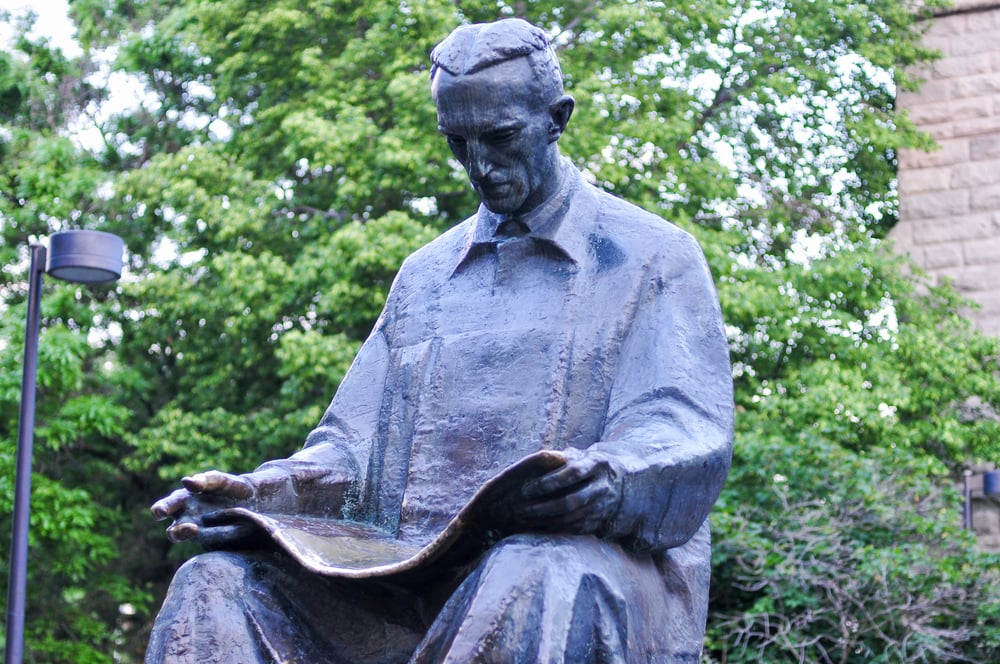
The inventor walked to parks around New York City every single day to feed pigeons he thought of as friends. Tesla bought expensive birdseed and spent serious money keeping his feathered pals well-fed.
He got especially attached to one white pigeon and swore they had real conversations. This continued right up until he died, with Tesla genuinely preferring birds to most people he met.
Theodore Roosevelt read a book before breakfast
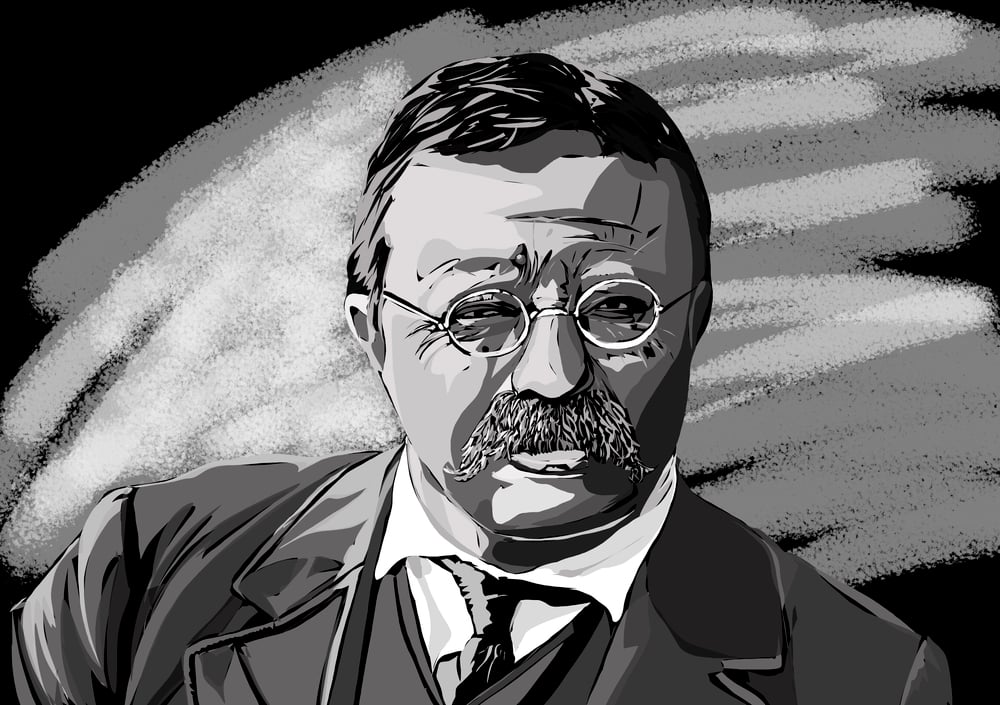
The president tore through books at a speed that seems impossible today, finishing at least one every day and sometimes three. Roosevelt read while eating, during travel, and any time he had five free minutes.
He could quote huge chunks of poetry from memory and had read hundreds of different authors. His home library had thousands of books covering topics from war history to butterfly species.
Mozart played billiards while composing
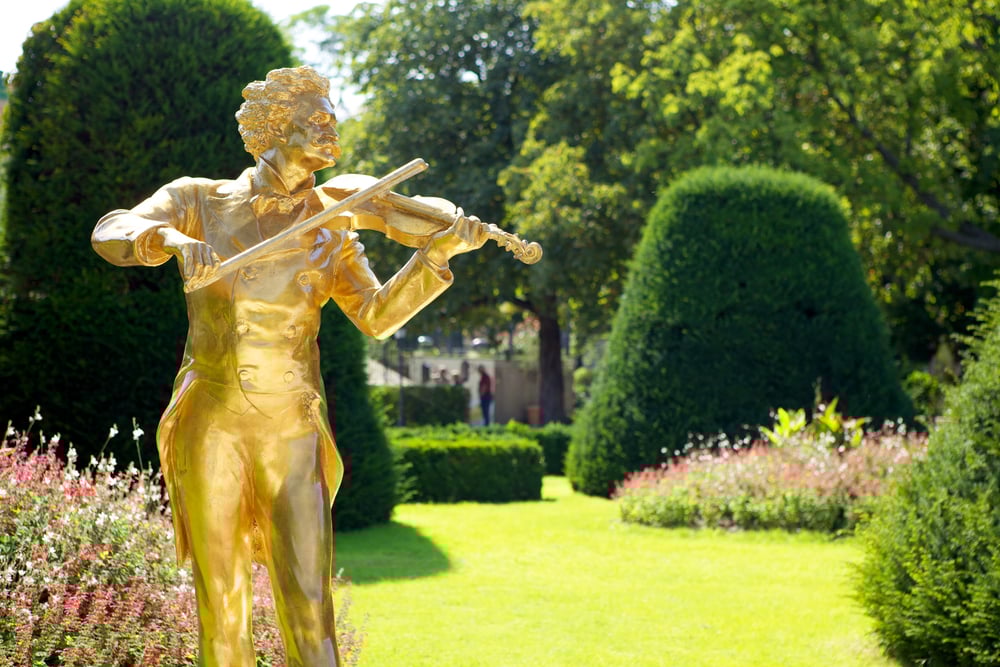
The composer kept a pool table in his place and played while working out new melodies in his head. Mozart would take a few shots, run to his piano to write down some notes, then go back to the game.
He said moving around helped the music come to him more naturally than just sitting still. He also had a pet bird that he taught to whistle parts of his songs, though it always got the tune slightly wrong.
Agatha Christie surfed in Hawaii and South Africa

The mystery writer tried surfing during trips in the 1920s, way before it became a thing outside of Hawaii. Christie actually stood up on a board and rode waves when most women wouldn’t even consider trying.
She wrote about how much fun it was in her autobiography years later. The author also loved swimming and jumped in the ocean whenever her travels took her near a beach.
Napoleon Bonaparte wrote romance novels

The military genius wrote a romantic story called ‘Clisson et Eugénie’ when he was young. The tale was about a soldier falling for a woman, which basically mirrored what was happening in his own life.
He never published it, and the story sat forgotten until historians dug it up much later. Napoleon kept writing his whole life, though he stuck mostly to letters and official documents after that early fiction attempt.
Grace Hopper played chess against computers
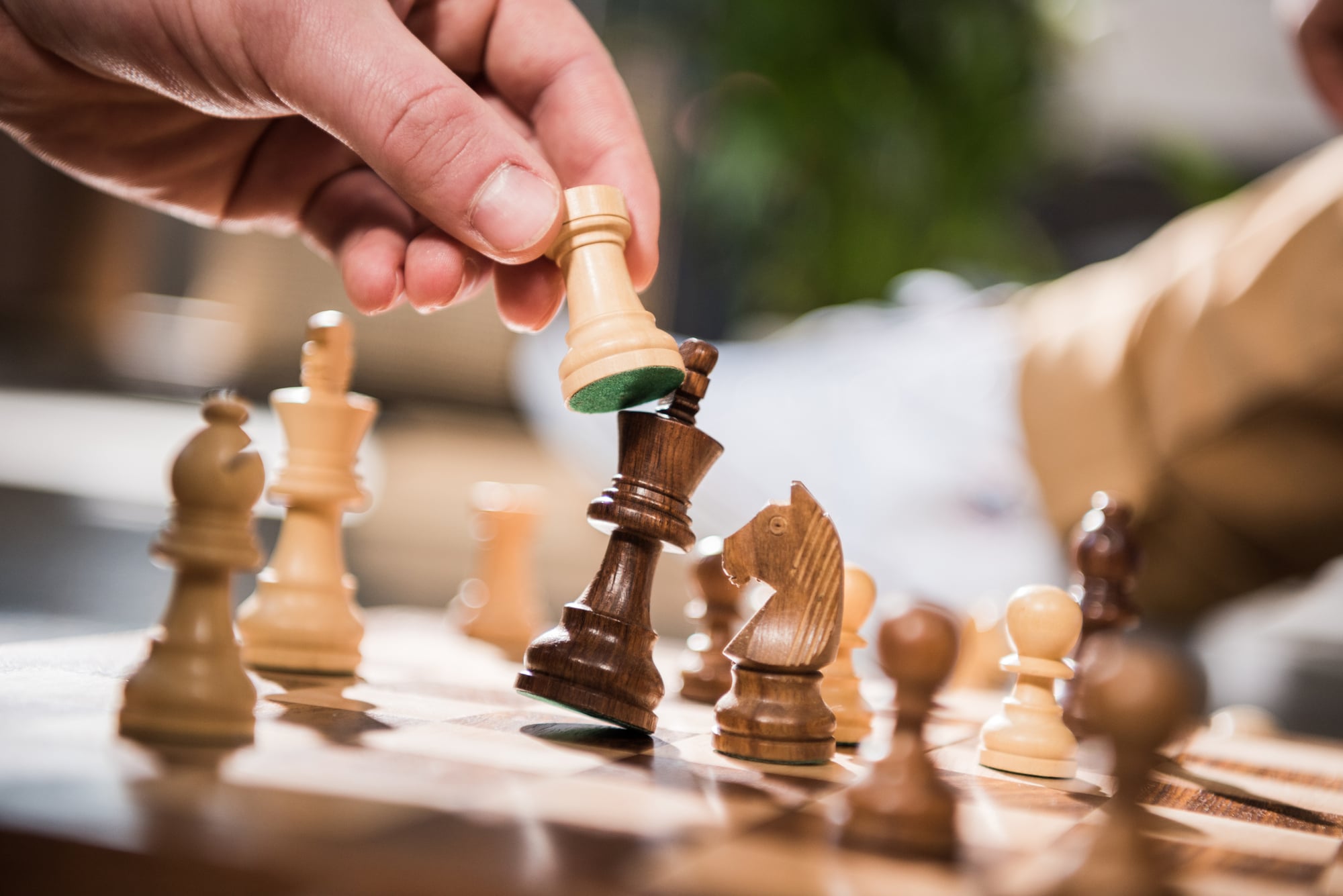
The computer programming pioneer played chess matches against the early machines she helped build. Hopper wanted to test how well computers could think strategically.
She treated these games as both fun and serious research, looking for ways to make the machines smarter. This happened way back when most folks had never even heard of computers outside of science labs and military bases.
What these pastimes reveal
The hobbies of history’s famous figures show that even the biggest achievers needed breaks from their main work. These accomplished people made time for stuff that brought them joy or just gave their brains a rest.
Sometimes their hobbies connected to their big achievements in unexpected ways, and sometimes the activities just kept them from going crazy during tough times. Anyone feeling bad about spending time on hobbies should remember that Einstein played violin, Churchill stacked bricks, and Darwin played board games.
Taking time off isn’t lazy. It’s what smart people have always done.
More from Go2Tutors!

- The Romanov Crown Jewels and Their Tragic Fate
- 17 Halloween Costumes Once Considered Taboo
- Famous Hoaxes That Fooled the World for Years
- 15 Child Stars with Tragic Adult Lives
- 16 Famous Jewelry Pieces in History
Like Go2Tutors’s content? Follow us on MSN.