26 Vintage Watches Repair Shops Offer to Buy on the Spot
Most people bring an old watch to a repair shop expecting a cleaning bill, not an offer to buy it outright. A specific list of vintage models, though, are worth enough on the collector market that a shop would rather make an offer on the spot than hand the piece back fixed.
Final value always depends heavily on originality and condition, but these are the names that get a second look every time.
Rolex Submariner Reference 6538
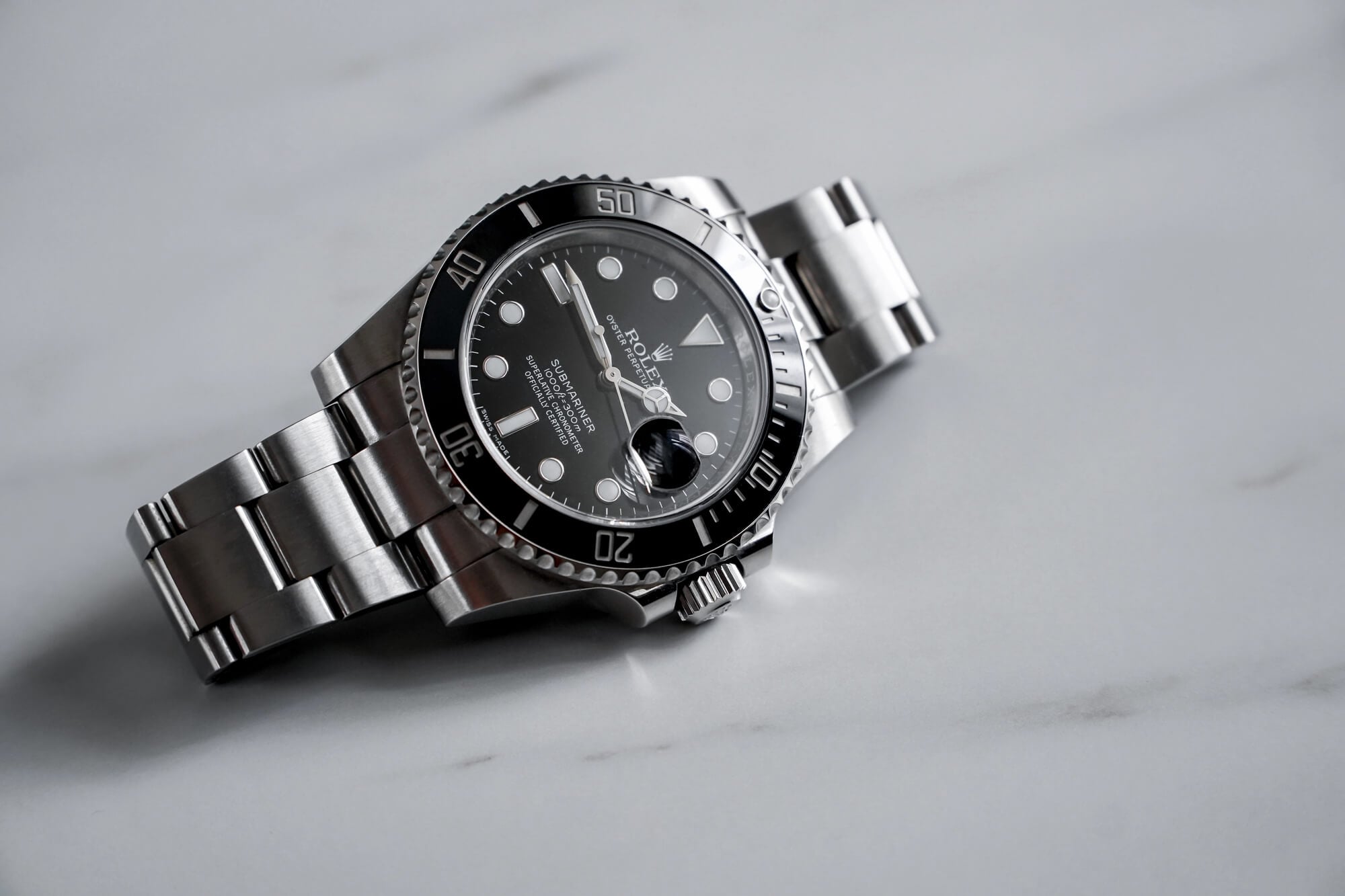
Produced in the 1950s without crown guards protecting the winding stem, this reference became closely associated with early cinematic depictions of the character James Bond. Its lack of later protective design features, combined with its status as an early example of the now-iconic Submariner line, makes original examples a consistent target for serious collectors.
Rolex Daytona “Paul Newman” Reference 6239
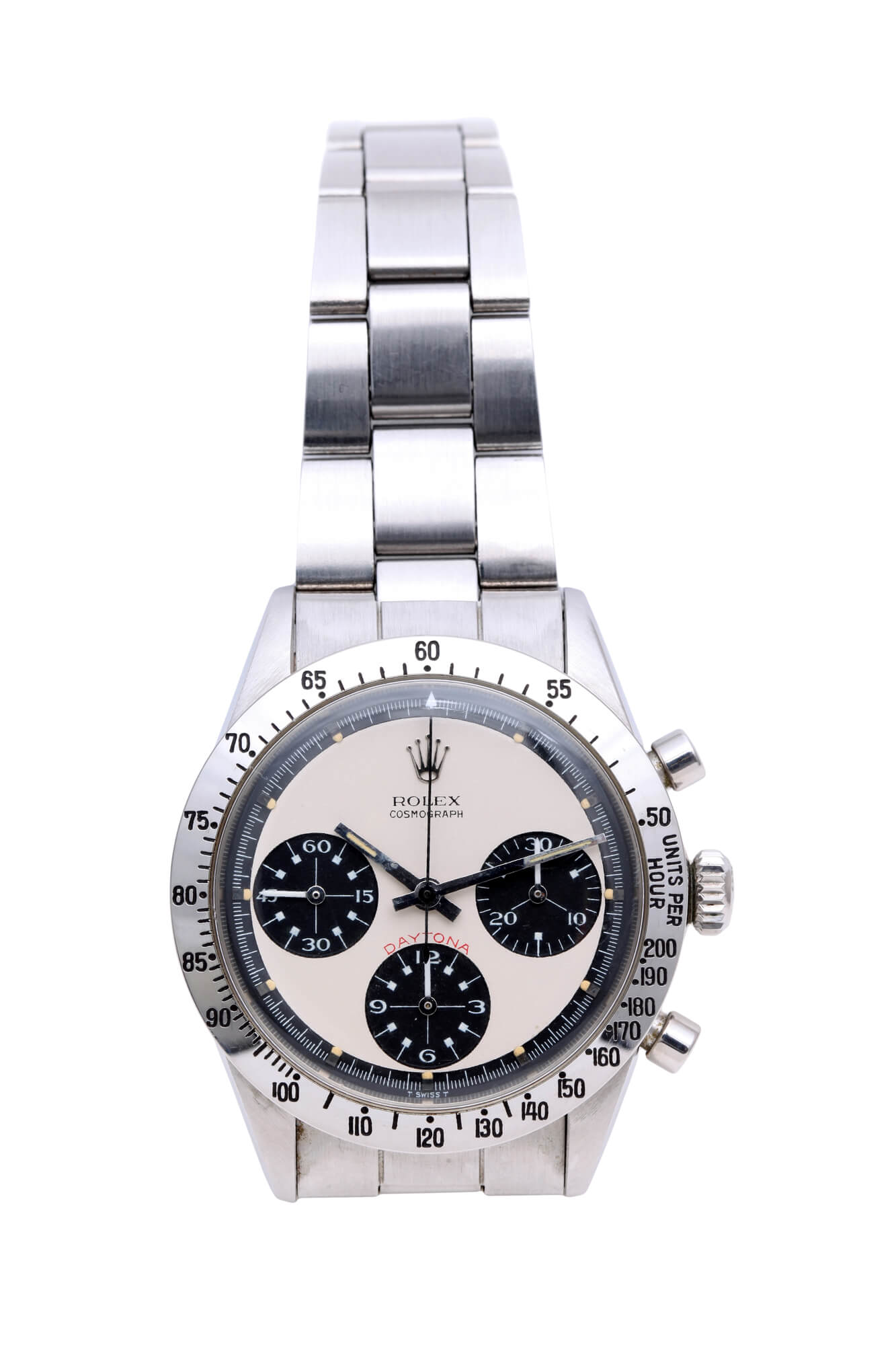
Named for the actor’s well-documented personal attachment to the model, this Daytona variant features a distinctive art deco-style dial that was actually unpopular when new, leading to relatively low original sales. That period unpopularity is exactly what makes surviving examples scarce today, since so few were purchased and preserved compared to the standard dial variant.
Rolex GMT-Master “Pepsi” Reference 1675
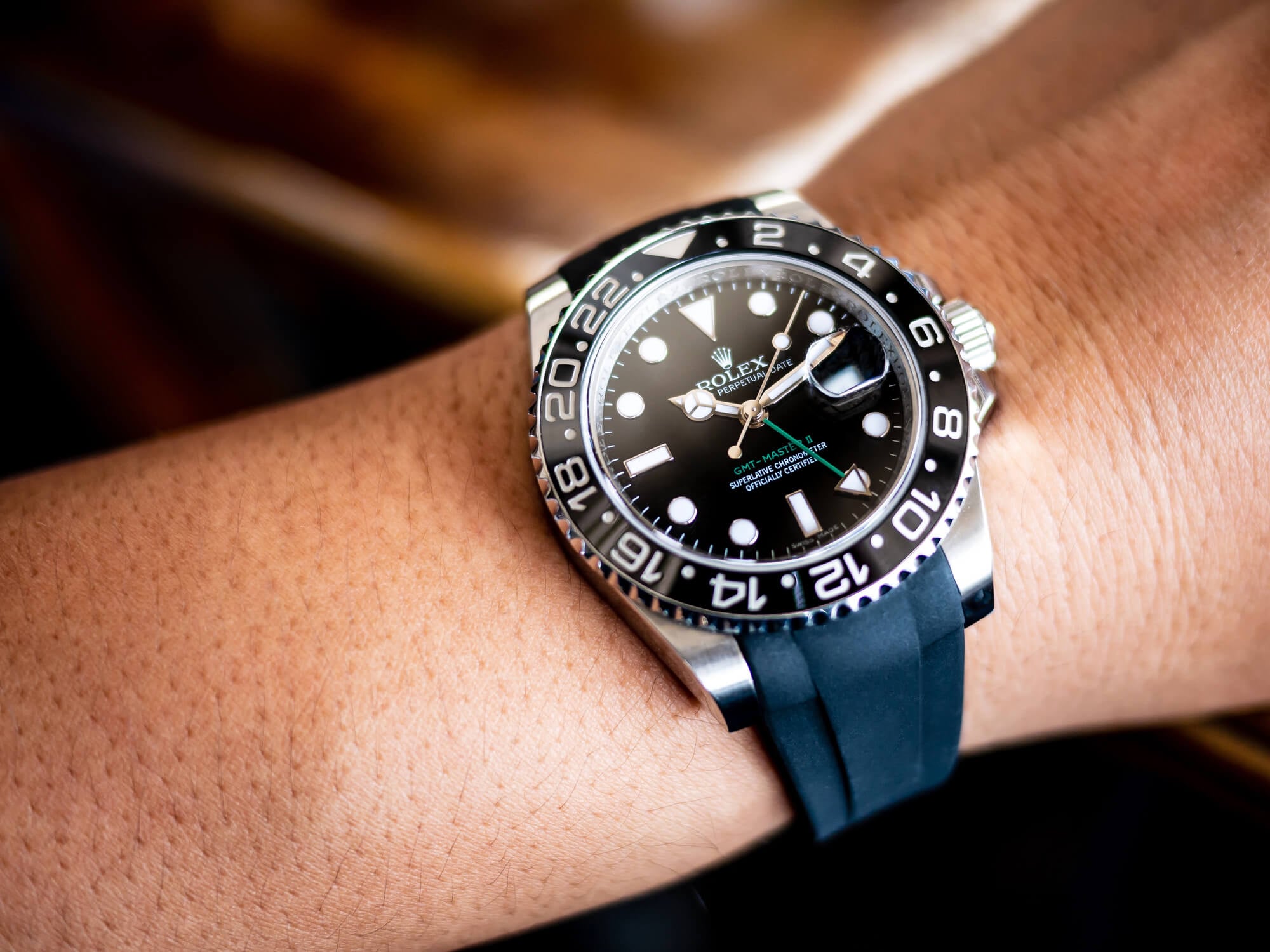
Named for its red-and-blue bezel insert, this GMT-Master reference was designed originally for airline pilots needing to track two time zones simultaneously. Decades of production changes across the reference’s long run give specialists specific details to check when authenticating an early example.
Omega Speedmaster Pre-Moonwatch
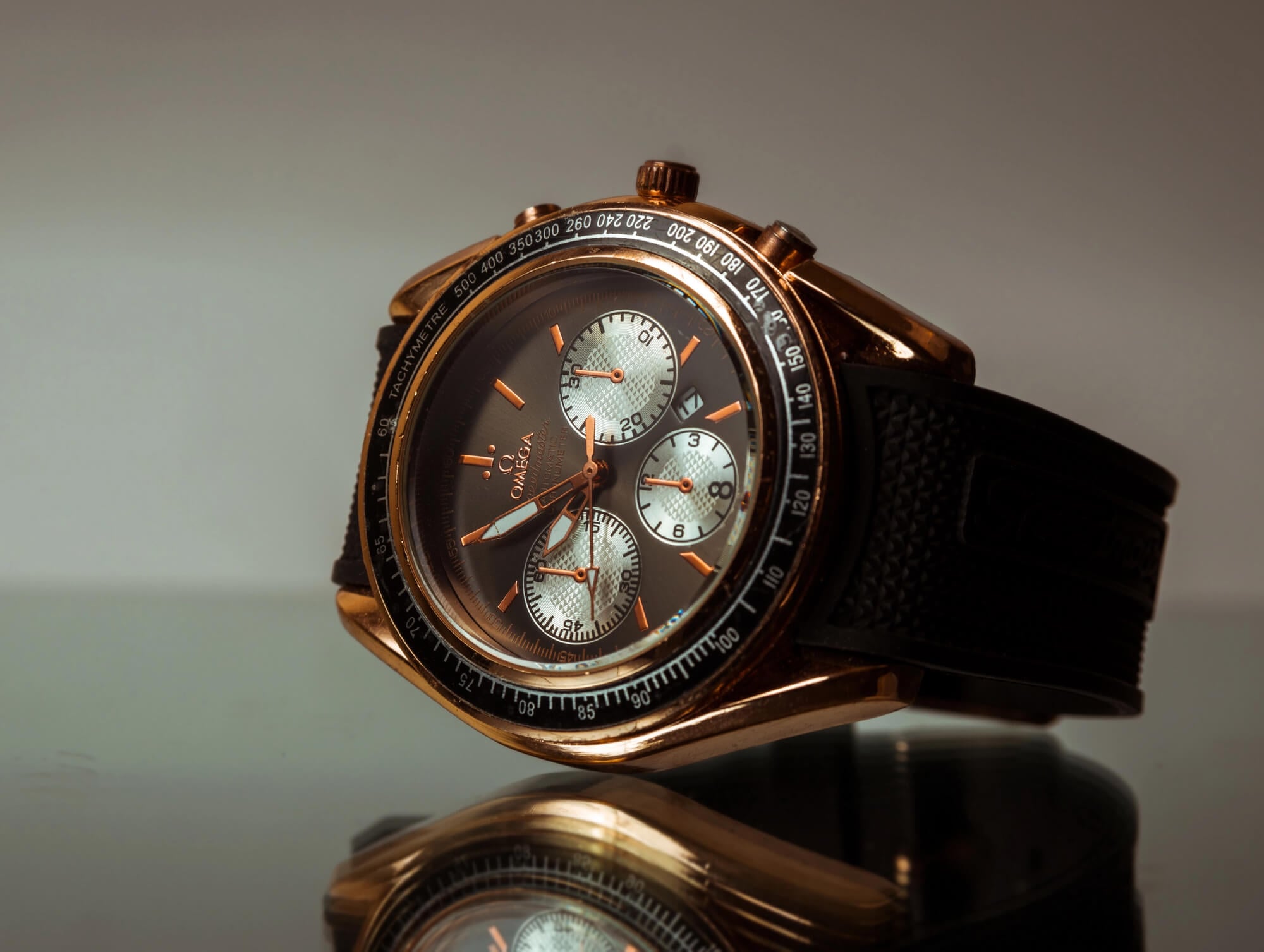
Before NASA certified the Speedmaster for spaceflight, Omega produced several earlier references, including the CK2998, that predate the watch’s most famous chapter. Those pre-certification models are treated by collectors as the foundation of the entire Speedmaster lineage, distinct from the more widely available later Moonwatch editions.
Patek Philippe Nautilus Reference 3700/1A
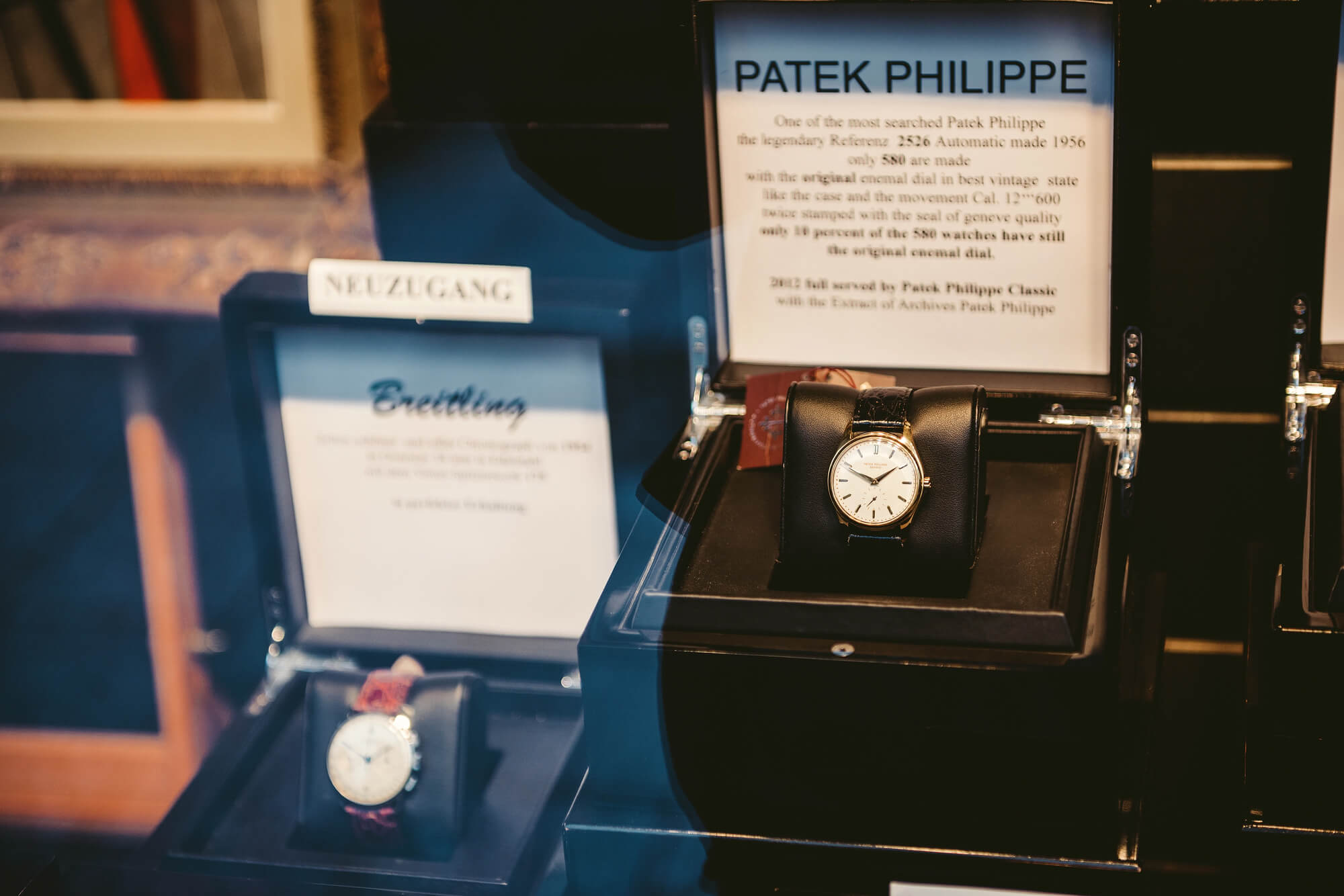
Designed in the 1970s with a distinctive porthole-shaped case that broke from Patek Philippe’s traditionally formal dress watch aesthetic, the original Nautilus was considered a bold departure at the time of its release. Its influence on the entire category of luxury sport watches has made original examples from this first reference especially sought after.
Audemars Piguet Royal Oak “Jumbo” Reference 5402
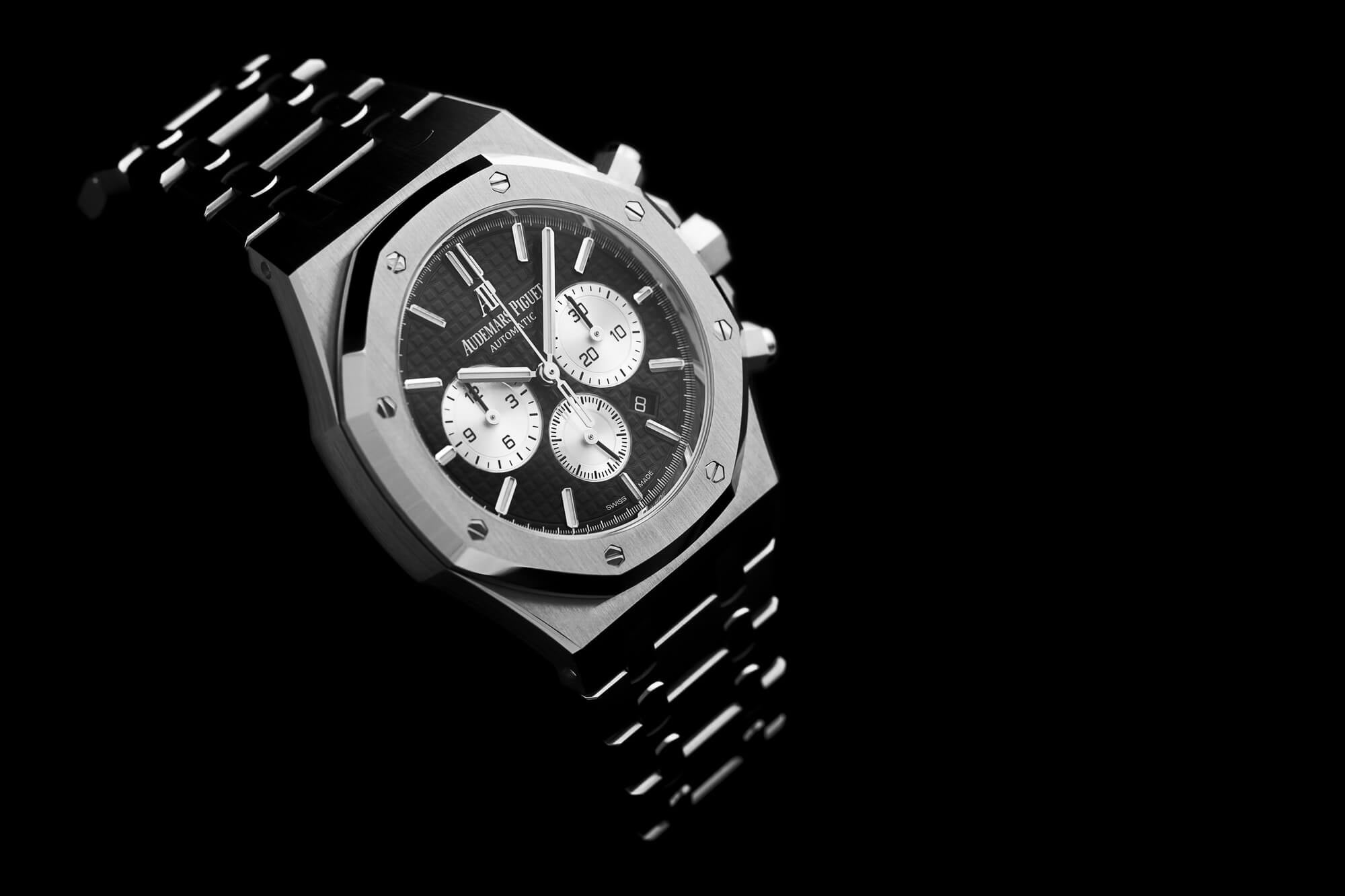
Released in 1972 as one of the first luxury watches made from stainless steel rather than precious metal, the Royal Oak’s octagonal bezel and integrated bracelet design were considered unconventional for a high-end watch at the time. Its status as the original reference in a now-iconic line has kept early examples in consistently high demand.
Heuer Monaco Reference 1133
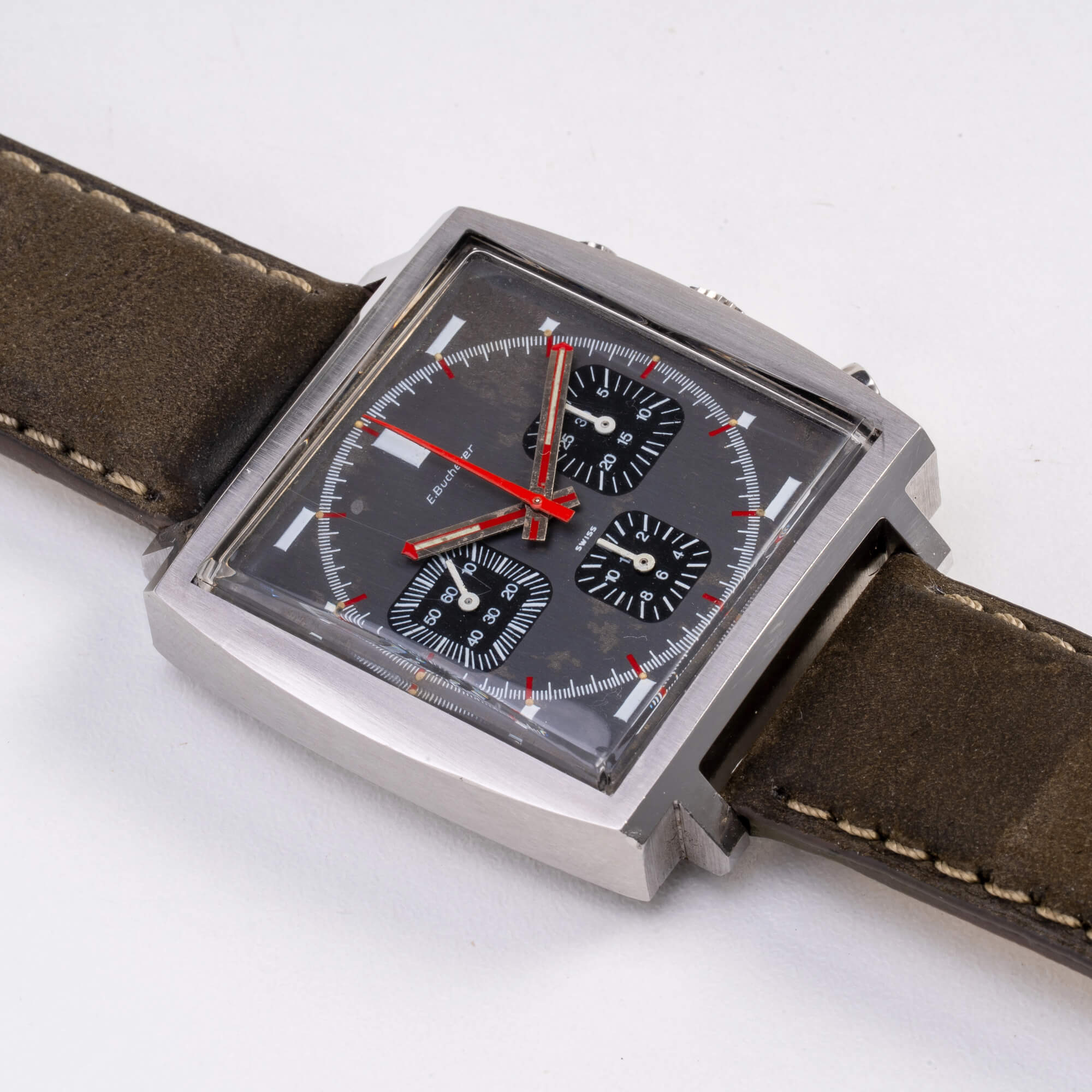
Made famous by its association with actor Steve McQueen, who wore the square-cased chronograph in a film about auto racing, the Monaco stood out immediately for a case shape almost no other watchmaker was using at the time. Its unusual silhouette has kept it visually distinctive among vintage chronographs even decades after its release.
Heuer Carrera Vintage Chronographs
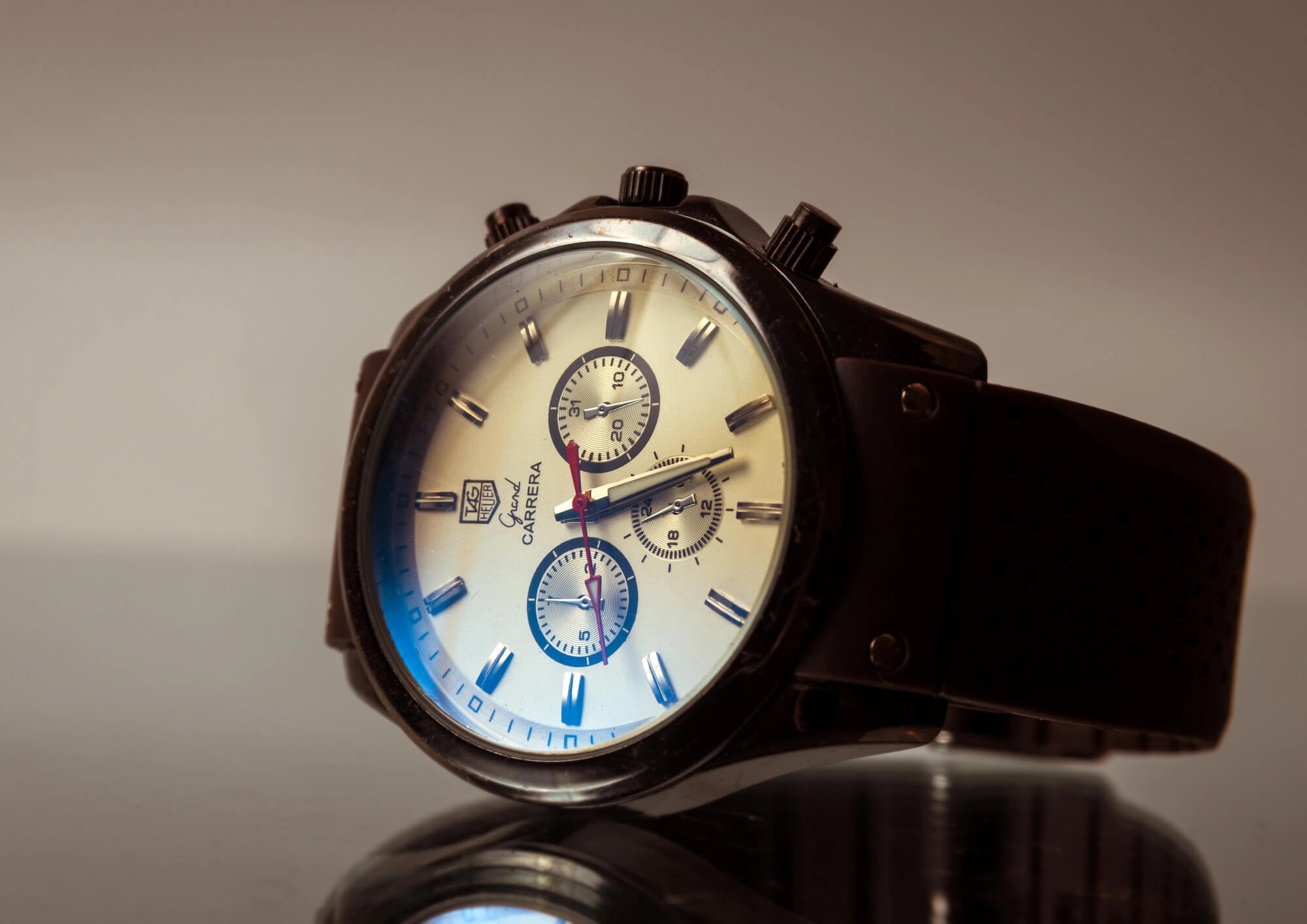
Heuer’s Carrera line, introduced in the 1960s and named for a notoriously dangerous Mexican road race, built a reputation among motorsport communities for its clean, highly legible dial design. Early examples with original dials and unpolished cases are specifically what collectors of vintage racing chronographs look for.
Universal Genève Polerouter
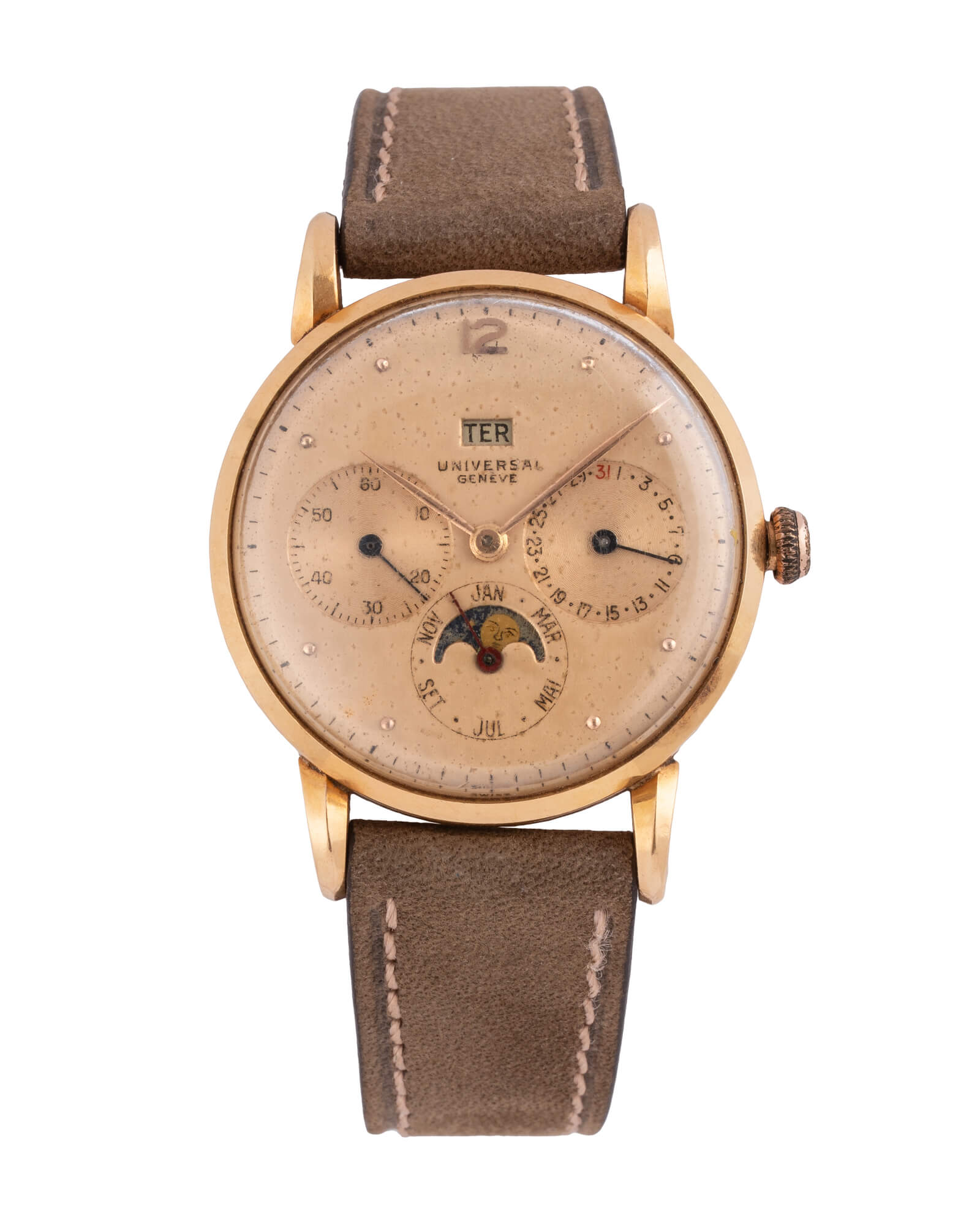
Designed in the 1950s partly to withstand the magnetic fields pilots encountered on polar flight routes, the Polerouter combined technical innovation with a design sensibility that has aged well among modern collectors rediscovering the brand. Its relative affordability compared to more famous Swiss names has made it a frequent entry point for new vintage watch collectors.
Breitling Navitimer Reference 806
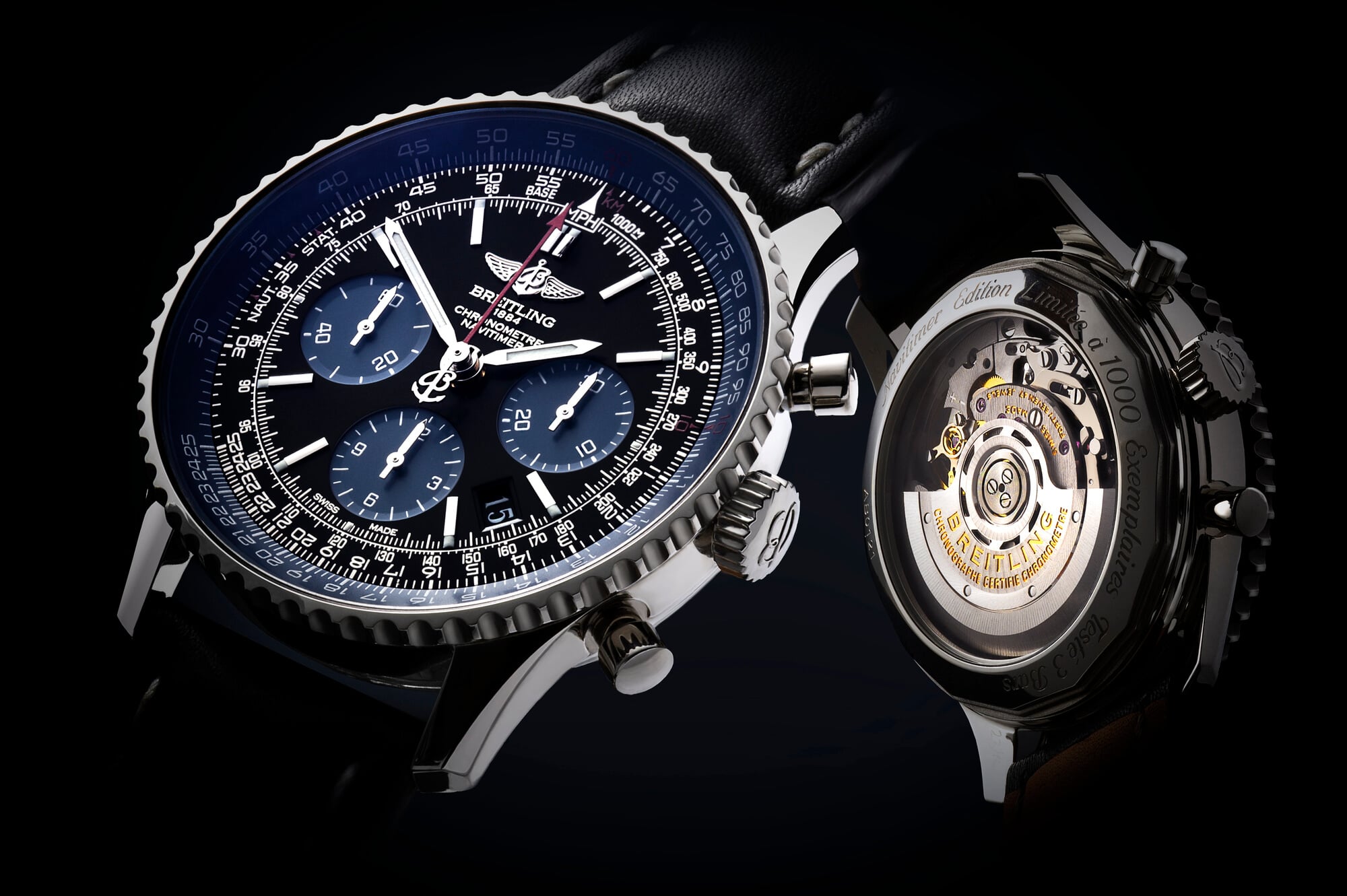
Built with a circular slide rule bezel designed for pilots to perform flight calculations, the Navitimer became closely associated with aviation culture from its 1950s introduction onward. Original examples with intact, correctly functioning slide rule bezels are considerably harder to find than the watch’s later reissues.
Zenith El Primero A386
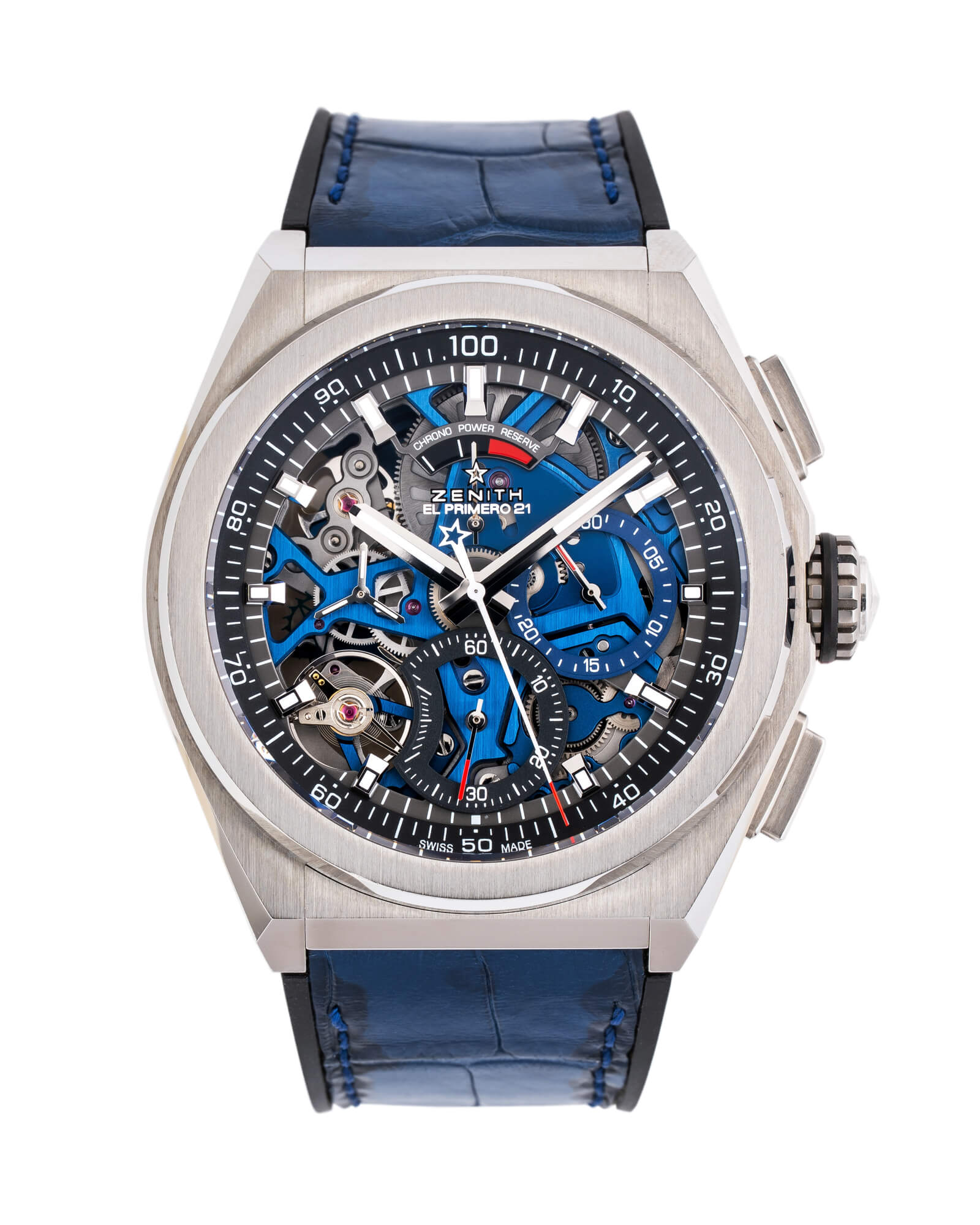
Released in 1969, the El Primero was among the first automatic chronograph movements to reach the market, developed in a competitive race between several Swiss manufacturers working on the technology simultaneously. Its tricolor dial design and historically significant movement have made original examples a specific target for collectors of vintage chronographs.
IWC Portuguese Vintage Editions
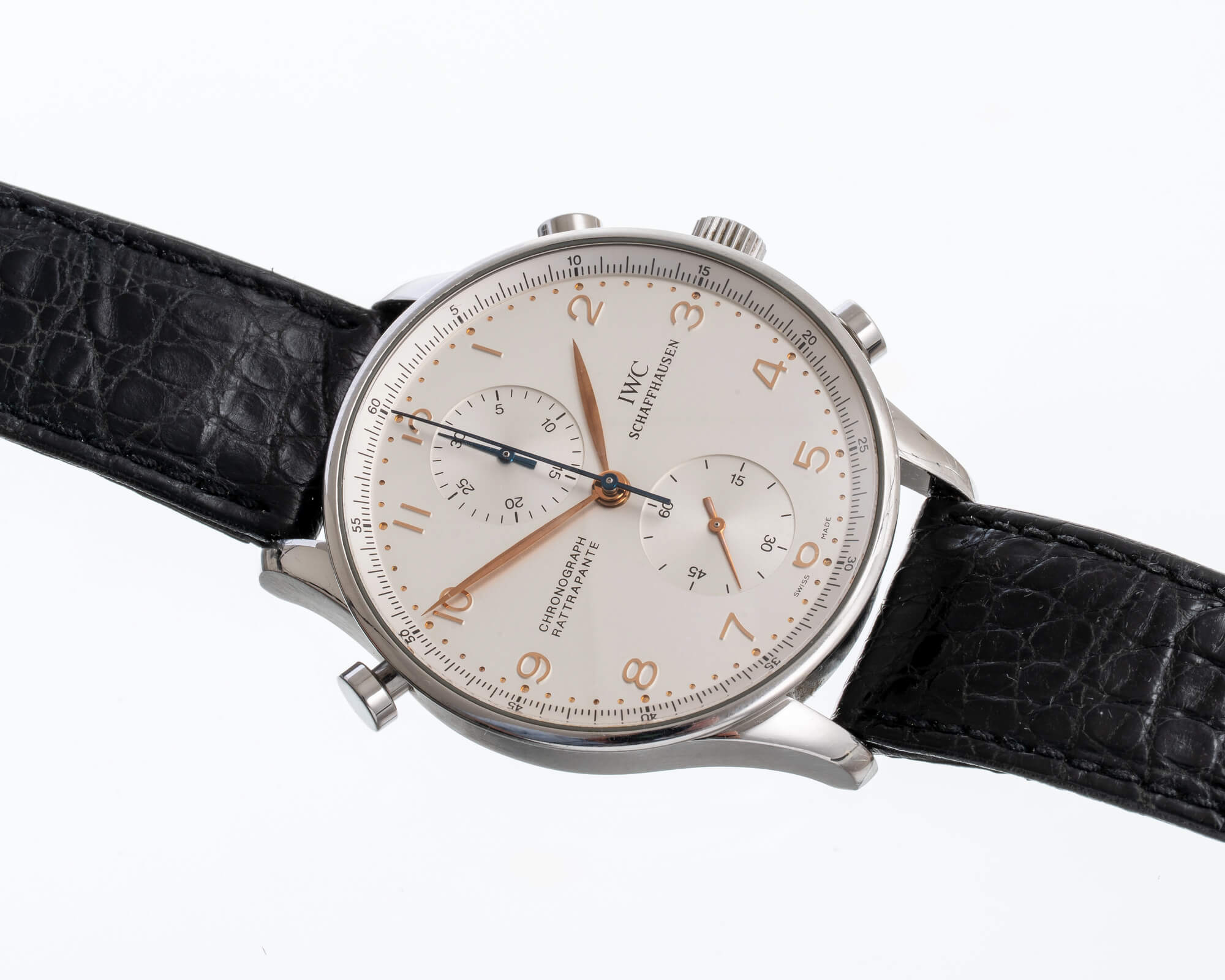
Originally developed in the 1930s at the request of Portuguese clients who wanted a wristwatch with the timekeeping precision of a marine chronometer, the Portuguese line’s oversized case was unusual for its era. Early vintage examples, produced in far smaller numbers than the line’s later popular reissues, draw particular attention from collectors of classic dress watches.
Jaeger-LeCoultre Reverso
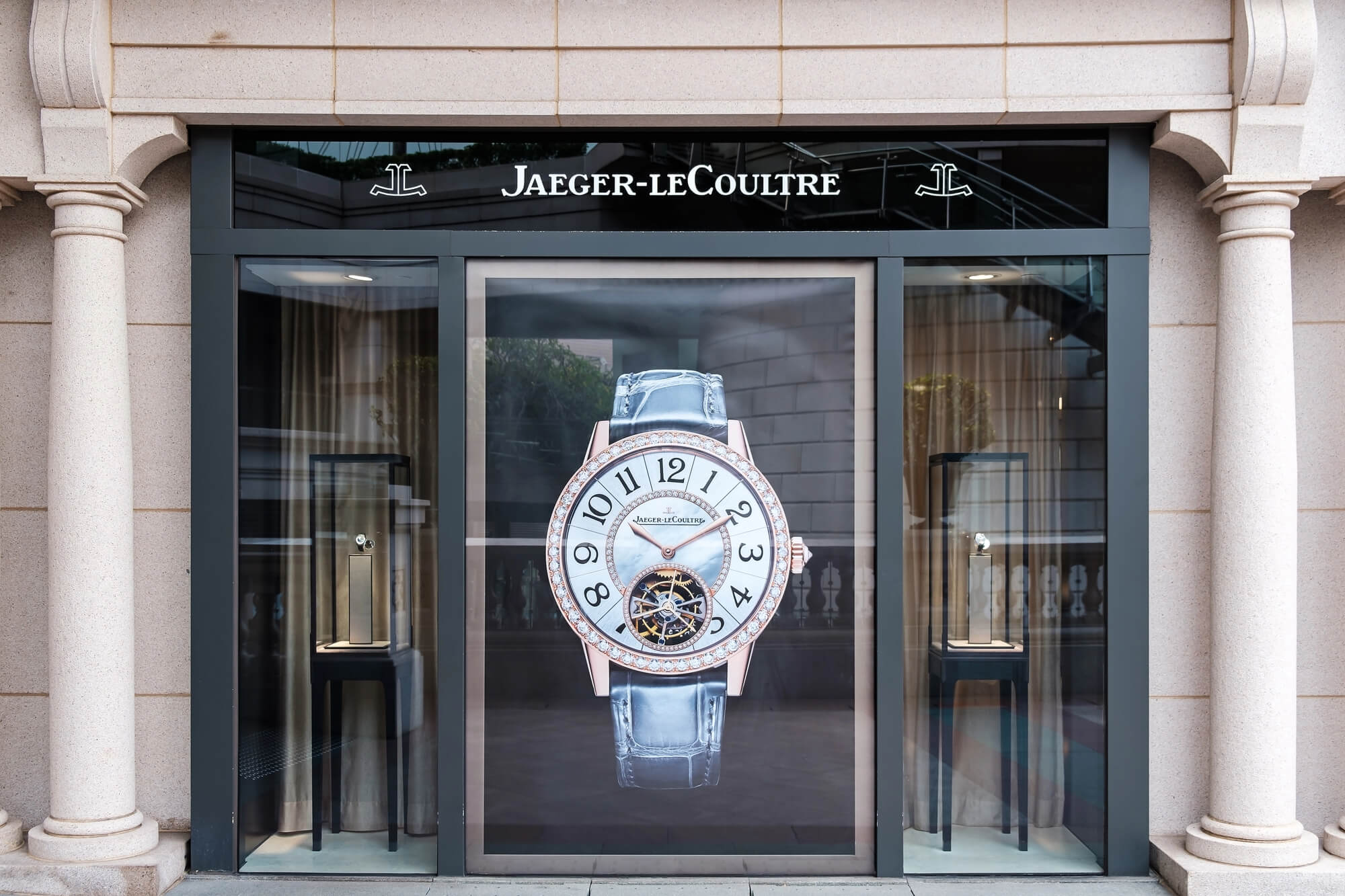
Designed in the 1930s with a case that flips completely around on its frame, the Reverso was originally built to protect its crystal during polo matches, a functional solution that became a lasting design icon. Early Art Deco-era examples with original dials are treated as significant pieces of vintage watchmaking history distinct from the countless later editions of the same swiveling case design.
Cartier Tank
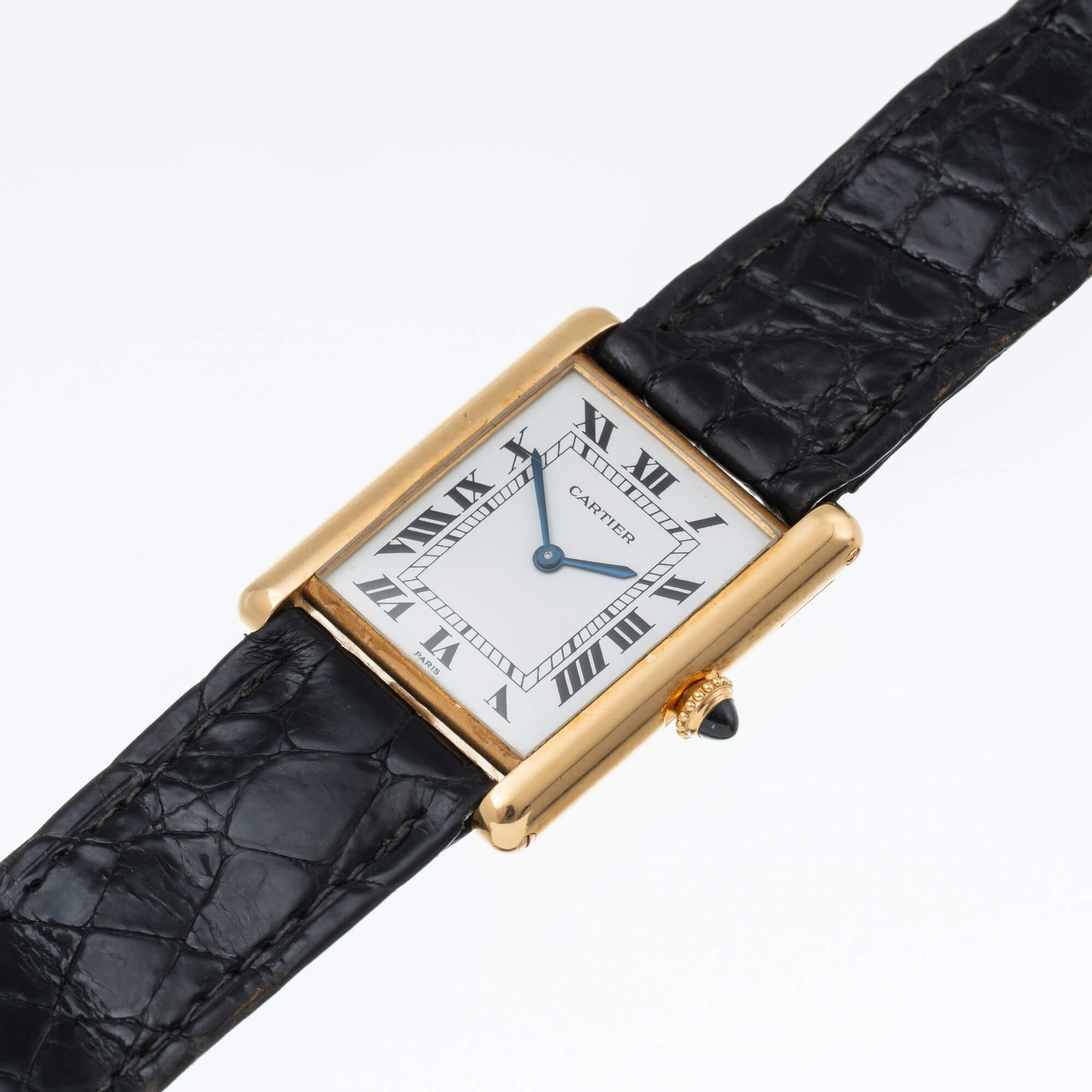
Introduced in the 1910s and inspired by the shape of military tanks the designer had observed, the Tank’s rectangular case broke from the round watch designs that had dominated the market up to that point. Early production examples, particularly from before the design was widely licensed and reproduced, are treated as significant artifacts of early twentieth-century watch design.
Vacheron Constantin Vintage Dress Watches
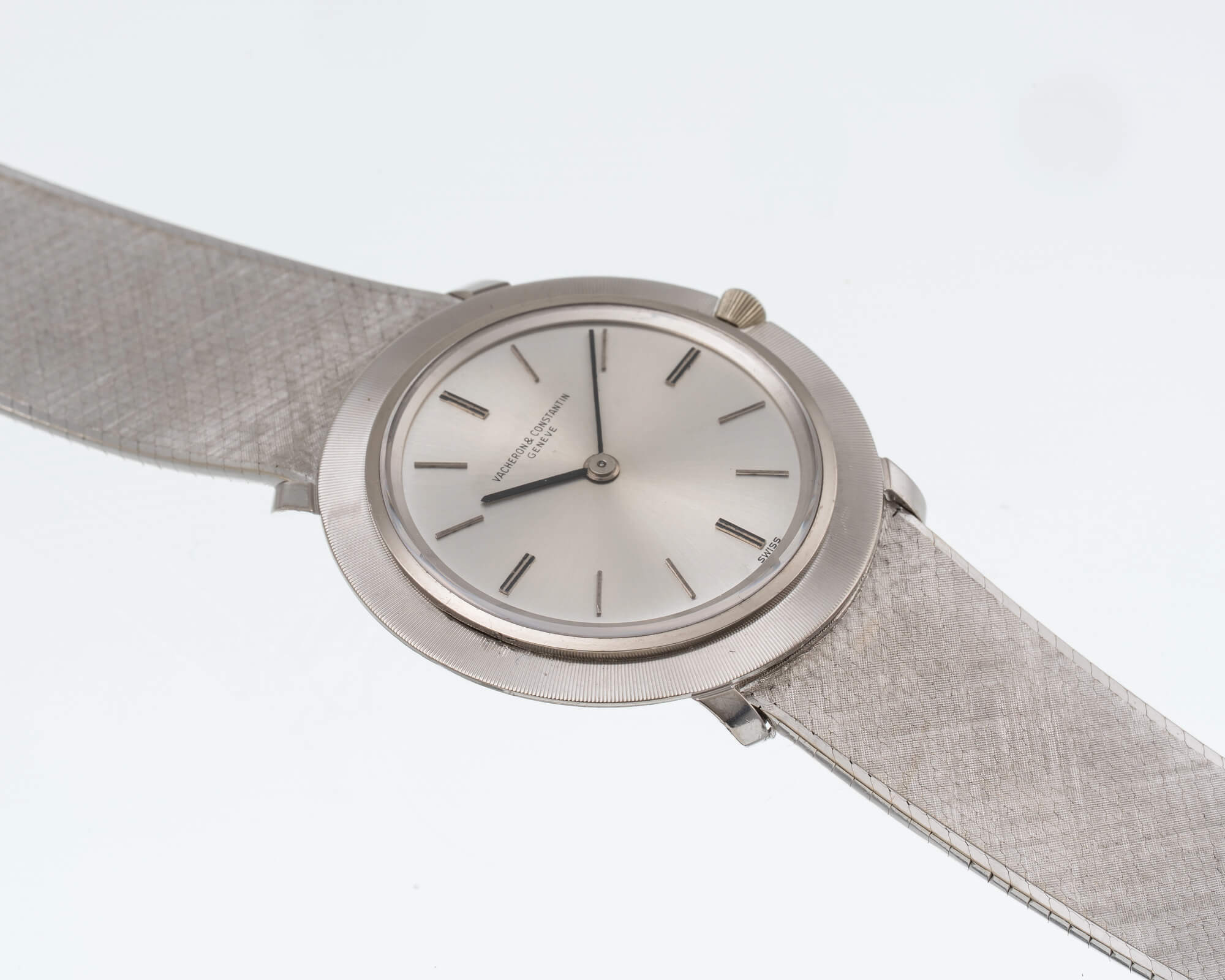
As one of the oldest continuously operating watch manufacturers in the world, Vacheron Constantin’s vintage dress watches from the early to mid-twentieth century are prized by collectors for hand-finishing techniques that have become increasingly rare in modern mass production. Specific reference numbers and movement calibers from this era carry detailed followings among specialists.
Omega Seamaster 300 Vintage
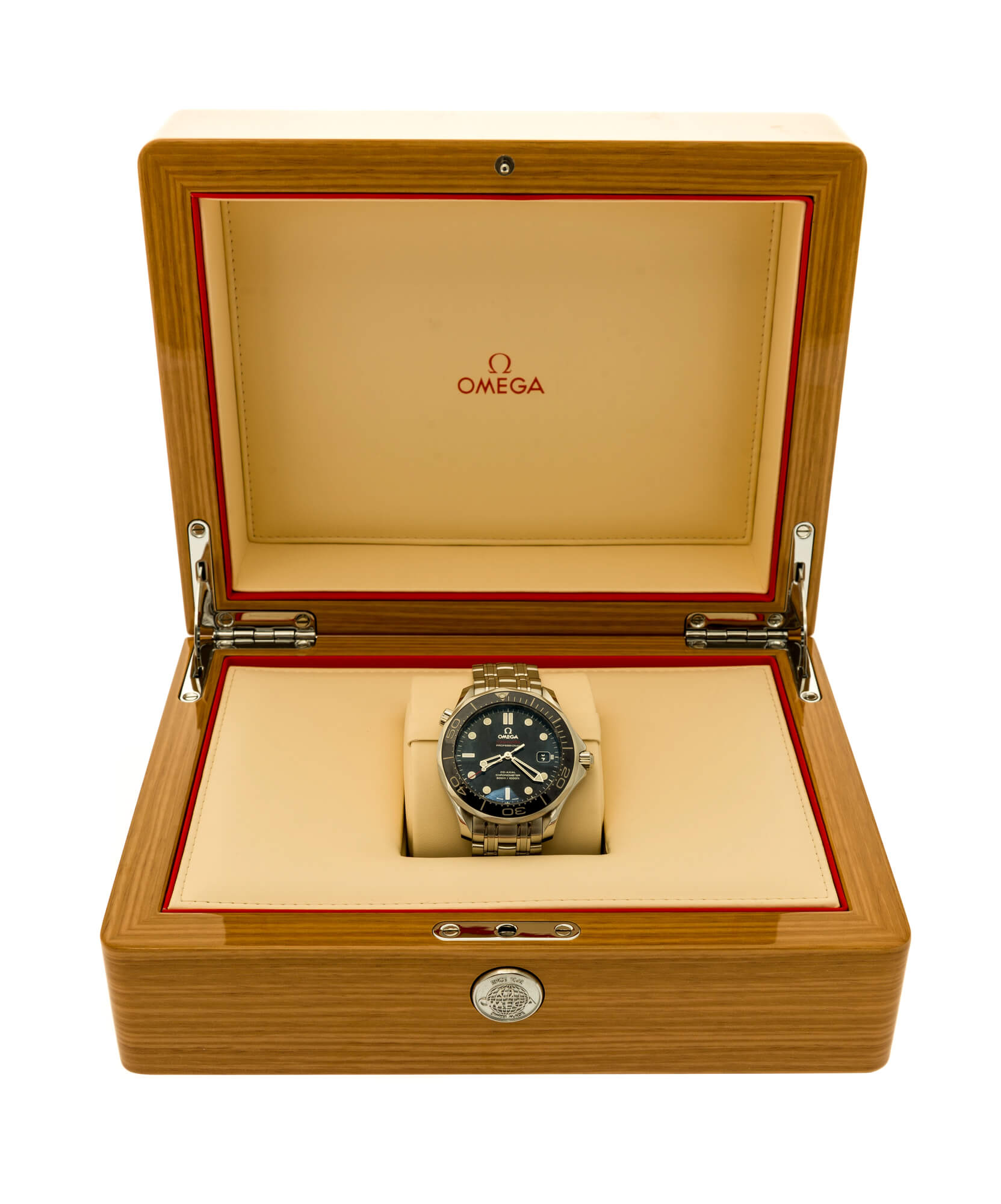
Introduced in 1957 as a dive watch designed to professional specifications, the original Seamaster 300 predates decades of redesigns that eventually led to the modern Seamaster line. Early references with original bezels and dials, both prone to fading and damage over decades of underwater use, are considerably harder to find in excellent condition than the watch’s later reissues.
Tudor Submariner Vintage
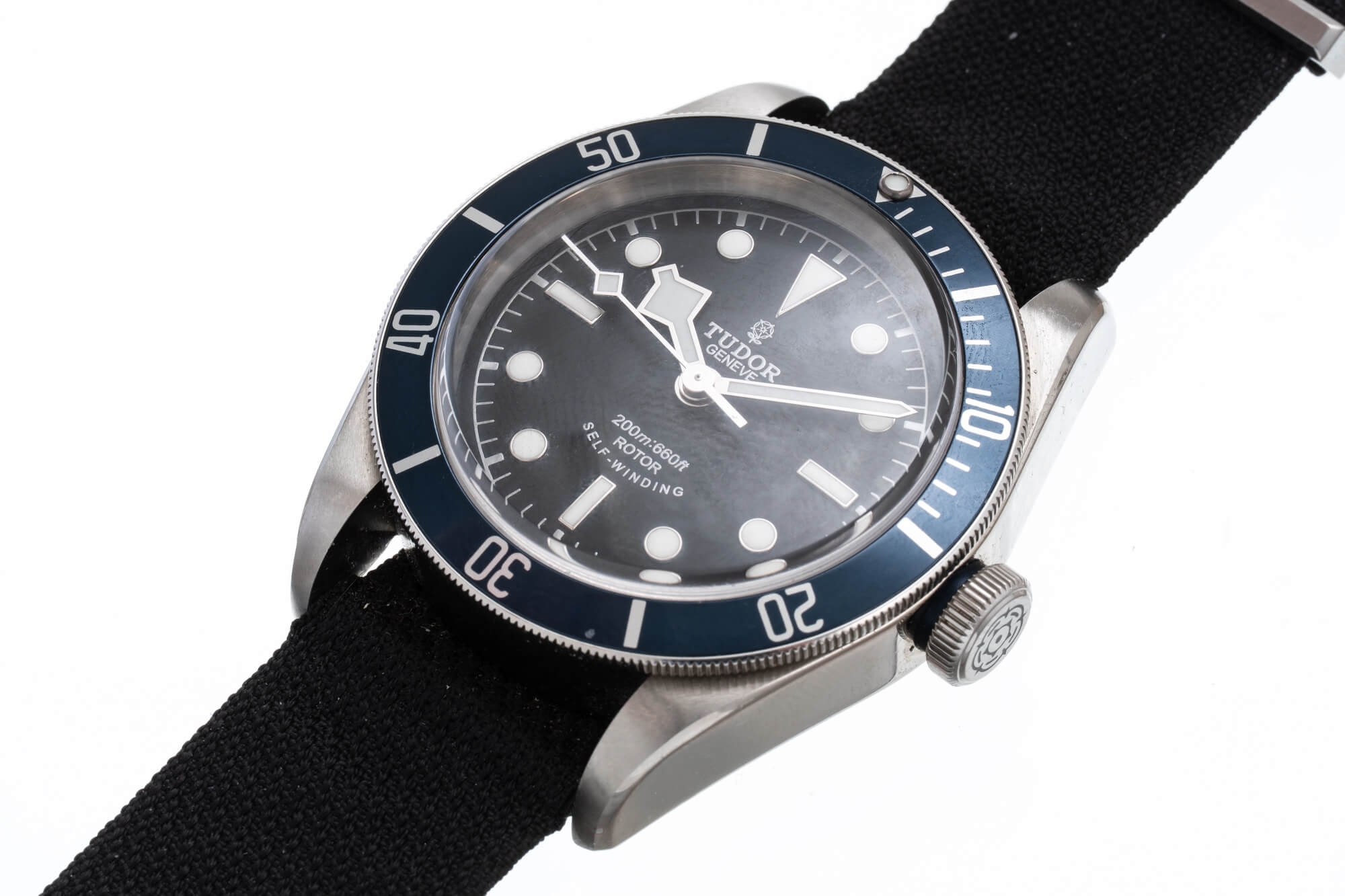
Produced by Rolex’s sister brand using similar cases but different movements, vintage Tudor Submariners offered many of the same dive watch design cues as their Rolex counterparts at a lower original price point. That price gap has narrowed considerably among collectors in recent years, making well-preserved vintage examples a specific target for buyers priced out of comparable Rolex references.
Rolex Explorer Reference 1016
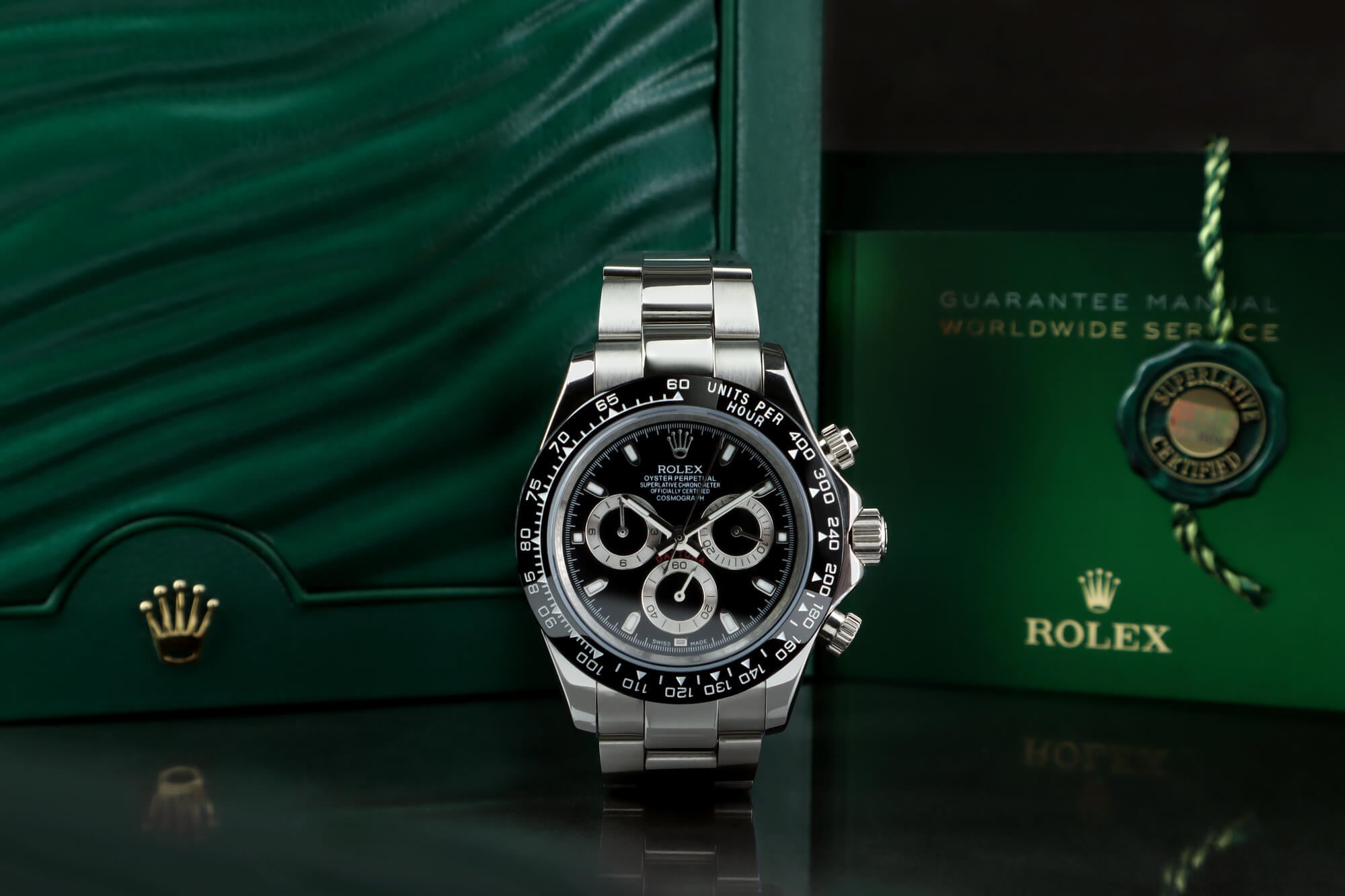
Produced for decades with only minor design changes, the Explorer’s straightforward three-hand layout and high-contrast dial were designed originally for mountaineering expeditions. Its long production run gives specialists specific dial and printing details to distinguish earlier examples from later ones within the same reference number.
Rolex Milgauss Reference 1019
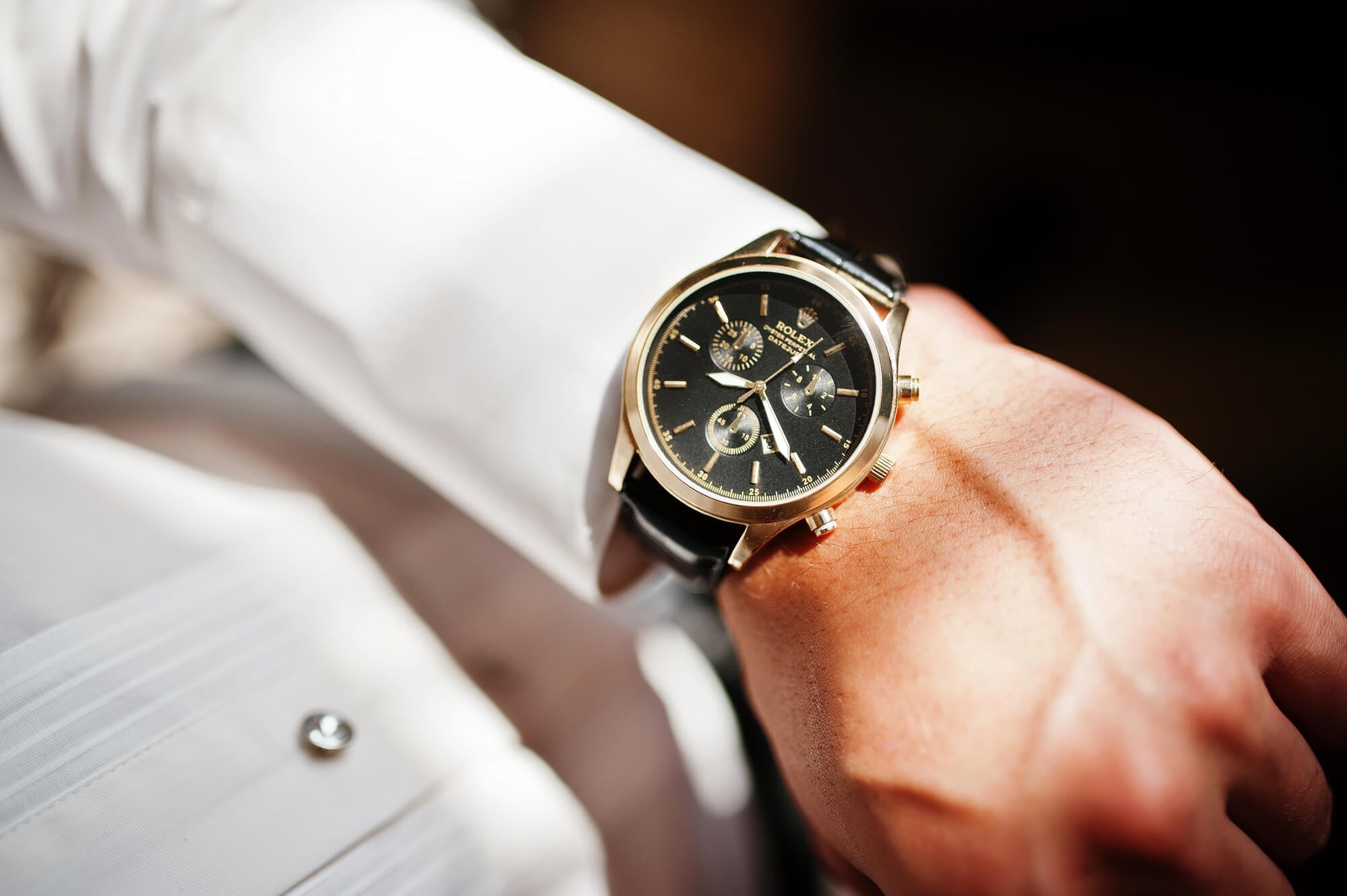
Designed to resist magnetic fields for use by scientists and engineers working around sensitive electrical equipment, the Milgauss never achieved the same commercial success as Rolex’s sportier lines during its original production run. That relatively low original popularity has made surviving examples scarcer than most other vintage Rolex sport models from the same period.
Seiko 6139 “Pogue” Chronograph
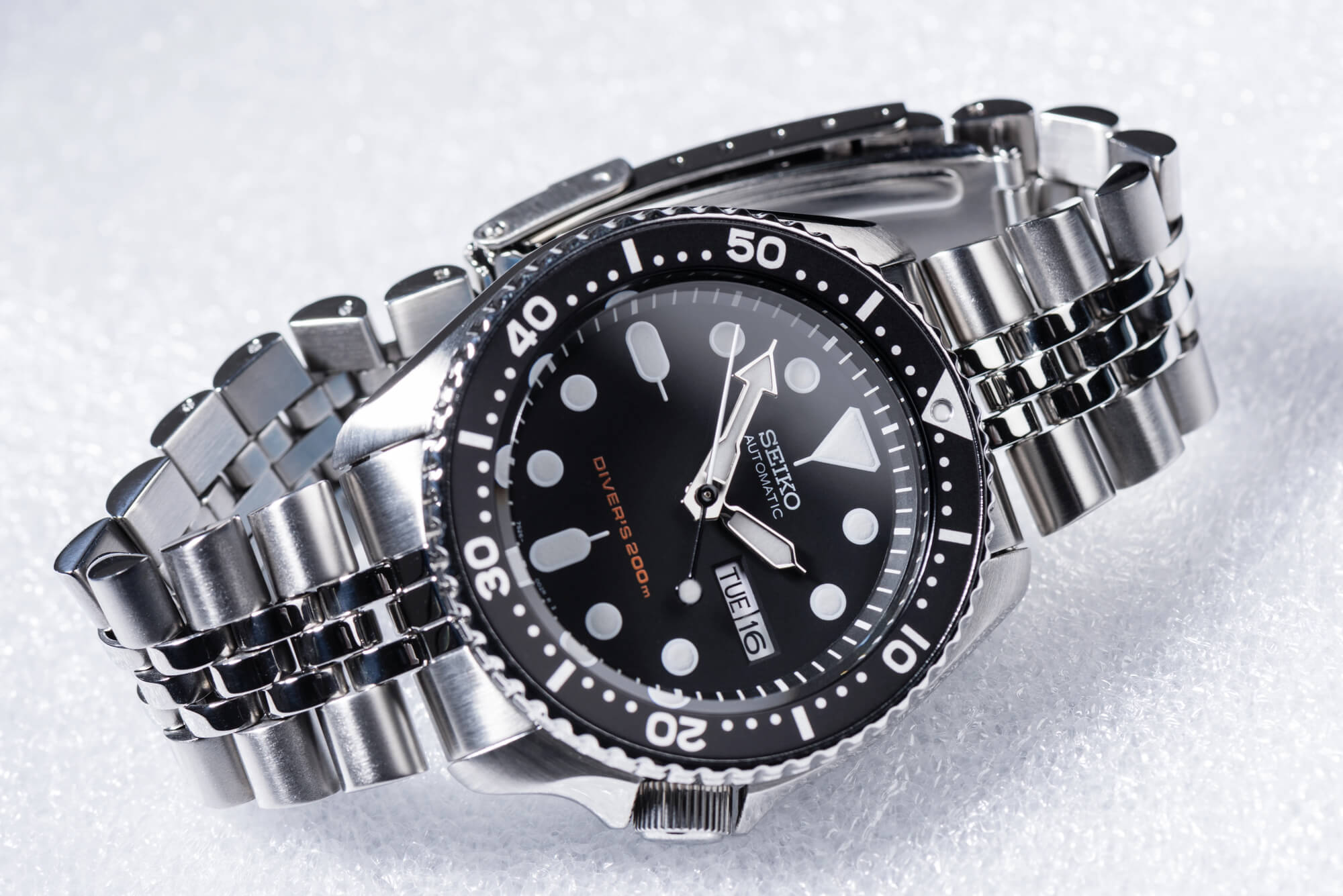
Worn by an American astronaut aboard a NASA space station mission in the 1970s, this automatic chronograph became known informally by the astronaut’s nickname despite never being an official NASA-issued watch. Its space history, combined with an early automatic chronograph movement, has made it one of the more historically interesting vintage Seiko models among specialist collectors.
Bulova Accutron
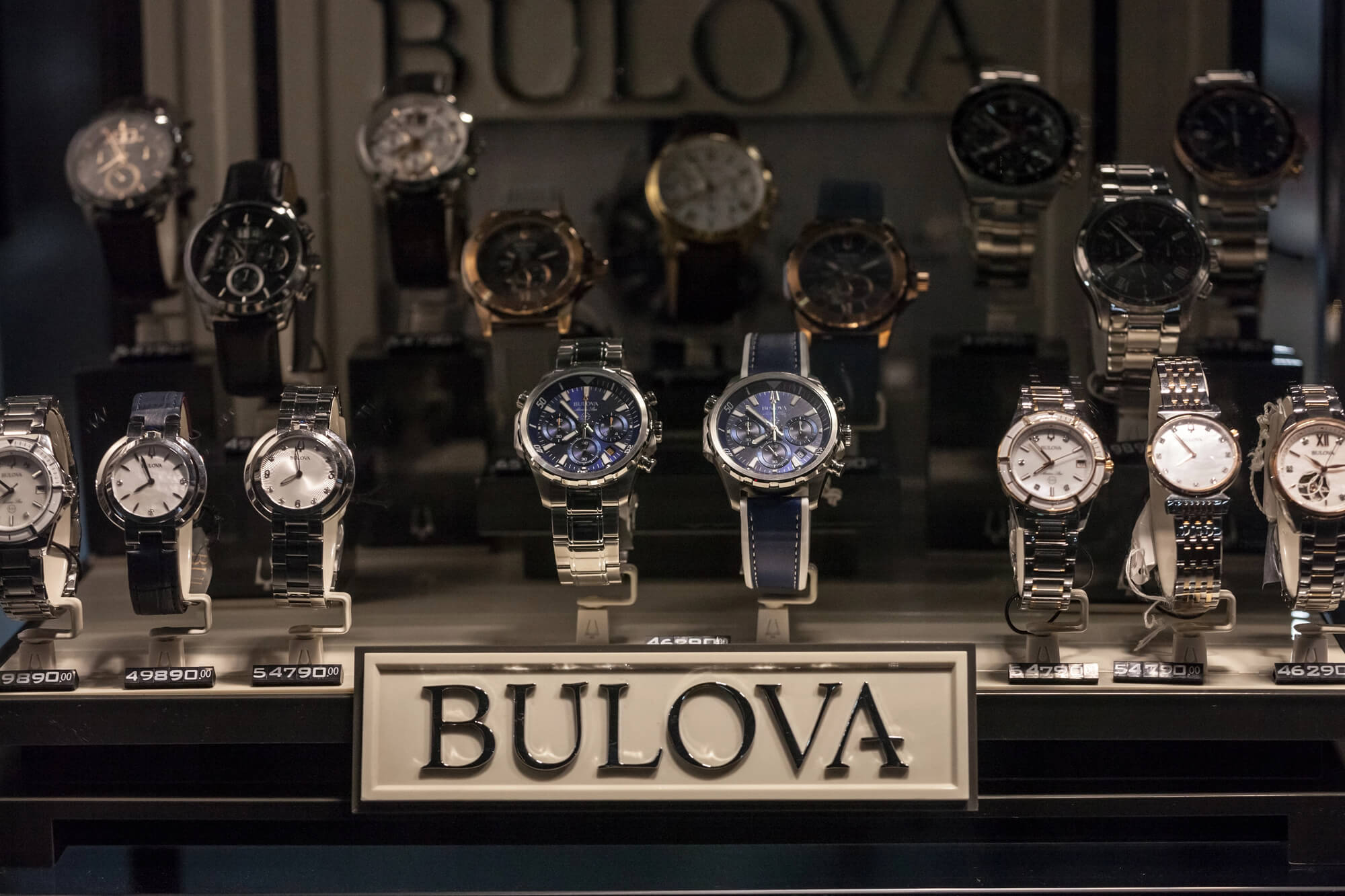
Introduced in 1960 with a tuning-fork movement that hummed audibly rather than ticked, the Accutron represented a genuine technological leap in timekeeping accuracy before quartz movements took over the market. Its distinctive movement technology and futuristic design have kept it a specific point of interest for collectors focused on mid-century horological innovation.
Hamilton Ventura
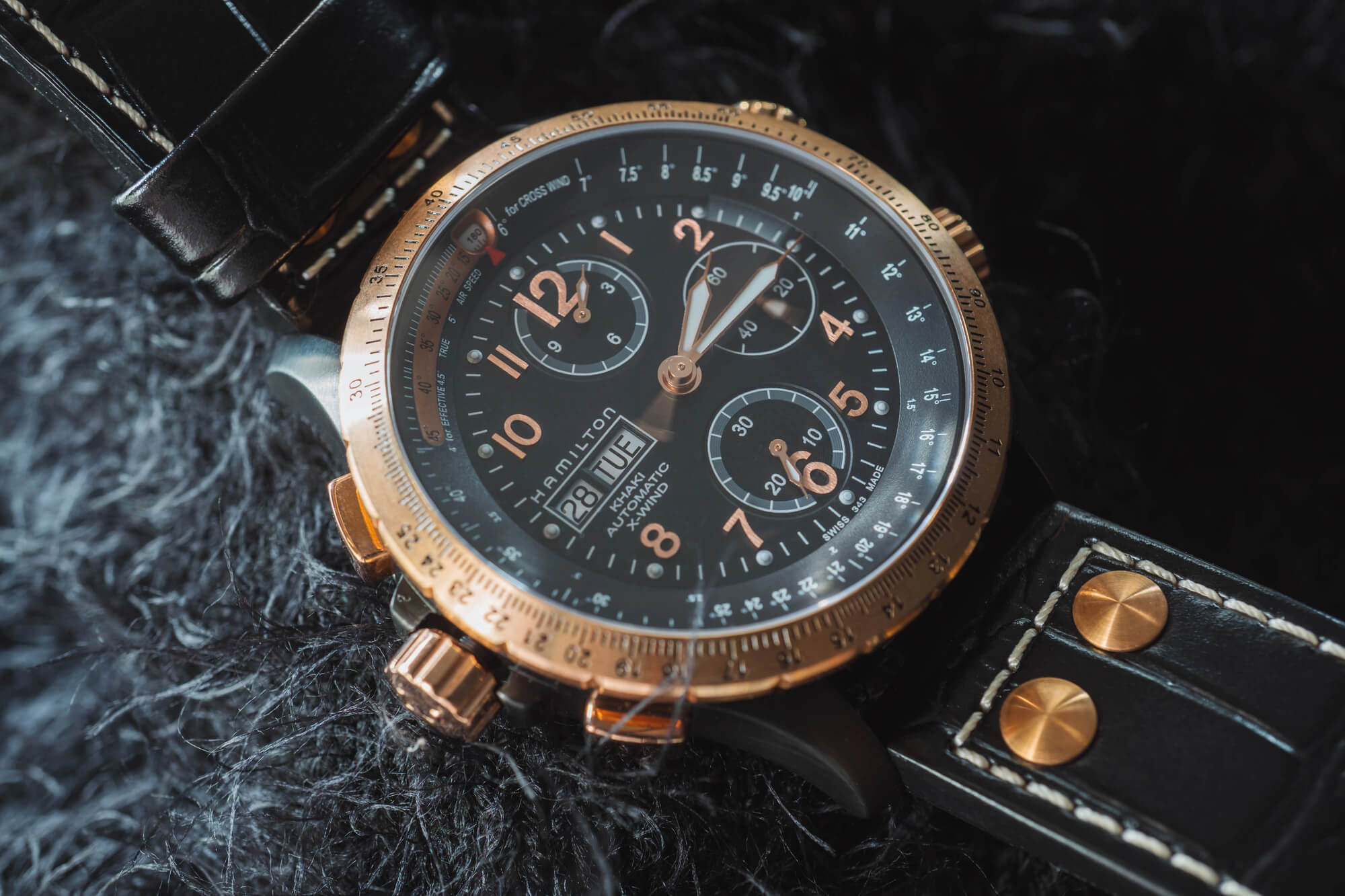
Released in 1957 as one of the first electric watches ever produced, the Ventura’s angular, asymmetric case design was as unconventional as the movement technology inside it. Its striking silhouette has made it a recognizable design object well beyond typical watch-collecting circles.
Elgin Railroad-Grade Pocket Watches
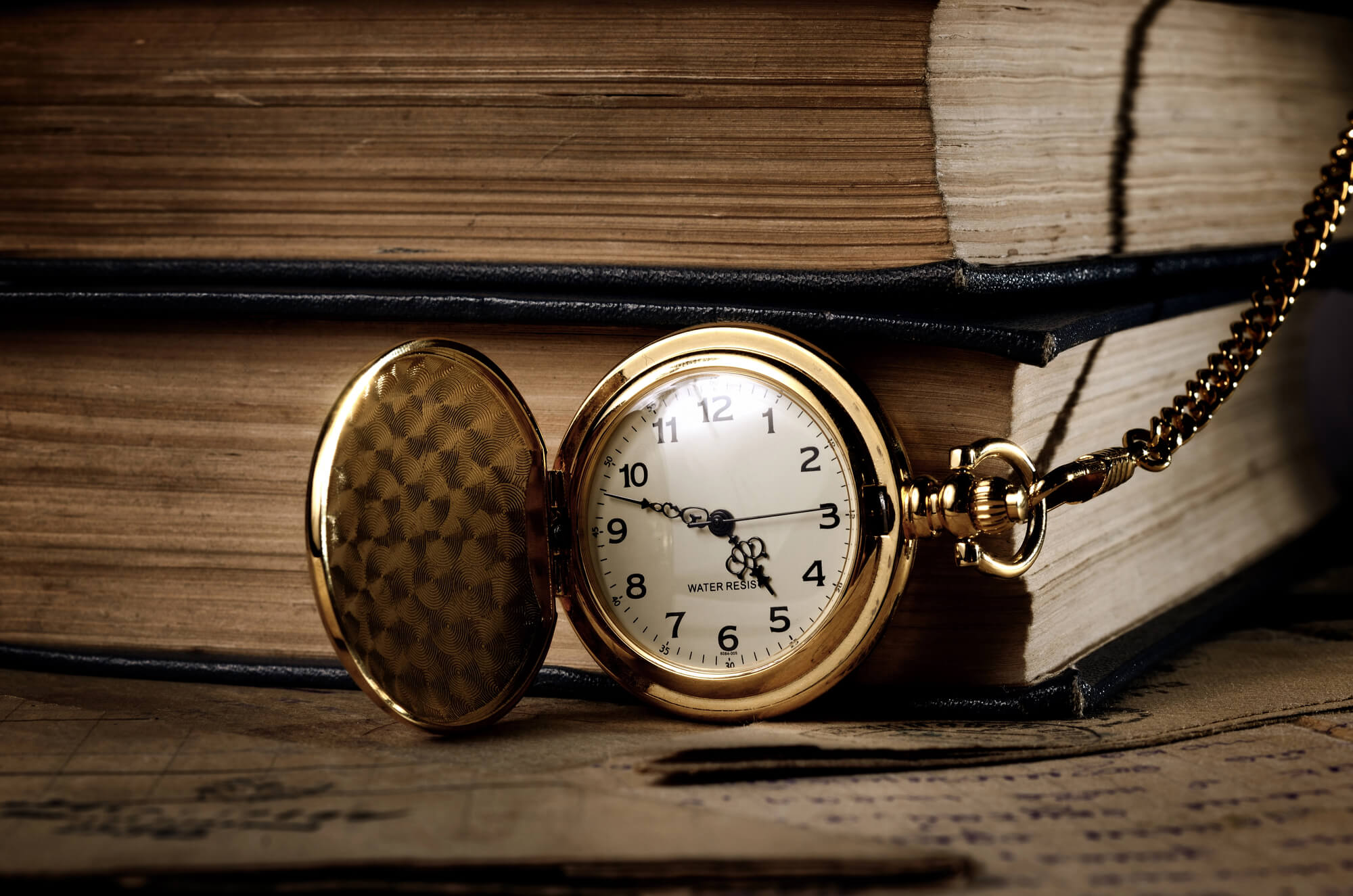
Elgin manufactured pocket watches built to strict accuracy standards required for railroad timekeeping, a regulatory requirement put in place after a fatal train collision blamed partly on watch inaccuracy. Railroad-grade examples with documented accuracy certifications are specifically what serious pocket watch collectors look for over the company’s more common consumer-grade output.
Waltham Railroad-Grade Pocket Watches

Alongside Elgin, Waltham was one of the major American manufacturers producing pocket watches to railroad accuracy standards, and surviving railroad-grade examples remain a benchmark for collectors of American pocket watch history. Original cases and movements matched to their factory specifications carry considerably more value than watches that have been mixed and matched from parts over the decades.
Movado Museum Watch
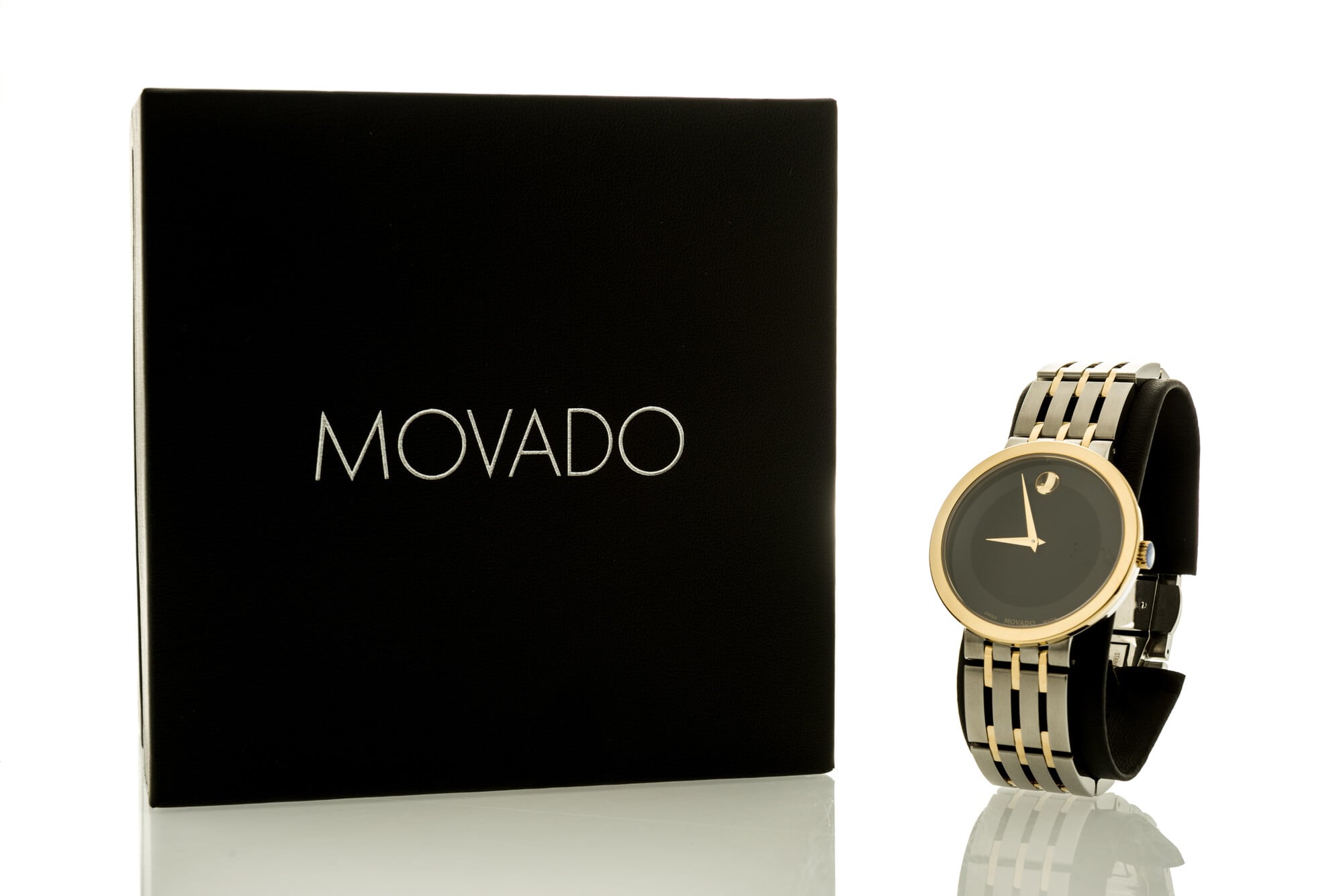
Designed in 1947 with a single gold dot at the twelve o’clock position replacing traditional numerals entirely, the Museum Watch became one of the most widely recognized minimalist watch designs of the twentieth century. Early production examples, predating decades of licensed variations, are specifically what collectors of mid-century design look for.
Longines Lindbergh Hour Angle Watch
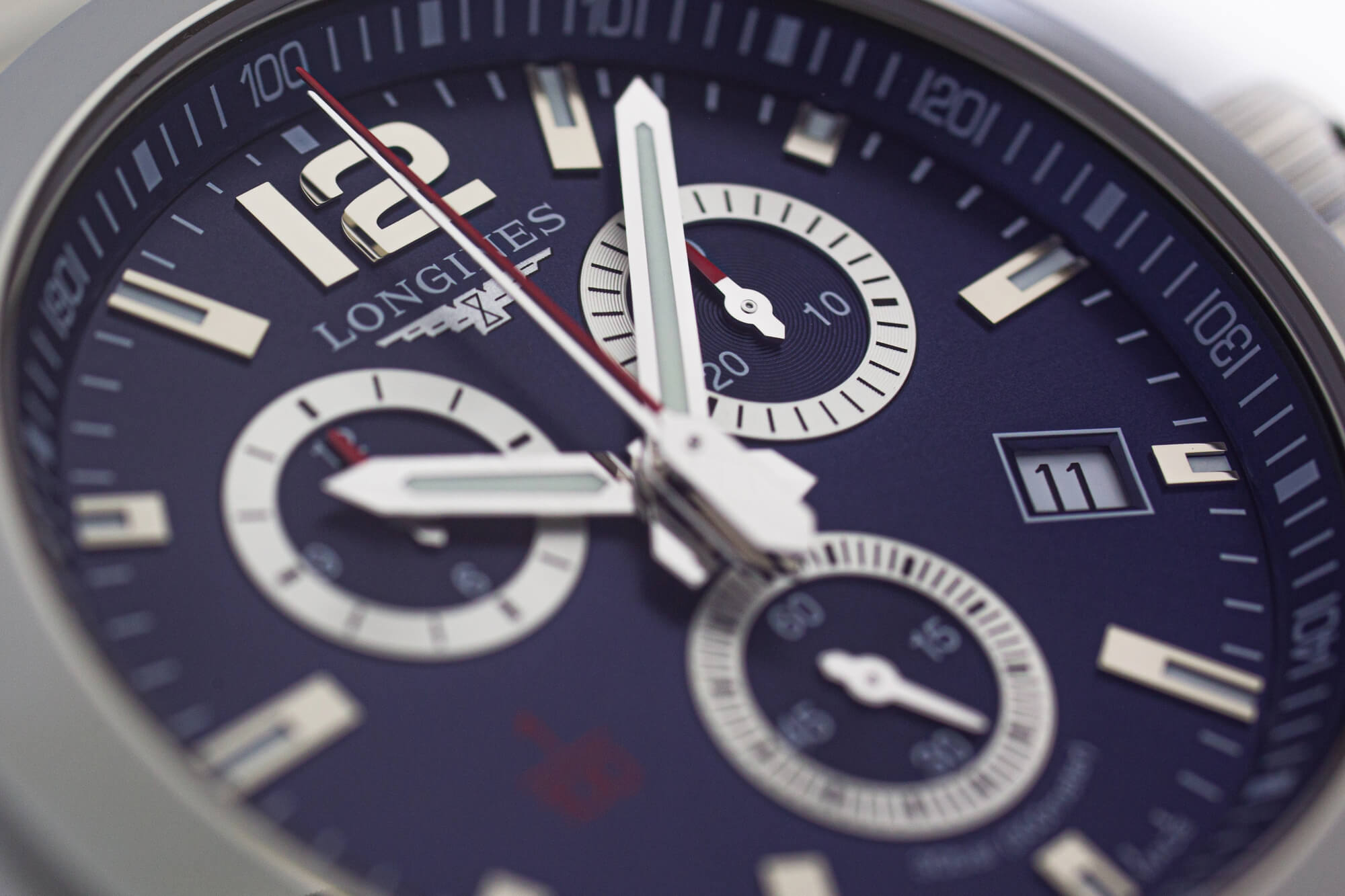
Developed in the 1930s in collaboration with aviator Charles Lindbergh for calculating longitude during long-distance flight navigation, this watch combined a rotating bezel with a specialized dial layout built specifically for celestial navigation. Its highly specific aviation function, unusual even among tool watches of its era, has made original examples a significant target for collectors focused on the history of navigation instruments.
What a Shop Actually Sees
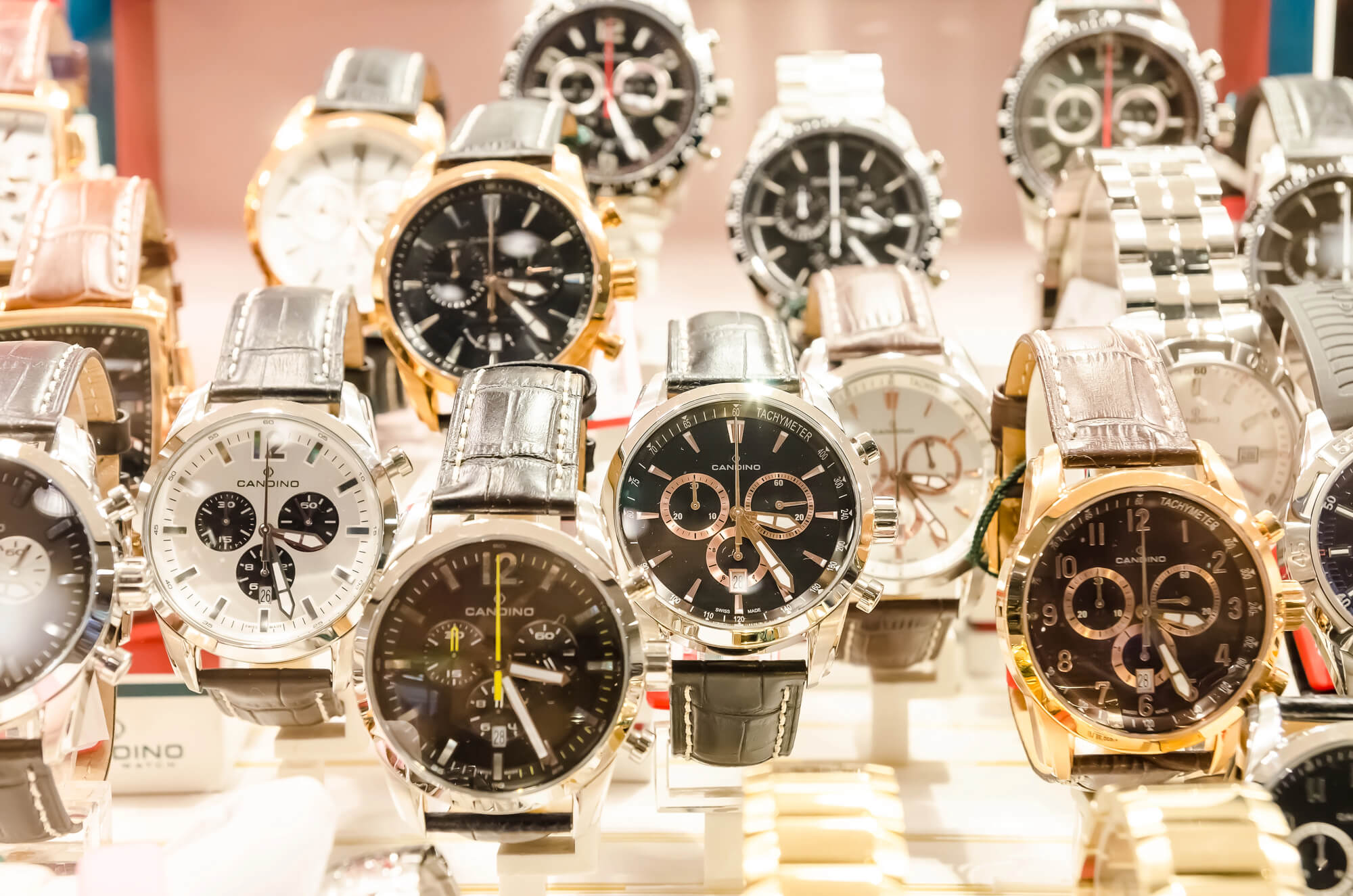
A repair counter is where a lot of vintage watches get identified for the first time in decades, since most owners bring them in assuming a simple battery change or a cleaning rather than an appraisal. Technicians who work on enough vintage pieces develop a fast eye for the specific case shapes, dial layouts, and reference numbers that separate an ordinary old watch from something with real collector demand behind it.
That’s why the offer sometimes comes before the repair even starts. A shop that knows what it’s looking at would rather make a fair cash offer on the spot than risk sending a genuinely significant piece back out the door to someone who has no idea what they’re actually wearing on their wrist.
More from Go2Tutors!

- The Romanov Crown Jewels and Their Tragic Fate
- 13 Historical Mysteries That Science Still Can’t Solve
- Famous Hoaxes That Fooled the World for Years
- 15 Child Stars with Tragic Adult Lives
- 16 Famous Jewelry Pieces in History
Like Go2Tutors’s content? Follow us on MSN.