25 Tools Used for Centuries Without Change
Most technology gets reinvented every generation. Then there is a small category of hand tools so well matched to their task that centuries of engineering progress have barely touched their basic form, changing the materials but not the design.
These are the tools that got it right the first time.
Hammer
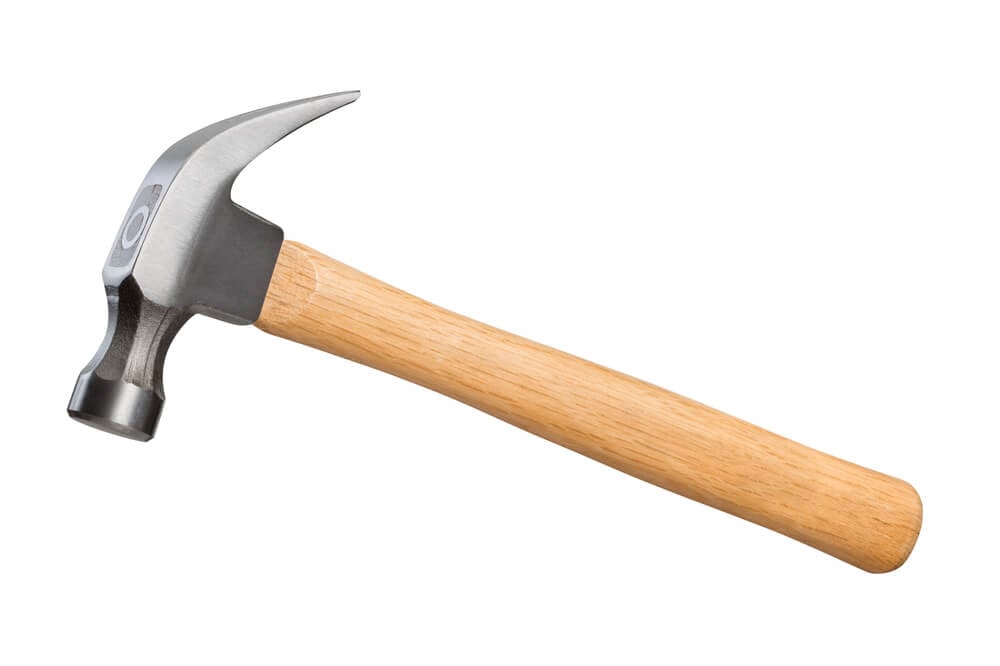
A weighted head fixed to a handle for delivering concentrated force has existed in some form since the Stone Age, and the basic claw or peening hammer shape used today would be instantly recognizable to a blacksmith working a thousand years ago. Modern hammers swap stone or bronze heads for hardened steel, but the physics of leverage and momentum that make the tool work have not changed at all.
Hand Saw

A row of angled teeth set into a flat blade, drawn back and forth to cut wood fiber by fiber, has remained fundamentally unchanged since ancient Egyptian carpenters used bronze-toothed saws to shape furniture and coffins. The tooth geometry has been refined for efficiency, but the core mechanical action of a hand saw is identical to versions used thousands of years ago.
Felling Axe
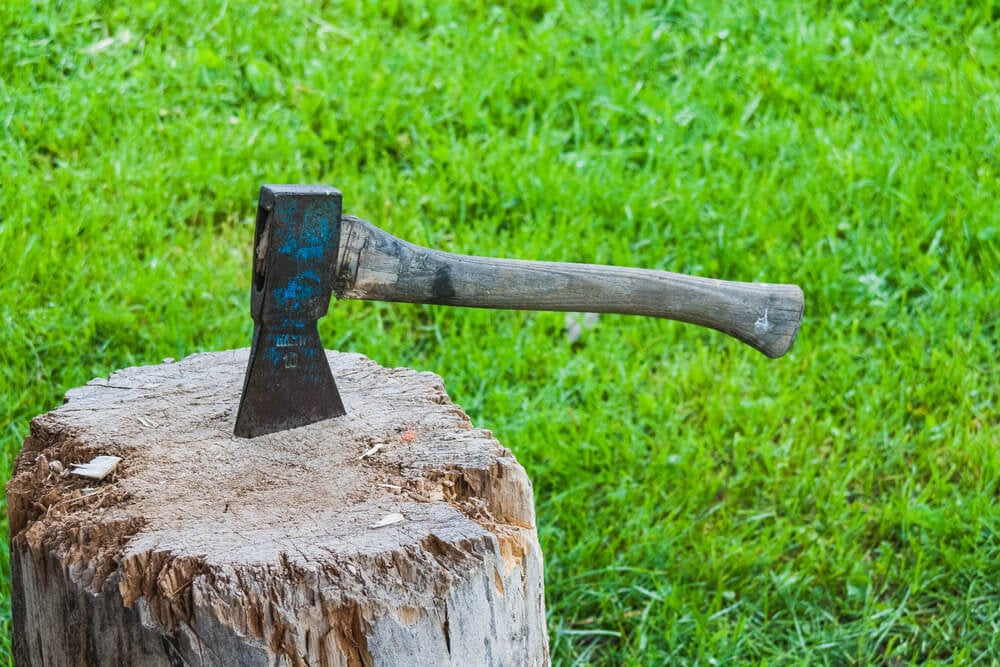
A wedge-shaped blade mounted on a handle for splitting and cutting wood dates back to Neolithic stone axe heads, and the balance of a modern steel felling axe follows the same weight distribution principles that early toolmakers worked out through trial and error. The transition from stone to bronze to iron to steel changed durability and sharpness, but not the fundamental wedge-and-lever design.
Wood Chisel
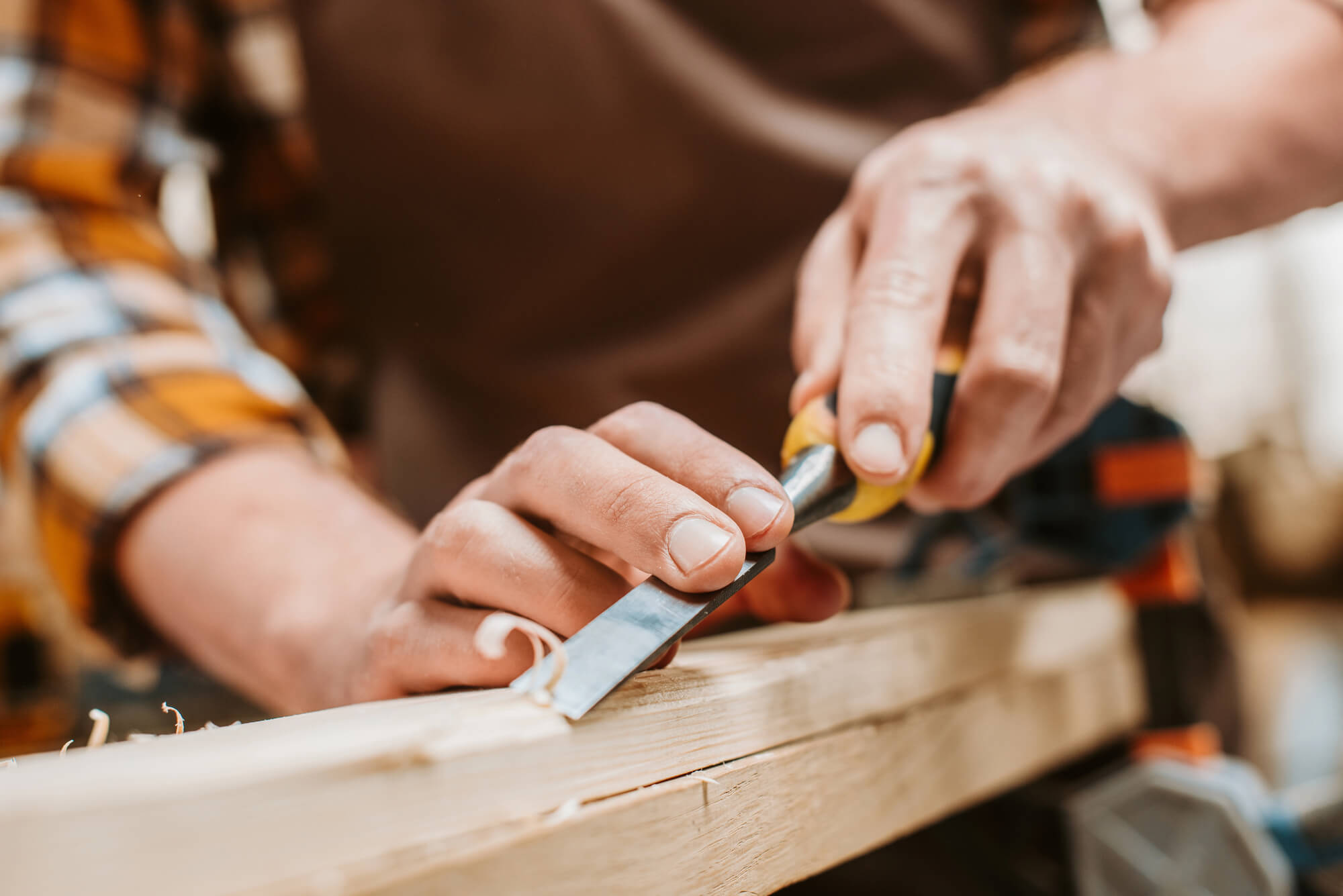
A flat, beveled blade struck or pushed by hand to remove wood in controlled amounts has appeared in nearly identical form in archaeological finds from ancient Egypt, Rome, and medieval Europe. The chisel’s simplicity, a sharp edge and a way to apply force behind it, is precisely why later engineering has had almost nothing to improve.
Leather Awl
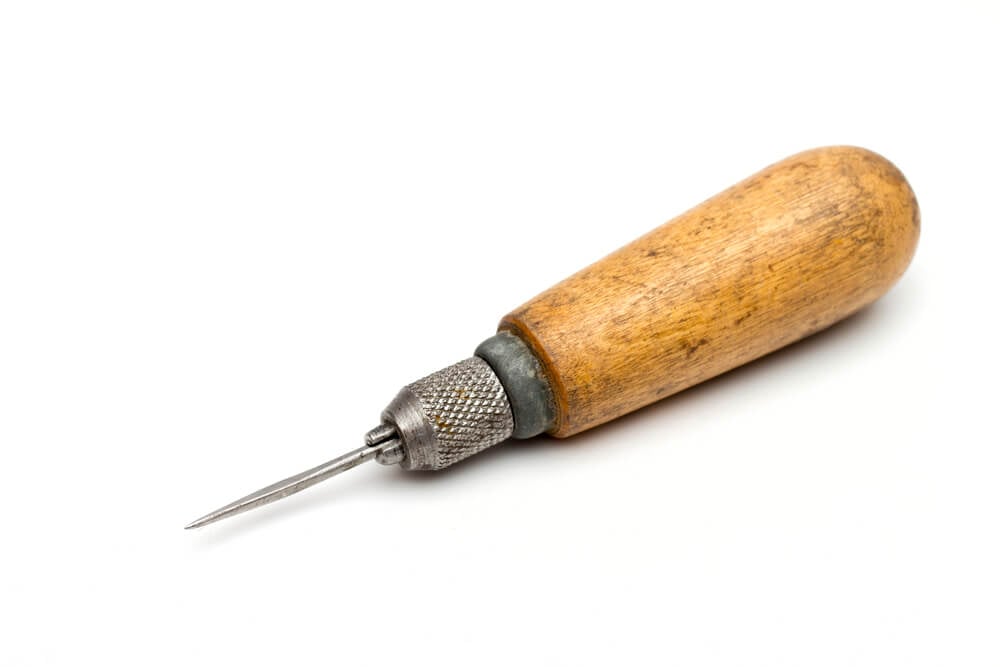
A simple pointed tool for piercing leather or fabric to guide a needle or lace through has been used by cobblers and leatherworkers for millennia with essentially no structural change. Its effectiveness comes entirely from a sharpened point and a comfortable handle, a combination that has never needed reinvention.
Sewing Needle
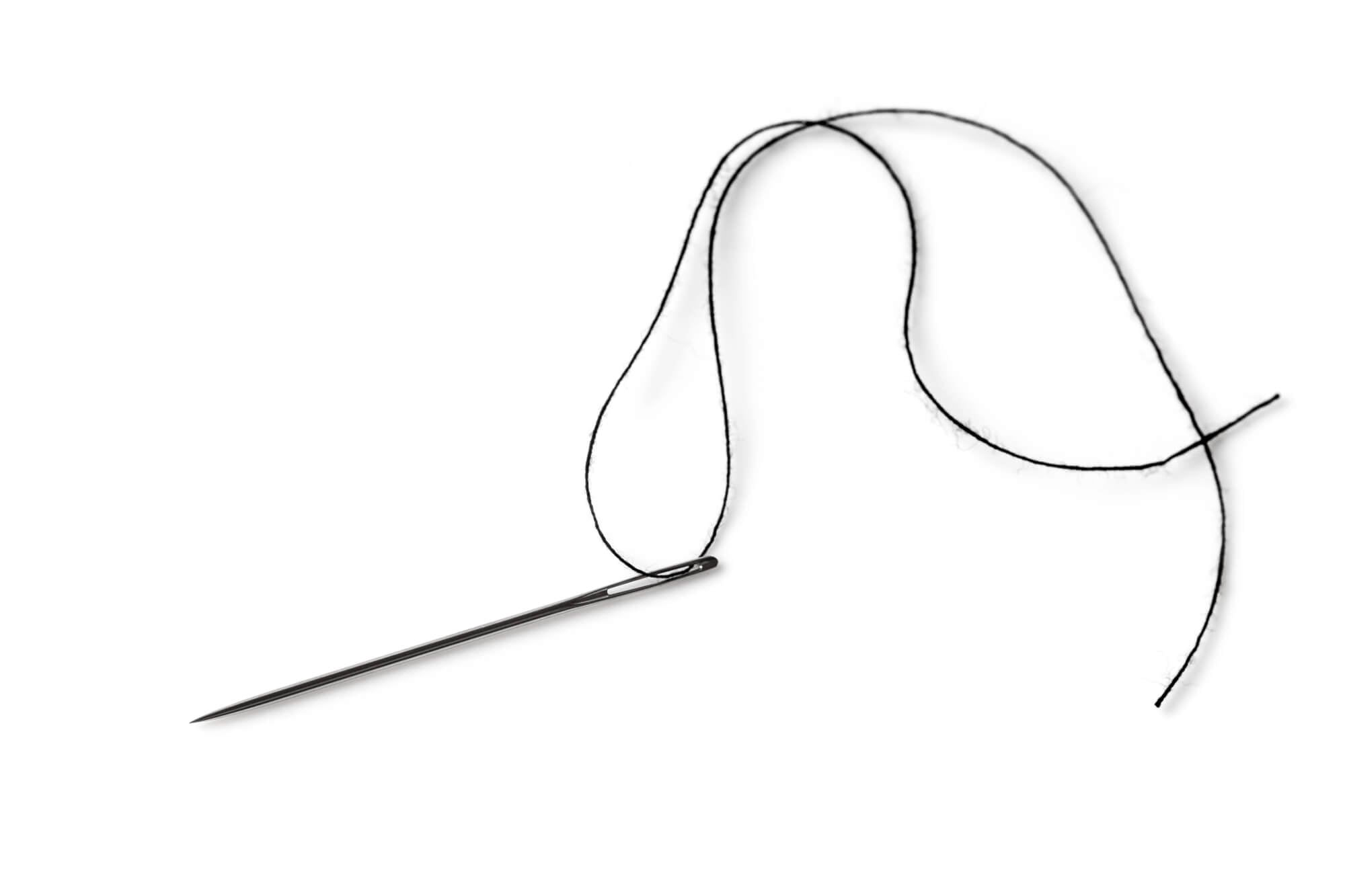
Bone and ivory needles found at prehistoric sites show that humans were sewing with a pointed, eyed tool tens of thousands of years ago, and the steel sewing needle used today follows the exact same functional design. The material changed dramatically, but the shape, a shaft tapering to a point with an eye for thread near the opposite end, has remained essentially constant.
Shears
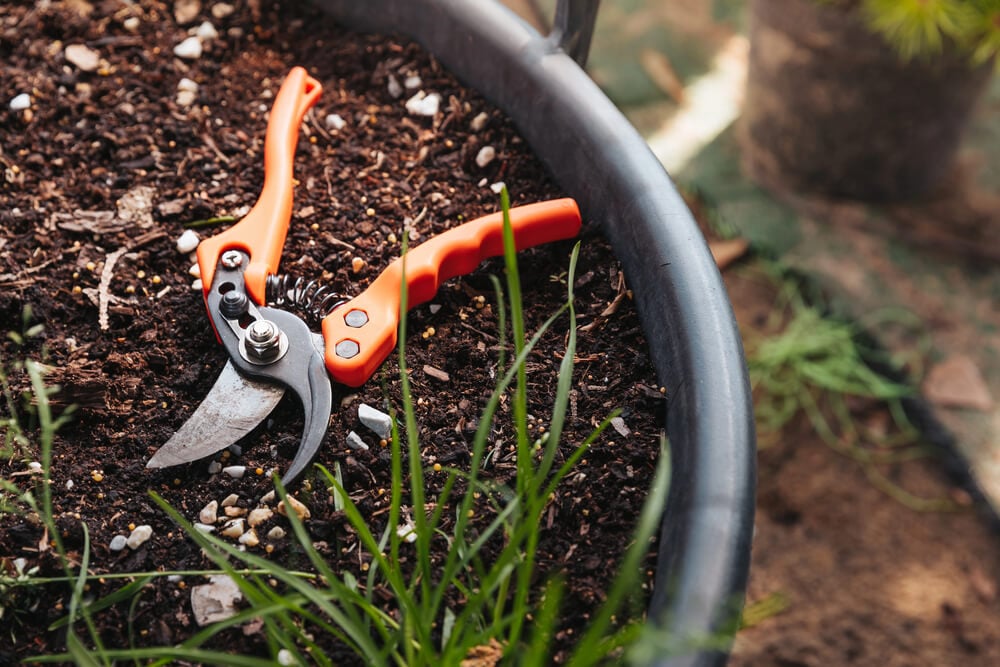
Two pivoting blades crossing to create a cutting action have been used for trimming fabric, wool, and hair since at least the Iron Age, when spring-tensioned shear designs first appeared across Europe and the Near East. Modern scissors added a separate pivot pin for smoother action, but shepherd’s shears used for shearing sheep still commonly rely on the same spring-tension design used two thousand years ago.
Garden Hoe
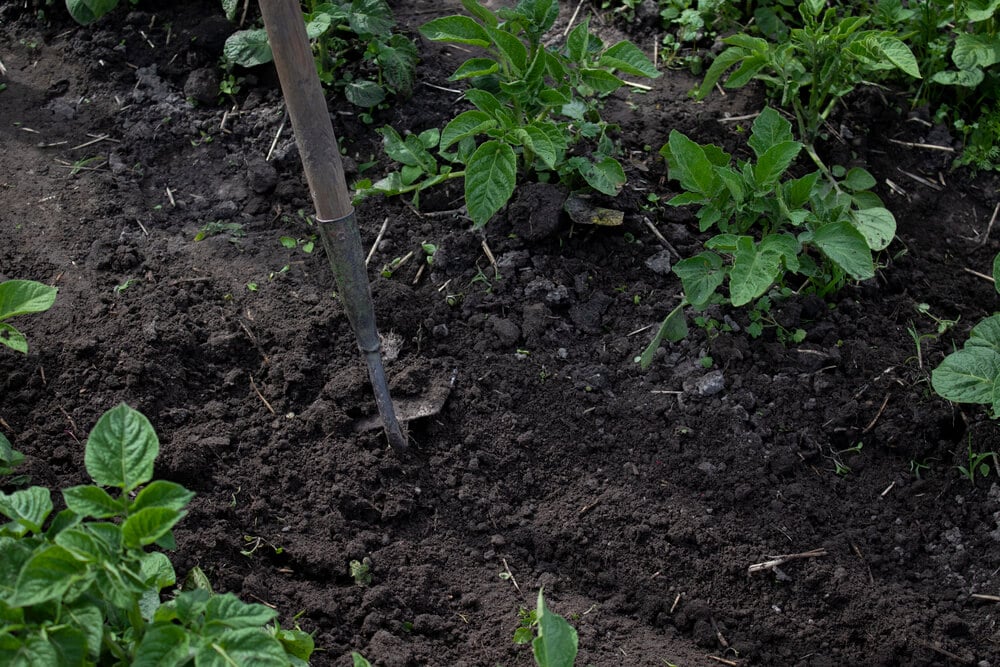
A flat blade set at an angle to a long handle, used for breaking soil and cutting weeds, appears in agricultural tool sets from ancient Egypt onward with only minor variation in blade shape by region and crop. The ergonomics of standing upright while working the soil at ground level made the hoe’s basic geometry so effective that little has changed beyond the material of the blade.
Sickle
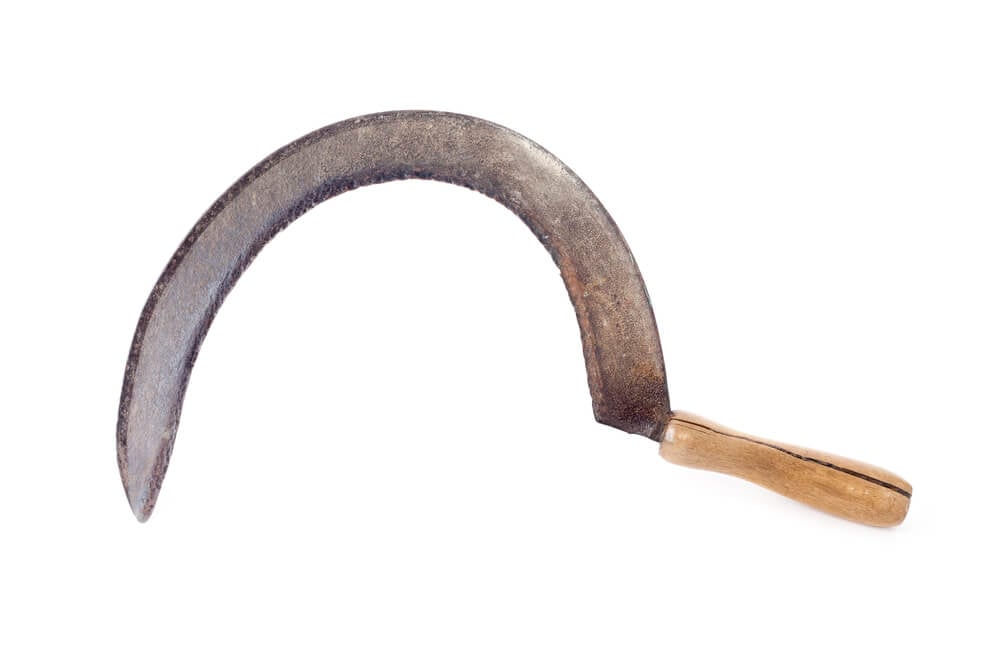
A short, curved blade used for cutting grain and grass close to the ground has been found in Neolithic sites made from flint blades set into wood or bone handles, predating metal tool production entirely. The specific curve of the blade, designed to gather stalks against the cutting edge in a single motion, remains identical in hand sickles still used in small-scale farming today.
Scythe
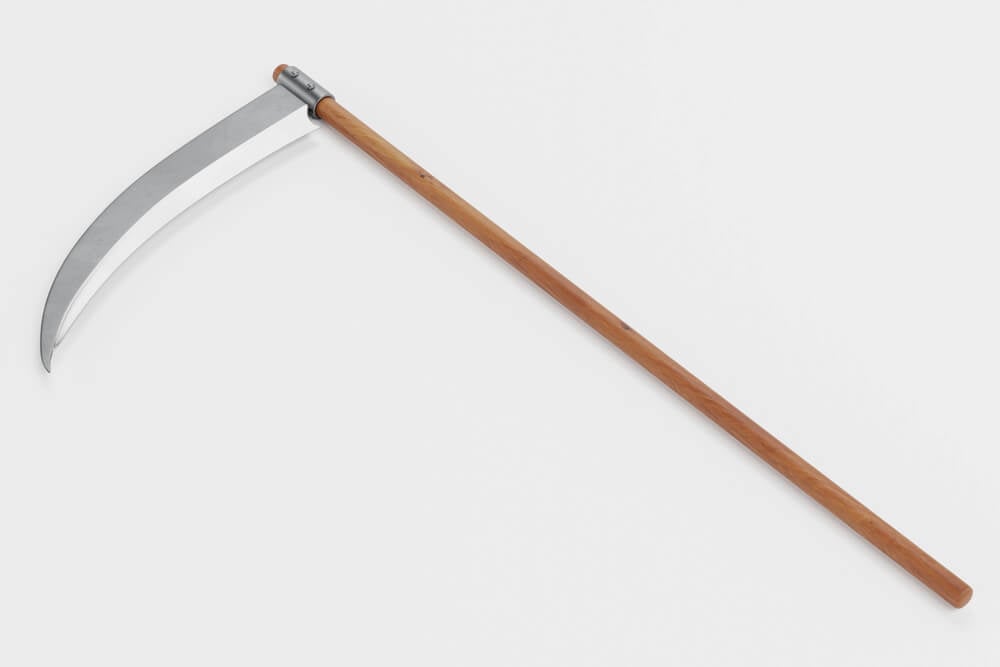
A longer curved blade attached to a long handle, allowing a standing harvester to cut a wide swath of grain or grass in a sweeping motion, developed from the sickle sometime in antiquity and spread widely across Europe and Asia by the medieval period. Mechanical harvesters have replaced most large-scale use, but the scythe’s blade geometry and swinging technique remain unchanged for hand use in smaller fields and by traditional farmers.
Garden Rake
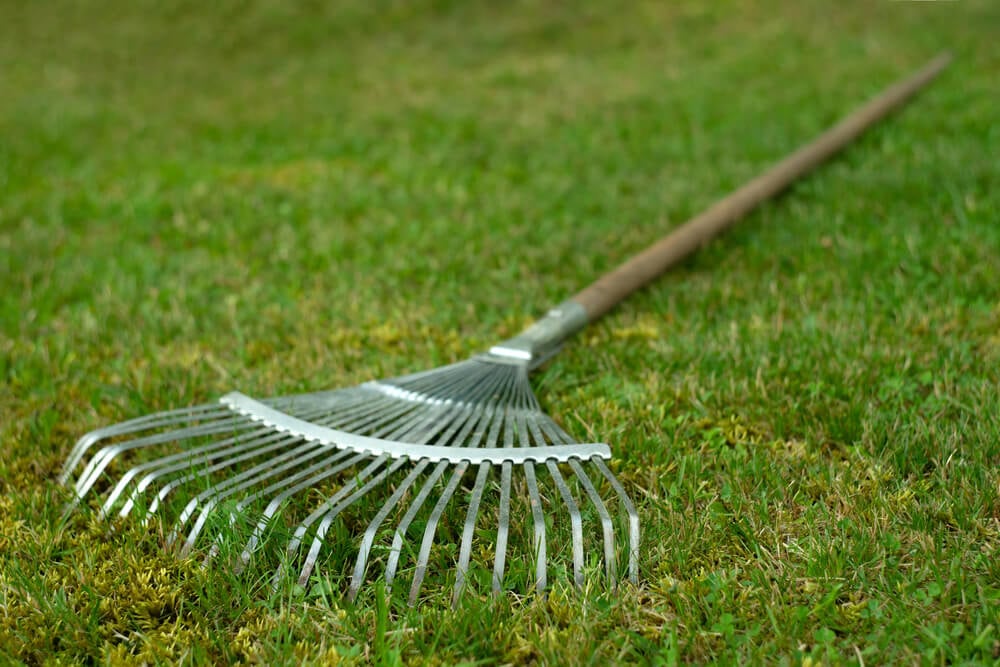
A row of teeth mounted perpendicular to a handle, used to gather loose material or break up soil surface, has appeared in nearly every agricultural toolkit since antiquity with minimal variation beyond tooth spacing and material. The tool’s function is so specific and so effectively served by its basic form that there has been little reason to redesign it.
Spade
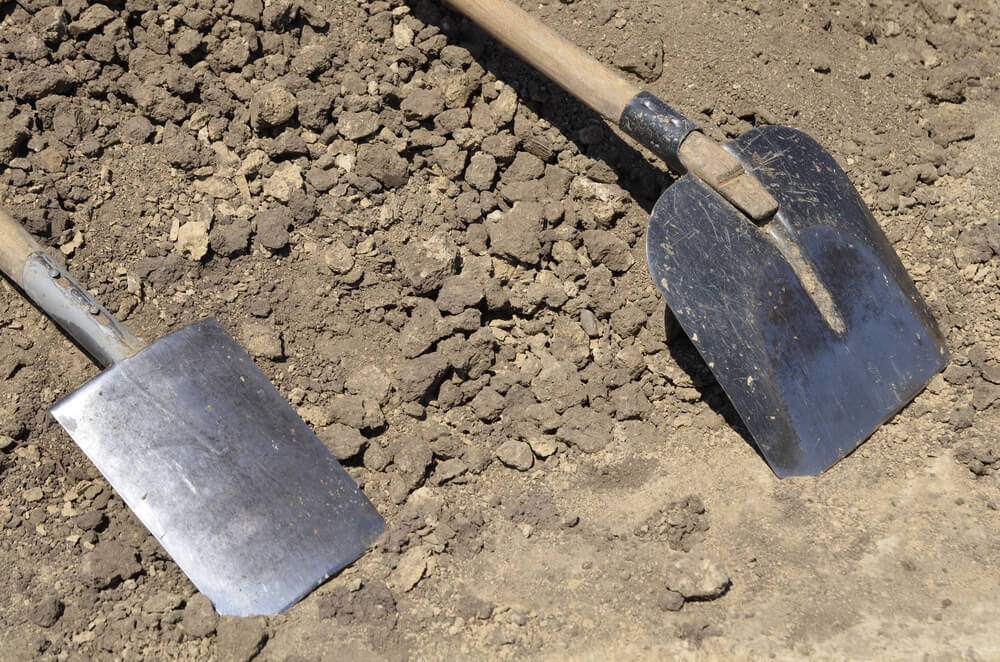
A flat, sharpened blade mounted on a handle for digging and lifting soil has remained essentially the same shape since Roman-era iron spades, which themselves followed wooden spade designs used even earlier. Modern spades add a stepped edge for foot pressure, a small refinement, but the core digging action has not changed in over two thousand years.
Pliers
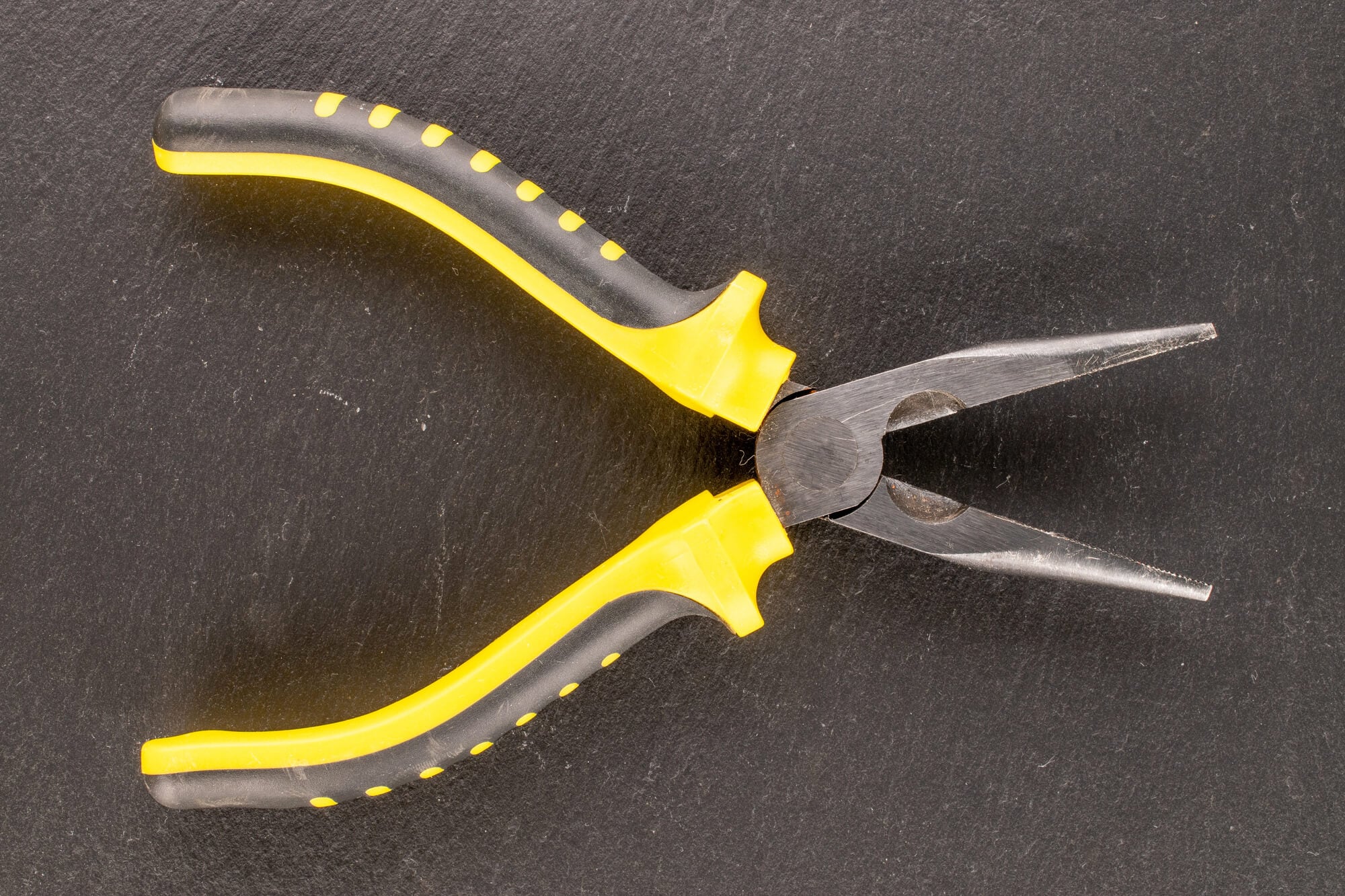
Two pivoting jaws used for gripping, bending, or pulling small objects appear in tool finds from ancient Rome, where bronze pliers were used for metalworking in forms structurally similar to pliers used today. The pivot-and-lever mechanism that makes pliers effective was essentially solved in antiquity and has only been refined in materials since.
Blacksmith’s Tongs
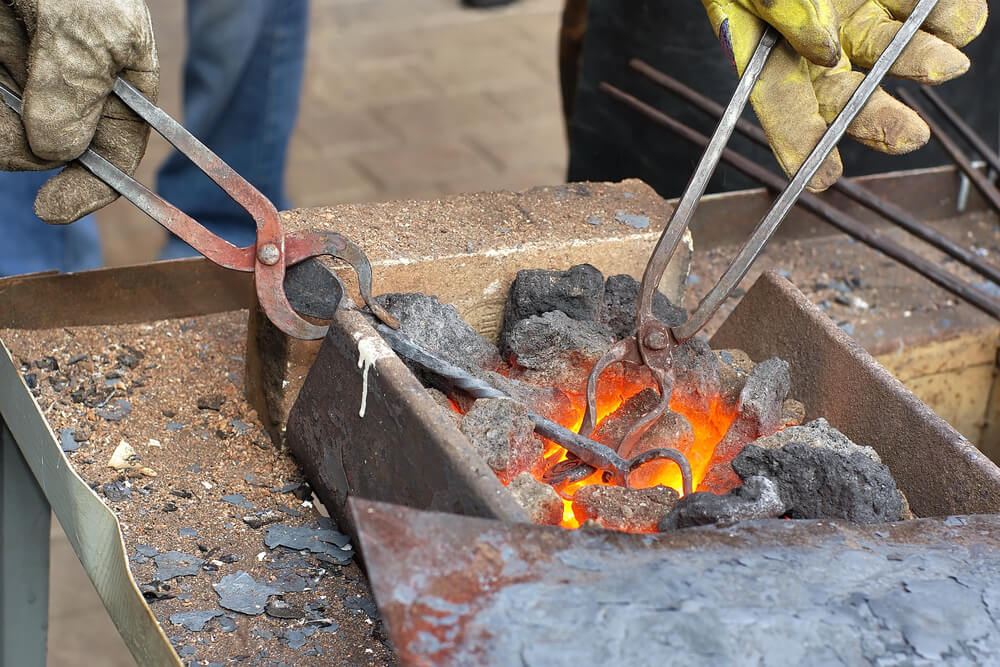
Long-handled gripping tools used to hold hot metal safely away from the body have been essential to metalworking since the Bronze Age, with a design that has changed remarkably little given how central they were to every forge. The specific jaw shapes varied by task, but the fundamental long-lever gripping design remains identical in tongs used by blacksmiths today.
Anvil
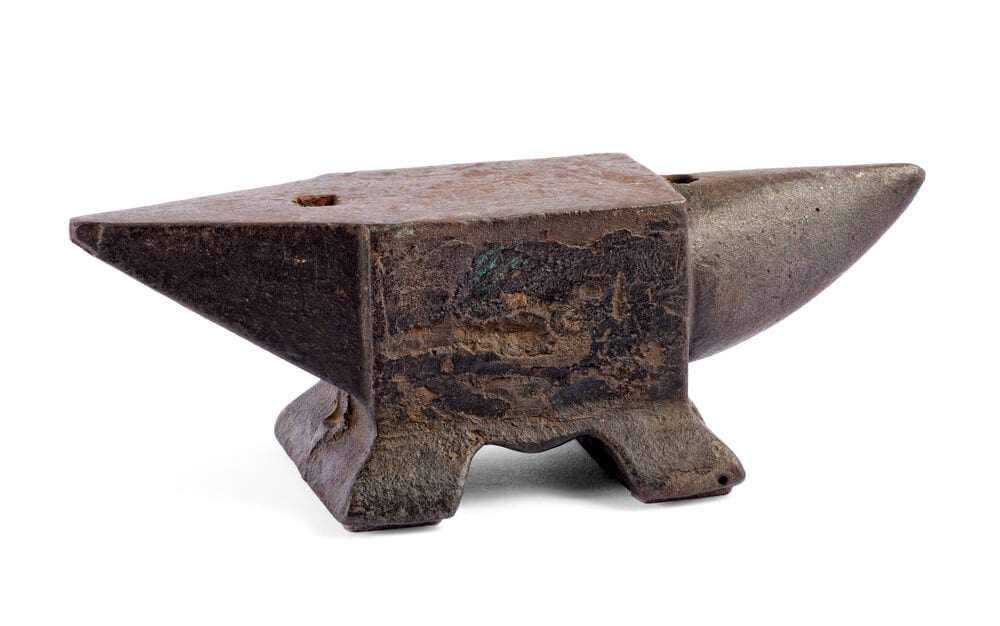
A heavy, flat-topped block of metal used as a stable surface for hammering and shaping hot metal has been central to metalworking since iron smithing began, and the horned anvil shape recognizable today was standardized by the medieval period. Its effectiveness depends simply on mass and a hard, flat working surface, properties that have not required any redesign.
Hand Plane
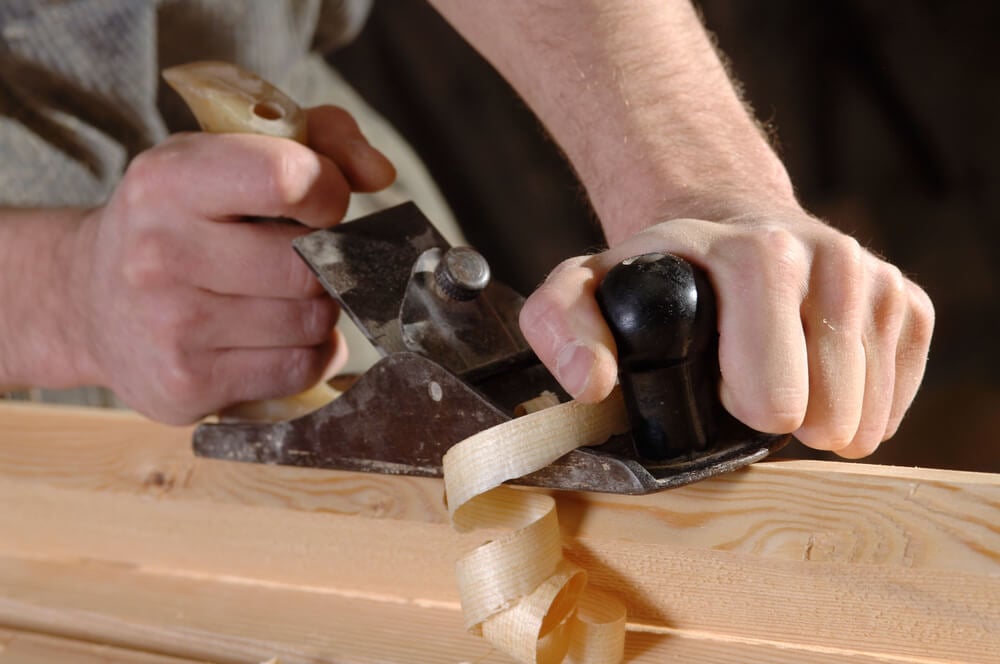
A blade set into a wooden or metal body, used to shave thin layers off a wood surface to smooth or shape it, has existed since Roman carpentry and remained fundamentally unchanged through medieval and early modern woodworking. Even after power planers became common in professional shops, hand planes remain standard for fine woodworking specifically because the manual control they offer has never been fully replicated by machines.
Wheelbarrow
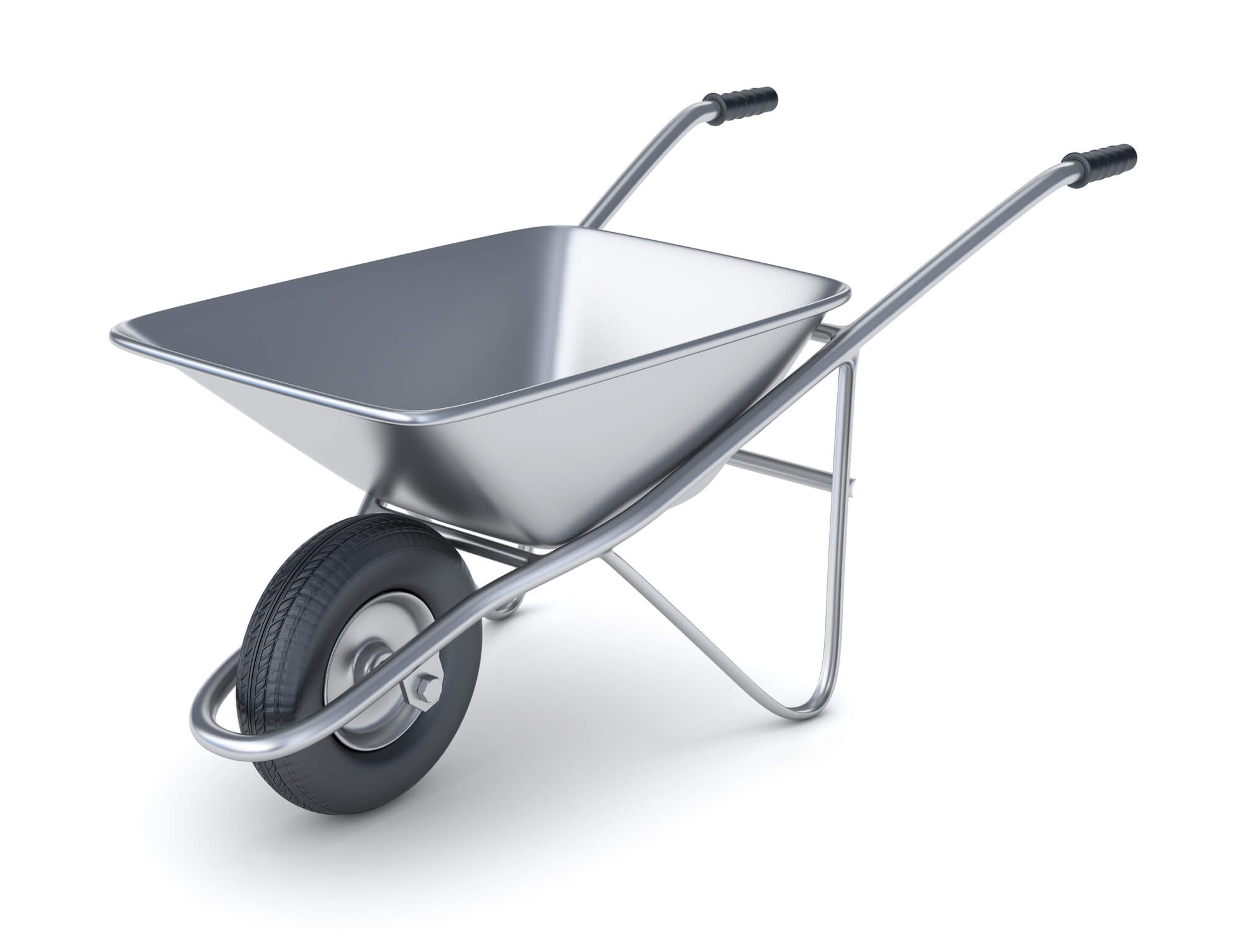
A single wheel mounted at the front of a frame with handles at the back, allowing one person to move a load that would otherwise require two, appears to have originated in ancient China during the Han Dynasty, with the basic design spreading to Europe centuries later and remaining largely unchanged since. The single-wheel design distributes weight so efficiently that later attempts to improve on it, including two-wheeled variants, have never fully displaced the original single-wheel form for general use.
Mortar and Pestle
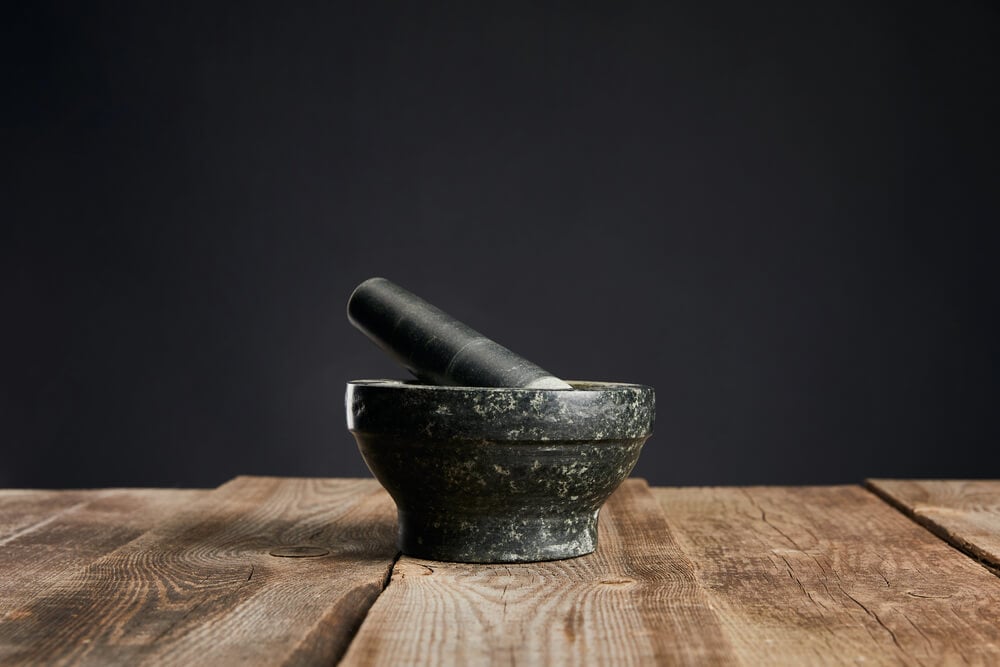
A bowl paired with a blunt grinding tool, used to crush and grind ingredients by hand, appears in archaeological finds from nearly every ancient civilization and remains functionally identical in kitchens and pharmacies today. The grinding action, applying repeated pressure and rotation against a hard surface, cannot really be improved upon for small-batch grinding, which is why the tool has survived essentially unchanged.
Whetstone
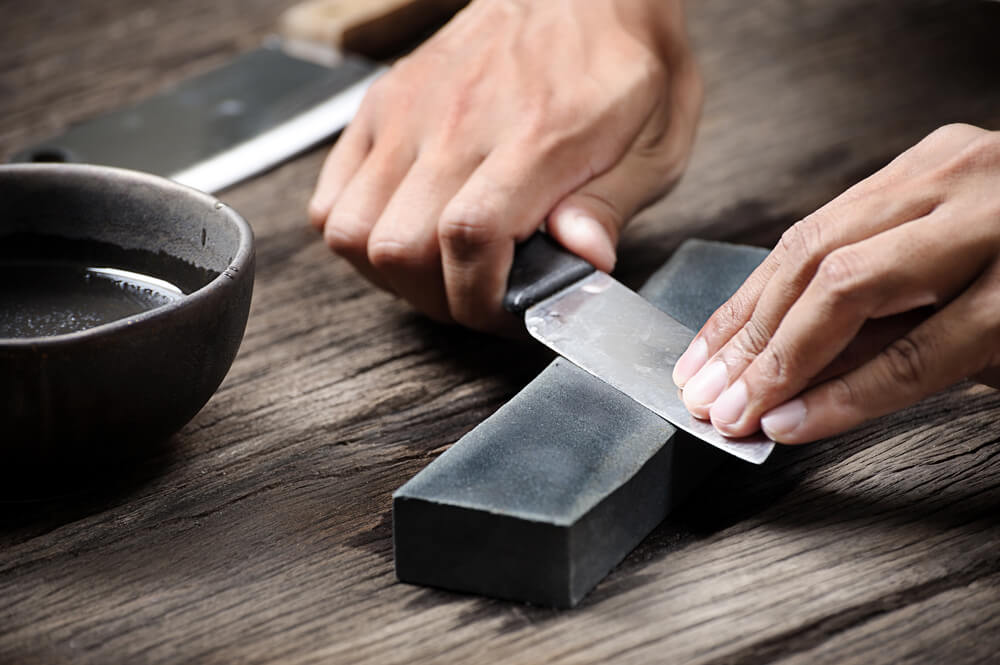
A flat abrasive stone used to sharpen blades by grinding the edge at a controlled angle has been used since prehistoric times, when natural stones were first identified for their sharpening properties. Modern whetstones are often manufactured rather than naturally quarried, but the sharpening technique, drawing a blade across an abrasive surface at a consistent angle, remains exactly the same.
Bow Drill
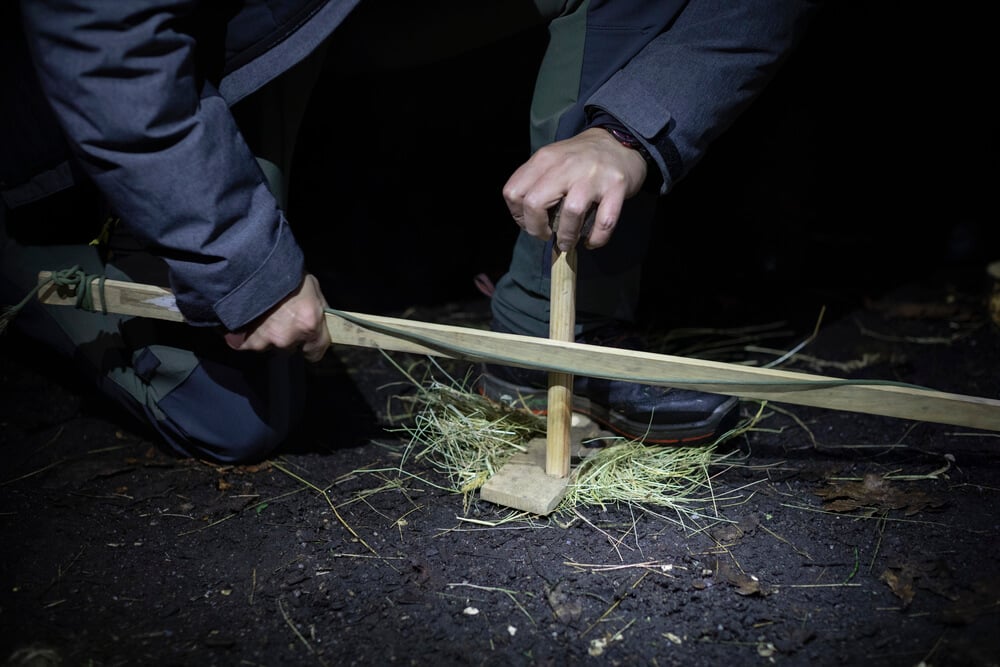
A simple mechanism using a bowstring wrapped around a spindle to create rapid rotation, originally developed for starting fires and later adapted for boring into wood, dates back to some of the earliest known tool traditions and remained in practical use for millennia. The bow drill’s ability to convert back-and-forth hand motion into fast rotary motion was such an effective solution that variations of the design persisted well into the era of early machine tools.
Plumb Bob
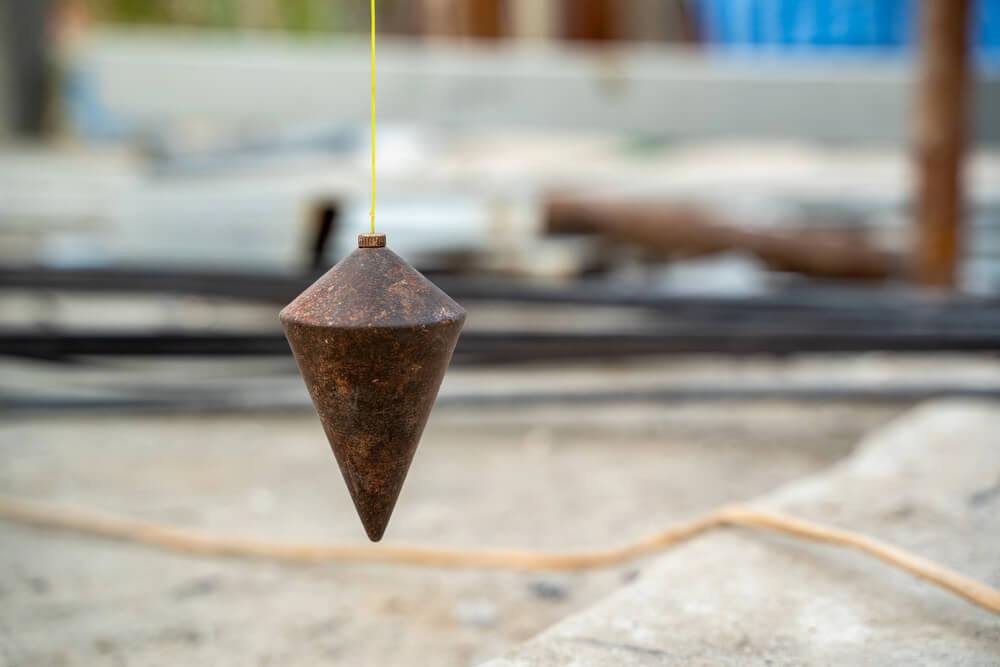
A weighted point suspended from a string, used to establish a true vertical line for construction and surveying, has been used since ancient Egyptian and Mesopotamian building projects and remains identical in form and function today. Gravity does the actual work, which is precisely why no amount of technological progress has ever offered a simpler way to find true vertical.
Spirit Level
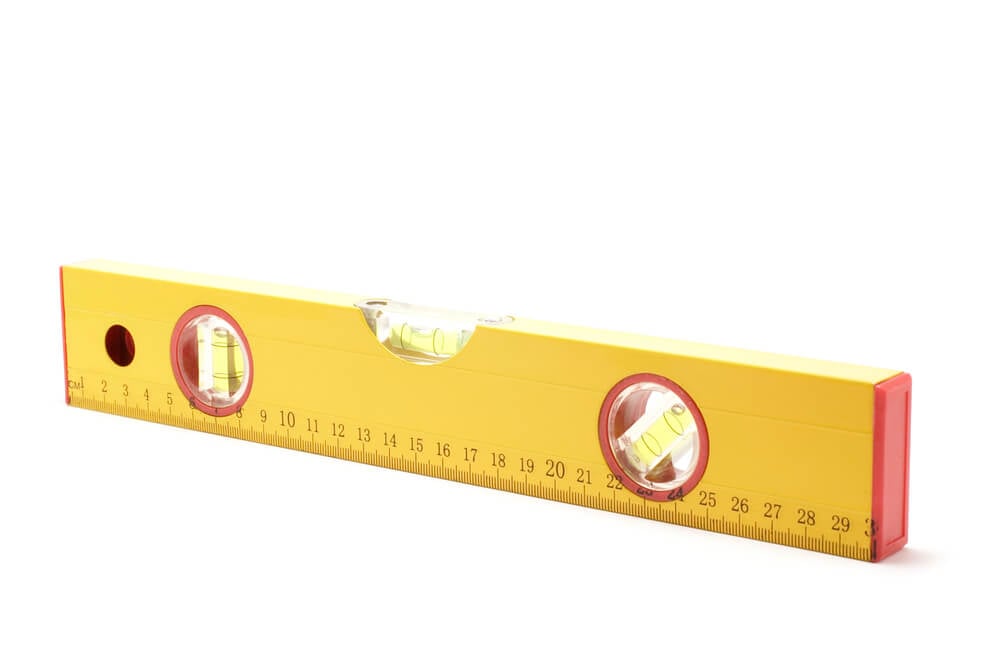
Using a bubble suspended in a liquid-filled tube to indicate a perfectly horizontal or vertical surface, the spirit level has been in continuous use since it was developed in the seventeenth century, and digital levels still often include a physical bubble vial as a trusted backup. The visual simplicity of watching a bubble center itself has proven remarkably resistant to replacement even as electronic alternatives became available.
Drop Spindle
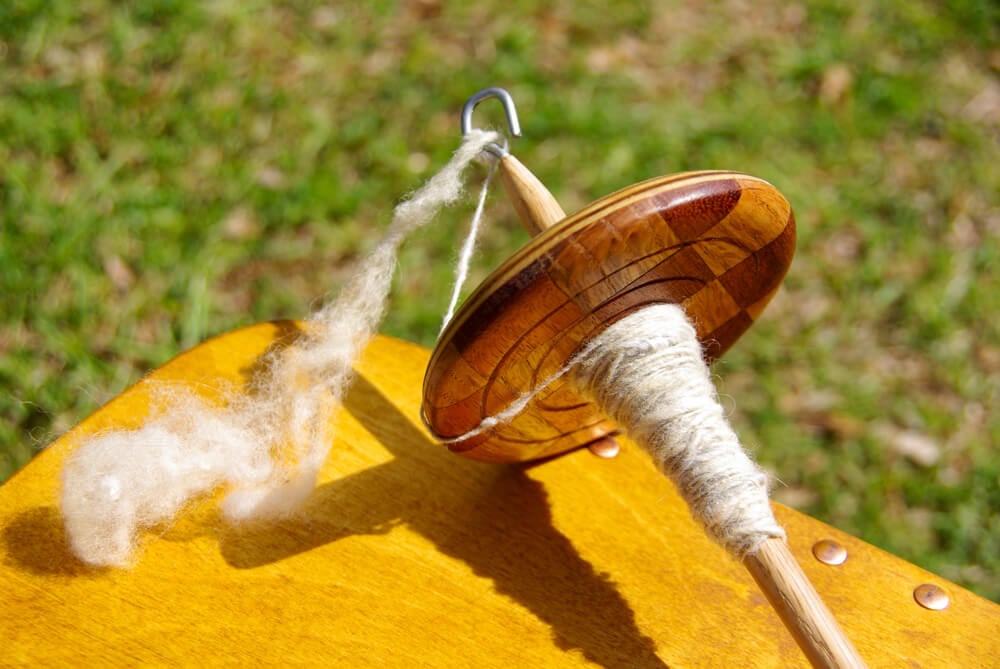
A weighted stick used to twist raw fiber into thread by hand, the drop spindle predates the spinning wheel by thousands of years and remains in active use among hand spinners and in regions where mechanized spinning never fully displaced traditional methods. Its portability and simplicity meant it required no fixed workstation, allowing spinning to happen anywhere, a practical advantage that kept it in use long after mechanized alternatives existed.
Potter’s Wheel

A rotating platform used to shape clay by hand through centrifugal force and controlled pressure has been in continuous use since ancient Mesopotamia, where the earliest known wheels date back roughly five thousand years. Electric motors eventually replaced foot-powered or hand-spun mechanisms for many potters, but the fundamental technique of shaping spinning clay by hand has not changed since antiquity.
Wooden Ladder

Two parallel rails connected by evenly spaced rungs, allowing a person to climb vertically, appears in some of the earliest known tool depictions and has remained structurally identical through every subsequent material upgrade from wood to aluminum to fiberglass. The physics of climbing safely between two supports connected by rungs was solved so early and so completely that later materials changed weight and durability but never the underlying design.
Old Solutions to Problems That Never Changed
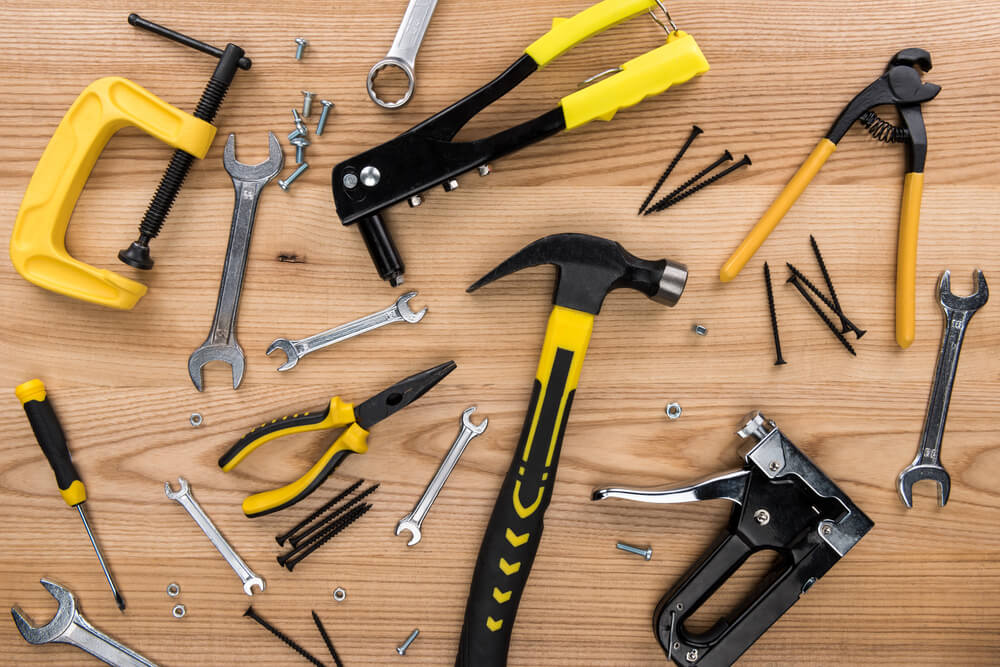
The reason these tools survived unaltered is not a failure of imagination. It is the opposite: each one represents a problem solved so completely, so early, that later engineers had nothing meaningful left to add.
A hammer converts arm motion into concentrated force. A plumb bob uses gravity to define true vertical.
There is no clever redesign that improves on physics doing exactly what physics already does best.
What changed around these tools was everything else: materials got harder, handles got more ergonomic, manufacturing got cheaper. But the shape in your hand, the angle of the blade, the balance of the head, those details were often worked out by people who had no metallurgy, no engineering degrees, and no way to test alternatives beyond trying them in the field.
They got it right anyway, and centuries of subsequent technology have mostly just agreed with them.
More from Go2Tutors!

- The Romanov Crown Jewels and Their Tragic Fate
- 13 Historical Mysteries That Science Still Can’t Solve
- Famous Hoaxes That Fooled the World for Years
- 15 Child Stars with Tragic Adult Lives
- 16 Famous Jewelry Pieces in History
Like Go2Tutors’s content? Follow us on MSN.