26 Classroom Fixtures Schools Quietly Retired
Walk into most classrooms today and the room looks nothing like it did even twenty years ago, though almost nobody remembers the exact moment any single piece disappeared. Fixtures get replaced during routine renovations, technology upgrades, or simple budget cycles, and by the time anyone notices, the old version has already been hauled away.
These are the pieces of classroom furniture and equipment that quietly stopped showing up.
Overhead Projectors
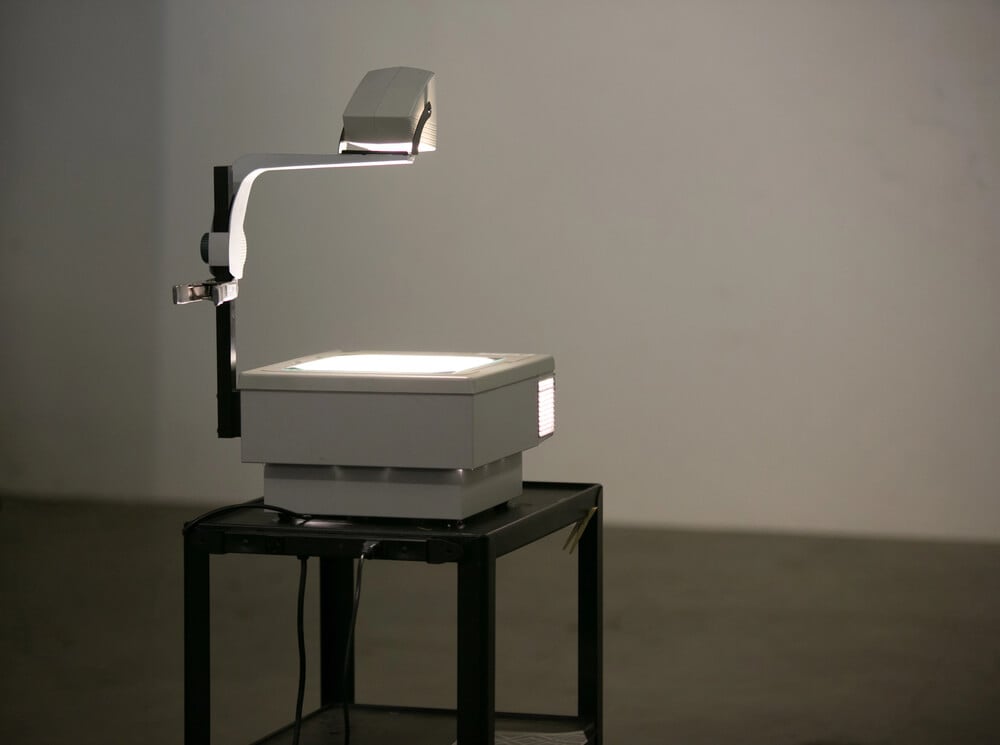
For decades, teachers wrote directly onto clear plastic sheets under a bright bulb, projecting handwriting onto a screen or wall while facing the class rather than turning their back to write on a board. The hum of the cooling fan and the squeak of a dry-erase marker on the transparency sheet were a fixture of nearly every subject.
Digital projectors and interactive displays made the format obsolete by the 2000s.
Filmstrip Projectors
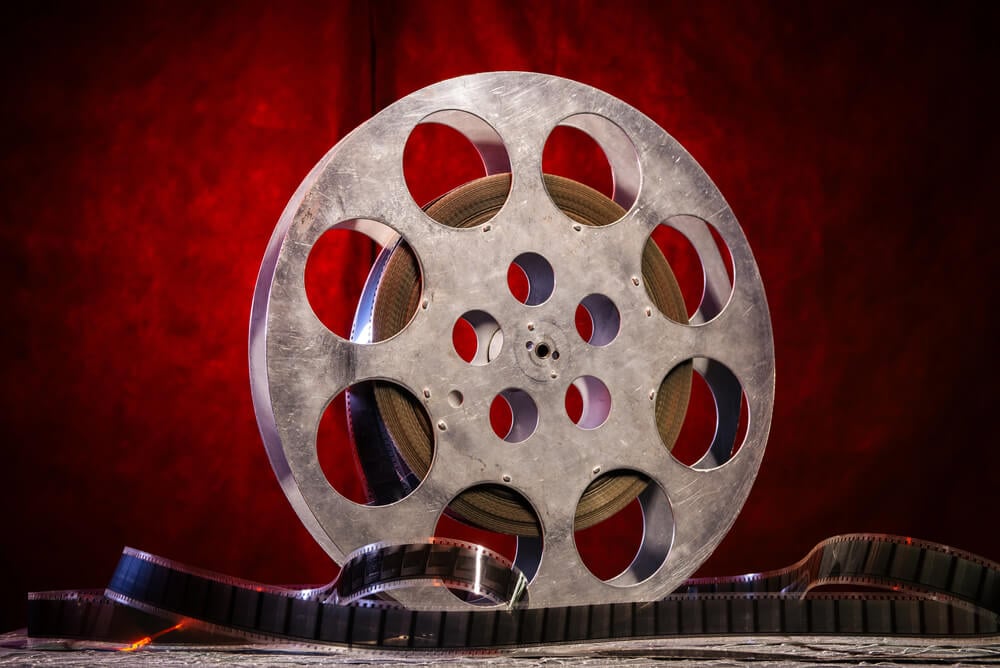
Before video became easy to queue up, teachers loaded reels of still images synced to an audio cassette, manually advancing each frame at the beep. The distinctive rhythm of the advancing mechanism and the specific tone of that beep are instantly recognizable to anyone who sat through one.
Filmstrips were phased out almost entirely once VHS and later digital video became standard classroom media.
Chalkboards and Chalk

Green or black slate boards accompanied by trays of chalk sticks and felt erasers defined the front of nearly every classroom for well over a century. The dust that accumulated on ledges and clothing was simply accepted as part of the school day.
Whiteboards, and later interactive touch-screen displays, replaced chalkboards in most schools by the early 2000s.
Mimeograph and Ditto Machines
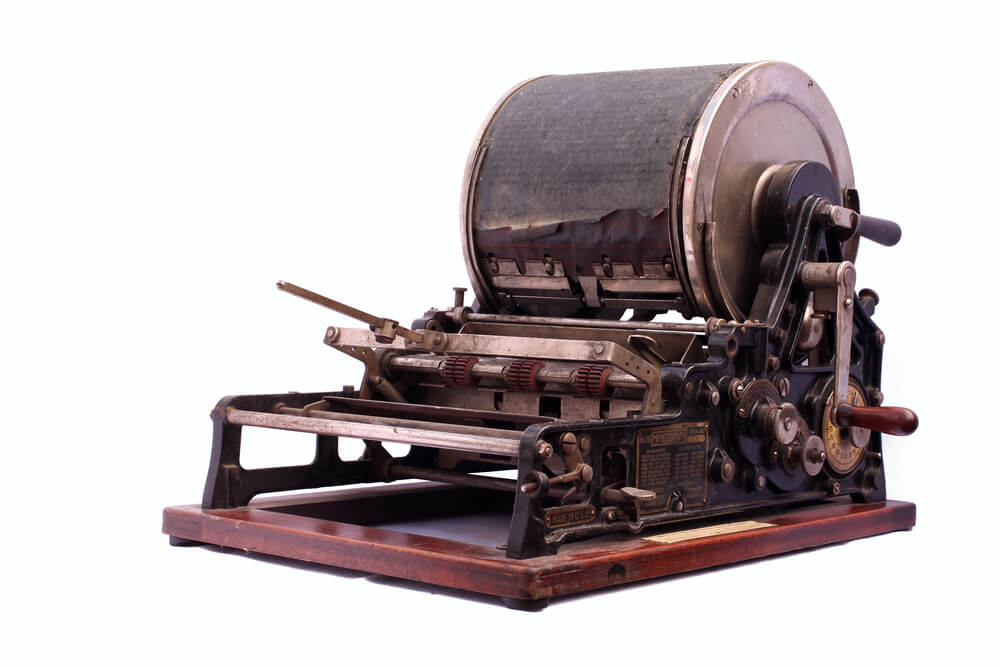
Worksheets run through these machines emerged with a distinctive purple-blue ink and a chemical smell that many former students still associate specifically with test day. Teachers hand-cranked a drum to produce copies one at a time from a master stencil.
Photocopiers made the process obsolete by the 1980s, and the machines themselves largely vanished from school supply closets soon after.
Card Catalogs
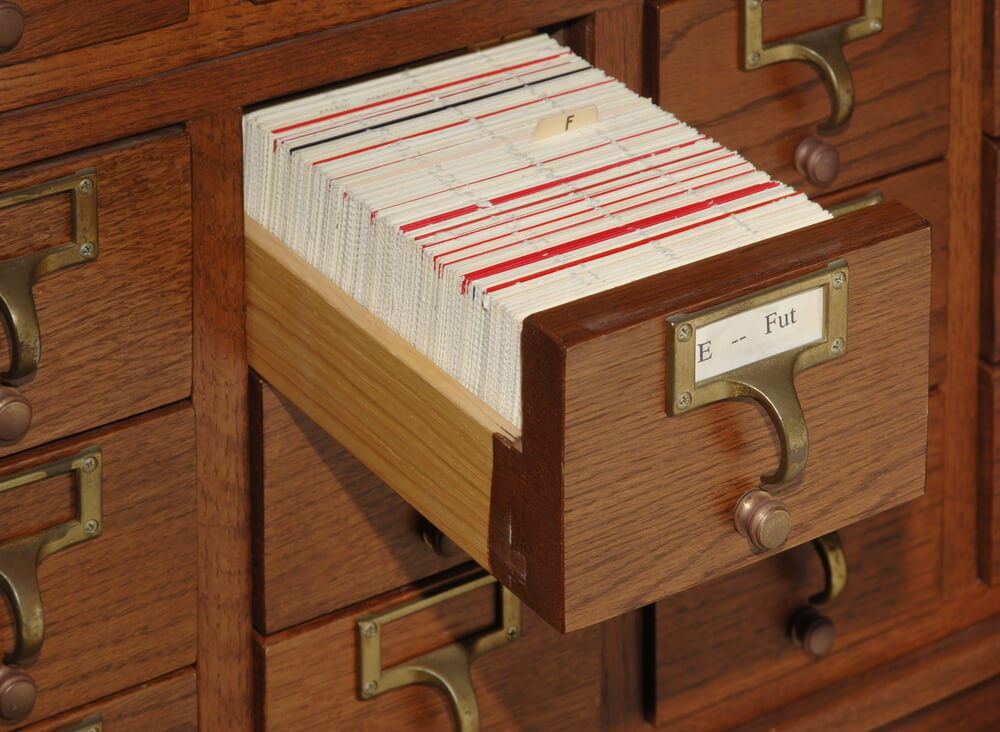
Wooden cabinets filled with small drawers of typed index cards let students look up books by author, title, or subject long before searchable digital databases existed. Learning to navigate the cards was its own classroom lesson in many elementary schools.
Library computer terminals replaced the physical cards almost entirely by the late 1990s, and most surviving cabinets were repurposed for storage or removed.
Slide Rules
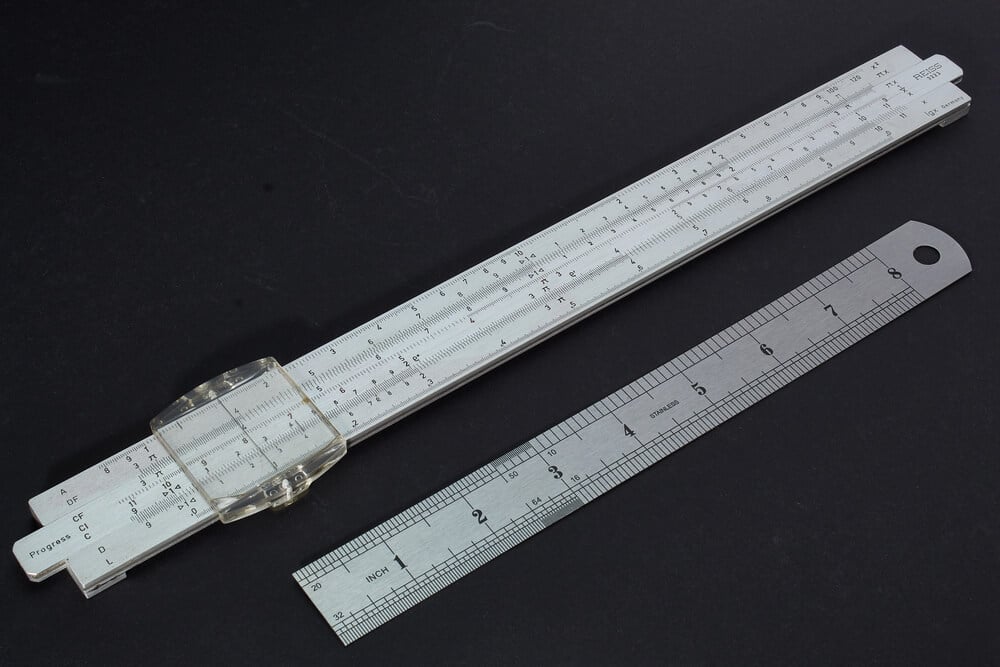
Before calculators became affordable and widely available, students in math and science classes learned to perform multiplication, division, and other calculations using these sliding ruler-like devices. Learning to read the scales accurately was a specific skill taught in its own right.
Handheld electronic calculators made slide rules obsolete in classrooms by the 1970s and 80s.
Typewriters
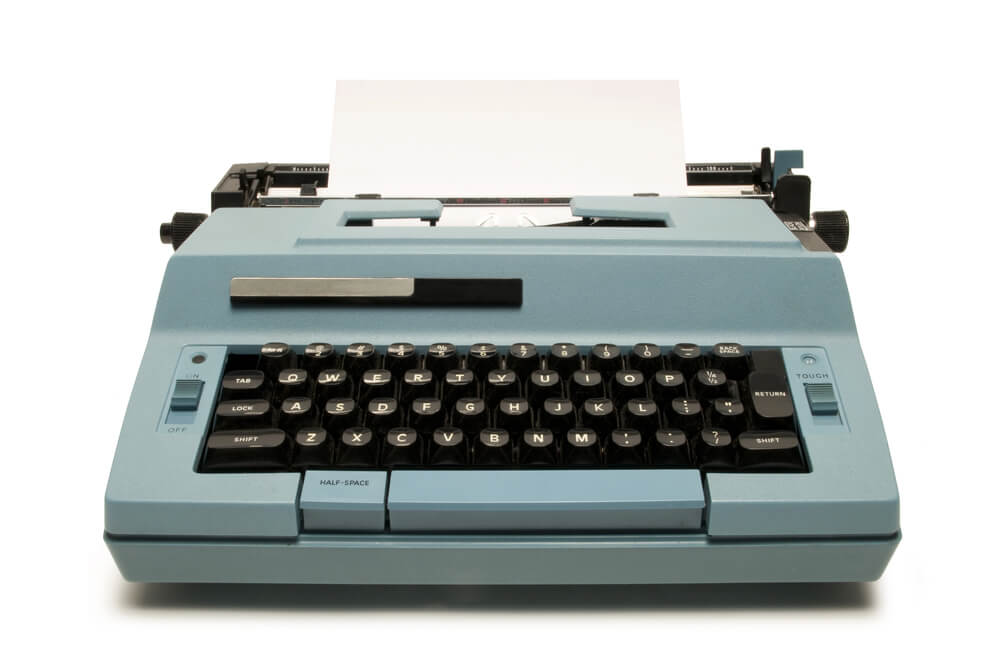
Rows of manual or electric typewriters once occupied dedicated classrooms for typing instruction, complete with the specific rhythmic clatter of keys and the bell that signaled the end of a line. Learning proper finger placement and typing speed was treated as a standalone subject.
Computer labs gradually replaced typewriter rooms through the 1990s as word processing became the standard.
Roll-Down Pull-Case Maps
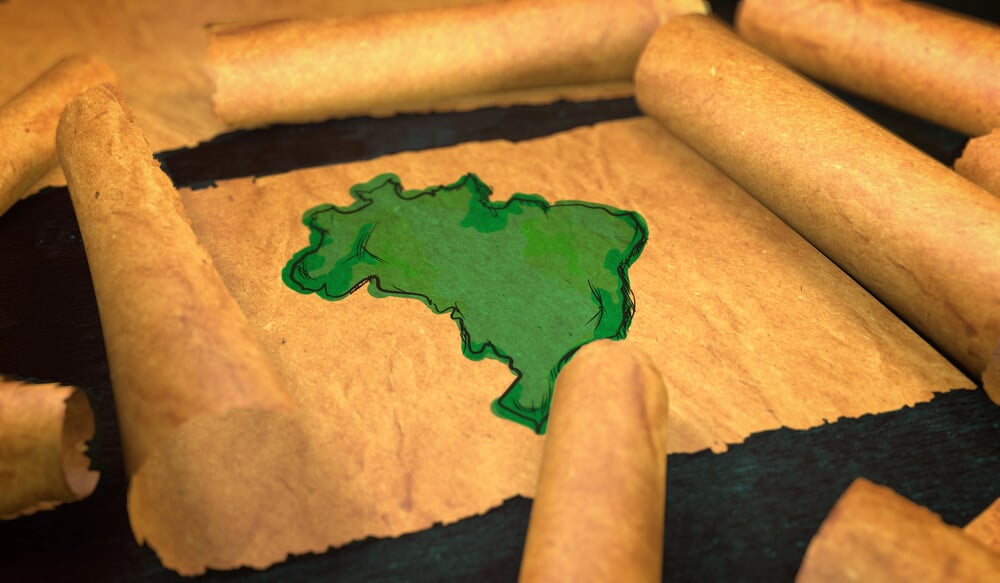
Large laminated maps stored in spring-loaded cases mounted above chalkboards could be pulled down and released to snap back up when class moved on to a different subject. Their edges often curled or tore after years of repeated use.
Digital projection and online mapping tools made these physical maps largely unnecessary by the 2000s.
Classroom Globes

A large globe mounted on a stand was once a near-universal fixture near a classroom’s reading corner, used for everything from geography lessons to settling casual arguments about distances between countries. Digital mapping tools and interactive displays have made physical globes less central to instruction.
Many schools still keep one somewhere in a building, though far fewer sit in individual classrooms today.
Mounted Call Bells
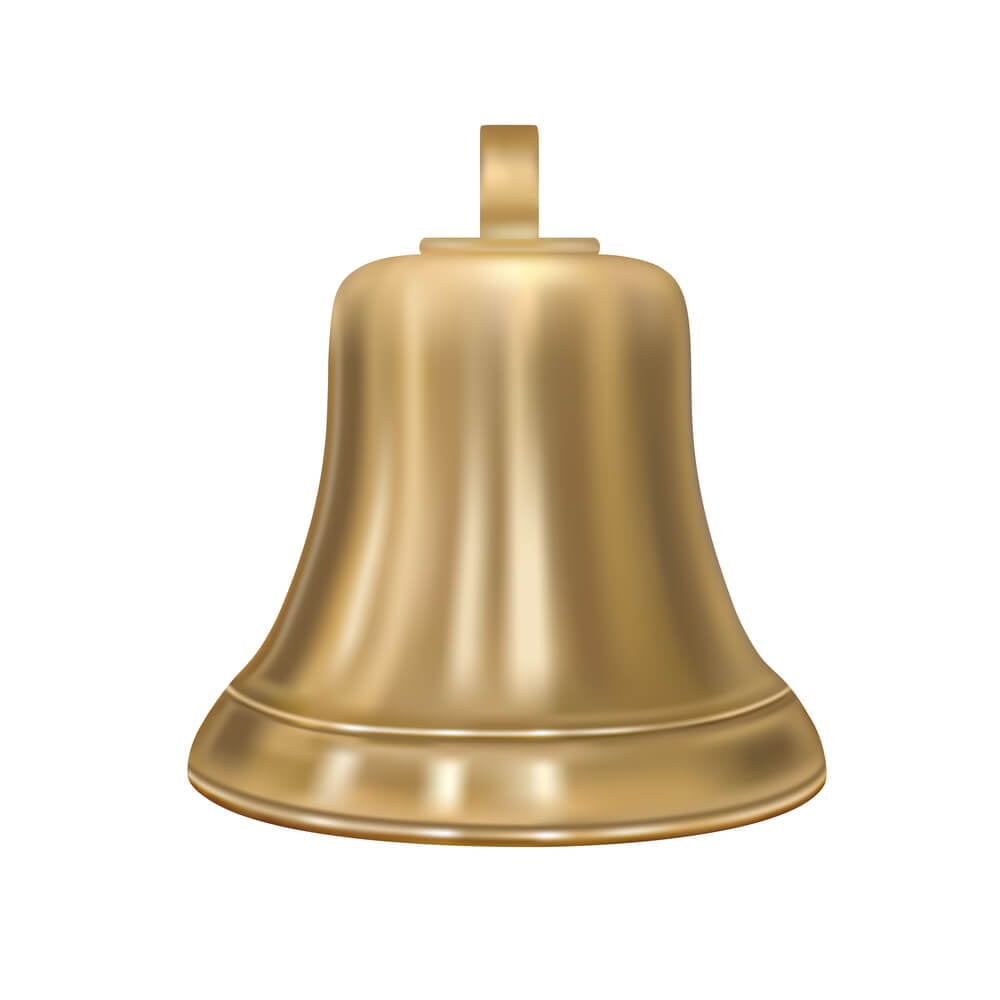
Before public address systems became standard, many schools used a mounted bell or buzzer system, sometimes operated by a rope pulled by hand, to signal the change of periods or recess. The specific tone and rhythm of a school’s bell became instantly recognizable to its students.
Digital chime systems and speaker announcements replaced most mechanical bell systems by the late twentieth century.
Cloakrooms and Coat Hooks
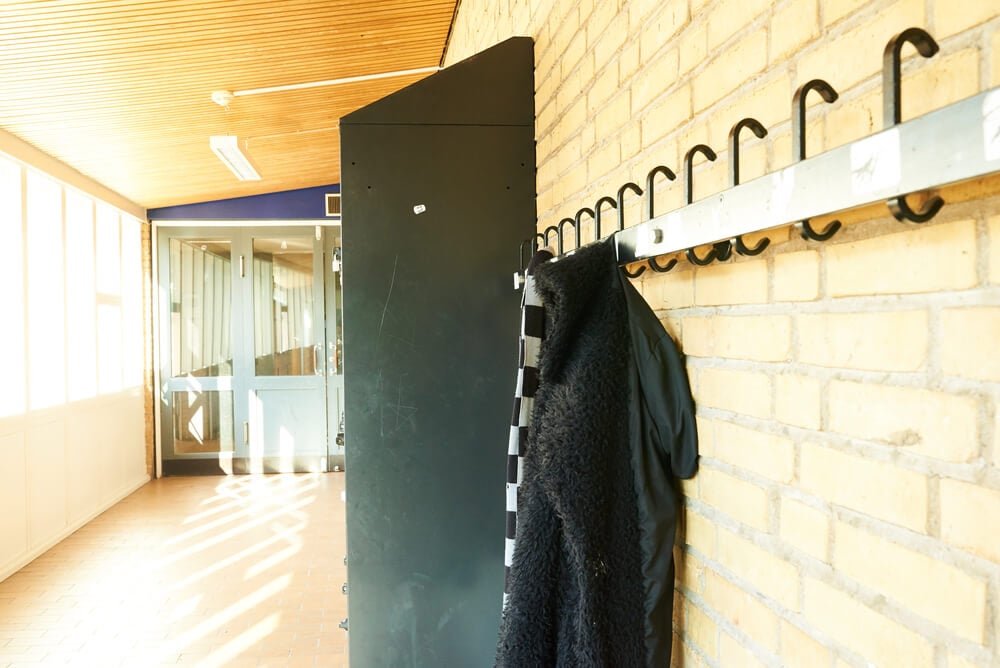
Many older school buildings included a small entry room or alcove lined with hooks where students hung coats and stored boots before entering the main classroom. Newer school designs favor open cubbies or lockers integrated directly into the classroom or hallway instead.
The dedicated cloakroom, with its own separate door, is now largely a feature of older, unrenovated buildings.
Cursive Alphabet Wall Charts
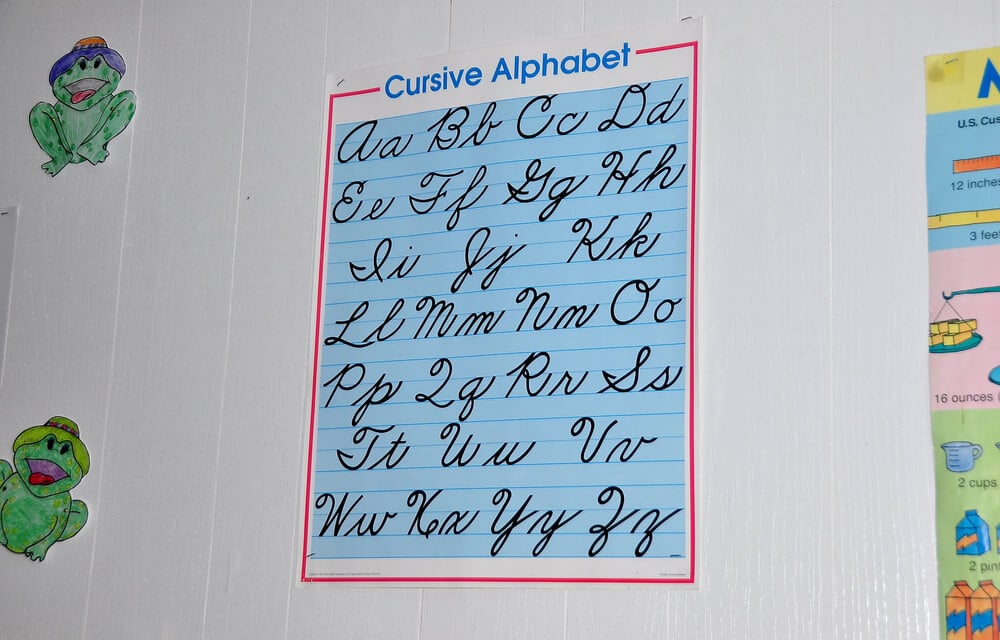
A running strip of uppercase and lowercase cursive letters, typically mounted above the chalkboard along the entire front wall, gave students a constant visual reference while learning penmanship. As many curricula reduced or eliminated formal cursive instruction, the charts stopped being reordered and reprinted for new classrooms.
Their disappearance closely tracked the broader decline of cursive handwriting instruction itself.
Pull-Down Projection Screens

A retractable screen, often mounted in a case above the chalkboard, could be pulled down for filmstrips, slides, or overhead projections and rolled back up when not in use. Its slightly yellowed, sun-faded surface after years of use was a common sight in older classrooms.
Fixed digital displays and interactive boards have made retractable pull-down screens largely unnecessary.
TV-and-VCR Carts
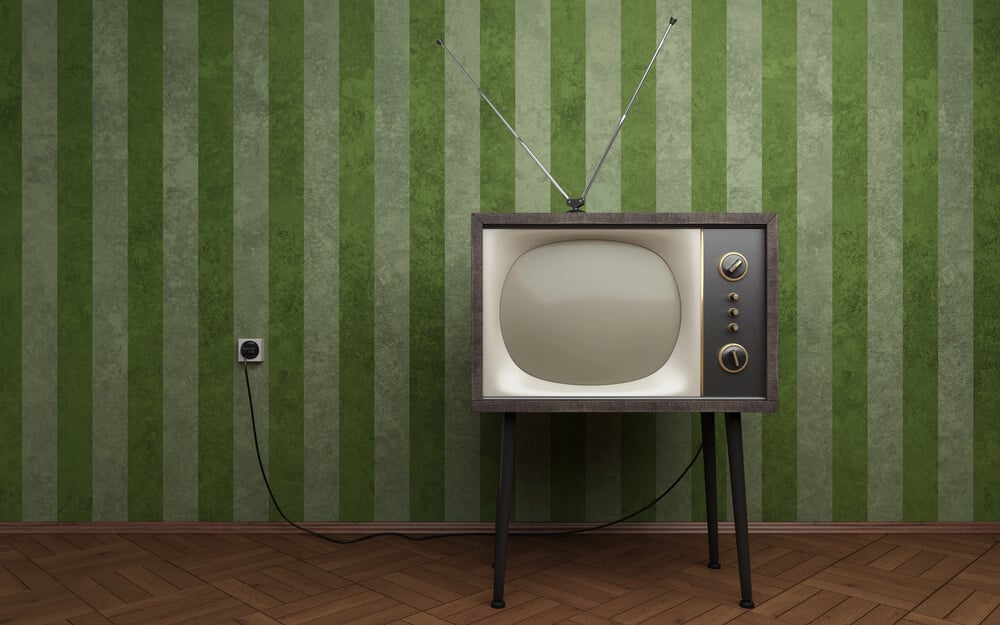
A television mounted on a tall rolling metal cart, usually with a VCR strapped or bolted to a shelf underneath, was wheeled between classrooms for special video lessons or indoor recess days. The cart’s wheels squeaking down a hallway signaled something different was about to happen in class.
Flat-screen displays mounted directly on classroom walls made the mobile cart mostly unnecessary by the 2010s.
Record Players
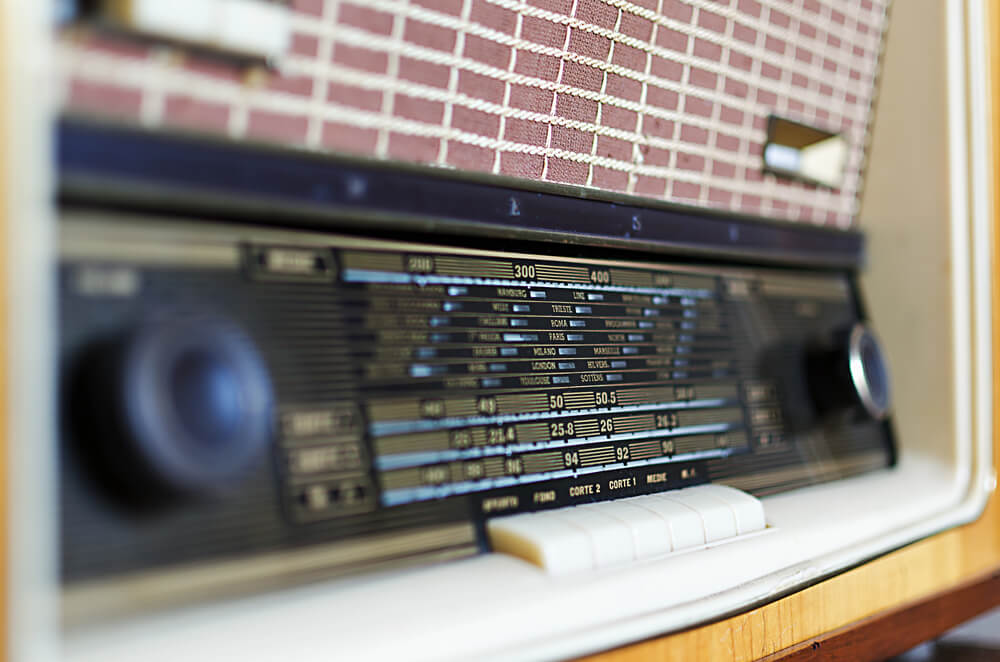
Some classrooms, particularly for music instruction, kept a record player on hand for lessons involving recorded music or spoken-word educational albums. Handling the vinyl carefully and setting the needle correctly was its own small classroom ritual.
Cassette players and later digital audio replaced record players in most classrooms well before the format’s recent resurgence among collectors.
Cassette Tape Decks
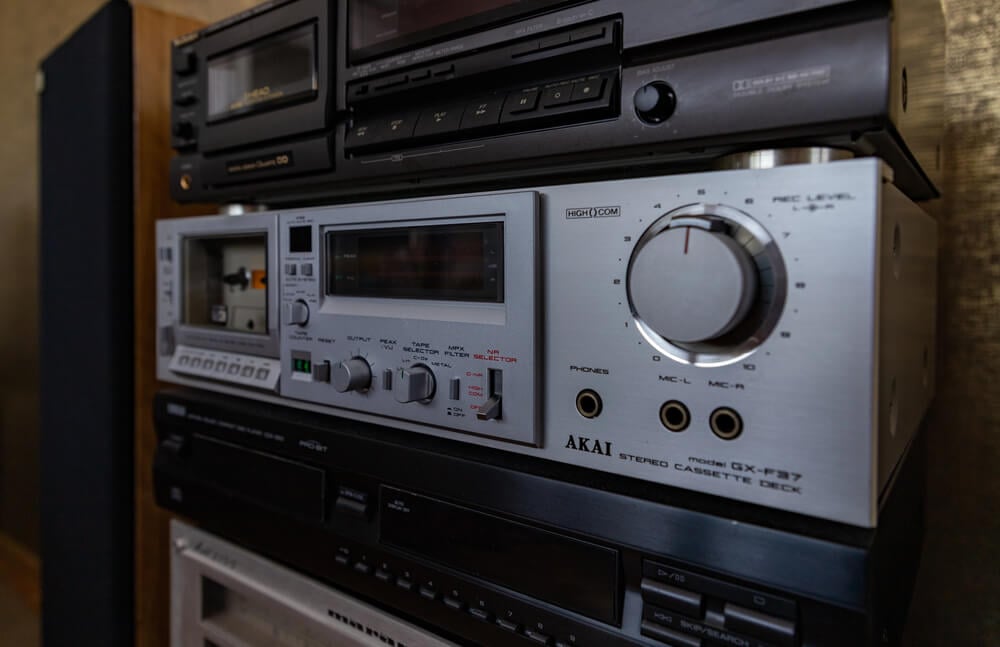
For a stretch of decades after record players fell out of favor, cassette decks became the standard classroom audio equipment for everything from language lessons to read-along storybooks. Rewinding a tape to a specific spot using a small counter number was a routine task for teachers.
Digital audio files and streaming replaced cassette decks in most classrooms by the early 2000s.
Classroom Intercom Call Boxes
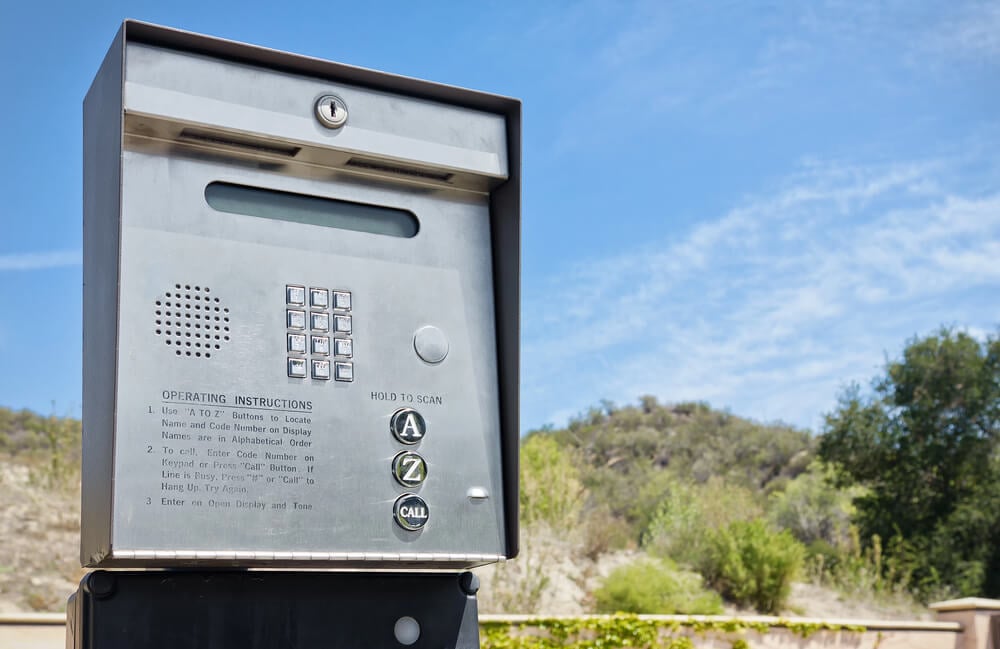
A small speaker box mounted near the classroom door connected teachers directly to the main office, used for attendance calls, announcements, or emergencies. Its distinctive static crackle before an announcement began was instantly recognizable to students.
Networked digital systems and mobile devices have replaced most standalone intercom call boxes in newer school construction.
Wooden Desks with Inkwell Fittings
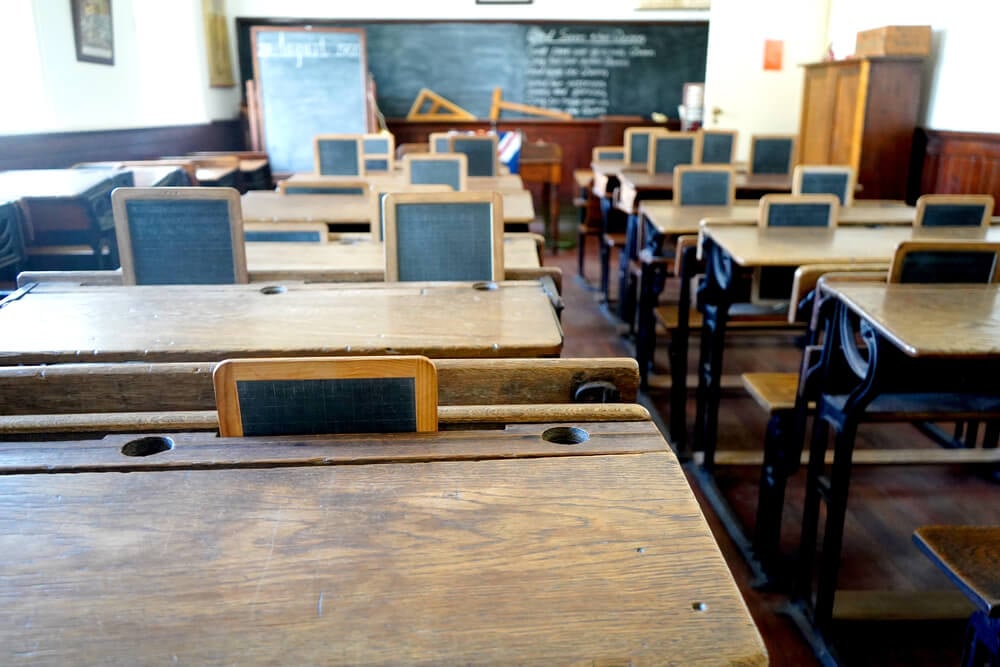
Older classroom desks, some still in use well into the twentieth century, included a small recessed fitting near the top corner originally meant to hold an inkwell for pen-and-ink writing. Most students who used these desks had never actually used the fitting for its intended purpose by the time fountain and ballpoint pens took over.
Schools gradually replaced these older desks with simpler, single-surface models.
Wall-Mounted Pencil Sharpeners
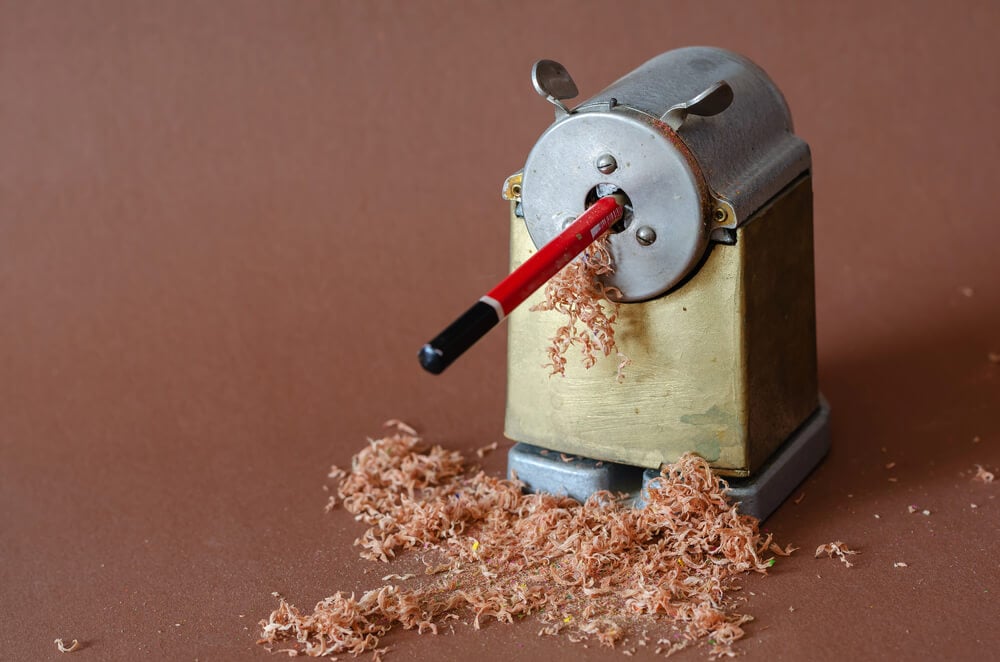
A hand-cranked sharpener bolted to the wall near a classroom’s supply area was once a standard fixture, complete with a small removable container to catch the shavings. The specific grinding sound of a sharpener in use was audible across an entire quiet classroom.
Battery-powered and electric sharpeners, along with a general decline in pencil use, have made the wall-mounted crank version increasingly rare.
Classroom Encyclopedia Sets
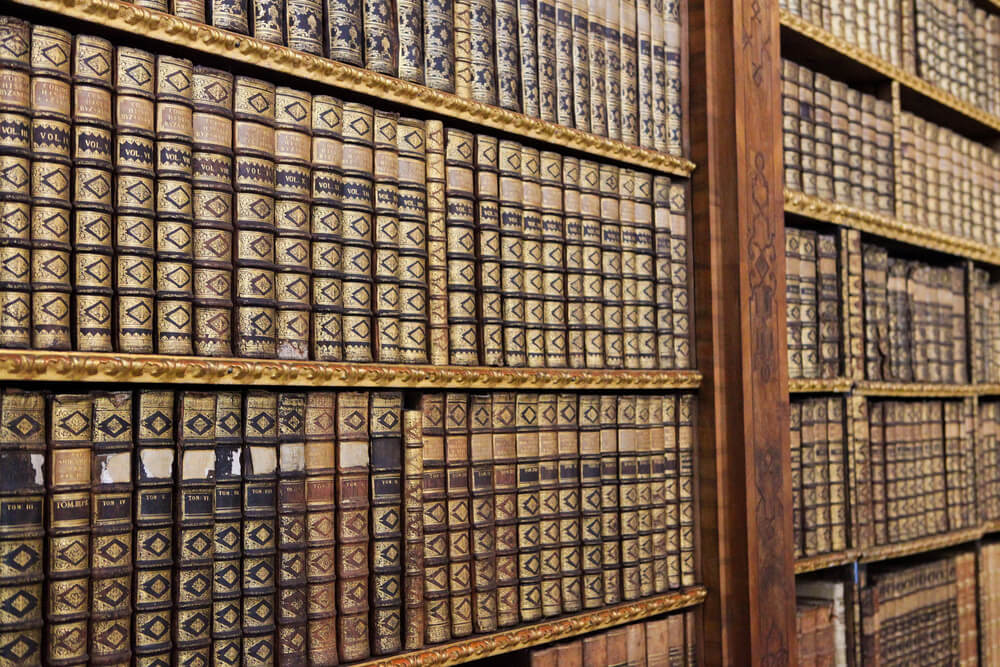
A full multi-volume encyclopedia set, often donated or purchased through a school fundraiser, once occupied a dedicated shelf in nearly every classroom or school library. Assigning students to look up a topic in the correct volume was a common early research exercise.
Online reference sources made physical encyclopedia sets largely obsolete by the early 2000s, and most schools quietly discontinued updating or replacing them.
Library Due-Date Card Pockets
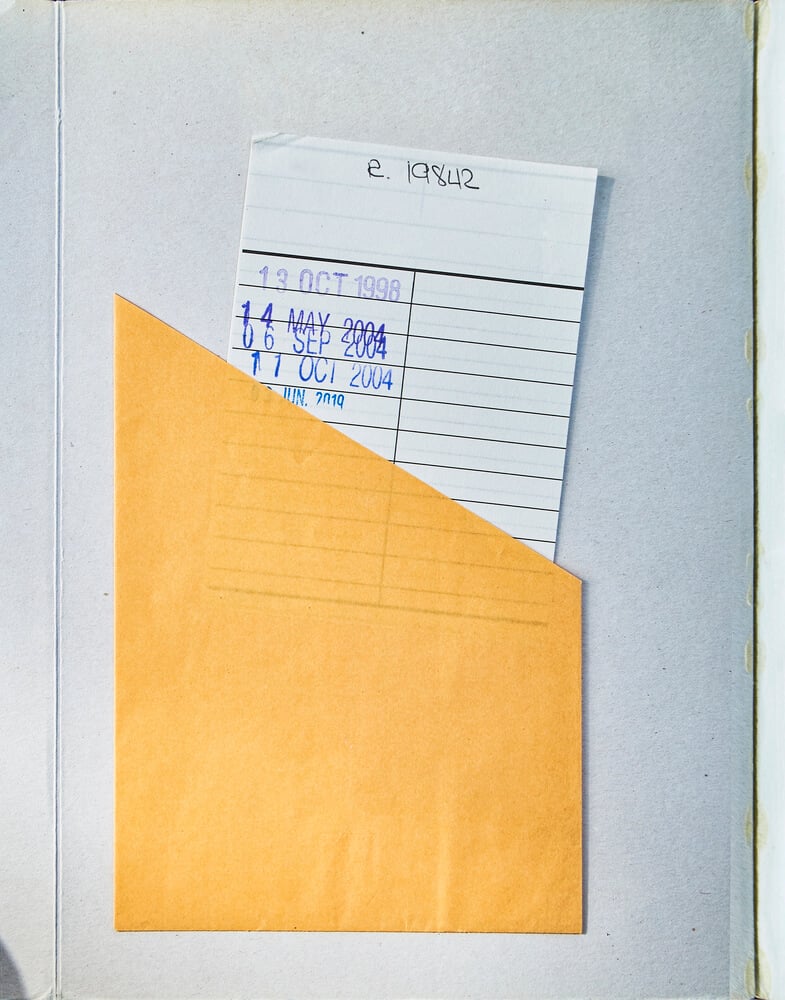
A small paper pocket glued inside the back cover of a library book held a card stamped with each borrower’s due date, creating a visible record of who had checked out the book previously. Students often checked the card out of curiosity before checking out the book itself.
Barcode scanning systems replaced the physical card system in most school libraries by the late 1990s.
Classroom Terrariums and Aquariums

A glass enclosure housing plants, small reptiles, or fish was once a common classroom science fixture, giving students a hands-on introduction to caring for a living environment. Maintenance demands and growing concerns about allergies and animal welfare have led many schools to reduce or eliminate classroom habitats entirely.
Where they remain, they are now more likely to be shared across a whole grade level than kept in every individual room.
Classroom Paddles

Wooden paddles kept in a principal’s office or occasionally a classroom were once used as a disciplinary tool in schools that permitted corporal punishment. As state laws and district policies shifted against the practice over the following decades, schools removed the paddles from their buildings entirely.
The vast majority of public schools in the United States no longer permit the practice at all.
Cast Iron Radiators
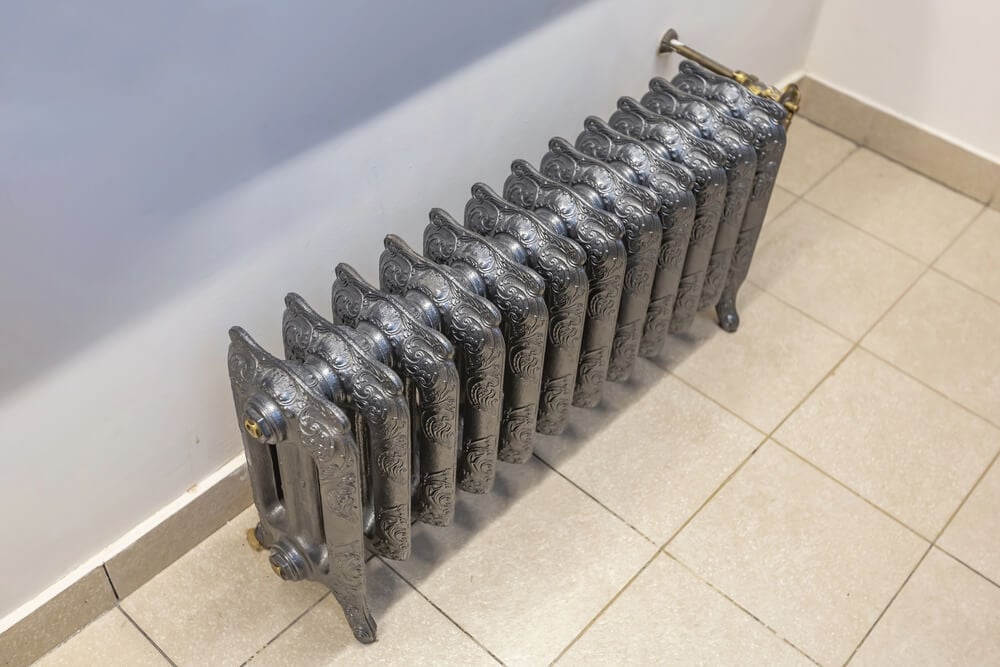
Older school buildings, particularly those constructed in the early twentieth century, were often heated by large cast iron radiators positioned along classroom walls, complete with a distinctive clanking sound as the system warmed up each morning. Renovations and modern climate control systems have replaced most of these units in schools that have undergone significant updates.
Buildings that retain them are usually among the oldest still in active use.
Classroom Weather Station Instruments
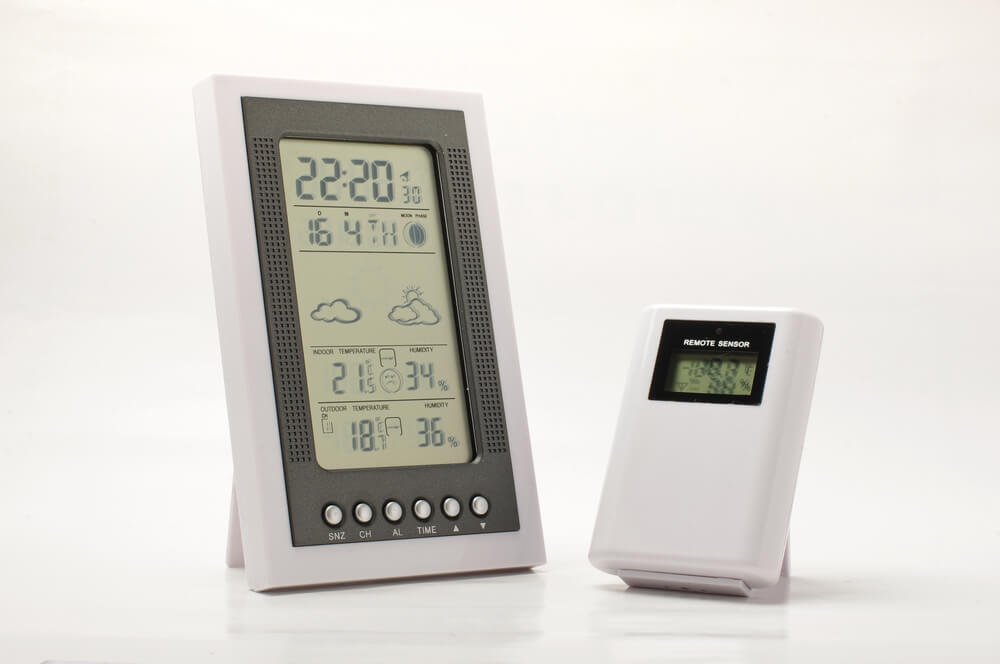
Some elementary classrooms kept a small set of weather instruments, including a thermometer, rain gauge, and wind vane, often positioned just outside a window for students to check and record each morning as part of a daily routine. Standardized digital weather data available online has made maintaining physical instruments less common.
The daily ritual of checking and logging a printed weather chart has largely faded along with them.
Personal Slate Chalkboards
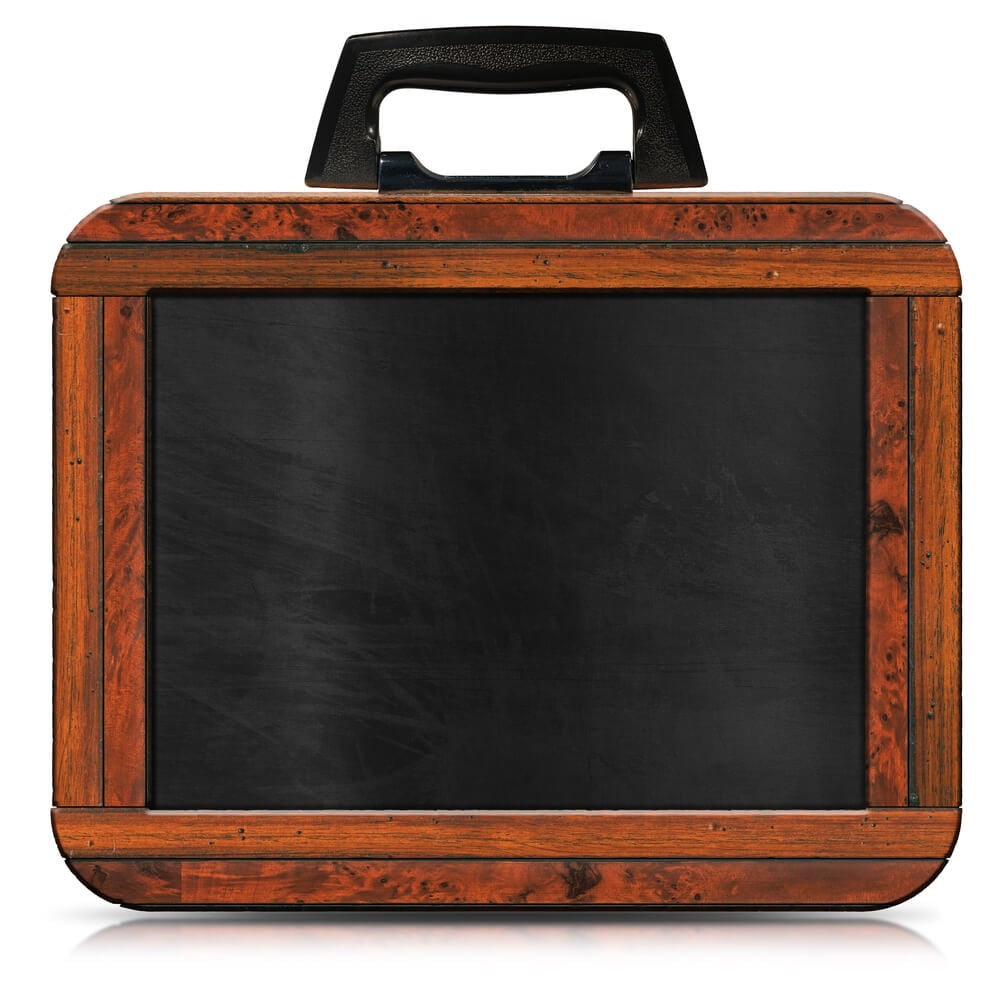
Long before individual paper notebooks were standard, some students used small personal chalkboards, or slates, to practice writing and arithmetic at their own desks, wiping them clean to reuse. The format persisted in some schools well into the twentieth century before paper and pencil became universally standard.
A handful of specialty and historical-recreation classrooms still use them today as a deliberate throwback.
What the Room Remembers
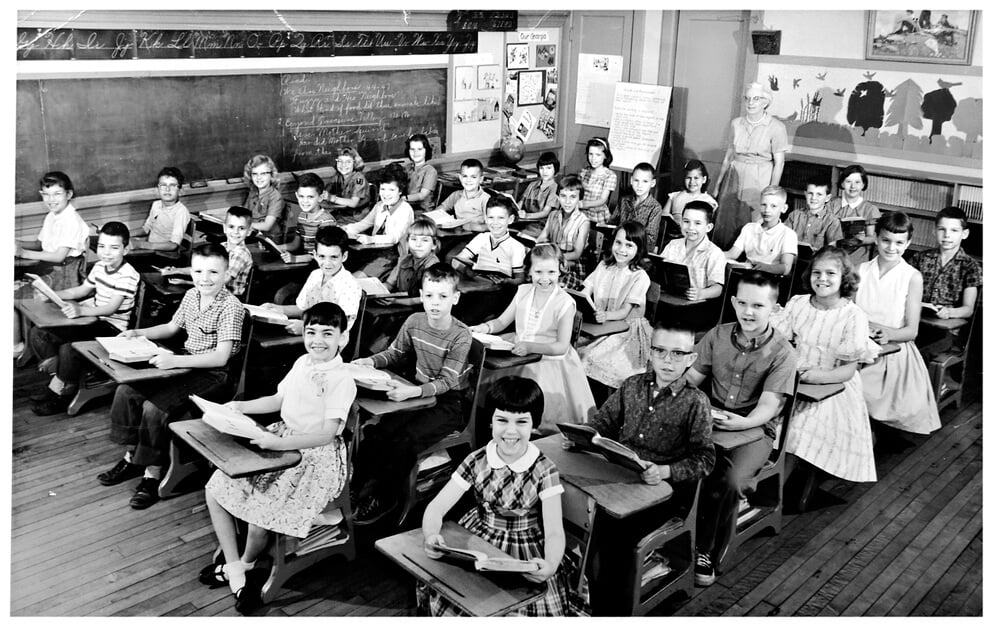
None of these fixtures disappeared all at once, and no single announcement ever declared any of them officially retired. A district replaced a set of projectors during a technology upgrade, a renovation removed a cloakroom to make room for a larger classroom, and a supply order for chalk quietly stopped being renewed.
Multiply that pattern across enough decades and enough buildings, and an entire physical version of what a classroom looks like disappears without anyone marking the occasion. What is left behind is mostly memory rather than object.
Former students can often describe the exact sound of a filmstrip projector’s beep or the smell of a freshly run mimeograph sheet decades after either one stopped being manufactured. The room changed gradually enough that nobody had to say goodbye to it.
It simply stopped being there.
More from Go2Tutors!

- The Romanov Crown Jewels and Their Tragic Fate
- 13 Historical Mysteries That Science Still Can’t Solve
- Famous Hoaxes That Fooled the World for Years
- 15 Child Stars with Tragic Adult Lives
- 16 Famous Jewelry Pieces in History
Like Go2Tutors’s content? Follow us on MSN.