31 Playground Games Recess Monitors Eventually Banned
Every generation of kids inherits a set of recess games passed down almost entirely without adult supervision, and every generation of school administrators eventually looks at a handful of those games and decides the liability outweighs the fun. Some disappeared after a single bad injury. Others were phased out gradually as schools grew more cautious about physical contact and collision risk in general. Here is what recess used to look like before the whistle blew.
Red Rover

Two lines of kids link arms and take turns calling a player from the opposing side to run full speed and try to break through the chain. The game’s entire appeal rested on the collision itself, which is exactly why it became one of the first games many school districts formally banned after a wave of reported arm and shoulder injuries. Some versions of the game persisted informally long after official rules discouraged it.
Freeze Tag

A simple chasing game in which tagged players must freeze in place until a teammate frees them by tagging them again. It rarely causes serious injury on its own, but many schools eventually restricted or banned tag entirely after a small number of well-publicized collision injuries led to broader liability concerns about unsupervised running games. The bans frustrated many kids who saw tag as the most harmless option on the list.
British Bulldog

Players attempt to run from one end of a field to the other while a designated chaser tries to physically bring them down or hold them in place. The full-contact nature of the game led to it being restricted or banned in schools across the United Kingdom after decades as a recess staple. Even softened, no-tackling versions struggled to survive once schools grew cautious about the game’s reputation.
Duck Duck Goose

Players sit in a circle while one walks around tapping heads, eventually choosing someone to chase them around the circle back to the open seat. It is a low-contact game by most standards, but the chasing sprint component was enough for some schools to fold it into broader running-game restrictions during periods of heightened playground caution. It remains far more common in early elementary classrooms than at recess for older kids.
Red Light Green Light

One player faces away from the group and calls out signals that either allow or freeze the other players’ movement toward them, with the goal of tagging the caller without being caught moving. Collisions during the mad dash on “green light” were common enough that some schools eventually asked staff to limit the number of players running at once. A handful of schools dropped the game from organized recess entirely.
Simon Says

A leader calls out physical actions that players must follow only when the command is prefaced with “Simon says,” eliminating anyone who follows an unprefaced command. The game itself carries almost no physical risk, but it occasionally appears on lists of games phased out of organized recess simply for taking up structured time that schools preferred to leave unstructured. Most bans on this game were about scheduling rather than safety.
Mother May I

Players ask a designated leader for permission to take a set number of steps toward a finish line, with the leader able to grant, deny, or modify each request. Like Simon Says, this game rarely caused injuries, but it occasionally lost its place in organized recess time as schools moved toward less structured, staff-led activities. It survives mostly through informal, kid-organized versions.
Steal the Bacon

Two teams number their players identically, and when a number is called, the matching players from each side race to grab an object placed between them before their opponent does. The head-on collisions that resulted from two sprinting kids converging on the same object led many schools to restrict or eliminate the game after repeated injury reports. Its intensity was part of what made it popular in the first place.
Capture the Flag
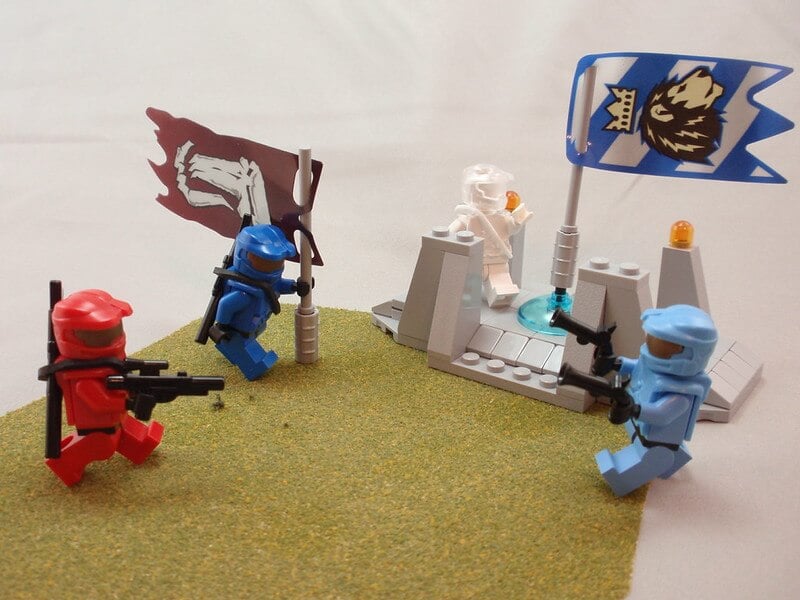
Two teams defend their own territory while attempting to infiltrate the opposing team’s space and retrieve a marker without being tagged. The game’s large playing area and extended chase sequences made supervision difficult, and several schools eventually restricted it to gym class with direct staff oversight rather than open recess. Its scale made it one of the harder games to monitor safely with a typical recess staff ratio.
Tug of War
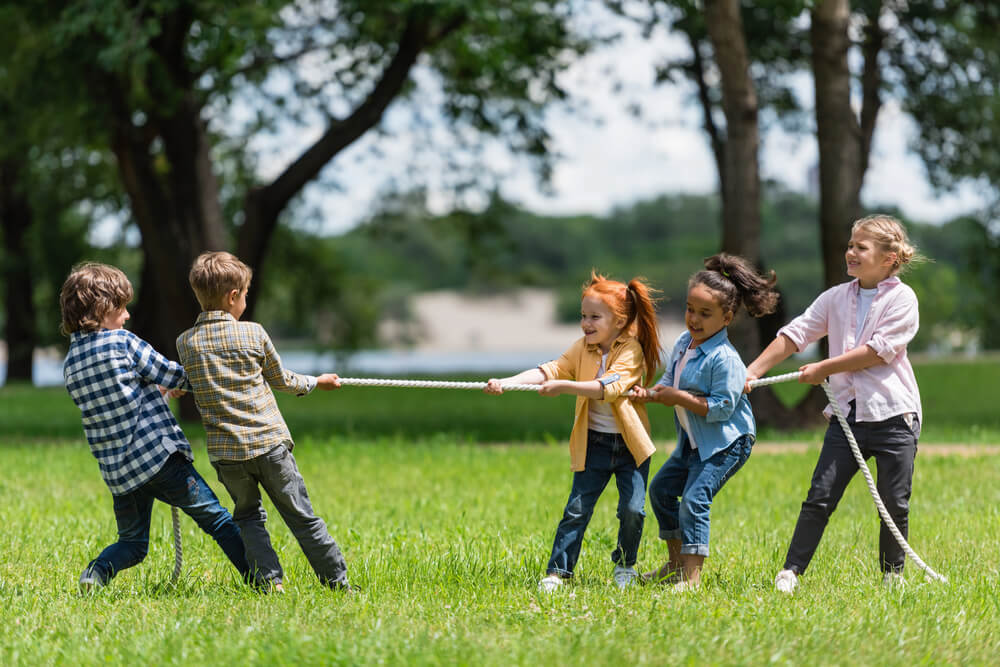
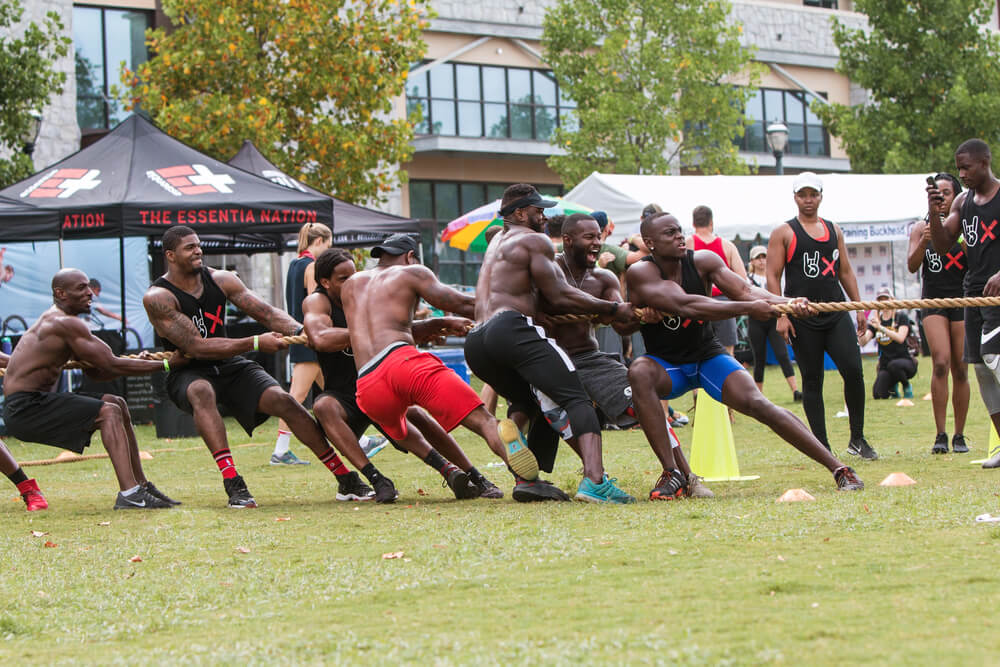
Two teams pull opposite ends of a rope, attempting to drag the other side across a center line. Reports of rope burns, falls, and occasional rope snap-back injuries led many schools to discontinue the activity outside of formally supervised field day events. The rope itself, rather than the pulling motion, was usually the specific safety concern cited.
Leapfrog
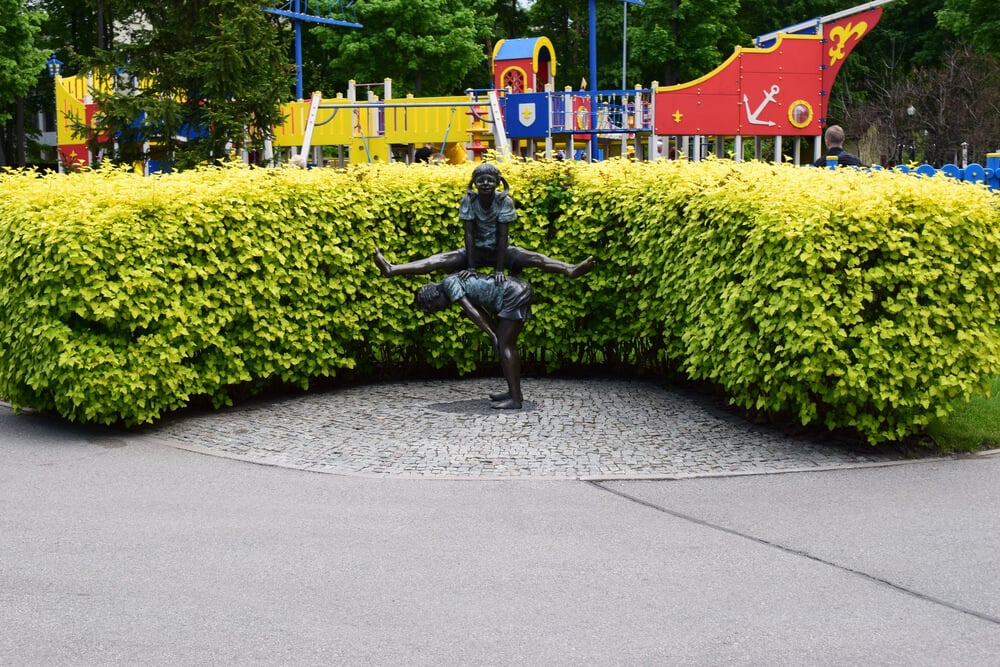
Players take turns crouching while others vault over them in a line, a game with obvious injury potential if the vaulting player misjudges the jump or the crouching player stands up too early. Many schools quietly stopped including it in organized recess activities after a handful of collision and fall injuries. It persisted longer informally than in any officially sanctioned form.
King of the Hill

Players attempt to claim and defend the top of a raised mound or piece of playground equipment while others try to push or pull them off. The game’s entire premise involves physical struggle for a single elevated spot, which made it one of the more obvious candidates for restriction once schools began reviewing playground equipment for fall-related injury risk. Many playgrounds later removed the mounds the game depended on entirely.
Crack the Whip
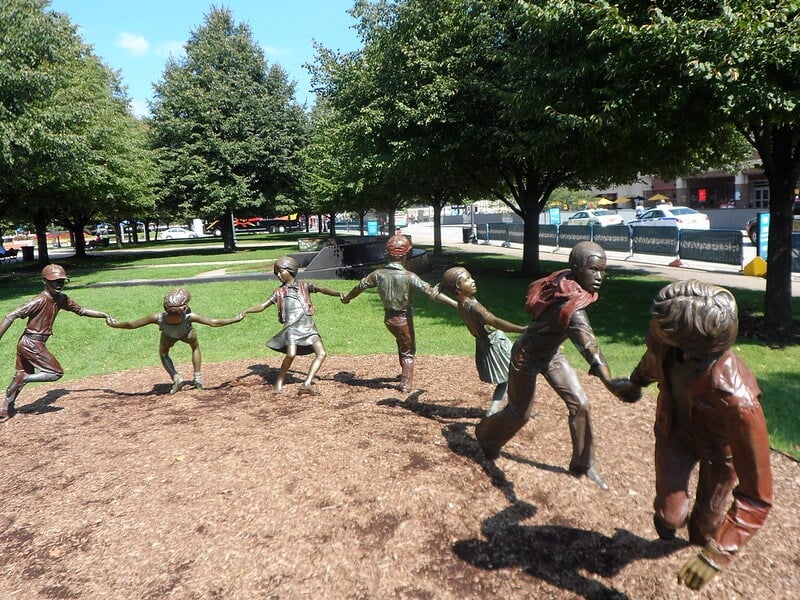
A line of players holds hands and runs while the leader changes direction sharply, causing the end of the line to swing outward at high speed, often flinging the last player off their feet entirely. The mechanics of the game made injury almost a built-in feature rather than an occasional risk. It was among the more quickly and consistently banned games once schools began formal safety reviews of recess activities.
Sardines
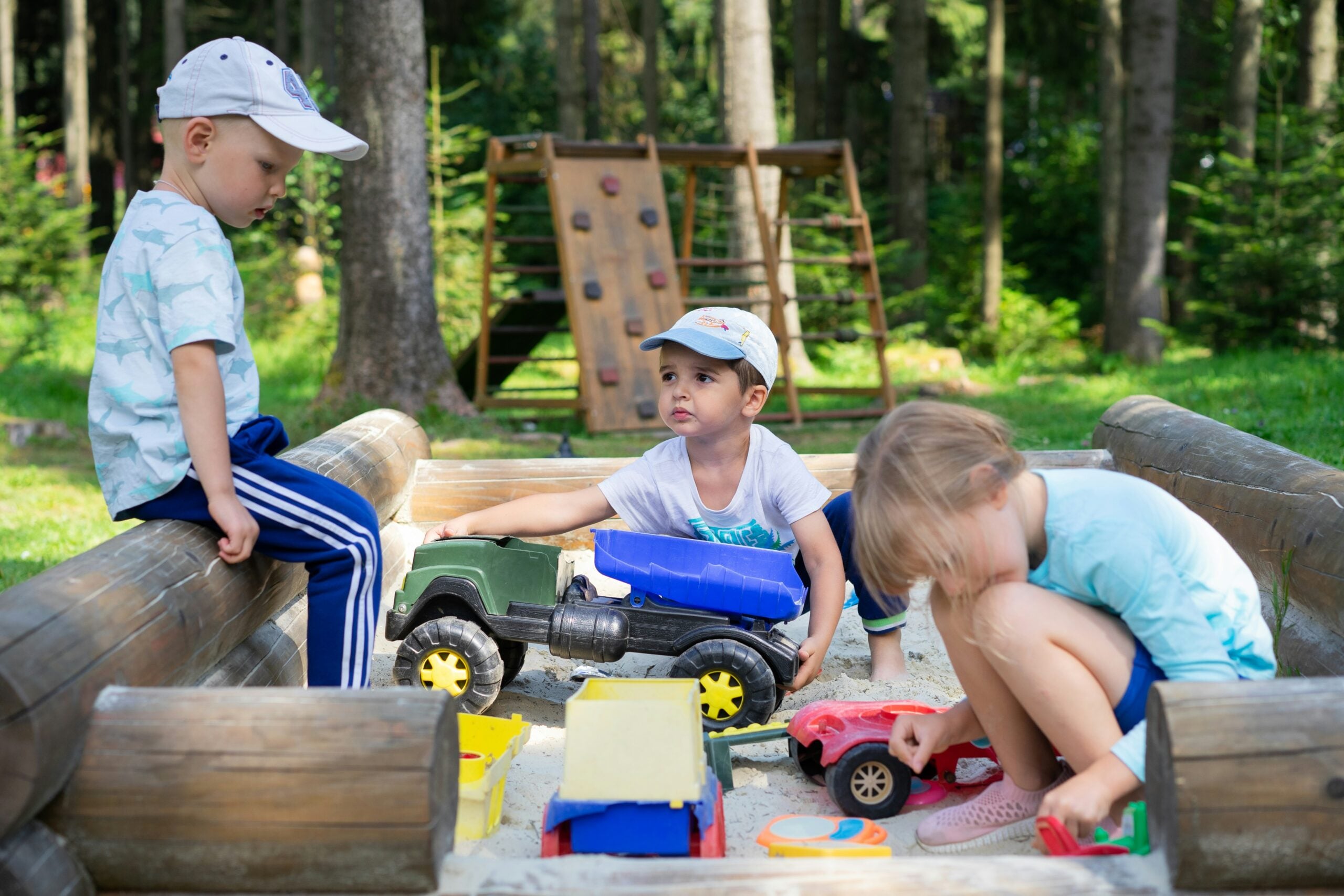
A reverse version of hide and seek, in which one player hides and each subsequent player who finds them squeezes into the same hiding spot until only one seeker remains searching. The game requires leaving a supervised play area to find effective hiding spots, which made it difficult for recess staff to permit within typical schoolyard boundaries. It survived much longer as a game played at home or during unsupervised free time.
Ghost in the Graveyard

A nighttime variation of hide and seek involving one player designated as the ghost who chases others back to a home base once spotted, traditionally played after dark. Its dependence on darkness and a large, loosely defined play area made it fundamentally incompatible with structured, supervised school recess. It survived almost entirely as a neighborhood game rather than a school one.
Grey Wolf, Grey Wolf

A chasing game in which players approach a designated “wolf” and ask what time it is, with the wolf eventually declaring it is dinnertime and giving chase. The abrupt sprint that follows caused enough collisions on crowded playgrounds that some schools limited the number of players allowed to participate at once. Smaller group versions occasionally continued even after larger organized rounds were discouraged.
What Time Is It, Mr. Fox
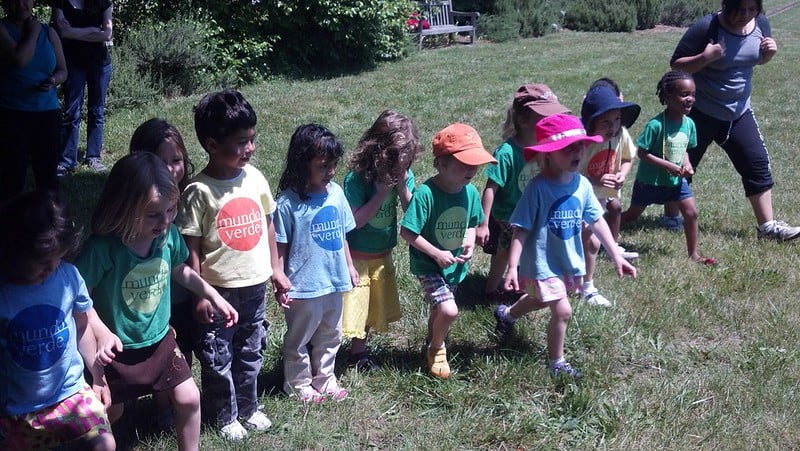
A close cousin of Grey Wolf involving the same call-and-chase structure with a different framing character. Both games faced similar restrictions for the same underlying reason: a large group of children sprinting simultaneously in a confined space produced more collisions than most other recess activities. Schools that restricted one version of the game typically restricted the other as well.
Stuck in the Mud
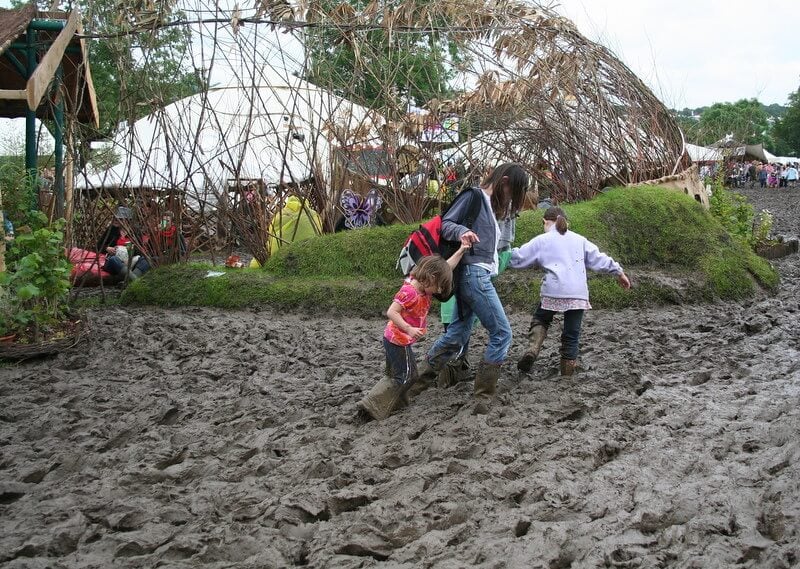
A tag variation in which tagged players must stand with their legs apart until a teammate crawls or slides between their legs to free them. The floor-level movement required to free a stuck player raised concerns about collisions with running players who had not yet been tagged. Several schools modified the rules to remove the crawling element before eventually dropping the freeing mechanic altogether.
Octopus Tag

Players line up on one side of a field and attempt to cross to the other side without being tagged by a designated player in the middle, who recruits anyone they catch to help tag others in subsequent rounds. The game’s large open running area and rapidly increasing number of chasers created the same crowded-collision problem as several similar tag variants. Many schools folded it into broader restrictions on large-group chasing games.
Elastics

Also known as Chinese jump rope, this game uses a long loop of elastic stretched between two players’ ankles while a third performs a sequence of jumping patterns. It is one of the lowest-injury games on this list, and its disappearance from many playgrounds had more to do with waning popularity and the fading availability of the elastic loops themselves than any formal safety ban.
Double Dutch
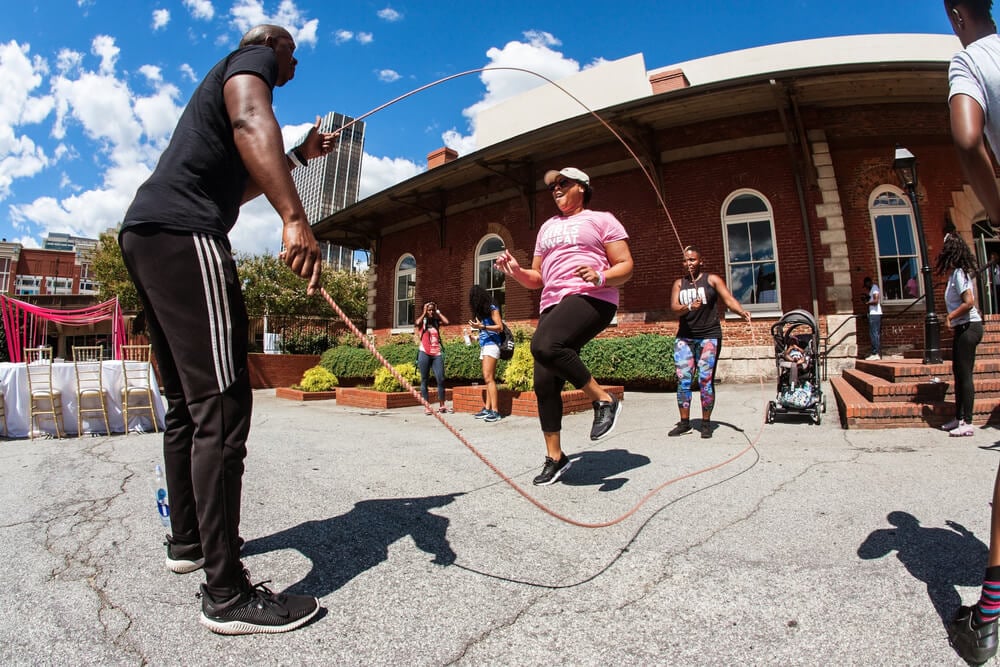
Two long jump ropes are turned in opposite directions while a player jumps in the middle, timing their entry and exit carefully. Rope-related trip injuries occasionally led schools to restrict jump rope activities during crowded recess periods, though the game persisted far longer than most other games on this list, often surviving as an organized after-school activity even after being scaled back during recess itself.
Heads Up, Seven Up

Players put their heads down and thumbs up at their desks while seven chosen classmates tiptoe around tapping one thumb down each, then guess who tapped them. As a classroom rather than outdoor game, it faced a different kind of scrutiny: some schools phased it out over concerns about the guessing element creating social anxiety among students who were rarely or never chosen.
Statues

Players dance or move freely until the music stops or a leader calls out, at which point everyone must freeze completely still, with any movement resulting in elimination. It carries minimal physical risk, and its disappearance from many recess schedules had more to do with time constraints than safety concerns. It remains common at parties and in gym class despite fading from open recess.
Hot Potato
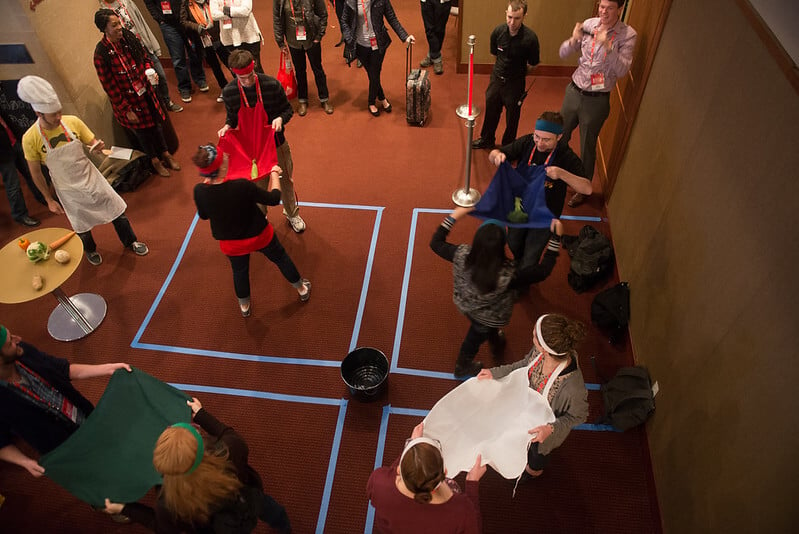
Players pass an object quickly around a circle to music, with whoever holds it when the music stops eliminated from the round. The game itself is low-risk, but some schools discontinued using an actual potato or similarly hard object after reports of accidental impacts during hurried passes, opting instead for softer alternatives or dropping the game altogether.
Four Square

Four players occupy quadrants of a painted court and take turns bouncing a shared object into each other’s sections, attempting to eliminate opponents who fail to return it correctly. Disputes over close calls frequently escalated into playground conflicts serious enough that some schools removed the painted courts entirely rather than continue mediating disagreements. It remains one of the more commonly cited examples of a genuinely beloved game lost to dispute fatigue among staff.
Chicken Fights
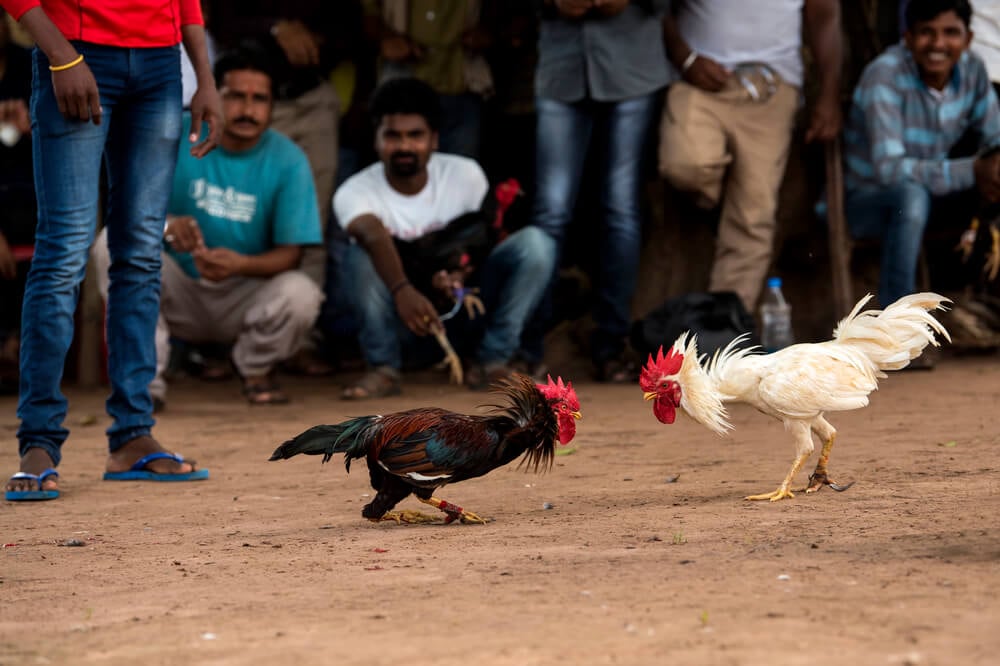
Pairs of players, one seated on a partner’s shoulders, attempt to push opposing pairs off balance while both partners try to stay upright. The height and instability involved made it an obvious target once schools began reviewing playground activities for fall risk. It disappeared from official recess programming well before informal versions stopped happening entirely off school grounds.
Racing Down the Slide
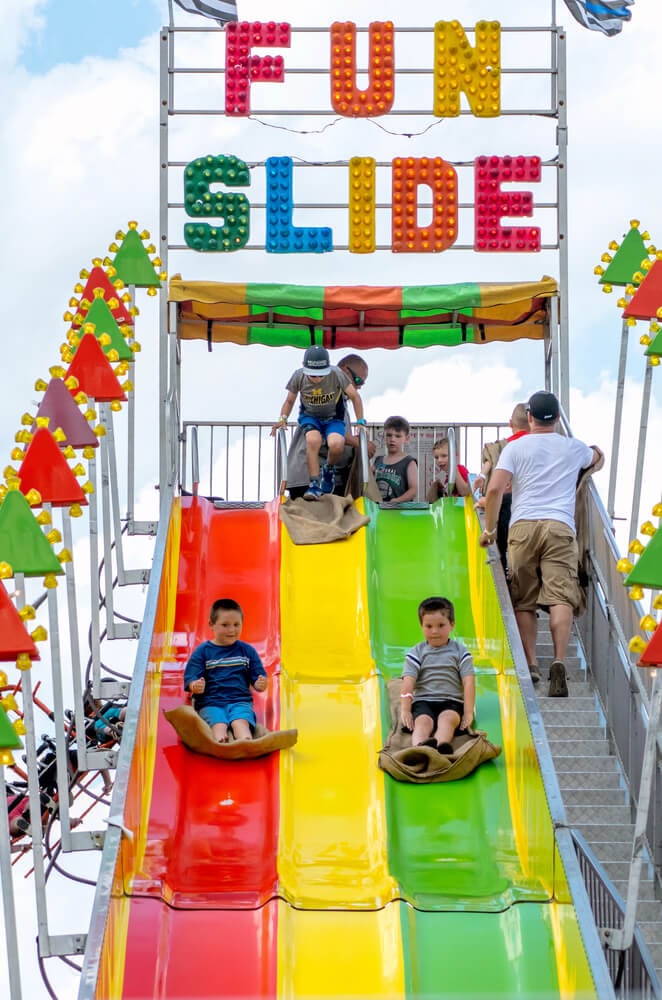
Kids competing to see who could reach the bottom of a slide fastest, often by running up the sliding surface instead of using the ladder or by racing multiple kids down at once. Both variations caused enough falls and collisions that most schools eventually posted explicit rules against them. The standard, one-at-a-time, feet-first slide use that survives today is largely a product of those restrictions.
Merry-Go-Round Spinning Contests

Kids would compete to see how fast a playground merry-go-round could be spun before someone was thrown off or became too dizzy to hold on. Injury reports tied to the equipment were significant enough that many playgrounds removed merry-go-rounds entirely rather than simply restrict how they were used. Their near-total disappearance from modern playgrounds traces directly back to this pattern.
Kiss Chase

A chasing game in which players who are caught are meant to receive a peck on the cheek from whoever catches them, popular on playgrounds in the United Kingdom for generations. Many schools eventually discouraged or banned the game outright, citing concerns about consent and the pressure it placed on kids who did not want to participate. Its disappearance from official playground activity happened earlier than most of the purely physical games on this list.
Slaps

Two players hold their palms out and take turns trying to slap the back of the other’s hands before they can pull away, with a stinging hit counting as a point. The game’s entire objective involves intentionally causing minor pain, which made it an easy target once schools began reviewing recess activities for anything explicitly designed around physical discomfort. It persisted mostly in informal settings well after being dropped from any organized recess activity.
Sack Races
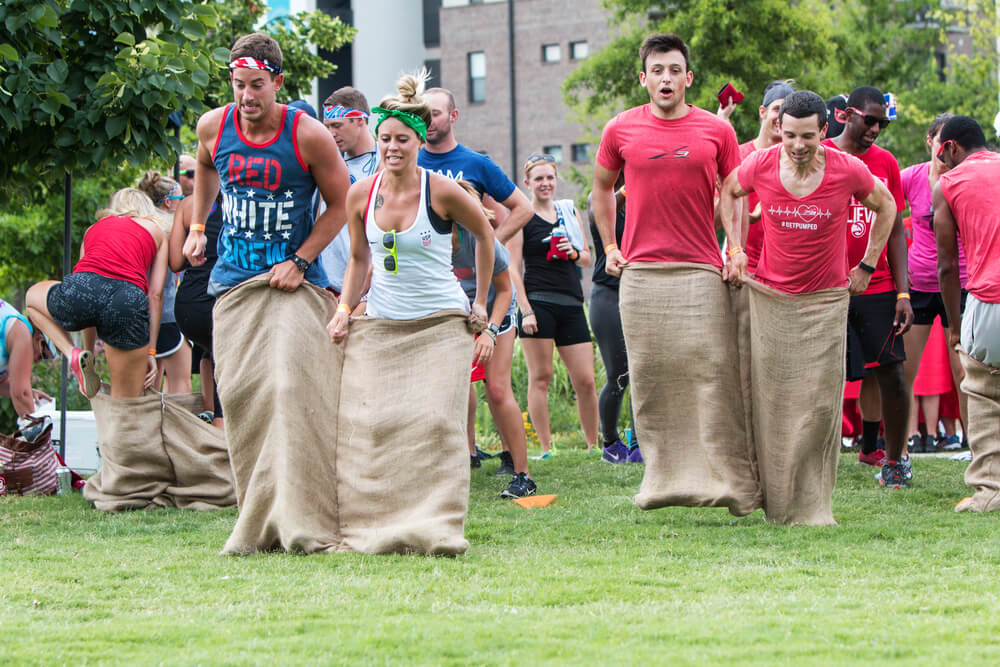
Kids hop inside large sacks or pillowcases racing toward a finish line, a staple of field days and occasionally regular recess in earlier decades. Frequent trips and falls, particularly on hard pavement rather than grass, led many schools to limit the activity to softer surfaces or drop it from casual recess use altogether, preserving it mainly for supervised field day events instead.
What Got Lost Along the Way
Almost none of these games disappeared because a single administrator decided they were unfun. Each one was phased out through some combination of injury reports, insurance concerns, and a broader institutional shift toward supervised, lower-risk recess activities that took hold gradually across schools over several decades. The games did not get worse. The tolerance for their risks simply changed.
What is easy to miss is how much of the appeal was tied directly to the risk itself. A collision game with the collision removed is a different game, and a chasing game confined to a smaller, calmer space rarely holds a child’s attention the way the original did. Recess got safer. It also, by most former kids’ accounts, got a little less memorable.
More from Go2Tutors!

- The Romanov Crown Jewels and Their Tragic Fate
- 13 Historical Mysteries That Science Still Can’t Solve
- Famous Hoaxes That Fooled the World for Years
- 15 Child Stars with Tragic Adult Lives
- 16 Famous Jewelry Pieces in History
Like Go2Tutors’s content? Follow us on MSN.