32 Cold Cases That Were Reopened Years Later and Finally Solved
A cold case does not go cold because no one cares. It goes cold because the technology to analyze the evidence did not exist yet, or the witness who remembered something critical had not come forward, or the investigator who would see the overlooked detail had not yet been assigned the file.
The evidence often survives. What changes is what can be done with it.
DNA analysis transformed cold case investigation in the 1990s. Genetic genealogy transformed it again in the late 2010s, when investigators learned they could upload crime scene DNA to public ancestry databases, trace familial matches through volunteer users, and build family trees backward to identify suspects who had never submitted a sample themselves.
The technique is now standard practice and has cracked cases that seemed permanently closed. What follows is a selection of cases that were once written off and then weren’t.
The Golden State Killer — California, 1976–1986
Joseph James DeAngelo committed at least 13 murders, approximately 50 rapes, and over 120 home burglaries across California over a decade before going quiet. His DNA was preserved at crime scenes but matched nothing in any criminal database.
In 2018, investigators uploaded the profile to GEDmatch, a public genealogy site, and traced familial matches through distant relatives to construct a suspect family tree. DeAngelo — a former police officer — was identified, surveilled covertly, and his DNA collected from a discarded tissue.
He was arrested in April 2018 at age 72, the first public arrest obtained through genetic genealogy. He pleaded guilty in 2020 and received life without parole.
The Murder of Sherri Rasmussen — Los Angeles, 1986
Sherri Rasmussen, 29, was found murdered in her apartment in February 1986. Police categorized it as a burglary gone wrong and listed a male suspect. In 2004, a criminalist named Jennifer Francis reexamined saliva from bite marks on the victim’s body and determined it was female — eliminating the burglary theory.
Investigators eventually connected the case to Stephanie Lazarus, an LAPD detective who had previously dated Rasmussen’s husband. In 2009, detectives covertly collected DNA from a cup Lazarus discarded.
It matched. Lazarus was convicted in 2012 of first-degree murder and sentenced to 27 years to life.
The Bear Brook Murders — New Hampshire, 1985 and 2000

In 1985, two barrels were found in Bear Brook State Park containing the bodies of a woman and a young girl. In 2000, two more girls were discovered nearby.
None of them could be identified for decades. In 2017, genetic genealogy linked a child to Terry Peder Rasmussen, a serial offender who died in prison in 2010.
By 2019, three of the four victims were identified as Marlyse Honeychurch and her daughters. The final victim — one of the girls — was identified in 2024 as Rea Rasmussen, Rasmussen’s biological daughter, using advanced genealogy analysis conducted with the DNA Doe Project.
The case is considered one of the foundational examples of genetic genealogy applied to victim identification.
The BTK Killer — Wichita, Kansas, 1974–1991
Dennis Rader murdered ten people in Wichita between 1974 and 1991, calling himself BTK — bind, torture, kill — in letters he sent to police and media. He stopped killing for years and was seemingly forgotten.
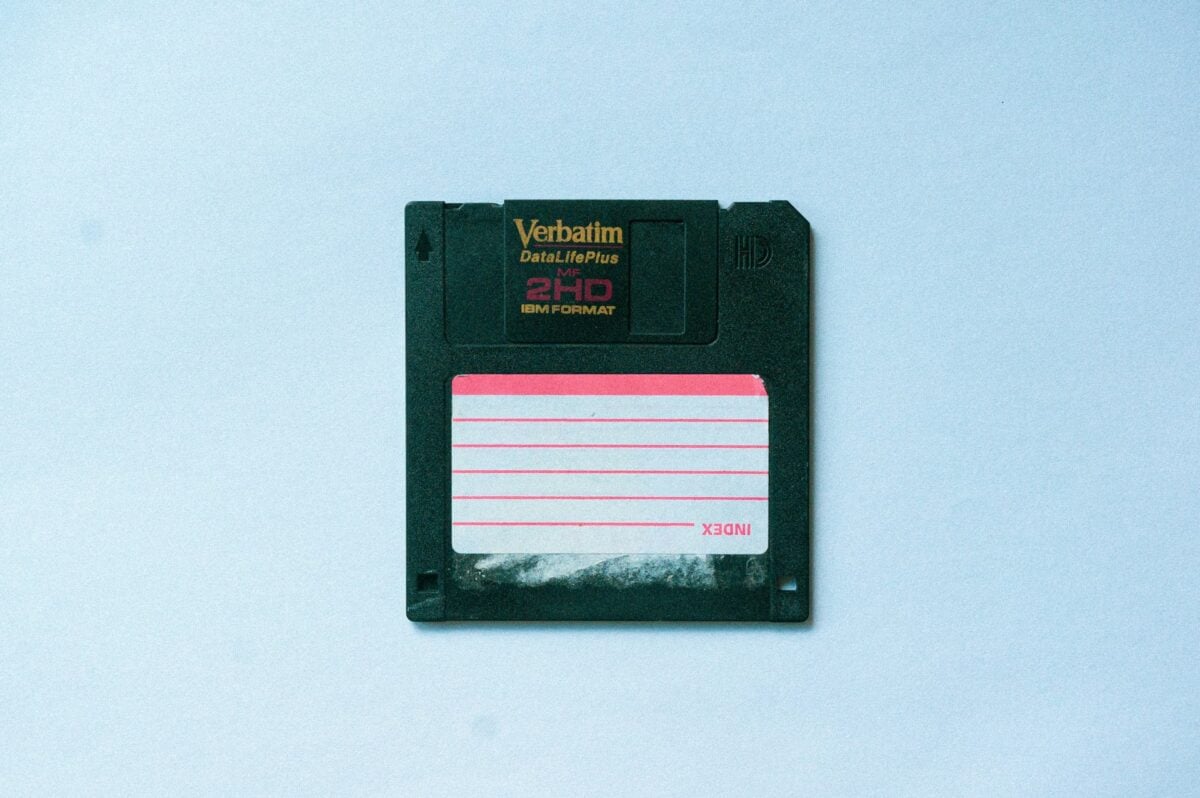
In 2004, Rader began communicating with investigators again. In 2005, he sent a floppy disk to police, which contained metadata pointing to Christ Lutheran Church and a name: Dennis.
A DNA sample from Rader’s daughter — obtained from a Pap smear taken at a Kansas State University health clinic via a court order — matched DNA found at crime scenes. Rader was arrested in February 2005 after 31 years of evasion and is serving ten consecutive life sentences.
The Boston Strangler — Massachusetts, 1962–1964

Albert DeSalvo confessed to the 13 Boston Strangler murders in the 1960s, was never tried for them, and died in prison in 1973. The official case was closed.
For decades, investigators and criminologists disputed whether DeSalvo actually committed all the murders. In 2013, DNA from a nephew of Mary Sullivan — the Strangler’s last confirmed victim — was compared against DNA extracted from Sullivan’s remains.
It matched DeSalvo’s profile, finally confirming his involvement in at least Sullivan’s murder with physical evidence. DeSalvo’s remains were exhumed to provide a direct comparison sample.
The Zodiac Killer — Northern California, 1968–1969
The Zodiac Killer is included here not as solved but as a significant note on what cold cases look like when they don’t close. The Zodiac murdered at least five confirmed victims across Northern California between 1968 and 1969, sent taunting coded messages to newspapers, claimed additional kills, and was never identified.
As of 2024, the FBI confirmed the case remains officially open with no identified suspect. Multiple private investigations have produced named candidates, none accepted by law enforcement.
The case is the most prominent American example of a cold case that remains active, generating real investigative activity, without resolution.
The Carla Walker Murder — Texas, 1974
Carla Walker, 17, was abducted on Valentine’s Day 1974 from a dance in Amarillo, Texas, and found murdered days later. DNA was recovered from her body at the time but could not produce a usable profile.
In 2020, advances in forensic technology allowed investigators to retest the evidence and extract a viable genetic profile. They matched it through a genealogy database to Glen Samuel McCurley, then 77 years old.
He was arrested in 2020, convicted in 2021, and sentenced to life in prison — 47 years after the crime.
The Laci Peterson Case — California, 2002
Laci Peterson disappeared on Christmas Eve 2002. Her husband Scott Peterson was arrested, tried, and convicted of her murder in 2004.
The case was reopened after Peterson’s defense mounted a sustained challenge based on new evidence suggesting a third party may have been involved. In 2020, the California Supreme Court overturned the death penalty due to improper juror screening.
A new judge was appointed for resentencing and to evaluate the new evidence claims. In 2021, Peterson was re-sentenced to life without parole.
The case remains one of the most publicly contested convictions in recent American legal history, with the question of wrongful conviction unresolved.
The Rita Curran Murder — Vermont, 1971
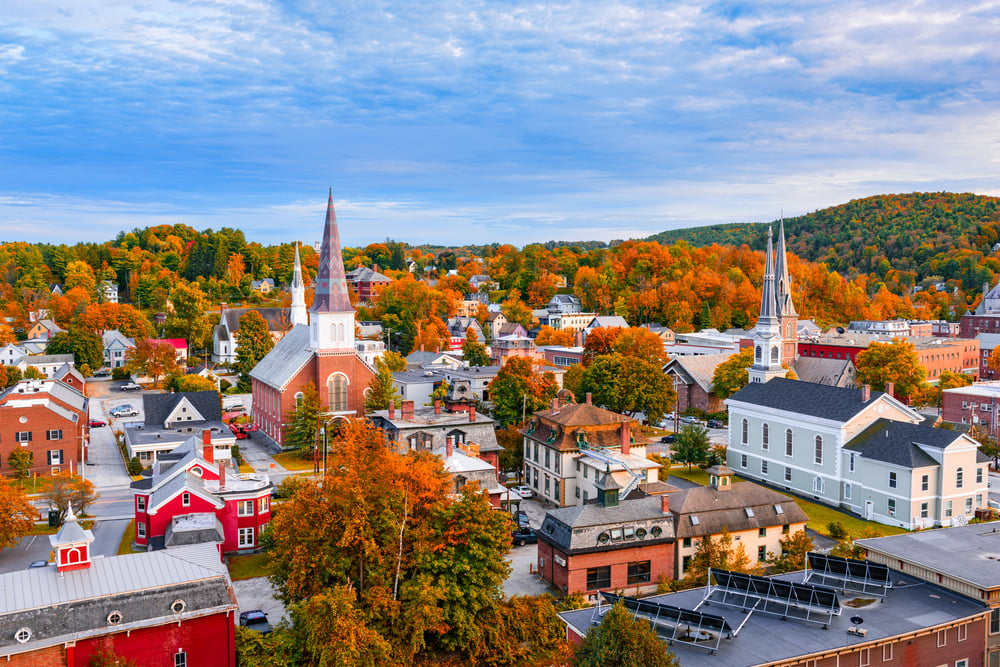
Rita Curran, a 24-year-old schoolteacher, was found murdered in her Burlington apartment in 1971. No arrest was ever made.
The case sat untouched for decades. In the 2010s, investigators used advanced DNA analysis on preserved evidence and uploaded a genetic profile to genealogy databases.
This eventually led investigators to William DeRoos, who had lived in the same building as Curran at the time of her murder. DeRoos died in California in 1986.
He was identified in 2022 as the most probable killer — more than 50 years after the crime — but was never charged, having died before resolution.
The Kalispell Murders of Duane Bogle and Patricia Kalitzke — Montana, 1956

In January 1956, two teenagers were found dead near Kalispell, Montana. Three dozen suspects were questioned over the following decades.
No arrest was made. In 2001, a single viable sperm cell was recovered from a vaginal swab taken at the time.
In 2021, genetic genealogy linked the DNA to Kenneth Gould, a man who had lived near the victims at the time and died years earlier. DNA from Gould’s surviving children confirmed the match in 2021.
The case was officially closed — 65 years after the murders — making it the oldest American cold case solved using DNA evidence at the time.
The Delphi Murders — Indiana, 2017
Liberty German, 14, and Abigail Williams, 13, were murdered near Delphi, Indiana in February 2017. Liberty had filmed part of the crime on her phone, which was recovered at the scene.
The footage included audio and partial images of a suspect. For years, investigators circulated the evidence without a match.
In 2022, Richard Allen, a local pharmacist, was arrested after his DNA matched evidence from the scene. Allen was convicted in October 2024 and sentenced to 130 years in prison.
The case drew unusual public attention because the evidence had been visible for years — the suspect’s face was released publicly — without generating a usable tip.
The Paige Renkoski Murder — Michigan, 1990

Paige Renkoski, 27, was found murdered along a highway in Michigan in 1990 after her car broke down. The case went cold immediately.
In 2018, DNA was uploaded to a public genealogy database and investigators identified a suspect through familial matching. Timothy Bass was arrested and convicted in 2019 — 29 years after the murder.
He was sentenced to life without parole.
The Alphabet Murders — New York, 1971–1973

Three young girls with matching initials — Carmen Colon, Wanda Walkowicz, and Michelle Maenza — were murdered in Rochester, New York, between 1971 and 1973. The cases were linked by the initials pattern and by method.
Joseph Naso was convicted of separate California murders in 2013 after a pattern of initials matching victims’ names was identified in his journals. He was considered a strong suspect in the Rochester cases but was never charged with them specifically. He was sentenced to death in California and died in 2019.
The Rochester cases remain officially open.
The Murder of JonBenét Ramsey — Colorado, 1996
JonBenét Ramsey, 6, was found murdered in the basement of her family’s home in Boulder, Colorado, on December 26, 1996. Her parents were subjected to years of intense public suspicion before DNA evidence excluded them.
An unidentified male DNA profile has been extracted from evidence at the scene. The case remains open, generating periodic investigative activity.
In 2023, investigators applied a new DNA phenotyping technique to generate a composite of the unknown individual’s likely appearance. No arrest has been made.
The case illustrates the limit of DNA evidence when the profile has no match in any database.
The Black Doodler Murders — San Francisco, 1974–1975

A suspect known as the Doodler was linked to 14 murders in San Francisco’s gay community in the mid-1970s. Three victims who survived the attacks identified a composite, but the surviving witnesses — prominent men who feared public exposure of their identity at the time — refused to testify.
The suspect was named by investigators and interviewed but never charged due to lack of witness cooperation. San Francisco cold case investigators reopened the investigation in 2019 using genetic genealogy.
In 2023, investigators publicly named Ralph Seelig as the Doodler. He was in his 70s.
Prosecutors were evaluating whether charges were viable given the surviving evidence.
The Soda Can Killer — West Germany, 1980s

In the German state of Hesse during the 1980s, a killer contaminated canned goods on supermarket shelves with rat poison, ultimately killing several people and injuring others in what became known as a product tampering campaign. The case remained unsolved for decades.
In 2023, German police used DNA extracted from a 40-year-old crime scene swab and matched it through a genealogy database. A man in his 70s was identified and arrested.
The case was significant in Germany as the first major cold case there was solved using genetic genealogy.
The Granville Road Murders — Indiana, 1981
Three members of the Giese family were murdered on Granville Road near Rochester, Indiana in 1981. The case went unsolved for 34 years. In 2015, investigators uploaded DNA from the crime scene to national databases and found a familial match.
Burns was identified through genealogy research in 2018 and arrested. He was convicted in 2020 of triple murder.
The case had been one of Indiana’s oldest unsolved homicides.
The Lisa Jenschke Murder — Texas, 1964
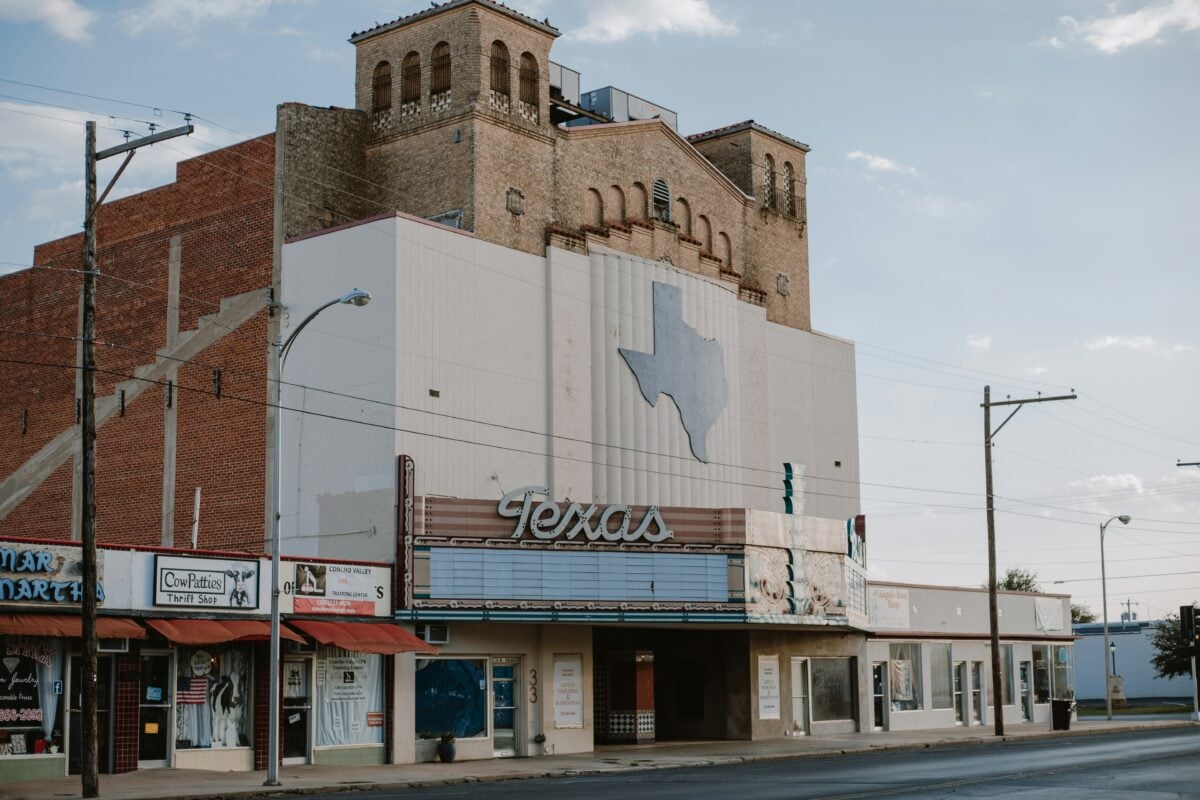
Lisa Jenschke, 14, was murdered in Fredericksburg, Texas in 1964. Her case sat for nearly 60 years. In 2024, DNA extracted from preserved evidence was analyzed using modern techniques and uploaded to genealogy databases.
Investigators identified Fred Allen Lienemann as the probable suspect through familial matching. Lienemann had already died, preventing prosecution, but the case was officially cleared — bringing closure to a family that had waited six decades for an answer.
The Suitcase Murders — Oregon, 1979
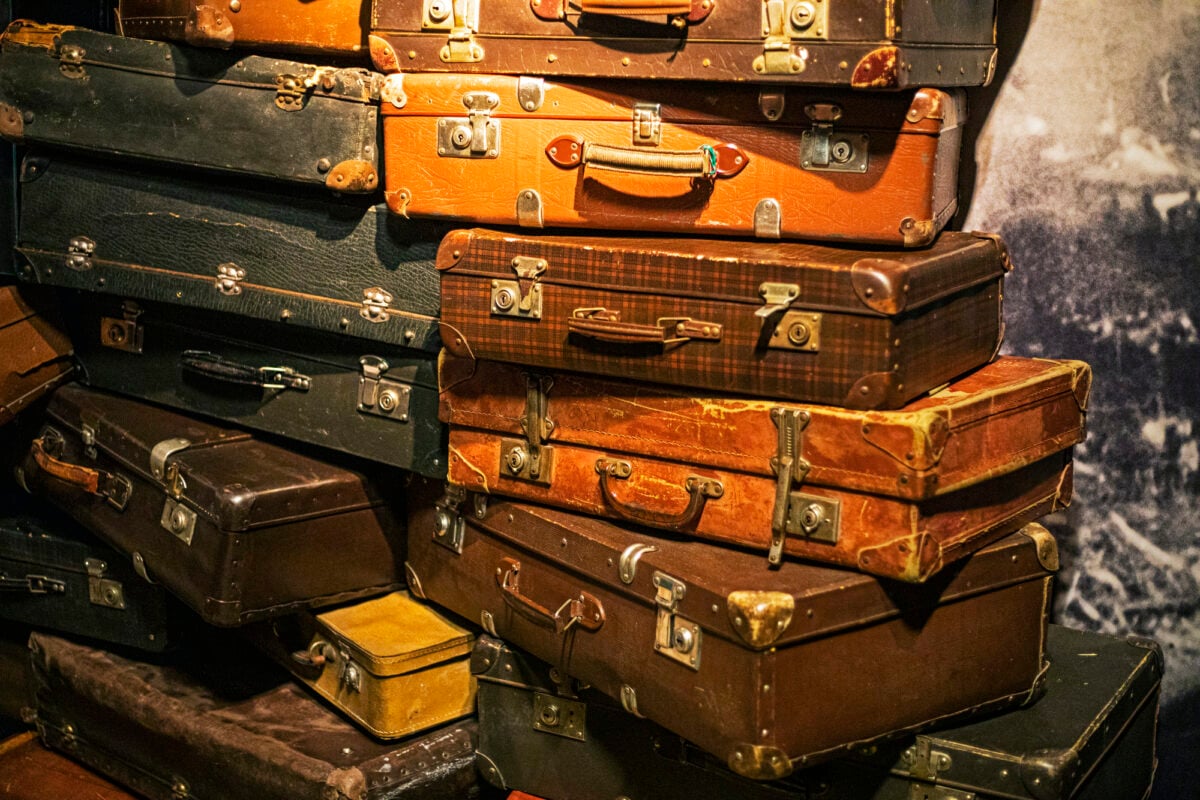
The bodies of two young women, identified only through genealogy work in 2019 as Anna Marie Hlavka and another victim, were found in suitcases in Oregon in 1979. The cases were connected through genetic genealogy, which also led to a suspect.
The investigation led to the identification of a suspect who has since been charged. The case became a teaching example for genetic genealogy units in law enforcement, demonstrating that victim identification and suspect identification can be accomplished simultaneously from physical evidence.
The Murder of Susan Galvin — Seattle, 1988
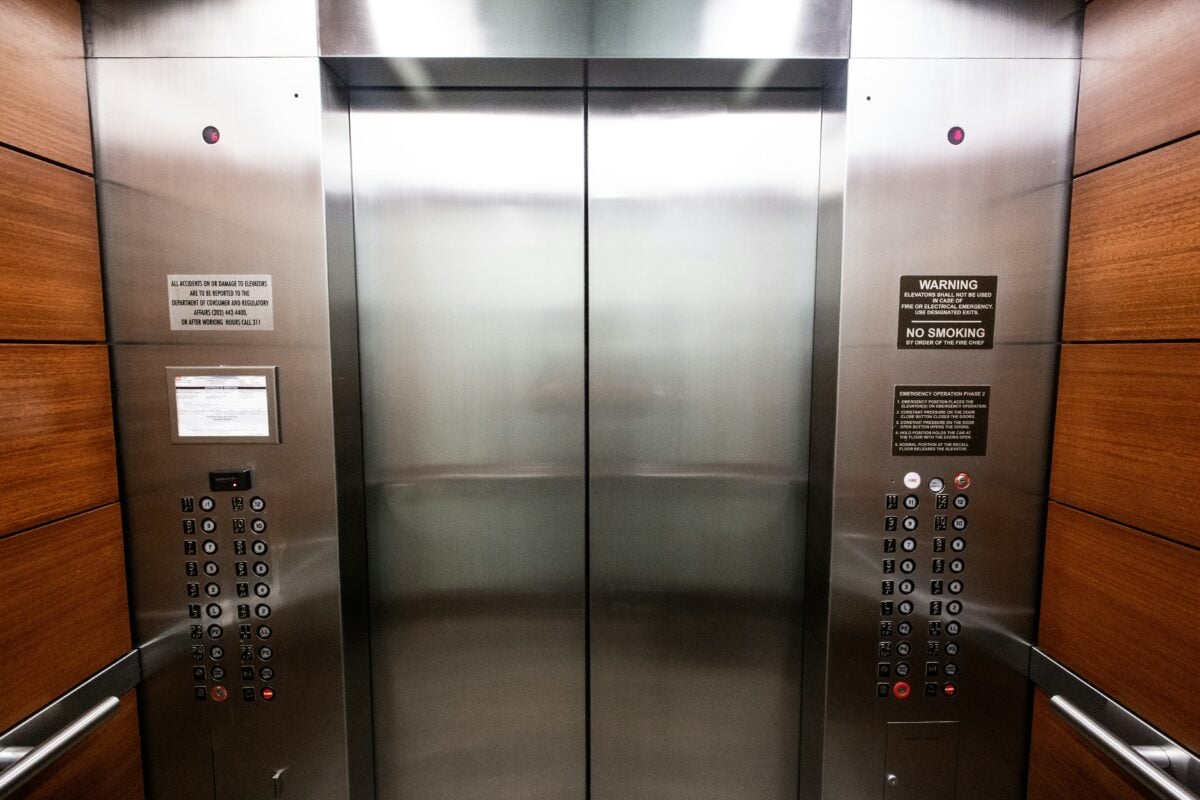
Susan Galvin, 20, was found murdered in a parking garage elevator in Seattle in 1988. DNA was extracted from her clothing in 2002.
In 2018, the profile was uploaded to GEDmatch and produced a partial match to two distant cousins. Investigators used that familial anchor to build a family tree and identify a suspect.
The case was among the first 28 cold cases solved in 2018 after the Golden State Killer arrest demonstrated the viability of the technique.
The Unidentified Boy — Philadelphia, 1957 (the Boy in the Box)

A young boy found in a cardboard box in Philadelphia in February 1957 was never identified despite decades of investigative effort. He was given the posthumous name Joseph Augustus Zarelli in 2022 after forensic genealogy traced DNA from his remains to family members who had uploaded profiles to genealogy websites.
He was born in January 1953. His murder remains unsolved, as his identity was confirmed but no perpetrator has been identified.
Harriet Doerr Murder — Massachusetts, 1973
Harriet Doerr, 85, was found murdered in her home in Needham, Massachusetts in 1973. The case sat for nearly four decades.
DNA extracted from evidence at the scene was matched through genealogy analysis to David Sinopoli, who pleaded guilty in 2023. The conviction demonstrated that even cases from the pre-DNA era — when crime scene collection practices were far less sophisticated — could yield usable genetic material with modern extraction techniques.
The Peacock Murders — Vermont, 1989
George and Catherine Peacock, a couple in their 70s, were found stabbed to death in their home in Danby, Vermont in 1989. Their son-in-law, Michael Louise, was a person of interest from the beginning but was never charged due to insufficient evidence.
In 2020, a Vermont cold case unit retested blood found in Louise’s car and matched it conclusively to George Peacock. Louise was convicted in 2022, 33 years after the murders.
Kristin Smart Disappearance — California, 1996

Kristin Smart, a Cal Poly freshman, disappeared in May 1996 after attending a party. Her remains were never found. Paul Flores, the last person seen with her, was a person of interest from the start but was never charged.
Twenty-five years later, a renewed investigation — partly driven by a podcast reexamining the evidence — led to the discovery of human remains consistent with Smart’s identity at the property of Paul Flores’s father. Paul Flores was convicted of first-degree murder in 2022 and sentenced to 25 years to life.
The Four Teens Murdered in Delphi — Oklahoma, 1988
Four teenagers were murdered near Weleetka, Oklahoma in 1988. The case went cold almost immediately.
In 2022, forensic genealogy linked evidence to Harry Edward Greenwell, who had already died in 2013. His DNA was linked to the scene through familial analysis, and the case was officially cleared.
The identification also helped connect Greenwell to other unsolved crimes, illustrating how solving one case through genealogy often illuminates multiple others.
The Donna Lass Disappearance — Nevada, 1970
Donna Lass, a nurse who worked at a Lake Tahoe casino, disappeared in September 1970. The Zodiac Killer claimed her disappearance in a postcard, though investigators have never confirmed a connection.
Her remains were never found and her case remains officially open. It is included here as an example of a case where DNA genealogy cannot close a file where no biological evidence was recovered — the technology’s limits are as instructive as its capabilities.
The Jane Doe Cold Cases of the DNA Doe Project

The DNA Doe Project is a nonprofit group founded in 2017 to apply genetic genealogy specifically to the identification of unidentified murder victims. By 2026, the project had assisted in identifying well over 100 John and Jane Does across the country, returning names to people who died anonymously and enabling families to reclaim their missing relatives.
In virtually every case, the victim had been in the system for years or decades — fingerprints submitted, sketches distributed, physical descriptions filed — before a DNA profile uploaded to a genealogy site provided the definitive match that everything else could not.
The Candy Man Murders — Texas, 1970–1973
Dean Corll murdered at least 28 young men and boys in Houston, Texas in the early 1970s with the assistance of two teenage accomplices. Corll was killed by one of his accomplices in 1973, ending the killing. The case was not a cold case in the conventional sense — Corll was identified immediately — but the complete count of his victims remains uncertain.
Investigators continuing to review missing person cases from that era have continued connecting potential victims to the case using DNA genealogy into the 2020s, suggesting the confirmed body count may undercount the full total.
The Gilgo Beach Murders — New York, 1996–2010
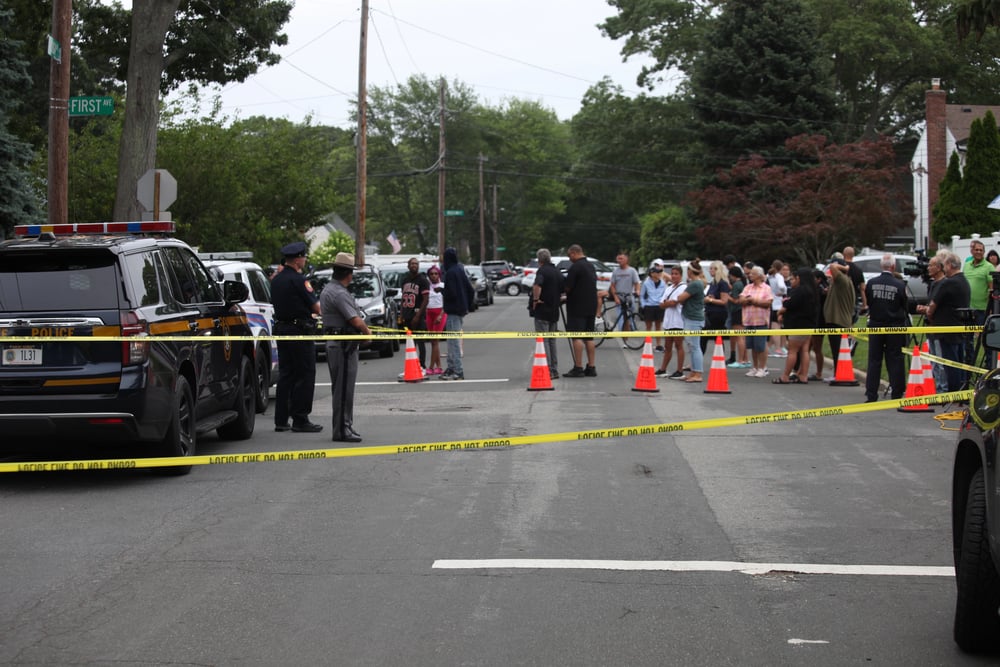
Ten victims, later reduced to a group of confirmed connected cases, were found along Ocean Parkway near Gilgo Beach, New York, in 2010 and 2011. The cases went cold for over a decade.
In 2023, Rex Heuermann, a Manhattan architect, was arrested and charged with the murders of four of the victims. DNA connected him to the crime scenes, and cell phone records placed him near the locations.
His trial was scheduled for 2026. The case illustrated how long a geographic crime cluster can remain invisible even in a heavily populated area when victims are not initially recognized as connected.
The Murder of Carole Vogt — Ohio, 1976
Carole Vogt was murdered in her Ohio home in 1976. DNA was eventually extracted from evidence and uploaded to a genealogy database in 2022.
Investigators identified a suspect through familial matching. The suspect, Robert Washburn, pleaded guilty in 2019 to a related case and was identified in subsequent genealogy work as connected to Vogt’s case.
The timeline demonstrates how often genealogy work on one case feeds information into multiple cold files.
The McCann and Robison Murders — Michigan, 1976

Two sets of murders in different Michigan counties in 1976 were eventually connected through DNA genealogy. In 2022, David Sinopoli was charged with both cases after genealogy work linked him to both crime scenes.
His guilty plea in 2023 closed cases that had been cold for 47 years.
An Exoneration: The Case of Craig Coley — California, 1978
Craig Coley was convicted in 1978 of a double murder and spent 38 years in prison before being exonerated in 2017. DNA testing that did not exist at the time of his conviction — and had not been applied to preserved evidence — ultimately demonstrated his innocence.
Coley, 71 at the time of his release, received a pardon from California Governor Brown. The case is a reminder that cold case work runs in two directions: some closed cases prove unsolvable suspects, and others prove wrongful convictions.
The Limit That Isn’t a Limit

What the last decade established is that a cold case cannot be considered permanently cold as long as biological evidence survives. The DNA extracted from Carla Walker’s body in 1974 waited 46 years for technology that could read it.
The profile from the Bogle-Kalitzke murders in Montana waited 65. The kits, swabs, and samples sitting in evidence rooms across the country are, in many cases, already solved — they simply have not been processed yet.
The cases that remain truly unsolved are increasingly the ones where no physical evidence was collected in a usable state, where the evidence has degraded beyond recovery, or — like the Zodiac — where a profile exists but has no match anywhere in the growing databases. As consumer DNA testing expands the genealogy pool, even that last category is shrinking.
The cases that could not be closed in one century have a realistic chance of resolution in the next.
More from Go2Tutors!

- The Romanov Crown Jewels and Their Tragic Fate
- 13 Historical Mysteries That Science Still Can’t Solve
- Famous Hoaxes That Fooled the World for Years
- 15 Child Stars with Tragic Adult Lives
- 16 Famous Jewelry Pieces in History
Like Go2Tutors’s content? Follow us on MSN.