21 Books Removed From Classrooms in the Last Century
Book removals from American classrooms rarely follow a single pattern — sometimes it’s language, sometimes content, sometimes the politics of a given decade. What connects them is that a school board, administrator, or state law decided a specific book didn’t belong in front of students, regardless of its literary standing elsewhere.
To Kill a Mockingbird by Harper Lee
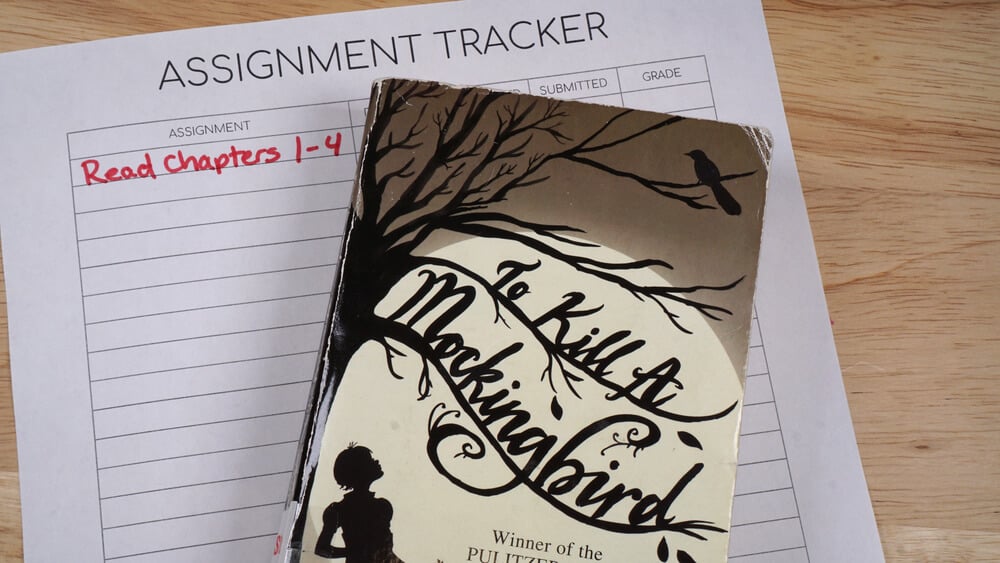
Despite its status as one of the most widely taught American novels, To Kill a Mockingbird has faced repeated classroom removals over its use of racial language, even though the novel is explicitly critical of racism. Some school districts have pulled it specifically over discomfort with how directly it addresses the subject rather than any endorsement of the attitudes it depicts.
It remains one of the most frequently challenged books in American public schools decade after decade.
Adventures of Huckleberry Finn by Mark Twain
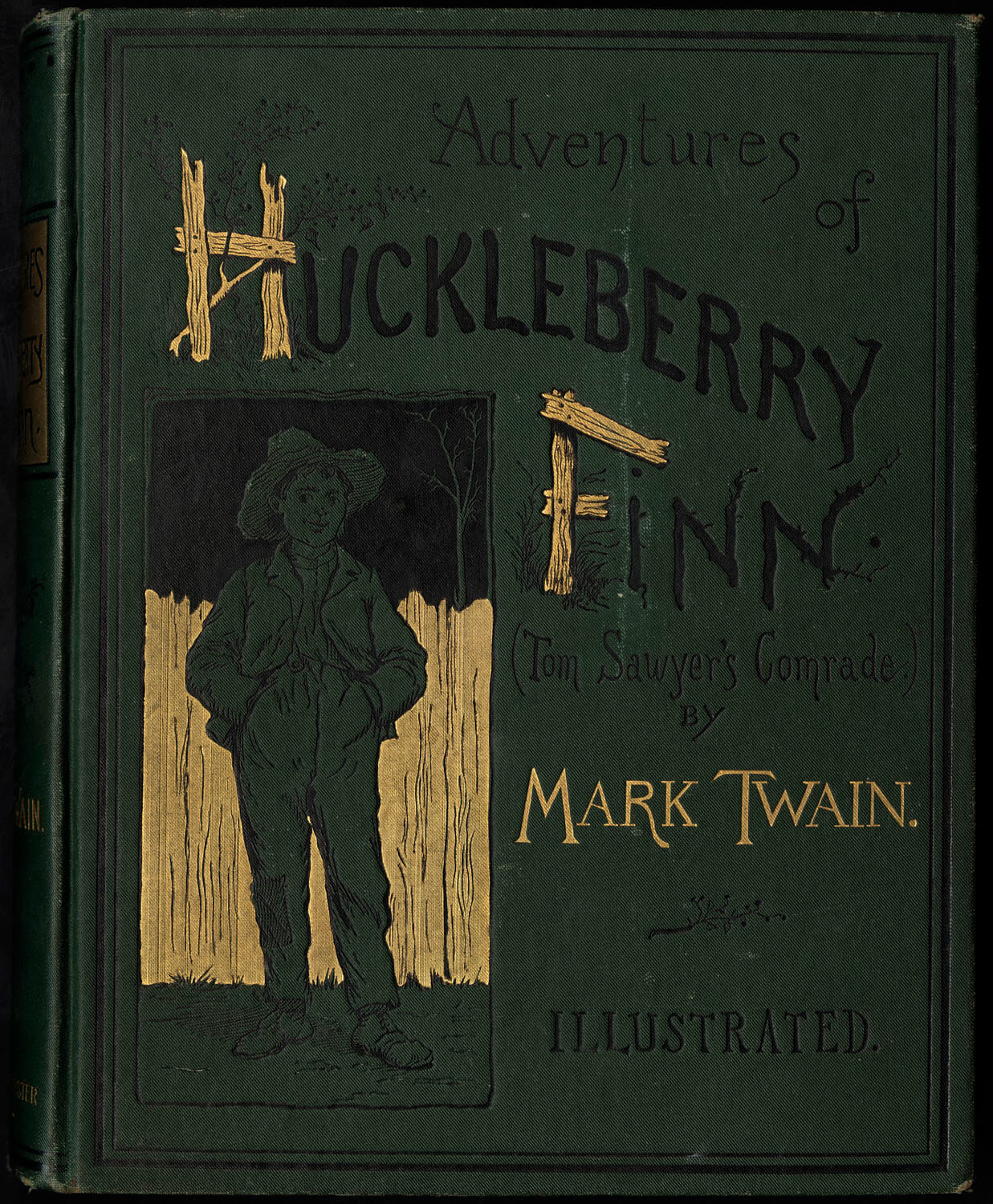
Twain’s novel has been removed from classroom reading lists repeatedly since at least the mid-20th century, primarily over its repeated use of a racial slur throughout the text. Some districts have replaced it with expurgated editions rather than removing it outright, a compromise that has generated its own separate controversy among literary scholars.
It remains simultaneously one of the most celebrated and most challenged works in the American literary canon.
Of Mice and Men by John Steinbeck

Steinbeck’s novella has faced classroom removal over its language, violence, and themes involving disability and mercy killing, appearing regularly on lists of the most challenged books in American schools. Its brevity and frequent assignment in required reading lists have made it a particularly visible target for parent and school board objections.
Removals have occurred across a wide range of states rather than concentrating in any single region.
The Catcher in the Rye by J.D. Salinger
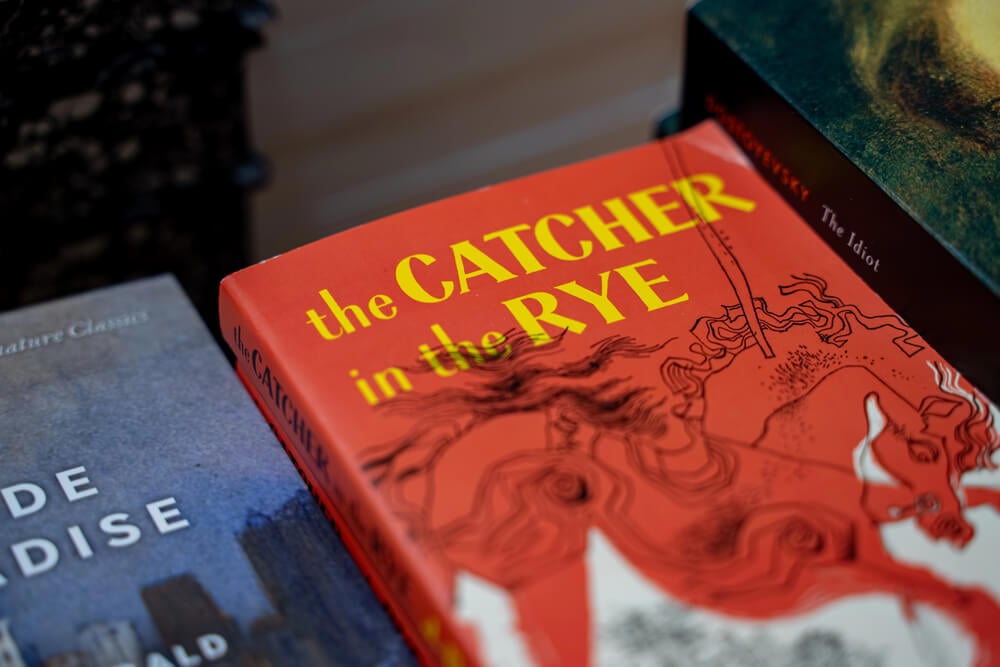
Salinger’s novel drew classroom challenges for decades over its language and its protagonist’s rebellious, alienated worldview, which some school boards considered an inappropriate model for teenage readers. It was for a period one of the most frequently banned books in American schools despite, or perhaps because of, its enormous popularity with teenage readers themselves.
Challenges to the book have continued intermittently into recent decades.
The Bluest Eye by Toni Morrison
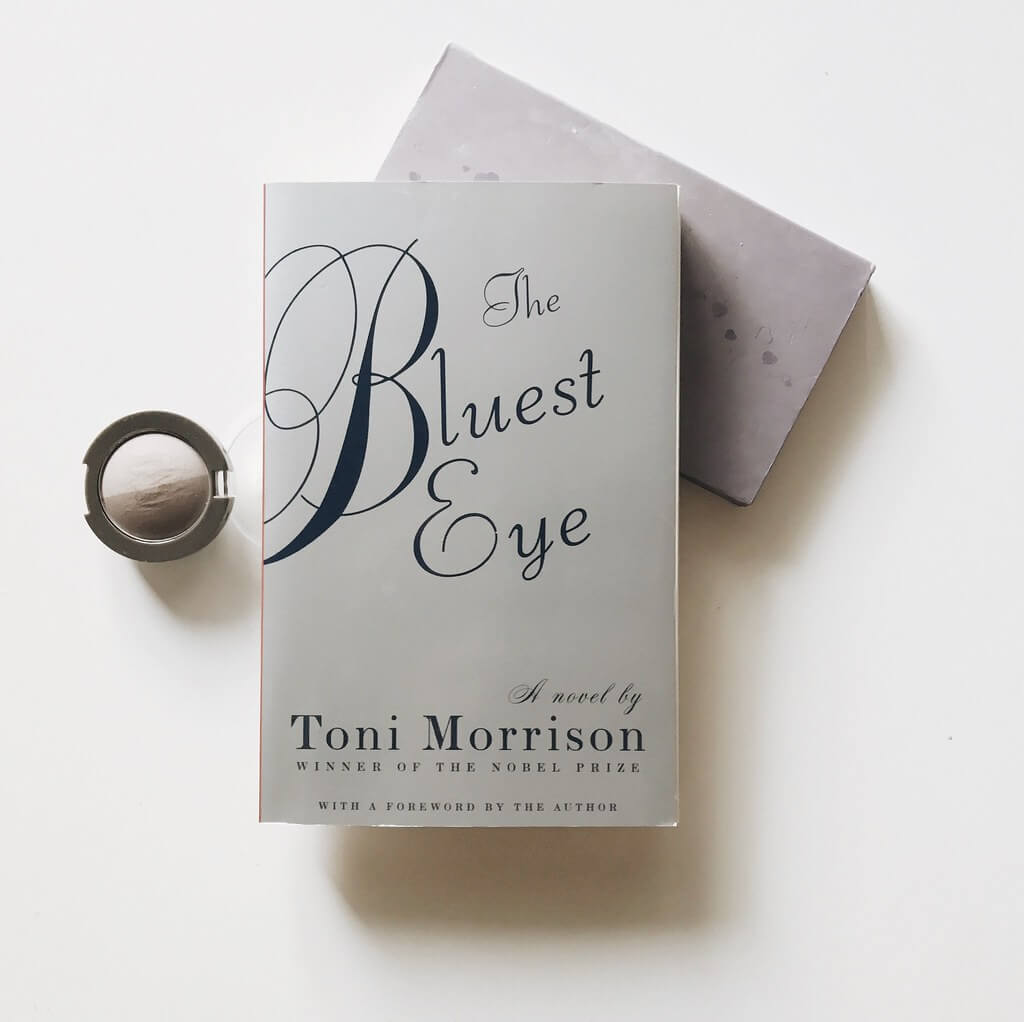
Morrison’s novel, which addresses racism, trauma, and abuse directly, has been among the most frequently challenged and removed books in American schools in recent years, cited by objecting parents for its explicit content. Its removal debates often center on whether the difficulty of its subject matter outweighs its literary and educational value.
Morrison herself, a Nobel laureate, has been among the most-challenged American authors overall.
Beloved by Toni Morrison
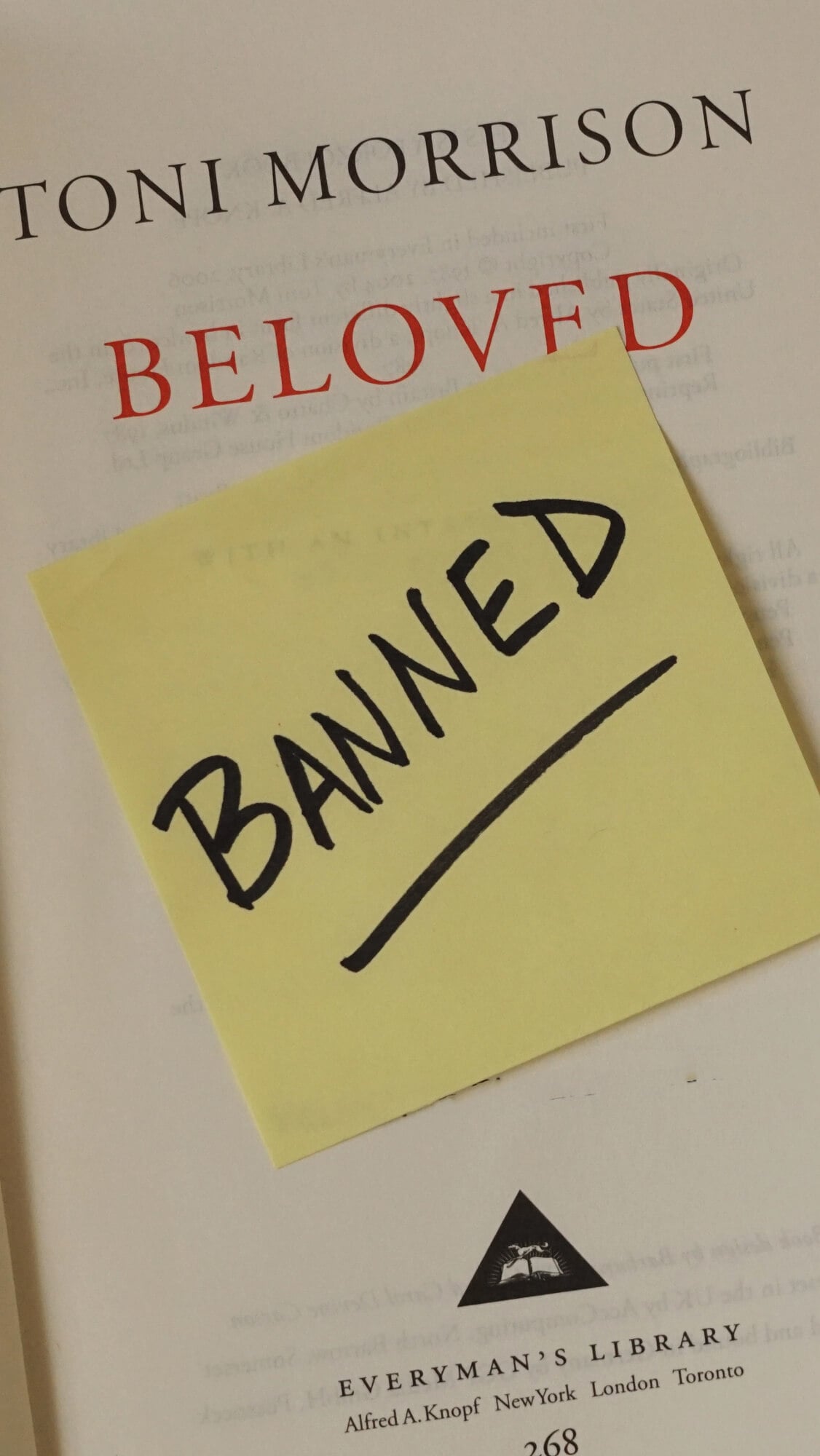
Morrison’s Pulitzer Prize-winning novel about the legacy of slavery has faced classroom removal in numerous districts over its depiction of violence and trauma. The book’s removal became a notably prominent political issue during a Virginia gubernatorial campaign, when a parent’s objection to the novel became a campaign talking point.
Its removal debates have continued in multiple states since.
Nineteen Eighty-Four by George Orwell
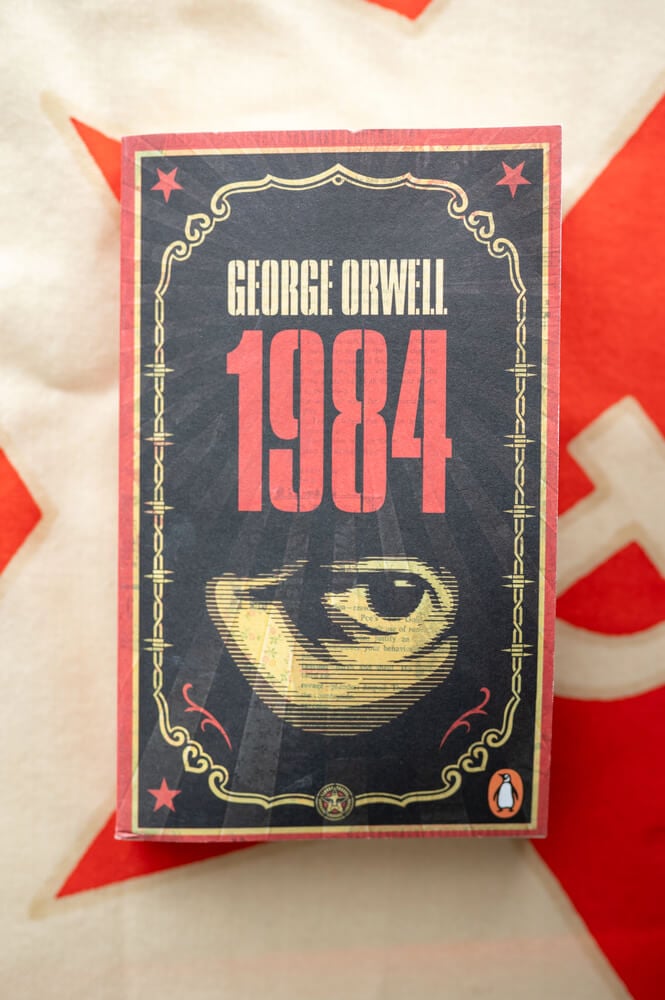
Orwell’s dystopian novel has faced periodic classroom challenges, in some cases from those objecting to its political content being read as commentary on specific contemporary governments. Its removal history is less consistent than some other titles on this list, with challenges emerging from different political directions in different decades.
The novel’s continued relevance has made it a recurring subject of curriculum debate rather than a settled case.
Slaughterhouse-Five by Kurt Vonnegut
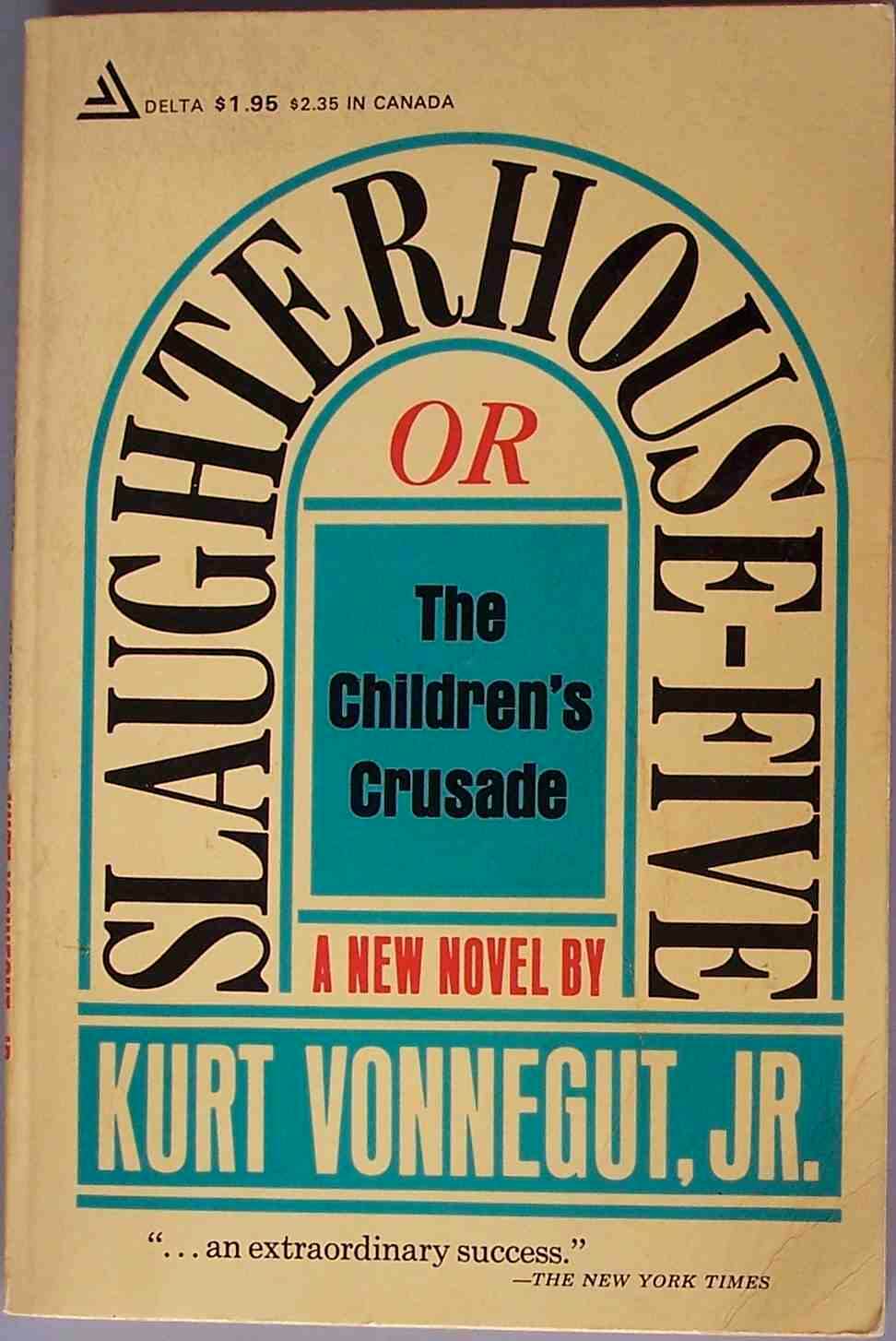
Vonnegut’s anti-war novel has faced classroom removal over its language and its unconventional, fragmented treatment of violence and trauma from World War II. The novel has been the subject of removal attempts in various school districts.
The book continues to appear on lists of frequently challenged titles.
The Handmaid’s Tale by Margaret Atwood
Atwood’s novel has faced classroom removal over its depictions of violence and its themes concerning reproductive control, with objections often centered on the book’s mature content rather than its political commentary specifically. Its removal debates have intensified periodically alongside broader cultural conversations about reproductive rights.
The novel remains widely taught in college-level courses even where it has been pulled from high school curricula.
Fahrenheit 451 by Ray Bradbury
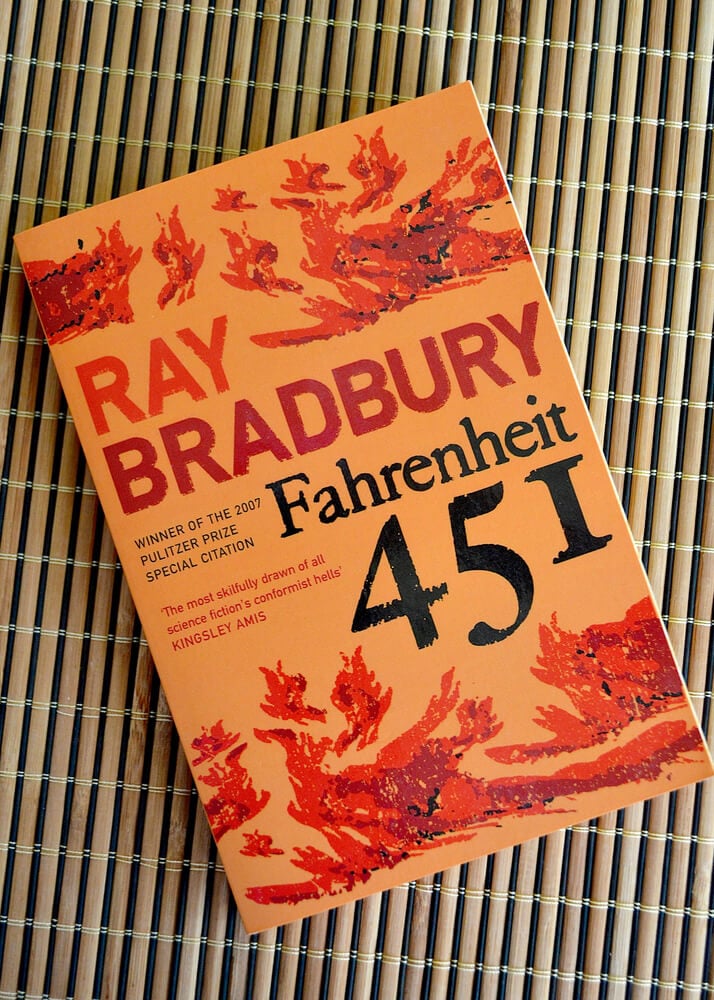
In a notably ironic turn, Bradbury’s novel about censorship and book burning has itself faced classroom challenges and removals, most often over its language and some thematic content. Bradbury himself publicly objected to instances of the book being edited or removed, given its subject matter directly concerns suppression of literature.
It remains a frequently cited example of the friction between a book’s content and its reception.
The Color Purple by Alice Walker
Walker’s novel has faced classroom removal over its explicit content and depictions of violence, appearing regularly among the most challenged books in American schools since its publication. Objections have centered on specific scenes rather than the novel’s broader themes concerning race and resilience.
It remains widely taught at the college level even in districts where it has been removed from high schools.
I Know Why the Caged Bird Sings by Maya Angelou
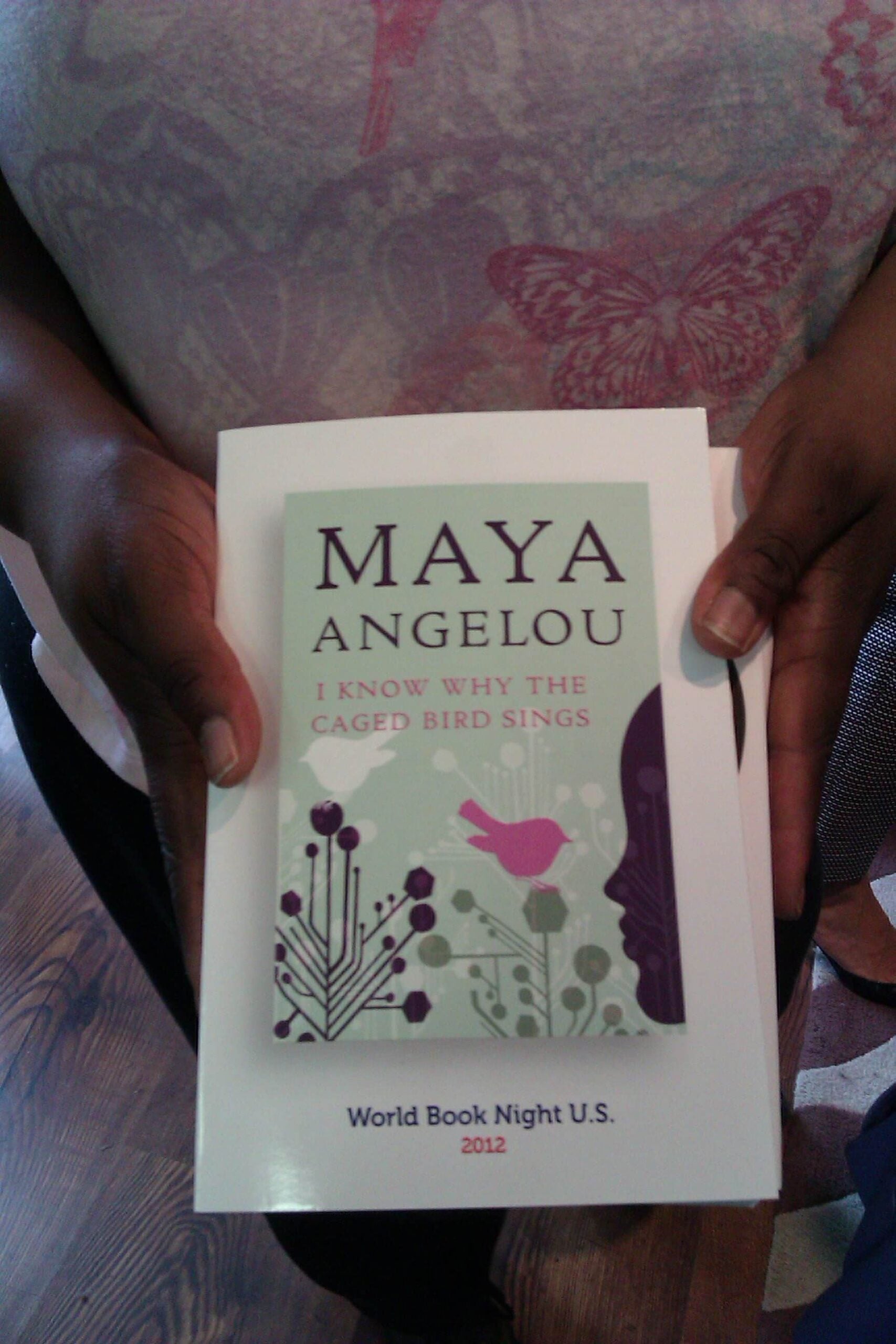
Angelou’s memoir, which recounts childhood trauma including abuse, has faced repeated classroom removal specifically over its frank treatment of that material. It has appeared consistently on lists of the most frequently challenged books in American libraries and schools for decades.
Angelou’s broader body of work has remained largely uncontroversial by comparison, making this memoir a notable outlier in her otherwise widely celebrated bibliography.
Bridge to Terabithia by Katherine Paterson

This middle-grade novel, dealing with childhood friendship and sudden loss, has faced classroom removal over concerns about its handling of death and some objections to perceived religious content. Its removal is notable for targeting a book aimed at a considerably younger audience than most other frequently challenged titles.
It remains widely assigned in elementary and middle school curricula in many districts despite periodic objections.
The Giver by Lois Lowry
Lowry’s dystopian novel for younger readers has faced classroom removal over its depictions of violence, including a notably direct scene involving euthanasia, which some parents considered too mature for its intended age group. Its removal debates often center on the gap between the book’s reading level and the intensity of its themes.
It remains a staple of middle school curricula in many other districts.
Speak by Laurie Halse Anderson

Anderson’s novel, which addresses the aftermath of an assault experienced by its teenage protagonist, has faced classroom removal specifically over that subject matter. Anderson has spoken publicly about the removals, arguing the book helps students who have experienced similar trauma feel less isolated.
It remains among the more frequently challenged contemporary young adult novels.
Thirteen Reasons Why by Jay Asher
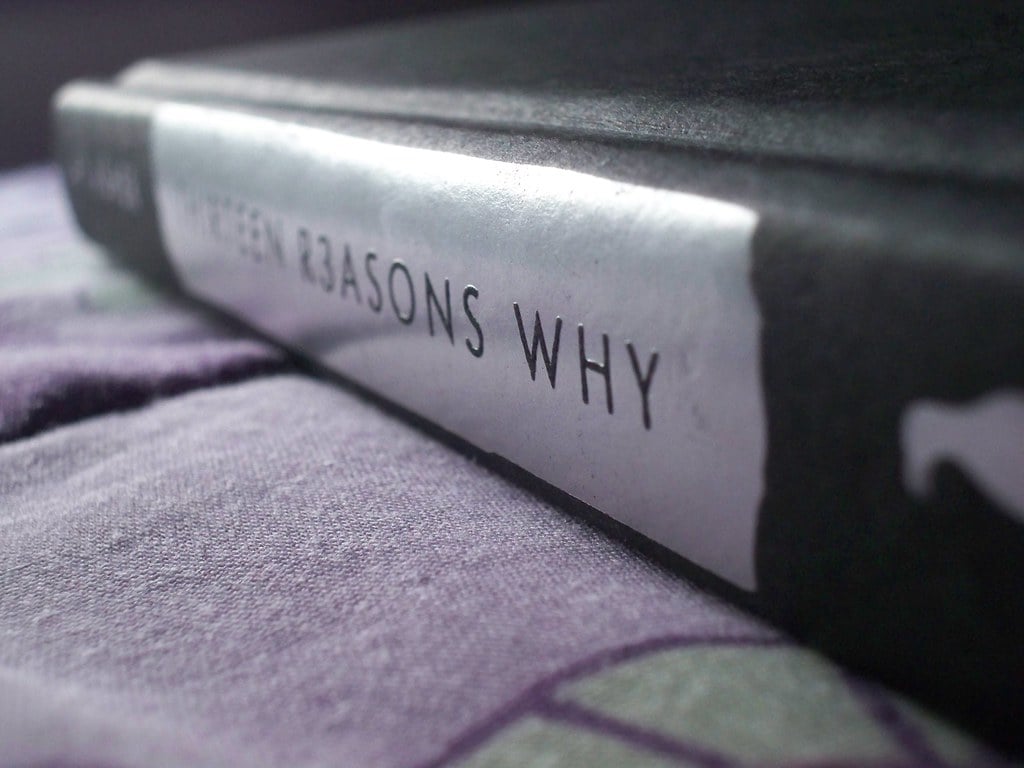
Asher’s novel, centered on a teenager’s decision to end her own life, has faced classroom and library removal over concerns that its narrative structure could be harmful to vulnerable readers rather than protective. Mental health professionals have been divided on the book’s educational value, which has fed directly into removal debates in numerous districts.
Its adaptation into a television series intensified scrutiny of the book’s content in schools.
Maus by Art Spiegelman

Spiegelman’s graphic novel about the Holocaust, told through an allegorical depiction of mice and cats, was removed from a Tennessee school district’s curriculum in 2022 over concerns about specific imagery and language, a decision that drew significant national attention. The removal was notable given the book’s status as a Pulitzer Prize winner and one of the most acclaimed works in its medium.
Sales of the book reportedly increased following the publicity around its removal.
Gender Queer by Maia Kobabe
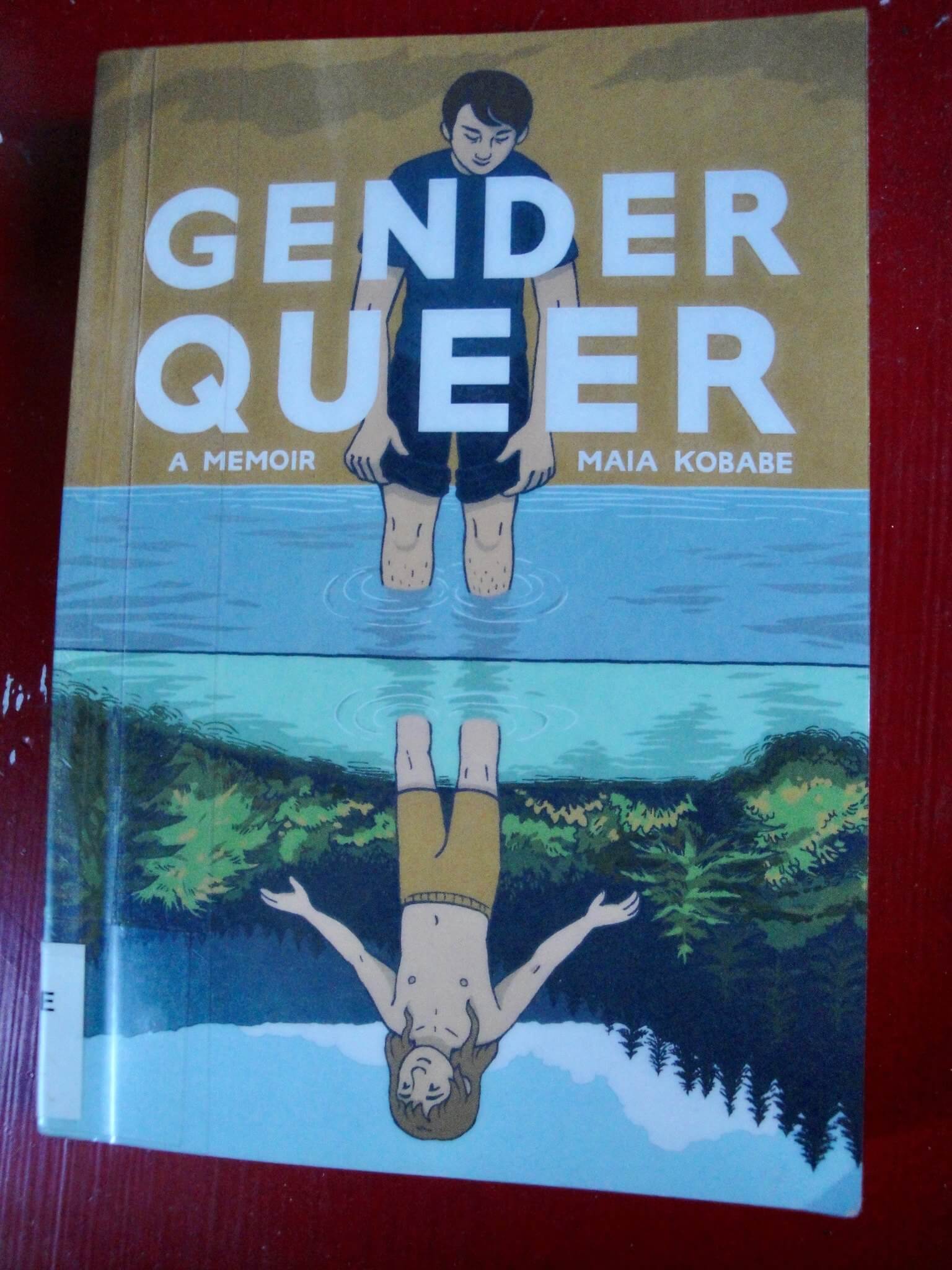
Kobabe’s graphic memoir has been among the most frequently removed books from American school libraries and classrooms in recent years, cited by objecting parents and school boards for its explicit content. Its removal has become a central example in broader national debates over books addressing gender identity in schools.
The book’s removal history spans a large number of states and districts.
And Tango Makes Three by Justin Richardson and Peter Parnell
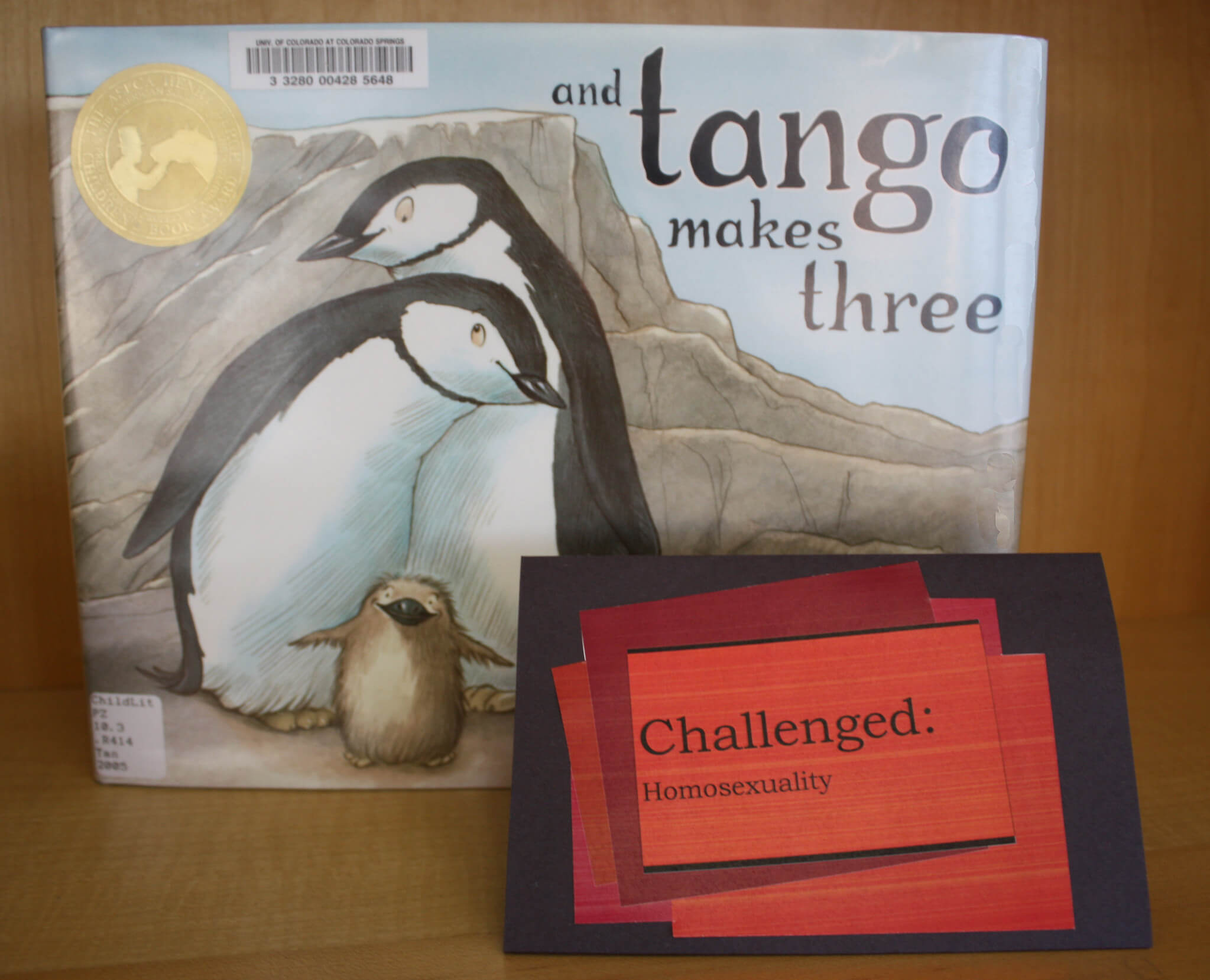
This picture book, based on a true story of two male penguins raising a chick at a New York zoo, has faced classroom and library removal over objections to its depiction of a two-father penguin family. It has appeared for multiple years among the most challenged books in American schools despite being aimed at very young readers.
Its removal debates illustrate how picture books have not been exempt from the broader classroom censorship pattern.
The Perks of Being a Wallflower by Stephen Chbosky
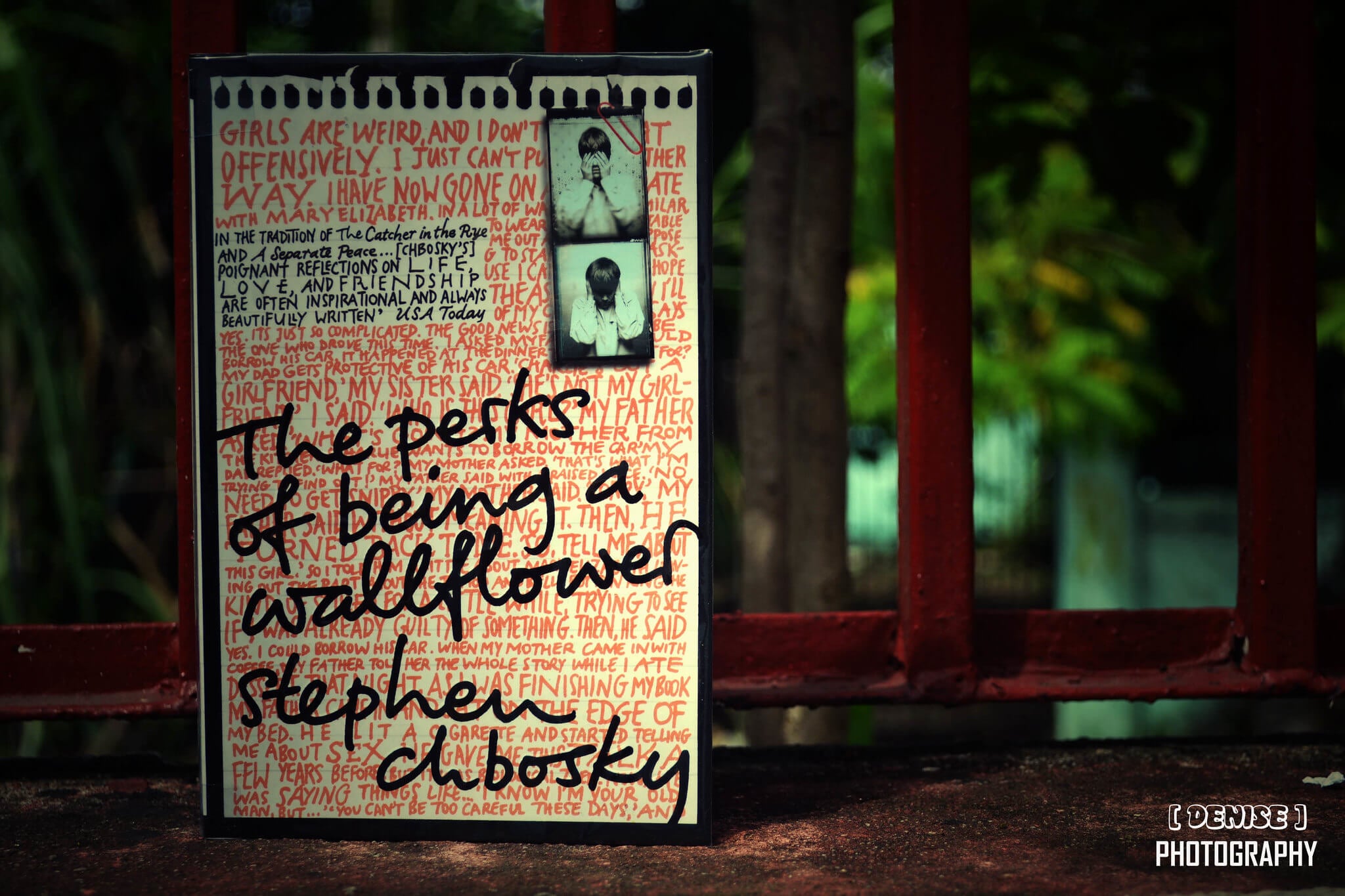
Chbosky’s coming-of-age novel has faced classroom removal over its depictions of substance use, mature relationships, and trauma experienced by its teenage narrator. It has remained on lists of frequently challenged books consistently since its publication in the 1990s.
The book’s continued popularity with teenage readers has often run in direct tension with its removal history in individual districts.
The Hate U Give by Angie Thomas

Thomas’s novel, centered on a teenager who witnesses a police shooting, has faced classroom removal in some districts over its language and its direct engagement with police violence as a subject. Objections have sometimes cited concerns from law enforcement groups specifically, a pattern distinct from most other titles on this list.
The novel remains widely taught and has been adapted into a feature film despite its removal history in certain districts.
A Century of Contested Shelves

Removal decisions rarely happen for identical reasons twice. A book pulled for language in one decade gets pulled for its politics in another, and a title celebrated as canonical literature in one district can be quietly removed from a neighboring one’s shelves the same year.
What stays constant is the argument underneath every removal: a disagreement over what a classroom is for, and who gets to decide what young readers are ready to encounter. That argument has outlasted every individual title on this list, and it shows no sign of settling anytime soon.
More from Go2Tutors!

- The Romanov Crown Jewels and Their Tragic Fate
- 13 Historical Mysteries That Science Still Can’t Solve
- Famous Hoaxes That Fooled the World for Years
- 15 Child Stars with Tragic Adult Lives
- 16 Famous Jewelry Pieces in History
Like Go2Tutors’s content? Follow us on MSN.