Famous Hoaxes That Fooled the World
Have you ever wondered how complex lies can fool entire nations? Our human tendency to believe in the extraordinary, the impossible, and the too-good-to-be-true is fascinating. Millions of people have been duped by cunning pranksters, desperate con artists, and ambitious storytellers throughout history.
Not all of these were innocuous practical jokes; some had an impact on scientific research, public opinion, and even political outcomes. A healthy dose of skepticism is always in style, as demonstrated by these 10 well-known hoaxes that totally fooled the world.
The War of the Worlds Radio Broadcast

Picture this: you’re listening to your favorite music show on October 30, 1938, when suddenly news bulletins interrupt with reports of Martian landings in New Jersey. That’s exactly what happened when Orson Welles adapted H.G.
Wells’ science fiction novel for radio. The realistic news-bulletin format was so convincing that thousands of listeners genuinely believed Earth was under alien attack.
People fled their homes, called police stations, and prepared for the end of the world. This single broadcast proved just how powerful media could be in shaping public perception.
The Cardiff Giant

What would you do if workers digging a well on your property discovered a 10-foot-tall petrified man? In 1869, that’s exactly what seemed to happen in Cardiff, New York. Thousands of curious visitors paid to see this ‘ancient giant,’ with many believing it proved biblical stories about giants walking the earth.
The truth? George Hull had commissioned the statue, buried it on his relative’s farm, then orchestrated its ‘discovery.’ This elaborate hoax earned Hull thousands of dollars and fooled everyone from scientists to religious leaders who desperately wanted physical proof of their beliefs.
Like Go2Tutors’s content? Follow us on MSN.
The Piltdown Man

Sometimes scientists want to make discoveries so badly that they ignore obvious warning signs. For over 40 years, the Piltdown Man fossils were considered the ‘missing link’ between apes and humans.
Discovered in England starting in 1912, these bone fragments seemed to prove that human intelligence evolved before other human characteristics. The scientific community celebrated this find as revolutionary evidence of evolution.
Only in the 1950s did advanced testing reveal the truth: someone had cleverly combined a modern human skull with an orangutan jaw, then artificially aged the bones. This hoax set back paleoanthropology research for decades.
The Cottingley Fairies

Two young cousins in England created photographs that convinced some of the world’s brightest minds that fairies were real. In 1917, Elsie Wright and Frances Griffiths used cardboard cutouts and hatpins to stage fairy photographs that looked remarkably authentic for the time.
Their images caught the attention of Sir Arthur Conan Doyle, creator of Sherlock Holmes, who publicly championed their authenticity. Even photography experts were divided on whether the images were genuine.
The girls maintained their story for over 60 years before finally admitting the truth in the 1980s. It shows how desperately people wanted to believe in magic during the harsh realities of World War I.
The Hitler Diaries

In 1983, the German magazine Stern announced they’d discovered Adolf Hitler’s personal diaries, promising unprecedented insights into the Nazi leader’s mind. The magazine paid millions for these documents, and historians worldwide held their breath for what seemed like the historical discovery of the century.
The problem? Forger Konrad Kujau had created them using modern materials and historical information readily available in libraries. When experts finally examined the paper, ink, and handwriting closely, the fraud became obvious.
This hoax embarrassed major publications and reminded everyone that extraordinary claims require extraordinary evidence.
Like Go2Tutors’s content? Follow us on MSN.
The Feejee Mermaid
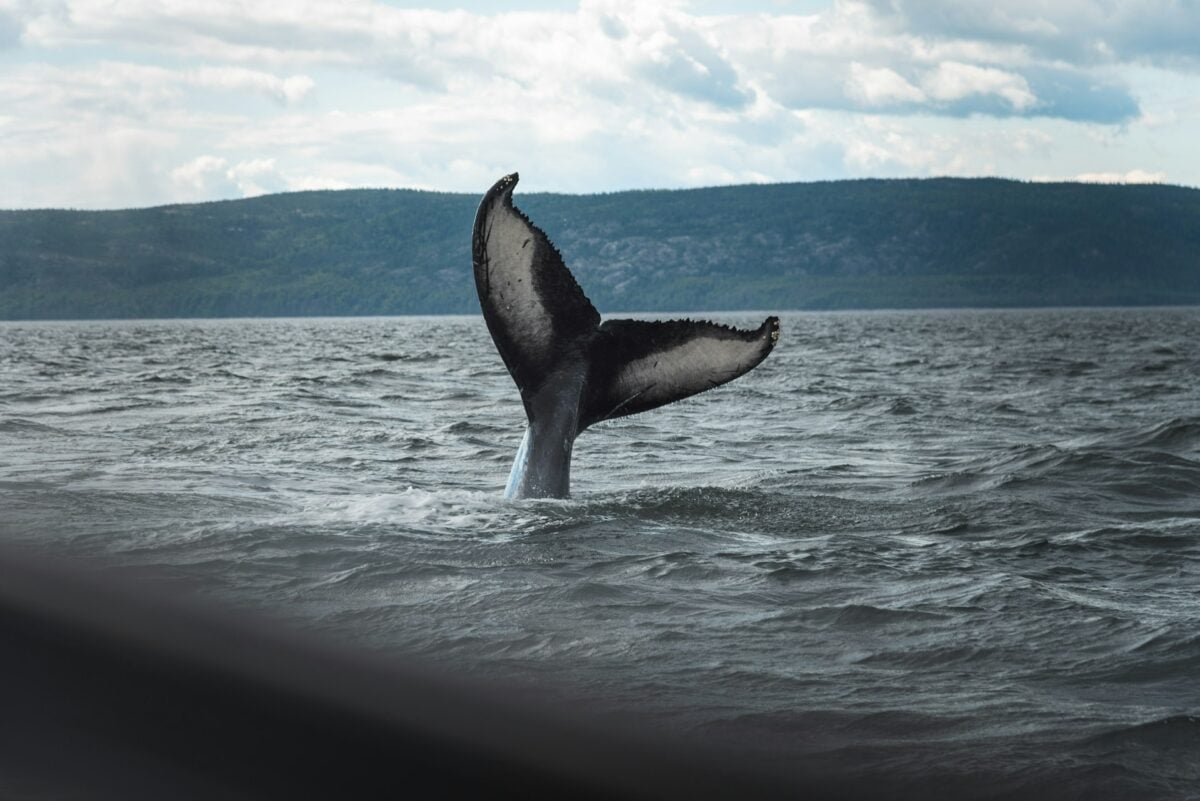
P.T. Barnum understood something fundamental about human nature: we love being fooled, as long as the story is entertaining enough. His ‘Feejee Mermaid,’ displayed in the 1840s, was actually the torso and head of a monkey sewn to a fish’s tail.
Barnum never claimed it was real—he simply presented it as a curiosity and let visitors draw their own conclusions. Thousands paid to see this obvious fake because Barnum made the experience fun and mysterious.
His success showed that sometimes people want to be deceived, especially when they’re getting good entertainment value for their money.
The Balloon Boy Hoax

Social media age hoaxes spread faster than ever before. In 2009, Richard Heene convinced the world that his six-year-old son Falcon was trapped inside a runaway weather balloon floating across Colorado.
News helicopters followed the balloon for hours while millions watched on live television, fearing for the child’s safety. When the balloon finally landed empty, authorities launched a massive search until Falcon was found hiding in the family’s attic.
The entire event was staged to generate publicity for a reality TV show idea. This hoax demonstrated how modern media’s need for instant content can amplify deceptions beyond anything previous generations could imagine.
Crop Circles

For decades, intricate geometric patterns appearing overnight in crop fields baffled scientists and convinced many people that extraterrestrial visitors were leaving messages. These elaborate designs seemed too complex for humans to create, especially under cover of darkness.
Researchers developed theories about alien communication, magnetic fields, and atmospheric phenomena. Then in 1991, Doug Bower and Dave Chorley revealed they’d been creating crop circles since the 1970s using simple tools like planks, ropes, and wire.
Their confession didn’t stop the phenomenon—crop circles continue appearing worldwide, now created by artists and pranksters inspired by the original hoax.
Like Go2Tutors’s content? Follow us on MSN.
The Monkees’ Musical Talent

Record labels in the 1960s created what might be the most successful musical hoax ever. The Monkees were marketed as a rock band, but initially, they didn’t play their own instruments or write their songs.
Session musicians recorded the music while the four actors lip-synced and acted like a real band on their TV show. Millions of fans had no idea their favorite ‘musicians’ were essentially performers playing characters.
When the truth emerged, it sparked debates about authenticity in popular music that continue today. The Monkees eventually learned to play their instruments and write songs, but their early success was built on pure theatrical deception.
The Great Moon Hoax
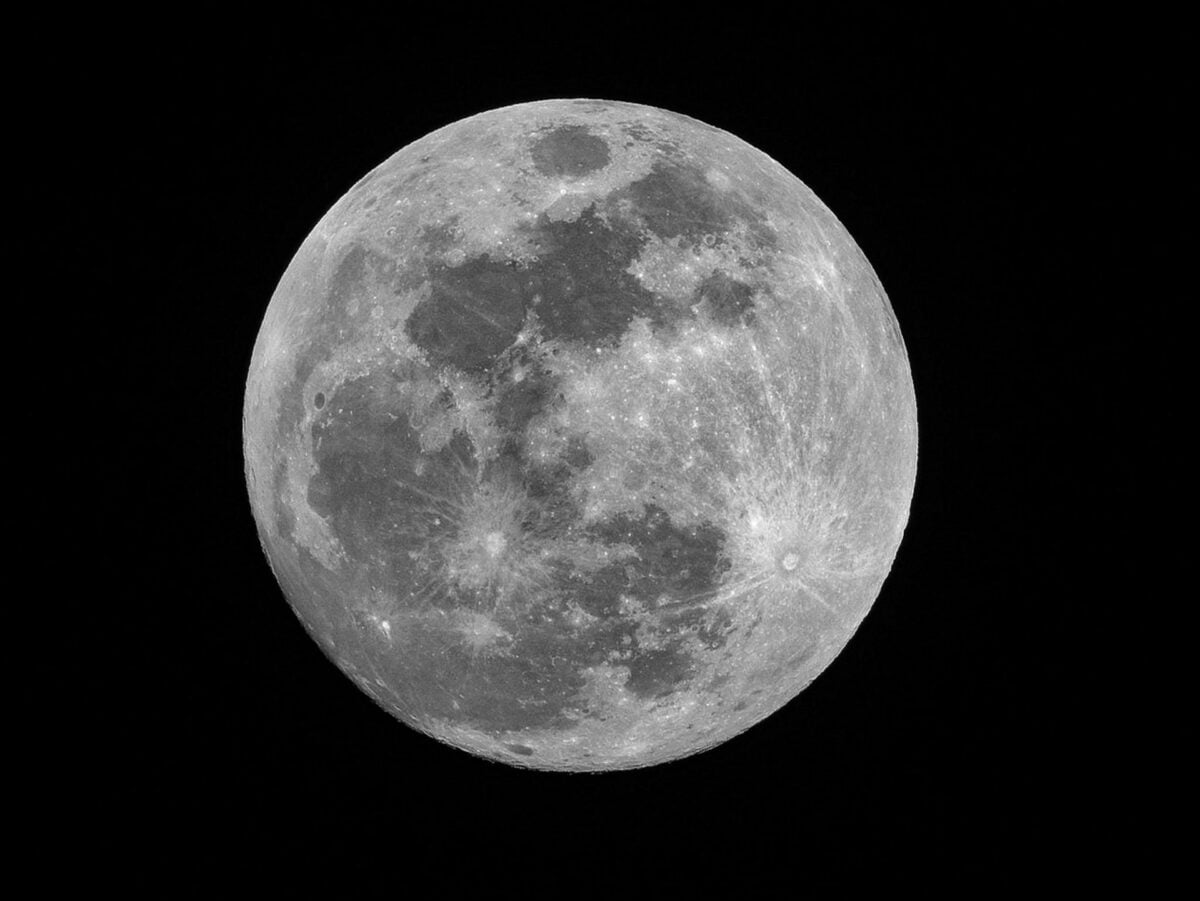
In 1835, the New York Sun published a series of articles claiming astronomers had discovered life on the moon, including bat-like humanoids and unicorns. The detailed descriptions, supposedly from respected astronomer John Herschel, convinced thousands of readers that lunar civilization was real.
The newspaper’s circulation skyrocketed as people eagerly bought copies to read about moon creatures. Even some scientists initially believed the reports because the technical language sounded convincing.
The hoax was eventually exposed, but not before it demonstrated how hungry the public was for scientific discoveries and how easily fake news could spread even in the 1800s.
When Truth Becomes Stranger Than Fiction

These intricate lies serve as a reminder that little has changed in human nature over the ages. We still have a desire to believe in mystery, magic, and the extraordinary.
People frequently believe claims that support their hopes, fears, or preconceived notions, whether they are about fairy photos or Martian invasions. In addition to making hoaxes easier to produce and disseminate, the digital age has also made it simpler to disprove them using reverse image searches and fact-checking.
Maintaining that ideal balance between wonder and healthy skepticism, which keeps life interesting while shielding us from those who would take advantage of our innate curiosity, is the best defense against being duped, not cynicism.
More from Go2Tutors!

- 16 Historical Figures Who Were Nothing Like You Think
- 12 Things Sold in the 80s That Are Now Illegal
- 15 VHS Tapes That Could Be Worth Thousands
- 17 Historical “What Ifs” That Would Have Changed Everything
- 18 TV Shows That Vanished Without a Finale
Like Go2Tutors’s content? Follow us on MSN.