32 Ads Kids Could Recite From Memory
There was a time when advertising functioned as entertainment. Not as a secondary effect or incidental advantage, but as the primary design consideration.
Advertisers invested in memorable jingles, running gags, and character performers who became as recognizable as the products they were pitching. Children watched and rewatched the same commercials because they appeared during favorite TV programs, and because the ads themselves were funny, catchy, or engaging.
Kids collected quotable lines, competed to remember jingles, and incorporated advertising language into everyday speech. The business model depended on repetition and memorability.
A successful advertisement could run for years, playing hundreds of times until the jingle or catchphrase became culturally embedded. The best ads transcended product promotion, becoming part of shared cultural language that united people across regions and demographics.
“Have You Driven a Ford Lately?” (1984)
Ford’s late-1980s campaign posed this simple question in a catchy choral-pop tune. The phrase became ubiquitous, with kids mimicking the jingle and questioning others about their vehicle preferences.
The campaign ran for years, making the jingle a cultural marker of the 1980s, particularly for anyone old enough to drive or interested in cars.
“I’d Like to Buy the World a Coke” (Coca-Cola, 1971)

This iconic Coca-Cola jingle presented an idealistic vision of world peace achieved through Coke sharing. The hillside scene with people of varied nations singing together created emotional resonance.
The jingle was so successful that Coca-Cola released it as an actual recording, making it one of the rare advertisements to achieve music chart presence.
“Mean” Joe Greene Coca-Cola Commercial (1979-1980)
The iconic ad featured football star “Mean” Joe Greene limping off the field, accepting a Coke from a young fan, and tossing the kid his football jersey. The commercial debuted in October 1979 and gained massive fame during Super Bowl XIV in 1980.
The simple emotional narrative—gruff exterior hiding kindness—was internationally recognized.
“Just Do It” (Nike, 1988+)
Nike’s three-word slogan became a cultural mantra extending far beyond athletic equipment. The phrase was simplified, memorable, and motivational, making it ideal for a generation seeking inspirational messaging.
The phrase became so embedded in American language that its advertising origins became secondary to its cultural meaning.
“Tastes Great, Less Filling” (Miller Lite, 1980s)
The beer commercial featuring the “Miller Lite—Tastes Great, Less Filling” debate became a cultural shorthand. Adults and children mimicked the debate format, with the phrase becoming synonymous with the product.
The commercials featured celebrities and created competitive tension that elevated beer advertising to entertainment status.
“I’m a Pepper, You’re a Pepper” (Dr Pepper, 1977+)
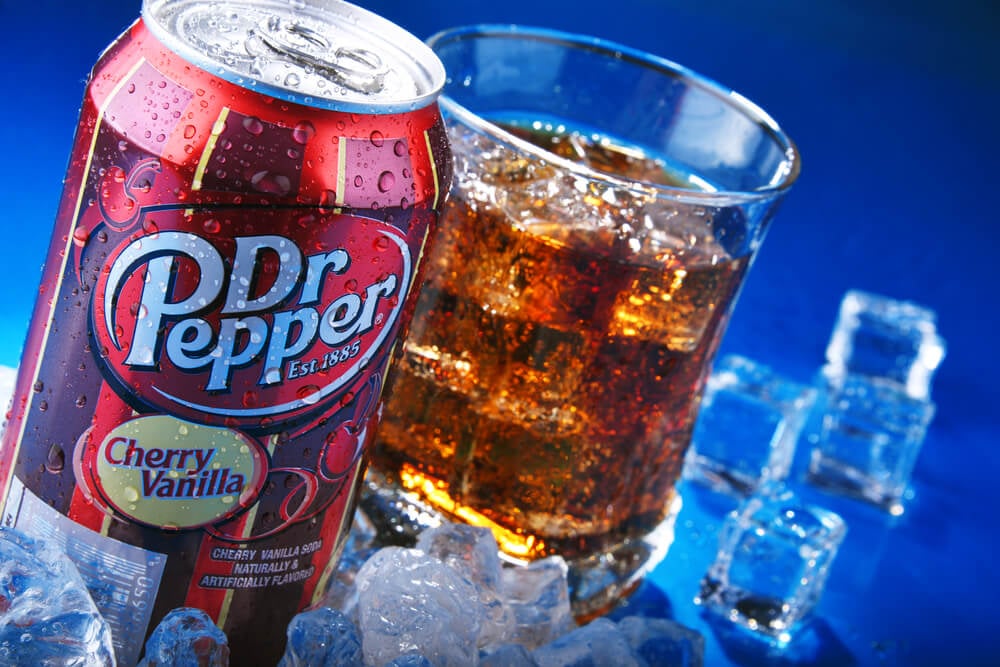
Dr Pepper’s jingle about being a “Pepper” became instantly recognizable and culturally pervasive. The simple identity claim—if you drank the product, you became a “Pepper”—created brand loyalty messaging.
Kids sang the jingle despite having no purchasing power, demonstrating advertising’s reach into childish consciousness.
“Ring Around the Collar” (Wisk, 1978+)
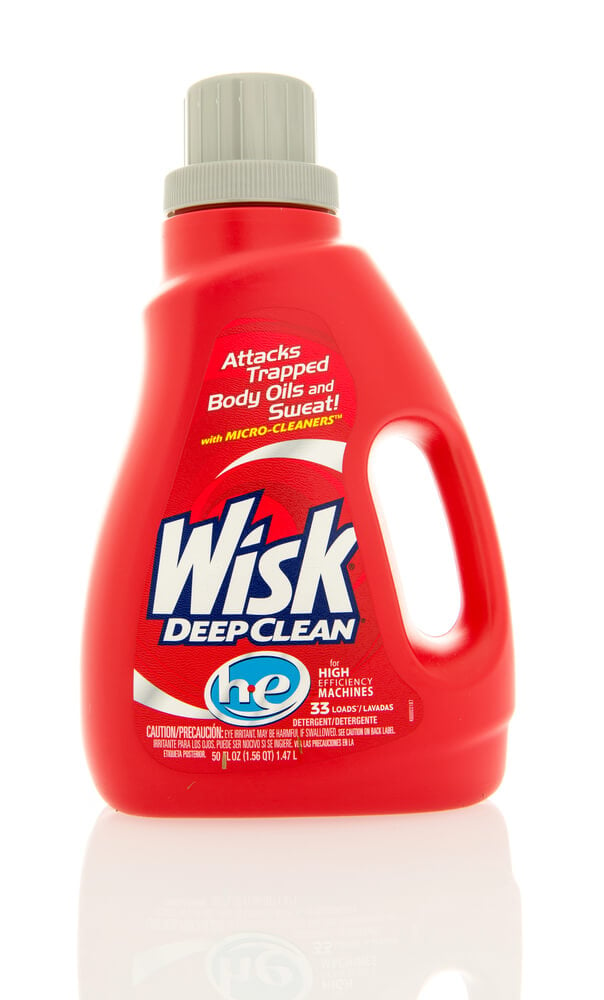
This laundry detergent jingle became notorious for repetitive, ear-worm qualities. The song played continuously on television throughout the 1980s, making it one of the most recognized (and resented) jingles of its era.
The jingle’s ubiquity and annoyingness made it simultaneously famous and infamous.
“Come See Me Tonight” (Zales Jewelry, 1989+)
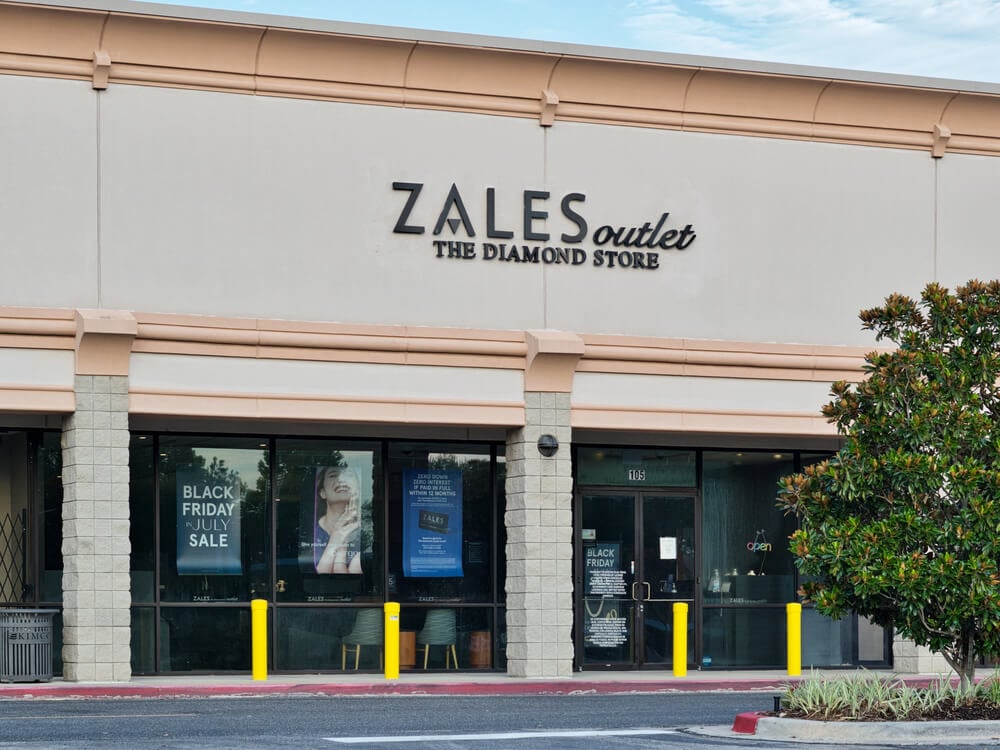
The soft-sell diamond jewelry commercial with its romantically charged phrase became iconic. The tagline and orchestral arrangement became culturally associated with relationship commitment and romantic intention.
The commercial ran so frequently that the tagline became punchline fodder.
“Mikey Likes It!” (Life Cereal, 1972-1985)
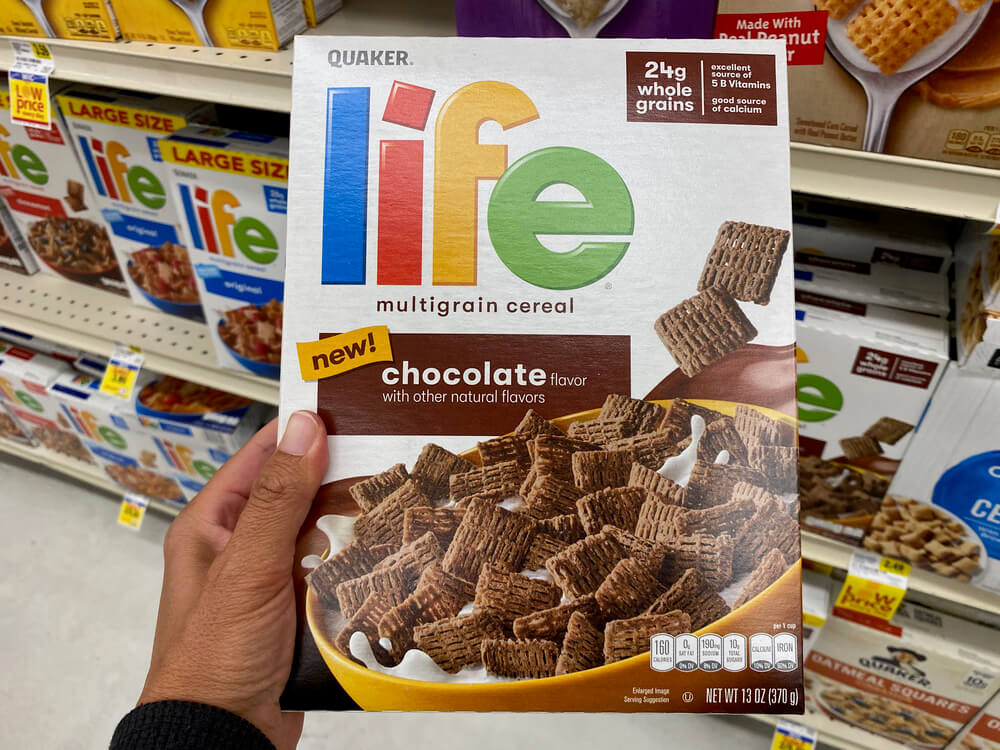
This commercial featured three older boys convincing reluctant “Mikey” to taste Life cereal. Mikey’s eventual approval became celebrated in the commercial, with kids repeating “Mikey likes it!” as a catchphrase.
The commercial’s simple narrative and character focus made it memorable and quotable.
“Where’s the Beef?” (Wendy’s, 1984)
The elderly woman’s question about missing hamburger meat in competitors’ sandwiches became a cultural phenomenon. The phrase was referenced in political debates, became a meme before the internet existed, and was recognized across age groups.
The simplicity and humor made it transcend advertising into cultural language.
“I Love New York” (New York Tourism, 1977+)

The song jingle with the musical heart symbol became instantly recognizable. The song’s emotional attachment to location created attachment to place marketing.
The jingle became a regional identity marker, with New Yorkers incorporating the phrase into civic pride.
“The Best Part of Waking Up” (Folgers Coffee, 1980s)
The morning coffee jingle became synonymous with morning rituals. The phrase and melody were so recognizable that Americans of a certain generation can still recall it decades later.
The commercial ran during morning news broadcasts, embedding it in daily viewing patterns.
“Double Your Pleasure” (Wrigley’s Gum, 1970s+)
Wrigley’s gum commercial jingle promised doubled pleasure through chewing gum. The phrase became quotable and was often repeated as kids learned the jingle from television exposure.
The commercial ran for years, maintaining cultural presence across multiple generations.
Apple “1984” (1984)
Directed by Ridley Scott, this dystopian nightmare commercial presented a vision of what life would be like without a Macintosh computer. The artistic direction elevated commercial production values to cinematic levels.
The commercial was replayed in cultural contexts, becoming recognized as significant advertising work.
“Obey Your Thirst” (Sprite, 1990s+)
Sprite’s slogan represented refreshing honesty about consumption. The phrase positioned the brand as authentic and anti-establishment.
Teens and young adults adopted the phrase as cultural shorthand for following desires.
“Think Different” (Apple, 1997+)
Apple’s multi-year campaign celebrating non-conformity became culturally significant. The phrase was applied to products, but also to lifestyle and identity.
The campaign elevated “thinking different” to aspirational concepts extending beyond computing.
“Finger Licking Good” (KFC, 1952+)
Colonel Sanders’ phrase describing fried chicken became iconic. The phrase became so associated with the product that its advertising origins became secondary.
The phrase was used sarcastically and seriously, but always with brand recognition intact.
“I’m Lovin’ It” (McDonald’s, 2003+)
McDonald’s global jingle and tagline became instantly recognizable across cultures. The simple declaration of satisfaction became ubiquitous, with the catchy four-note melody making the phrase instantly recalled.
The campaign’s global consistency made it culturally pervasive.
“Betcha Can’t Eat Just One” (Lay’s Potato Chips, 1964+)
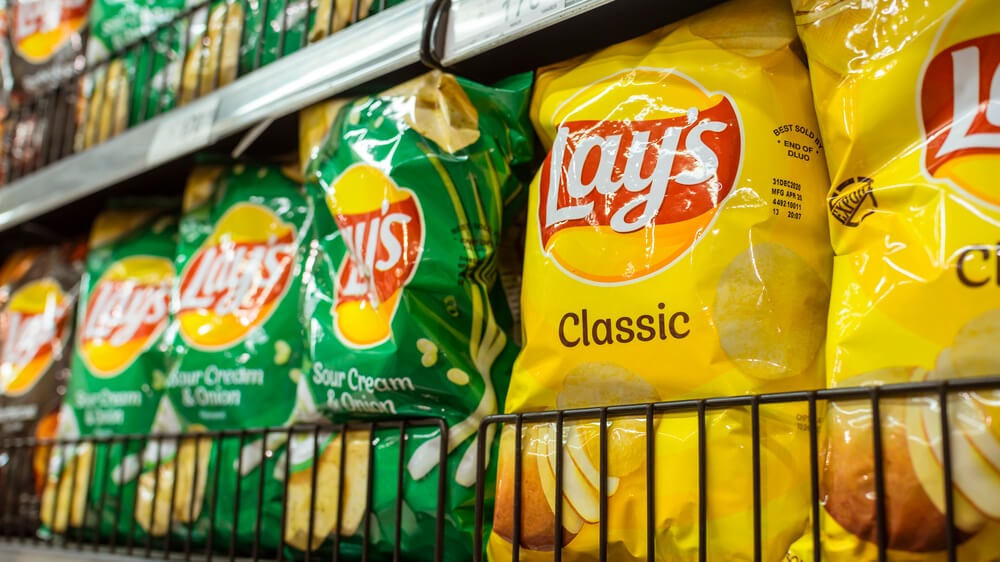
Lay’s challenge to consumers became recognized shorthand for addictive products. The phrase implied product quality and satisfied consumption.
Children quoted the phrase despite not purchasing products themselves.
“Plop, Plop, Fizz, Fizz, Oh What a Relief It Is” (Alka-Seltzer, 1971+)
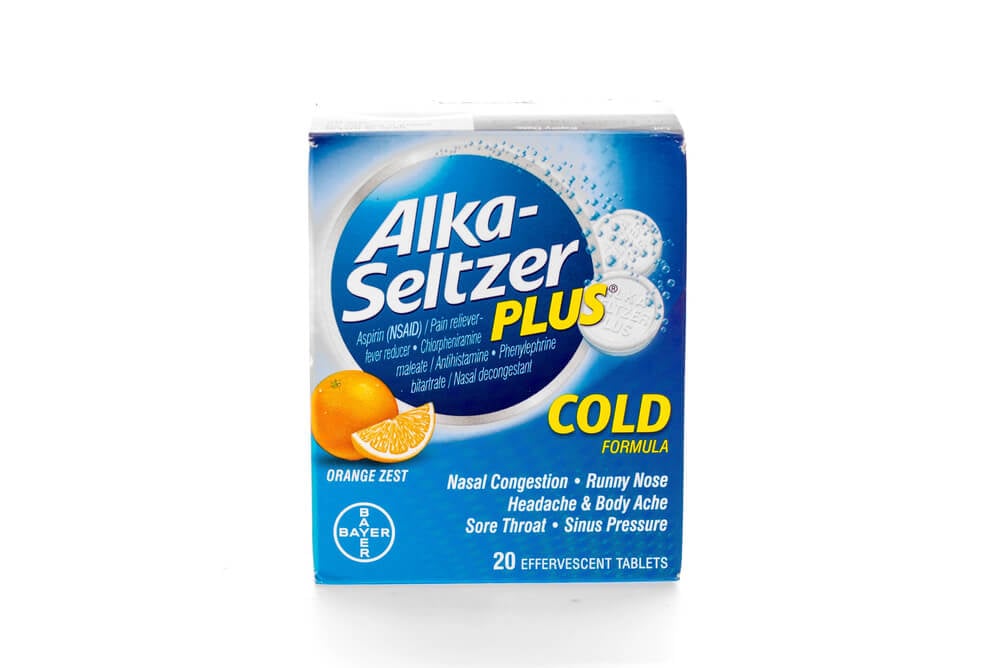
The antacid commercial jingle with its sound effects and comedic scenarios became iconic. The specific medication was identifiable from the jingle alone.
The advertising created an entire approach to headache/indigestion relief commercials.
“Got Milk?” (1993+)

The simple two-word question with celebrity lip-stache photography became instantly recognizable. The campaign ran for decades and became self-referential, with people mimicking the celebrity poses.
The phrase became shorthand for healthy lifestyle choices.
“M&M’s Melt in Your Mouth” (1960s+)
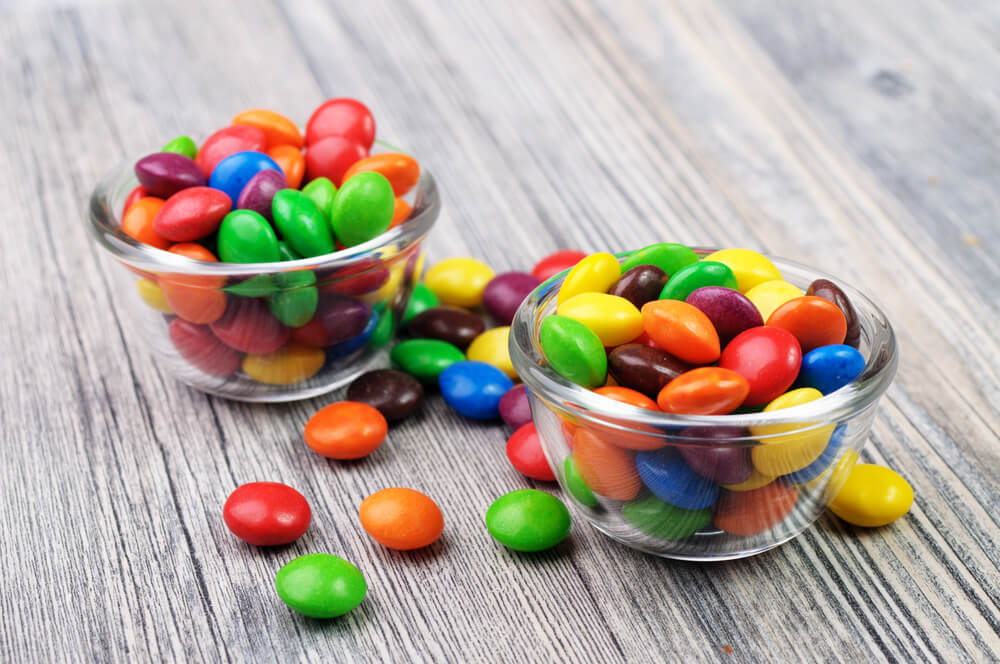
The candy jingle became embedded in consumer consciousness across decades. The simple description of product qualities became brand identity.
Children sang the jingle despite having limited candy purchasing power.
“Meow Mix” (1974+)
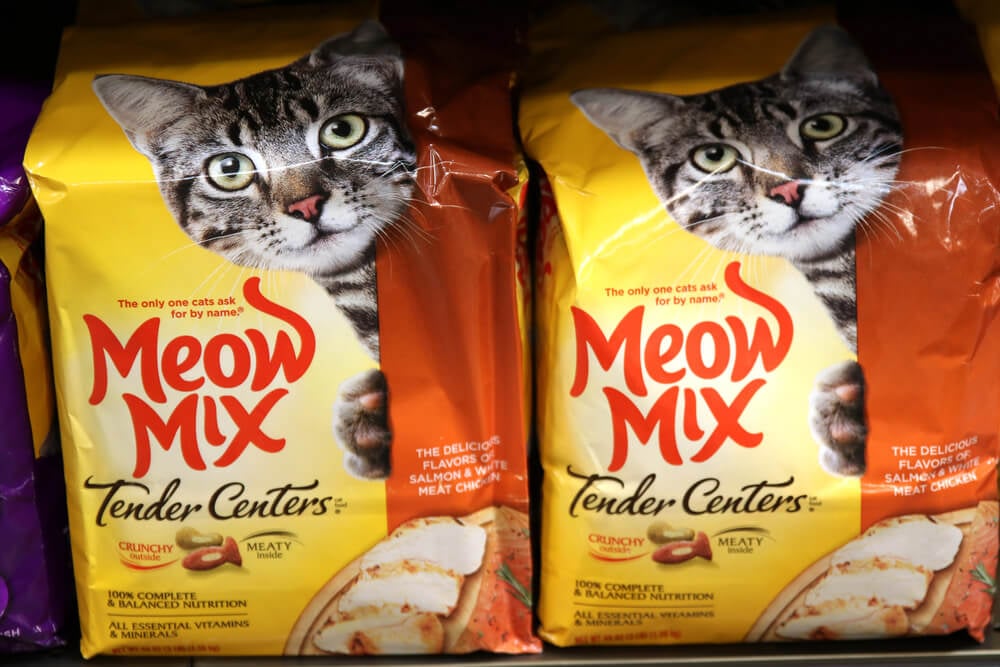
The cat food commercial featuring cats singing the product name became notorious for its ear-worm qualities. The simple jingle was parodied and referenced in cultural contexts.
Actual cats became associated with the phrase through popular culture.
“99 Bottles of Beer on the Wall” (Beer Industry)

This drinking song used in various beer commercials became a cultural reference point. The specific numerical references and repetitive nature made it memorable.
The song was sung at parties, on road trips, and in childhood contexts.
“I’m a Believer” (Smuckers Jelly, 1970s+)
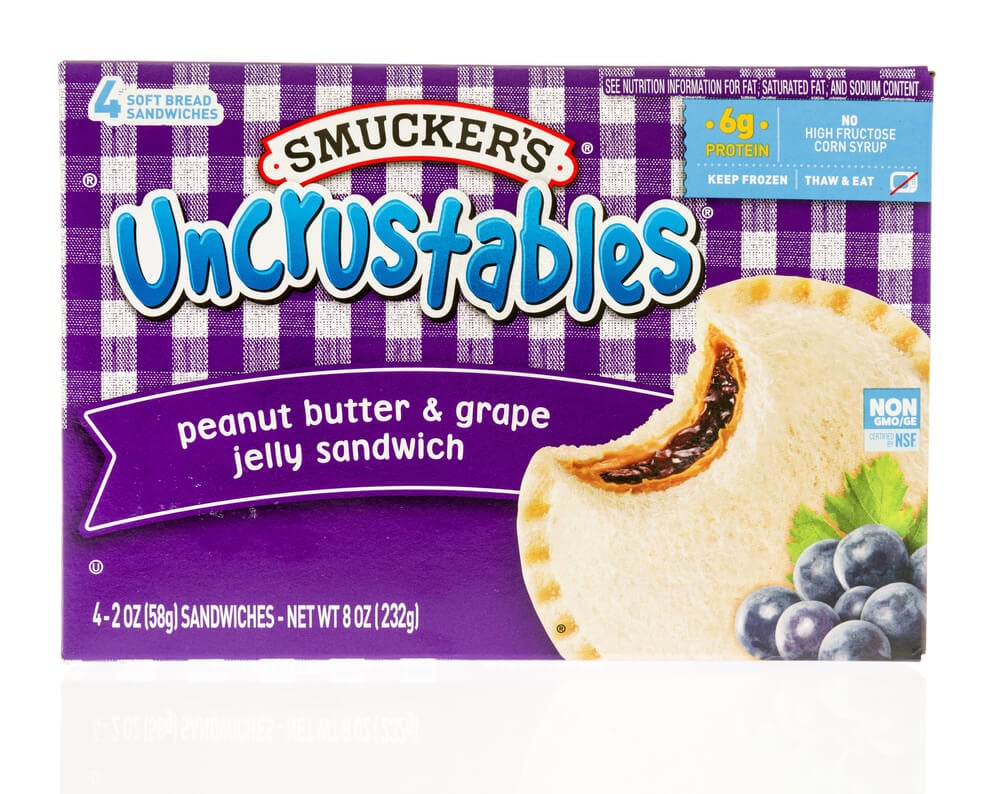
Commercial featuring children converted to jam/jelly product belief through consumption. The emotional narrative about belief conversion made the commercial memorable.
The phrase “I’m a believer” became associated with product satisfaction.
“Breakfast of Champions” (Wheaties, 1956+)
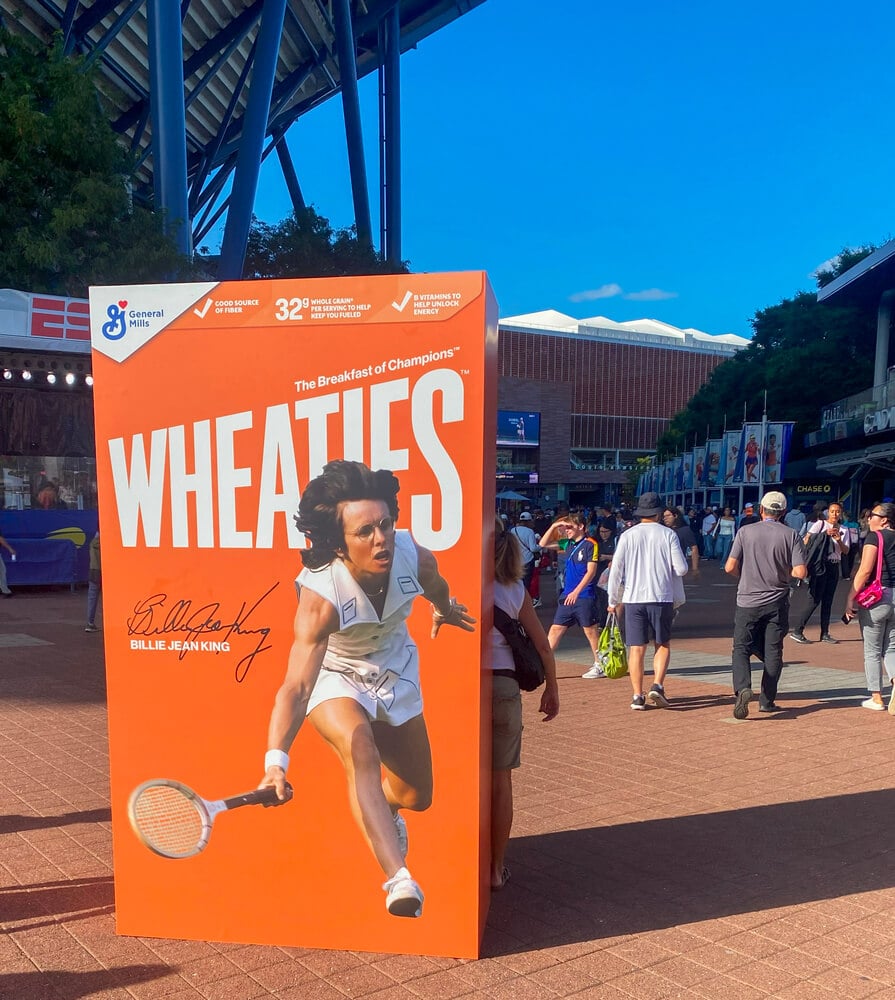
Wheaties’ association with athletic achievement became culturally significant. The phrase implied moral as well as physical superiority.
Athletes were featured on cereal boxes, creating collectible designs.
“Taste the Rainbow” (Skittles, 1974+)
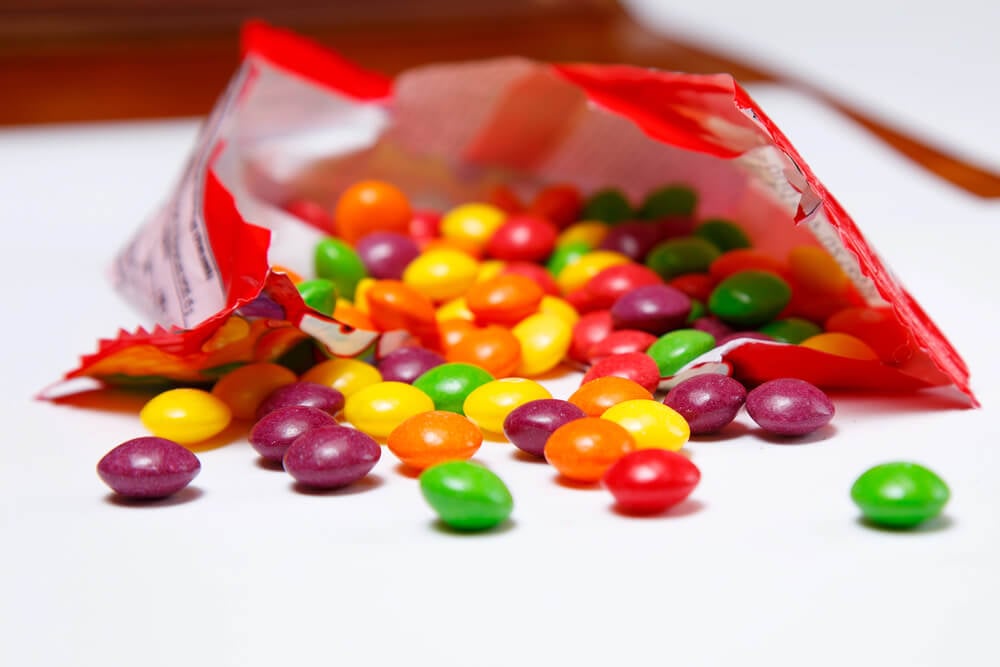
Skittles’ slogan represented the candy’s multicolored variety. The phrase became associated with pleasure, diversity, and indulgence.
Children sang the slogan despite having limited candy purchasing power.
“Have It Your Way” (Burger King, 1974+)
The customer empowerment message became trademark positioning for Burger King. The phrase implied customer control and personalization, differentiating from competitors.
The slogan ran for decades, becoming a brand identity.
“Melts in Your Mouth, Not in Your Hands” (M&Ms, 1950s+)
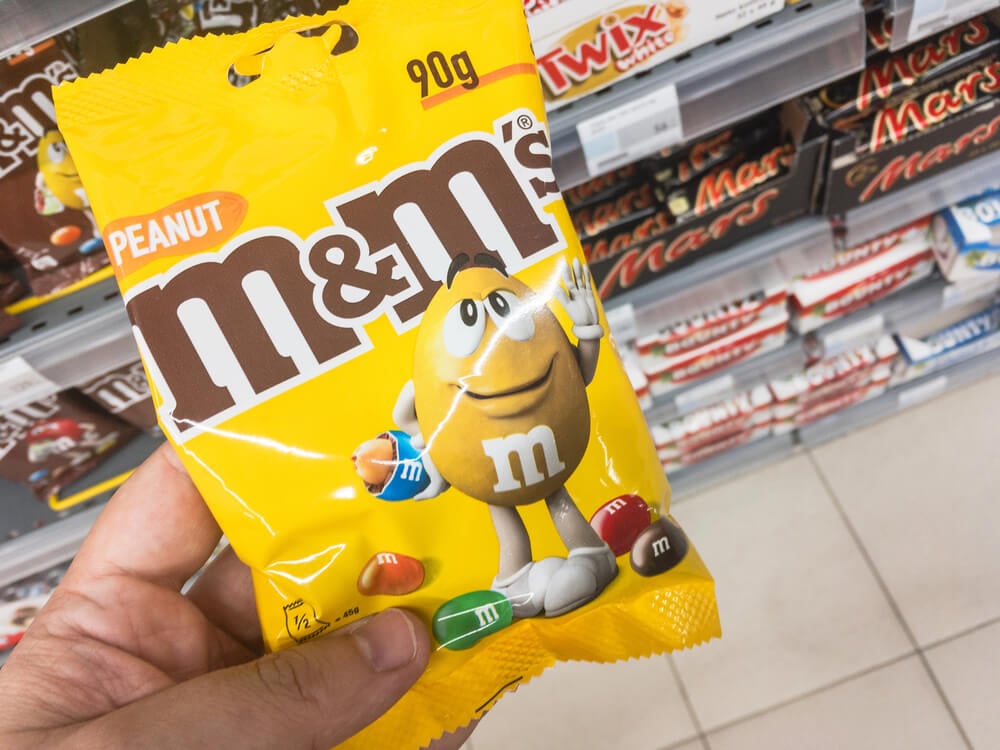
This candy slogan succinctly described product advantage—controlled melting behavior. The phrase’s specificity made it memorable and effectively communicative.
Consumers understood the claim immediately.
“The Quicker Picker Upper” (Bounty Paper Towels, 1970s+)
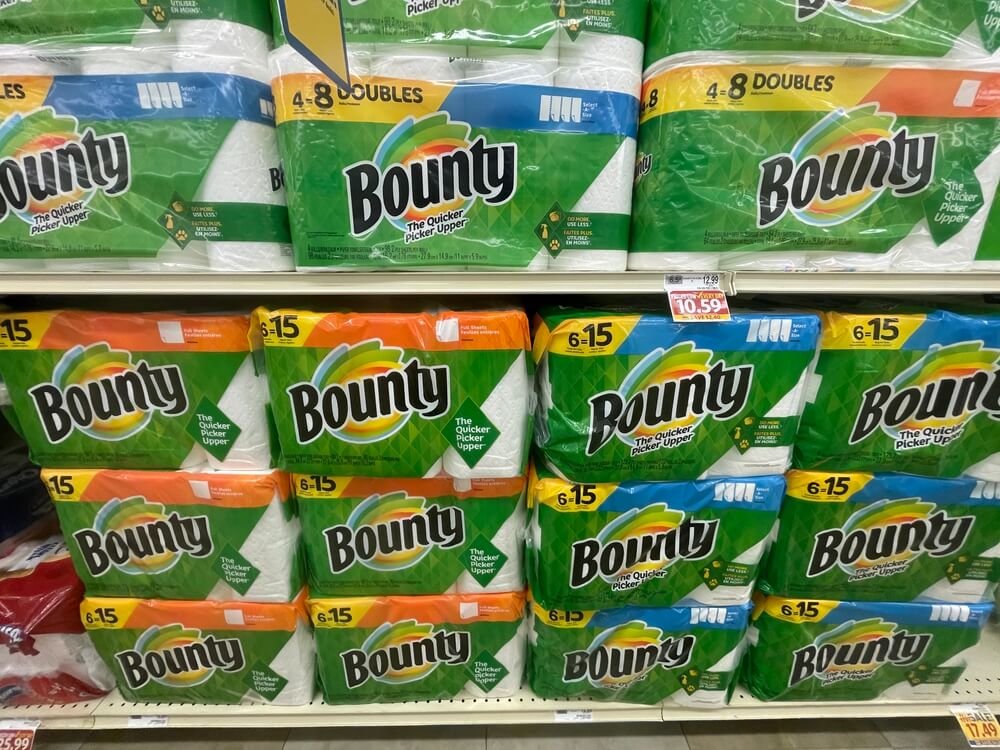
The paper towel slogan emphasized efficiency and effectiveness. The phrase became shorthand for quick problem-solving.
The commercials featured problem scenarios where the product provided rapid solutions.
“Vitamin D” (Sunny Delight, 1980s+)
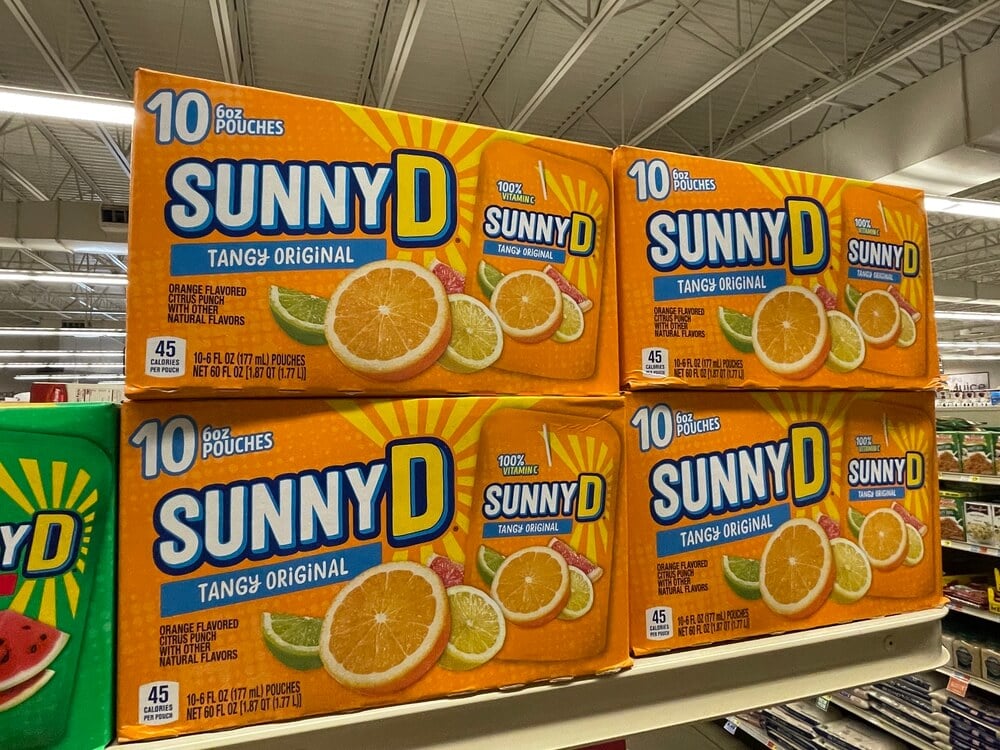
The beverage’s emphasis on nutritional content through simple phrases became recognizable. The golden-colored drink became associated with health benefits and taste.
The simple product name became an advertising centerpiece.
“Snap, Crackle, Pop” (Rice Krispies, 1927+)
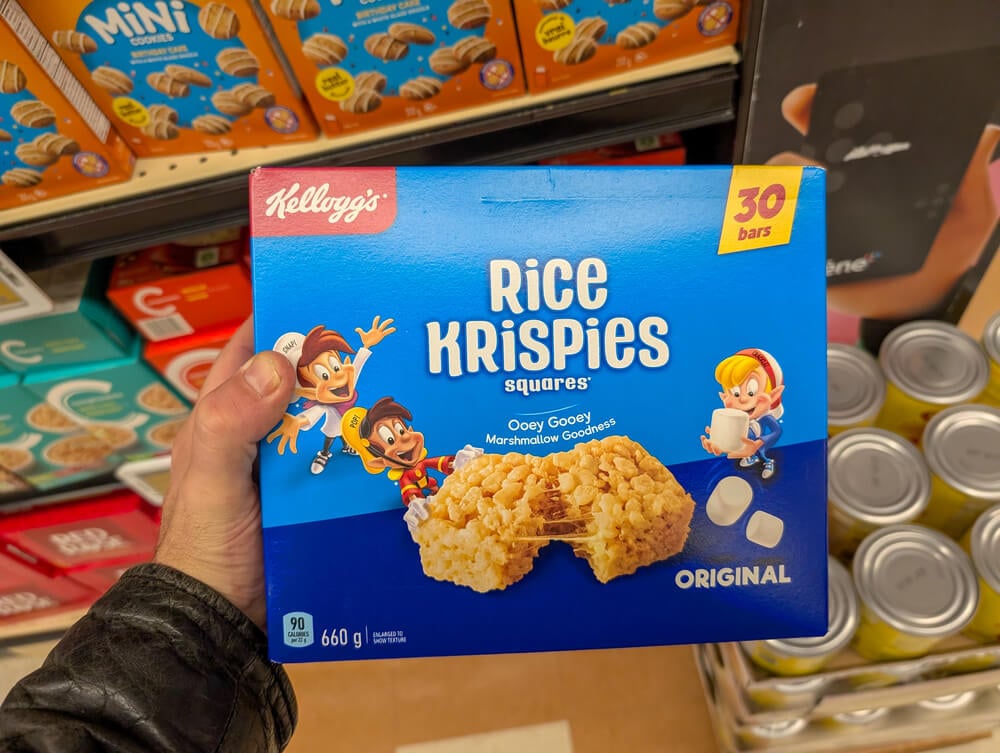
The cereal’s onomatopoetic brand mascots became beloved characters. The specific sound effects identified the product immediately.
The characters appeared in commercials, creating narrative consistency across decades.
Advertising as Entertainment

These advertisements represented an era when commercial messaging was designed primarily for entertainment value. Modern advertising emphasizes data-driven targeting and efficiency, eliminating the investment in memorable jingles and character development that once made ads culturally significant.
The shift represents changed values—from shared cultural experience to individualized targeting. That loss means fewer shared cultural references and less collective memory created through commercial exposure.
More from Go2Tutors!

- The Romanov Crown Jewels and Their Tragic Fate
- 13 Historical Mysteries That Science Still Can’t Solve
- Famous Hoaxes That Fooled the World for Years
- 15 Child Stars with Tragic Adult Lives
- 16 Famous Jewelry Pieces in History
Like Go2Tutors’s content? Follow us on MSN.