What Diners Teach Us About Changing American Life
For nearly a century, diners have been more than just a place to grab a meal. They’ve been a mirror of American life—reflecting how people live, what they value, and how things shift over time.
With their neon lights, chrome booths, and 24-hour menus, diners have quietly chronicled social and cultural changes like no other place. They may look simple, but diners hold a lot of stories.
Let’s slide into a booth and see what they tell us about how life in America keeps changing.
They welcomed everyone, long before most places did
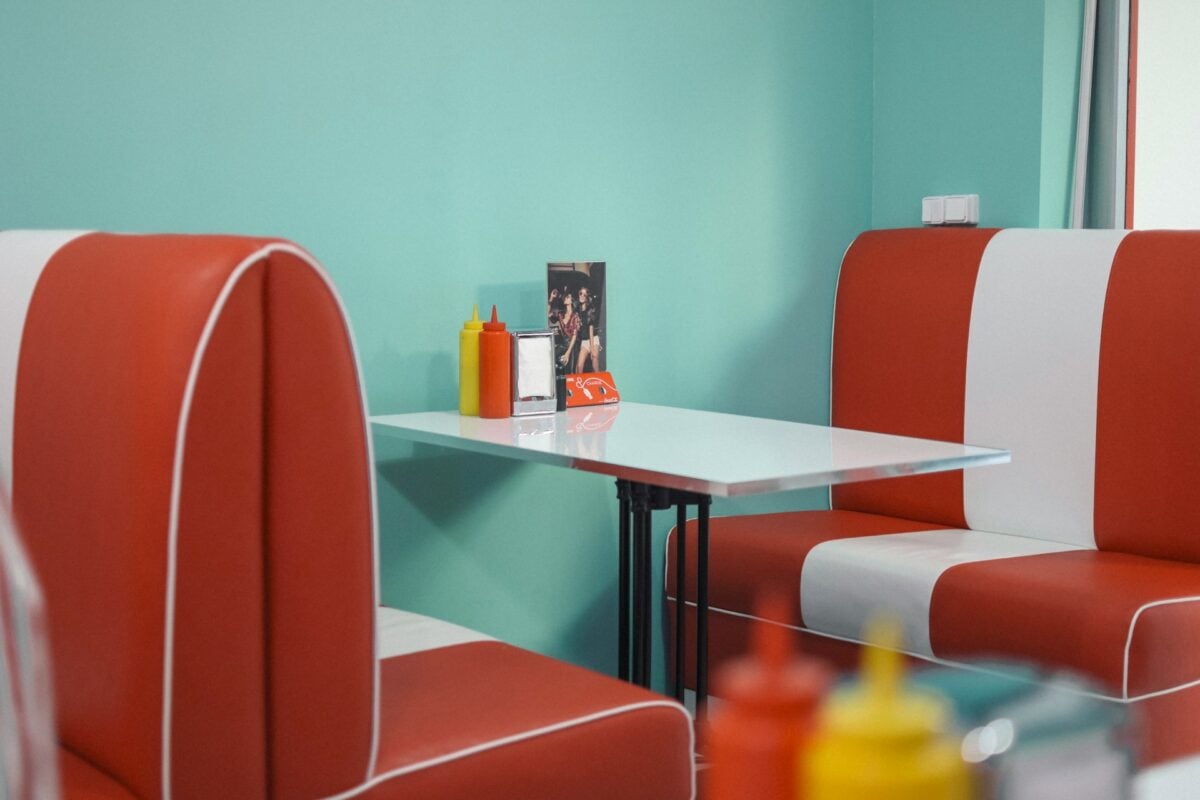
Diners have always had open doors. In many towns, they were the rare place where factory workers, businesspeople, truckers, and teenagers could all eat under one roof.
Long before integration was law, some diners quietly served people of all races. They didn’t always make headlines for it, but their quiet inclusion said a lot.
Diners weren’t fancy, but they made room for everyone.
The menu showed what America was craving
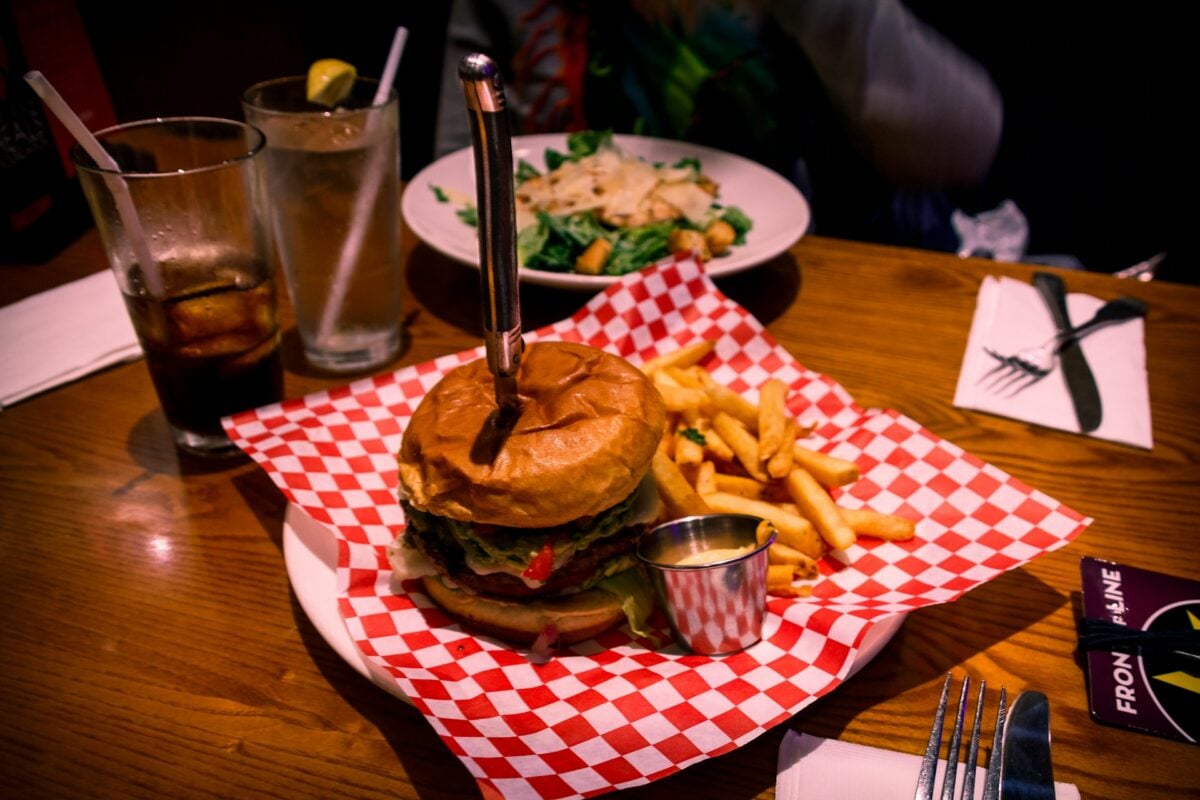
Diner menus changed with the times. In the 1950s, meatloaf and mashed potatoes were staples.
By the ’80s, Greek salads and veggie omelets started showing up. Today, you might even spot avocado toast or oat milk lattes.
As people’s tastes and diets shifted, diners followed suit—not leading trends, but never too far behind either.
Like Go2Tutors’s content? Follow us on MSN.
They taught America how to eat out
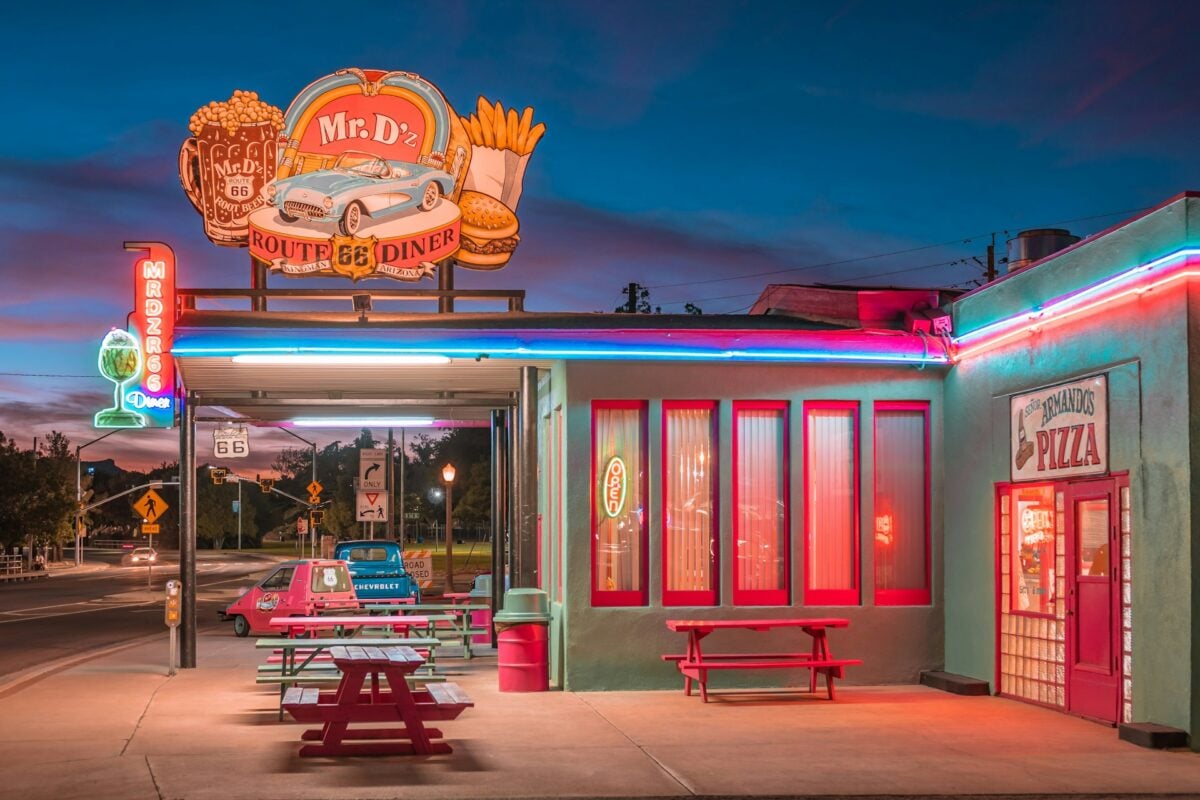
Before fast food took over, diners were the first “eating out” experience for many families. It wasn’t just about the food.
It was about sitting together, getting waited on, and maybe even dressing up a little. Diners helped make eating out a normal part of life.
That comfort shaped how people expect restaurants to feel even now.
They ran on small business grit
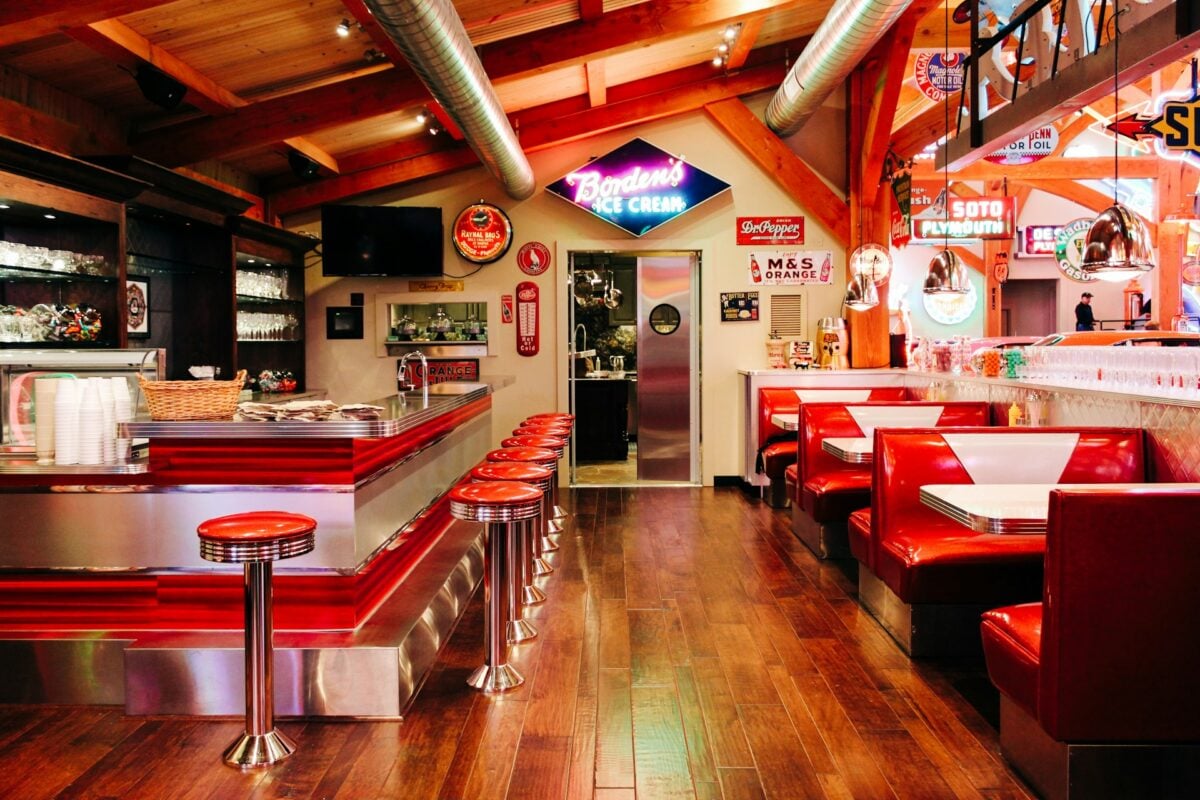
Most diners weren’t chains. They were family-owned, often passed down through generations.
Owners worked long hours, knew regulars by name, and did everything from flipping pancakes to fixing leaky sinks. These diners showed what small businesses could build with hard work and loyalty.
Even today, people trust local spots more because of that diner legacy.
They gave women a place to earn and lead
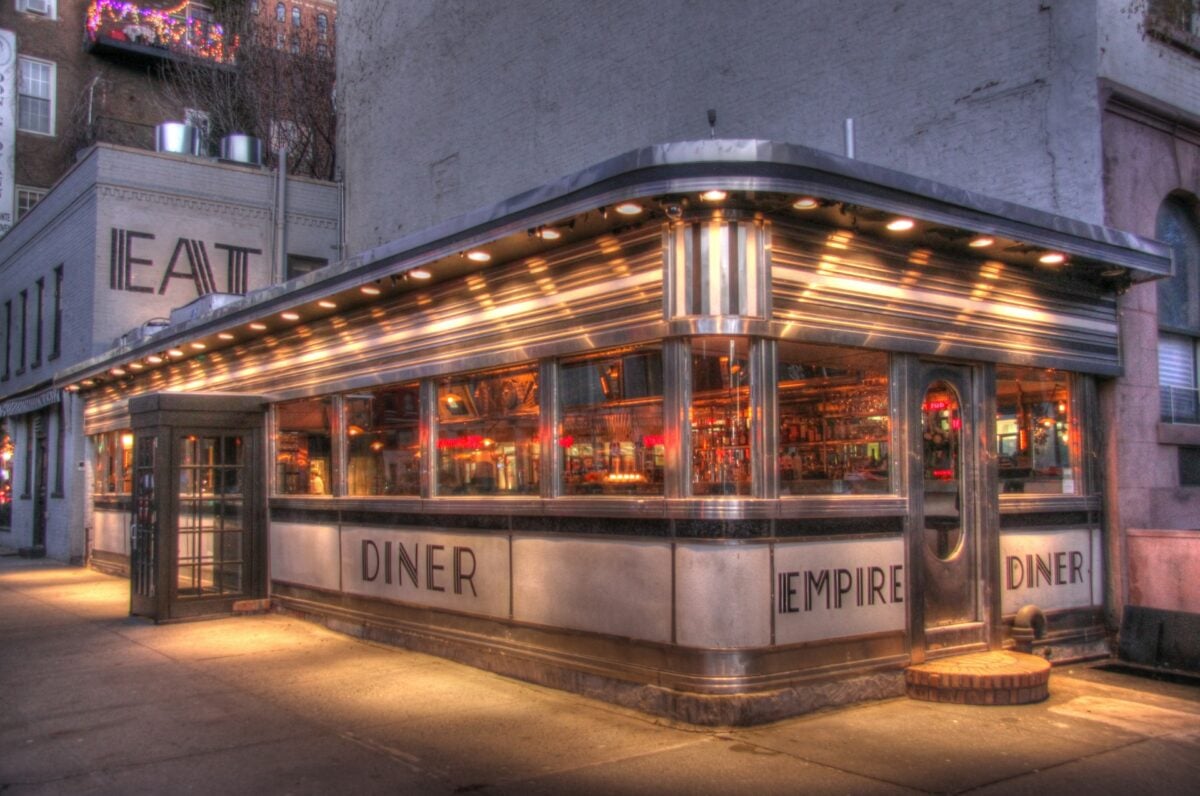
In the early days, women didn’t always have many work options. Diners changed that.
As servers, cooks, and eventually owners, women found steady work and even careers in these places. They weren’t just pouring coffee—they were running the show.
Diners helped open doors for women in the workforce before most industries caught on.
Like Go2Tutors’s content? Follow us on MSN.
They helped night owls and early risers alike
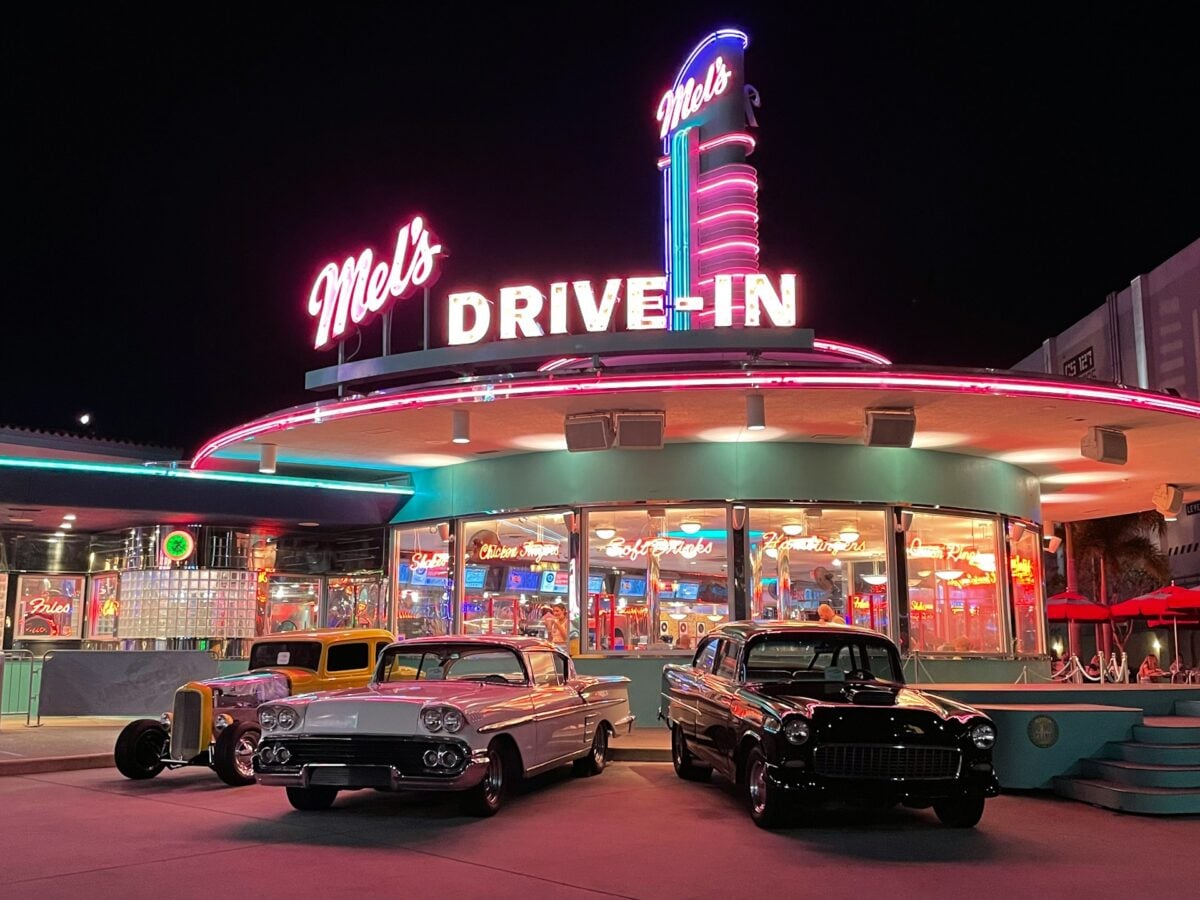
Diners ran 24/7 in many cities, offering something no one else did—warm food at 3 a.m. Whether it was a shift worker grabbing breakfast after a long night or friends stopping in after a concert, diners became a haven.
That round-the-clock service reflected a country that was always on the move. America never really slept, and diners kept the lights on.
They made room for teenagers to grow up
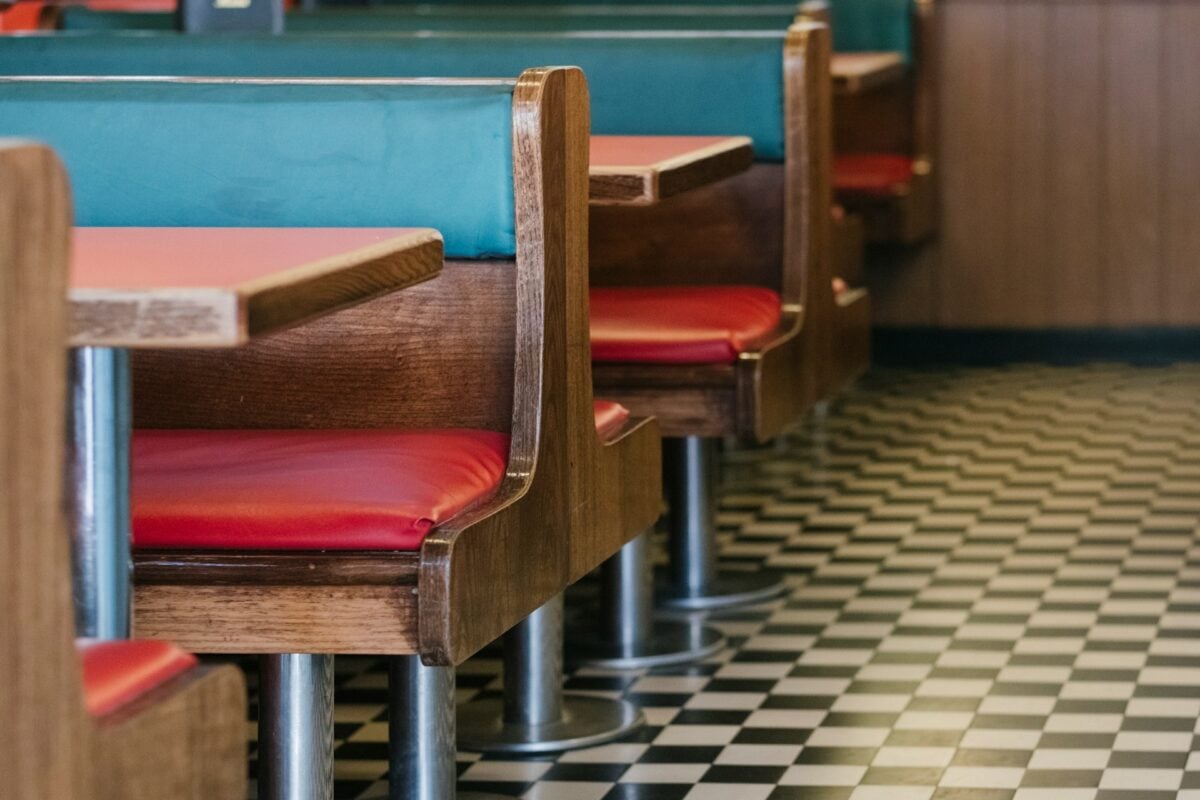
In the ’50s and ’60s, teens didn’t have many hangouts. Diners became the unofficial clubhouse.
With jukeboxes, milkshakes, and big booths, they gave young people a place to be seen and heard. No one asked them to leave for lingering too long.
Diners helped shape youth culture without even trying.
They showed what ‘affordable’ could still look like
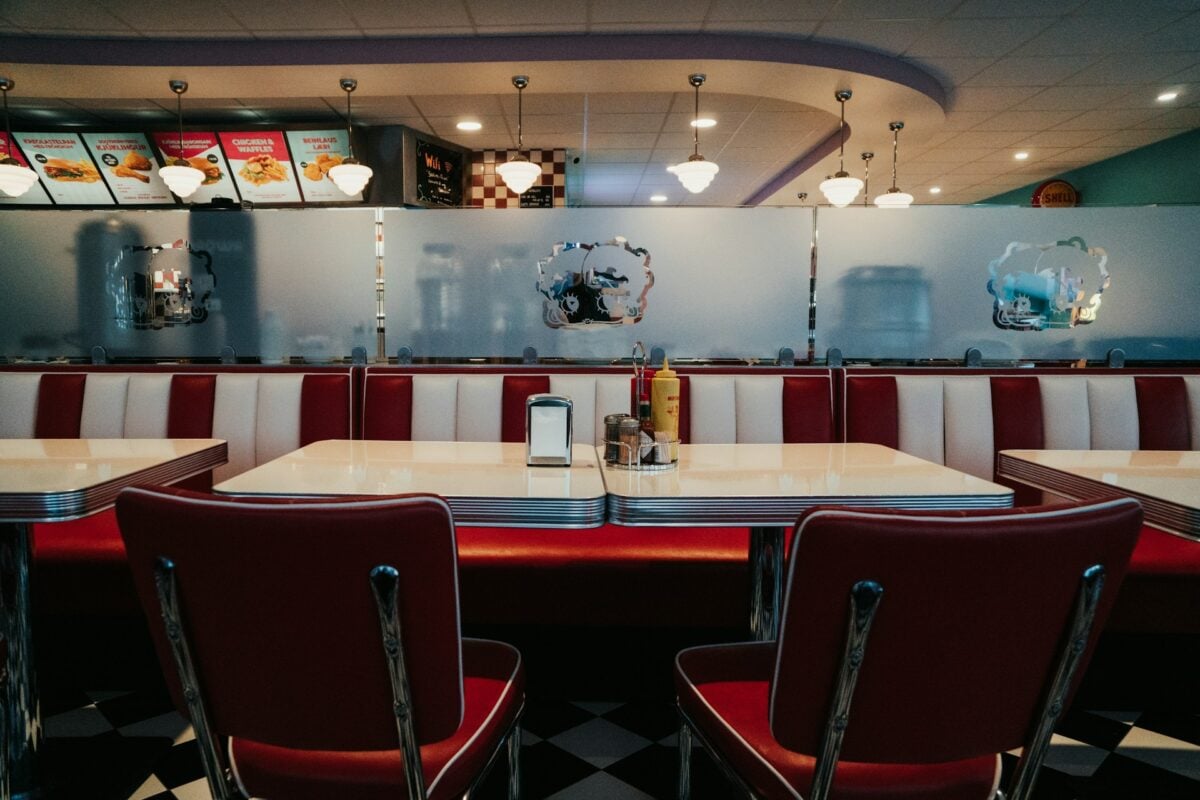
Prices at diners stayed reasonable even when everything else got expensive. A full breakfast, with coffee, could still cost less than a movie ticket in many towns.
They weren’t trying to be fancy. They were trying to feed people well without draining their wallets. That idea still matters to millions today.
Like Go2Tutors’s content? Follow us on MSN.
They kept conversations alive
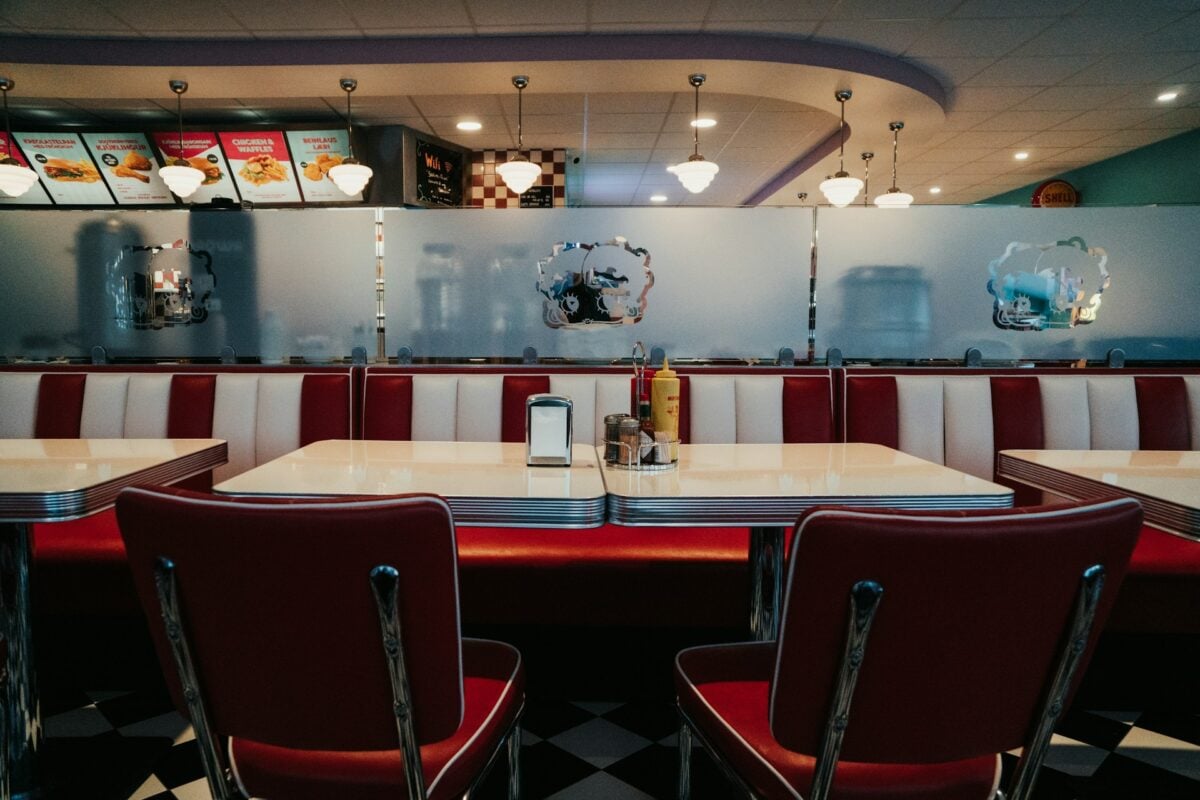
Before smartphones, people actually talked over meals. Diners were full of regulars chatting with staff or strangers swapping stories at the counter.
Those casual, everyday talks built community. Diners weren’t just places to eat—they were places to connect.
They balanced tradition and change
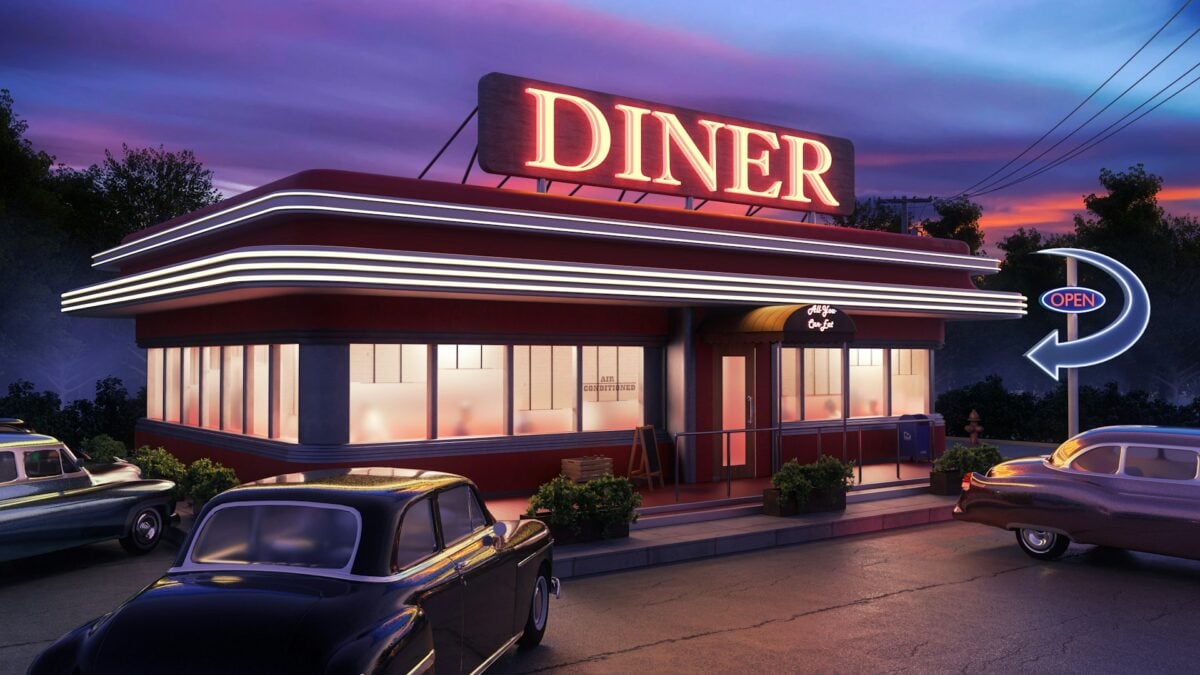
Some diners look like they’ve been frozen in time. Others have updated their decor, added plant-based items, or started using tablets.
But even with changes, they keep that familiar vibe. Diners show it’s possible to hold on to what works while still moving forward.
They reflected America’s working class
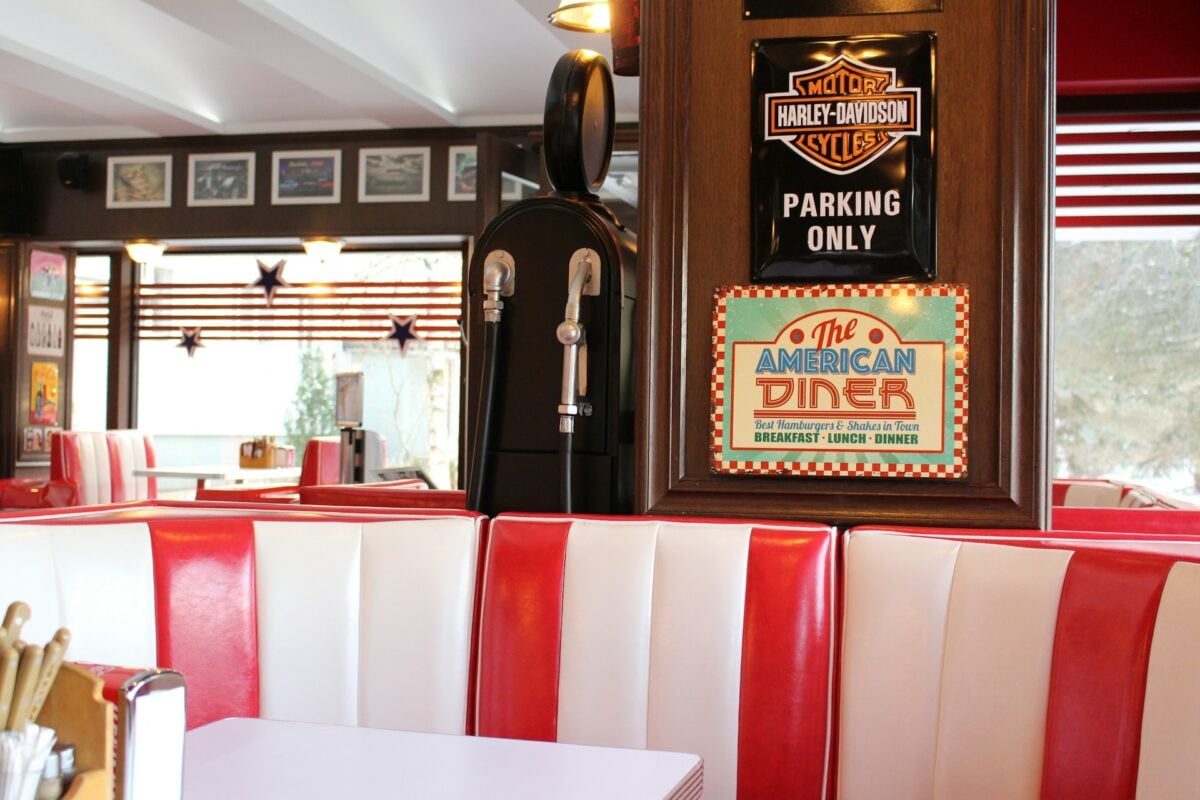
From the decor to the menu, diners were made for workers. The stools, the counter service, the no-fuss meals—it all matched the pace and budget of working people.
Diners reminded the country that simple, honest service had value. They were grounded, just like the folks they served.
Like Go2Tutors’s content? Follow us on MSN.
They made solo dining feel normal
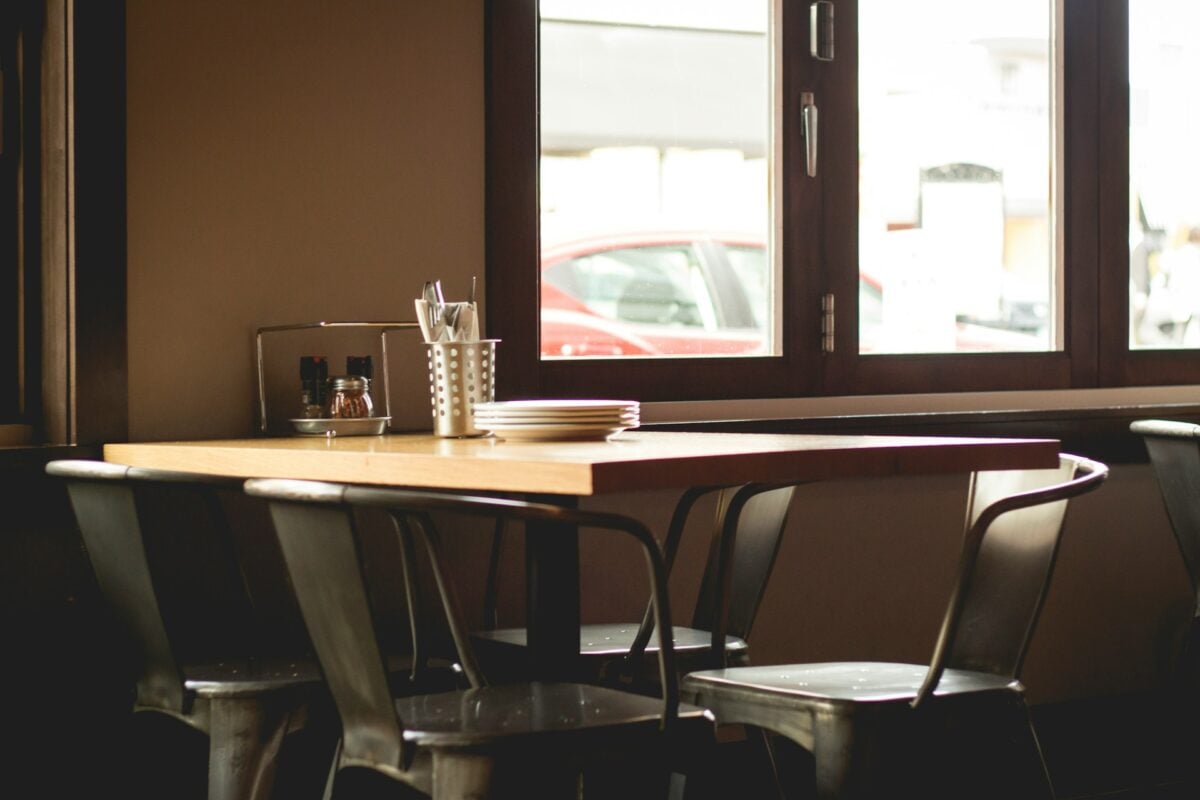
You didn’t need a date, a group, or a reservation. Diners always welcomed solo customers—especially at the counter.
No one stared. No one judged. That quiet acceptance made a difference for people who just needed a break, a meal, or a moment alone.
They made late-night memories unforgettable
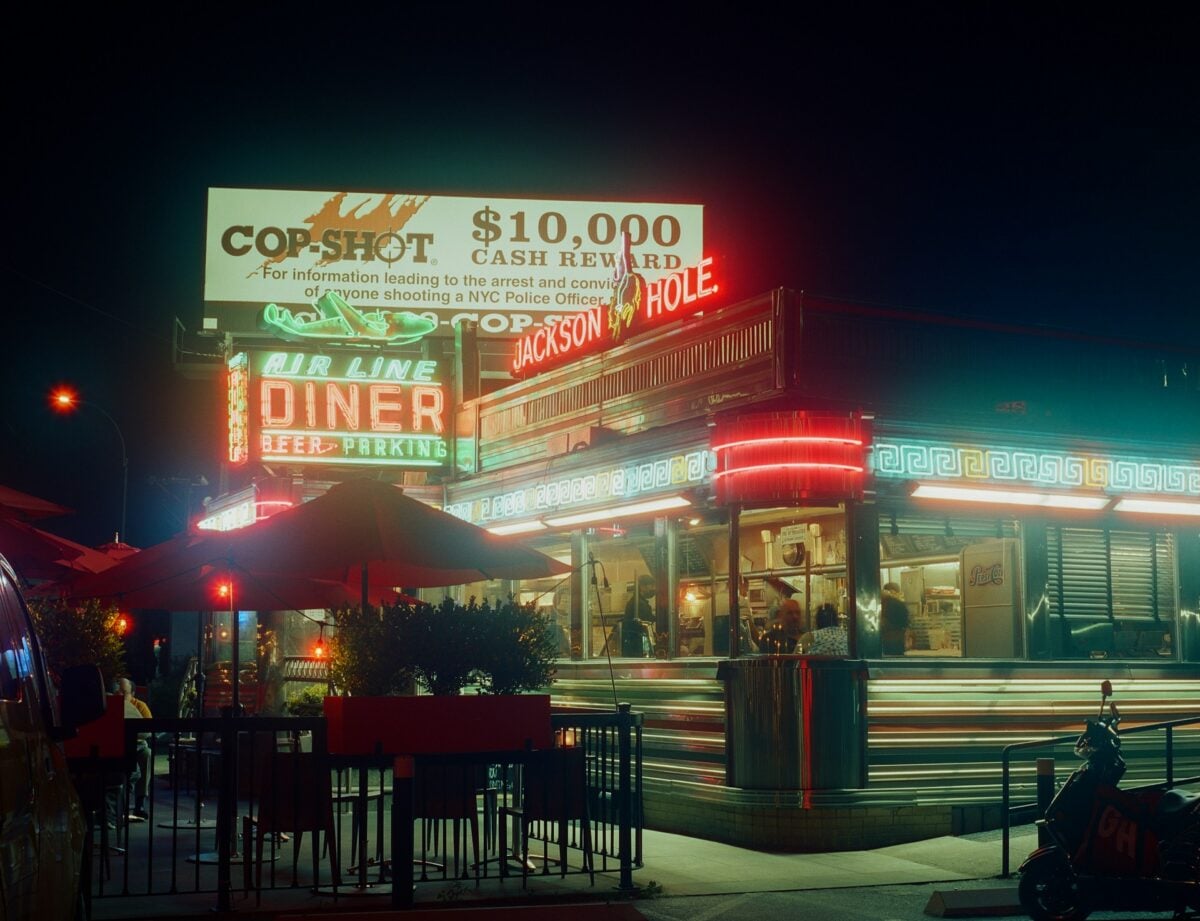
Whether it was college kids talking until sunrise, road trippers grabbing a bite off the highway, or shift workers winding down, diners became the backdrop for lasting memories. The food was good, but the moments were better.
Those shared laughs over pancakes at midnight stuck with people. Diners turned everyday moments into something worth remembering.
They proved comfort matters more than trends
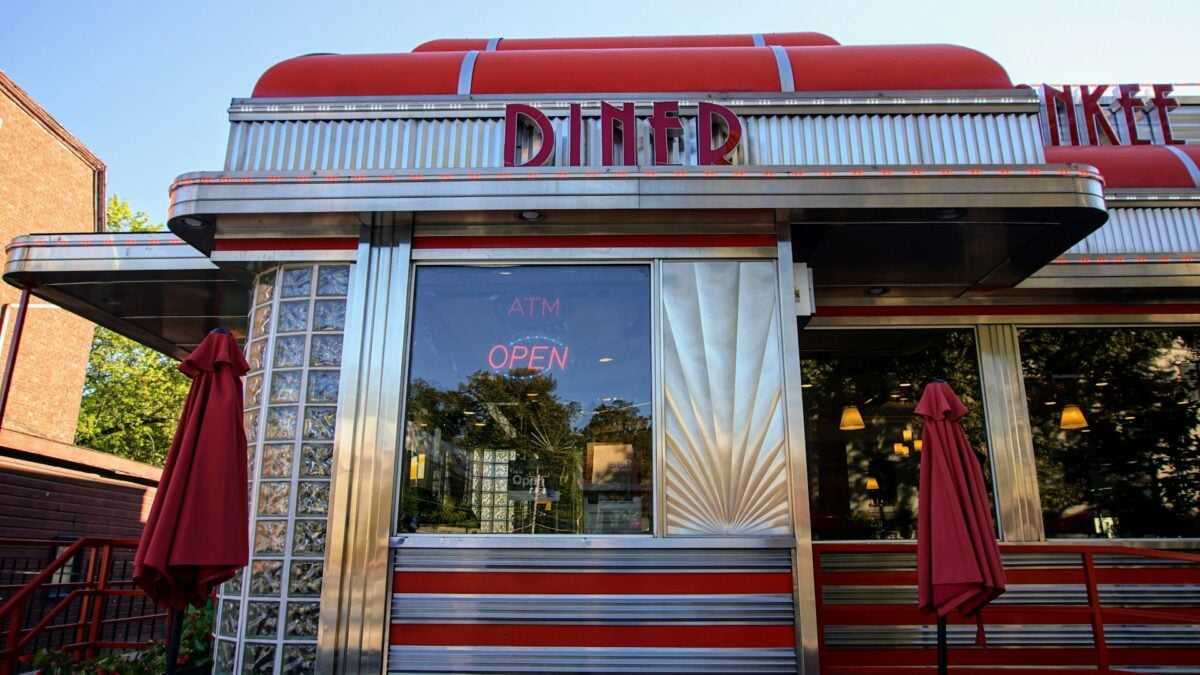
Diners never chased fads. They didn’t need fancy plating or viral dishes.
They focused on comfort, consistency, and care. That steady presence reminded people that not everything has to be shiny or new to be good.
Like Go2Tutors’s content? Follow us on MSN.
They still matter in today’s fast world
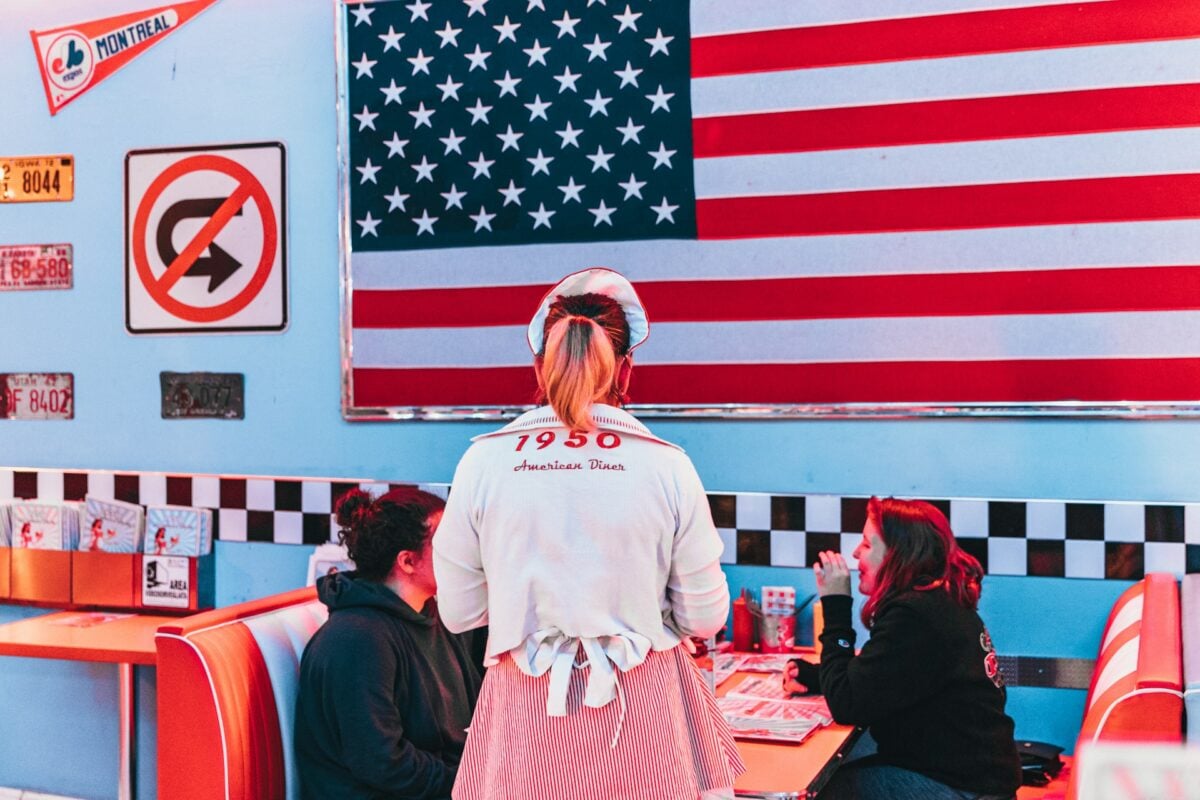
Even now, when food delivery is a tap away and life moves fast, diners hold their ground. People still walk in, sit down, and order coffee they didn’t brew themselves.
That ritual slows things down just enough. In a world full of rush, diners offer something rare—time to stay a while.
A slice of America that still speaks volumes
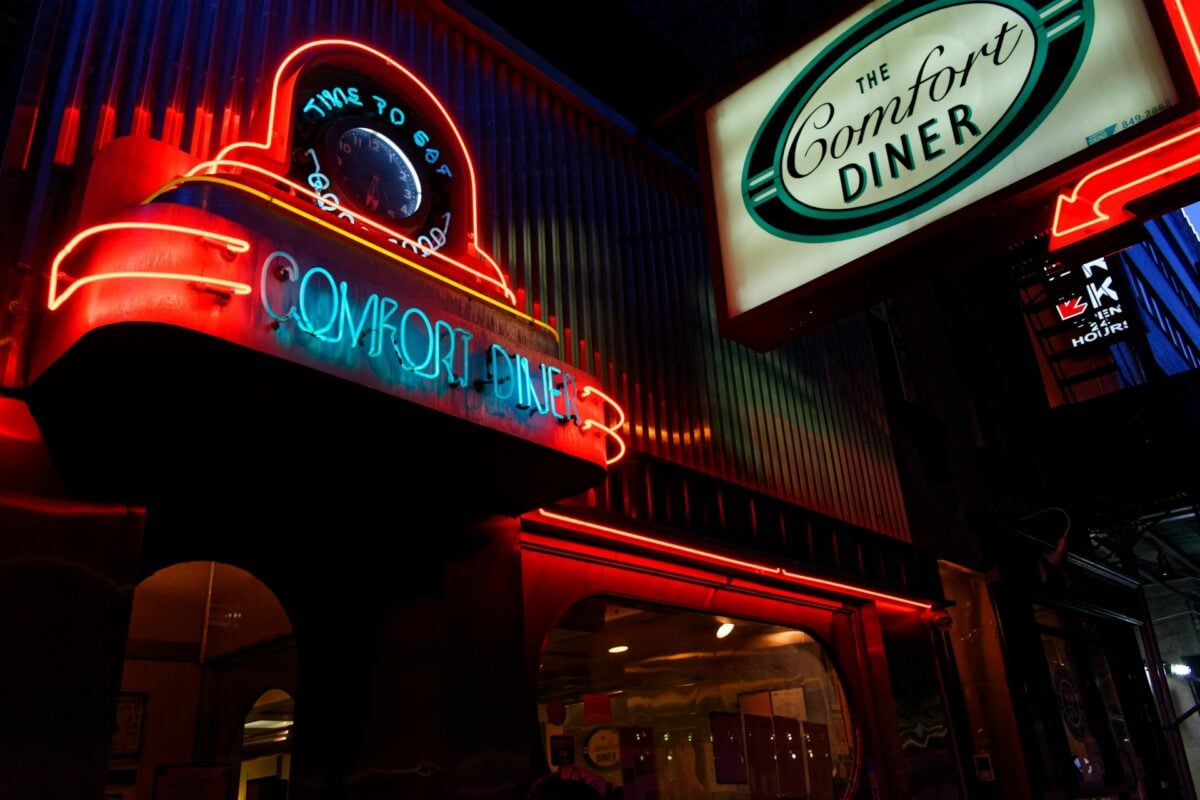
Diners may look like simple roadside stops, but they’ve always been more than that. They’ve grown with the country, shifted with the culture, and stayed steady when so much else changed.
Through their booths and counters, they’ve told the story of everyday people. And in doing so, they’ve shown that real change doesn’t always happen loudly.
Sometimes, it happens over coffee, pancakes, and a warm hello.
More from Go2Tutors!

- 16 Historical Figures Who Were Nothing Like You Think
- 12 Things Sold in the 80s That Are Now Illegal
- 15 VHS Tapes That Could Be Worth Thousands
- 17 Historical “What Ifs” That Would Have Changed Everything
- 18 TV Shows That Vanished Without a Finale
Like Go2Tutors’s content? Follow us on MSN.