17 Controversial Boxing Matches That Split Public Opinion
Professional combat sports have always been magnets for drama, but few sports generate as much passionate debate as the sweet science. Throughout history, certain fights have left fans arguing for decades about what they witnessed. These aren’t just close decisions or surprising upsets—these are matches that fundamentally divided the sporting world.
Some bouts spark controversy through questionable officiating, while others create uproar due to pre-fight circumstances or post-fight revelations. The most heated debates often center around championship fights where millions of dollars and legacy-defining moments hang in the balance. Here is a list of 17 controversial matches that split public opinion and continue to fuel heated discussions among fight fans worldwide.
Ali vs. Frazier III (Thrilla in Manila)
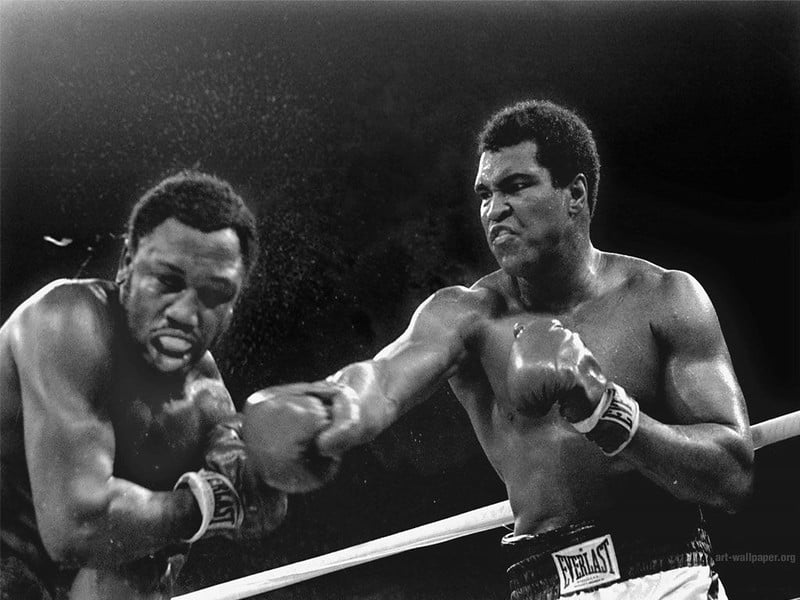
The 1975 rubber match between Muhammad Ali and Joe Frazier in the Philippines remains one of the most brutally contested fights ever recorded. Ali’s corner stopped the fight after 14 rounds when Frazier couldn’t see through his swollen eyes — yet many observers felt Frazier was winning on the scorecards. The debate centers on whether Ali’s corner saved him from a potential knockout, making this stoppage one of the most discussed endings in combat sports history.
Leonard vs. Hagler
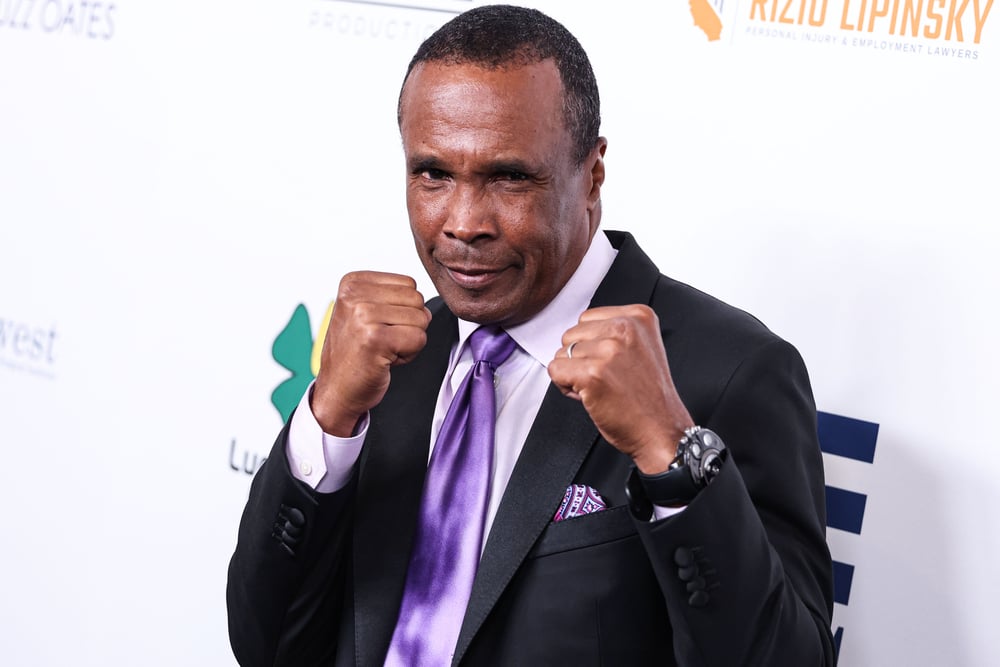
Sugar Ray Leonard’s 1987 comeback against Marvelous Marvin Hagler split the crowd right down the middle. Leonard hadn’t fought in three years, while Hagler was the undisputed middleweight champion with a fearsome reputation. The judges awarded Leonard a split decision — though many ringside observers felt Hagler’s consistent pressure and harder shots should have earned him the victory.
De La Hoya vs. Trinidad
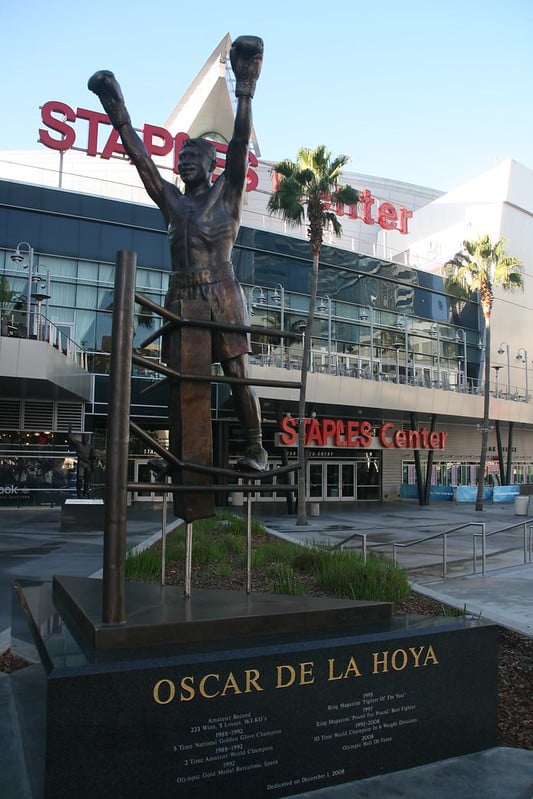
The 1999 welterweight unification bout between Oscar De La Hoya and Felix Trinidad showcased two different fighting philosophies. De La Hoya dominated the early rounds with his boxing skills, building what appeared to be an insurmountable lead. Trinidad rallied in the later rounds with devastating body shots — yet the final scorecards favoring Trinidad shocked many who felt De La Hoya had done enough to win.
Lewis vs. Holyfield I
The first encounter between Lennox Lewis and Evander Holyfield in 1999 ended in a majority draw that satisfied absolutely nobody. Most observers felt Lewis had clearly outworked Holyfield throughout the fight — landing more punches while controlling the distance effectively. The controversial scoring forced an immediate rematch, though the damage to the sport’s credibility had already been done.
Pacquiao vs. Bradley I
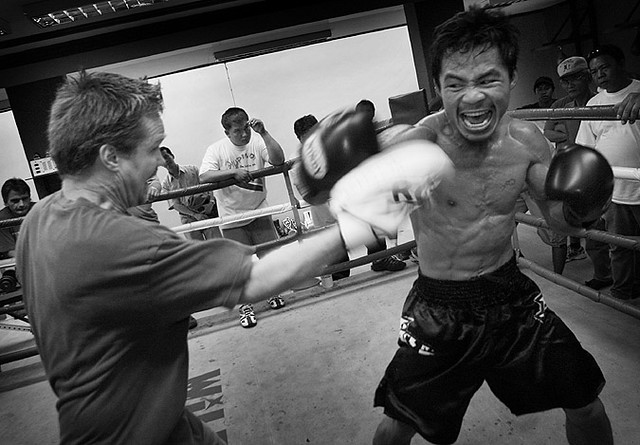
Timothy Bradley’s split decision victory over Manny Pacquiao in 2012 created an immediate firestorm of controversy. Pacquiao appeared to win at least 10 of the 12 rounds — outlanding Bradley by a significant margin while controlling the pace throughout. The judges’ scorecards were so widely criticized that the Nevada State Athletic Commission conducted an unprecedented review of the decision.
Roy Jones Jr. vs. Park Si-Hun
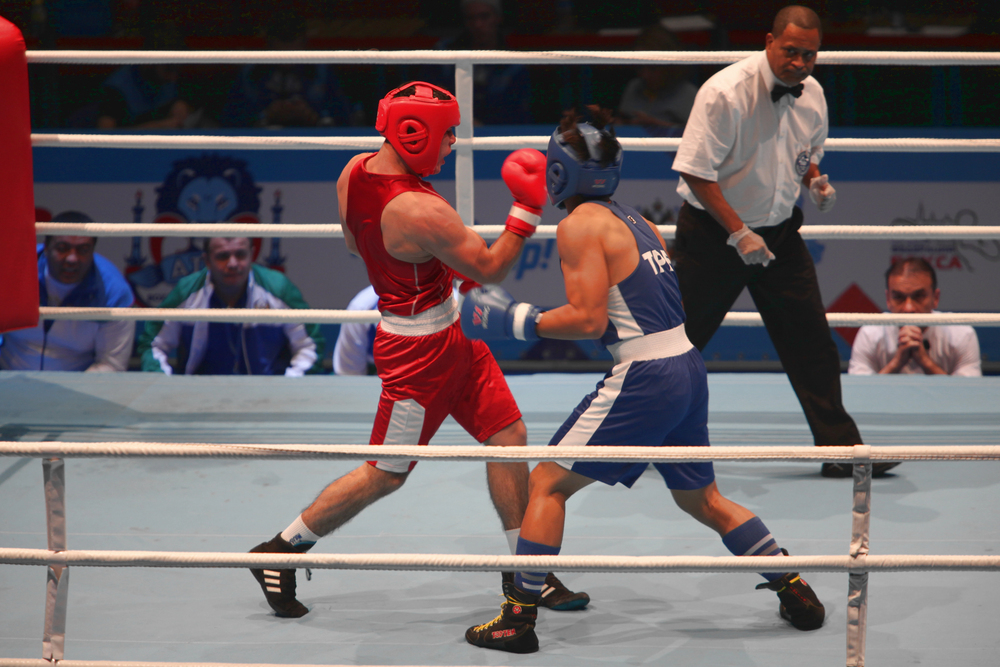
The 1988 Seoul Olympics light middleweight final remains the most controversial amateur contest in Olympic history. Roy Jones Jr. dominated Park Si-Hun so completely that he outlanded his opponent 86-32 in punches — yet the judges awarded the gold medal to the South Korean fighter. The decision was so egregious that the International Association of Boxing changed its scoring system shortly afterward.
Whitaker vs. Chavez

Pernell Whitaker’s 1993 encounter with Julio Cesar Chavez ended in a majority draw that many considered a robbery of epic proportions. Whitaker’s slick defensive skills and accurate counterpunching seemed to neutralize Chavez’s pressure — though the Mexican fighter’s relentless attack apparently impressed the judges more than Whitaker’s technical superiority.
Tyson vs. Holyfield II (The Bite Fight)
— Photo by believeinme
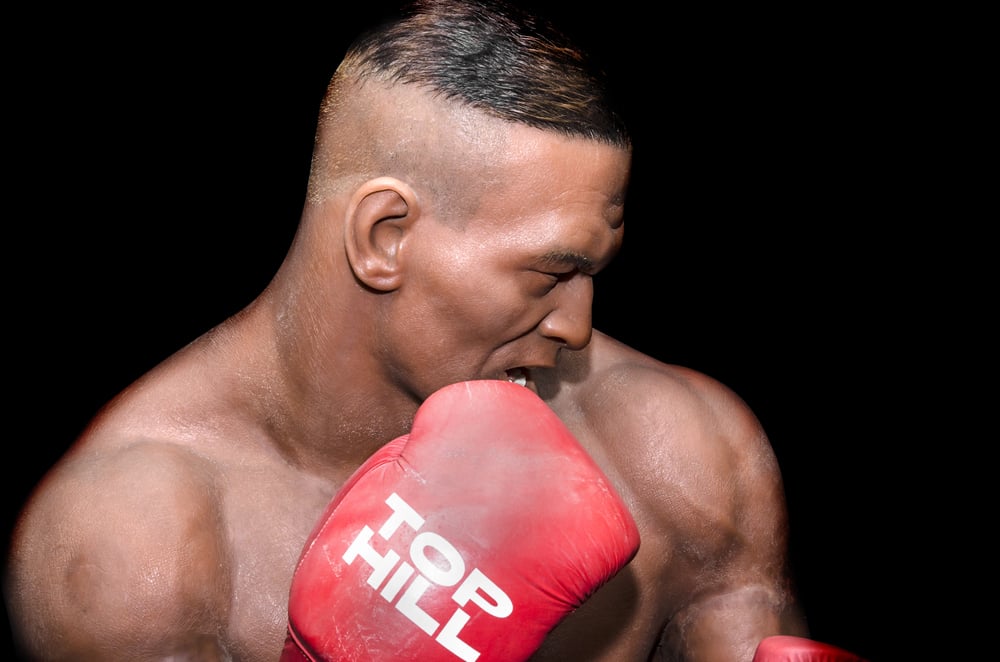
The 1997 rematch between Mike Tyson and Evander Holyfield became infamous when Tyson bit off a piece of Holyfield’s ear in the third round. While the disqualification was justified, controversy surrounded whether Holyfield’s headbutts in their first fight had been intentional — leading to speculation about Tyson’s mental state and the referee’s handling of both encounters.
Mayweather vs. Castillo I
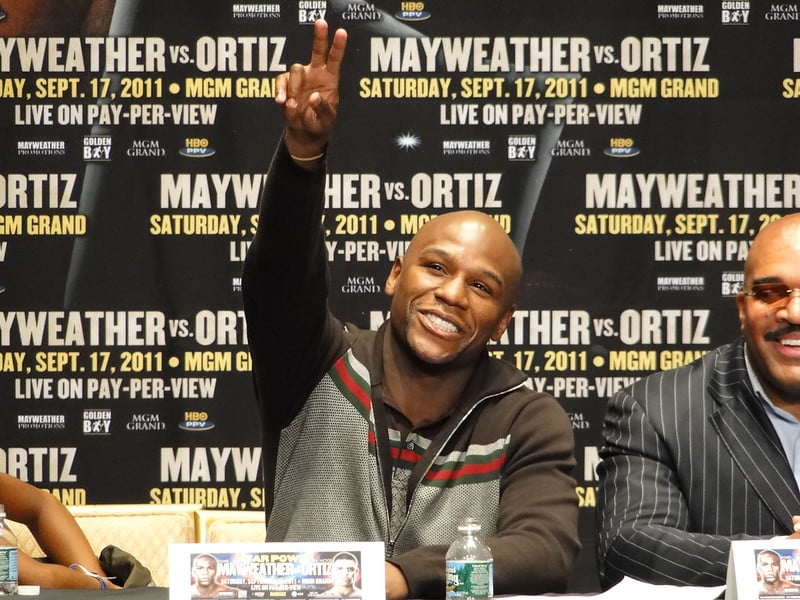
Floyd Mayweather’s first fight with Jose Luis Castillo in 2002 produced one of the most disputed decisions of the modern era. Castillo’s relentless pressure and hard shots appeared to trouble the usually composed Mayweather — though the judges awarded Mayweather a unanimous decision that many felt was unjustified based on the action in the ring.
Holmes vs. Norton

Larry Holmes’ 1978 title fight against Ken Norton went the full 15 rounds and ended with one of the closest decisions in heavyweight history. Norton seemed to edge the early rounds with his awkward style — while Holmes rallied in the championship rounds with cleaner combinations. The split decision victory for Holmes left Norton’s supporters feeling their fighter had been robbed of his moment.
Holyfield vs. Lewis II
— Photo by DmitryNiko
The rematch between Evander Holyfield and Lennox Lewis in 1999 was supposed to settle their controversial first encounter. Lewis dominated most of the fight with his jab and reach advantage — yet one judge scored the bout a draw while another had Holyfield winning. The unanimous decision for Lewis was correct, though the wide scoring discrepancies raised questions about judging consistency.
Trinidad vs. Hopkins
Bernard Hopkins’ 2001 middleweight unification bout against Felix Trinidad featured a dramatic shift in momentum during the later rounds. Trinidad appeared to be ahead on the scorecards when Hopkins landed a devastating left hook in round nine — though controversy erupted when Trinidad’s father threw in the towel while his son was still conscious and trying to continue.
Foreman vs. Young
George Foreman’s 1977 fight against Jimmy Young in Puerto Rico ended with a disputed unanimous decision that many felt should have gone to Young. The challenger’s movement and counterpunching seemed to frustrate Foreman throughout the contest — yet the judges favored Foreman’s occasional power shots over Young’s more consistent work rate.
Canelo vs. Golovkin I
The first meeting between Saul “Canelo” Alvarez and Gennady Golovkin in 2017 ended in a controversial majority draw. Most observers felt Golovkin had done enough to win with his consistent pressure and harder shots — though one judge’s scorecard of 118-110 for Canelo was so wide that it overshadowed the legitimate debate about the fight’s outcome.
Ward vs. Kovalev I

Andre Ward’s 2016 light heavyweight unification bout against Sergey Kovalev featured contrasting styles that made scoring extremely difficult. Kovalev’s early knockdown and power shots gave him the advantage — while Ward’s body work and late-round rallies swayed the judges in his favor. The unanimous decision for Ward felt closer than the scorecards suggested.
Hagler vs. Leonard (Alternative View)

While many felt Sugar Ray Leonard stole the decision from Marvin Hagler in 1987, others argued that Leonard’s ring generalship and flashy combinations were more impressive than Hagler’s steady pressure. The debate continues because both fighters employed completely different strategies — making it nearly impossible to apply consistent judging criteria throughout the contest.
De La Hoya vs. Sturm

Oscar De La Hoya’s 2004 middleweight debut against Felix Sturm in Las Vegas ended with a majority decision that many felt should have gone to the German challenger. Sturm’s consistent work rate and cleaner shots seemed to outweigh De La Hoya’s sporadic bursts of activity — though the judges apparently valued the Golden Boy’s harder punches over Sturm’s volume approach.
When Opinions Collide
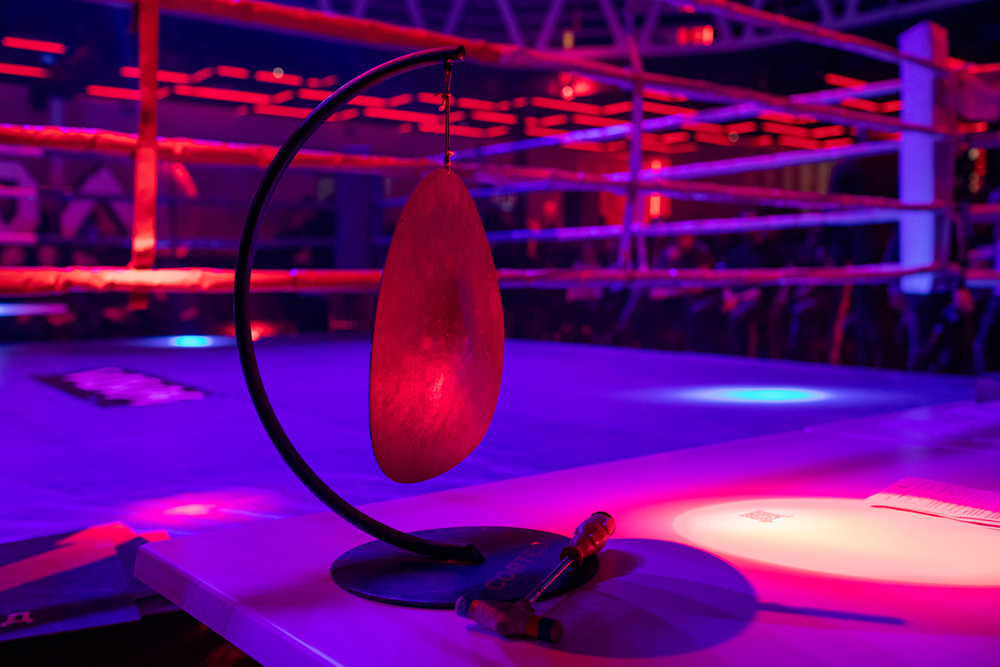
These controversial decisions remind us that combat sports judging remains an imperfect science, where human interpretation meets athletic artistry under the most intense circumstances. Each disputed outcome reflects the inherent challenge of scoring a sport where styles, strategies, and personal preferences can dramatically influence perception. While technology has improved many aspects of modern athletics, the fundamental question of who won a close fight continues to generate the passionate debates that make this sport endlessly fascinating.
More from Go2Tutors!

- 16 Historical Figures Who Were Nothing Like You Think
- 12 Things Sold in the 80s That Are Now Illegal
- 15 VHS Tapes That Could Be Worth Thousands
- 17 Historical “What Ifs” That Would Have Changed Everything
- 18 TV Shows That Vanished Without a Finale
Like Go2Tutors’s content? Follow us on M