25 Church Fundraiser Recipe Booklets Buyers Seek
Long before community cookbooks became a nostalgia trend, they were simply how a congregation paid for a new roof or a mission trip. Members typed up their best recipes, a local print shop ran off a few hundred spiral-bound copies, and the booklets sold for a dollar or two at a table after service.
Decades later, collectors and home cooks alike are hunting these same booklets down, and prices depend heavily on condition, completeness, and regional interest. What makes them valuable is not the paper itself but what the recipes reveal: a snapshot of what a specific community was actually cooking and eating at a specific moment in time.
Ladies Aid Society Spiral-Bound Booklets

Produced by Protestant women’s auxiliary groups across the rural Midwest from the 1940s through the 1970s, these booklets were typically spiral-bound with a plain cardstock cover and typewritten, mimeographed pages. Buyers seek them for the handwritten margin notes many original owners added over years of actual use in their own kitchens.
Condition varies enormously since these were working kitchen documents rather than display pieces, and a booklet with a cracked spine or food stains is common rather than a red flag. Complete copies with all original pages intact command significantly more than those missing sections.
Centennial Anniversary Cookbooks
Many congregations marked a fiftieth or hundredth anniversary by compiling a commemorative cookbook alongside a written history of the church itself, often printed in a larger, more polished format than a routine fundraiser booklet. These are sought after because they frequently include genealogical information, listing recipe contributors by full name and sometimes family history, which makes them useful to local historians and genealogists as much as cooks.
Print runs were usually small and tied to a single celebration, which limits how many surviving copies exist. Condition and completeness of the historical section, not just the recipes, drives most of the value here.
Lutheran Church Basement Cookbooks
Cookbooks produced by Lutheran congregations, particularly across Minnesota, Wisconsin, and the Dakotas, developed a reputation for a specific style of hearty, dairy-and-starch-heavy Midwestern comfort food, often built around hot dish casseroles and bar desserts. Collectors specifically look for booklets from smaller rural congregations rather than large urban churches, since smaller print runs are harder to find today.
The recipes themselves are prized for reflecting a distinctly regional Scandinavian and German immigrant culinary tradition rarely documented elsewhere in print. Condition matters, but even worn copies with legible recipes retain value among cooks who actually plan to use them.
Catholic Parish Novena and Feast Day Cookbooks
Catholic parishes, particularly in Italian, Polish, and Irish immigrant communities, often produced cookbooks timed to a patron saint’s feast day or a parish festival, blending traditional old-country recipes with American adaptations developed by second-generation families. These booklets are sought after for documenting home recipes that were otherwise passed down only orally within families.
Regional ethnic specificity drives collector interest, since a booklet from a Polish parish in a specific city will contain noticeably different recipes than one from an Italian parish elsewhere. Condition dependency is significant here, since many were printed on inexpensive newsprint stock that yellows and becomes brittle.
African American Church Heritage Cookbooks
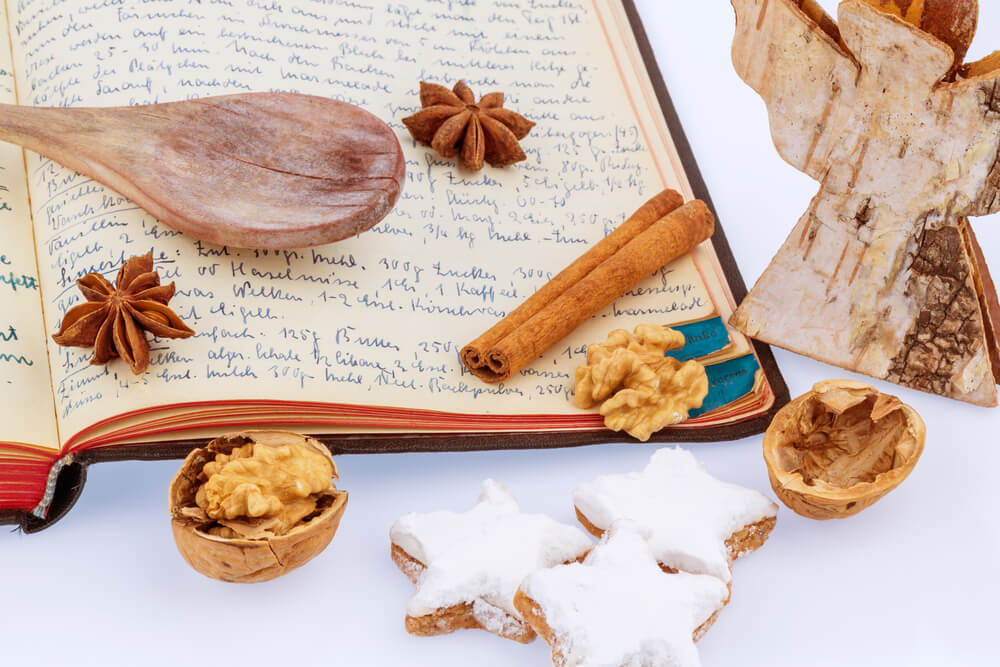
Cookbooks produced by historically Black churches, particularly across the American South, are increasingly sought by collectors and culinary historians for preserving foodways that were rarely documented in mainstream published cookbooks of the same era. These booklets often combine recipes with church history, obituaries of longtime members, and community photographs, giving them documentary value well beyond the recipes themselves.
Because many were produced in small runs by congregations with limited printing budgets, surviving copies in good condition are relatively scarce. Collectors specializing in African American culinary history treat well-preserved examples as significant primary sources.
Jewish Sisterhood and Hadassah Cookbooks

Cookbooks produced by synagogue sisterhoods and chapters of Hadassah, the Jewish women’s volunteer organization, date back to at least the early twentieth century and combine kosher recipes with fundraising for both local congregations and causes abroad. Collectors seek early editions in particular, since later reprints and updated versions are far more common and less valuable.
These booklets often include detailed notes on kosher preparation and ingredient substitution that make them useful references even for readers unfamiliar with the dietary rules involved. Condition and completeness of the original cover and binding significantly affect resale value.
Methodist Women’s Circle Booklets
Methodist congregations organized into smaller “circles” within a larger women’s group frequently produced their own individual cookbooks rather than a single church-wide edition, resulting in a wide variety of small, locally printed booklets from a single denomination. Collectors interested in a specific state or region often try to assemble multiple circle booklets from the same church over different decades to track how recipes and ingredients changed over time.
These booklets are typically thinner than full congregational cookbooks, sometimes under fifty pages, which makes complete undamaged copies somewhat harder to find intact.
Presbyterian Ladies Guild Cookbooks

Presbyterian guild cookbooks, common across the American Northeast and parts of the Midwest, tend toward a more formal, occasionally typeset rather than typewritten presentation compared to some other denominations’ booklets, reflecting the resources of often longer-established congregations. Collectors note that these booklets frequently include a dedicated section of recipes attributed to the minister’s wife or other prominent church figures, a detail of interest to local historians researching a specific congregation.
As with most church fundraiser booklets, condition varies widely and heavily used copies with legible recipes are considered acceptable rather than devalued among buyers who intend to cook from them.
Vacation Bible School Recipe Booklets

Distinct from general congregational cookbooks, these smaller booklets were compiled specifically around a church’s annual vacation Bible school program, often including simple recipes suitable for children alongside craft instructions and daily activity schedules. Their ephemeral, seasonal nature means far fewer survive compared to standard fundraiser cookbooks, since they were often treated as disposable program materials rather than kept as reference cookbooks.
Collectors of church ephemera specifically, rather than cookbook collectors generally, tend to seek these out. Completeness, including any accompanying activity sheets, adds meaningfully to their value.
Rural Grange Hall and Farm Community Cookbooks
While not strictly church-affiliated, many rural Grange halls partnered directly with local congregations on joint fundraiser cookbooks, particularly across the Great Plains, blending farm community recipes with church contributions in a single publication. These booklets are sought for their unusually heavy representation of preserving and canning recipes, reflecting the practical needs of a farming community rather than an urban congregation.
Collectors of agricultural history value them alongside cookbook collectors for the same reason. Original covers, often featuring simple line drawings of local landmarks or crops, are a key factor in condition assessment.
Quilting Circle Fundraiser Cookbooks
Church quilting circles, which often raised money through both quilt auctions and cookbook sales simultaneously, sometimes produced cookbooks that included patchwork pattern illustrations alongside recipes, a combination that appeals to collectors interested in textile history as well as culinary ephemera. These crossover booklets are less common than standard recipe-only editions, which increases their appeal to specialized collectors.
Because quilting circles tended to be smaller than full congregational women’s groups, print runs were correspondingly limited. Condition of any included fabric swatches or pattern inserts, when present, factors heavily into value.
Diamond Jubilee and Golden Jubilee Cookbooks
Similar to centennial editions but marking a twenty-fifth or fiftieth anniversary rather than a full century, these cookbooks were often produced with slightly more modest budgets than a true centennial edition while still including commemorative material about the church’s history. Collectors interested in a specific town’s history value these for documenting congregational membership at a fixed point in time through recipe attribution.
Regional interest drives much of the demand, with buyers often searching specifically for booklets tied to a hometown or ancestral community. As with other anniversary editions, completeness of the historical section adds significant value beyond the recipes alone.
Wartime Ration-Era Fundraiser Booklets
Cookbooks produced by congregations during the Second World War often built entire sections around rationed ingredients, offering substitutions for sugar, butter, and meat that reflect the practical constraints families faced at the time. These booklets are sought after specifically for that historical snapshot, since few other published cookbooks from the period documented home cooking adaptations at the congregational level.
Paper quality is often notably poor due to wartime material shortages, meaning surviving copies in stable condition are relatively scarce. Collectors of home front memorabilia frequently seek these alongside dedicated cookbook collectors.
Depression-Era Charity Cookbooks

Cookbooks produced by churches during the 1930s to raise money for direct relief within their own communities often included recipes emphasizing stretching a small amount of meat or using inexpensive pantry staples across multiple meals. These booklets are valued by collectors for documenting practical survival cooking during a period when few families could afford anything else.
Surviving examples in complete, legible condition are considered scarce given the low-quality paper typically used during the period. Their historical value to food historians studying the era often exceeds their value as a working recipe reference today.
Norwegian and Scandinavian Lutefisk Dinner Cookbooks
Produced by Scandinavian Lutheran congregations, particularly across Minnesota and the Dakotas, these booklets are built around the annual lutefisk supper, a specific community fundraising dinner centered on the traditional dried and reconstituted whitefish dish. Collectors seek them for documenting a narrowly regional food tradition that has become increasingly rare as fewer congregations continue hosting the annual dinners themselves.
The booklets often include practical serving logistics for a large community meal alongside the recipes, a detail collectors of community event ephemera find particularly interesting. Regional specificity, tied to a named congregation and town, tends to increase buyer interest significantly.
Texas and Southern Chili Supper Booklets
Church chili suppers, a common fundraising event across Texas and the broader South, frequently produced accompanying recipe booklets that document regional variation in chili preparation long before the dish became standardized through commercial products. Collectors interested in regional American food history seek these out specifically for the recipe variation between individual contributors within a single booklet, since chili recipes at these events were rarely uniform.
Booklets from well-documented annual chili supper events, particularly those tied to a still-operating congregation, tend to carry a premium among buyers with a direct community connection.
New England Church Supper Cookbooks
Cookbooks tied to the traditional New England church supper, a recurring community meal rather than a single annual event, often reflect a distinctly regional culinary identity built around baked beans, chowders, and simple baked desserts. Collectors of New England folk history seek these alongside cookbook collectors for their documentation of a specific community dining tradition that has become less common in recent decades.
Many were produced by very small congregations, resulting in extremely limited print runs that make complete surviving copies genuinely scarce. Regional buyers researching a specific town’s history are often the most motivated purchasers.
Appalachian Church Cookbooks
Cookbooks produced by small mountain congregations across Appalachia are sought after by food historians for documenting foraging and preserving traditions specific to the region, including recipes built around wild greens, foraged mushrooms, and home-canned produce rarely represented in mainstream published cookbooks. Print runs were typically very small, often produced on a home mimeograph machine rather than through a commercial printer, which limits surviving copies significantly.
Collectors specializing in regional Appalachian culture treat well-preserved examples as valuable primary sources rather than simple recipe references. Condition is often poor given the informal production methods typically used.
Lenten Fish Fry Cookbooks
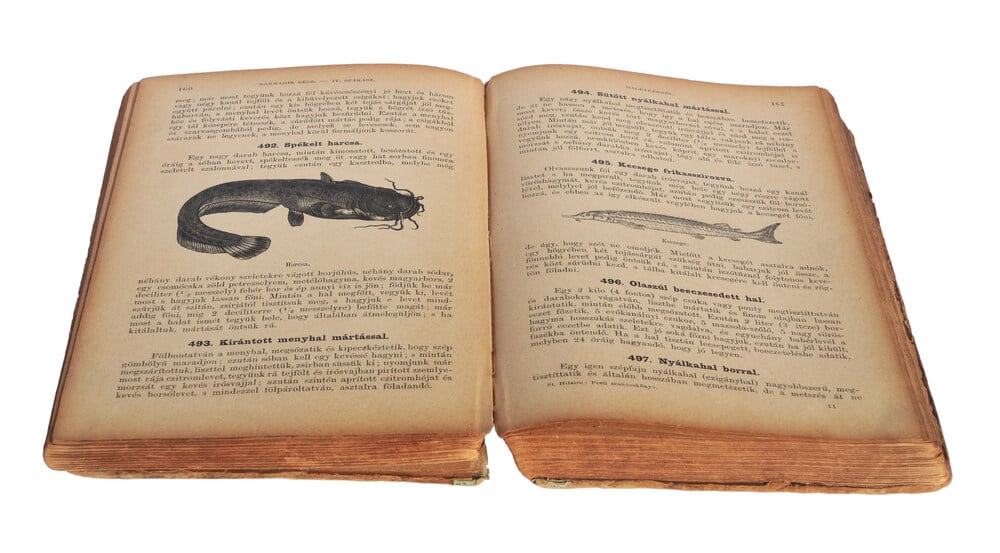
Catholic parishes that host a recurring Lenten fish fry, a fundraising tradition particularly common in the American Midwest, frequently sell an accompanying recipe booklet documenting both the fish preparation and the sides traditionally served alongside it. These booklets are of specific interest to collectors researching regional Catholic community traditions, since the fish fry itself varies noticeably in style from one region to another.
Because many parishes still host these events today, older booklets from the same still-active parish carry particular appeal to current parishioners researching their own church’s history. Completeness and legibility of the original recipes, more than cosmetic condition, tends to drive buyer interest.
African Methodist Episcopal Church Cookbooks
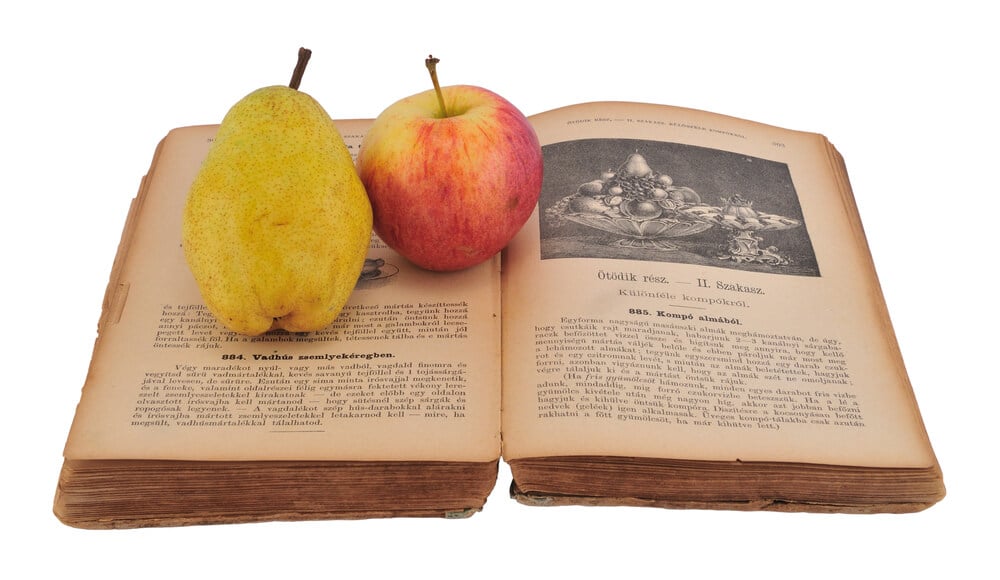
Cookbooks produced by African Methodist Episcopal congregations, one of the oldest independent Black denominations in the United States, are sought by collectors for documenting both culinary tradition and congregational history stretching back well over a century in some communities. These booklets frequently combine recipes with biographical notes on longtime church members and historical photographs of the congregation.
Because many of these churches have deep, well-documented community histories, collectors researching specific historic congregations actively seek out any surviving printed materials, cookbooks included. Scarcity varies significantly depending on the individual congregation’s size and how well its records have been preserved.
Mennonite and Amish Community Cookbooks
Cookbooks produced by Mennonite and Amish communities, largely across Pennsylvania, Ohio, and Indiana, document a distinctly plain, farm-based culinary tradition built around simple, hearty ingredients and large-batch cooking suited to sizable families. Collectors seek these for their unusually consistent adherence to traditional recipes across generations, with far less variation from decade to decade than in more assimilated communities.
Because many Mennonite and Amish communities maintain limited public documentation generally, these cookbooks are treated as unusually valuable cultural records by regional historians. Buyers should expect wide condition variation, since these were working documents in active kitchens rather than preserved keepsakes.
Episcopal Parish Cookbooks

Episcopal parish cookbooks, particularly from established congregations in the American Northeast and mid-Atlantic, tend to reflect a somewhat more formal culinary style than some other denominations’ fundraiser booklets, often including recipes attributed by full name and occasionally social title. Collectors researching a specific historic parish seek these out for genealogical detail as much as culinary content.
Because many Episcopal congregations have operated continuously for well over a century, older cookbooks from the same parish are sometimes collected in sets spanning multiple decades to track a single community’s changing tastes.
Baptist Homecoming Cookbooks
Southern Baptist congregations frequently produced cookbooks tied to an annual homecoming event, when former members returned to their home church for a reunion service and shared meal, resulting in booklets that blend recipes with reunion photographs and remembrances of departed members. Collectors interested in a specific rural community seek these booklets out specifically for the personal and genealogical content included alongside the recipes.
Because homecoming events are tied to a specific congregation’s calendar, print runs were usually small and closely tied to the local community rather than distributed more broadly. Condition and completeness of any accompanying photograph pages significantly affects collector interest.
Community Potluck Casserole Booklets

Distinct from broader congregational cookbooks, some churches produced smaller, informal booklets focused narrowly on potluck casserole dishes intended for weekly fellowship meals rather than a single fundraising event. These are sought by collectors interested specifically in the mid-twentieth-century rise of the convenience casserole, built around canned soup and processed ingredients that became widely available during that period.
Their narrow focus and typically small page count make them a quicker, more affordable entry point for new collectors compared to larger congregational cookbooks. Condition standards are generally more relaxed given their informal, working-document nature.
Regional Interfaith Fundraiser Cookbooks
Some communities produced joint cookbooks combining recipes from several local congregations of different denominations, usually to fund a shared community project like a food pantry or shared building fund. These interfaith editions are relatively unusual compared to single-congregation booklets, which makes them a specific target for collectors interested in local interfaith community history.
They often include a foreword explaining the shared project the cookbook was funding, adding useful historical context beyond the recipes themselves. Because these projects were typically one-time efforts rather than recurring publications, surviving copies tend to be genuinely limited.
What a Recipe Card Remembers

None of these booklets were ever meant to last. They were photocopied or mimeographed on whatever paper a congregation could afford, stapled or spiral-bound by volunteers, and sold across a folding table to raise money for something practical and immediate.
Nobody involved in producing them expected anyone to still want a copy decades later. That is exactly why they matter now.
A commercially published cookbook tells you what a professional test kitchen thought people should cook. A church fundraiser booklet tells you what an actual community, in an actual place, at an actual moment, was really putting on the table.
More from Go2Tutors!

- The Romanov Crown Jewels and Their Tragic Fate
- 13 Historical Mysteries That Science Still Can’t Solve
- Famous Hoaxes That Fooled the World for Years
- 15 Child Stars with Tragic Adult Lives
- 16 Famous Jewelry Pieces in History
Like Go2Tutors’s content? Follow us on MSN.