Card Games Every Family Played Together
Before Netflix and video games took over living rooms, families gathered around kitchen tables with nothing but a deck of cards and each other’s company. These weren’t elaborate productions requiring special equipment or complicated setup — just 52 pieces of cardboard that could provide hours of entertainment. Card games created traditions that passed from grandparents to grandchildren, teaching everything from basic math to strategic thinking along the way.
Those simple moments of shuffling, dealing, and friendly competition built memories that lasted lifetimes while bringing multiple generations together on equal footing. Here is a list of card games every family played together during those screen-free evenings.
Go Fish

Every kid’s introduction to card games usually started with this simple matching game that required more luck than skill. Players asked each other for specific ranks — “Got any sevens?” — while trying to collect complete sets of four cards.
The beauty of Go Fish lay in its accessibility; even preschoolers could grasp the basic concept while older family members enjoyed the social interaction and gentle teasing that came with successful requests.
Crazy Eights

Similar to the commercial game Uno, Crazy Eights taught kids about matching suits and numbers while introducing basic strategy elements. Players had to match either the suit or rank of the top card, though eights served as wild cards that could change everything.
The game moved quickly enough to hold short attention spans yet offered enough decision-making to keep adults engaged during family game nights.
Like Go2Tutors’s content? Follow us on MSN.
War

Pure chance drove this head-to-head battle where players simultaneously flipped cards to see who was ranked higher. When cards matched, the dramatic “war” began — three cards down, one card up, winner takes all.
Kids loved the simplicity and excitement of these showdowns, while parents appreciated having a game that required zero skill or strategy when they were too tired for complex thinking.
Slap Jack

Fast reflexes mattered more than card knowledge in this high-energy game that had everyone hovering over the center pile. When Jacks appeared, the first person to slap the pile won all the cards underneath — leading to hilarious moments of tangled hands and disputed victories.
The physical element made Slap Jack perfect for burning off energy while keeping the whole family alert and engaged.
Hearts

This trick-taking game introduced older kids and teenagers to more sophisticated card play involving strategy and psychology. Players tried to avoid taking hearts or the dreaded Queen of Spades — though sometimes going for “shooting the moon” by taking all penalty cards created dramatic reversals.
Hearts taught valuable lessons about risk assessment and reading other players’ intentions through their card choices.
Like Go2Tutors’s content? Follow us on MSN.
Spades

Partnership play took center stage in Spades, where teammates worked together to achieve their bid while preventing opponents from reaching theirs. The bidding phase required honest communication between partners, while actual play demanded careful attention to what cards had been played.
This game strengthened family bonds by requiring cooperation and trust between paired players.
Rummy

Creating sets and runs of cards challenged players to think several moves ahead while adapting to changing circumstances. The game rewarded both pattern recognition and flexible thinking as hands developed in unexpected directions.
Rummy struck an ideal balance — complex enough to remain interesting over time, yet simple enough that newcomers could learn the basics within a few rounds.
Solitaire
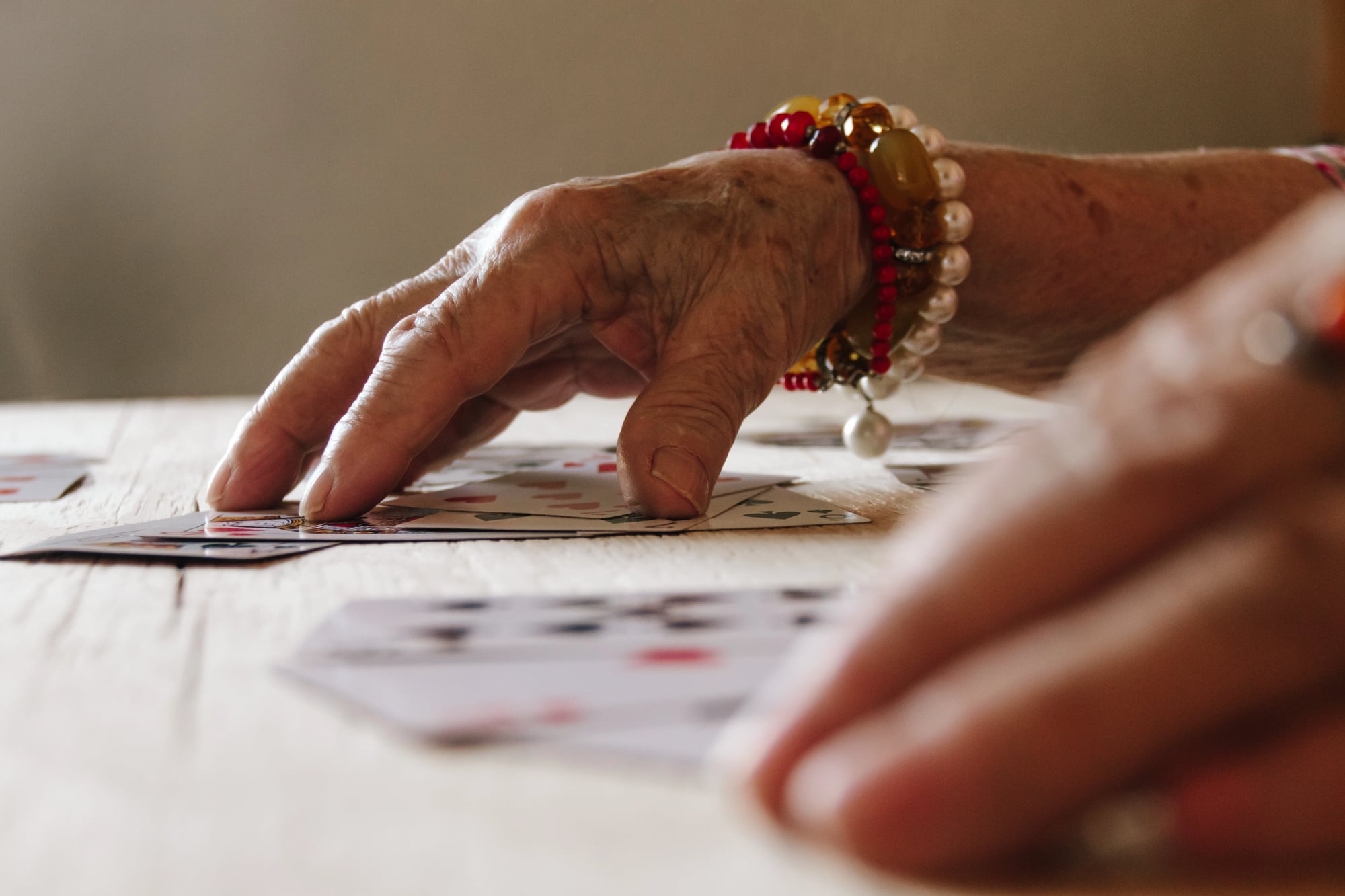
While technically a single-player game, Solitaire often became a family spectacle with everyone offering advice and cheering for successful moves. Different variations like Klondike, Spider, and FreeCell provided varying levels of difficulty and strategy.
Watching someone work through a challenging layout became surprisingly entertaining, especially when victory seemed impossible until that perfect final sequence appeared.
Like Go2Tutors’s content? Follow us on MSN.
Gin Rummy

This two-player variation of Rummy created intense head-to-head competition between family members who knew each other’s playing styles intimately. The scoring system added mathematical elements that helped kids practice addition while adults enjoyed the strategic depth.
Gin Rummy tournaments between siblings or parent-child pairs often stretched across entire weekends, with running scores posted on refrigerators.
Blackjack

Family-friendly versions of this casino staple taught basic addition and probability concepts while providing genuine excitement around achieving that perfect 21. Parents could adjust rules to eliminate gambling elements while maintaining the core challenge of getting close to 21 without going over.
The game naturally sparked discussions about risk-taking and decision-making in low-stakes situations.
Bridge

Though more complex than other family games, Bridge represented the pinnacle of partnership card play for families with older children and teenagers. The bidding system created its own language that partners had to learn together, while actual play required precise communication and trust.
Many families considered mastering Bridge together a significant milestone in their gaming evolution.
Like Go2Tutors’s content? Follow us on MSN.
Pinochle

This trick-taking game with its unique deck and scoring system challenged families to think differently about card values and combinations. The melding phase rewarded players for recognizing specific card combinations, while trick-taking required careful attention to what opponents might be holding.
Pinochle often became a multi-generational tradition passed down through families with roots in European immigrant communities.
Euchre

Popular in many regions, Euchre’s fast-paced gameplay and unique trump system created exciting matches that could swing dramatically with each hand. The “going alone” option added an element of bold risk-taking that led to memorable victories and devastating defeats.
Teams had to communicate effectively while adapting quickly to changing trump suits and partnership dynamics.
Whist

As one of the predecessors to Bridge, Whist taught fundamental trick-taking concepts without the complexity of bidding systems. Players learned to count cards, remember what had been played, and work effectively with their partners through subtle card signals.
The game’s straightforward rules made it accessible to younger players while still providing enough depth for serious competition.
Like Go2Tutors’s content? Follow us on MSN.
Cribbage
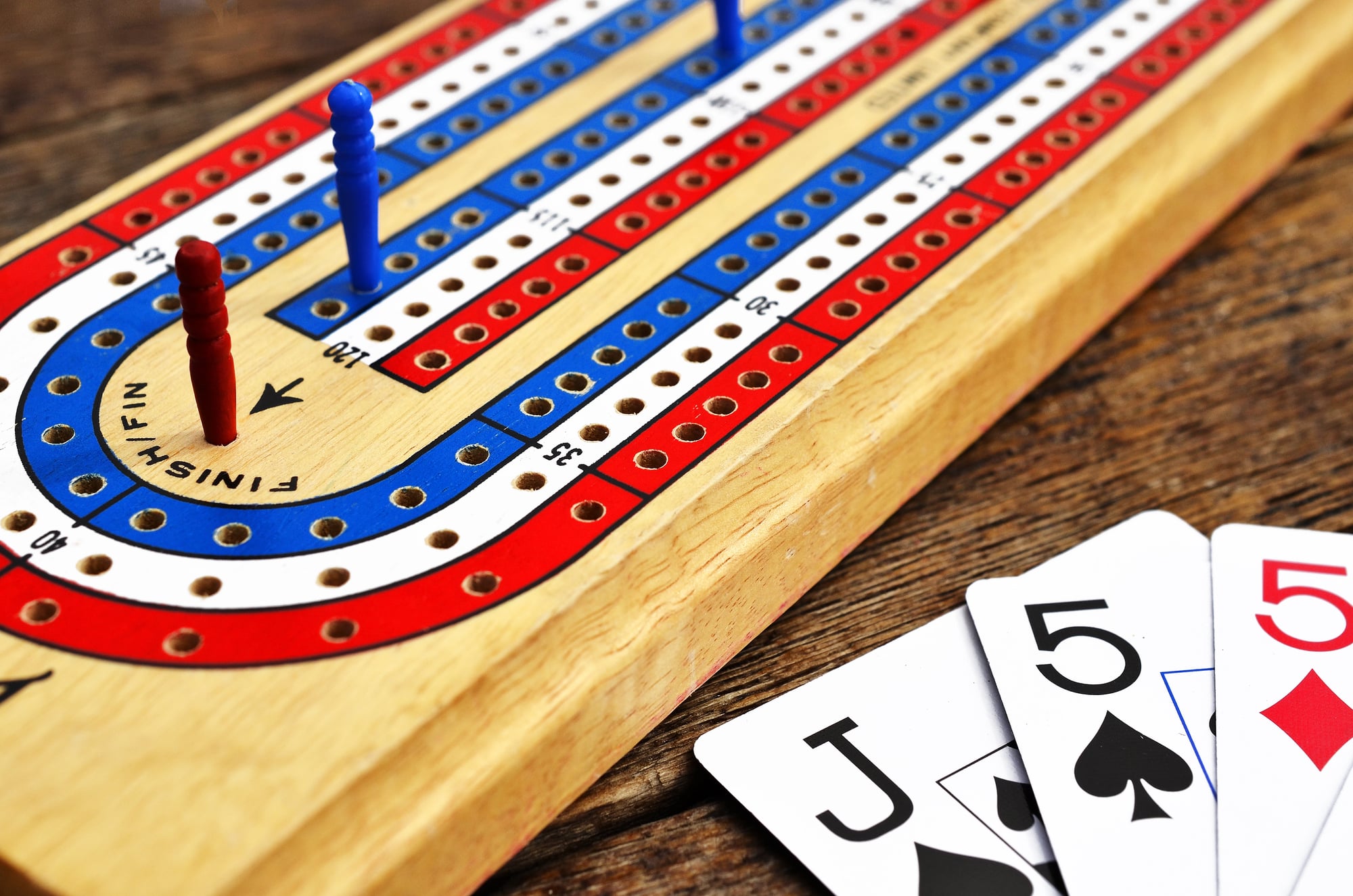
The distinctive cribbage board with its rows of pegs turned scoring into a visual race that added excitement to this mathematical card game. Players had to think strategically about which cards to contribute to the “crib” while calculating optimal plays during each hand.
Cribbage combined luck and skill in ways that kept games close, making it perfect for family members of different ages and abilities.
Canasta
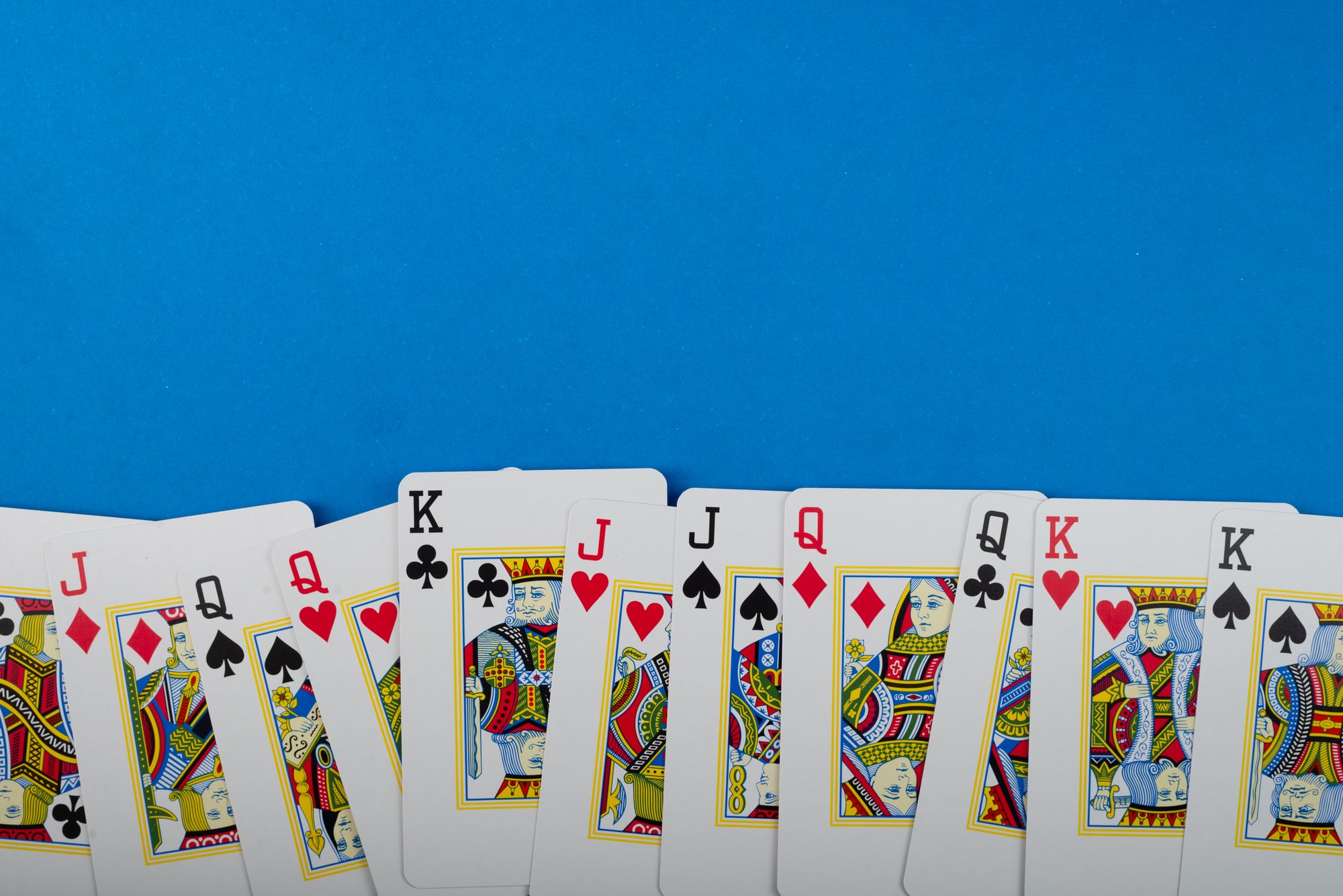
This rummy-style game introduced families to melding strategies while incorporating elements of teamwork and competition. The use of multiple decks and wild cards created opportunities for dramatic scoring runs that could change game outcomes quickly.
Canasta’s South American origins brought international flavor to family game nights while teaching valuable lessons about patience and long-term planning.
Fish (Literature)

More sophisticated than Go Fish, this game required players to ask for specific cards while remembering what others had requested previously. Success depended on careful listening and deductive reasoning as players tried to figure out who held which cards.
Literature rewarded good memory and attention to detail while creating opportunities for clever bluffing and misdirection.
Like Go2Tutors’s content? Follow us on MSN.
Casino

This unique game combined additional skills with strategic thinking as players tried to capture cards from a central layout using mathematical combinations. The multiple ways to score points kept everyone engaged, while the building aspect added layers of complexity that revealed themselves over time.
Casino taught mental math in an entertaining context while rewarding both quick thinking and careful planning.
Acey-Deucey

Simple yet engaging, this betting game had players predict whether the next card would fall between two dealt cards in rank. The narrow margins created genuine suspense with each reveal, while the optional betting elements could be adapted for family play using points or small stakes.
Acey-Deucey demonstrated probability concepts in an intuitive way that even young players could understand and enjoy.
Games That Built Generations
These card games created more than just entertainment — they wove threads of connection between family members across decades and generations. Parents who learned Hearts from their grandparents passed those same strategies to their own children, creating unbroken chains of shared experience.
The conversations that happened between hands, the gentle teasing over bold plays, and the celebrations of unexpected victories all contributed to family folklore that lasted far beyond individual games.
In an age where digital entertainment often isolates us in separate experiences, these simple card games remind us of the irreplaceable value of gathering around a table, looking into each other’s eyes, and sharing genuine moments of joy, frustration, and triumph together.
Like Go2Tutors’s content? Follow us on MSN.
More from Go2Tutors!

- 16 Historical Figures Who Were Nothing Like You Think
- 12 Things Sold in the 80s That Are Now Illegal
- 15 VHS Tapes That Could Be Worth Thousands
- 17 Historical “What Ifs” That Would Have Changed Everything
- 18 TV Shows That Vanished Without a Finale
Like Go2Tutors’s content? Follow us on MSN.