15 “Bad Guys” in History Who Were Arguably Right All Along
History loves to paint in black and white. Good versus evil. Heroes against villains.
But what happens when you zoom in a little closer? Sometimes, the so-called “bad guys” weren’t trying to destroy the world — they were just ahead of their time, challenging broken systems or daring to ask hard questions.
Here is a list of 15 “Bad Guys” in history who were arguably right all along, but whose actions might not be as bad as they were once believed.
Galileo Galilei

In his time, challenging the Church was basically like poking a sleeping bear. Galileo didn’t mean to cause chaos—he just believed the Earth wasn’t the center of everything.
That simple idea got him labeled as a heretic. But today? We teach it in middle school science classes.
He wasn’t against religion, he was just for facts. And now, he’s one of the biggest names in science history.
Che Guevara
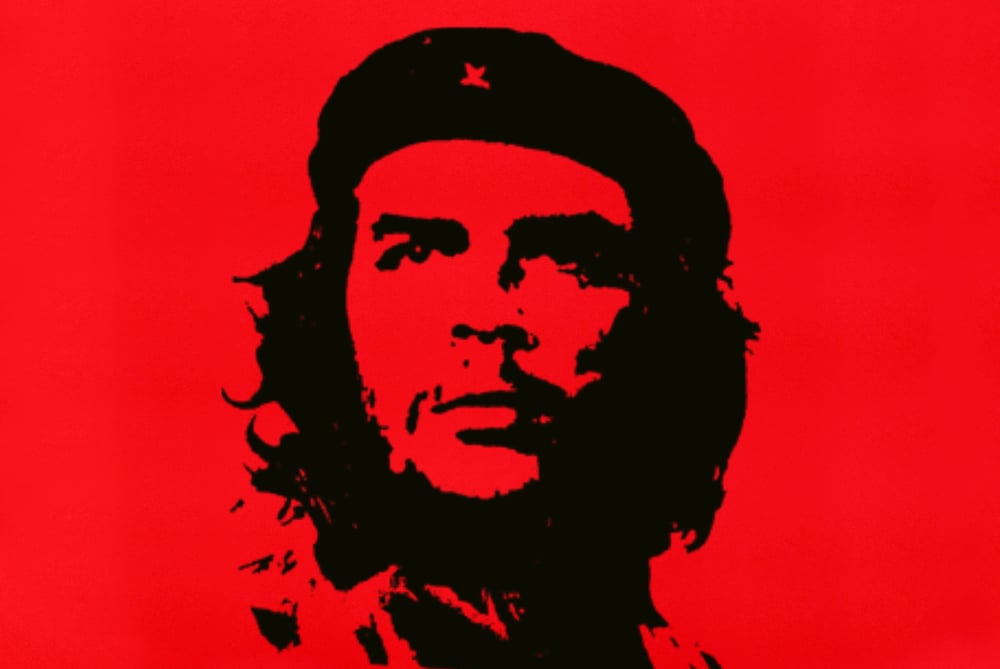
To many, he’s the face of rebellion—literally, on t-shirts. But the real Che was more complicated.
He fought for the poor, stood against Western exploitation, and tried to bring equality to places drowning in corruption. Sure, his methods were harsh, but so was the oppression he was fighting.
The people he helped saw him as a hero, not a villain.
Niccolò Machiavelli

Machiavelli gets dragged for being cold and manipulative. But “The Prince” wasn’t a guide to being evil—it was a survival manual for politicians in a brutal world. He wasn’t saying leaders should lie and cheat; he just said that sometimes they had to do so in order to keep peace. If anything, he was warning people, not encouraging them.
Spartacus
Rome called him a criminal. A rebel.
A threat. But Spartacus wasn’t trying to destroy society—he just wanted to be free.
Born a slave, he led a rebellion that shook the empire. To the elites, he was a nightmare.
To the people in chains, he was hope. His fight was about justice, not destruction.
Mary I of England
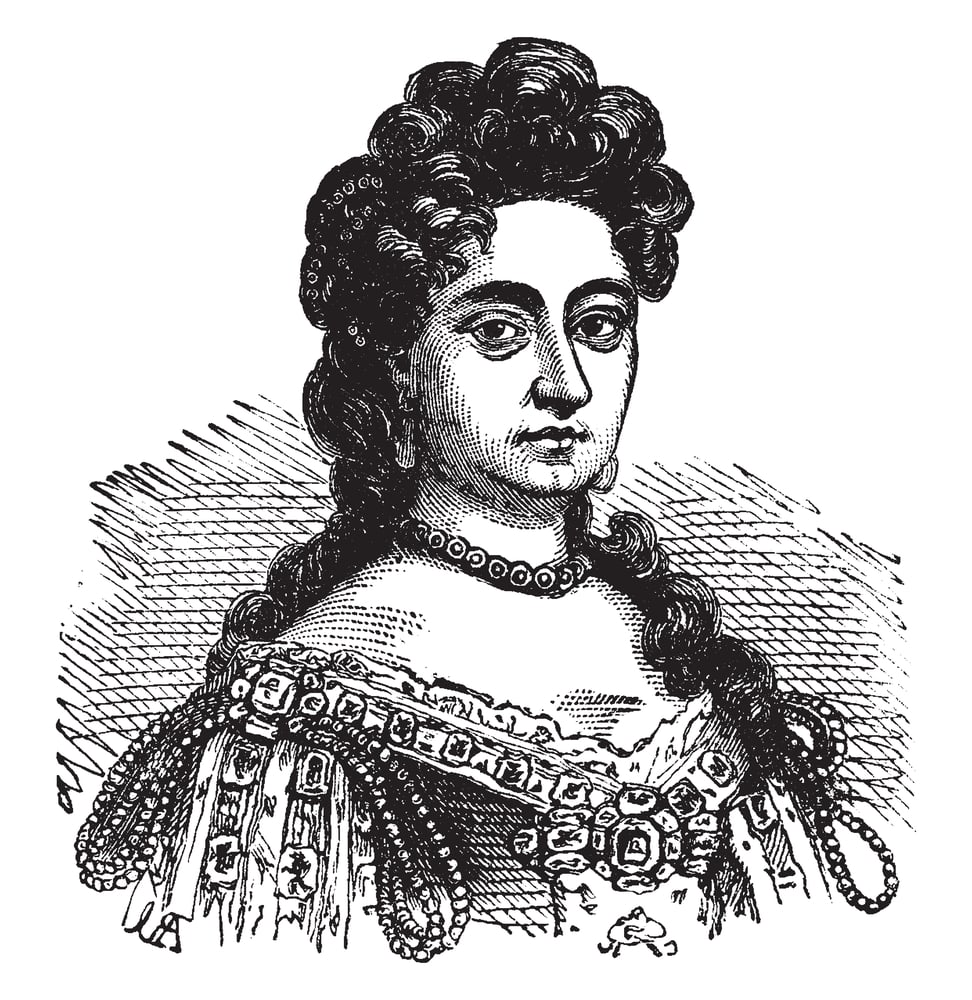
They called her “Bloody Mary.” That nickname stuck hard.
But while her actions were violent, she wasn’t the only monarch burning people at the stake in those days. Her real crime?
Trying to restore her family’s faith after years of Protestant reform. Her methods were harsh, but not unusual for the time.
Some historians argue that she was more about order than revenge.
Toussaint Louverture
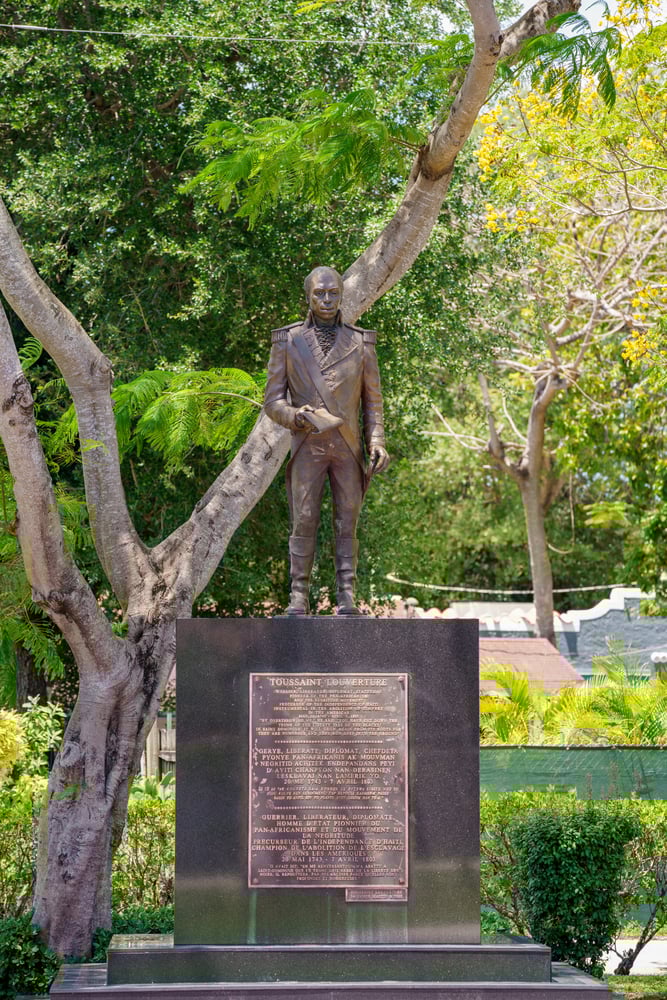
The French didn’t like him one bit. He led the Haitian Revolution and helped end slavery in what was then a French colony. He was called a traitor, a danger, a savage.
But his goal was freedom—for his people. He didn’t want chaos; he wanted equality.
That made him dangerous to colonizers, but a hero to everyone else.
Vlad the Impaler
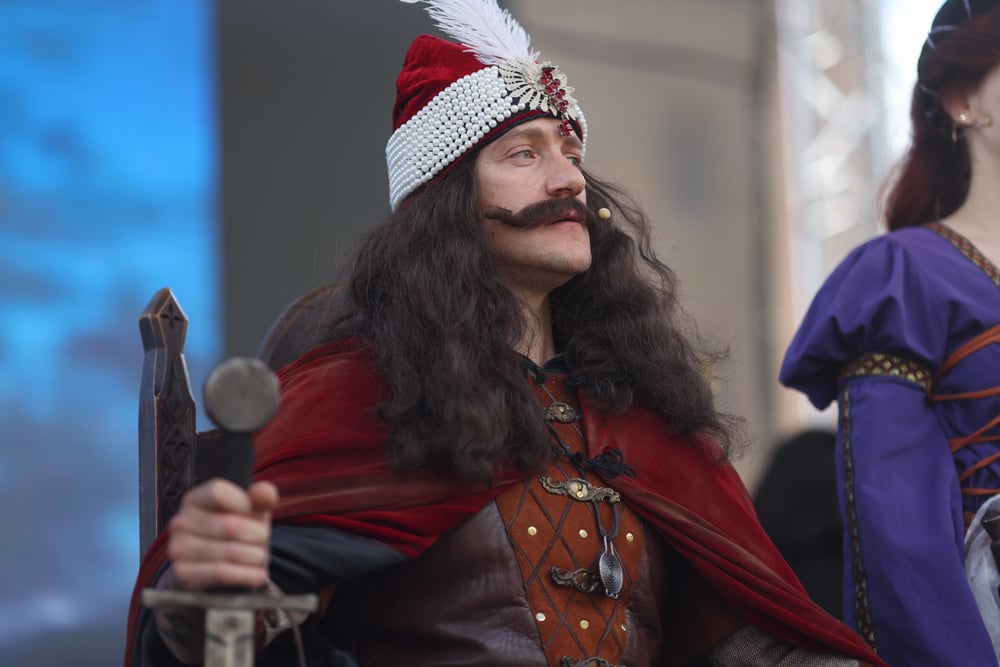
No one’s saying impaling people was nice. It wasn’t.
But Vlad wasn’t just randomly cruel. He was protecting his homeland from invaders—mainly the Ottomans.
His violent methods worked because they scared people away. In Romania, he’s remembered more as a protector than a monster.
Dracula? That came later, from fiction.
Socrates

In ancient Athens, asking too many questions could get you killed. Socrates found that out the hard way.
His crime? Challenging people to think for themselves.
The city accused him of corrupting the youth. But today, that’s called education.
Socrates didn’t want power—he wanted people to think deeply and live better lives.
John Brown

Abolitionist? Yes.
Violent? Also yes.
But John Brown believed slavery wouldn’t end with polite conversations. He led raids and uprisings to destroy the system.
At the time, even people who agreed with his beliefs thought his actions were too extreme. But now, many see him as someone who risked everything to fight a brutal injustice.
Joan of Arc
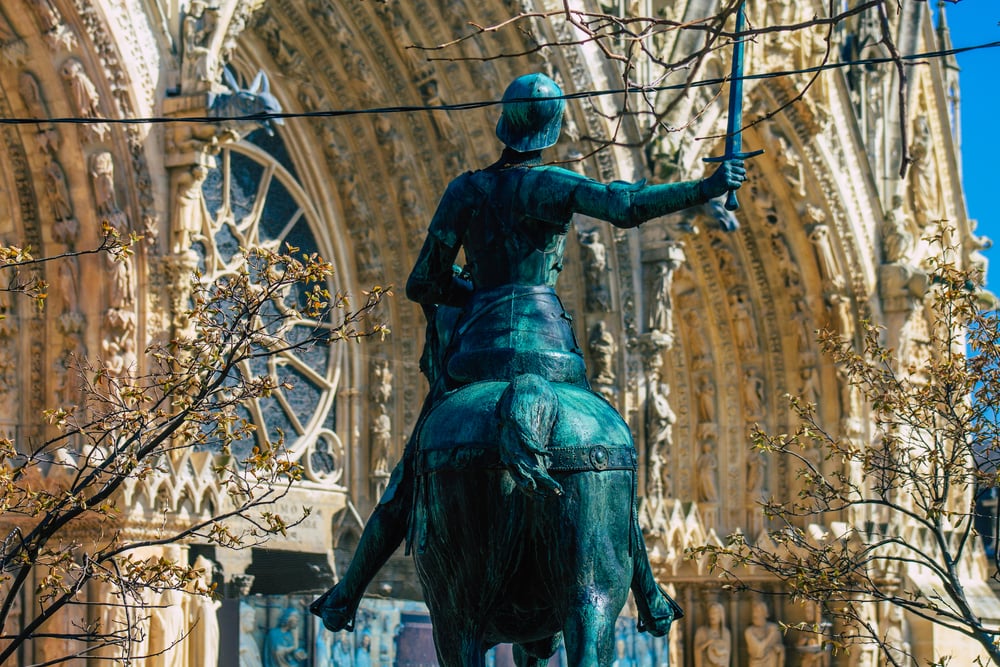
Accused of being a witch, burned at the stake, and dismissed as delusional. Yet, she led French troops to victory and claimed divine guidance.
Her enemies painted her as dangerous and unstable. But she was a teenage girl who shook the military and religious order of the day. Years later, she was made a saint.
Hypatia of Alexandria

In a time when women weren’t supposed to be smart—or even seen—Hypatia taught science, math, and philosophy. She refused to hide her intelligence.
That scared religious leaders who thought she challenged their control. She was murdered by a mob, labeled a threat to the church.
But she’s now seen as one of history’s earliest female scholars.
Oliver Cromwell

To Irish Catholics, Cromwell was a nightmare. To others, he was a man who ended a monarchy and brought some form of democracy to England.
He ruled with strict discipline, yes, but he also pushed for religious tolerance—just not in Ireland. His story is messy, and depending on where you stand, he’s either a tyrant or a reformer.
Grigori Rasputin

A mystic with a weird beard and a shady rep. Rasputin was blamed for a lot of things, including the fall of the Russian Empire.
But the truth is, he wasn’t pulling all the strings. He tried to heal a sick prince and ended up tangled in politics.
The nobles hated him mostly because he wasn’t one of them. His influence was strange, but not evil.
Malcolm X
Early on, Malcolm X was seen as radical, dangerous, and too aggressive. He didn’t believe in turning the other cheek when it came to racism.
But later in life, he changed, grew, and even softened his message. He wanted justice, fairness, and real change—not just peace that kept people silent.
History’s finally catching up to how right he was.
Ada Lovelace
She wasn’t called evil, but she was ignored. For years, Ada’s work in computing was overlooked, dismissed, or credited to men.
Some thought she was just imagining things. But her ideas were the foundation for what would become programming.
The world caught up—just about a hundred years too late.
From Villains to Visionaries

History doesn’t always get it right the first time. Many of these “bad guys” were only bad because they went against the rules of their time.
They questioned power, pushed limits, or tried to help those nobody else would back then, which made them dangerous. Today, it makes them brave.
We live in a world shaped by people who dared to challenge the status quo. Some were punished for it.
Some were misunderstood. But with time and truth, many of their stories now shine brighter than the labels they were once given.
Maybe history isn’t just about what happened — but about who gets to tell the story.
More from Go2Tutors!

- The Romanov Crown Jewels and Their Tragic Fate
- 13 Historical Mysteries That Science Still Can’t Solve
- Famous Hoaxes That Fooled the World for Years
- 15 Child Stars with Tragic Adult Lives
- 16 Famous Jewelry Pieces in History
Like Go2Tutors’s content? Follow us on MSN.



