30 Store Chains That Closed Their Last Doors
A certain kind of American mall memory comes with a specific smell, a specific carpet pattern, a specific font on a sign that no longer exists anywhere except in photographs. These are the retailers that defined decades of weekend errands before liquidation sales, going-out-of-business banners, and empty anchor spaces took their place.
Some fell to online competition, others to private equity debt, and a few simply could not out-hustle the trend they had built an entire business around. What follows is a tour of the chains whose last stores rang up their final sales.
Sears
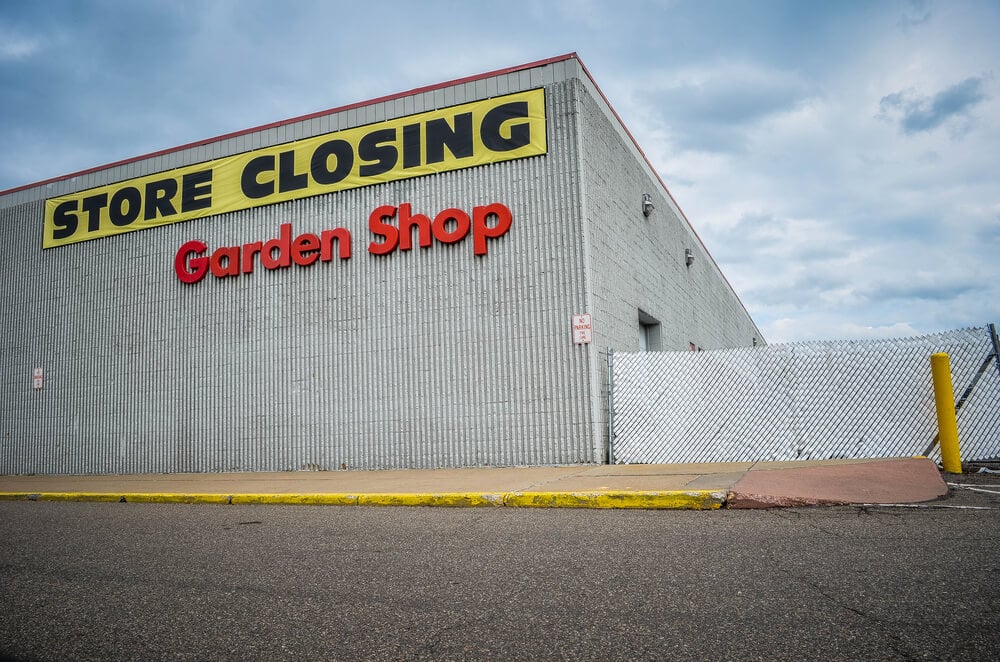
Once the largest retailer in the United States and the company that popularized the mail-order catalog, Sears operated more than 3,500 stores at its 1980s peak. Decades of underinvestment following its merger with Kmart under hedge fund manager Eddie Lampert left the chain unable to compete on price or experience, and by the mid-2020s only a handful of locations remained open under the Sears Hometown banner.
The flagship department store format that anchored generations of malls is effectively gone.
Kmart
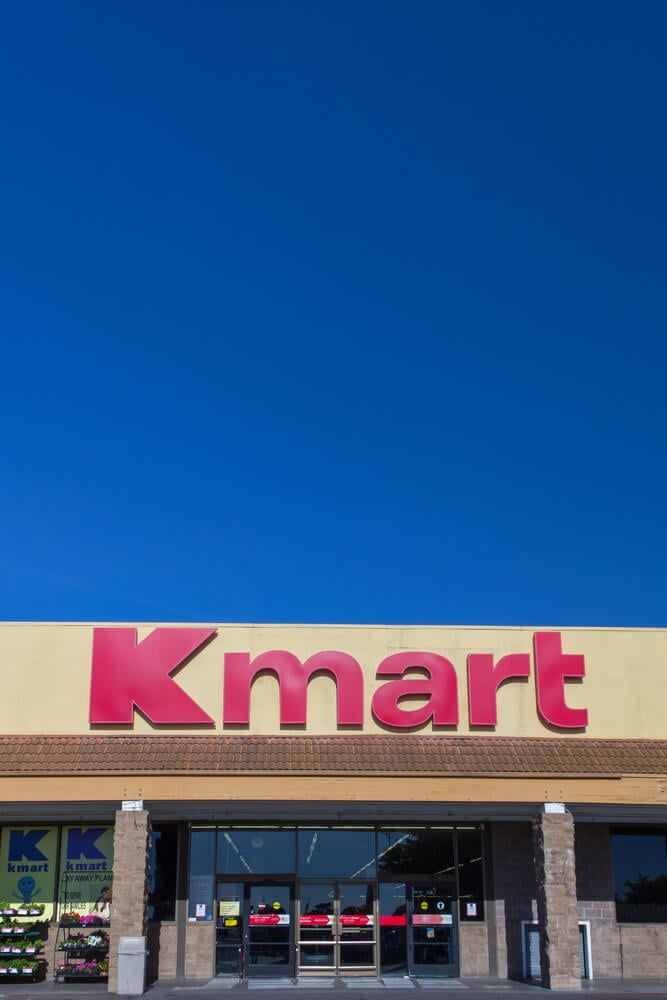
Kmart pioneered the discount department store format in 1962 and at one point ran more than 2,000 locations across the country, including the Big K and Super Kmart formats. Its 2005 merger with Sears saddled both chains with debt rather than synergy, and by 2025 the company was down to a single full-size store in Michigan, with a scattering of small-format locations elsewhere.
The blue-light-special era that defined American discount shopping effectively ended years before the last cash register closed.
Toys “R” Us
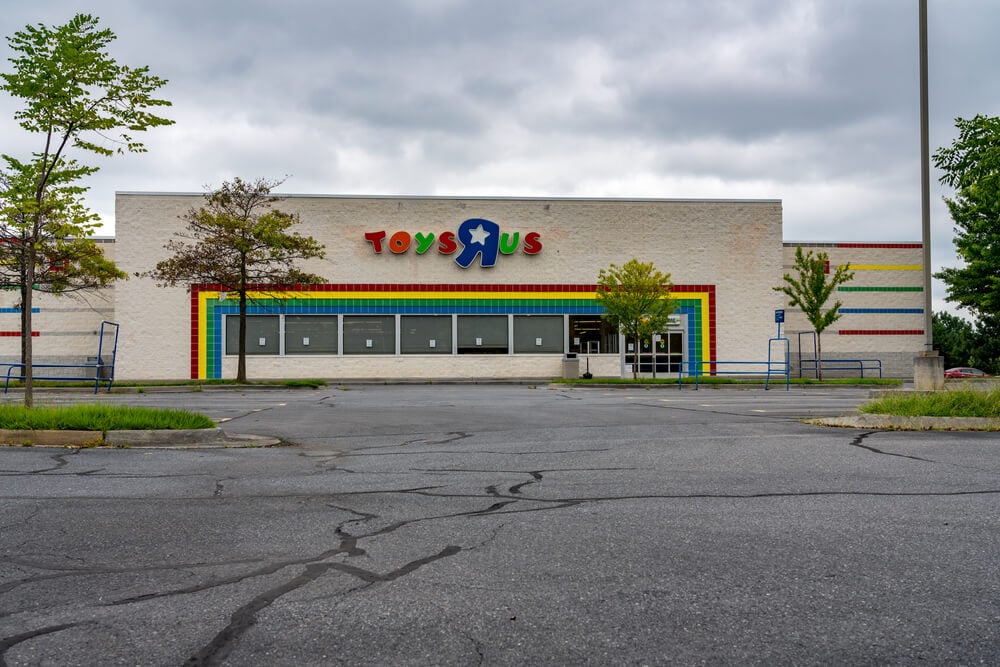
The toy superstore chain built its identity on aisles stacked to the ceiling and a giraffe mascot named Geoffrey, growing to more than 800 domestic locations before a 2005 leveraged buyout loaded it with billions in debt. The original chain liquidated all of its US stores in 2018, a closure widely cited as one of the defining moments of the retail apocalypse.
A scaled-down version later reopened inside Macy’s stores, but the freestanding superstore format never returned.
RadioShack
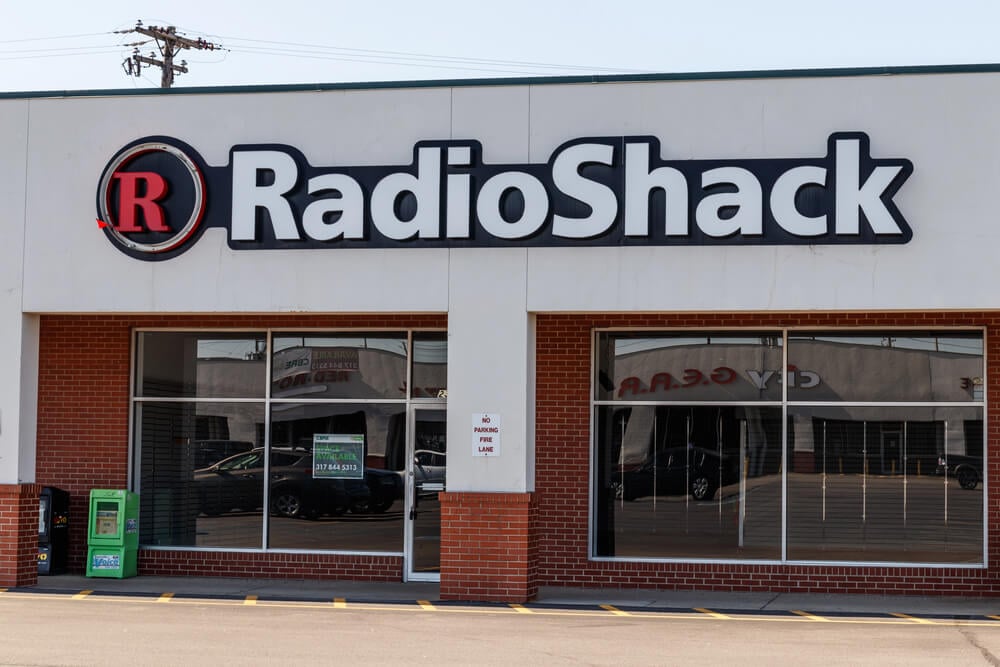
RadioShack’s business of selling individual electronic components, batteries, and remote-control parts to hobbyists could not survive the shift to big-box electronics retailers and then to online parts suppliers. The chain filed for bankruptcy twice, in 2015 and again in 2017, closing most of its roughly 4,000 remaining stores in the second filing.
A licensing entity kept the name alive online, but the strip-mall storefront that generations of tinkerers knew by heart disappeared from the American landscape.
Circuit City
Circuit City helped invent the big-box electronics category alongside Best Buy, at one point running more than 700 superstores nationwide. A series of strategic missteps, including a much-criticized 2007 decision to lay off its most experienced salespeople to cut costs, left the chain unable to weather the 2008 financial crisis.
It liquidated all of its remaining stores in early 2009, one of the largest retail failures of that recession.
Borders Books and Music
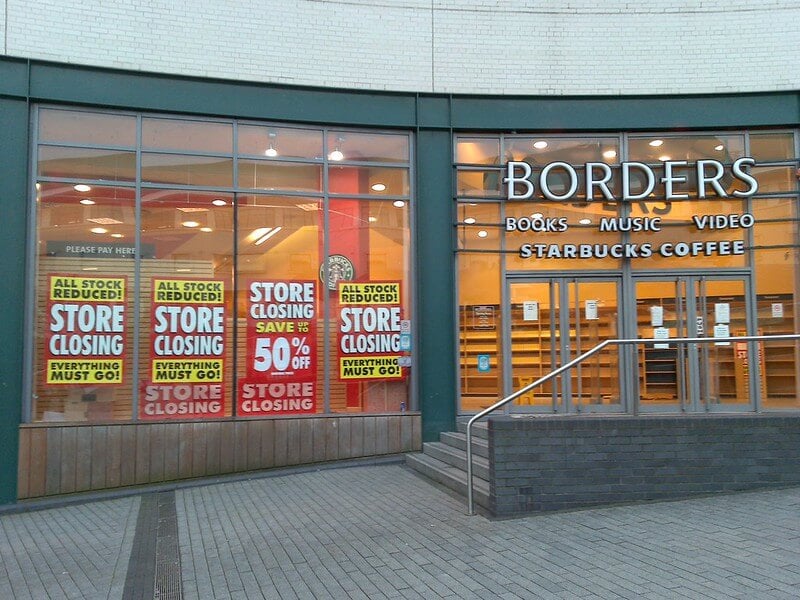
Borders grew out of a single Ann Arbor bookstore into a chain of more than 650 superstores known for deep backlist selection and in-store cafes. A slow response to online sales, a disastrous decision to outsource its e-commerce operation to Amazon for several years, and heavy debt from expansion combined to force a 2011 liquidation of all remaining locations.
The closure eliminated roughly 11,000 jobs and reshaped how publishers thought about physical retail.
Waldenbooks
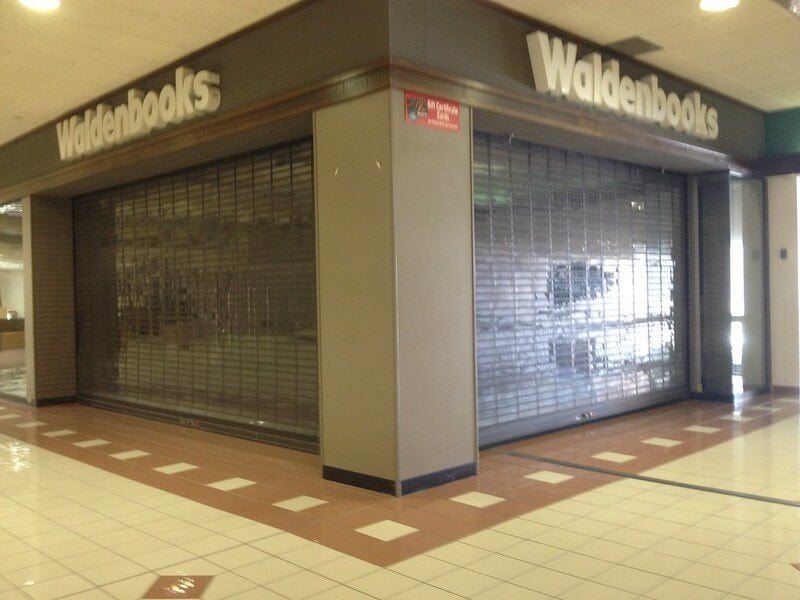
Borders’ mall-based sibling chain, Waldenbooks, operated smaller-format bookstores in shopping centers across the country for more than 80 years before its parent company’s 2011 bankruptcy shuttered every remaining location. For many suburban shoppers who never visited a Borders superstore, Waldenbooks was the only bookstore they knew, making its quiet disappearance from mall directories easy to miss at the time.
Blockbuster Video
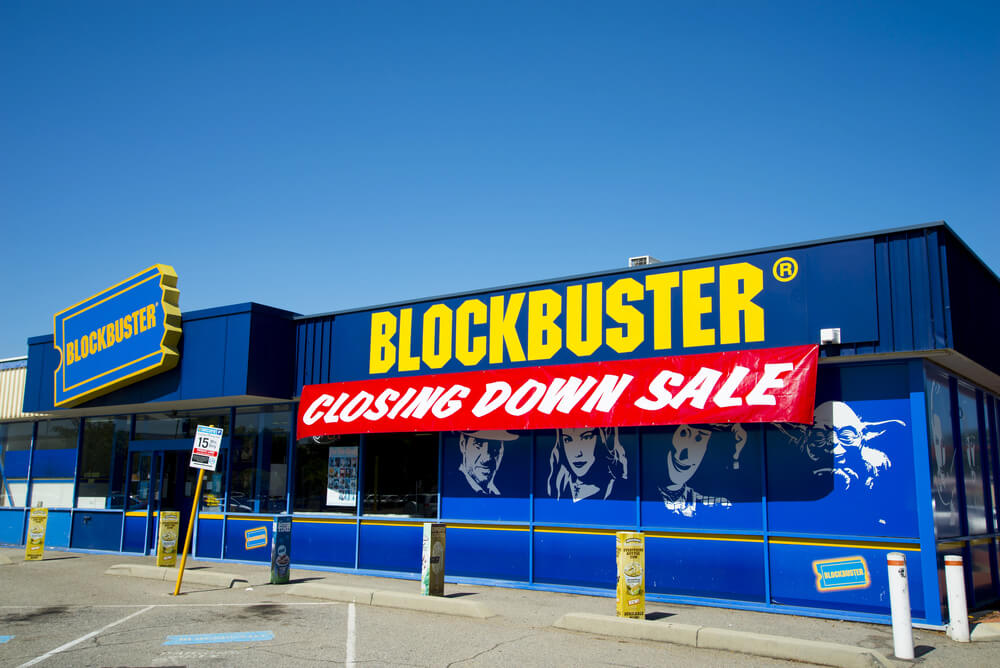
At its 2004 peak, Blockbuster operated more than 9,000 video rental stores worldwide and had turned down an opportunity to buy a fledgling mail-order DVD company called Netflix. Streaming and kiosk rental made the corporate stores unsustainable, and Dish Network closed the remaining company-owned locations in 2013 after acquiring the brand out of bankruptcy.
A single franchise location in Bend, Oregon, continued operating independently for years afterward as the last of its kind.
Linens ‘n Things
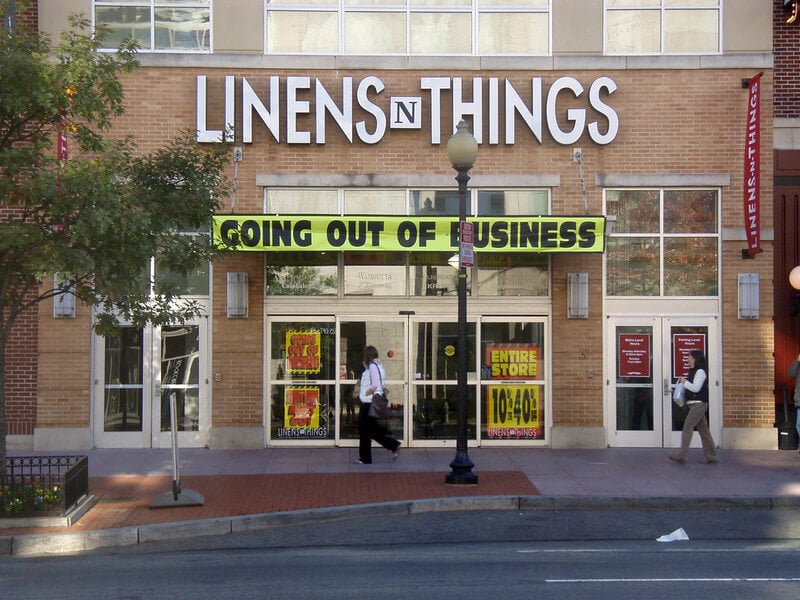
The home goods chain grew to more than 500 stores selling bedding, kitchenware, and window treatments before a 2006 private equity buyout left it unable to service its debt during the 2008 downturn. All remaining stores liquidated in 2008, years before its larger rival Bed Bath & Beyond would eventually meet a similar fate.
Bed Bath & Beyond
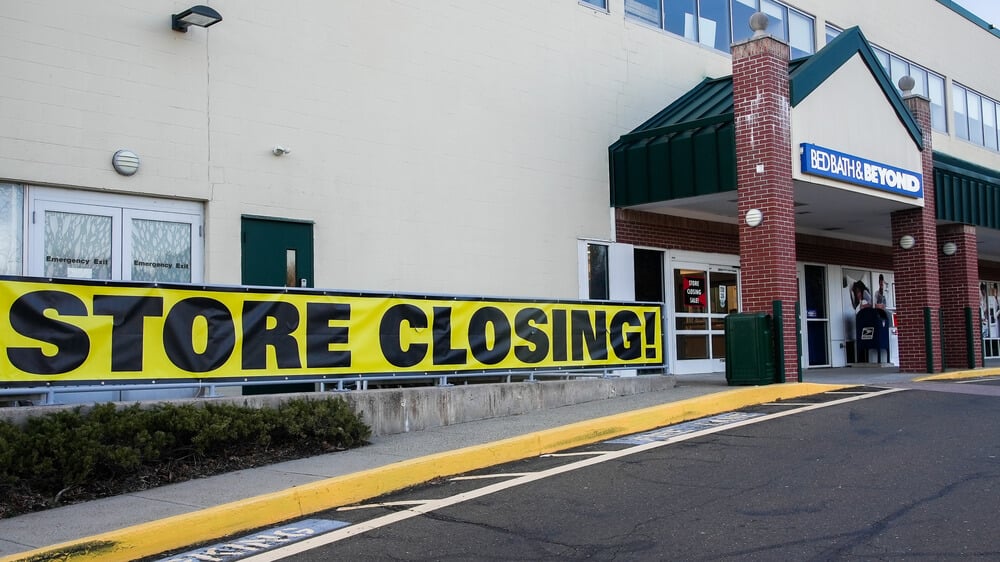
Bed Bath & Beyond outlasted Linens ‘n Things by more than a decade, growing into the dominant home goods retailer with its signature blue coupons before its own debt load and a series of failed turnaround strategies caught up with it. The company filed for bankruptcy and closed all of its remaining stores in 2023, though the brand name was later purchased and relaunched as an online-only retailer.
Tuesday Morning
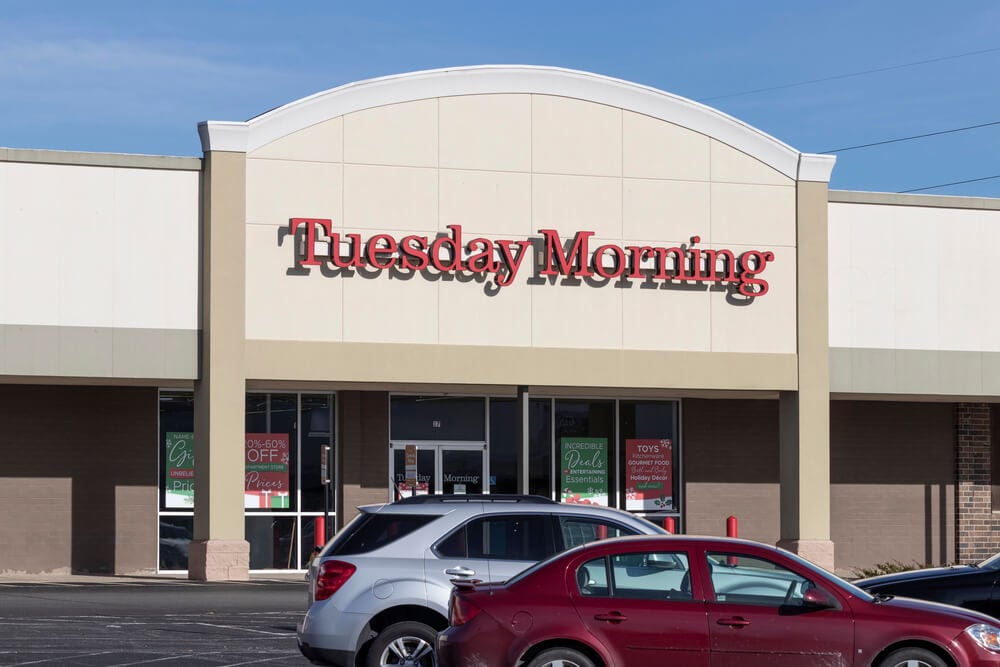
The off-price home decor and gift chain built a loyal following on rotating inventory and surprise clearance finds across more than 400 stores. Rising costs and shrinking off-price margins pushed the company into a second bankruptcy filing, and it liquidated its entire store network in early 2024 after failed efforts to find a buyer for the going concern.
Christmas Tree Shops
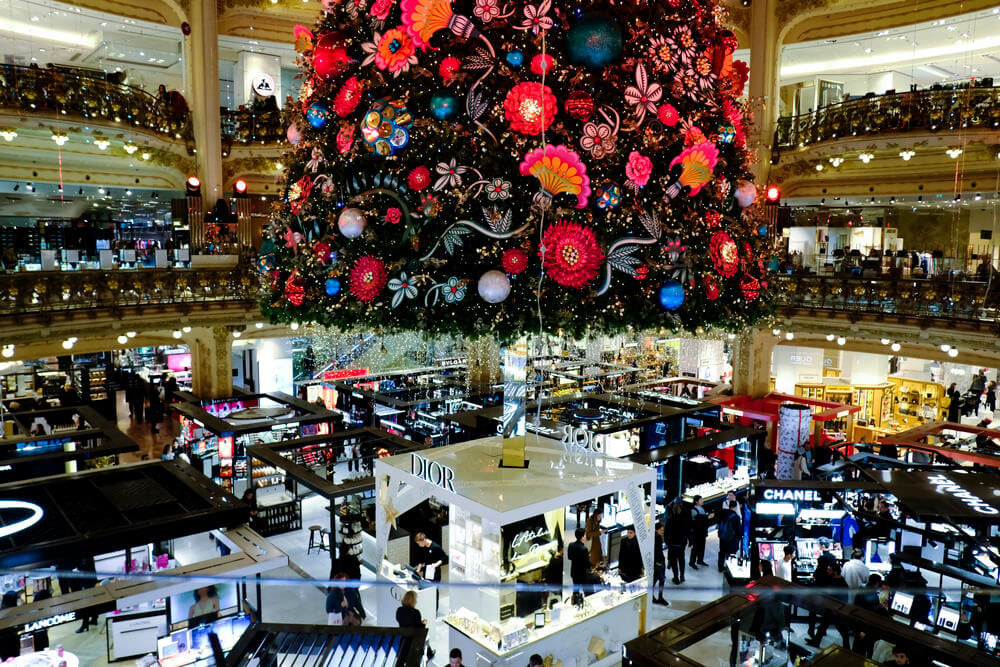
Despite its name, Christmas Tree Shops sold a little of everything, from kitchen gadgets to seasonal decor, across roughly 70 stores concentrated in the Northeast. Its parent company Bed Bath & Beyond sold the chain in 2023, but the new owner closed every location within months, unable to make the discount-variety format profitable on its own.
Party City
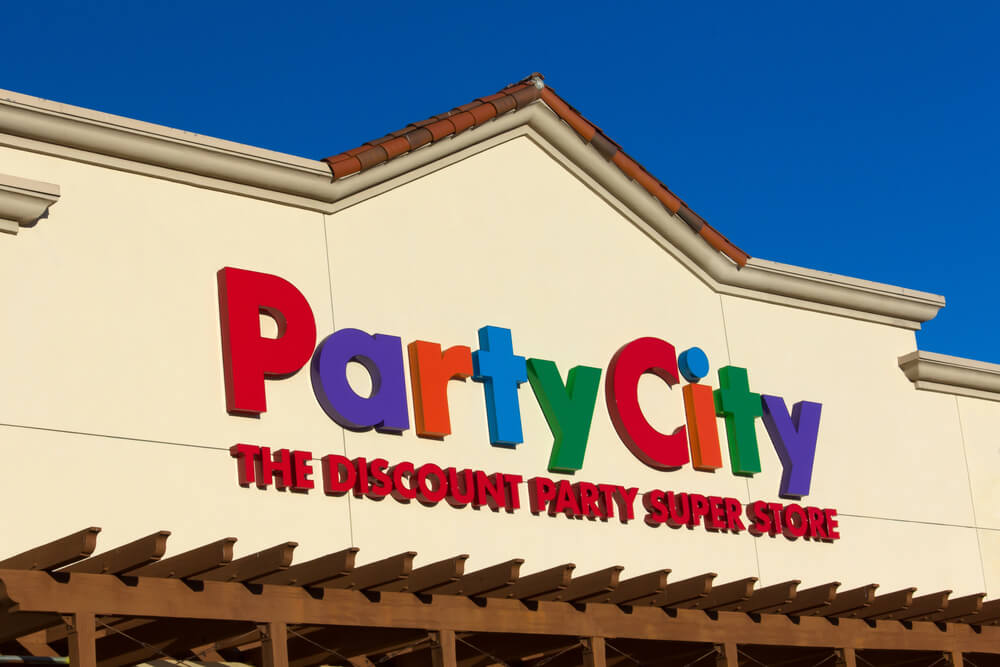
The party supply giant grew to more than 800 corporate and franchise stores, becoming a go-to for party decor, costumes, and disposable tableware nationwide. Years of debt from a leveraged buyout, combined with helium supply issues and softening demand, pushed the company into a second bankruptcy, and it announced the closure of its entire remaining store fleet in the final days of 2024.
Big Lots
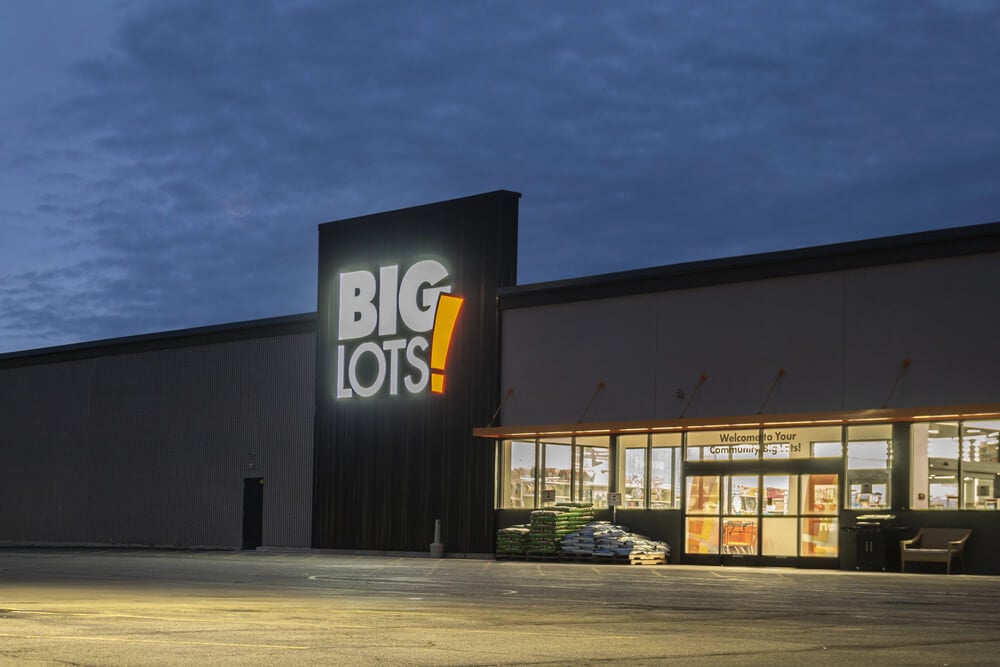
Big Lots built a national footprint of more than 1,400 discount closeout stores selling furniture, seasonal goods, and overstocked merchandise. A 2024 bankruptcy filing initially aimed to sell the company as a going concern, but the deal collapsed and the retailer moved to liquidate nearly all of its locations, with a smaller group later rescued and reopened under a different owner.
Sports Authority
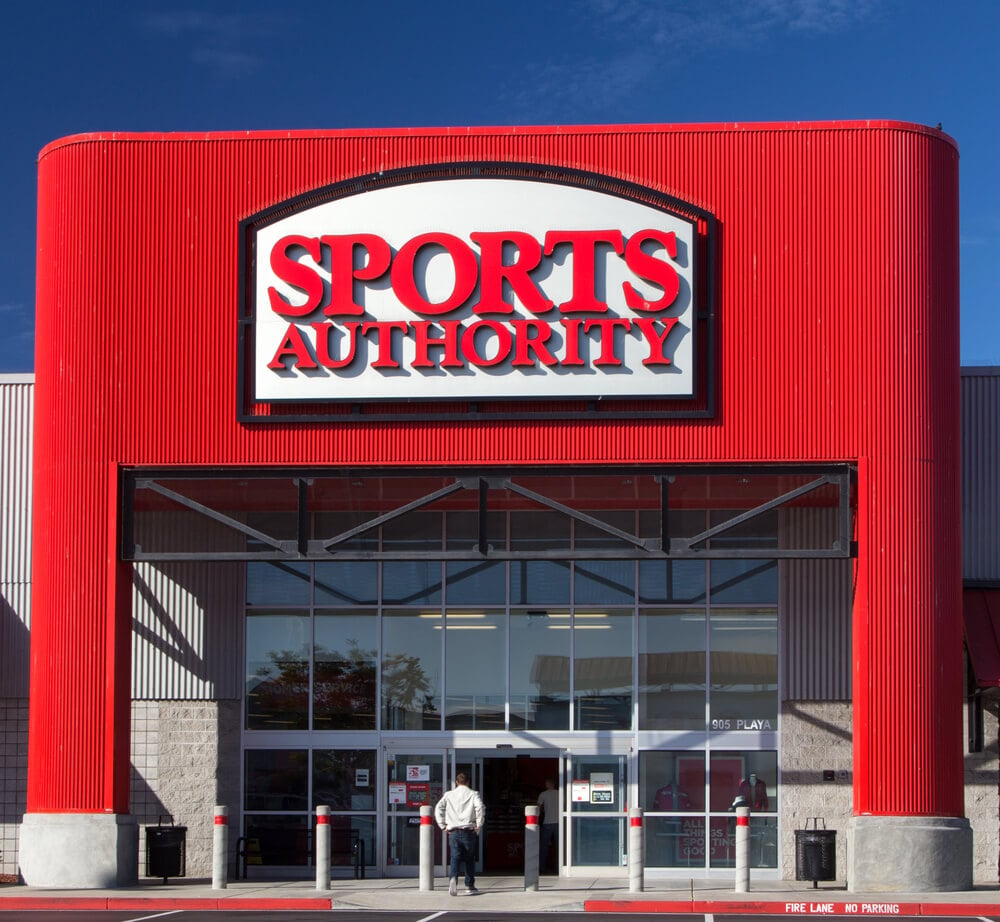
Sports Authority operated more than 460 big-box sporting goods stores before a 2016 bankruptcy filing forced a full liquidation after a proposed sale to a larger rival sporting goods chain fell through. Many of its store leases were absorbed by other retailers, but the Sports Authority name itself disappeared from strip malls nationwide.
Payless ShoeSource
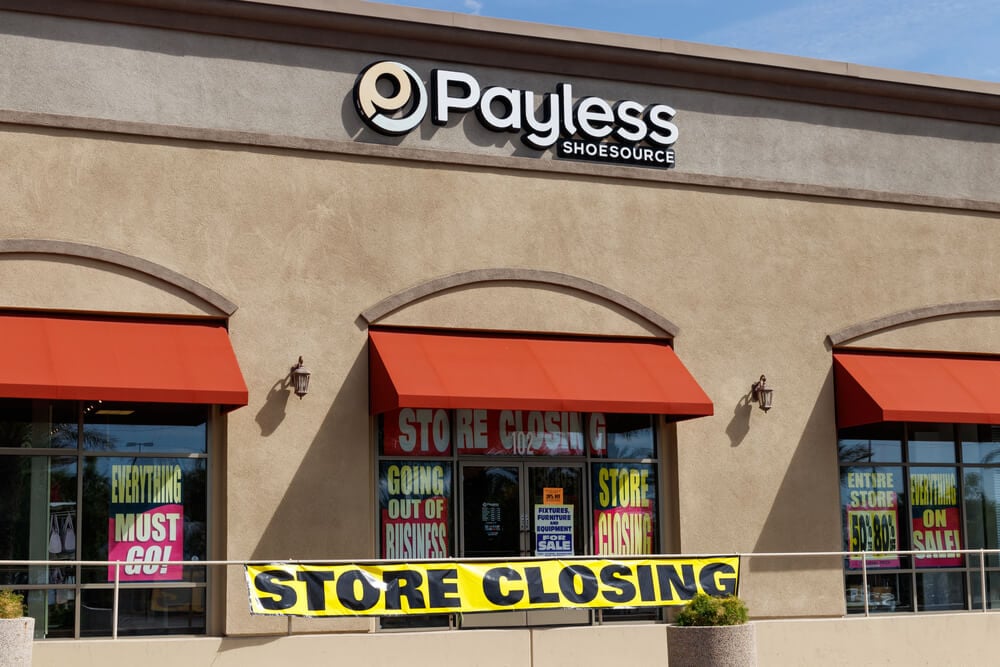
Payless once operated more than 4,000 stores worldwide, making it the largest footwear retailer in the Western Hemisphere at its height. A 2017 bankruptcy closed roughly a third of its US locations, and a second bankruptcy in 2019 shuttered the rest, ending an era of budget family shoe shopping built on buy-one-get-one promotions.
Gander Mountain
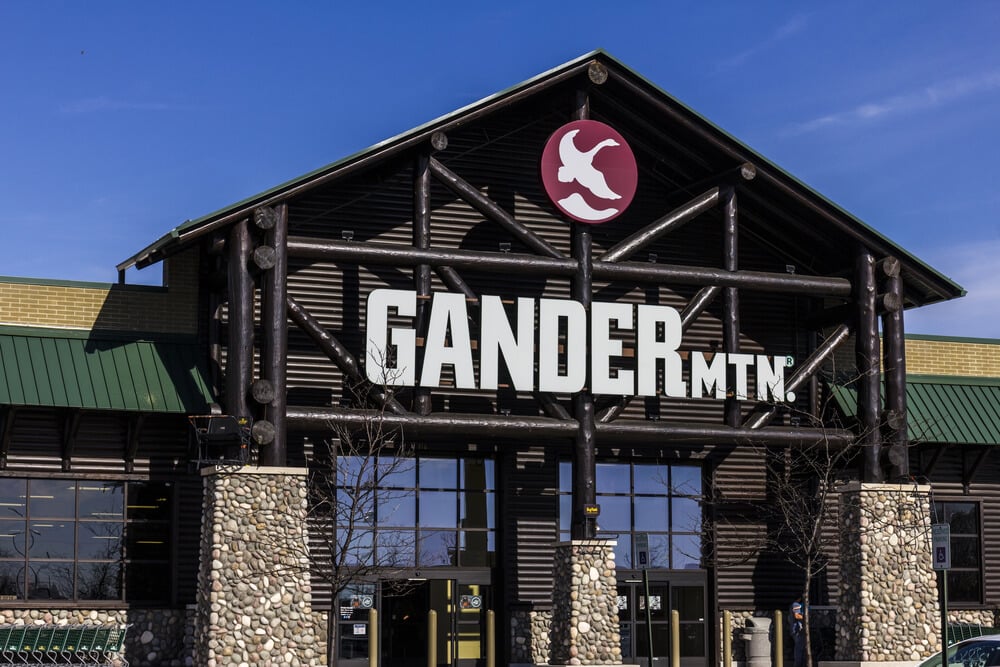
The outdoor and hunting retailer grew to more than 160 stores known for their taxidermy displays and shooting ranges before overexpansion and debt forced a 2017 bankruptcy. Camping World purchased a portion of the brand and reopened a small number of stores under a new name, but the original Gander Mountain chain liquidated in full.
hhgregg
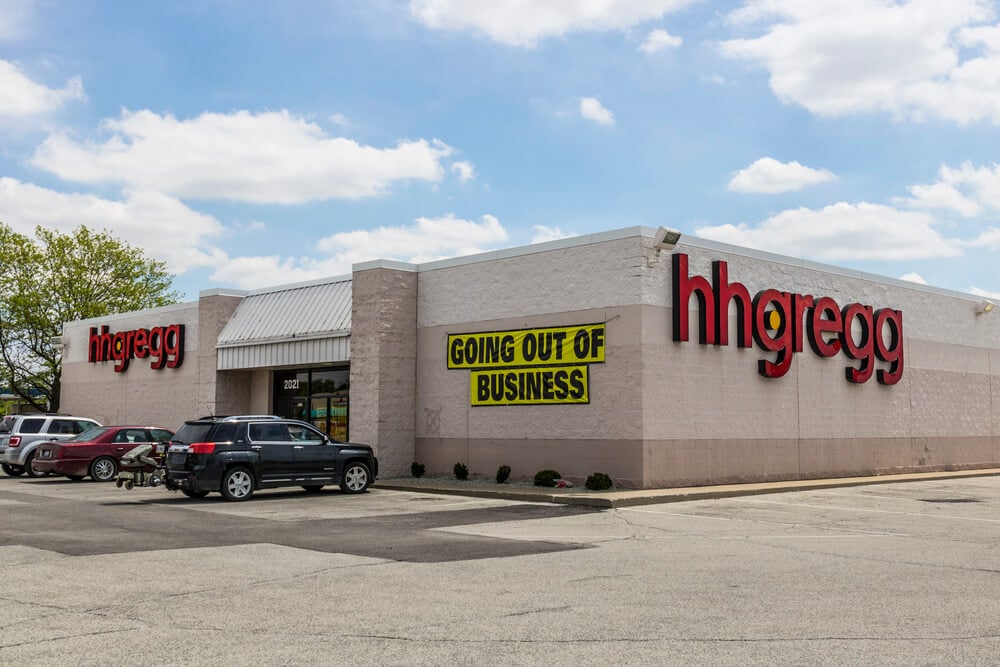
The Indiana-based appliance and electronics chain expanded aggressively through the 2000s to more than 220 stores across the Midwest and South before a 2017 bankruptcy filing led to the liquidation of every location. Its collapse left Best Buy as the last major national player in big-box appliance retail.
The Great Atlantic and Pacific Tea Company
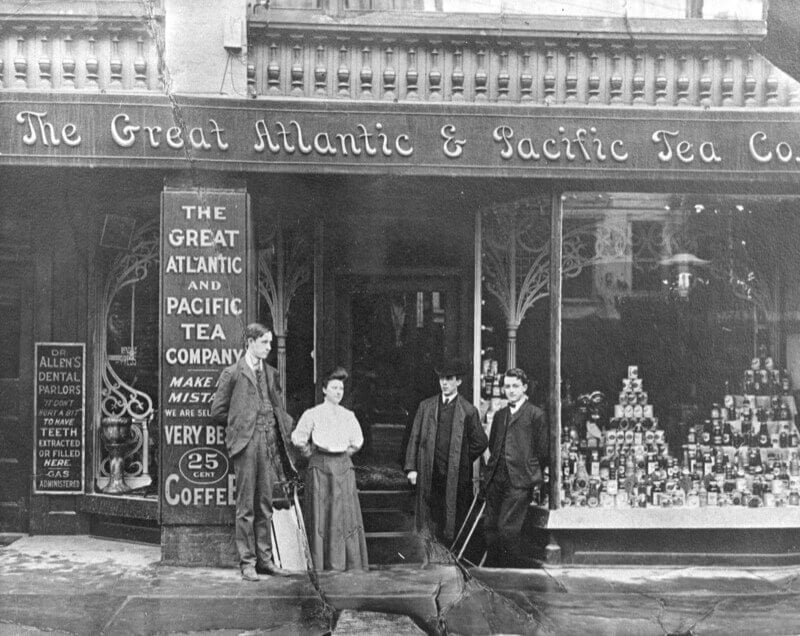
Known to generations of shoppers simply as A&P, this grocery chain was once the largest retailer of any kind in the United States, with thousands of stores dating back to the 19th century. Decades of decline culminated in a 2015 bankruptcy that closed its remaining roughly 300 supermarkets, including regional banners like Pathmark and Waldbaum’s.
Filene’s Basement
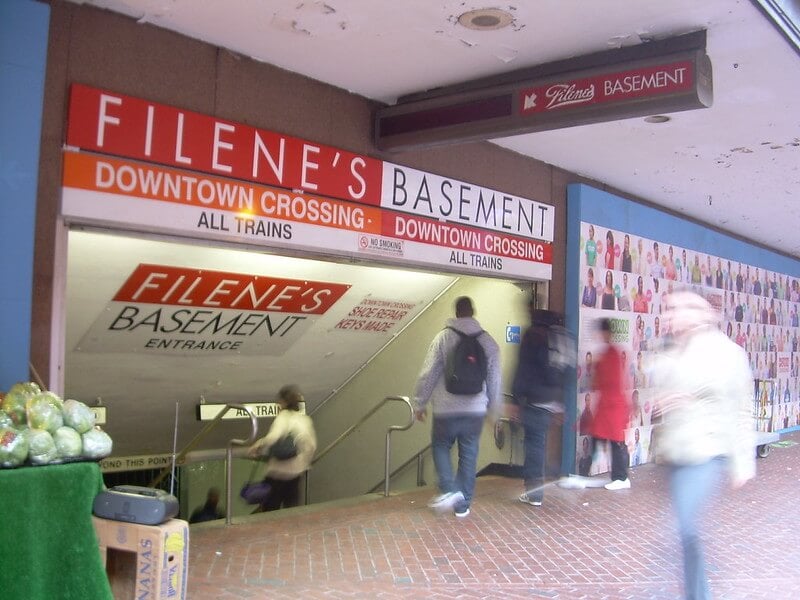
The off-price retailer built its reputation on Boston’s original automatic markdown basement, where unsold merchandise dropped in price the longer it sat unsold. The chain expanded nationally before a private equity-driven bankruptcy forced the liquidation of all locations in 2011, ending a discount shopping tradition that dated back to 1908.
Steve and Barry’s
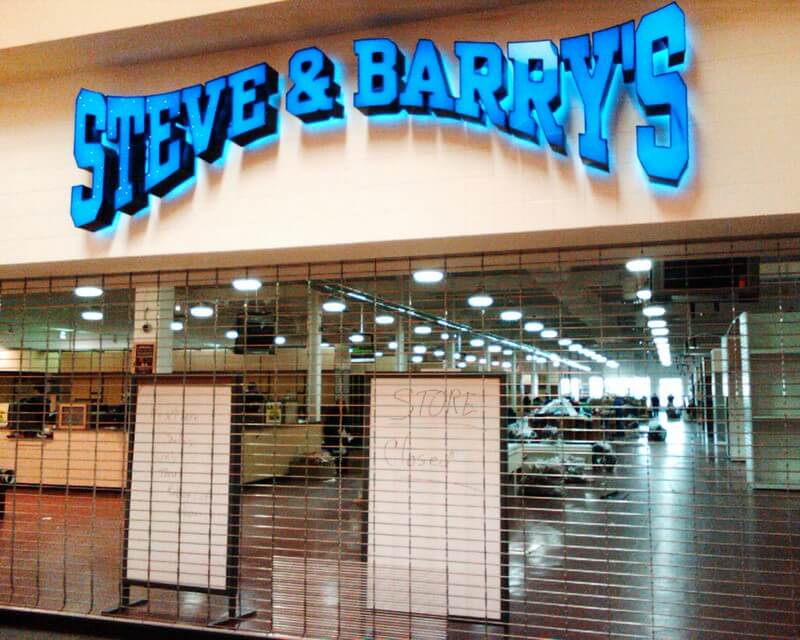
Steve and Barry’s built a fast-growing chain of more than 250 stores around a simple pitch: almost nothing in the store cost more than ten dollars. A celebrity licensing strategy and rapid mall expansion outpaced the company’s finances, and it liquidated entirely in 2009 after a private equity buyout failed to stabilize the business.
Mervyn’s
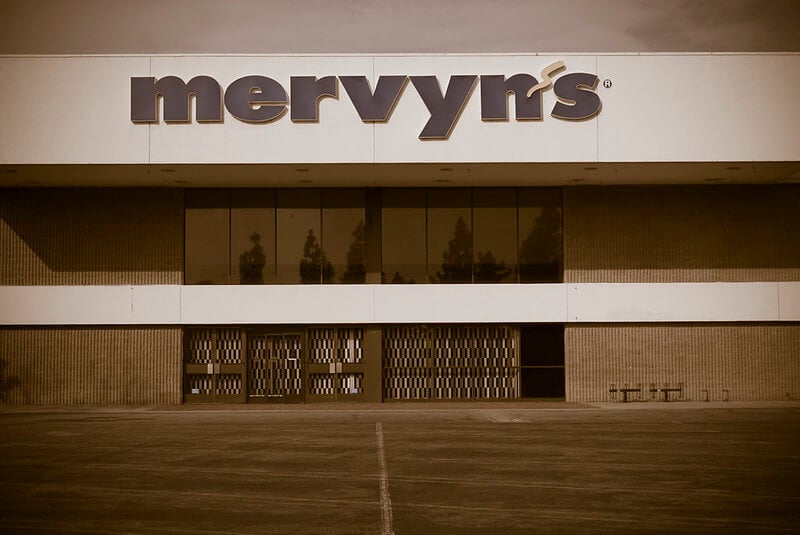
The California-based department store chain operated roughly 175 mid-price locations known for their moderate clothing and home goods before a 2004 private equity buyout loaded it with real estate debt. Mervyn’s filed for bankruptcy in 2008 and liquidated its entire store base the following year, a collapse that later became a cited example of leveraged buyouts hollowing out retail companies.
CompUSA
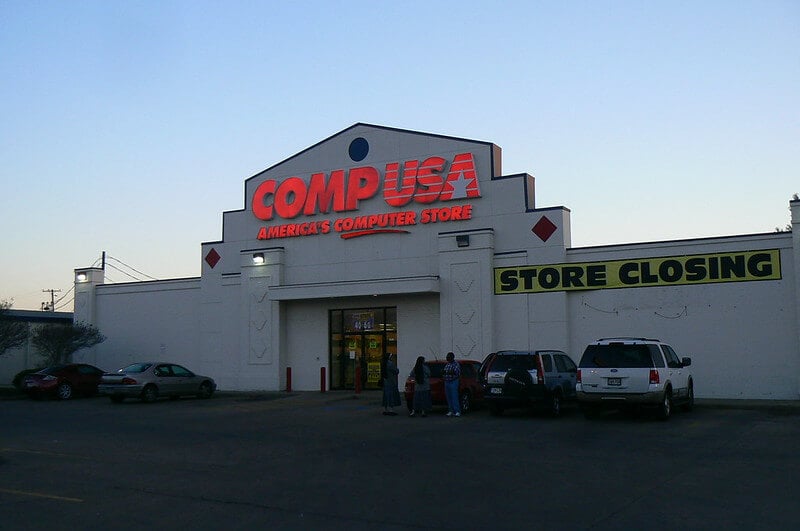
Photo by Terry Ross, via Flickr, licensed CC BY-SA 2.0
CompUSA was once the country’s largest computer and electronics retail chain, with hundreds of stores selling desktop computers, software, and repair services during the personal computer boom. Online competition and the rise of big-box general electronics retailers eroded its business through the 2000s, and the chain closed the last of its physical stores by 2012.
Wickes Furniture
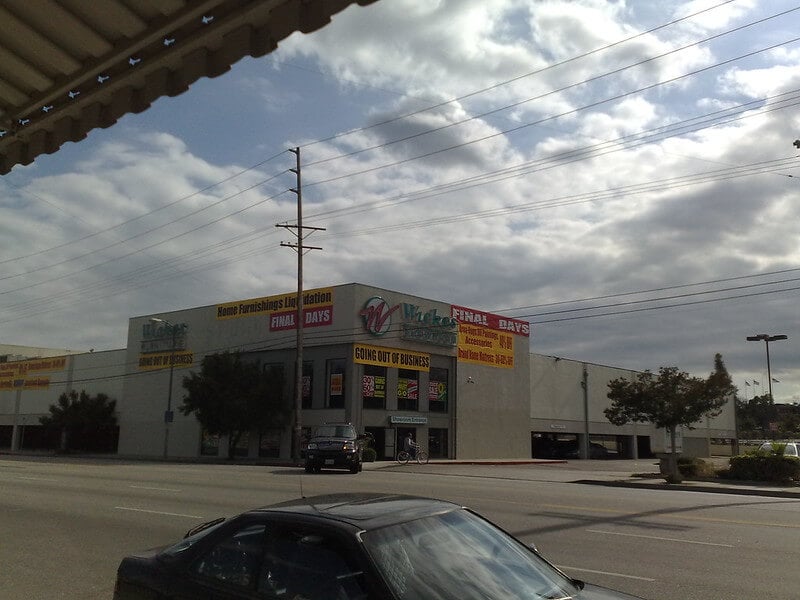
Wickes Furniture operated large-format showrooms across the Midwest and West Coast known for affordable, ready-to-assemble and case-good furniture lines. The company filed for bankruptcy in 2008 as the housing crisis collapsed furniture demand nationwide, and it liquidated its full store network rather than attempt a restructuring.
KB Toys
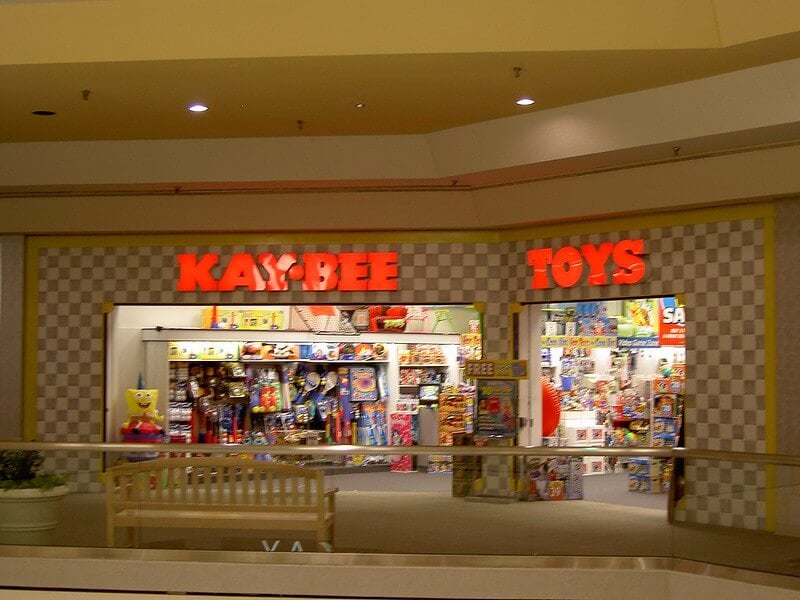
KB Toys built its business on small mall-based toy stores, a format that let it compete alongside larger toy superstores by occupying spaces those chains could not. A second bankruptcy filing in 2008, following an earlier 2004 filing, led to the liquidation of the company’s remaining roughly 400 stores in early 2009.
Montgomery Ward
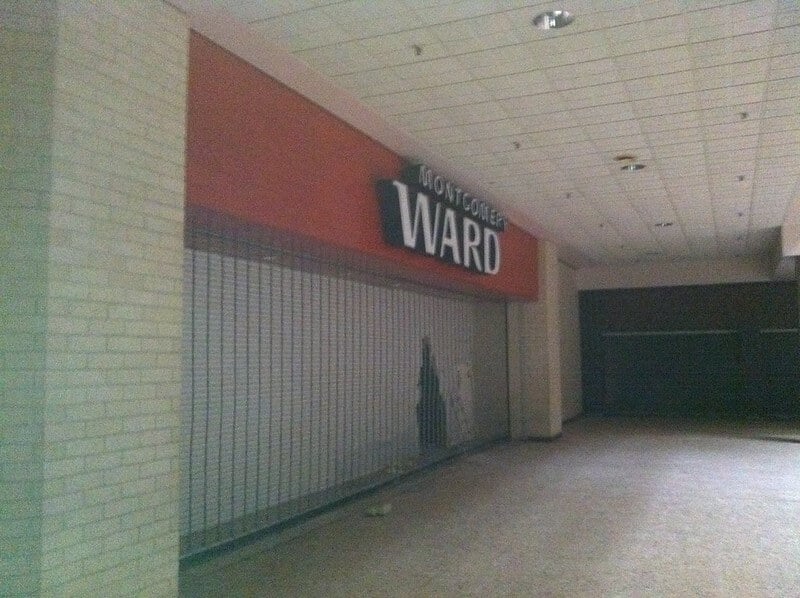
Montgomery Ward began as a mail-order catalog in 1872, predating even Sears, and grew into a department store chain with hundreds of locations across the country. Decades of declining catalog sales and inability to compete with discount chains led to a 2000 bankruptcy filing, and the company closed its remaining stores in 2001, ending 128 years in business.
Musicland and Sam Goody
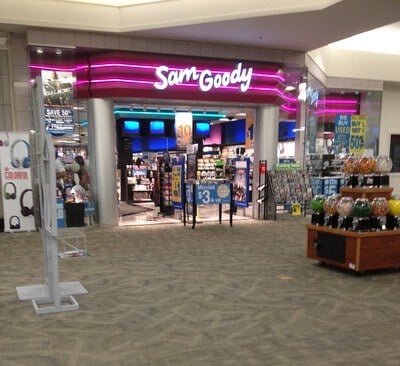
Musicland operated the Sam Goody and Suncoast Motion Picture Company chains, once the dominant mall destination for compact discs, cassettes, and VHS tapes. Digital downloads and big-box competitors gutted the physical media business through the early 2000s, and the parent company liquidated its remaining stores in 2006 after a series of ownership changes failed to find a workable strategy.
Egghead Software

Egghead Software was one of the first national chains dedicated to selling packaged computer software at retail, growing to hundreds of stores during the 1980s and 1990s personal computer boom. An early and aggressive shift to online sales under the Egghead.com banner could not offset the collapse of retail software demand, and the company closed its remaining physical stores in the early 2000s before eventually being absorbed by Amazon’s marketplace operations.
Service Merchandise
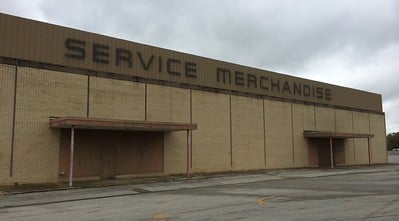
Service Merchandise pioneered the catalog showroom format, where shoppers browsed a printed catalog, filled out an order slip, and picked up merchandise from a warehouse counter rather than shelves. The model fell out of favor as discount retailers offered open-shelf shopping with lower overhead, and the chain liquidated all of its remaining stores in 2002 after a bankruptcy that had dragged on for several years.
F.W. Woolworth
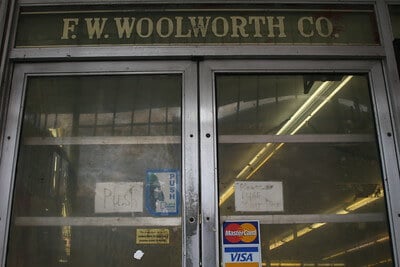
The original five-and-dime variety store chain that gave rise to the modern discount retail format closed all of its remaining US stores in 1997 after more than a century in business, a closure that stunned an industry Woolworth’s had essentially invented. The company’s parent later refocused entirely on its athletic footwear division, which grew into Foot Locker.
Structure and Where the Signs Went

Every name on this list left behind more than empty storefronts. Mall developers spent years subdividing former anchor spaces into food courts, gyms, and urgent care clinics, while entire supply chains built around delivering pallets to thousands of locations had to be dismantled or repurposed almost overnight.
The physical footprint of American retail shrank by tens of millions of square feet across these closures alone. What lingers is not the merchandise but the ritual attached to it: a specific errand, a specific parking lot, a specific hour of a Saturday that no longer has anywhere to go.
Nostalgia for a defunct store is really nostalgia for the version of a life that included a reason to visit it, which may be why these closures still generate more conversation than the quarterly earnings reports that caused them.
More from Go2Tutors!

- The Romanov Crown Jewels and Their Tragic Fate
- 13 Historical Mysteries That Science Still Can’t Solve
- Famous Hoaxes That Fooled the World for Years
- 15 Child Stars with Tragic Adult Lives
- 16 Famous Jewelry Pieces in History
Like Go2Tutors’s content? Follow us on MSN.