15 Lucky Breaks That Changed History
History loves to celebrate brilliant minds and bold leaders, but scratch beneath the surface and something else emerges. A storm that delays a fleet just long enough.
A rejected art student who changes the course of an empire. A scientific accident that saves millions of lives.
These moments remind you that the grand sweep of human events often hinges on the smallest, most unexpected turns of fate.
The Spanish Armada’s Deadly Detour
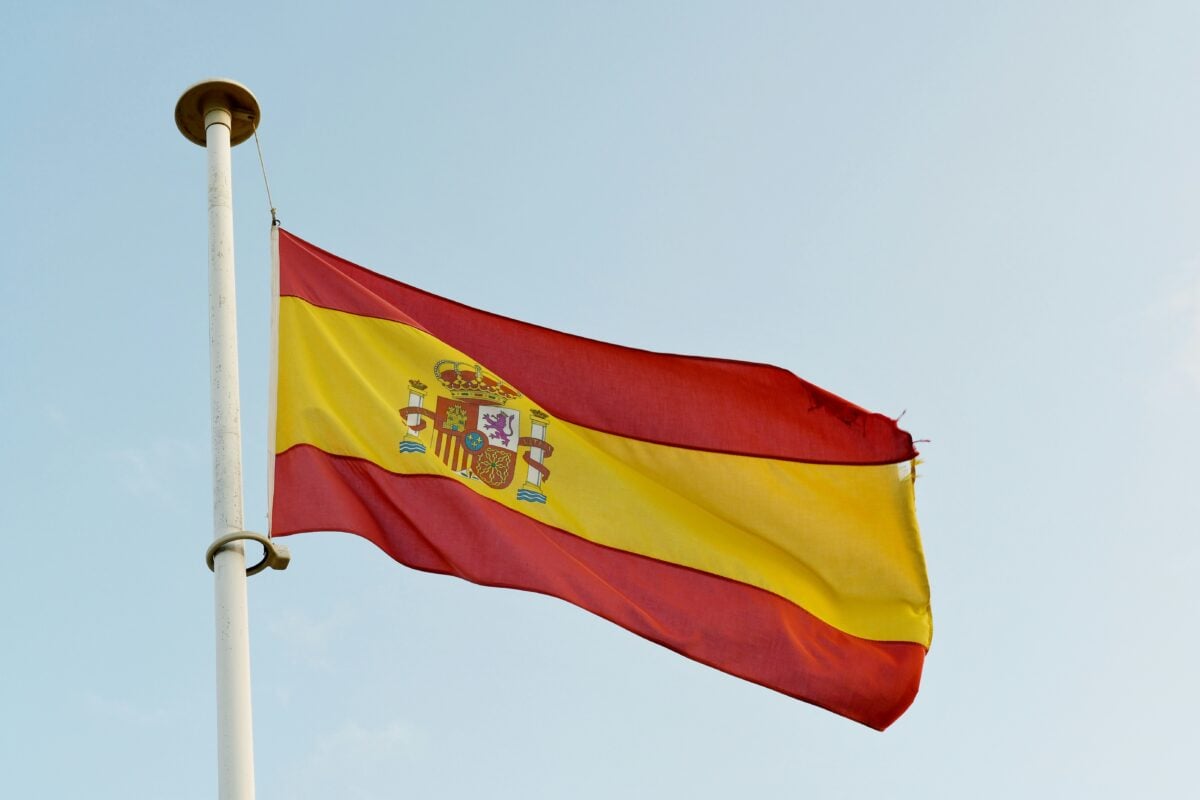
The winds didn’t care about Philip II’s grand plans. His massive fleet, built to crush English naval power once and for all, ran straight into storms that scattered ships across the North Sea like toys in a bathtub.
England’s smaller, faster vessels picked off the stragglers. Without that weather, Spanish control over the seas might have lasted centuries longer.
Instead, England got its opening to become a maritime empire.
Alexander Fleming’s Messy Lab
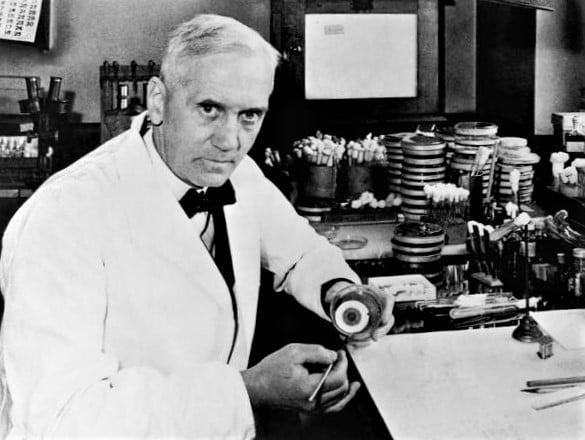
Fleming wasn’t trying to revolutionize medicine when he left that petri dish uncovered in 1928 — he was just being careless (and by some accounts, a bit sloppy with his lab maintenance, which his colleagues had been quietly grumbling about for years). So when he returned from vacation to find mold contaminating his bacterial cultures, most scientists would have cursed their luck and started over.
Fleming paused. The bacteria around the mold had died.
That accident became penicillin, and penicillin became the reason your great-grandfather survived that infection that would have killed him in 1920. But it’s worth considering how many other revolutionary discoveries got thrown in the trash because someone was having a more organized day.
The line between breakthrough and waste bin often comes down to whether you’re curious enough to stare at your failures a little longer than feels comfortable.
Rosa Parks’ Tired Feet
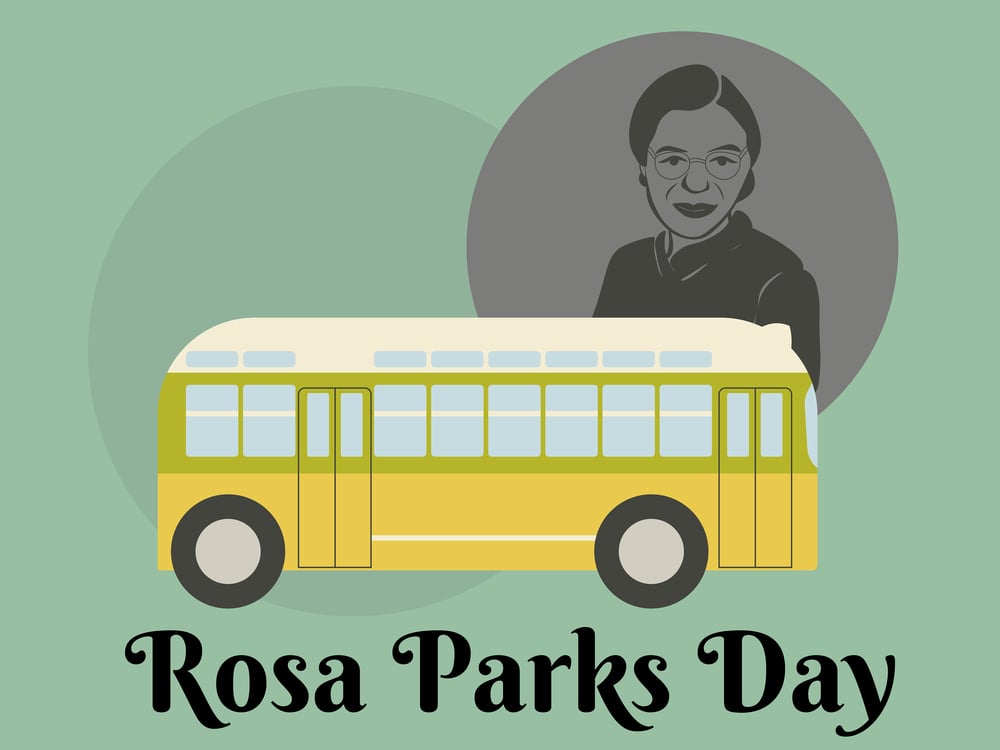
December 1st, 1955 wasn’t supposed to be the day that launched the Montgomery Bus Boycott. Parks hadn’t planned to become the face of civil rights resistance — she’d simply had enough. Her feet hurt, her day had been long, and when the bus driver demanded she give up her seat, something inside her refused to move.
That moment of personal exhaustion became a catalyst. Sometimes the most powerful political acts aren’t calculated strategies.
They’re just ordinary people reaching their limit at exactly the right moment, when the world is finally ready to listen.
The Assassination That Started World War I
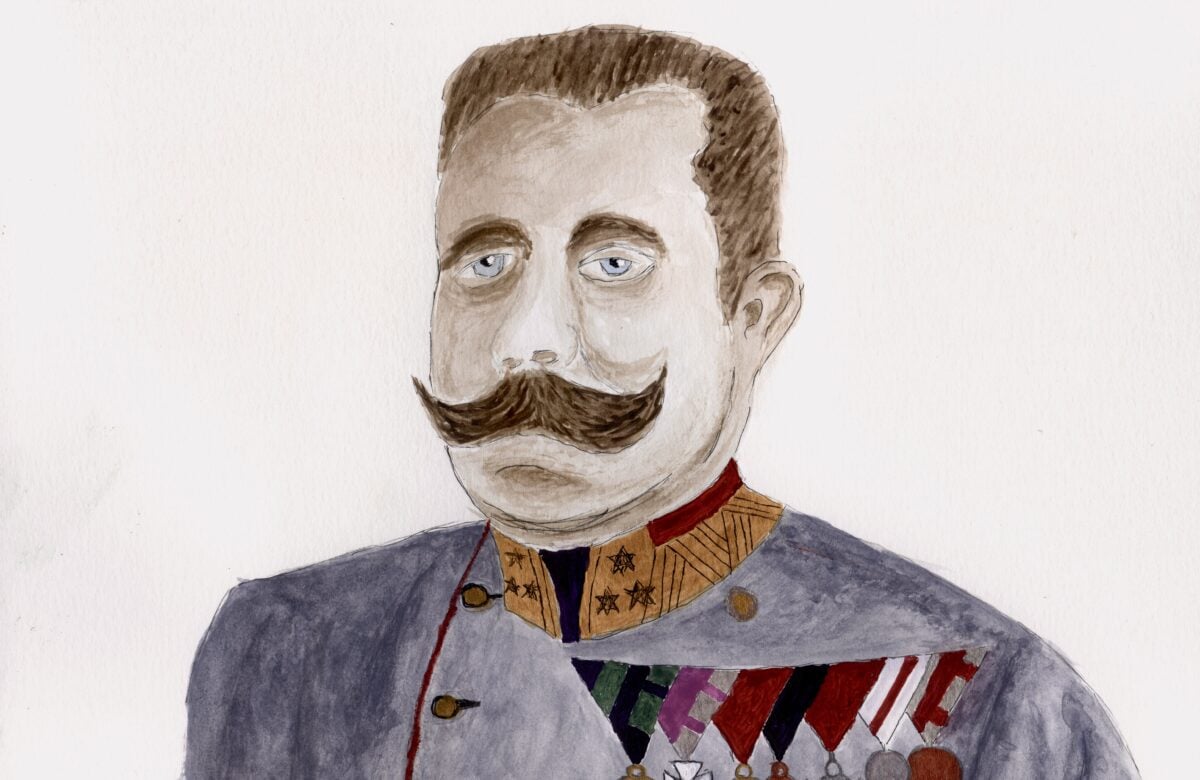
Archduke Franz Ferdinand’s driver took a wrong turn. That’s it — that’s how the most devastating war in human history up to that point got its spark.
The royal motorcade was supposed to follow a planned route through Sarajevo, but the driver missed a turn and had to back up. Right into the path of Gavrilo Princip, who’d been standing on a street corner after his earlier assassination attempt had failed.
Princip couldn’t believe his luck. Neither could the millions of soldiers who died in the trenches four years later.
One wrong turn, and empires crumbled. Geography has always been destiny, but rarely so literally.
Christopher Columbus’ Mathematical Error
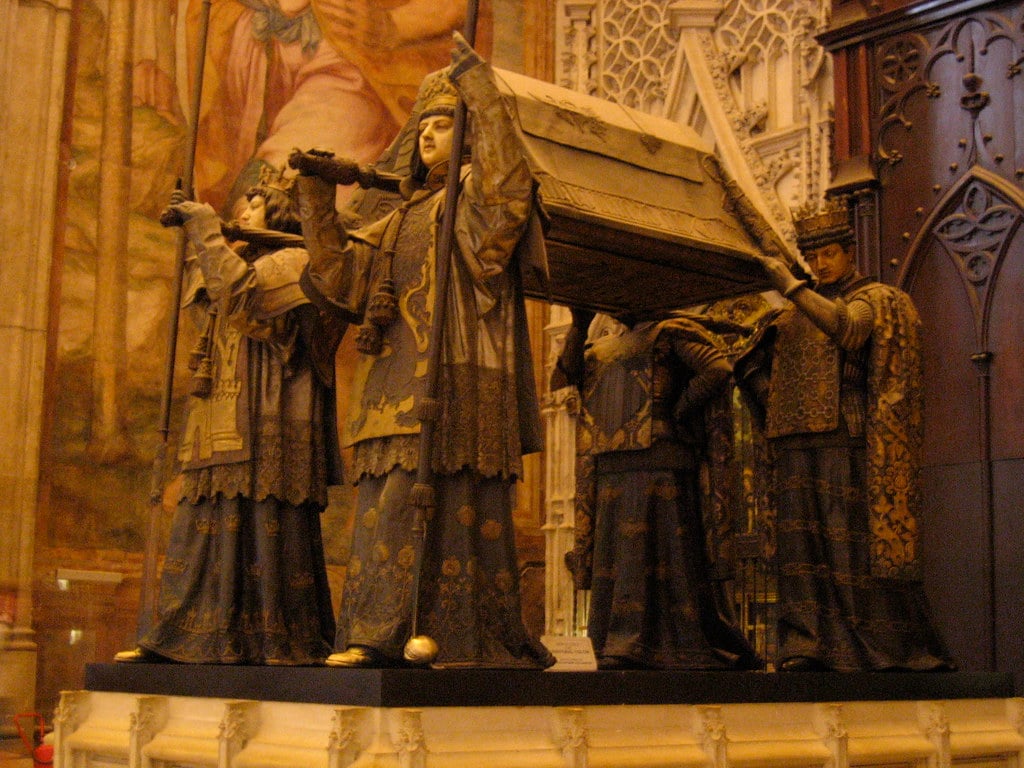
Columbus was wrong about almost everything. The size of the Earth, the distance to Asia, the nature of what he’d find across the Atlantic — his calculations were so far off that more knowledgeable navigators of his time thought his mission was suicidal.
They were probably right. If the Americas hadn’t been sitting there, unexpected and uncharted, Columbus and his crews would have starved to death somewhere in the middle of an ocean that turned out to be much larger than he’d convinced himself it was. His ignorance became Europe’s accidental gateway to a new world.
Being spectacularly wrong has never paid off so handiously for so many people (though notably, not for the people who were already living there).
Stanislav Petrov’s Gut Feeling
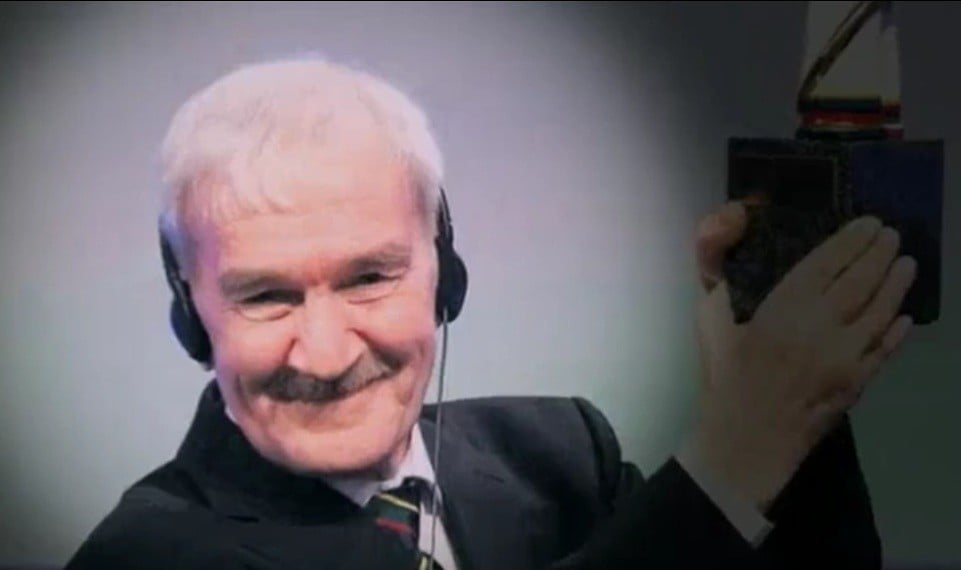
September 26th, 1983. Soviet early warning systems detected incoming American missiles — multiple launches, heading straight for Russia. The protocol demanded immediate retaliation.
Nuclear war was seconds away from becoming inevitable, the kind of escalation that would have left major cities as radioactive craters and civilization itself hanging by threads that were already fraying. Lieutenant Colonel Stanislav Petrov looked at the readings and decided they were wrong.
No evidence, no additional confirmation — just instinct. And yet his decision probably saved the world, though most people still don’t know his name.
Turns out the computer glitch that almost ended human civilization was caused by sunlight reflecting off clouds at just the wrong angle. Go figure.
The Wrong Envelope at the 2017 Oscars

This one seems trivial compared to world wars and medical breakthroughs, but it illuminates something essential about how quickly narratives can shift when chance intervenes. Warren Beatty opened the wrong envelope, announced the wrong winner for Best Picture, and for about three minutes, “La La Land” had won the Oscar instead of “Moonlight.”
Those three minutes mattered. They created a moment of confusion that became a moment of grace — the “La La Land” producers handed over their awards with genuine warmth, and “Moonlight,” a small film about identity and belonging, had its victory amplified by the chaos.
Sometimes the mistake becomes more memorable than what was supposed to happen.
Genghis Khan’s Childhood Escape
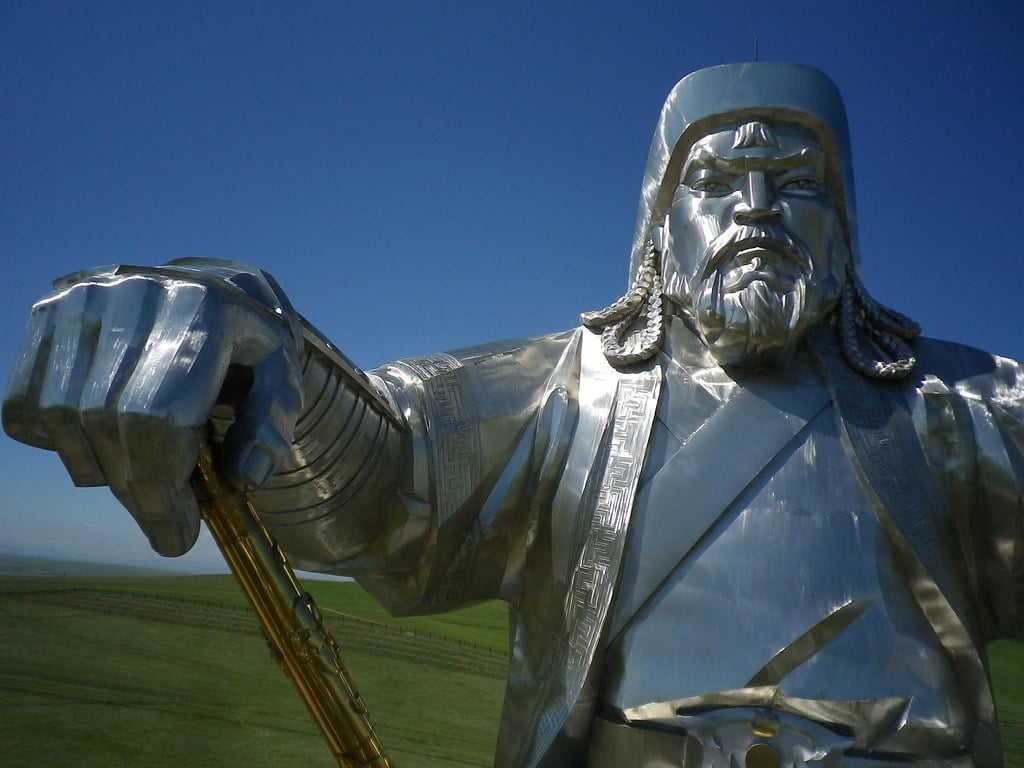
The future conqueror of most of the known world almost died as a child, captured by a rival tribe that planned to execute him. He escaped during a feast when his captors got drunk and forgot to keep watching their prisoner.
That moment of negligence unleashed someone who would reshape the demographics of an entire continent. Genghis Khan’s empire stretched from Eastern Europe to the Pacific Ocean.
His armies were ruthless, his tactics revolutionary, his impact on global gene pools still measurable today. None of it happens if those guards stay sober for one more night.
The Telegram That Brought America Into World War I
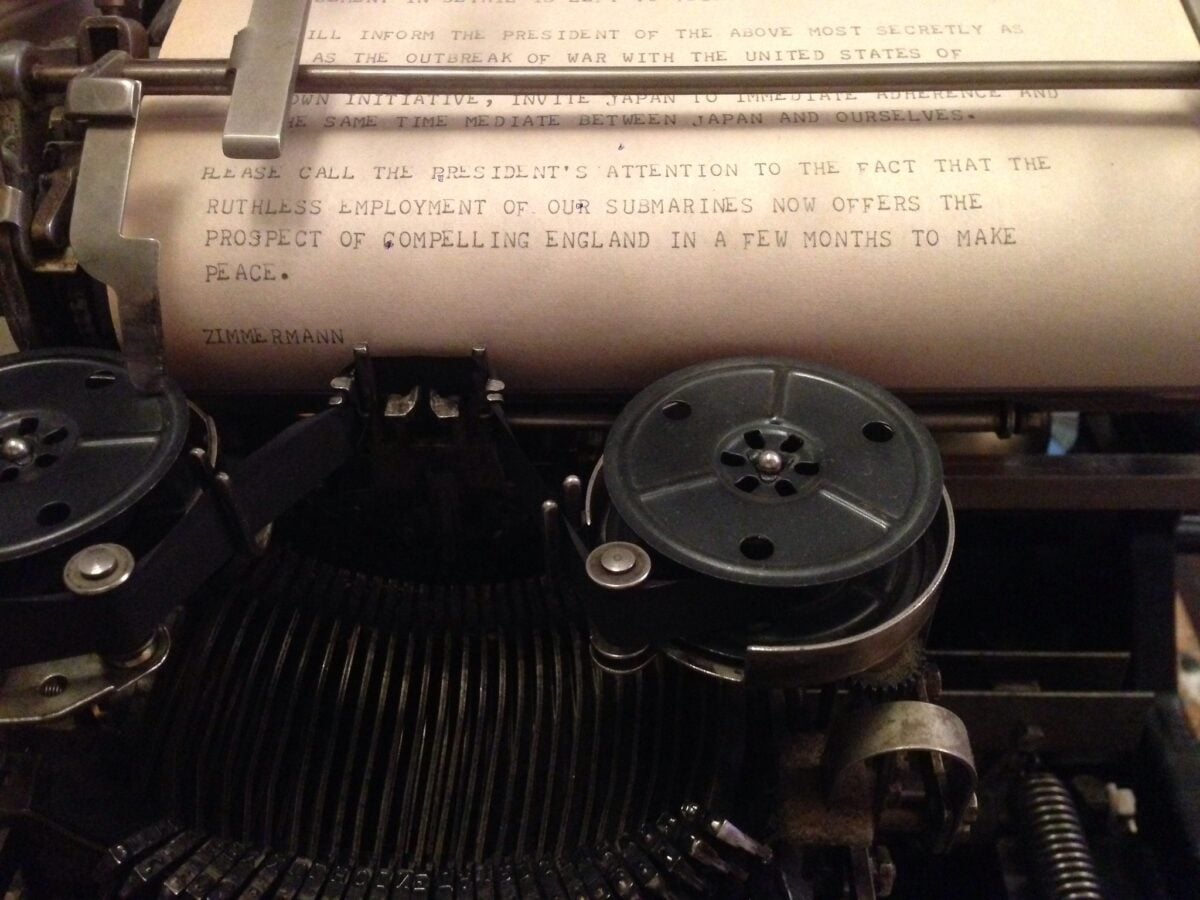
The Zimmermann Telegram should never have been intercepted. Germany’s proposal to Mexico — offering them Texas, New Mexico, and Arizona in exchange for joining the war against the United States — was sent through channels the Germans believed were secure.
But British codebreakers had been quietly reading German diplomatic cables for months, waiting for something useful. When they decrypted this particular message, they knew they’d found it.
American public opinion, which had been stubbornly resistant to joining the European conflict, shifted almost overnight. The telegram’s discovery turned an isolationist nation into a global superpower, though it took another world war to make that transformation complete.
Gutenberg’s Wine Press Inspiration
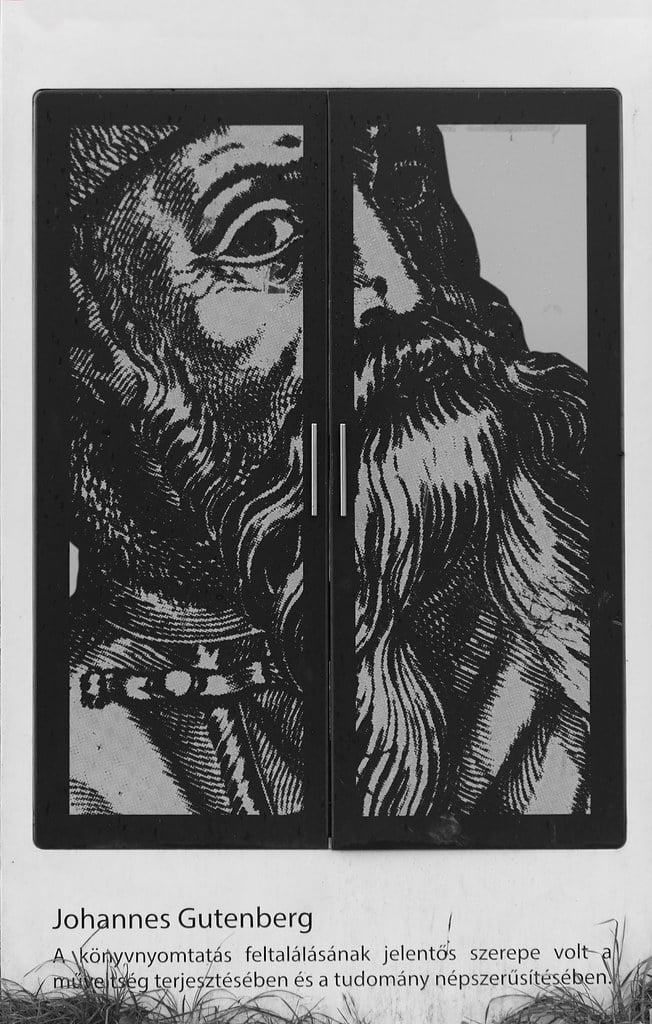
Johannes Gutenberg was watching grapes get pressed when the idea hit him. The same mechanical principle that squeezed juice from fruit could press type onto paper.
That observation became the printing press, which became the reason literacy spread beyond the wealthy, which became the foundation of the scientific revolution. Before Gutenberg, books were hand-copied by scribes, expensive and rare.
After, ideas could travel faster than the people who had them. The Protestant Reformation, the Enlightenment, the rise of democratic thinking — all of it traces back to a man watching wine getting made and seeing something else entirely.
The Storm That Saved Japan
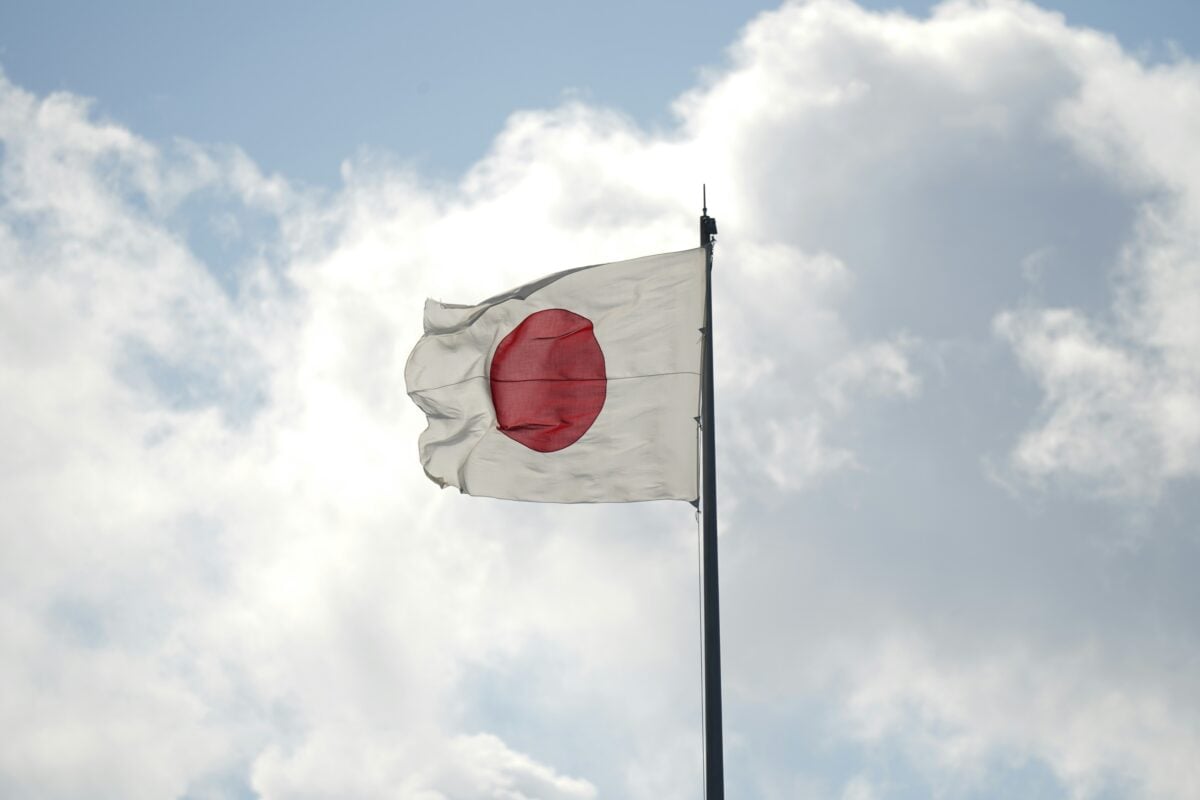
The Mongol invasions of Japan should have succeeded. Kublai Khan’s fleets were massive, his armies experienced, his strategy sound.
The first invasion in 1274 had already established a beachhead when a typhoon scattered the ships. The second invasion in 1281 was even larger — until another storm destroyed it.
The Japanese called these typhoons “kamikaze,” divine wind, and the myth of their island’s special protection shaped their culture for centuries. Without those storms, Japanese isolation might never have developed, and the unique civilization that emerged there might have been absorbed into the Mongol Empire instead.
Darwin’s Delayed Voyage
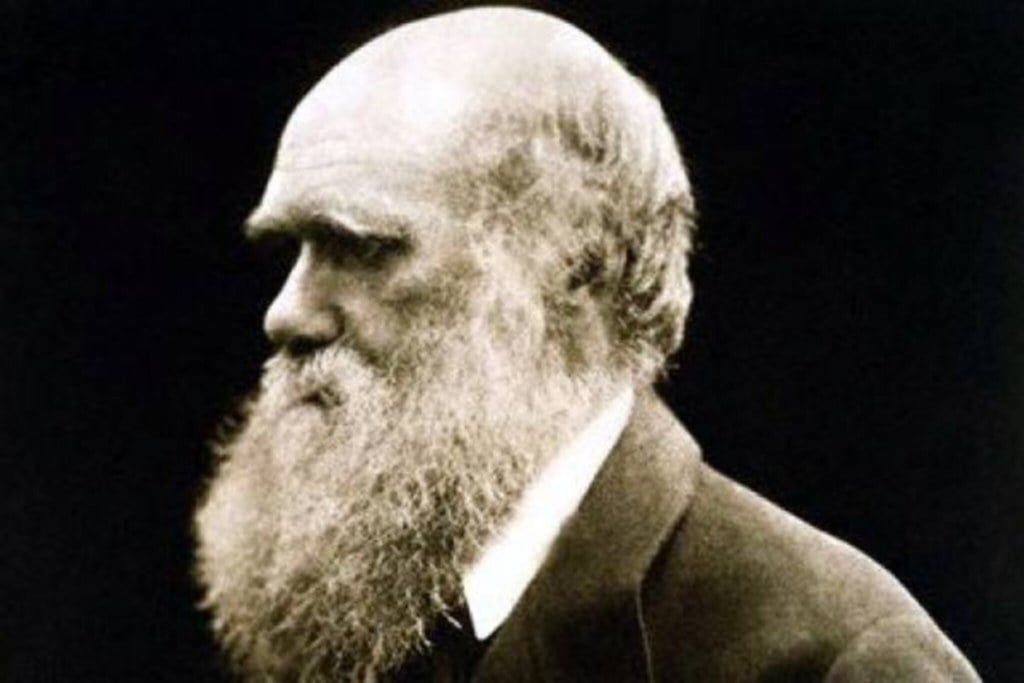
Charles Darwin almost didn’t make it onto the HMS Beagle. The ship’s captain, Robert FitzRoy, initially rejected him — not for his qualifications, but because FitzRoy believed he could judge character by the shape of a man’s nose, and Darwin’s nose suggested a lack of determination.
FitzRoy eventually changed his mind, and Darwin spent five years collecting the observations that would become “On the Origin of Species.” The theory of evolution, the foundation of modern biology, the most important scientific framework for understanding life itself — all nearly derailed by Victorian-era nose prejudice.
Which says something about the arbitrary nature of the barriers that keep brilliant people from doing their best work.
The Fog That Saved Washington’s Army

The retreat from Brooklyn Heights should have ended the American Revolution before it really began. British forces had trapped Washington’s Continental Army against the East River, and morning would bring complete destruction.
The war for independence would be over, probably forever. Then fog rolled in, thick enough to hide thousands of men crossing the water in small boats.
By dawn, the entire army had escaped to Manhattan. The British woke up to empty trenches and missed their chance to crush the rebellion while it was still vulnerable. Sometimes the weather picks sides.
Hitler’s Art School Rejection
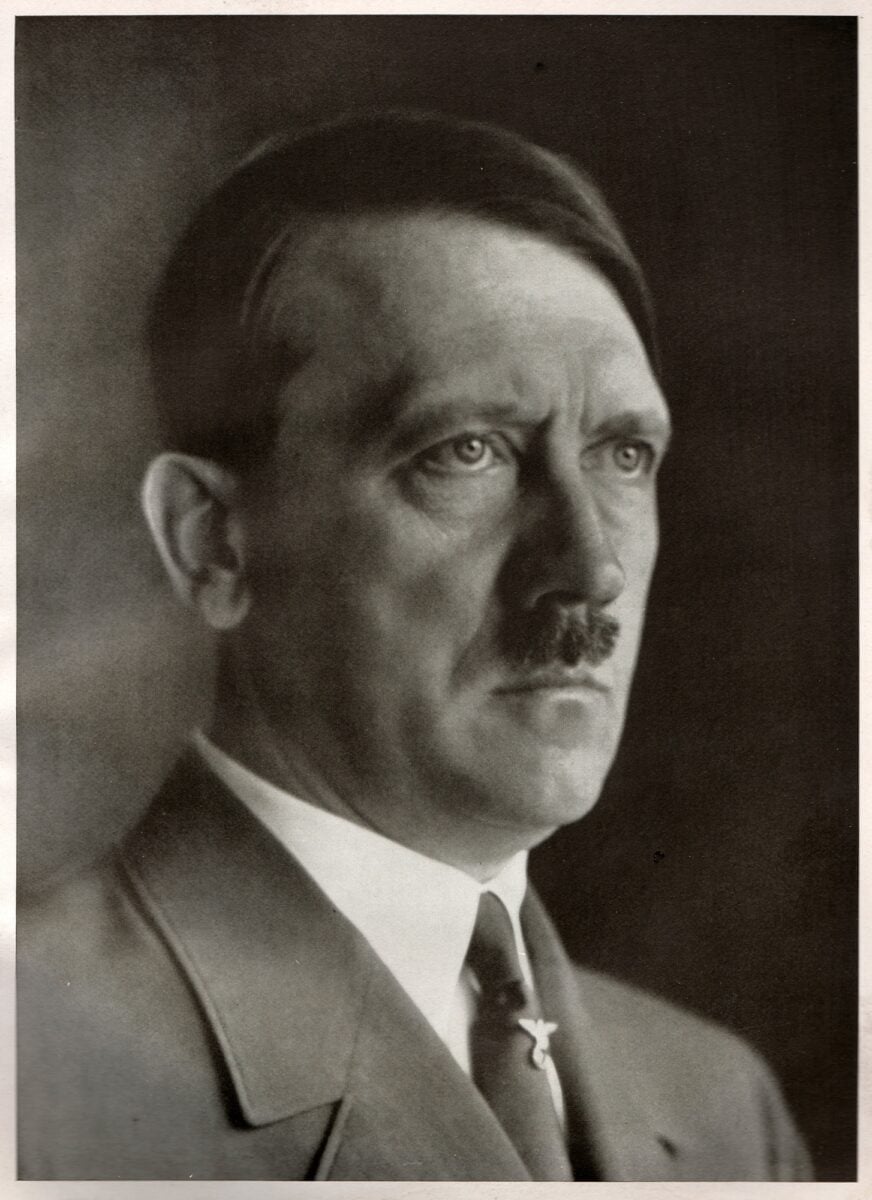
The Academy of Fine Arts in Vienna rejected Adolf Hitler’s application twice, in 1907 and 1908. His portfolio was deemed insufficient, his artistic vision unremarkable.
That rejection sent him into the political underground of post-war Germany, where his resentments found a different kind of expression. It’s impossible to know what would have happened if Hitler had become a mediocre landscape painter instead of a genocidal dictator.
But it’s worth remembering that history’s most catastrophic figures often started as failed artists, rejected academics, bitter men whose personal disappointments curdled into something much darker and more dangerous.
The Iceberg That Doomed the Titanic
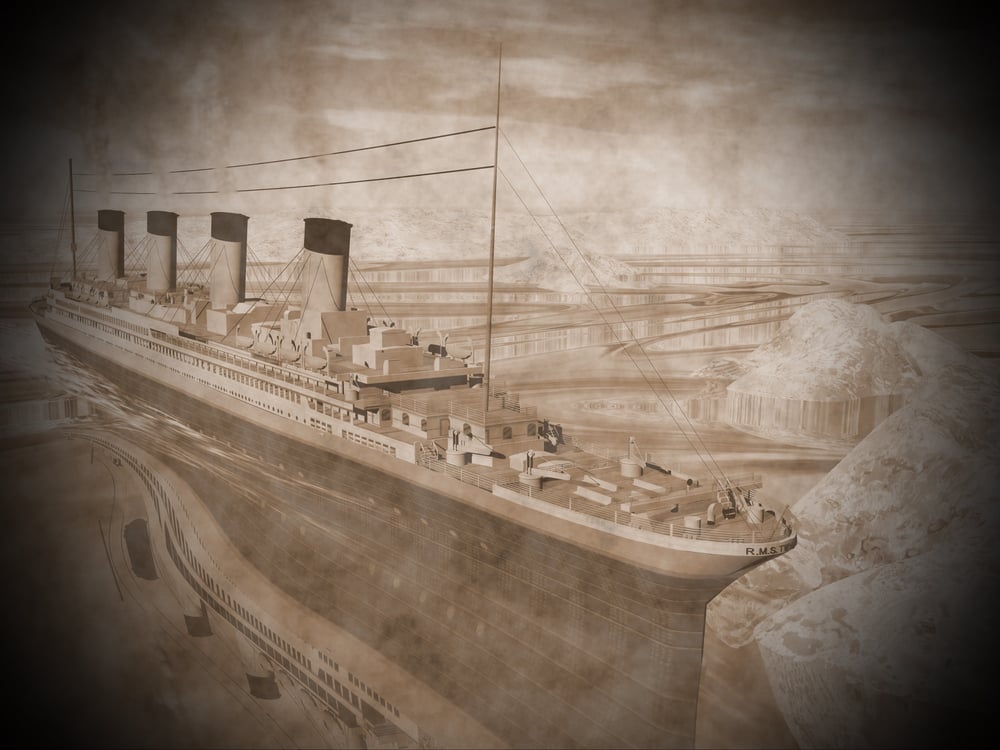
The Titanic’s collision with an iceberg wasn’t just bad luck — it was a perfect storm of small decisions and random chance. The ship was traveling faster than usual, trying to make up time. The night was unusually calm, which made icebergs harder to spot.
The lookouts had forgotten their binoculars. The iceberg had recently flipped, exposing its dark, nearly invisible side.
Any one of these factors might not have mattered. Together, they created a disaster that killed over 1,500 people and changed maritime safety regulations forever.
The ship that was supposed to be unsinkable became history’s most famous lesson in hubris, all because ice and water and human error converged at exactly the wrong moment.
When Luck Becomes Legend

These moments remind you that history isn’t the orderly progression of cause and effect that textbooks make it seem. It’s messier than that, more fragile, more dependent on the kind of small accidents that happen every day but usually don’t matter.
A storm changes course, someone makes the wrong turn, a scientist notices something odd instead of throwing it away. The most profound changes often begin with the most ordinary moments.
Someone gets tired and refuses to stand up. Someone else takes a second look at what everyone else would have ignored.
The future pivots on these tiny hinges, and afterwards, when we’re telling the story, we pretend it all makes sense. But at the moment, it’s just luck — the kind that changes everything.
More from Go2Tutors!

- The Romanov Crown Jewels and Their Tragic Fate
- 13 Historical Mysteries That Science Still Can’t Solve
- Famous Hoaxes That Fooled the World for Years
- 15 Child Stars with Tragic Adult Lives
- 16 Famous Jewelry Pieces in History
Like Go2Tutors’s content? Follow us on MSN.



