15 Thermoses and Picnic Sets Collectors Bid On
Vintage vacuum bottles and picnic sets occupy a strange corner of the collecting world, one where a dented steel cylinder that once held coffee on a construction site can outsell furniture. Condition, completeness, and original packaging separate a five-dollar flea market find from a four-figure auction lot.
Aladdin Industries Character Lunch Kits

Aladdin Industries dominated the school lunch box market through the mid-20th century, and its licensed thermoses — sold as matched sets with metal lunch boxes — are now the backbone of the hobby. Boxes tied to short-lived television shows command the highest prices because so few survived a full season of playground use.
Pricing swings enormously with condition, since dents, rust on the cap, and a cracked glass liner inside the thermos can cut a set’s value by more than half.
American Thermos Bottle Company Scotch Plaid Jugs
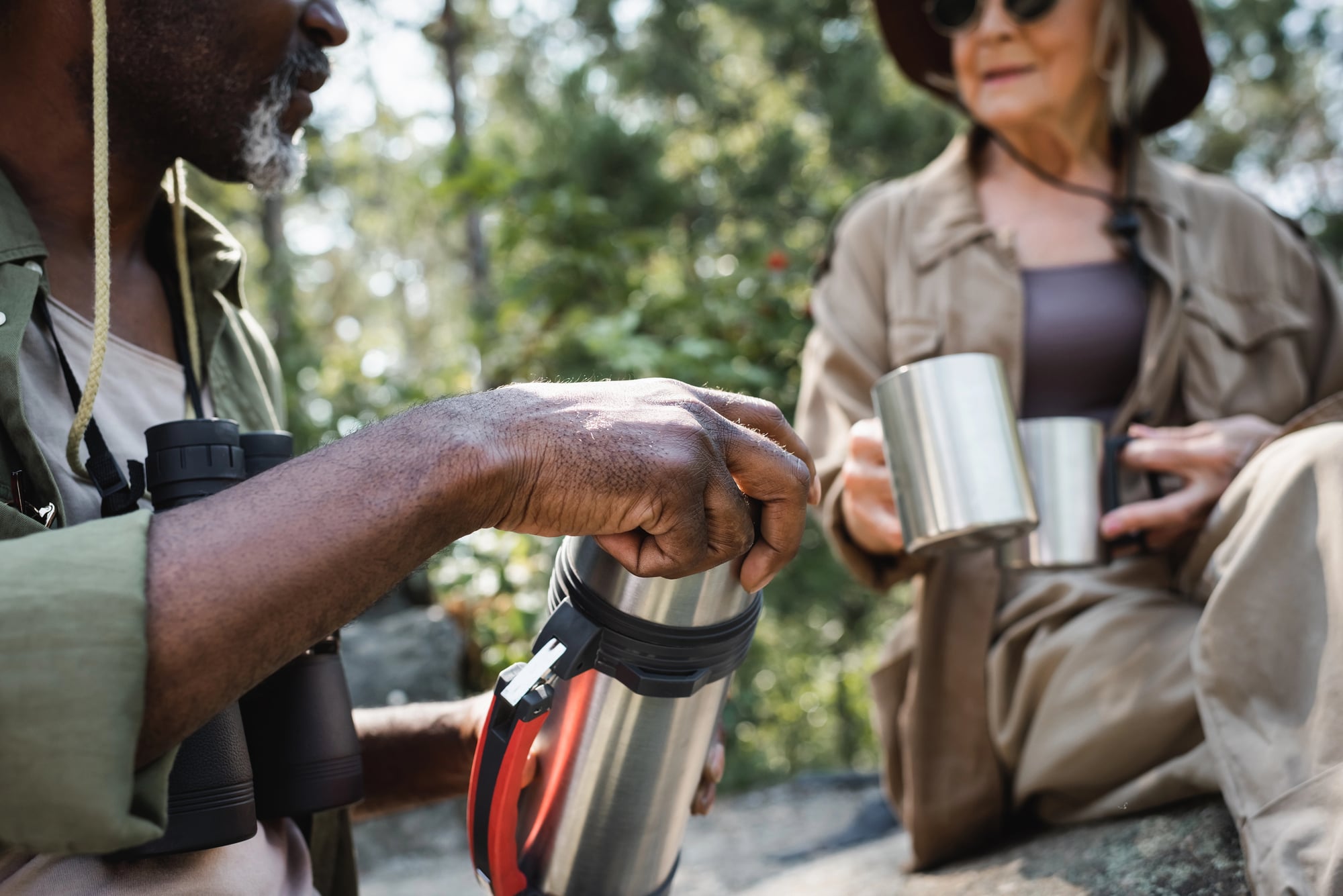
The red-and-black “Scotch Plaid” pattern, produced for decades by the American Thermos Bottle Company and its successor King-Seeley Thermos, became the default picnic jug for mid-century American families. Complete sets with the original spout, cup, and metal carrying handle are far scarcer than the jugs alone, since the plastic cups were the first piece to crack or go missing.
Collectors specifically seek out the gallon-size jugs, which saw less production than the smaller quart models.
Stanley Aladdin Vacuum Bottles
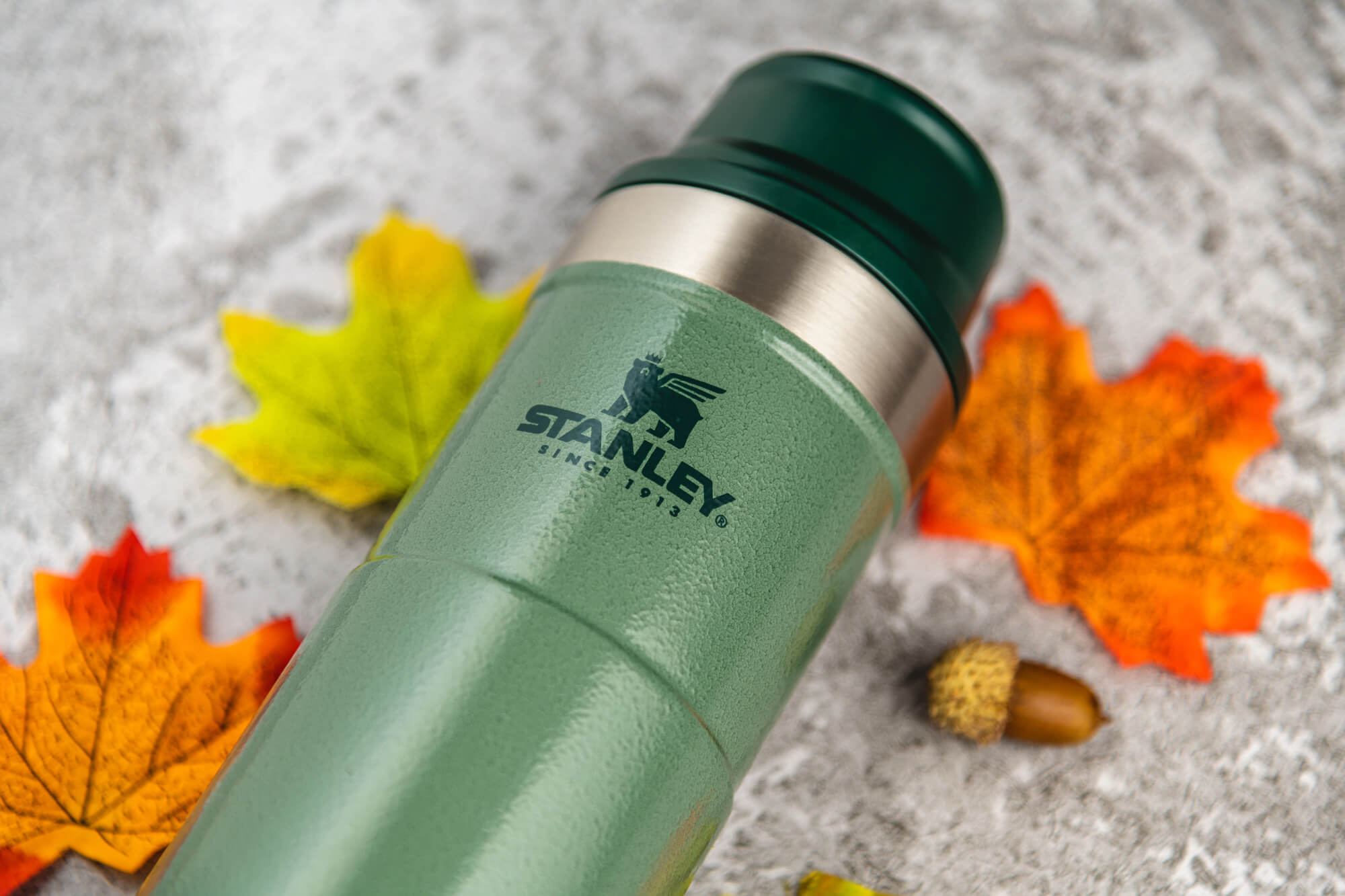
Before Stanley became a modern outdoor-gear brand, it operated for a period under license as Stanley Aladdin, producing steel vacuum bottles aimed at factory and farm workers. Pre-merger bottles with the earlier “Aladdin” stamping are the ones collectors chase, since they mark a narrow production window.
As with most vacuum ware, a bottle that still holds a vacuum and has an intact glass liner is worth substantially more than one kept purely for display.
Corning Ware Cornflower Picnic Jugs
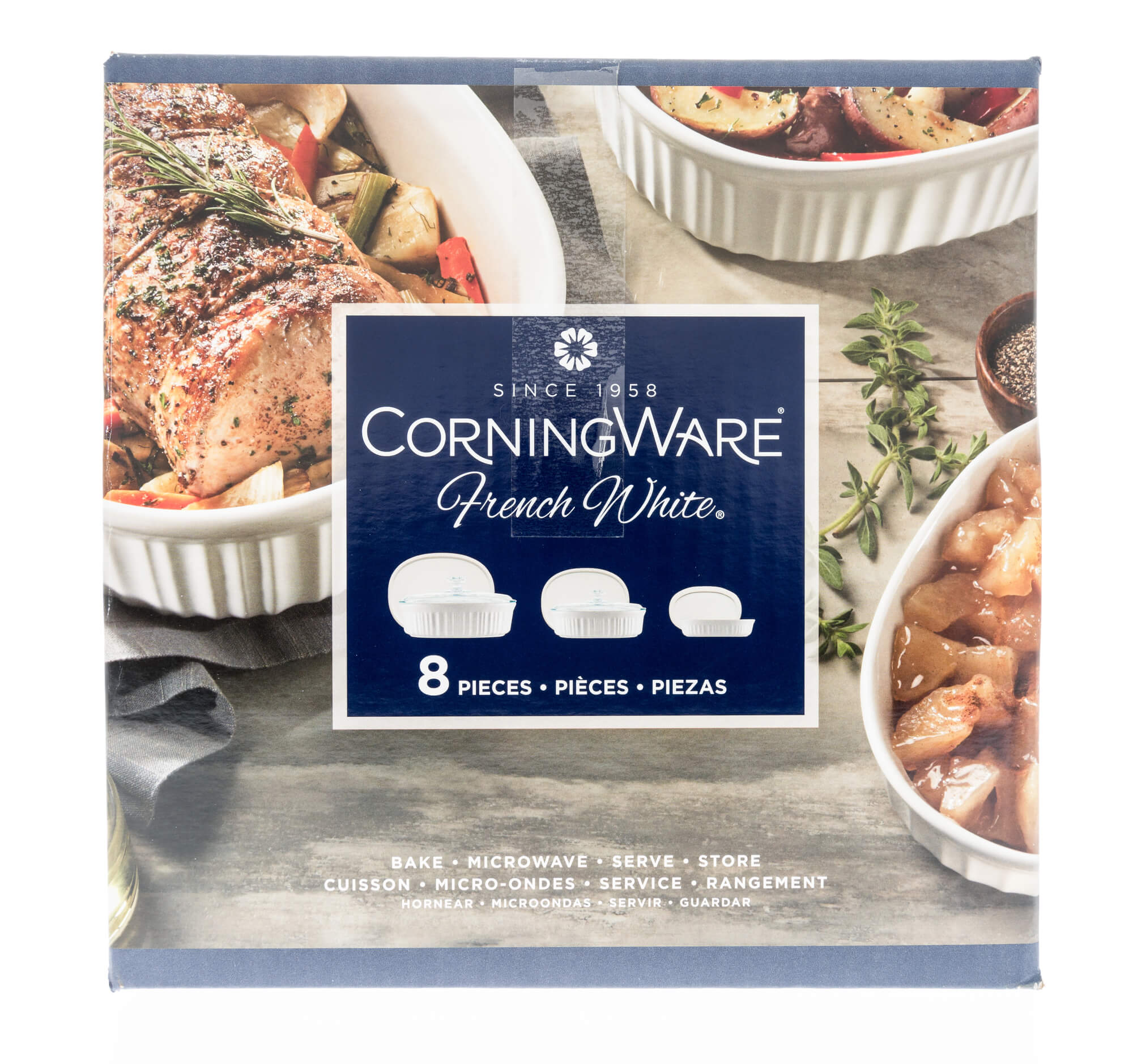
Corning’s blue cornflower pattern, introduced in the 1950s, extended beyond ovenware into picnic thermoses and jugs, and the pattern’s long production run means quality varies enormously between early and late pieces. Collectors pay close attention to the sharpness of the printed cornflower design, since later reproductions used a duller ink.
A jug with its original box and instruction insert sells for meaningfully more than the same jug alone.
Universal Landers Frary & Clark Picnic Kits
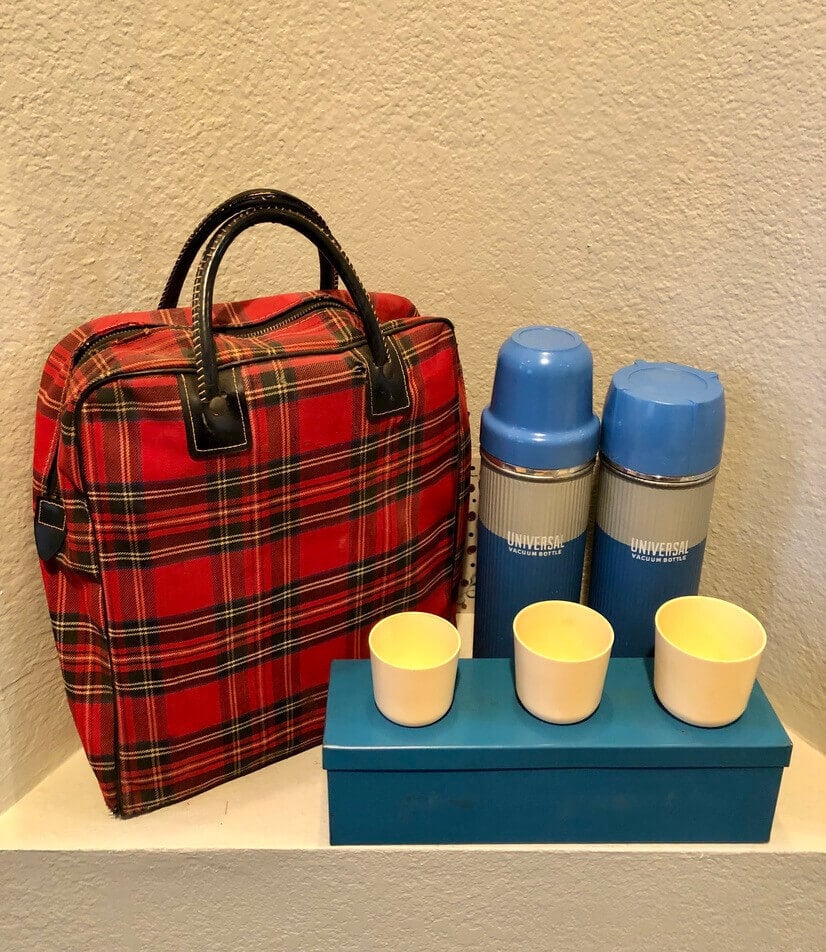
Landers, Frary & Clark sold complete metal picnic kits under the Universal brand, bundling a vacuum bottle with sandwich tins and folding cutlery in a single carrying case. Full kits with every original tin are uncommon, since pieces were easily separated once a family stopped using the set together.
The carrying case itself, often overlooked, is frequently the rarest surviving component.
Coleman Steel Picnic Jugs
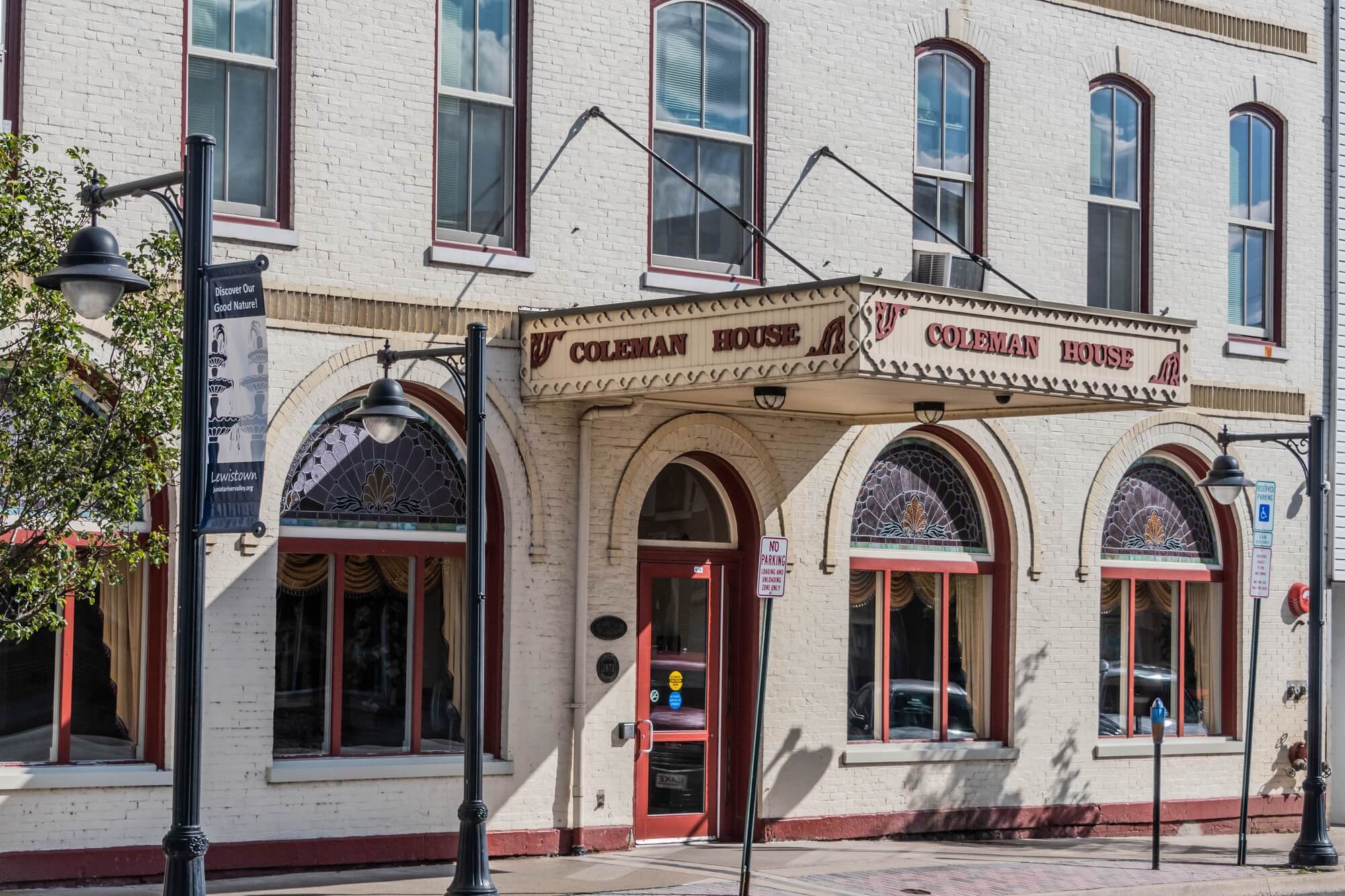
Coleman’s entry into vacuum ware leaned on its existing reputation for camping equipment, and its steel picnic jugs from the 1950s and 1960s are collected largely for their industrial, unadorned look next to the more decorative competition. Rust along the seams is the main condition issue buyers check for, since it signals interior damage that can’t be seen from outside.
Jugs still bearing the original Coleman decal, rather than a painted-on logo from a later run, bring a premium.
Thermos Brand Mickey Mouse Bottle
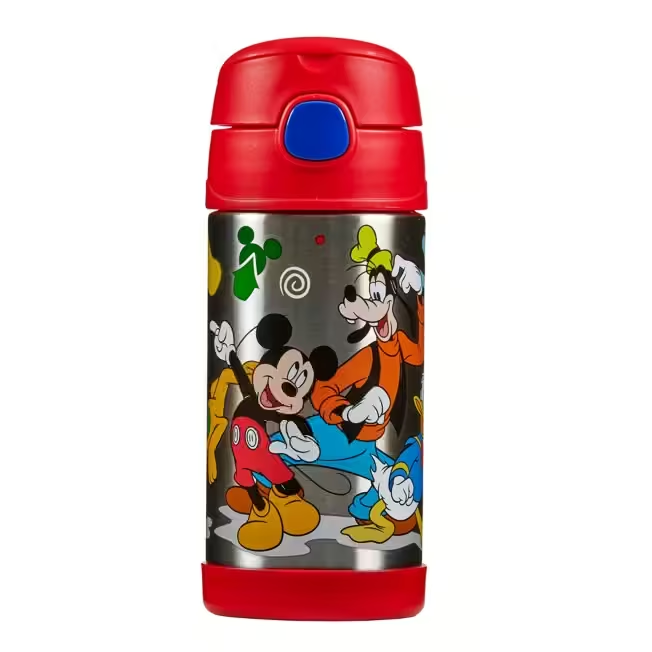
The licensing deal between the Thermos brand and Walt Disney Productions produced some of the earliest character-themed vacuum bottles in the 1930s, well before the postwar lunch box boom made licensed thermoses common. Surviving examples from this early run are scarce enough that even heavily worn bottles draw serious bidding.
Because the glass liners in bottles this old rarely survived intact, a piece that still rattles when shaken is worth noticeably less than one that doesn’t.
Halsey Taylor Institutional Water Jugs
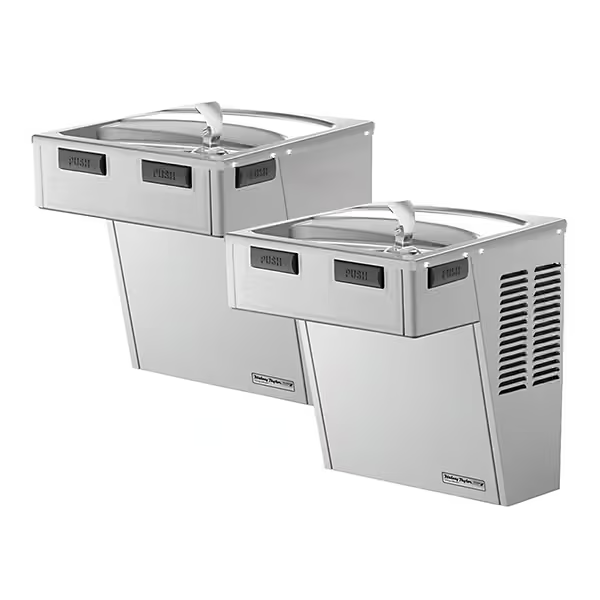
Halsey Taylor, better known for drinking fountains, also produced heavy-gauge institutional water jugs used in schools and factories rather than for family picnics. Their utilitarian design has made them a niche but growing category, prized by collectors who focus on workplace and industrial artifacts rather than domestic picnic ware.
Because they were built for daily commercial use rather than home display, finding one without significant wear is unusual.
Pyrex Butterprint Picnic Sets
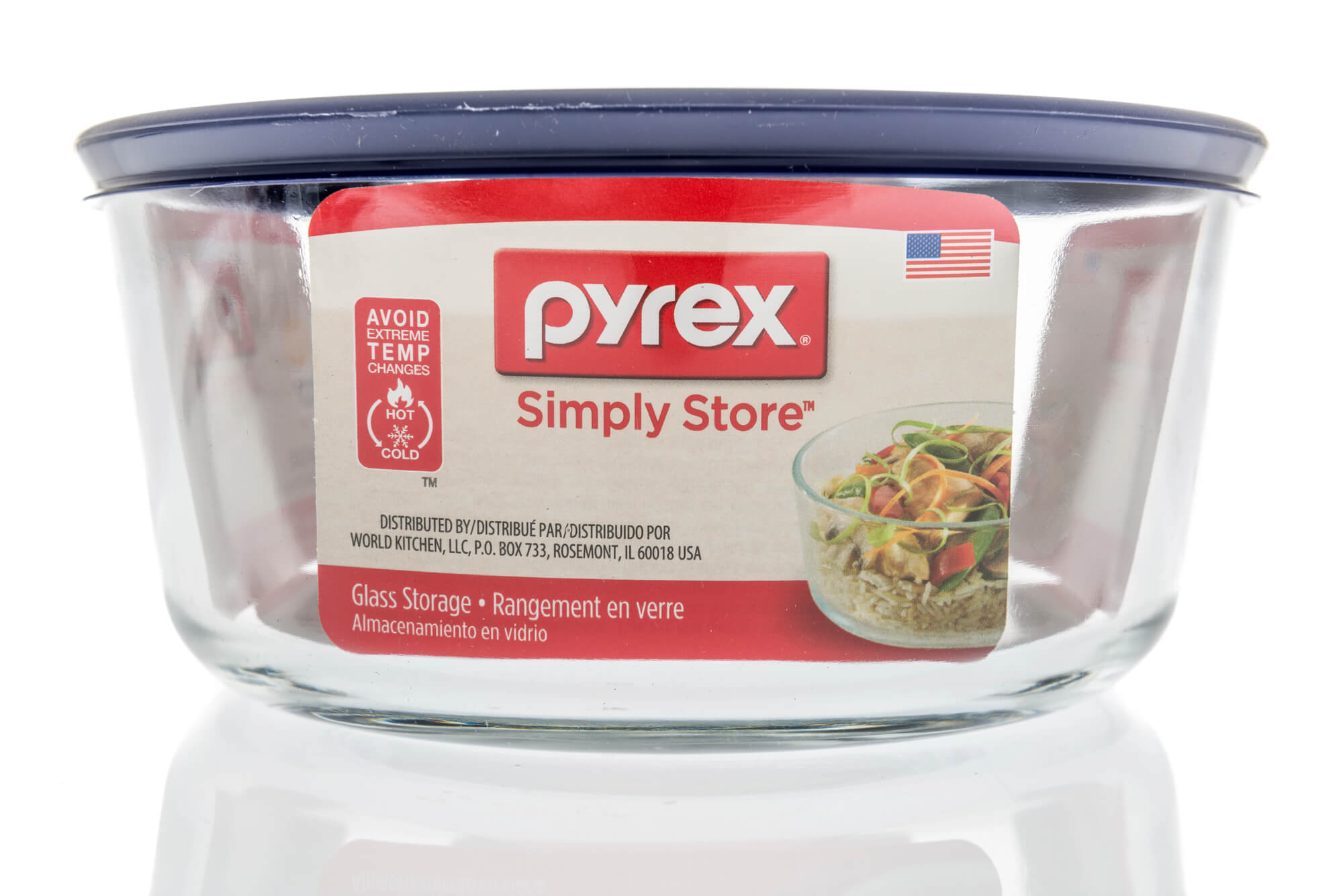
Pyrex extended its popular Butterprint pattern — the silhouetted Amish couple and corn motif — into picnic thermoses sold as companions to its mixing bowl sets. These pieces are collected as much for matching an existing Pyrex bowl collection as for their own merit, which pushes prices up among buyers trying to complete a themed set.
Turquoise-on-white examples are more common than the black-and-white color combination, which changes relative pricing within the pattern.
Griswold and Wagner Camp Cookware Bundled Sets
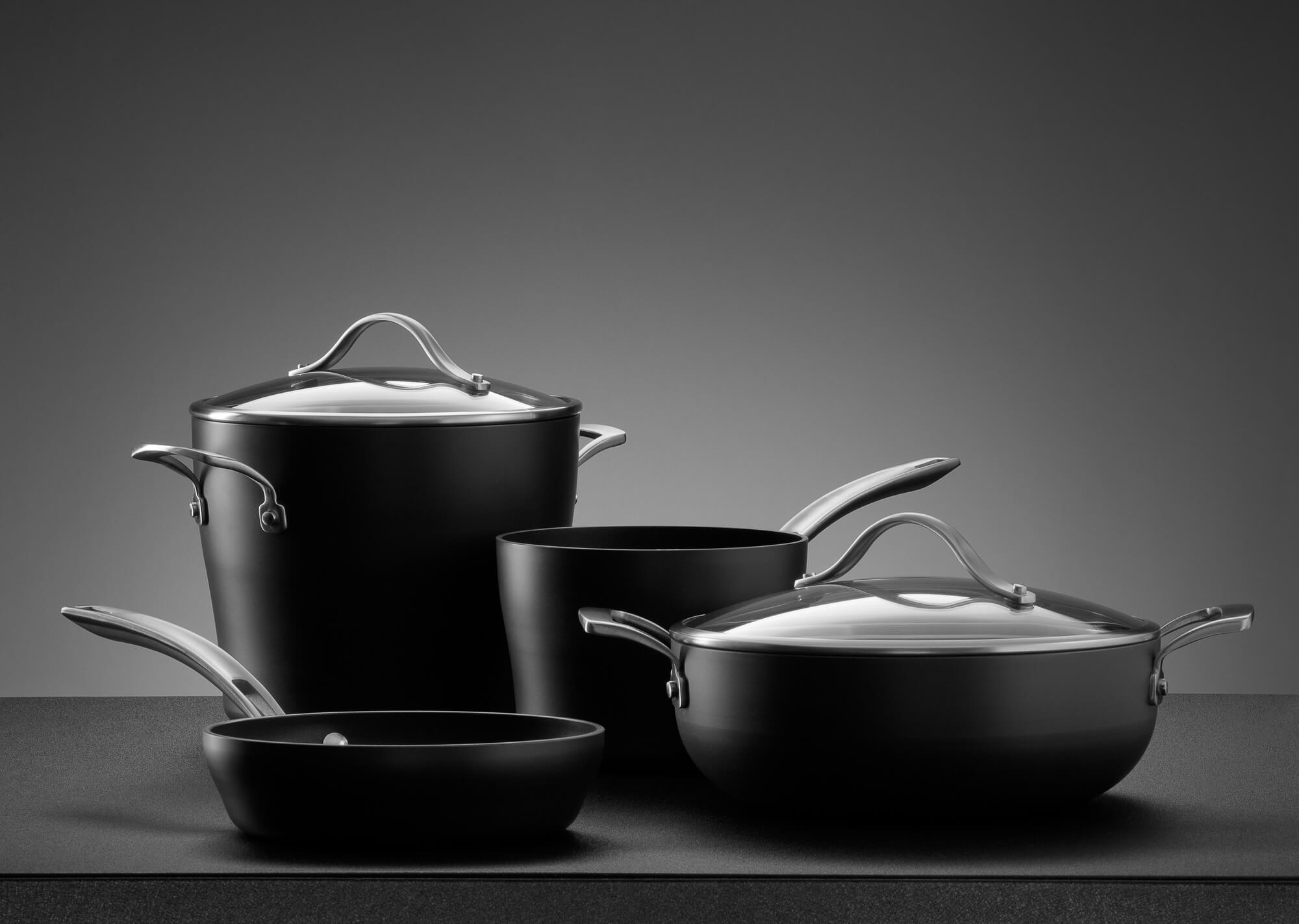
Cast iron makers Griswold and Wagner occasionally bundled camp cookware with vacuum jugs for outdoor retailers in the early-to-mid 20th century, producing combination sets that are now split apart more often than found whole. Collectors of cast iron cookware and collectors of vacuum ware sometimes compete for the same bundled lot for different reasons, which can drive prices past what either category would command alone.
Rust pitting on the cast iron pieces matters more to value than any wear on the thermos itself.
Universal Glasvac Insulated Jugs
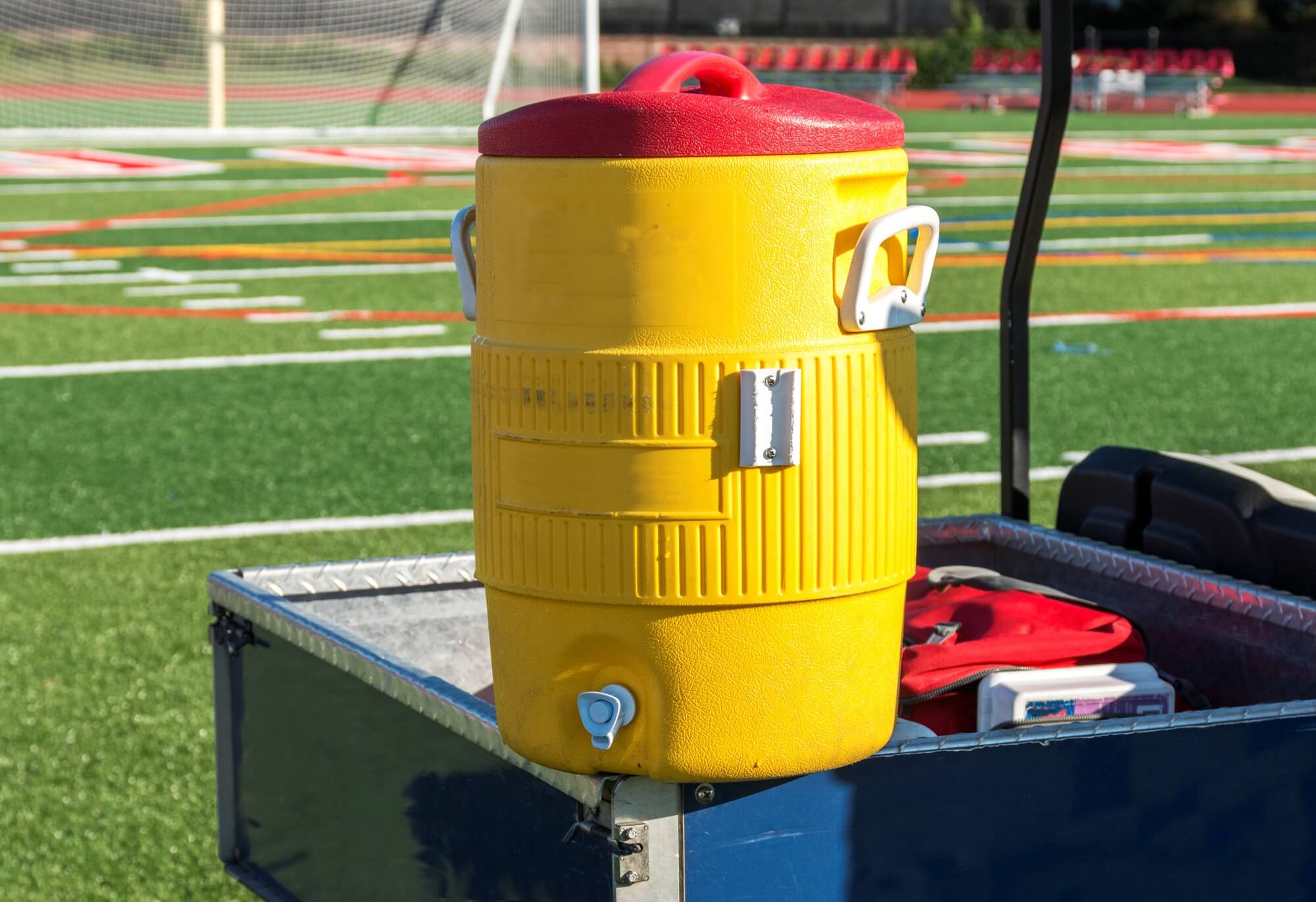
Landers, Frary & Clark also marketed a separate “Glasvac” line distinct from its Universal picnic kits, aimed at the mid-market between premium vacuum bottles and cheap tin imitations. The line is less documented than its competitors, which makes attribution and dating harder and keeps prices comparatively lower than better-known brands.
Collectors who specialize in mid-century industrial design have kept the line from disappearing entirely from the market.
Boy Scouts of America Field Vacuum Bottles

Officially licensed Boy Scouts of America camping gear included branded vacuum bottles sold through scout supply catalogs rather than general retailers, giving them a narrower original distribution than commercial brands. The scouting fleur-de-lis emblem stamped or printed on the body is the detail collectors check first, since generic outdoor jugs are sometimes misattributed to the brand.
Because these were built for rugged field use, near-mint survivors are unusually prized.
Thermos Brand Case Logo Steel Bottles
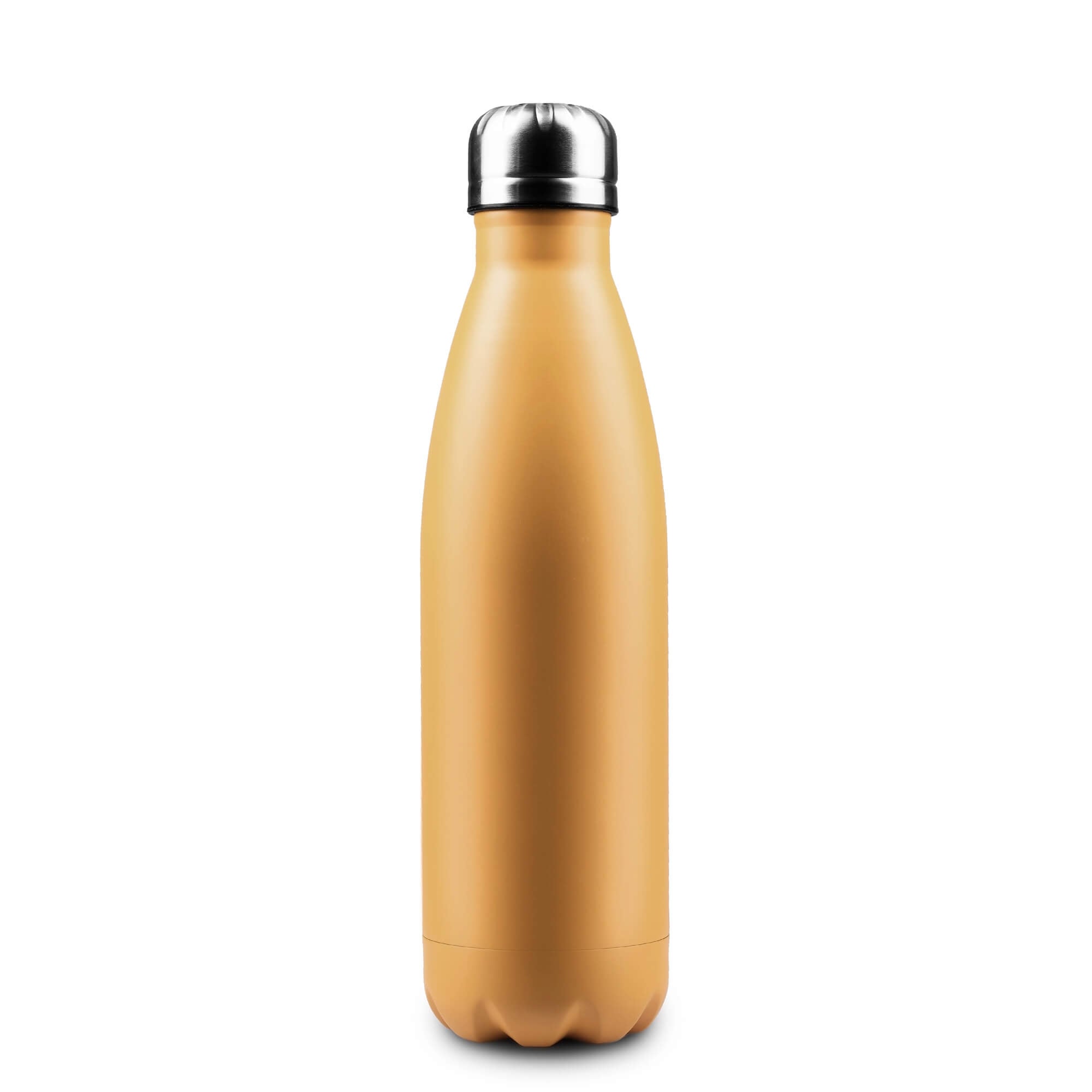
Early Thermos-branded steel bottles bearing the company’s original oval “Case” logo predate the more familiar mid-century script branding, and the logo change gives collectors a reliable way to date a piece without other markings. These earlier bottles tend to have simpler, unpainted steel bodies compared to the enameled colors that came later.
As with most vacuum ware, functional condition — whether the bottle still insulates — affects price more than cosmetic wear.
Universal Enamelware Picnic Jugs
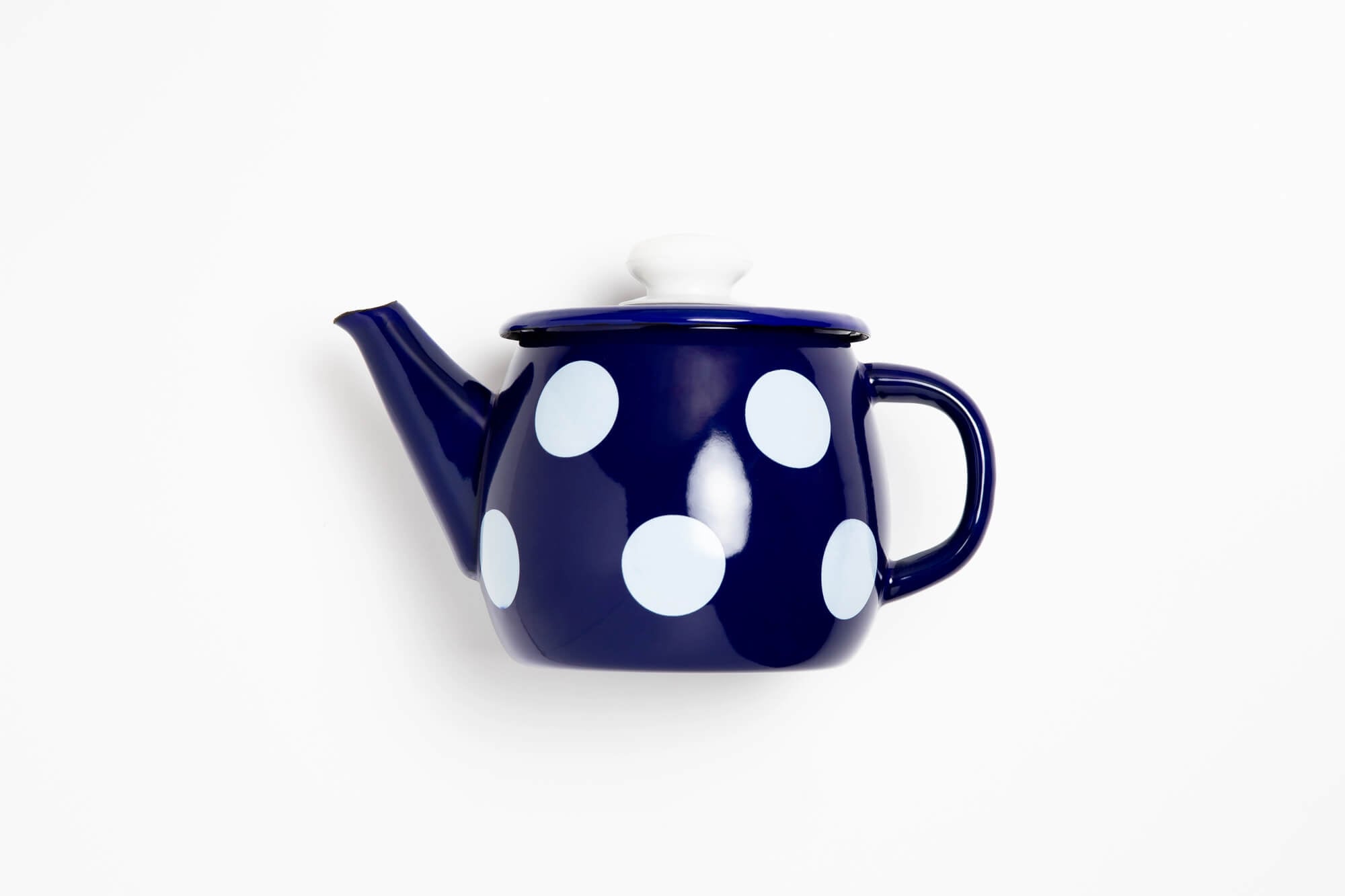
Before steel and glass vacuum construction became standard, some picnic jugs used enamelware bodies over a simpler insulated core, a transitional design phase collectors specifically seek out for its brief production window. Chipping in the enamel, which exposes the metal underneath, is the primary defect buyers watch for.
Because the design was quickly superseded by more effective vacuum technology, these jugs represent a narrow and dateable slice of picnic-ware history.
Assembling a Collection From What Survived
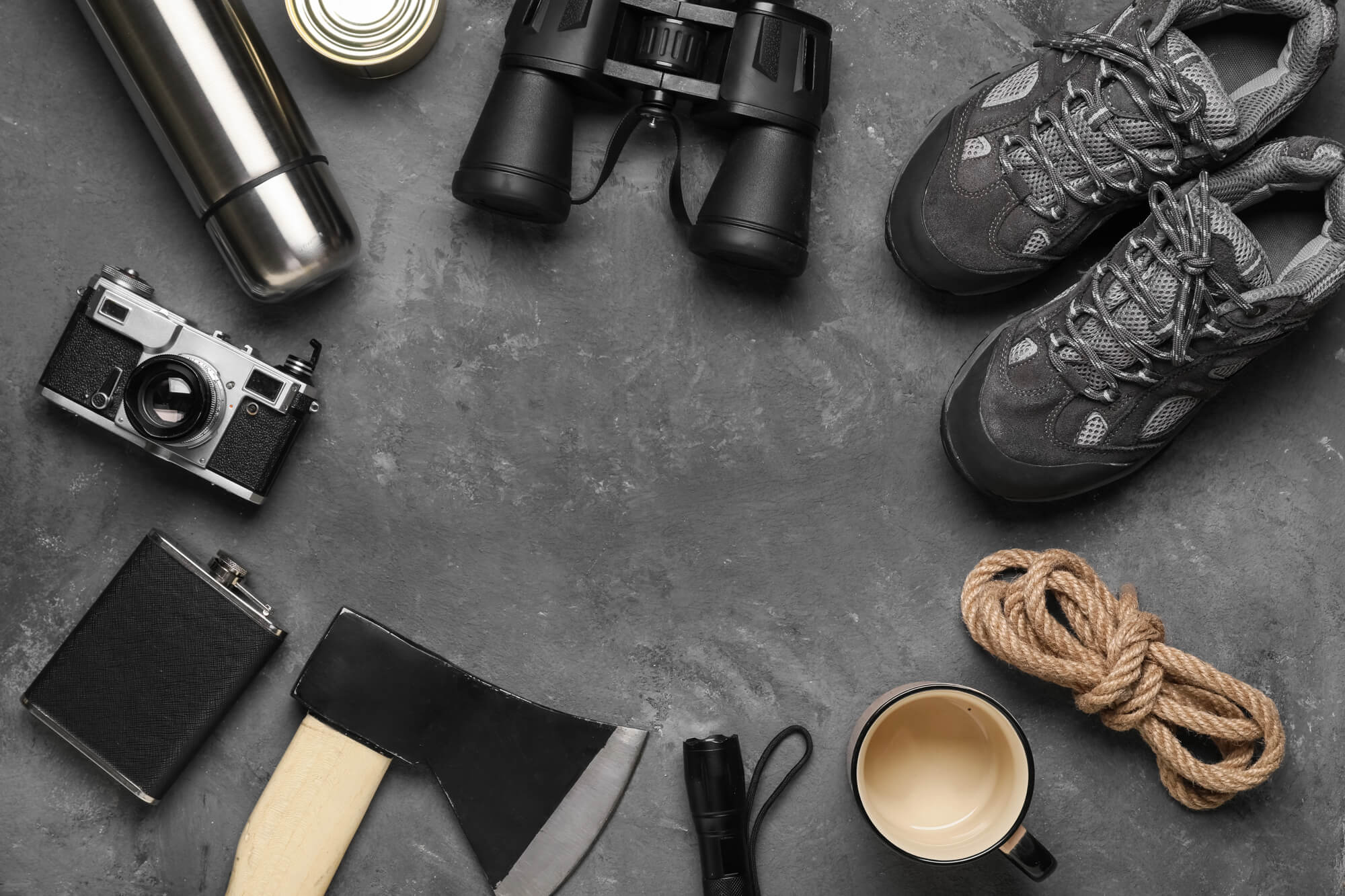
Vacuum ware and picnic sets were built to be used hard and thrown away once the seal failed, which is exactly why so little survives in complete condition. What collectors are really bidding on is not the object but its improbable survival — a cup that wasn’t lost, a liner that never cracked, a box that got put in an attic instead of a landfill.
Pricing in this hobby resists easy formulas. The same jug can be worth ten dollars or four hundred depending on whether the small plastic parts made it through seventy years of basements, and that unpredictability is precisely what keeps the bidding interesting.
More from Go2Tutors!

- The Romanov Crown Jewels and Their Tragic Fate
- 13 Historical Mysteries That Science Still Can’t Solve
- Famous Hoaxes That Fooled the World for Years
- 15 Child Stars with Tragic Adult Lives
- 16 Famous Jewelry Pieces in History
Like Go2Tutors’s content? Follow us on MSN.