28 Comic Issues Sitting in Boxes Worth Hundreds
Most long boxes stacked in a garage are filled with common back issues that dealers politely decline to buy for more than a dime apiece. Scattered among them, though, are specific issues that collectors actively search for, usually because of a first appearance, a landmark story, or a print run smaller than the character’s later fame would suggest.
Grading is everything in this market. A copy with a bent cover, a missing staple, or a name written in marker on the front can lose most of its value compared to a clean, well-preserved copy of the exact same issue, so a serious sale almost always begins with a professional grading opinion rather than a guess.
Amazing Spider-Man #300
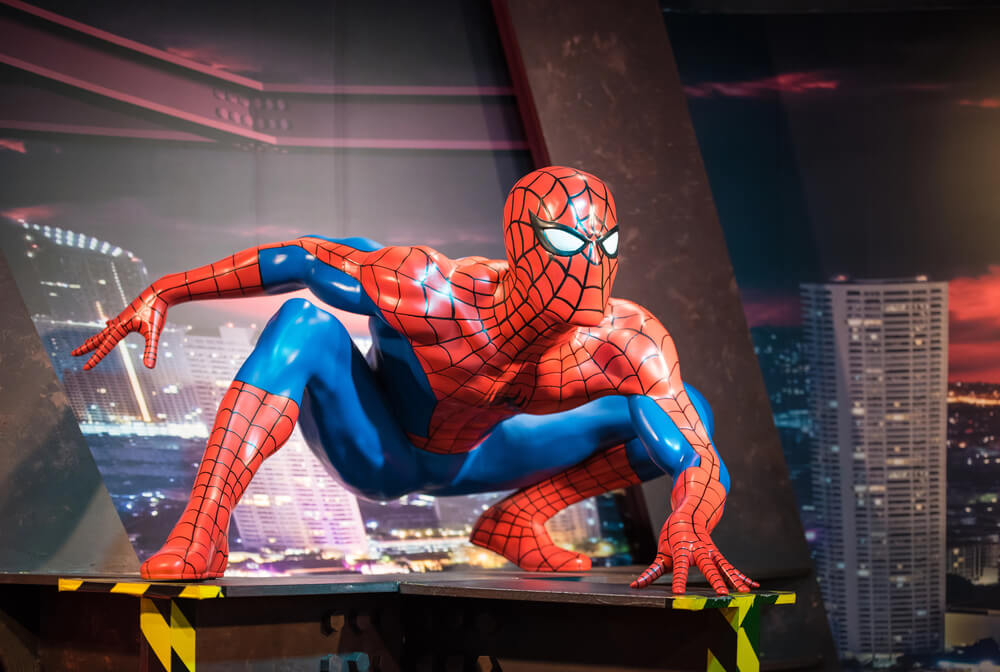
This 1988 issue introduced Venom in his familiar symbiote form for the first time and also marked one of Todd McFarlane’s earliest defining runs as an artist on the title. High demand from both Spider-Man collectors and McFarlane fans has kept well-preserved raw copies consistently trading in the hundreds of dollars.
New Mutants #98

The first appearance of Deadpool, published in 1991, was a relatively minor character introduction at the time and was not treated as a key issue until years later once the character became a breakout star. Because of that delayed recognition, mid-grade copies remained affordable for years longer than most first appearances, though clean examples now sell well.
Amazing Spider-Man #298

Published shortly before the more famous issue 300, this 1988 comic features Todd McFarlane’s first work as the series’ regular penciler and a cover cameo appearance by Eddie Brock, the character who becomes Venom. Collectors specifically building a complete McFarlane run seek this issue out alongside its better-known follow-up.
Detective Comics #359

This 1967 issue marks the first appearance of Batgirl in her modern costumed identity, introduced specifically to tie into the character’s debut on the Batman television series that same year. Clean copies with strong cover gloss are in steady demand among Batman-family collectors.
Amazing Spider-Man #129
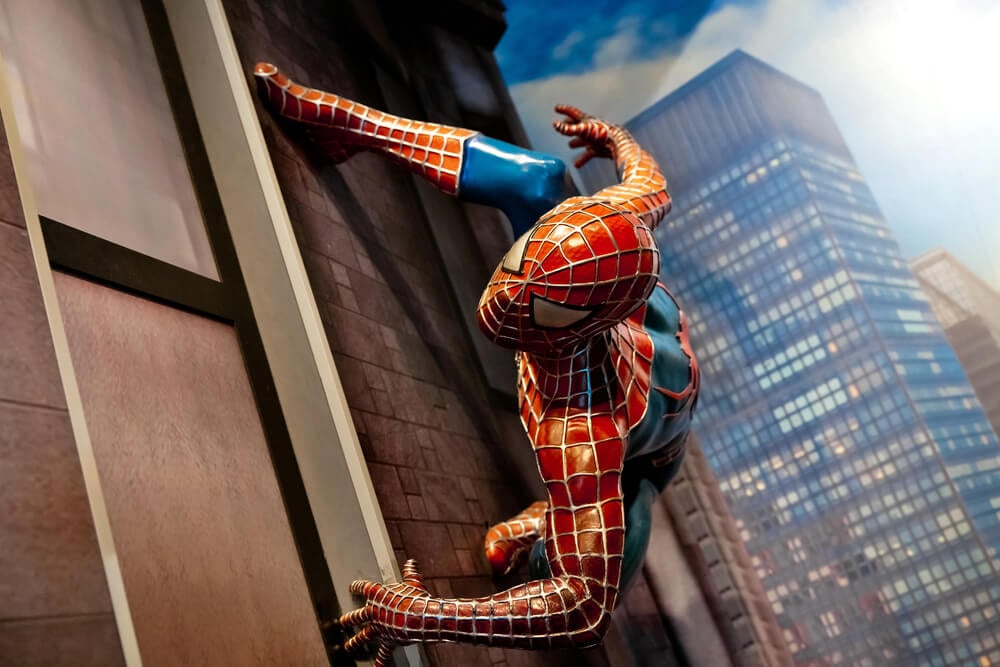
The 1974 debut of the Punisher, drawn by Ross Andru, introduced a supporting antagonist who eventually grew into one of Marvel’s most enduring characters with his own long-running solo titles. The issue’s significance as a genuine first appearance has kept demand consistent for decades.
Uncanny X-Men #266
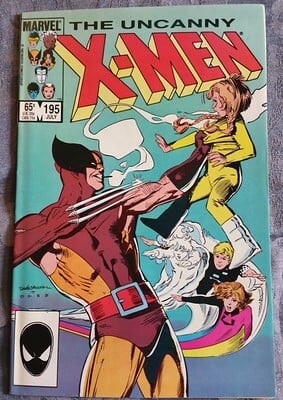
Published in 1990, this issue gives Gambit his first cover appearance and cameo before his full introduction in the following issue, making it a commonly overlooked but meaningfully earlier key issue for collectors focused on the character. Mid-grade copies remain more affordable than the character’s later full debut.
Uncanny X-Men #181
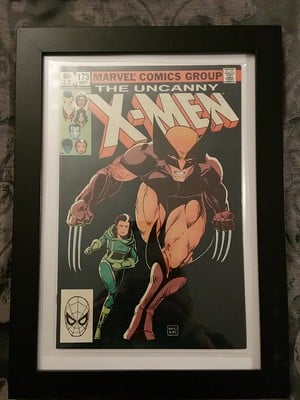
This 1984 issue features Rogue’s first appearance on an X-Men cover following her earlier debut in an Avengers annual, and it also marks a significant point in her transition from villain to team member. Demand has grown steadily as Rogue’s profile in adaptations expanded.
New Mutants #87
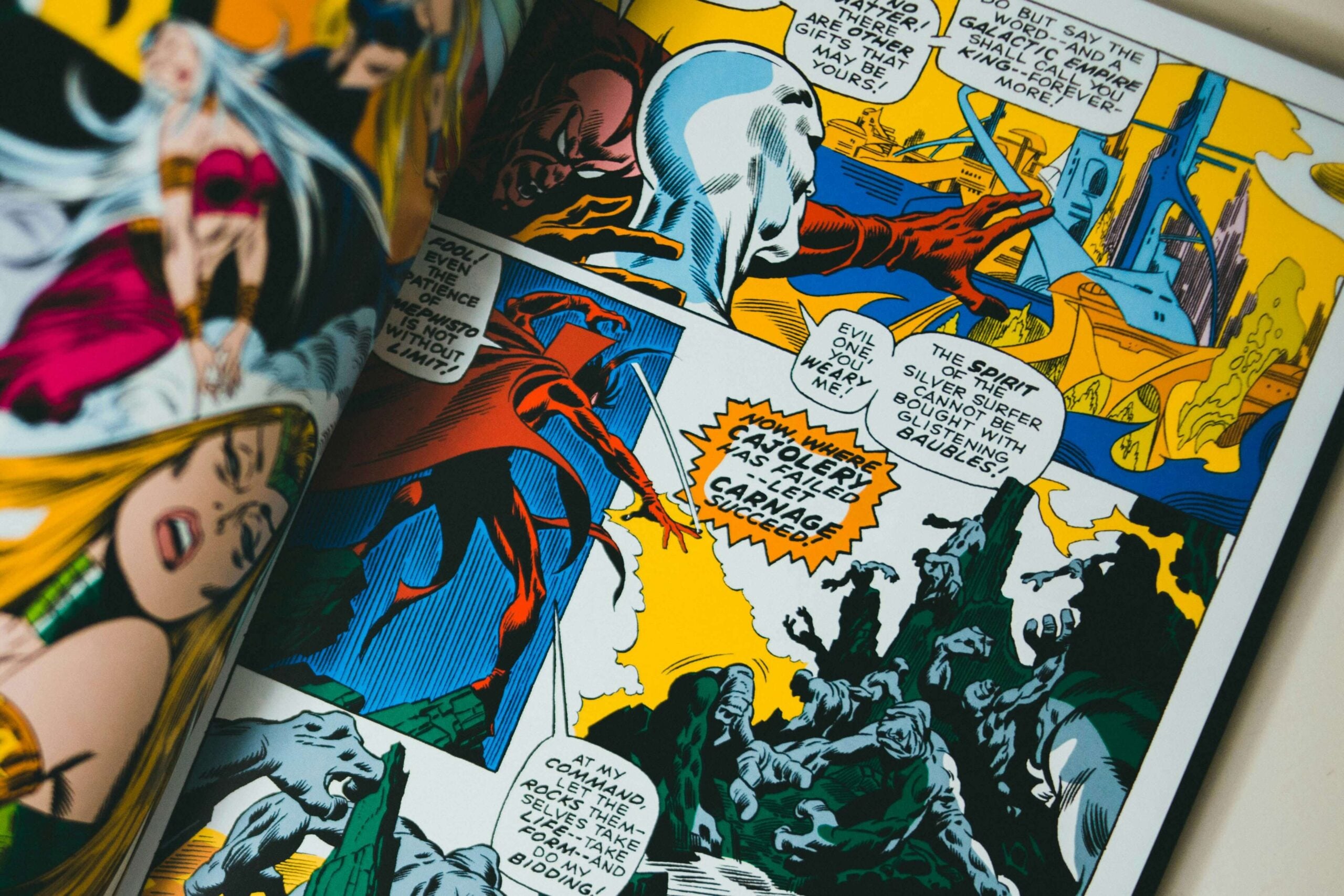
The first appearance of Cable, published in 1990, arrived during a period of heavy speculation in the comic market, meaning large print runs kept plenty of copies in circulation. Even so, well-preserved examples in strong condition continue to sell reliably given the character’s lasting popularity.
New Teen Titans #2
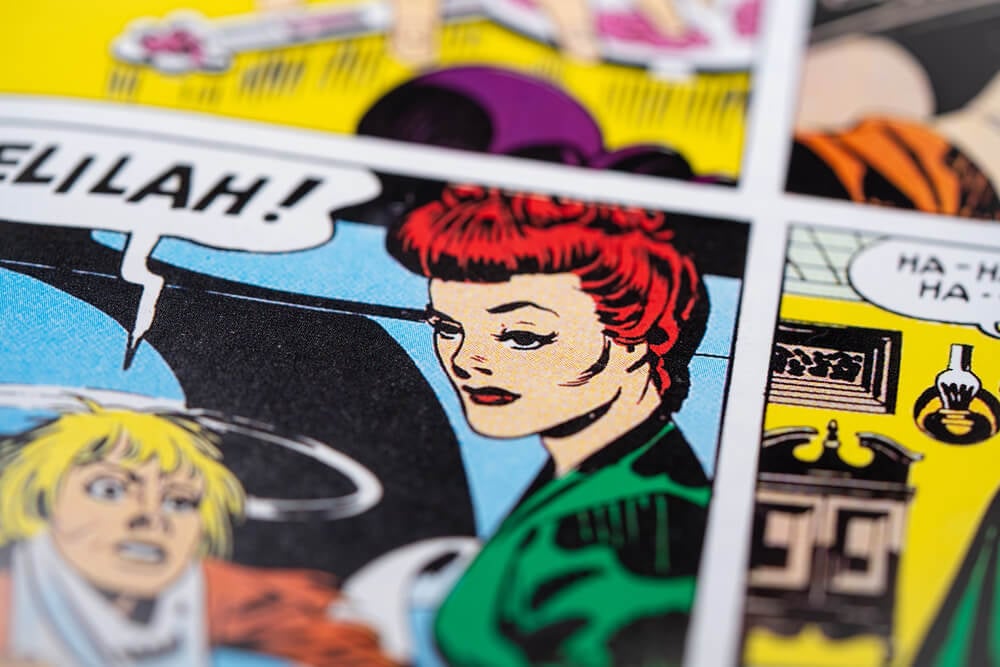
This 1980 issue introduced Deathstroke the Terminator, a villain who became one of DC’s most recognizable antagonists across decades of television and film adaptations. Because the first Teen Titans issue drew far more attention at the time, issue two remained comparatively affordable for years before demand caught up.
Batman Adventures #12
Published in 1993 as a tie-in to the Batman animated series, this issue marked Harley Quinn’s first appearance in printed comic form, translating her from the show onto the page. Strong nostalgia for the animated series and Harley’s later mainstream popularity have made clean copies some of the more actively traded 1990s key issues.
Web of Spider-Man #1

Launched in 1985 as one of several ongoing Spider-Man titles running in parallel, this first issue benefits from steady interest in complete Spider-Man title runs even though it does not feature a major first appearance. Clean, well-centered copies from the era hold value better than many other first issues from the same speculative period.
Spawn #1
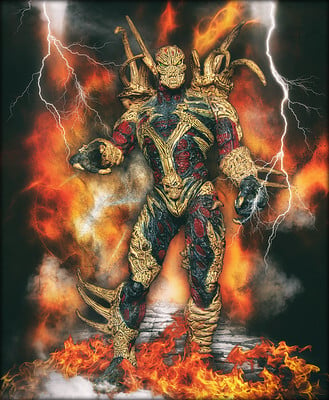
Todd McFarlane’s 1992 launch of his creator-owned title became one of the best-selling independent comics ever printed, which paradoxically keeps most raw copies affordable due to the sheer size of the original print run. Exceptionally high-grade copies, however, still command real money from collectors focused specifically on 1990s independent comics.
The Walking Dead #1
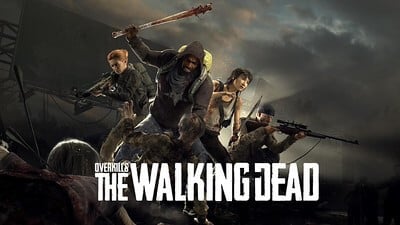
Robert Kirkman and Tony Moore’s 2003 debut issue predates the comic’s later television adaptation by years, meaning the original print run was modest compared to the demand that followed once the show became a hit. Clean first-print copies, identifiable by specific printing details on the cover, sell for considerably more than later reprints.
Teenage Mutant Ninja Turtles #1 (Mirage Studios)
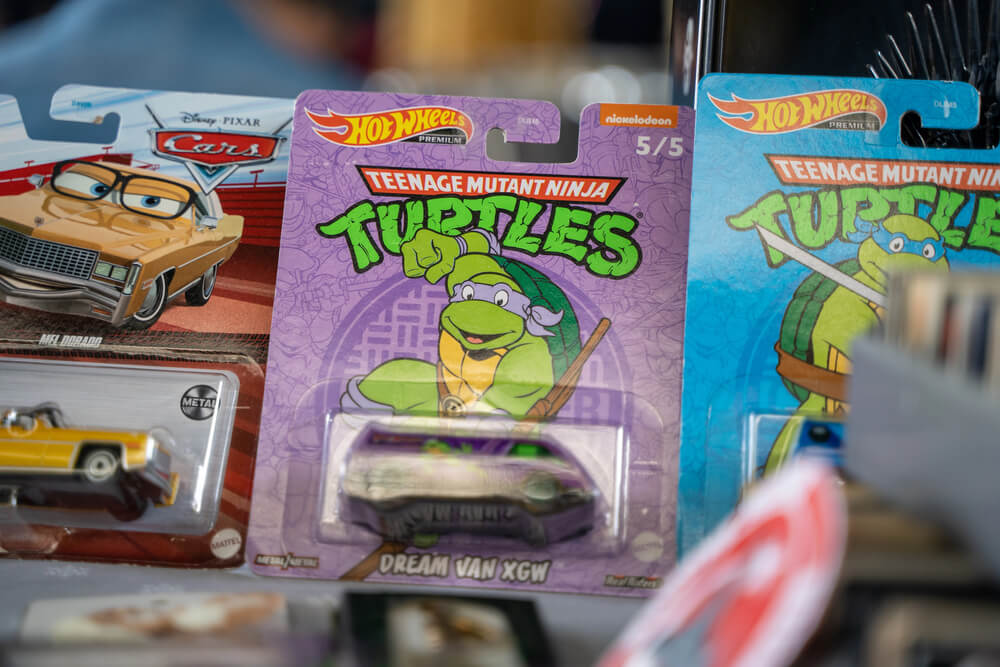
The 1984 black-and-white independent debut of the Turtles was originally printed in a small run intended for a niche comic shop audience, long before the characters became a global entertainment property. That small original print size is the entire reason clean first-printing copies now command serious money relative to their humble origins.
Savage Dragon #1
Erik Larsen’s 1992 launch of his creator-owned Image Comics title arrived during the same wave of publisher-founder titles as Spawn and WildC.A.T.s. While large print runs keep common copies inexpensive, clean, high-grade examples remain sought after by collectors focused on the founding wave of Image titles.
WildC.A.T.s #1
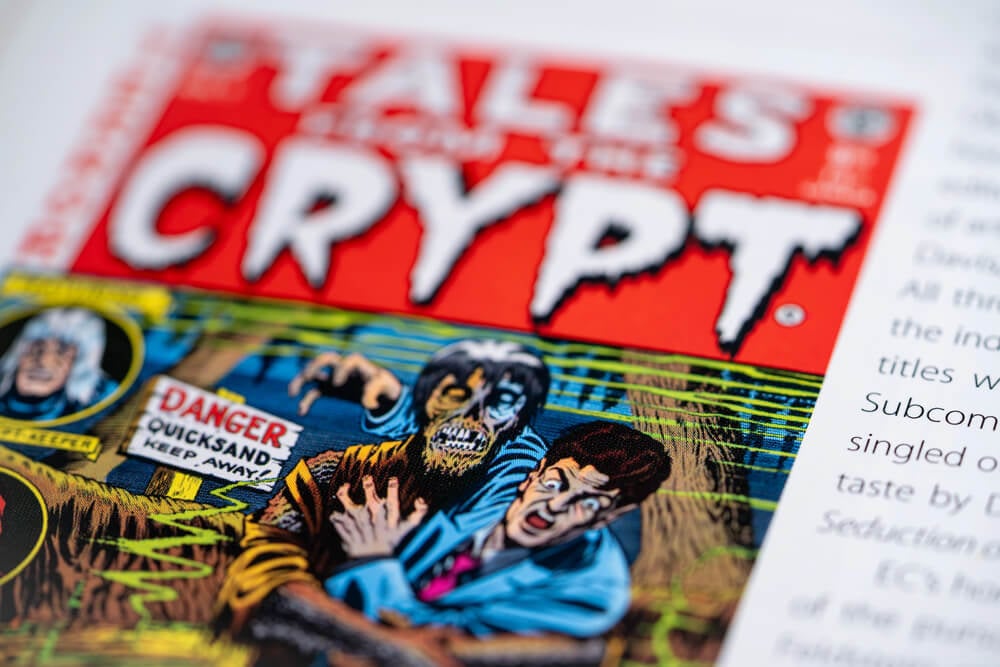
Jim Lee’s 1992 launch title for Image Comics was one of the best-selling debut issues of the entire 1990s speculator boom, meaning most surviving copies are extremely common. High-grade examples with a strong first-print designation still find buyers among collectors assembling complete Image founding-era sets.
Youngblood #1
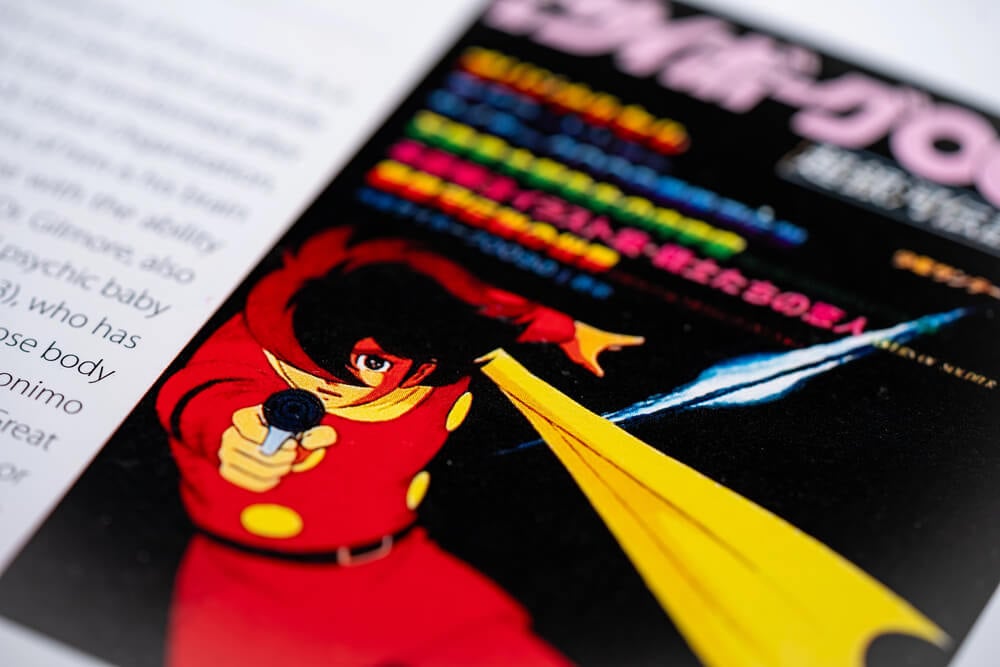
Rob Liefeld’s 1992 debut of his own Image Comics title is often cited as a symbol of the era’s oversized print runs and subsequent value collapse. Despite that reputation, exceptionally clean copies with the correct first-printing markings still attract interest from collectors specifically documenting the founding of Image Comics.
Detective Comics #168
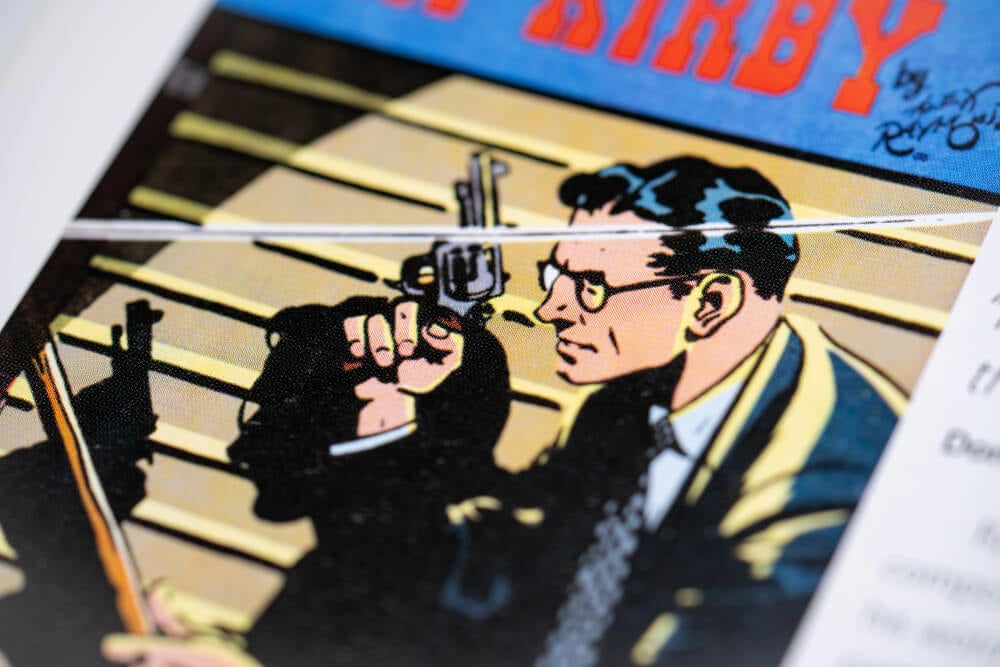
This 1951 issue reveals the origin story of Two-Face for the first time, a foundational piece of Batman villain history that predates most of the character’s modern adaptations by decades. Given its age, even lower-grade readable copies can sell for hundreds of dollars.
Fantastic Four #52
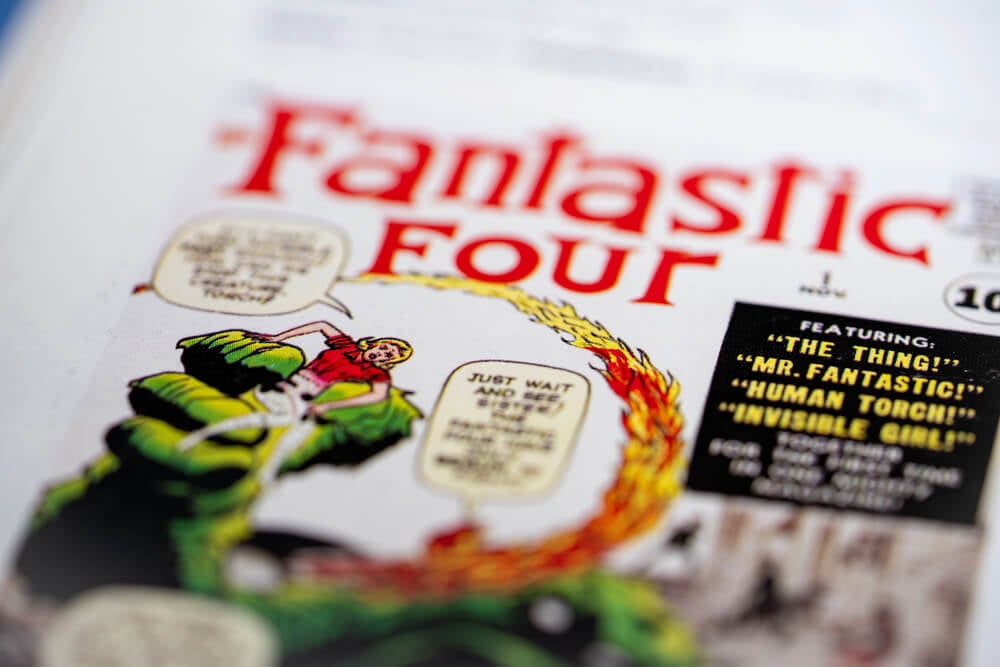
Published in 1966, this issue marks the first appearance of Black Panther, one of the earliest Black superheroes in mainstream American comics. Rising cultural attention on the character over the following decades steadily increased demand for clean copies of this comparatively affordable Silver Age key issue.
Iron Man #55
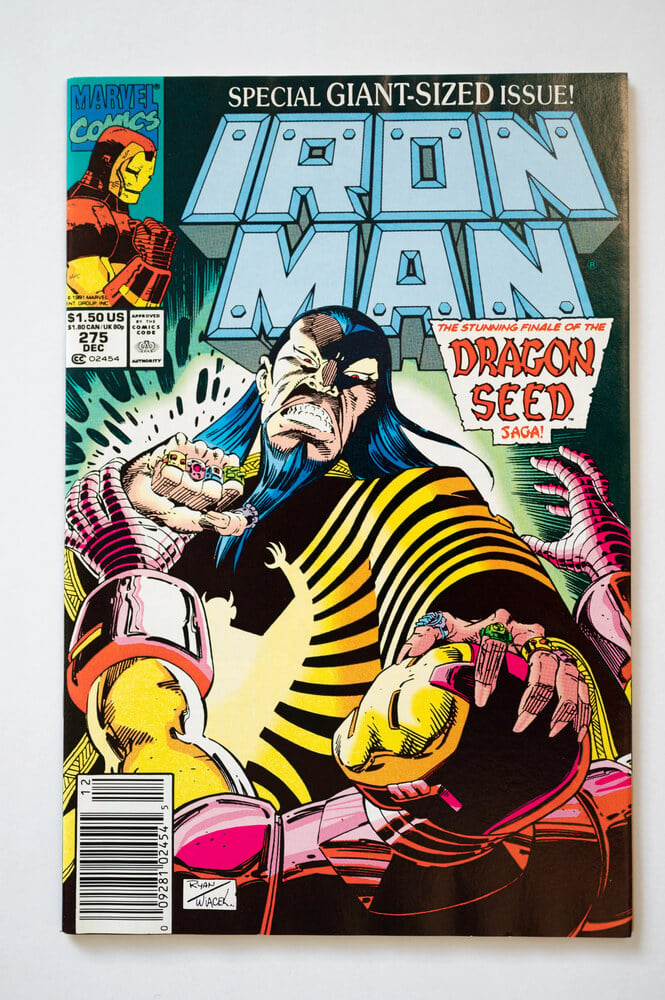
This 1973 issue features the first appearance of Thanos, created by Jim Starlin. Long before Thanos became a major film villain, the issue traded at a fraction of its current demand, and clean copies remain actively sought after.
Avengers #57
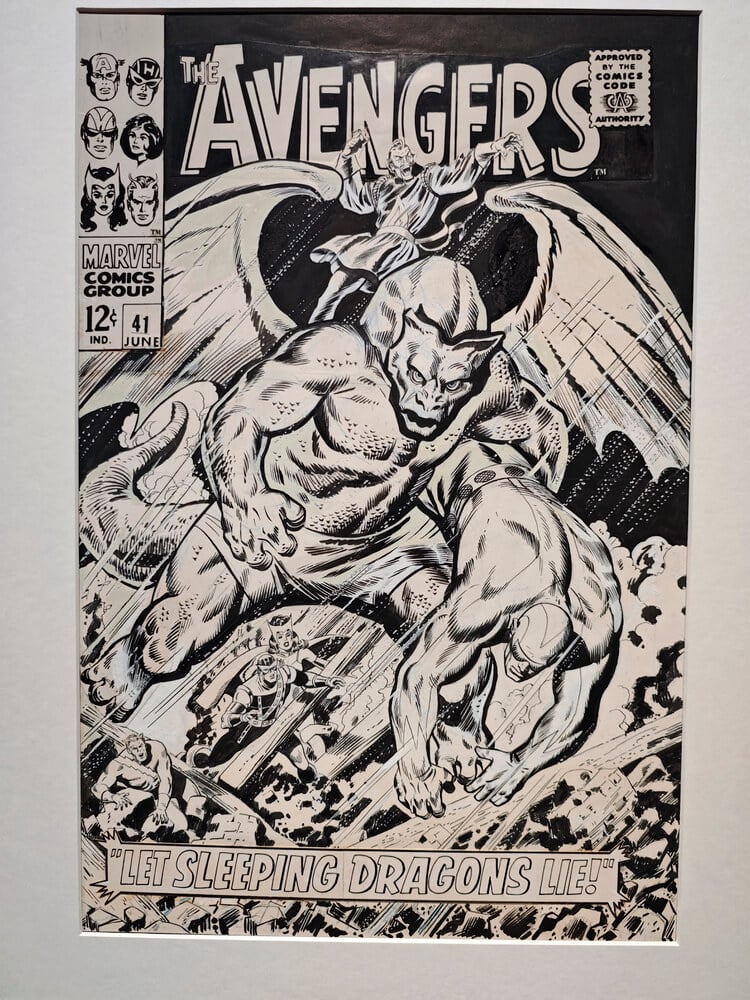
Published in 1968, this issue introduces the Vision in his classic android form, a character who became a core Avengers member for decades of comics and later television adaptations. Silver Age condition sensitivity means even modestly preserved copies can command a meaningful price.
X-Force #1
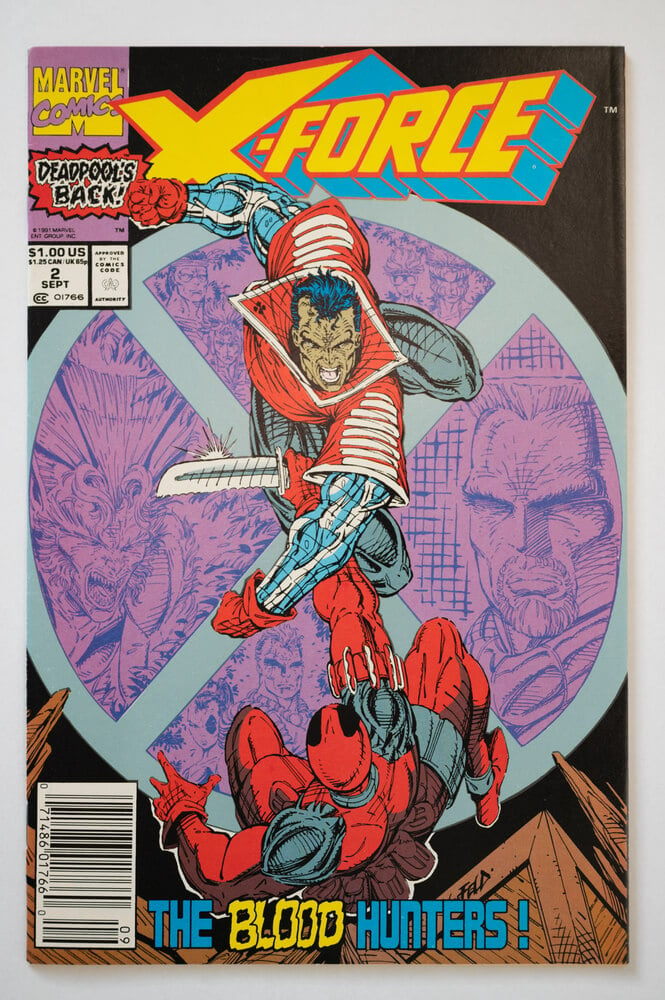
Rob Liefeld’s 1991 launch issue came polybagged with a set of trading cards and was purchased in enormous quantities by speculators expecting future value, which paradoxically means most surviving sealed copies are common today. Unsealed, high-grade copies without the original card set attract a smaller but steadier group of collectors.
Ghost Rider #5
This 1990 issue features the first full appearance of Carnage’s eventual creative predecessor storylines connected to the symbiote mythos, and it remains a minor but consistently traded key issue among collectors tracking the broader Venom and symbiote family of characters. Clean copies are comparatively easy to find in strong condition given the era’s larger print runs.
Wolverine #1 (Limited Series)
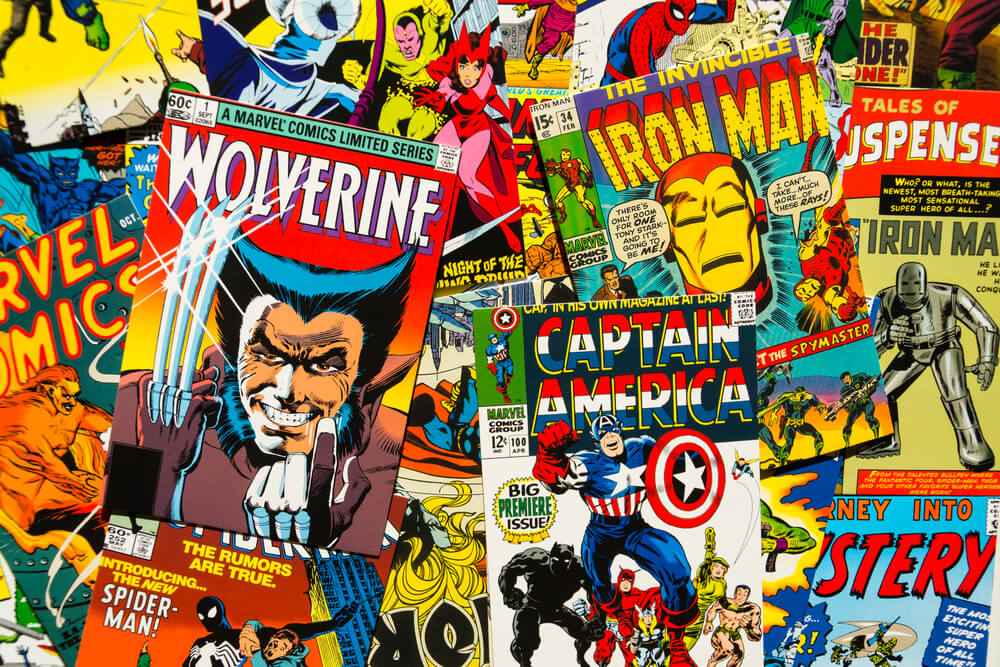
The 1982 four-issue miniseries by Chris Claremont and Frank Miller gave Wolverine his first solo starring vehicle, years before he headlined his own ongoing series. As one of the character’s foundational solo appearances, clean copies of the first issue in this run remain solidly in demand among X-Men collectors.
Daredevil #168
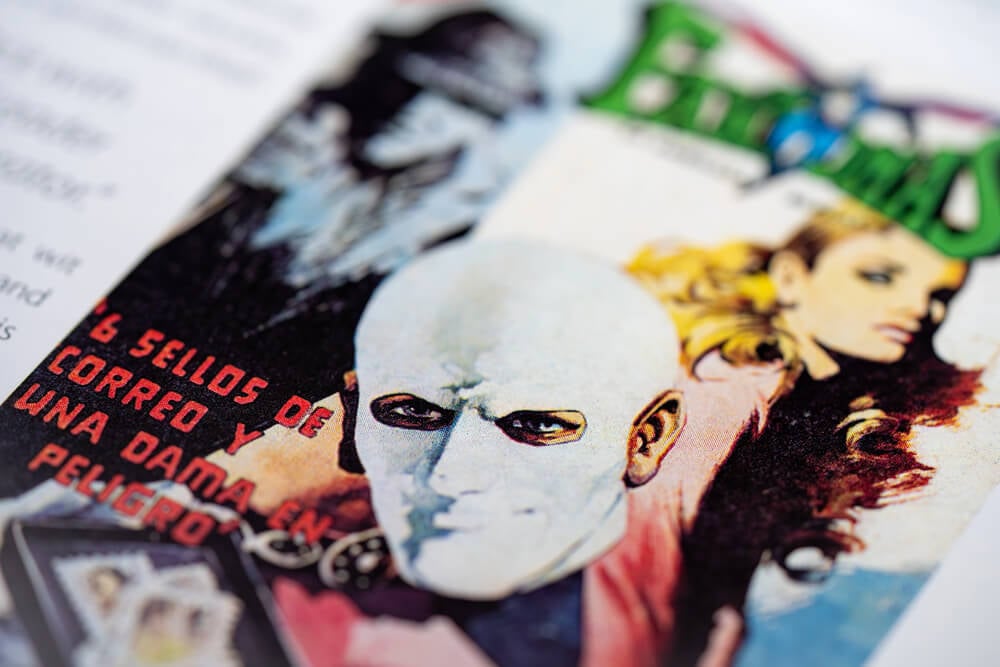
This 1981 issue marks the first appearance of Elektra, introduced during Frank Miller’s celebrated run as both writer and artist on the title. The issue is widely regarded as one of the strongest entry points into Miller’s influential Daredevil work, which keeps clean copies consistently valuable.
Action Comics #252
Published in 1959, this issue introduces Supergirl in her first appearance, a significant expansion of the Superman family of characters during the Silver Age. Given the issue’s age and the fragility of comics from that era, even mid-grade surviving copies can be worth a meaningful sum.
Green Lantern #76
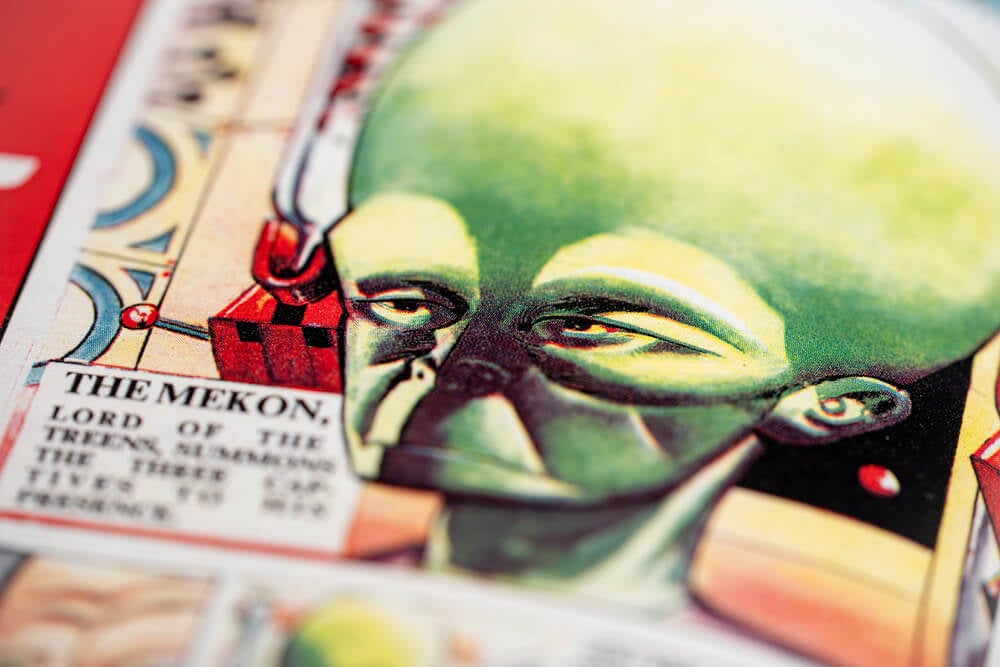
This 1970 issue launched the celebrated “hard-traveling heroes” run by Denny O’Neil and Neal Adams, widely credited with introducing more socially conscious storytelling into mainstream superhero comics. Its historical importance to the medium keeps demand strong independent of any single character’s first appearance.
Uncanny X-Men #268
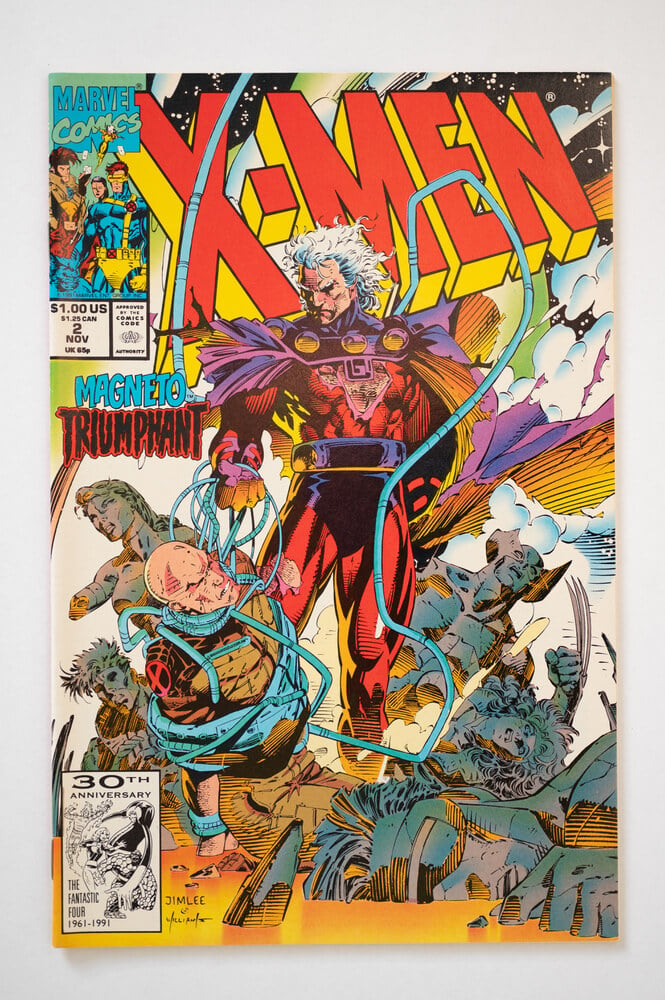
A direct follow-up to Gambit’s earlier cameo, this 1990 issue gives the character his first full-length appearance and origin material, making it the more complete counterpart to the earlier cover cameo two issues prior. Collectors building out a full Gambit key-issue set typically pursue both issues together.
What a Long Box Actually Holds
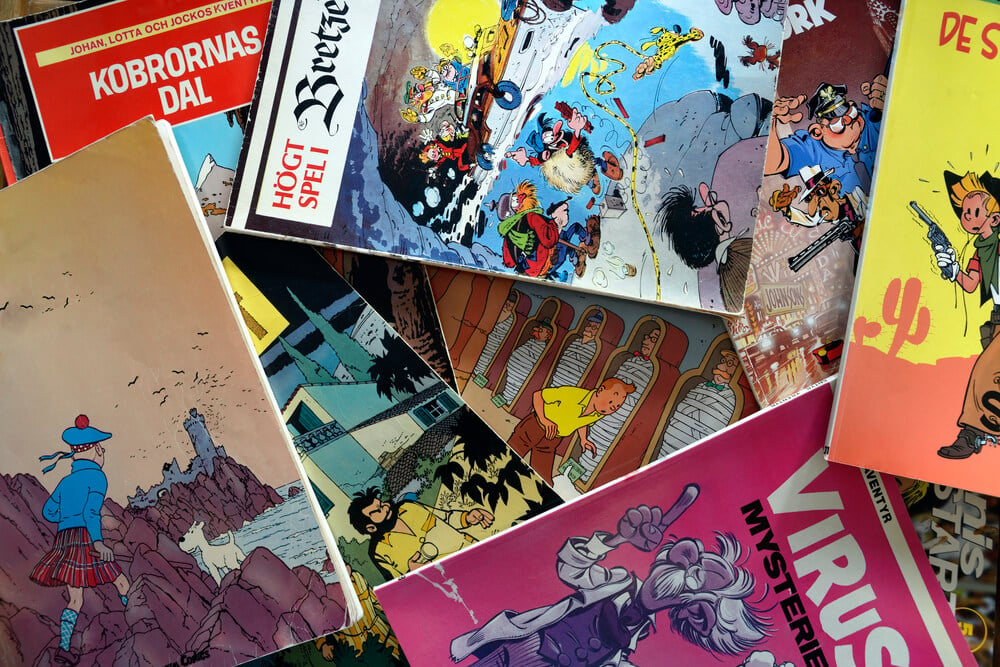
The comics that turn out to be worth real money are rarely the ones with the most dramatic covers or the biggest event storylines printed across them. They are the quiet, easy-to-miss issues where a character shows up for the first time in a small supporting role, months or years before anyone had a reason to expect they would matter.
That is also why so many valuable issues survive in poor condition. Nobody protected a comic they had no reason to think was special, which means the rare copy that did stay flat, clean, and well-stored is worth disproportionately more than its condition alone would seem to justify.
More from Go2Tutors!

- The Romanov Crown Jewels and Their Tragic Fate
- 13 Historical Mysteries That Science Still Can’t Solve
- Famous Hoaxes That Fooled the World for Years
- 15 Child Stars with Tragic Adult Lives
- 16 Famous Jewelry Pieces in History
Like Go2Tutors’s content? Follow us on MSN.