15 Memorable Trains: Steam Era vs Bullet Trains
From early on, trains were never just metal and gears. During the age of steam, these iron beasts showed raw power, pushing nations forward by slicing through rock and wilderness alike. Fast-forward a hundred years, sleek high-speed models now glide without noise, built with careful detail that alters city life in quiet ways.
The difference between these times shows how goals changed – less about strength and growth, more about speed and smart design. Even so, each era aimed at one thing: getting folks across greater distances in less time.
Peeking into 15 standout locomotives tells the story of travel evolving – from puffing steam engines to sleek speed machines.
Flying Scotsman
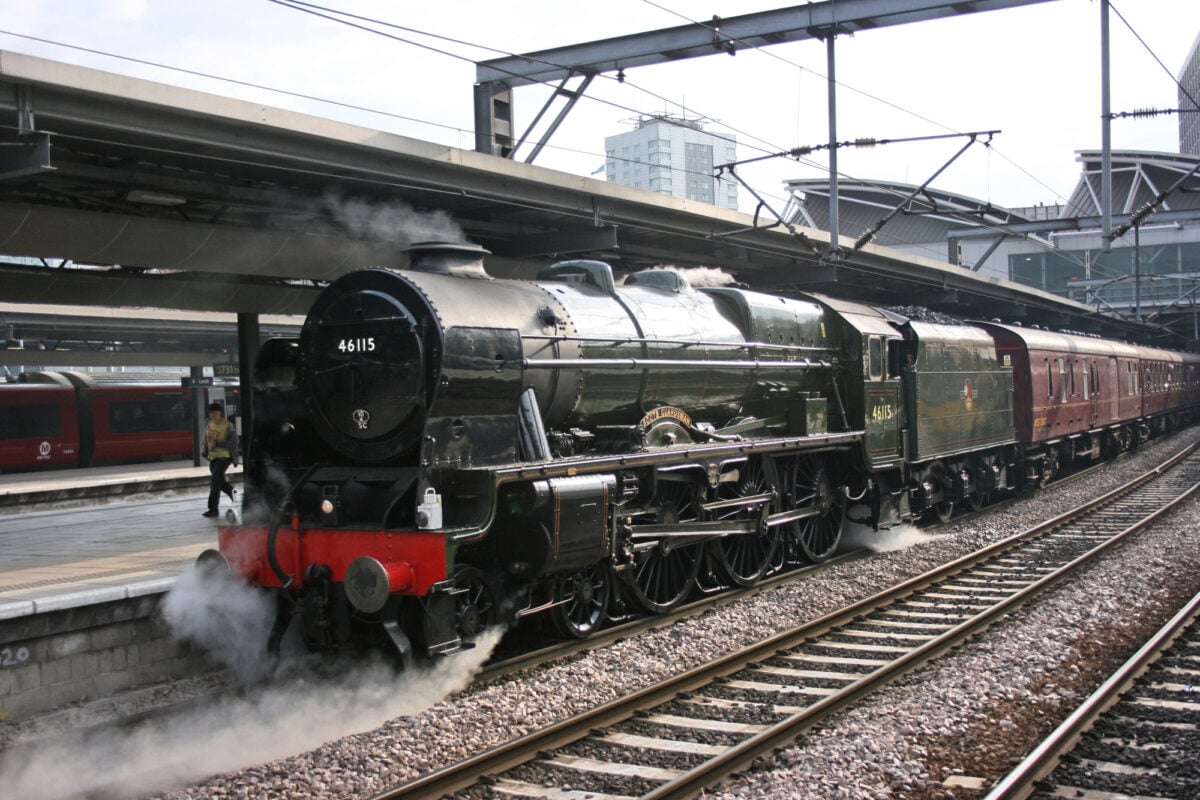
Introduced in 1923, the Flying Scotsman became one of Britain’s most celebrated steam locomotives. Built for the London and North Eastern Railway, it was designed to haul express passenger services between London and Edinburgh.
In 1934, it became the first steam locomotive officially recorded at 100 miles per hour. That milestone turned it into a symbol of British engineering confidence. Even today, its polished green body evokes an era when steam power was synonymous with national pride.
Union Pacific Big Boy
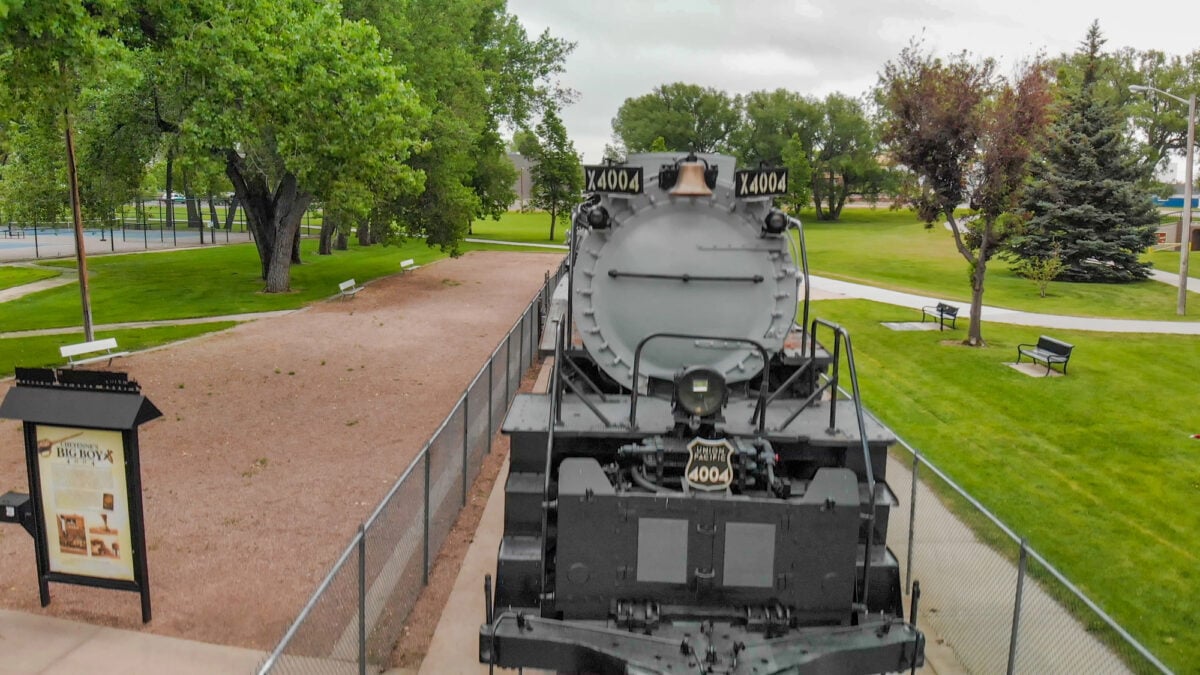
If steam had a heavyweight champion, it would be the Union Pacific Big Boy. Built in the 1940s in the United States, this locomotive stretched nearly 133 feet long and weighed over one million pounds.
Designed to haul massive freight loads across the rugged Wasatch Mountains, it embodied brute strength. Watching one in motion was less like seeing transportation and more like witnessing a moving factory. Its scale still impresses modern rail enthusiasts.
Mallard
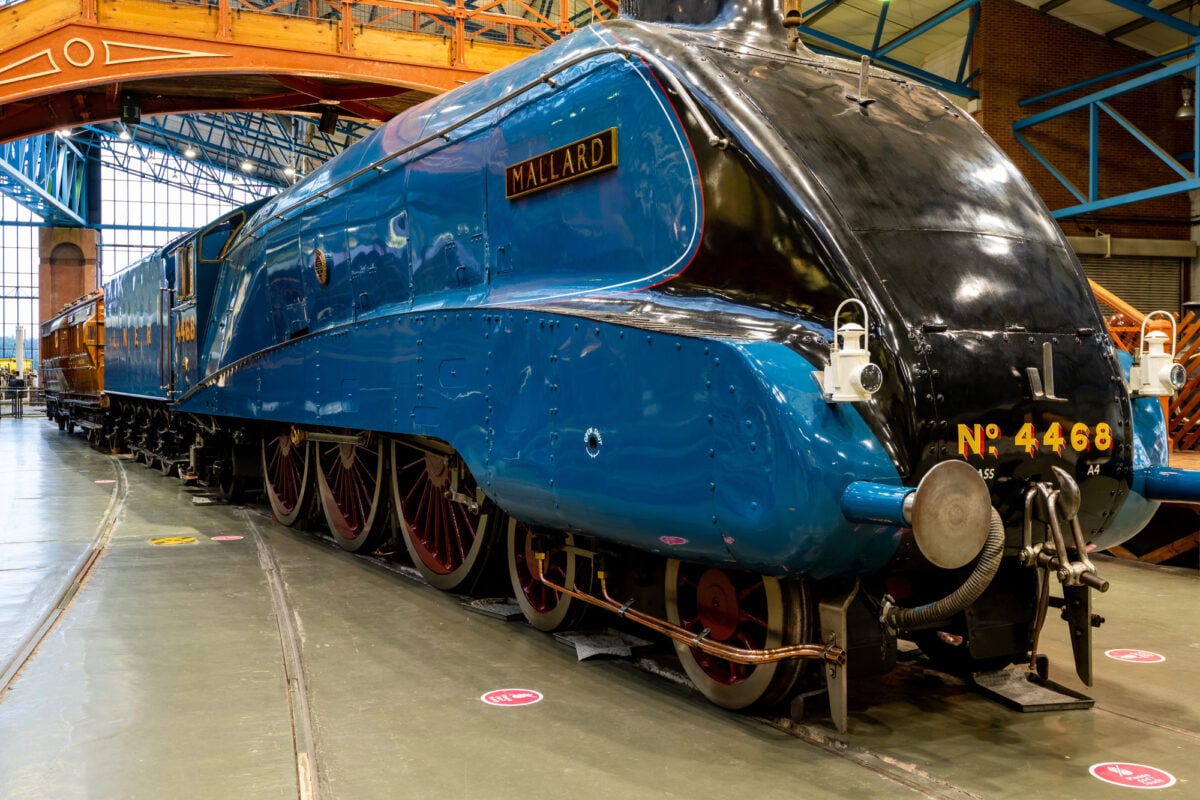
In 1938, Britain’s streamlined Mallard locomotive set the world speed record for steam trains at 126 miles per hour. That record still stands today.
Mallard’s aerodynamic casing reflected a growing fascination with speed and modernity before World War II. It proved that steam technology had not reached its limits. Instead, it had evolved into something sleek and surprisingly fast.
Orient Express
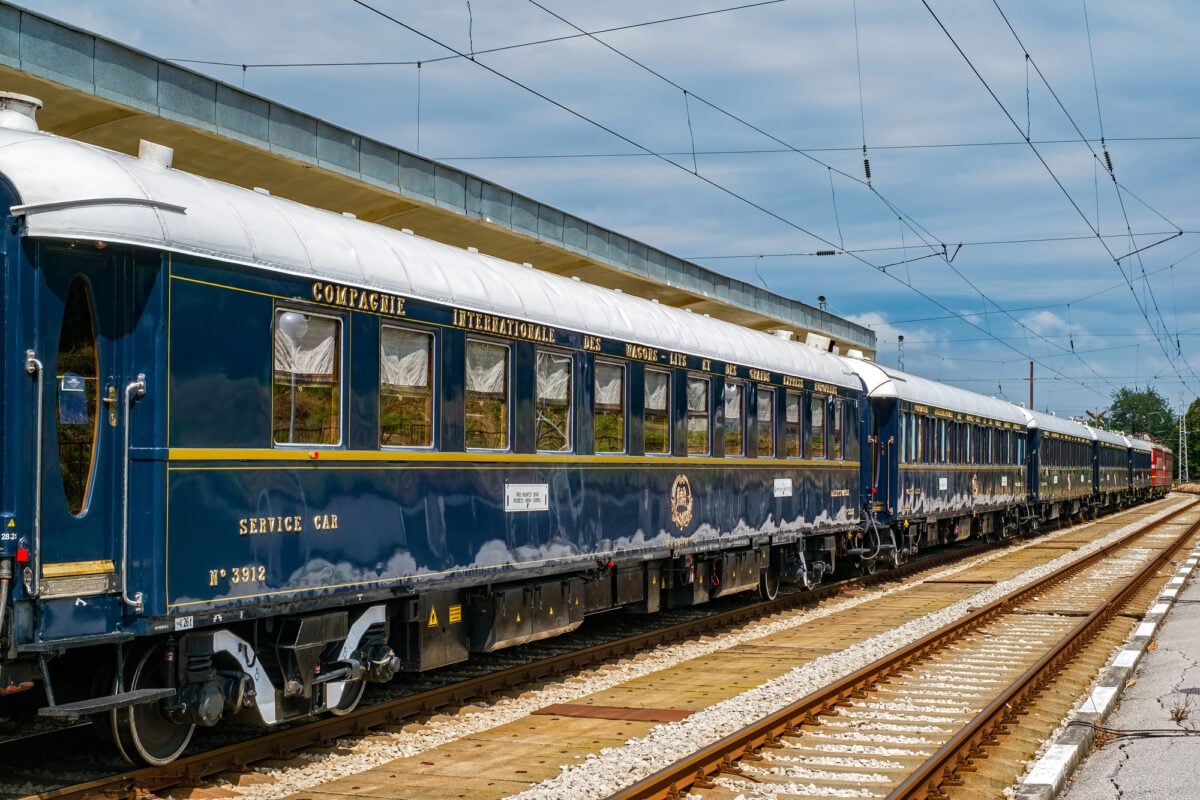
The Orient Express was less about mechanical innovation and more about cultural impact. Beginning in 1883, it connected Paris to Istanbul, crossing borders and social classes.
Its carriages featured fine dining, velvet seating, and polished wood interiors. It turned long-distance rail travel into a refined experience. In many ways, it set the stage for modern luxury trains and global tourism.
Transcontinental Railroad Trains
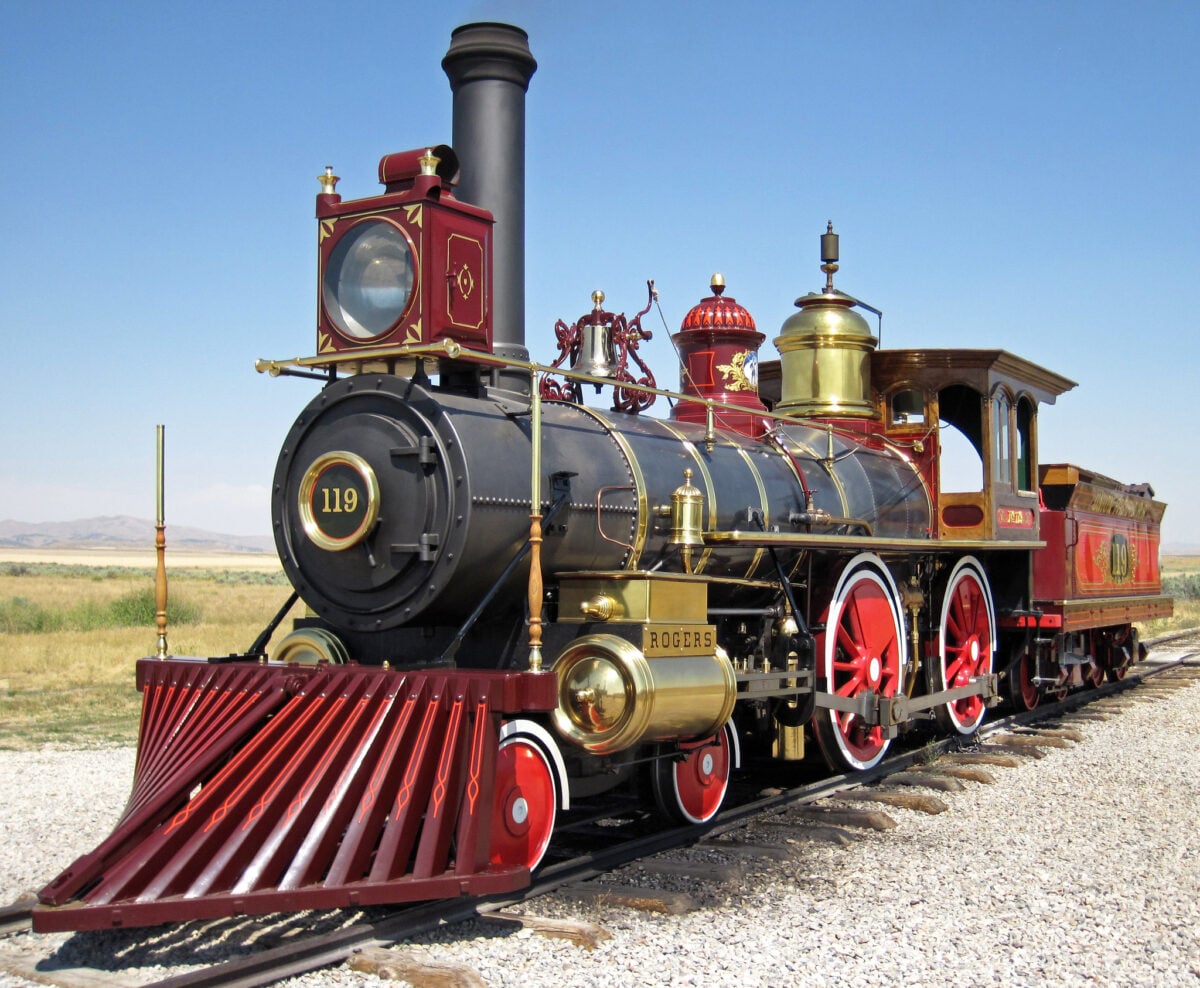
When the first transcontinental railroad was completed in the United States in 1869, steam locomotives united the East and West coasts. What once required months by wagon could now be done in days.
These trains reshaped commerce and migration patterns. Entire towns sprang up along the tracks. The steam locomotive became a symbol of expansion and economic opportunity.
Shinkansen Series 0
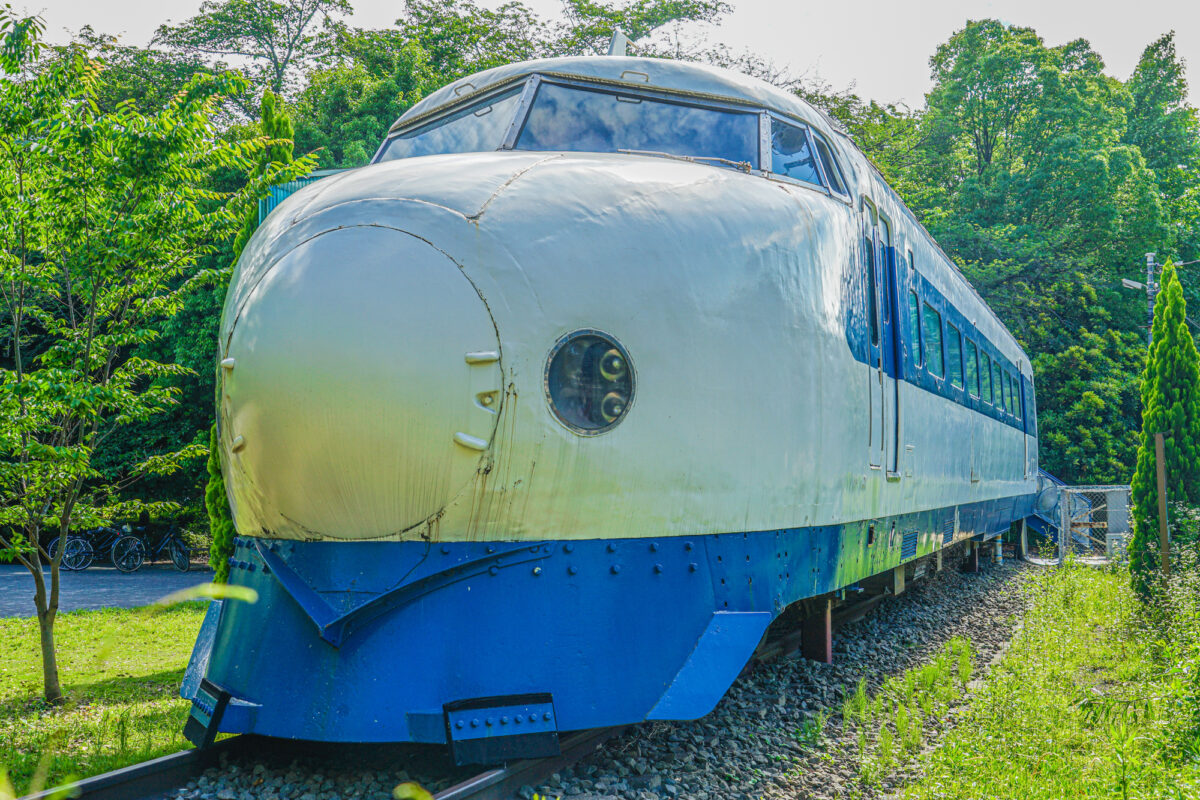
Japan’s Shinkansen Series 0 debuted in 1964, just in time for the Tokyo Olympics. It introduced the world to modern high-speed rail, reaching speeds of 130 miles per hour.
Unlike steam locomotives that roared and smoked, the Shinkansen moved with remarkable smoothness. It marked the beginning of a new era in rail travel, where punctuality and speed became defining features.
TGV Sud-Est
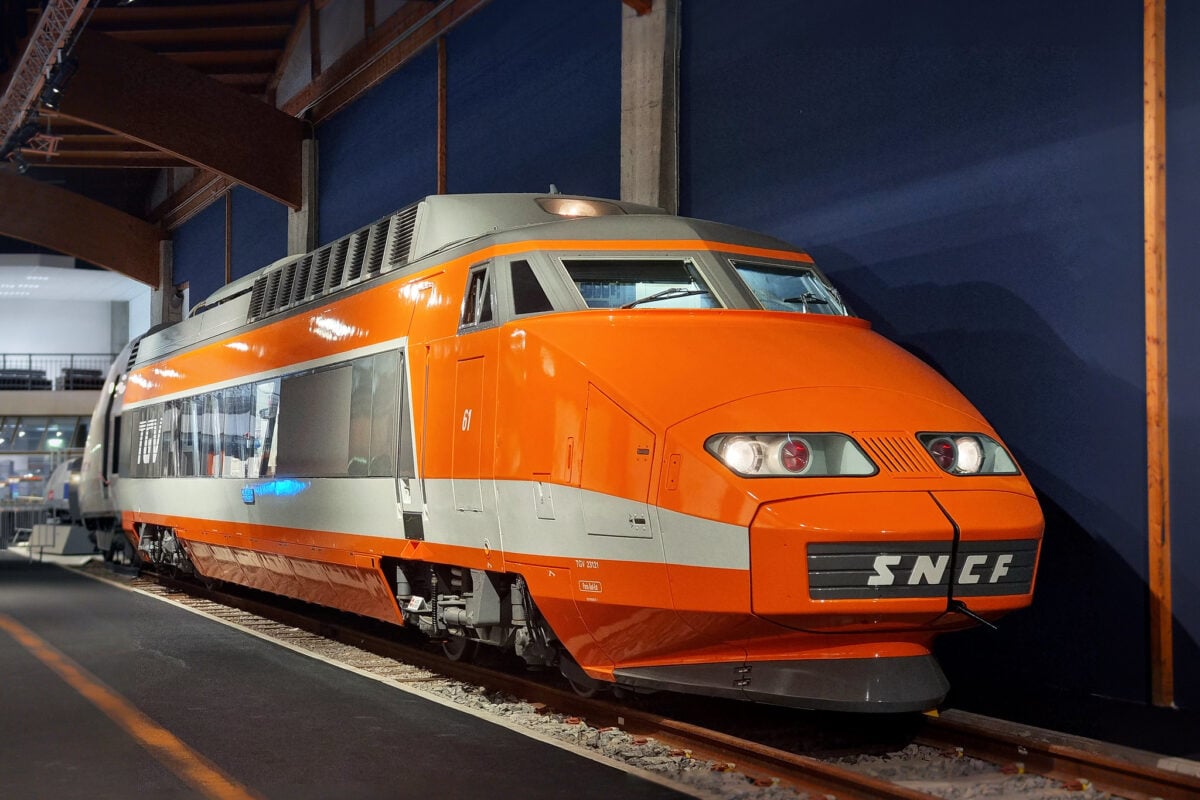
France entered the high-speed race in 1981 with the TGV Sud-Est. It connected Paris and Lyon at speeds exceeding 160 miles per hour.
The train’s bright orange design symbolized a technological leap. Over time, the TGV network expanded across Europe, proving that high-speed rail could compete with short-haul air travel.
ICE 3
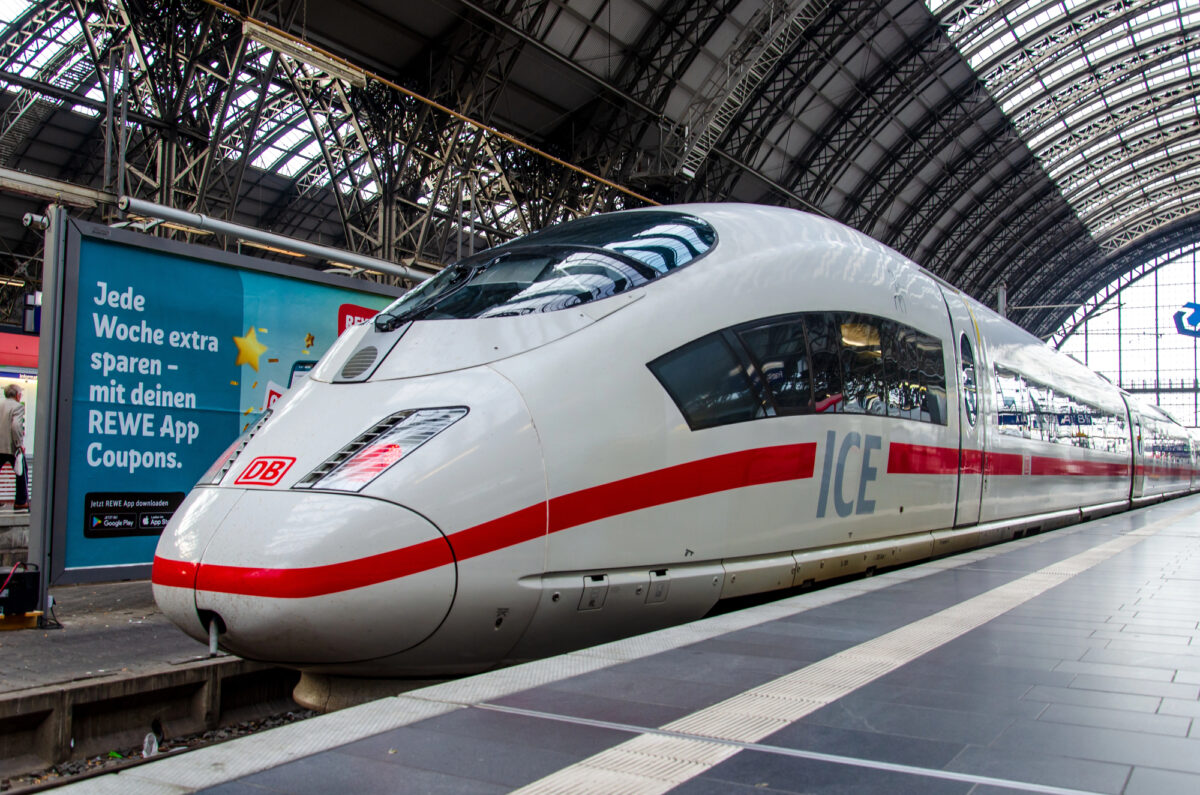
Germany’s ICE 3 represents precision engineering at its finest. Introduced in the early 2000s, it operates at speeds up to 186 miles per hour.
Unlike older high-speed trains that relied on separate power cars, the ICE 3 distributes its motors along the entire train. This design improves acceleration and passenger space, reflecting a shift toward efficiency and flexibility.
Shanghai Maglev
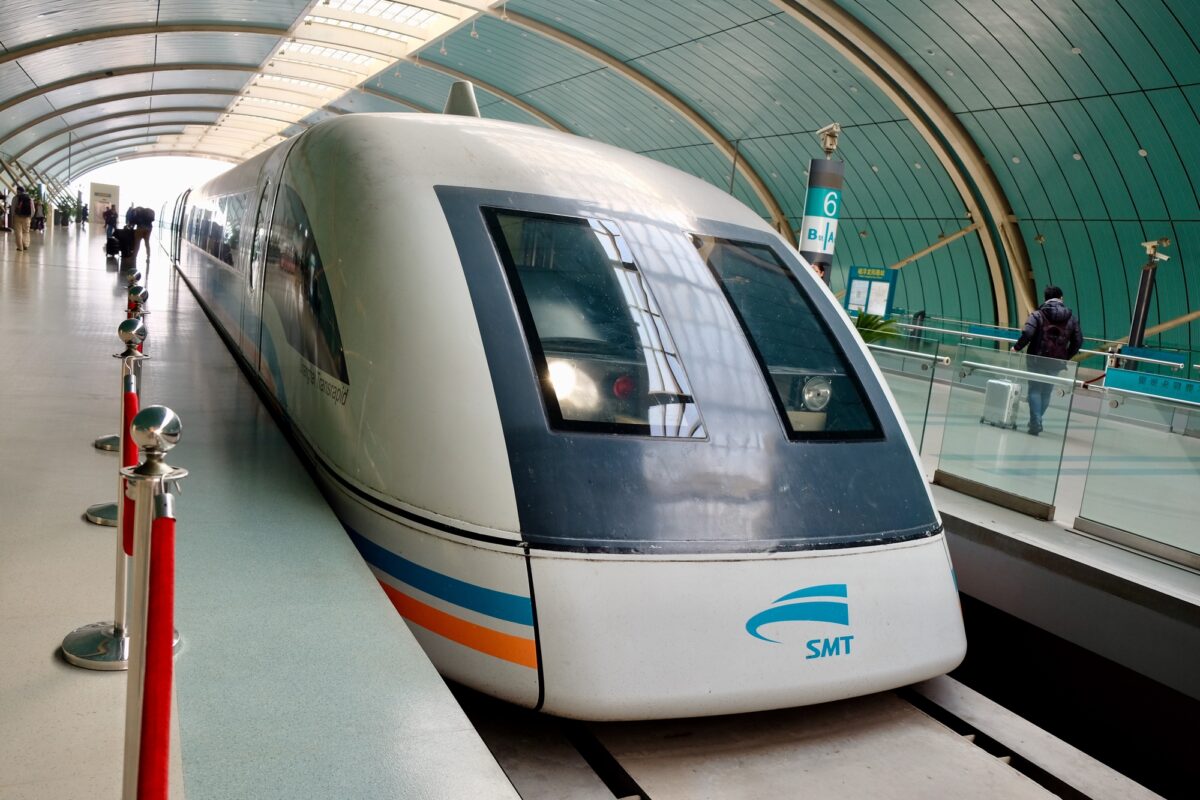
The Shanghai Maglev train operates using magnetic levitation rather than traditional wheels. Opened in 2004, it reaches speeds of 268 miles per hour in commercial service.
Instead of rolling along tracks, it floats slightly above them, eliminating friction. The experience feels almost surreal — quiet, steady, and astonishingly fast. It demonstrates how far rail technology has advanced from pistons and coal.
CR400 Fuxing
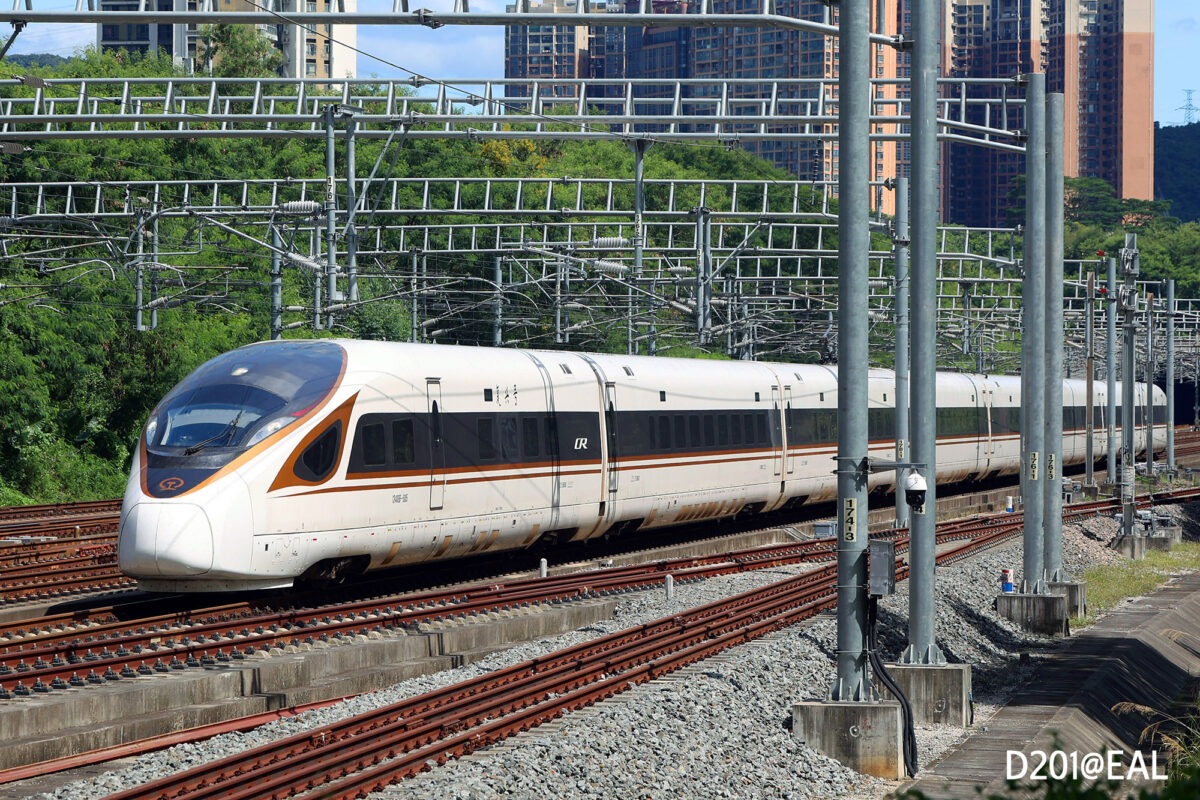
China’s CR400 Fuxing series, introduced in 2017, operates at speeds of 217 miles per hour. It reflects China’s rapid expansion of high-speed rail infrastructure.
With aerodynamic noses and advanced safety systems, the train connects major cities in record time. It represents a national commitment to large-scale transportation modernization.
Eurostar e320
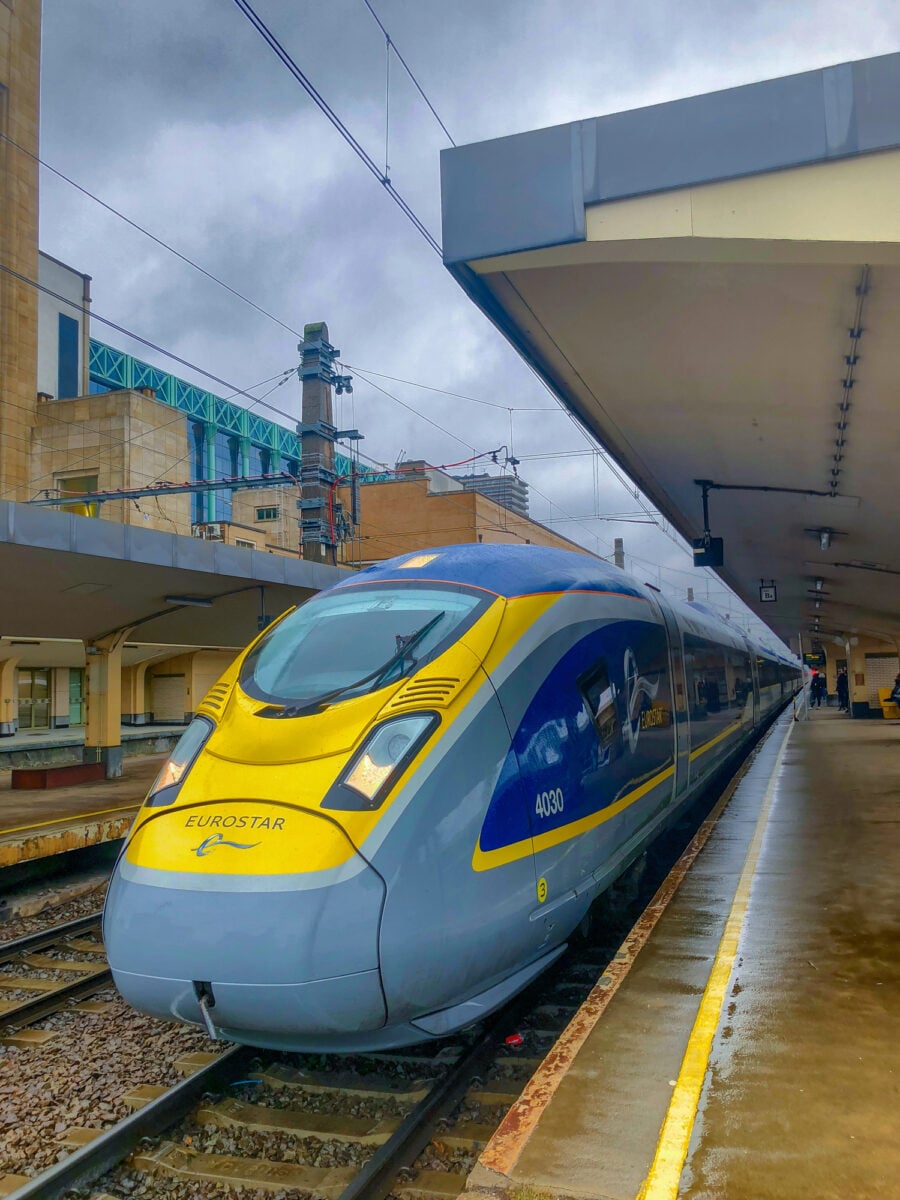
The Eurostar e320 connects London with continental Europe via the Channel Tunnel. It travels at speeds of up to 200 miles per hour.
Beyond speed, it symbolizes international cooperation. The ability to travel beneath the English Channel in a matter of minutes once seemed improbable. Now it is routine.
LNER A4 Class
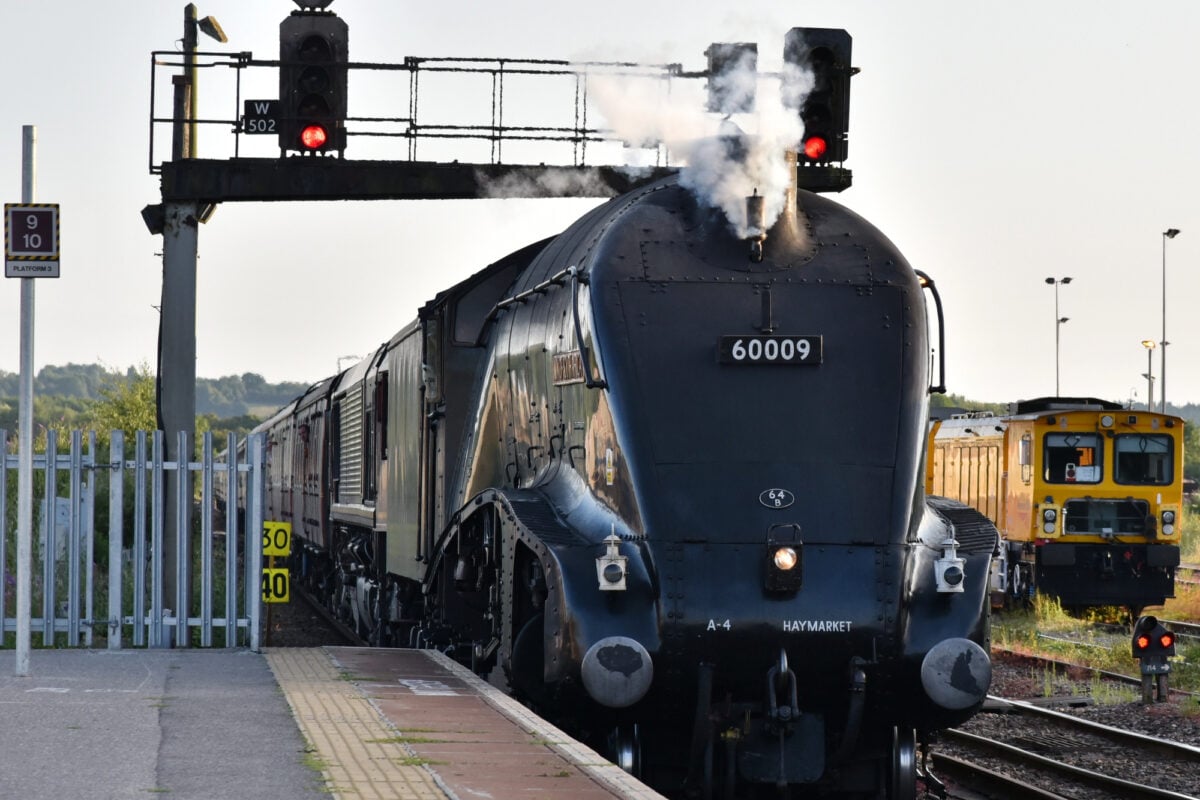
Before bullet trains, streamlining became the obsession of the steam era. The LNER A4 Class locomotives, including Mallard, featured sleek casings designed to reduce air resistance.
These trains combined engineering innovation with visual drama. They hinted at a future where speed would define progress, bridging the gap between old-world steam and modern high-speed rail.
N700 Shinkansen
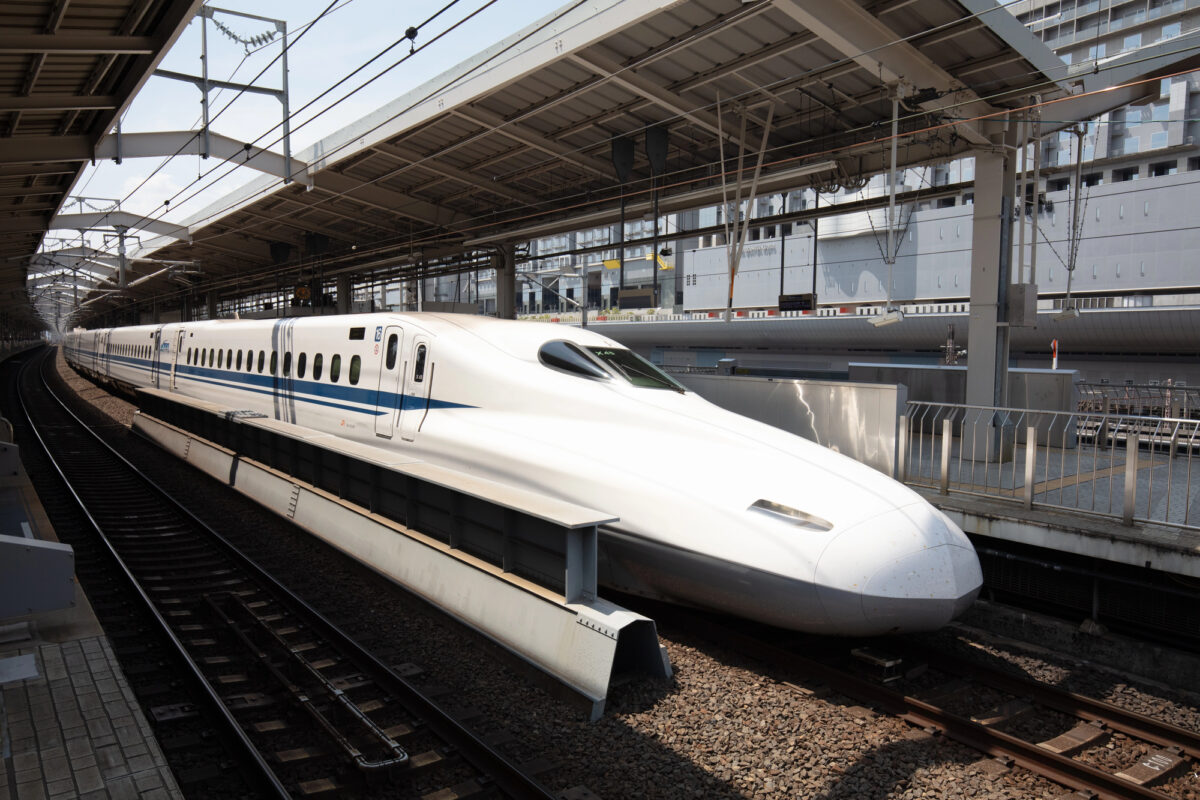
Japan’s N700 series refined the bullet train concept with tilting technology, allowing it to maintain higher speeds on curves. It operates at approximately 186 miles per hour.
Inside, passengers experience remarkable stability. Even at high speeds, a cup of coffee sits undisturbed. That smoothness highlights how comfort now rivals speed as a design priority.
Acela Express
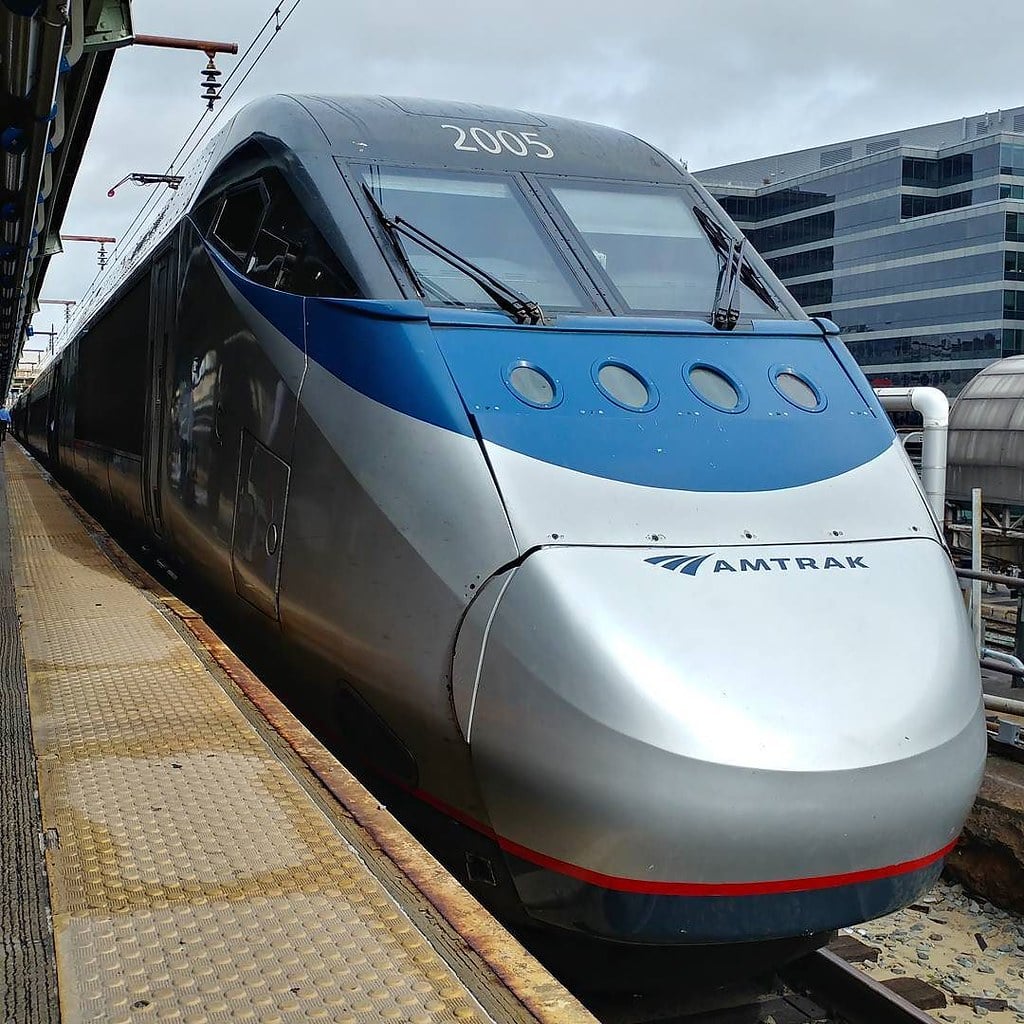
The Acela Express operates along the Northeast Corridor in the United States, reaching speeds of 150 miles per hour. While not as fast as European or Asian counterparts, it represents America’s modern high-speed ambitions.
Running between major cities like Washington, D.C., and Boston, it demonstrates how high-speed rail can reshape regional travel patterns. It reflects both progress and the challenges of upgrading older infrastructure.
Al Boraq
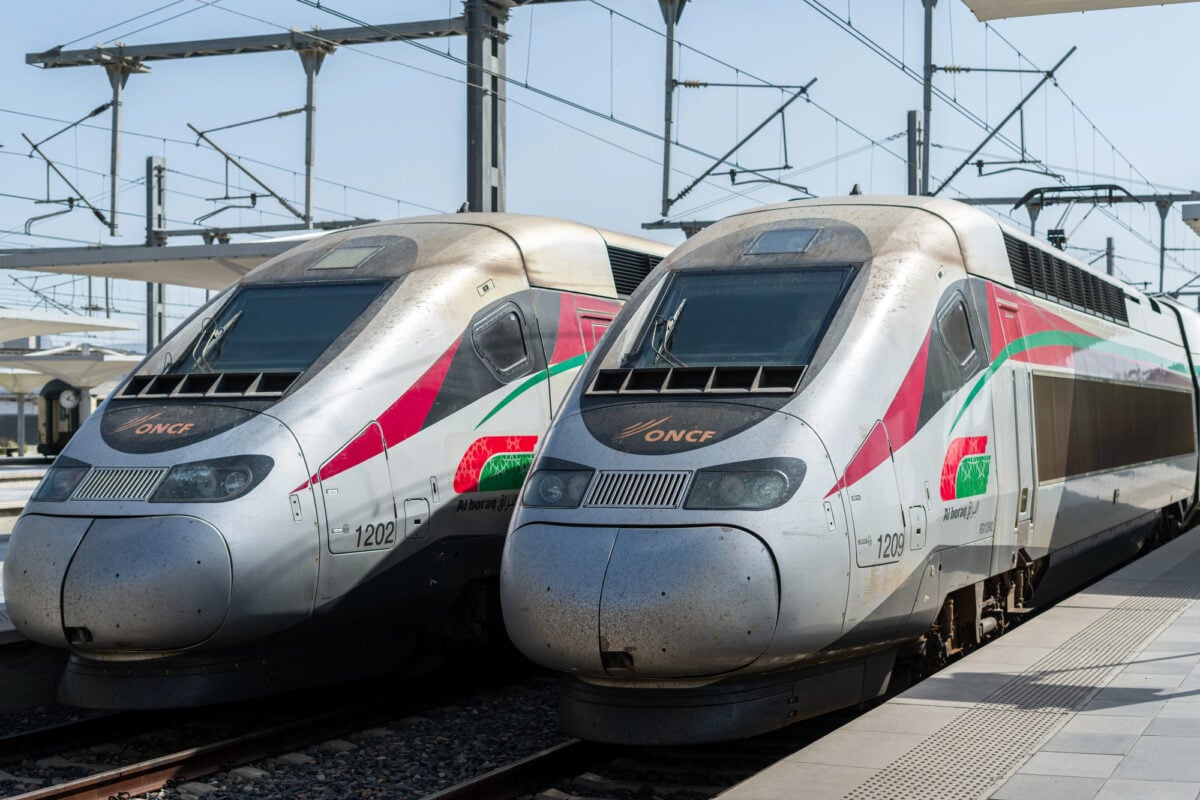
Speeding through Morocco since 2018, Al Boraq made history as the continent’s debut high-speed rail. Reaching 200 mph, it links Tangier to Casablanca without slowing down.
Off the rails it went, marking fresh beginnings across African tracks. Not just Europe or Asia now hold the keys to rapid transit. Across nations, talk of speed rides high.
From Steam to Silence
Thunder rolled beneath steel wheels as steam engines clawed through valleys, trailing thick clouds behind. Across iron spans they roared, pushing forward a new age without asking permission.
Whole countries bent their shape around these machines. Faraway towns found voices through whistles echoing at dawn.
You could hear them coming long before you saw the glow. Smoke marked their passage like a signature on the sky.
Fast trains behave unlike others. Smooth shapes cut air while running exact schedules.
Not fighting nature, they slide beside hills and fields quietly. Time shrinks on these routes even though nothing towers overhead.
Speed trains did not just grow faster over time. Society’s idea of moving forward shifted along the way.
Fire and heavy machinery powered old engines long ago. Today, invisible forces like magnetic fields take over instead. Materials changed.
So did signals guiding each trip. Steel tracks still stretch across land.
Yet what happens to them feels different now. Noise used to signal power. Silence often means strength today.
More from Go2Tutors!

- The Romanov Crown Jewels and Their Tragic Fate
- 13 Historical Mysteries That Science Still Can’t Solve
- Famous Hoaxes That Fooled the World for Years
- 15 Child Stars with Tragic Adult Lives
- 16 Famous Jewelry Pieces in History
Like Go2Tutors’s content? Follow us on MSN.



