Unique Facts About the History of Roller Skates
Roller skates have rolled through nearly three centuries of human history, transforming from a theatrical gimmick into a cultural phenomenon. The evolution of these wheeled wonders tells a story of innovation, disaster, social change, and unexpected creativity.
From crashed masquerade parties to segregated rinks, from military proposals to disco floors, roller skates have left their mark in the most surprising places. Here is a list of unique facts about the history of roller skates.
The first patent went to a Frenchman with limited success
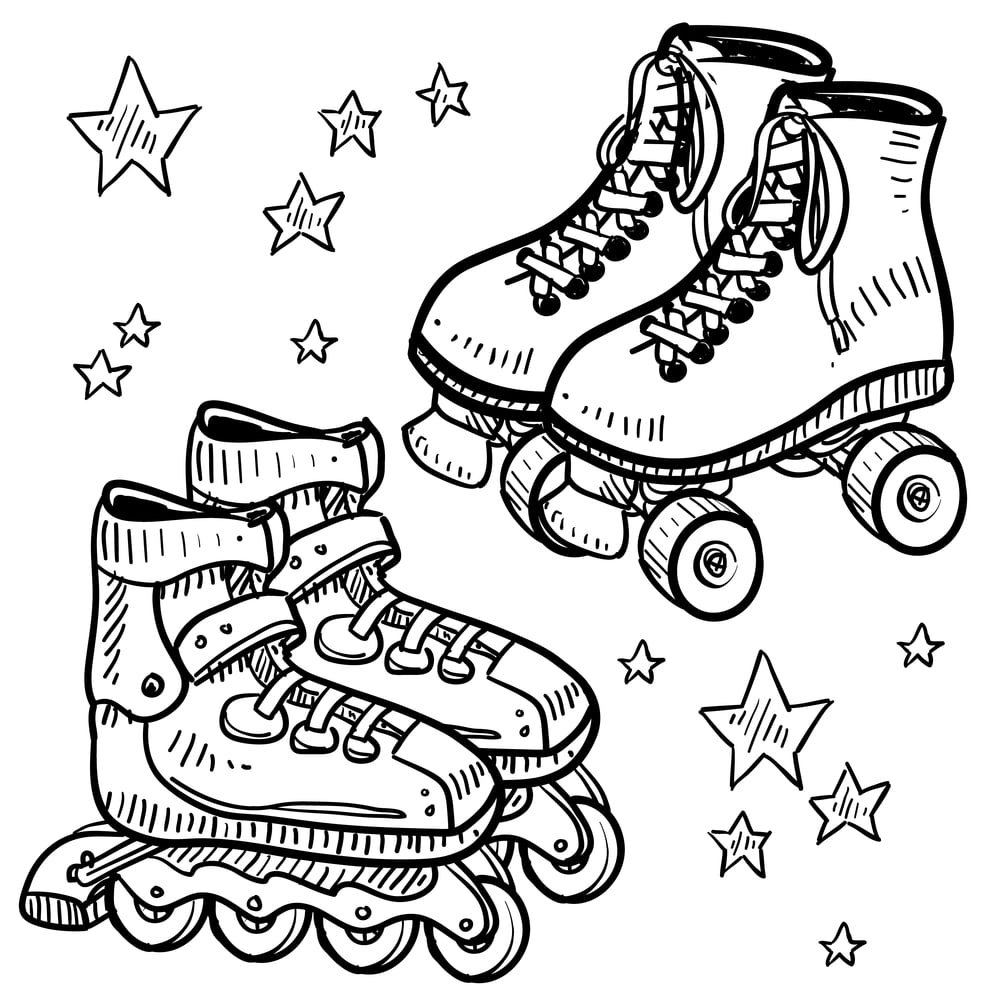
Charles-Louis Petitbled received the first roller skate patent in Paris in 1819, designing what he called land skates with three wooden or metal wheels attached in a line. His skates were intended to replicate everything ice skaters could do, but they had one major flaw.
The design made it nearly impossible to do anything except travel in straight lines or very wide circles, which severely limited their appeal.
German barmaids served beer on wheels

In the 1840s, waitresses at beer halls in Berlin wore roller skates to serve customers, showcasing an early practical application of the technology. These skating servers demonstrated that roller skates could be more than just entertainment or transportation.
The concept was efficient, eye-catching, and apparently popular enough to spread to other establishments.
The quad skate created a sensation called rinkomania
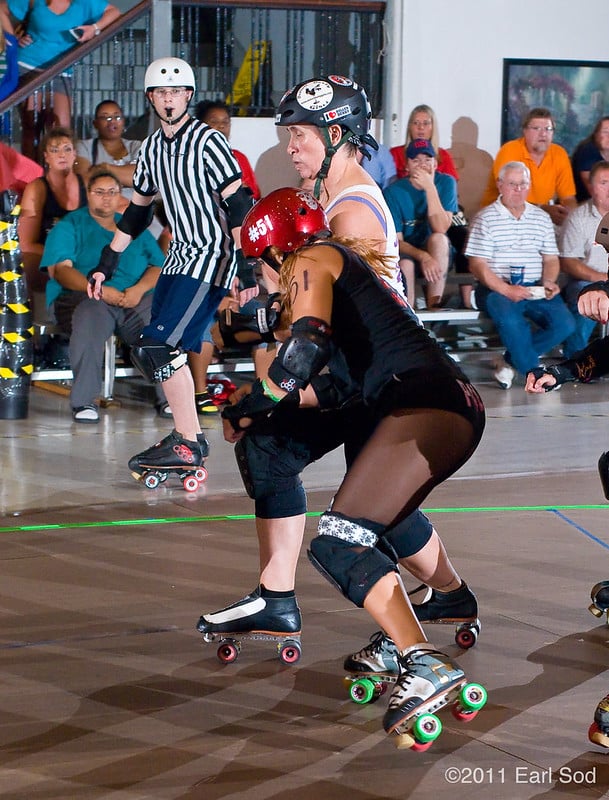
James Leonard Plimpton revolutionized roller skating in 1863 by inventing the quad skate with four wheels in two parallel pairs and springy carriages called trucks that allowed skaters to turn by shifting their weight. This breakthrough design sparked rinkomania, a roller skating craze that swept through the 1860s and 1870s across Europe and around the world.
Plimpton didn’t just invent better skates—he created an entire cultural movement.
Plimpton held over 20 patents and fought 300 lawsuits
James Plimpton held more than 20 U.S. skate patents and had to defend his inventions against up to 300 patent infringement cases. He spent considerable time and money in court fighting off manufacturers who copied his designs, though he successfully defended his patents.
Plimpton also rented skates rather than selling them, possibly as a way to control who had access to the activity.
The first public skating rink opened in a furniture store

In 1866, Plimpton opened the nation’s first public roller skating rink in his furniture store in New York City. He later built another rink at the Atlantic House resort hotel in Newport, Rhode Island.
He established the New York Roller Skating Association and deftly promoted roller skating as a suitable pastime for dignified women and men to partake in together. For Victorian couples who wished to meet without strict chaperoning, skating became acceptable thanks to this social angle.
Chicago saw 7,000 people at a skating rink’s opening night
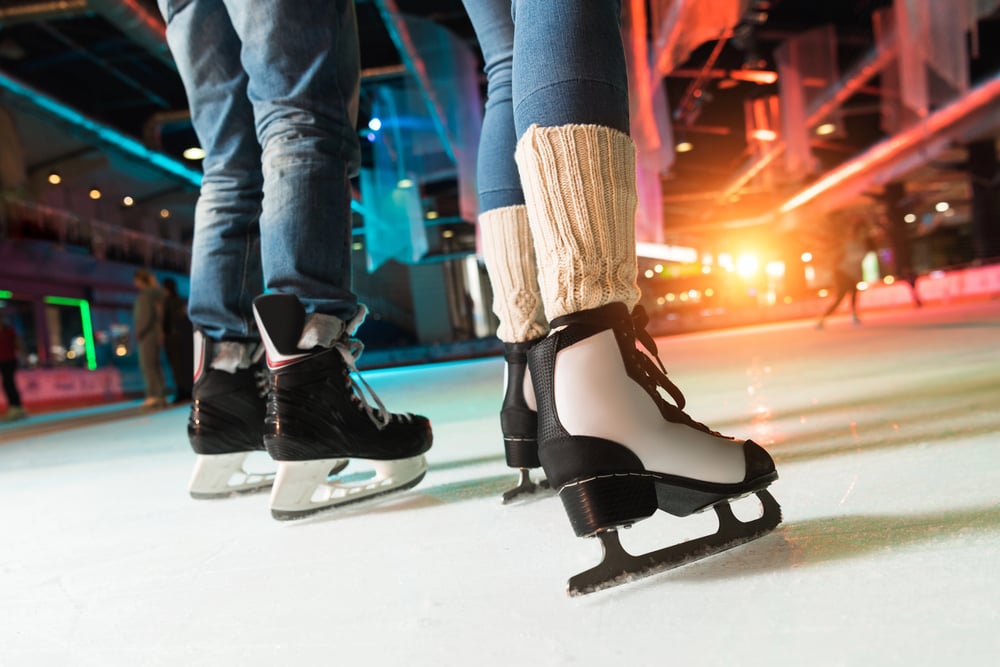
When the Chicago Coliseum opened a public skating rink in 1902, more than 7,000 people attended the grand opening. The massive turnout demonstrated just how popular roller skating had become by the early 20th century.
The enthusiasm for wheeled recreation had grown from Merlin’s disastrous party entrance to crowds that could fill enormous venues.
The first recorded marriage on skates happened in Milwaukee

The first roller-skating wedding in Milwaukee was performed by Miss Hattie Baldwin and Mr. W. McGrath in 1912; the ceremony is now on display at the National Museum of Roller Skating. This unique wedding demonstrated the extent to which roller skating has permeated American society.
Since then, thousands of couples have exchanged vows while skating, starting a peculiar custom that is still followed today.
Military planners proposed using skates to move soldiers
In a 1917 issue of Scientific American, authors suggested that commuters strap on skates to get to work and even proposed military use for rapidly transporting soldiers in favorable locations. The key selling point was that skates could be taken into buildings, unlike other vehicles.
Military skating never actually took off, but the proposal revealed how seriously some people viewed the transportation potential of roller skates.
Roller skating faced segregation and racial conflict
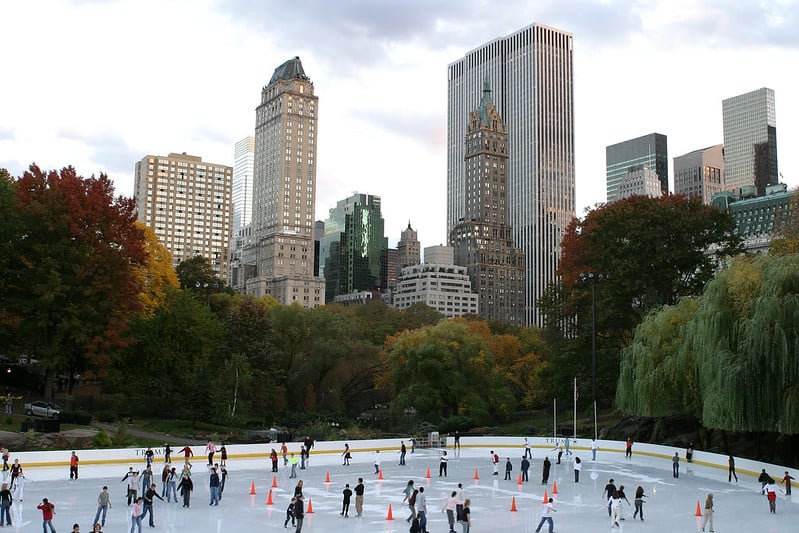
Skating rinks became sites of racialized conflict almost as soon as they opened, with Boston’s Black community protesting when a manager barred two Black skaters saying he would not allow colored persons to skate on his floor. Segregated rinks remained the norm through the Civil Rights era, with white people actively protesting to keep them that way, and even after the Civil Rights Act, skating rinks retained de facto segregation through adult or urban themed skating nights aimed at Black skaters.
The history of roller skating reflects broader patterns of racial injustice in American recreational spaces.
Sonic restaurants still use skating carhops
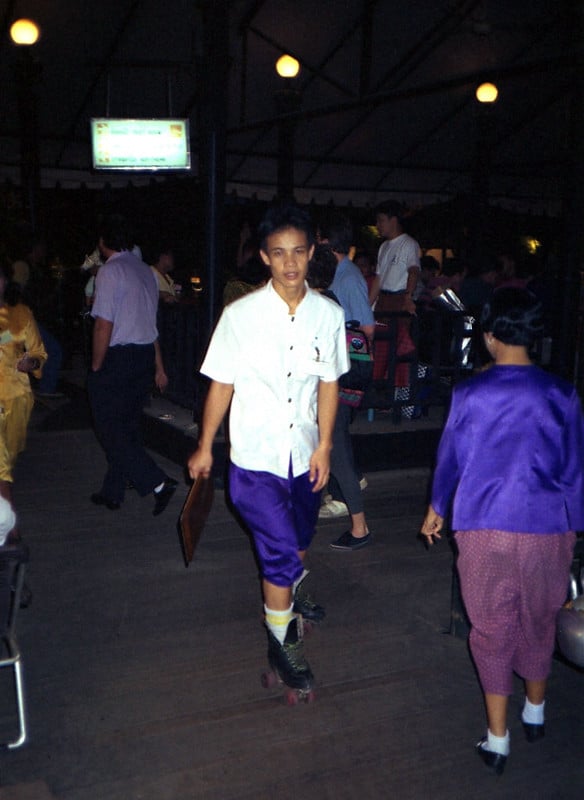
In the 1950s and 1960s, roller skating carhops were common at drive-in restaurants, and today Sonic carries the tradition forward with an annual Sonic Skate-Off to find the best carhop among its 3,500 U.S. locations. The practice started when drive-ins needed quick and efficient ways to serve customers in their cars.
Skating waitresses rolling out with food and drinks became an iconic part of American pop culture, immortalized in movies and television shows.
Roller derby began as a Depression-era endurance marathon

Leo Seltzer created the Transcontinental Roller Derby in 1935 at the Chicago Coliseum after reading that ninety-three percent of Americans roller skated at least once in their lives. He jotted his ideas onto a tablecloth at a Chicago restaurant, deciding to combine popular six-day bicycle races with roller skating.
The first event on August 13, 1935, drew 20,000 spectators who watched 25 male-female teams circle a banked track in a simulated cross-country race, with contestants sleeping on cots in the middle of the rink between sessions.
The Amish adopted rollerblades when bikes were forbidden
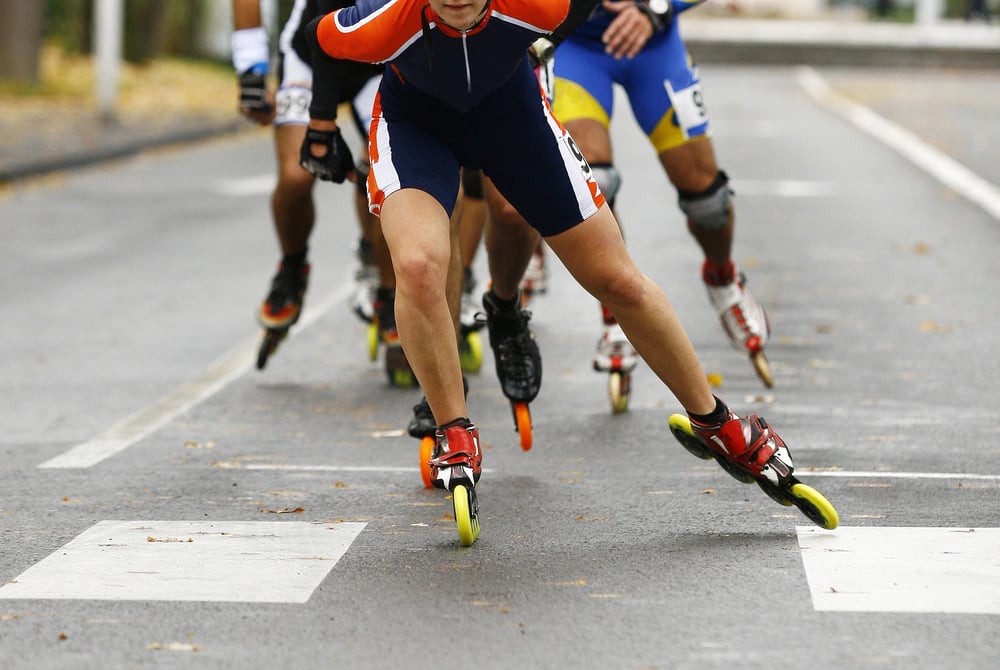
While Amish communities traditionally avoid cars, motorcycles, and even bikes, Amish youth embraced rollerblading in the 1990s as a regular mode of transportation. The inline skate somehow passed the test as an acceptable way to get around while maintaining their commitment to a simple life.
This unexpected adoption showed how roller skates could find acceptance even in communities that reject most modern transportation.
Reagan declared October as National Roller Skating Month

President Ronald Reagan declared October as National Roller Skating Month in 1983, giving official recognition to the beloved pastime. The presidential proclamation elevated roller skating from simple recreation to something worthy of national celebration.
It acknowledged the cultural impact these wheeled devices had made on American society over more than two centuries.
From masquerades to modern times

Roller skates traveled an unlikely path from Merlin’s crash through Victorian parlors and segregated rinks to disco floors and derby tracks. What started as a Belgian inventor’s promotional stunt became a vehicle for social change, cultural expression, and unexpected joy.
The wheels keep turning, carrying forward a history marked by both progress and conflict, innovation and tradition, proving that sometimes the simplest inventions roll the furthest.
More from Go2Tutors!

- The Romanov Crown Jewels and Their Tragic Fate
- 13 Historical Mysteries That Science Still Can’t Solve
- Famous Hoaxes That Fooled the World for Years
- 15 Child Stars with Tragic Adult Lives
- 16 Famous Jewelry Pieces in History
Like Go2Tutors’s content? Follow us on MSN.