27 Old Sealed VHS Tapes With Specific Cover Art Collectors Bid On Aggressively
There’s something about a sealed VHS tape that refuses to be rational. It’s just a plastic rectangle, probably recording something that could be streamed in four seconds on any device you own — and yet, when the right one shows up on an auction site with its shrink wrap intact and its cover art unmarked, the bidding gets ugly fast.
Collectors who have spent years hunting these things down will tell you it’s not about the movie. It’s about the object: the weight of it, the era sealed inside, the feeling that something has survived without being touched. These 27 tapes represent the specific titles, labels, and cover variations that send serious collectors into a frenzy — the ones where a single listing can attract dozens of bidders before most people have even had their morning coffee.
The Evil Dead (Thorn EMI, 1981 UK Release)
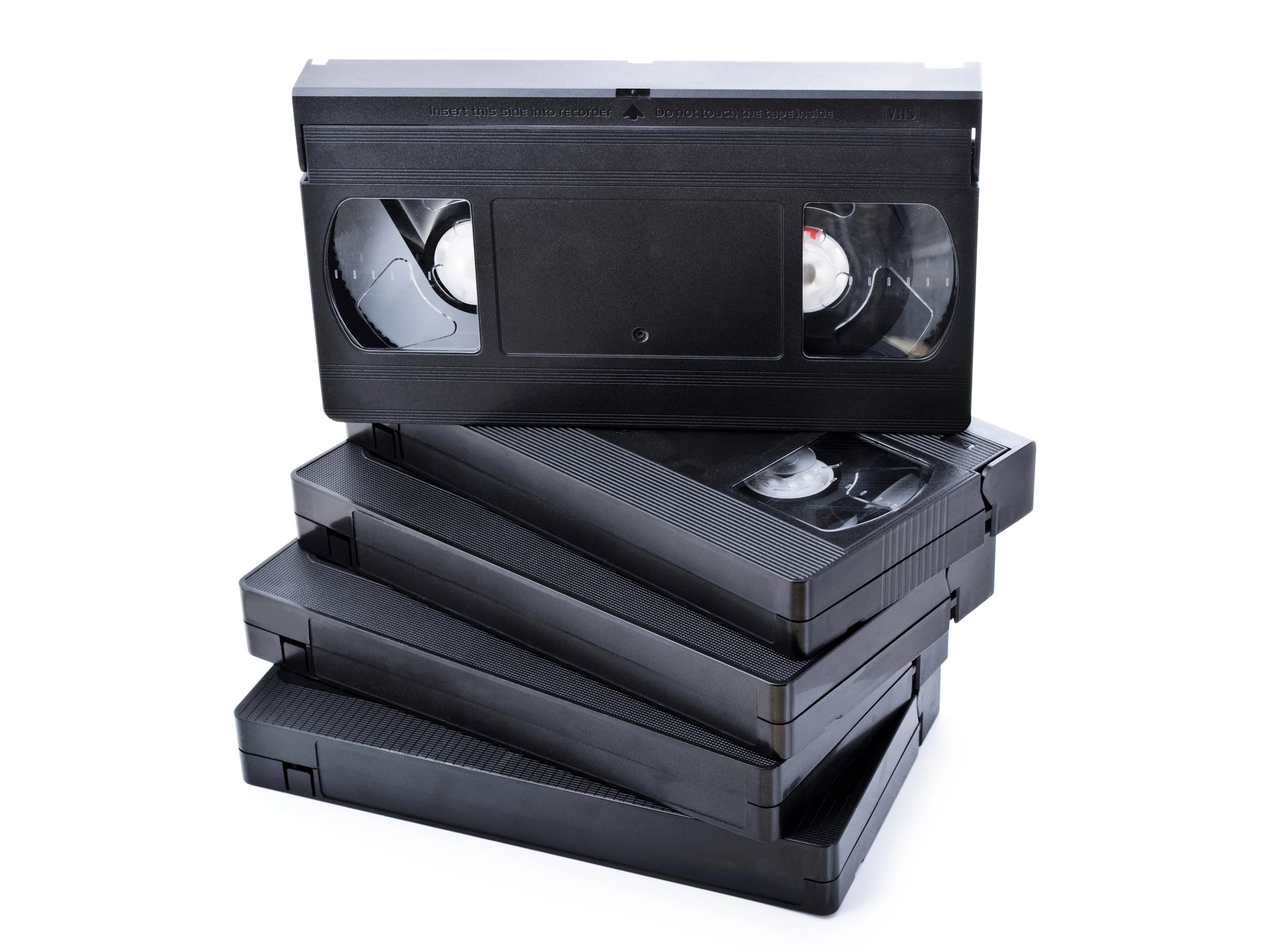
The Thorn EMI release of The Evil Dead is one of the most coveted horror VHS finds in existence. Original shrink wrap on this one is practically mythological — most copies were watched, rewound, and watched again until the tape itself gave out.
A sealed example surfaced at auction in 2022 and cleared four figures without breaking a sweat.
Halloween (Media Home Entertainment, 1978 Clamshell)
The clamshell format from Media Home Entertainment is what collectors are after here, not just any old copy of the film. That chunky plastic case, the orange-tinted cover art, the original price sticker still affixed — sealed copies in this condition are the kind of thing that makes grown adults lose composure at estate sales.
Suspiria (Magnetic Video, 1977 Release)
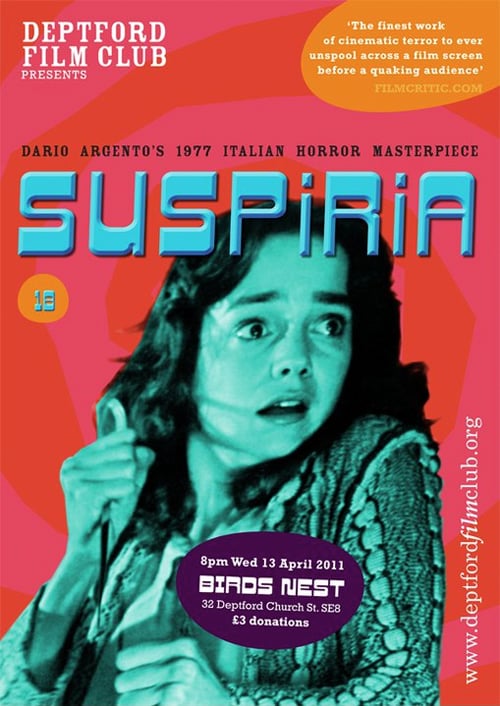
Dario Argento’s Suspiria on Magnetic Video is legitimately rare. Magnetic Video was one of the first companies to release films on home video in the US, and their print runs were small — turns out they weren’t sure anyone was buying, which makes sealed copies genuinely scarce rather than artificially so.
Friday the 13th (Paramount Home Video, 1980 Big Box)
The big box format alone does something to a collector’s nervous system, and Friday the 13th in a sealed Paramount big box is the kind of listing that gets screenshotted and shared in collector groups within minutes of appearing. The cover art on the original release — that hand breaking through the dock — holds up as one of the more viscerally effective pieces of horror VHS packaging ever made.
A Nightmare on Elm Street (Media Home Entertainment, 1984)
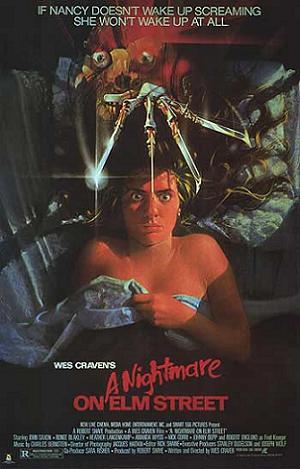
Sealed copies of the original Media Home Entertainment release carry a specific weight in the collector community, one that goes beyond the film’s obvious cultural footprint. The cover art — Freddy’s claw-draped silhouette against that burnt-orange sky — became the visual shorthand for an entire decade of horror, and an untouched copy still in shrink wrap is treated accordingly.
Faces of Death (VidAmerica, 1980)
Faces of Death had the kind of reputation in the early 1980s that made parents genuinely alarmed and teenagers desperately curious, which is a combination that usually results in very few surviving sealed copies. The VidAmerica release, with its stark cover art and its aura of forbidden content, pulls aggressive bids from collectors who specialize in exploitation-era video releases.
The Texas Chain Saw Massacre (Wizard Video, 1982 Big Box)
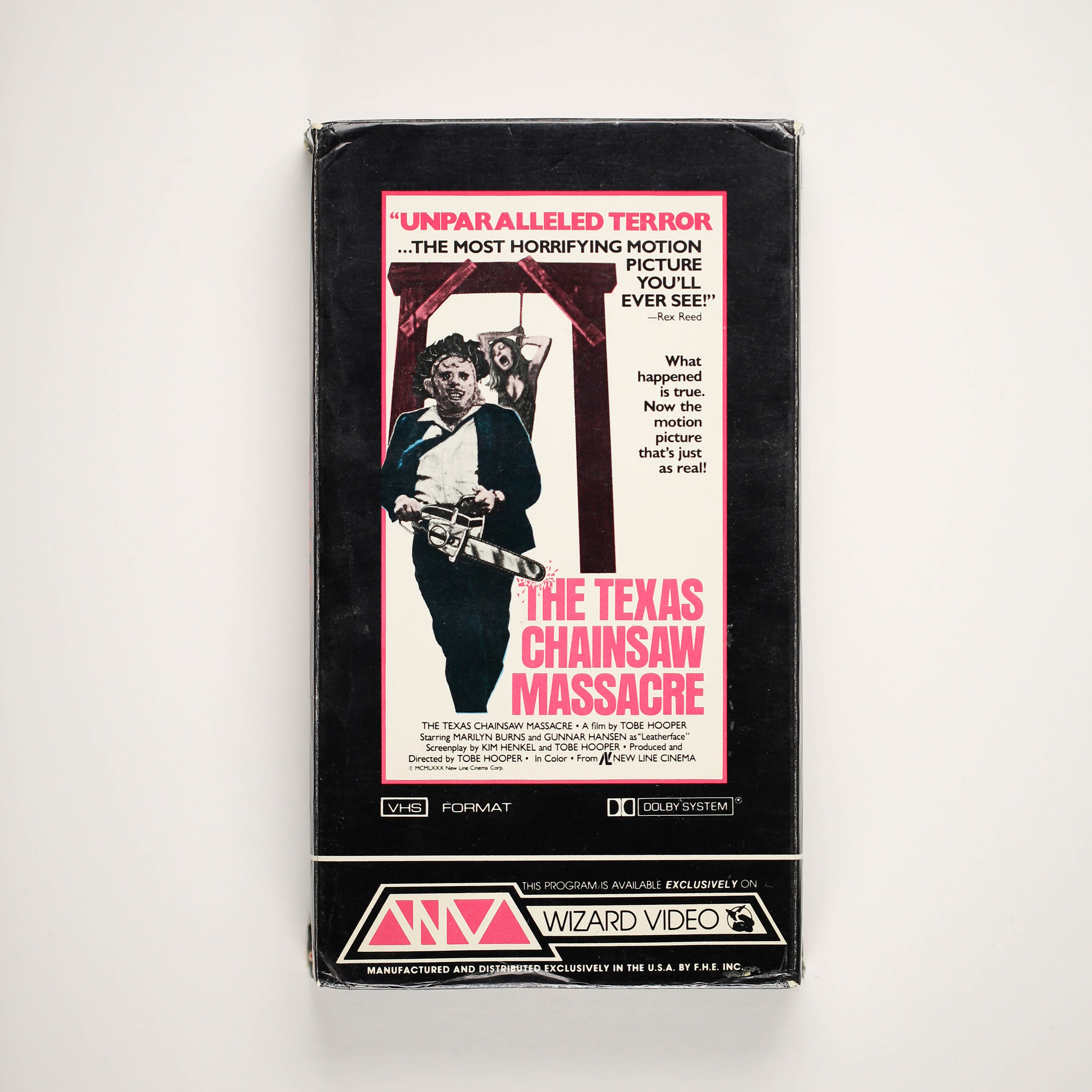
Wizard Video’s big box release of The Texas Chain Saw Massacre is among the most recognizable in the entire VHS collector world. The oversized box, the lurid cover art, and the sheer improbability of one surviving sealed — those three factors combined are enough to send the auction room into a quiet, competitive frenzy where people start refreshing pages every thirty seconds.
Cannibal Holocaust (Mogul Communications, 1985 US Release)
Sealed copies of Cannibal Holocaust in the original Mogul Communications packaging are exceedingly rare, partly because the film spent years embroiled in legal trouble and partly because it’s not the sort of thing people bought and then left sitting on a shelf untouched. When one surfaces, the bidding is less about the film’s notoriety and more about the object itself: a complete, untouched artifact from an era when home video still felt dangerous.
Videodrome (MCA Home Video, 1983)
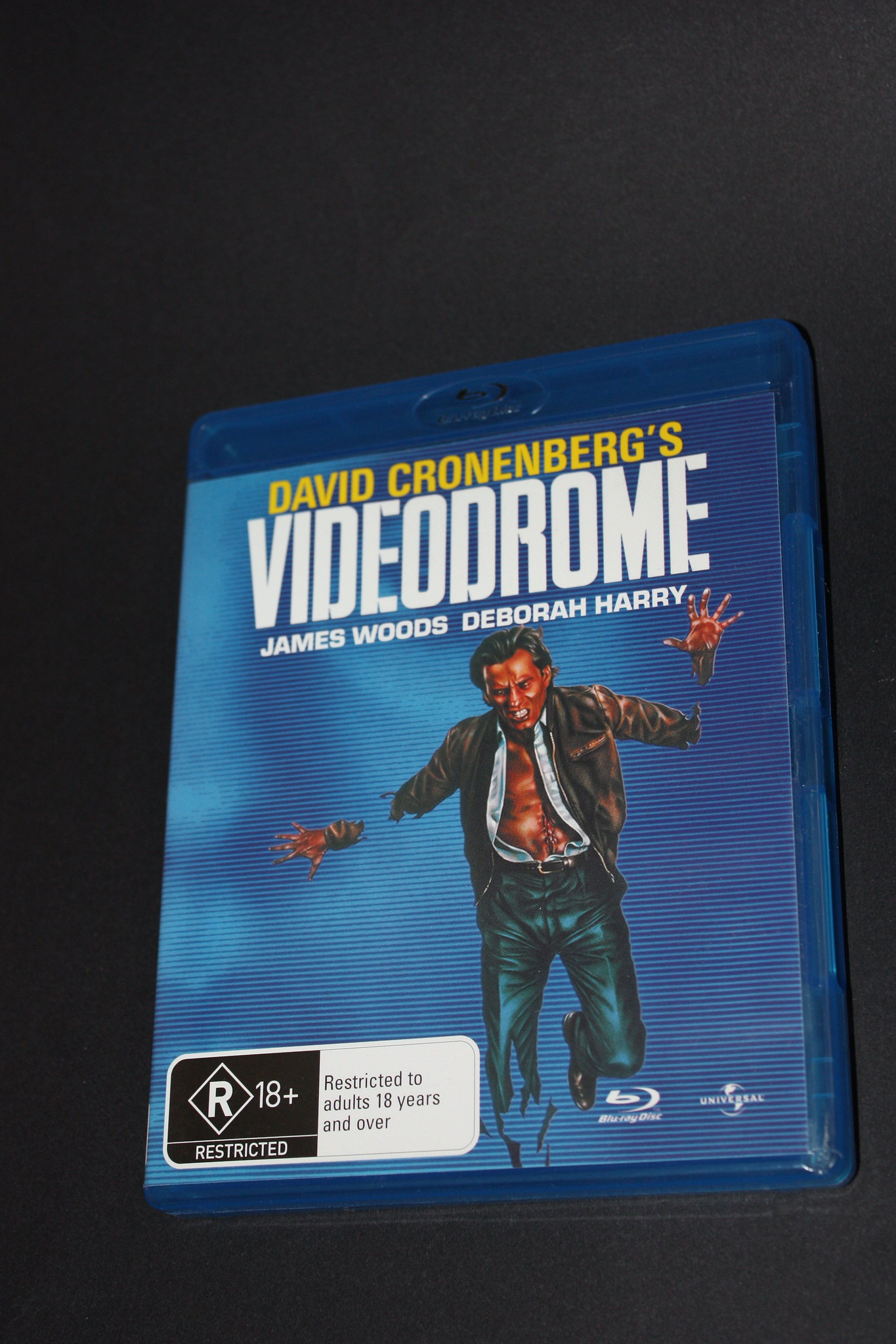
Videodrome sealed in MCA packaging is one of those finds that attracts two completely different types of collector simultaneously — the Cronenberg devotees and the early-’80s label completists — which is a recipe for a bidding war that neither group is willing to lose gracefully. The cover art captures the film’s unease without giving too much away, which is its own kind of achievement.
The Shining (Warner Home Video, 1980 First Pressing)
A sealed first pressing of The Shining from Warner Home Video is one of those items that looks deceptively ordinary until you realize what you’re actually holding. The cover art is restrained compared to the exploitation labels of the same era — just Nicholson’s face, just that smile — and somehow that restraint makes it more unsettling to look at on an auction page.
Alien (CBS/Fox Video, 1979 Rental Version)
The CBS/Fox rental version of Alien in sealed condition is the kind of thing that makes collectors genuinely suspicious when they see it — because who sealed a rental copy and never opened it? The answer is usually an unopened lot from a video store that closed before ever getting through its full inventory, and those discoveries are the stuff of legend in this particular hobby.
Basket Case (Media Home Entertainment, 1982)
Basket Case has one of the most effective pieces of low-budget cover art in VHS history: that basket, that hand, that expression of cheerful wrongness. Sealed Media Home Entertainment copies are legitimately hard to come by, and collectors who focus on early-’80s independent horror treat a sealed example with the kind of reverence usually reserved for first-edition books.
Blood Feast (Wizard Video, 1982 Big Box)
Herschell Gordon Lewis’s Blood Feast in Wizard Video’s big box is a cornerstone of gore-era VHS collecting, and a sealed copy is so improbable that listings for them attract both genuine offers and a fair amount of skeptical scrutiny. The cover art is as brazen as the film itself — not subtle, not trying to be.
Phantasm (Vestron Video, 1979 Release)
The Vestron release of Phantasm carries cover art that is genuinely distinctive among horror VHS: that silver sphere, that black background, that font. Sealed copies draw collectors who specialize in Vestron releases specifically, and there’s a subset of those collectors who are quietly obsessive about condition in ways that make regular people uncomfortable.
The Burning (Thorn EMI, 1981 UK Release)

The Burning on Thorn EMI is the kind of tape that looks like a footnote until you understand the label history — and once you do, the pricing starts to make sense. The UK release carries cover art that differs from the US version, and that variation alone is enough to make label-specific collectors treat a sealed copy as a genuine priority acquisition.
Pieces (Continental Video, 1983)
Pieces on Continental Video has a cult following among collectors who specialize in early-’80s slasher releases, and a sealed copy with the original Continental packaging intact is the sort of thing that gets listed and sold within hours. The cover art is aggressively of its era — no apologies, no restraint.
Dawn of the Dead (Thorn EMI, 1978 UK Release)
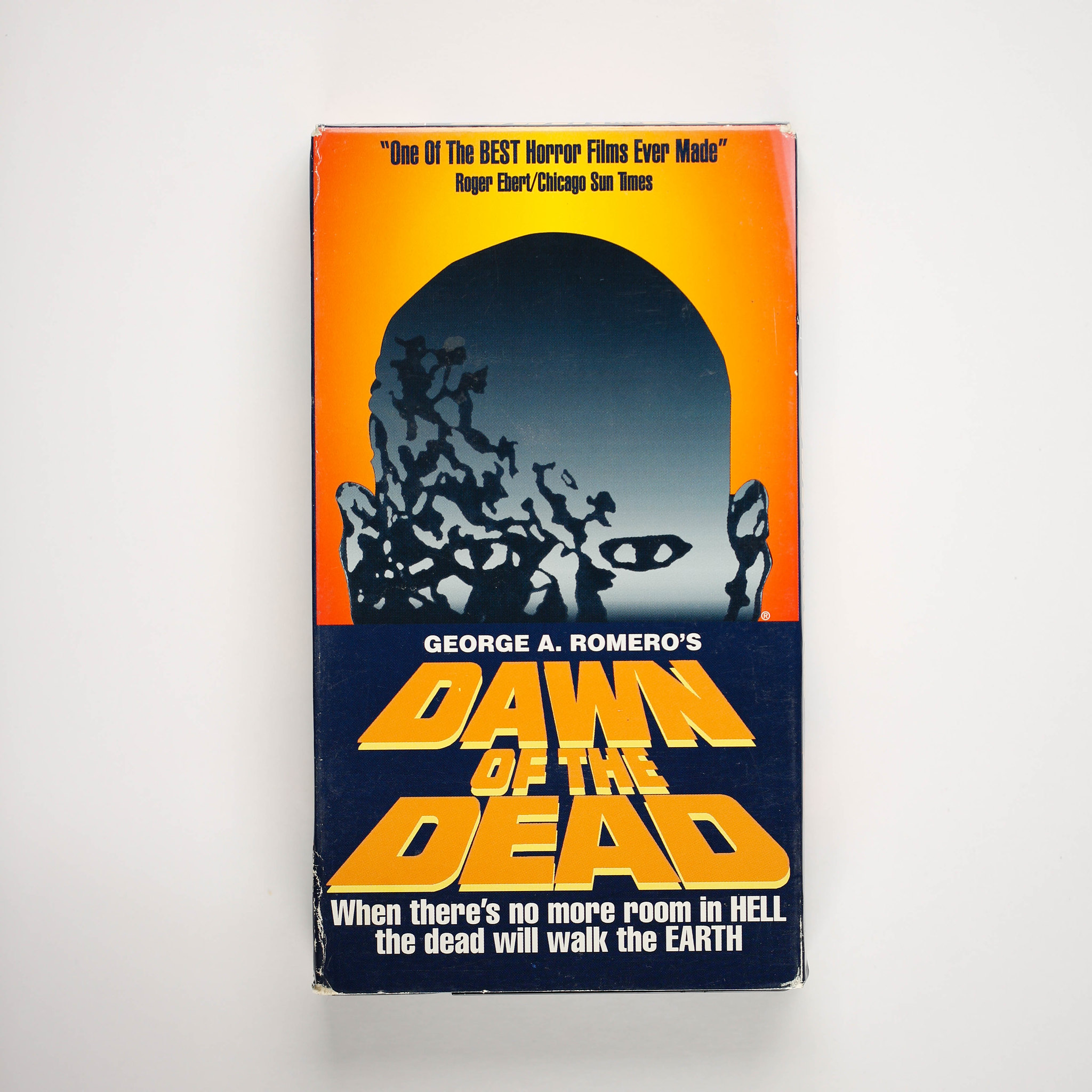
George Romero’s Dawn of the Dead on Thorn EMI is a grail for zombie-era VHS collectors, the kind of item that sits at the intersection of legitimate film history and the specific madness of label-and-condition collecting. A sealed copy is, at this point, an event — not just a listing.
Maniac (Magnum Entertainment, 1980)
The Magnum Entertainment release of Maniac has cover art so aggressively confrontational that it became the subject of protests and ban attempts in several countries during the early 1980s. Sealed copies are rare not because the film was obscure but because the tape was the sort of thing people bought specifically to watch, which is a strong argument against any copy surviving in pristine condition.
I Spit on Your Grave (Wizard Video, 1983 Big Box)
Wizard Video’s big box release of I Spit on Your Grave is one of the more controversial and sought-after items in the exploitation VHS category, full stop. The cover art generated genuine public outrage at the time, and that history — combined with the format and the label — makes a sealed copy the kind of thing serious collectors are not prepared to lose at auction.
Tobe Hooper’s Poltergeist (MGM/UA Home Video, 1982)
A sealed MGM/UA release of Poltergeist is less a rarity and more a patience game — they exist, but finding one in genuinely unbroken shrink wrap takes time. What makes collectors competitive here is the specific cover art variation on the first pressing, which differs subtly from later releases in ways that matter enormously to people who have spent years learning to notice them.
The Terminator (Thorn EMI/HBO Video, 1984)
The Thorn EMI/HBO co-release of The Terminator represents one of those early cases where a film arrived on home video before anyone fully understood how large it was going to become — so the print run reflects an era of modest expectations. A sealed copy carries that historical accident inside it, the shrink wrap preserving something that was produced without knowing it would eventually be contested.
Ghostbusters (RCA/Columbia Home Video, 1984 First Pressing)
The first pressing from RCA/Columbia Home Video is the specific target here, not the later reissues that flooded the market. Sealed first-pressing copies are documented enough to be verifiable but scarce enough to command real competition, and the cover art — that logo, that ghost — has an iconic status that gives even casual bidders pause before they let someone else win.
Return of the Living Dead (Hemdale Home Video, 1985)
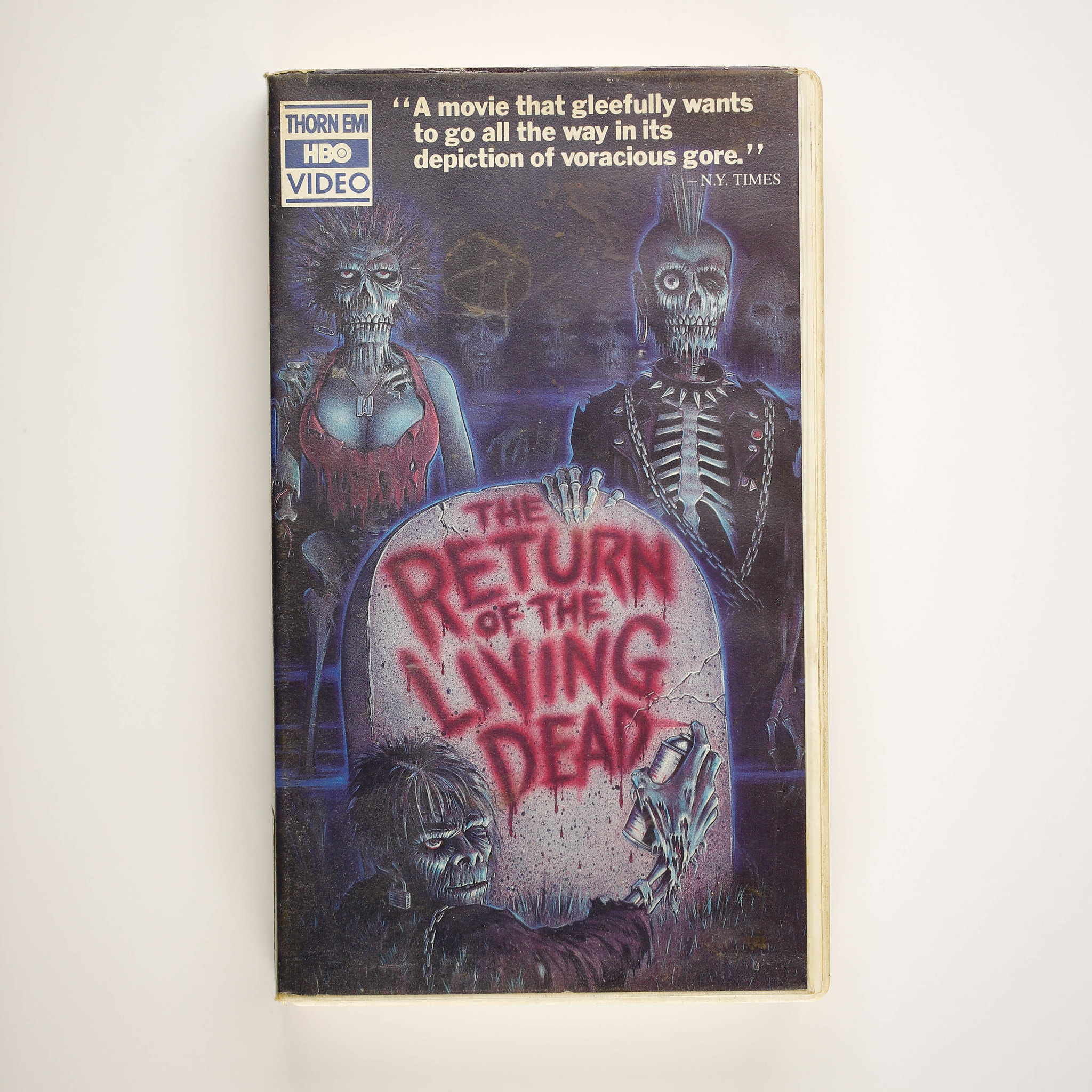
Return of the Living Dead sealed in the original Hemdale packaging is a find that punk-era horror collectors treat as something close to a definitive score. The cover art leans into the film’s irreverence without undermining it, and a sealed copy in that packaging is enough to pull bids from collectors who don’t usually chase this particular corner of the market.
Re-Animator (Vestron Video, 1985)
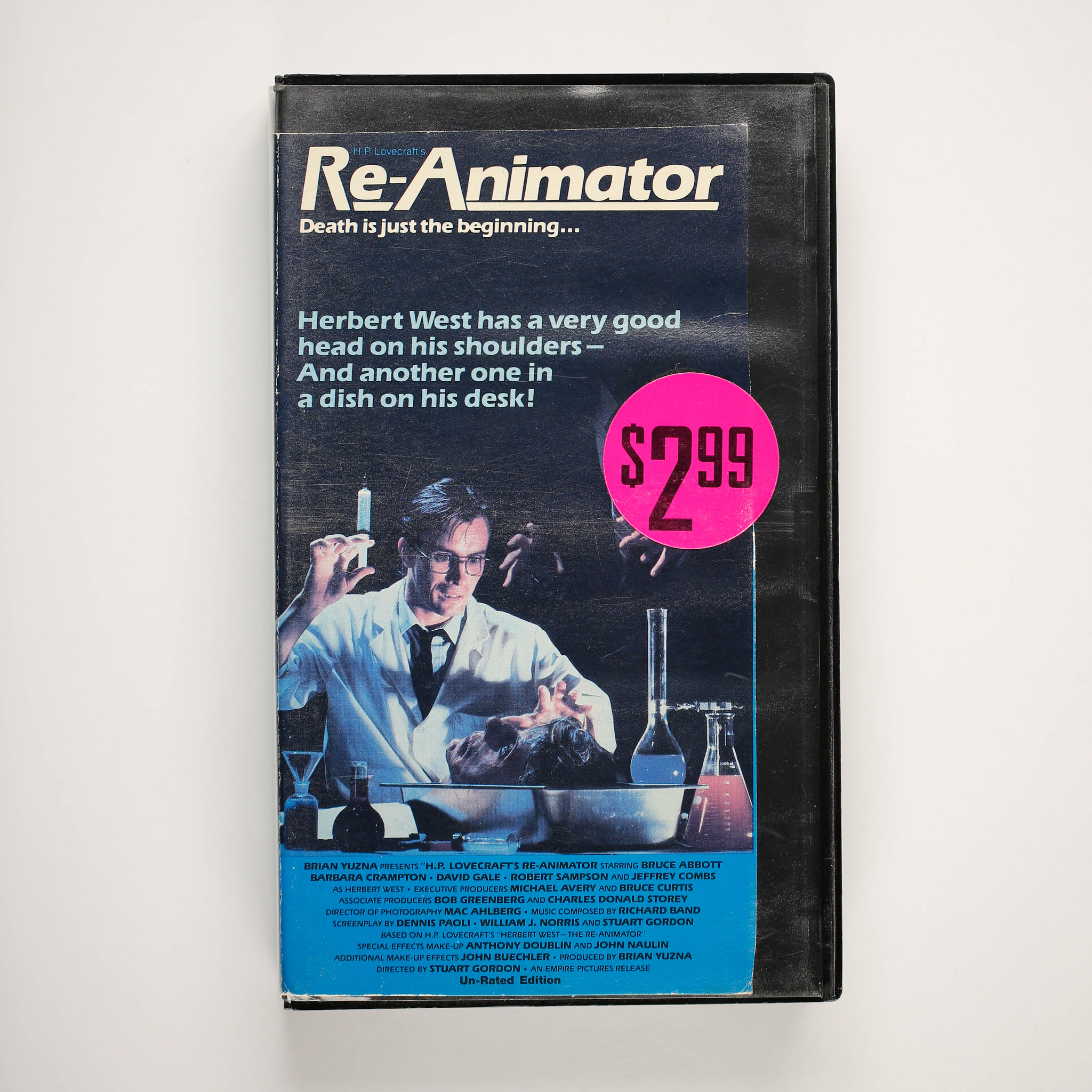
A sealed Vestron release of Re-Animator is the kind of item where the condition report gets read three times before anyone commits. The cover art is immediately recognizable, the Vestron label has its own devoted collector base, and the film’s standing in 1980s horror makes this one of those listings that accumulates watchers long before bidding opens.
The Thing (MCA Home Video, 1982)
John Carpenter’s The Thing on MCA Home Video in sealed condition is a collector’s item that benefits from one of the most effectively disturbing cover images in the VHS era — that white landscape, that figure, that suggestion of wrongness without specifics. Sealed copies tend to surface through estate lots rather than collections, which is its own kind of testimony to how rarely they survived intact.
Liquid Sky (Media Home Entertainment, 1982)
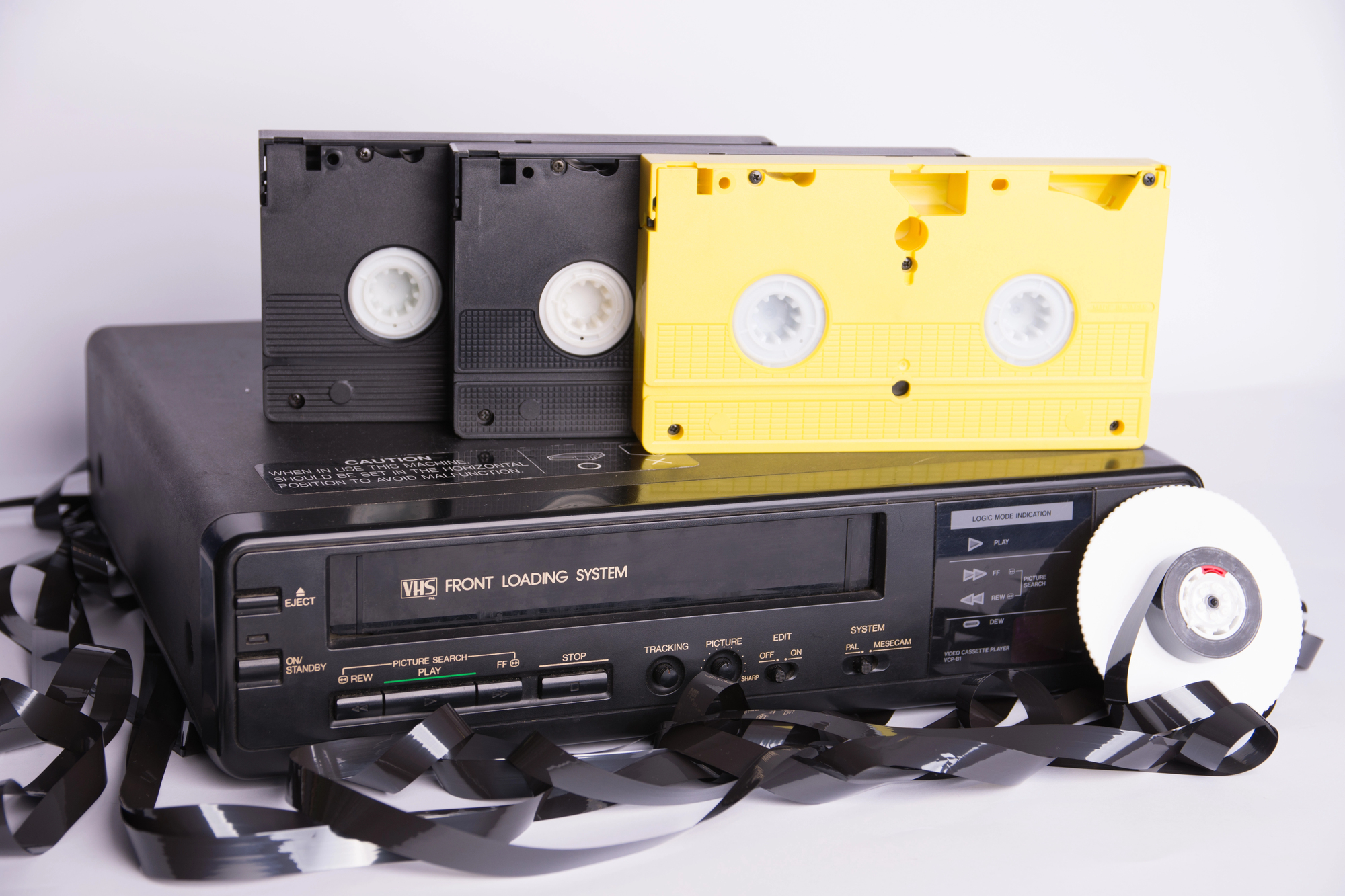
Liquid Sky is a film that occupied a genuinely strange cultural position in 1982, and the Media Home Entertainment release reflects that strangeness in every detail of its packaging. A sealed copy attracts collectors from the art-house VHS world and the exploitation-label world simultaneously, which means the bidding arrives from two directions at once.
Scarface (MCA Home Video, 1983 First Pressing)
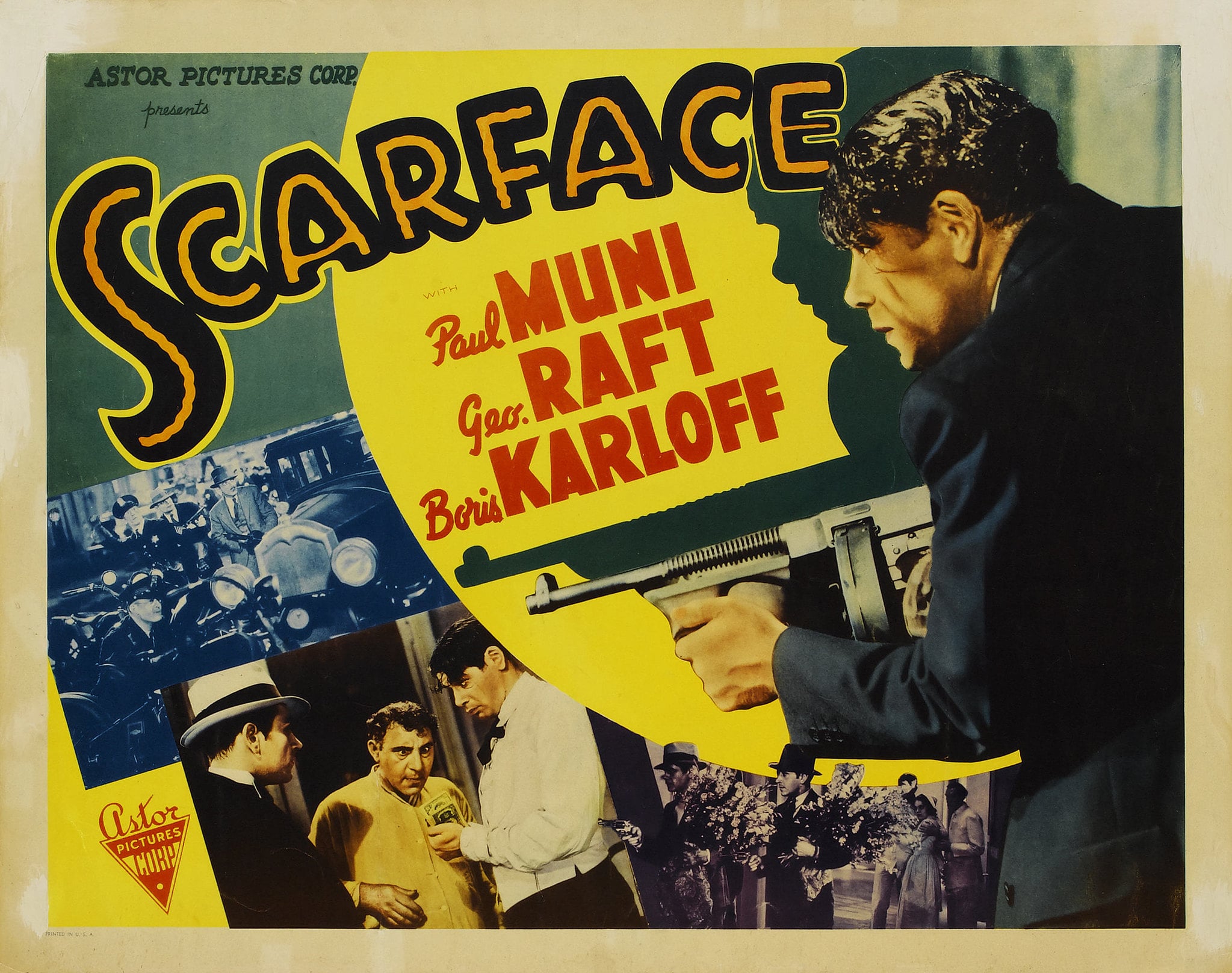
The first pressing of Scarface on MCA Home Video in sealed condition is the kind of listing that breaks through the horror-collector niche and pulls bids from mainstream film collectors who don’t usually think about VHS at all. The cover art is iconic in a way that transcends the format, and a factory-sealed first pressing is genuinely uncommon enough that serious bidders treat it as a one-shot opportunity.
When the Shrink Wrap Holds the Story

A sealed VHS tape is, on one level, just an object that was never opened. But collectors understand something about sealed things that most people don’t bother to articulate: the seal is the proof that a moment in time has been kept intact, untouched, indifferent to everything that happened after it was made.
These 27 tapes are fought over so aggressively not because they’re useful or because the films can’t be seen any other way — they can be seen in a dozen other ways before you finish reading this sentence. The bidding is about something older than utility. It’s about the stubborn human instinct to preserve a moment by keeping it closed, to own not just the object but the specific year it came from, still wrapped, still waiting.
More from Go2Tutors!

- The Romanov Crown Jewels and Their Tragic Fate
- 13 Historical Mysteries That Science Still Can’t Solve
- Famous Hoaxes That Fooled the World for Years
- 15 Child Stars with Tragic Adult Lives
- 16 Famous Jewelry Pieces in History
Like Go2Tutors’s content? Follow us on MSN.