26 Cities Buried and Later Uncovered
Some cities disappear slowly, swallowed by sand, jungle, or their own rebuilding, while others vanish in a single afternoon. Both kinds eventually get found again, usually by someone who was looking for something else entirely.
What the excavators pull out of the ground rarely matches the myth that grew up around the missing place. The real city, once uncovered, is almost always stranger and more specific than the legend that outlived it.
Pompeii
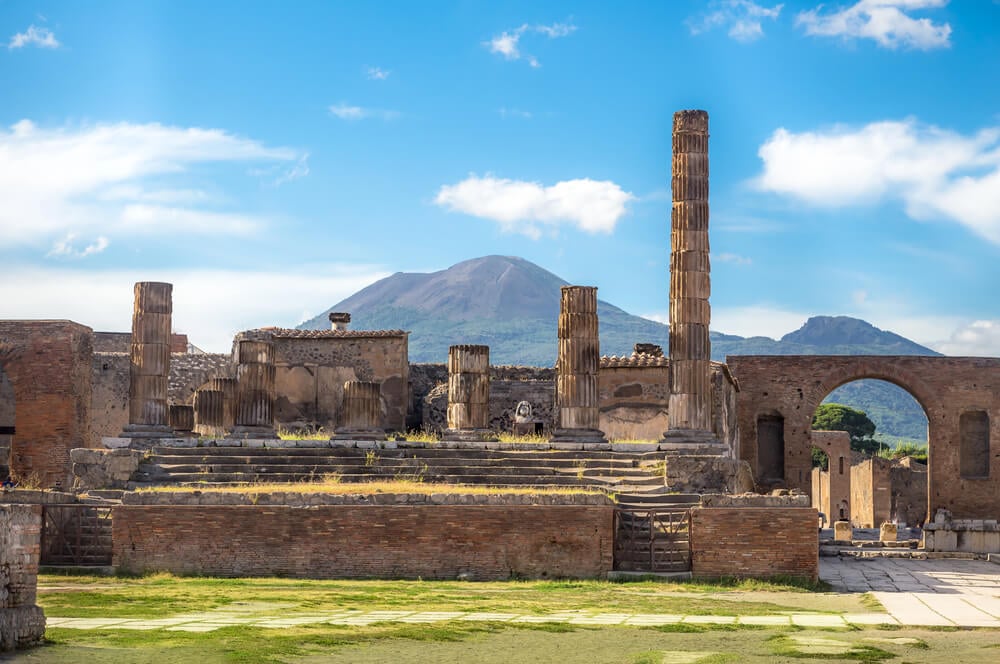
Buried under volcanic ash and pumice when Mount Vesuvius erupted in 79 CE, Pompeii preserved an entire Roman city down to bread left in ovens and graffiti scratched into plaster walls. Organized excavation began in the eighteenth century and continues today, with new sections of the site still being uncovered in the twenty-first century.
The layer of ash that destroyed the city is the same layer that kept it intact for nearly two thousand years.
Herculaneum
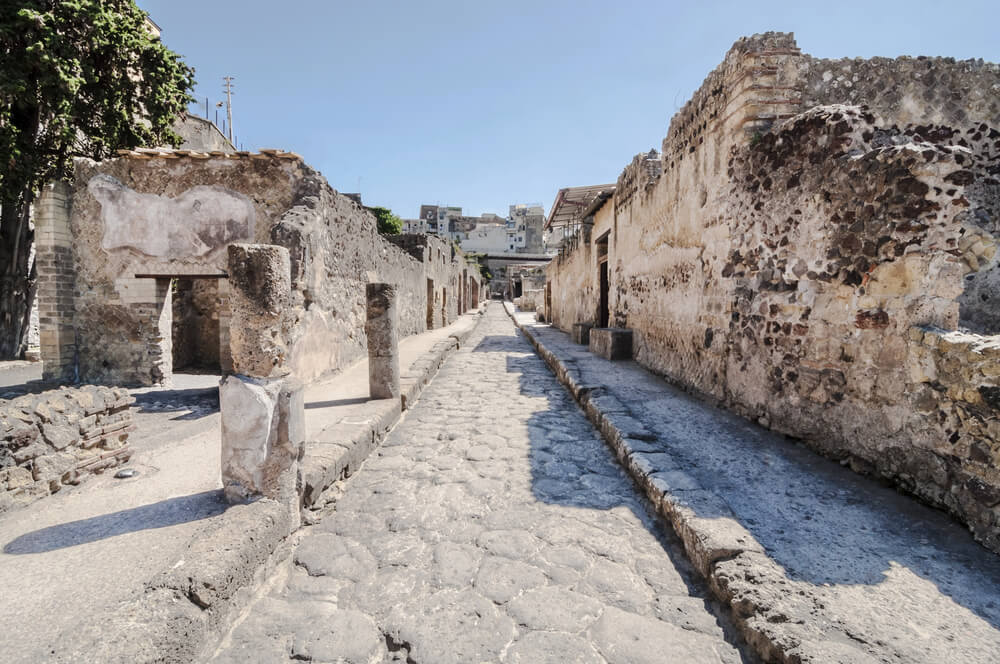
Smaller and wealthier than its neighbor Pompeii, Herculaneum was buried by the same eruption but under a fast-moving flow of superheated material that carbonized wood, food, and even scrolls of papyrus rather than reducing them entirely to ash. Excavations there began in the 1700s, decades before Pompeii’s own dig got underway in earnest.
The Villa of the Papyri, discovered there, remains the only intact library to survive from the ancient world.
Troy
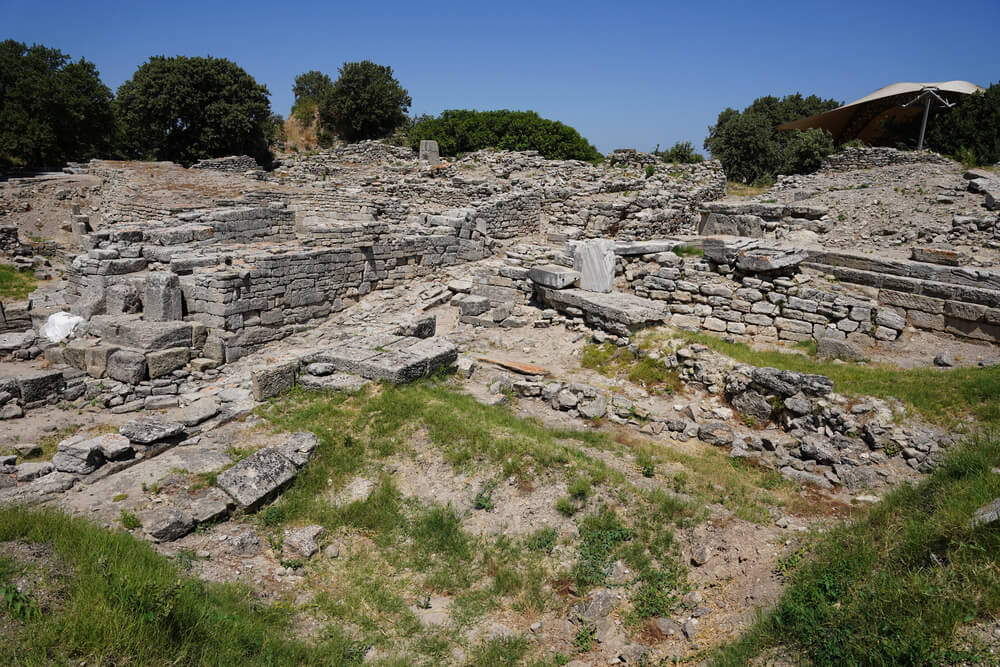
Long treated as a myth from Homer’s poetry, Troy was identified with an actual excavated site in northwestern Turkey beginning in the 1870s, when the amateur archaeologist Heinrich Schliemann dug into a mound called Hisarlik. The site revealed not one city but layers of at least nine successive settlements built atop one another over thousands of years.
Schliemann’s excavation methods, aggressive by modern standards, destroyed some of the very evidence he was trying to uncover.
Machu Picchu
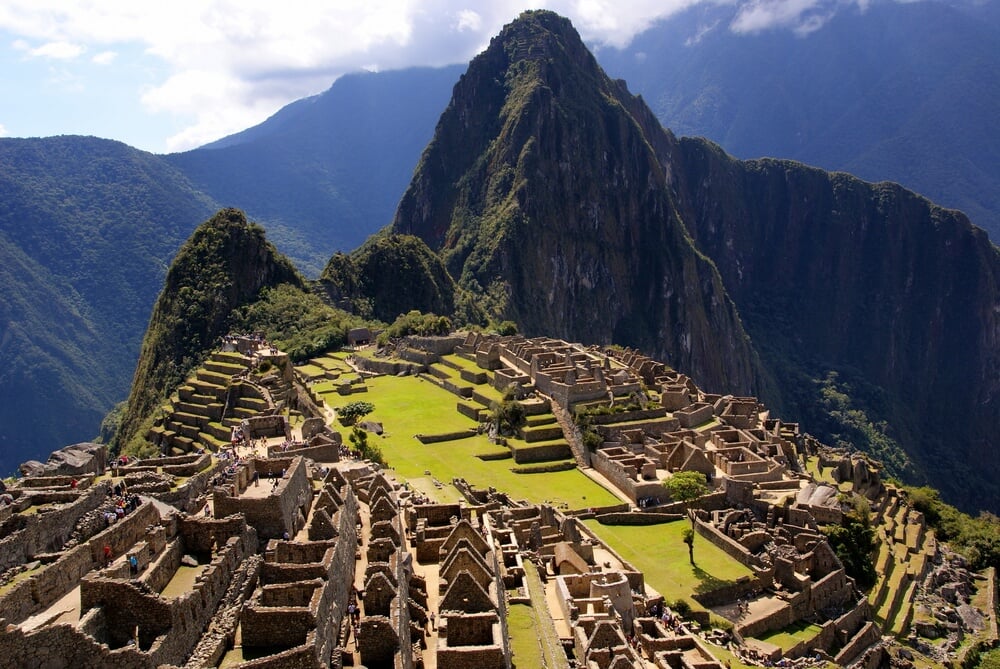
Hidden by dense cloud forest on a mountain ridge in Peru, this fifteenth-century Inca site was never entirely lost to the local population, though it remained unknown to the wider world until an American historian brought it to international attention in 1911. The Inca had abandoned the site around the time of the Spanish conquest, and vegetation reclaimed it within a generation.
Its remote elevation, over seven thousand feet, is part of what kept it hidden for so long.
Angkor
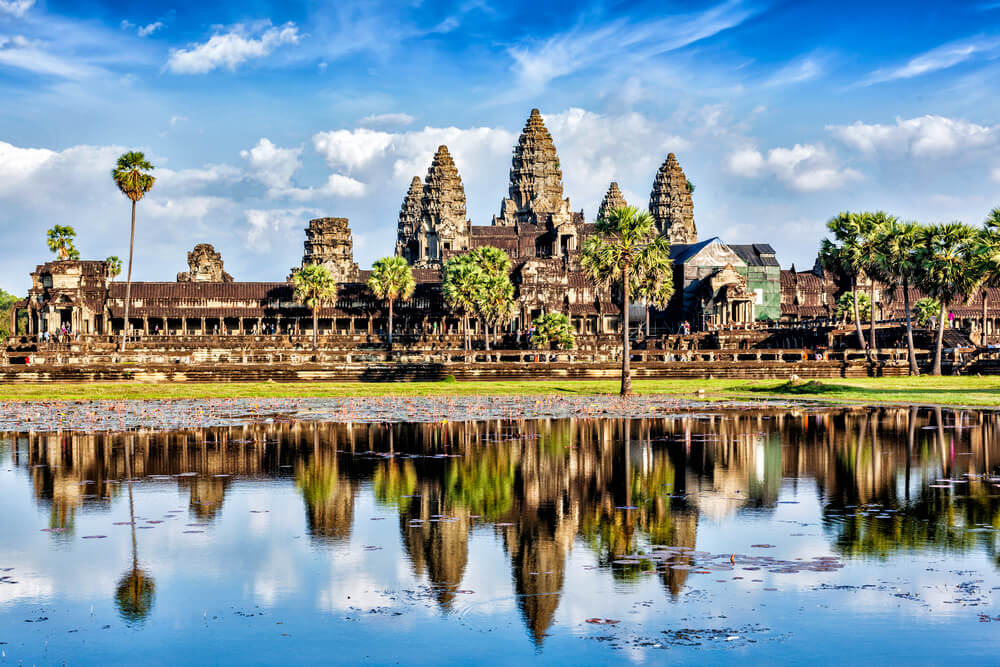
The temple complex of Angkor in Cambodia was never fully abandoned by local communities, but centuries of jungle growth obscured its scale from European visitors until French naturalist Henri Mouhot publicized it internationally in the 1860s. Angkor Wat itself had functioned continuously as a religious site even as the surrounding city fell into ruin.
Restoration work uncovering the full extent of the ancient urban area has continued for well over a century.
Petra
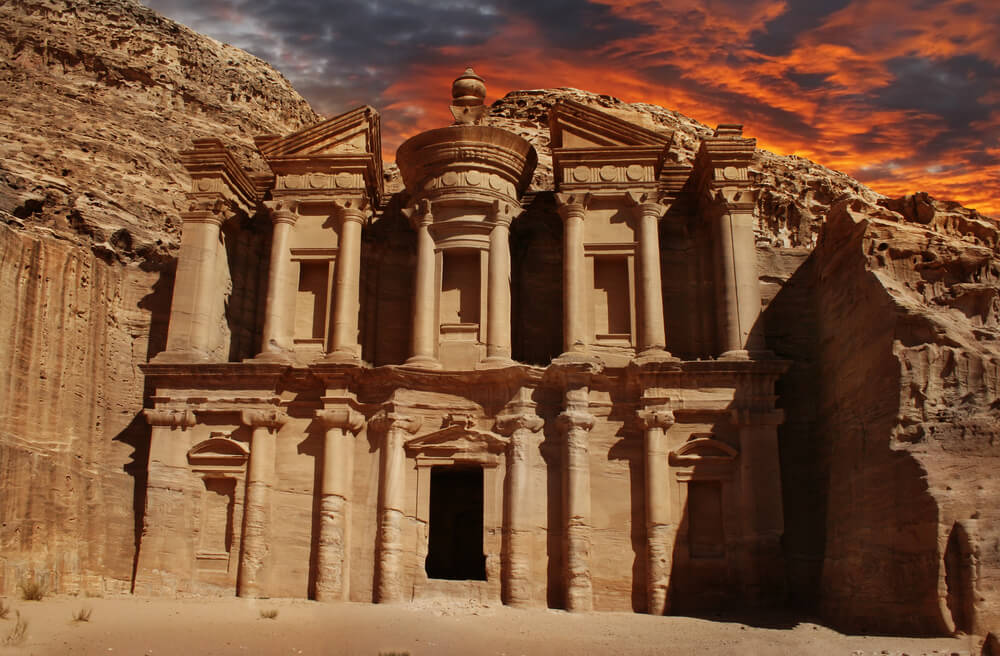
Carved directly into rose-colored sandstone cliffs in present-day Jordan, Petra served as a wealthy trading capital before a decline in trade routes and a series of earthquakes left it largely abandoned by the eighth century. A Swiss explorer traveling in disguise reintroduced the site to European audiences in 1812, having persuaded local guides to lead him there under false pretenses.
The city’s famous facade, carved directly from rock, had survived largely intact through the centuries of abandonment.
Mohenjo-daro
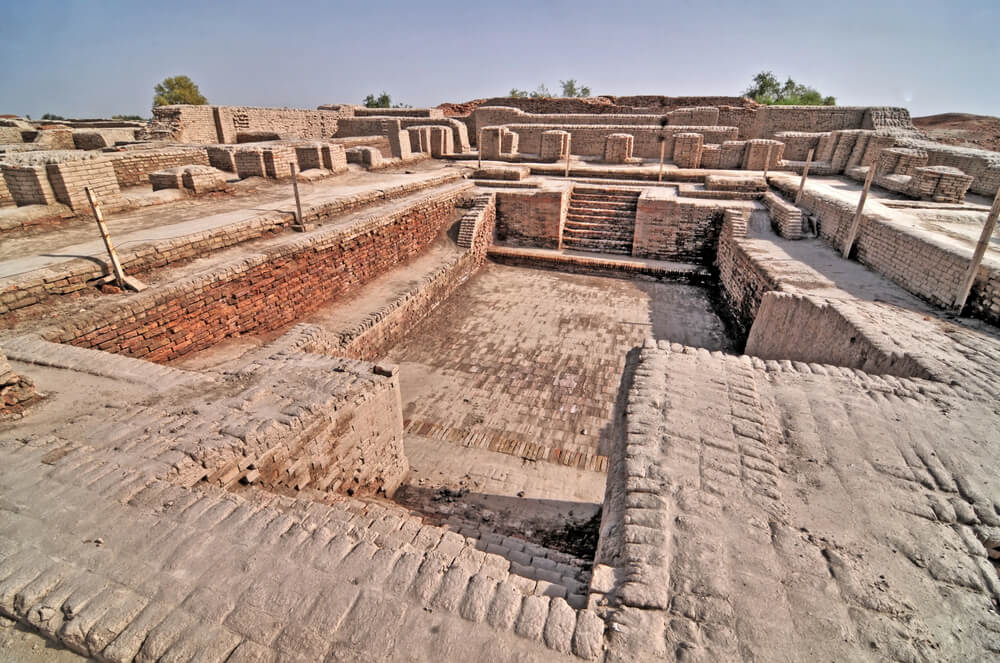
One of the largest settlements of the Indus Valley Civilization, Mohenjo-daro lay buried under earth in present-day Pakistan for roughly three and a half thousand years before archaeologists began systematic excavation in the 1920s. The city’s sophisticated drainage and grid-planned streets surprised researchers who had not expected such urban planning from a civilization contemporary with early Egypt.
Much of the site remains unexcavated today, deliberately left buried to protect it from erosion.
Çatalhöyük
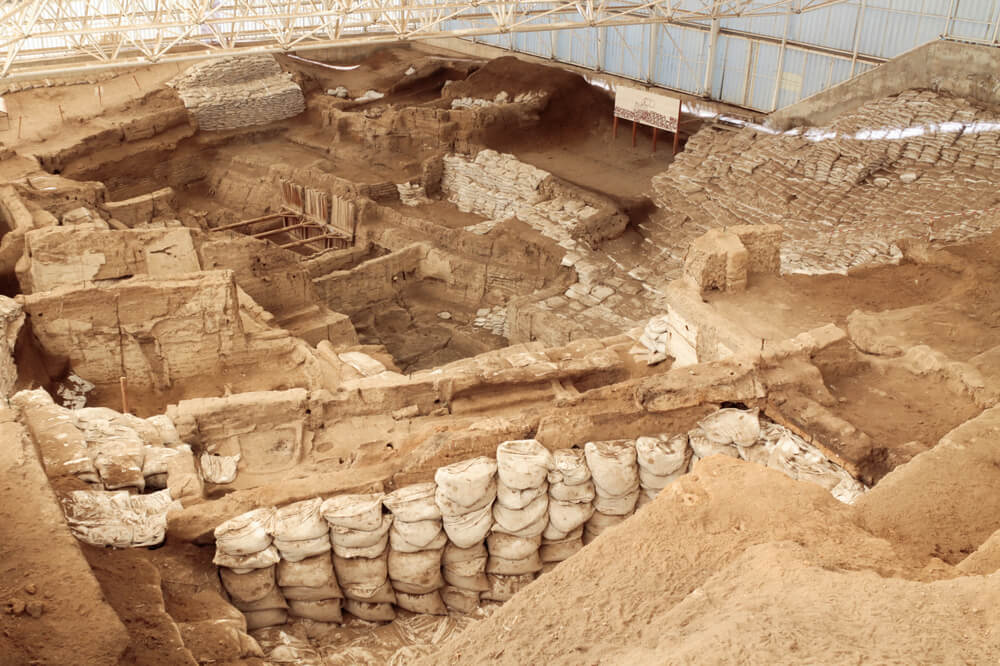
This Neolithic settlement in central Turkey, among the oldest known large human settlements, lay buried under an accumulated mound of collapsed mudbrick houses for roughly nine thousand years before excavation began in the 1960s. Residents had built new houses directly on top of old ones for generations, creating a compact stack of history in a single location.
The site offered some of the earliest evidence of organized town life anywhere in the archaeological record.
Teotihuacan
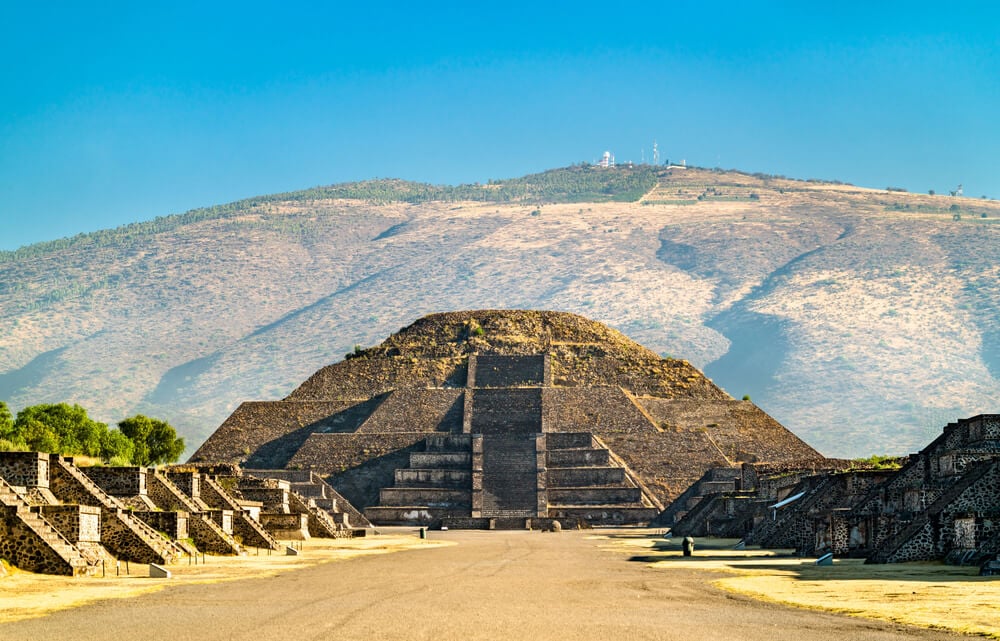
Already an abandoned ruin by the time the Aztec Empire rose centuries later, Teotihuacan in central Mexico was named by the Aztecs themselves, who found the site and assumed it must have been built by giants or gods. Its original builders and even their language remain unidentified to this day.
Excavations beginning in the twentieth century revealed pyramids and residential compounds on a scale that rivaled contemporary cities anywhere in the ancient world.
Caral
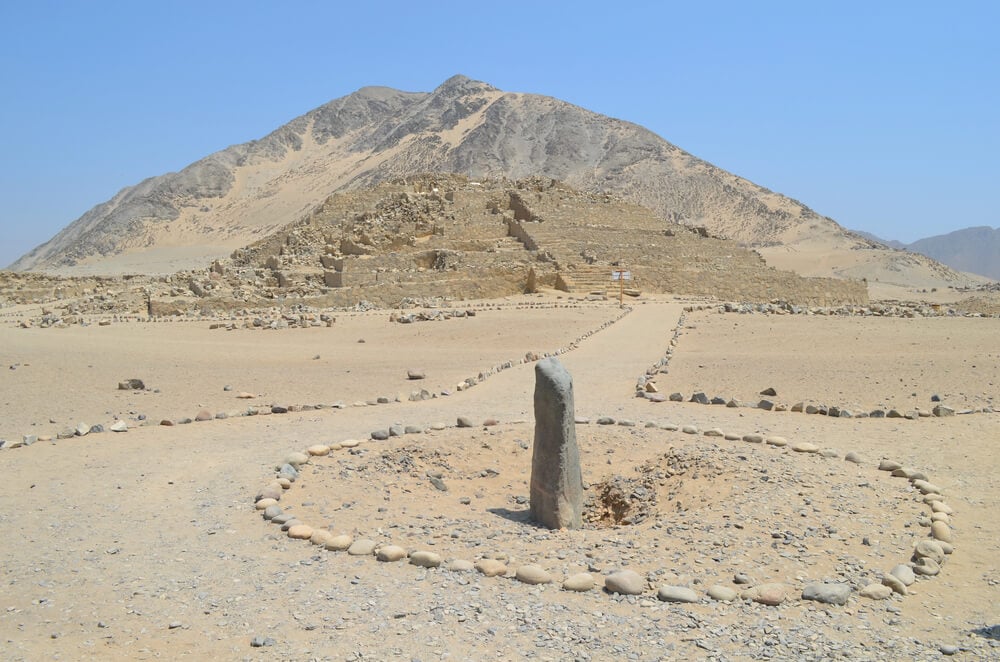
Considered the oldest known city in the Americas, Caral in coastal Peru was constructed around 2600 BCE and lay essentially unstudied until Peruvian archaeologist Ruth Shady began serious excavation there in the 1990s. The site predates the rise of Egypt’s pyramids by a small margin and shows no evidence of the fortifications or weapons found at many other early cities.
Its monumental architecture went unrecognized for so long partly because researchers had not expected a city that old in the region.
Sigiriya
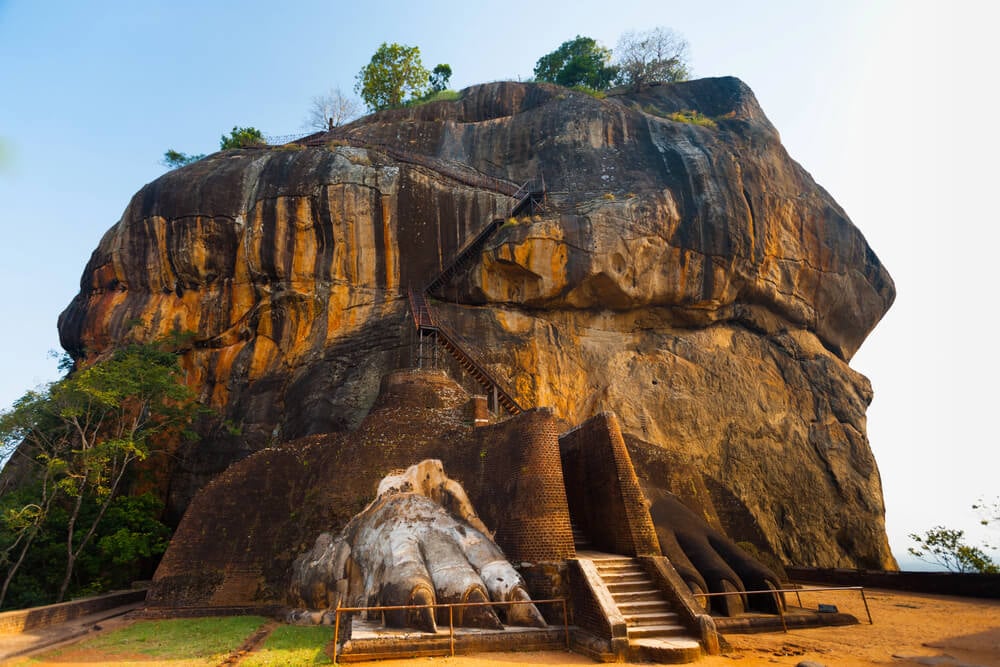
A fortress and palace complex built atop a dramatic rock outcrop in Sri Lanka in the fifth century, Sigiriya was abandoned not long after its royal builder’s death and gradually reclaimed by surrounding forest. British colonial surveyors rediscovered the site’s full scale in the nineteenth century, though local knowledge of the rock’s existence had never entirely disappeared.
Frescoes painted on the rock face survived the centuries of abandonment remarkably well, protected by an overhanging ledge.
Leptis Magna
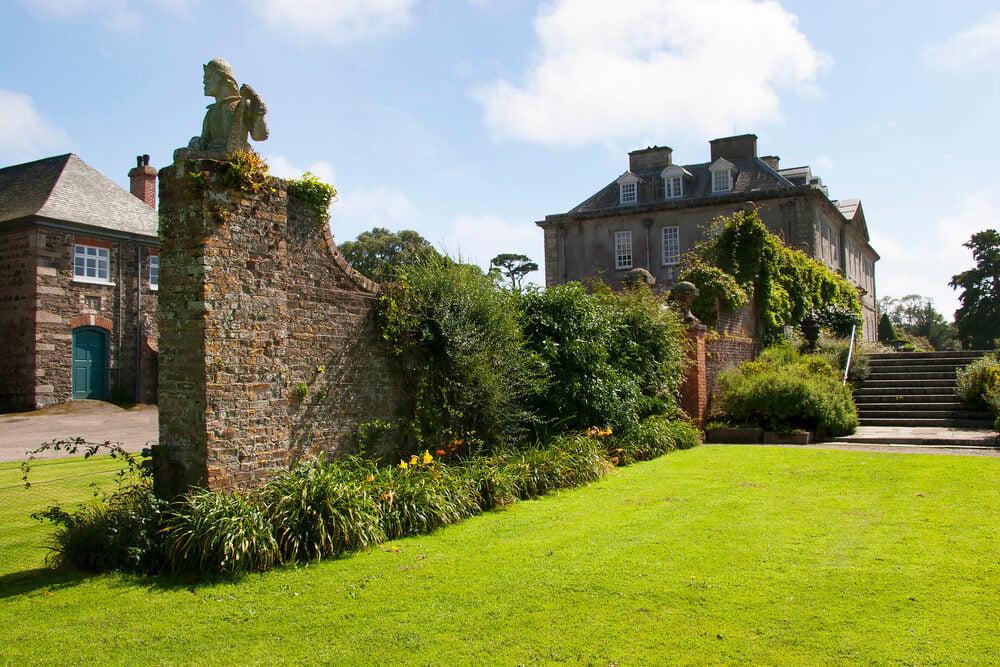
A major Roman port city on the coast of present-day Libya, Leptis Magna was gradually buried under advancing coastal sand dunes after its decline in late antiquity. The dry, stable sand that buried it also preserved its marble buildings in exceptional condition compared to many Roman ruins exposed to the elements.
Italian archaeologists began major excavation in the early twentieth century, uncovering triumphal arches and a theater still largely intact.
Derinkuyu
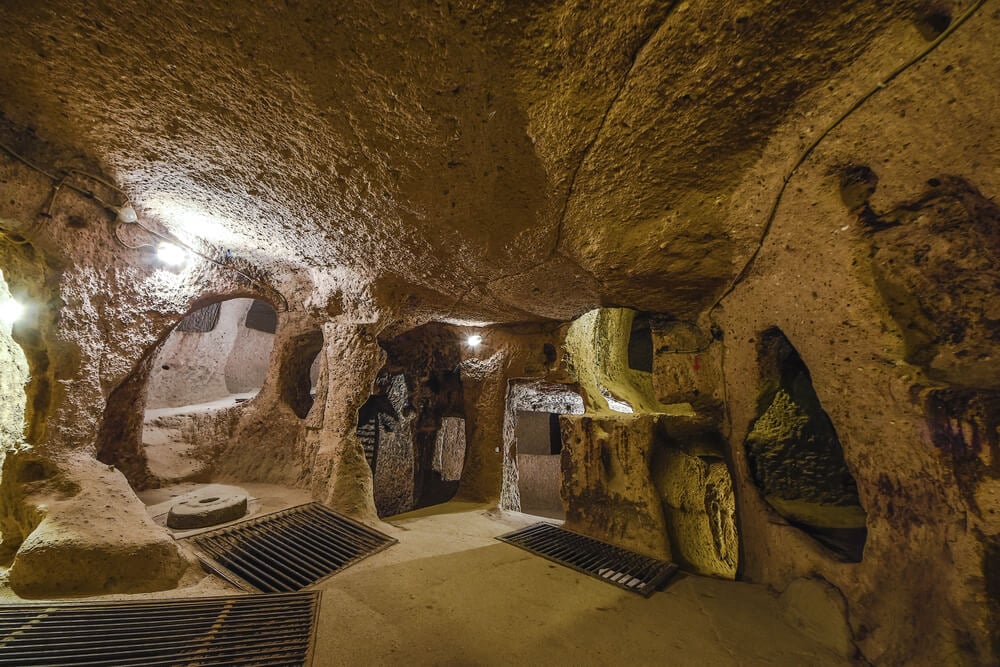
Carved entirely underground into soft volcanic rock in central Turkey, the multilevel city of Derinkuyu could reportedly shelter thousands of people along with their livestock during times of conflict. It fell out of use and was largely forgotten until a resident renovating a house in 1963 broke through a wall into a hidden passage.
Ventilation shafts, wells, and stables have since been mapped across at least eighteen underground levels.
Akrotiri
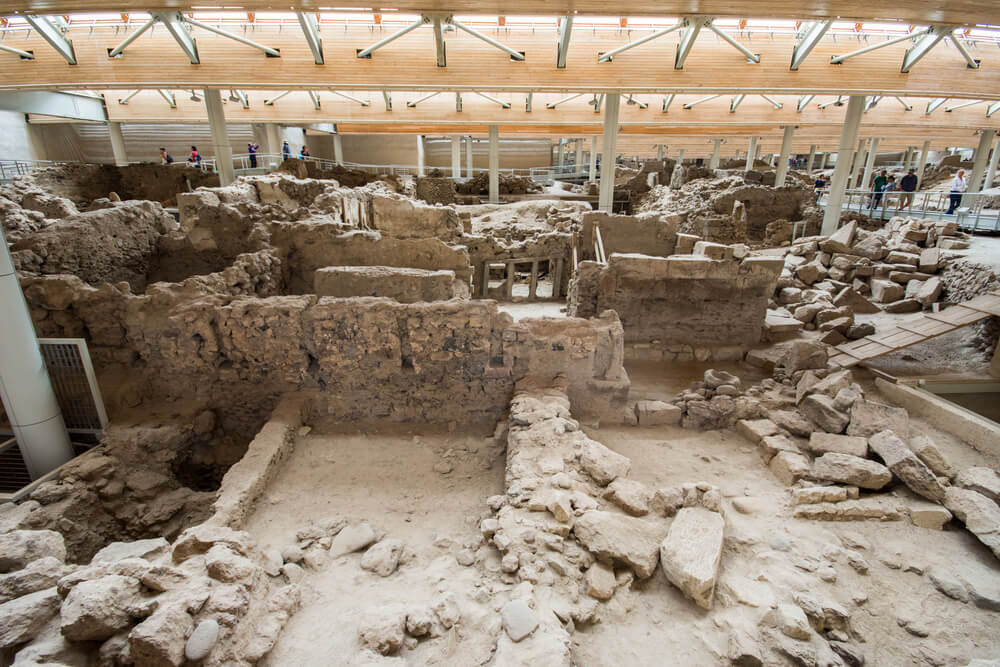
A Bronze Age settlement on the Greek island of Thera, Akrotiri was buried under volcanic ash from an eruption that may have contributed to the later Minoan civilization’s decline on nearby Crete. Unlike Pompeii, no human remains have been found at the site, suggesting residents had time to evacuate before the eruption’s most destructive phase.
Systematic excavation began in 1967 and revealed multistory buildings with wall paintings still showing vivid color.
Skara Brae
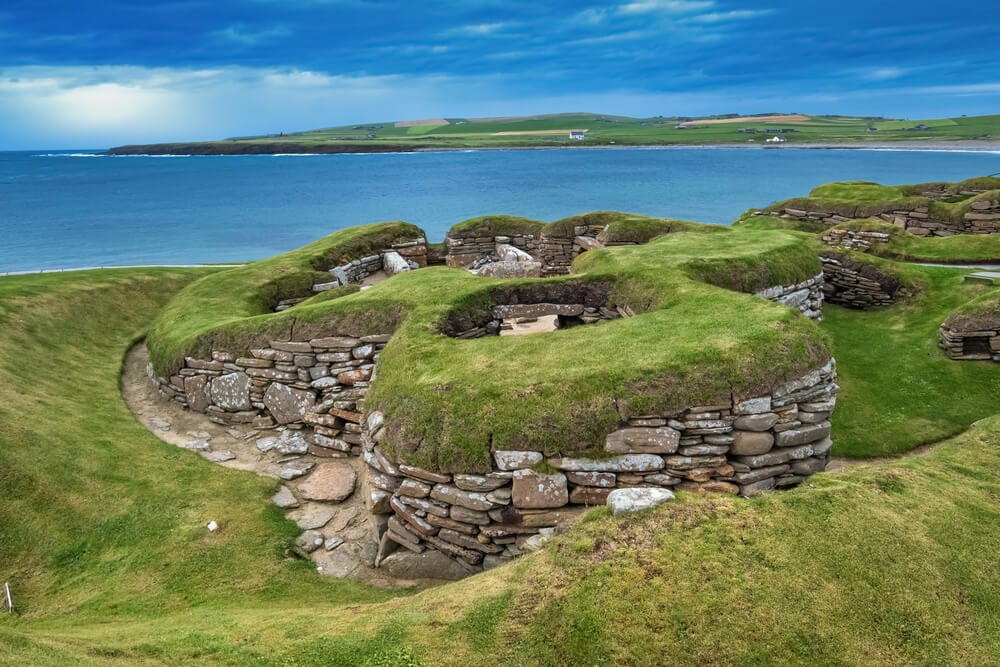
A Neolithic settlement on Scotland’s Orkney Islands, Skara Brae lay buried under sand dunes for roughly four thousand years until a severe storm in 1850 stripped away the covering earth and exposed stone houses beneath. The settlement’s stone furniture, including beds and shelving, survived intact because the original builders had no wood available on the treeless island.
Further excavation throughout the following century revealed one of the best-preserved prehistoric villages in Europe.
Heracleion
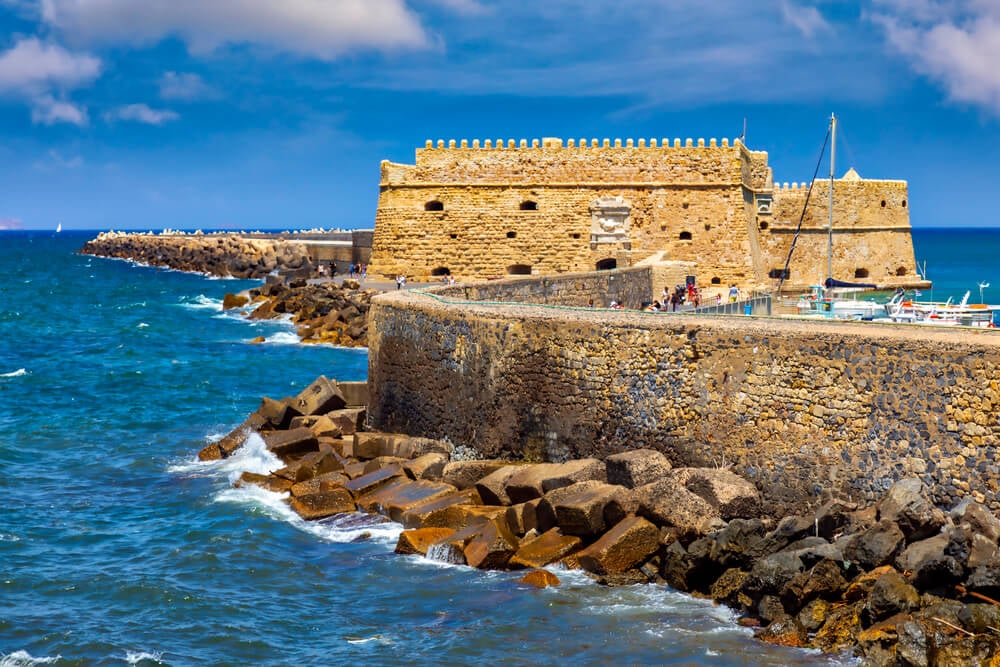
Once a thriving port at the mouth of the Nile, the city of Heracleion sank beneath the Mediterranean Sea sometime around the eighth century, likely due to a combination of rising sea levels and unstable sediment. It remained lost until a French underwater archaeologist located its remains off the Egyptian coast in the year 2000.
Statues, temple remains, and ships were found remarkably well preserved beneath layers of silt.
Baiae
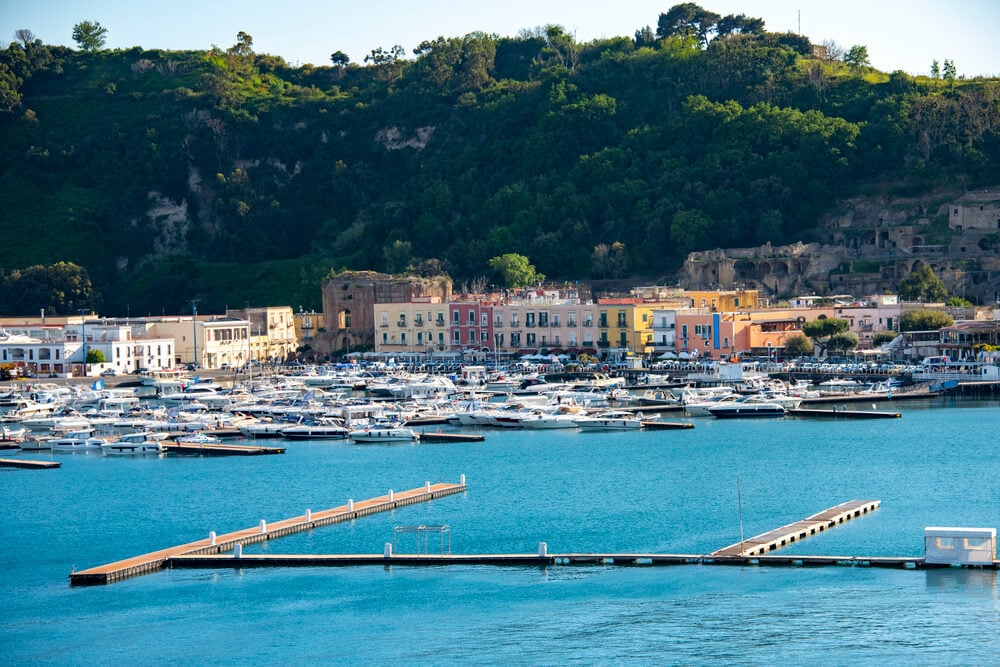
A fashionable Roman resort town on the Bay of Naples, Baiae gradually slipped beneath the sea over centuries due to volcanic ground movement in the region, a process that continued long after the town itself had fallen out of use. Portions of the submerged city remain visible today to divers exploring what is now a protected underwater archaeological park.
Roman writers had once described the town as a place of excess and extravagant villas, some of which now sit on the seafloor.
Tanis
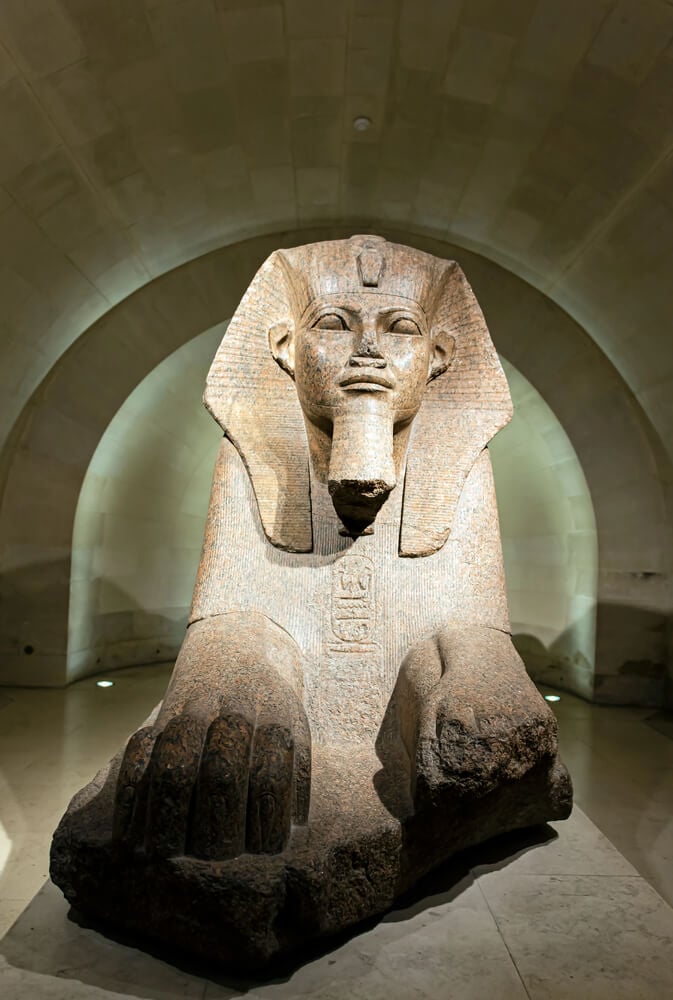
An ancient Egyptian city in the Nile Delta, Tanis was gradually buried under shifting sediment after the branch of the Nile that once supplied it changed course, cutting the city off from the water it depended on. French excavators began serious work at the site in the 1930s, uncovering royal tombs that had remained undisturbed by tomb robbers for millennia.
The discoveries there rank among the richest intact royal burials ever found in Egypt.
Nineveh
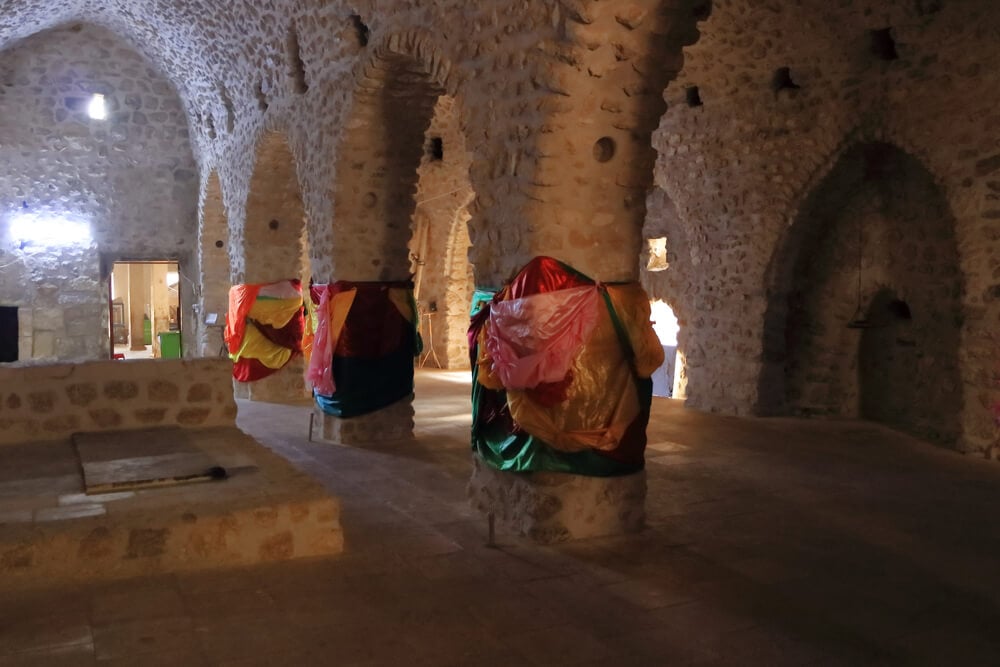
Once the largest city in the world as capital of the Assyrian Empire, Nineveh was destroyed by a coalition of rival powers in 612 BCE and its ruins gradually disappeared beneath accumulated earth near present-day Mosul in Iraq. British and French excavators began uncovering its palaces and library collections in the mid-nineteenth century.
Portions of the site suffered severe damage from deliberate destruction during conflict in the region in the 2010s.
Babylon
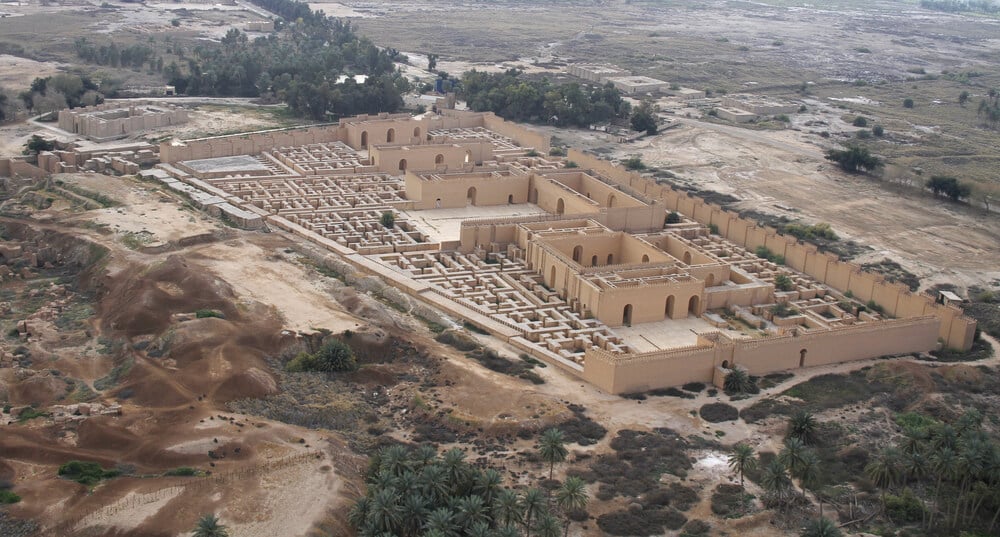
Capital of one of the ancient world’s most powerful empires, Babylon’s ruins near modern Baghdad were buried under centuries of accumulated silt and mudbrick collapse after the city’s long decline. German archaeologists conducted extensive excavation in the early twentieth century, uncovering the Ishtar Gate and sections of the city’s massive walls.
Portions of the ancient site were controversially built over with a reconstruction project in the late twentieth century.
Knossos
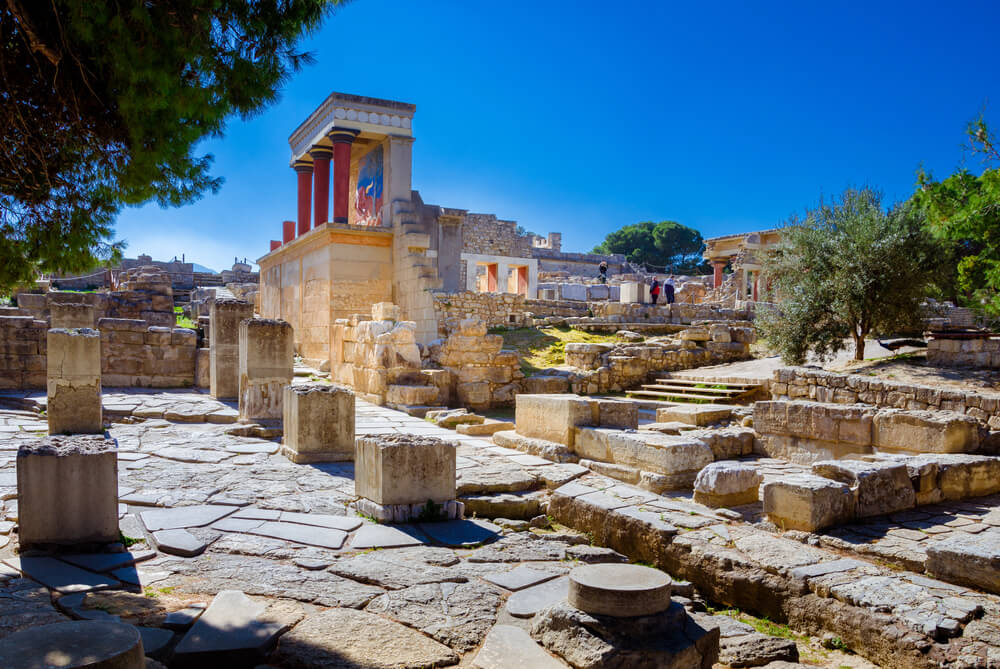
The largest Bronze Age archaeological site on Crete, Knossos lay buried and largely unrecognized until British archaeologist Arthur Evans began excavating in 1900, uncovering a sprawling palace complex he associated with the legendary Minotaur’s labyrinth. Evans’s reconstruction of portions of the site using concrete remains controversial among archaeologists for blending guesswork with genuine ruins.
The site nonetheless established the existence of an entire Minoan civilization that had been essentially unknown before the dig.
Mycenae
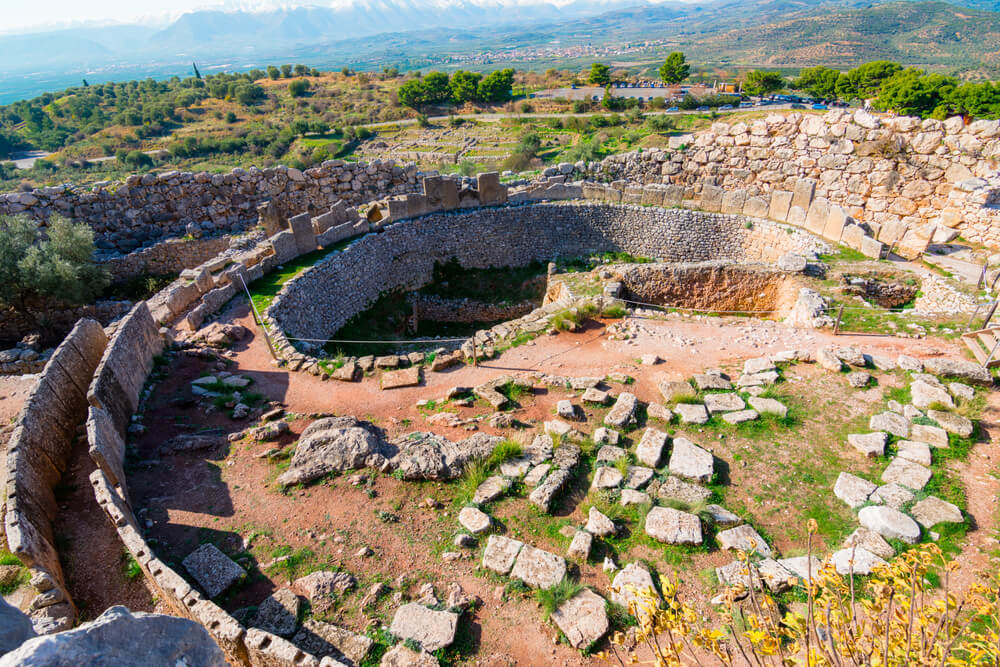
The fortified Bronze Age city that gave its name to an entire era of Greek history lay largely forgotten until Heinrich Schliemann, fresh from his work at Troy, began excavating there in 1876. He uncovered a set of royal burial shafts containing gold masks, one of which he controversially declared to be the face of the legendary king Agamemnon.
Later scholarship dated the burials to a period centuries before any events Homer’s poems describe.
Great Zimbabwe
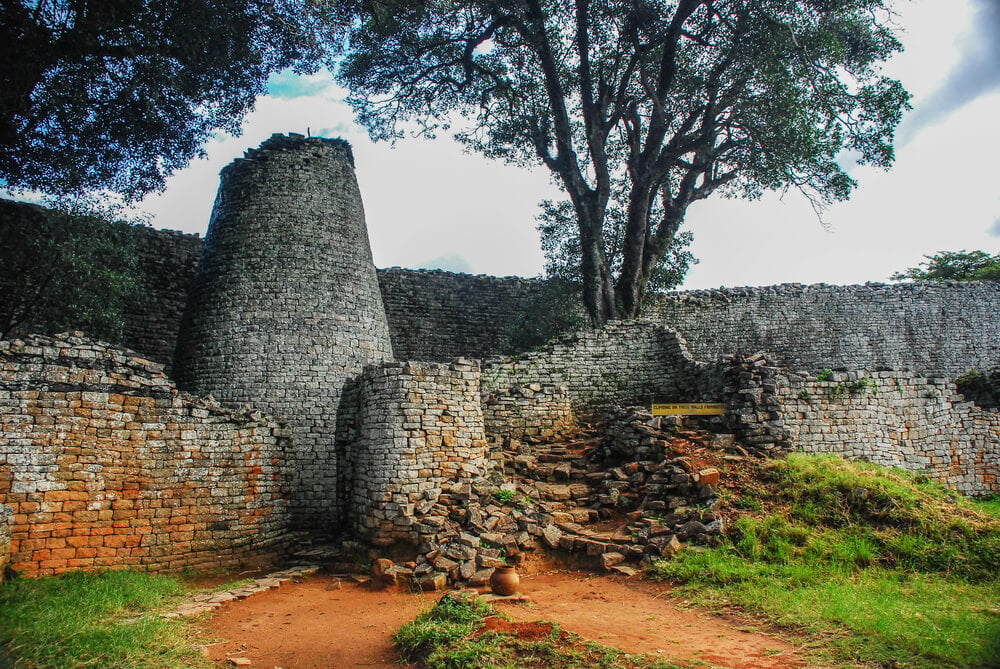
The stone ruins of this medieval African capital, built without mortar from carefully cut granite blocks, were dismissed by many nineteenth-century European visitors who refused to believe local populations had constructed something so sophisticated. Colonial-era excavation was often careless and politically motivated, destroying evidence that might have settled the question sooner.
Later, more careful archaeological work firmly established the site as the work of local Shona-speaking builders, confirming what regional oral history had maintained all along.
Copán
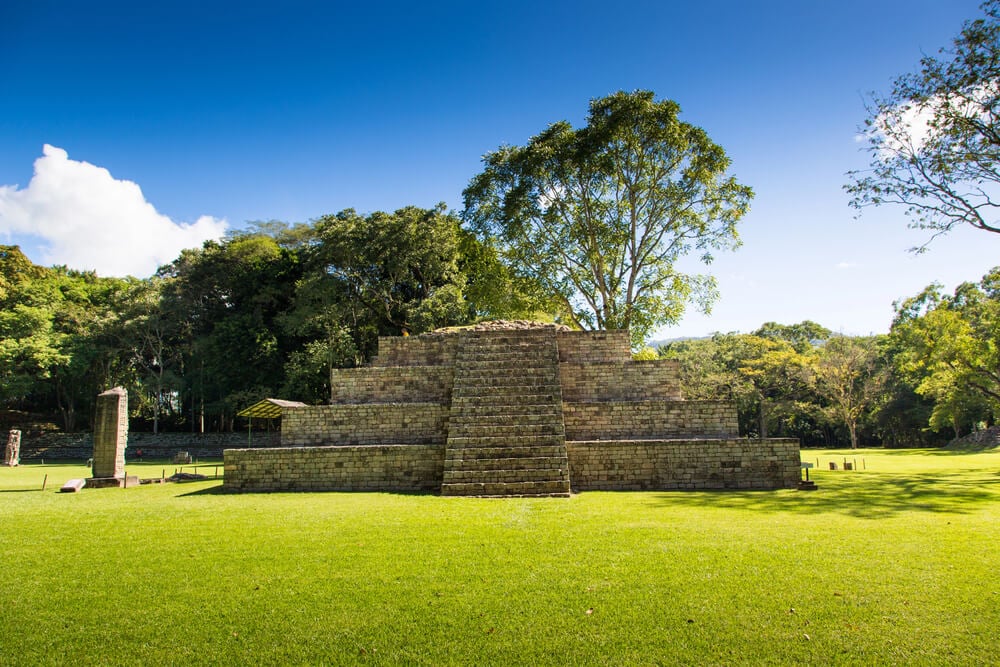
A major Maya city in present-day Honduras, Copán was abandoned around the ninth century and gradually reclaimed by dense rainforest that obscured its temples and carved monuments for centuries. American explorer John Lloyd Stephens brought international attention to the site after visiting in 1839, purchasing the ruins outright from a local landowner for a small sum.
Detailed excavation over the following century revealed some of the finest surviving examples of Maya sculpture and hieroglyphic writing.
Ephesus
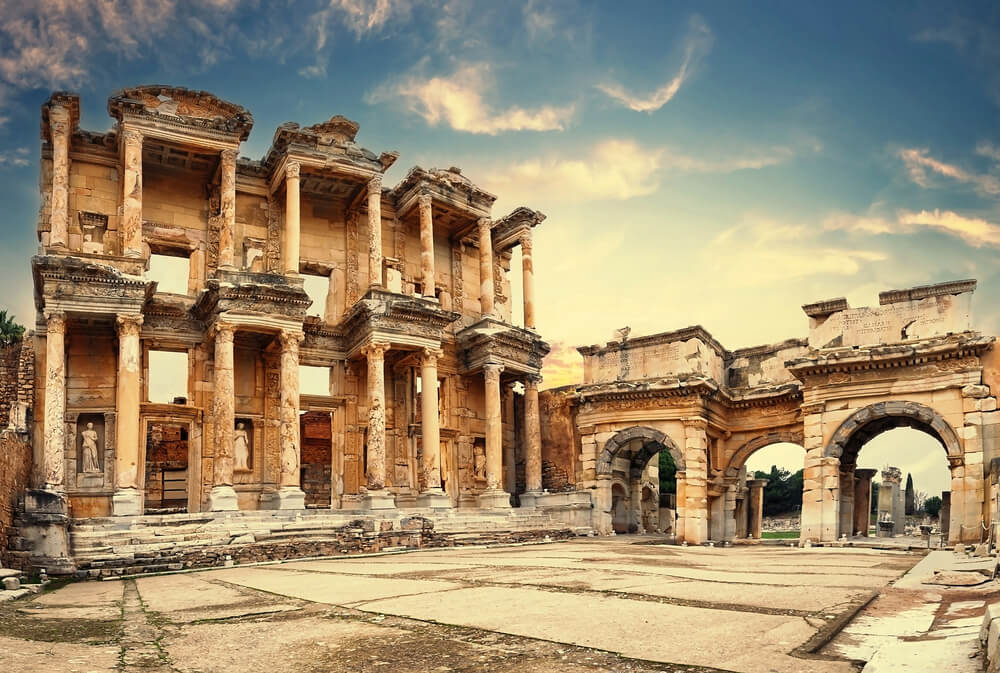
Once a major port city of the ancient Mediterranean world, Ephesus in present-day Turkey declined after the harbor that sustained its trade gradually silted up, pushing the coastline miles away from the city walls over the following centuries. Its abandoned marble streets and theater were left exposed rather than fully buried, but the surrounding plain absorbed enough sediment that early excavators in the 1860s had to dig through significant accumulated earth to reach the original street level in places.
Ongoing excavation has continued to reveal residential terrace houses with mosaics and frescoes remarkably preserved beneath centuries of collapsed material.
Cahokia
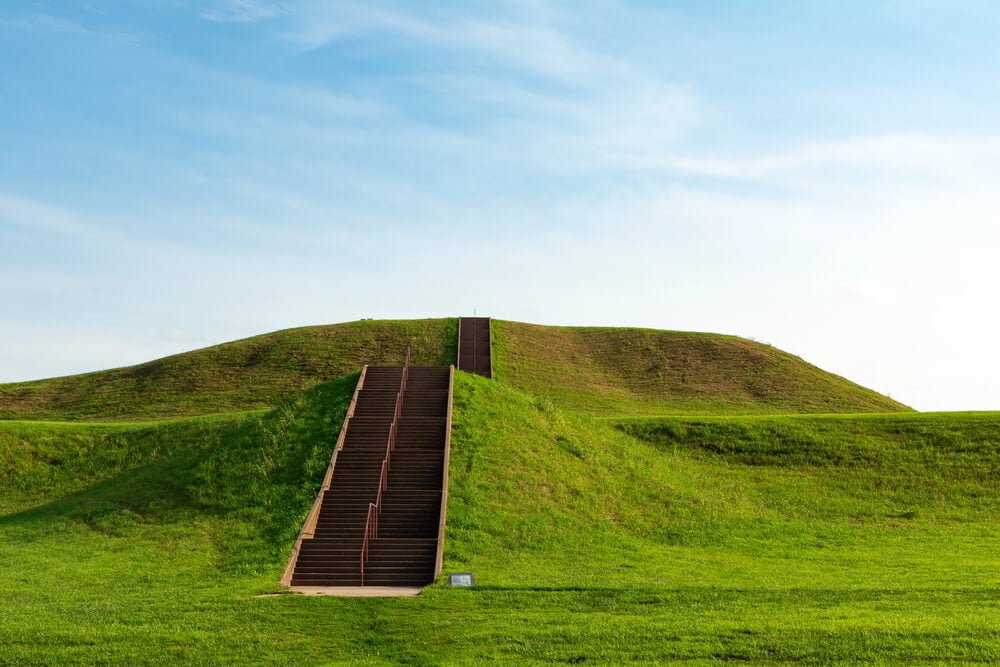
Once the largest city north of Mexico before European contact, Cahokia in present-day Illinois supported a population estimated in the tens of thousands at its height around 1100 CE before its residents dispersed for reasons still debated by researchers. The site’s massive earthen mounds survived visibly above ground, but its full scale as a planned city was not appreciated until systematic excavation in the twentieth century.
A major mound at the site remains larger at its base than the largest pyramid in Egypt.
What the Ground Was Keeping
A buried city is not really lost, not to the ground that holds it. It is only lost to the people walking on top of it, who have stopped remembering what shape the earth beneath their feet used to be.
Every uncovering on this list required someone to doubt the obvious explanation for a hill, a mound, or a stretch of forest that seemed a little too regular to be natural. The city was always there.
What changed was someone finally deciding to dig.
More from Go2Tutors!

- The Romanov Crown Jewels and Their Tragic Fate
- 13 Historical Mysteries That Science Still Can’t Solve
- Famous Hoaxes That Fooled the World for Years
- 15 Child Stars with Tragic Adult Lives
- 16 Famous Jewelry Pieces in History
Like Go2Tutors’s content? Follow us on MSN.