15 Companies That Only Exist Because a Competitor Messed Up
The business world is filled with tales of innovation, perseverance, and strategic brilliance. Yet sometimes the most successful companies owe their existence not to their own genius but to the shortsightedness, arrogance, or critical errors of established players. These market openings created by corporate missteps have allowed nimble entrepreneurs to build empires in the shadows of giants who couldn’t see the future clearly.
Here is a list of 15 companies that found their pathway to success through the mistakes of their competitors.
Netflix
Netflix emerged from Blockbuster’s unwillingness to evolve. When Reed Hastings offered to sell Netflix for $50 million, Blockbuster laughed him out of the room. While Blockbuster clung to late fees, Netflix pivoted to streaming.
The result was a media revolution. Blockbuster filed for bankruptcy in 2010, and Netflix grew into a $230 billion entertainment powerhouse.
Zoom

Zoom succeeded by focusing on simplicity in a space crowded with frustrating tools. Complicated platforms like WebEx and Skype for Business alienated users with plugins, clunky interfaces, and technical issues.
Zoom’s one-click access and reliable performance won over users tired of starting calls with tech troubles. It became the go-to platform for seamless virtual communication.
Southwest Airlines

Southwest Airlines challenged traditional carriers with a low-cost, streamlined approach. While legacy airlines clung to hub-and-spoke models and multi-class systems, Southwest used a single aircraft type and point-to-point routes.
Critics dismissed it as basic, but it proved profitable and resilient. Southwest became one of the few consistently successful airlines in a volatile industry.
Warby Parker

Warby Parker took aim at the eyewear monopoly held by Luxottica, which kept glasses prices inflated. The startup offered stylish frames for under $100 with a direct-to-consumer model.
They solved key pain points with at-home try-ons and transparent pricing. Consumers responded, turning Warby Parker into a leading name in affordable fashion eyewear.
Tesla
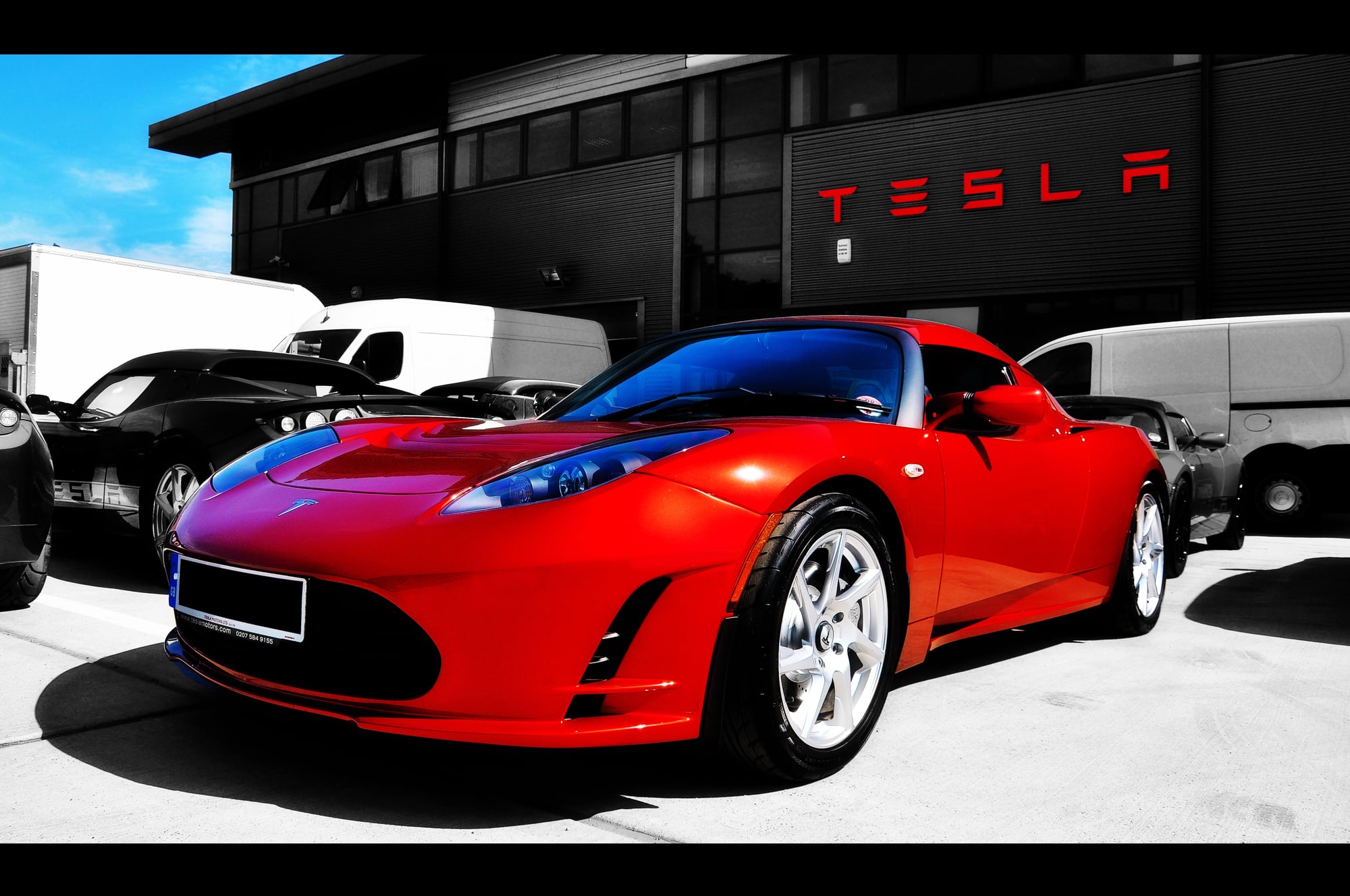
Traditional automakers scoffed at electric vehicles as niche and unprofitable. Tesla bet everything on sustainable innovation, while competitors crushed their EV programs.
The industry’s fear of cannibalizing combustion engine sales gave Tesla a massive head start. Today, Tesla stands as one of the world’s most valuable automakers.
Shopify

E-commerce used to be technical and expensive to start. Shopify simplified the process with intuitive tools anyone could use to build an online store.
Legacy platforms ignored small merchants. Shopify empowered them—and now powers over a million businesses globally.
Airbnb
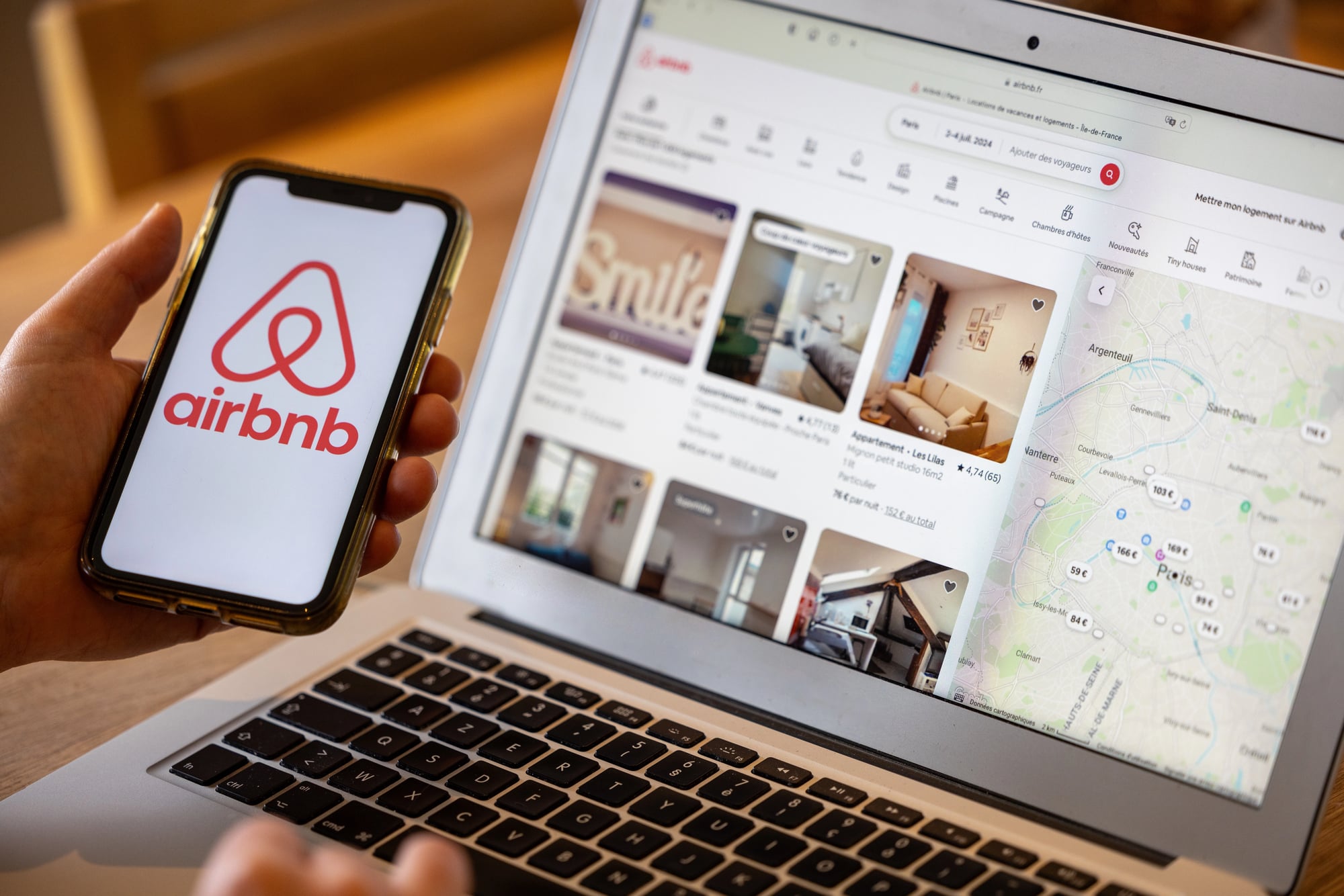
Airbnb noticed travelers craving unique, local experiences, while hotels offered bland uniformity. The idea of staying in a stranger’s home seemed fringe to hospitality giants.
That blind spot allowed Airbnb to revolutionize travel. Today, it’s a global platform offering millions of alternative stays.
Slack

Slack tackled what enterprise tools like Microsoft Teams initially ignored—user experience. While traditional systems prioritized IT admins, Slack focused on seamless communication for employees.
It spread organically within teams, offering simple messaging, file sharing, and third-party integrations. Slack became the communication backbone of modern workplaces.
Chime Banking

Chime offered an alternative to traditional banks addicted to fees. Overdraft charges, minimum balances, and maintenance fees alienated customers.
Chime eliminated those pain points with a digital-first, fee-free model. Banks’ refusal to disrupt their revenue streams created an opening for fintech innovation.
DuckDuckGo

While Google pursued aggressive data collection, DuckDuckGo focused on privacy. It offered users a search engine that didn’t track or personalize results.
As digital privacy concerns grew, so did DuckDuckGo. It now handles billions of searches yearly from users seeking surveillance-free browsing.
Virgin Atlantic

Virgin Atlantic was born from frustration with traditional airlines. After a canceled flight, Richard Branson chartered a plane and sold the seats himself.
This spontaneous move revealed a gap in service. Virgin Atlantic focused on comfort and fun, earning loyalty on routes others took for granted.
Impossible Foods

Meat producers dismissed plant-based proteins as niche. Impossible Foods created a product that looked, cooked, and tasted like meat—but with environmental benefits.
Their innovation spoke to meat-eaters, not just vegetarians. As demand shifted, Impossible became a staple in fast food chains and grocery aisles.
Robinhood

Robinhood flipped the brokerage model by eliminating trading fees. While competitors charged per trade, Robinhood offered commission-free investing with a slick mobile app.
Established firms didn’t believe this model could work—until they had to adopt it too. Robinhood drew millions of new investors into the market.
Hims & Hers

Hims & Hers streamlined access to care for sensitive health issues like hair loss and sexual health. Traditional healthcare required in-person visits, often uncomfortable and inconvenient.
Hims removed the awkwardness with discreet telehealth and delivery. Their modern approach filled a gap legacy systems ignored.
Peloton

Peloton saw that home fitness equipment lacked engagement. Traditional brands sold gear without connection, content, or motivation.
Peloton built a community with live classes, instructor personalities, and progress tracking. They turned home workouts into premium experiences that people actually wanted to use.
Market Blindness and Innovation Opportunities

These success stories share a common thread—complacency at the top creates room at the bottom. Legacy companies too often protect outdated models, ignoring shifting consumer needs.
Innovation thrives in these blind spots. Entrepreneurs find opportunities where customer frustration has become the norm. The disruptors of today often succeed not by creating entirely new markets, but by fixing what others left broken.
More from Go2Tutors!

- The Romanov Crown Jewels and Their Tragic Fate
- 13 Historical Mysteries That Science Still Can’t Solve
- Famous Hoaxes That Fooled the World for Years
- 15 Child Stars with Tragic Adult Lives
- 16 Famous Jewelry Pieces in History
Like Go2Tutors’s content? Follow us on MSN.



