27 Catalog Brands Families Ordered From Yearly
Before online shopping made browsing instantaneous, families built entire shopping routines around thick, seasonal catalogs that arrived by mail like clockwork. Kids circled toy pages in permanent marker, parents flagged clothing sizes, and entire households planned purchases around a catalog’s predictable yearly rhythm.
Many of these companies and their print catalogs have since disappeared, scaled back dramatically, or shifted entirely online, but their yearly arrival was once a genuine household event.
Sears Wish Book

Sears published its holiday “Wish Book” catalog annually from 1933 until discontinuing the print edition in 2011, later reviving a smaller version for a few additional years before ending it for good. The toy section in particular became a ritual for children, who would circle desired items before handing lists to parents ahead of the holidays.
Original vintage copies are now actively collected and traded online.
JCPenney Catalog
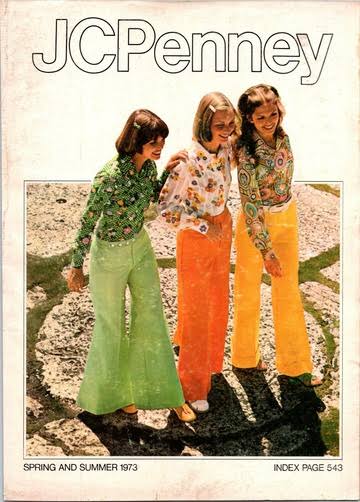
JCPenney operated a full general merchandise catalog for decades, covering clothing, home goods, and appliances, allowing rural customers in particular to shop without traveling to a physical store. The company discontinued its general catalog operations in the early 2010s as online shopping reduced demand for printed order books.
At its peak, the catalog was one of the largest mail-order operations in the country.
Montgomery Ward

One of the earliest mail-order catalog companies in the United States, Montgomery Ward operated continuously from 1872 until the retail chain closed entirely in 2001, having shifted away from its catalog roots decades earlier. The company was particularly influential for rural families in the late 19th and early 20th centuries who had limited access to physical stores.
Its original catalog business model directly influenced later competitors, including Sears.
Spiegel

Spiegel built a major mail-order catalog business through the 20th century, eventually becoming known for a broader range of home goods and apparel alongside its original furniture focus. The company filed for bankruptcy in 2003 and later shifted primarily to online retail before its brand largely faded from common use.
Its catalogs were once a significant competitor to both Sears and Montgomery Ward.
L.L.Bean
L.L.Bean has published mail-order catalogs continuously since founder Leon Leonwood Bean started the company in 1912, focused heavily on outdoor apparel and gear. Unlike many competitors, the company has continued producing printed catalogs alongside its online store, maintaining a version of the yearly tradition many families associate with the brand.
Its return policy, historically among the most generous in retail, became closely tied to the brand’s identity built through decades of catalog trust.
Lands’ End

Lands’ End built a strong mail-order catalog business beginning in the 1970s, initially focused on sailing equipment before expanding into general apparel. The company became known for detailed product descriptions and a strong emphasis on customer service within its catalog copy itself.
It continues to produce catalogs today, though at a reduced scale compared to its peak print era.
Toys “R” Us Big Book
Toys “R” Us published an annual holiday catalog, often called the “Big Book,” featuring extensive toy listings that became a staple of household holiday planning for decades. The company’s 2017 bankruptcy and subsequent store closures ended the tradition, though the brand and catalog concept briefly returned in limited form under new ownership afterward.
Original copies from specific years are actively traded among collectors of retail memorabilia.
Sharper Image
Sharper Image catalogs specialized in novelty electronics and gadgets, often featuring items not widely available in typical retail stores, giving the catalog a distinctive browsing appeal built around discovery rather than routine shopping. The company filed for bankruptcy in 2008, and while the brand has continued in various ownership forms since, its original large-format catalog era effectively ended.
Its catalogs were often kept and reread purely for entertainment value rather than active shopping intent.
Hammacher Schlemmer
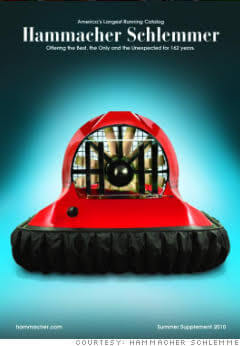
Hammacher Schlemmer has published a catalog continuously since the 19th century, becoming particularly known in later decades for unusual, high-end novelty products marketed as “the best” version of a given item. The company claims to be the oldest continuously operating mail-order catalog business in the United States.
It continues to produce both print and digital catalogs today.
Avon

Avon built its business model around door-to-door sales supported by printed product catalogs distributed by individual representatives, a distinct approach compared to companies that mailed catalogs directly to households. The company’s catalog and representative-based model dates back to the late 19th century and, despite significant changes to the broader company, continues in modified form today.
Avon’s catalog distribution network was historically one of the largest direct sales operations in the world.
Fingerhut

Fingerhut built its catalog business specifically around offering credit-based purchasing to customers who might not have qualified for traditional store credit, making its catalog particularly significant for lower-income households. The company has changed ownership multiple times over the decades and continues to operate today, primarily online.
Its historical catalog model was notable for pairing merchandise directly with an accessible payment plan structure.
Service Merchandise
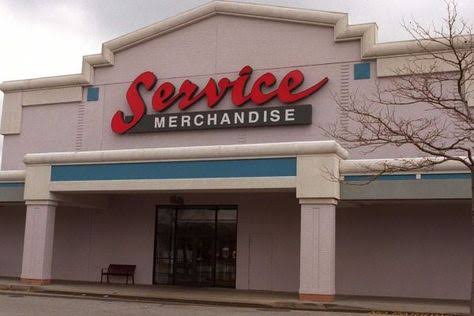
Service Merchandise operated a catalog showroom retail model, where customers browsed printed catalogs in-store before requesting items from a separate warehouse area, a hybrid approach distinct from both pure mail-order and standard retail shopping. The company filed for bankruptcy and closed all locations by 2002.
Its catalog showroom format was once a significant part of the broader retail landscape before falling out of favor.
Best Products

Best Products operated similarly to Service Merchandise, using a catalog showroom model that combined printed catalogs with in-store pickup from a separate stock area. The company closed permanently in 1997 after struggling financially through the preceding decade.
Its distinctive architecture, featuring artistically deconstructed building facades at several locations, remains a notable footnote in American retail design history.
Brookstone
Brookstone built its catalog business around specialty gadgets, travel accessories, and novelty gifts, occupying a similar niche to Sharper Image with a slightly different product focus. The company has filed for bankruptcy multiple times, most recently closing its remaining stores in 2018 before continuing in a reduced online-only form.
Its catalogs were historically distributed both by direct mail and as in-store handouts.
Eddie Bauer
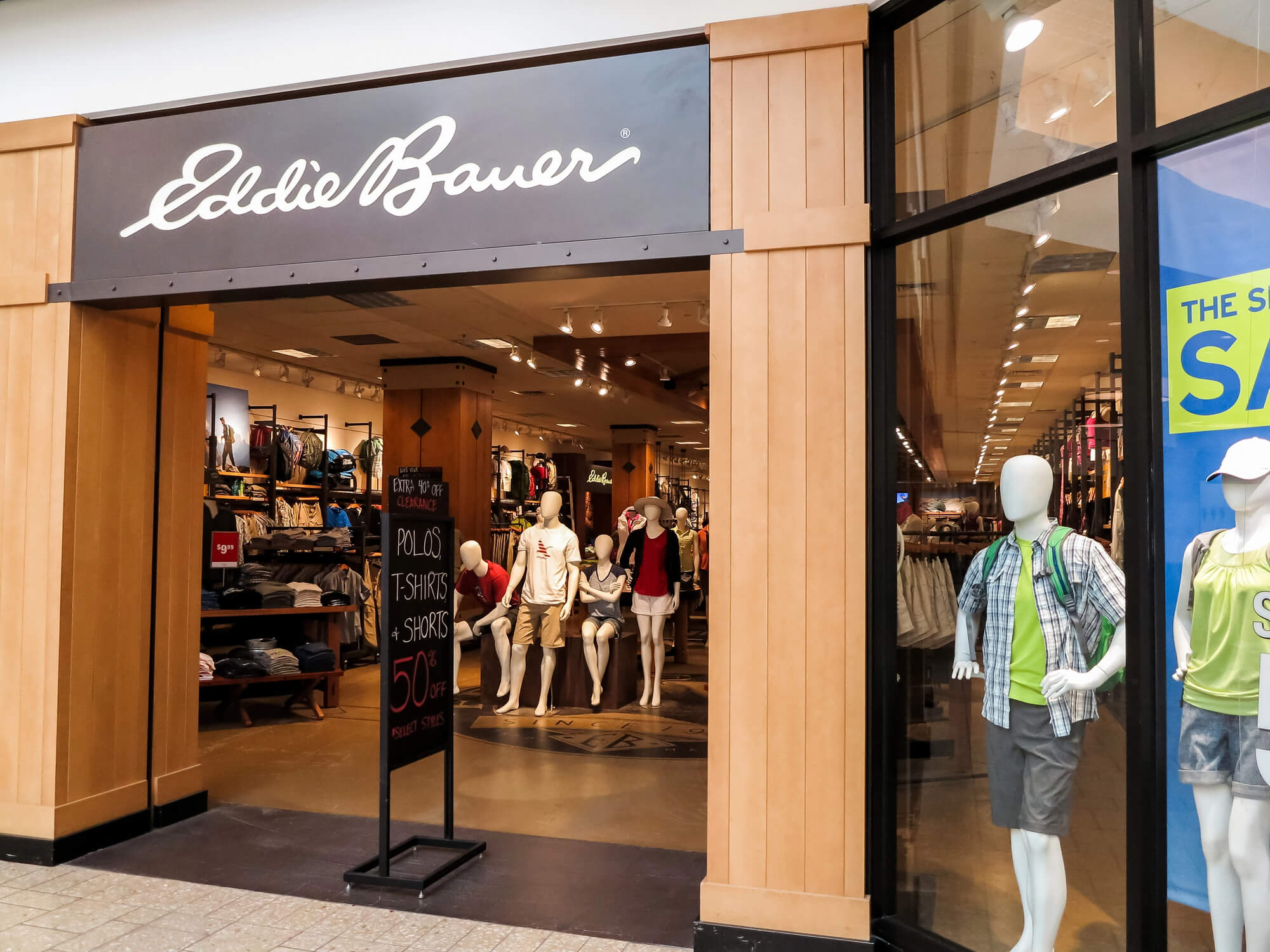
Eddie Bauer built a mail-order catalog business focused on outdoor apparel beginning in the mid-20th century, eventually expanding into a broader range of casual clothing marketed around an outdoor lifestyle brand identity. The company has gone through multiple ownership changes and a bankruptcy filing but continues to operate both physical stores and a catalog-informed online presence today.
Its catalogs historically emphasized durability and outdoor performance testing.
Victoria’s Secret Catalog
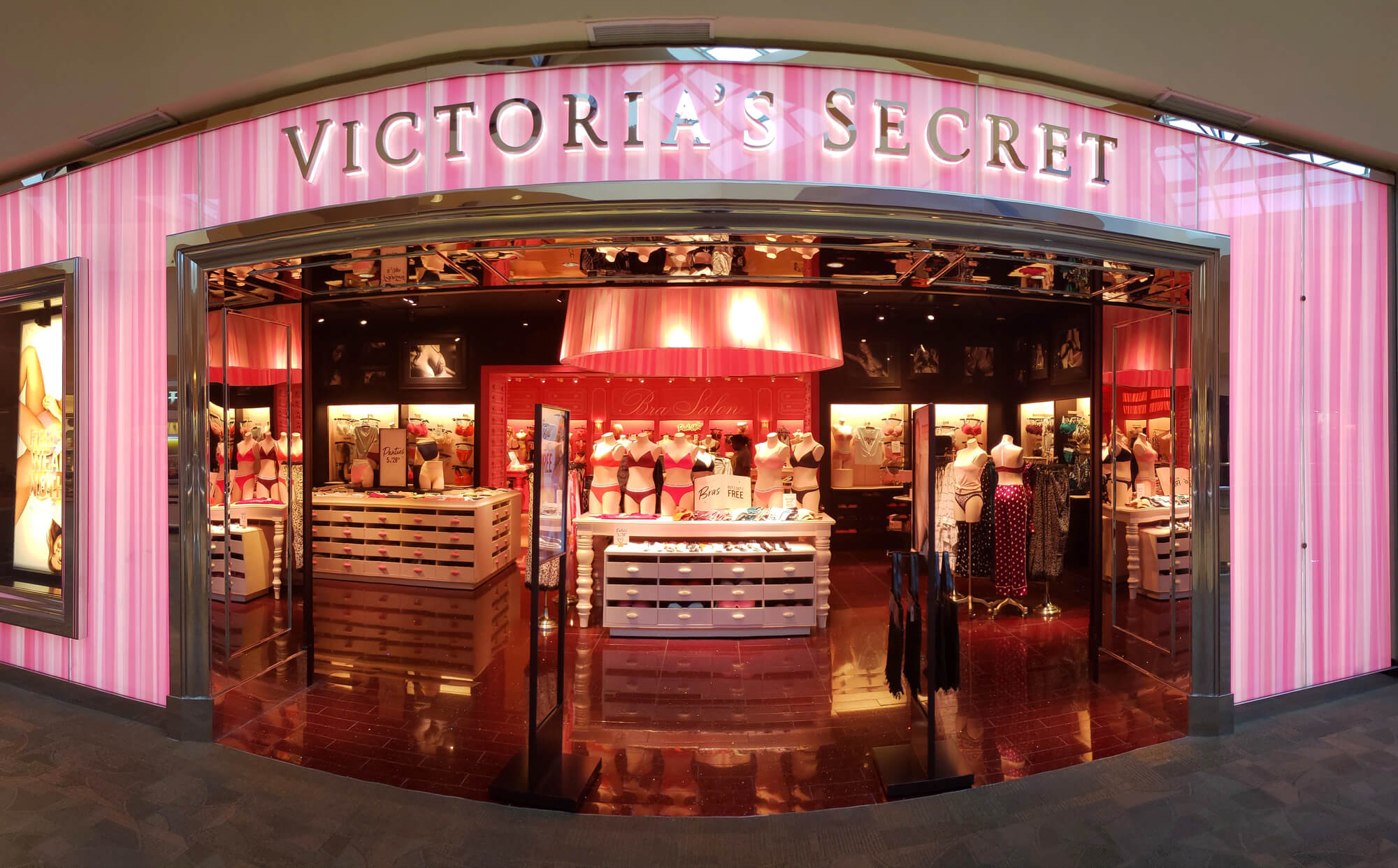
Victoria’s Secret built a highly recognizable mail-order catalog business beginning in the 1980s, becoming one of the most widely distributed apparel catalogs in the country at its peak. The company significantly scaled back its print catalog operations in the following decades as online shopping became dominant.
At its height, the catalog was mailed to a substantial portion of American households multiple times per year.
Abercrombie & Fitch Quarterly
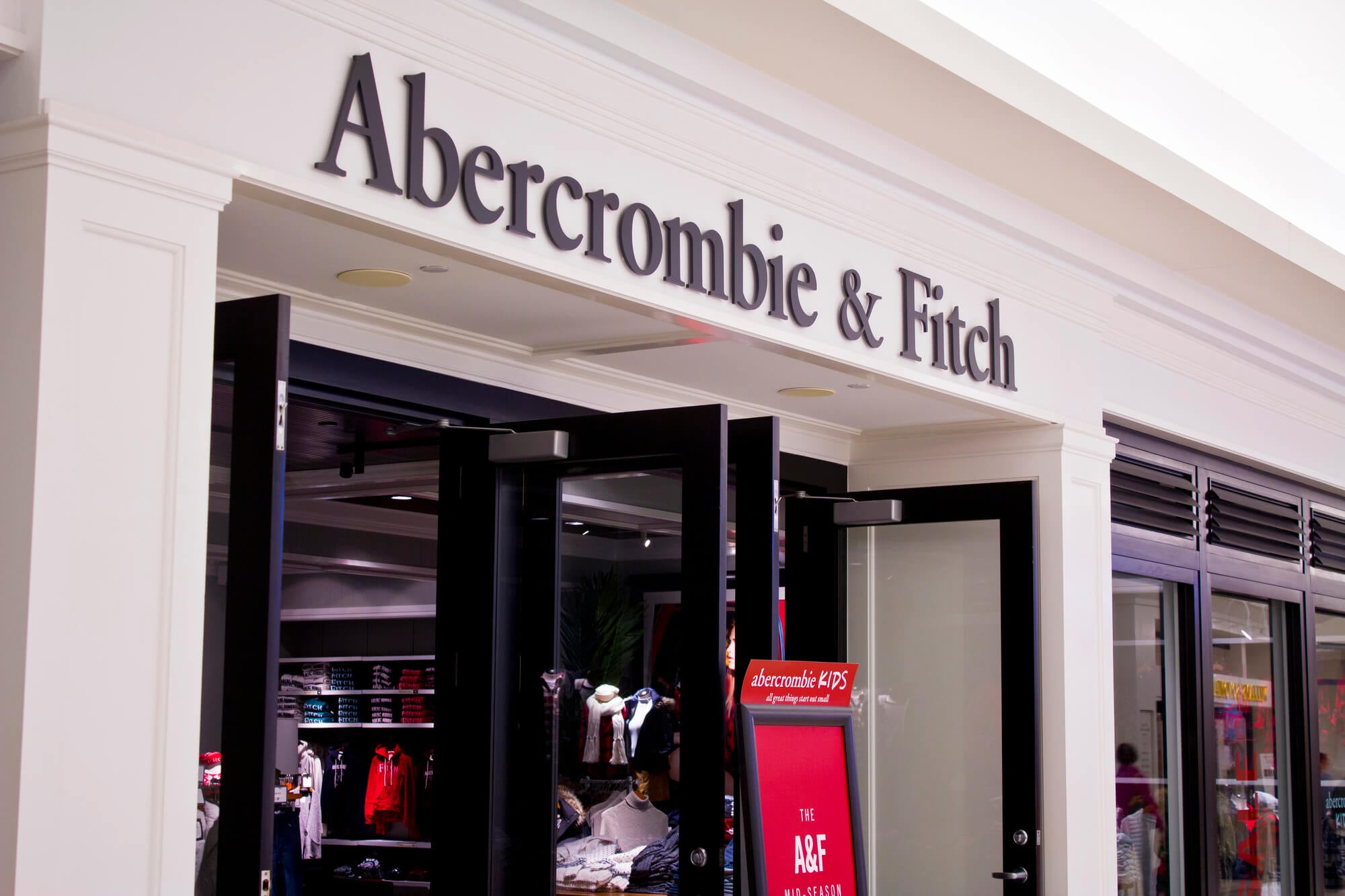
Abercrombie & Fitch published a quarterly catalog through the 1990s and early 2000s known for its heavy use of lifestyle photography over traditional product-focused catalog design, a format that generated significant public debate over its content and marketing approach. The company discontinued the publication in 2003 amid mounting criticism and legal scrutiny.
Original copies remain a notable, if controversial, reference point in the history of American retail marketing.
Farm and Agricultural Supply Catalogs

Various farm and agricultural supply companies operated seasonal mail-order catalogs throughout the 20th century, serving rural households with equipment, seed, and general merchandise not always available locally. These catalogs were often as essential for practical farm operations as they were for general household shopping.
Many smaller regional agricultural catalog companies were absorbed into larger operations or discontinued as farm supply retail consolidated over subsequent decades.
Miles Kimball

Miles Kimball built a mail-order catalog business specializing in personalized and novelty household items beginning in the 1930s, a niche distinct from the larger general merchandise catalogs of its era. The company continues to operate today, primarily through online sales, having significantly reduced its print catalog distribution.
Its historical catalogs were known for offering personalization options not commonly available through other mail-order competitors.
Harriet Carter
Harriet Carter specialized in mail-order novelty gifts and household gadgets, building a recognizable catalog brand throughout the second half of the 20th century. The company has continued operating in reduced form, shifting primarily to online sales in recent years.
Its catalogs were historically known for featuring a wide range of low-cost, impulse-purchase style novelty items.
Talbots
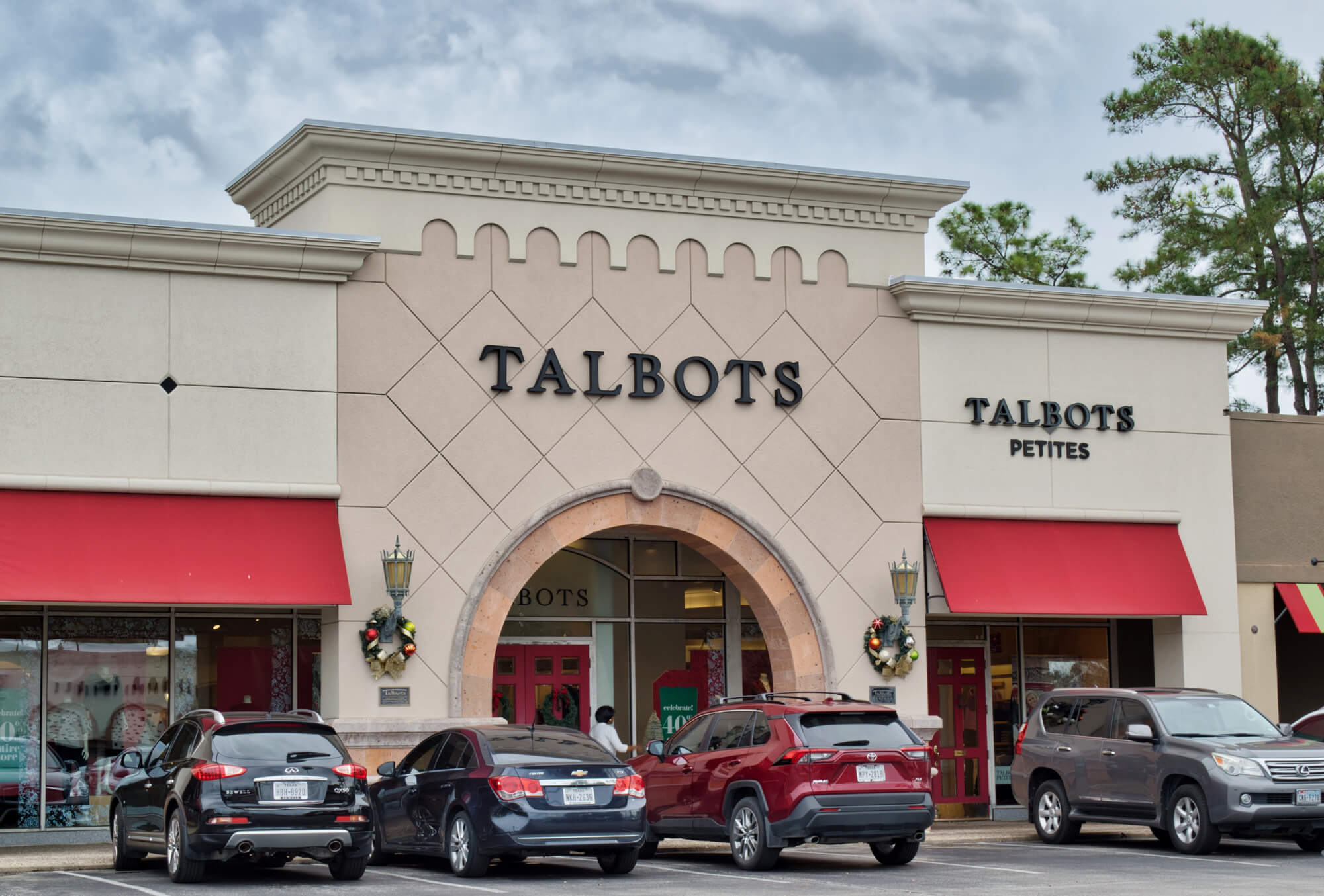
Talbots built a significant mail-order catalog business alongside its physical retail stores beginning in the 1970s, focused on classic women’s apparel. The company has continued producing catalogs in reduced form alongside its online store, maintaining more of a direct-mail presence than many apparel competitors of its era.
Its catalog business historically served as an important sales channel for customers in areas without a nearby physical store.
Coldwater Creek
Coldwater Creek built its retail identity primarily around a mail-order catalog business beginning in the late 1980s before later expanding into physical stores. The company filed for bankruptcy in 2014 and closed its remaining stores, ending its catalog operations entirely.
At its peak, the catalog was a significant channel for women’s apparel sales, particularly among older demographics.
Delia’s
Delia’s built a catalog business specifically targeting teenage girls beginning in the 1990s, becoming a significant cultural touchstone for that demographic during the era. The company filed for bankruptcy and ceased catalog and retail operations in 2014, though the brand name has occasionally resurfaced under different ownership since.
Its catalogs were closely associated with broader teen fashion trends of the late 1990s and early 2000s.
Neiman Marcus Christmas Book
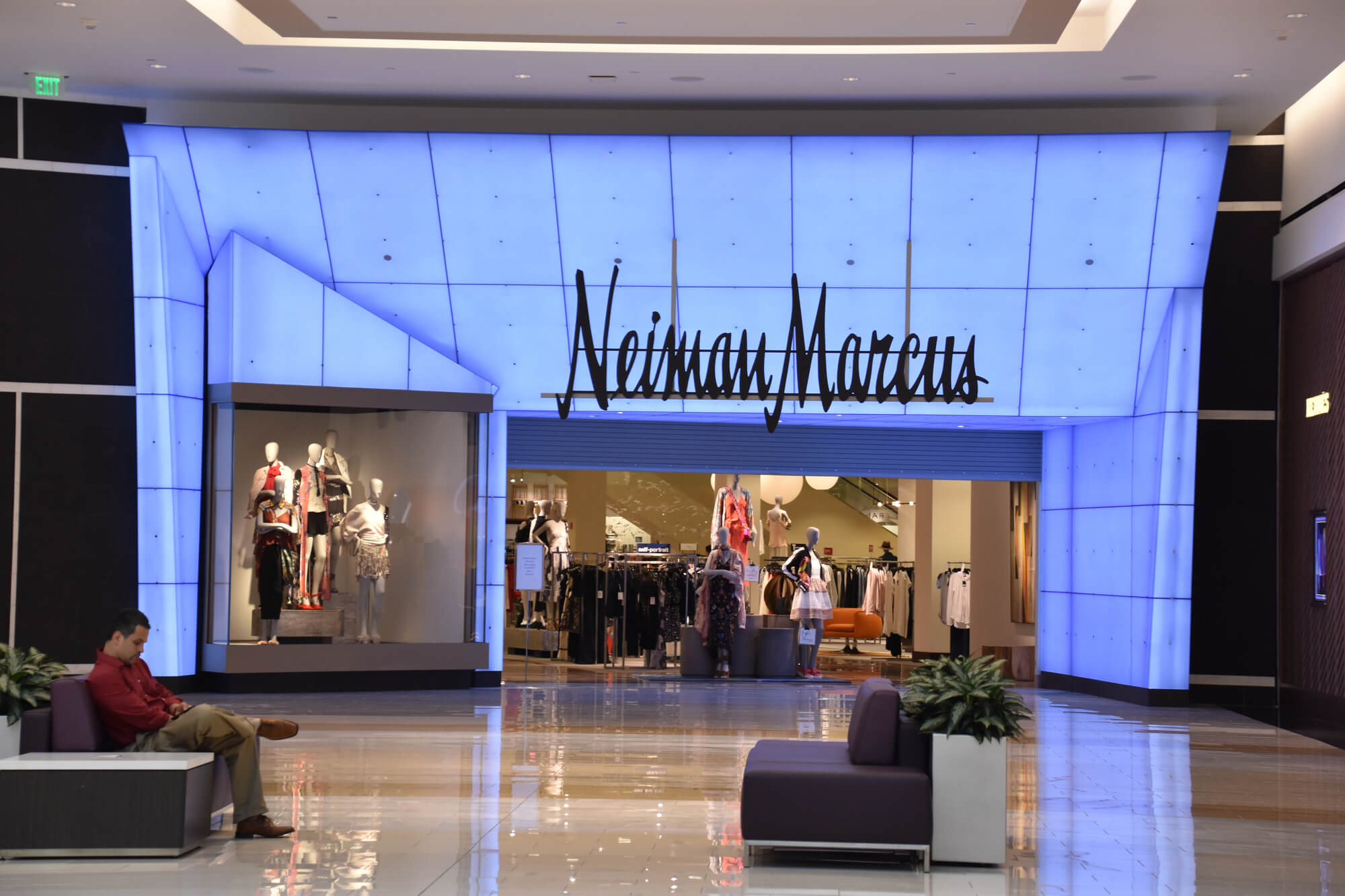
Neiman Marcus published an annual Christmas catalog known for including extravagant, often impractical luxury gift items alongside more conventional merchandise, a format designed partly for entertainment and brand prestige rather than purely practical shopping. The catalog has continued publication, making it one of the more enduring luxury holiday catalog traditions.
Its most extreme featured items have generated media coverage independent of any actual sales they generated.
Hanna Andersson

Hanna Andersson built a mail-order catalog business specializing in children’s clothing beginning in the 1980s, known particularly for durable, brightly colored garments and a program allowing customers to donate gently used clothing back to the company. The brand continues to operate today, having shifted its primary sales channel online while maintaining some catalog distribution.
Its catalog historically emphasized garment durability testing as a core part of its marketing approach.
Orvis
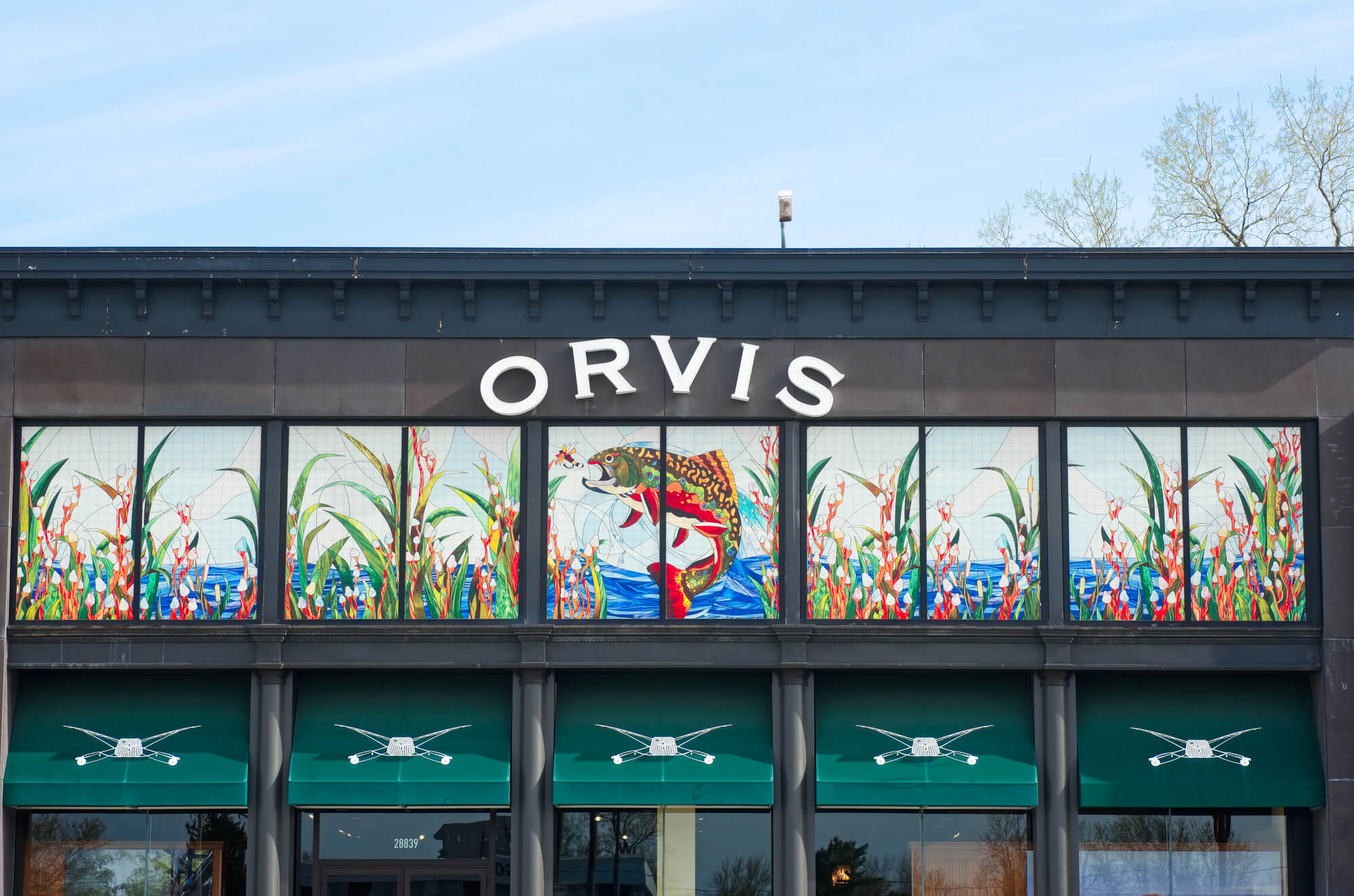
Orvis has published a mail-order catalog focused on fishing, hunting, and outdoor apparel since the 19th century, making it one of the longest continuously operating specialty catalogs in the country. The company continues to produce catalogs today alongside its physical retail and online presence.
Its historical catalogs were particularly influential within fly-fishing enthusiast communities specifically.
Current, Inc.
Current, Inc. built a mail-order catalog business specializing in greeting cards, stationery, and personalized paper goods beginning in the mid-20th century. The company has continued operating in a significantly reduced capacity, shifting most of its sales online in recent decades.
Its catalogs were historically a significant seasonal presence in households that regularly sent holiday cards and personalized stationery.
The Ritual of the Circled Catalog
A catalog’s real function was never just to sell merchandise. It was a household calendar marker, arriving predictably enough that its appearance signaled a season on its own, back-to-school, harvest, the run-up to the holidays, regardless of what was actually inside.
What has genuinely disappeared is not the shopping itself but the shared, physical object, the single dog-eared copy passed between family members, each person’s interests visible in whatever page stayed permanently creased open. Online shopping replaced the function.
It never quite replaced the object.
More from Go2Tutors!

- The Romanov Crown Jewels and Their Tragic Fate
- 13 Historical Mysteries That Science Still Can’t Solve
- Famous Hoaxes That Fooled the World for Years
- 15 Child Stars with Tragic Adult Lives
- 16 Famous Jewelry Pieces in History
Like Go2Tutors’s content? Follow us on MSN.