30 Inventions Regulators Restricted Soon After Release
New products reach the market faster than anyone can fully evaluate their long-term effects, and history has a long list of inventions that were sold enthusiastically for years before regulators stepped in and pulled them back, sometimes only after serious harm had already piled up.
The pattern repeats across centuries and industries: a novel product launches to real enthusiasm, evidence of harm accumulates, and eventually the law catches up to the chemistry.
Thalidomide

Marketed starting in the late 1950s as a sedative safe for pregnant women experiencing morning sickness, thalidomide caused severe birth defects in thousands of children across dozens of countries before it was withdrawn from most markets by 1961 and 1962. The disaster directly led to far stricter drug testing and approval requirements in the United States and elsewhere.
Red Dye No. 3
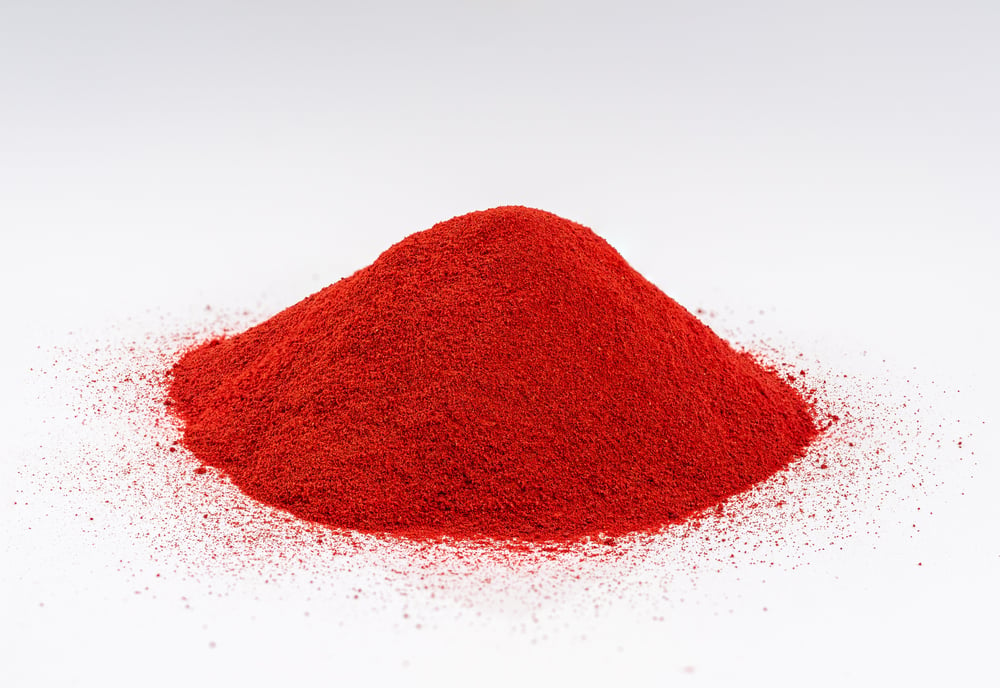
Used for decades to color candy, baked goods, and cosmetics, Red Dye No. 3 was banned from cosmetics by the FDA in 1990 after studies linked it to thyroid tumors in laboratory animals, though it remained legal in food for over three additional decades until the FDA moved to ban it from food and ingested drugs in 2025.
DDT
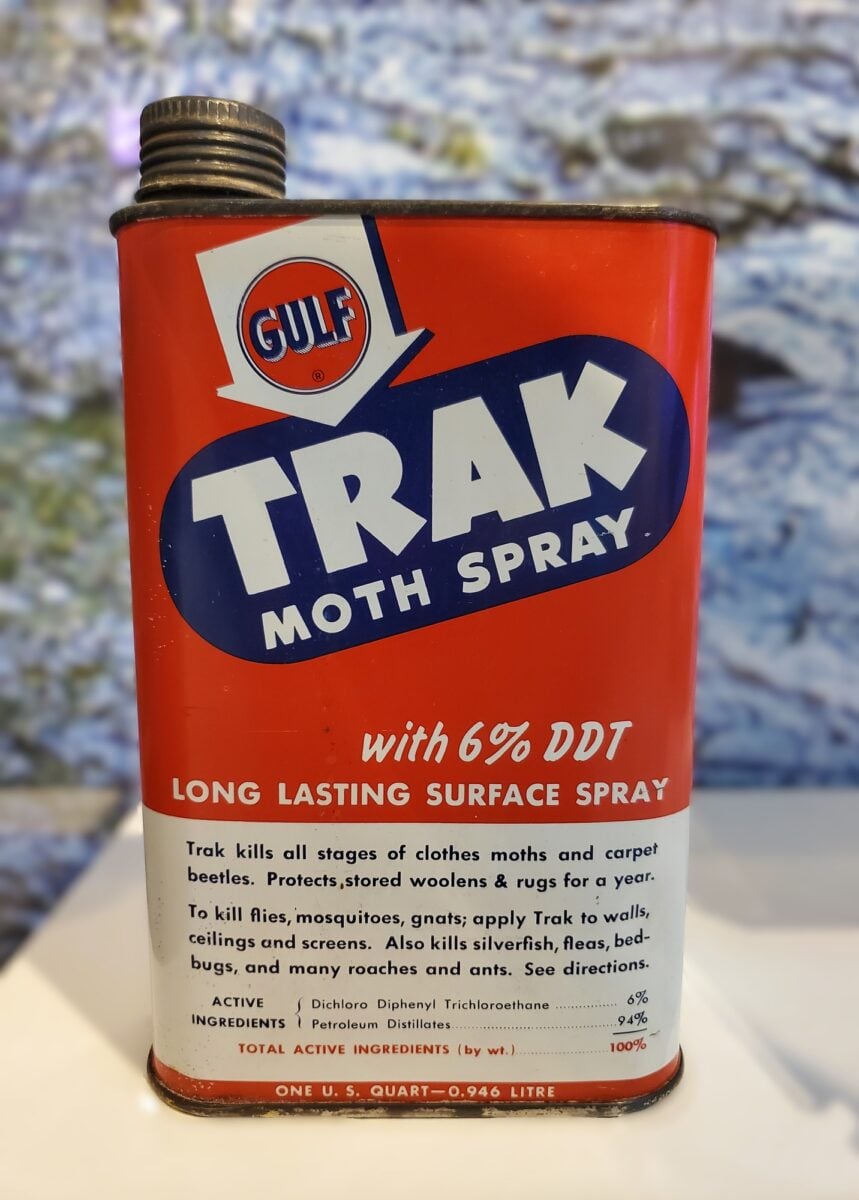
Introduced as an agricultural and public health insecticide in the 1940s and credited with helping control malaria and typhus, DDT was widely used for decades before research, notably popularized by Rachel Carson’s 1962 book “Silent Spring,” linked it to declining bird populations and environmental damage. The United States banned most agricultural uses in 1972.
Leaded Gasoline

Tetraethyl lead was added to gasoline starting in the 1920s to reduce engine knocking, remaining standard for decades despite early warnings from some scientists about its toxicity. Mounting evidence of lead’s effects on childhood development eventually led the United States to begin phasing it out starting in the 1970s, with a full ban on leaded gasoline for road vehicles completed in 1996.
CFC Aerosols
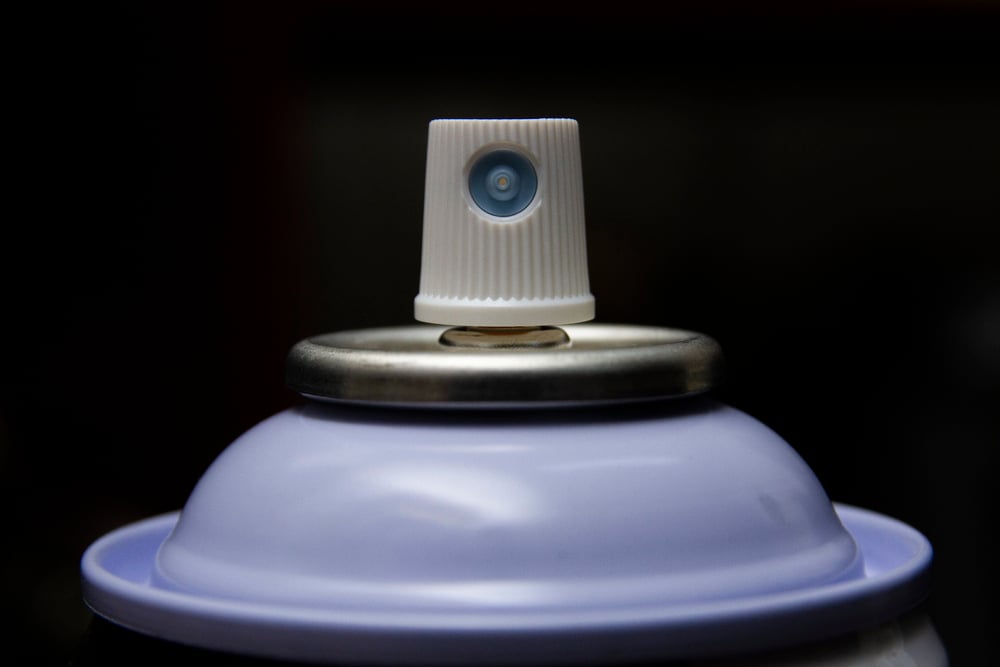
Chlorofluorocarbons were widely used as propellants in aerosol spray cans starting in the 1950s, valued for being non-flammable and chemically stable. Research in the 1970s linking CFCs to depletion of the ozone layer led the United States to ban their use in most aerosol products by 1978, well ahead of the international Montreal Protocol that phased them out globally.
Asbestos Insulation

Prized for decades starting in the early 20th century for its fire resistance and insulating properties, asbestos was used extensively in construction, shipbuilding, and consumer products before its link to lung disease and mesothelioma became undeniable. The United States began restricting its use through regulations starting in the 1970s, though a full ban has faced ongoing legal challenges.
Radium Consumer Products

Radium was marketed in the early 20th century as an ingredient in tonics, cosmetics, and glow-in-the-dark paint, promoted as a source of vitality before its radioactive dangers became widely understood. Public reporting on radiation poisoning deaths among factory workers and consumers in the late 1920s and early 1930s led to a rapid decline in radium-based consumer products.
Lawn Darts

Sold as a backyard lawn game starting in the mid-20th century, weighted lawn darts caused a number of serious injuries and several child deaths from accidental falls onto the sharp metal tips. The United States banned the sale of lawn darts in 1988 following a campaign by parents whose children had been killed by the toy.
Trans Fats
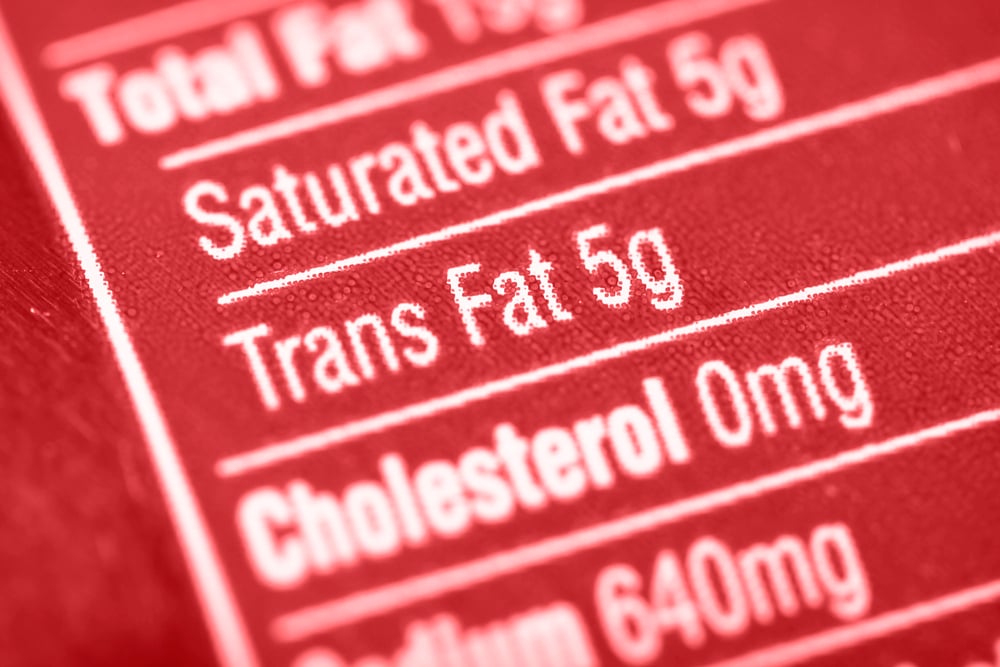
Partially hydrogenated oils were widely adopted by food manufacturers starting in the mid-20th century for their shelf stability and texture, remaining common in processed foods for decades. Mounting evidence linking trans fats to heart disease led the FDA to determine in 2015 that they were no longer generally recognized as safe, with a full ban on added trans fats in processed foods taking effect in 2018.
Saccharin

The artificial sweetener saccharin was in wide commercial use for decades before a 1977 study linking it to bladder cancer in laboratory rats prompted the FDA to propose a ban and require warning labels on products containing it. Later research downgraded the risk to humans, and the warning label requirement was formally repealed in 2000.
Cyclamates

An artificial sweetener widely used in diet soft drinks and other products starting in the 1950s, cyclamates were banned in the United States in 1970 after studies suggested a possible link to cancer in laboratory animals, though the sweetener remains approved and in use in a number of other countries.
Absinthe
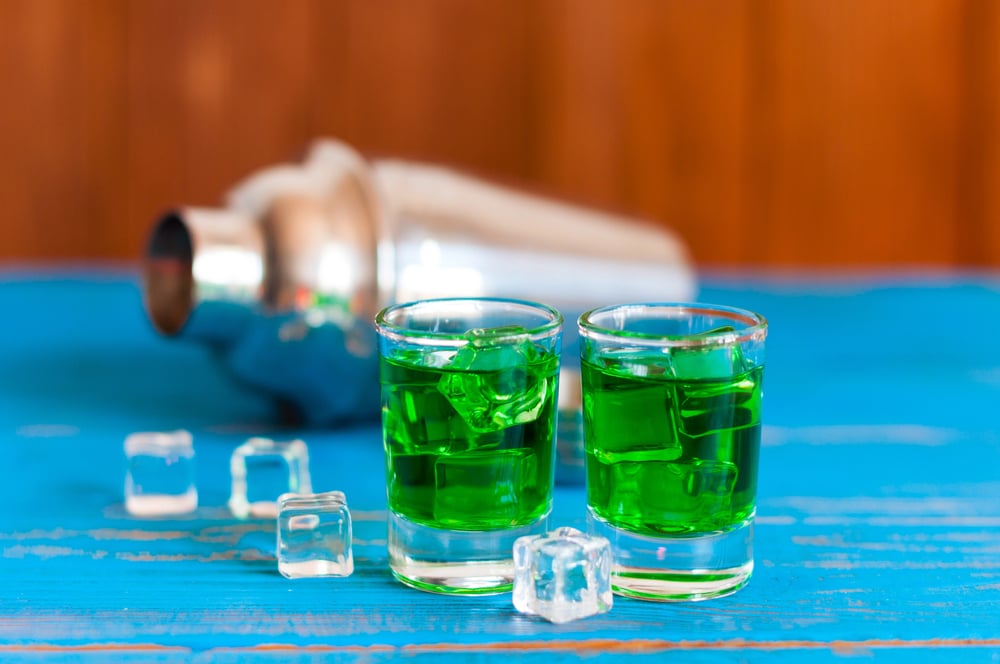
The anise-flavored spirit absinthe became enormously popular in Europe during the late 19th century, associated with artistic and bohemian culture, before concerns about a compound called thujone, along with its high alcohol content, led numerous countries including France to ban it outright in the early 20th century. Most bans were lifted decades later once modern testing showed the thujone levels in properly made absinthe were far lower than once feared.
Leaded Paint

Lead-based paint was standard in homes for decades due to its durability and color quality, remaining common even after early 20th century evidence of lead poisoning in children who ingested paint chips and dust. The United States banned lead-based paint for residential use in 1978, decades after the dangers were first documented.
Kinder Surprise Eggs in the United States
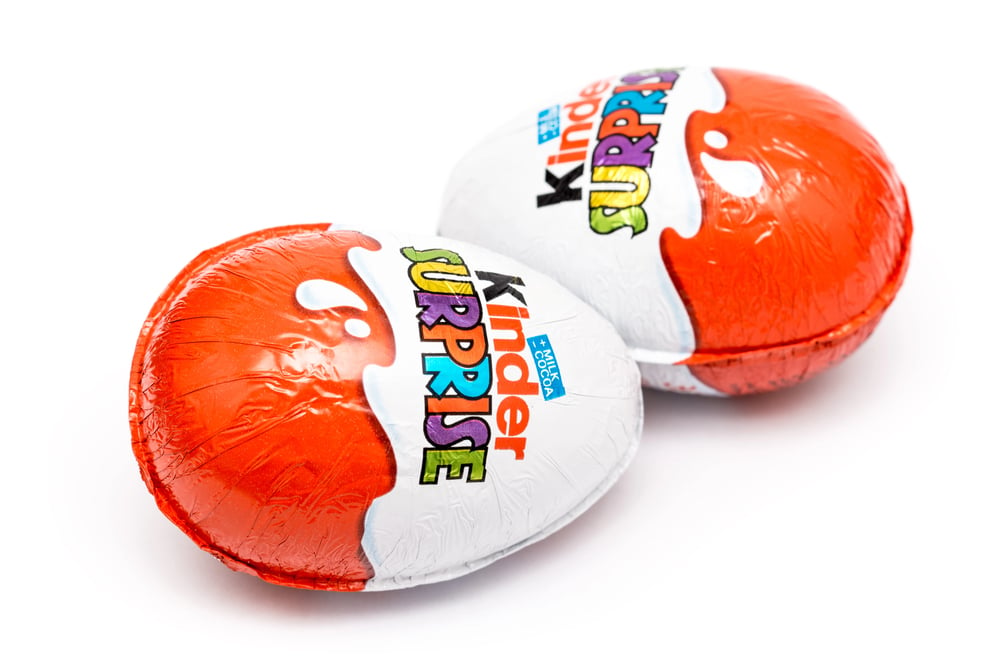
Chocolate eggs containing a small toy inside a plastic capsule have been sold across Europe and elsewhere since the 1970s, but the United States has restricted their sale for decades under a 1938 law prohibiting embedding a non-food object inside a food item, citing choking risk. Modified versions compliant with the law were eventually introduced to US shelves.
Powdered Alcohol
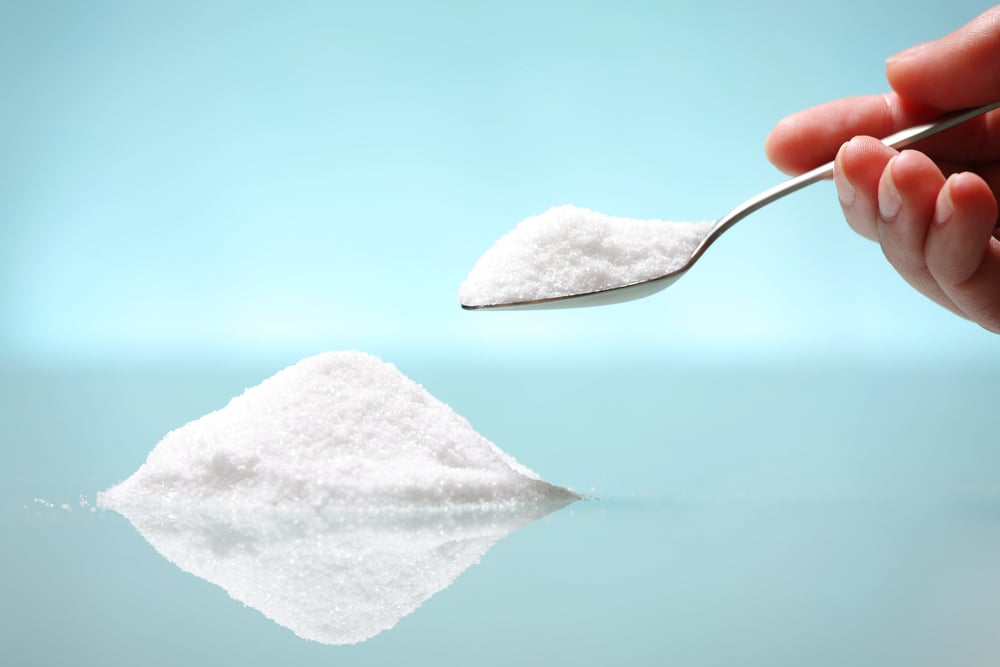
A product allowing consumers to turn a powder into an alcoholic drink by adding water, branded Palcohol, received federal approval in the United States in 2015 but was subsequently banned outright by dozens of individual states within the same year over concerns about ease of concealment and potential misuse.
Hoverboards
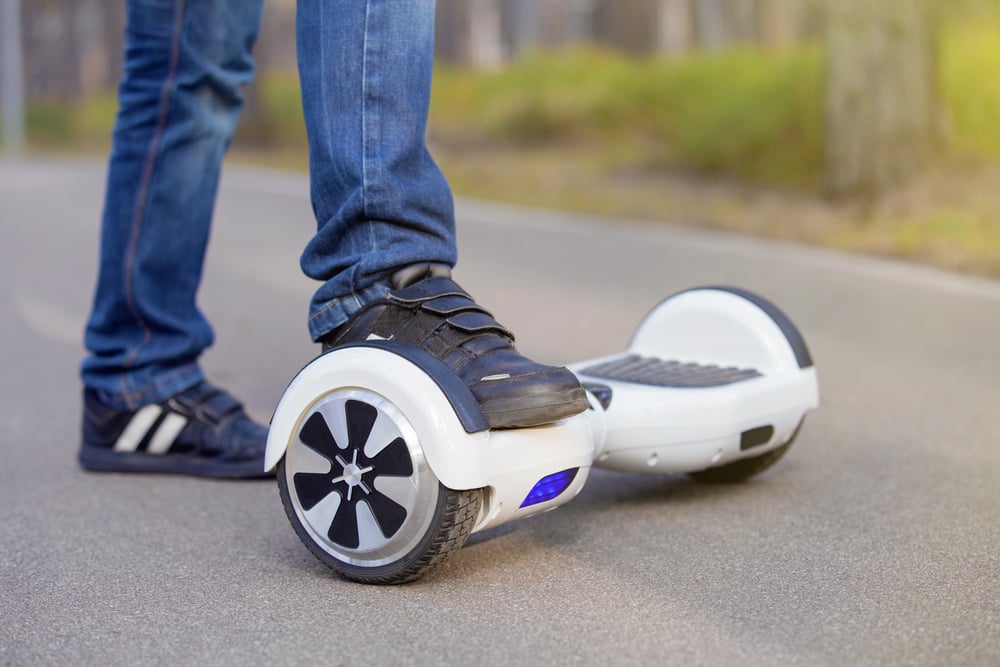
Self-balancing electric hoverboards became a popular consumer product in 2015, only for reports of their lithium-ion batteries catching fire to surface within months. The US Consumer Product Safety Commission pushed for stricter safety standards and several retailers pulled affected models, with some airlines and school districts banning them outright by early 2016.
Vioxx

Approved in 1999 as a pain reliever marketed as easier on the stomach than older alternatives, Vioxx was withdrawn from the market by its manufacturer in 2004 after studies linked long-term use to significantly increased risk of heart attack and stroke, following an estimated tens of millions of prescriptions written in the intervening years.
Fen-Phen

A popular weight-loss drug combination known as fen-phen was prescribed widely in the mid-1990s before one of its components was linked to serious heart valve damage. The FDA requested its withdrawal from the market in 1997 after the connection became clear.
Quaaludes

Introduced as a sedative and sleep aid in the 1960s, quaaludes became widely prescribed and, later, widely misused before mounting concern over dependence and overdose led the United States to reclassify and effectively ban further manufacture of the drug in 1984.
Ephedra Supplements
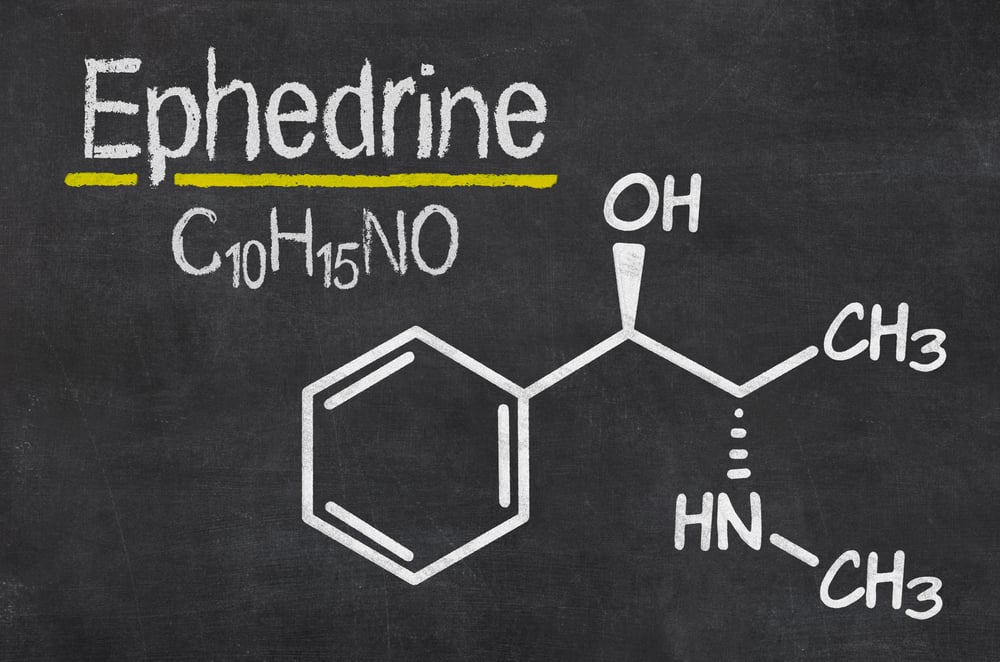
Marketed as a weight-loss and energy-boosting supplement through the 1990s, ephedra was linked to cases of heart attack, stroke, and several high-profile deaths, including that of a professional athlete in 2003. The FDA banned the sale of ephedra-containing supplements in the United States in 2004.
Pseudoephedrine Cold Medicine
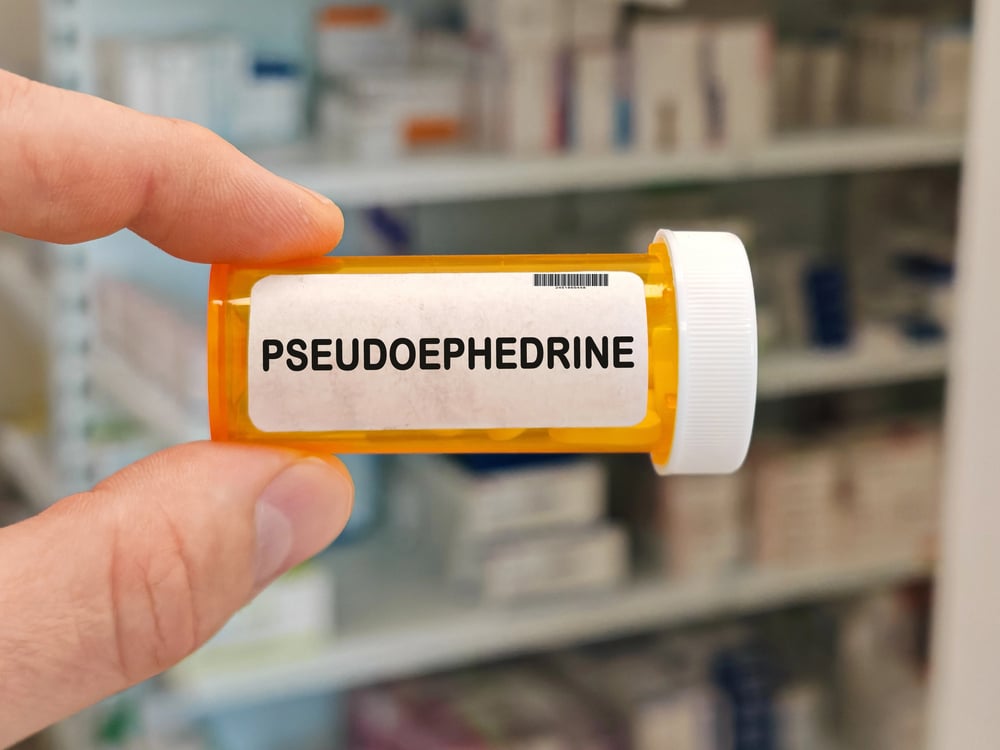
Widely sold over the counter as a decongestant for decades, pseudoephedrine-based cold medicine became a key ingredient in illicit methamphetamine production, prompting the United States to pass the Combat Methamphetamine Epidemic Act in 2005, which moved the medication behind pharmacy counters and imposed purchase limits.
Chlordane Pesticide
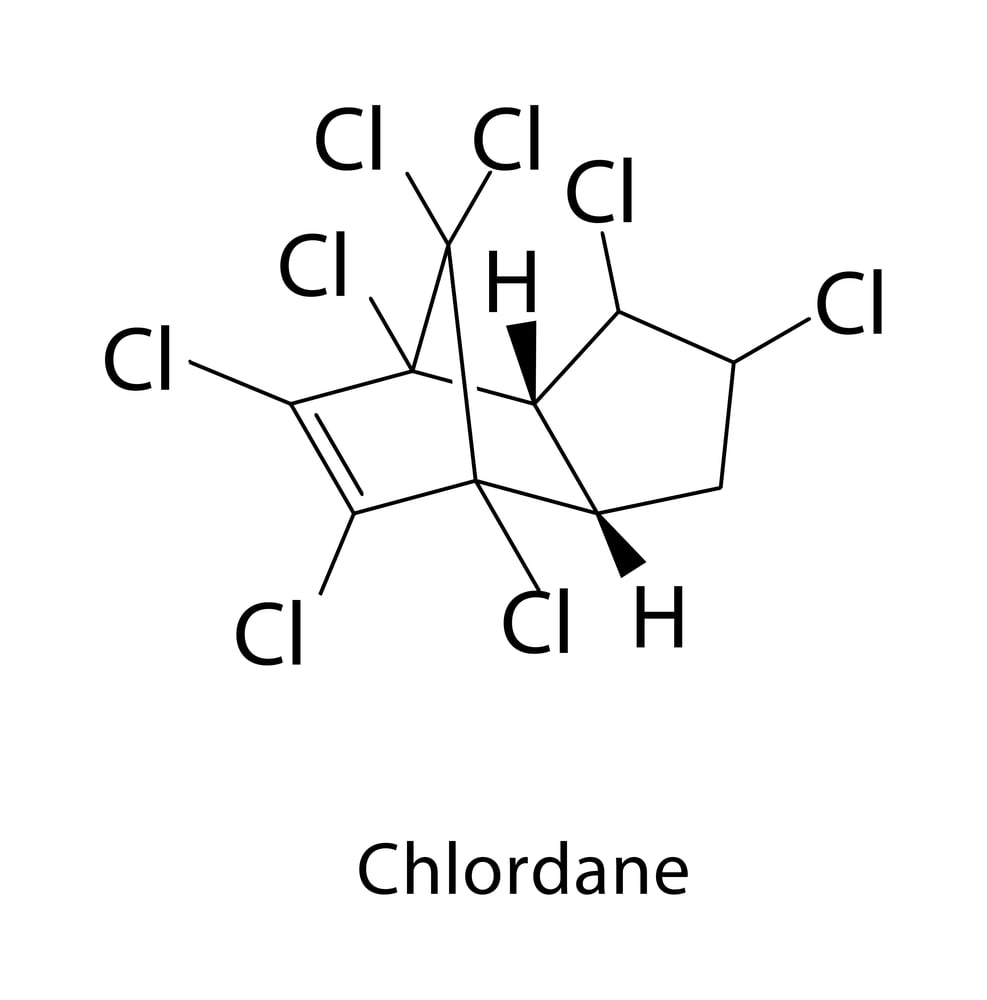
Widely used starting in the 1940s to control termites and agricultural pests, chlordane was restricted for most agricultural uses in the United States by 1978 after evidence emerged of its persistence in the environment and potential cancer risk, with a full ban on remaining termite-control uses following in 1988.
Mercury Thermometers
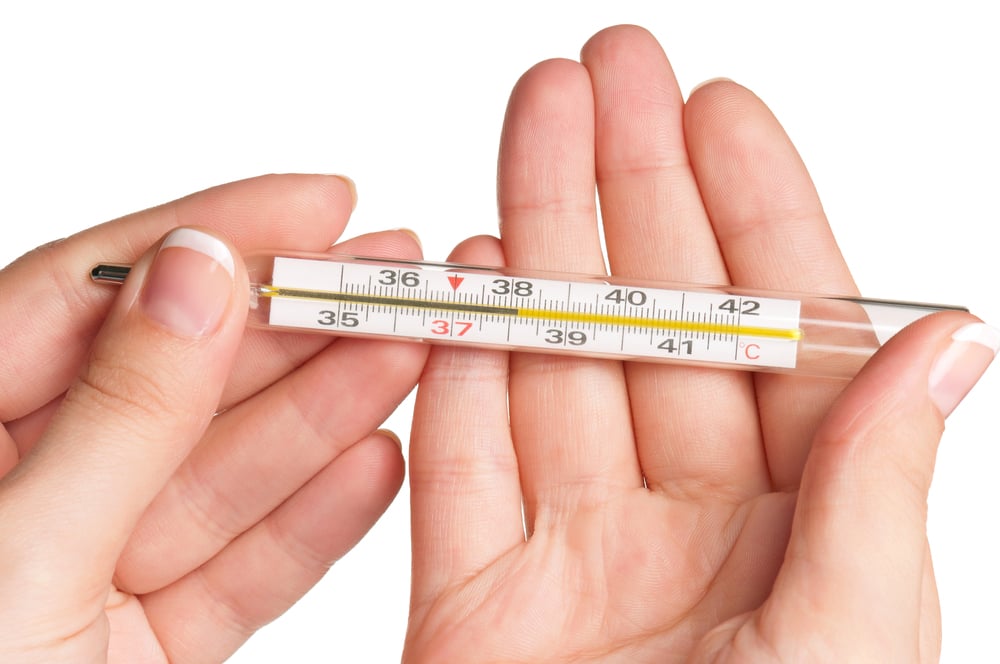
Standard in households and hospitals for well over a century, mercury-filled glass thermometers were gradually phased out starting in the late 20th century after mercury’s toxicity and the environmental hazard of broken thermometers became widely recognized, with several US states enacting outright sales bans in the 2000s.
Segways on Public Sidewalks
— Photo by wdnet
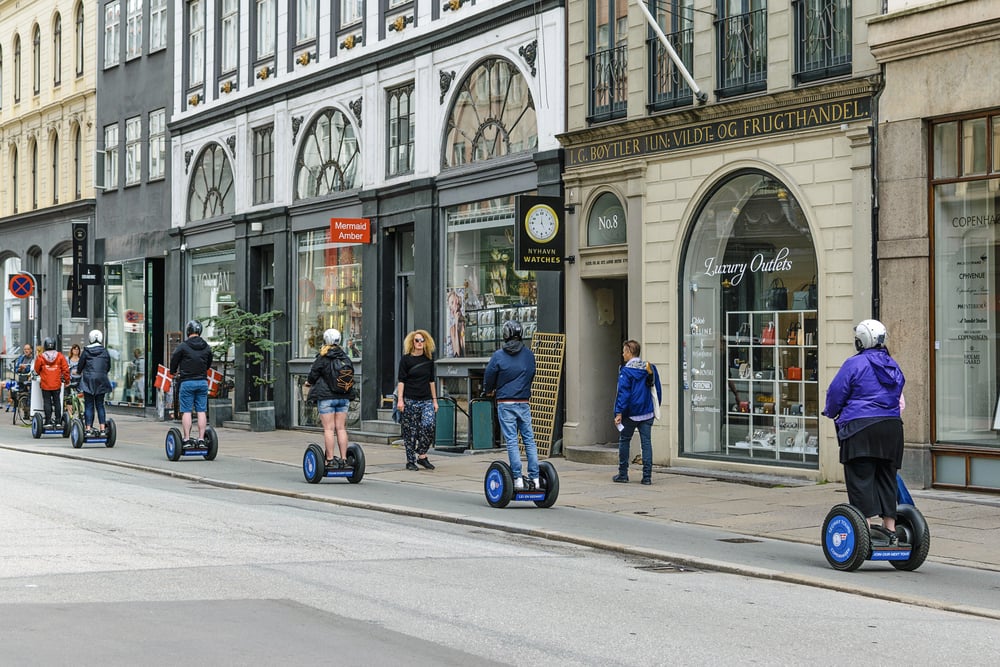
The self-balancing Segway personal transporter launched in 2001 amid enormous hype, only for numerous cities and jurisdictions to quickly pass ordinances restricting or banning its use on sidewalks and in certain public spaces due to pedestrian safety concerns, significantly limiting the practical use case the product had been designed around.
Flavored Vaping Pod Cartridges
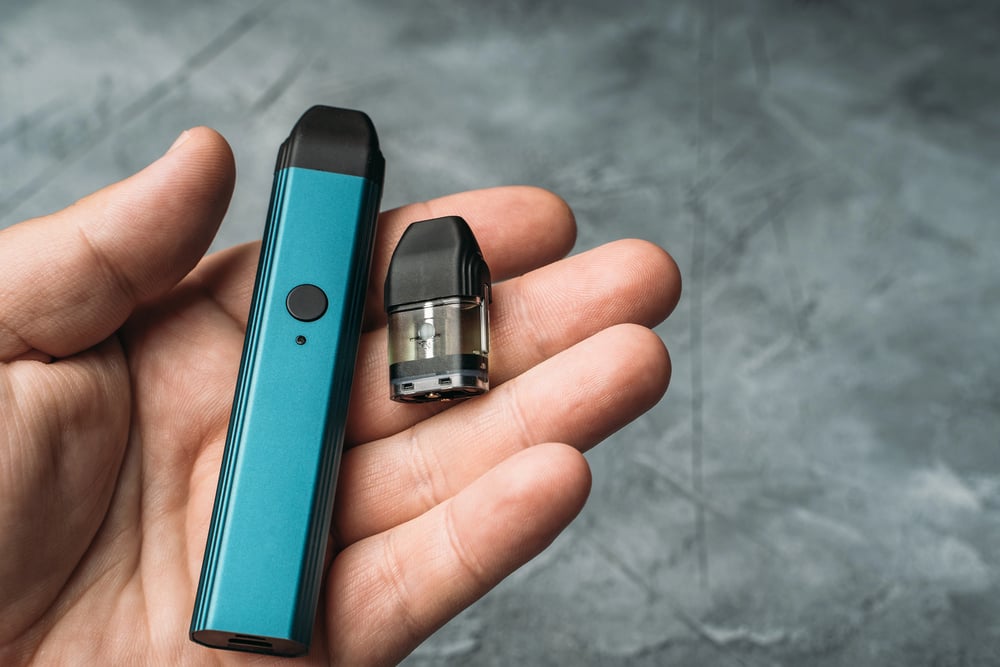
Flavored vaping pod cartridges grew rapidly popular through the mid-2010s, particularly among younger users, before the FDA moved in 2020 to restrict the sale of most flavored cartridge-based products, citing concerns about underage use, while leaving unflavored and menthol options and open-tank systems less restricted.
Methyl Bromide Fumigant

Used for decades as an agricultural fumigant to control pests in soil and stored crops, methyl bromide was identified as a significant contributor to ozone layer depletion, leading to a phased international ban under the Montreal Protocol beginning in the late 1990s, with developed nations largely completing the phase-out by 2005.
Butter Yellow Dye
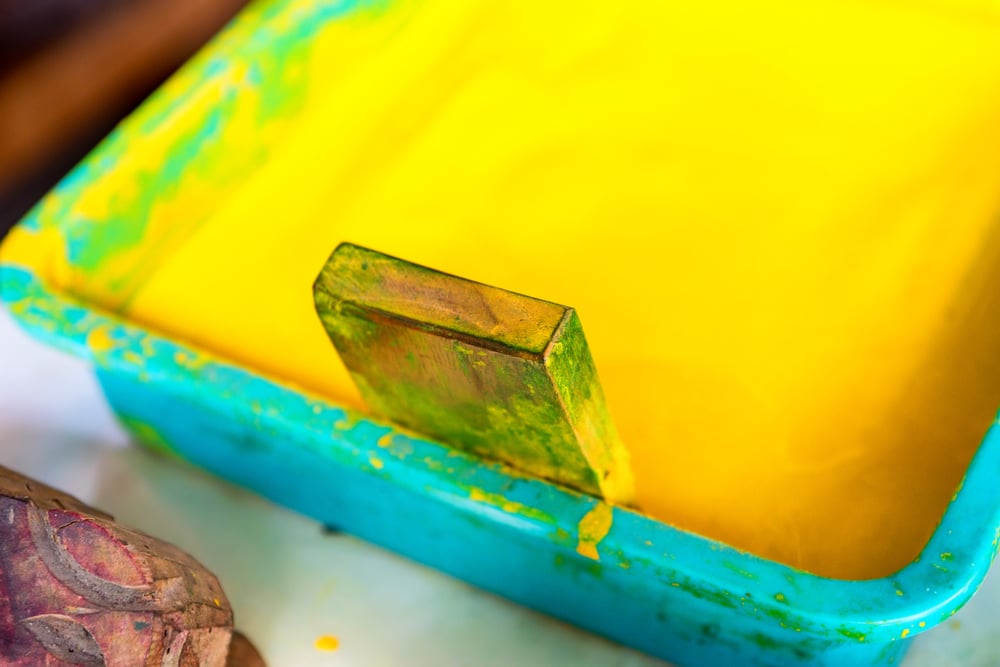
A synthetic dye used to color margarine and other foods a butter-like yellow starting in the early 20th century, butter yellow was identified as a carcinogen in laboratory studies and banned from food use in the United States and several other countries by the mid-20th century.
X-Ray Shoe-Fitting Machines
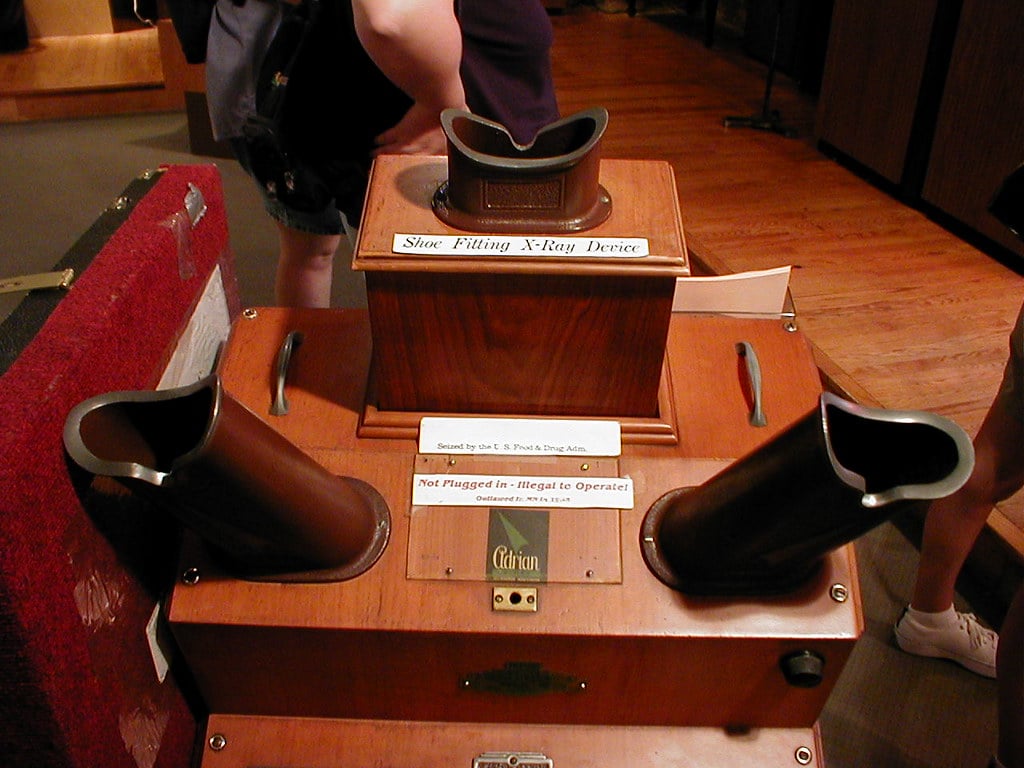
Photo by Andrew Kuchling, via Flickr. Licensed under CC BY 2.0
Shoe stores across the United States and Europe installed fluoroscope machines starting in the 1920s that let customers view an X-ray image of their feet inside new shoes as a fitting novelty. Growing understanding of cumulative radiation exposure led most US states to ban or heavily restrict the machines by the 1950s, and they had largely disappeared by the 1970s.
Baby Walkers on Wheels

Wheeled infant walkers were sold for decades as a way to help babies move around before they could walk independently, despite consistent data linking them to falls down stairs and other injuries. Canada banned the sale, advertisement, and importation of wheeled baby walkers outright in 2004, while the United States tightened safety standards and issued strong warnings without a full ban.
The Lag Between Launch and Law

Almost every product on this list was legal, popular, and often celebrated as innovative at the moment of its release. The restriction came later, sometimes within a year and sometimes only after decades of accumulated evidence, injury reports, or changed scientific understanding finally forced a response.
That lag is not really a story about bad products so much as a story about how regulation works. Approval systems are built to catch known risks, not to predict every consequence of something genuinely new, which means the market will likely keep producing a next entry for this list well before anyone can say for certain what it will be.
More from Go2Tutors!

- The Romanov Crown Jewels and Their Tragic Fate
- 13 Historical Mysteries That Science Still Can’t Solve
- Famous Hoaxes That Fooled the World for Years
- 15 Child Stars with Tragic Adult Lives
- 16 Famous Jewelry Pieces in History
Like Go2Tutors’s content? Follow us on MSN.