Then And Now Photos Of Famous Travel Spots
Time moves differently when you’re traveling. A single week can feel like a month of regular life, and yet decades later, the places you visited feel frozen exactly as you left them.
But that’s just memory playing tricks. The world keeps changing while your snapshots stay the same, and nowhere is this more obvious than at the most photographed destinations on earth.
These spots have been welcoming visitors for generations, accumulating layers of history with each passing decade.
Machu Picchu
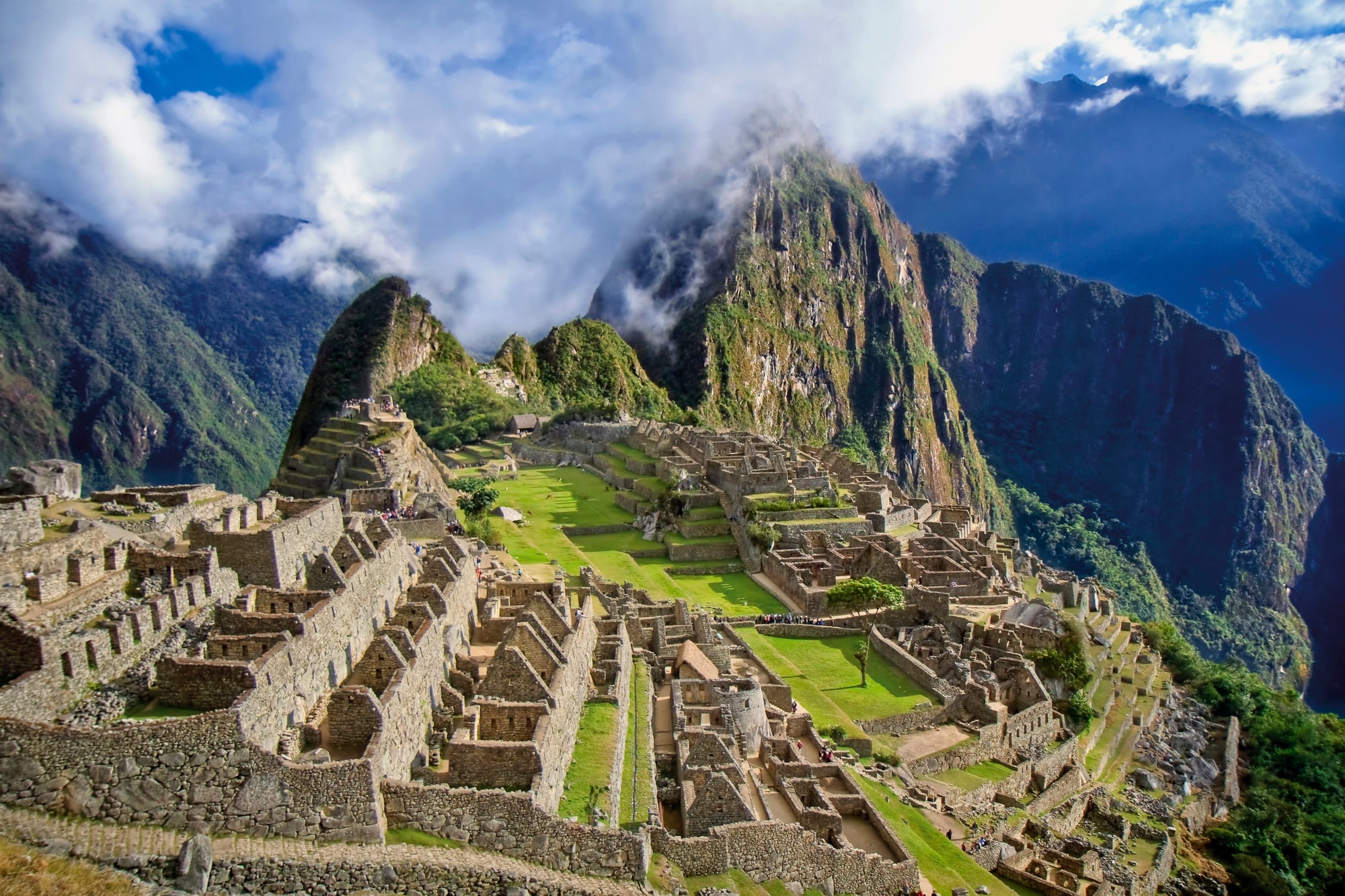
Hiram Bingham’s 1911 photographs show Machu Picchu as nature intended to reclaim it. Thick jungle growth spilled over ancient stone walls, and massive trees sprouted from what were once royal quarters.
The terraces were barely visible beneath decades of vegetation.
Today’s Machu Picchu looks almost surgically precise. Every stone has been cleared and catalogued.
The grass on the terraces gets trimmed to postcard perfection. What Bingham found by accident now hosts 5,000 visitors daily, all chasing that perfect Instagram shot from the same three vantage points.
Times Square
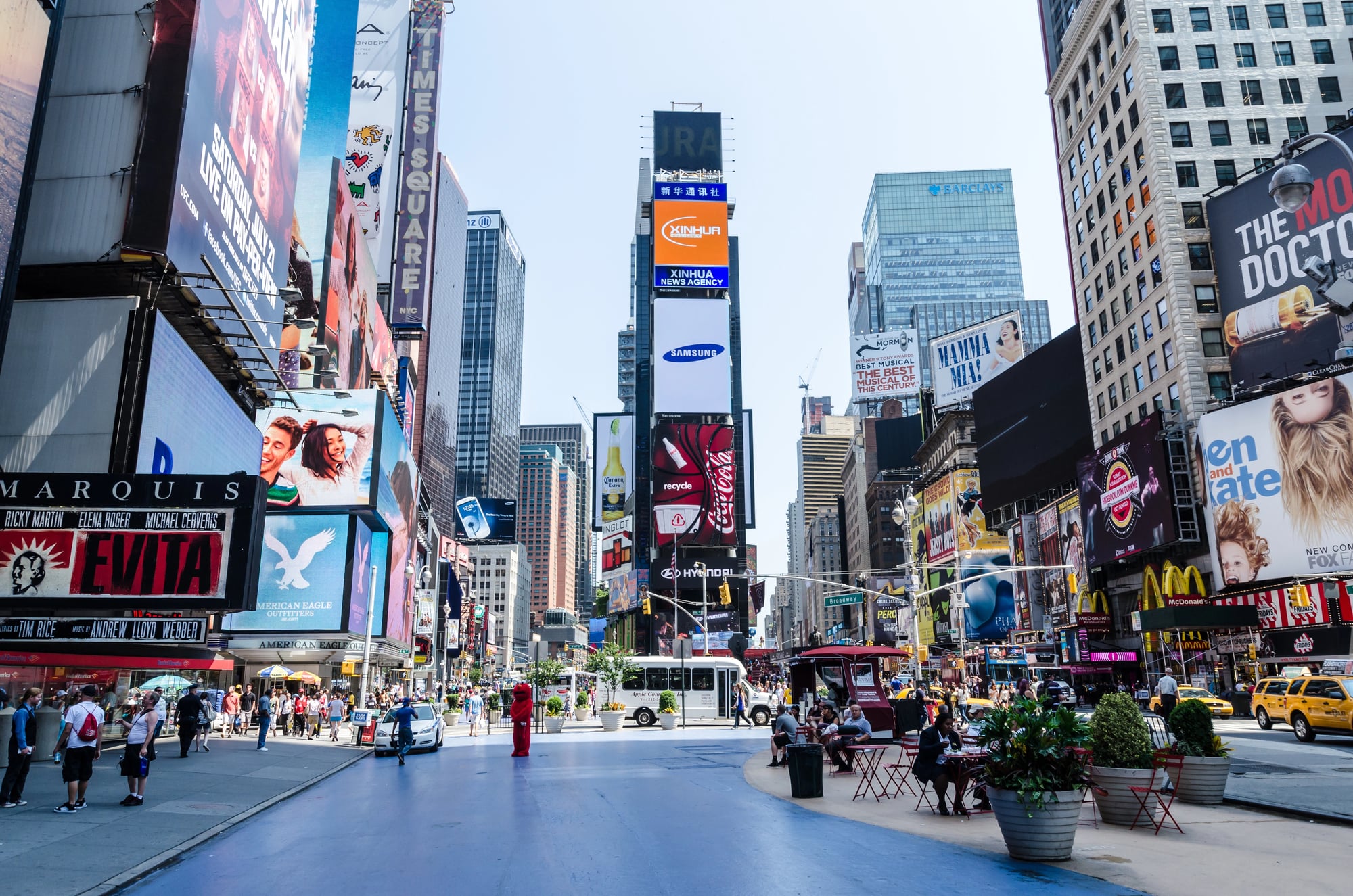
So here’s the thing about Times Square in 1950 — it actually had character (and this is coming from someone who thinks the current version resembles a theme park designed by committee, which is saying something). Back then, the neon signs were handmade works of art, each one a small masterpiece of glass and electricity.
The crowds moved with purpose rather than wandering around taking selfies with cartoon characters who smell faintly of defeat and broken dreams.
And now? Well, the LED billboards are brighter than the sun, the chain restaurants have conquered every corner, and the whole place feels like it was focus-grouped to death.
To be fair, it’s cleaner than it used to be — but sometimes a little grime gives a place soul.
Santorini
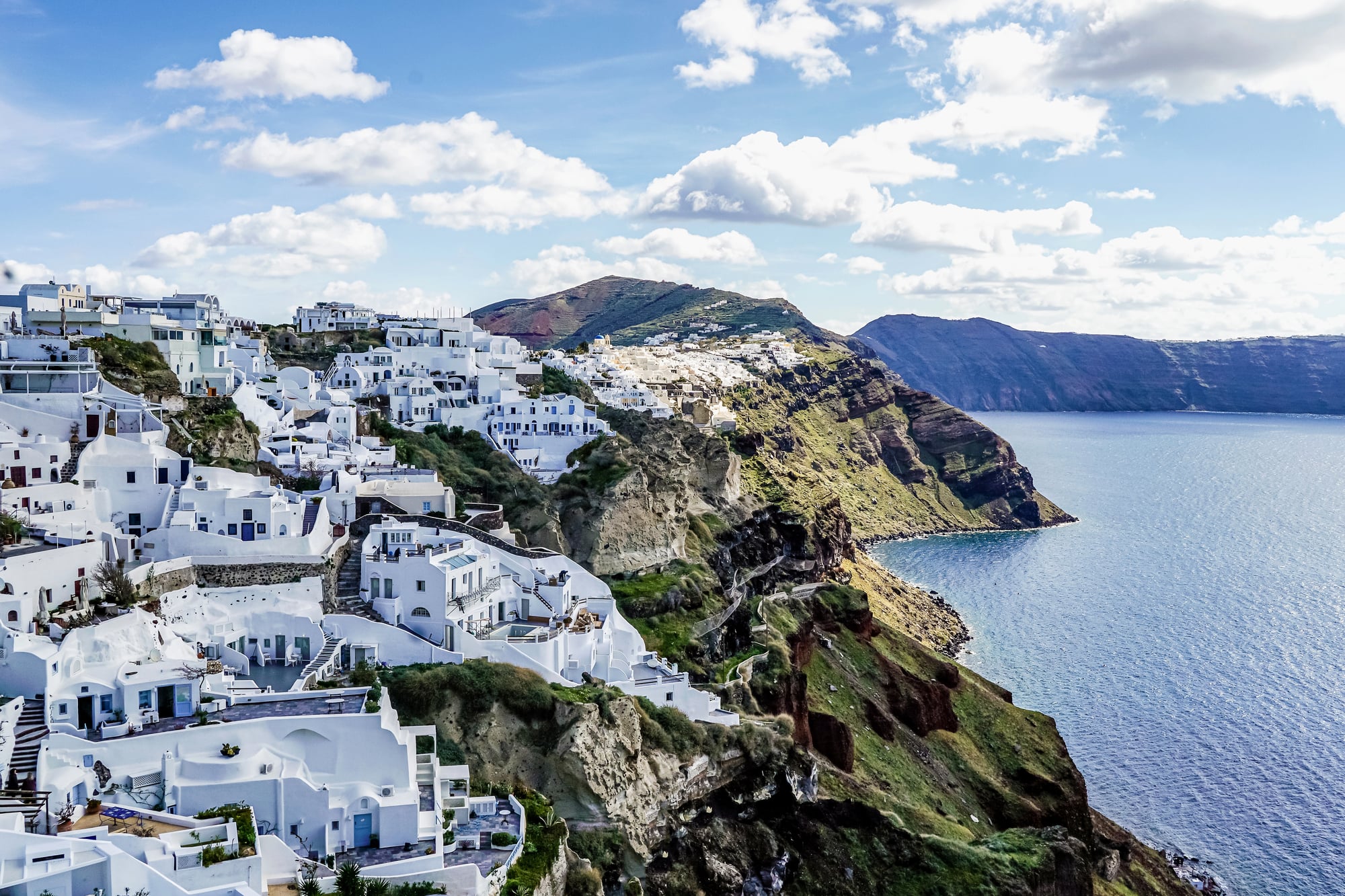
There’s something unsettling about comparing old photographs of Santorini to what exists today — like watching someone you love slowly become a stranger (though in this case, a very wealthy stranger who charges thirty euros for a mediocre lunch). The island in 1960s photographs feels almost monastically quiet: whitewashed houses that were actually homes rather than Airbnb properties, fishing boats pulled up on black sand beaches where locals mended nets instead of tourists posed for wedding photos.
The blue domes that define every Santorini postcard today weren’t even painted that particular shade of blue until tourism demanded it — the original buildings were simply whatever color paint was cheapest that year.
But Instagram needs its blues to pop against Mediterranean light, so the entire island gradually conformed to match the fantasy. The sunsets remain spectacular.
Everything else has been edited to match.
Grand Central Terminal
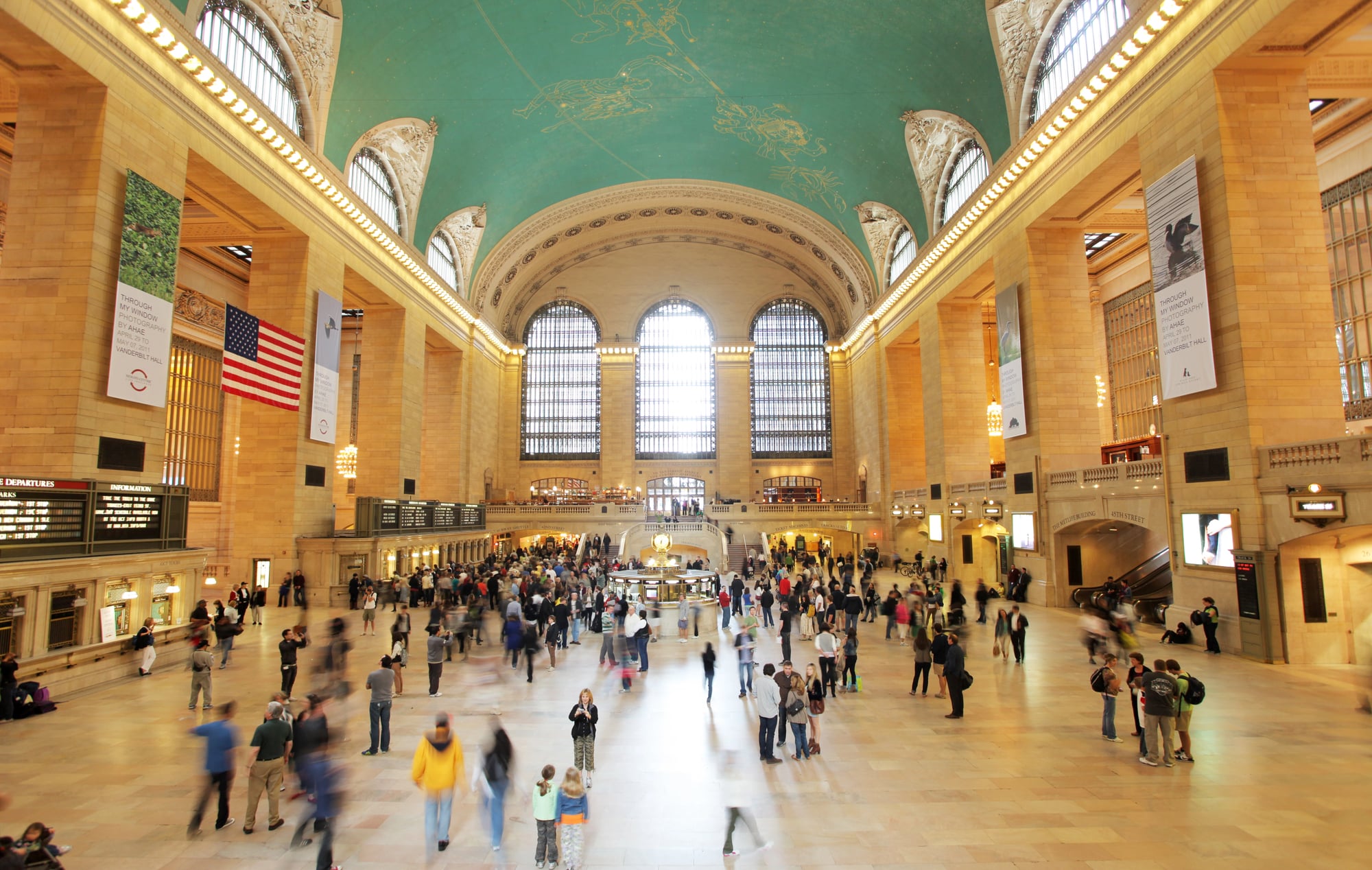
Grand Central opened in 1913 and immediately became the kind of place that corrects your posture just by existing. The terminal was built for an era when train travel felt glamorous rather than quaint, when people dressed up to go places, when the act of departure carried weight.
The building survived decades of grime and neglect before its restoration in the 1990s. Comparing before-and-after photos reveals how dramatically lighting changes a space.
The cleaned celestial ceiling now glows like it’s supposed to, but something about those grimy 1970s photos captures the romance of urban decay better than the current pristine version.
Venice
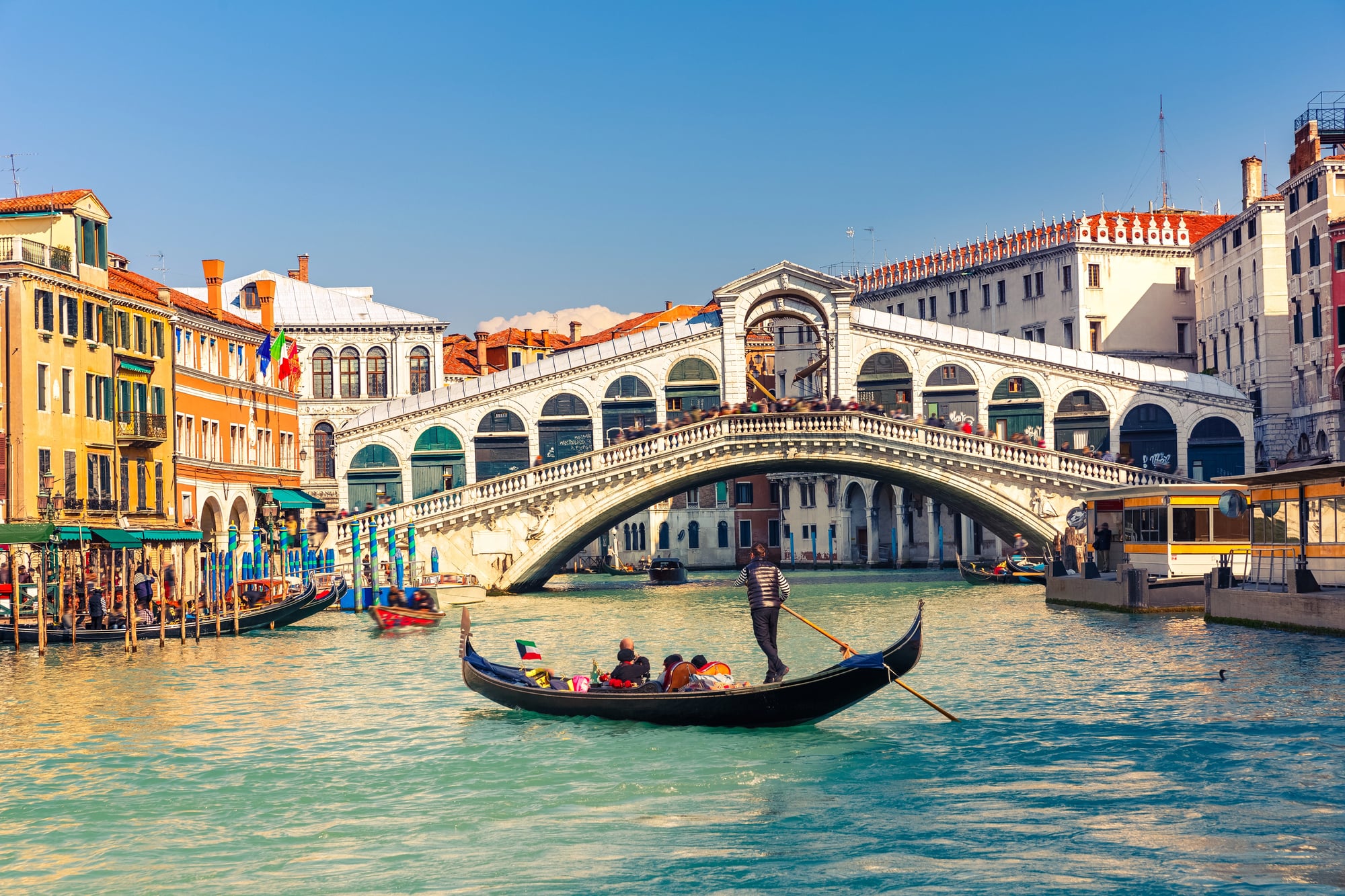
Looking at Venice photographs from the 1950s is like discovering a city that knew how to breathe. The canals carried working boats alongside the occasional tourist gondola.
Laundry hung from windows of buildings where actual Venetians lived and worked. The city felt alive rather than preserved.
Modern Venice photographs tell a different story entirely. The population has dropped from 175,000 residents in 1951 to around 50,000 today.
Most of those picturesque buildings now house hotels or souvenir shops selling plastic gondolas made in China. The morning fog still rolls in off the Adriatic, but it mostly obscures crowds of day-trippers rather than locals heading to work.
Venice has become a museum of itself, beautiful and heartbreaking in equal measure.
Yellowstone’s Old Faithful
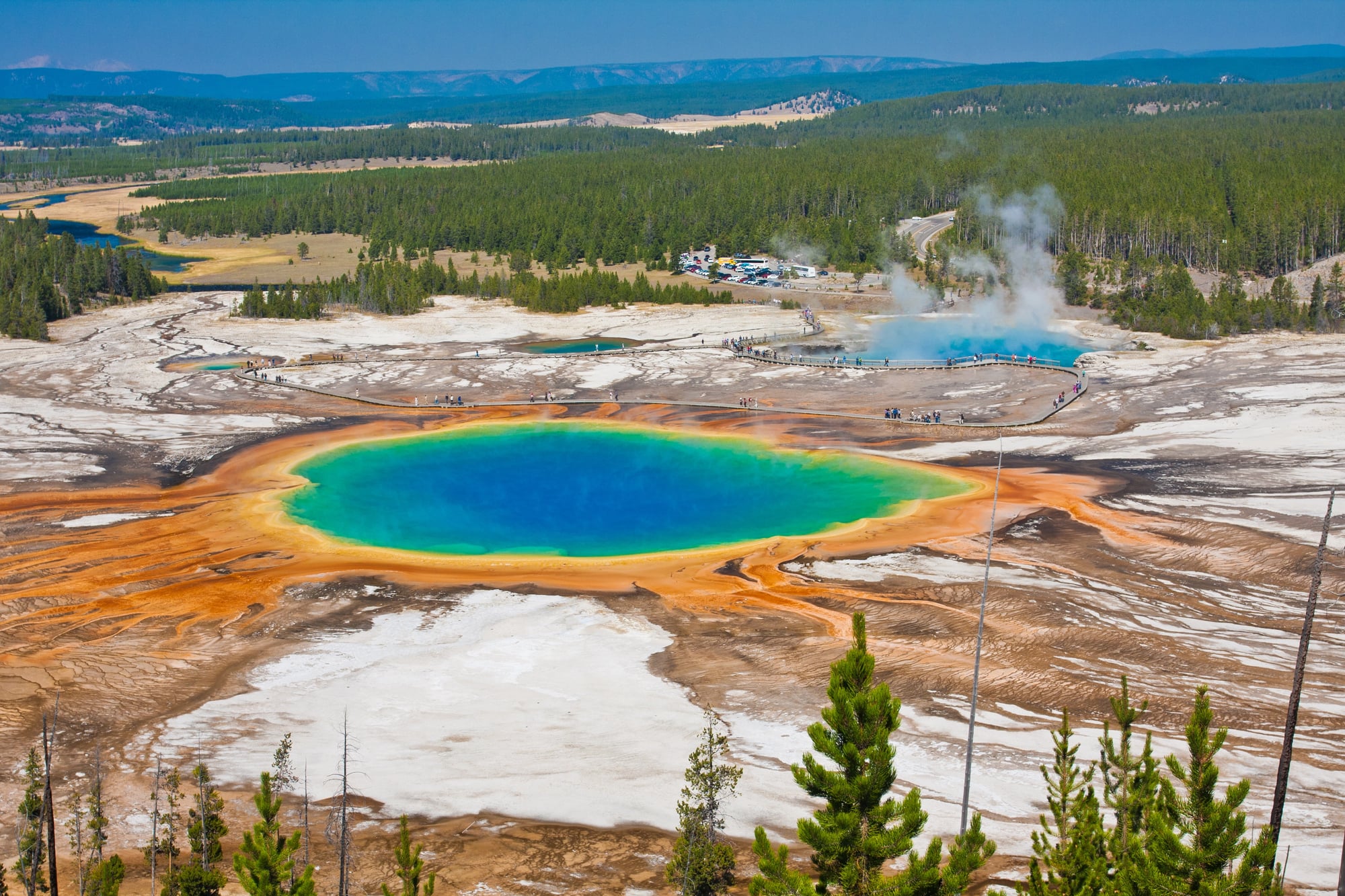
Old Faithful has been erupting roughly every 90 minutes for as long as anyone has been keeping track. The geyser itself remains remarkably consistent — nature doesn’t care about human timelines or tourist schedules.
What has changed dramatically is everything surrounding that famous spout of water. Early 1900s photographs show a handful of wooden benches and maybe a dozen visitors waiting patiently for the show.
Today’s viewing area resembles a small amphitheater, with paved paths, formal seating for hundreds, and a visitor center that processes thousands daily. The geyser performs the same ancient ritual while surrounded by decidedly modern infrastructure.
The Great Wall Of China
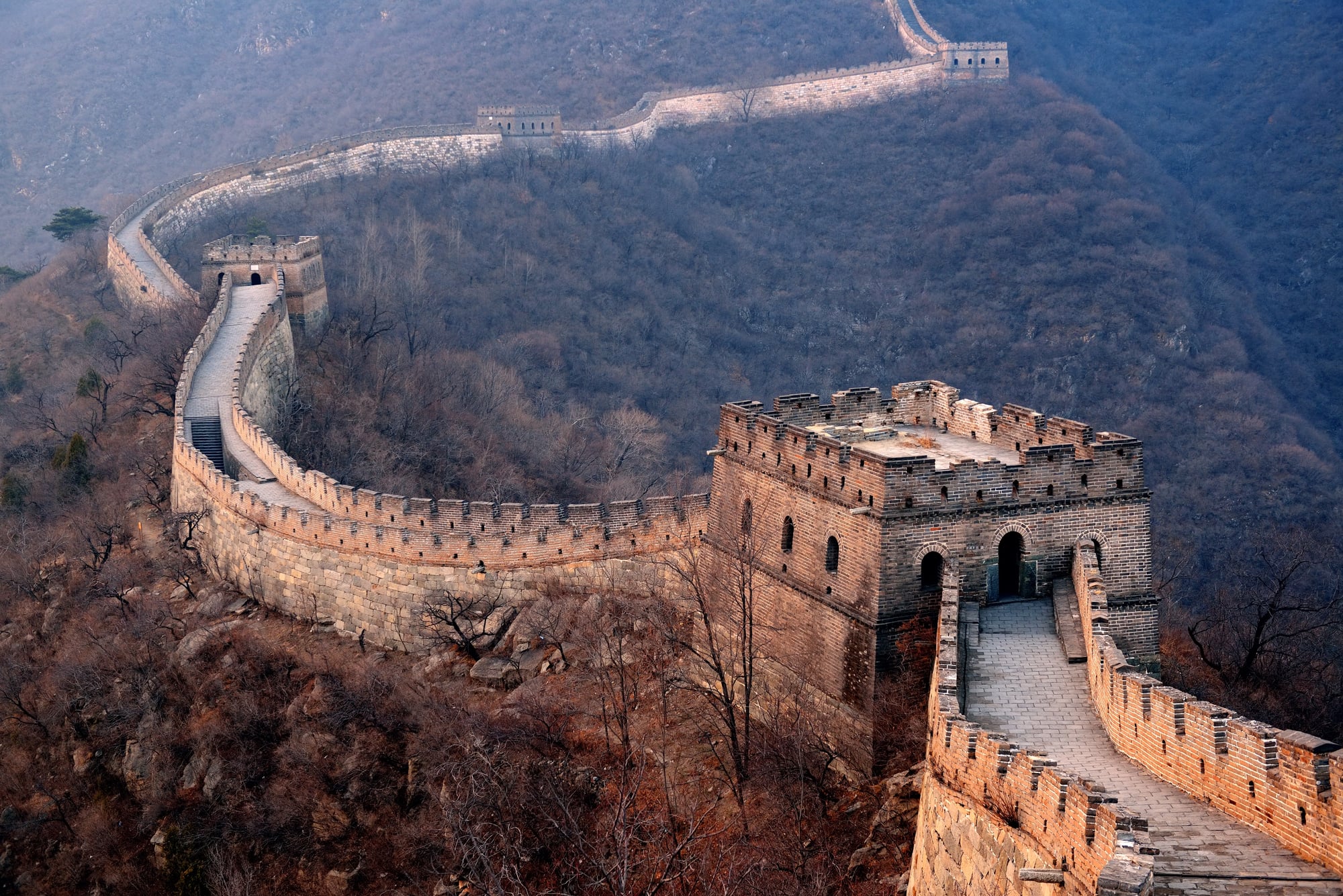
Photographs of the Great Wall from the early 20th century reveal something remarkable: vast sections existed in ruins (which, when you consider the engineering feat involved in the original construction, makes the decay feel almost like a separate work of art — centuries of weather and time sculpting what human hands built). Many portions had crumbled back into the mountainsides, creating a landscape where history and geography had merged into something entirely new.
But restoration projects have transformed the most visited sections into something closer to a theme park attraction than an archaeological site: smooth stones, uniform railings, and souvenir vendors every few hundred meters.
The Wall is now more complete than it has been in centuries — and somehow less authentic because of it. Perfect preservation sometimes murders the past it’s trying to save.
Niagara Falls
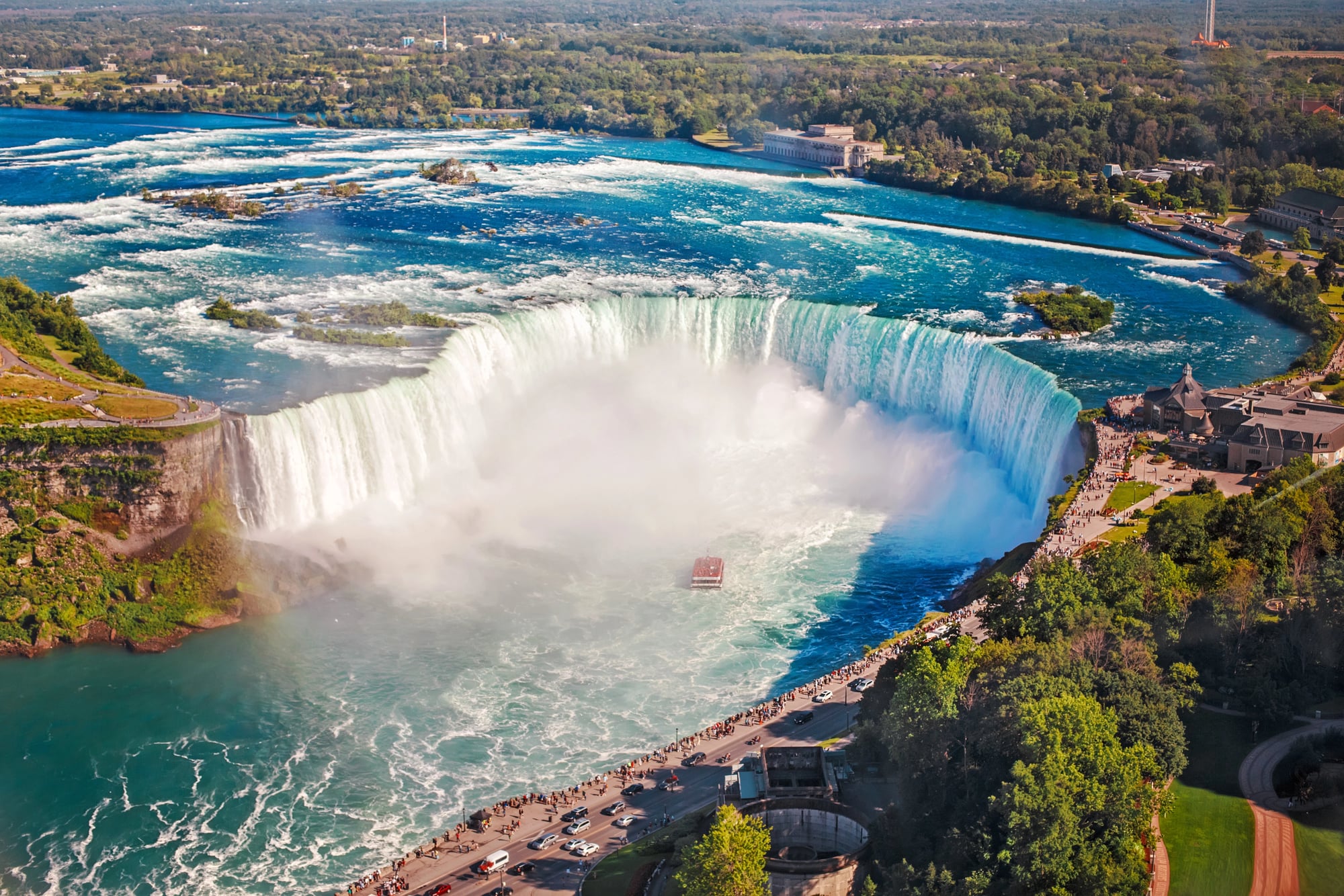
The falls themselves haven’t changed much. Water still crashes over the cliff at roughly the same rate it did a century ago, creating that thunderous sound that makes conversation impossible within a quarter mile.
Everything else has changed completely. Early photographs show the falls as a natural wonder surrounded by modest viewing areas and simple wooden platforms.
Today’s Niagara Falls experience includes boat rides, helicopter tours, casinos, and enough neon signage to compete with Las Vegas. The water still falls.
The experience has been thoroughly commercialized.
Big Sur
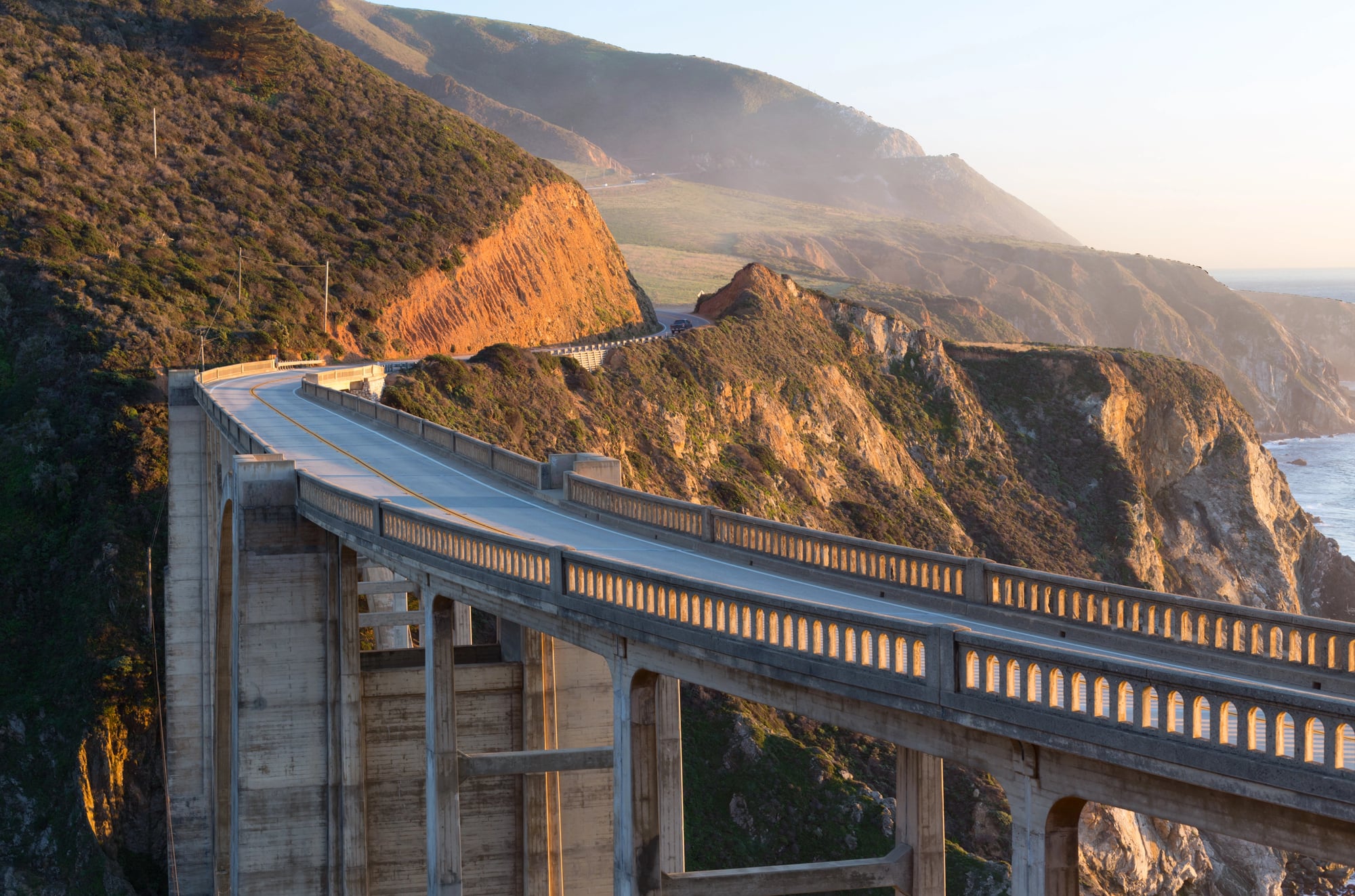
There’s a particular quality to 1960s photographs of Big Sur — a sense that the landscape existed solely for itself rather than for the cameras pointed at it (though this might just be nostalgia for an era when taking a photograph required actual intention rather than reflexive muscle memory). The coastline looks wilder somehow, less groomed, with Highway 1 cutting through terrain that still felt genuinely remote.
Today’s Big Sur accommodates thousands of daily visitors, each one stopping at the same scenic pullouts that have been carved into the cliffs and equipped with proper parking.
The Instagram generation has identified the most photogenic spots with scientific precision, creating human traffic jams at specific GPS coordinates while other equally stunning viewpoints remain empty. The landscape remains stunning.
The experience has been democratized and somehow diminished in the process.
Egyptian Pyramids
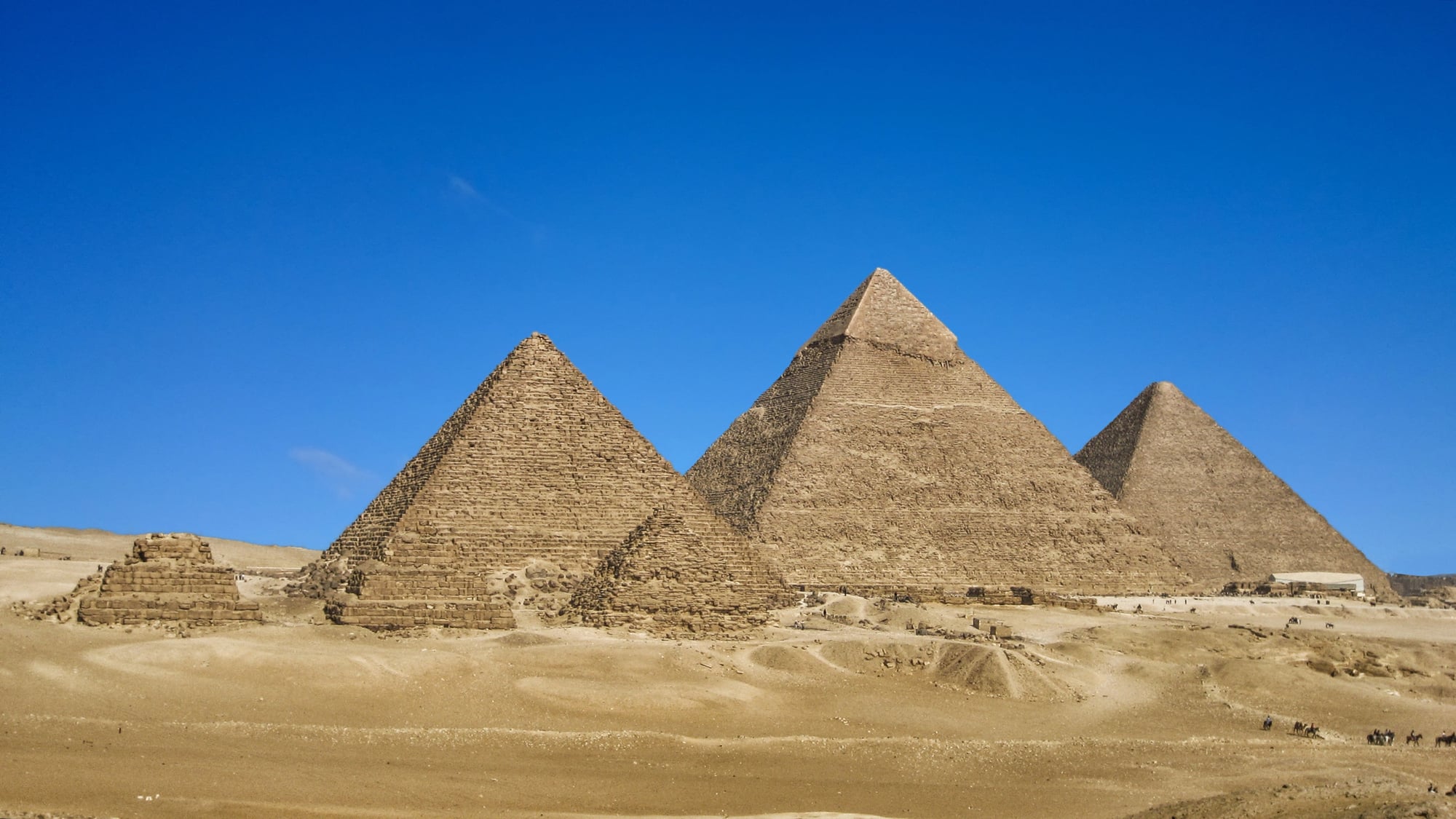
Early 20th-century photographs of the pyramids show them rising from actual desert — sand dunes that rolled right up to the base of these ancient monuments. Visitors arrived by camel or on foot, and the structures felt genuinely isolated in vast expanses of emptiness.
Modern pyramid visits happen against a backdrop of Cairo’s sprawling suburbs. The city has crept right up to the edge of the Giza plateau, and what once felt like a pilgrimage to remote antiquity now feels more like visiting a historical site that happens to be located in someone’s backyard.
The pyramids endure. Their context has been completely transformed.
Mount Rushmore
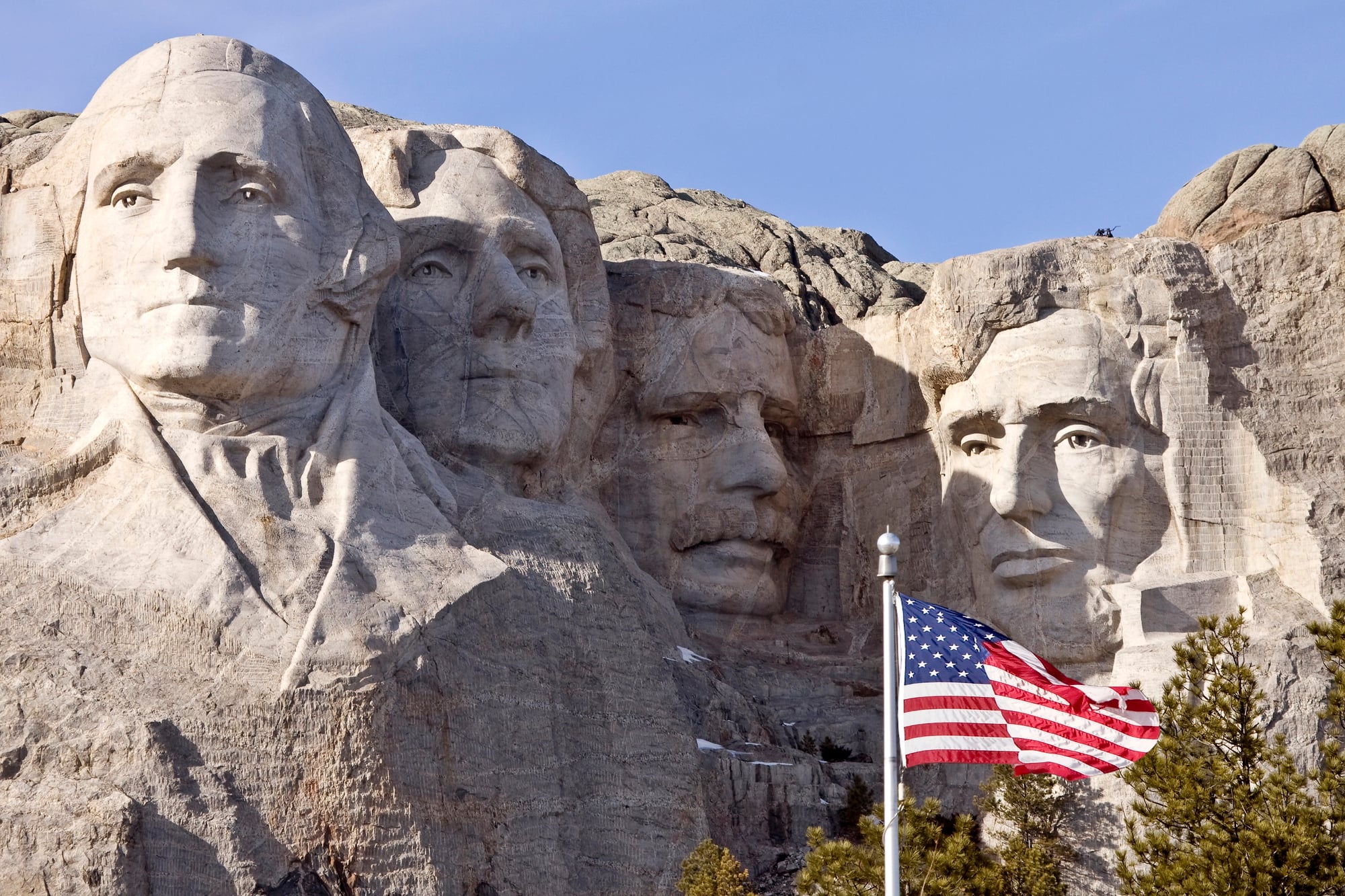
So Mount Rushmore photographs from the 1930s and 1940s show the monument during its actual creation — which turns out to be far more interesting than the finished product. Workers suspended on cables, giant presidential faces emerging gradually from raw granite, the mountain looking like a massive sculpture studio.
The completed monument photographs exactly the same today as it did in 1941, which makes sense since it’s carved in stone.
But the surrounding infrastructure tells the story of American tourism: what started as a simple viewing area has become a full visitor complex with parking for thousands, gift shops, and food courts. The faces haven’t aged a day.
The experience has been thoroughly modernized.
Stonehenge
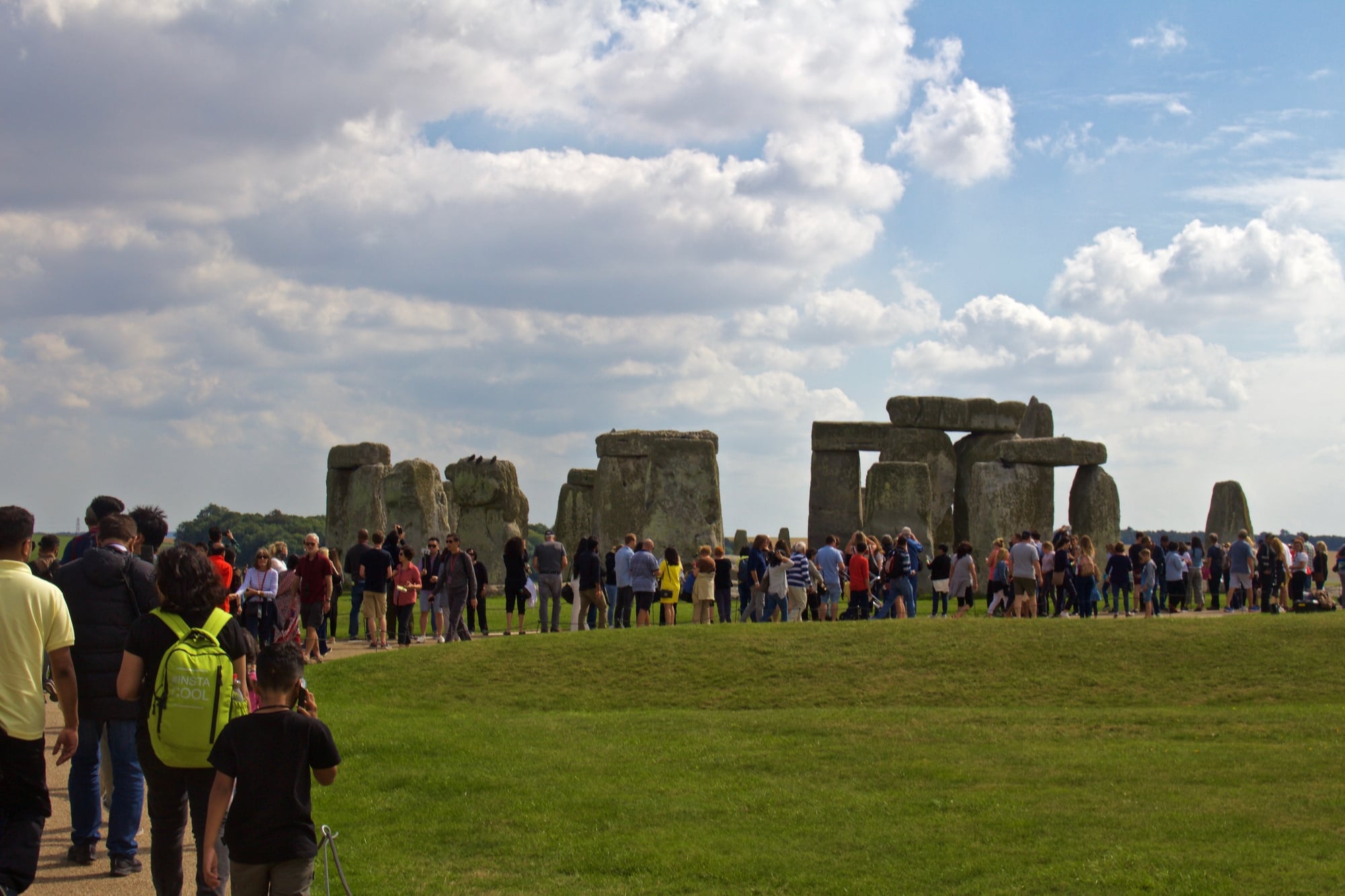
Stonehenge in early photographs feels accessible in a way that’s hard to imagine now. Visitors could walk right up to the ancient stones, touch them, even climb on them.
The monument sat in open fields with minimal infrastructure — just the stones and the sky and occasional clusters of curious tourists.
Security concerns and preservation efforts have transformed the experience completely. Modern visitors observe Stonehenge from a respectful distance behind ropes and barriers.
The stones remain exactly as they were 4,000 years ago, but the human relationship to them has fundamentally changed. Sometimes protecting something means losing the ability to truly experience it.
Easter Island
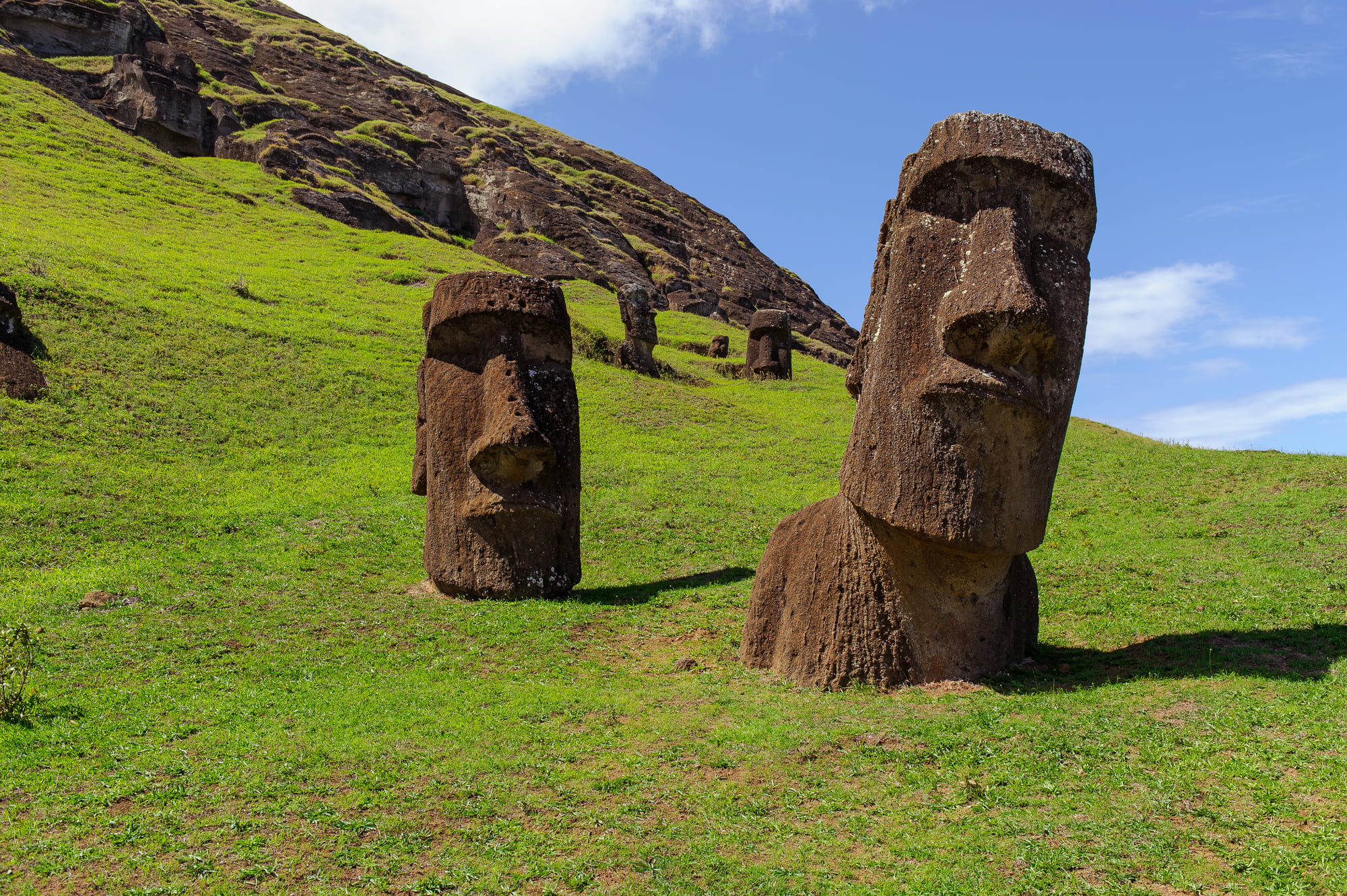
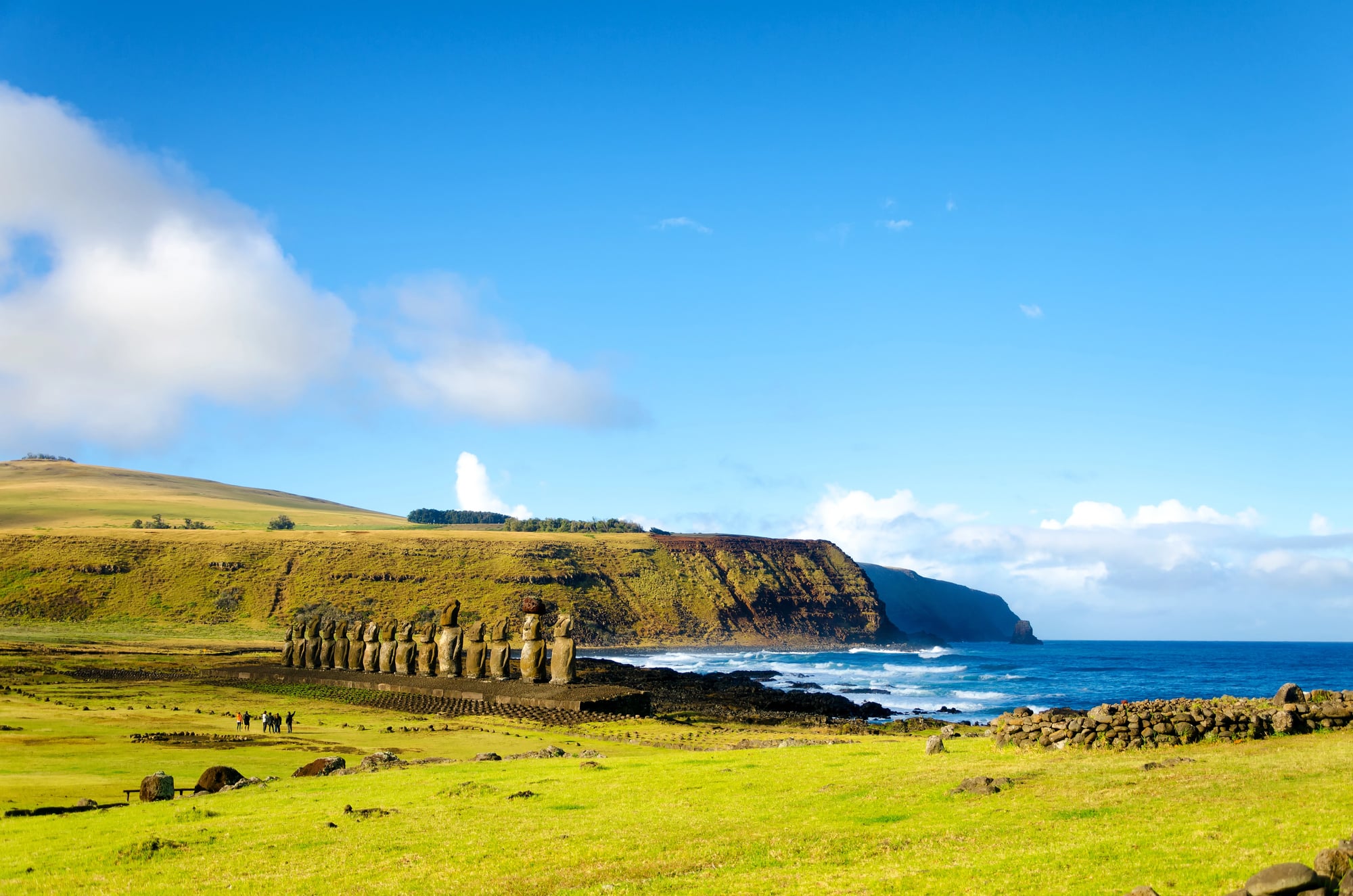
Early 20th-century photographs of Easter Island show the famous moai statues exactly as they stand today — which is remarkable considering these monuments were carved between 1250 and 1500 CE. The statues themselves are essentially immune to change.
What has changed is access and context. Historical photos show the statues in almost complete isolation, visited occasionally by researchers or the rare adventurous traveler willing to make the journey to one of the world’s most remote inhabited islands.
Today’s Easter Island receives regular flights from Chile and has developed a small but steady tourism infrastructure. The moai haven’t moved.
The world has come to them.
When Memory Meets Reality
Time doesn’t just change places — it changes how places feel. A spot that once felt remote becomes accessible.
Locations that were someone’s secret discovery become everyone’s must-see destination. The physical landscapes often remain remarkably consistent, but the human experience of those places transforms completely.
These then-and-now comparisons remind us that travel isn’t just about seeing places, but about seeing them in the context of their particular moment in time. Every photograph captures not just a location, but an era’s relationship to that location.
The places endure. The stories we tell about them keep evolving.
More from Go2Tutors!

- The Romanov Crown Jewels and Their Tragic Fate
- 13 Historical Mysteries That Science Still Can’t Solve
- Famous Hoaxes That Fooled the World for Years
- 15 Child Stars with Tragic Adult Lives
- 16 Famous Jewelry Pieces in History
Like Go2Tutors’s content? Follow us on MSN.



