24 Diner Menu Items Kitchens Retired
The classic American diner menu used to run for pages, packed with blue-plate specials and fountain drinks that took real time and labor to make. As kitchens streamlined and tastes shifted, plenty of those items quietly dropped off the laminated menu for good.
Here are 24 that used to be diner standards.
Beef Manhattan
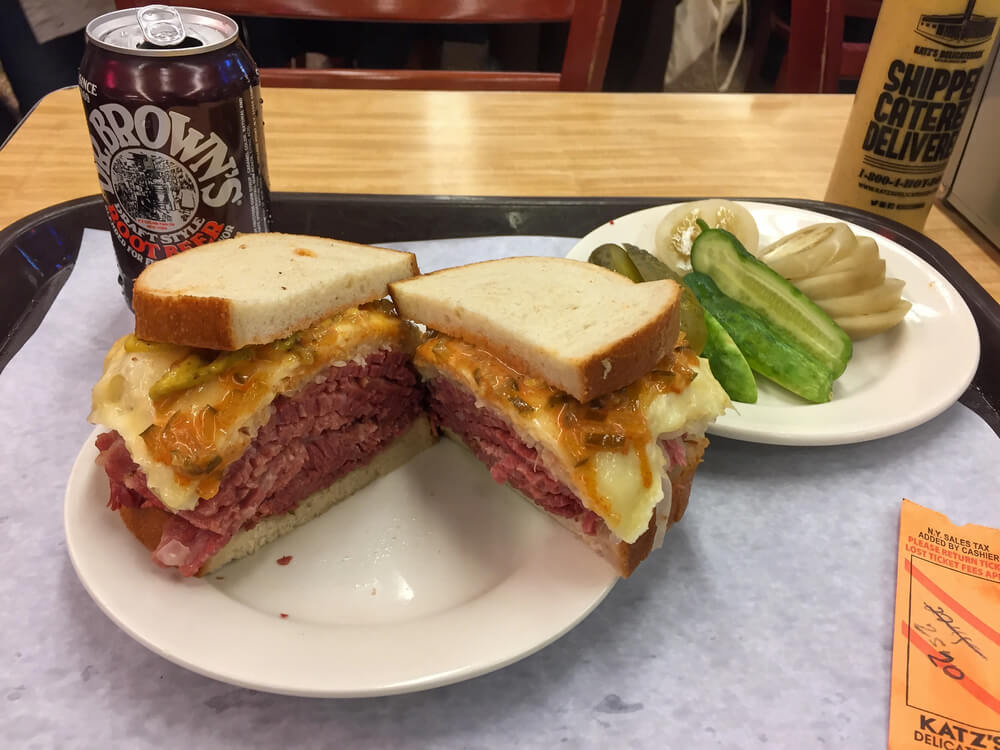
This open-faced sandwich of sliced roast beef over white bread, smothered in brown gravy and served with a side of mashed potatoes doused in the same gravy, was a Midwestern diner staple through the mid-1900s. It required a slow-roasted beef base kept warm and ready throughout the lunch rush.
It’s become rare as diners moved toward faster, less labor-intensive entrées.
Open-Faced Hot Turkey Sandwich
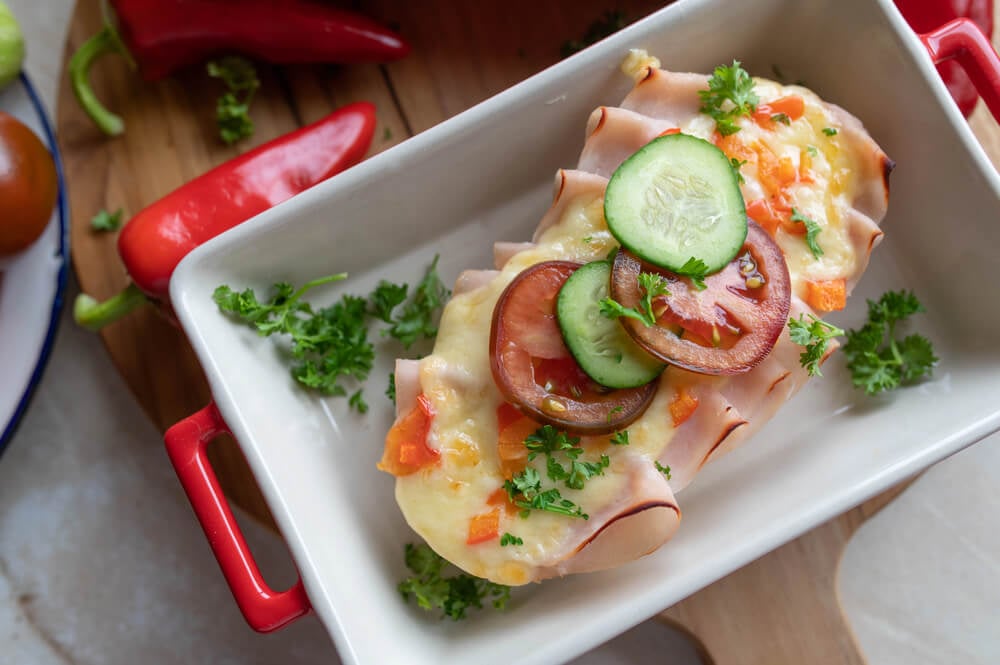
Similar in format to the Manhattan but built around sliced turkey, this dish layered bread, meat, and gravy into a knife-and-fork sandwich rather than something handheld. It was especially common on post-holiday menus using leftover turkey stock for the gravy.
It has largely given way to simpler, handheld turkey sandwich options.
Chicken Croquettes
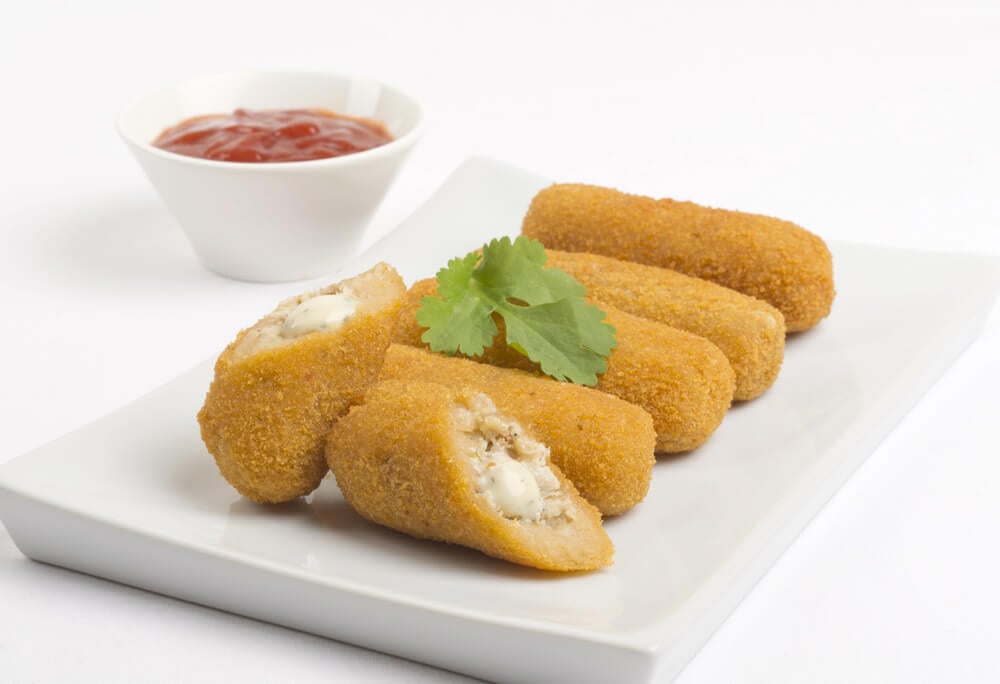
Made from finely chopped, seasoned chicken bound with a thick sauce, formed into shapes, breaded, and fried, croquettes were a common lunch special requiring real prep time before service even began. Their labor-intensive preparation made them one of the first items cut as diners simplified their kitchens.
They’re rarely found on menus today outside a handful of old-school holdouts.
Country Captain Chicken
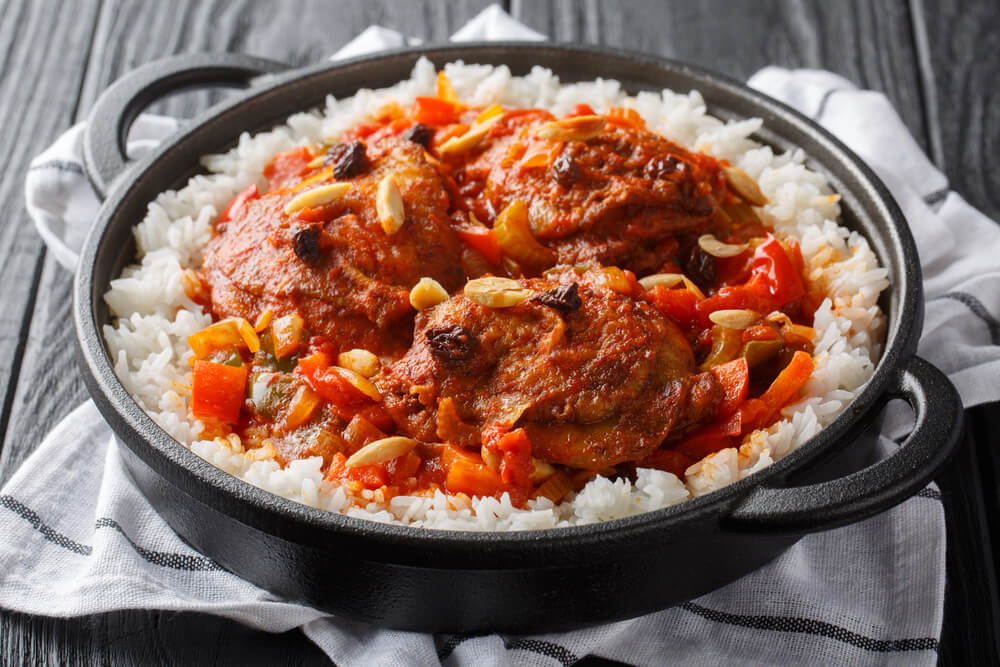
A curried chicken dish with tomatoes, raisins, and almonds, believed to have arrived in the South through trade routes and colonial-era spice trading, was a distinctive regional diner special in parts of the South through the mid-1900s. Its unusual spice profile set it apart from typical diner fare of the era.
It’s become rare enough that most diners no longer carry any version of it.
Corn Fritters
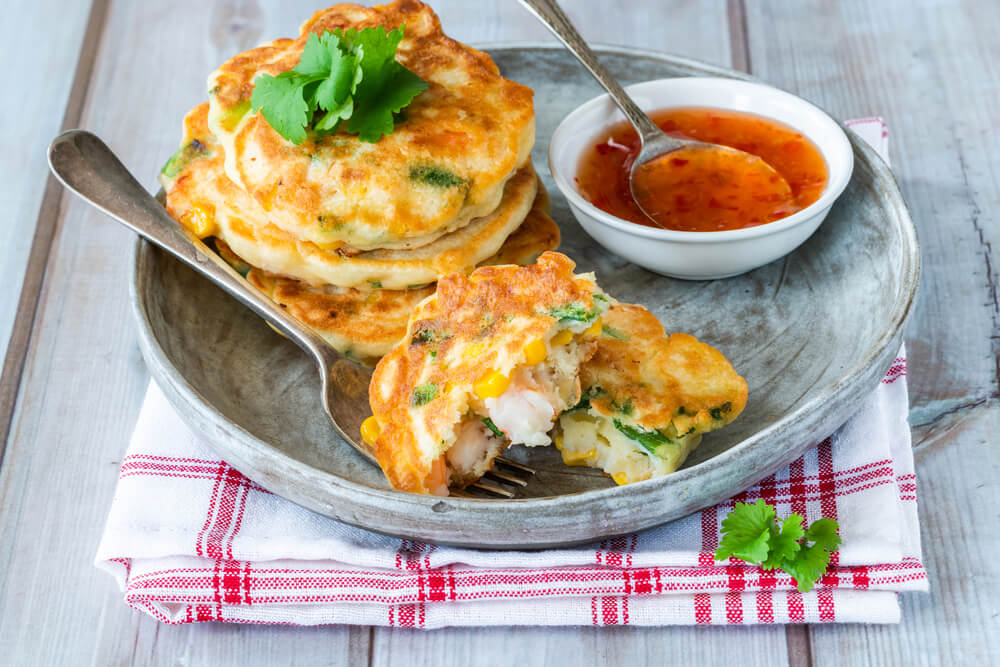
Small, fried cakes made from corn kernels folded into a simple batter, corn fritters were once a common diner side dish or breakfast item, often served with syrup or powdered sugar. Making them fresh to order required standing at a fryer during a busy service window.
Fewer diners keep them in regular rotation today.
Fried Smelts
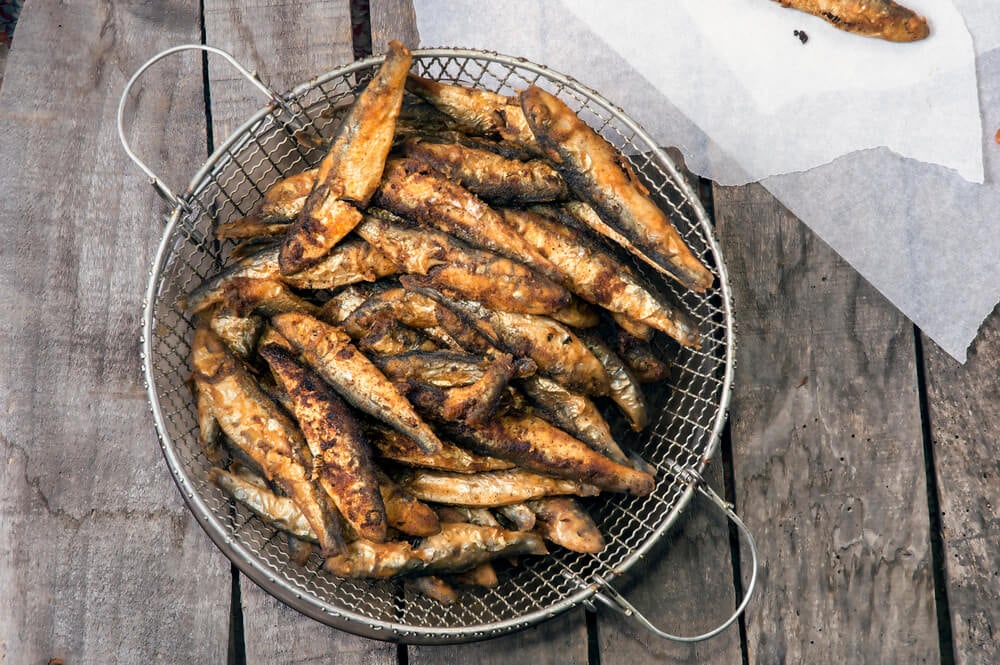
These small, whole fried fish were once a common Friday special at diners in regions with easy access to freshwater fish runs, served simply with lemon and tartar sauce. Their strong, distinct flavor and the need for extremely fresh fish made them a seasonal, regional item rather than a year-round offering.
They’ve largely disappeared outside a small number of Great Lakes-area diners that still run seasonal fish specials.
Cottage Cheese and Fruit Diet Plate
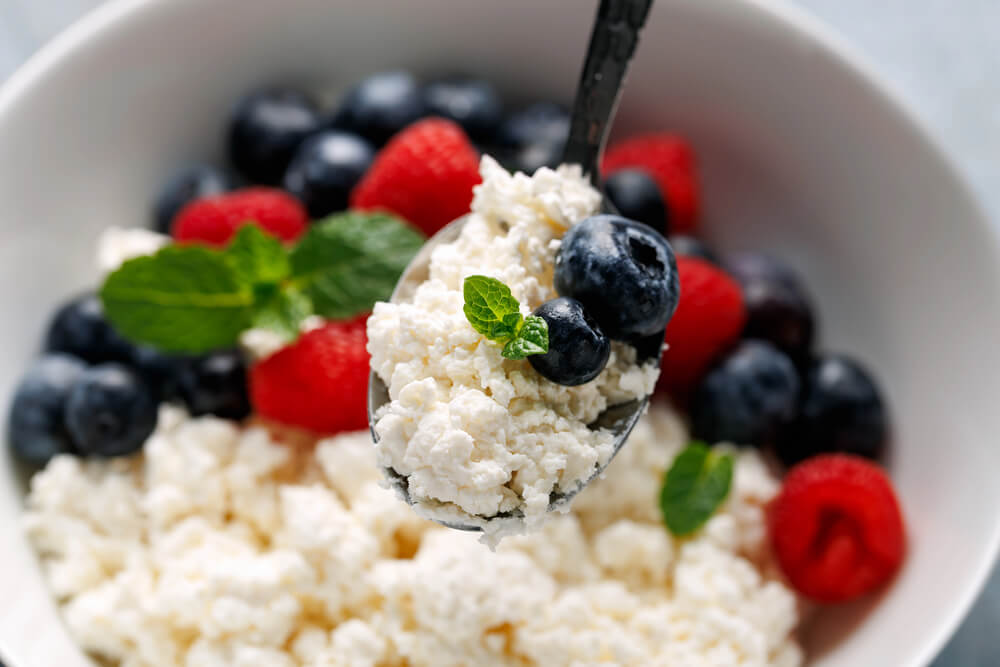
Marketed to customers looking for a lighter lunch option, this simple plate of cottage cheese alongside canned or fresh fruit was a fixture of diner menus for decades, often listed under a dedicated “diet plate” section. It required no cooking at all, which made it an easy addition to any menu.
It has mostly disappeared as diner menus shifted toward salads and other lighter options.
Grasshopper Pie
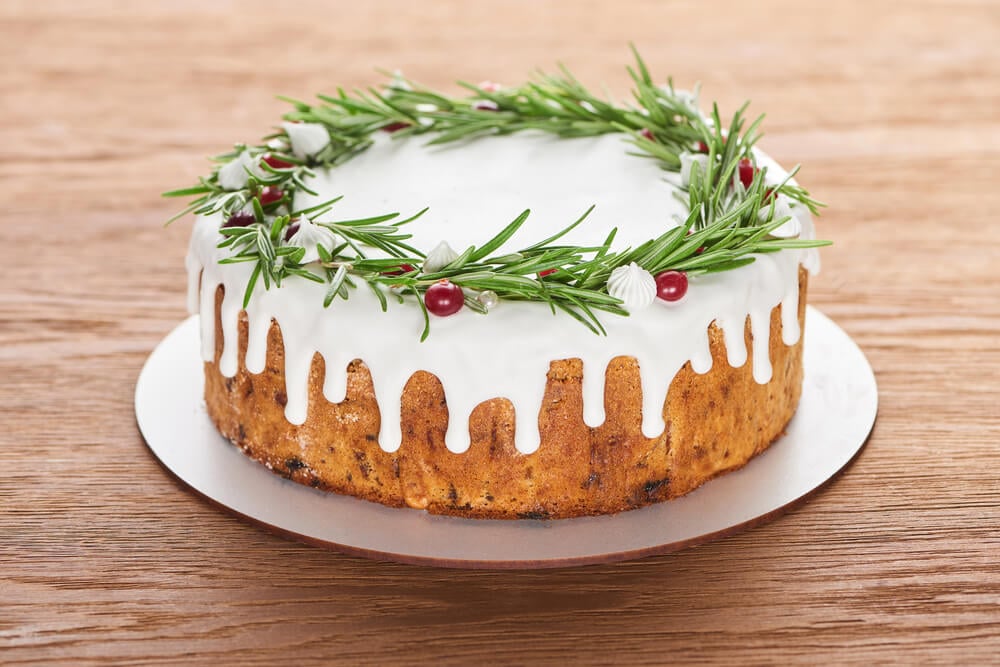
A pale green, mint-and-chocolate cream pie named after the cocktail it was based on, this dessert was a common diner and family restaurant offering through the 1960s and 1970s. Its distinctive color made it instantly recognizable in a dessert case.
It’s rarely made today outside of nostalgia-focused restaurants and bakeries.
Jell-O Parfait
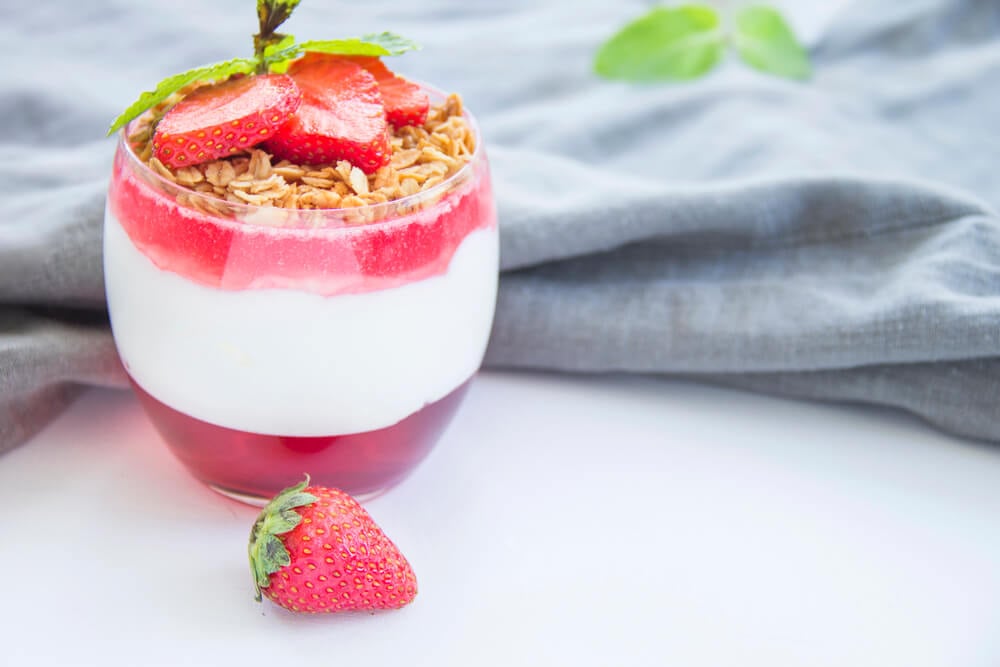
Layered in a tall fountain glass with whipped cream between layers of colored gelatin, this dessert was a common lighter option on diner dessert menus for decades. It required little more than a properly chilled gelatin base and a steady hand while layering.
It has largely disappeared as diner dessert cases shifted toward cake and pie.
Egg Cream
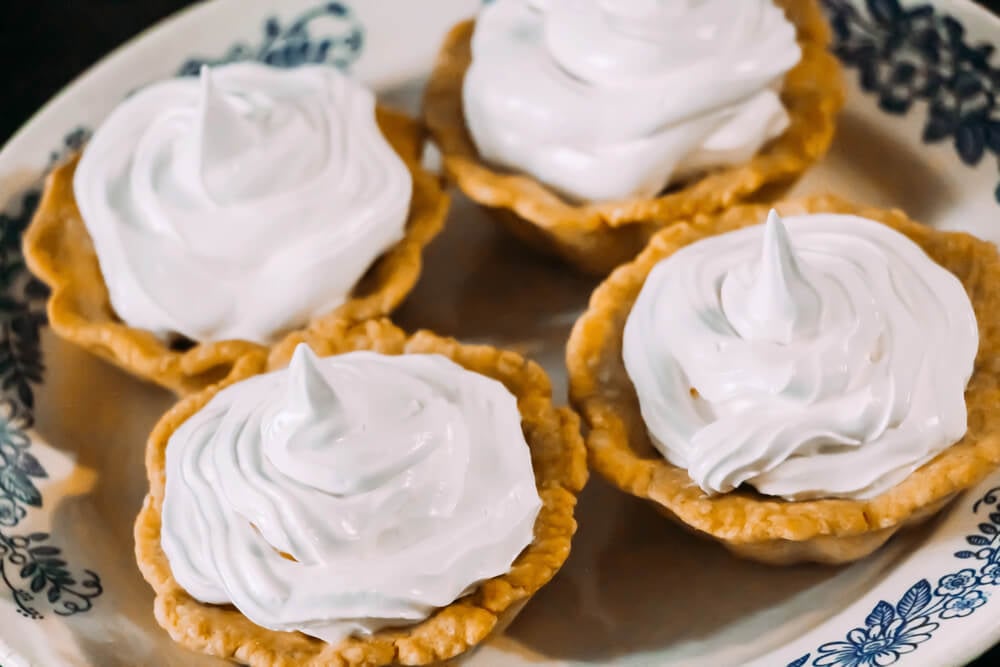
Despite the name, this fountain drink contains neither eggs nor cream, just milk, seltzer, and chocolate syrup mixed to a specific foamy consistency that took practice for a soda jerk to get right. It was especially associated with New York City diners and luncheonettes through the mid-1900s.
It survives today in only a small number of old-school establishments.
Malted Milkshake
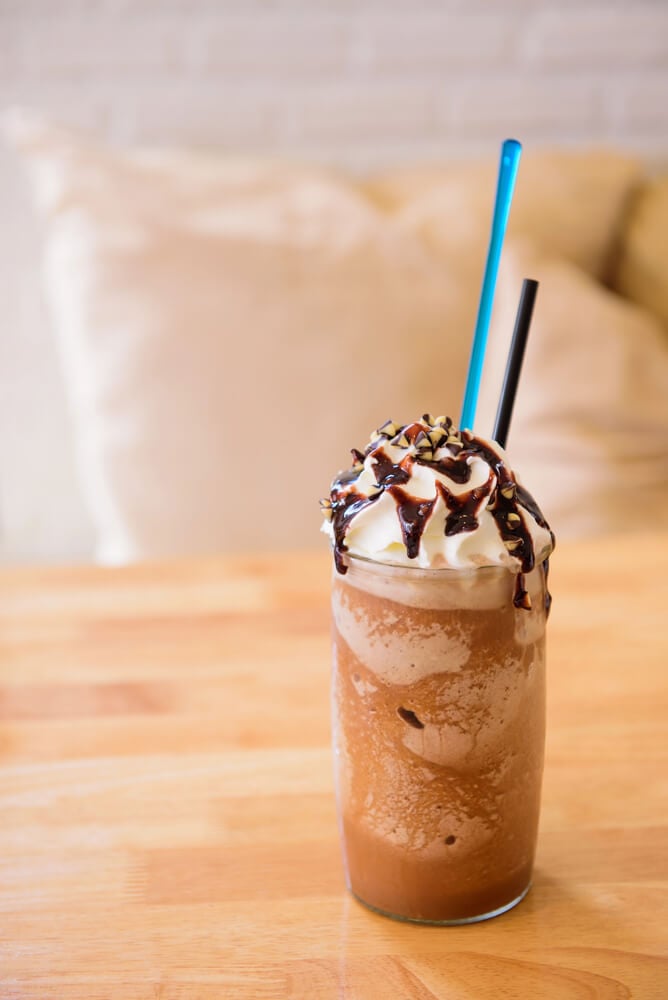
Made by blending in malted milk powder alongside the standard milk, ice cream, and flavoring, this variation on a milkshake was standard fountain fare for decades, offering a distinct nutty flavor regular shakes didn’t have. Malted milk powder eventually became a specialty item most kitchens stopped stocking.
Ordering a malt instead of a plain shake has become a much rarer request.
The Blue Plate Special
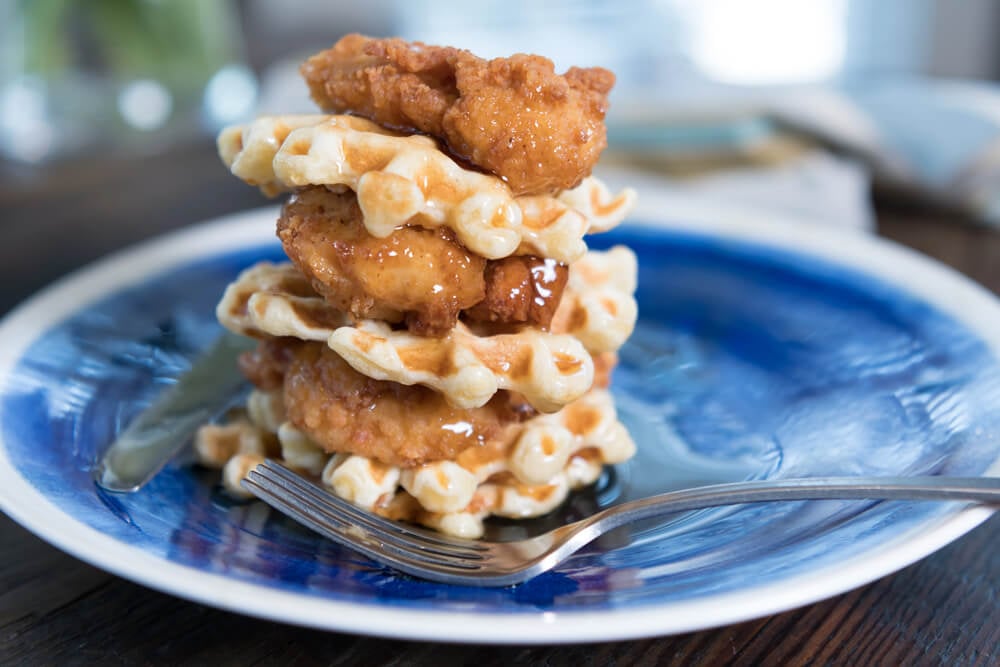
Rather than a single dish, this was a daily rotating combination plate, sold at a set low price and traditionally served on a sectioned blue plate, that let diners offer a cheap, filling meal without printing a new menu every day. The format was especially common during and after the Great Depression, when affordability mattered most.
Most diners have moved away from the format in favor of a fixed, static menu.
Deviled Crab Cakes
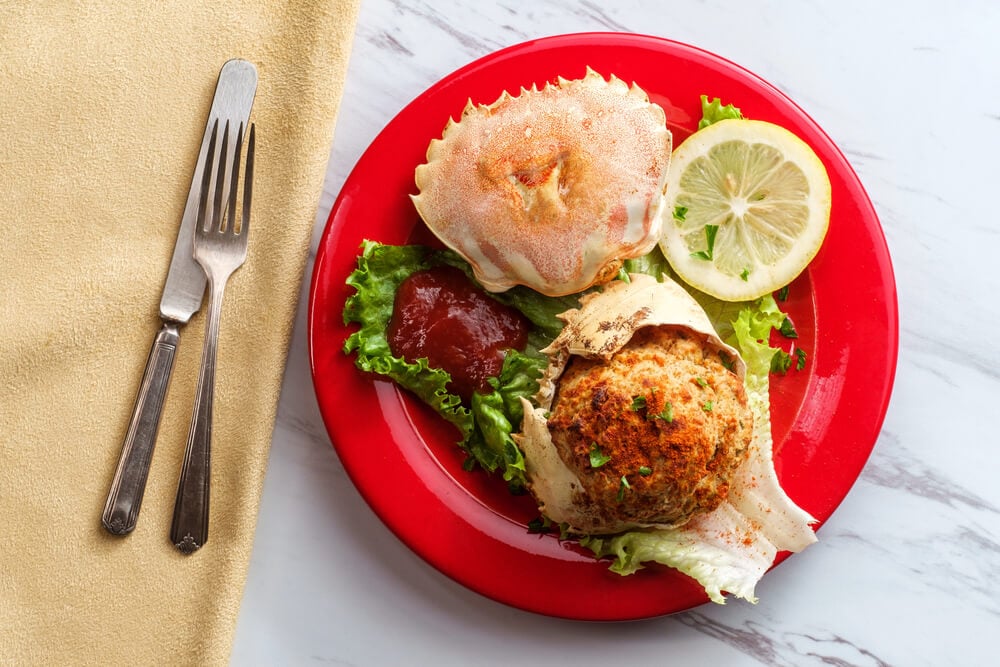
Made from crab meat mixed with mustard, spices, and breadcrumbs, then baked or fried and often served in the shell, this dish was a coastal diner specialty through the mid-1900s. It required fresh crab meat and real prep time that became harder to justify as seafood prices rose.
It’s largely disappeared outside dedicated seafood restaurants.
Fried Bologna Sandwich Plate
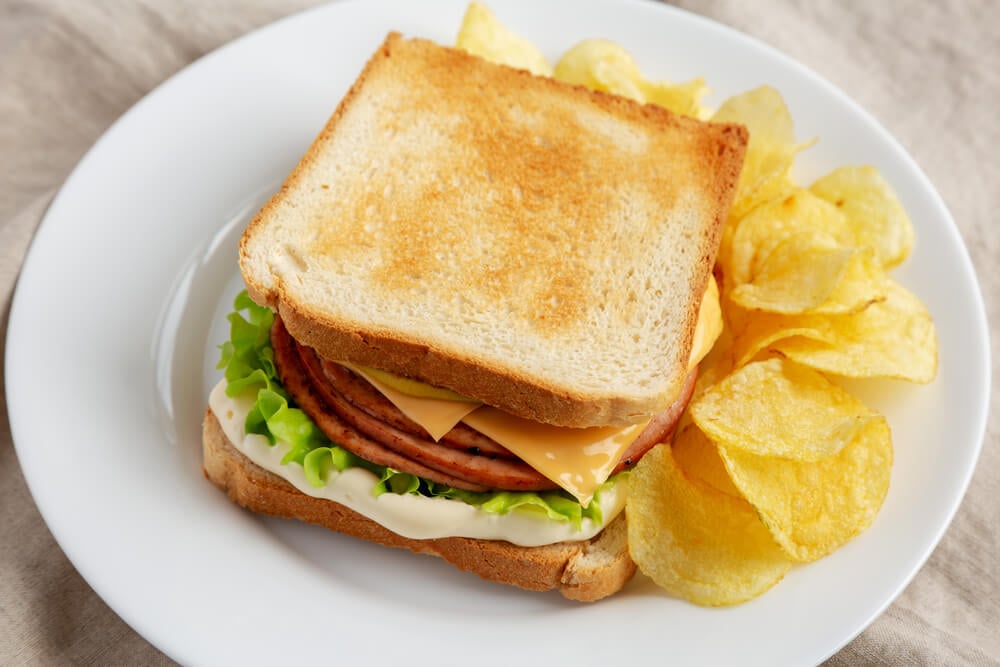
A simple plate of thick-cut bologna fried until slightly crisped at the edges, served with a side and often melted cheese, was a common budget lunch item at diners for decades. Its low cost made it a reliable, filling option during leaner economic periods.
It’s become uncommon as diner menus shifted toward higher-margin sandwich options.
Beef Stew With Biscuits
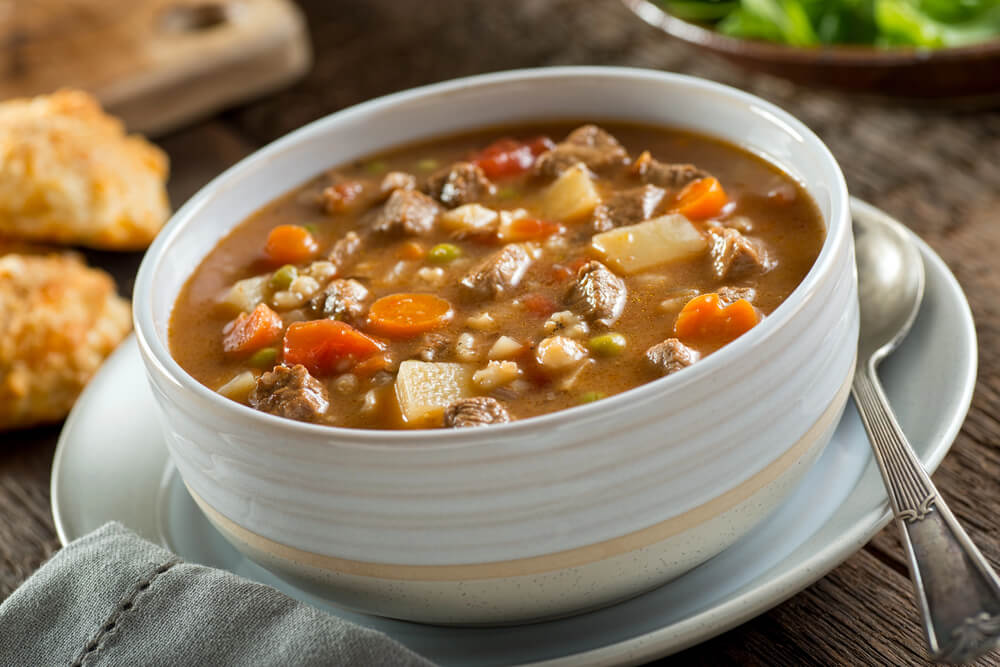
A hearty, slow-simmered beef stew served alongside fresh biscuits rather than bread, this dish was a common cold-weather diner special requiring hours of unattended simmering time. Its long cook time made it well suited to a kitchen’s slow periods but harder to justify as diners streamlined operations.
It’s become a rarer sight on modern diner menus.
Yankee Pot Roast Plate
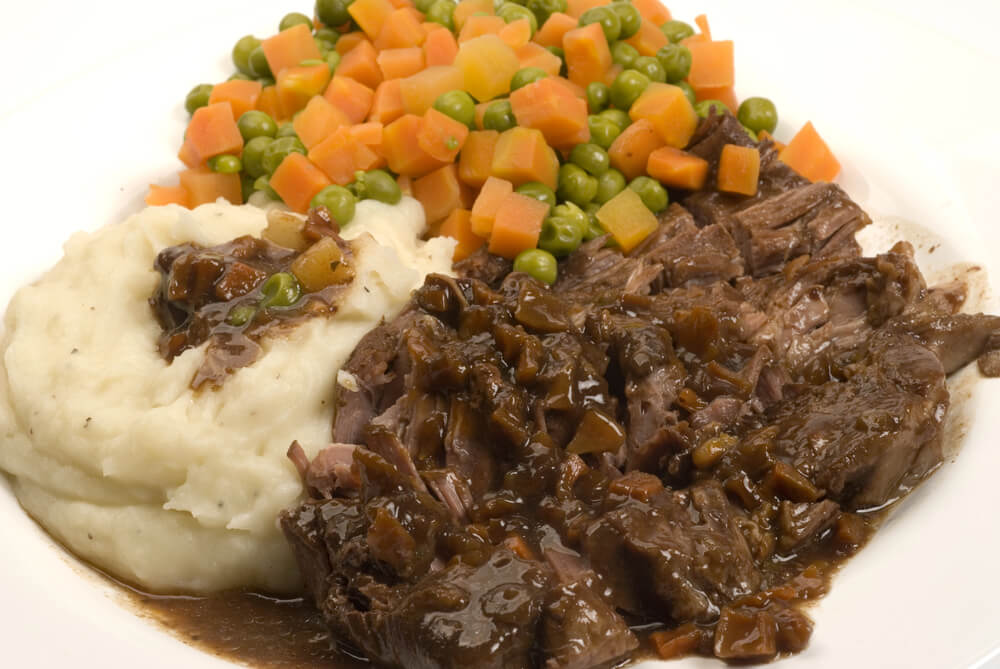
Slow-braised beef served with root vegetables and gravy, this dish was a near-universal Sunday diner special across much of the Northeast and Midwest for decades. Like other slow-braised dishes, its long cook time made it economical but labor-intensive to plan around.
Fewer diners keep a dedicated pot roast day on the schedule today.
Navy Bean Soup With Ham
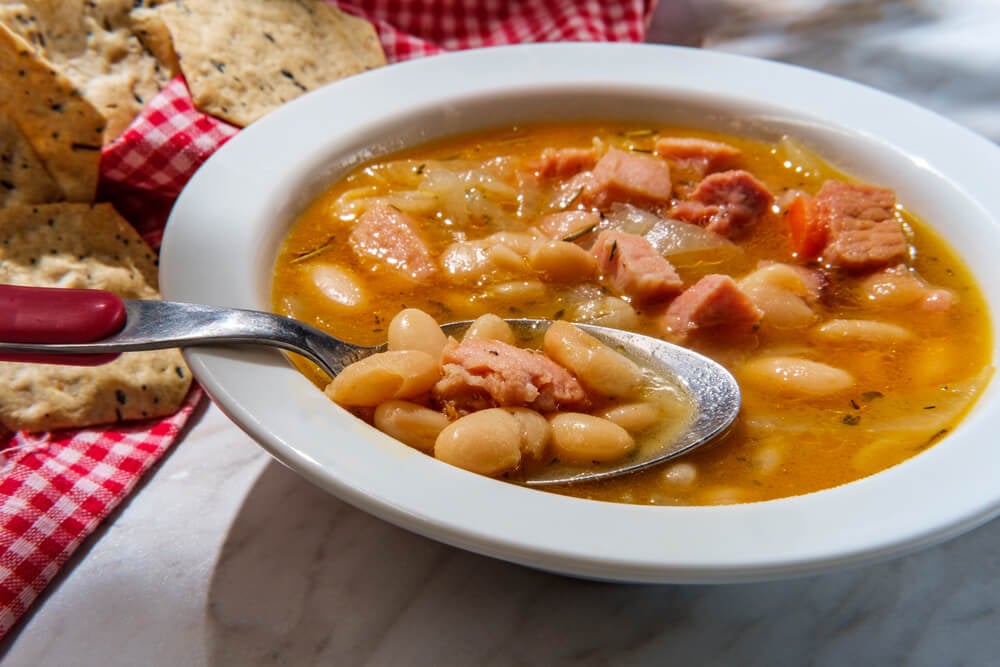
Made from dried navy beans simmered for hours with a ham bone, this soup was a standard, inexpensive diner offering for much of the 20th century, prized for using up ham scraps that would otherwise go to waste. Its long simmer time made it well suited to slow periods in the kitchen.
It’s become far less common as diner soup selections shrank to one or two rotating options.
Tapioca Pudding
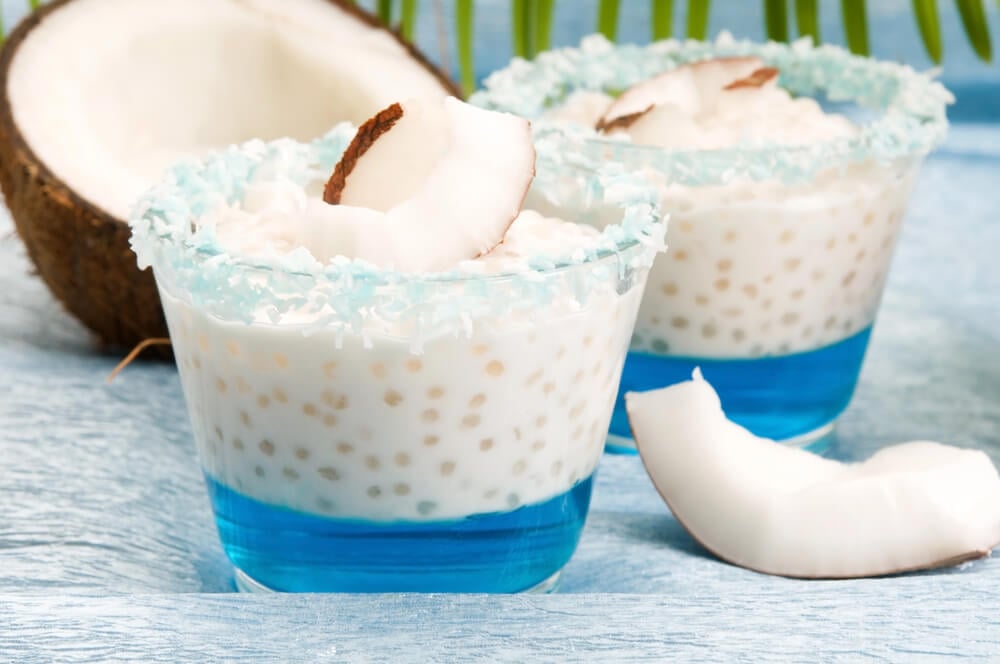
Made from small pearls of tapioca starch cooked slowly in sweetened milk, this pudding was a standard diner dessert case item for decades, valued for being simple, inexpensive, and easy to make in large batches. Its distinctive texture made it divisive among customers even at its peak popularity.
It’s become rare as diner dessert cases shifted toward cake, pie, and ice cream.
Butterscotch Sundae
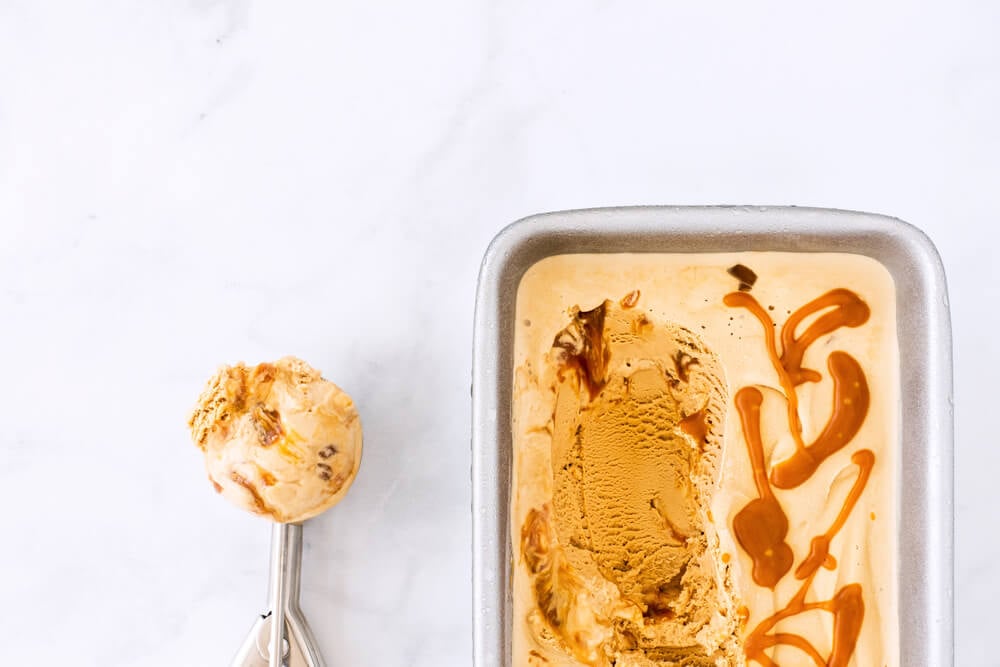
Built around house-made butterscotch sauce rather than the caramel or chocolate sauces that dominate today, this sundae was a common fountain order for decades. Making a proper butterscotch sauce from scratch required real kitchen time that became harder to justify as sundae options expanded.
Most diners that still serve sundaes have dropped the specifically butterscotch version.
Cherry Coke Made at the Fountain
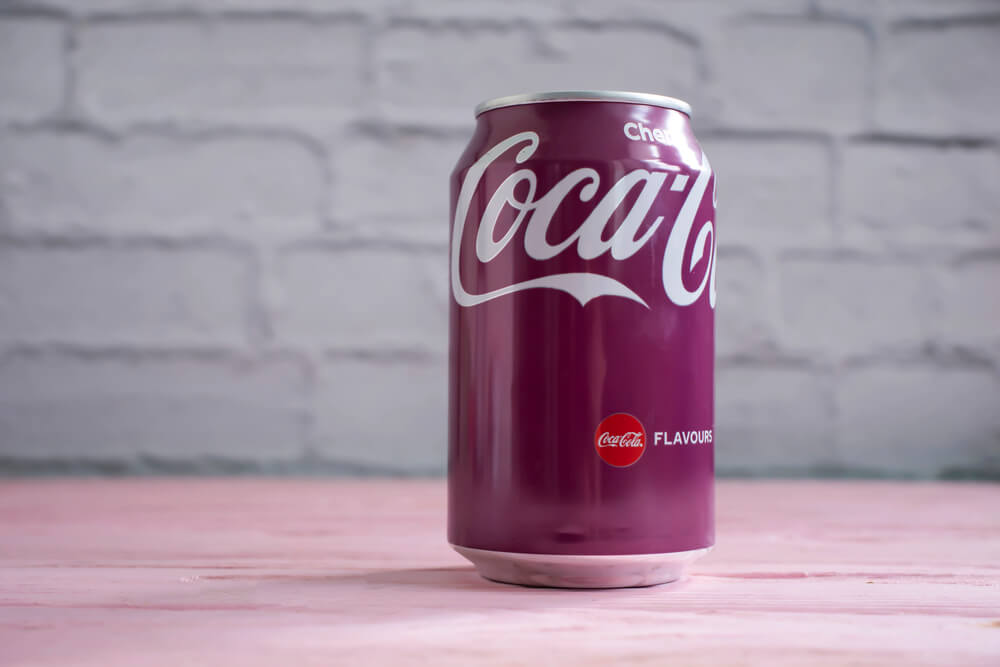
Long before bottled cherry cola existed, diners made the drink to order by adding a shot of cherry syrup to a fountain cola, a combination a soda jerk could customize on request. The practice required keeping multiple flavored syrups on hand behind the counter.
It largely disappeared once bottled and canned cherry cola made the fountain version unnecessary.
Root Beer Float With Draft Root Beer
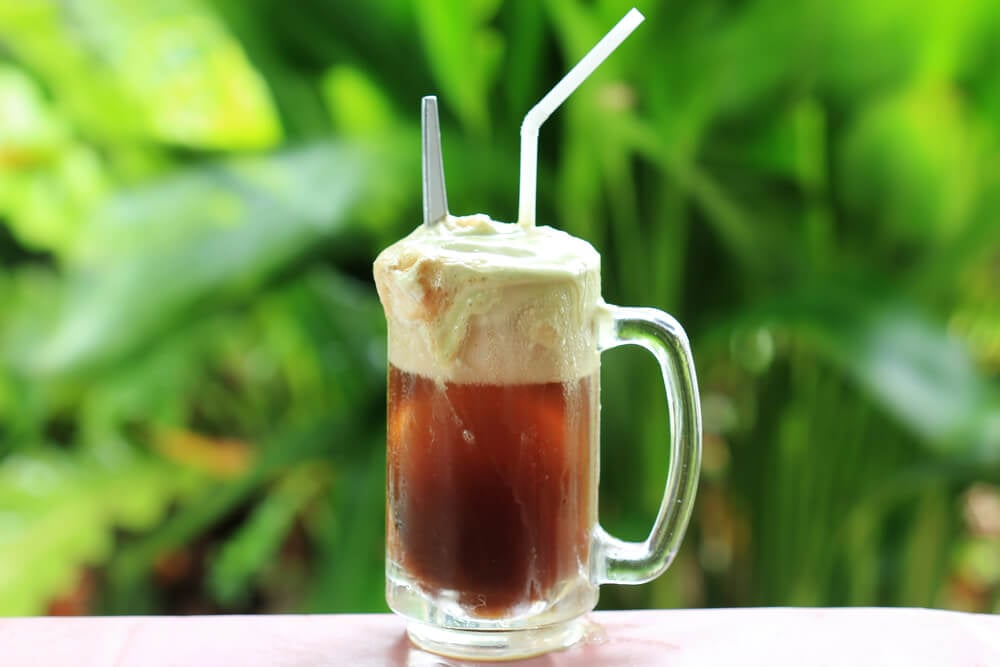
Made with root beer poured fresh from a fountain tap rather than a bottle or can, this version of the classic float had a fuller head of foam and a different texture than versions made with packaged soda. Maintaining a draft root beer line required more equipment and upkeep than simply stocking bottles.
Most diners that still serve floats now use bottled or canned root beer instead.
Chicken Liver Pâté Appetizer Plate
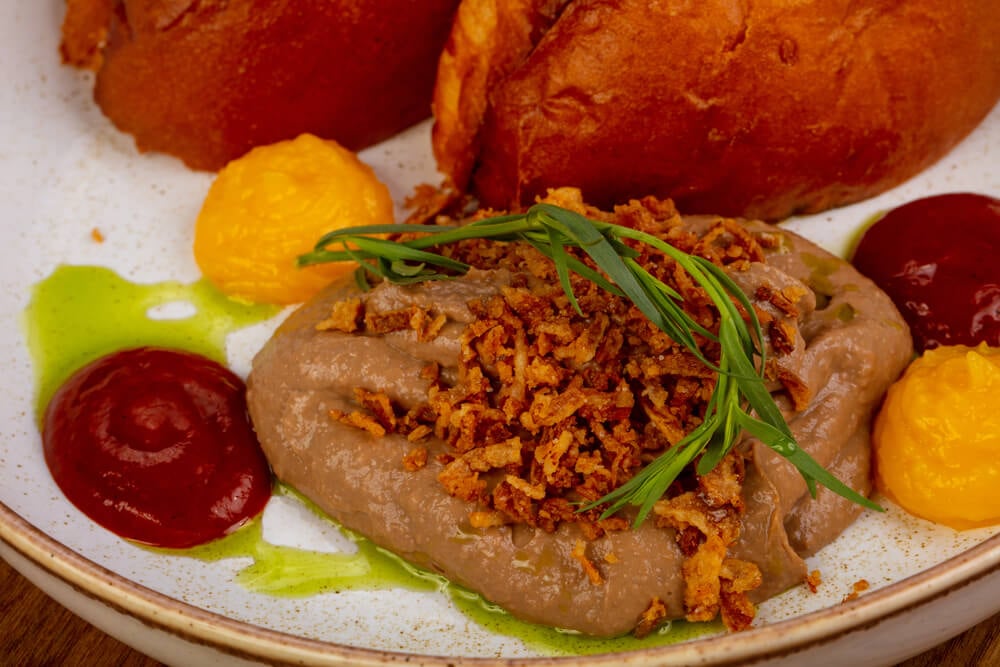
Served as a starter with crackers or toast points, this smooth, seasoned chicken liver spread was a common diner and coffee shop appetizer through the mid-1900s, offering a touch of formality on an otherwise casual menu. Its organ-meat base fell out of favor as customer tastes shifted.
It’s rarely offered on diner menus today outside specialty restaurants.
Baked Stuffed Pork Chop Plate
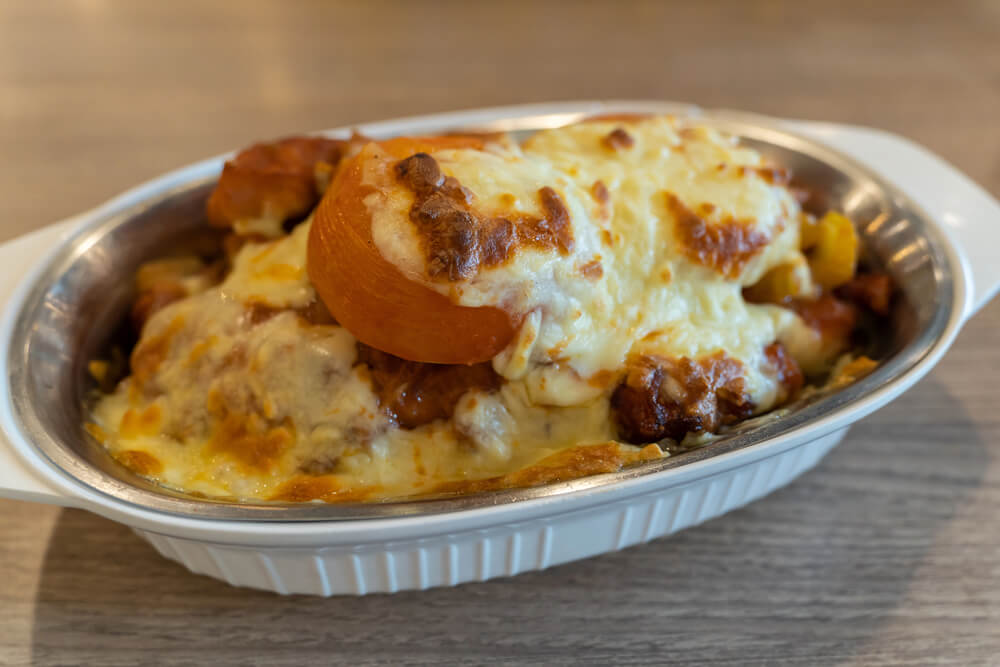
A thick-cut pork chop stuffed with a bread or cornbread filling and baked until tender, this dish was a common Sunday diner special requiring more prep time than a simple grilled chop. Its labor-intensive preparation made it one of the first specialty entrées cut as kitchens simplified.
It’s become rare outside diners that still emphasize scratch cooking.
Swiss Steak Plate
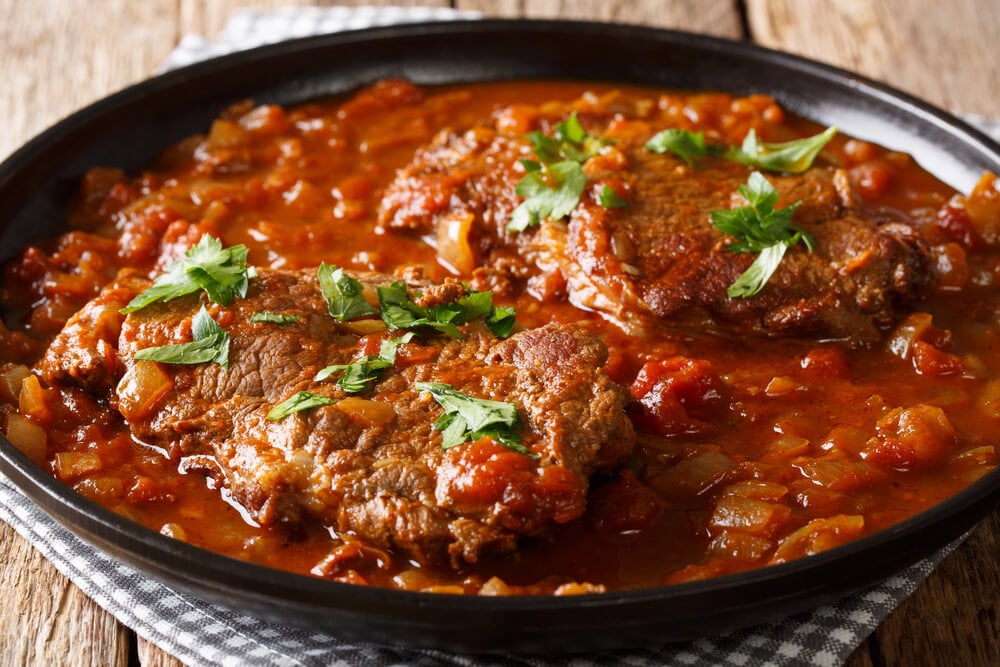
Made by pounding a tough cut of beef, dredging it in flour, and braising it slowly in a tomato-based sauce until tender, Swiss steak was a common budget-friendly diner entrée for decades. The technique made an inexpensive cut taste far more expensive than it was.
It’s become uncommon as diners shifted toward faster-cooking cuts of meat.
What the Laminated Menu Left Behind
Every item on this list disappeared for a version of the same reason: it took more time, more skill, or more specialized equipment than a modern diner kitchen wants to spend on a single dish. None of that means the food was inferior.
If anything, the opposite is often true — these were the dishes that required a cook who actually knew what they were doing. What replaced them tends to be faster and more consistent, built for a kitchen trying to turn tables quickly rather than showcase technique.
That’s a reasonable trade for a business to make. It’s just worth remembering, next time a menu looks a little thinner than it used to, that something real got cut to make it that way.
More from Go2Tutors!

- The Romanov Crown Jewels and Their Tragic Fate
- 13 Historical Mysteries That Science Still Can’t Solve
- Famous Hoaxes That Fooled the World for Years
- 15 Child Stars with Tragic Adult Lives
- 16 Famous Jewelry Pieces in History
Like Go2Tutors’s content? Follow us on MSN.