25 Malls in the ’80s and ’90s That Were the Center of Social Life
There was a time when the mall wasn’t just a place to buy things — it was the place to be. Before smartphones handed everyone a portal to the rest of the world, the mall was the world, or at least the best version of it within a reasonable drive.
You went there for the Auntie Anne’s pretzels, yes, but also because your friends would be there, and their friends would be there, and somehow four hours would disappear without anyone noticing. The neon, the food court noise, the echo of sneakers on polished tile — it all added up to something that felt, at the time, completely ordinary. Looking back, it was anything but.
Mall of America — Bloomington, Minnesota
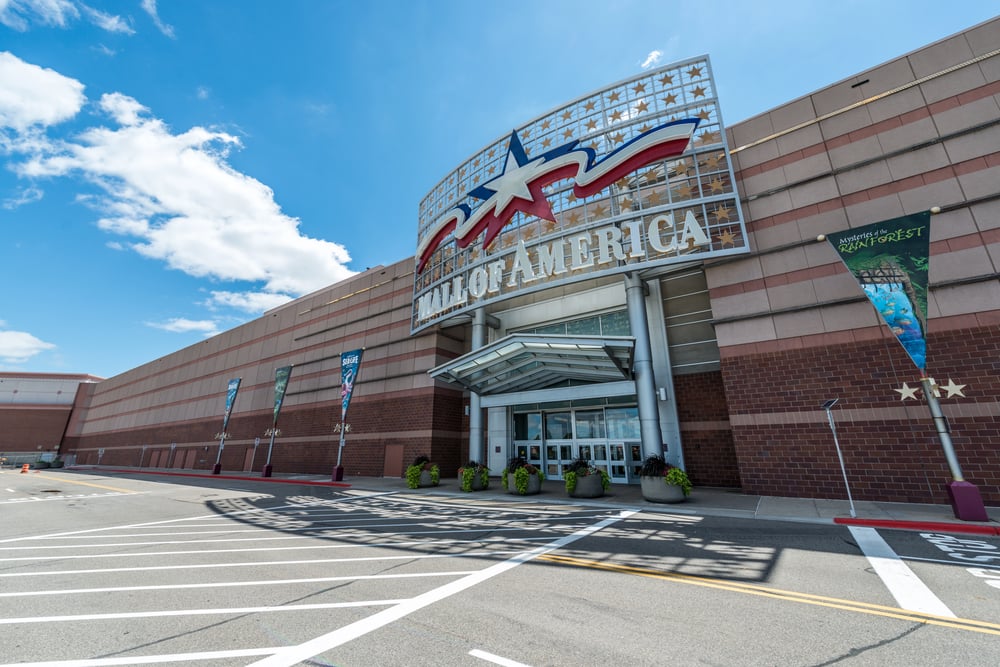
Mall of America opened in 1992 and immediately made every other mall feel apologetic. Seven acres of retail, a full amusement park in the center, and a square footage so absurd that it took genuine effort to get lost in it — which people did, constantly, and usually on purpose.
It wasn’t just shopping; it was a destination, the kind of place families drove hours to reach and teenagers treated like a second home.
South Coast Plaza — Costa Mesa, California
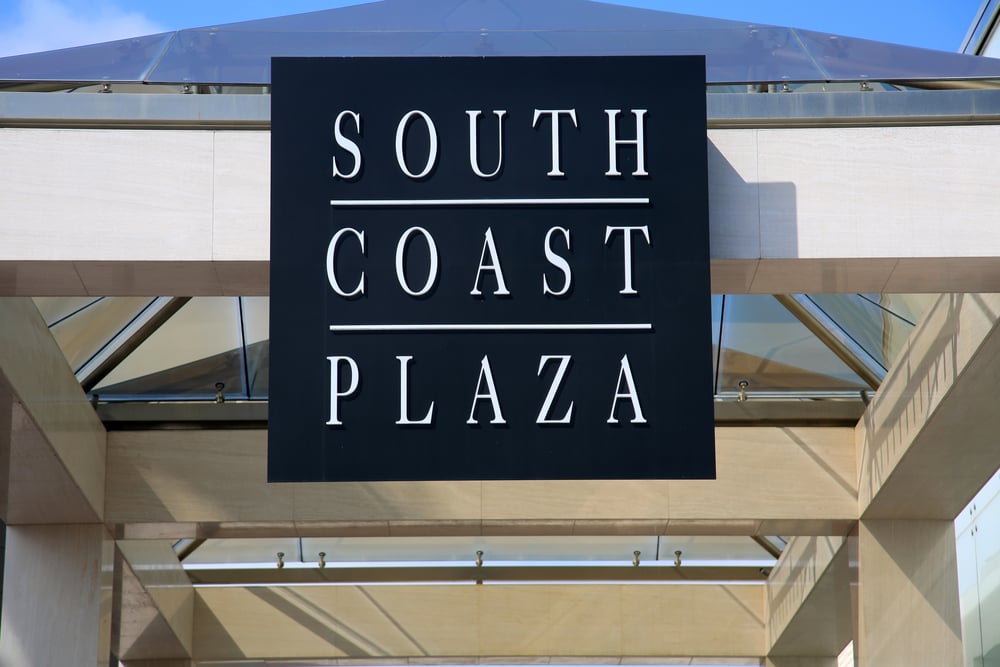
South Coast Plaza was always more polished than your average suburban mall, and it knew it. Opening in 1967 but reaching its cultural peak through the ’80s and ’90s, it became the kind of place where a trip felt like an occasion — valet parking, marble floors, the faint pressure to look like you belonged there.
To be fair, most people showed up in Reeboks and didn’t care either way.
Galleria — Houston, Texas
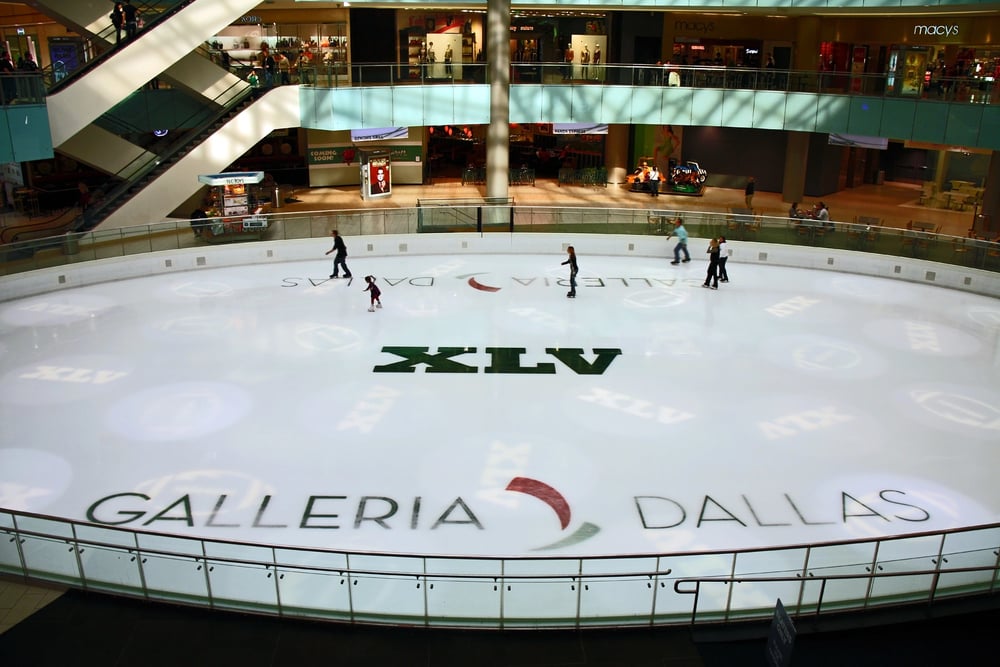
The Houston Galleria is built around an ice rink, which tells you something about its ambitions from the beginning. Modeled loosely after the Galleria Vittorio Emanuele II in Milan (and not shy about the comparison), it opened its ice rink in 1970 and spent the next three decades functioning as the unofficial social hub for anyone within a reasonable radius of Houston.
The rink wasn’t a gimmick — people actually skated, badly and happily, surrounded by four floors of retail watching from above.
Sherman Oaks Galleria — Sherman Oaks, California
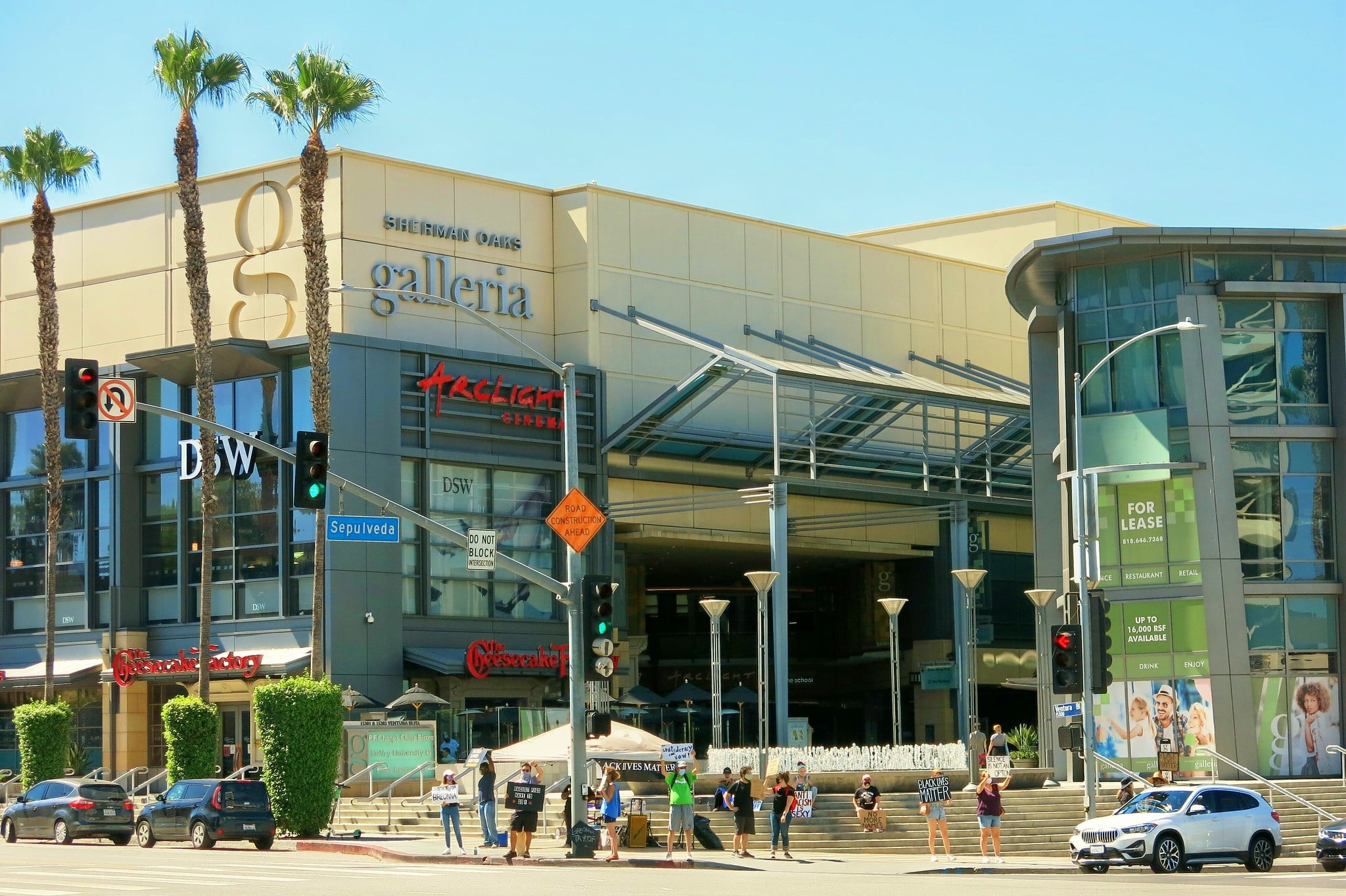
The Sherman Oaks Galleria earned its cultural weight almost entirely through “Fast Times at Ridgemont High,” which immortalized it on screen in 1982 and made it a kind of pilgrimage site for teenagers who had nothing to do on a Saturday. It was the mall as a teenage ecosystem: food court rituals, wandering without purpose, the performance of being seen by the right people at the right moment.
You didn’t go there to shop. You went there to exist somewhere that felt like it mattered.
Woodfield Mall — Schaumburg, Illinois
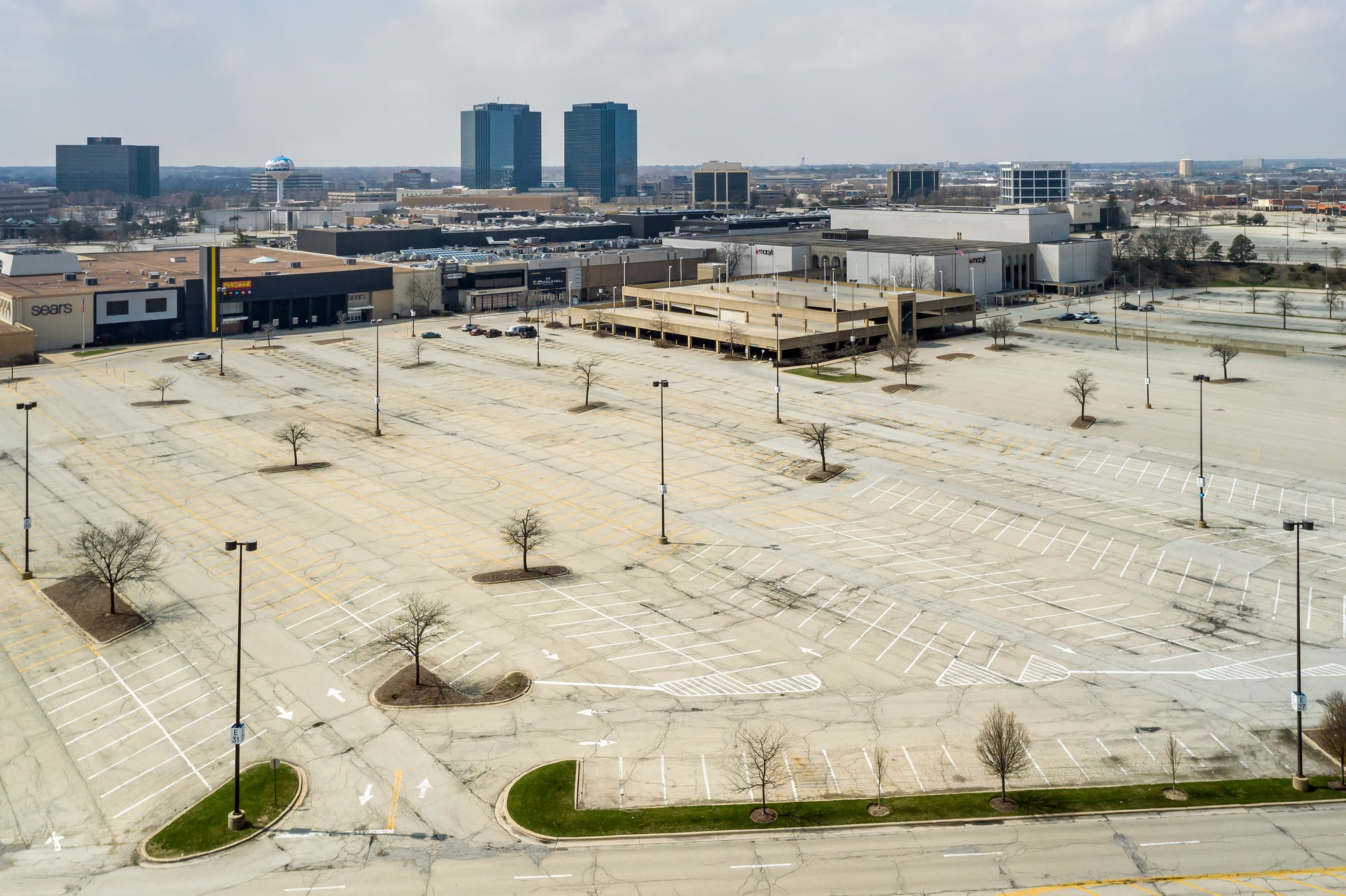
Woodfield Mall was one of the largest enclosed malls in the country when it opened in 1971, and through the ’80s and ’90s, it wore that distinction like a badge. Three floors, nearly 300 stores at its peak, and a layout so sprawling that navigation felt like a skill worth developing.
The Chicago suburbs claimed it as their own, and on weekends, the crowd density proved they meant it.
NorthPark Center — Dallas, Texas
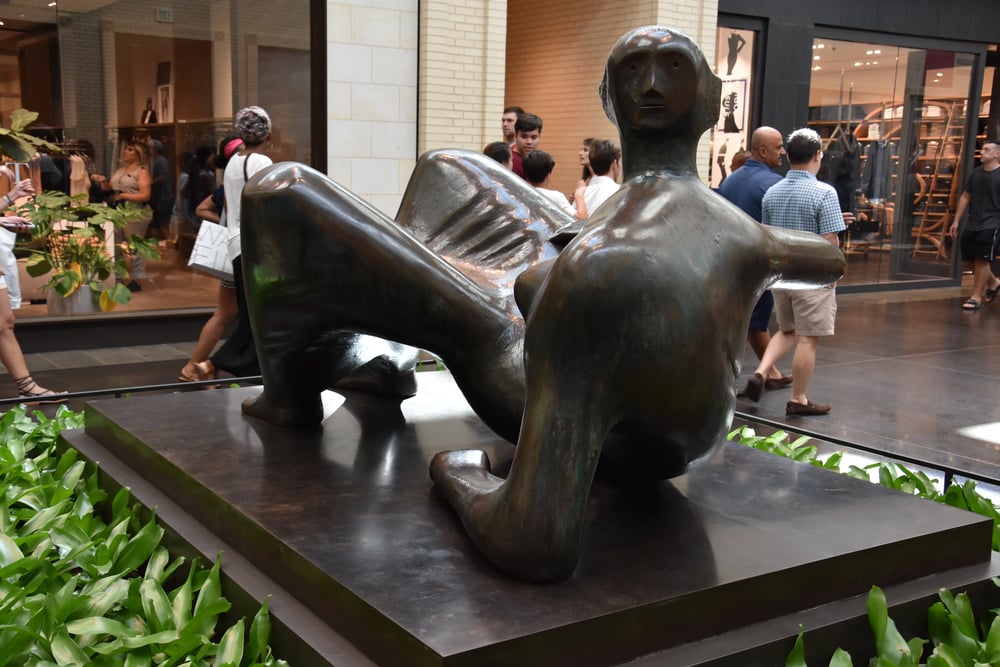
NorthPark has always carried itself differently from other malls — rotating art installations, architectural seriousness, a refusal to feel disposable even when everything around it was. It opened in 1965 but hit its stride through the following decades as a place that managed to be both aspirational and genuinely approachable, which is a harder balance to strike than it sounds.
Dallas treated it less like a mall and more like a landmark that happened to have a Dillard’s in it.
The Galleria — Atlanta, Georgia
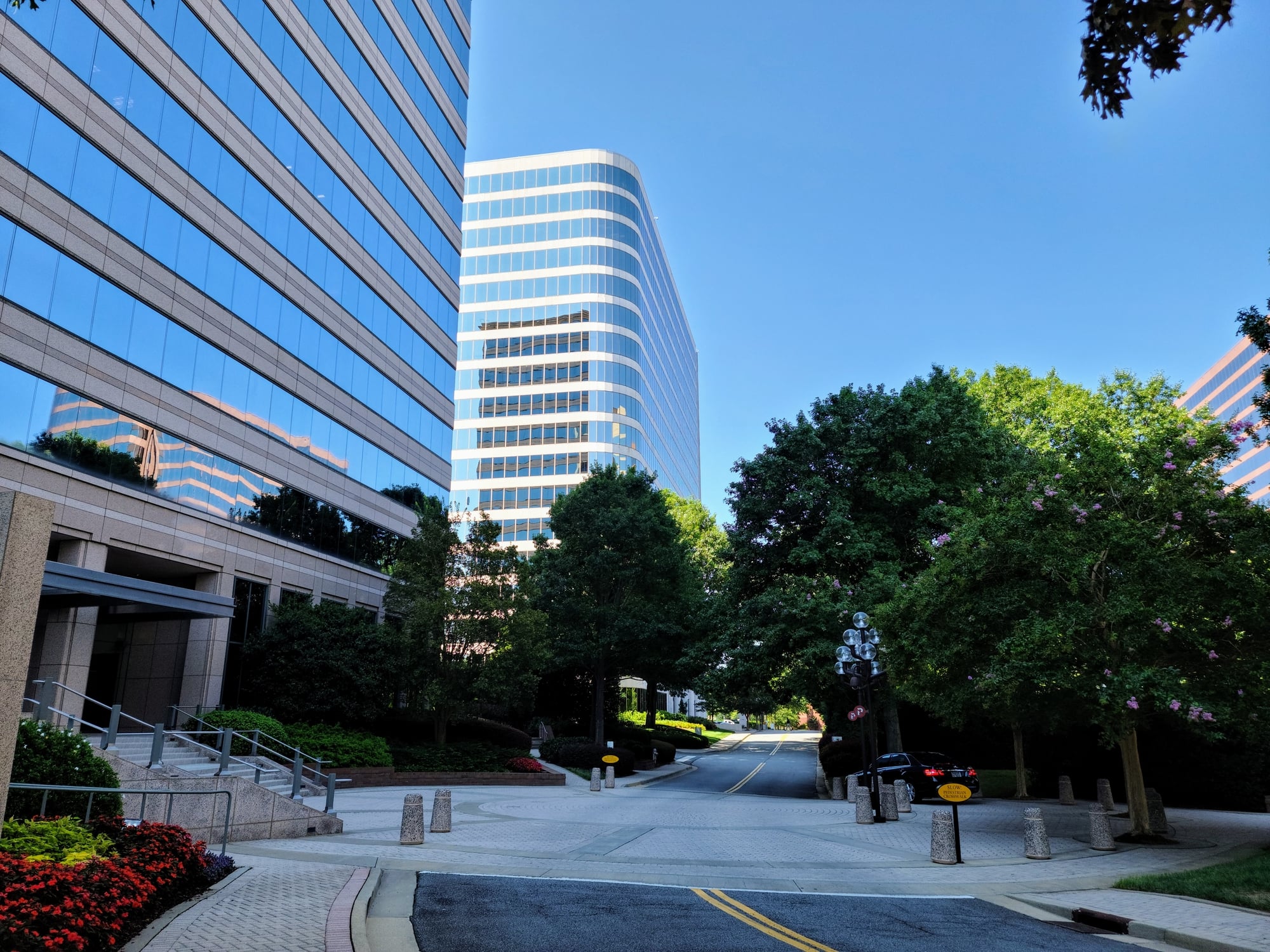
Atlanta’s Galleria sat at the center of a city that was expanding in every direction through the ’80s and ’90s, and it absorbed that energy in the way that malls do when they’re in exactly the right place at exactly the right time. The Cumberland Mall area became one of those suburban corridors where the mall wasn’t just convenient — it was the organizing principle around which everything else arranged itself.
Strip malls, fast food chains, movie theaters: they all orbited the Galleria like satellites that knew which body had the real gravity.
Cherry Hill Mall — Cherry Hill, New Jersey
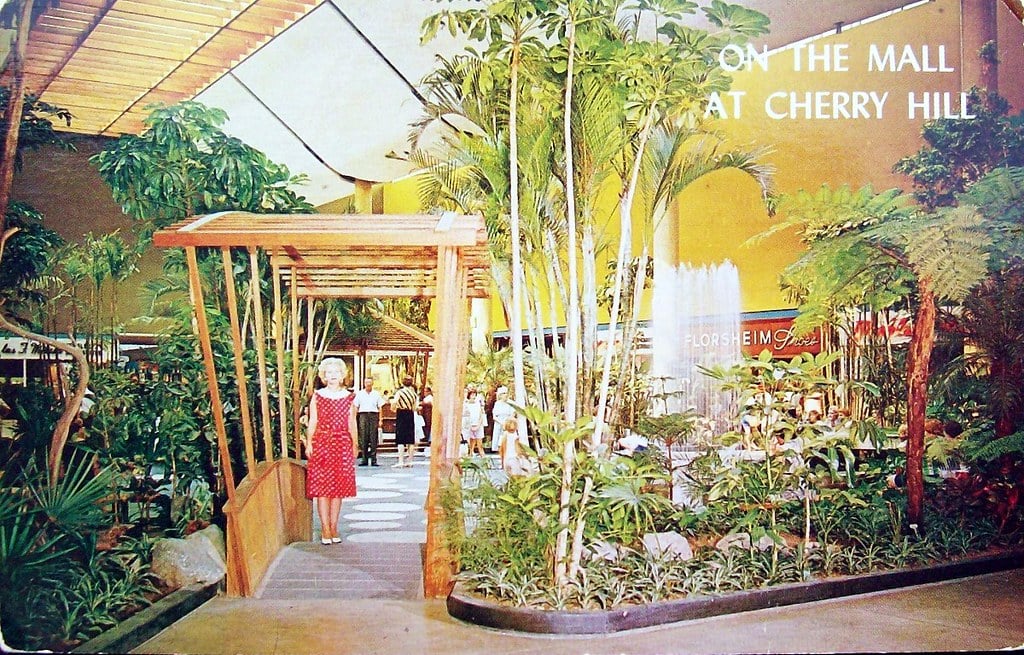
Cherry Hill Mall holds a specific kind of historical bragging right: it opened in 1961 as one of the first fully enclosed, climate-controlled malls on the East Coast. By the time the ’80s arrived, it had spent two decades perfecting what a mall was supposed to feel like, and the result was a place that seemed to have always existed — a fixed point in the lives of people who grew up within driving distance of South Jersey.
For many of them, it still is.
Crossgates Mall — Albany, New York
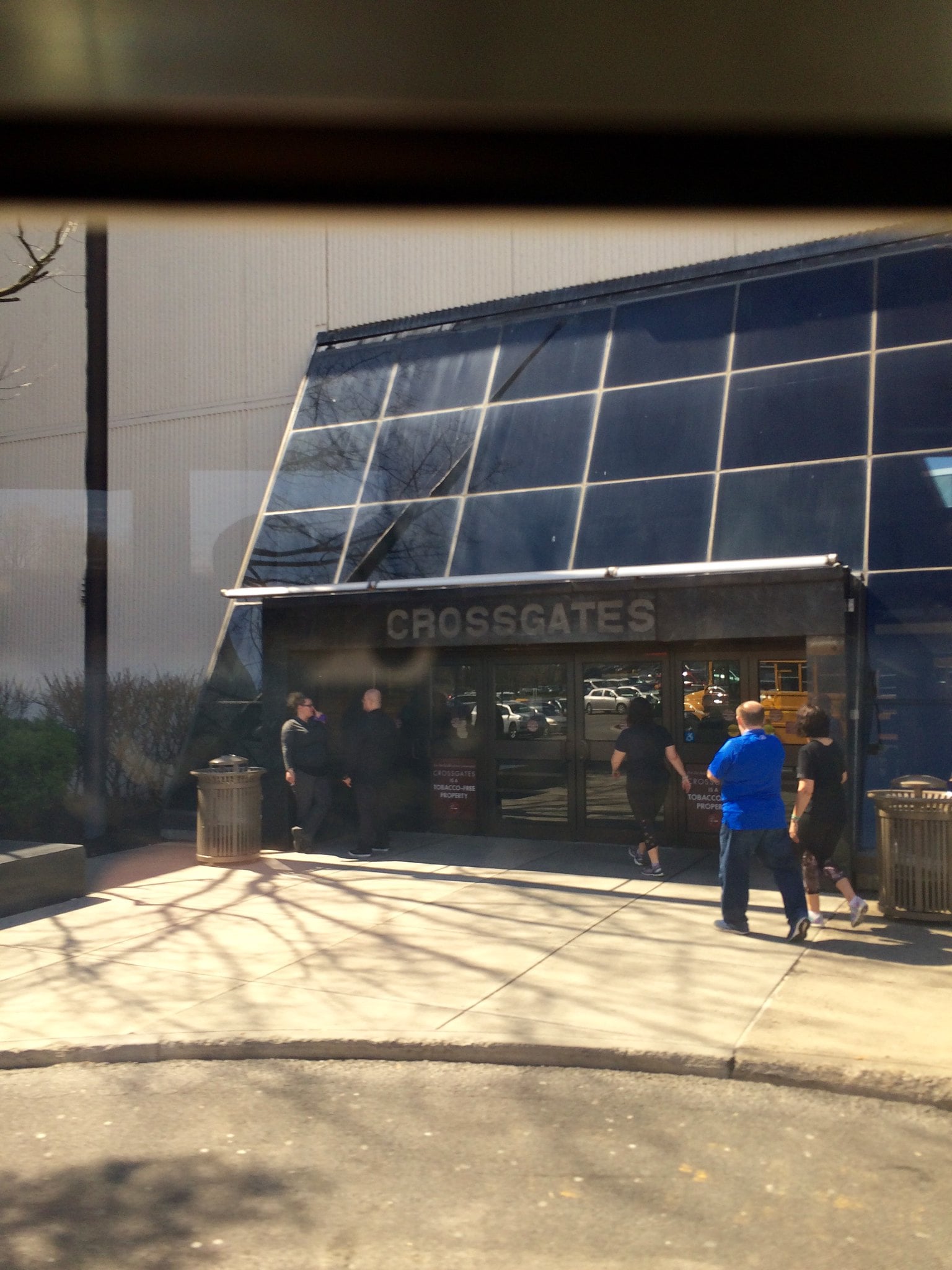
Crossgates opened in 1984 and quickly became the definitive hangout destination for the entire Capital Region — a fact that anyone who grew up in or around Albany will confirm with an immediacy that suggests they haven’t thought about it in years but apparently haven’t forgotten it either. Two levels, multiple anchor stores, a food court that could sustain a teenager for hours on Orange Julius alone.
It was exactly what it needed to be and exactly where it needed to be.
Perimeter Mall — Atlanta, Georgia
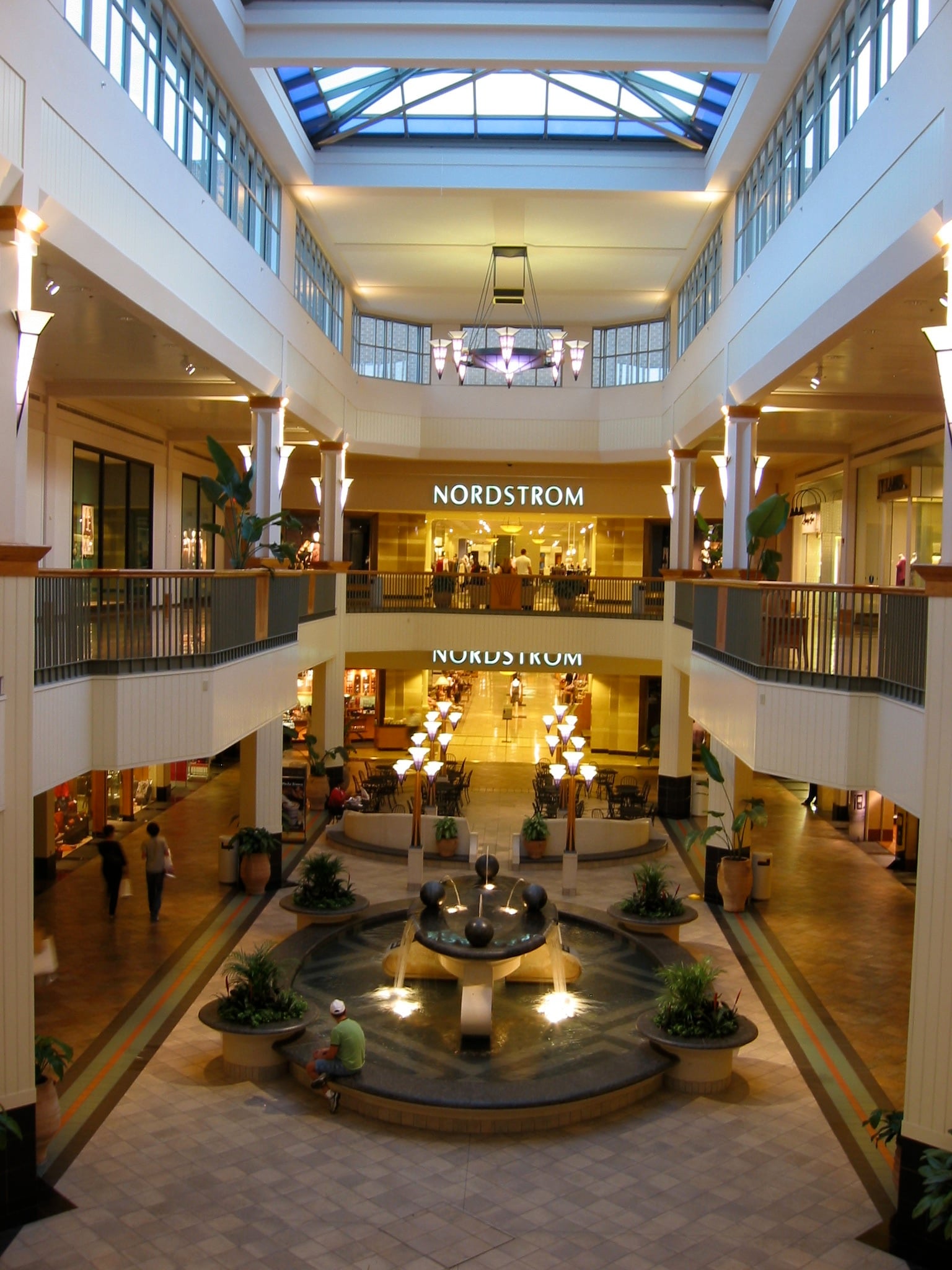
Perimeter Mall occupied a specific niche in Atlanta’s retail geography: the slightly more upscale option north of the city, the one you drove to when Cherry Hill was too casual or Lenox felt too intimidating. Through the ’90s especially, it became the preferred territory of a certain type of suburban Atlanta shopper — the kind who wanted Nordstrom proximity without the parking anxiety of Buckhead.
Go figure; it worked.
Tyson’s Corner Center — McLean, Virginia
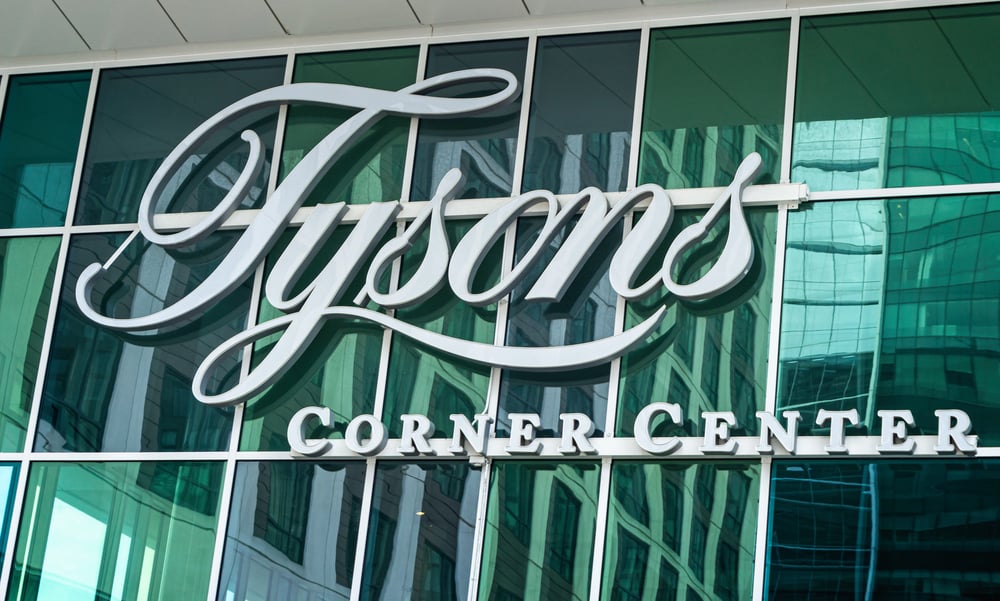
Tysons Corner Center (the apostrophe has a complicated history, but the mall’s cultural footprint does not) became the retail anchor of Northern Virginia in a way that no single building probably should have been. It opened in 1968 but the ’80s turned it into something genuinely central to suburban DC life — the kind of mall where government contractors, Pentagon employees, and high schoolers from Fairfax County all somehow coexisted without friction, united by proximity to a Cinnabon and the shared understanding that this was simply where you went on weekends.
Horton Plaza — San Diego, California
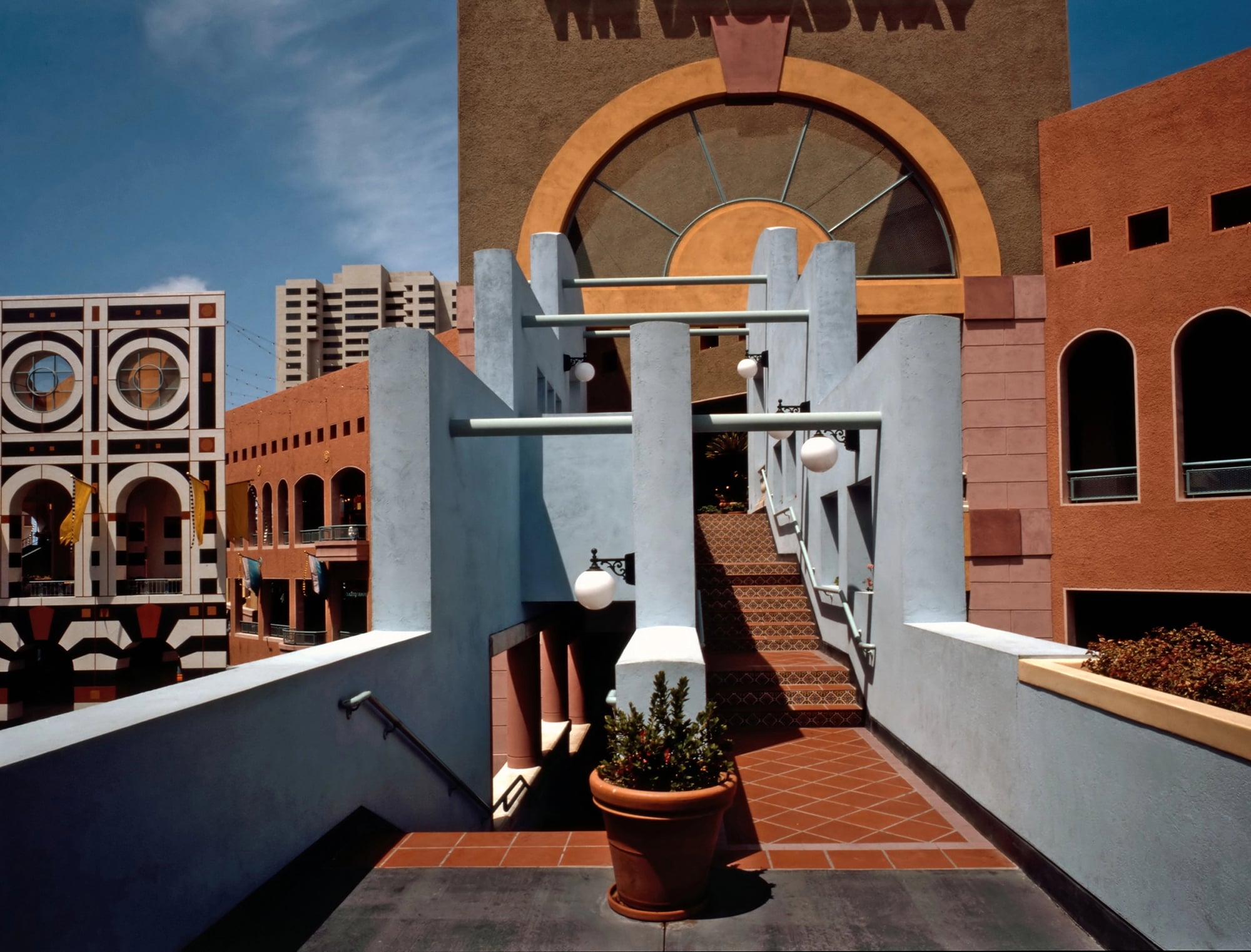
Horton Plaza wasn’t designed to feel like other malls, and it didn’t — postmodern architecture, open-air levels, colors that seemed to have been chosen by someone who found subtlety boring. It opened in 1985 in downtown San Diego and functioned as both a retail center and an architectural statement, the kind of building that people photographed even when they weren’t trying to remember it.
Whether you found it exhilarating or exhausting usually depended on how long you’d been there.
Franklin Mills — Philadelphia, Pennsylvania
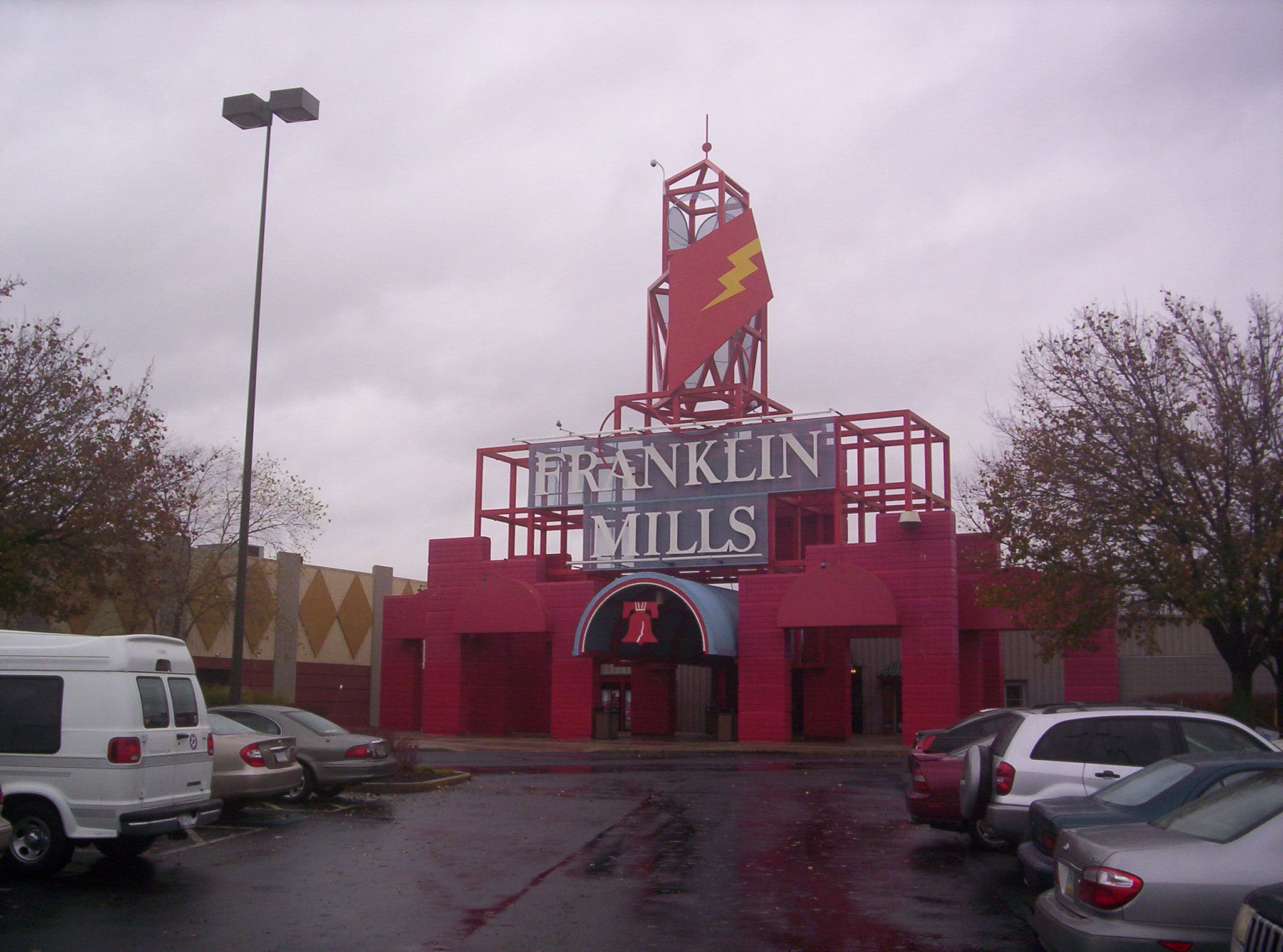
Franklin Mills opened in 1989 as an outlet-focused mega-mall in Northeast Philadelphia, and it immediately became the kind of place where value-hunting felt like a sport. The sheer volume of stores — over 200 at its peak — created an environment where an afternoon could disappear entirely, replaced by overstuffed bags and a vague sense of accomplishment.
It drew crowds from across the tri-state area, and the parking lot on a Saturday afternoon was proof that people were willing to drive to find a bargain.
Meadowood Mall — Reno, Nevada
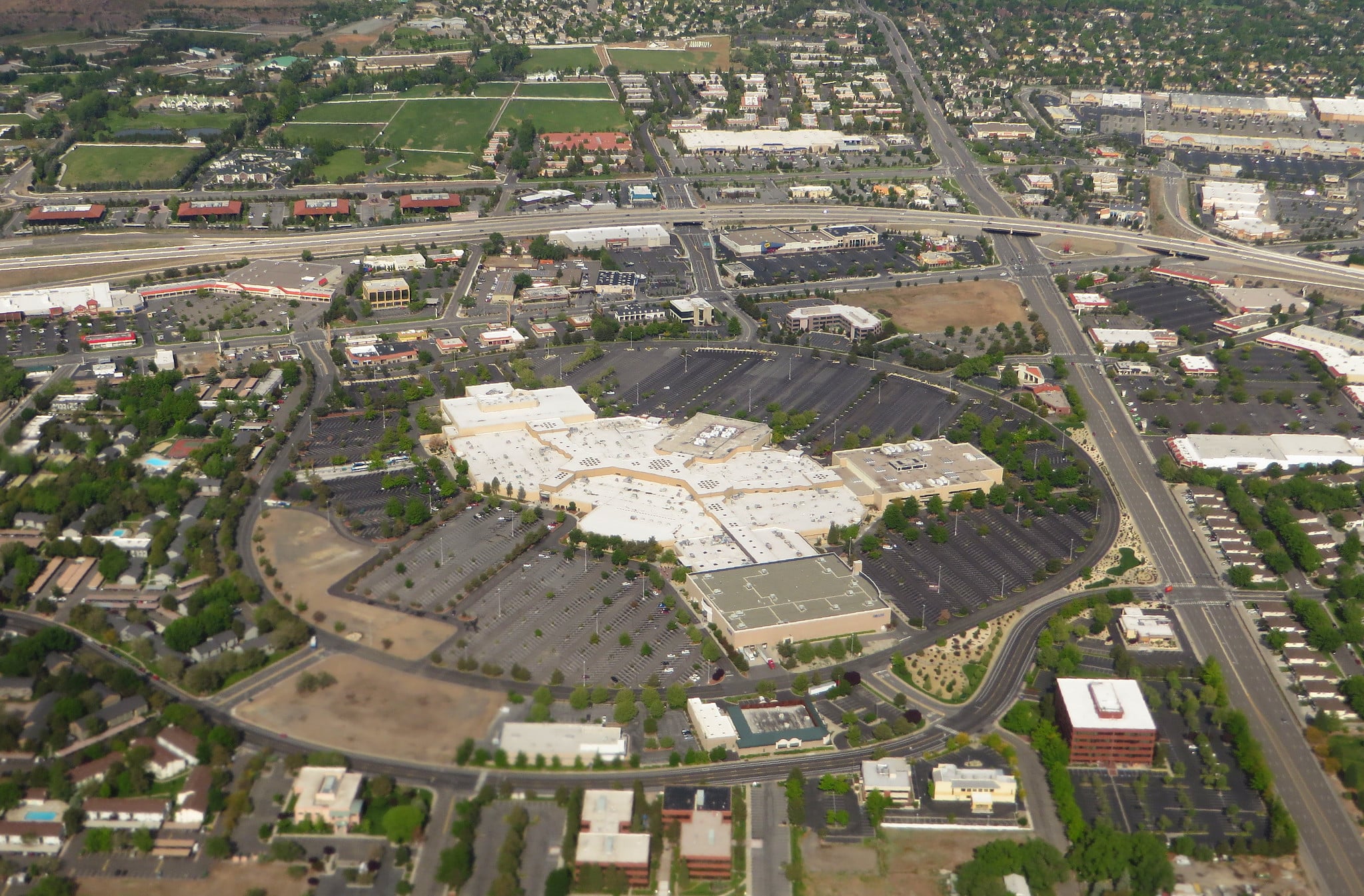
Meadowood Mall was, for much of the ’80s and ’90s, simply the mall for Reno — the gravitational center of a city that didn’t have a surplus of alternatives for teenagers looking for somewhere to congregate. It opened in 1978 and spent the next two decades functioning as the default social infrastructure for anyone under 20 in the area, the backdrop for first jobs, first dates, and the particular brand of aimless wandering that only makes sense when you’re sixteen and time feels infinite.
Northgate Mall — Seattle, Washington
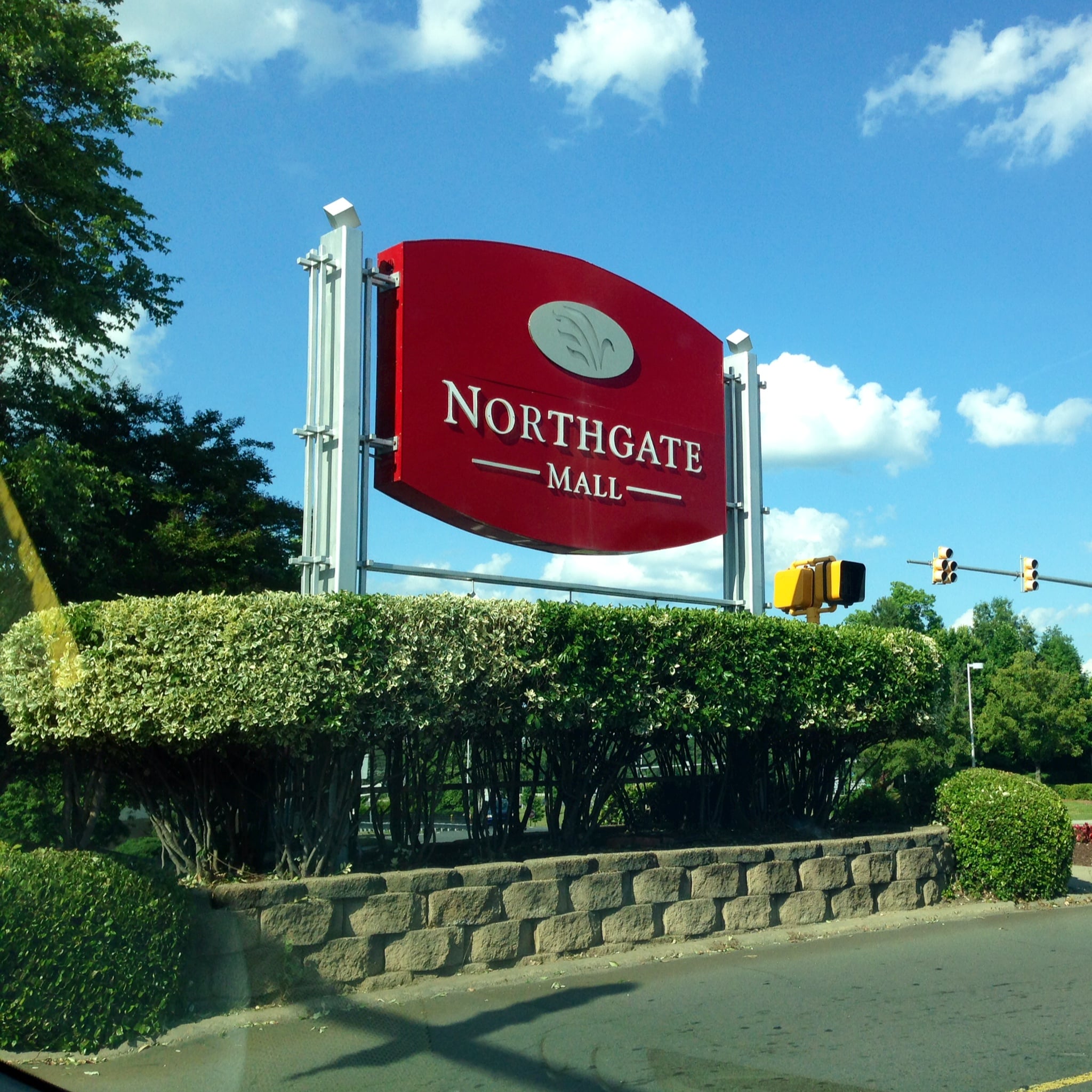
Northgate has a legitimate claim to history: it’s widely recognized as the first regional shopping mall in the United States, opening in 1950. By the ’80s, it had aged into something comfortable and familiar, the kind of mall that doesn’t announce itself but simply exists in the background of a region’s collective memory — a place people returned to not out of novelty but out of habit, the way you’d return to a diner that’s been on the same corner longer than you’ve been alive.
Lenox Square — Atlanta, Georgia
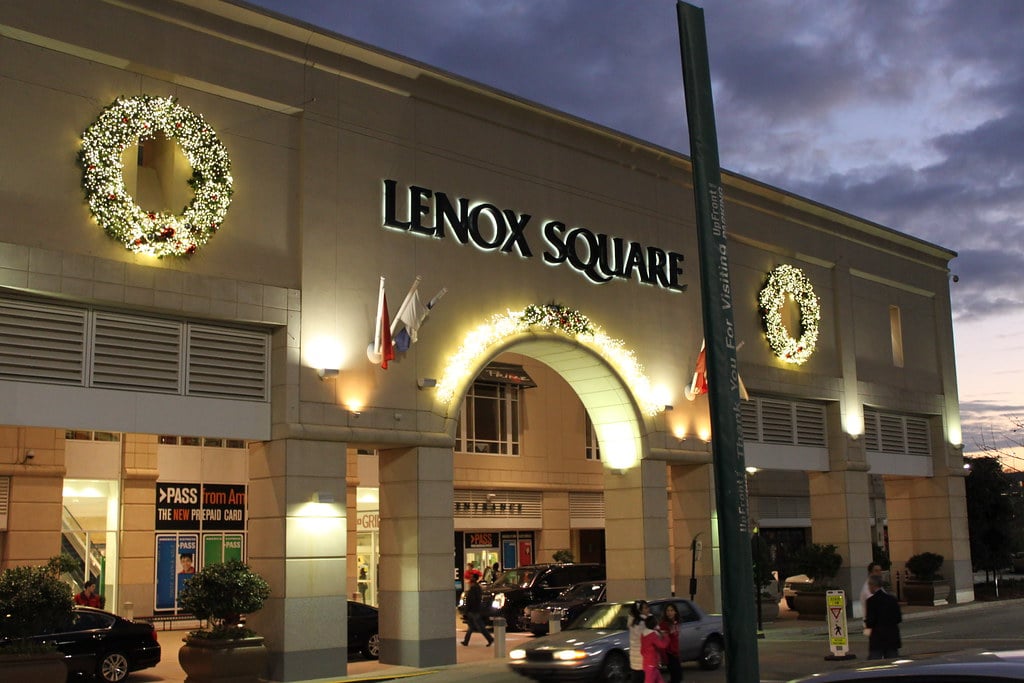
Atlanta appears on this list more than once, which is itself a statement about how thoroughly the city organized its social life around retail corridors. Lenox Square, opening in 1959 but flourishing through the following decades, occupied the Buckhead neighborhood like it had always been there — which, eventually, it had.
It attracted a different crowd than Perimeter or Crossgates: more fashion-conscious, more destination-oriented, the kind of mall where you dressed slightly better than necessary just to walk through the doors.
Ala Moana Center — Honolulu, Hawaii
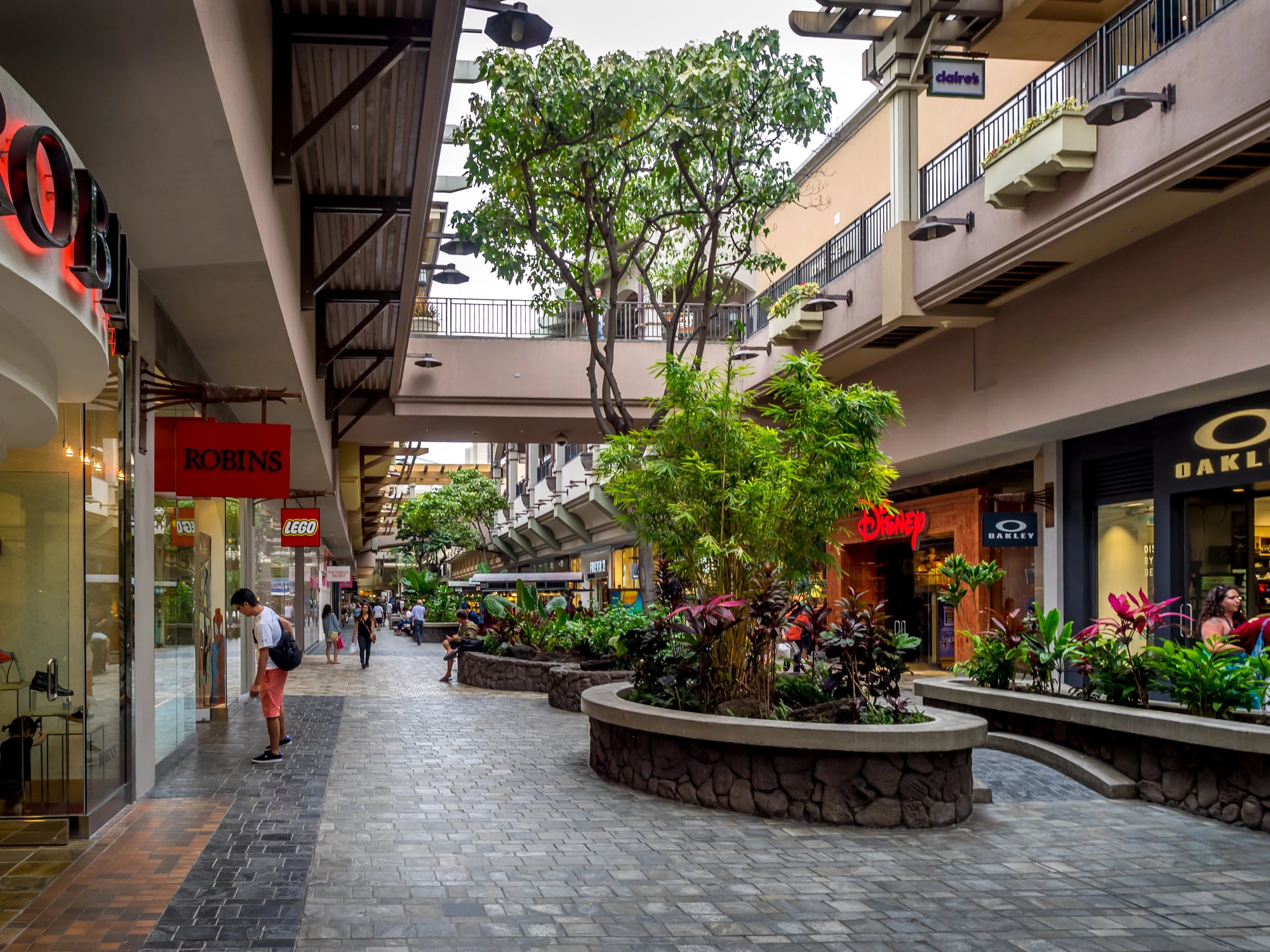
Ala Moana is the largest open-air shopping center in the world, and in Hawaii, it occupied a category all its own — not quite a mainland mall, not quite a market, something that absorbed the geography and the culture of the islands into a retail environment that somehow felt entirely natural under the open sky. Through the ’80s and ’90s, it was equal parts tourist destination and local anchor, the place where Honolulu residents actually shopped as opposed to the places they directed visitors to.
Oakbrook Center — Oak Brook, Illinois
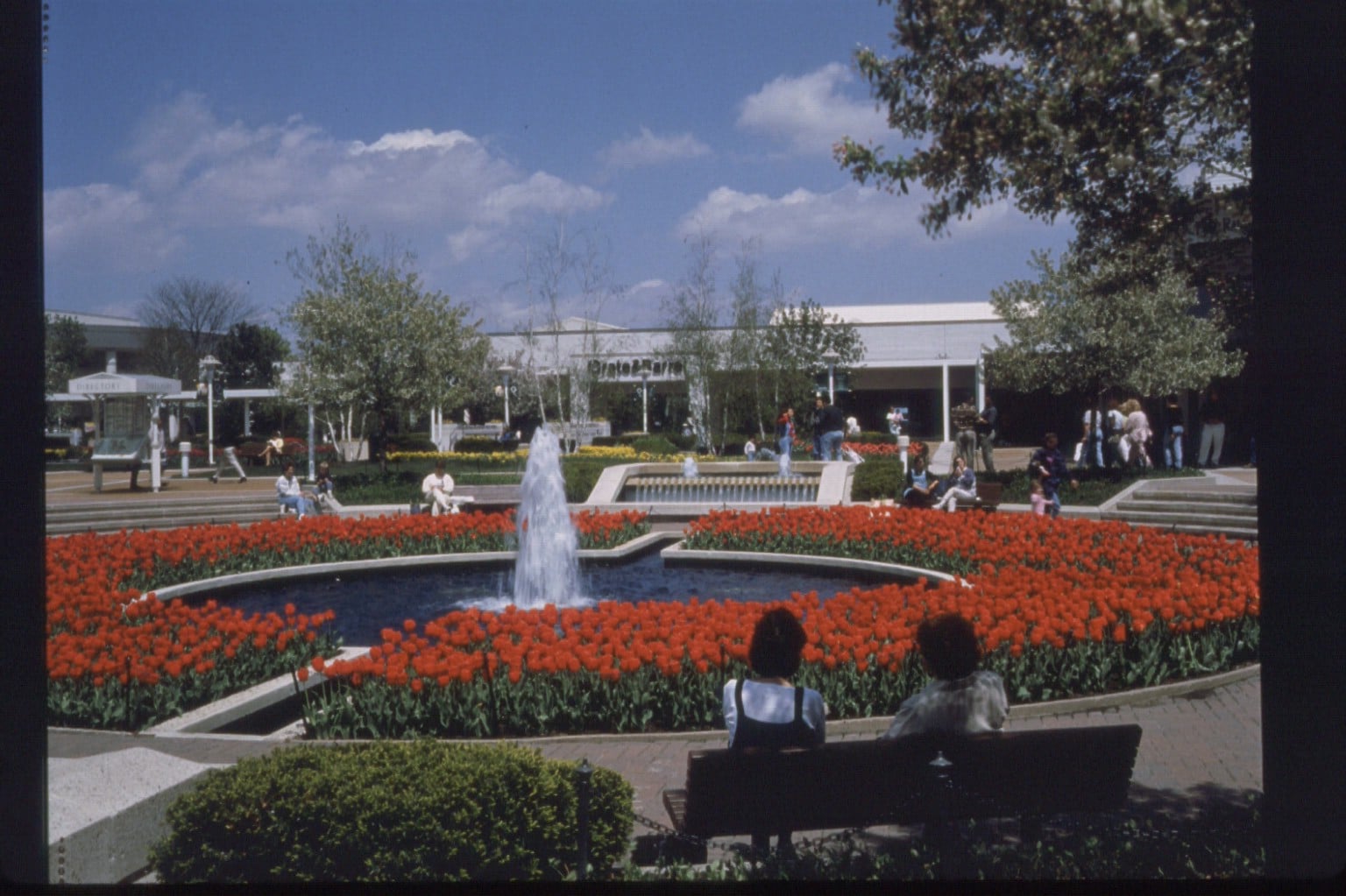
Oakbrook Center is an outdoor mall in the Chicago suburbs, which should theoretically put it at a disadvantage in a region where winters are not gentle. And yet — it worked.
The open-air layout, the manicured grounds, the sense of space that enclosed malls inherently sacrifice: Oakbrook turned these into assets rather than liabilities, and through the warmer months, it functioned as something closer to a town square than a shopping center.
South Square Mall — Durham, North Carolina
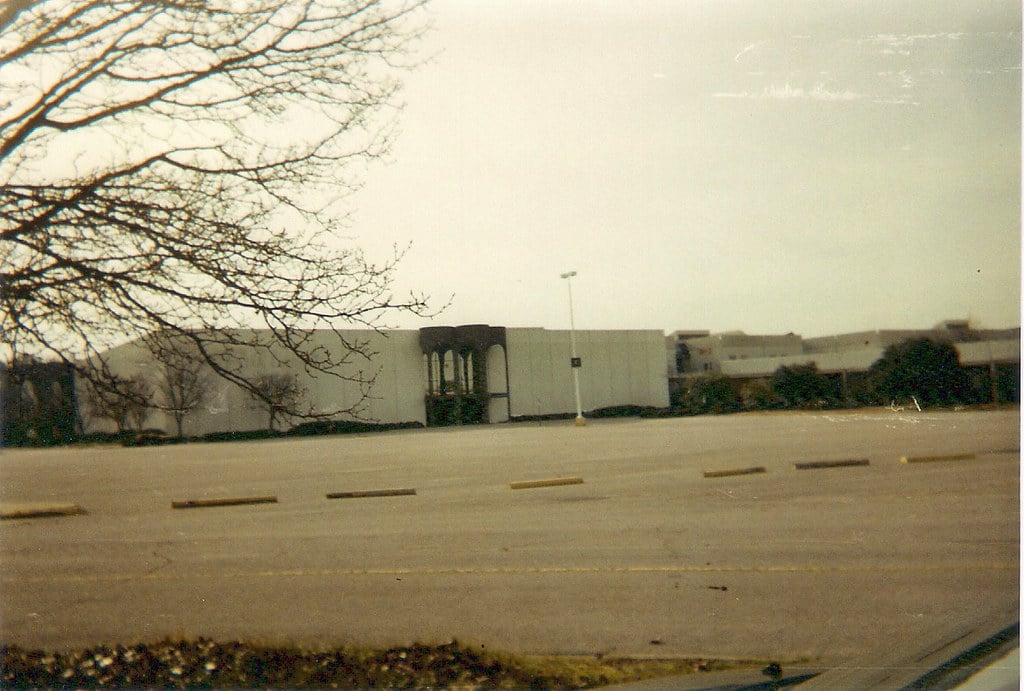
South Square was the dominant mall for Durham and much of the Research Triangle through the ’80s and into the ’90s — the kind of mid-sized regional mall that didn’t get written about in architectural journals but mattered enormously to the people who grew up nearby. It had the full complement of anchors, a food court, a movie theater, and the particular atmosphere of a place that had absorbed enough weekend afternoons to feel lived-in rather than manufactured.
Valley Fair — San Jose, California
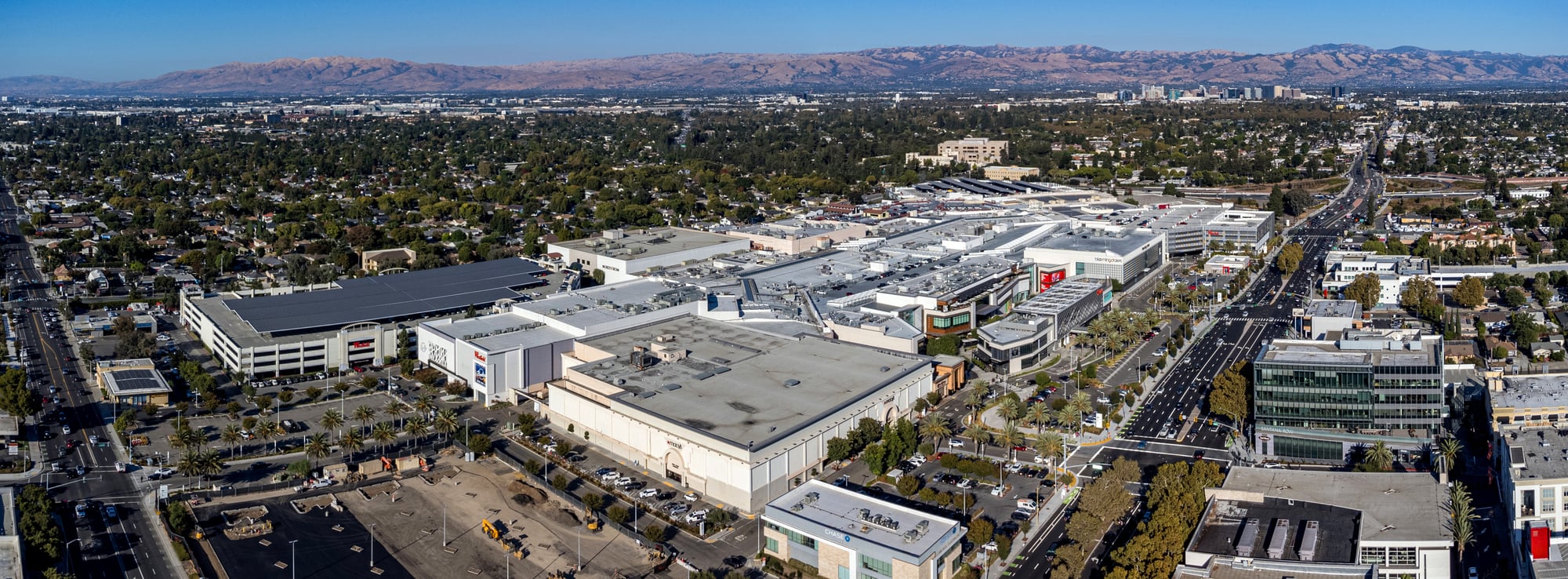
Valley Fair sits in Silicon Valley, which means its recent history is inseparable from the tech money that reshaped the region — but in the ’80s, it was simply the mall for San Jose, the place people went without overthinking it. It opened in 1956 and spent the following decades being quietly essential, the kind of mall that didn’t need a hook or a gimmick because it already had the location and the loyalty of everyone within ten miles.
Eastland Mall — Charlotte, North Carolina
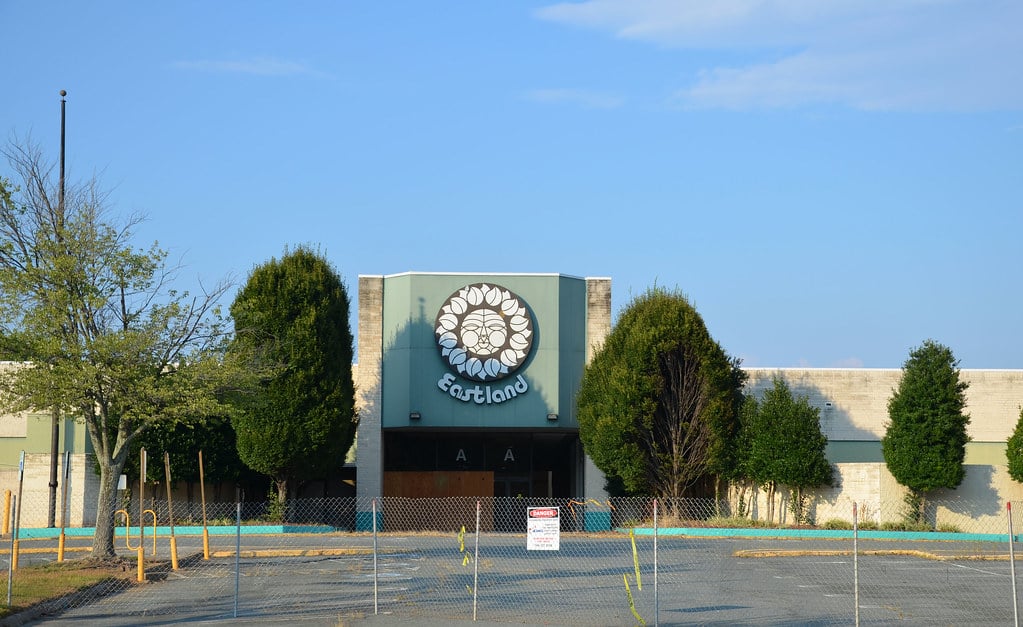
Eastland Mall opened in 1975 and spent the next two decades as the beating retail heart of east Charlotte — a neighborhood anchor in the most literal sense, the place where the community gathered even when it had no particular reason to gather. It drew teenagers, families, and everyone in between, functioning as the kind of shared space that suburban life otherwise systematically eliminates.
Its eventual decline in the 2000s hit the surrounding community harder than a simple store closure has any right to.
Emerald Square Mall — North Attleborough, Massachusetts
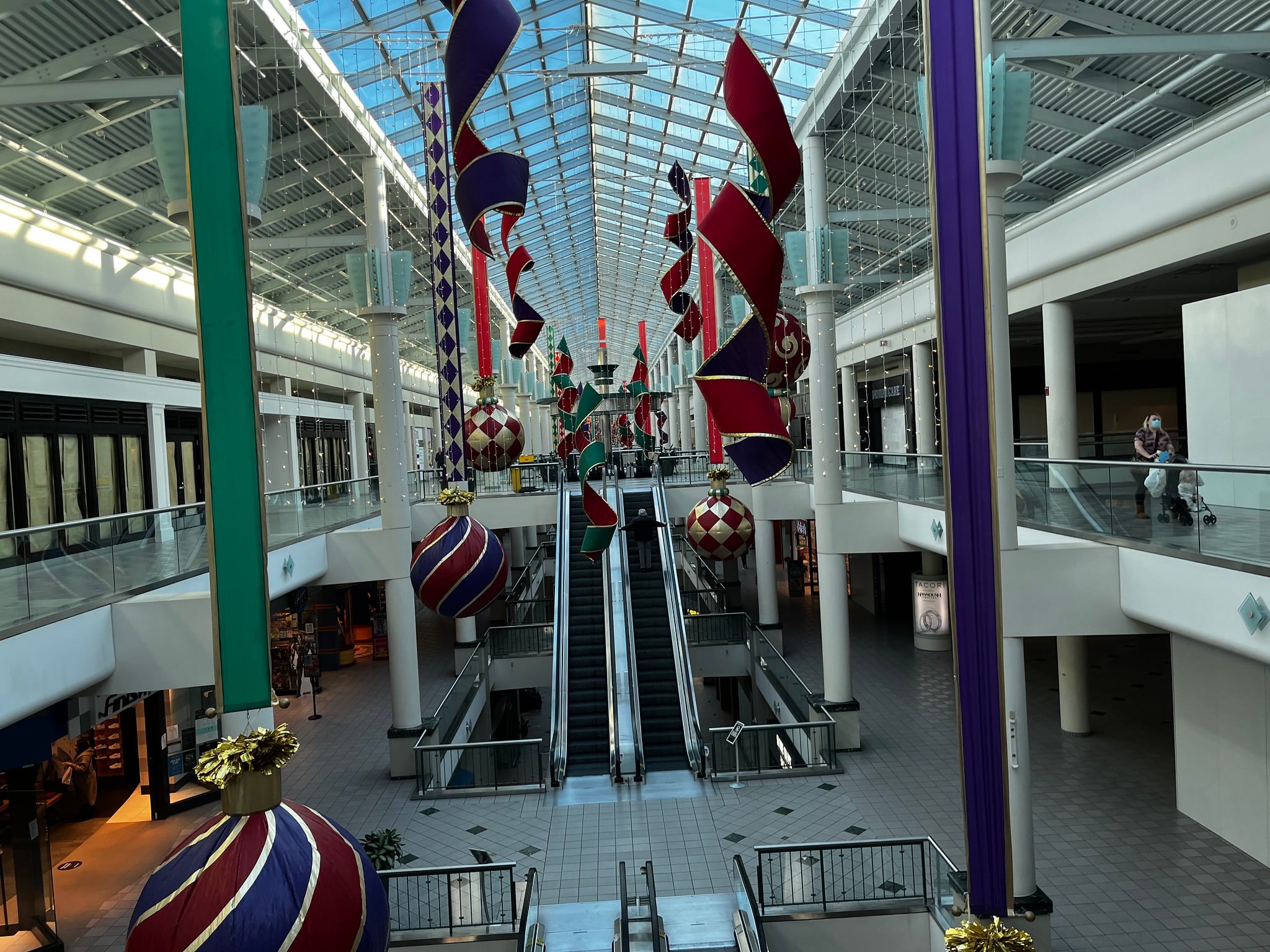
Emerald Square opened in 1989 and immediately became the primary destination for a wide radius of southeastern Massachusetts and northern Rhode Island — a geographic positioning that gave it a customer base larger than its location on a map might suggest. It was the mall at the intersection of two states’ worth of bored teenagers, and it performed that function with the unglamorous reliability of a public utility.
River Hills Mall — Mankato, Minnesota
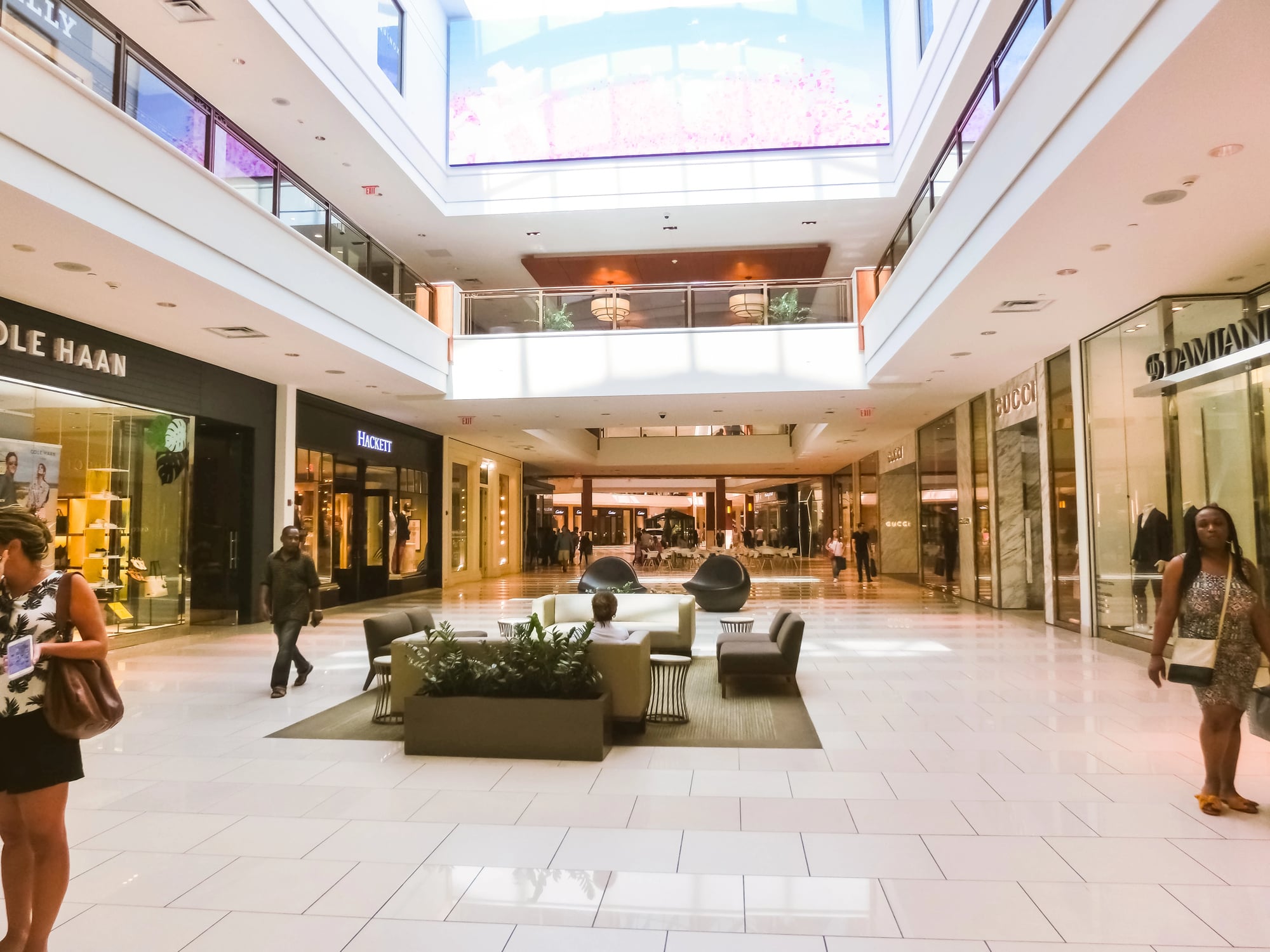
River Hills Mall may not have the name recognition of the mega-malls on either coast, but for anyone who grew up in south-central Minnesota, it was simply the mall — the one, the only, the default destination for everything from back-to-school shopping to Saturday afternoon aimlessness. Small cities produce fierce loyalty toward the institutions that anchor them, and River Hills collected that loyalty without doing anything particularly extraordinary to earn it, which is its own kind of achievement.
WestPoint Stevens Mall — LaGrange, Georgia
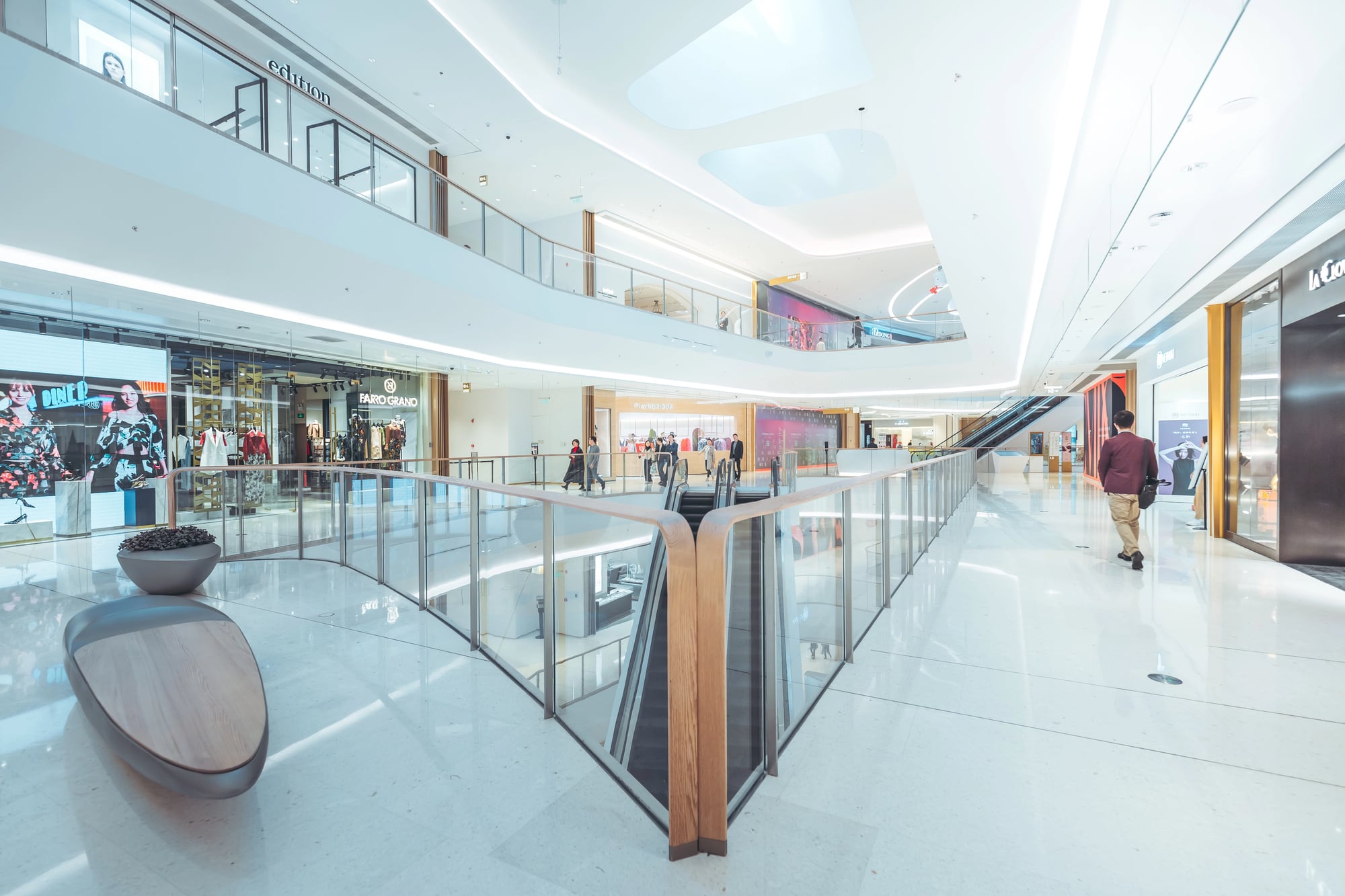
What malls in smaller Southern cities lacked in scale, they more than compensated for in local significance — and the mall anchoring LaGrange through the late ’80s and ’90s carried the full social weight of a community that didn’t have a long list of alternatives. These smaller regional malls functioned less like retail destinations and more like town squares with climate control, places where the community showed up not because it had been marketed to but because that’s simply where people went.
Metrocenter Mall — Phoenix, Arizona
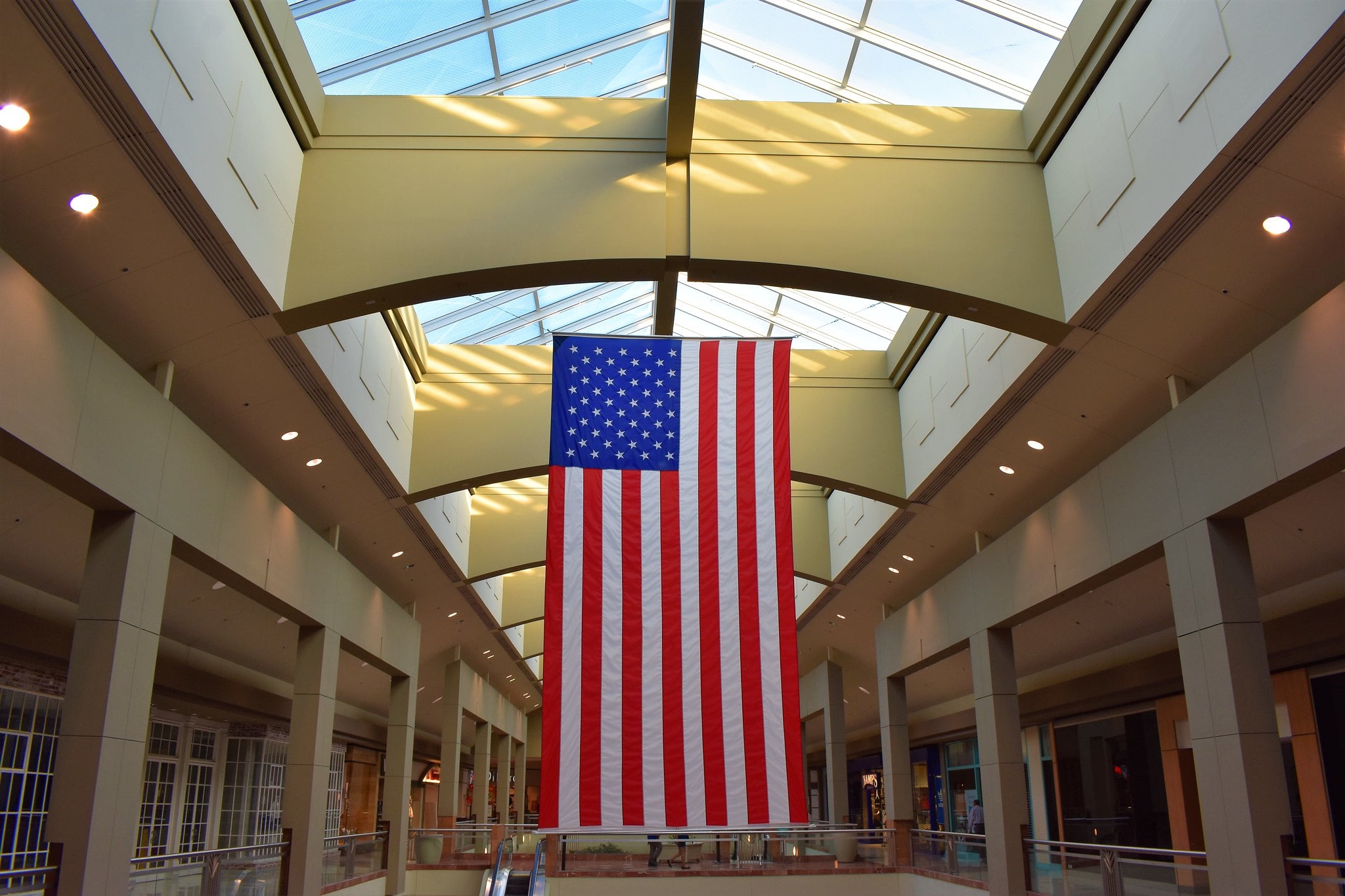
Metrocenter opened in 1973 and became, through the ’80s, the unambiguous hub of northwest Phoenix — so dominant in its market that it appeared in the 1989 film “Bill & Ted’s Excellent Adventure,” which is the kind of cultural validation that a mall either has or it doesn’t. It had multiple levels, multiple anchors, an ice rink at various points in its history, and the specific atmosphere of a desert-city mall where the climate control felt less like a luxury than a basic act of mercy.
The Echo Still Lives in the Tile
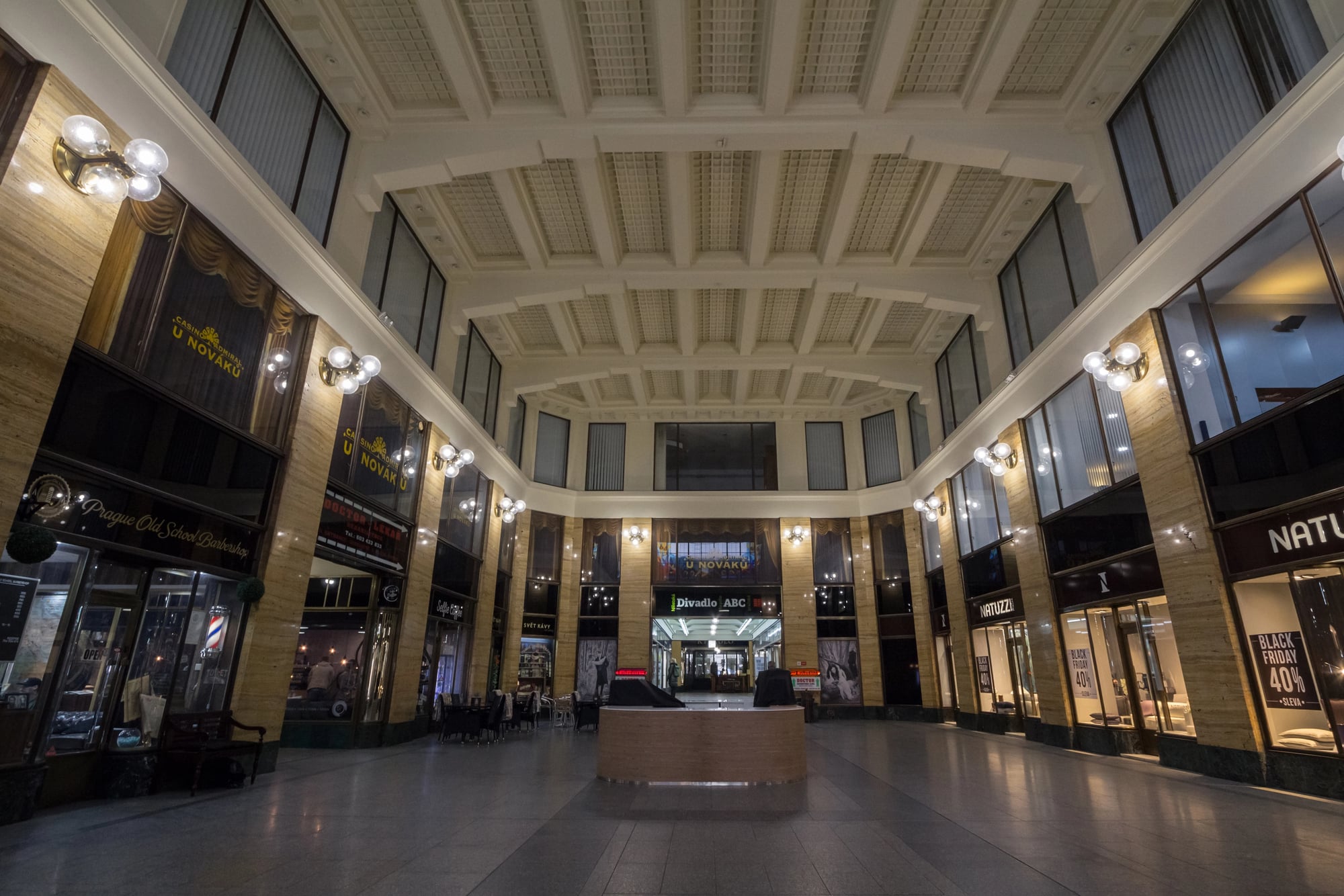
The malls of the ’80s and ’90s didn’t survive because they were architecturally significant or because economists approved of them. They survived in memory because they were where life happened — the messy, wandering, unhurried kind of life that doesn’t fit neatly into an algorithm or a calendar.
You didn’t schedule the mall. You just ended up there, and so did everyone else, and somehow that was enough.
The neon has mostly gone dark now, the anchor stores hollowed out, the food courts quieted. But the specific feeling of pushing through those glass doors into the cool air and the noise — that’s the kind of thing that doesn’t fully leave. It just waits, somewhere between a Sbarro receipt and a faded friendship bracelet, for someone to remember it properly.
More from Go2Tutors!

- The Romanov Crown Jewels and Their Tragic Fate
- 13 Historical Mysteries That Science Still Can’t Solve
- Famous Hoaxes That Fooled the World for Years
- 15 Child Stars with Tragic Adult Lives
- 16 Famous Jewelry Pieces in History
Like Go2Tutors’s content? Follow us on MSN.