16 Court Records Kept From the Public for Years
A sealed court record is a strange kind of promise. It says that somewhere in a courthouse basement or a federal archive, a piece of the historical record exists, fully documented, just not for you.
Some of these seals expire on a set date. Others only lift because a historian, a newspaper, or an advocacy group spent years arguing that the public’s need to know had finally outweighed whatever justified the secrecy in the first place.
The following records were all sealed for a meaningful stretch of time, and all eventually came out.
Moore’s Ford Lynching Grand Jury Records
In 1946, a white mob shot and killed two young Black couples near the Apalachee River in Walton County, Georgia, in what became known as the Moore’s Ford lynching. A federal grand jury heard testimony from more than a hundred witnesses that same year but returned no indictments, and the transcripts were sealed under standard grand jury secrecy rules.
Historian Anthony Pitch spent years tracking down evidence that the records still existed at the National Archives, and a federal judge ordered them unsealed in 2017, a decision the full Eleventh Circuit Court of Appeals upheld in 2019, seventy-one years after the killings.
Rosenberg Grand Jury Testimony
Julius and Ethel Rosenberg were convicted of espionage in 1951 largely on testimony from Ethel’s brother, David Greenglass, and the grand jury minutes behind that trial stayed sealed for more than half a century. A petition from the National Security Archive and a coalition of historians won the release of testimony from 43 of the case’s 46 witnesses in 2008.
Greenglass himself objected to the release of his own testimony while he was alive, and it was not made public until 2015, a year after his death, revealing that he had told the grand jury something notably different from what he said at trial.
Alger Hiss Grand Jury Testimony
The 1950 conviction of Soviet courier Harry Gold, a key witness against State Department official Alger Hiss, rested partly on grand jury testimony that remained sealed for decades. A petition from historians seeking access to Cold War-era espionage records led a federal court to release the testimony in October 1999.
The release came fifty years after the original grand jury proceedings, as part of a broader effort by archivists to open Cold War court records that had outlived any obvious need for secrecy.
Watergate Trial Sealed Proceedings
The 1974 criminal trial of the Watergate burglars, formally titled United States v. Liddy, generated pretrial discussions and sentencing material that a judge kept under seal even after the case concluded. A historian petitioned in 2009 to have the records opened, and in November 2012 a federal court ordered most of them released to the National Archives, thirty-eight years after the trial ended.
Categories involving living individuals, wiretap content, and grand jury material stayed under seal even after that release.
JonBenét Ramsey Grand Jury Indictment
A Colorado grand jury investigating the 1996 death of six-year-old JonBenét Ramsey voted in 1999 to indict her parents on charges related to her death, but the district attorney at the time declined to sign the indictment, and the records were sealed. They remained out of public view until October 2013, when a court order finally released them, revealing for the first time that an indictment had existed at all.
By then, DNA evidence gathered years earlier had already led prosecutors to publicly clear the parents.
Bill Cosby Deposition

A 2005 lawsuit against entertainer Bill Cosby was settled in 2006, and the deposition testimony at its center was sealed under a protective order as part of that settlement. The Associated Press spent years trying to unseal the material, and in 2015, after renewing its request under a local court rule requiring periodic review of sealed filings, a judge ordered the documents released.
Cosby’s appeal to keep them sealed was rejected, with the appeals court noting that the information had already spread too widely to put back under seal.
Ghislaine Maxwell Deposition

A defamation lawsuit brought against Ghislaine Maxwell in 2015 was settled in 2017, and the deposition and related filings from that case were sealed under a protective order. A federal judge ordered dozens of the documents released in the summer of 2020, and an appeals court rejected Maxwell’s bid to keep her own 2016 deposition sealed that October, three years after the case had quietly closed.
The records became central evidence in an unrelated criminal case against Maxwell that followed shortly after.
Boston Archdiocese Clergy Files

Internal personnel files documenting decades of misconduct allegations against Roman Catholic priests in the Boston Archdiocese were kept under a court protective order through years of litigation. A newspaper’s legal challenge to that order led a judge to require their release in 2002, exposing a pattern of transfers and cover-ups that had been documented internally for decades.
The unsealing became a turning point in how clergy abuse cases were investigated nationally.
Purdue Pharma Sackler Documents

Internal records detailing what the Sackler family and Purdue Pharma executives knew about the addictive potential of the painkiller OxyContin were filed under a protective order as part of a Massachusetts lawsuit. A judge ruled in January 2019 that the documents should be made public despite the company’s objections, over a decade after the earliest allegations in the case had first been raised.
The unsealed material became a key part of later litigation against the company nationwide.
Los Angeles Archdiocese Priest Files
Personnel files on Roman Catholic priests accused of misconduct in the Los Angeles Archdiocese were kept sealed for years amid litigation over how much of their contents could be disclosed. A settlement eventually required their release, and files on dozens of priests began reaching the public starting in 2014.
The documents showed internal correspondence about allegations that in some cases stretched back decades before any public disclosure.
Martin Luther King Jr. FBI Surveillance Files
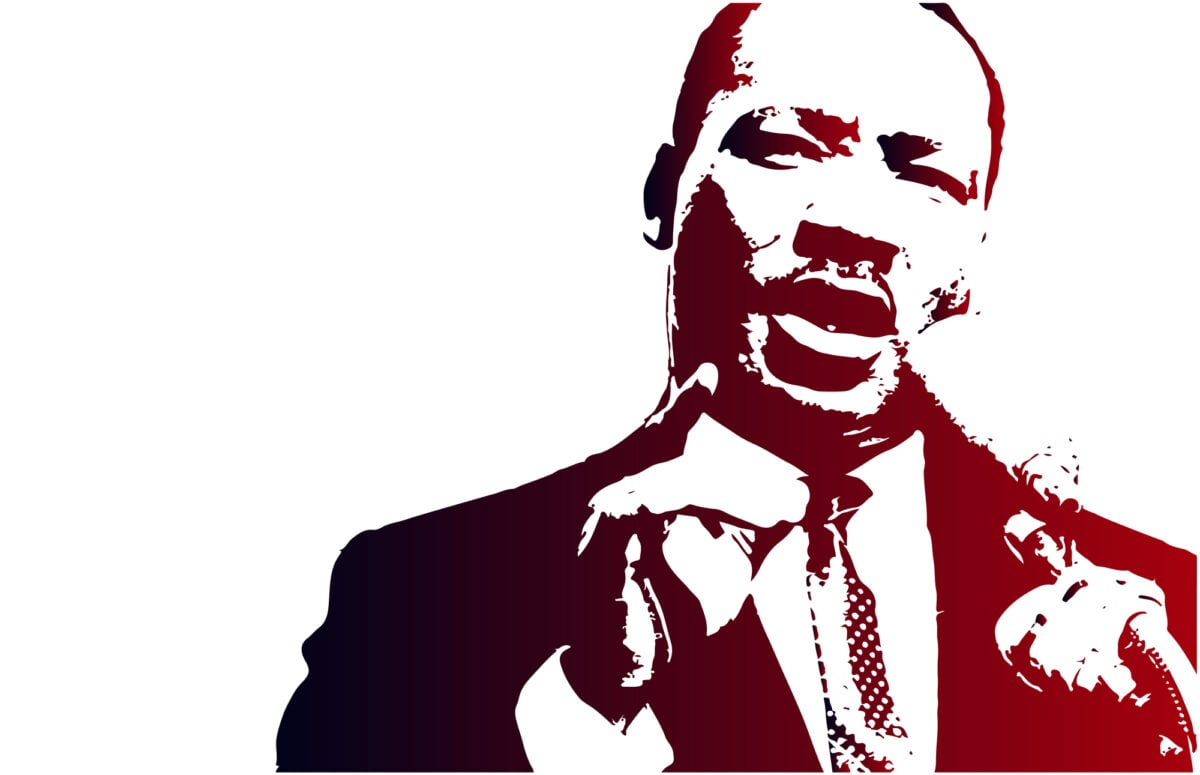
A 1977 federal court order sealed records of the FBI’s surveillance of Martin Luther King Jr. for fifty years, placing them under the custody of the National Archives until January 2027. The order was meant to protect the privacy of people named in the files while still preserving the material for eventual historical review.
In 2025, the government asked the court to modify the order and release the records nearly two years early, citing public interest in the full historical record.
Chappaquiddick Inquest Transcript

A Massachusetts judge presided over a private inquest in 1969 into the death of Mary Jo Kopechne, whose car went off a bridge on Chappaquiddick Island while Senator Edward Kennedy was driving, and sealed the resulting testimony from public view. The transcript stayed locked away for twenty years before a court ordered its release in 1989.
Its contents added new detail to an event that had already reshaped a presidential campaign two decades earlier.
Georgia Special Purpose Grand Jury Report

A special grand jury in Georgia spent months in 2022 investigating efforts to overturn the state’s 2020 election results, and its full findings were sealed when the panel completed its work in January 2023. A judge released only the report’s introduction and conclusion the following month, keeping the jurors’ detailed findings out of public view for months longer.
Additional portions were released later that year as the related criminal case moved forward.
Mahoning County Corruption Case Records
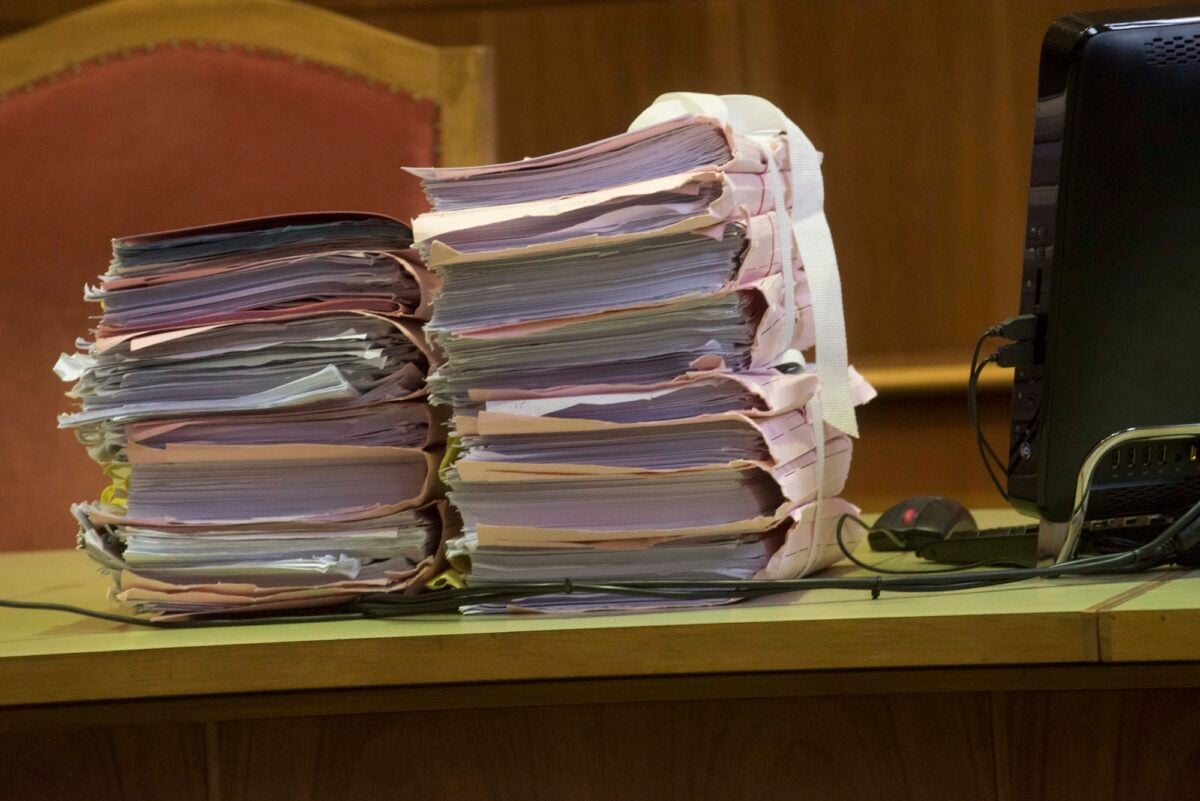
A visiting judge overseeing a public corruption prosecution in Mahoning County, Ohio, began sealing pretrial filings in 2010, citing concerns about media coverage affecting a fair trial. Two local news outlets challenged the practice, and in 2012 the Ohio Supreme Court ruled that the sealing violated the state’s rules on public access to court records.
The court ordered the records released and barred the judge from sealing further filings in the case.
Pennsylvania Clergy Abuse Grand Jury Report
A statewide grand jury investigation into six Roman Catholic dioceses in Pennsylvania produced a report in 2018 naming hundreds of accused clergy members across seven decades of records. A number of individual names were withheld under court seal while those named appealed for the chance to challenge the findings first.
Several of those redactions were lifted only in the years that followed, as appeals were resolved one at a time.
FCI Dublin Abuse Lawsuit Records
A class action brought by survivors of abuse at a federal women’s prison in Dublin, California, generated years of sealed filings and closed hearings as the case proceeded. Advocacy groups filed a motion in 2024 arguing that the secrecy went beyond what the case required, and by that September nearly every record they had requested had been unsealed.
The release gave the public its first full look at how the abuse and its cover-up had been documented inside the institution.
The Long Half-Life of a Secret
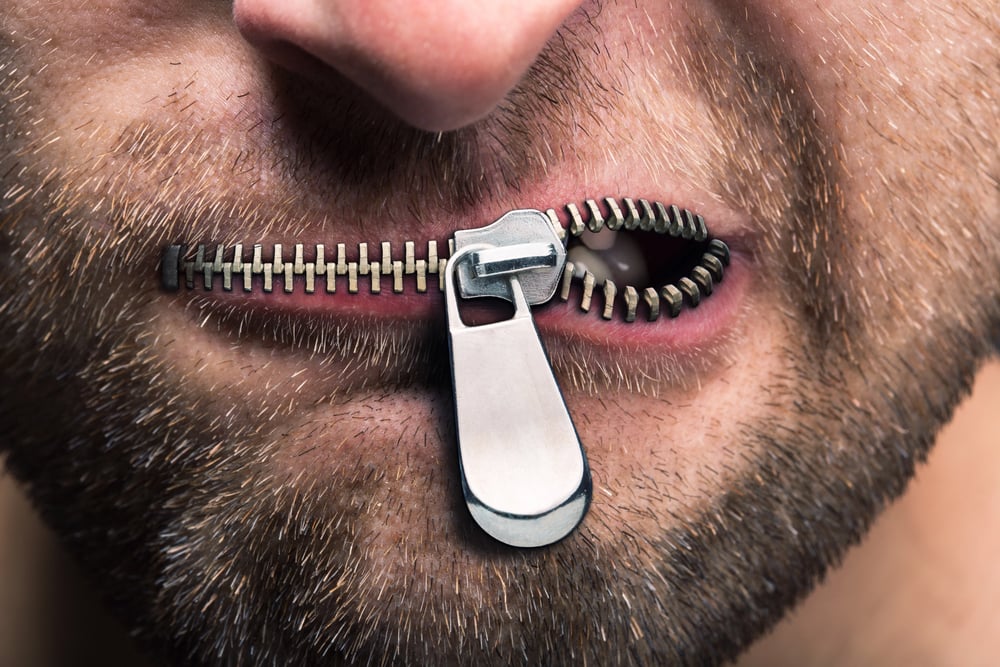
Every record on this list was, at some point, an argument that the public did not need to know yet. Sometimes that argument held up for a few years, and sometimes it held for the length of an entire human life.
What changes it is rarely a single dramatic reveal. More often it is a historian filing a petition, a newspaper invoking a rule nobody had bothered to enforce, or a family member simply outliving the objection that kept a page sealed.
Courts seal records for real reasons: to protect witnesses, to preserve fair trials, to shield people who were never charged with anything. But the pattern across these cases is that secrecy has a shelf life of its own, one that outlasts the original justification more often than institutions like to admit.
Read enough of these stories and the sealed stamp starts to look less like an ending and more like a delay.
More from Go2Tutors!

- The Romanov Crown Jewels and Their Tragic Fate
- 13 Historical Mysteries That Science Still Can’t Solve
- Famous Hoaxes That Fooled the World for Years
- 15 Child Stars with Tragic Adult Lives
- 16 Famous Jewelry Pieces in History
Like Go2Tutors’s content? Follow us on MSN.