27 Interviews That Changed a Public Figure’s Career
A speech gets rehearsed and a press release gets lawyered. An interview is the one public performance where somebody else controls the next sentence, and that is why careers keep pivoting on them.
Some of the people below walked into the room to repair a reputation and walked out without one. Others, including a few of the interviewers, left with a career they had not possessed an hour earlier.
David Frost and Richard Nixon
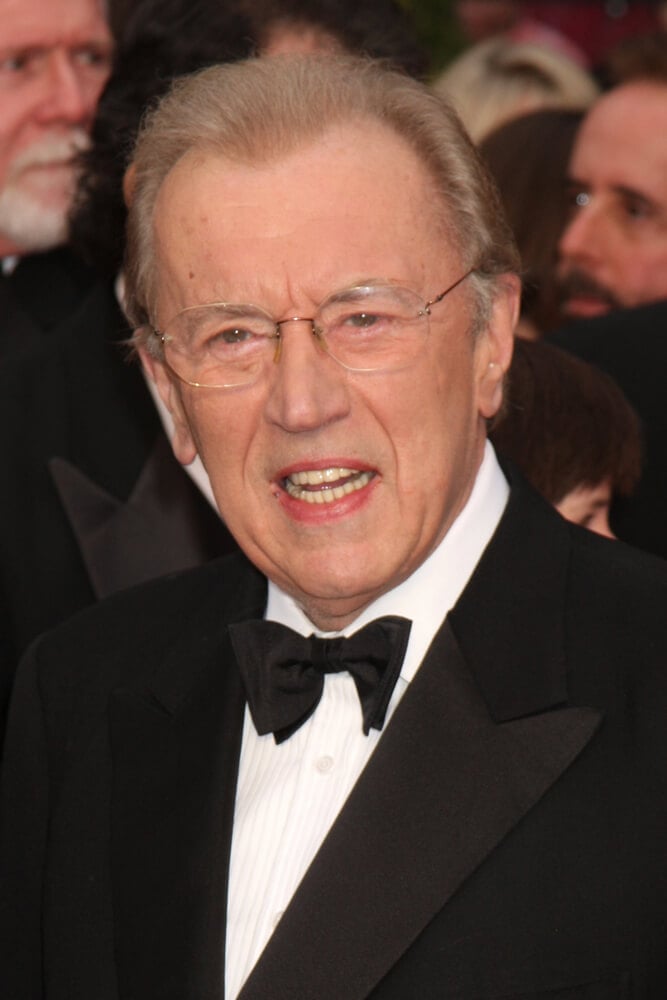
The American networks refused to pay for an interview, so Frost raised the money himself and syndicated the programs station by station. Nixon received $600,000 plus a share of the profits for nearly twenty-nine hours of taping in the spring of 1977.
The first broadcast that May drew about 45 million viewers. Nixon’s remark that an act is not illegal when the president does it became the line history kept, along with his admission that he had let the country down.
Frost, dismissed beforehand as a talk-show lightweight, became the interviewer who got the closest thing to a confession.
Princess Diana on Panorama
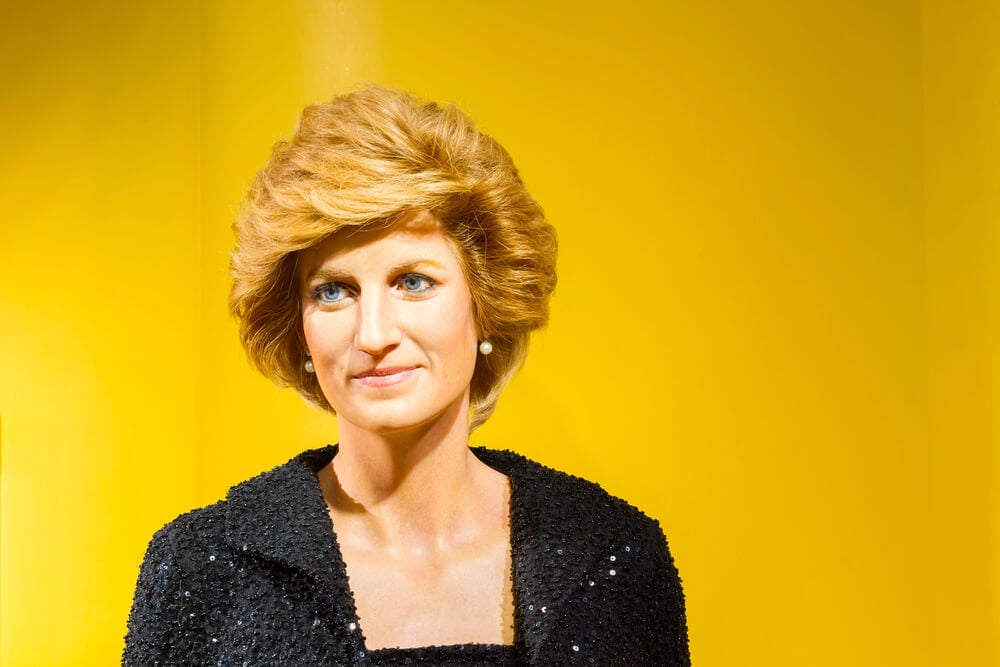
Nearly 23 million people in Britain watched the BBC broadcast on November 20, 1995, in which Diana said there were three people in her marriage, so it was a bit crowded. Within weeks the Queen wrote to both parties urging a divorce, which became final the following August.
Diana lost the style of Her Royal Highness and gained a separate public role. The interview’s own reputation collapsed in 2021, when the Dyson inquiry found that reporter Martin Bashir had used forged bank statements to win access.
The BBC pledged never to air it again.
Prince Charles and Jonathan Dimbleby
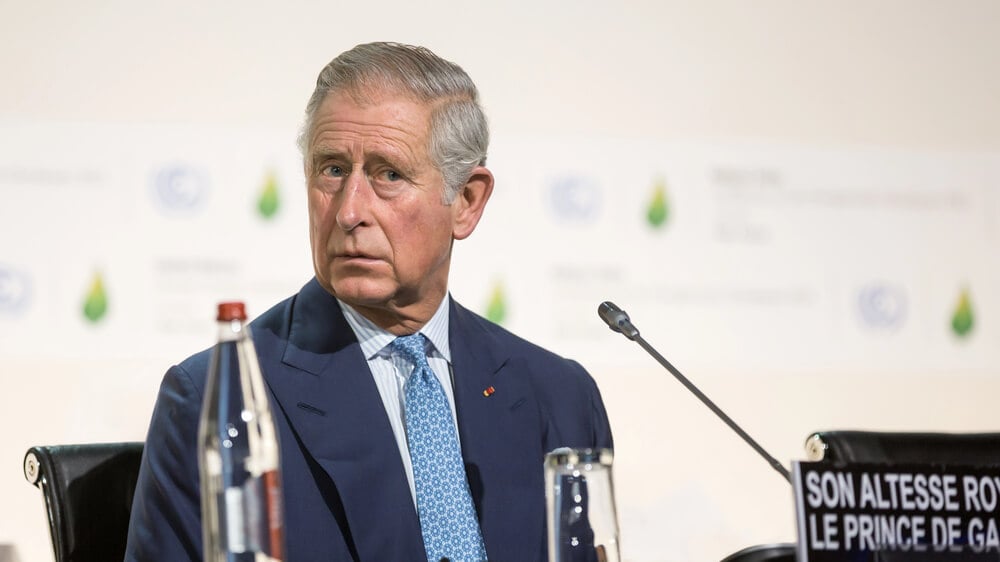
Seventeen months before his wife’s broadcast, the Prince of Wales sat for a long ITV documentary timed to his twenty-fifth year in the title. Asked on camera whether he had been faithful, he said he had been until the marriage had irretrievably broken down.
Roughly 13 million people watched in June 1994. Newspapers ignored the two hours on architecture and charity work and printed the one answer.
That same evening Diana attended a gallery party in a black off-the-shoulder dress that the tabloids named the revenge dress, and she won the next day’s front pages.
Prince Andrew on Newsnight
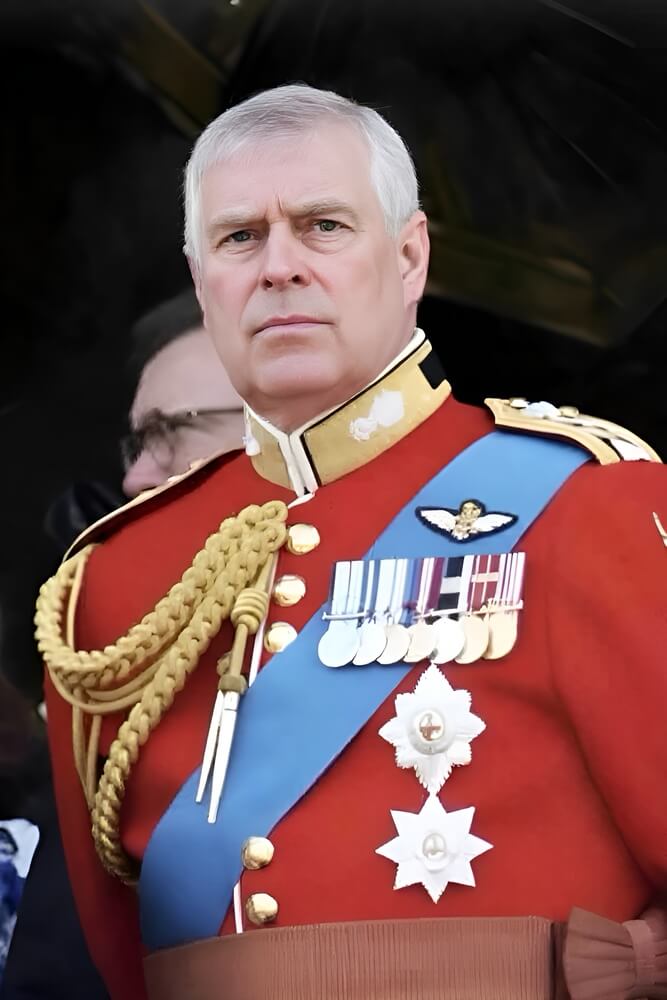
The Duke of York agreed to an hour with Emily Maitlis at Buckingham Palace in November 2019 to address his friendship with financier Jeffrey Epstein. He offered an alibi involving a pizza restaurant in Woking and a medical claim that he could not sweat, and he expressed little sympathy for the victims.
The program aired on a Saturday night. By the following Wednesday he had announced he was stepping back from public duties, and in January 2022 he lost his military titles and royal patronages.
Palace staff had reportedly judged the taping a success.
John Lennon and Maureen Cleave
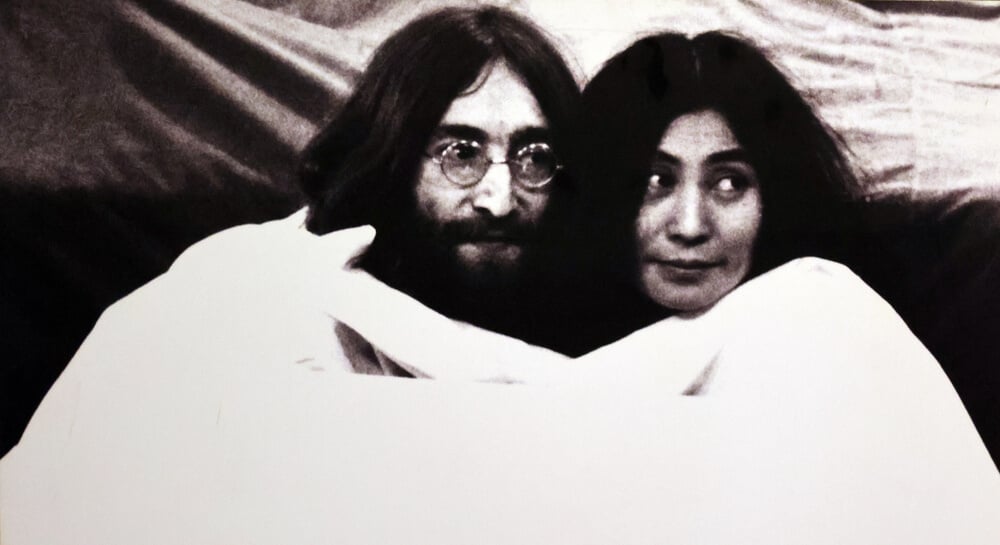
In March 1966 the London Evening Standard ran a profile in which Lennon mused that Christianity would shrink and vanish, and that his band was more popular than Jesus. Britain shrugged.
Five months later the American teen magazine Datebook reprinted the quote on its cover, and radio stations across the South organized record burnings. Lennon apologized at a tense Chicago press conference that August.
The tour that followed was the group’s last, ending at Candlestick Park on August 29, 1966, and the Beatles became a studio band for the rest of their existence.
Jimmy Carter in Playboy
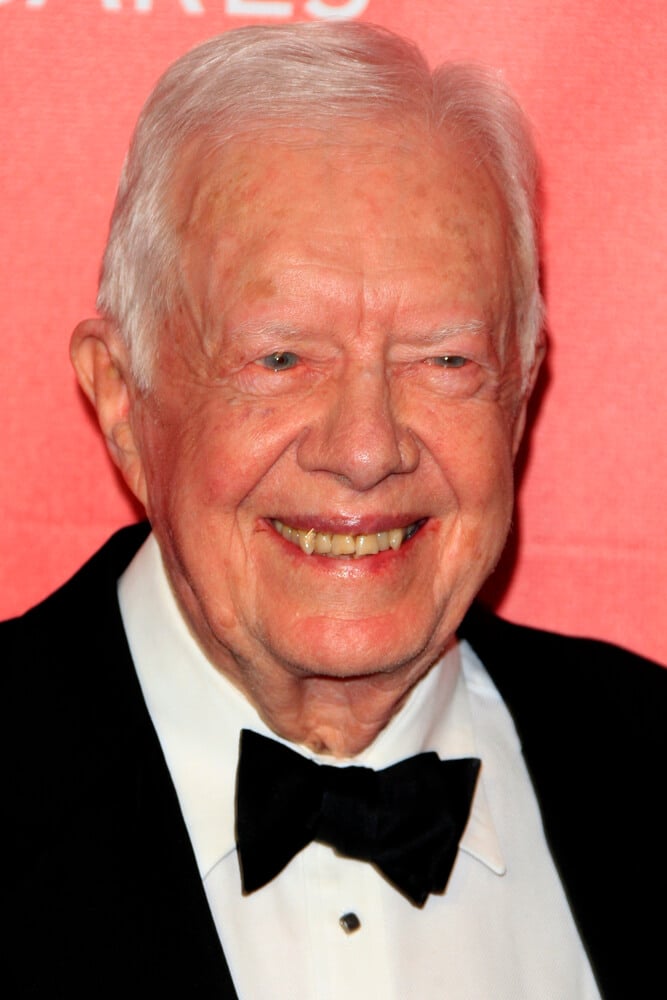
Carter, a Sunday school teacher running on personal honesty, gave journalist Robert Scheer a series of conversations for the November 1976 issue. As a session wound down he volunteered that he had looked on many women with lust and had committed adultery in his heart many times.
Excerpts reached the press in September, and a comfortable polling lead over Gerald Ford shrank through the fall. Carter still won, narrowly, by 297 electoral votes to 240.
Campaign staffs took the lesson that a candidate’s last unguarded minute matters more than the hour before it.
Ted Kennedy and Roger Mudd
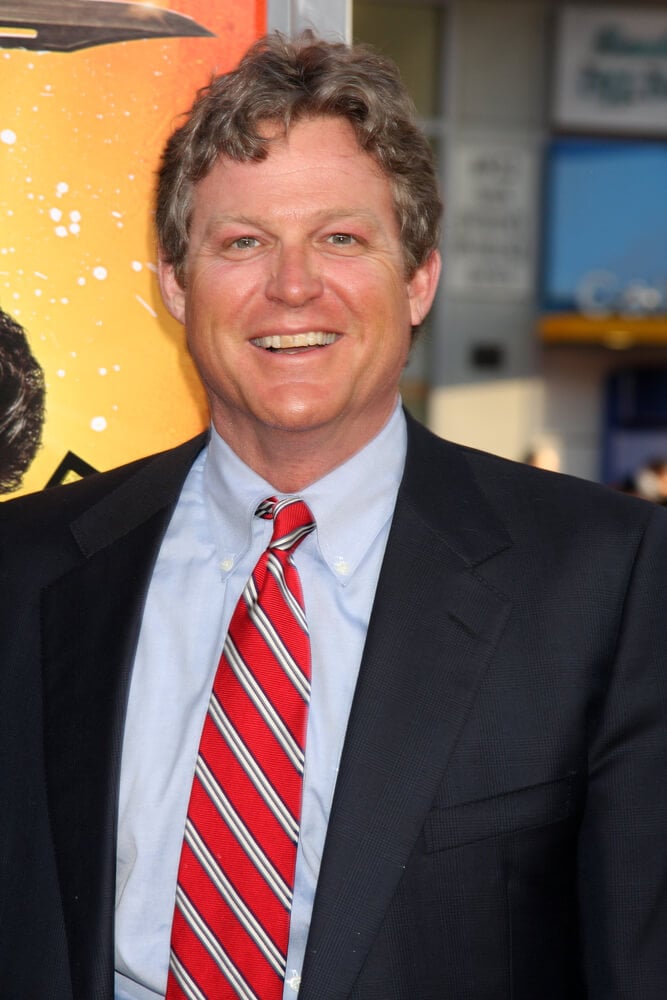
CBS aired an hour-long profile of the senator on November 4, 1979, three days before he formally announced a challenge to President Carter. Mudd asked the obvious question, why he wanted to be president, and Kennedy’s answer wandered for more than a minute without arriving anywhere.
The broadcast ran opposite the network television premiere of “Jaws” and drew a modest audience. Reporters saw it, though, and the stumble framed the coverage of his campaign from the first day.
Kennedy lost the nomination and spent the next three decades becoming one of the Senate’s most productive legislators instead.
George Romney’s Brainwashing Remark
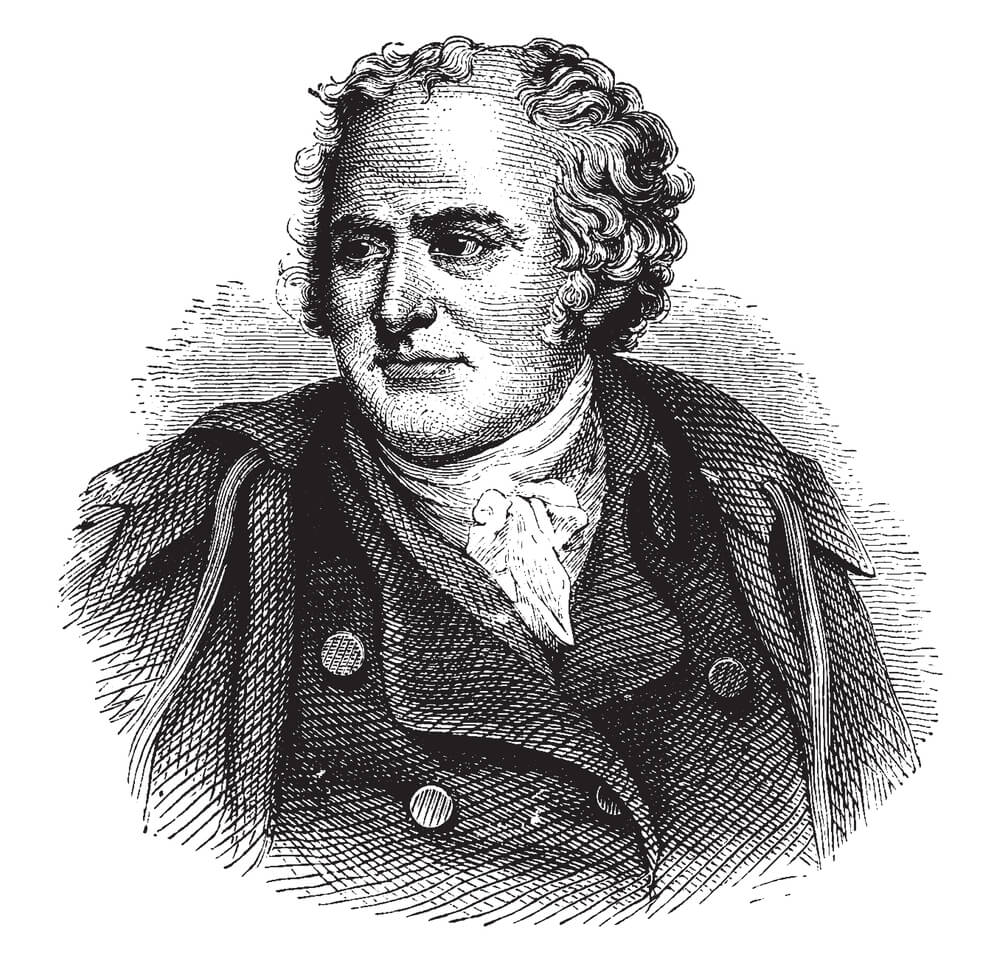
The governor of Michigan was a leading Republican contender for 1968 when he sat down with Detroit television host Lou Gordon in late summer 1967. Explaining why he had once supported the Vietnam War, Romney said that on a 1965 visit he had received the greatest brainwashing anybody could get from generals and diplomats.
He meant he had been misled. Voters heard a man admitting he could be fooled, and Senator Eugene McCarthy quipped that a light rinse would have sufficed.
Romney’s poll numbers sank, and he withdrew in February 1968 before a single primary vote was cast.
George H. W. Bush and Dan Rather
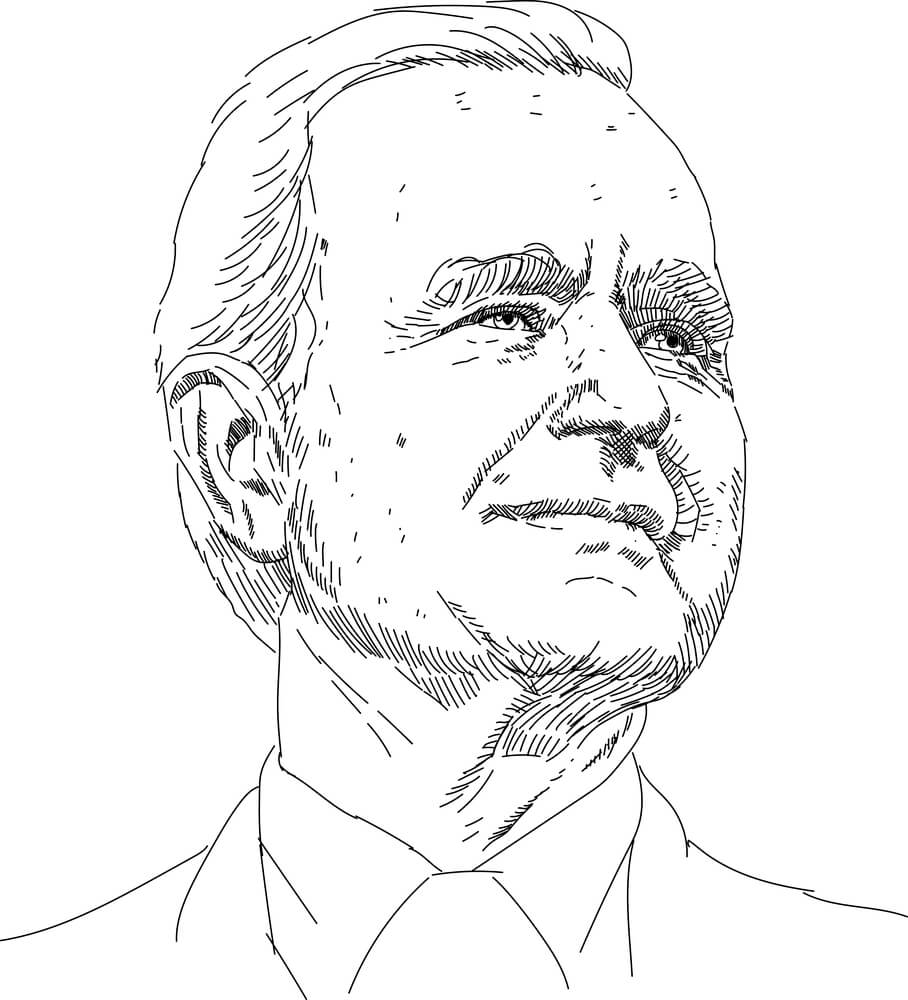
Bush entered the 1988 race with a Newsweek cover that had attached the word wimp to his name. On January 25 he appeared live on the “CBS Evening News,” expecting a profile, and Rather pressed him for nine minutes on the Iran-Contra affair.
Bush fired back by asking how Rather would like his career judged by the night he walked off his own set. Roger Ailes had reportedly coached the line from beside the camera.
Calls flooded CBS affiliates, most of them against the anchor, and the vice president had the combative image his campaign needed.
The Clintons on 60 Minutes
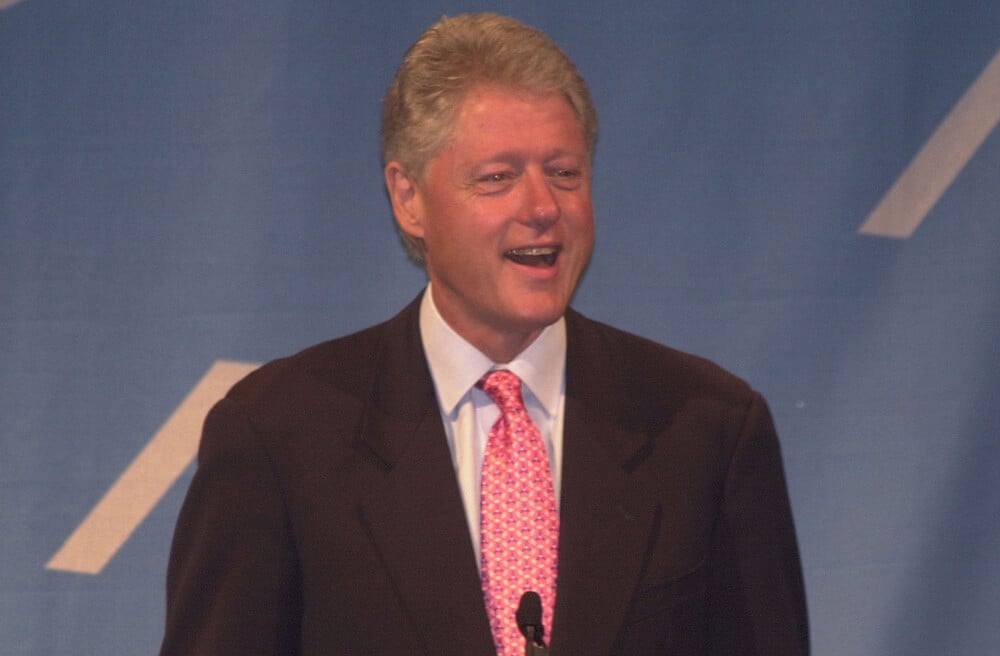
Allegations of a long affair threatened to end Bill Clinton’s candidacy weeks before the New Hampshire primary. The campaign accepted an offer of airtime immediately after the Super Bowl on January 26, 1992, and Bill and Hillary Clinton sat side by side opposite Steve Kroft.
He acknowledged causing pain in his marriage and denied the specific claim. She said she was not some little woman standing by her man, which earned an angry reply from Tammy Wynette.
Clinton finished second in New Hampshire, called himself the Comeback Kid, and the label stuck all the way to November.
Ross Perot on Larry King Live
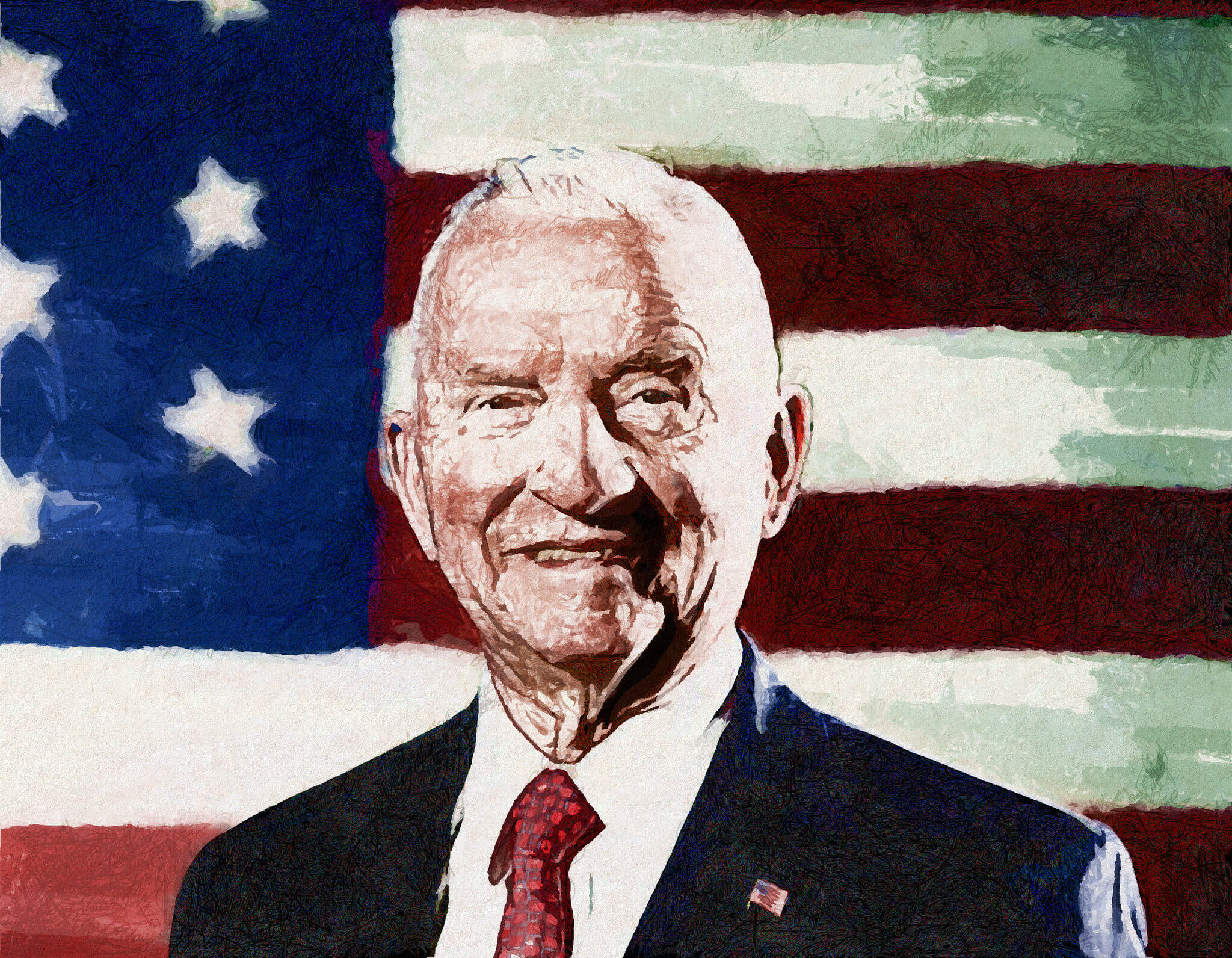
The Texas billionaire had deflected the question several times during the hour on February 20, 1992. Near the end, King asked again, and Perot said he would run for president if volunteers qualified him in all fifty states.
Phone lines jammed and petition drives formed within days. By June he led both major-party candidates in some national polls, and that November he took about 19 percent of the popular vote, the strongest showing outside the two major parties in eighty years.
King’s cable call-in show, meanwhile, became a required stop for every candidate who followed.
Bill Clinton on The Arsenio Hall Show
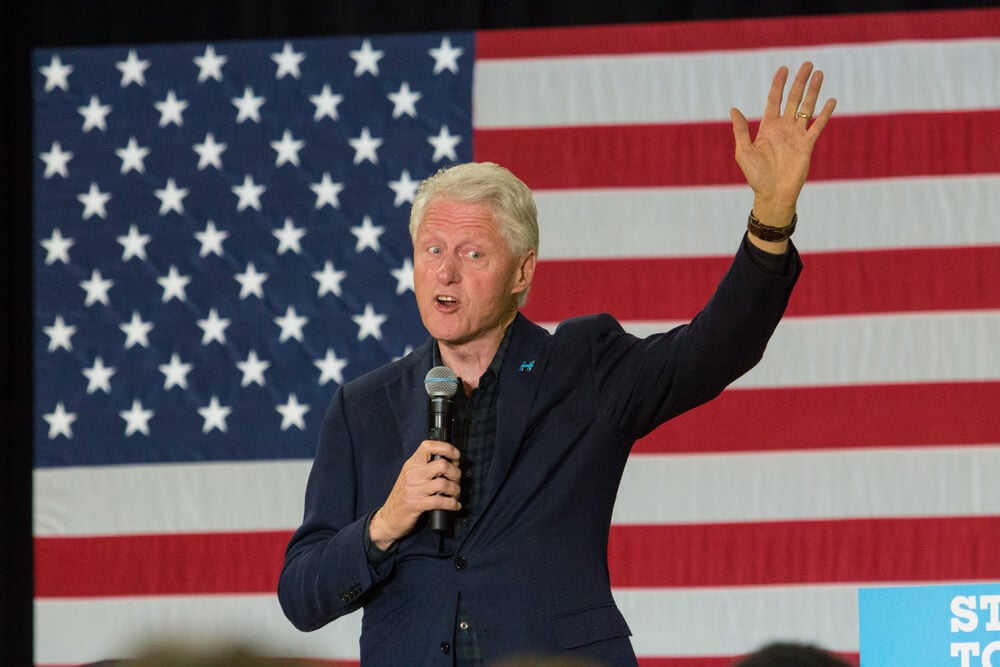
By early June 1992 Clinton had clinched the Democratic nomination and was running third in the polls behind an incumbent president and an undeclared independent. On June 3 he put on dark glasses and played “Heartbreak Hotel” on the saxophone with Hall’s house band, then stayed to take questions about the recent Los Angeles riots.
Commentators called it undignified. Younger voters saw a candidate who knew where they were watching, and rivals soon followed him onto MTV and late-night couches.
Presidential campaigns have treated entertainment programs as mandatory ever since.
Sarah Palin and Katie Couric
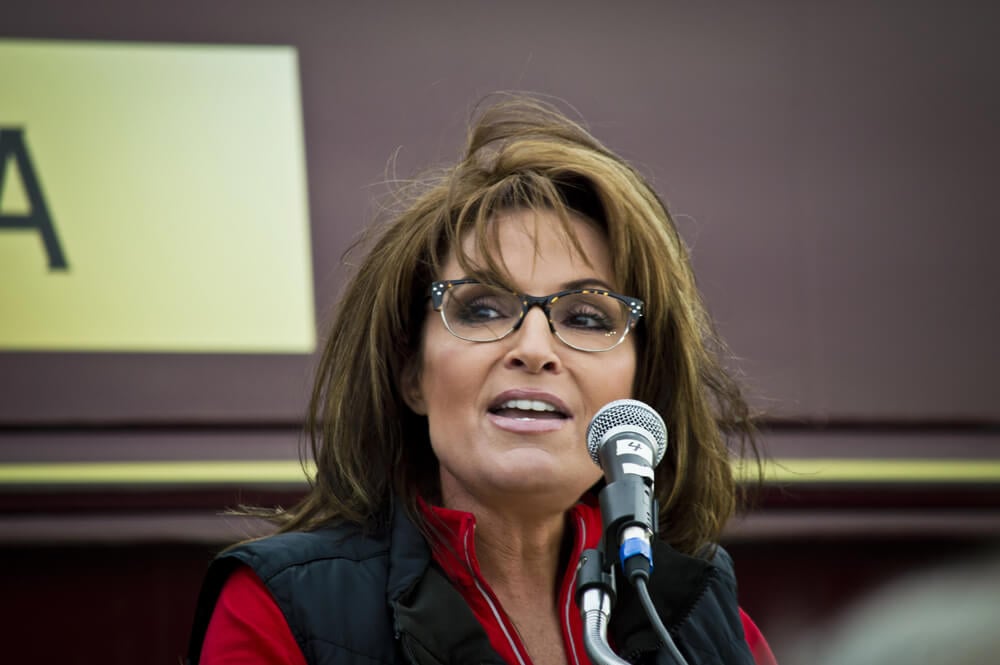
The Alaska governor had electrified the Republican convention weeks earlier when she sat for a series of conversations that CBS aired in late September 2008. Asked which newspapers and magazines she read, she answered all of them, any of them that had been in front of her.
Asked about foreign policy experience, she cited Alaska’s proximity to Russia. Tina Fey’s impression on “Saturday Night Live” lifted entire passages from the transcript with barely a change.
Palin’s favorability fell sharply, and Couric, whose move to the anchor chair had drawn rough reviews, won a Cronkite Award for the interviews.
Stanley McChrystal in Rolling Stone
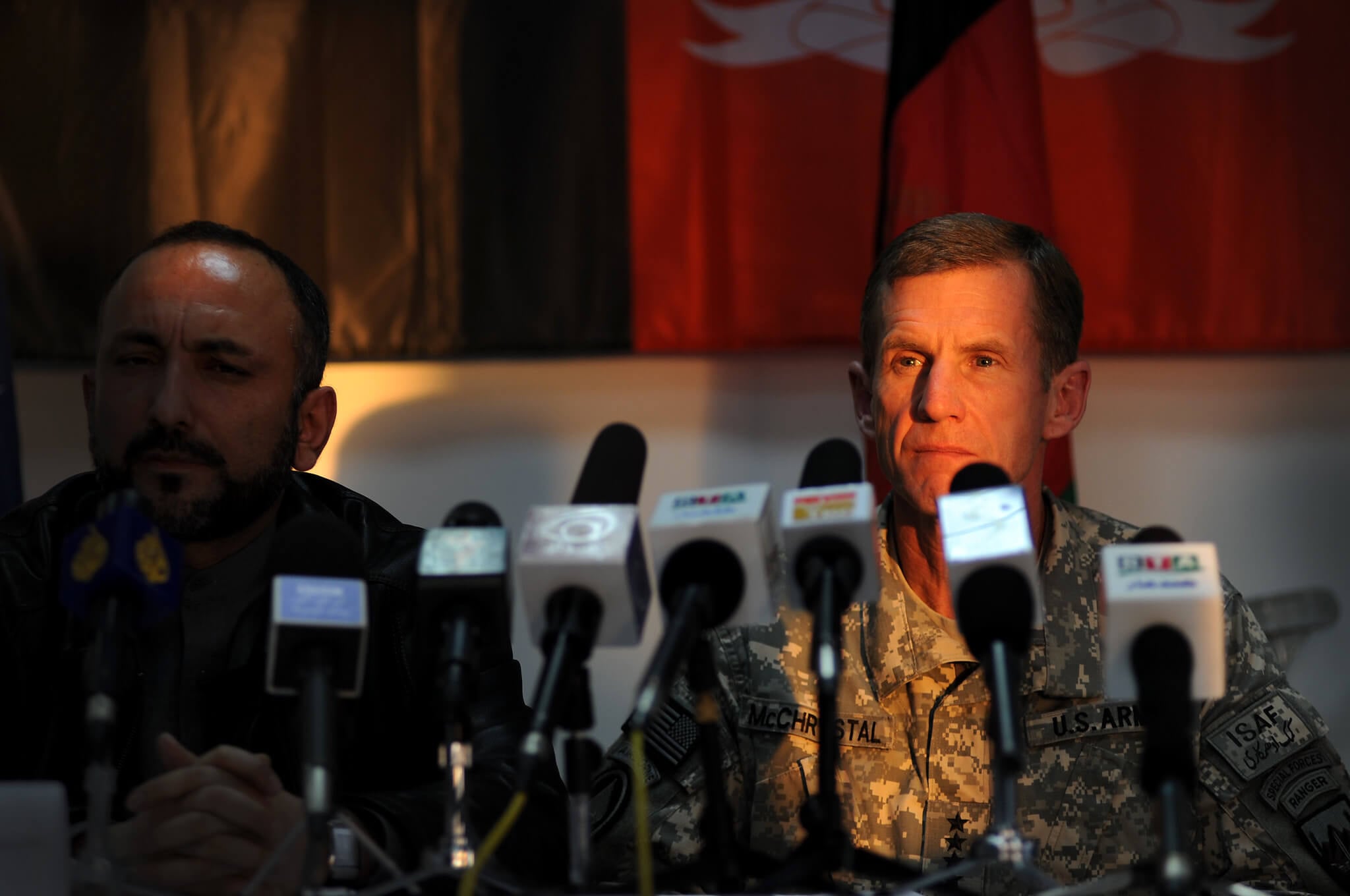
The general commanding American forces in Afghanistan allowed freelance reporter Michael Hastings to travel with his staff in April 2010. An Icelandic volcano then grounded European flights, stranding the group together for days in Paris and Berlin.
The resulting article quoted aides mocking the vice president and other civilian officials. It appeared online on June 22, the general was summoned to Washington, and President Obama accepted his resignation the next day.
A thirty-four-year military career ended over remarks made mostly by other people in hotel bars.
Henry Kissinger and Oriana Fallaci
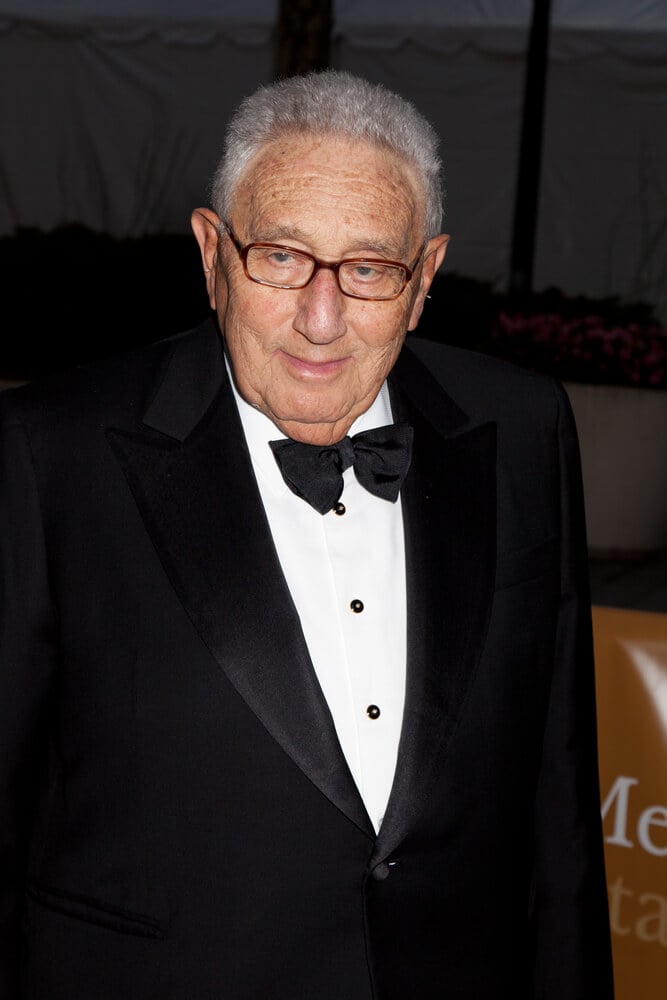
The Italian journalist was famous for getting powerful men to say too much, and in November 1972 the national security adviser gave her an hour. Asked to explain his celebrity, Kissinger compared himself to the cowboy who rides into town alone on his horse.
President Nixon, who believed the foreign policy was his own, was reportedly furious, and the two men barely spoke for weeks. Kissinger later called it the single most disastrous conversation he ever had with a member of the press.
He survived it, but the image of the solitary operator followed him permanently.
Malcolm X and The Hate That Hate Produced
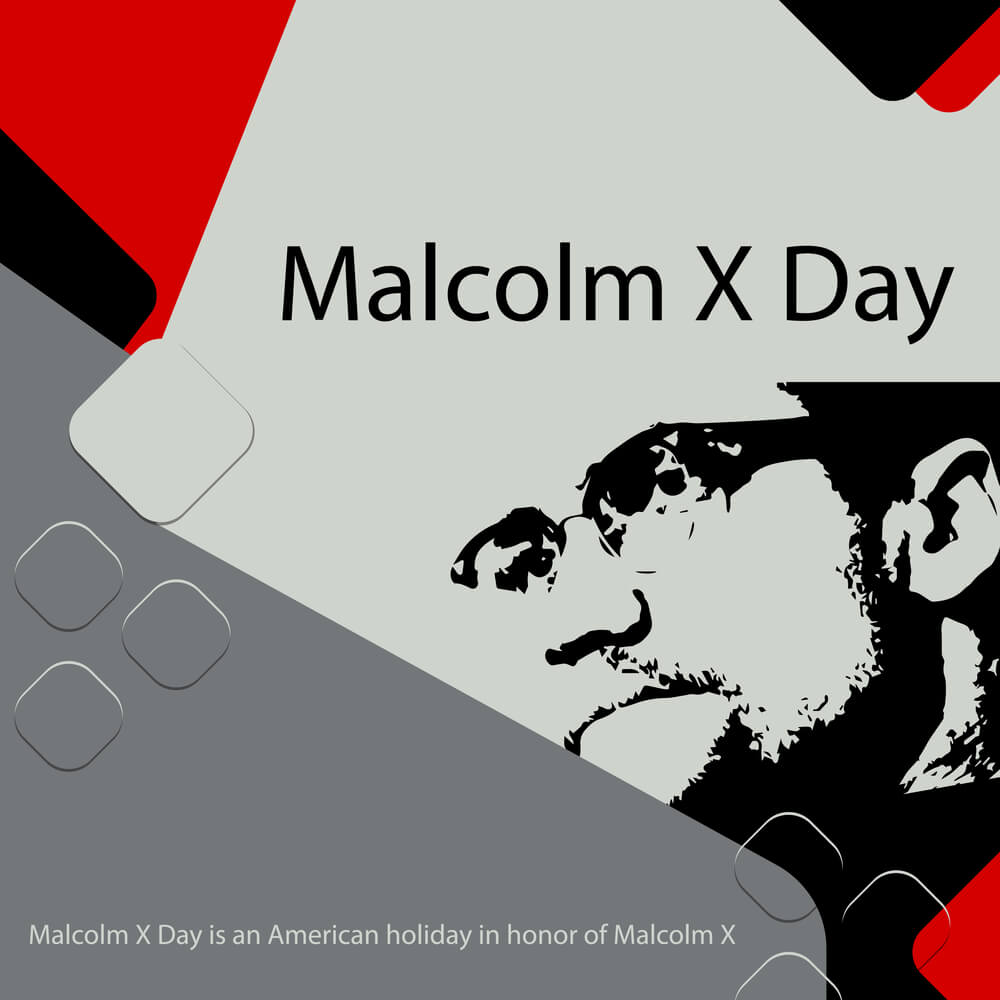
In July 1959 a New York station aired a five-part documentary on the Nation of Islam, reported by Louis Lomax and narrated by Mike Wallace. Lomax conducted the interviews because the organization would not admit white journalists.
Most viewers had never heard of the group or its most articulate minister. The tone was alarmed, yet the exposure reportedly doubled membership within weeks and made Malcolm X a sought-after speaker on campuses and television panels.
Wallace’s reputation as an interrogator grew too, and within a few years he was at CBS News.
Miles Davis and Alex Haley
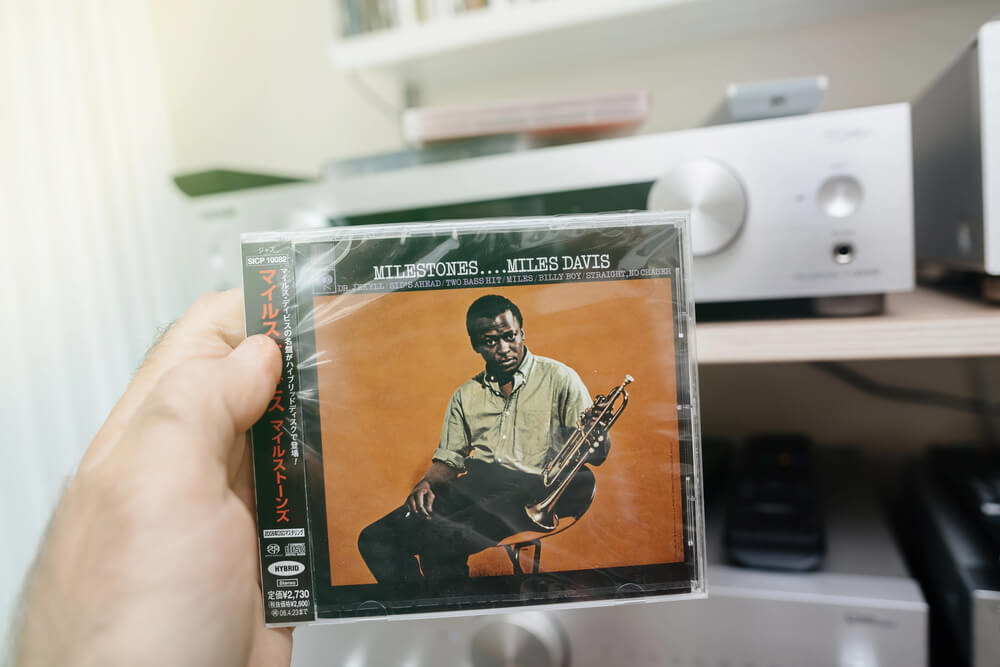
Playboy introduced its long-form question-and-answer feature in September 1962 with a freelance writer recently retired from the Coast Guard interviewing a trumpet player who disliked interviews. Davis spoke with unusual bluntness about race in America, and the format became a fixture of the magazine for decades.
For Haley the assignment led to another, a 1963 conversation with Malcolm X, which grew into their collaboration on the autobiography published in 1965. That book’s success gave Haley the standing and the advance to spend a decade researching “Roots.”
Anwar Sadat, Menachem Begin, and Barbara Walters
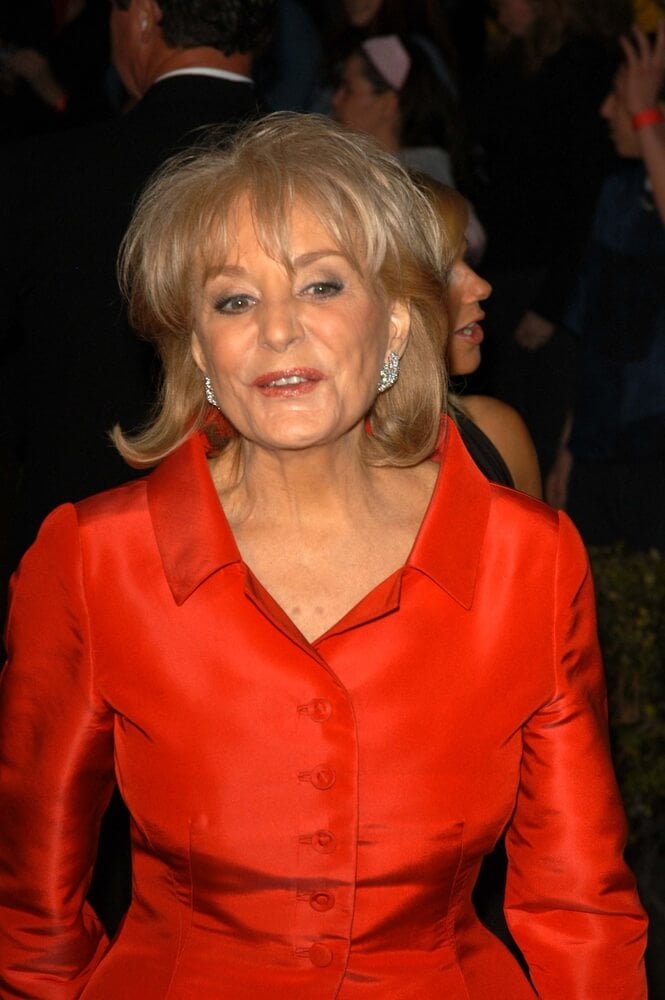
Walters had jumped to ABC in 1976 for a record million-dollar salary and a co-anchor chair beside Harry Reasoner, who made no secret of his contempt. Ratings sagged, and critics declared the experiment a failure.
In November 1977, during Sadat’s historic visit to Jerusalem, she persuaded the Egyptian president and the Israeli prime minister to sit for the first joint interview they ever gave. Walter Cronkite, whose own broadcasts had helped bring the trip about, had to follow her.
The scoop restored her standing and pointed her toward the interview specials that defined the rest of her career.
Monica Lewinsky and Barbara Walters
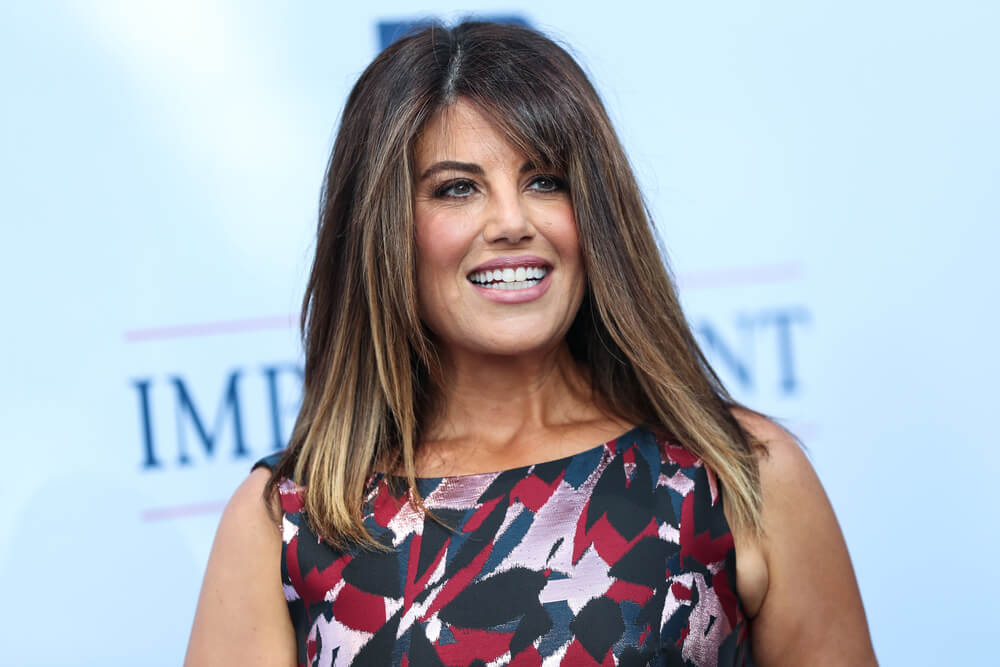
An estimated 70 million Americans watched at least part of the two-hour ABC broadcast on March 3, 1999, a record for a news interview on a single network. Lewinsky, then twenty-five, had been a punchline for more than a year without speaking publicly.
She described the scandal that led to a presidential impeachment in her own words and, asked what she would tell her future children, said that Mommy made a big mistake. A decade of near silence followed.
She returned in 2014 as a writer and a widely viewed speaker on public shaming and online harassment.
Michael Jackson and Oprah Winfrey
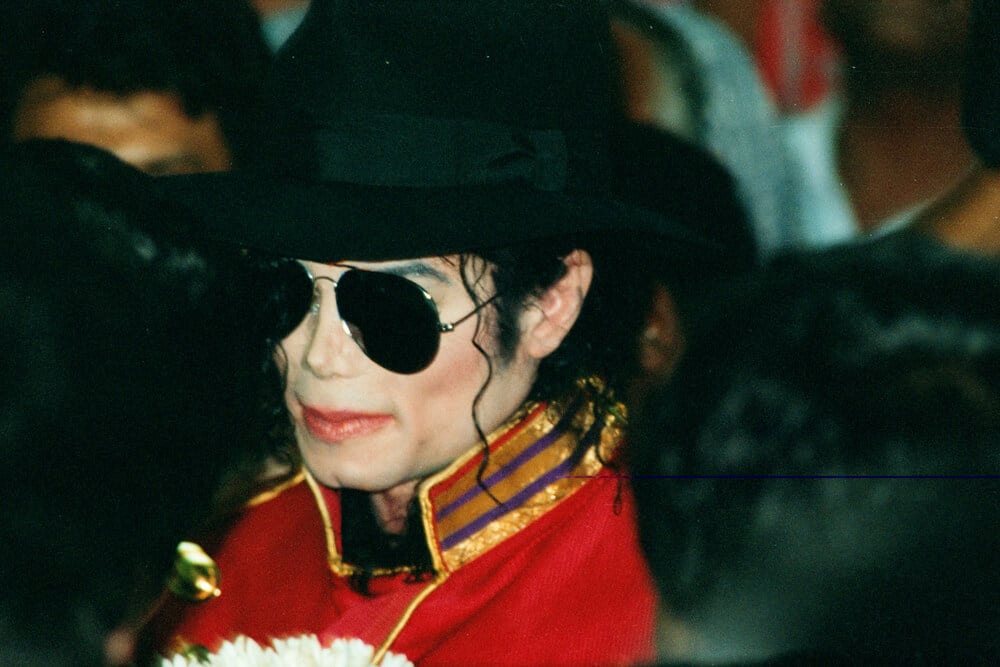
Jackson had not given a television interview in fourteen years when he invited Winfrey to his California ranch for a live ninety-minute broadcast on February 10, 1993. Around 90 million people watched worldwide, still the largest audience ever recorded for an interview.
He spoke about a harsh childhood and disclosed that the change in his skin came from vitiligo, a pigment disorder. His album “Dangerous,” then more than a year old, climbed back into the top ten.
For Winfrey the night confirmed that the biggest names would come to her before anyone else.
Tom Cruise, Oprah, and Matt Lauer
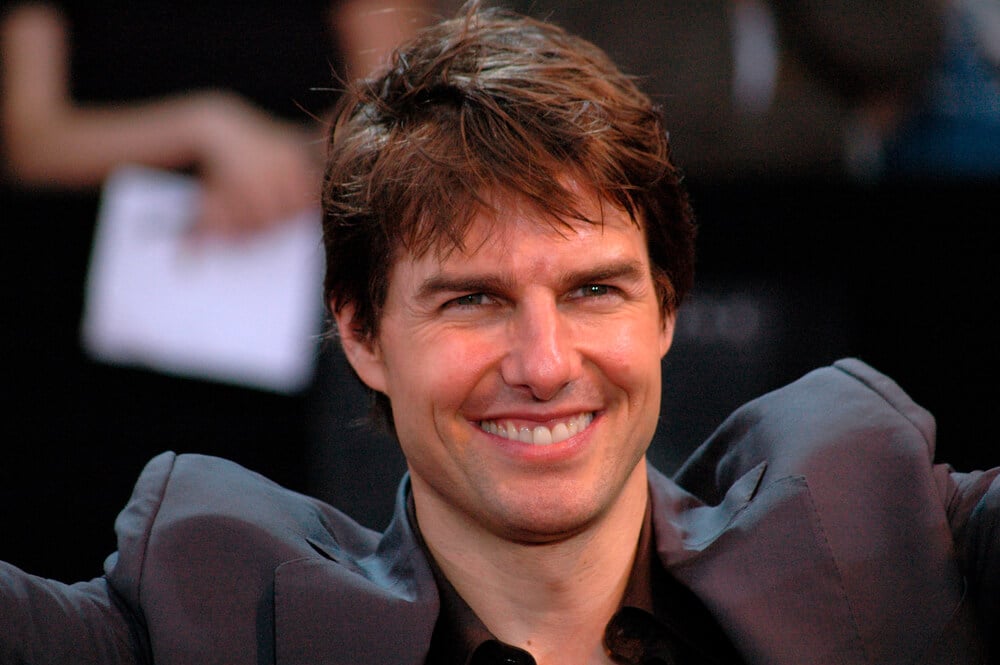
In May 2005 the actor bounced on Winfrey’s couch to declare his love for Katie Holmes, and the clip became one of the first viral videos of the broadband era. A month later on “Today” he lectured Lauer about psychiatry, called him glib, and criticized Brooke Shields for taking medication.
Audiences who had known him only as a controlled movie star recoiled. In August 2006 Paramount’s chairman ended the studio’s fourteen-year relationship with Cruise’s production company, citing his conduct.
It took several years and the “Mission: Impossible” franchise to rebuild his standing at the box office.
Lance Armstrong and Oprah Winfrey
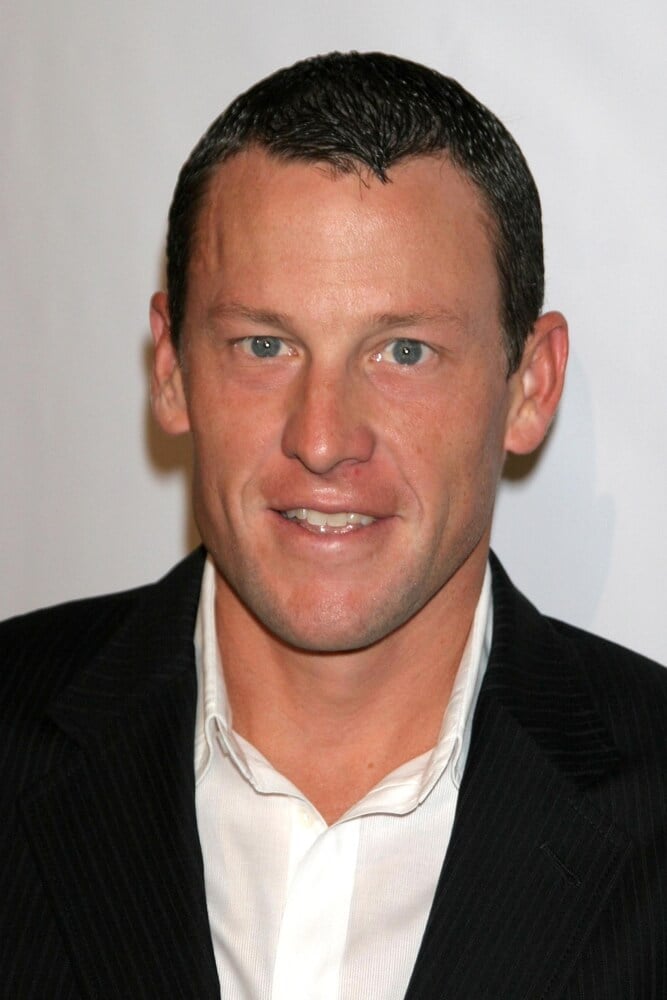
For more than a decade Armstrong had denied doping, sued accusers, and won. After the United States Anti-Doping Agency published its evidence in October 2012 and stripped his seven Tour de France titles, he agreed to a two-part interview that aired in January 2013.
Winfrey opened with five yes-or-no questions, and he answered yes to every one. The confession brought no rehabilitation.
Sponsors had already left, a lifetime ban stayed in place, and in 2018 he paid five million dollars to settle a federal fraud suit tied to his Postal Service team.
James Frey’s Return to Oprah
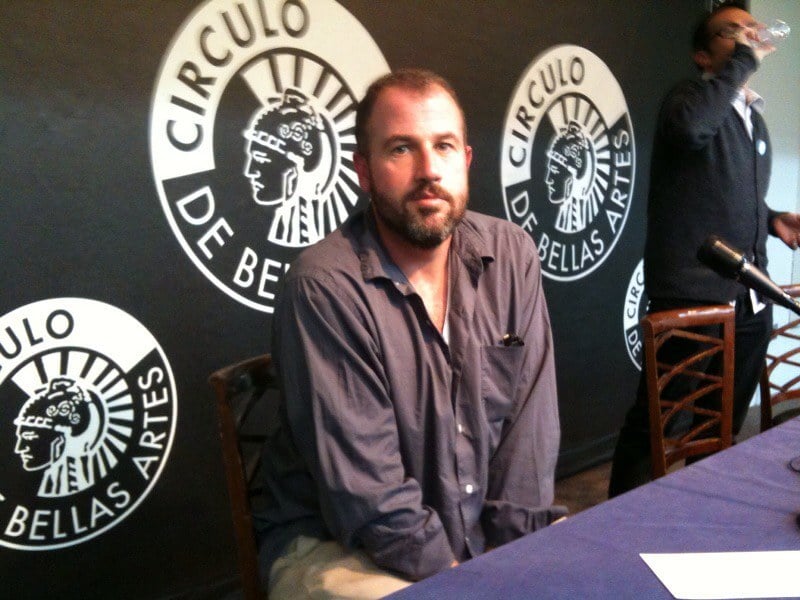
Winfrey chose Frey’s addiction memoir “A Million Little Pieces” for her book club in September 2005, and it sold millions. In January 2006 an investigative website showed that key episodes, including a long jail term, were invented or wildly inflated.
Winfrey first defended him by phone on Larry King’s program, then reversed herself. On January 26 she brought Frey and his publisher onto a live show, said she felt duped, and questioned him for most of the hour.
The publisher offered refunds, his agent dropped him, and Frey rebuilt a career in fiction, where invention is the job.
Ellen DeGeneres Comes Out
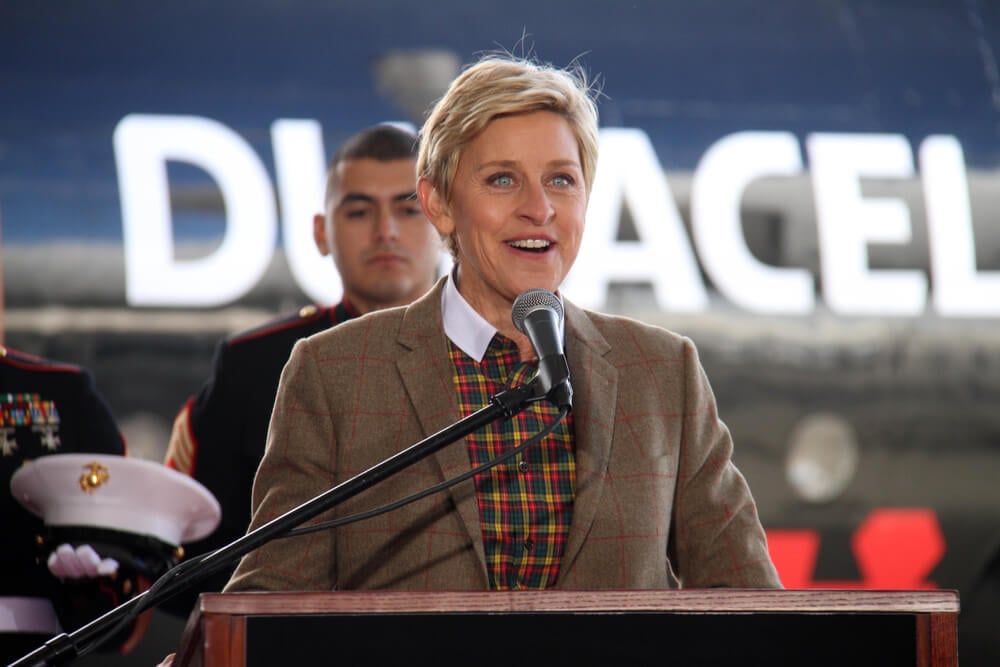
In April 1997 the comedian confirmed on the cover of Time, and then on Winfrey’s program, what her sitcom character was about to announce. The episode aired on April 30 to about 42 million viewers, with Winfrey playing the therapist.
Advertisers pulled out, ABC added a parental advisory to later episodes, and the series was canceled a year later. DeGeneres has said the phone stopped ringing for three years.
She returned with a daytime talk show in September 2003 that ran for nineteen seasons, a recovery that few predicted in 1998.
Hugh Grant on The Tonight Show
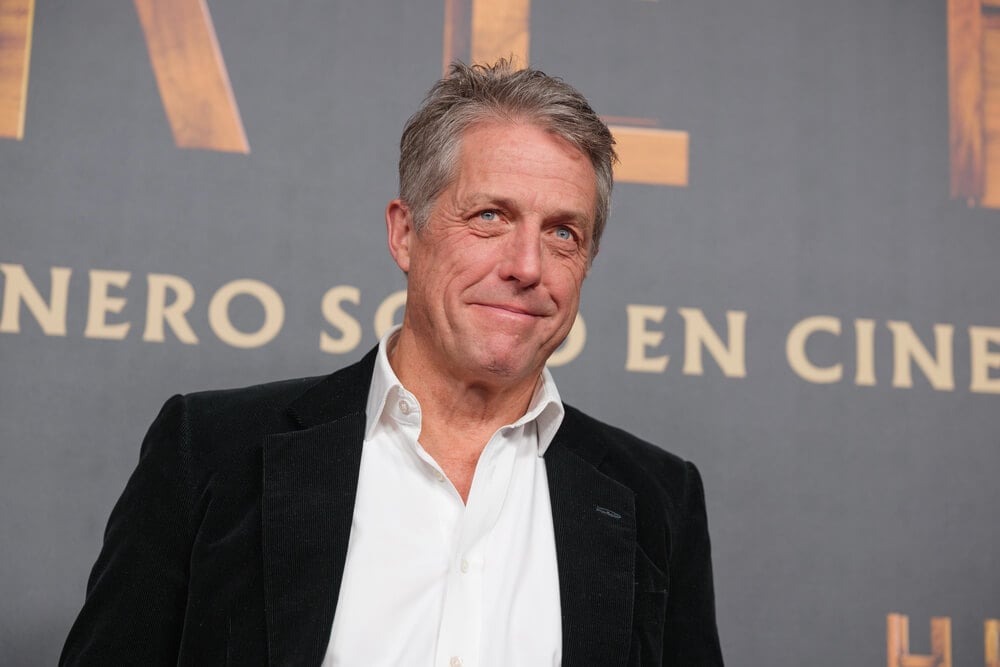
Two weeks after his arrest on a lewd conduct charge in Los Angeles, the British actor kept a long-scheduled booking with Jay Leno on July 10, 1995. Leno’s first question was what the hell he had been thinking.
Grant declined every available excuse, said he had done a bad thing, and left it there. Audiences forgave him, and his film “Nine Months” opened well that week.
The larger change belonged to the host. Leno beat David Letterman in the ratings that night for the first time, and he held the lead for most of the next two decades.
Jon Stewart on Crossfire
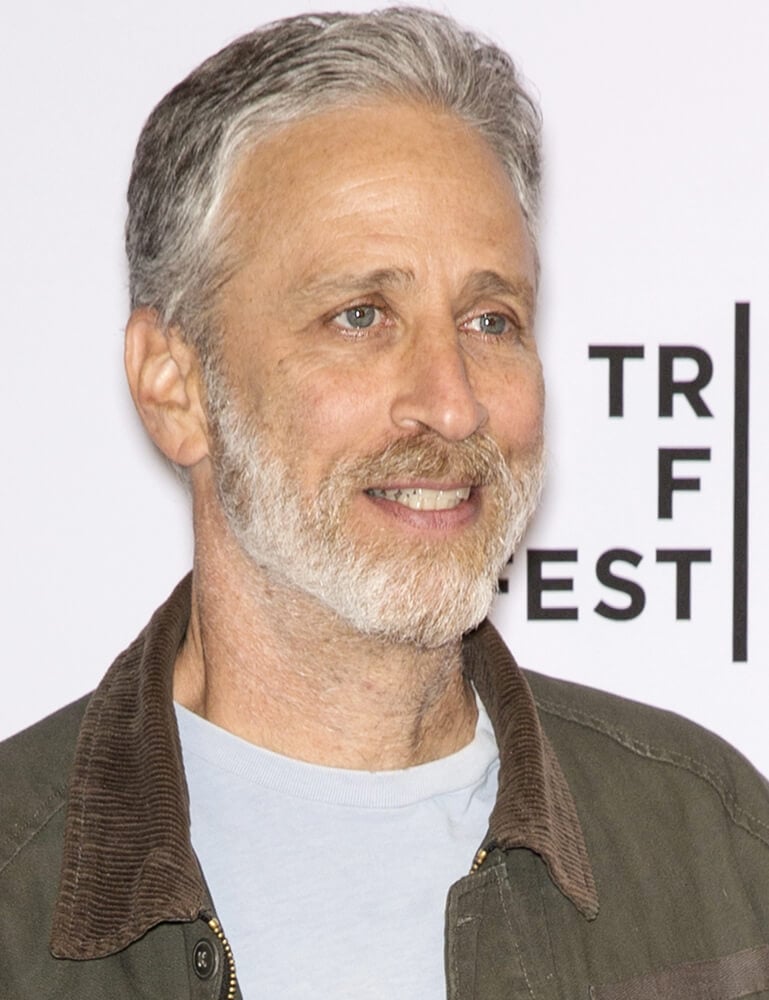
CNN’s debate program booked the “Daily Show” host in October 2004 expecting a few jokes about the election. Stewart instead told hosts Tucker Carlson and Paul Begala that their staged shouting was hurting America and asked them to stop.
The exchange turned testy, and the clip was downloaded millions of times in the months before YouTube existed. In January 2005 CNN’s new president canceled “Crossfire” and said he agreed with Stewart’s premise.
Carlson’s contract was not renewed. Stewart’s standing as a media critic, already rising, became the center of his public identity.
Al Campanis on Nightline
The Los Angeles Dodgers’ general manager appeared with Ted Koppel on April 6, 1987, to mark forty years since Jackie Robinson integrated the major leagues. Campanis had been Robinson’s minor-league teammate and friend.
Asked why the sport had so few Black managers and executives, he said they might lack some of the necessities for such jobs. Koppel offered him several chances to reconsider, and he dug in.
The Dodgers forced his resignation two days later, ending a career of more than four decades with one club. The uproar pushed the league into its first formal minority hiring effort.
Careers Turn on One Answer

Almost none of these people were ambushed. Most had prepared, several had requested the interview, and a few had chosen the interviewer.
The damage came from a single reply that ran a sentence too long or a question so simple that nobody had rehearsed it. The winners in this list share a different habit.
They said one plain thing and then stopped talking. Forty years of campaign coaching and media training can be reduced to that, and people still forget it once the red light comes on.
More from Go2Tutors!

- The Romanov Crown Jewels and Their Tragic Fate
- 13 Historical Mysteries That Science Still Can’t Solve
- Famous Hoaxes That Fooled the World for Years
- 15 Child Stars with Tragic Adult Lives
- 16 Famous Jewelry Pieces in History
Like Go2Tutors’s content? Follow us on MSN.