26 Broadcasts That Made History
Newspapers report what happened. A broadcast happens at the same moment as the event, in front of everybody at once, and sometimes the transmission turns out to be the event.
The list runs from a scratchy opera relay heard by a few dozen hobbyists to a satellite feed from a hotel window in Baghdad. In each case the audience knew, or soon learned, that something had shifted while the set was on.
Lee de Forest Puts Caruso on the Air
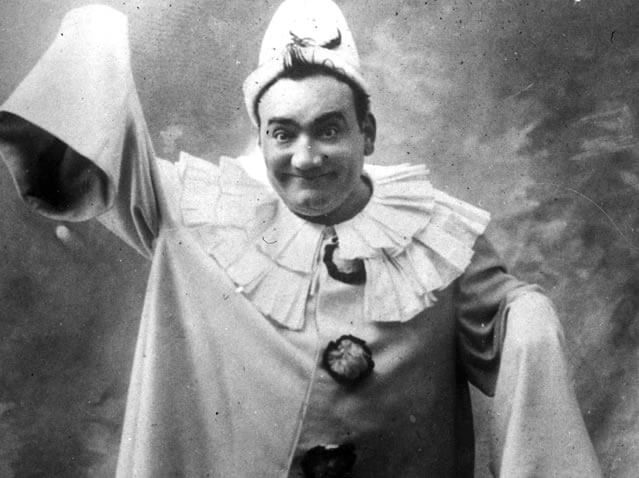
On January 13, 1910, the inventor hung microphones above the stage of the Metropolitan Opera and transmitted Enrico Caruso singing in “Pagliacci” to anyone in the New York area with a receiver. That amounted to a few dozen people, including reporters gathered at listening posts and wireless operators on ships in the harbor.
The sound was thin and riddled with static, and interference from other transmitters cut in. The New York Times was unimpressed.
De Forest had nonetheless demonstrated that radio could carry entertainment to the public, a full decade before anyone built a business on the idea.
KDKA Reads the Election Returns
Westinghouse engineers rushed to finish a transmitter in a shack on the roof of their East Pittsburgh plant in time for November 2, 1920. That evening announcer Leo Rosenberg read Harding and Cox vote totals telephoned over from a newspaper office, and asked anyone listening to mail in a card.
Perhaps a thousand people heard it. They learned the result hours before the morning papers reached their doorsteps, and that was the entire sales pitch.
KDKA is generally credited as the first commercially licensed station in the United States, and a rush of imitators followed within two years.
The Dempsey and Carpentier Fight
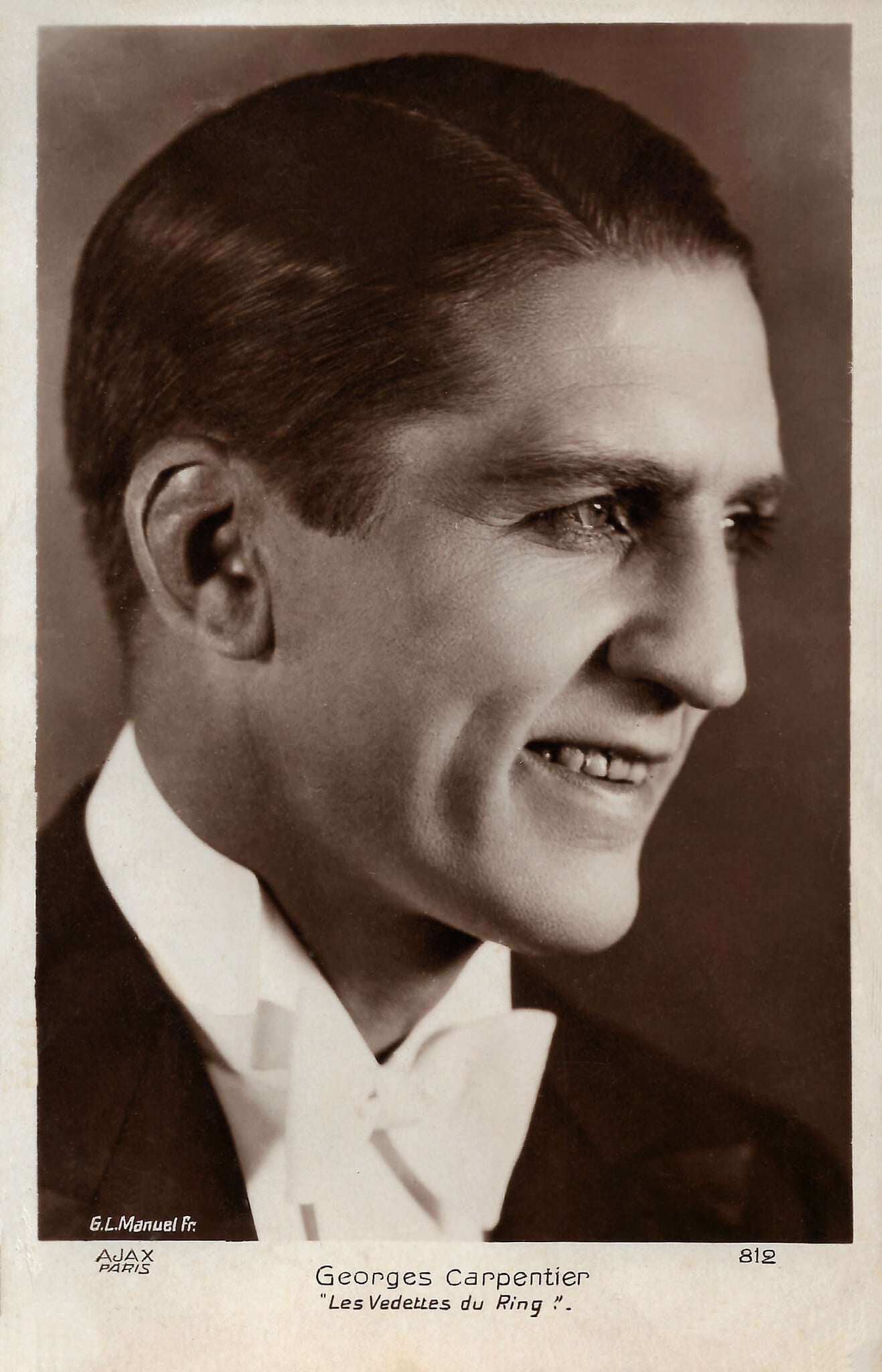
David Sarnoff, then a young RCA manager, wanted proof that a mass audience existed. For the heavyweight title bout in Jersey City on July 2, 1921, his team borrowed a Navy transmitter, strung an antenna between railroad towers in Hoboken, and installed receivers in theaters and lodge halls across the Northeast.
Major J. Andrew White described the action from ringside by telephone. An estimated 300,000 people listened, by far the largest audience radio had yet assembled.
Dempsey won in the fourth round, and the overheated transmitter reportedly failed shortly after the final bell.
The Scopes Trial on WGN
In July 1925 the Chicago Tribune’s station paid roughly a thousand dollars a day for telephone lines running to the courthouse in Dayton, Tennessee. It was the first trial ever broadcast.
The judge allowed the courtroom to be rearranged around the microphones, and announcer Quin Ryan narrated the duel between Clarence Darrow and William Jennings Bryan over the teaching of evolution. Listeners hundreds of miles away followed a small-town misdemeanor case as closely as a prizefight.
Arguments about microphones and cameras in courtrooms began that week and have never been settled.
George V Delivers a Christmas Message
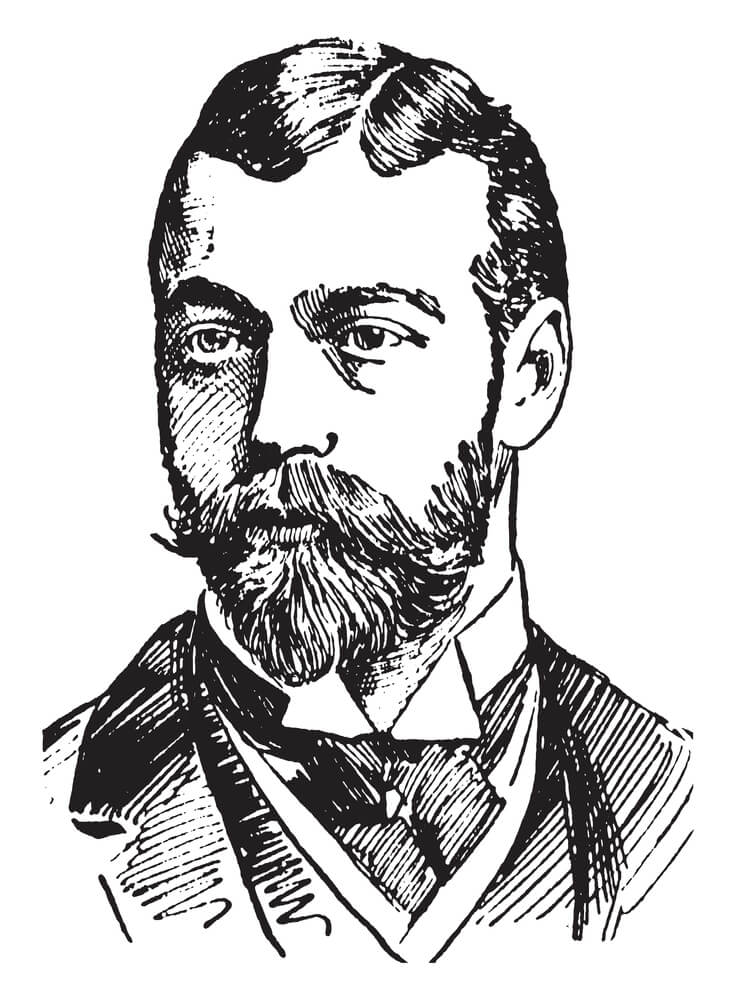
The BBC’s John Reith spent years persuading a reluctant monarch to speak on the wireless. On Christmas Day 1932 the King sat at a desk at Sandringham and read a text written for him by Rudyard Kipling.
The hour of three in the afternoon was chosen because it reached the greatest number of time zones in the empire by shortwave. An estimated 20 million people heard a sovereign’s voice in their own homes for the first time.
The royal Christmas broadcast has continued, with few interruptions, for more than ninety years.
Roosevelt’s First Fireside Chat
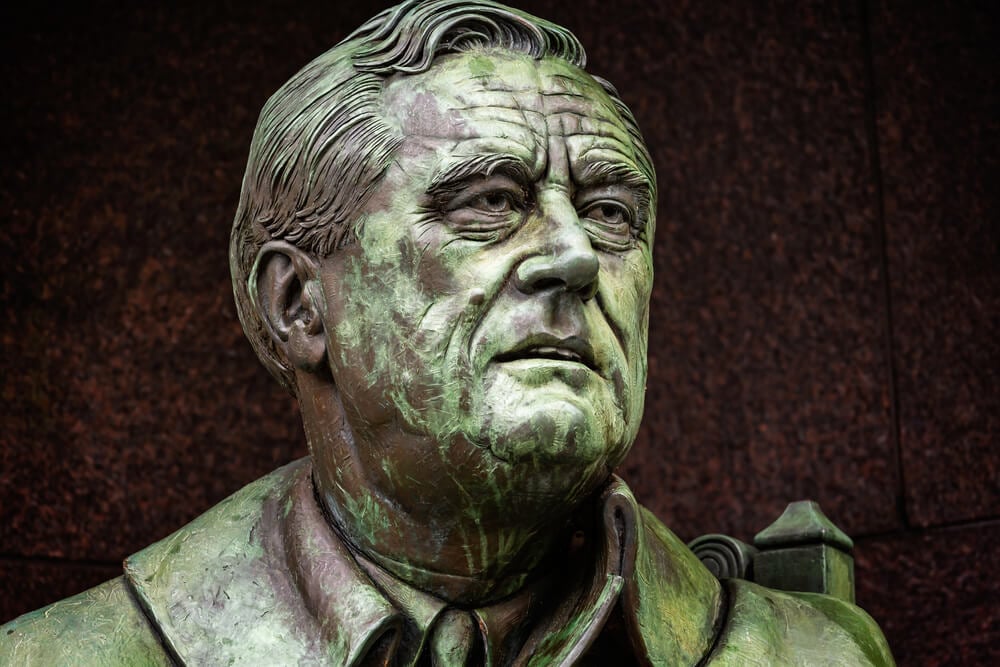
Eight days after taking office, with every bank in the country closed by proclamation, the president went on the air on the evening of March 12, 1933. He explained in plain language how banking worked, why the closures were necessary, and why money would be safer in a reopened bank than under a mattress.
Some 60 million people listened. When banks opened the next morning, deposits exceeded withdrawals, and the panic was over.
A CBS executive coined the cozy label for the talks, of which Roosevelt gave about thirty over twelve years.
Edward VIII Gives Up the Throne
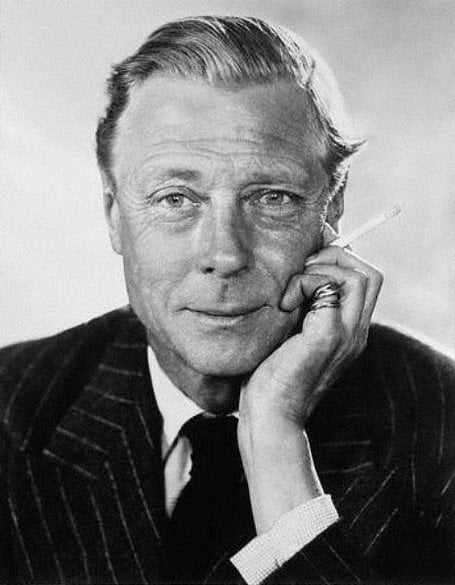
On the night of December 11, 1936, a man introduced as His Royal Highness Prince Edward spoke from Windsor Castle to explain why he had reigned for less than a year. He said he could not carry the burden of kingship without the help and support of the woman he loved.
Winston Churchill had helped polish the text. The speech lasted about seven minutes and was relayed around the world by shortwave.
A constitutional crisis that might once have unfolded behind closed doors ended instead with a personal appeal to a listening public.
The BBC Opens a Television Service
Regular high-definition television began on November 2, 1936, from Alexandra Palace in north London, watched on perhaps a few hundred sets. For the first months the BBC alternated weekly between two rival systems, John Logie Baird’s 240-line mechanical apparatus and the all-electronic 405-line equipment from Marconi-EMI.
Performers hated the Baird studio, and the electronic system won outright by February 1937. The service went dark without warning on September 1, 1939, shortly after a Mickey Mouse cartoon, for fear the transmitter would guide enemy bombers.
It returned in June 1946.
The Hindenburg Report
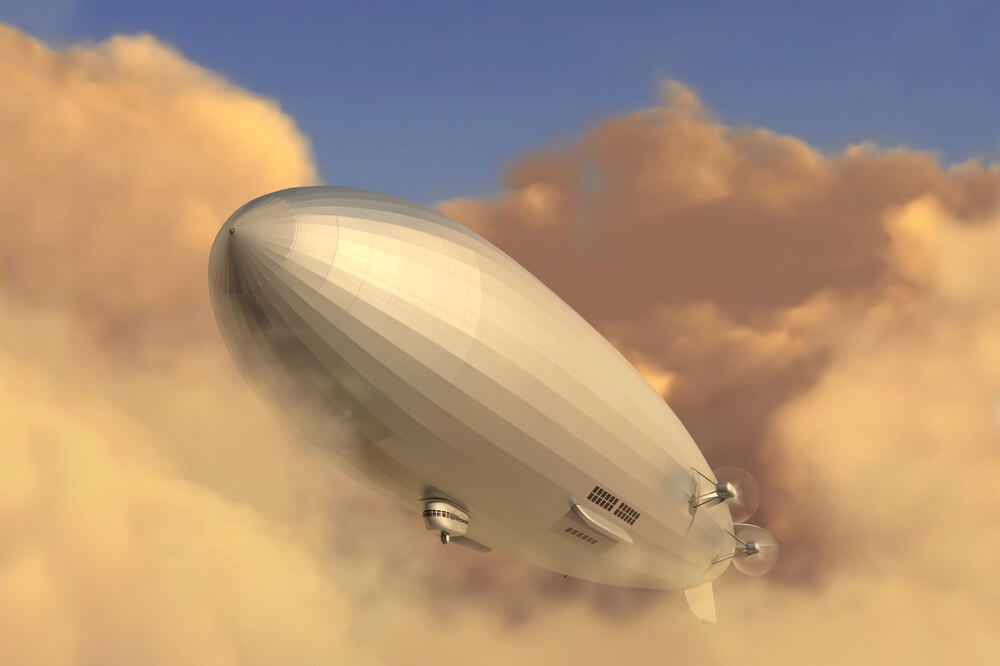
Herbert Morrison of Chicago’s WLS went to Lakehurst, New Jersey, on May 6, 1937, to test field recording equipment on a routine airship arrival. He and engineer Charlie Nehlsen were cutting lacquer discs when the hydrogen ignited, and the blast jolted the stylus hard enough to gouge the record.
Morrison’s cry about the humanity of it was never live. NBC broke its own ban on recorded material to air the discs the next day.
Surviving copies play slightly fast, which means the famous voice is pitched higher than the man actually spoke.
The War of the Worlds
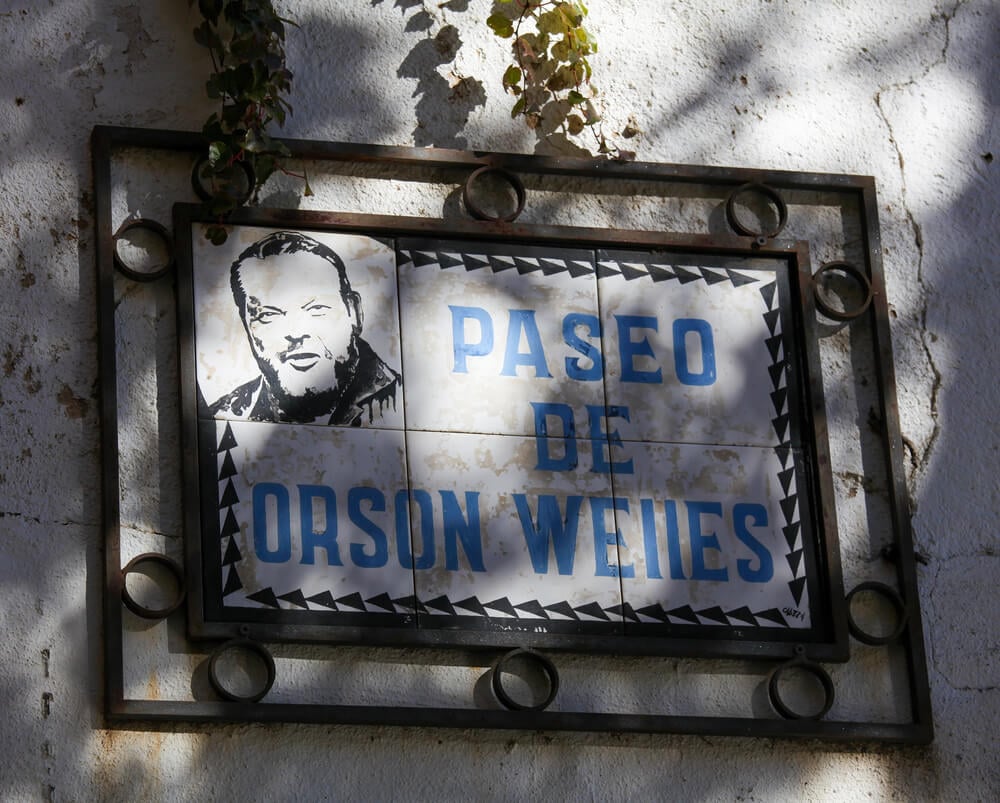
Orson Welles and the Mercury Theatre dressed up H. G. Wells’s novel as a series of news bulletins interrupting a dance-band program on October 30, 1938. Most of the country was tuned to Edgar Bergen on another network, and many who panicked had joined late and missed the introduction.
Later research suggests newspapers, which resented radio’s advertising revenue, inflated the scale of the hysteria. Some listeners did flee or jam police switchboards.
Welles apologized to reporters the next morning with every appearance of remorse, and within months he had a sponsor and a Hollywood contract.
Murrow From a London Rooftop
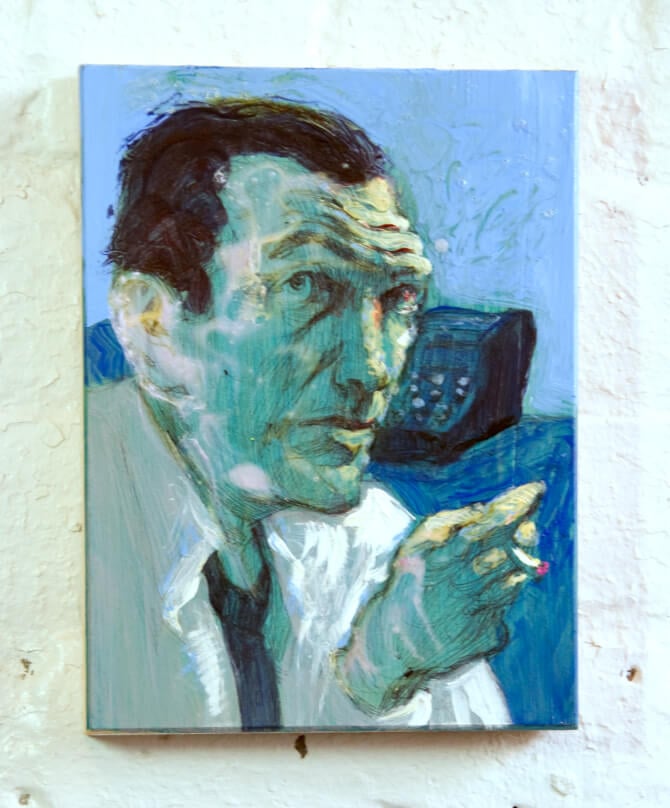
Edward R. Murrow spent weeks persuading the Air Ministry that a live broadcast during an air raid would not help German navigators. On September 21, 1940, he stood on the roof of Broadcasting House and described searchlights, anti-aircraft fire, and the sound of unhurried footsteps on the street below.
Americans heard the bombing of a capital as it happened. His reports opened with the words “This is London,” the emphasis falling on the first word, as a former teacher had suggested.
They moved public opinion in a country still officially neutral.
The Day of Infamy Address

President Roosevelt spoke to a joint session of Congress at 12:30 in the afternoon on December 8, 1941, and the networks carried every word. The speech ran about six and a half minutes.
Ratings estimates put the audience above 80 percent of American households, the largest in radio history to that point. In the first draft he had dictated that the date would live in world history, and he crossed that out by hand and wrote infamy above it.
Congress declared war within the hour, with a single dissenting vote.
George Hicks Records the Invasion
The Blue Network correspondent stood on the deck of the command ship USS Ancon off the Normandy coast on the night of June 6, 1944, speaking into a portable machine that embossed sound onto a strip of film. German aircraft attacked the fleet while he recorded.
Listeners later heard the ship’s guns hammering, a plane going down, and the crew cheering, all under Hicks’s steady description. The recording was pooled to every American network and replayed for days.
It remains the best-known piece of audio journalism of the war.
The Emperor’s Voice
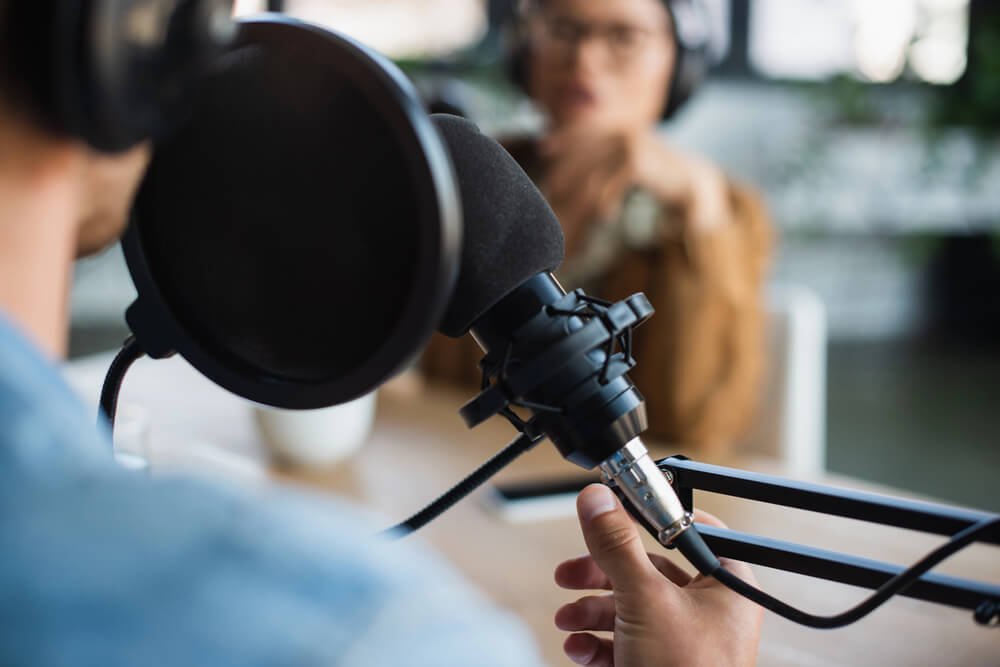
At noon on August 15, 1945, Japanese radio asked listeners to stand. What followed was a phonograph recording made the previous night, the first time ordinary subjects had ever heard Emperor Hirohito speak.
A group of army officers had stormed the palace hours earlier in a failed attempt to find and destroy the discs. The emperor used formal court language, never said the word surrender, and spoke of enduring the unendurable.
Many listeners could not follow him through the static, and an announcer had to explain afterward that the war was over.
The Checkers Speech
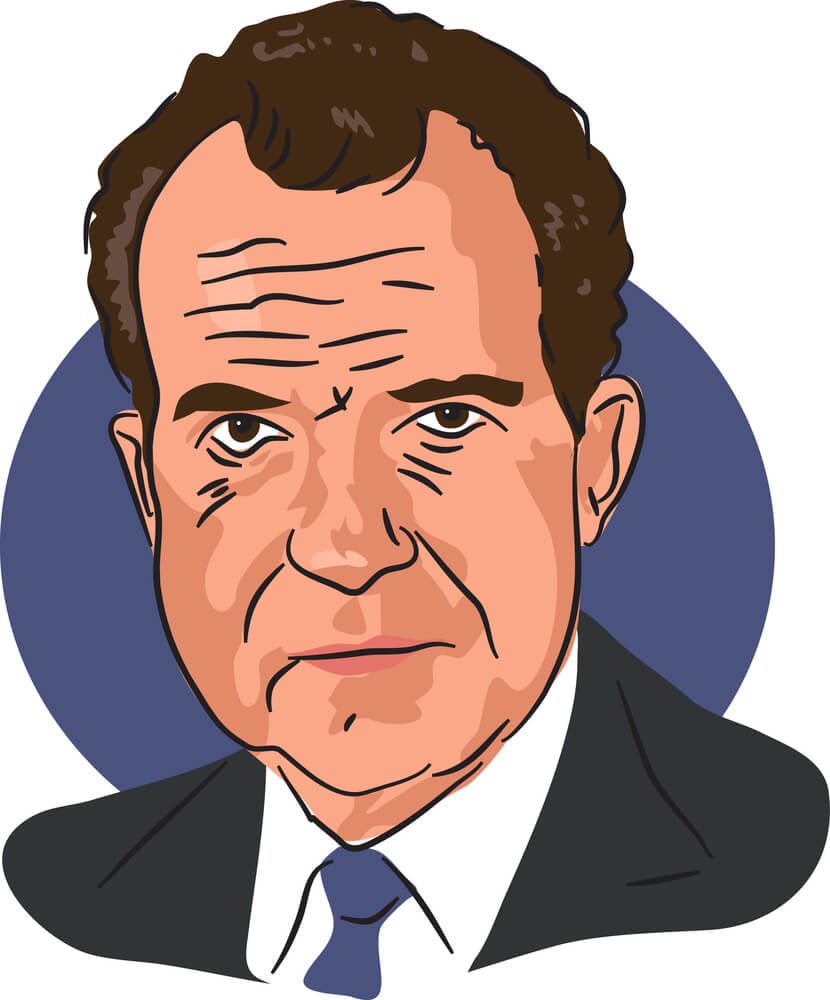
Senator Richard Nixon’s place on the 1952 Republican ticket was in doubt over an $18,000 fund that supporters had raised for his expenses. On September 23 the party bought a half hour of national television, and Nixon sat at a desk in a Hollywood theater and itemized his mortgage, his car, and his wife’s cloth coat.
He said the family would keep one gift regardless, a cocker spaniel his daughters had named Checkers. About 60 million people watched, the largest television audience to that date.
Telegrams ran overwhelmingly in his favor, and Eisenhower kept him.
The Coronation of Elizabeth II
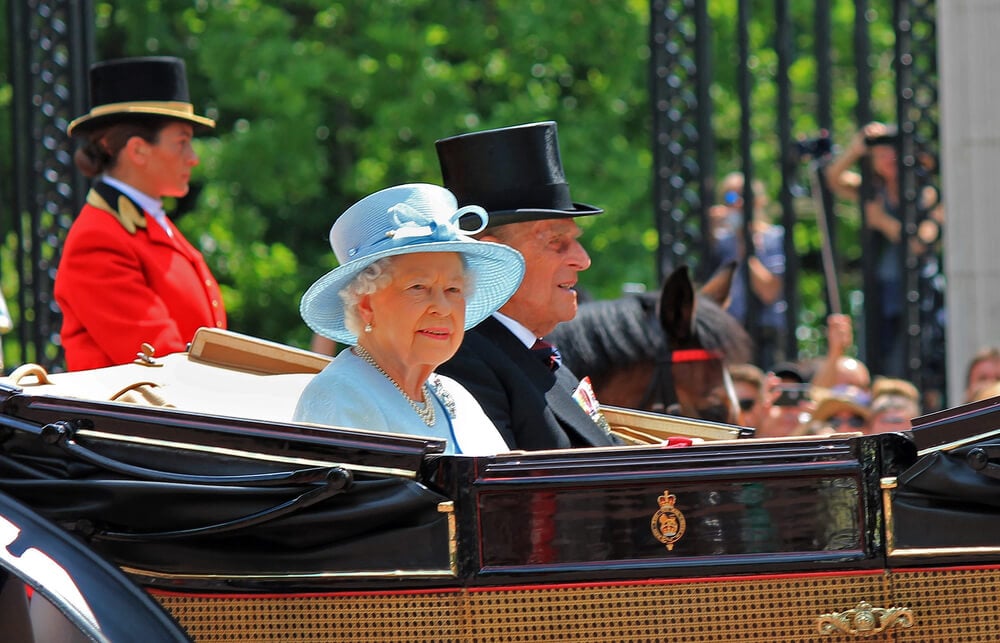
Winston Churchill’s cabinet advised against letting cameras into Westminster Abbey, and the young queen overruled them. On June 2, 1953, more than 20 million people in Britain watched the ceremony, many crowded around a neighbor’s newly purchased set.
For the first time a television audience outnumbered the one listening on radio. Royal Air Force jets flew film across the Atlantic in relays so that Canadians could see the service the same day.
Set ownership in Britain climbed sharply afterward, and the broadcast is often treated as the day British television came of age.
See It Now Examines McCarthy
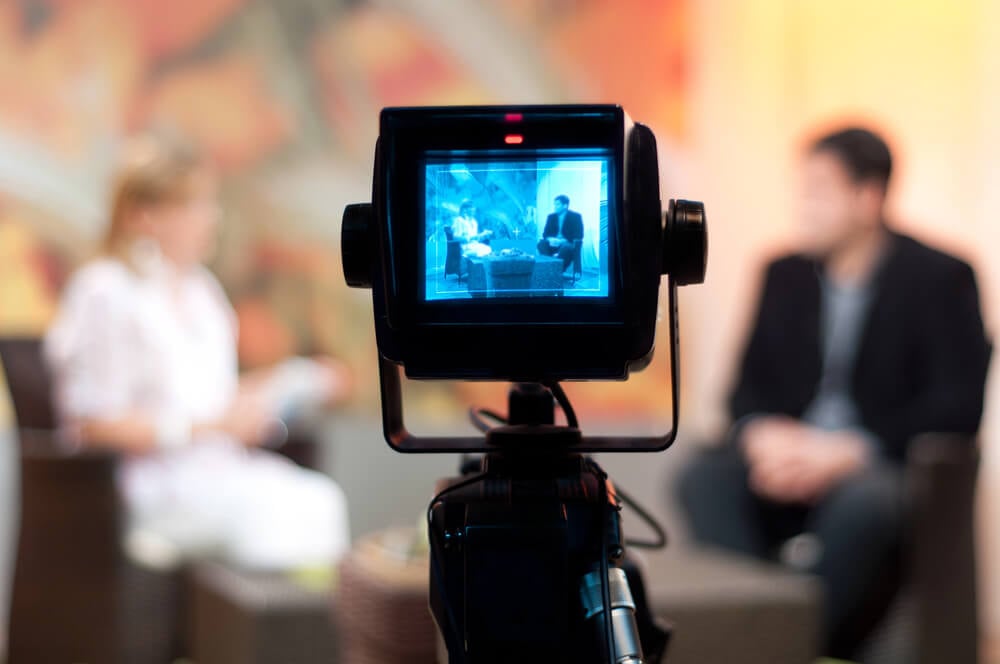
Edward R. Murrow and producer Fred Friendly devoted the entire half hour on March 9, 1954, to Senator Joseph McCarthy, built almost entirely from film of the senator’s own speeches and hearings. CBS declined to promote the episode, so the two men paid for a newspaper advertisement out of their own pockets.
Murrow closed by saying the country could not defend freedom abroad by deserting it at home. McCarthy’s rebuttal aired four weeks later and did him little good.
The Senate voted to censure him that December.
The First Kennedy and Nixon Debate
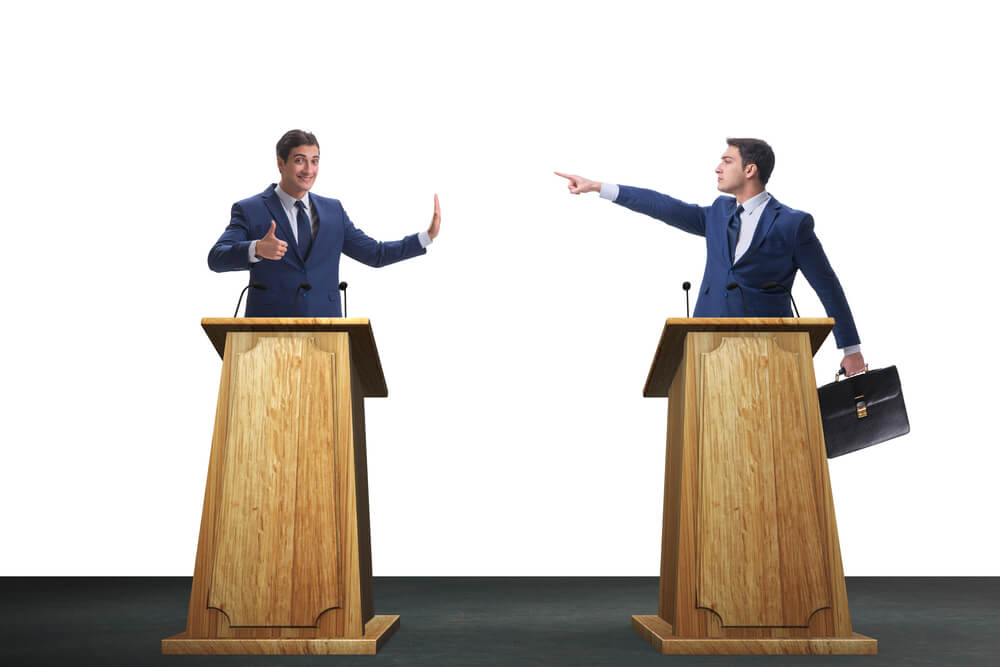
Some 70 million Americans watched from a Chicago studio on September 26, 1960. Nixon had recently left the hospital after a knee infection, had lost weight, and declined professional makeup.
Kennedy arrived tanned and rested from campaigning in California. The belief that radio listeners scored it for Nixon while viewers favored Kennedy rests on thin survey evidence, though the visual contrast was obvious to everyone in the control room.
No general election debates were held again until 1976. Every one since has been negotiated down to lighting, podium height, and room temperature.
Cronkite Reports Kennedy’s Death
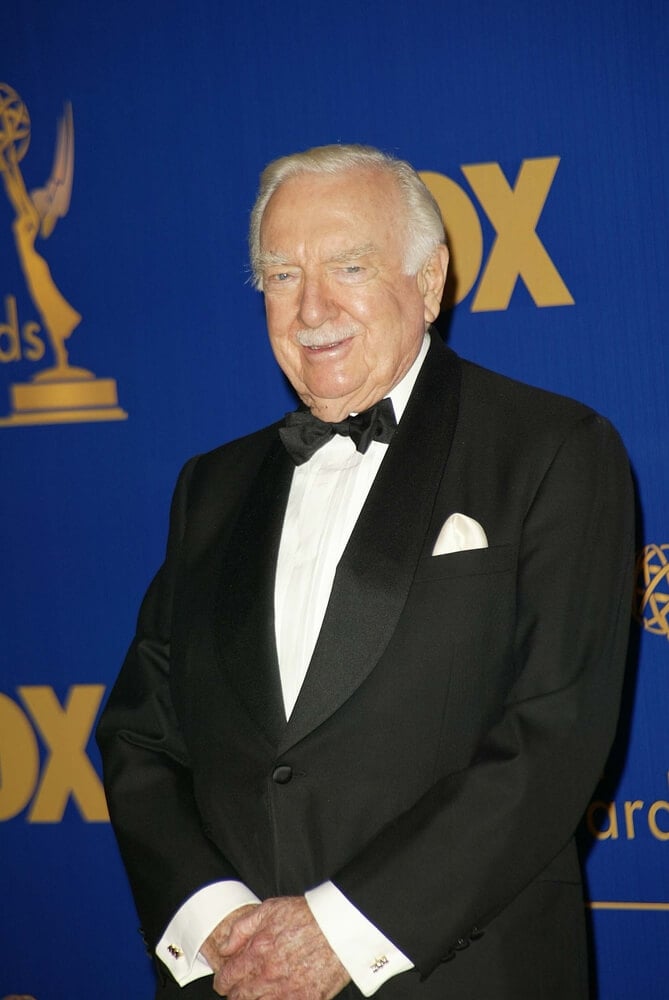
The first CBS bulletin on November 22, 1963, went out as audio over a slide, because studio cameras of the day needed several minutes to warm up. Walter Cronkite was on screen in shirtsleeves by two in the afternoon, Eastern time.
At 2:38 he read the official confirmation, took off his glasses, glanced at the clock, and paused before going on. The three networks then stayed on the air for four days without commercials.
Surveys from that period show Americans naming television, for the first time, as their main source of news.
The Beatles on The Ed Sullivan Show
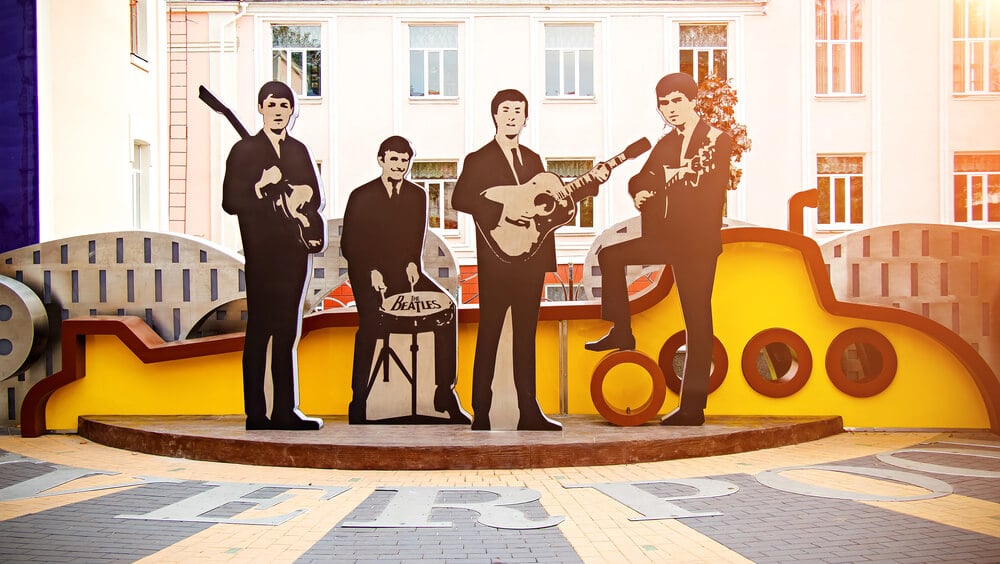
CBS received more than 50,000 requests for the 728 seats in its Broadway studio. On February 9, 1964, an estimated 73 million people, close to 40 percent of the American population, watched four young men from Liverpool play five songs.
When the camera reached John Lennon, a caption informed viewers that he was married. A long list of future musicians has dated the decision to buy a guitar to that hour.
No entertainment program had drawn a bigger audience, and the British Invasion had its official opening date.
Our World Links Five Continents
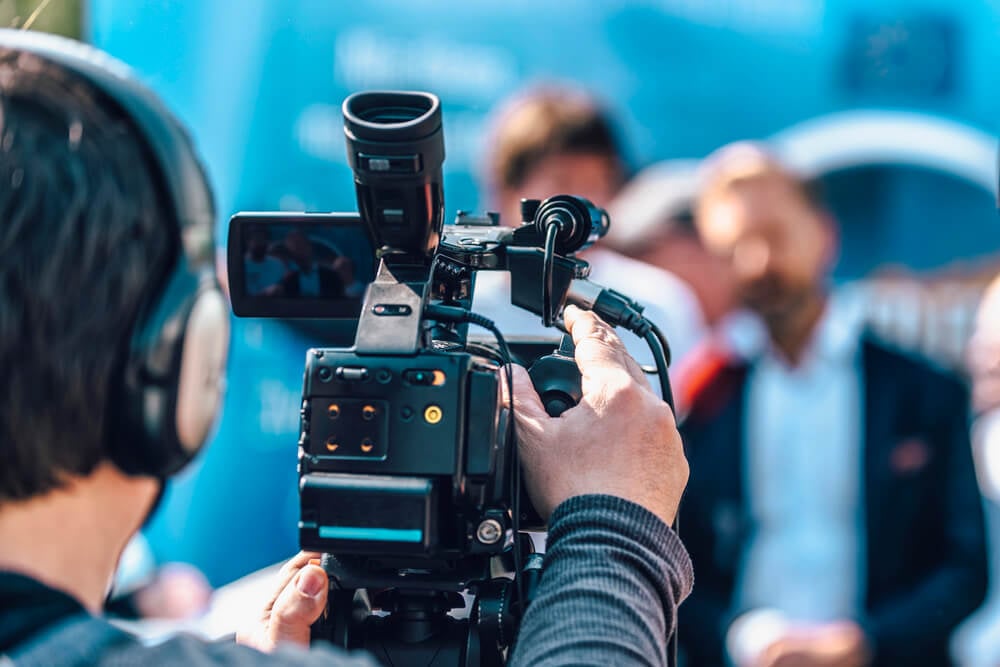
On June 25, 1967, broadcasters in fourteen countries contributed live segments to a two-hour program relayed by four satellites, the first global television link. The Soviet Union and its allies withdrew days beforehand in protest over the Six-Day War.
Audiences estimated at 400 million saw Tokyo subway construction, a Canadian ranch, Pablo Picasso, and Maria Callas. Britain’s contribution came from Abbey Road, where the Beatles performed a song written for the occasion, “All You Need Is Love,” with a chorus simple enough to be understood in any language.
Cronkite’s Verdict on Vietnam

After touring South Vietnam in the wake of the Tet offensive, the CBS anchor ended a prime-time special on February 27, 1968, with a rare personal editorial. He said the war was mired in stalemate and that the only rational way out was to negotiate.
President Johnson’s supposed remark that losing Cronkite meant losing middle America has never been firmly documented. Five weeks later Johnson announced he would not seek another term.
Historians still argue over how much the broadcast mattered, which is a measure of how much people believed an anchor could matter.
The Apollo 11 Moonwalk
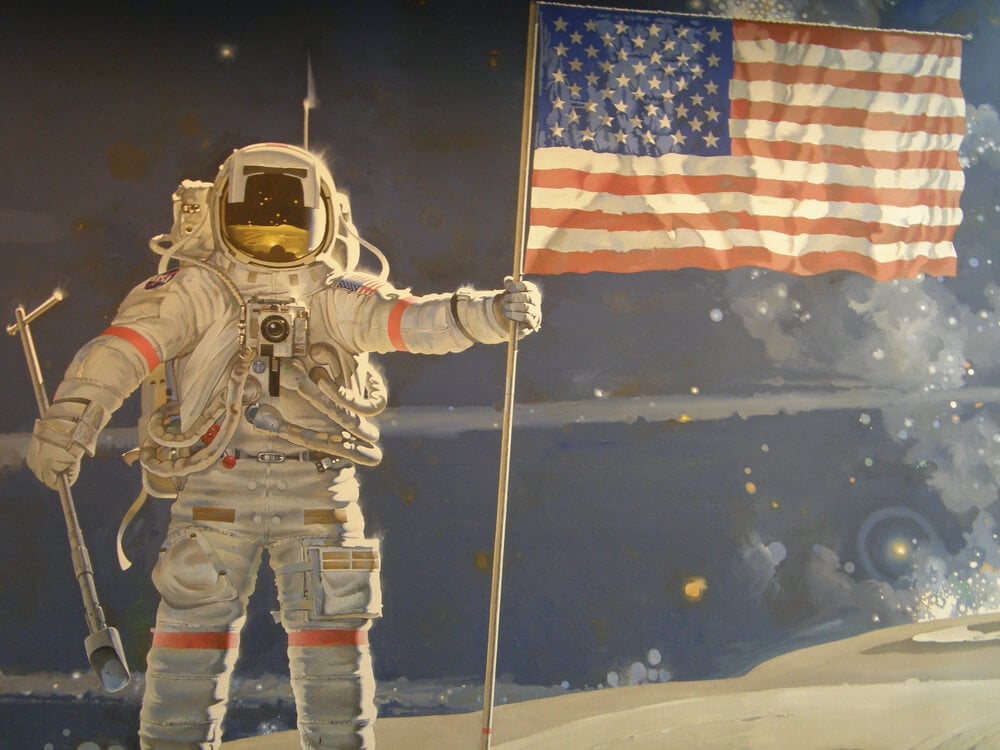
Roughly 600 million people, about a fifth of humanity, watched Neil Armstrong step off the ladder on July 20, 1969. The lunar camera sent a slow-scan signal that no television system could display, so engineers at the receiving stations pointed a conventional broadcast camera at a special monitor.
That is why the images look ghostly. The clearest pictures came through Australian dishes at Honeysuckle Creek and Parkes.
NASA later admitted that the original high-quality telemetry tapes had almost certainly been erased and reused during a tape shortage in the 1970s and 1980s.
Live Aid
Bob Geldof’s famine relief concerts ran for sixteen hours on July 13, 1985, from Wembley Stadium in London and JFK Stadium in Philadelphia. Thirteen satellites carried the feed to around 150 countries, and organizers estimated the audience at 1.9 billion.
Phil Collins played both shows by taking the Concorde across the Atlantic in between. Donations spiked after Geldof’s blunt on-air demand that viewers phone in money immediately, and the project eventually raised well over 100 million dollars.
Queen’s twenty-one minutes that afternoon are still routinely ranked as the greatest live set in rock history.
Schabowski’s Press Conference
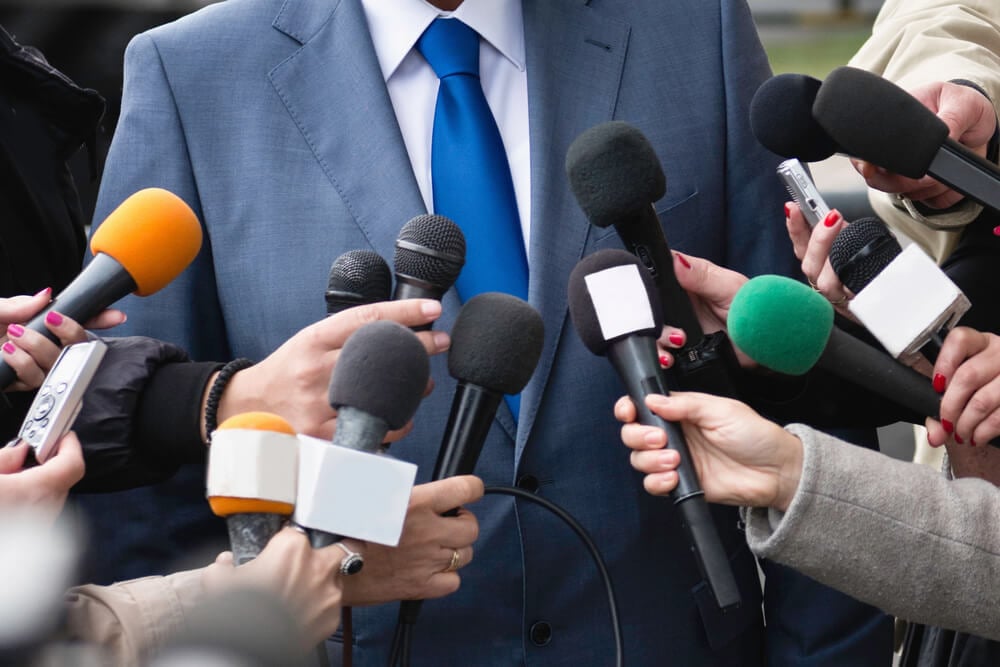
East German television carried a dull briefing live on the evening of November 9, 1989. Near the end, Politburo spokesman Guenter Schabowski read out a new travel regulation from a note he had been handed without explanation.
A reporter asked when it took effect. Schabowski shuffled his papers and said that as far as he knew it applied immediately, without delay.
West German news programs, watched across the East, announced that the border was open. Crowds gathered at the crossings, and before midnight an outnumbered guard commander at Bornholmer Street raised the gate.
CNN in Baghdad
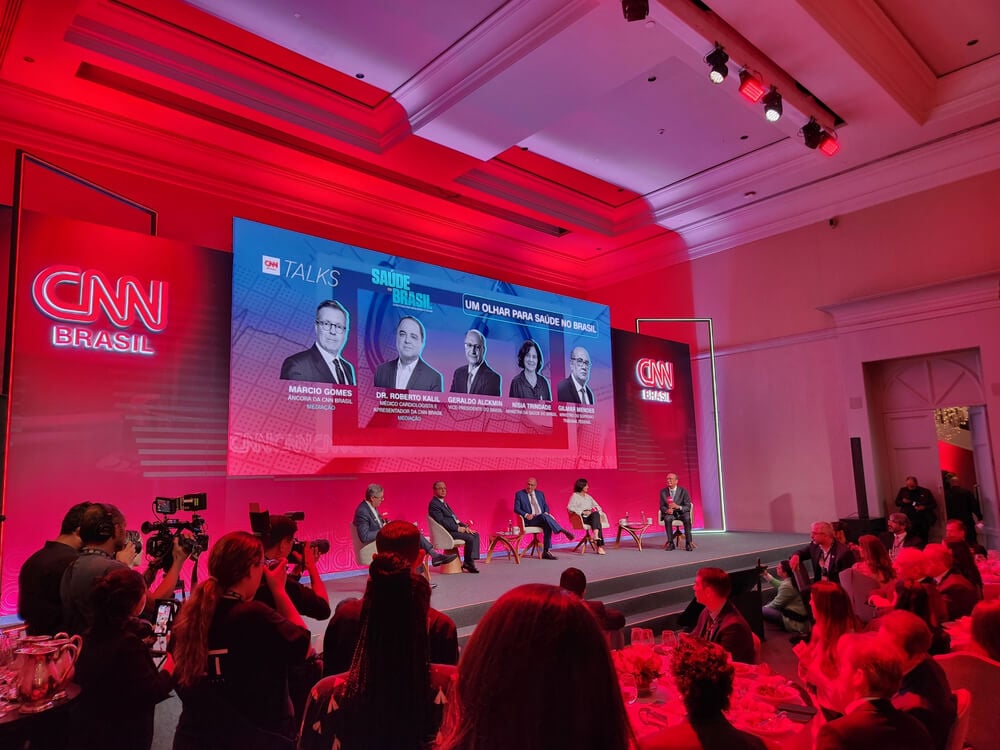
When the air campaign against Iraq began in the early hours of January 17, 1991, the other networks lost their telephone lines within minutes. CNN had paid for a dedicated four-wire circuit that bypassed the local exchange, and it kept working.
Bernard Shaw, John Holliman, and Peter Arnett described tracer fire and explosions from a ninth-floor room in the Al-Rashid Hotel for hours. Officials at the Pentagon acknowledged they were watching too.
An eleven-year-old cable channel once mocked by competitors became the place the world went during a crisis.
History With an Air Time
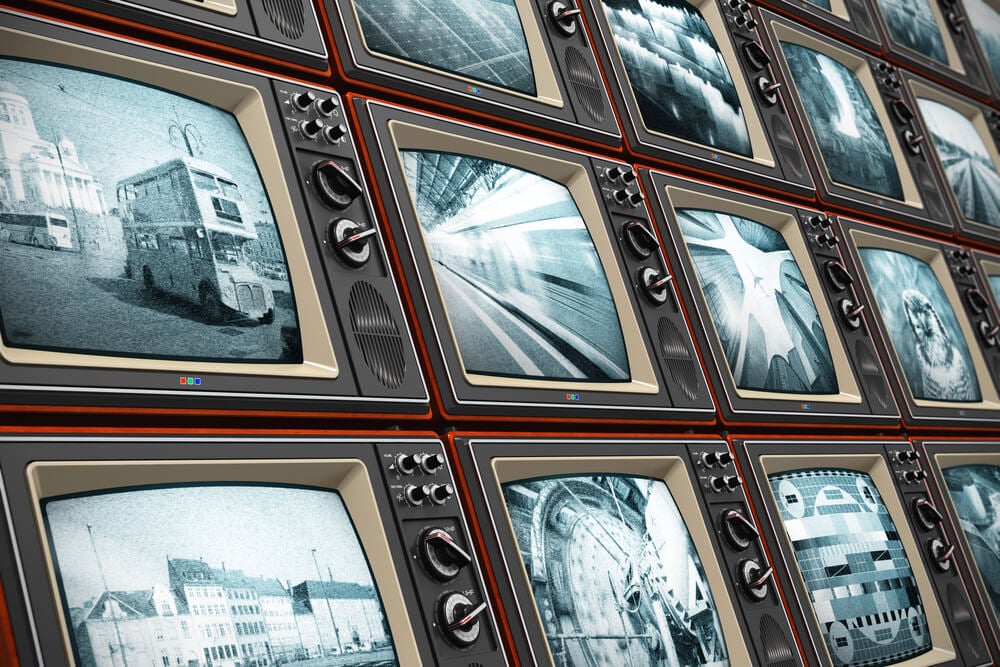
Every event here can be pinned to a minute, and that precision is new. For most of the human record, news arrived late and unevenly, and people experienced great events at different times.
Broadcasting collapsed the delay, and it turned the public from a readership into a witness. It also gave history a control room.
Somebody chose the camera angle at the debate, authorized the recording at Lakehurst, and kept the circuit open in Baghdad. Those small technical decisions shaped what millions remember as the event itself.
More from Go2Tutors!

- The Romanov Crown Jewels and Their Tragic Fate
- 13 Historical Mysteries That Science Still Can’t Solve
- Famous Hoaxes That Fooled the World for Years
- 15 Child Stars with Tragic Adult Lives
- 16 Famous Jewelry Pieces in History
Like Go2Tutors’s content? Follow us on MSN.