Things Napster changed forever
Back in the late ’90s, most people were still figuring out how the internet worked. Then Napster showed up and turned everything upside down.
It was a simple file-sharing program, but what it did shook up the music world—and a whole lot more. Whether someone was a teenager downloading songs or a musician wondering where their album sales went, Napster made sure nobody stayed the same.
It didn’t just touch the music industry. Napster lit a spark that spread across tech, culture, and even how people think about ownership.
Here’s how it changed things—one download at a time.
The way people listened to music
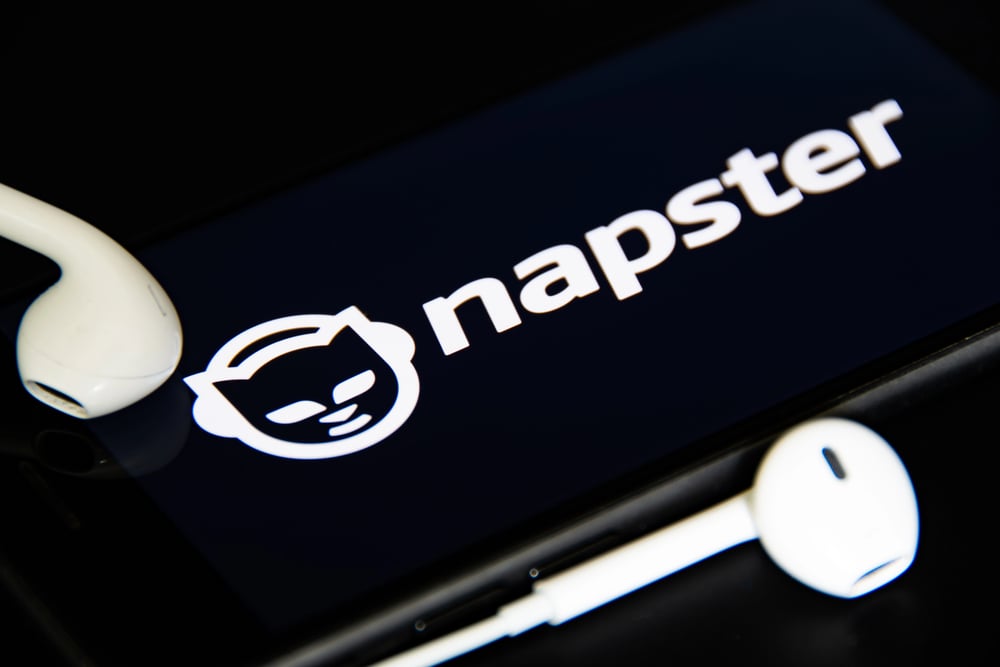
Before Napster, people mostly listened to CDs, tapes, or the radio. Music had to be bought or recorded from the airwaves.
Napster made it possible to find and play almost any song in seconds. This gave listeners more control over what they heard, when they heard it, and how often.
It was like building your own personal radio station.
Music discovery became easier
Napster wasn’t just about getting the hits. It opened the door to songs most people would have never heard on the radio.
Users found indie bands, rare recordings, live performances, and songs from other countries. Friends shared links and libraries, and curiosity led to discovery.
It made music feel limitless and personal.
Albums lost their grip
Once people could download individual tracks, full albums didn’t seem as necessary. If someone liked one song, they no longer had to buy the entire album.
This shift put pressure on artists and labels to focus more on singles. It also changed how albums were made—less filler, more hits.
The old idea of an “album experience” started to fade.
CD sales started to drop
Record stores noticed something odd around 2000: fewer people were buying CDs. Napster wasn’t the only reason, but it was a big one.
As free downloading became popular, spending money on music felt less urgent. The numbers dropped, and the whole industry had to rethink how it made money.
It was the beginning of a long, slow decline for physical media.
Laws around digital sharing got serious
When Metallica and Dr. Dre took legal action, it showed that file sharing wasn’t going to be ignored. Napster’s court battles set the tone for how digital rights would be handled in the years to come.
New laws and policies followed, aiming to protect artists but also to manage this new online world. It wasn’t just a fight about music—it was about ownership in the digital age.
Streaming became the new goal
Napster proved people wanted fast, easy access to music. When it shut down, others stepped in with a new model—streaming.
Services like Spotify and Apple Music learned from Napster’s success and legal mistakes. They gave users a legal way to get the same convenience.
Napster may have broken the rules, but it showed the world what was possible.
Artists became more independent
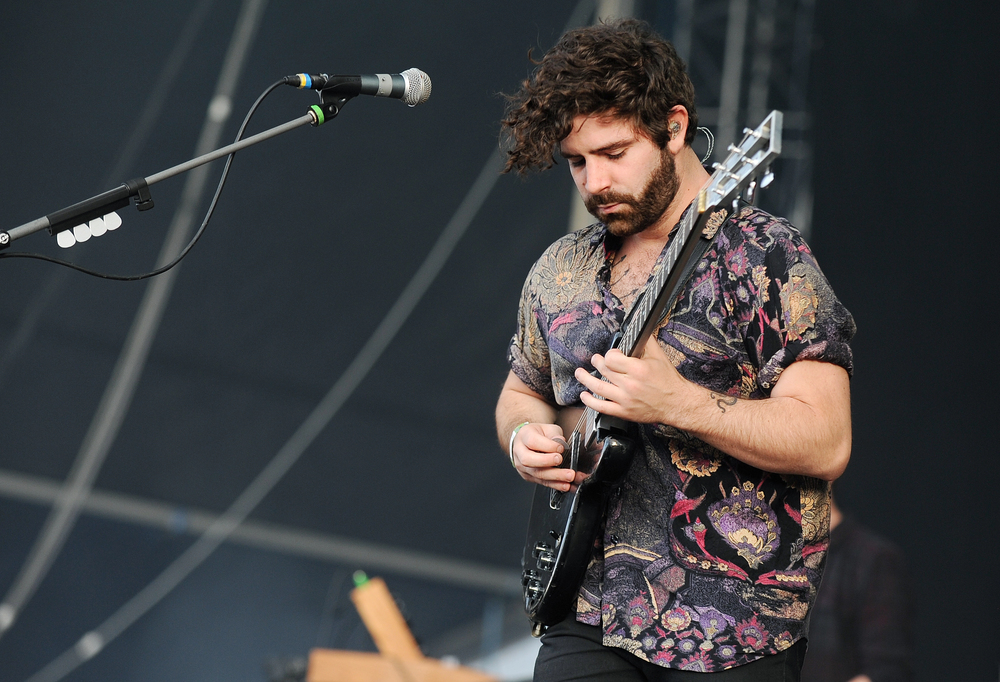
Napster showed musicians they didn’t need a big label to reach fans. With the internet, artists could share music directly and grow their audience online.
It opened the door for bedroom producers, YouTube stars, and DIY bands. This shift gave creators more control over their work and careers.
The music world became more open and unpredictable.
Mixtapes made a comeback
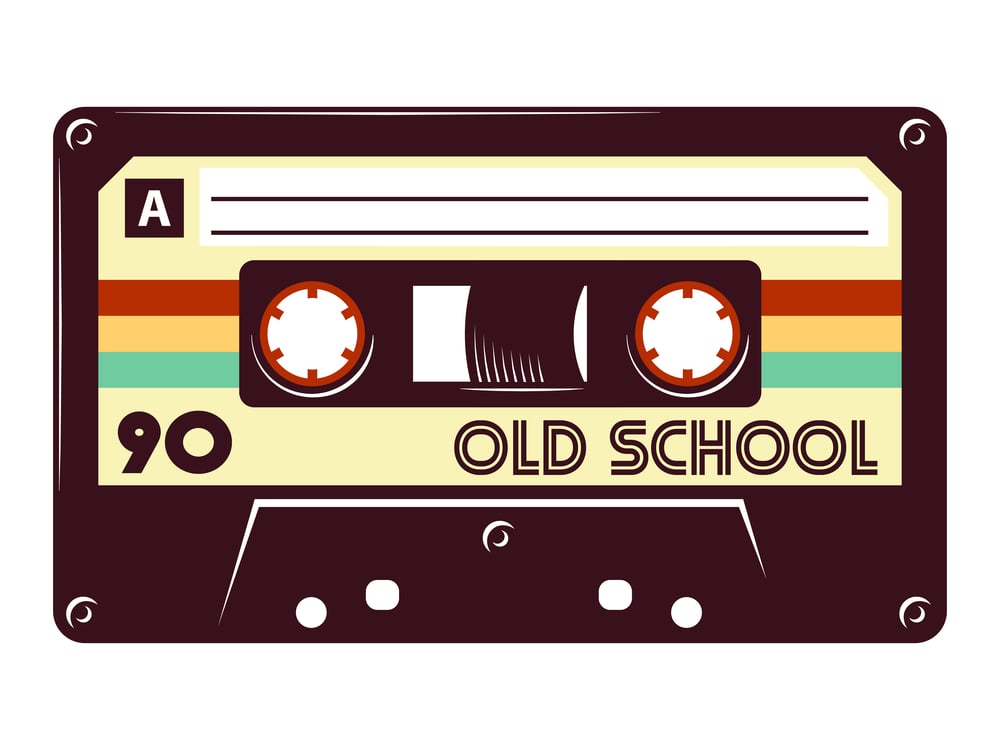
Back in the tape days, people made mixtapes to share songs with friends. Napster brought that feeling back in a digital way.
Users built playlists, traded tracks, and shared music libraries online. It wasn’t just about downloading—it was about connection and taste.
Music once again became something personal to pass around.
Internet speeds had to improve
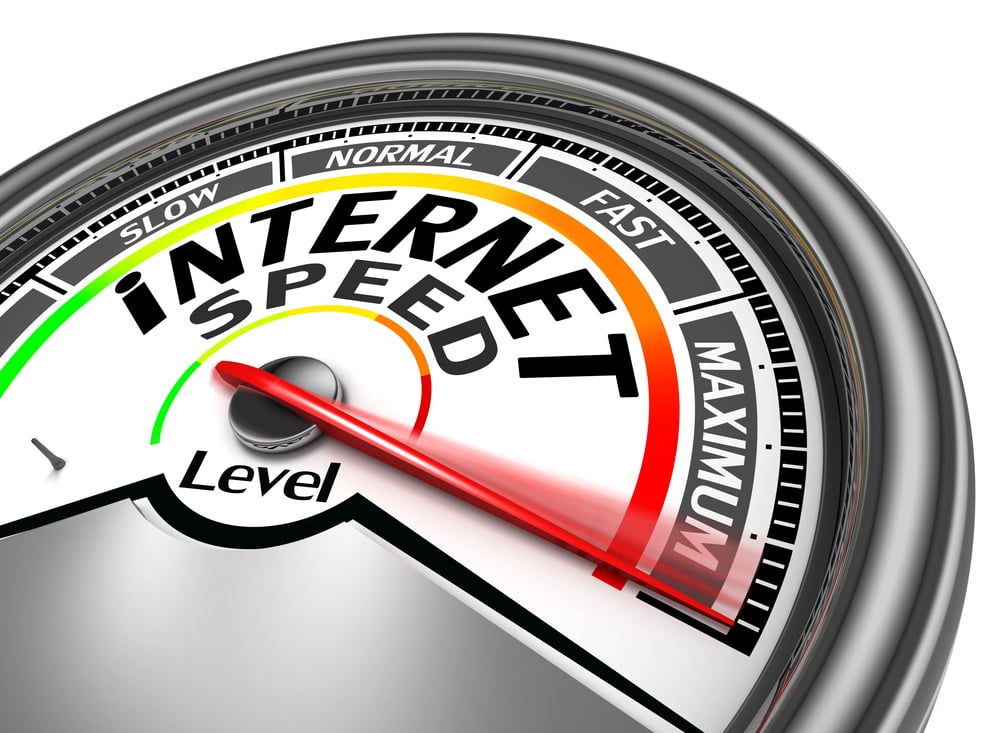
People were downloading huge files, and the dial-up internet just couldn’t keep up. Napster made users want faster connections.
This demand helped push broadband adoption. The hunger for music and media was one of the reasons people upgraded their internet at home.
Viruses and fake files became a risk
Not everything on Napster was safe. People sometimes downloaded files with the wrong name or got a surprise virus instead of a song.
It made users more cautious and sparked early lessons in online safety. Many learned quickly that free wasn’t always clean.
The idea of ownership changed
Before Napster, owning music meant holding something in your hand. Napster showed that digital files could feel just as real.
But they were easier to copy, share, and lose. This raised questions about what it means to “own” something you can’t touch.
It was a mental shift that spread to books, movies, and games later on.
Music marketing had to change
Record labels used to rely on radio, magazines, and store displays. With Napster, buzz came from the internet and word of mouth.
An unknown band could go viral without spending a dime on promotion. Labels had to catch up and rethink how they marketed music.
Fans were now in the driver’s seat.
Rare songs stopped being rare
Before, finding a rare track could take months or years of hunting. Napster changed that overnight.
B-sides, demo versions, old concert recordings—they were all just a search away. Collectors lost some thrill, but listeners gained access to music they never thought they’d hear.
It flattened the music world in a way no one expected.
Big names lost some power

When everyone could be heard online, fame didn’t matter as much. Napster gave a platform to unknown voices and took some shine off the stars.
People cared more about the music itself than the brand behind it. The idea of what made someone “big” started to shift.
College dorms became music hubs

Students were some of Napster’s biggest users. Campus networks were fast and shared, making file sharing quick and easy.
Friends traded songs all day long, turning dorm rooms into music centers. It wasn’t just downloading—it was culture.
Music helped shape social lives and memories.
The line between legal and illegal blurred
For many users, Napster didn’t feel like stealing. It felt like sharing.
This mindset confused a lot of people and sparked debates about what was right and wrong online. It took years for laws, schools, and parents to explain the difference.
Napster challenged how people thought about fairness and access.
Other industries took notice
It wasn’t just music people were trading. Napster’s system inspired other file-sharing platforms.
Movies, software, and even books started popping up online in similar ways. The media world realized it had to catch up—or get left behind.
It was the start of a much bigger shift in how content moved online.
Tech companies saw a new path

Napster may have ended, but it planted ideas in the heads of young developers. New platforms, apps, and businesses were built on what Napster started.
It showed that one bold idea could change how millions interact with content. That kind of thinking helped shape the tech world we know today.
From cassette culture to cloud culture
Back in the day, people kept their music on tapes, then CDs. They stacked shelves, made mixes, and kept things physical.
Napster helped start the move to a cloud-based mindset. Music, once tied to objects, became files floating in a digital space.
That shift opened the door for everything that followed—from iPods to iCloud.
A world shaped by one download at a time
Looking back, Napster feels like both a warning and a spark. It broke rules, sure—but it also broke open ideas that shaped the internet era.
Many things taken for granted now, like streaming or digital libraries, started with those early days of file sharing. It changed the way people think about music, connection, and access.
What started as a college project ended up changing the rhythm of the world.
More from Go2Tutors!

- The Romanov Crown Jewels and Their Tragic Fate
- 13 Historical Mysteries That Science Still Can’t Solve
- Famous Hoaxes That Fooled the World for Years
- 15 Child Stars with Tragic Adult Lives
- 16 Famous Jewelry Pieces in History
Like Go2Tutors’s content? Follow us on MSN.