30 Confessions That Changed Accepted History
Most history gets corrected slowly. A scholar finds a letter, another disputes it, and twenty years later the textbooks shift a paragraph.
Then there’s the faster way. Somebody who was there opens their mouth and says: it wasn’t like that.
It was me. A confession has a force that no archive matches.
It comes from inside the lie. Some of the people below confessed to clear their conscience, some to save their skin, and a few because they were old and tired of the joke.
Each one forced a rewrite.
1. The Loch Ness “Surgeon’s Photograph”
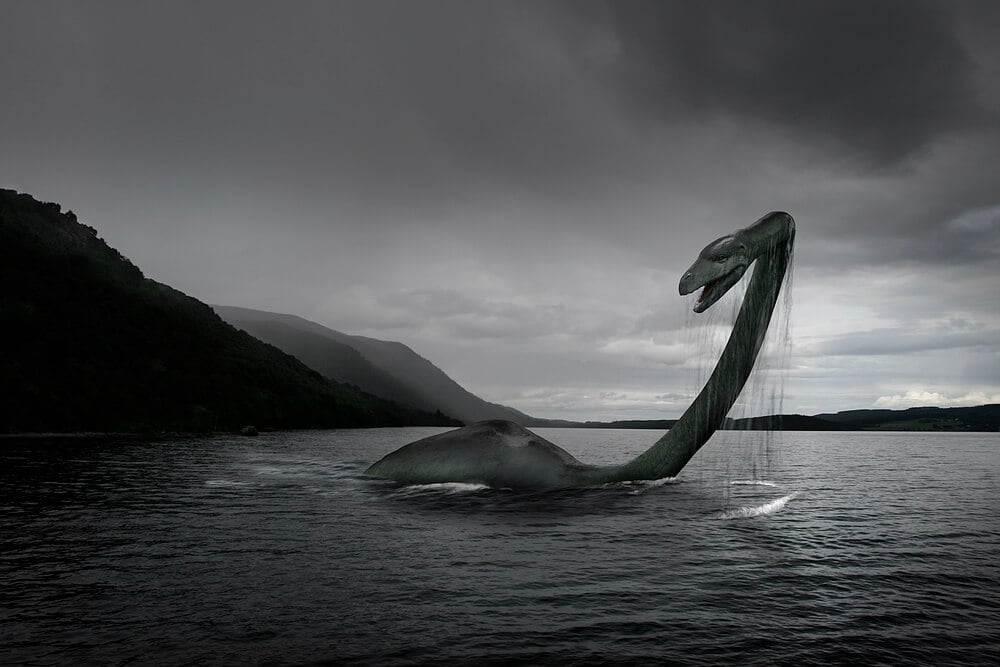
For sixty years, the best evidence for the monster was a 1934 picture of a slender neck rising from the water, credited to a respectable London doctor. In 1993, a 90-year-old man named Christian Spurling told researchers the truth before he died.
He’d built the creature himself from a toy submarine and a head shaped out of plastic wood. His stepfather, a big-game hunter humiliated by a newspaper over fake monster footprints, wanted revenge.
The doctor was just a credible front. The most famous monster photo in the world was a grudge with a clockwork motor.
2. Doug and Dave’s Crop Circles
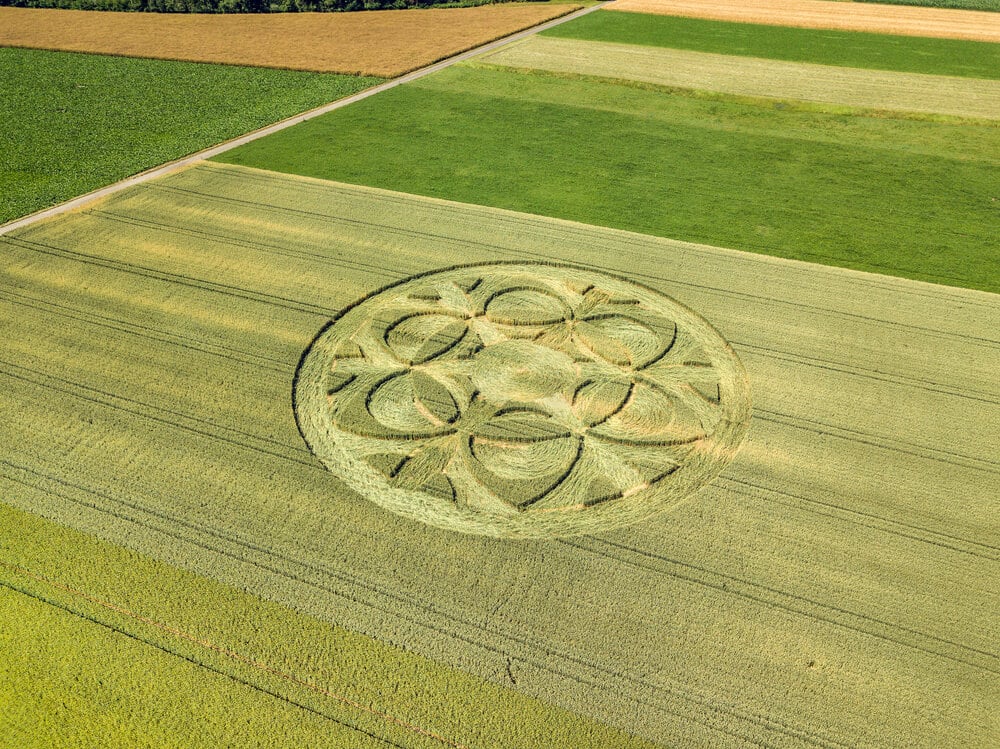
By 1991, crop circles had spawned books, conferences, and theories about plasma vortices and alien landing sites. Then two Englishmen in their sixties, Doug Bower and Dave Chorley, walked into a newspaper office.
They’d started it all in the late seventies after an evening at the pub, using a plank, a rope, and a wire sight fixed to a cap. They proved it by making a circle for journalists, which a leading expert then declared genuine.
Some believers never accepted the confession. That tells you how little a confession can do against a person who’s enjoying the mystery.
3. Margaret Fox and the Toe Joints

Modern spiritualism began in 1848 when two young sisters in a New York farmhouse claimed a dead pedlar was answering them with knocks. The Fox sisters became celebrities, and a movement with millions of followers grew around them.
Forty years on, Margaret Fox stood on a New York stage, took off her shoe, and showed a packed theatre how she cracked her toe joints to make the sounds. She recanted a year later, broke and drinking.
The movement barely noticed either statement. It had long outgrown the girls who started it.
4. The Cottingley Fairies

In 1917, two cousins in Yorkshire photographed themselves with fairies at the bottom of the garden. Sir Arthur Conan Doyle, creator of literature’s most sceptical detective, declared the pictures real and wrote a book about them.
The girls kept the secret for 66 years. In 1983, Elsie Wright and Frances Griffiths admitted they’d copied the figures from a children’s book, cut them out, and stood them up with hatpins.
They’d been too embarrassed to correct such a famous man. Frances insisted to the end that the fifth photograph was genuine.
5. Han van Meegeren’s Vermeers
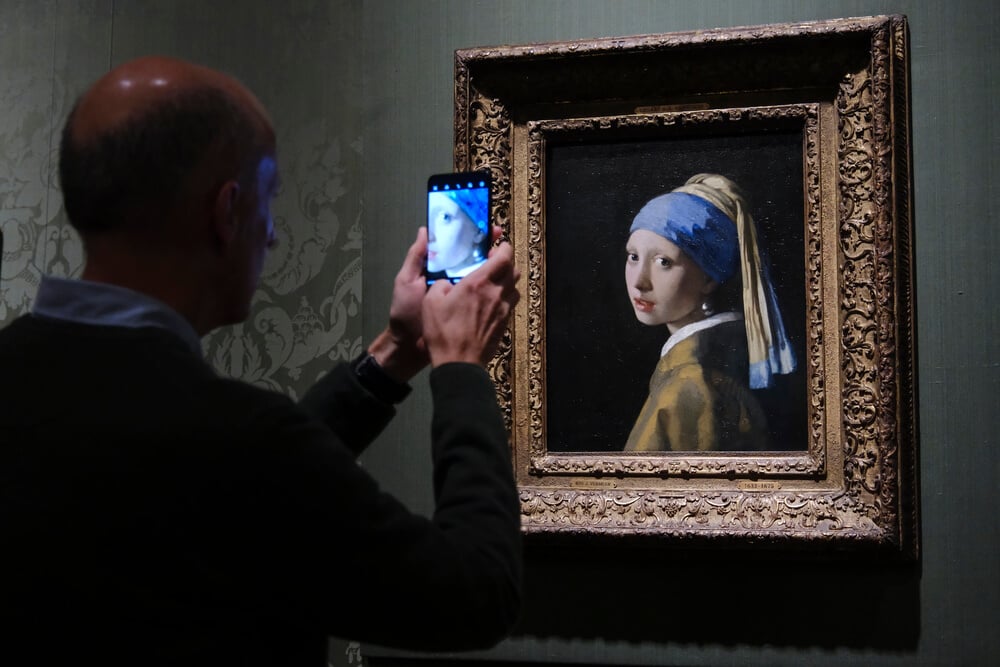
After the war, Dutch police traced a Vermeer in Hermann Göring’s collection back to a minor painter named Han van Meegeren and charged him with selling a national treasure to the enemy. The penalty was death.
His defence stunned the court: the painting wasn’t a Vermeer, because he’d painted it himself. To prove it, he painted another “Vermeer” under guard.
Experts had hailed his fakes as masterpieces for years, and one hung in a major Rotterdam museum. He went from traitor to folk hero in a week, the man who swindled Göring.
6. The Cardiff Giant
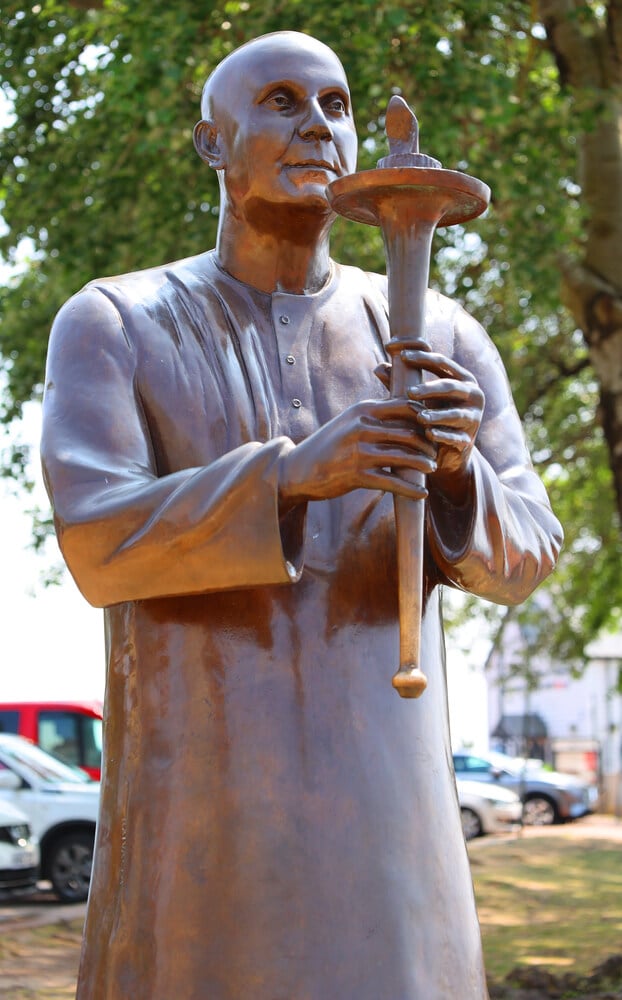
In October 1869, workers digging a well on a farm in Cardiff, New York, struck a three-metre stone man. Crowds paid to view the “petrified giant,” and preachers cited it as proof of the Book of Genesis.
That was the point. George Hull, a businessman and atheist, had commissioned the statue after an argument with a minister about giants in the Bible.
He confessed that December, having made his money. P.T. Barnum was by then exhibiting a copy of the fake, and drawing bigger crowds than the original.
7. Konrad Kujau and the Hitler Diaries
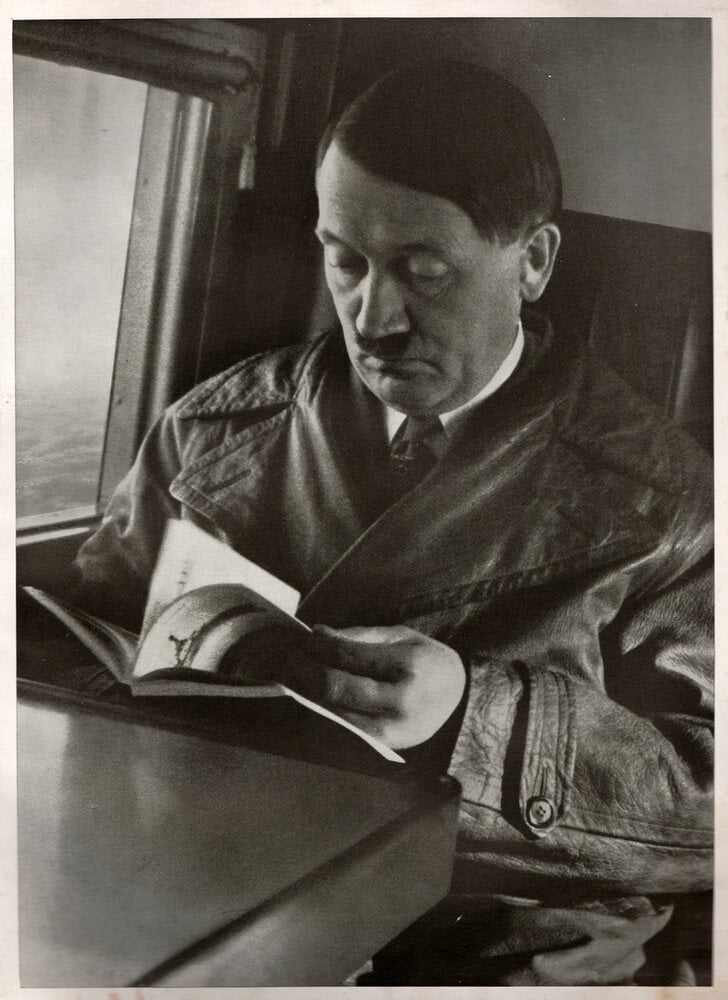
In April 1983, a German news magazine announced the find of the century: sixty volumes of Hitler’s private diaries, bought in secret for more than nine million marks. A famous British historian vouched for them.
Within two weeks, government chemists found the paper contained a whitening agent that didn’t exist before the 1950s. The forger, a Stuttgart dealer in militaria named Konrad Kujau, confessed in custody and cheerfully wrote out his statement in Hitler’s handwriting.
He’d even got the initials wrong on the covers, and nobody checked.
8. Clifford Irving’s Howard Hughes

Irving sold a New York publisher the authorised autobiography of the reclusive billionaire Howard Hughes, banking on Hughes never surfacing to deny it. The advance ran to hundreds of thousands of dollars.
Hughes hadn’t spoken publicly in years. In January 1972, Hughes called a group of reporters by telephone and said he’d never met the man.
Irving confessed within weeks and served 17 months. He’d bet on a hermit staying silent, and lost.
9. Charles Van Doren and the Quiz Shows

In 1957, a young Columbia University lecturer became the most admired man in America by winning week after week on a television quiz show. He made the cover of Time.
In November 1959, he sat before a congressional committee and admitted the producers had fed him the answers. “I was involved, deeply involved, in a deception,” he told them.
Millions had watched him win and believed every frown of concentration. American television lost its innocence that afternoon.
10. Janet Cooke and “Jimmy’s World”
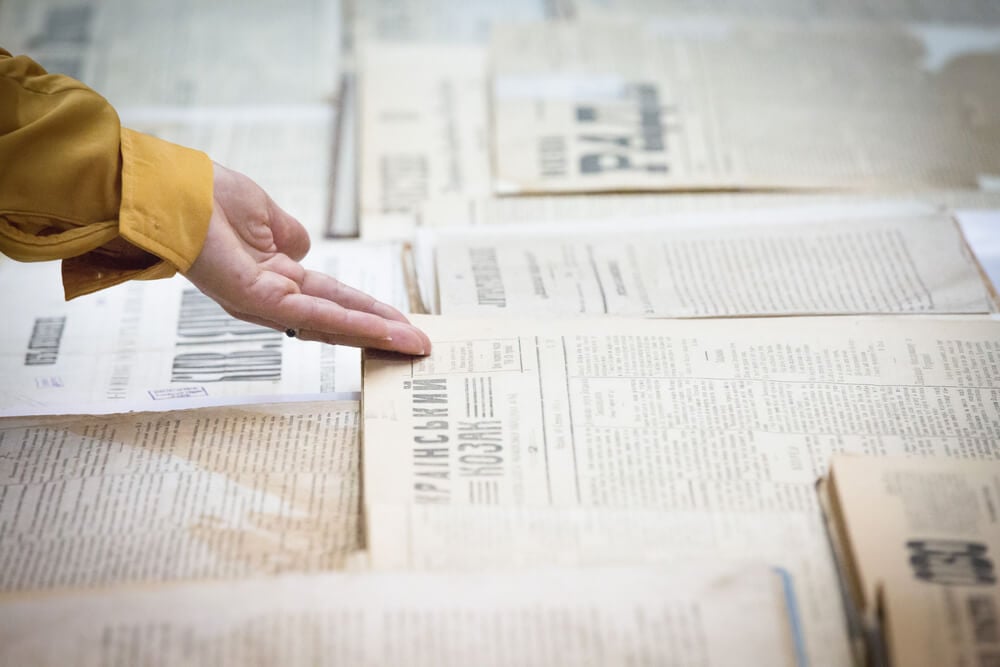
In September 1980, a major Washington newspaper ran a harrowing front-page story about an eight-year-old heroin addict. It won the Pulitzer Prize the following April.
The publicity led reporters to check the author’s CV, which fell apart, and her editors questioned her through the night. By morning Janet Cooke admitted Jimmy didn’t exist.
The paper returned the prize two days after winning it. Every fact-checking desk in journalism owes part of its budget to that one night.
11. Mark Felt Was Deep Throatv

For 33 years, the identity of the source who guided two reporters through Watergate was Washington’s favourite guessing game. Books were written naming the wrong men.
In May 2005, a 91-year-old retired FBI official told a magazine, “I’m the guy they used to call Deep Throat.” Mark Felt had been the Bureau’s second-in-command, passed over for the top job by Nixon.
The revelation complicated the legend. The hero of the story turned out to have motives of his own.
12. McNamara and the Gulf of Tonkin

In August 1964, America told the world that North Vietnamese boats had attacked its destroyers twice in the Gulf of Tonkin. Congress responded with a resolution that handed the president a free hand in Vietnam.
Defence Secretary Robert McNamara sold the case. Decades later, McNamara said on camera what sceptics had long argued: the second attack never happened.
Nervous sonar operators in bad weather had chased phantoms. A war that killed millions escalated on the strength of a radar glitch.
13. Gorbachev Admits Katyn
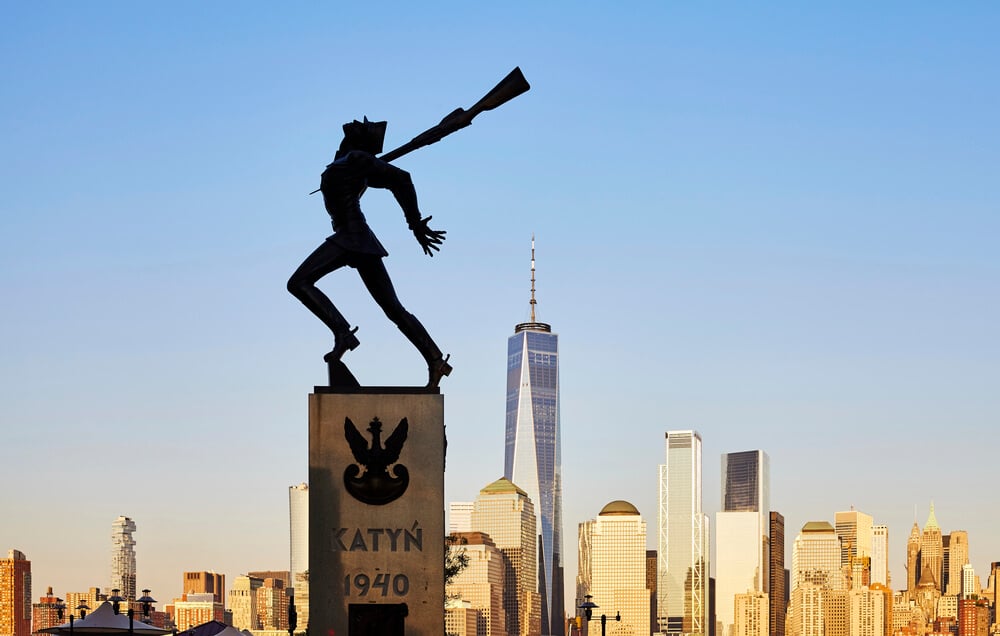
In 1940, Soviet secret police shot around 22,000 Polish officers, police, and professionals and buried them in forests. When the Germans found the graves, Moscow blamed the Nazis, and held that line for 47 years.
Poles who said otherwise went to prison. On 13 April 1990, the Soviet news agency announced that Stalin’s security chiefs bore direct responsibility.
Gorbachev handed Poland’s president boxes of transport lists the same day. Every Polish family had known the truth, and hearing Moscow say it still mattered.
14. Khrushchev’s Secret Speech
Shortly after midnight on 25 February 1956, Nikita Khrushchev stood before a closed session of the Communist Party and spoke for four hours. He described Stalin’s torture of loyal communists, his fabricated trials, his cowardice in the first days of the German invasion.
Delegates reportedly sat in silence, and some fell ill. The text leaked through Poland to the West within months.
Communist parties around the world lost members by the tens of thousands. The man confessing was confessing for an entire system, and he had signed death lists himself.
15. Yeltsin and the Sverdlovsk Anthrax
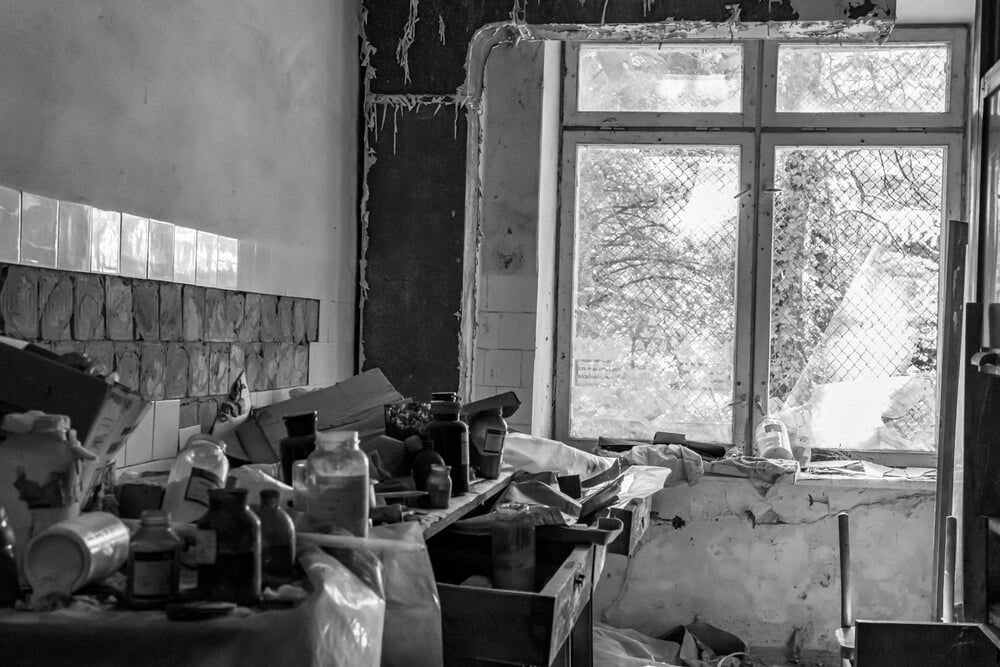
In April 1979, dozens of people in the Soviet city of Sverdlovsk died of anthrax. Officials blamed contaminated meat and confiscated hospital records.
Western intelligence suspected a leak from a military lab, and the Soviets called that slander. In 1992, Russian president Boris Yeltsin, who’d been the local party boss at the time, admitted the military was at fault.
Researchers then mapped the victims and found they all lay in a narrow strip downwind of the facility. A forgotten air filter had killed at least 66 people.
16. De Klerk and the Six Bombs
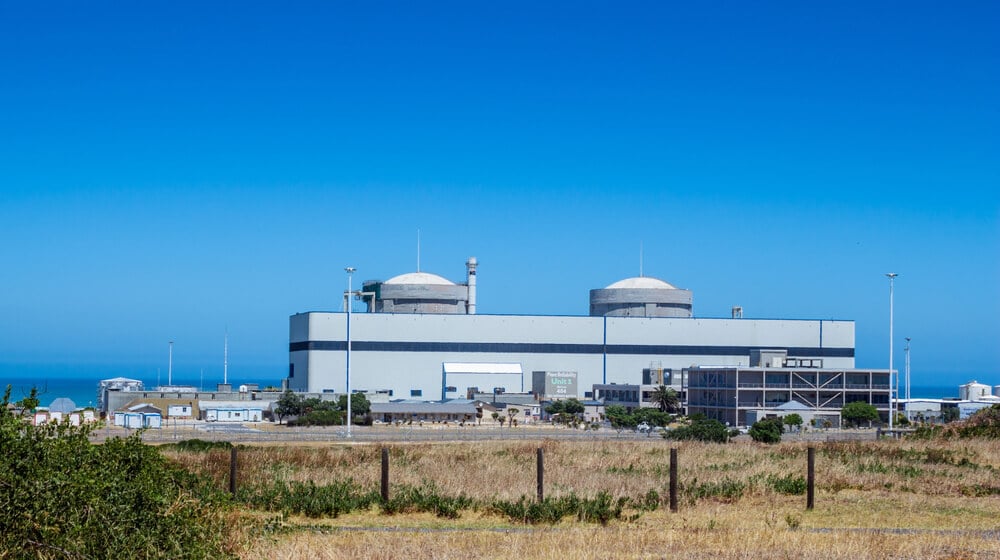
On 24 March 1993, President F.W. de Klerk told a joint sitting of Parliament in Cape Town something the government had denied for fifteen years. South Africa had built six nuclear weapons and was partway through a seventh.
It had also taken them apart. The programme had run out of a facility near Pretoria, and only a small circle of officials ever knew its full scope.
South Africa remains the only country to build its own nuclear arsenal and then voluntarily destroy it. The world learned both facts in the same speech.
17. The Policemen Who Interrogated Steve Biko
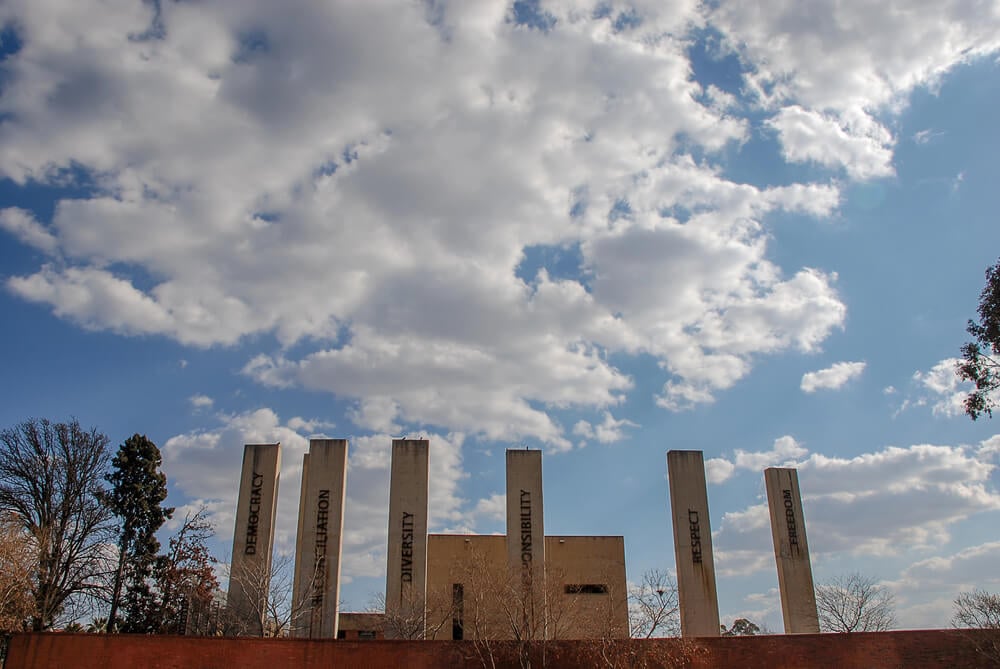
When Biko died in custody in September 1977, the justice minister implied he’d starved himself on a hunger strike and said the death left him cold. An inquest found nobody responsible.
For twenty years that was the official record. In 1997, five former security policemen applied to the Truth and Reconciliation Commission for amnesty.
They admitted to a violent “scuffle” in which Biko’s head hit a wall, to keeping him chained afterward, and to agreeing on a false version of events. The commission refused them amnesty because it judged they still weren’t telling the full truth.
Even so, the hunger strike story died in that hearing room.
18. Eugene de Kock Names His Superiors
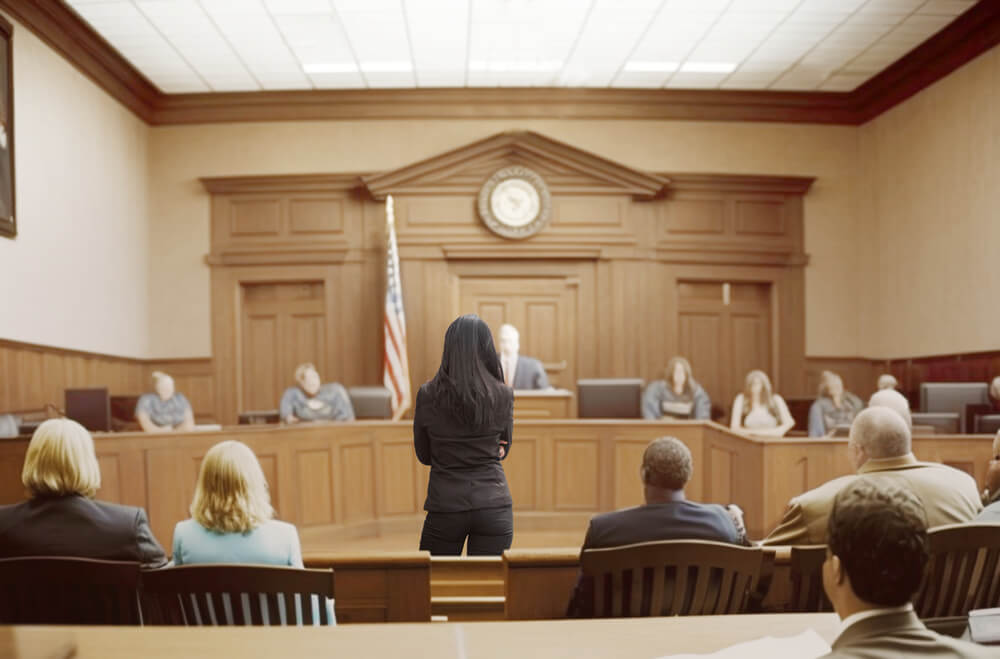
De Kock commanded the police death squad based at Vlakplaas, a farm outside Pretoria. A court gave him two life sentences plus 212 years in 1996.
Then he started talking, to the courts and to the Truth Commission, in flat and exact detail. He described bombings, abductions, and burned bodies, and he named the generals and cabinet ministers he said had known.
The defence that apartheid’s killings were the work of a few rogue officers didn’t survive his testimony. Several families found their relatives’ remains because of what he told them.
19. Lance Armstrong Tells Oprah
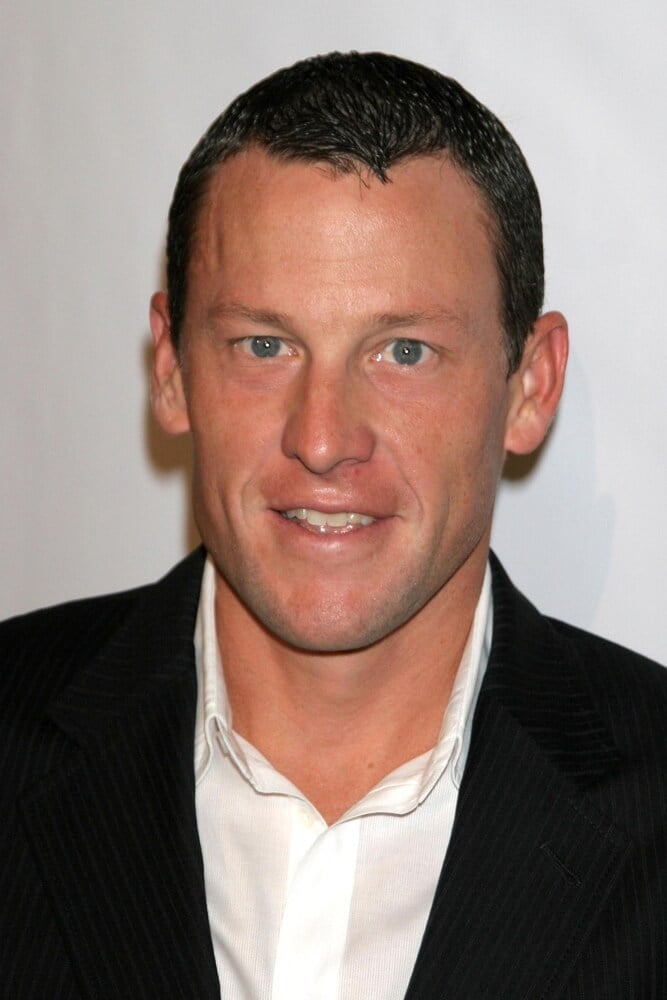
Seven Tour de France titles, a cancer comeback, a charity that raised half a billion dollars, and a decade of furious denials backed by lawsuits against anyone who doubted him. In January 2013, Armstrong sat across from a talk show host and answered yes to five questions in a row.
Yes to blood doping, yes to every banned substance she listed, yes to all seven Tours. The record books now show no winner for those years.
So many runners-up were also implicated that officials couldn’t find anyone clean to promote.
20. The 1919 World Series Fix
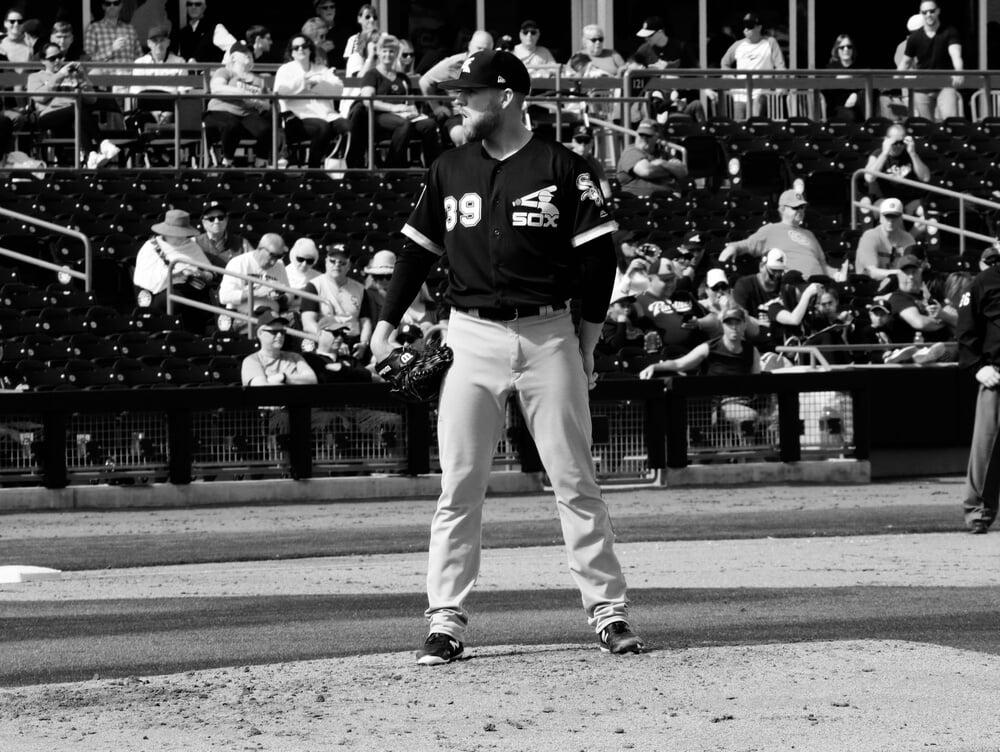
In September 1920, Chicago White Sox pitcher Eddie Cicotte walked into a grand jury room and admitted that he and seven teammates had taken gamblers’ money to lose the previous year’s championship. Shoeless Joe Jackson confessed the same day.
Then the signed confessions vanished from the prosecutor’s office before trial, and a jury acquitted everyone. It didn’t matter.
The sport’s new commissioner banned all eight for life the next morning. America’s national pastime had been for sale, and the players themselves had said so.
21. The Vatican on Galileo
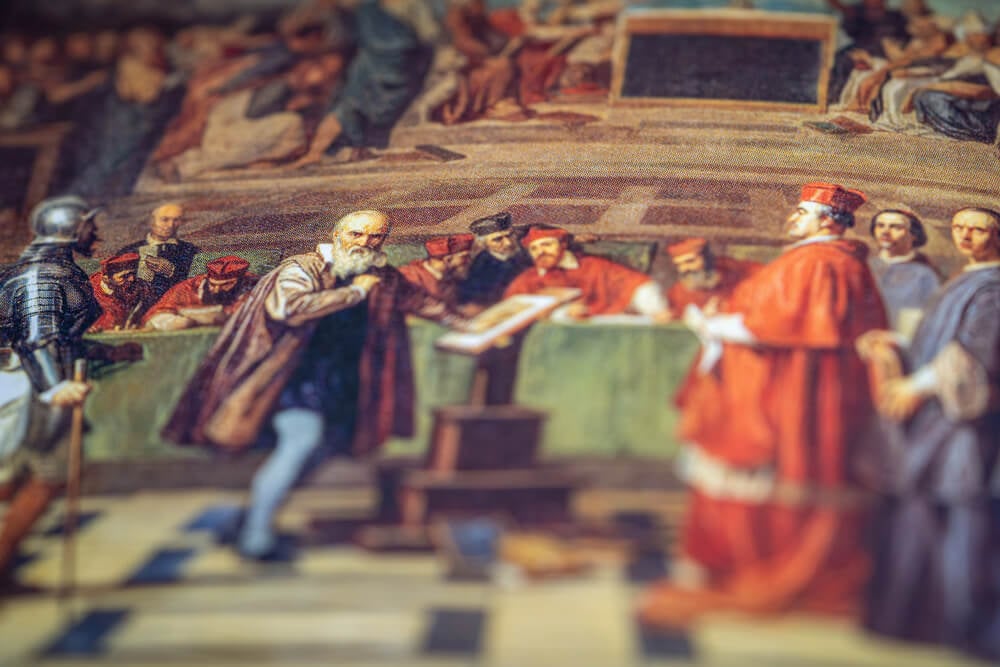
In 1633, the Inquisition forced Galileo to his knees to renounce the idea that the earth moves around the sun. He spent his remaining years under house arrest.
In 1979, Pope John Paul II asked a commission to look at the case again. Thirteen years later, on 31 October 1992, the Pope formally accepted its finding that Galileo’s judges had been wrong.
The earth had gone around the sun 359 times in the interval. Institutions confess slowly, but this remains the record.
22. Klaus Fuchs

Fuchs was a brilliant German-born physicist who worked at the heart of the Manhattan Project and later headed theoretical physics at Britain’s atomic research centre. In January 1950, under gentle questioning by an MI5 officer, he admitted he’d passed bomb designs to the Soviet Union for seven years.
His confession led investigators to his courier, then to a machinist at Los Alamos, then to Julius and Ethel Rosenberg. It also answered a question that had baffled Washington: how Stalin got the bomb so fast.
23. Anthony Blunt
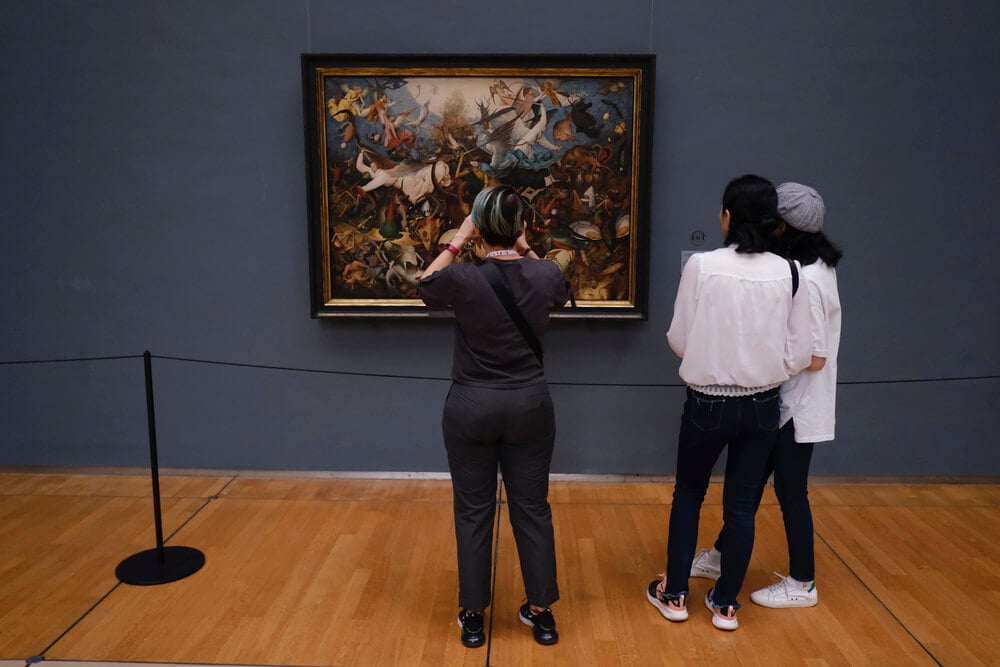
Sir Anthony Blunt was Surveyor of the Queen’s Pictures, a knight, and the most respected art historian in Britain. In 1964 he confessed to MI5 that he’d spied for Moscow since the 1930s, as the fourth man in the Cambridge ring.
The government gave him immunity and kept him in his palace job. For fifteen years he went on hanging royal paintings with his secret intact.
Margaret Thatcher named him in Parliament in 1979. The scandal wasn’t only that he’d spied, but that the establishment had known and looked after its own.
24. Rudolf Höss at Nuremberg
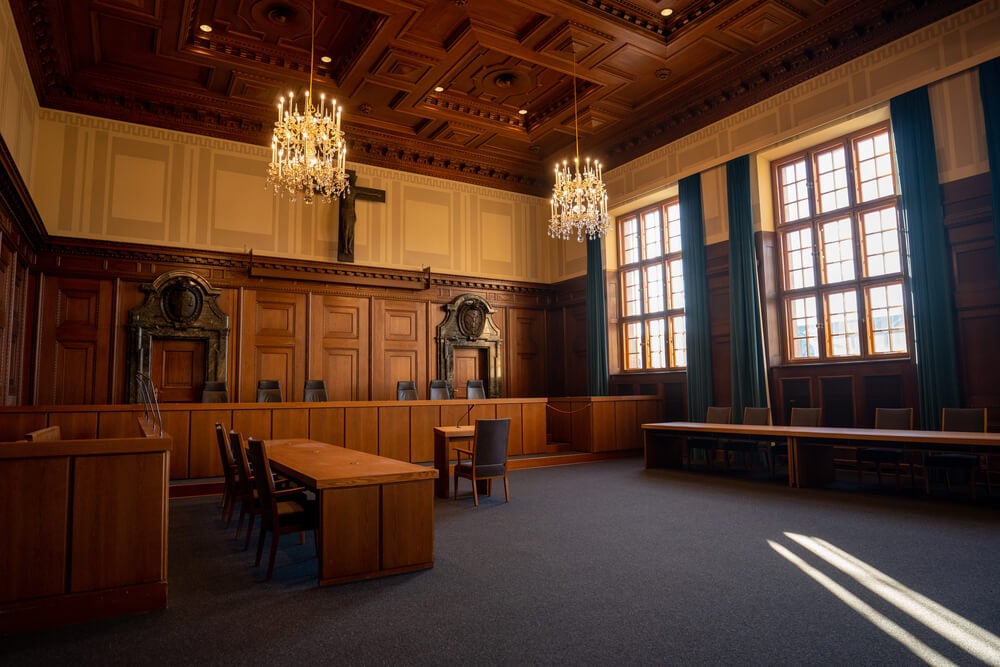
The defence at Nuremberg called the former commandant of Auschwitz as a witness, hoping he’d help one of the accused. Instead, in April 1946, Höss calmly confirmed a sworn statement describing how the camp had murdered people by the hundreds of thousands, and how he’d improved the process.
He spoke like a factory manager reviewing output. His figures were wrong, inflated beyond what later research supports.
His testimony on the method stands. One American psychologist who interviewed him found the calm more disturbing than any cruelty.
25. Oskar Gröning Breaks His Silence
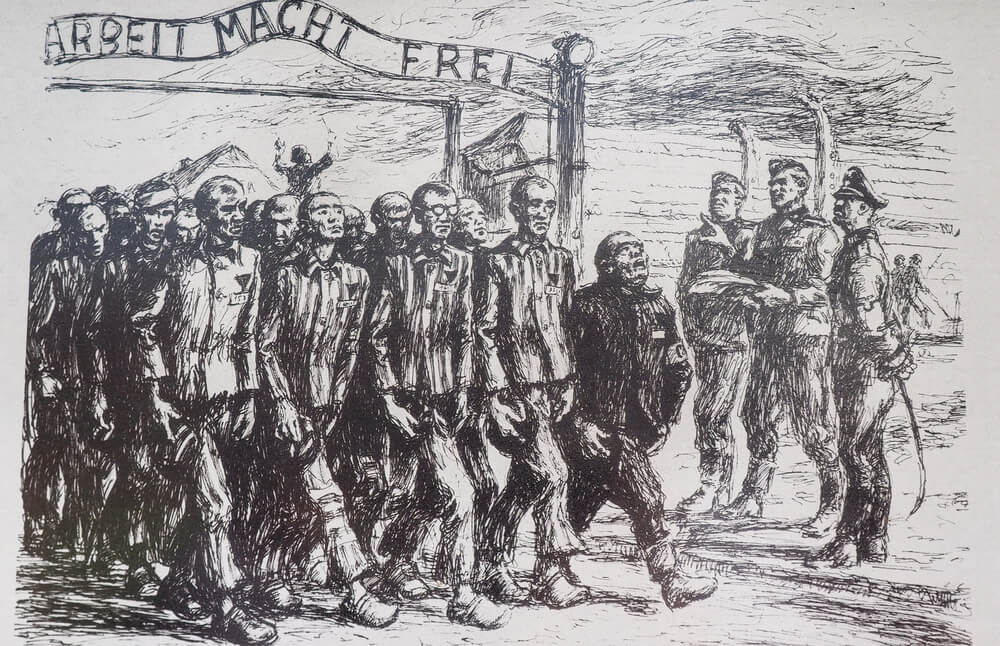
Gröning had counted money taken from prisoners at Auschwitz, then lived quietly for forty years as a payroll clerk. In the 1980s a fellow stamp collector handed him a pamphlet claiming the Holocaust never happened.
Gröning sent it back with a note: he’d been there, and it was all true. He later told his story to a British documentary crew and a German news magazine.
“I saw the gas chambers. I saw the crematoria,” he said. A German court convicted him in 2015 as an accessory to murder, at the age of 94.
Deniers have no answer to a perpetrator who insists it happened.
26. Milam and Bryant in Look Magazine

In September 1955, an all-white Mississippi jury took 67 minutes to acquit two men of murdering Emmett Till, a 14-year-old boy from Chicago. One juror said they’d have been quicker if they hadn’t stopped for a cold drink.
Four months later, the two men sold their story to a national magazine for a few thousand dollars. Protected by double jeopardy, J.W. Milam and Roy Bryant described the abduction and killing in detail.
The article stripped away any pretence that the trial had been about evidence. It pushed thousands of Americans into the civil rights movement.
27. Major Henry and the Dreyfus Forgery
Captain Alfred Dreyfus, a Jewish officer in the French army, was convicted of treason in 1894 on thin evidence and sent to Devil’s Island. When doubts grew, the army produced a letter that named him outright.
France tore itself in two over the case. In August 1898, an officer examining the letter under a lamp noticed it was made of two different papers glued together.
Major Hubert-Joseph Henry of army intelligence confessed he’d forged it. He was found dead in his cell the next day.
Dreyfus waited eight more years for full exoneration, but from that night the army’s case was finished.
28. John Profumo

In March 1963, Britain’s Secretary of State for War stood in the House of Commons and denied any impropriety with a 21-year-old model named Christine Keeler, who was also seeing a Soviet naval attaché. Ten weeks later he confessed he’d lied to Parliament and resigned.
The government fell within the year. The affair ended the British habit of assuming gentlemen in office told the truth.
Profumo spent the next forty years washing dishes and raising funds at a charity in London’s East End, and never spoke publicly about it again.
29. Chirac at the Vel d’Hiv
On 16 and 17 July 1942, French police arrested around 13,000 Jews in Paris, including 4,000 children, and held them in a cycling stadium before deportation. Almost none returned.
For fifty years, French presidents maintained that the wartime Vichy regime wasn’t the real France, so France bore no guilt. On the anniversary in 1995, newly elected President Jacques Chirac ended that.
France, he said, had committed the irreparable. It was French police, French buses, French orders.
One speech ended an excuse the nation had sheltered behind for half a century.
30. General Aussaresses on Algeria
France spent decades referring to the Algerian War as “operations to maintain order.” In 2001, an 83-year-old retired general named Paul Aussaresses published a memoir describing how his unit tortured and executed prisoners in Algiers in 1957.
He named two famous detainees whose deaths had been passed off as self-inflicted, and said he’d ordered them killed. He expressed no regret.
A court fined him, and the president stripped him of his Legion of Honour. But his account pushed the French state toward its own admissions, which finally came from the Élysée in 2018 and 2021.
After the Words Are Out
The practical lesson is simple: hold official versions loosely, especially the tidy ones. Ask who benefits from the story as told, and who is still alive to contradict it.
Notice how many of these people were old when they spoke. A secret is heavy, and it gets heavier with age.
History owes a surprising amount to tired men and women who decided, near the end, that they’d rather be known truthfully than remembered well.
More from Go2Tutors!

- The Romanov Crown Jewels and Their Tragic Fate
- 13 Historical Mysteries That Science Still Can’t Solve
- Famous Hoaxes That Fooled the World for Years
- 15 Child Stars with Tragic Adult Lives
- 16 Famous Jewelry Pieces in History
Like Go2Tutors’s content? Follow us on MSN.